

You may have the world if I may have Italy.
– Giuseppe Verdi
Fall 2024
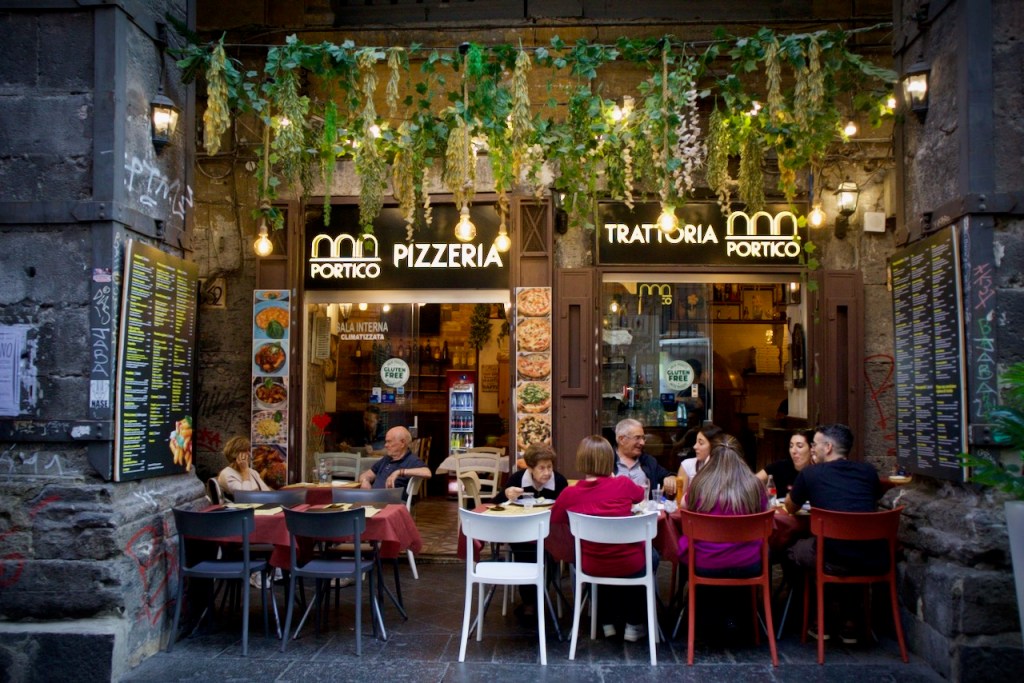
Between and after yoga teacher training near Rome and a volunteering stint at an eco-community not far from San Marino, I had the luxury to do a tour of classic Italia for a month off-season. Beginning in Bologna, the adventure took me to Naples and Rome, Orvieto and Spoleto, Assisi and Spello, Perugia and Gubbio, Siena and Firenze, Verona and Genova, ending in Turin and Milan. Che grande bellezza, so much that my eyes – and heart – cannot hold! Thousands-year-old ruins and UNESCO World Heritage sites, gothic churches and medieval towns, royal palaces and world-class museums, neoclassical galleries and Art Nouveau theatres, Renaissance gardens and Mediterranean islands… Italy has it all. And so much more! Two and a half months of some of the best slow foods I have ever tasted and most fun travels meeting Italians. Che piacere/what pleasure!

Bologna: the Big-Head, the Fat, and the Red
Bologna, you know I missed you a lot.
– Lucio Dalla
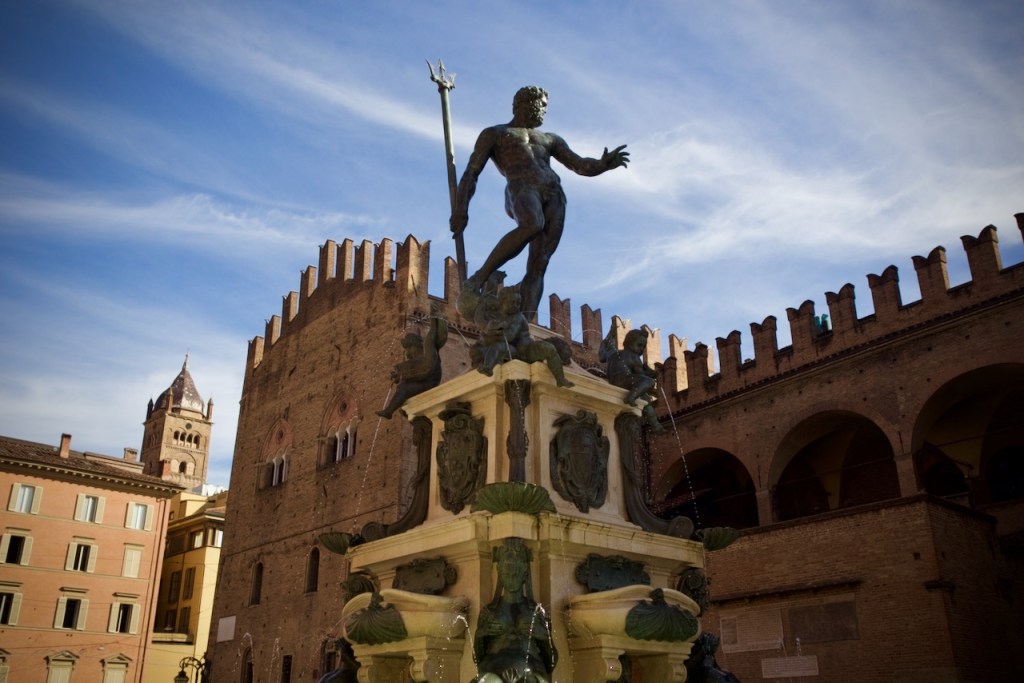
Love at first sight, despite Fall rainy weather. I feel like a fish in water in Bologna, soaking in the academic vibes, enjoying the cucina, and endlessly clicking my camera in highly photogenic quarters. Nicknamed “la Dotta, la Grassa, la Rossa“/the big-head, the fat, and the red, the city is famous for the oldest university in the world (since 1088!), food obsession, and the red brick buildings – as well as left political leanings. Years back, as a graduate student in Paris, I was supposed to spend a semester in Bologna, but life took me to Cologne instead. The one-letter difference – from B to C – made history, at least mine. Better late than never!
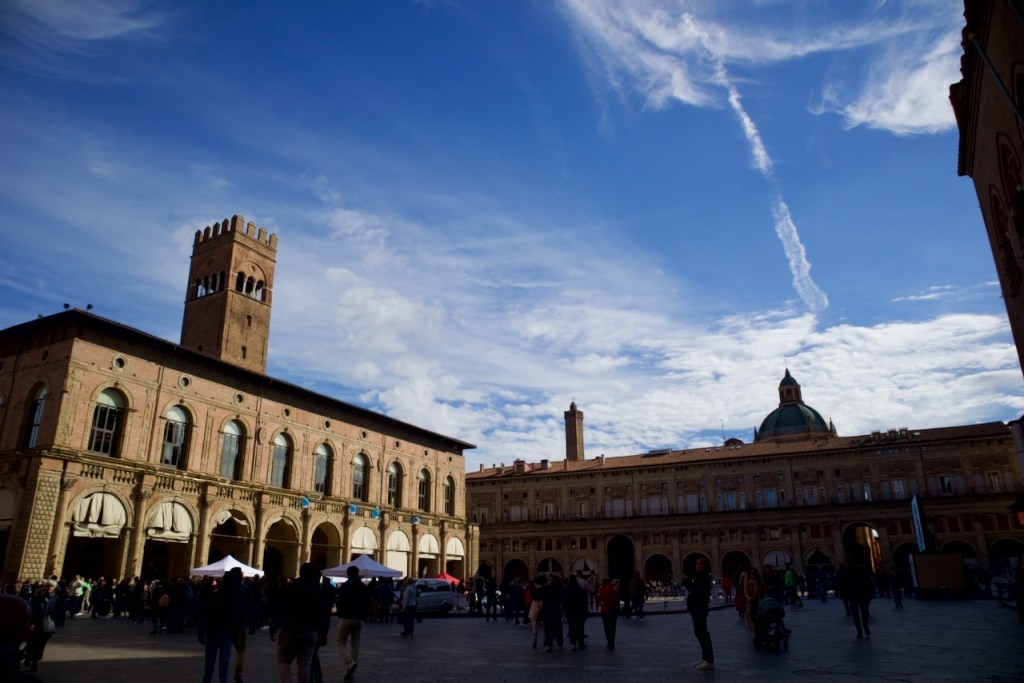
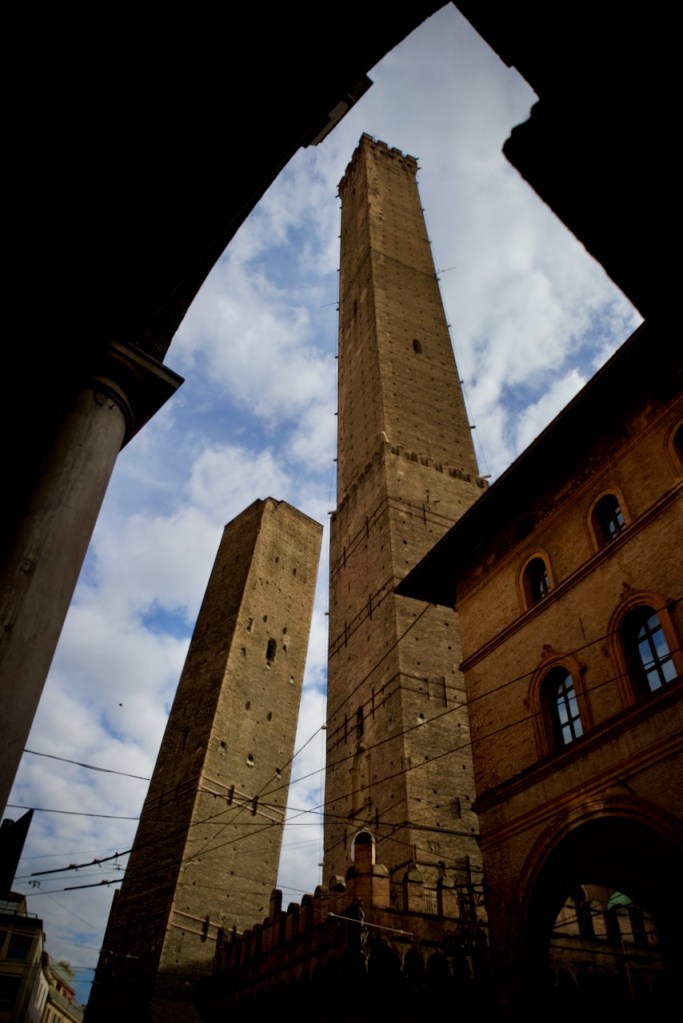
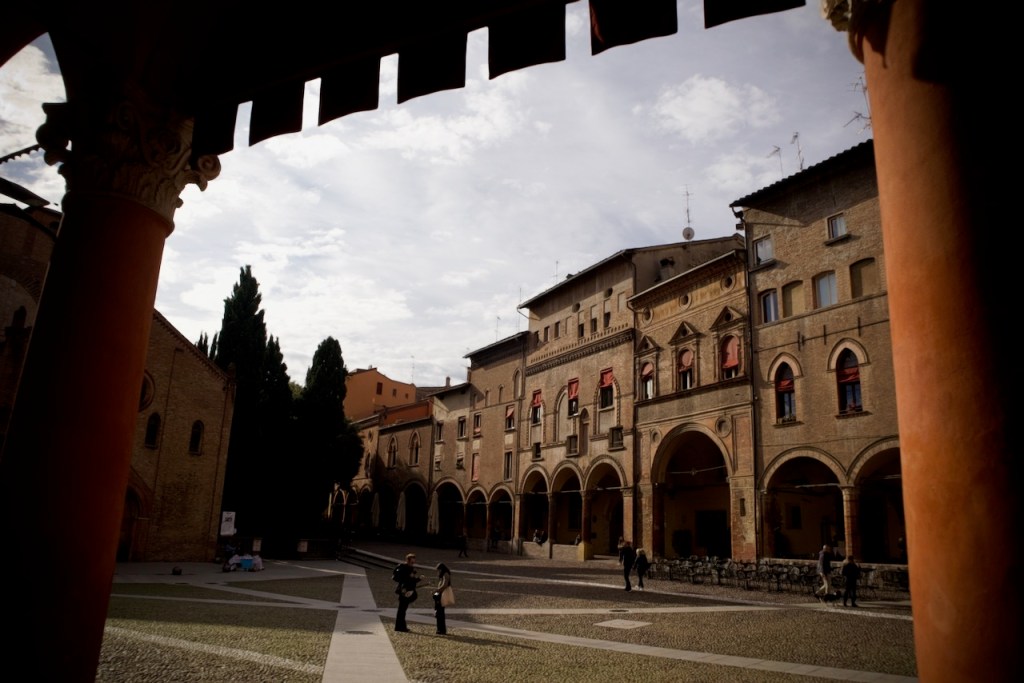
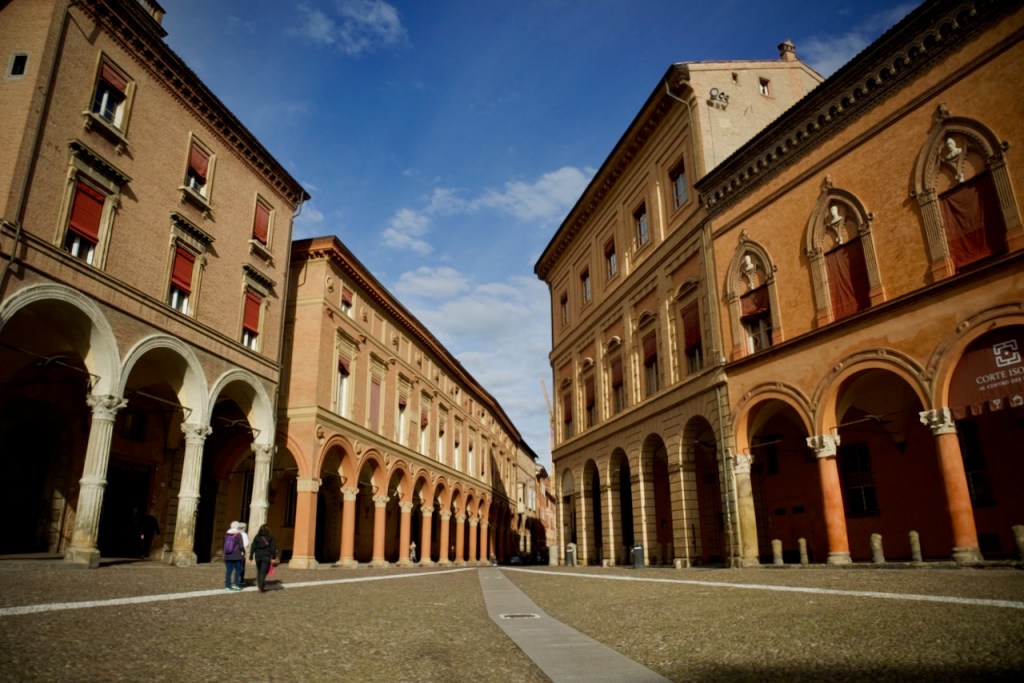
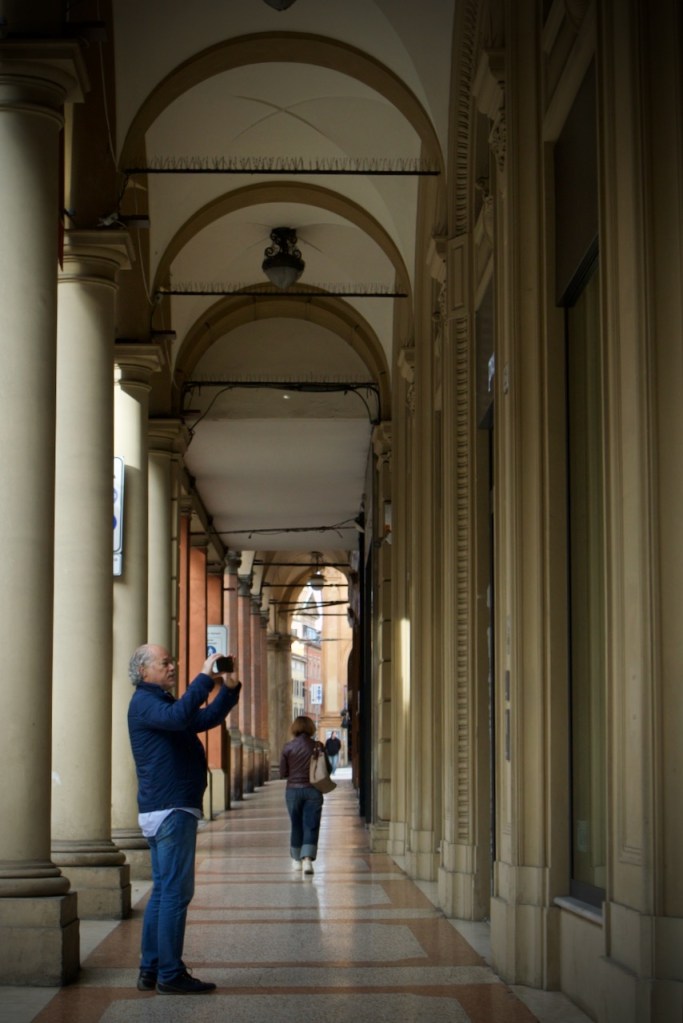
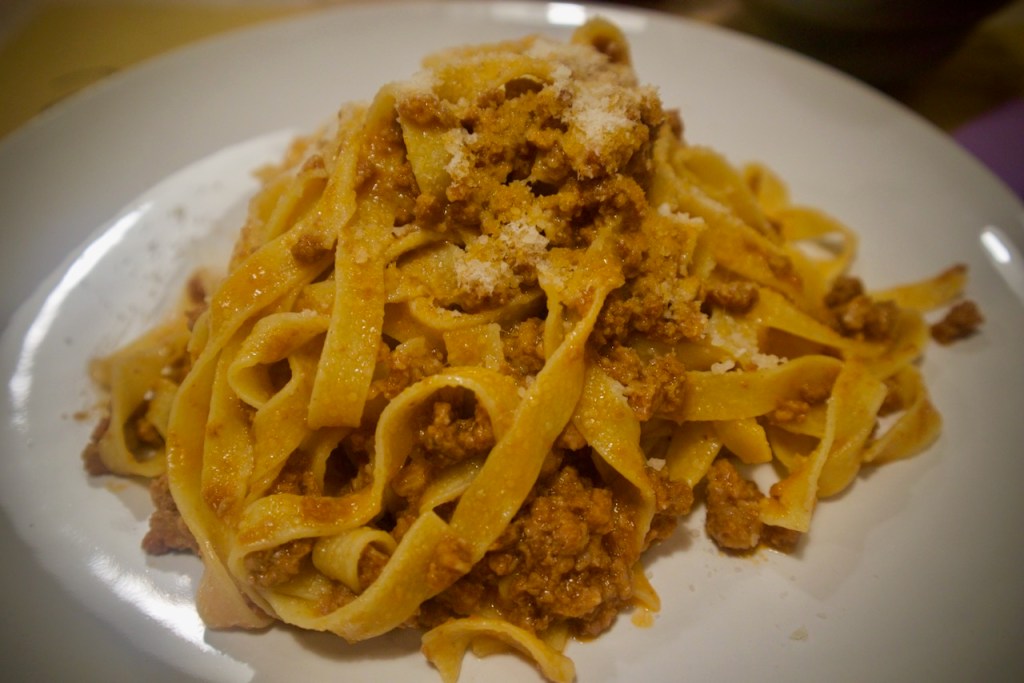
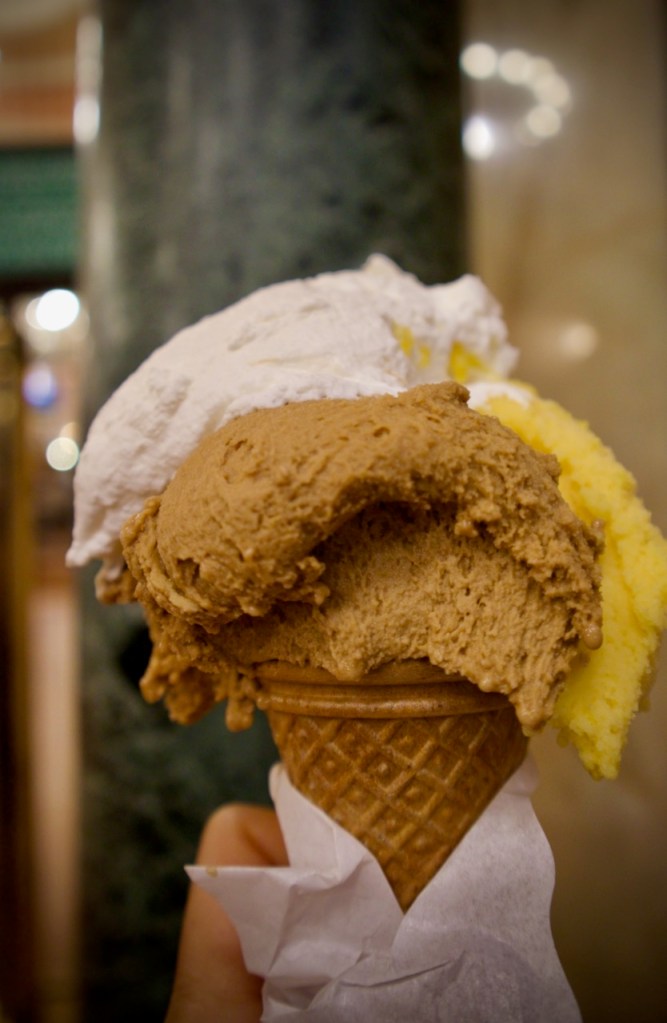
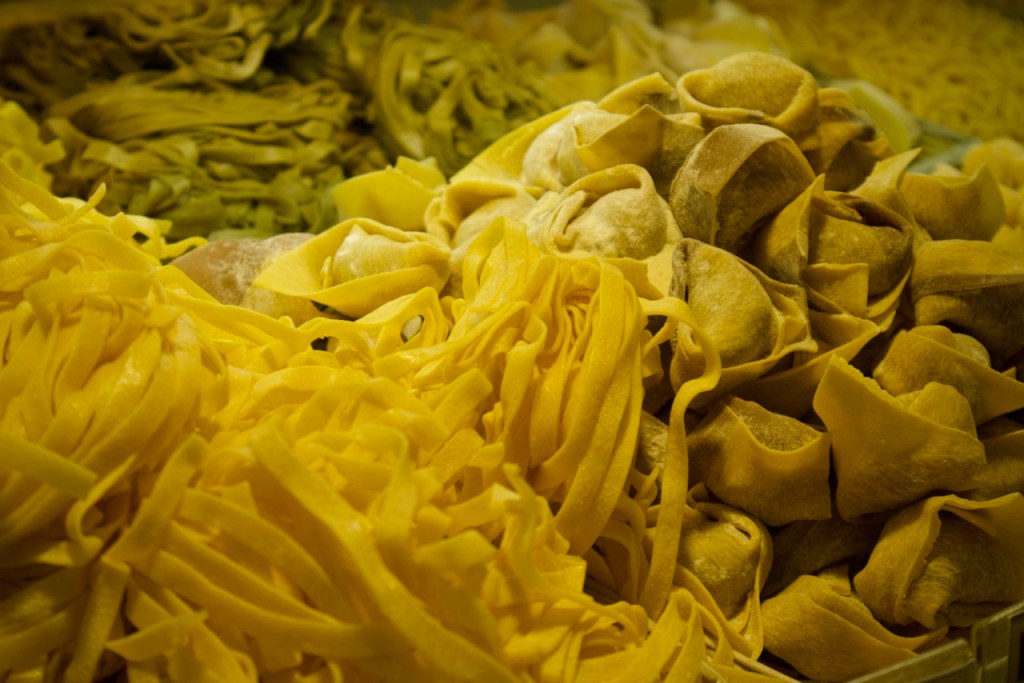
Lucio Dalla is right, nobody gets lost, not even a child in the center of Bologna. All roads lead to the Fontana di Nettuno – Bologna’s unmistaken symbol – that opens up to the stupendous Piazza Maggiore. I venture into the Biblioteca Salaborsa set in gorgeous Palazzo d’Accursio – envying lucky readers leisurely browsing La Republica – and gaze in awe at the Palazzo del Podesta. It’s Saint Petronio Day and a full procession is on display in front of the massive Basilica. The majestic 12th century twin towers of the Asinelli and the Garisenda are just steps away next to the bustling Quadrilateral alleyways famous for a craft and trading tradition dating back to the Middle Ages. I follow Via Santo Stefano to the eponymous sanctuary of “seven churches” and then find myself on Via Zambon in the lively university quarter. But what endears me most in Bologna is the 50km-network of porticoes – built to accommodate the students and scholars after the university was built – where light and shadow play magic under the vaults. The stroll from Porta Saragozza to San Luca through a series of 666 historic porticos – where locals jog and have their wedding pictures shot – is a photographer’s dream natural studio. And when the workout is over, one can always enjoy a plateful of freshly prepared tagliatelle Bolognese, followed by a gelato – or two – al cioccolato and pistacchio!







Vedi Napoli e poi muori/See Naples and then die
Napoli is an heaven on earth; everyone lives in a sort of drunkeness and oblivion.
– Goethe, Viaggio a Napoli (1787).
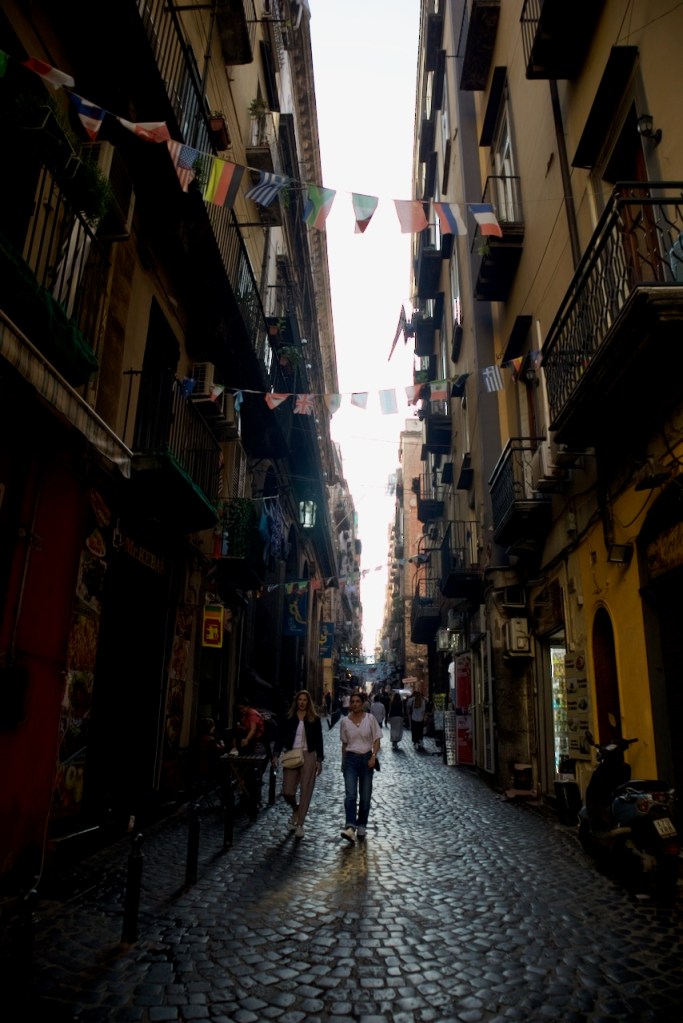
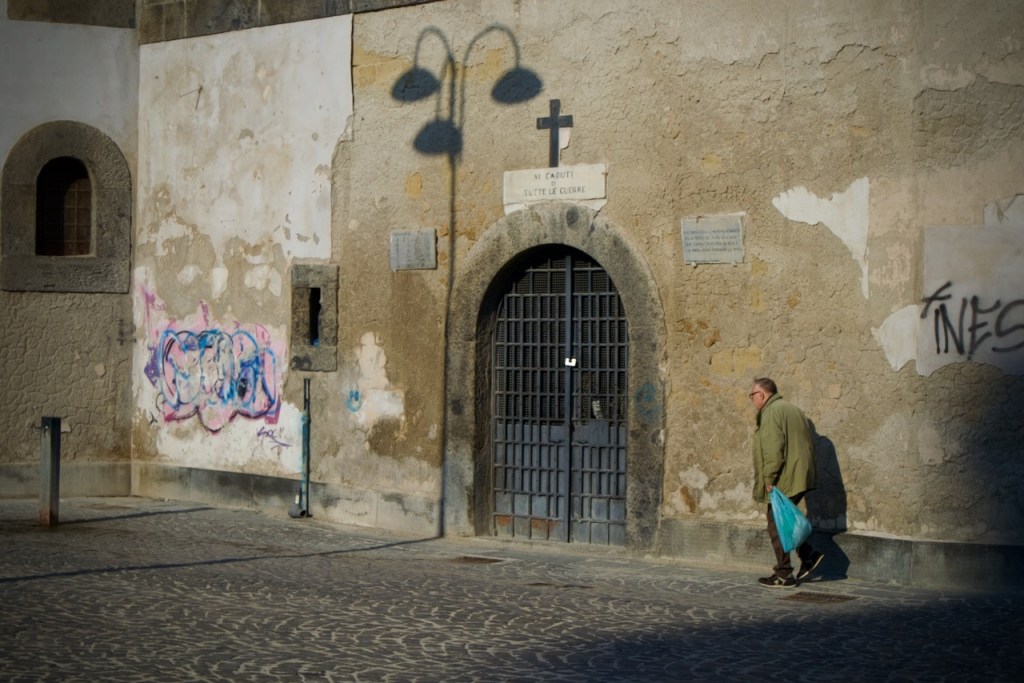
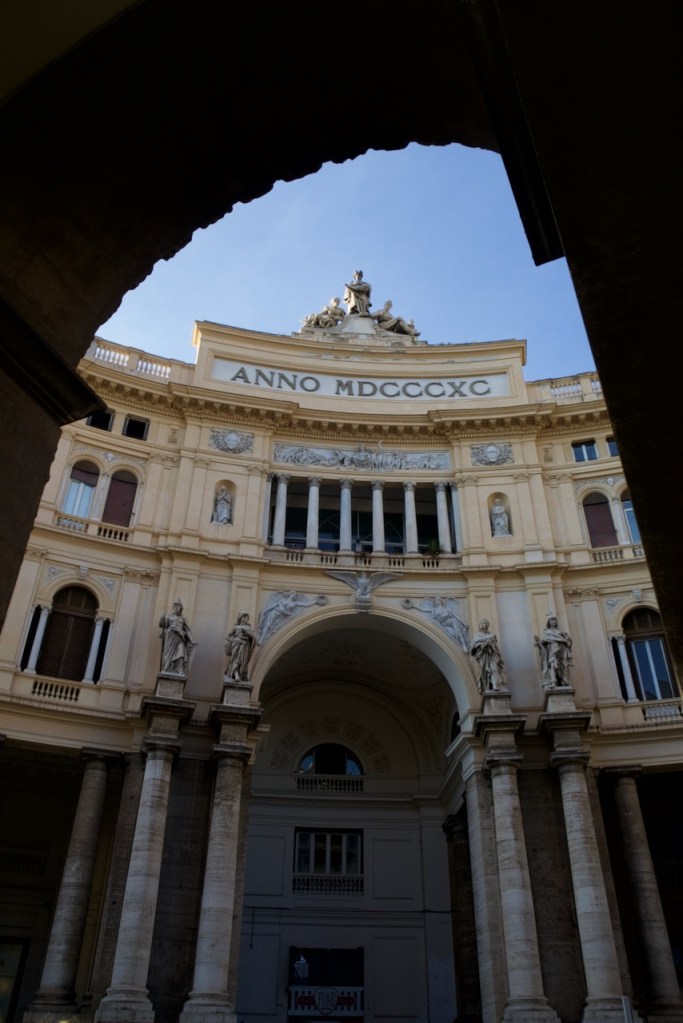
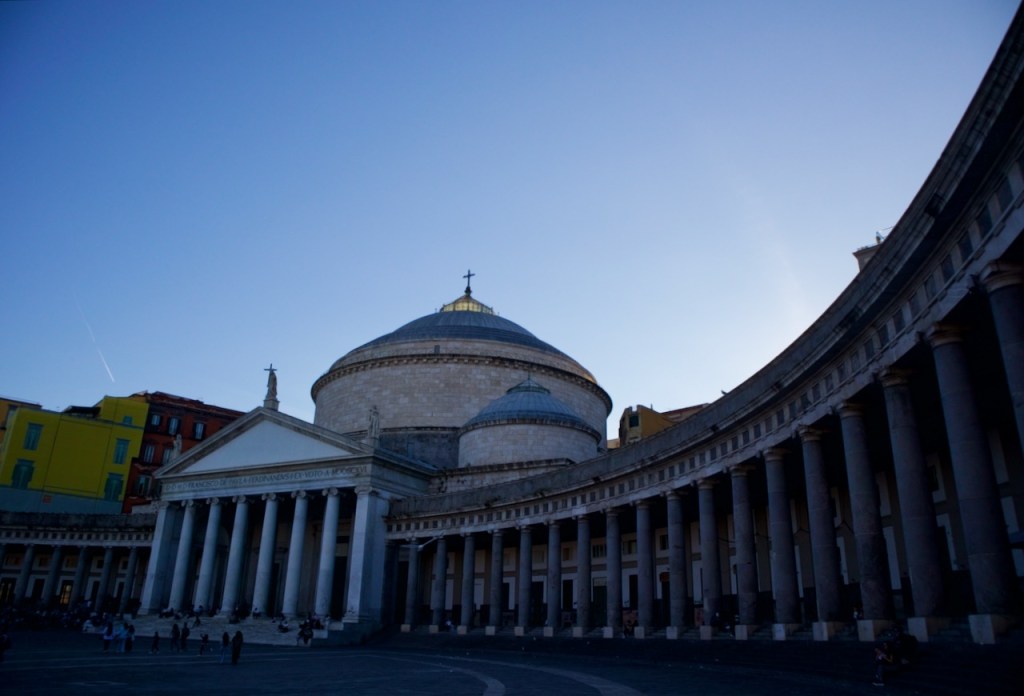
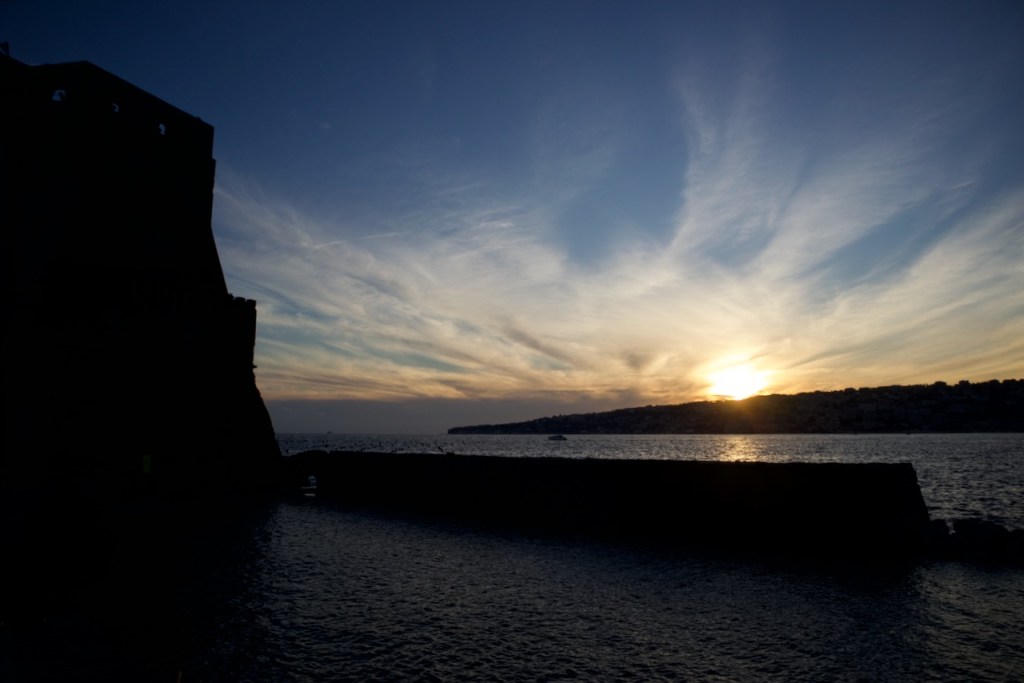
I consider myself lucky to see Naples twice after a first visit during Covid en route to Africa. Founded by Greeks, older than Rome, and independent for centuries before becoming part of Italy, Naples is fiercely proud of her language and culture. No words – or photos – can capture this larger-than-life city famous for so many things from pizza to street food, soccer and Maradona. Muscle memory takes me from Castle Novo by the sea to neoclassical Galleria Umberto, Teatro San Carlo, and the Royal Palace in swarming Piazza del Plesbicisto. I drop by Gran Café Gambrinus for a sfogliatella before taking a lift up to San Elmo Castle in the beautiful neighbourhood of Vomero for a bird-eye view of the bay, ending my day in Spaccanapoli, the colourful Spanish quarter. Having visited enchanting Capri and Ischia in my last trip, I ride the morning ferry to exquisite Procida and then explore the Gulf of Sorrento – immortalized in Lucio Dalla’s soul-stirring megahit Caruso. In my last sunset walk along the seafront promenade to Posilipo, I catch myself repeating, I can live in Naples!






When in Rome, Do as the Romans Do – or Don’t!
Underneath Rome today is ancient Rome. So close. I am always conscious of that, and it thrills me. Imagine being in a traffic jam at the Coliseum!
– Fellini
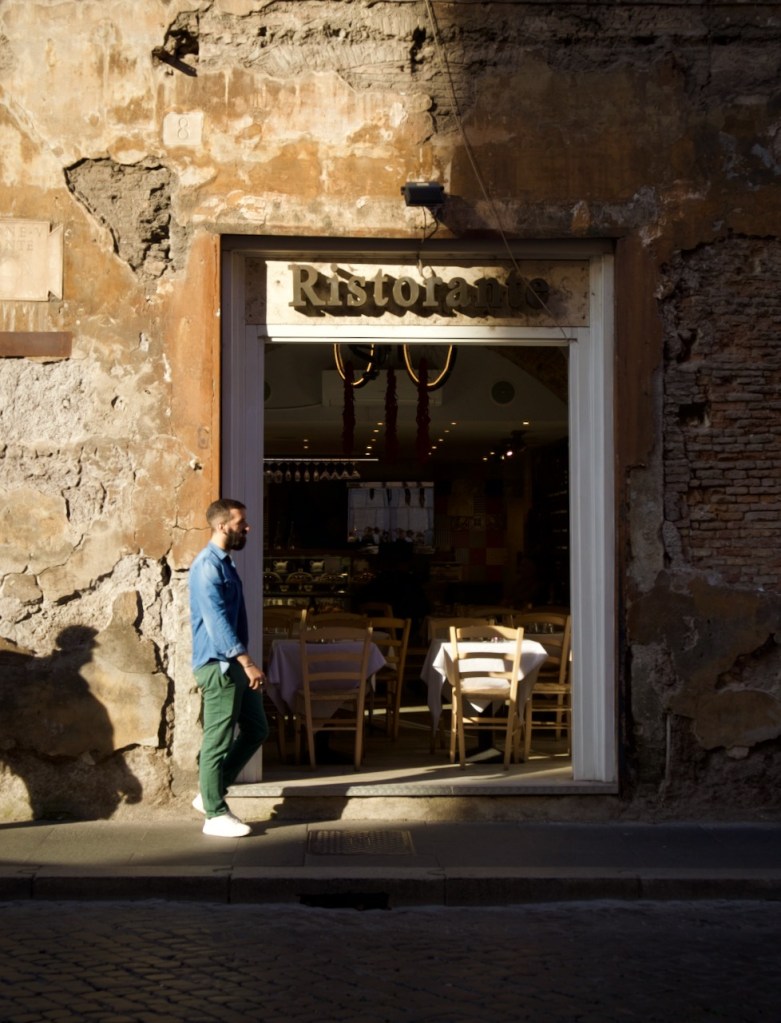
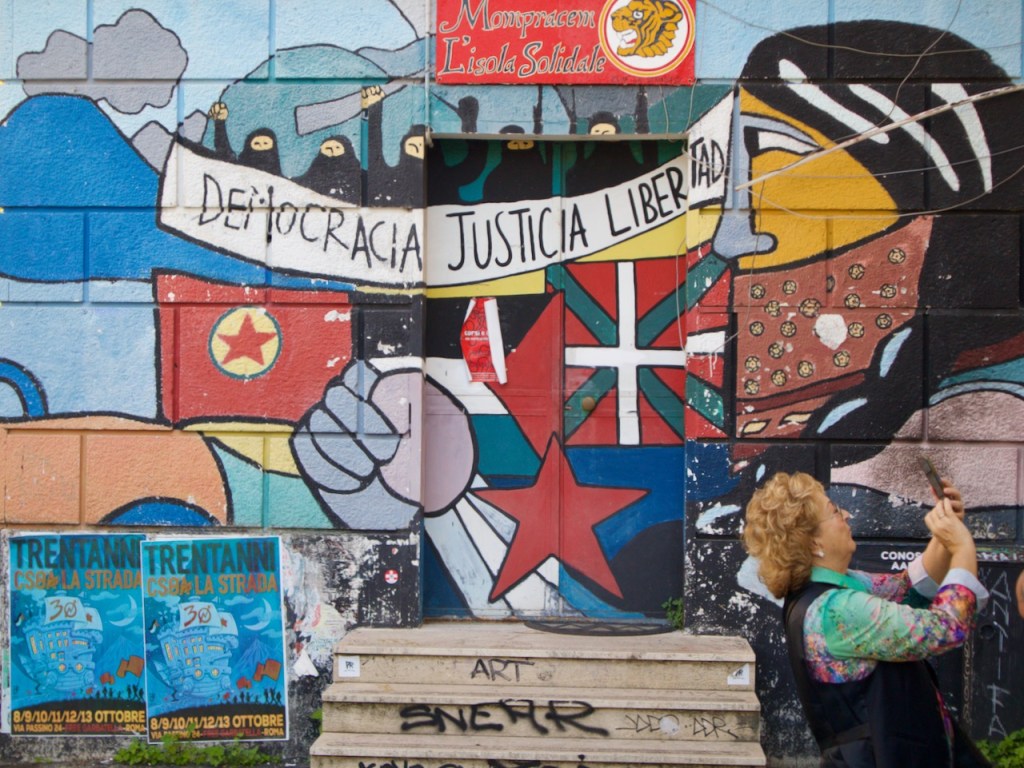
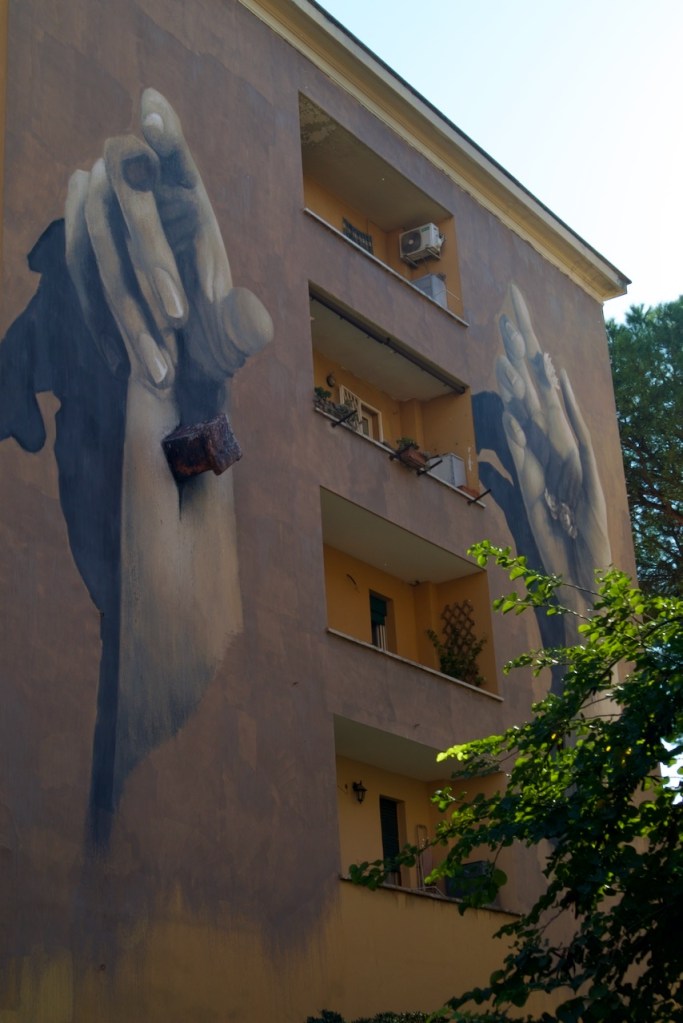
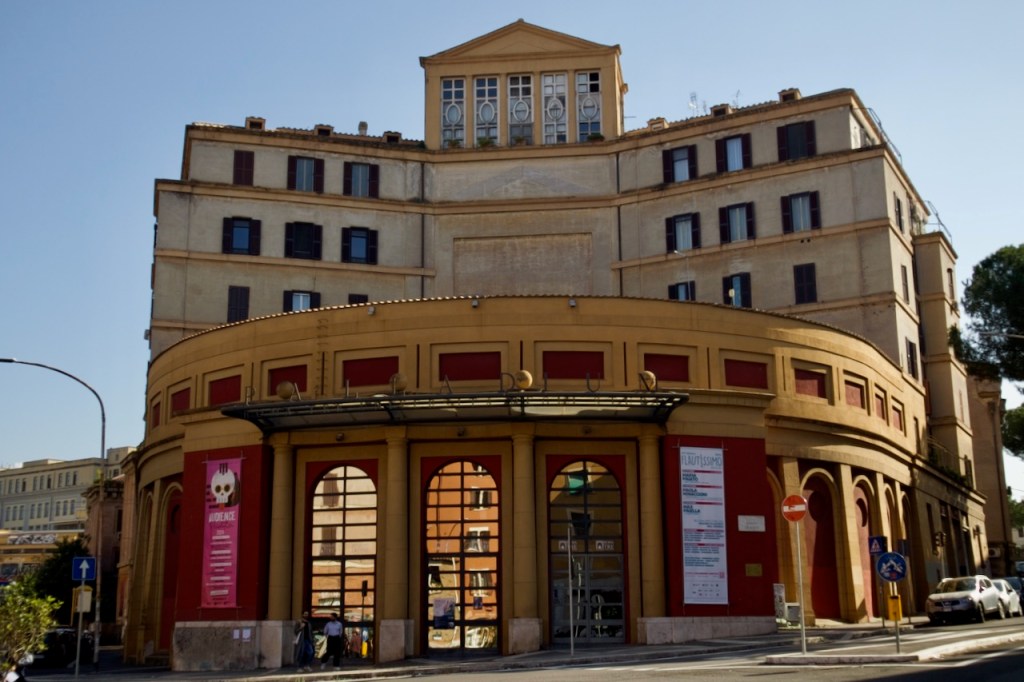
In old Rome you must see xyz, people say. Oh well, I find myself in the eternal city during the All Saints long weekend when the number of tourists surge beyond a million. Imagine a quarter each in the Coliseum, Roman Forum, Spanish Steps, and Trevi Fountain! Instead of joining the circus, I hunker down in the beautiful apartment of a retired pal (grazie mille, Nanthi!) and enjoy exploring the colourful murals and rich left-leaning history of the Garbatella district. The old Appian Way along the well-preserved city wall is just a stone’s throw away. The 700km-long first European “super highway” from Rome to Brindisi is a perfect example of Roman ingenuity.
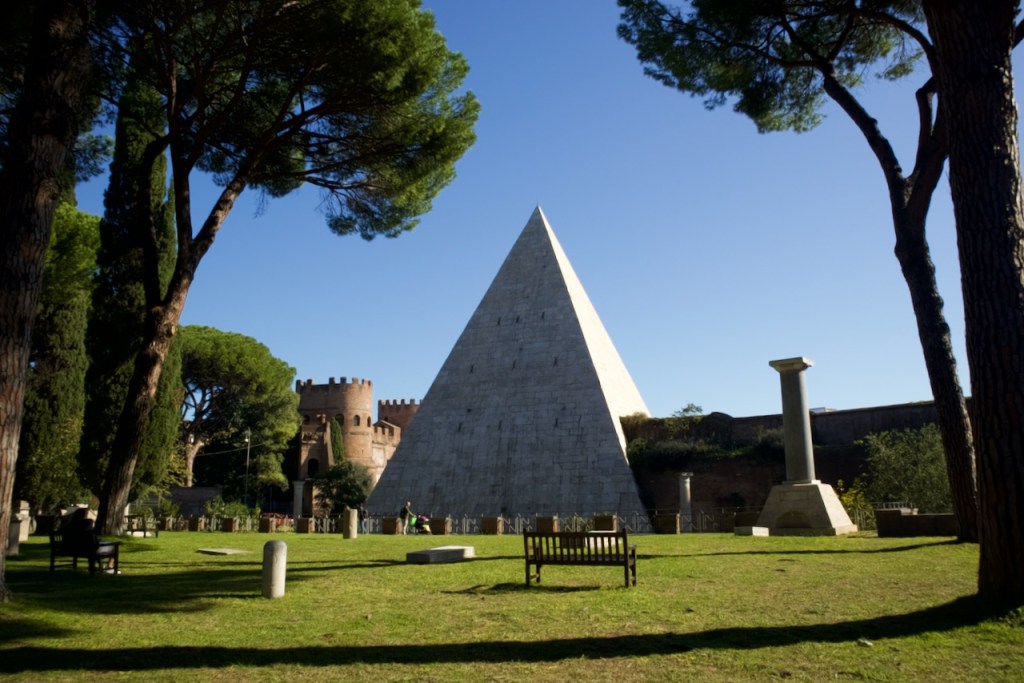
The next morning, I head in the direction of the Pyramid and then the Non-Catholic Cemetery to pay respect to Antonio Gramsci, a leading Italian intellectual whose ideas on cultural hegemony and civil society in his Prison Notebooks inspired my own work on the subject. The day is still young, and hip and bohemian Trastevere beckons me. I hike up the Gianicolo for a stupendous view of the city, and the descent was filled with flavours of pasta carbonara straight out of the frying pan in the passeggiatas near Piazza Santa Maria. Without doubt, I’m in Roma!
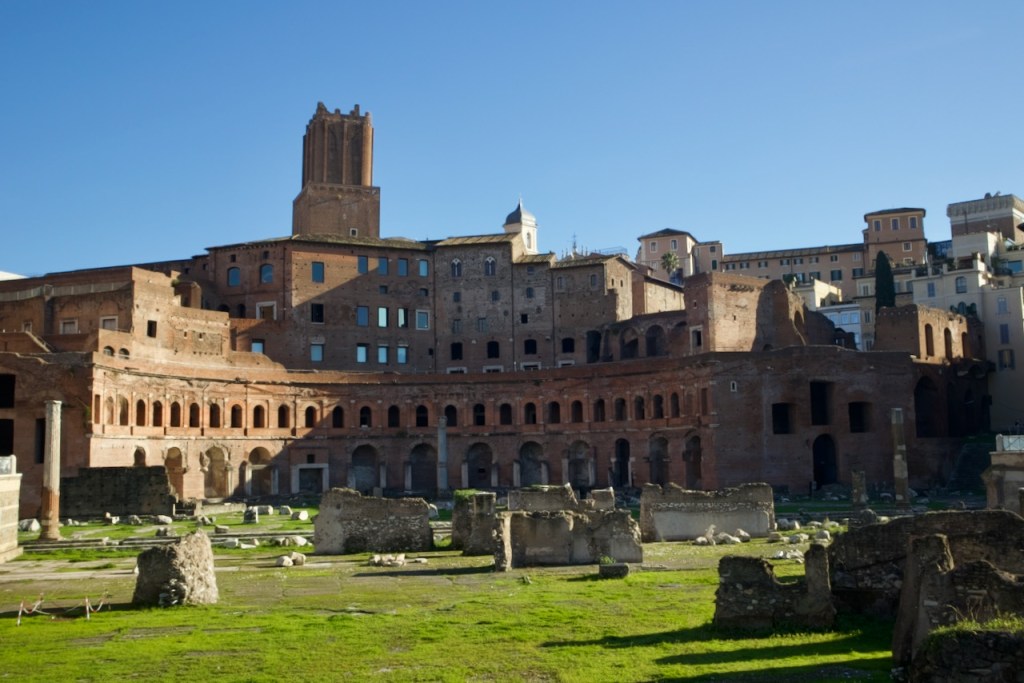
Finally, it’s time to brave the crowds on this first Sunday of November with free museum entries. The Capitoline, Roman Forum, Mercati di Traiano, Museo dell’Ara Pacis, the National Gallery of Modern and Contemporary Art, Museo di Roma, and Centrale Montemartini. What a bonanza! Yes, there’s every reason to revisit Rome – my fourth – for a lifetime cannot exhaust this fabulous capital city with all her sculptures and paintings, gardens and ruins, the old and the new, richness and chaos. Fellini is right. Imagine being in a traffic jam at the Coliseum! If you’re lucky, run for the hills or retreat to a villa!







Orvieto Classico
I ordered another half-bottle of Orvieto Abbocato, and then we talked about all sorts of things, about artichokes… travel… and the best way to the Via Appia.
– Max Frisch
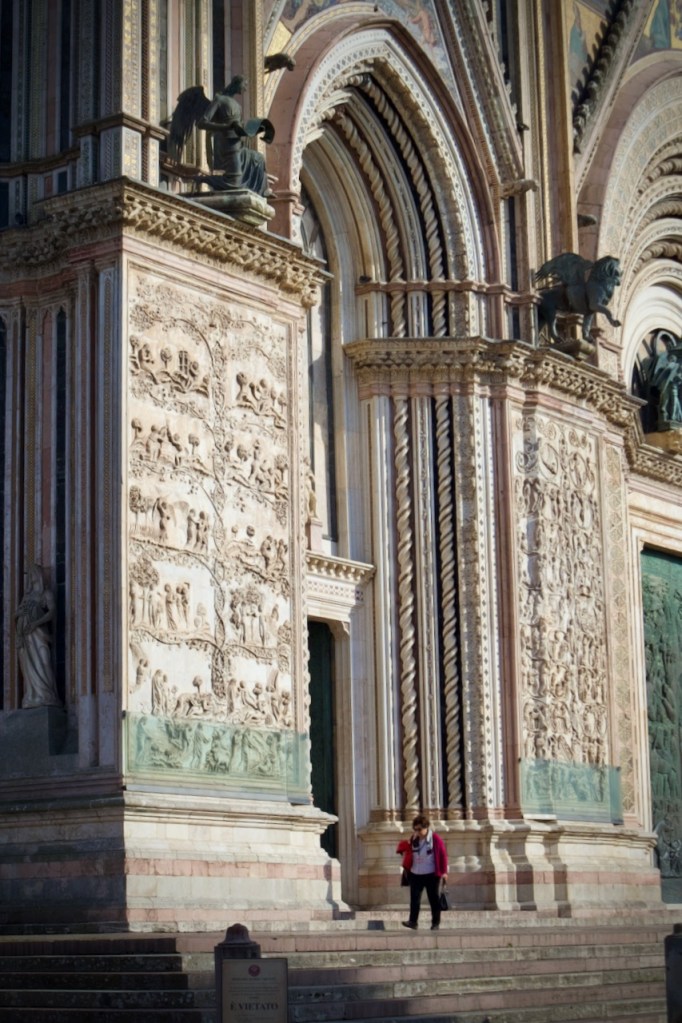
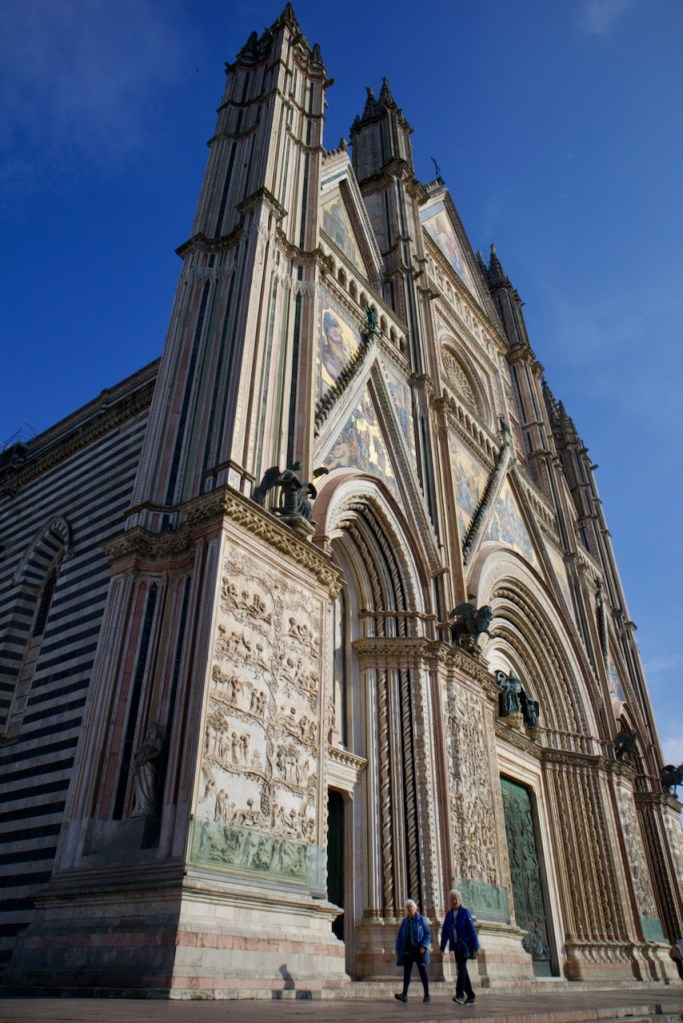
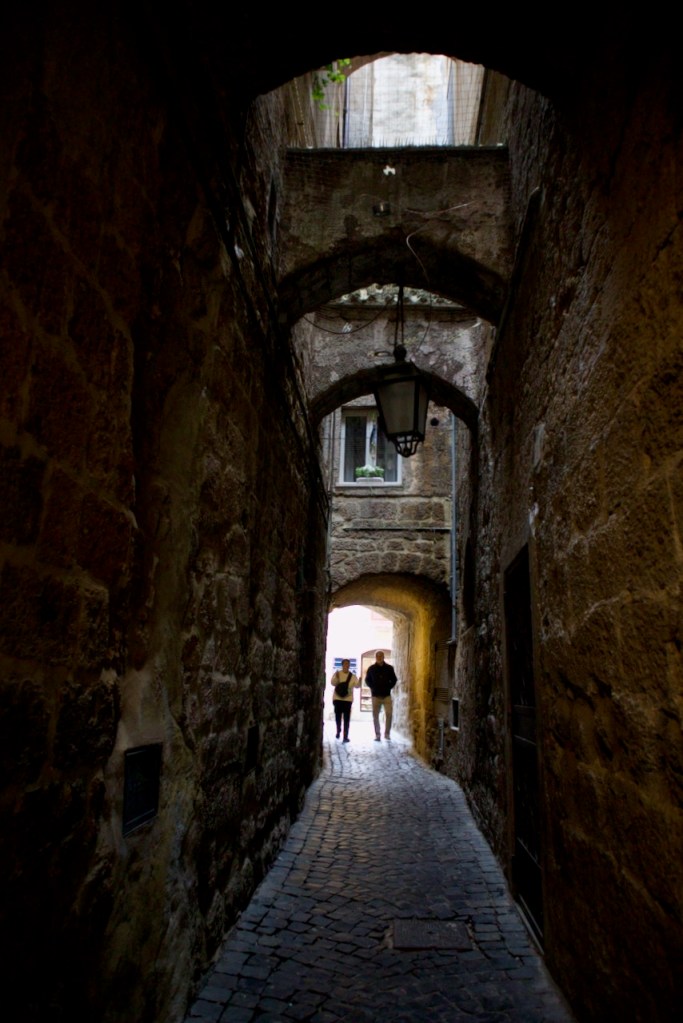
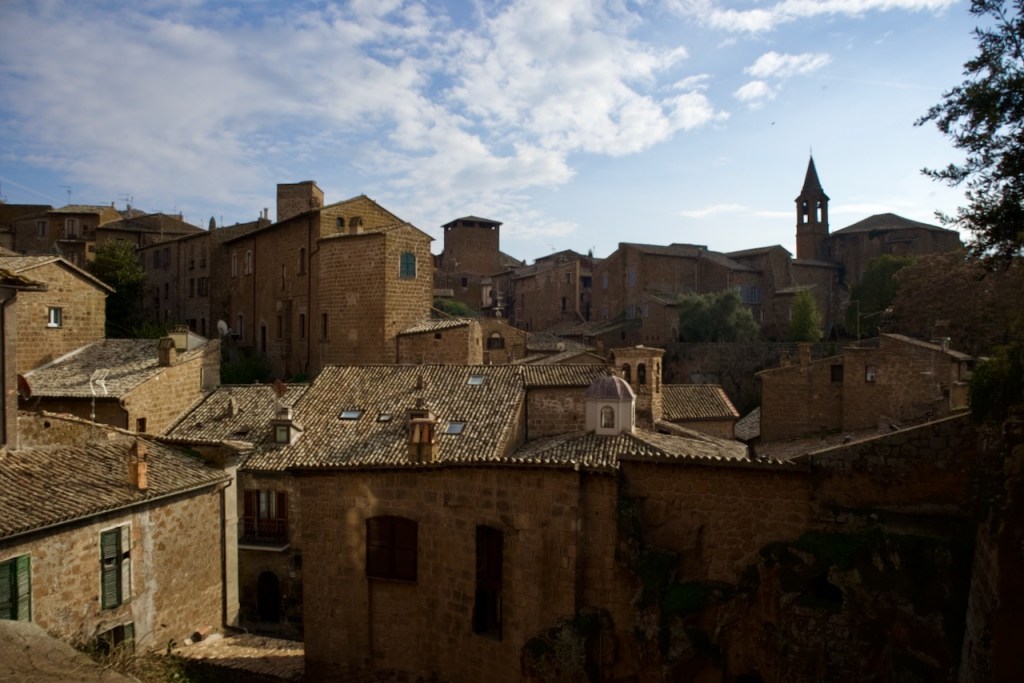
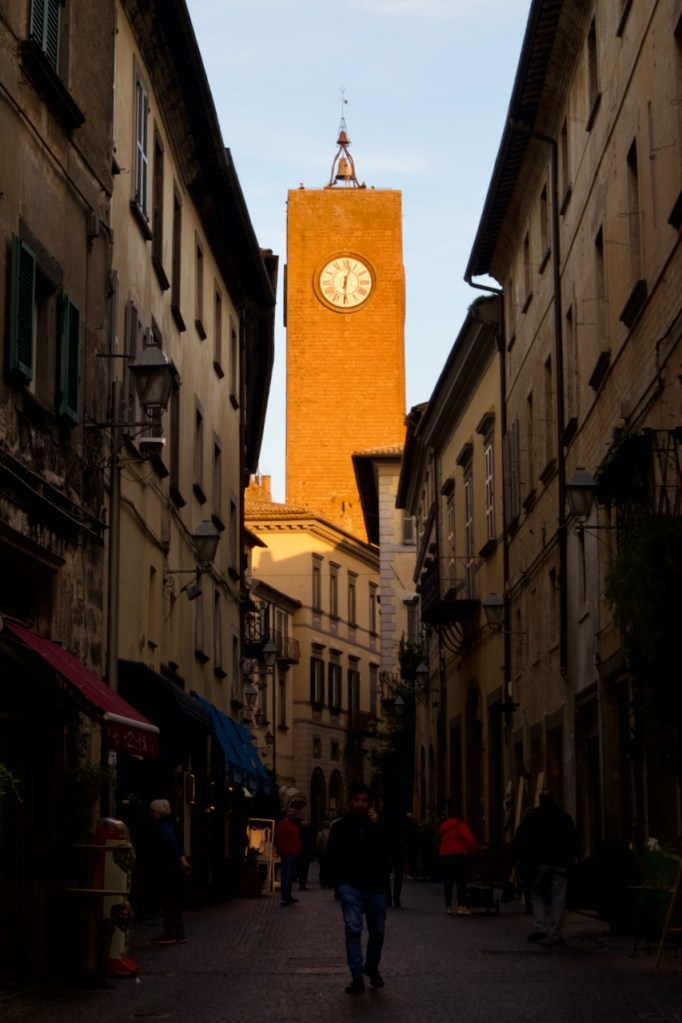
A bosom friend who studied in Perugia recommended Orvieto and a few other off-the-beaten-track Ternian and Umbrian gems. Perched on a cliff, the walled city boasts one of the most photogenic cathedrals, stunning palazzos, a mesmerizing medieval quarter oozing character, and an intriguing underground network of Etruscan-era caves, wells, and tunnels. What a discovery of this UNESCO World Heritage city known for her rich history, architecture, and, as always, il buono cibo/fantastic dishes. The Duomo – with a mosaic facade and black-white stripes in mixed Romanesque and Gothic styles dating back to 1290 – alone is worth a visit. The rest are bonus funky street art, sunset on Corso Cavour, and vintage Orvieto Abbocato.





Spoleto and Truffles
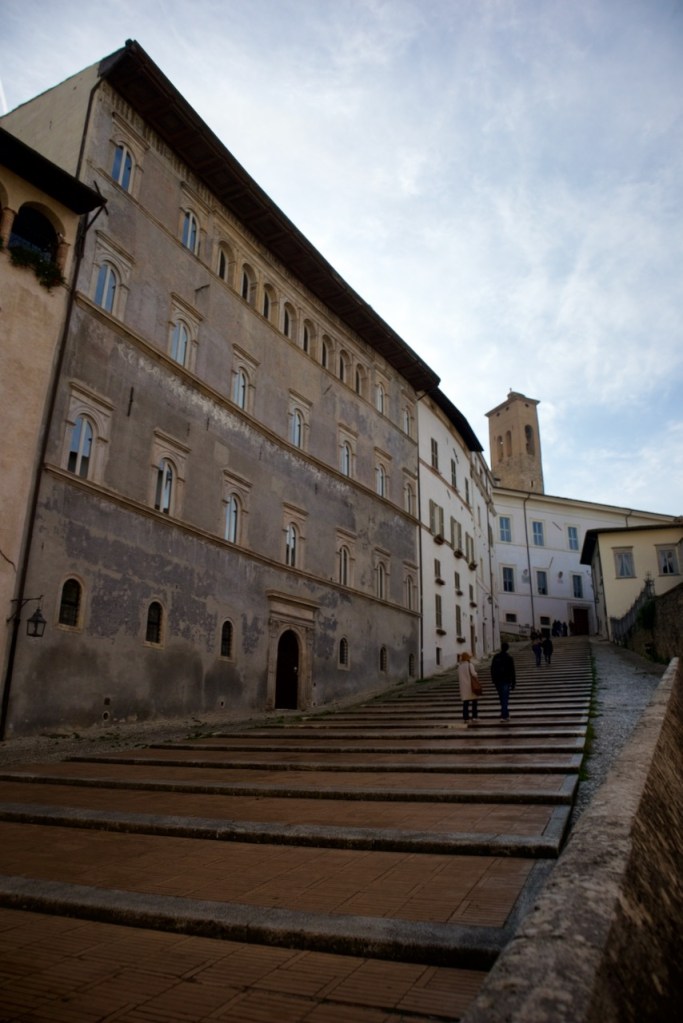
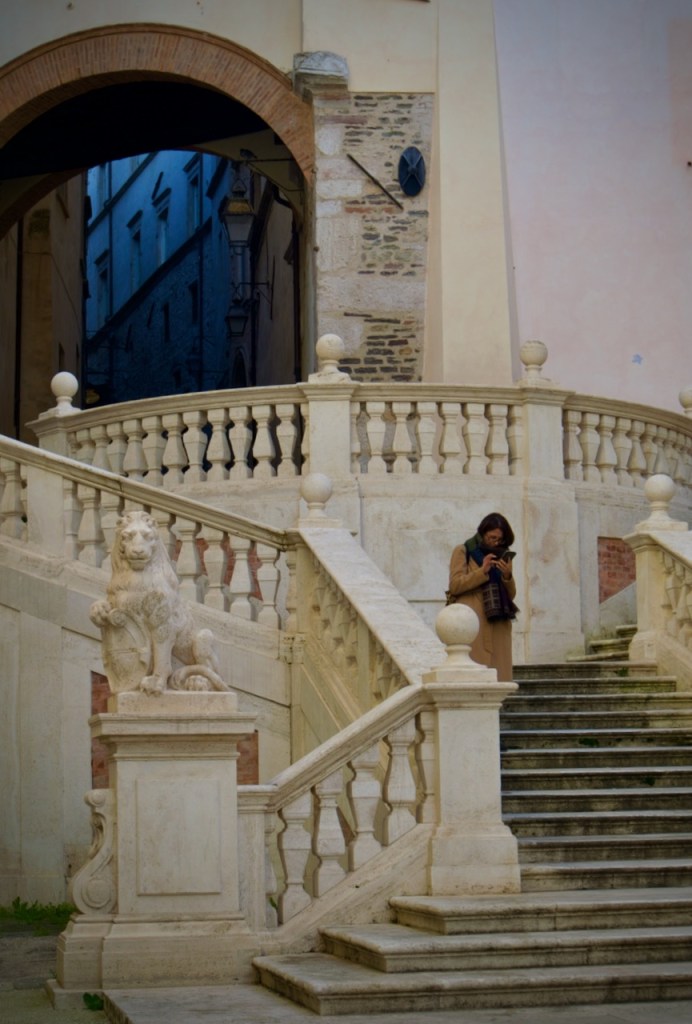
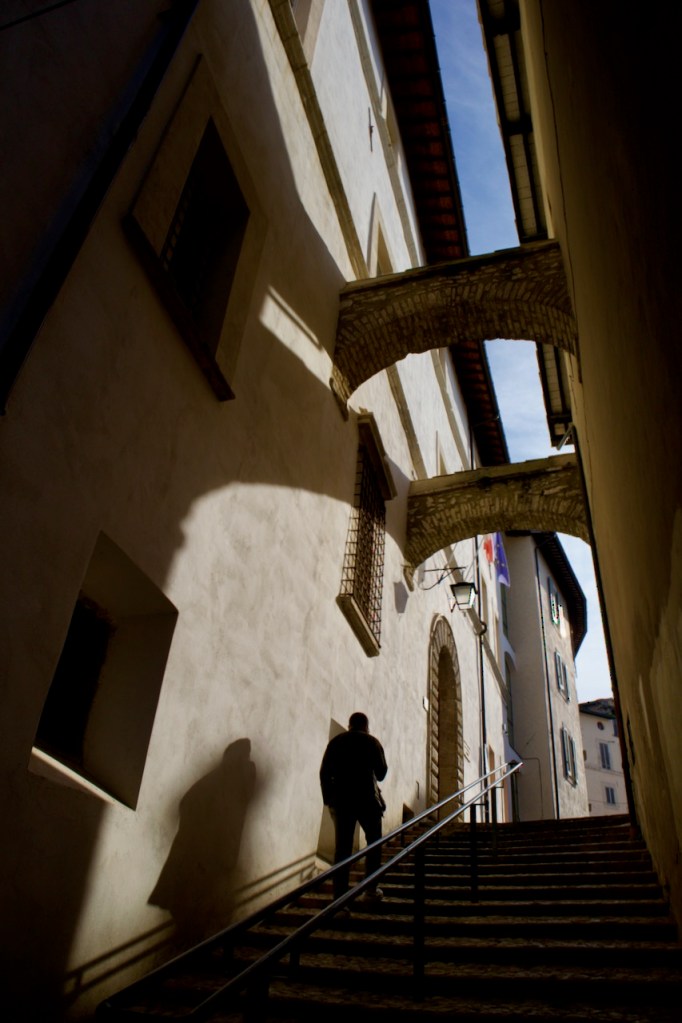
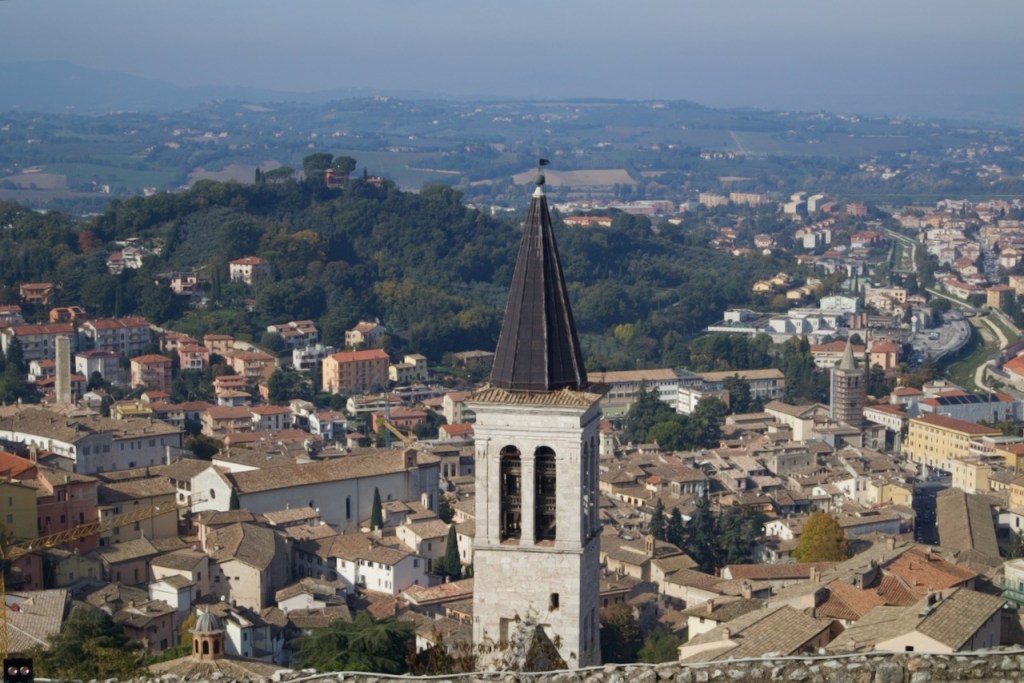
Impossible not to fall in love with Spoleto, surrounded by vineyards and olive groves, with her photogenic medieval cathedral in a sprawling Piazza del Duomo, set in the shadow of an imposing Rocca Albornoziana and the ancient defense Torre dell’Olio. Legend has it that boiling oil was poured from atop the tower on enemies who dared to get near! Today the town teems with seasonal connoisseurs ready for first dishes of pasta with fungus, followed by second dishes of wild boar, for Spoleto is world renowned for her prized black truffles the size of oranges. Cincin!





Holy Assisi
A single sunbeam is enough to drive away many shadows.
– St. Francis of Assisi
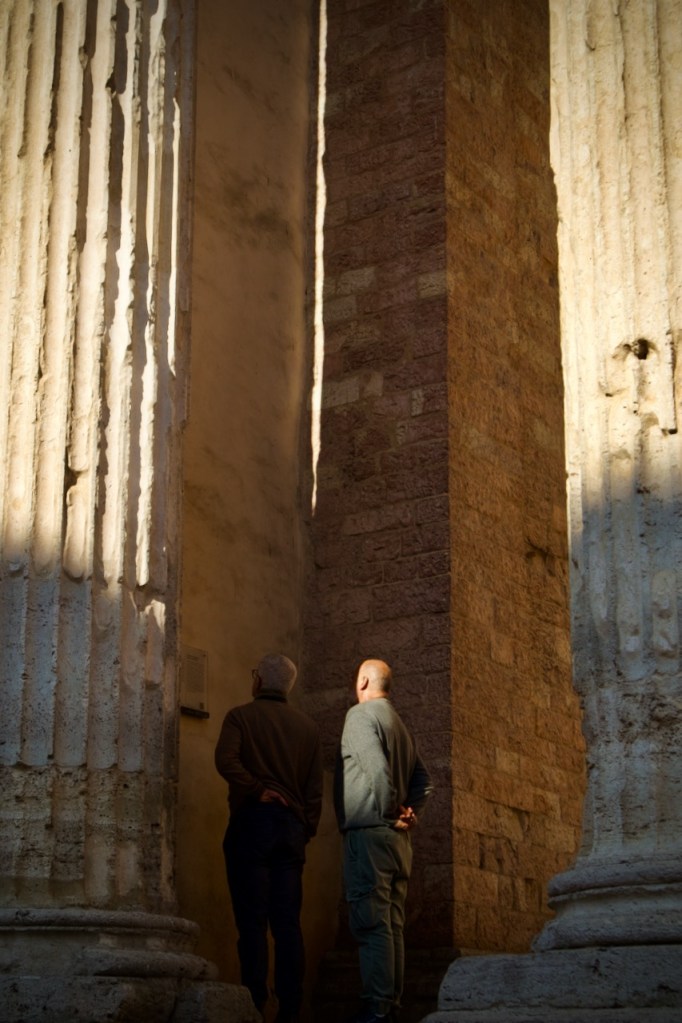
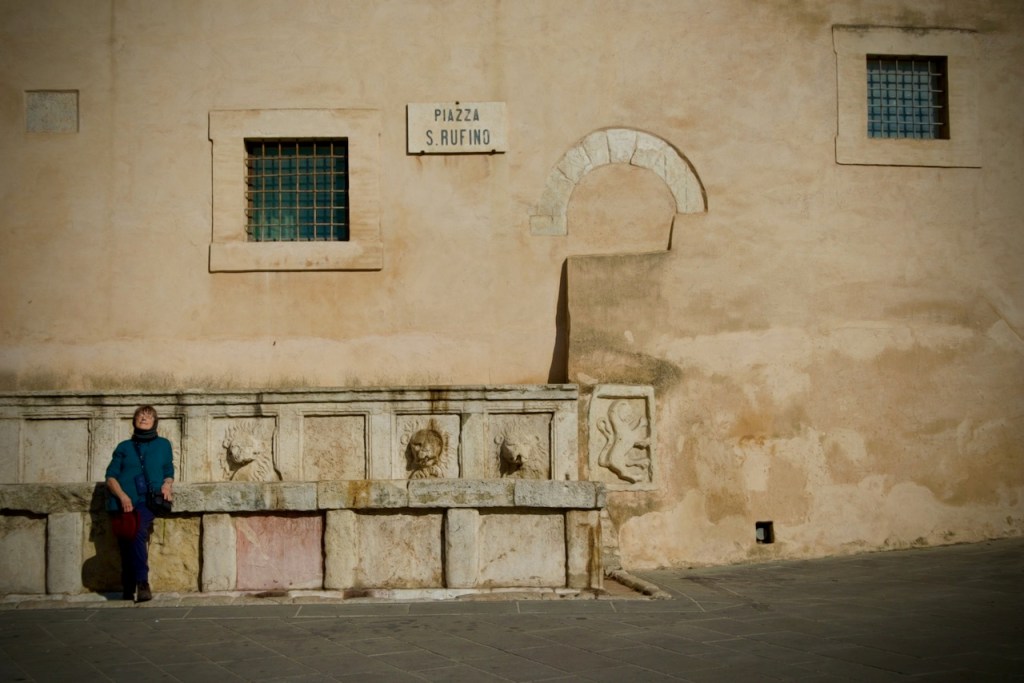
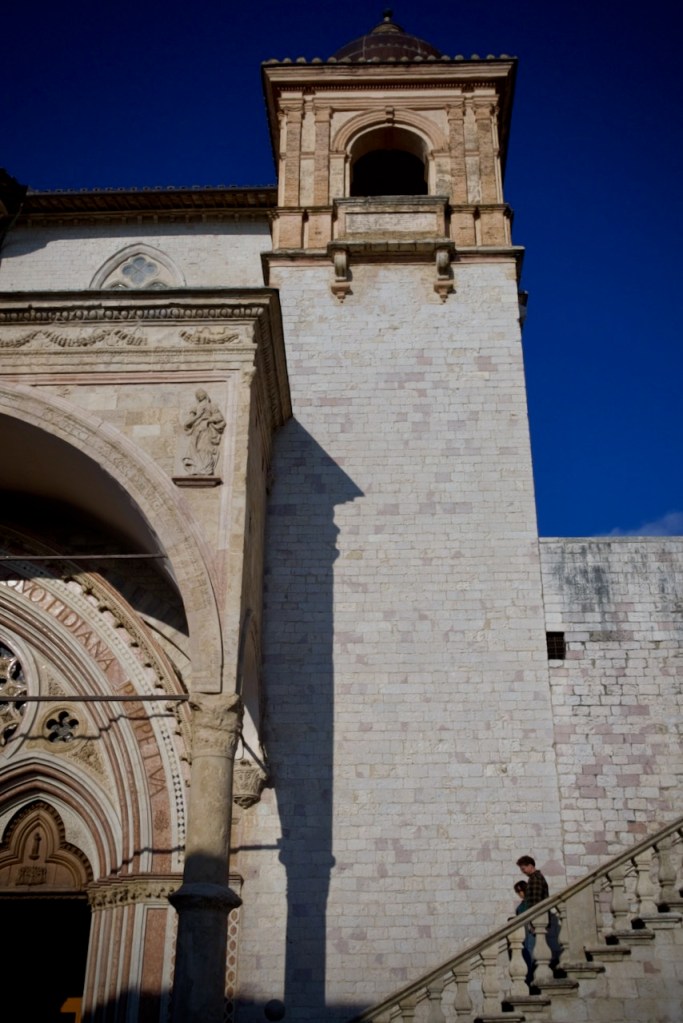
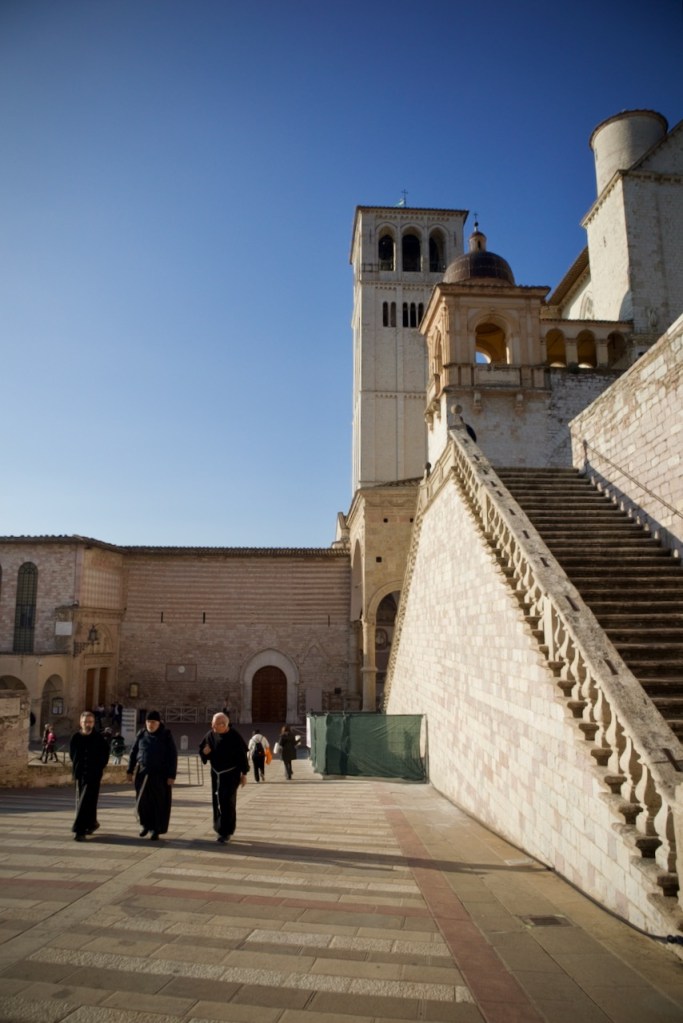
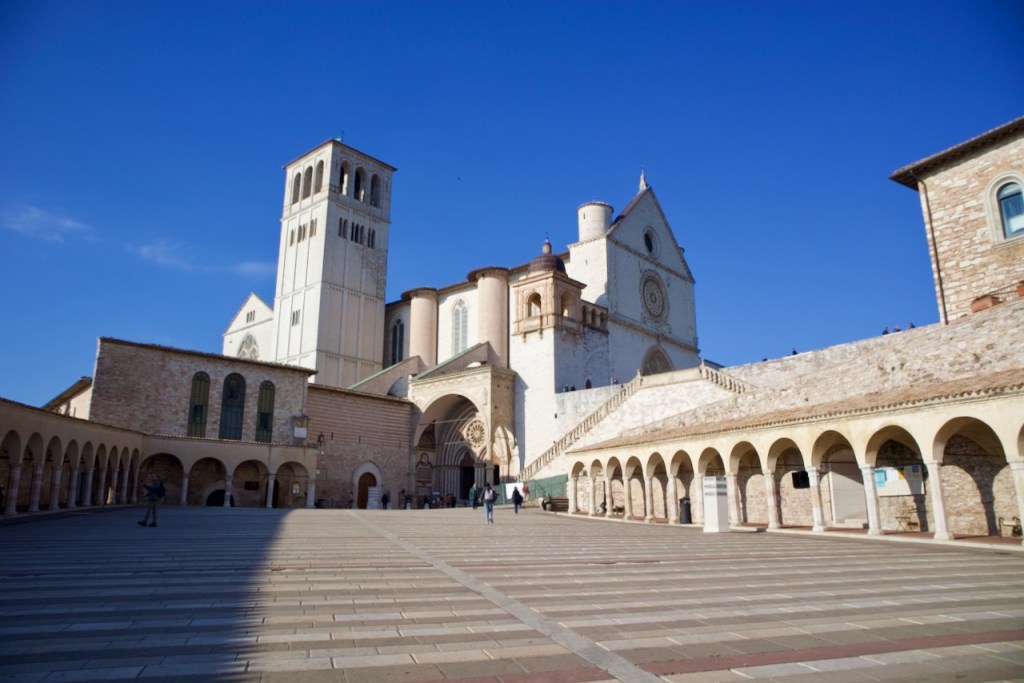
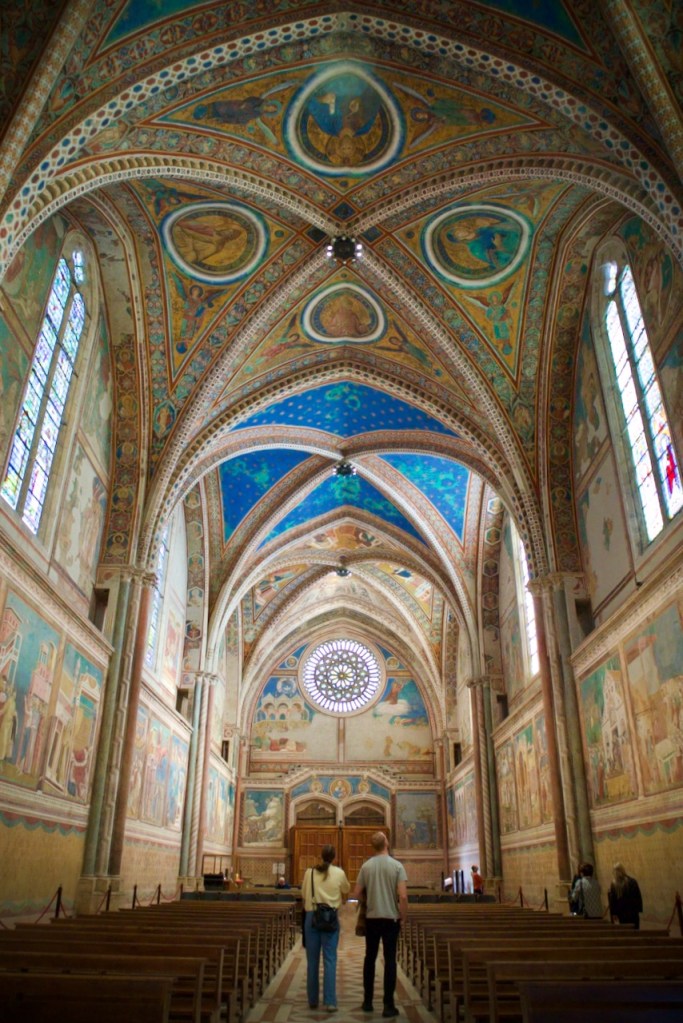
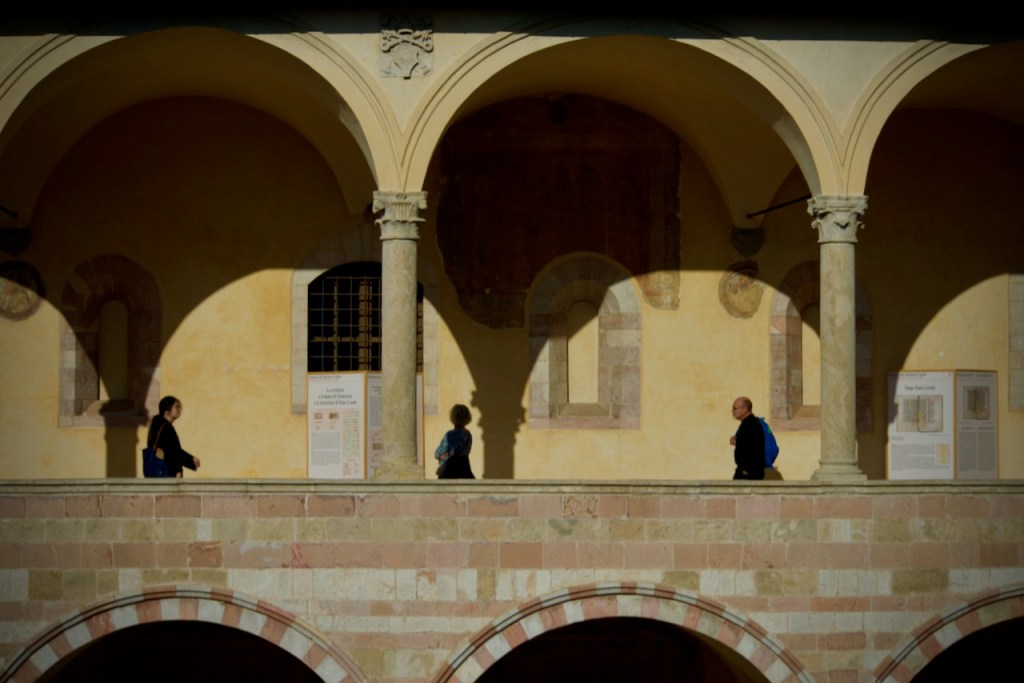
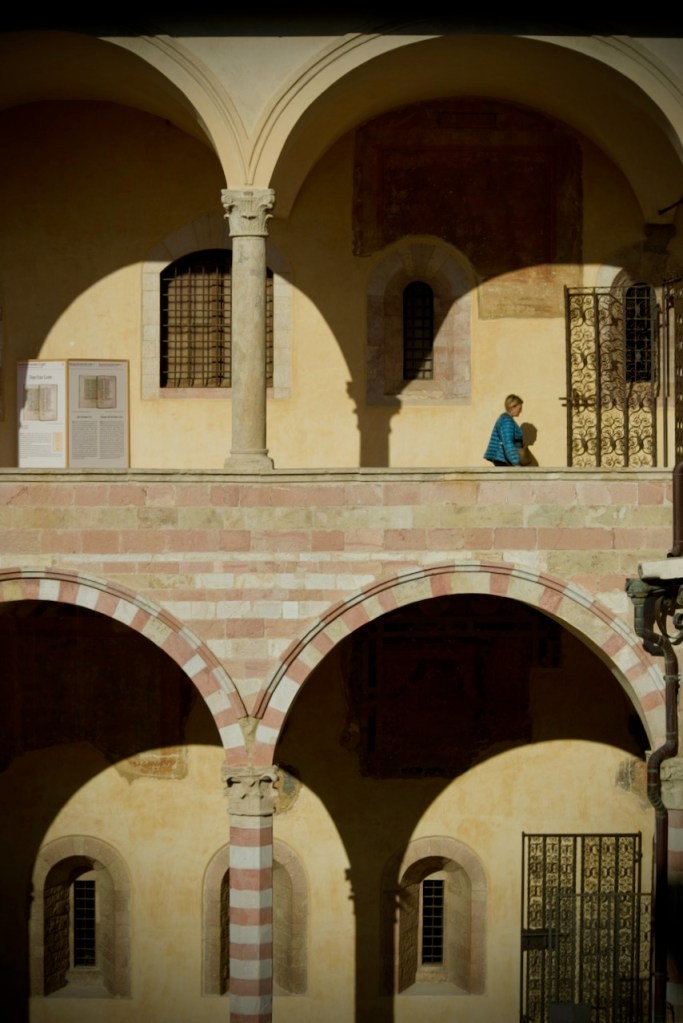
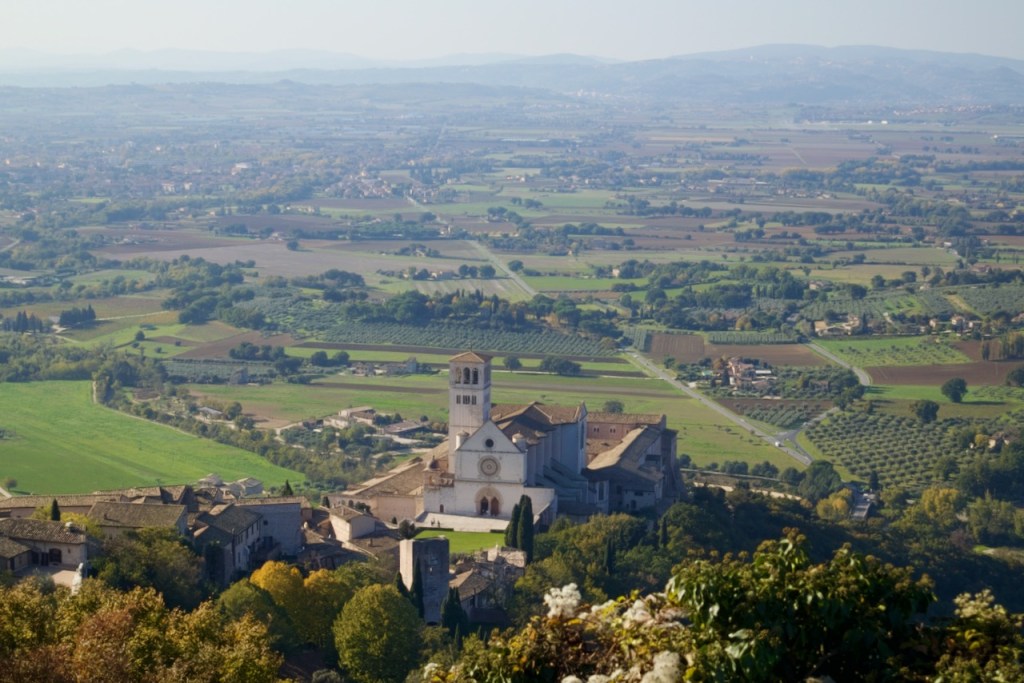
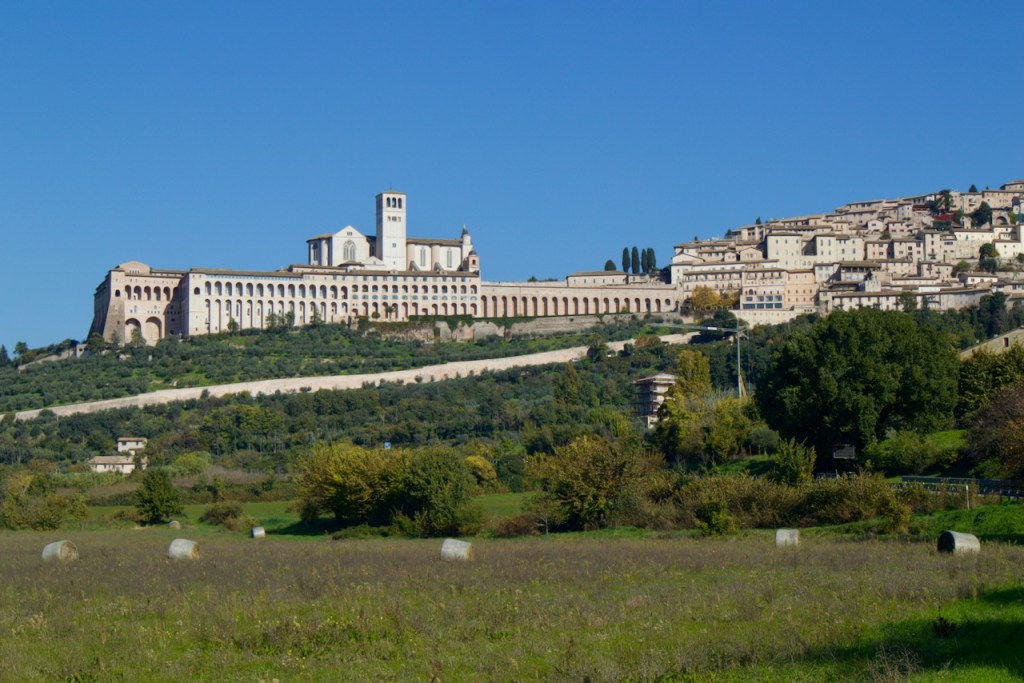
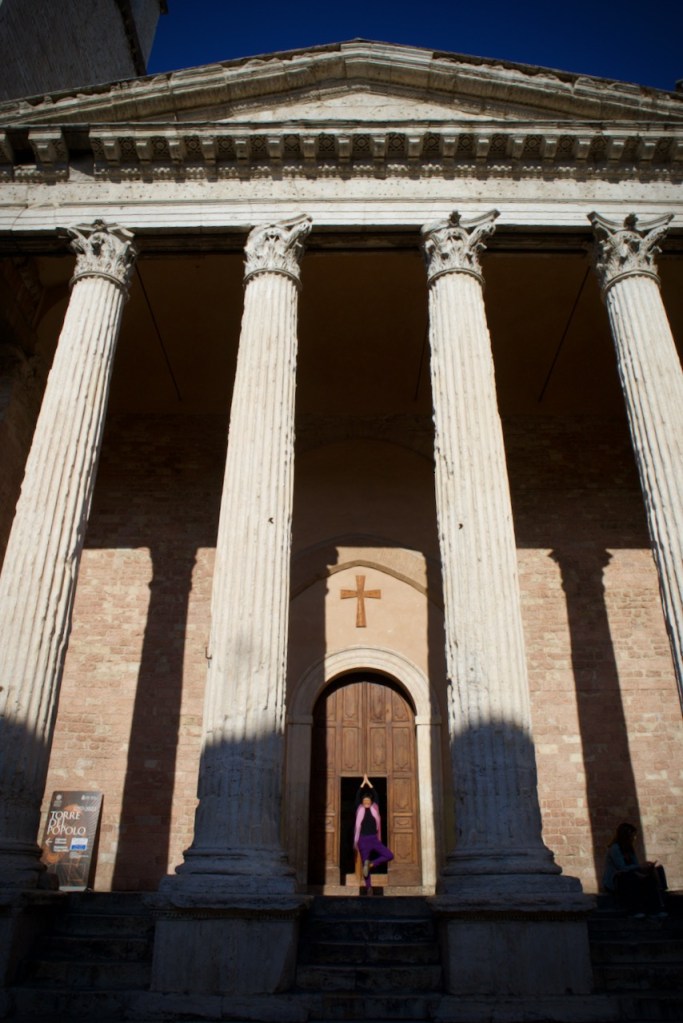
Finally, the camino takes me to Assisi where pilgrims of all shades and colours find their way. Far more than just a holy city famous for her patron Saint Francis and the photogenic Basilica di San Francesco, one feels the unique Assisi vibes of both groundedness and wandering. From the San Rufino Cathedral, I walk towards Piazza del Comune where the gorgeous Church of Santa Maria Sopra Minerva has been standing for over 800 years. I follow the flock to the Basilica of St. Clare and venture further to the secluded hermitage where St. Francis once contemplated and prayed. By day or night, I find Assisi wholly spiritual, hospitable, and unforgettable regardless of the stage of your faith journey!









Spello, Che bello
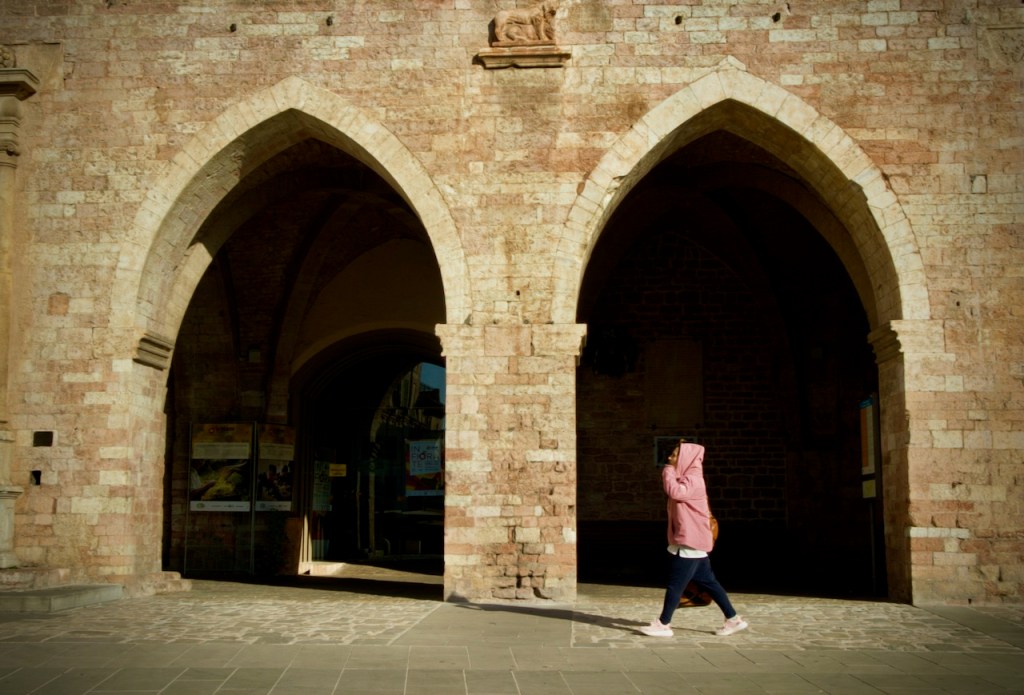
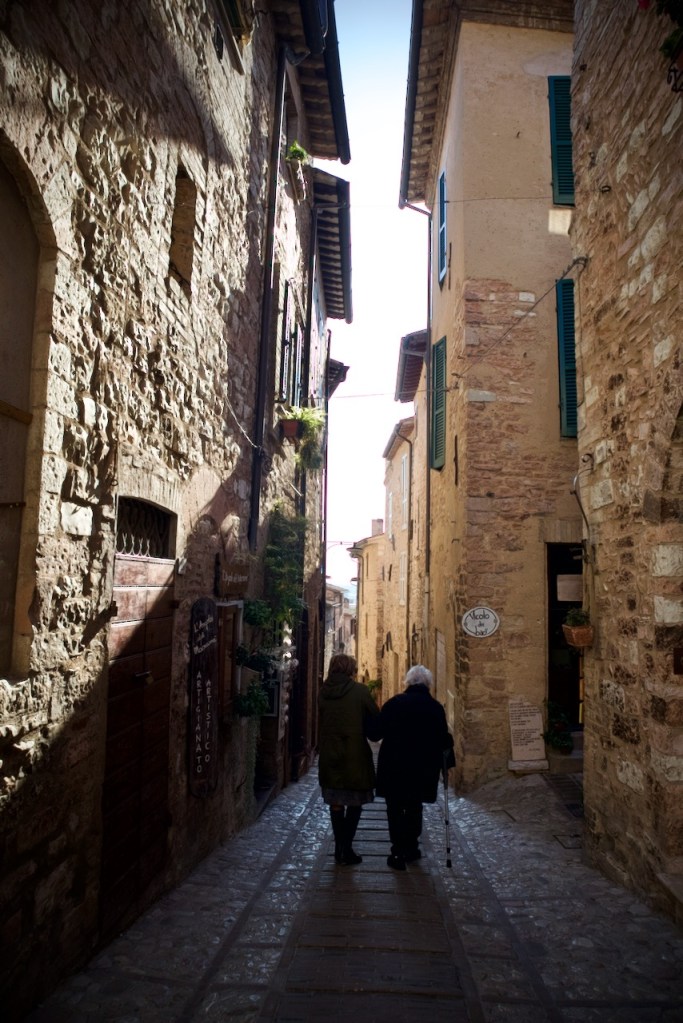
One of the most beautiful villages of Italy, Spello may be small but no less grand with more than three millenia of history. The summer crowds have cleared and I take my time meandering through the medieval old town flanked by well preserved city walls with narrow streets and arches set in stunning Umbrian country amidst silver-green olive groves and elegant cypress trees. From the medieval Palazzo Comunale, I walk to the upper gate of Vallegloria where the stupendous vista stretches as far as Assisi and Perugia. I can only imagine the spring flower festival, midsummer nights, and Festa della Bruschetta, the local olive oil festival that draws visitors from the world over. Spello, che bello!




Sweet Perugia
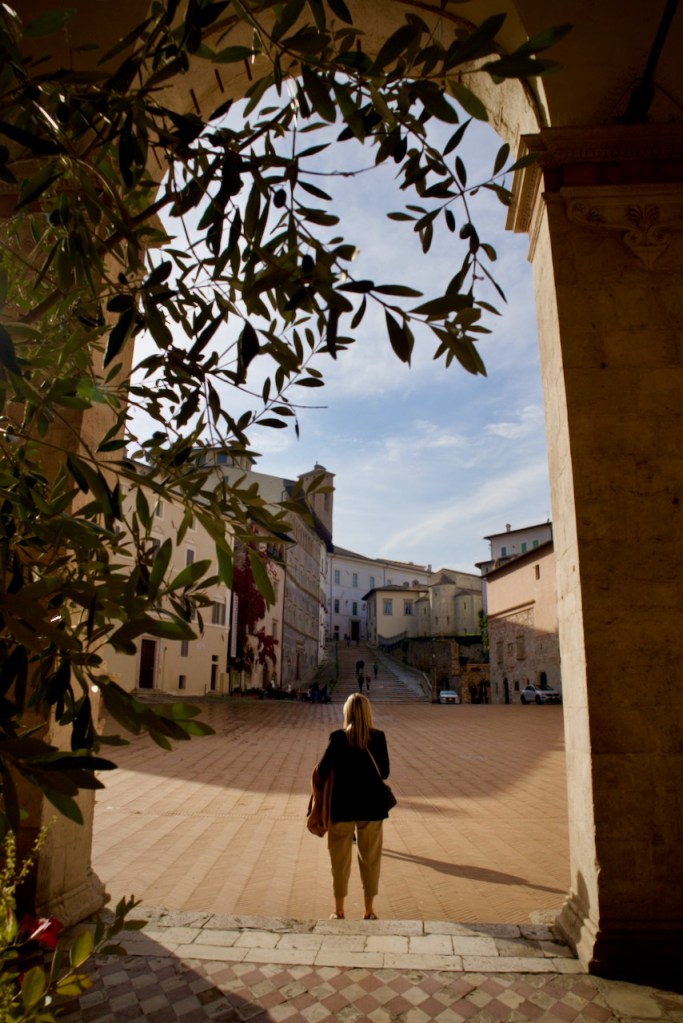
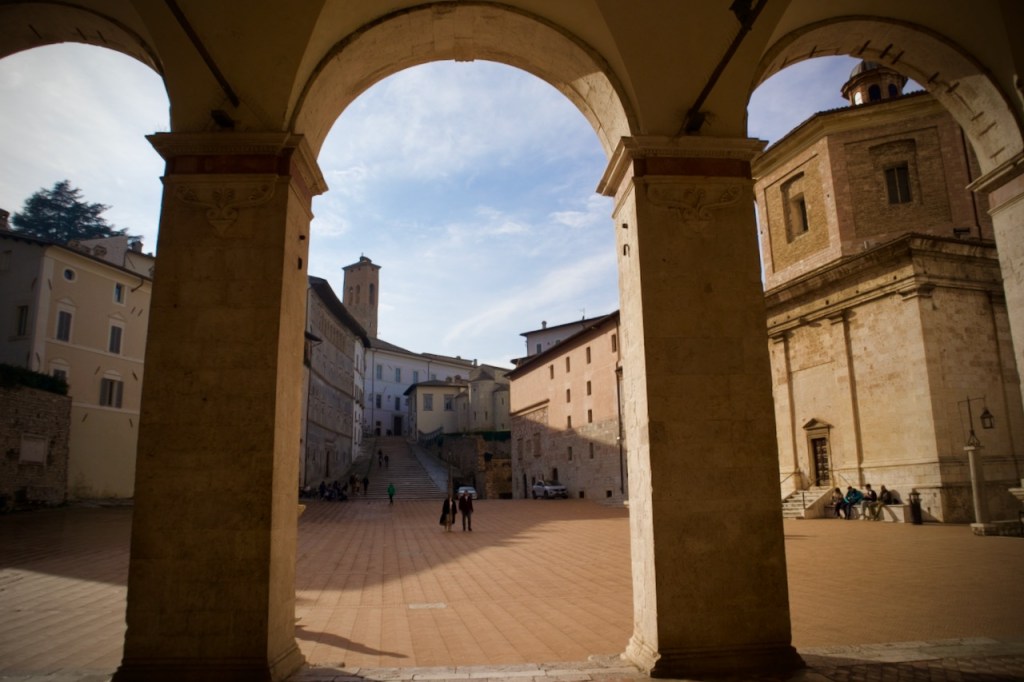
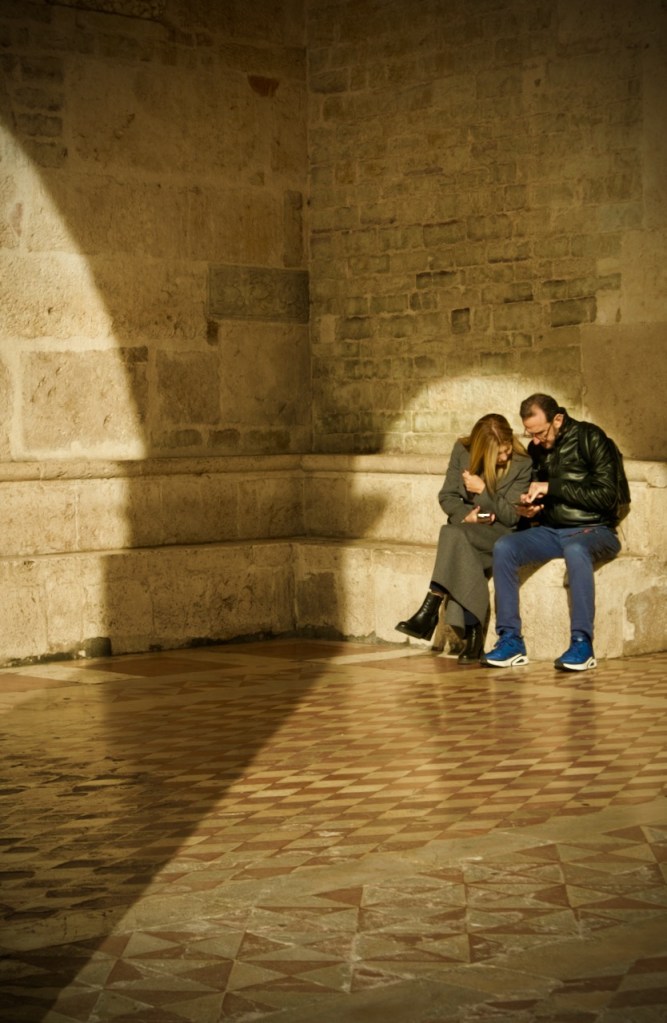
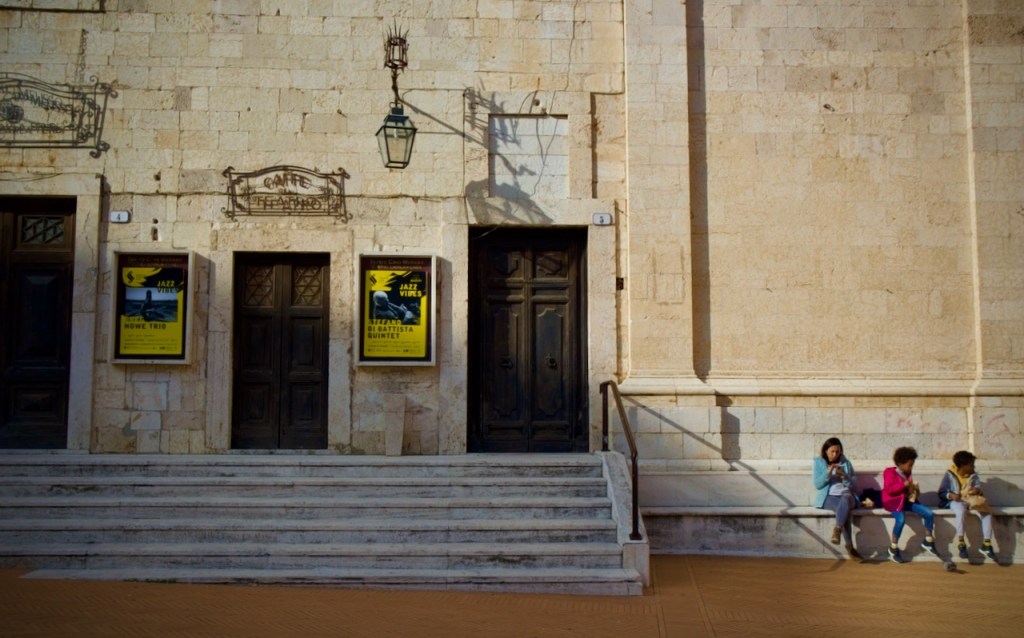
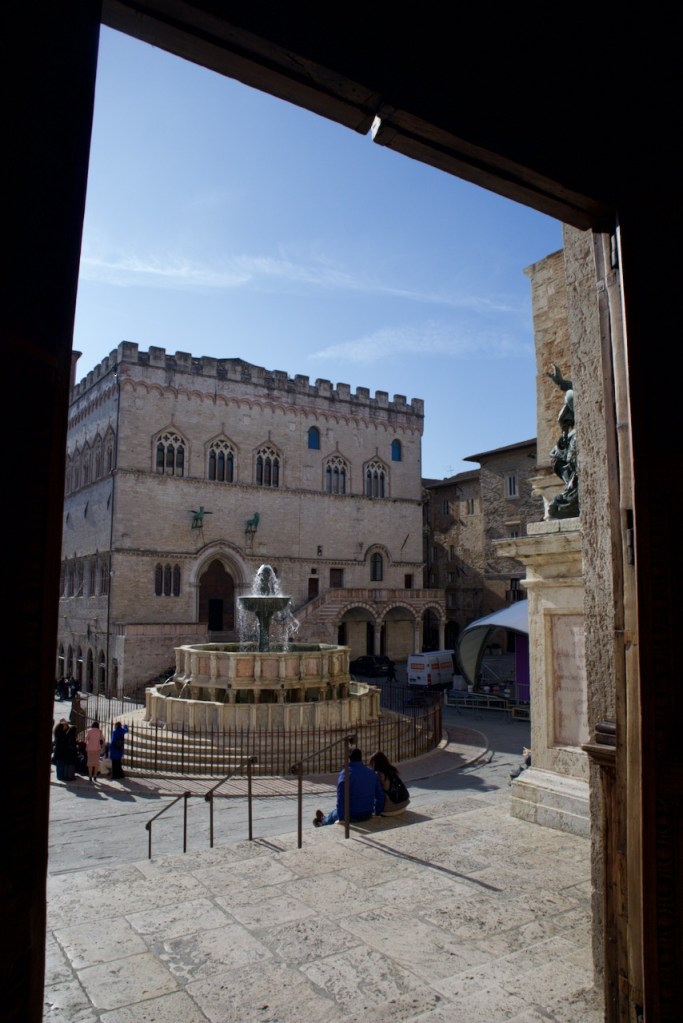
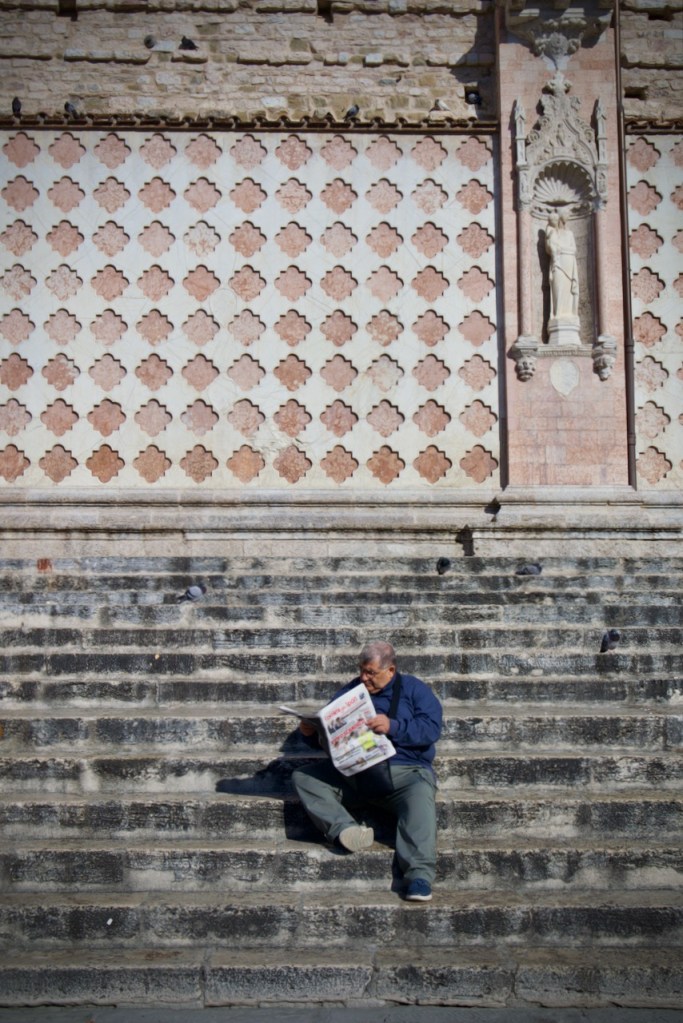
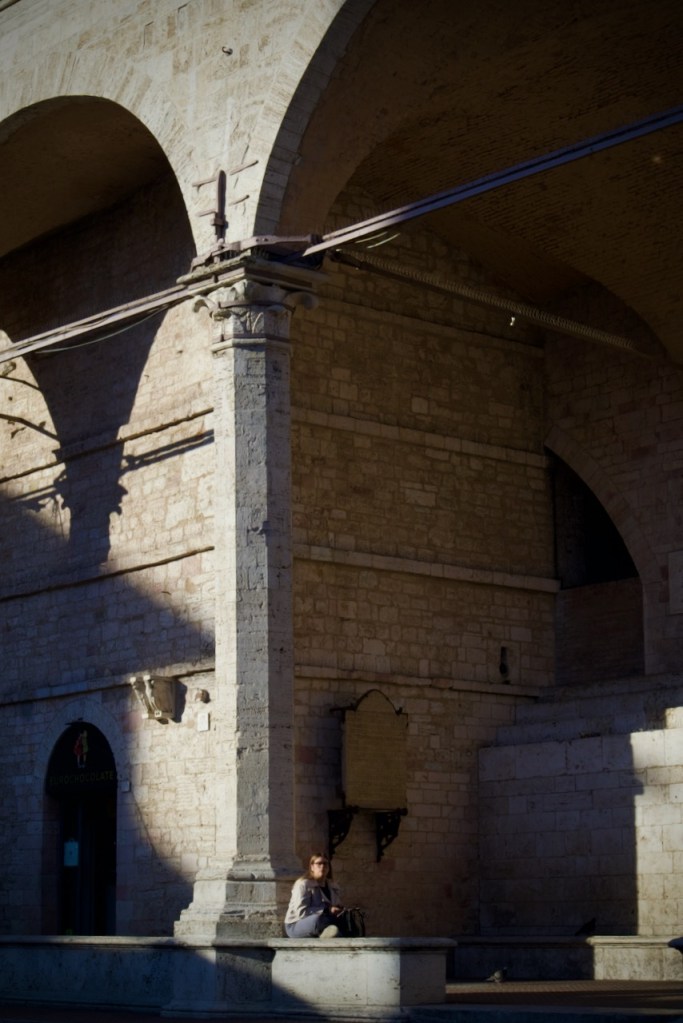
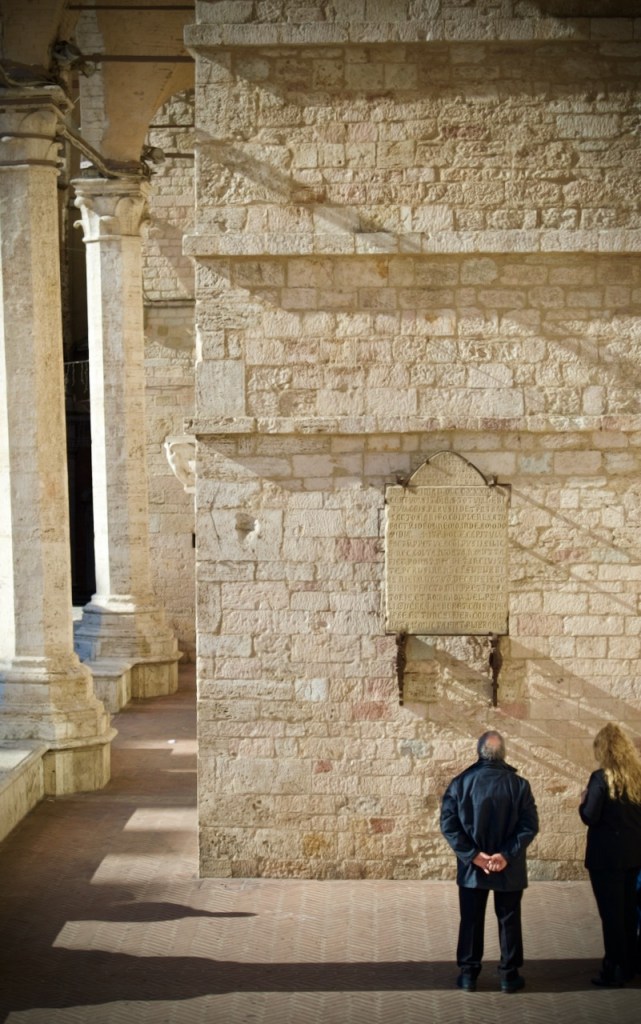
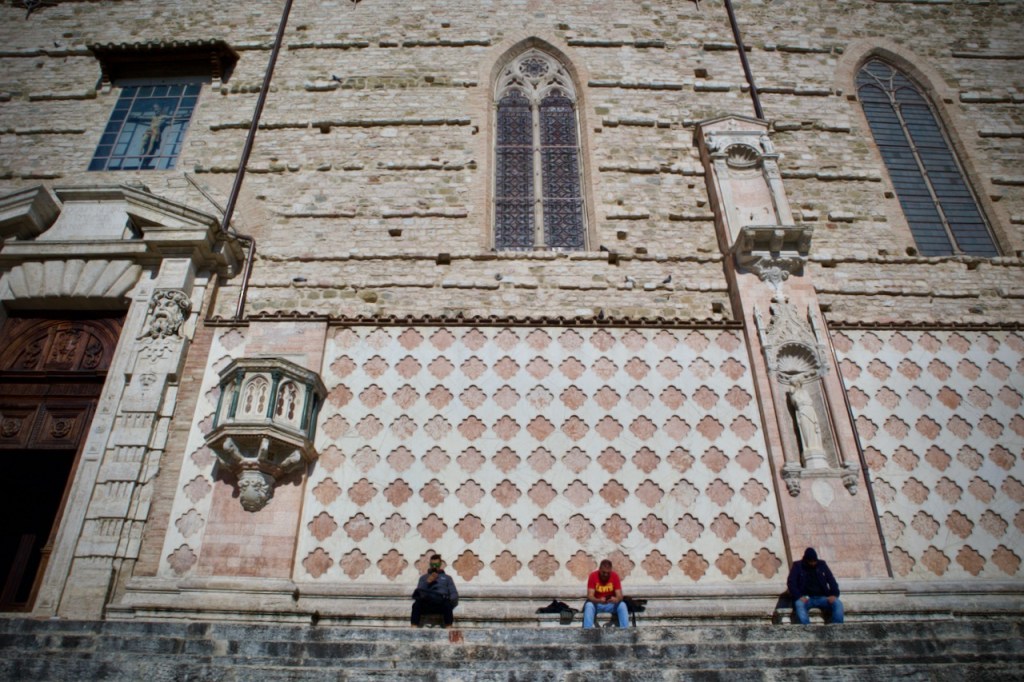
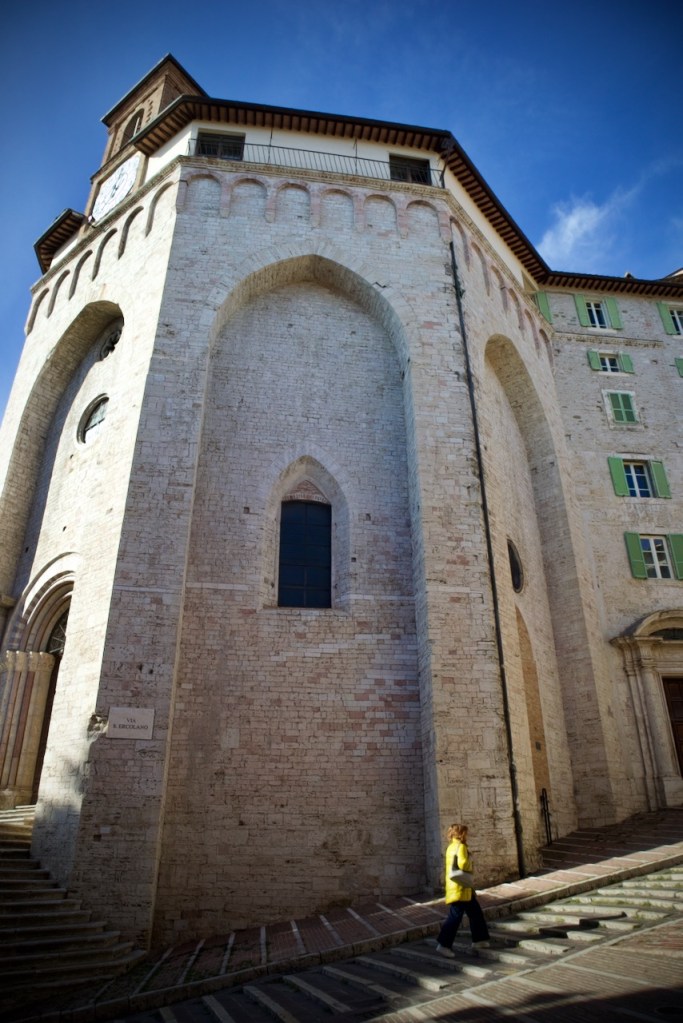
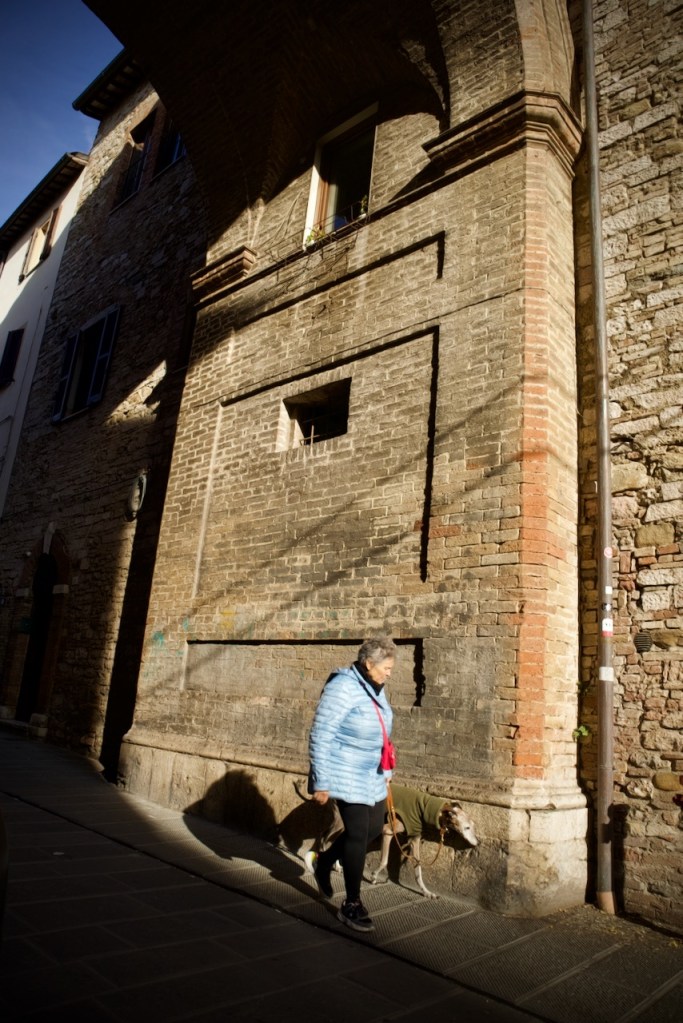
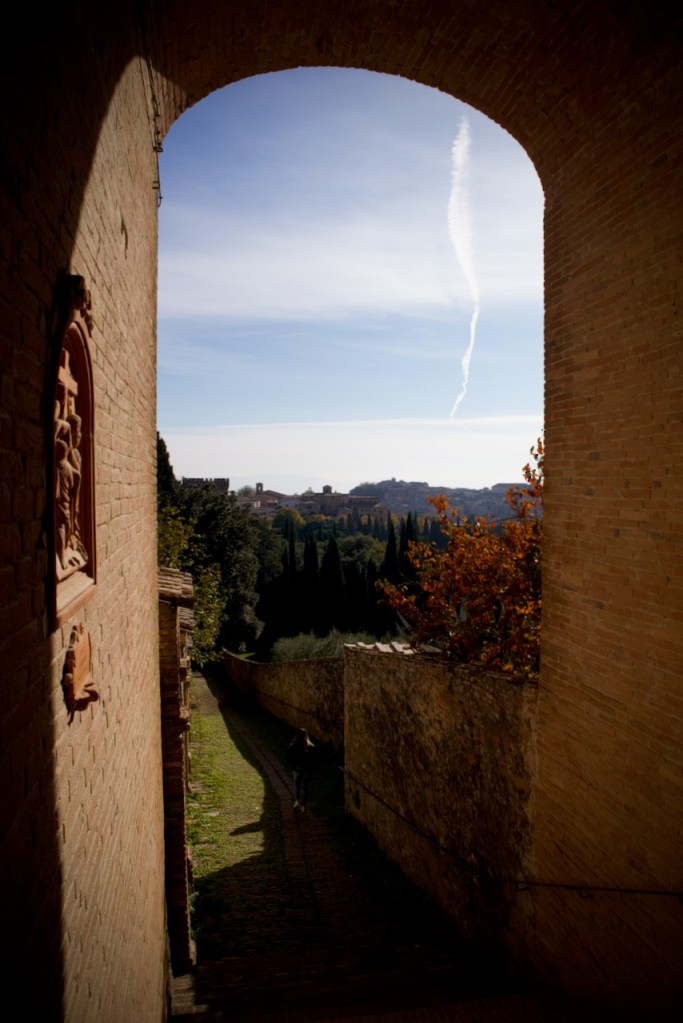
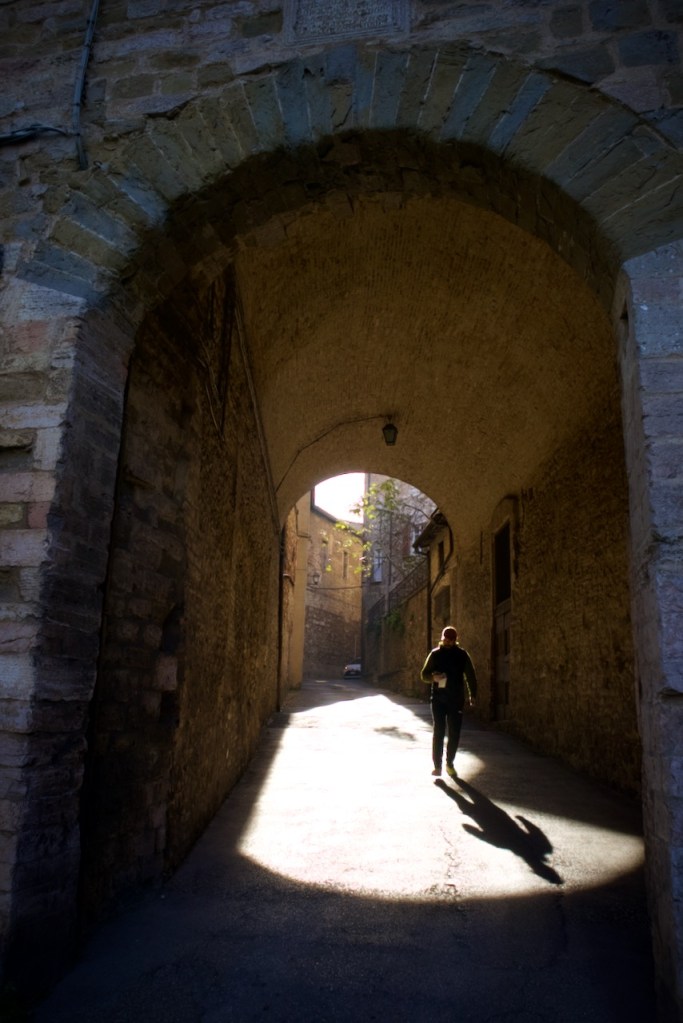
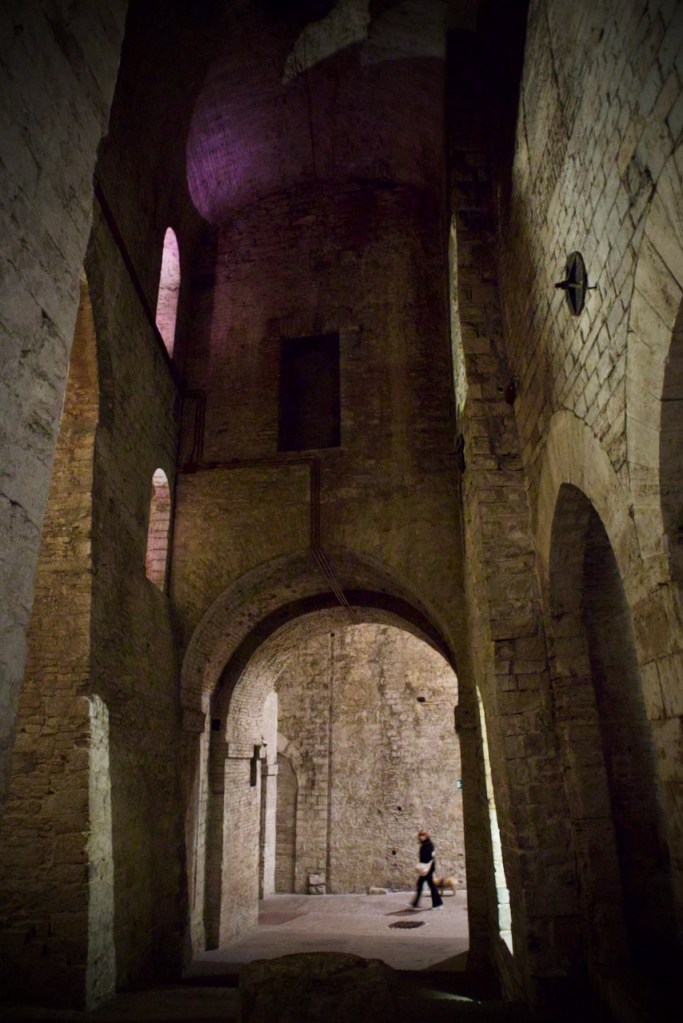
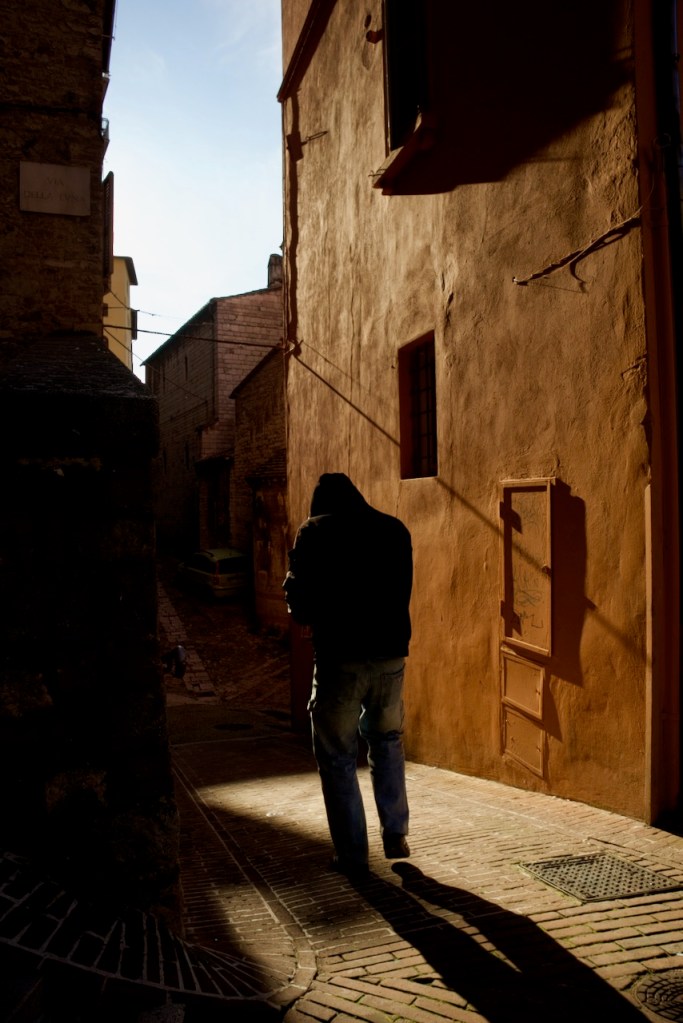
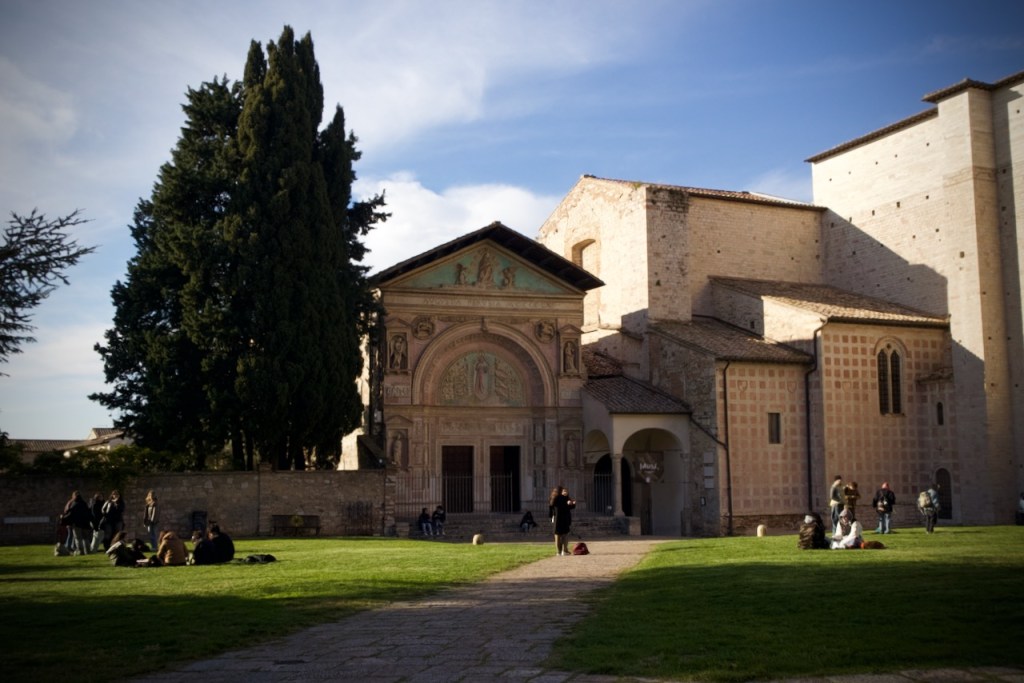
One of the best discoveries in this trip is without doubt Perugia with her beauty, charm, and energy. As the capital of Umbria, the green heart of Italy, the medieval city looks like a perfect film set and I take endless pleasure chasing shadow in the piazzas framed by church columns and magnificent Gothic palaces, as well as a labyrinth of cobbled alleys and arched stairways. The bustling university town prepares for the 30th edition of Eurochocolate Festival. Miam! Mi piace tanto Perugia, aspetta il mio ritorno! Wait for my return, beloved Perugia!











Old, Bold Gubbio
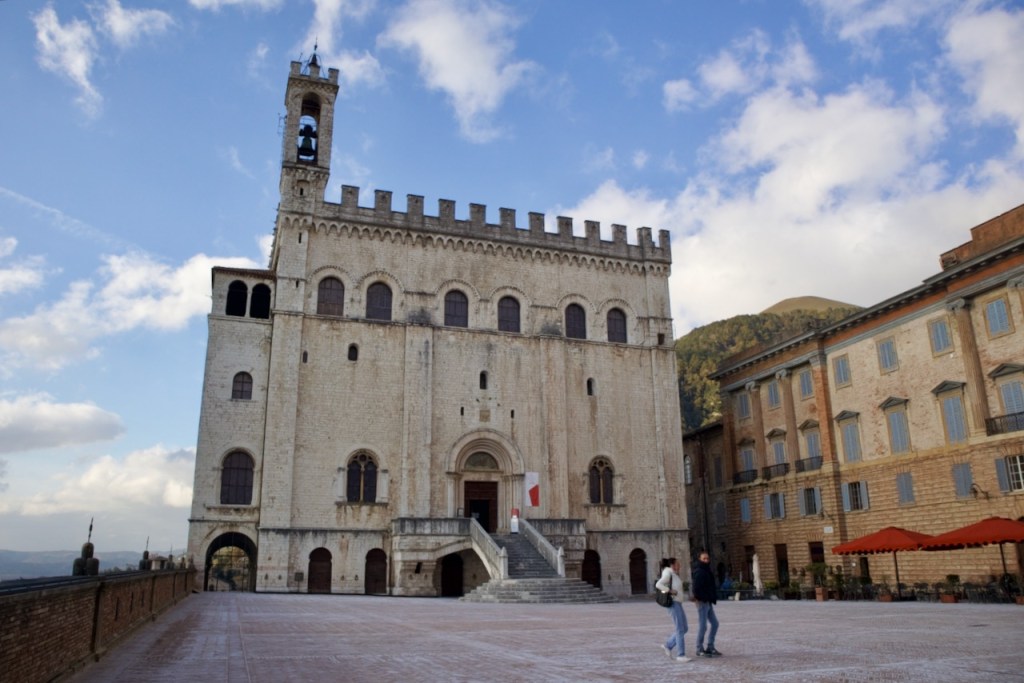
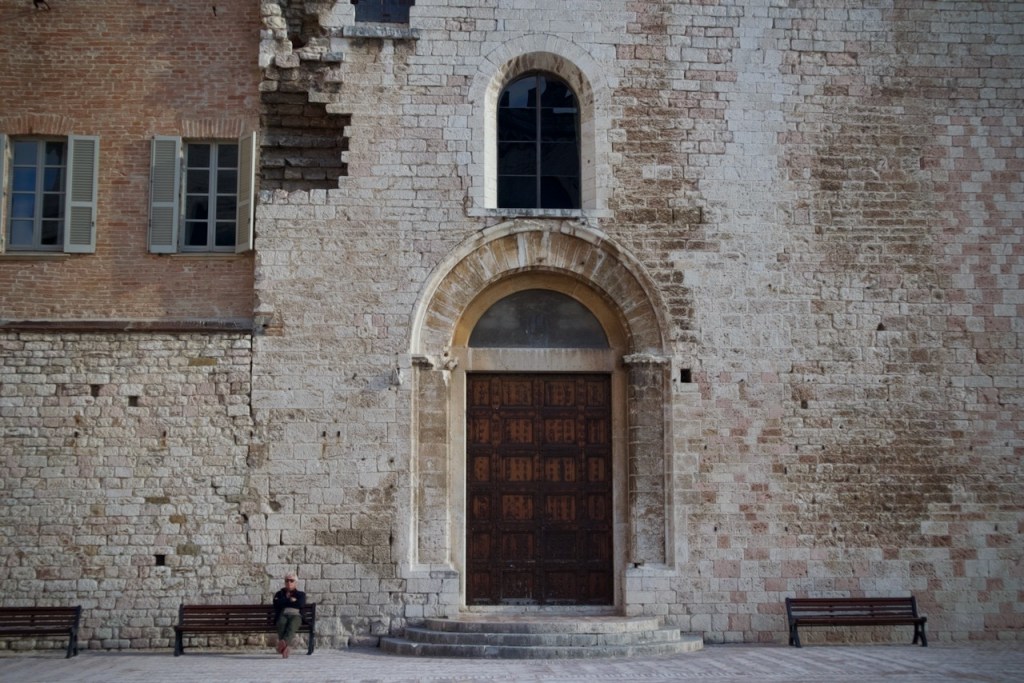
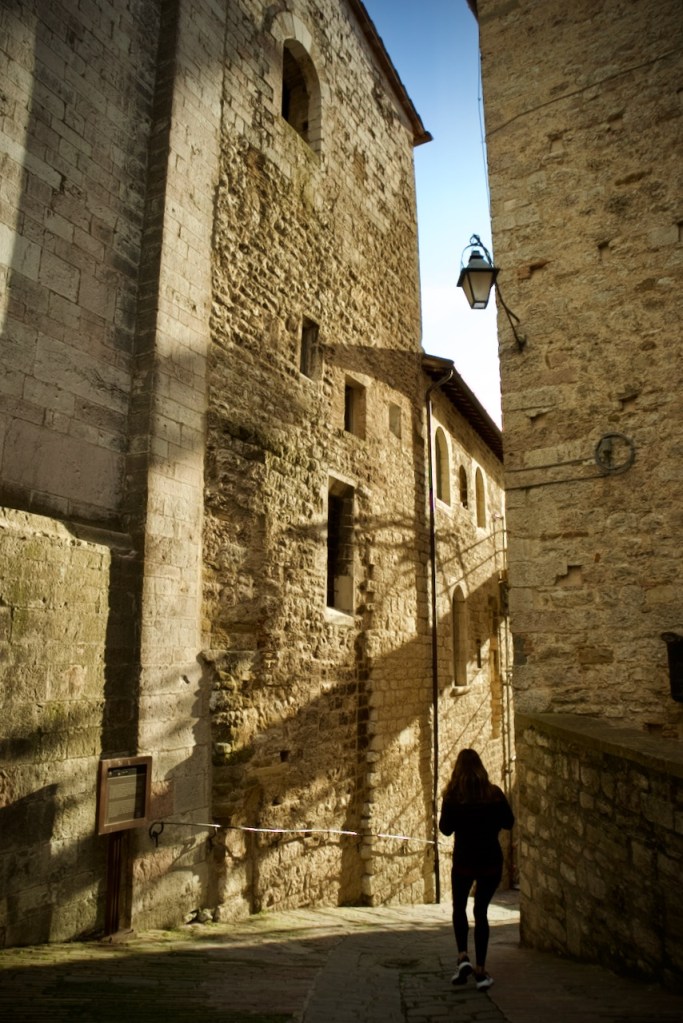
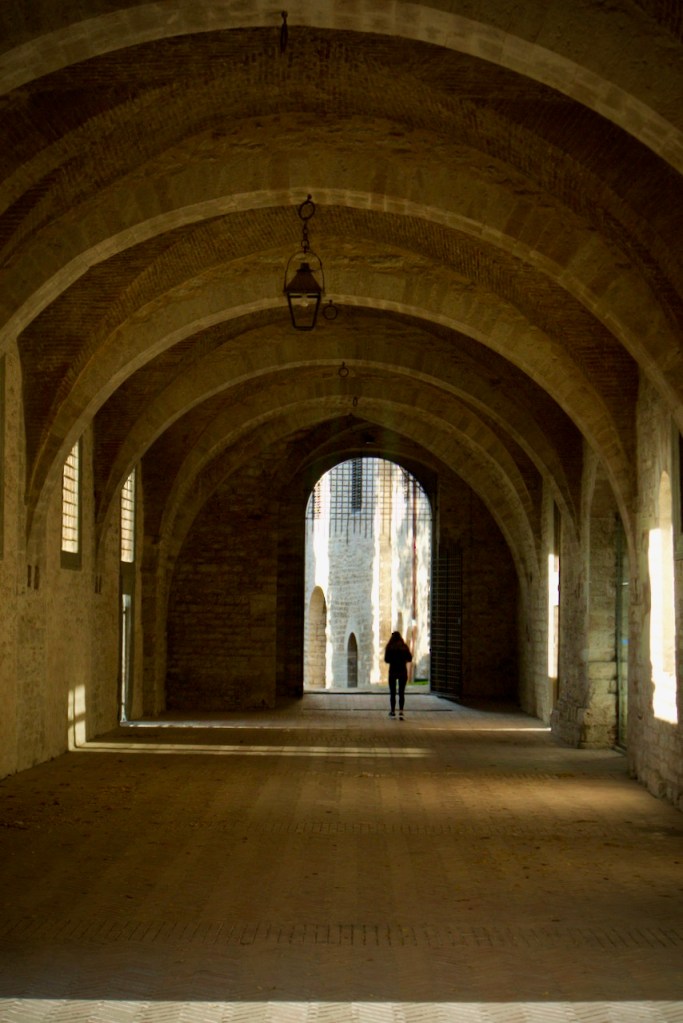
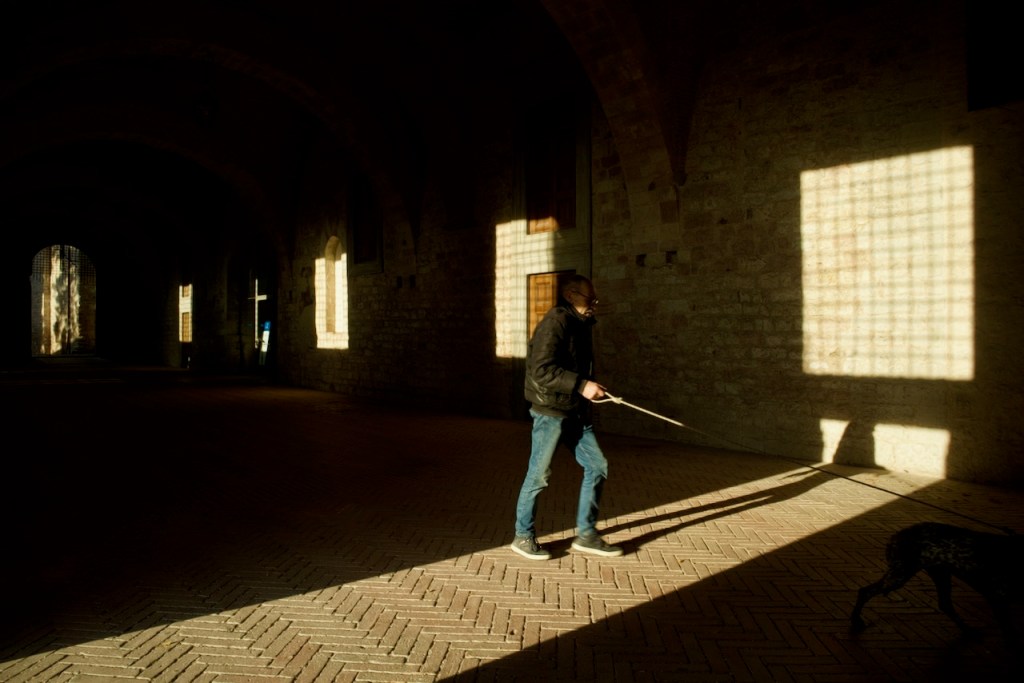
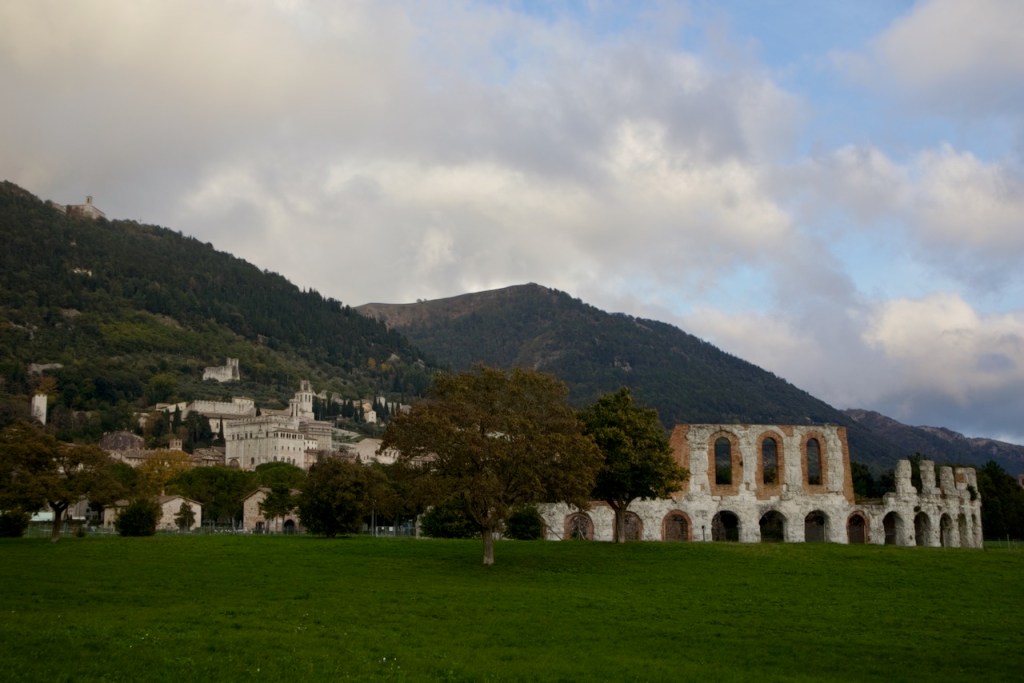
Gubbio is old, Gubbio is bold. From the Palaeolithic origins to her fame as a Roman fortress and medieval town, this Umbrian jewel hosts the world’s largest Christmas tree each December with lights trailing up the entire hillside of Monte Ingino. From Piazza 40 Martiri, I follow the narrow streets to reach the grandiose Piazza della Signoria where a solo pensive Italiano sits right in front of Palazzo dei Consoli like in a film set of Visconti. In addition to the Gothic cathedral, Renaissance Palazzo Ducale, and Roman Theatre, there is a Fountain of the Madmen where supposedly, if you run around it thrice you will also become matto! More seriously, Gubbio is famous for many things from wines to olive oil, embroidery and ceramics, the Corso dei Ceri run in May, Beyond Gubbio Festival in the summer, and white truffles in October!



Spectacular Siena
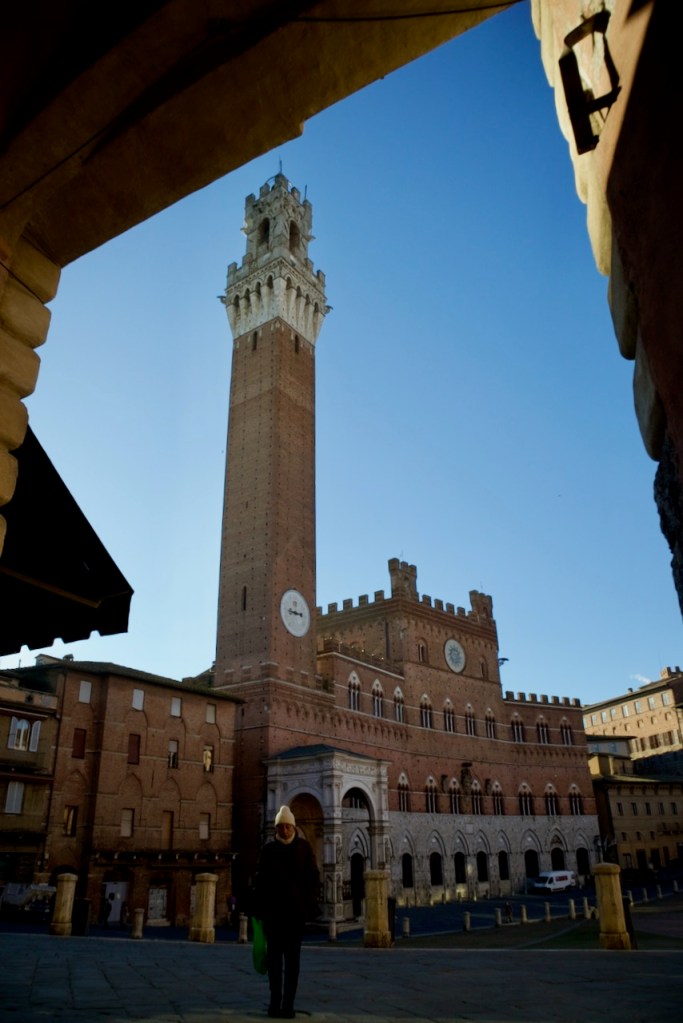
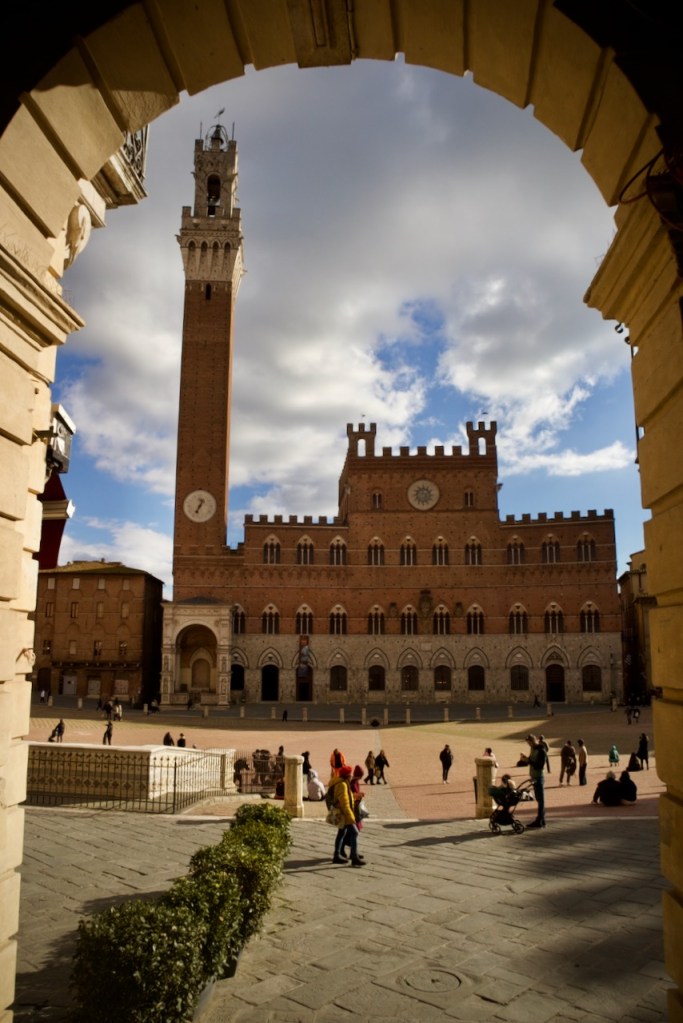
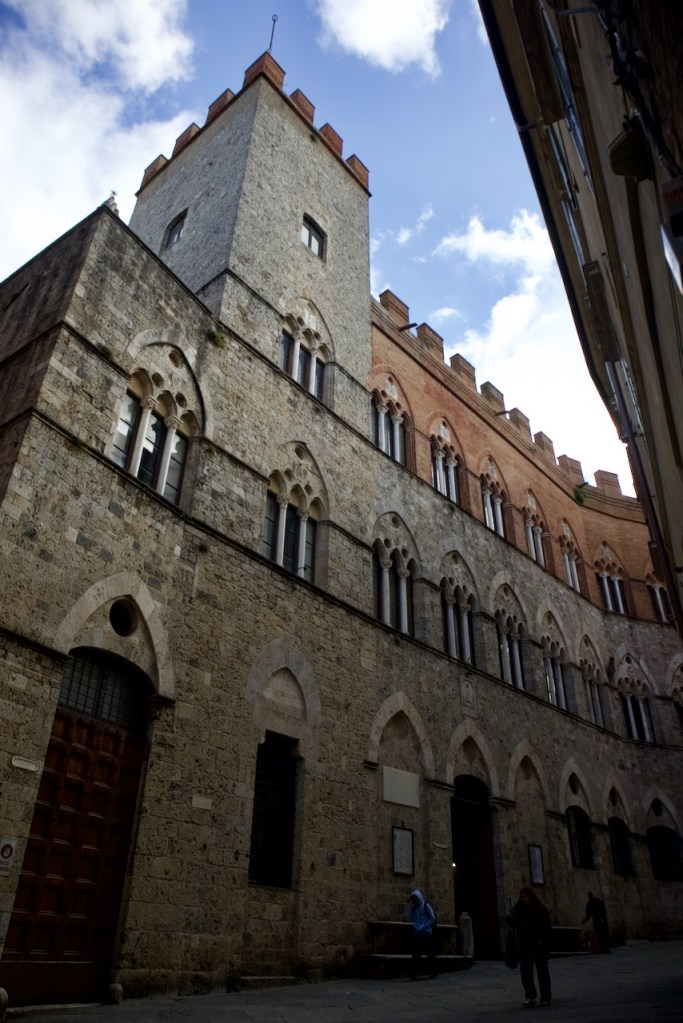
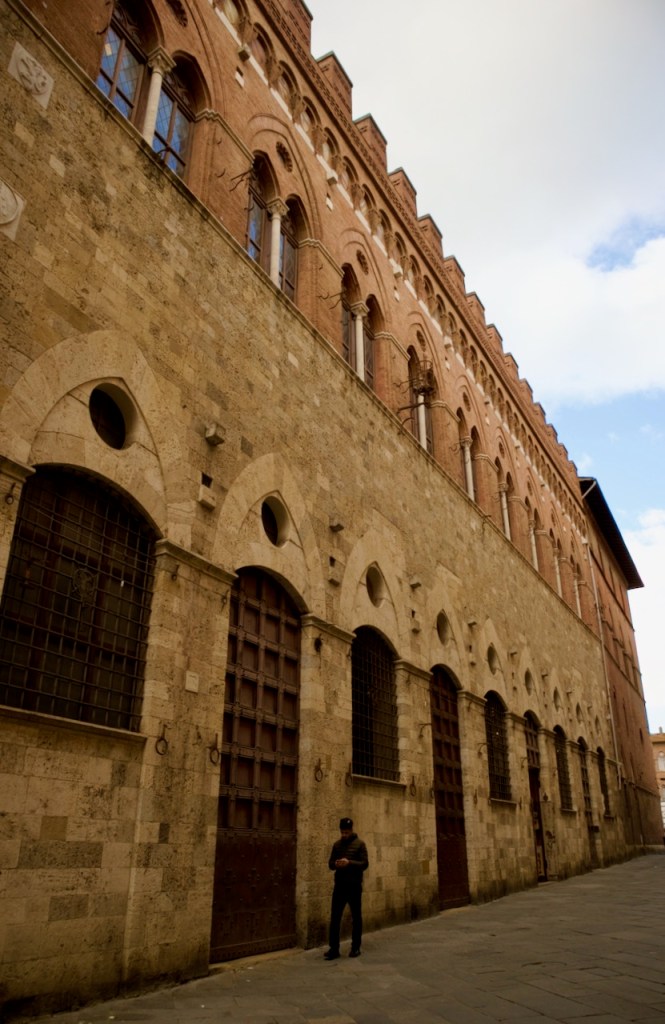
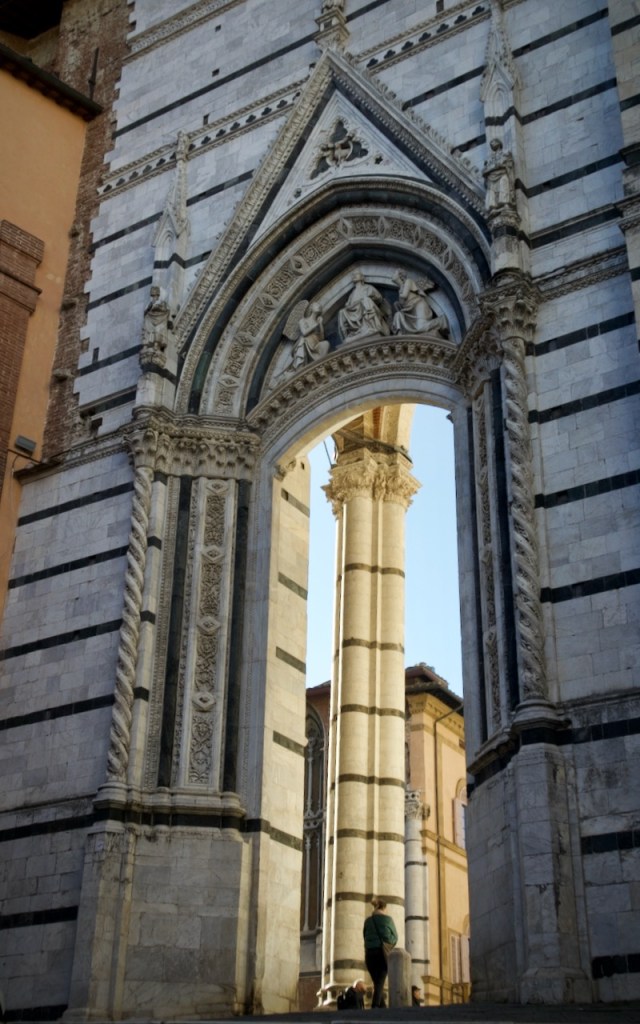
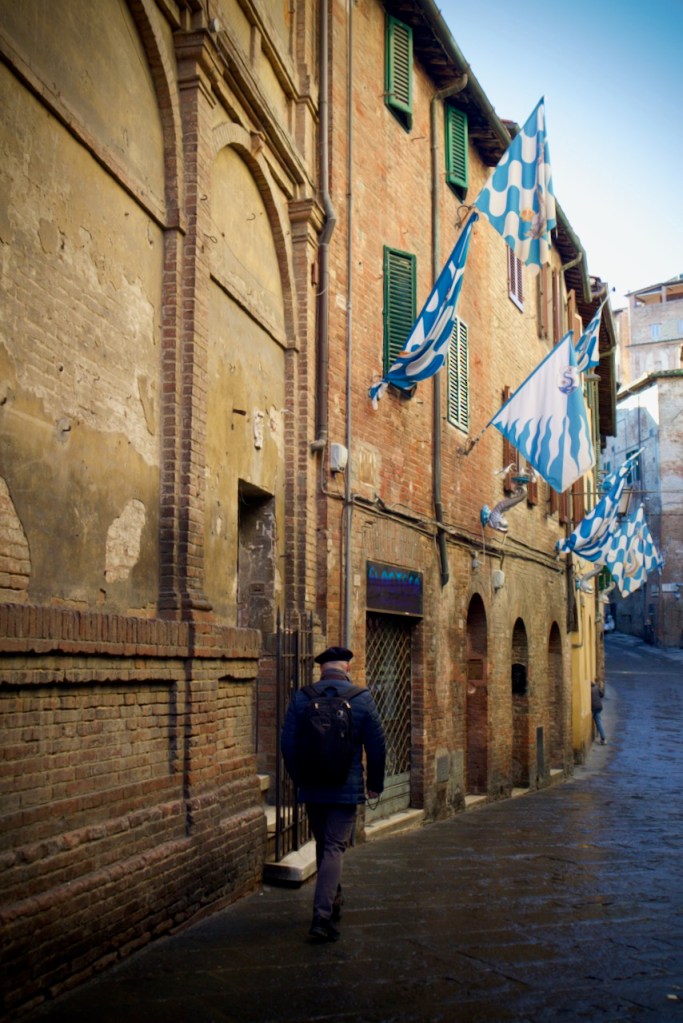
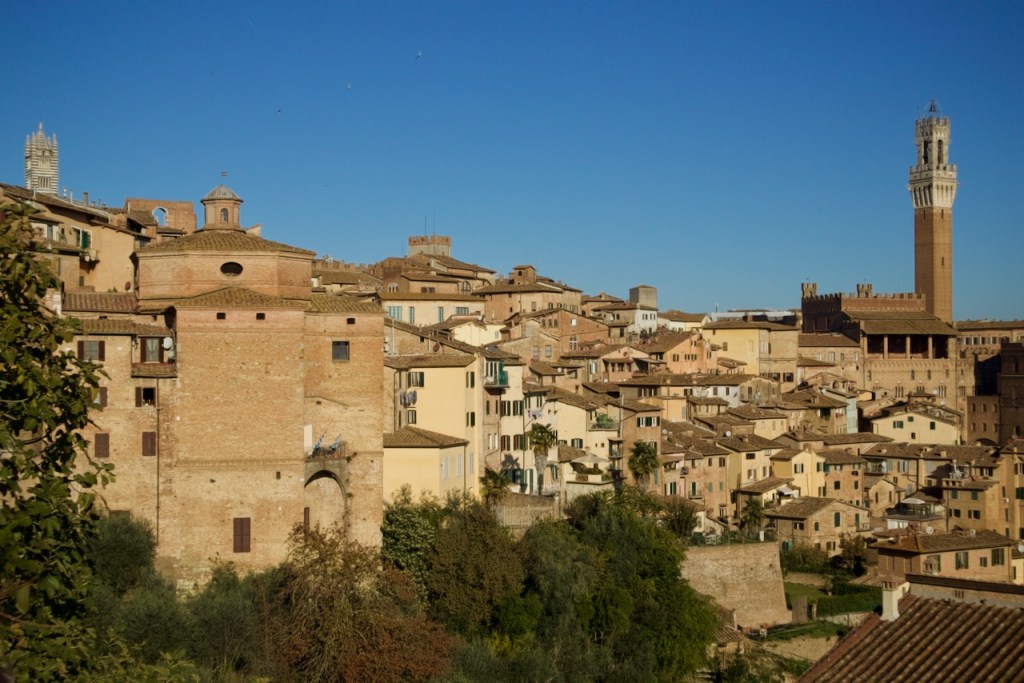
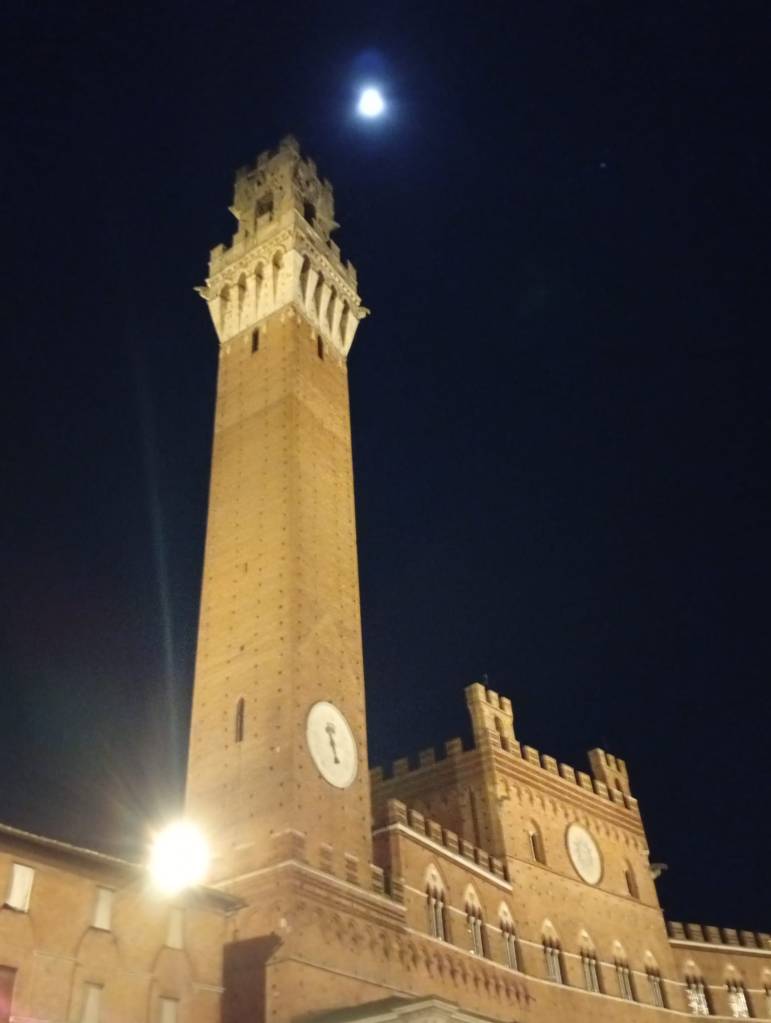
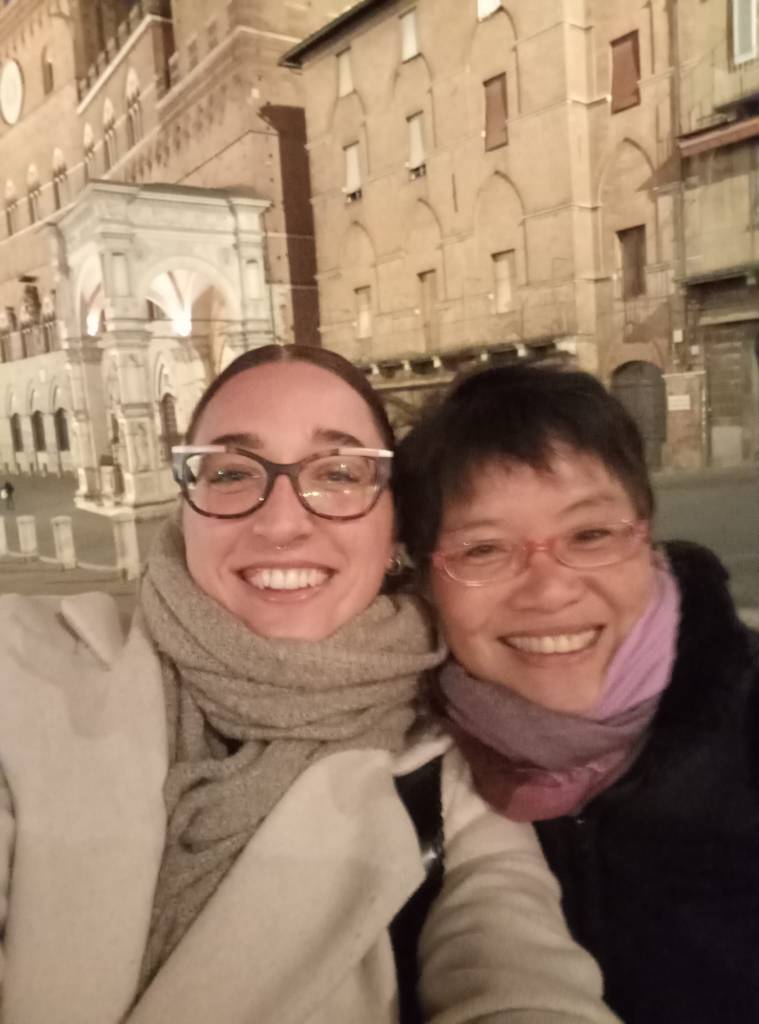
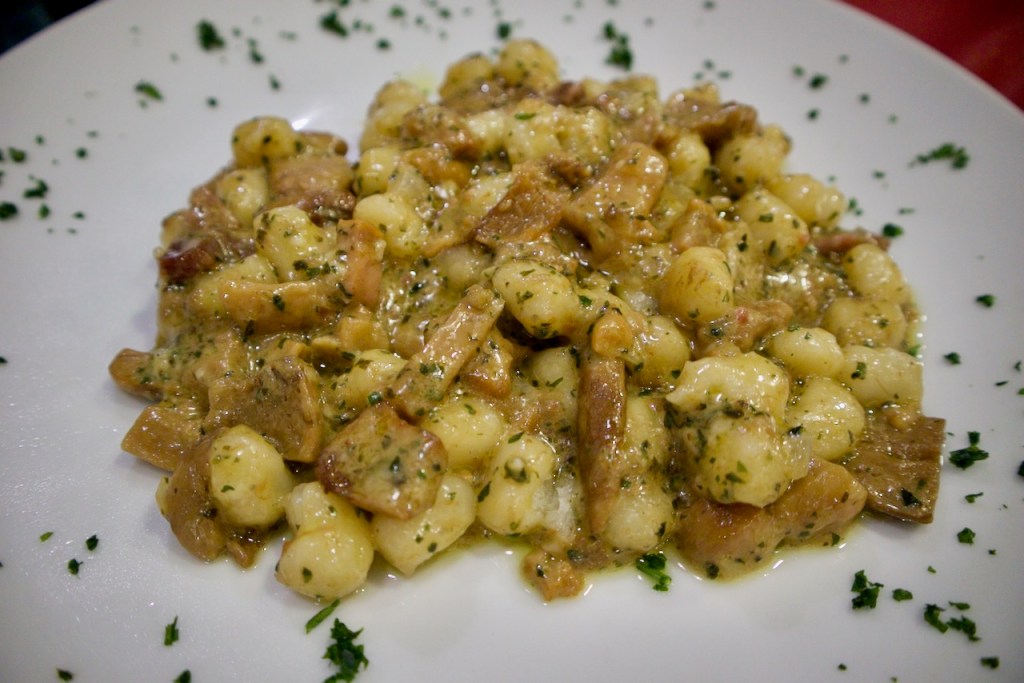
Siena might be tiny, but it’s no less spectacular. It boasts a unique shell shaped Piazza del Campo that makes every visitor’s jaw drop for her sheer size and beauty. Flanked by a 1,000-year-old wall, this UNESCO World Heritage gem is home to a beautiful Gothic Cathedral and more palaces and art museums than you can explore. The Palazzo Pubblico, for example, has been Siena’s City Hall for 800 years! Above all, Siena is world famous for the Palio races twice a year – on 2 July and 16 August – when ten horses and riders, bareback and dressed in colours representing ten of the seventeen contrade/city wards compete in a tradition dating back to the 17th-century. Imagine the photogenic occasion! For now, I enjoy a marvellous Sienese evening with my dance-teacher-yogi pal, Monia, over brushcette, gnocchi ai funghi and wild boar ragu fresh pasta, and Tiramisu. Piazza del Campo looks stunning in her midnight glamour set against a quasi luna piena!









Full Moon in Florence
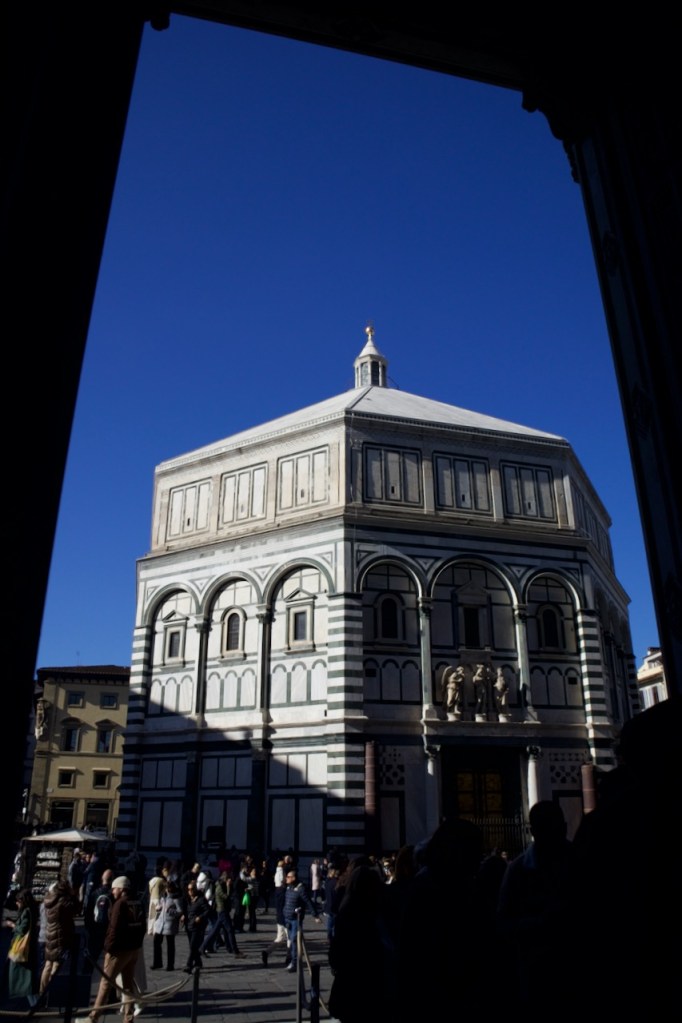
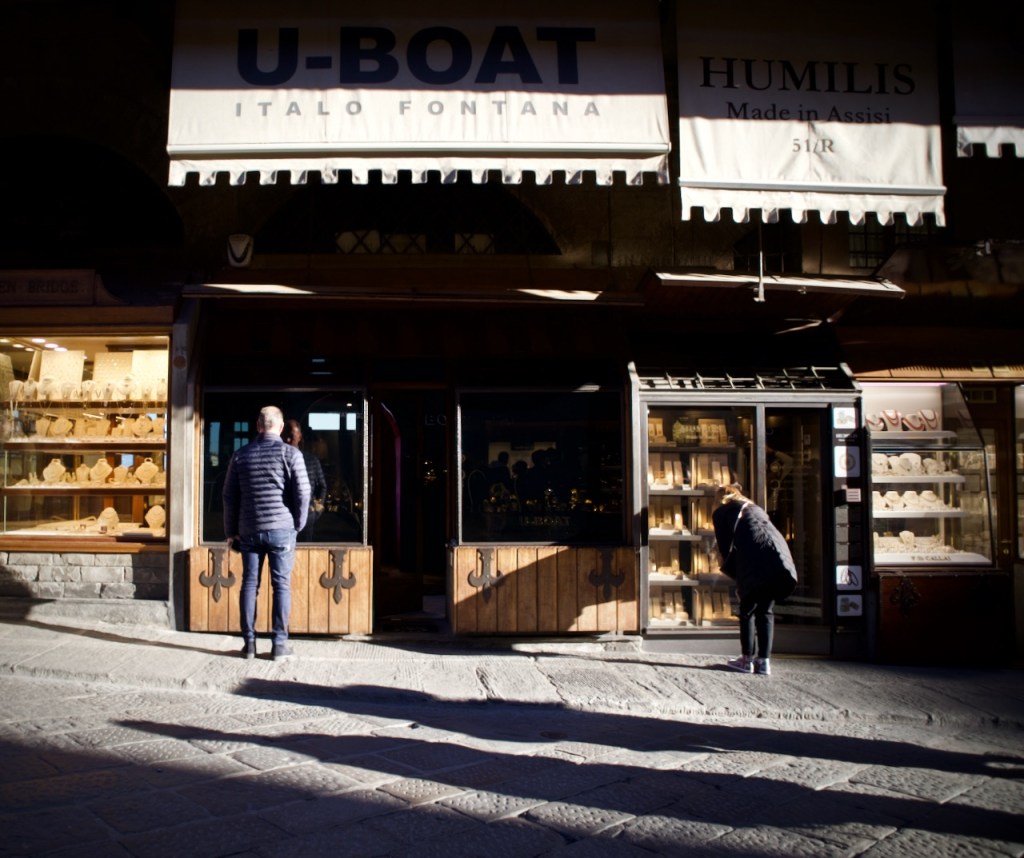
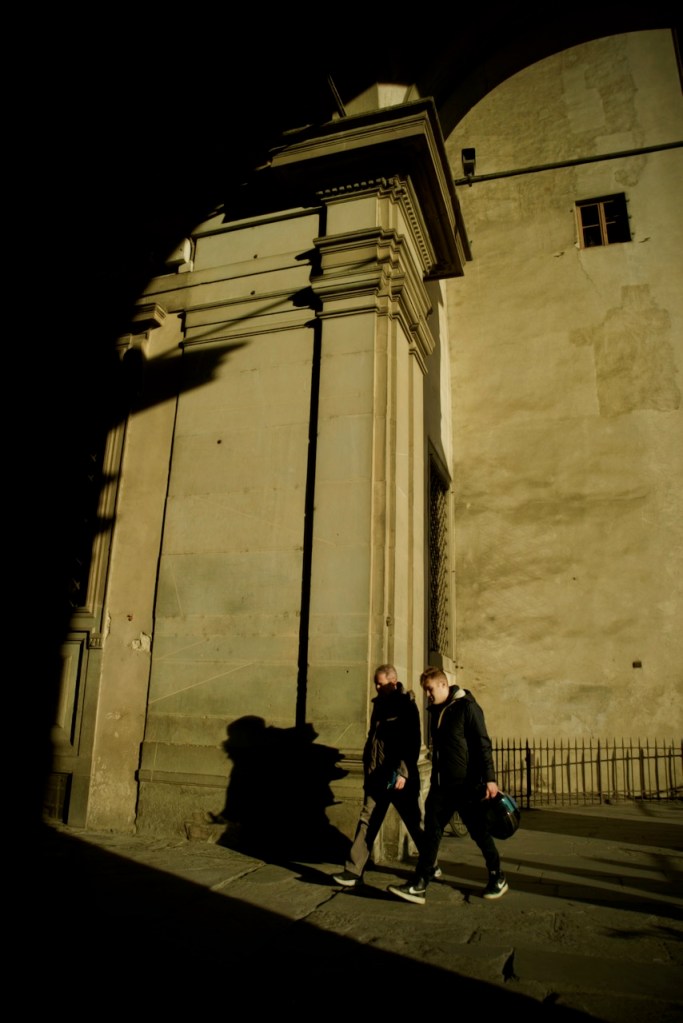
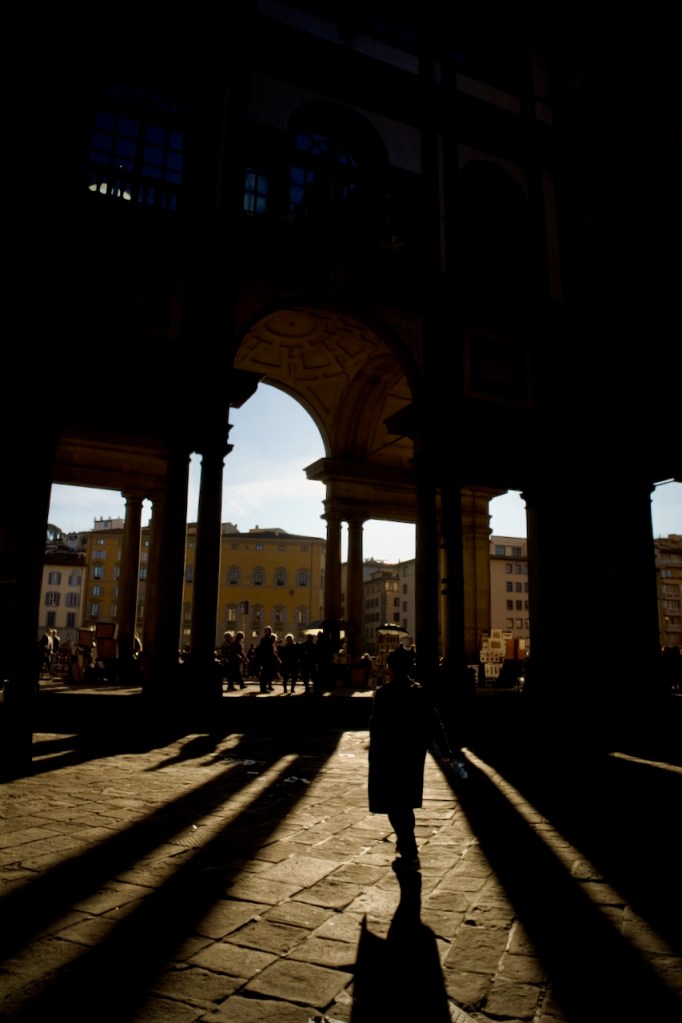
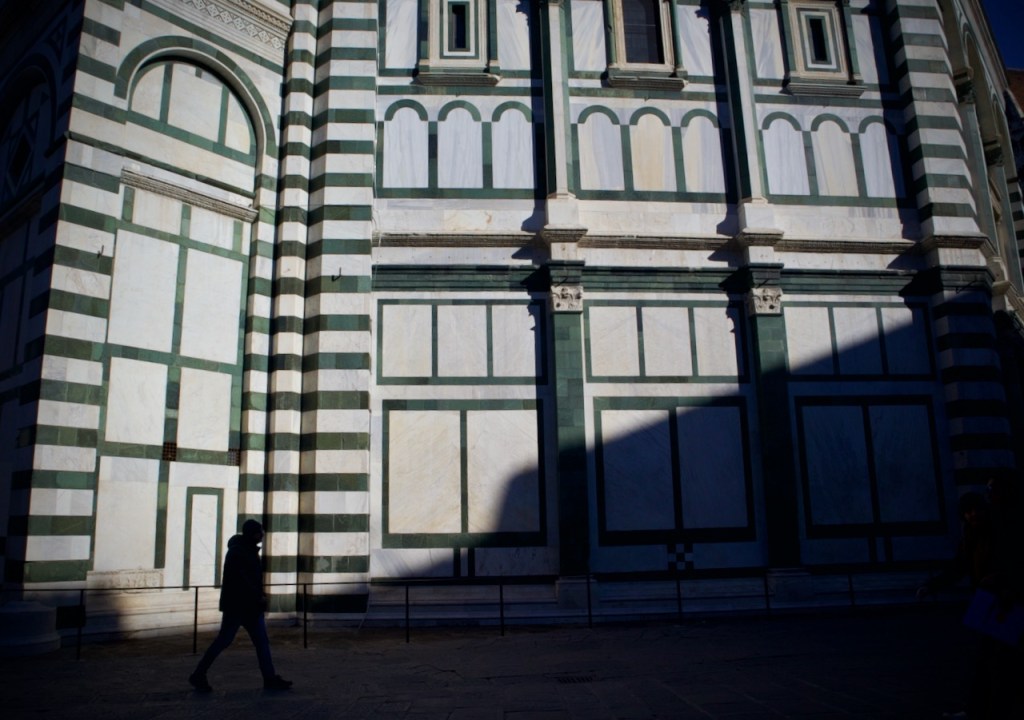
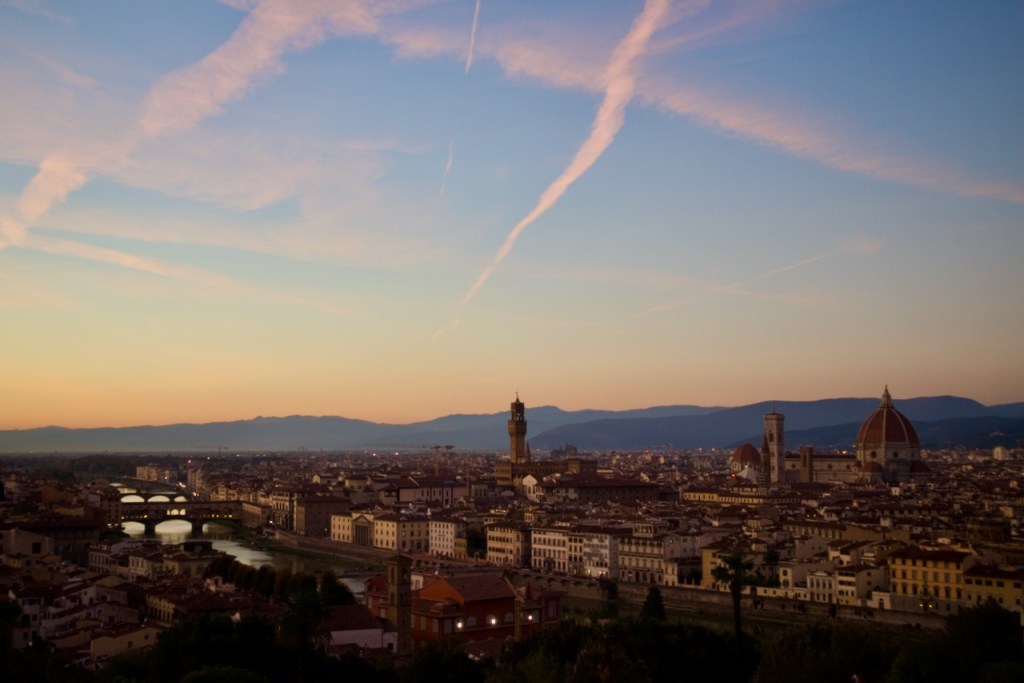
Florence, the birthplace of the Renaissance and the heart of Enlightenment, the ideal city state, the home of Dante, a treasure trove of ancient Greek and Roman culture, the masterpieces of Leonardo da Vinci, Michelangelo and Raphael, the separation of church and state with modern notions of liberty, progress, and constitution, a powerhouse of cultural, economic, political, and financial domination… No superlatives seem enough to describe this rich, beautiful city unrivalled in history, art, and architecture. My fifth visit to this city where I once studied brings back so many sweet memories. From the Duomo masterpiece to the Piazza della Signoria, the Ponte Vecchio leading to the Uffizi Galleries, and all the endless churches and museums, gardens and palazzos, Florence is definitely one of the most photogenic places in the world. For nostalgia, I head up to Piazza Michelangelo for an immemorial sunset Florentino before the full moon rises. The rest is history…










Love in Verona
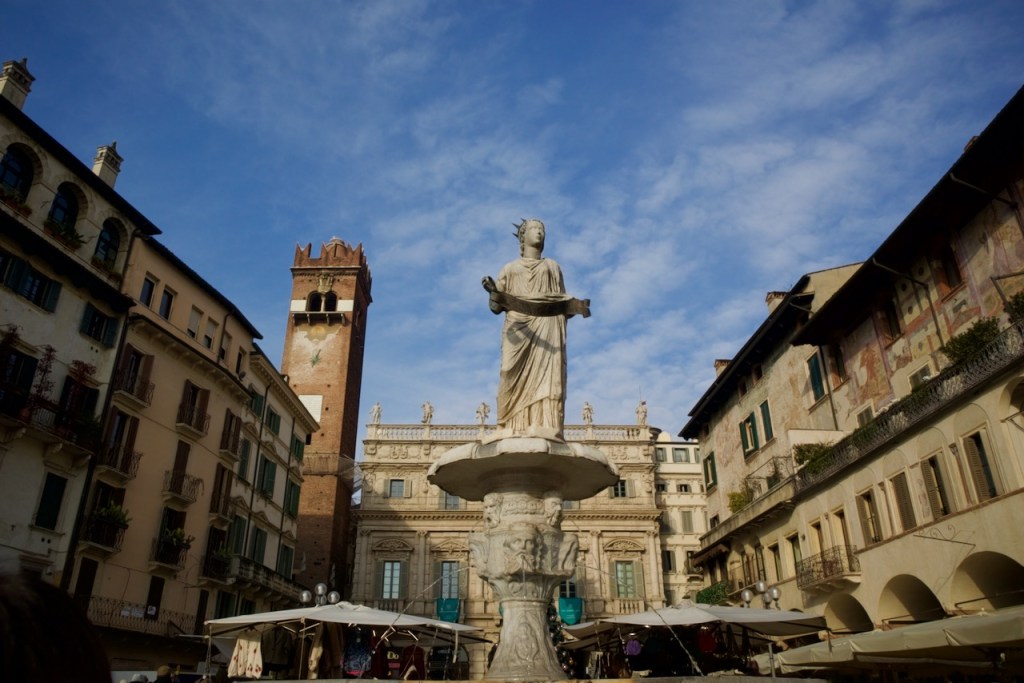
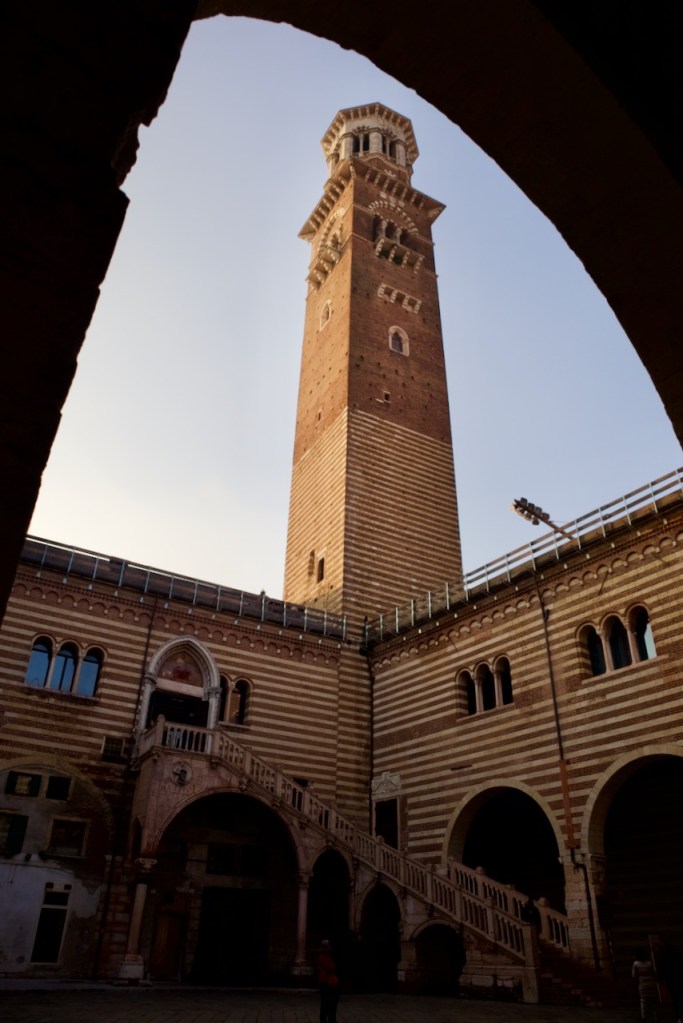
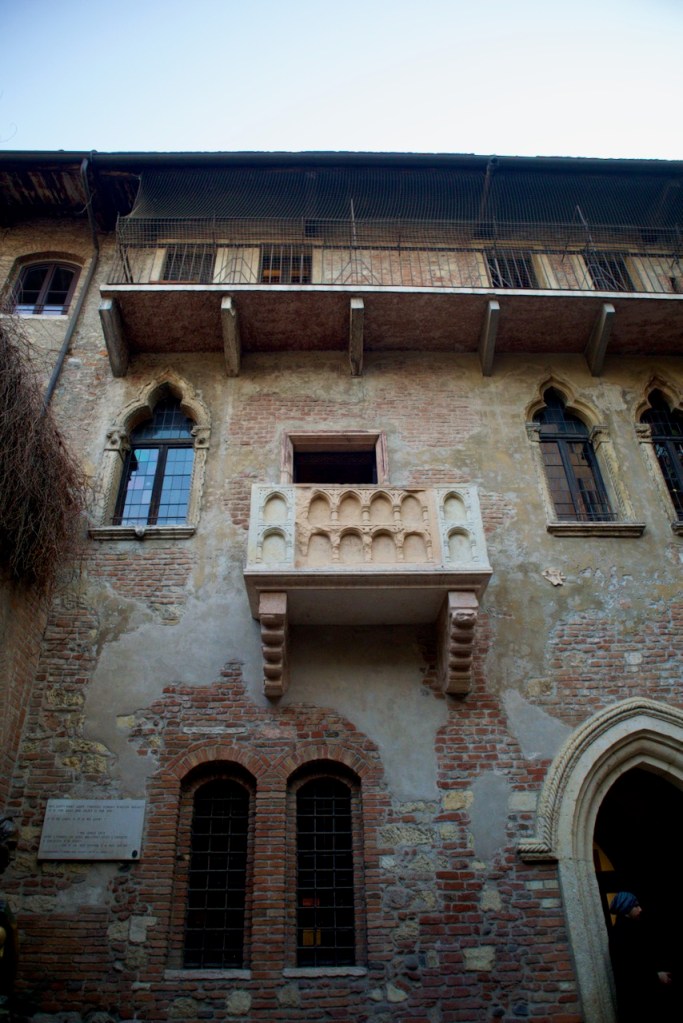
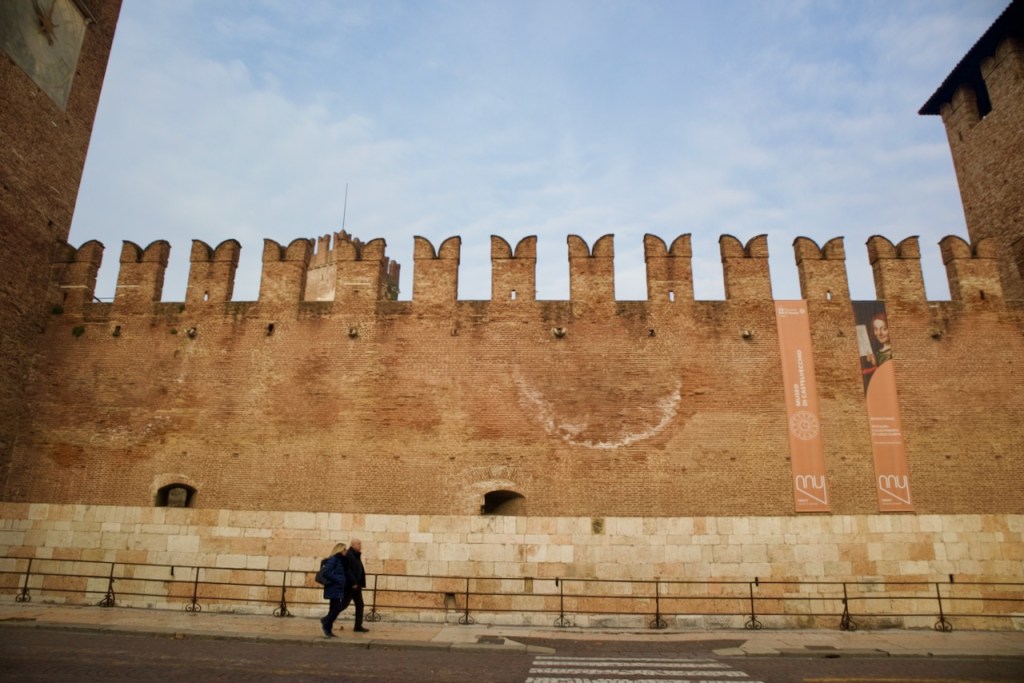
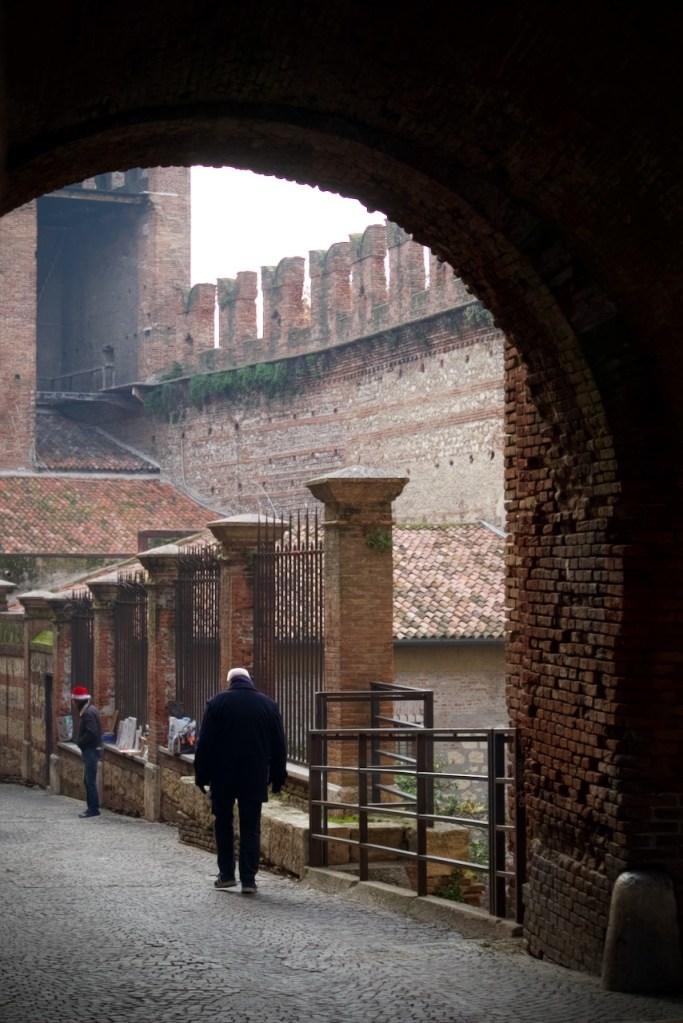
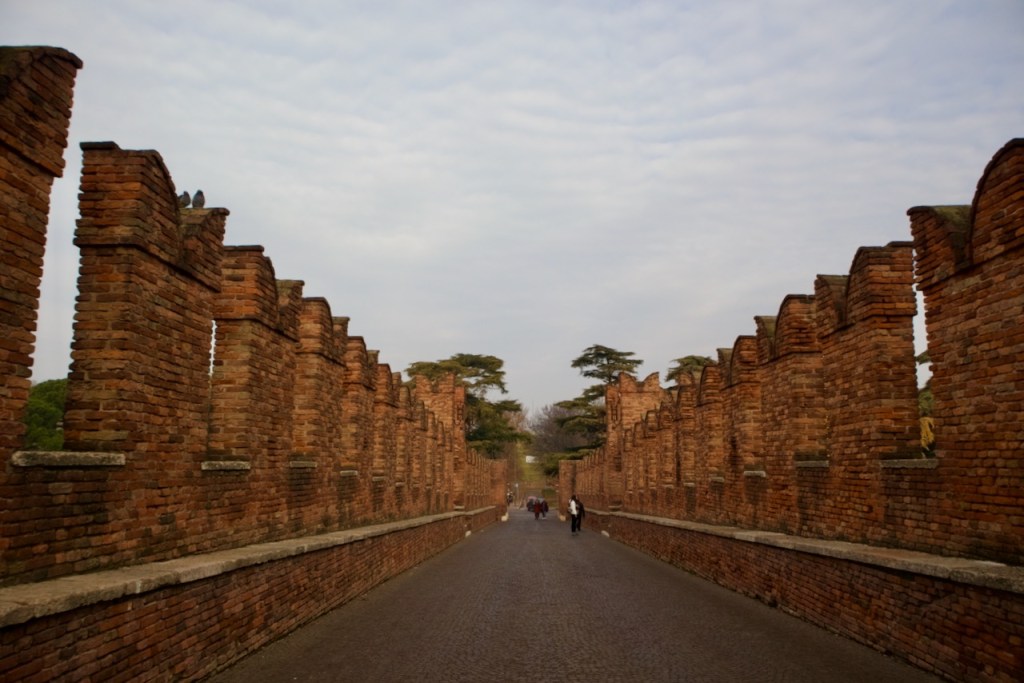
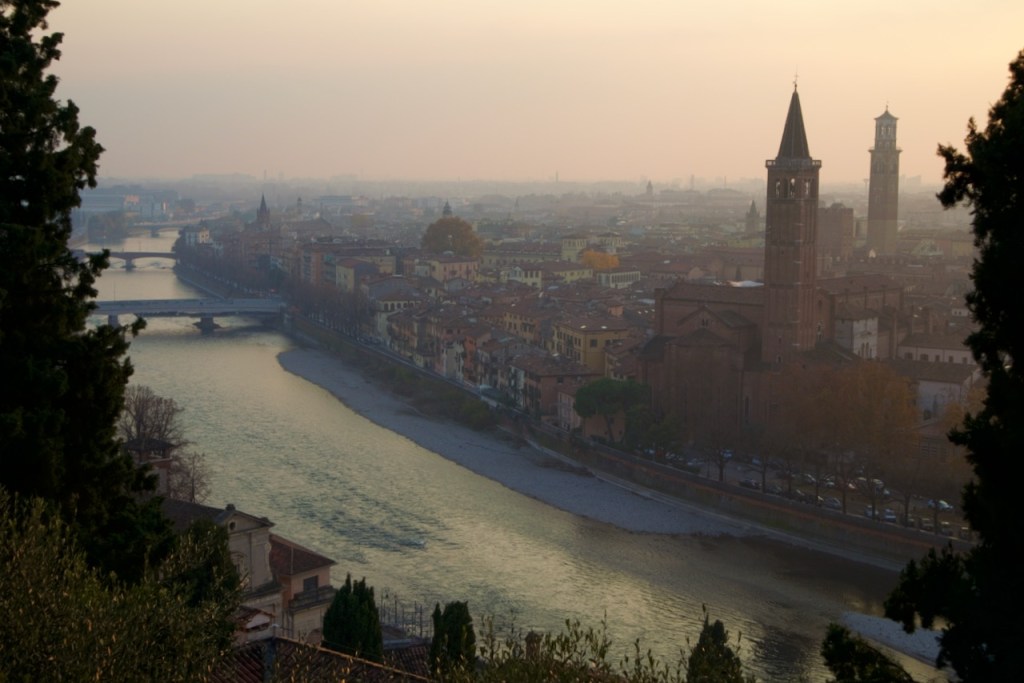
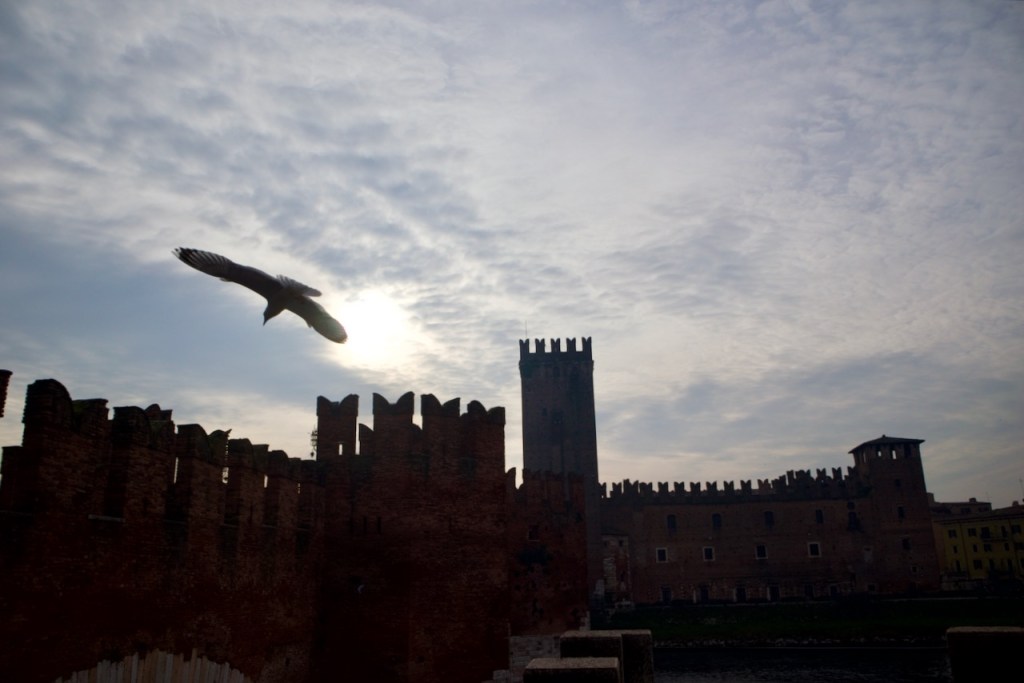
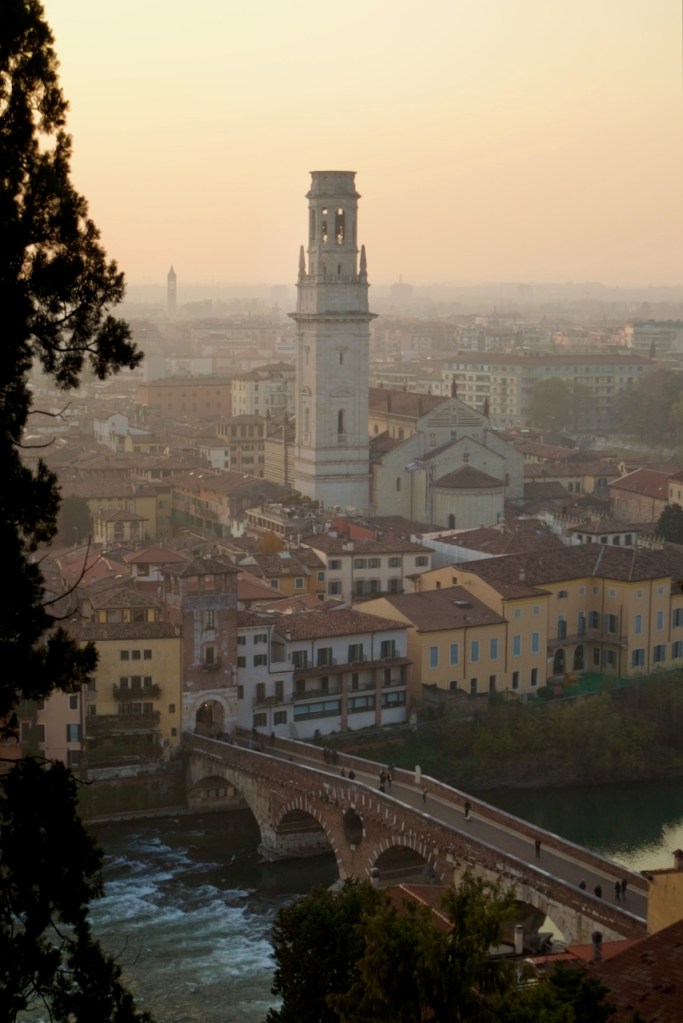
After two beautiful months in Southern and central Italy, I wind my way up North to visit the Veneto region. Bypassing mega-touristic Venice this time, I arrive in little, cozy Verona in early December. The Christmas market is thronged with holiday shoppers in the picturesque Piazza delle Erbe, home of the Roman Forum in ancient times adorned with the Madonna fountain and an imposing Gardello Tower. Juliet’s balcony aside, the romantic city has plenty to offer. From the massive Amphitheatre, I walk towards Castle Vecchio and linger along the magnificent 14th century Ponte Scaligero before crossing the bridge to reach St. Pietro Castle for a perfect Veneto sunset over Adige river. Shakespeare knows a thing or two about love: Parting is such sweet sorrow!







Dreams are Made on Genova
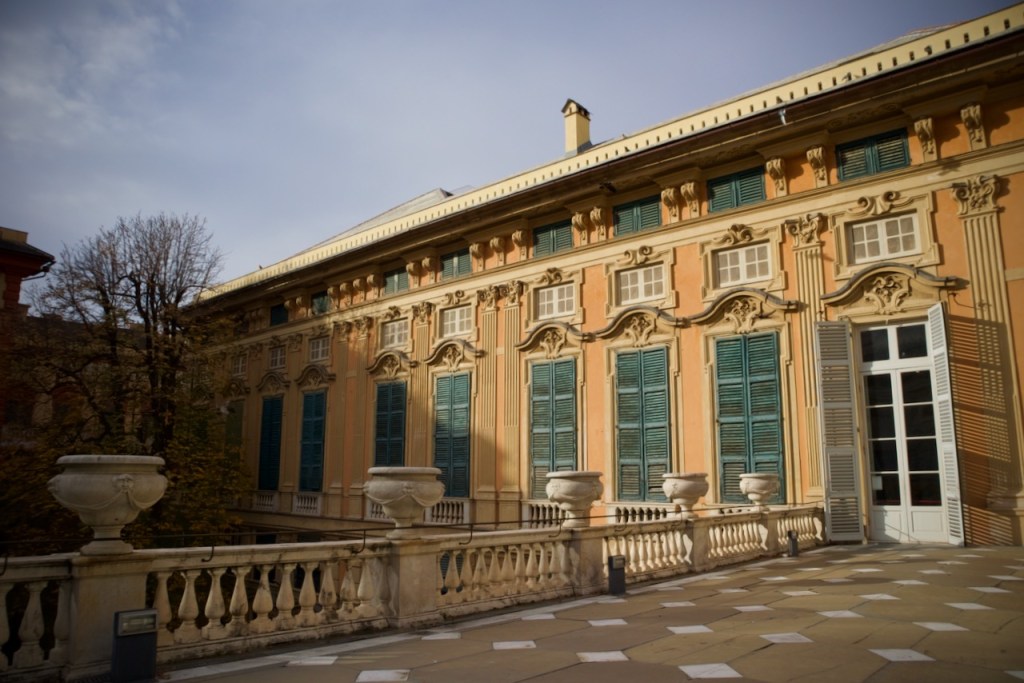
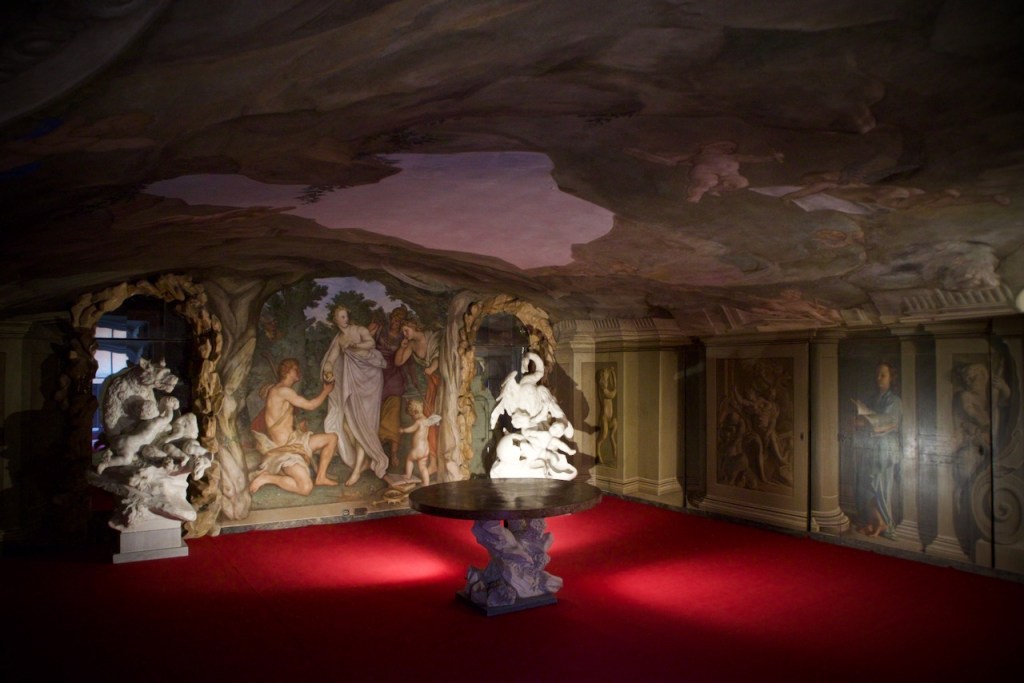
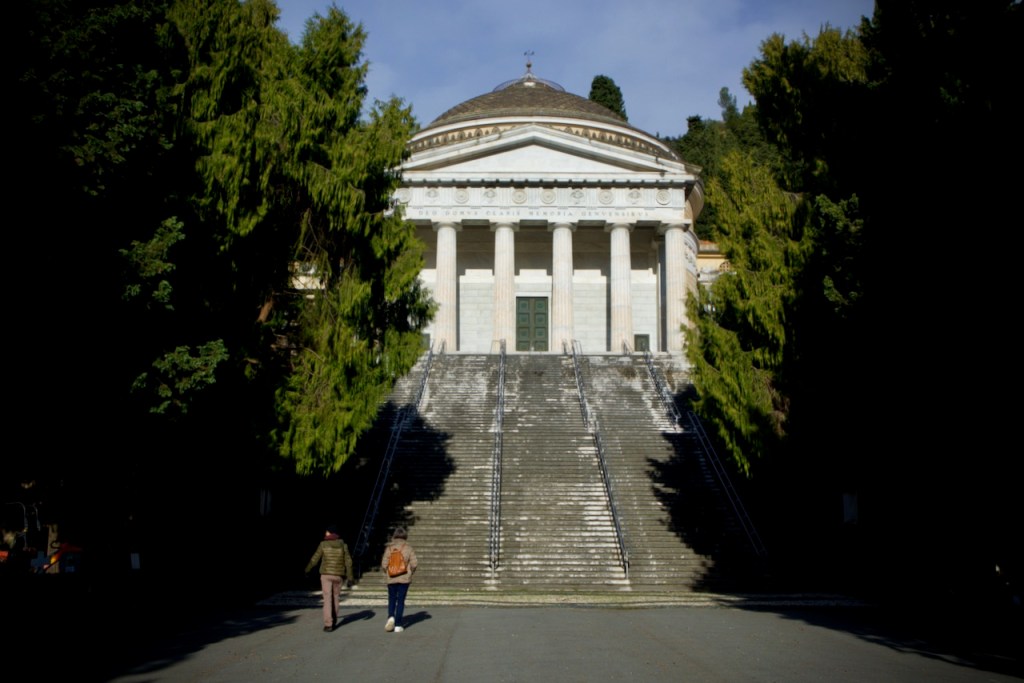
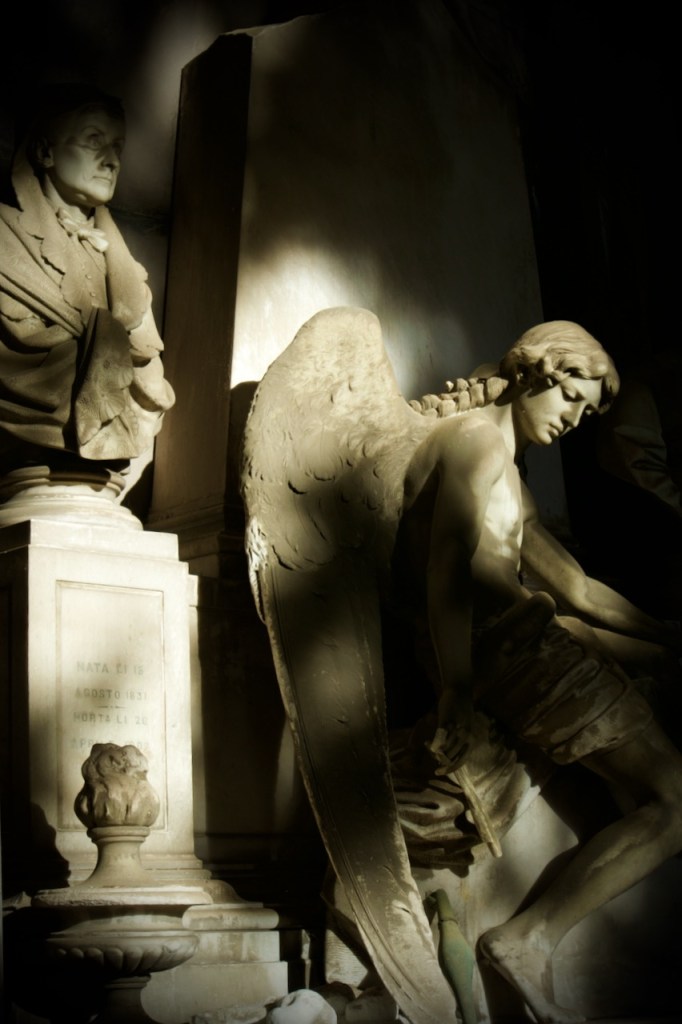
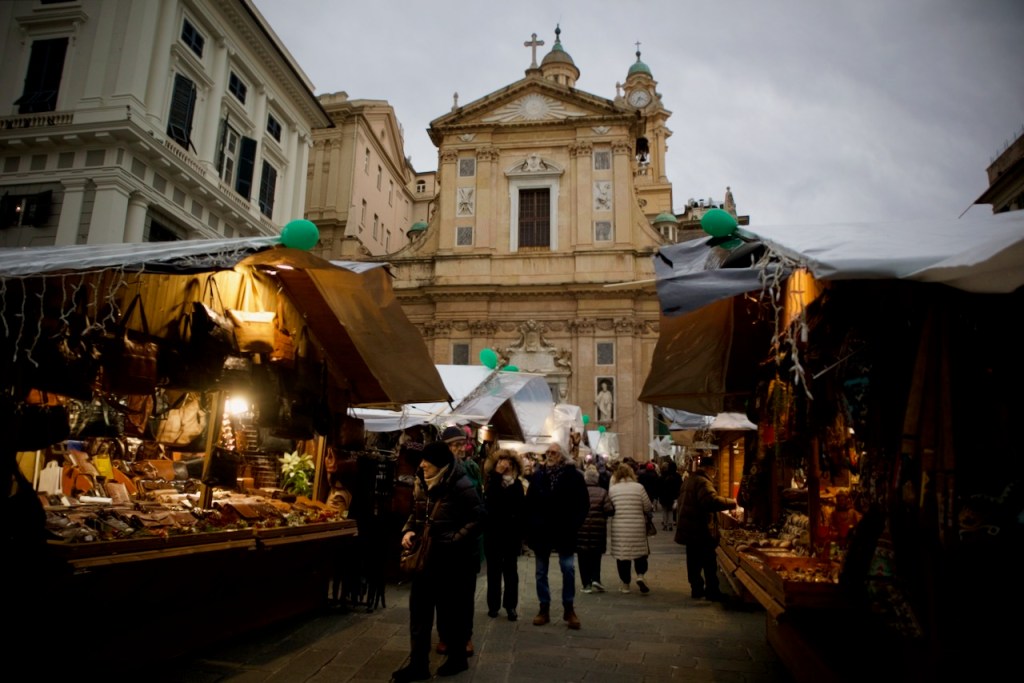
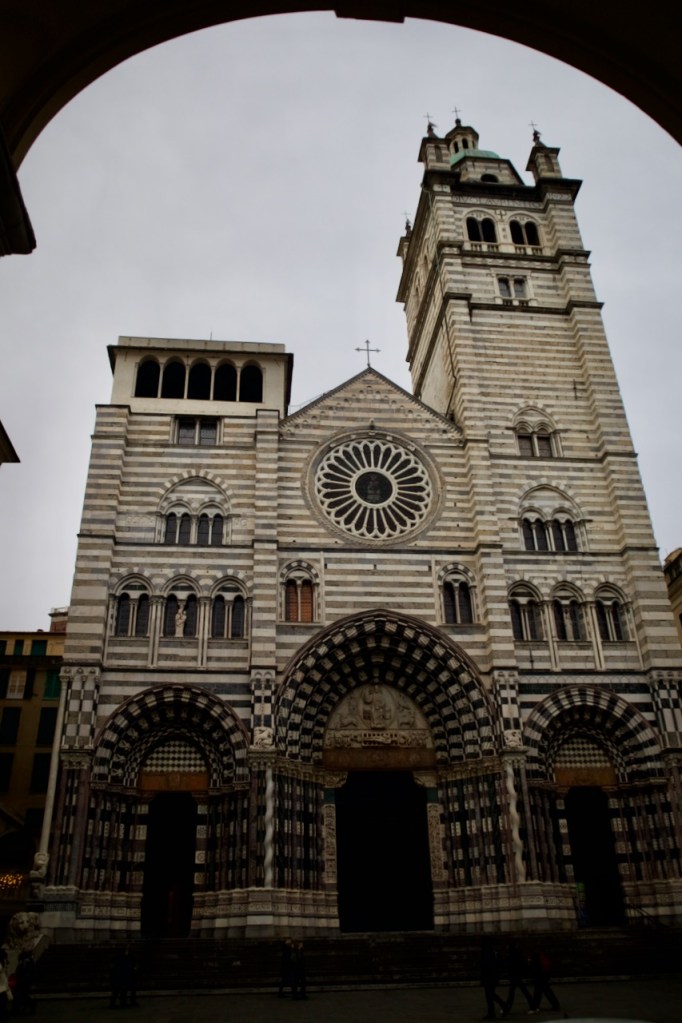
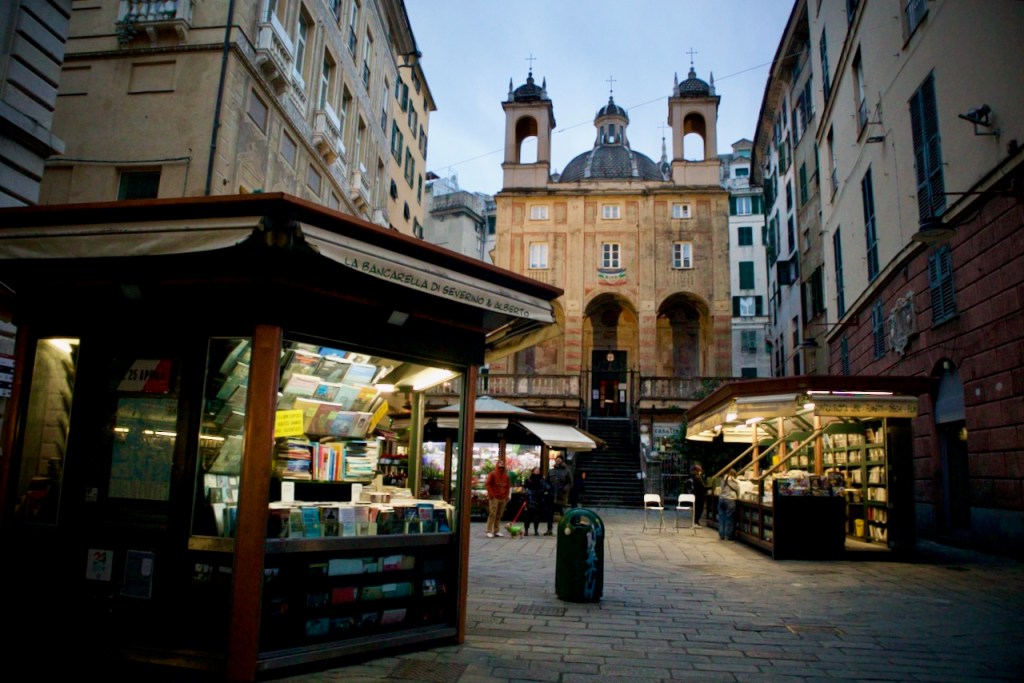
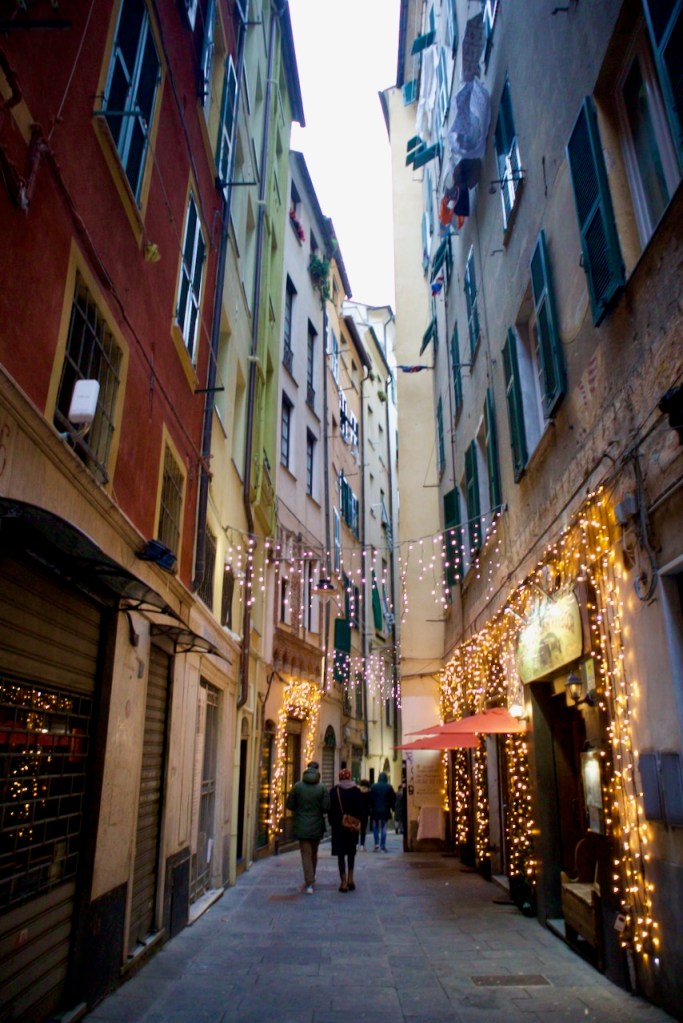
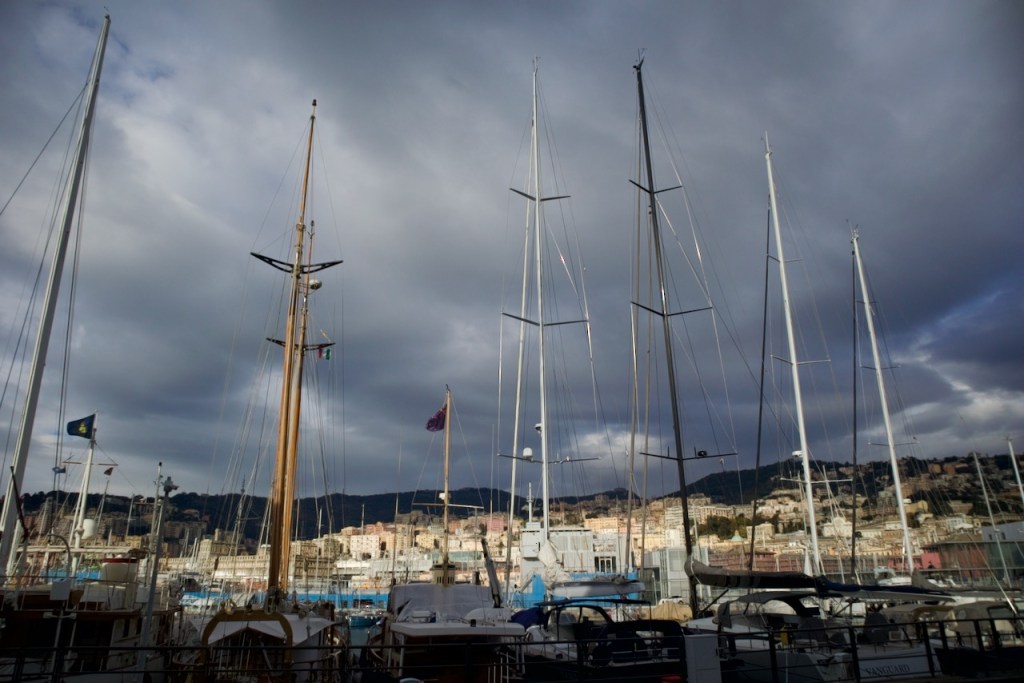
Surprise, surprise, the prize is out! My favourite city in Italia is… Genova! A northern city with southern vibes, the porto antico with decaying colours, the radiating caruggi/tiny alleys casting shadows on the city’s glorious past, the ghetto right next to Via Balbi and Via Garibaldi, the Strada Nuova/Golden Street plunging you back in the Enlightenment era, the magnificent two-century-old Teatro Carlo Felici standing tall and elegant in Piazza Ferrari, just steps away from the Spianata Castelletto with a stupendous view of the city, the truly Monumental Cemetery where all the Genovese illuminaries repose…
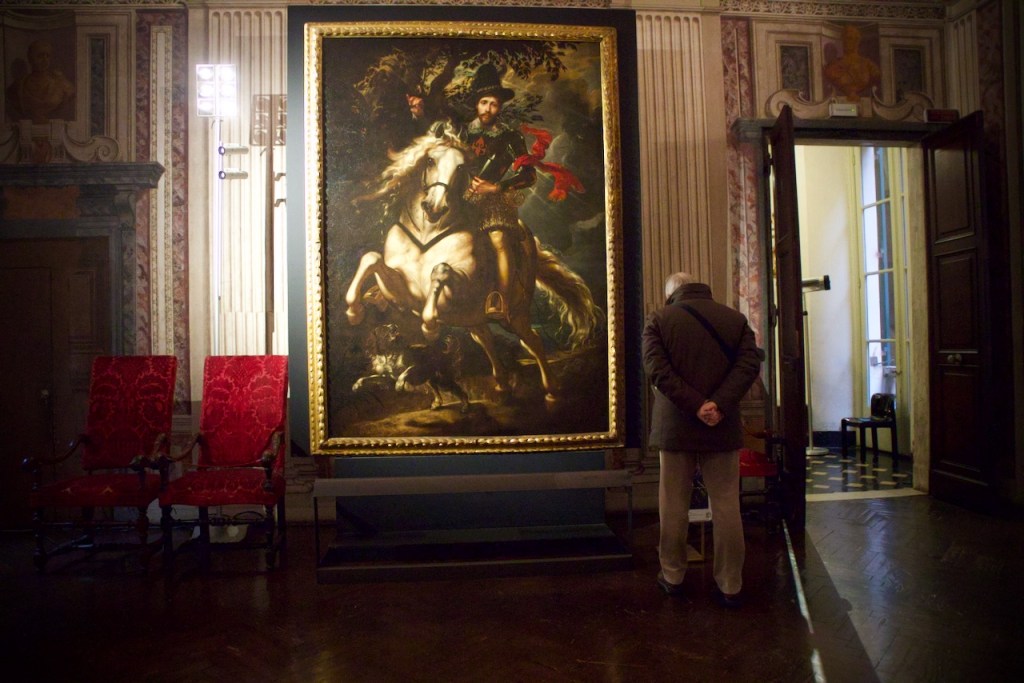
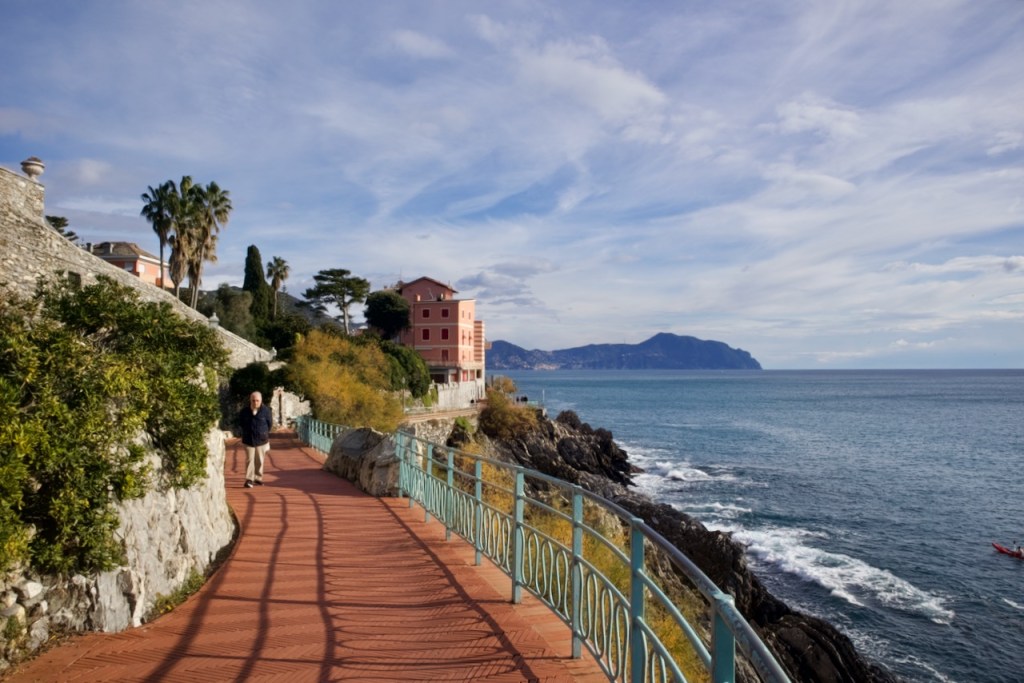
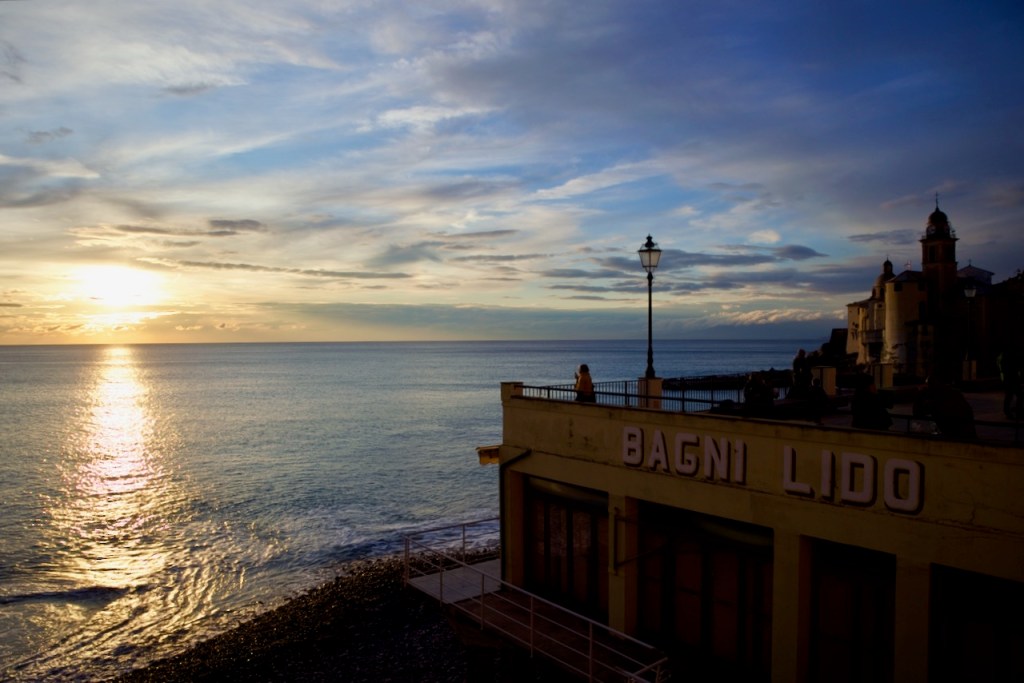
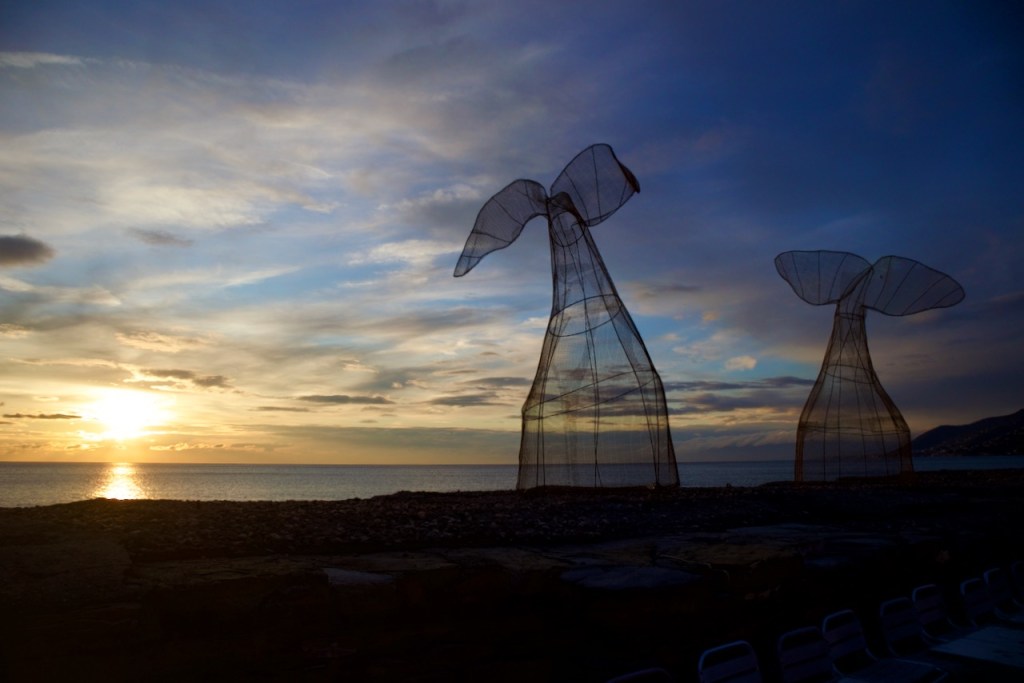
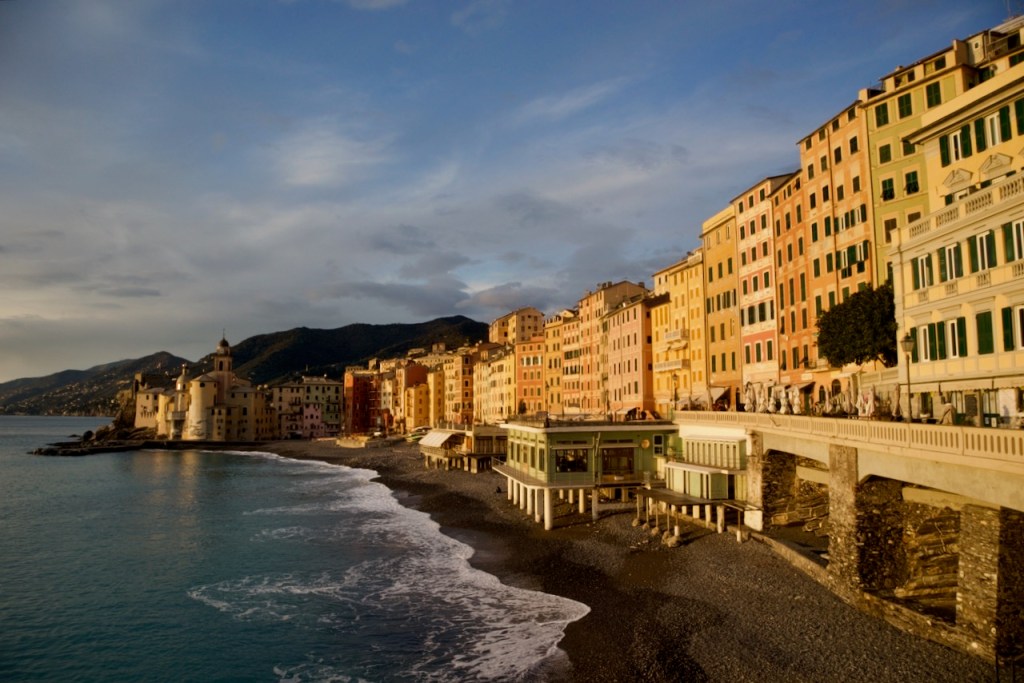
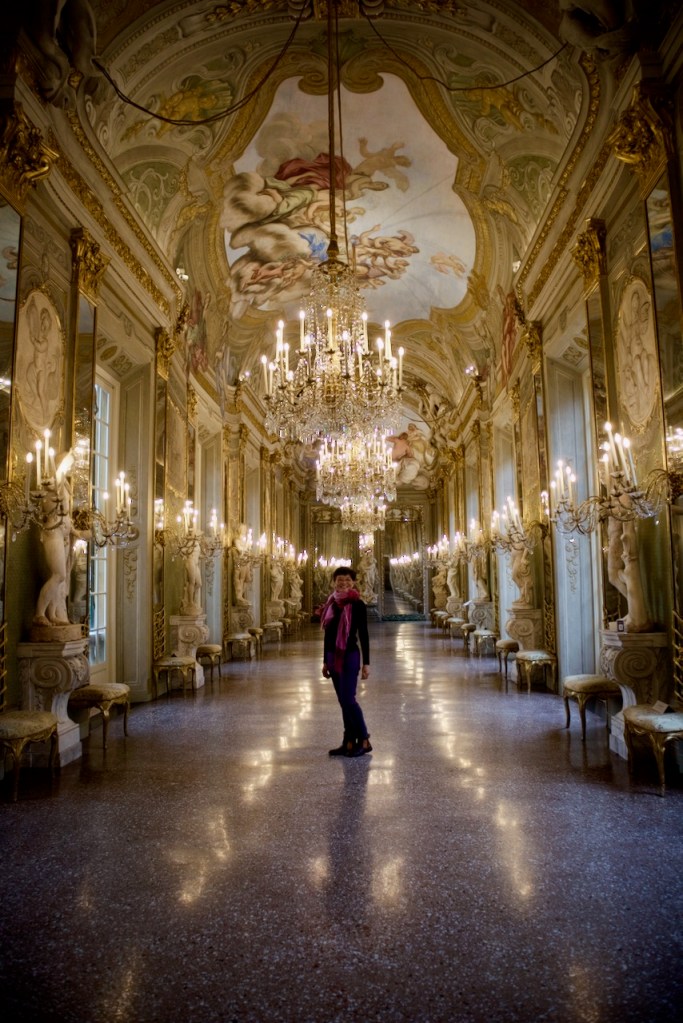
I stand stupefied by all the grandeur and beauty in the Royal Palace as well as Palazzos Rosso, Bianco, Tursi, and Spinola where I try to soak in the light of Caraveggio and Rubens and admire Paganini’s voilin made in 1742! I take a lift to Castello d’Albertis, home of the Museo delle Culture del Mondo, for a penthouse sunset view of the entire Gulf of Genova. After all the inland towns and cities, I almost cry with joy to walk along Corso Italia – Genoa’s seafront – to Boccadasse, a picturesque fishermen hamlet before taking the train along the million-star Ligurian coast. From Nervi promenade to Portofino, ending yet another perfect day with sunset in Camogli, I cannot find words to describe this whole blessed journey. The Renaissance poet, F. Petrarca, is right: Genova is a regal city. And then there is the famed Genovese cuisine with mouth-watering pesto fresco and cheese foccacia, pandolce and torta, brioche and meatloaf, chard pies and fish sandwiches, plus gelato by the sea!










Turin: Paris of Italy
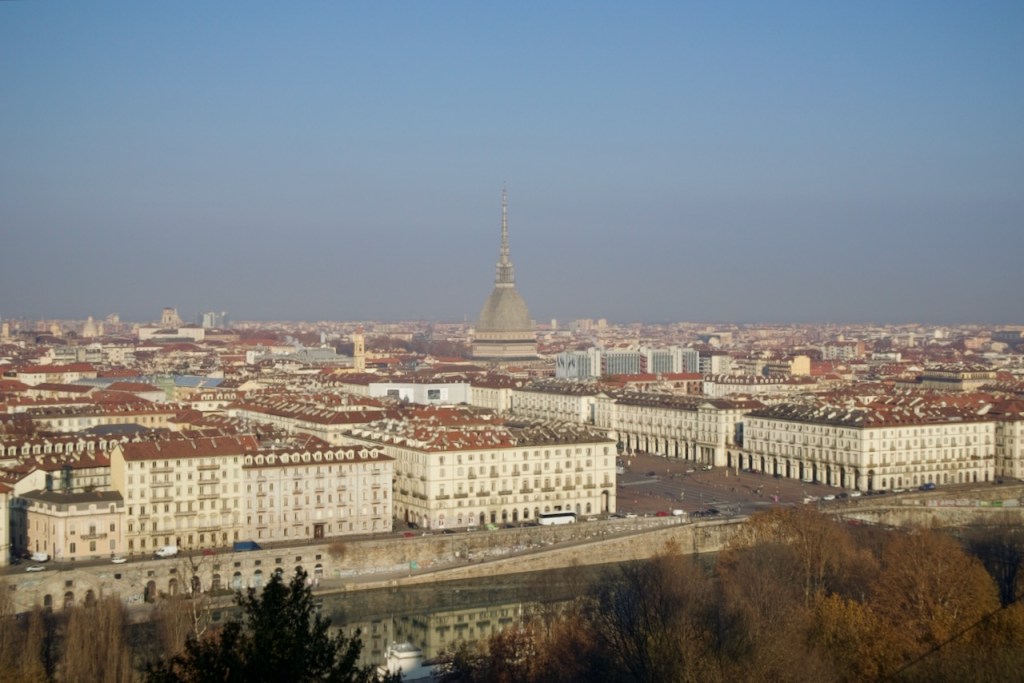
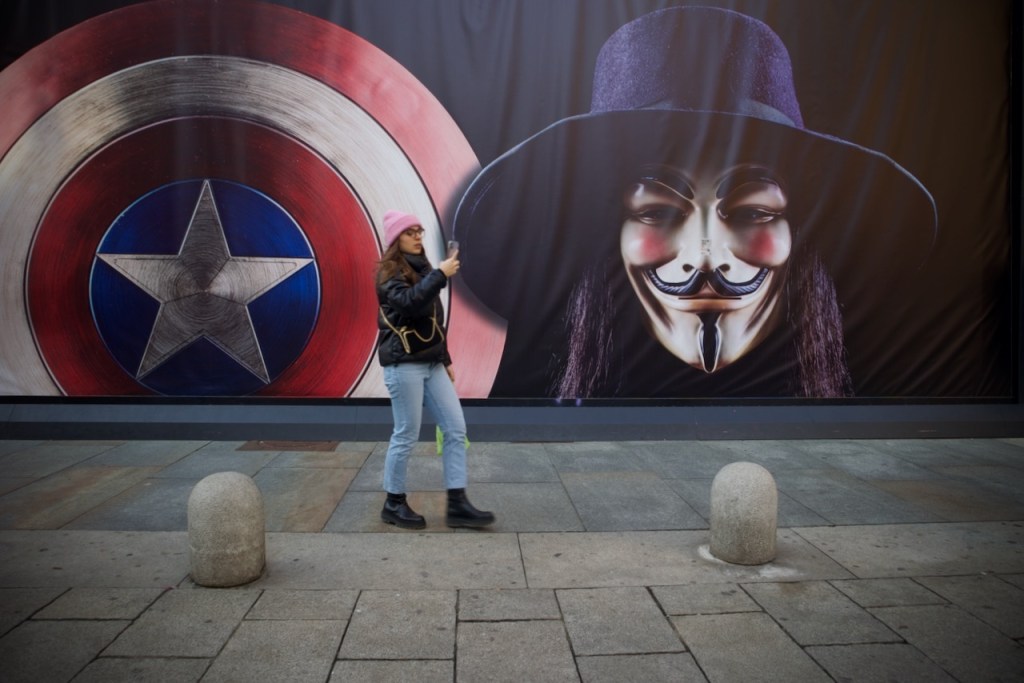
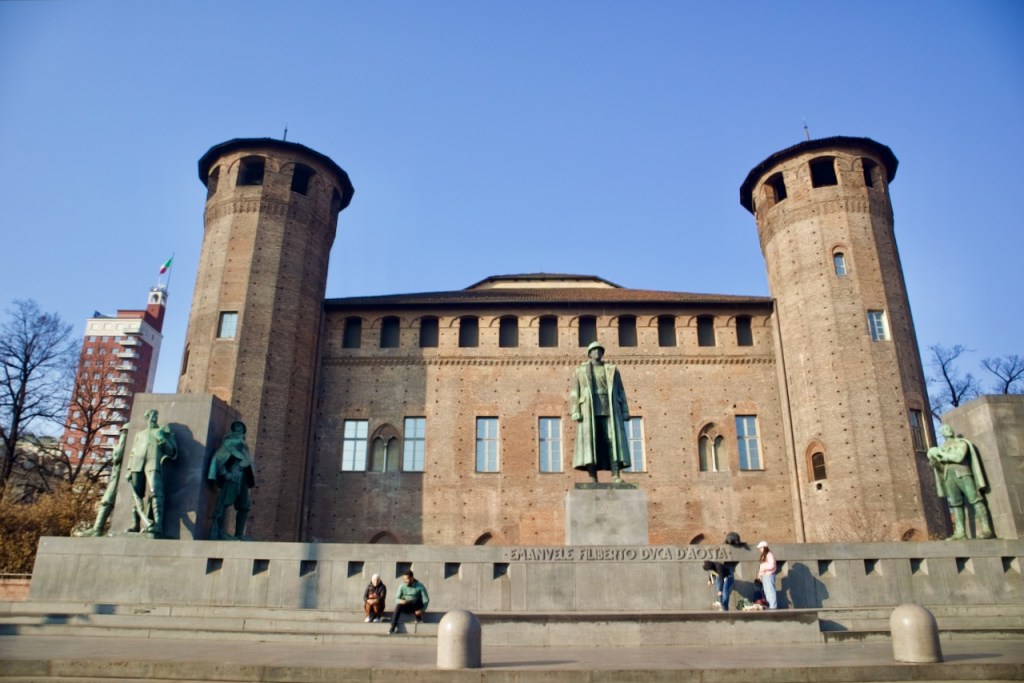
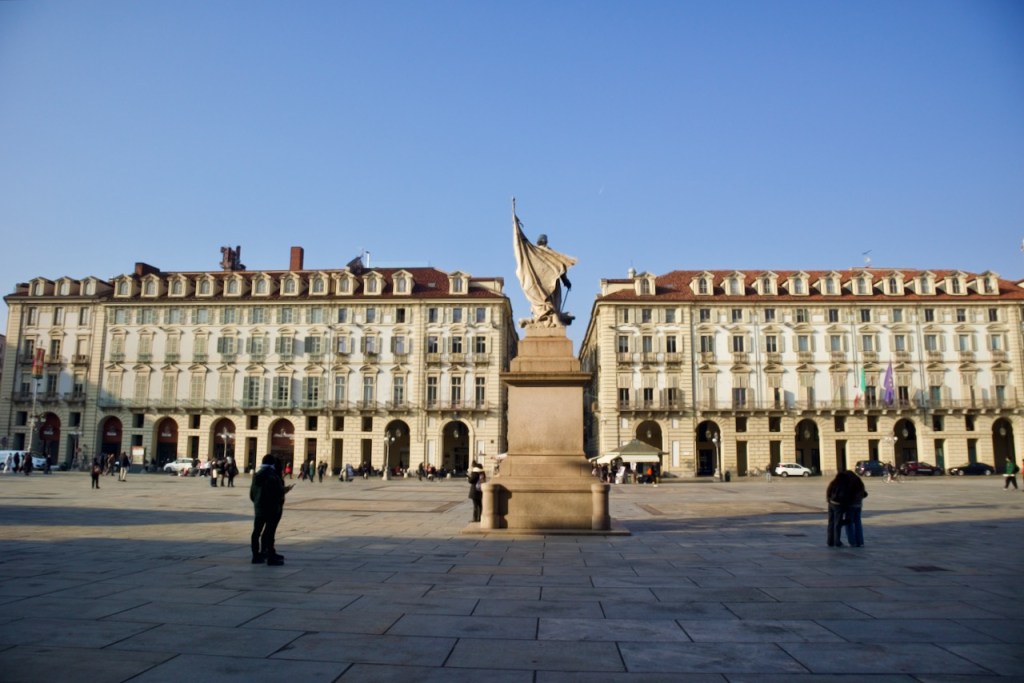
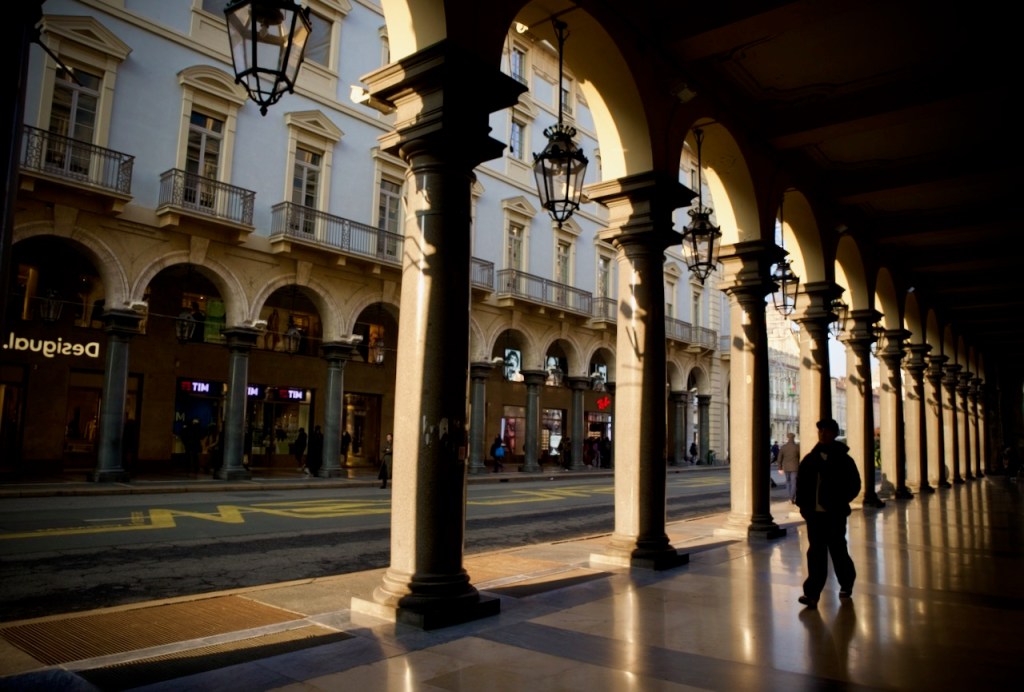
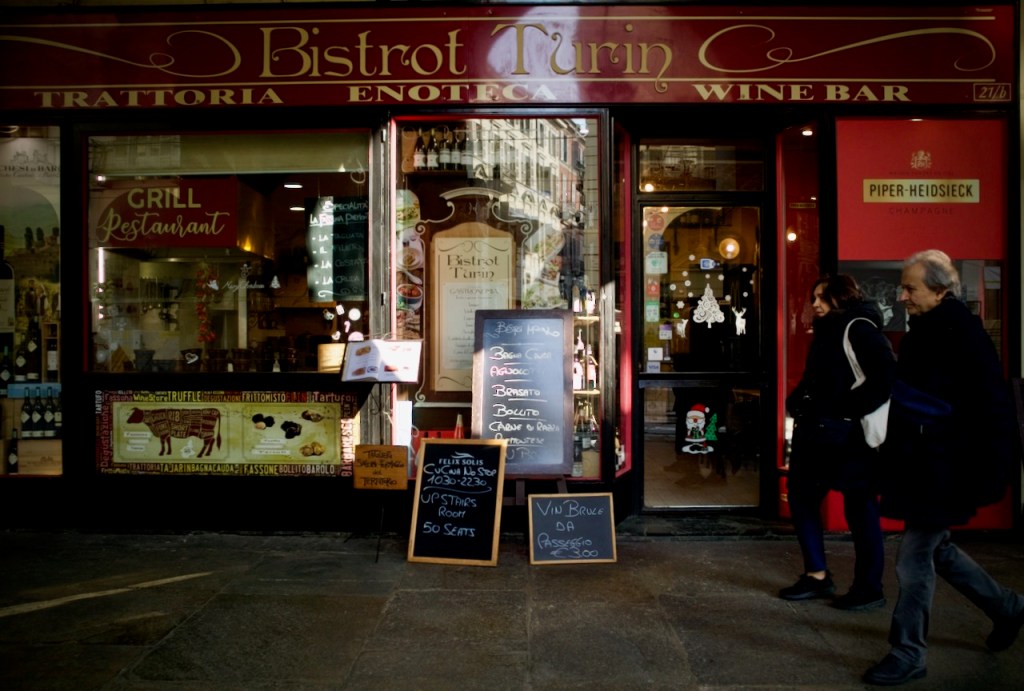
With elegant boulevards and grand piazzas, castles and Art Nouveau, chocolate and Fiat, Turin is a wealthy industrious city. The capital of the Savoy royal family from 1563, then of the Sardinian Kingdom before becoming the first capital of the Kingdom of Italy from 1861 to 1865, the beautiful city is often considered as “the cradle of Italian liberty” for having been the intellectual and political powerhouse of the Risorgimento period that led to Italy’s unification. It’s also home of Italy’s automobile industry as well as first center of Italian cinema before Mussolini moved the studios to Rome. In a cold, hazy wintry morning, a friend’s friend, Franco, dropped me at Monte Cappucini for a bird-eye-view of the city – gorgeous even without the iconic Alps panorama.
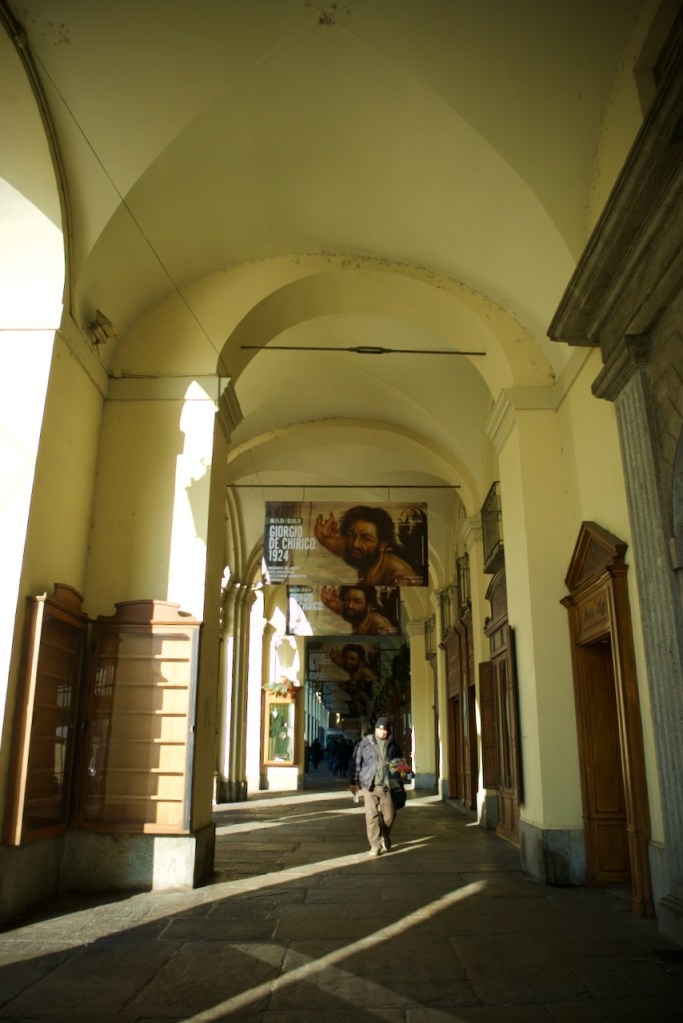
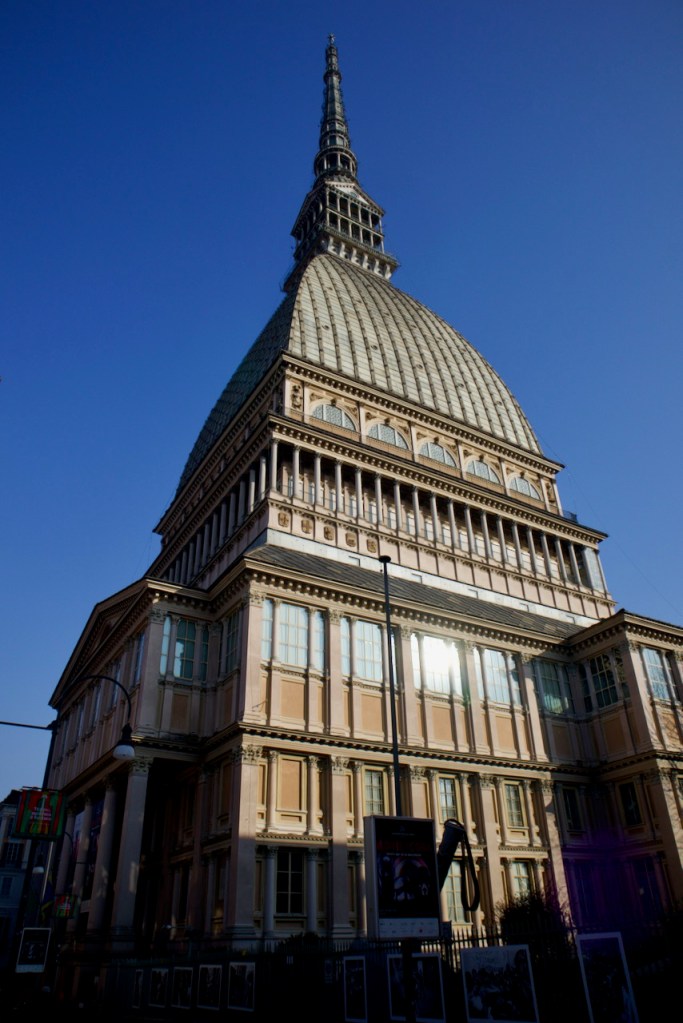
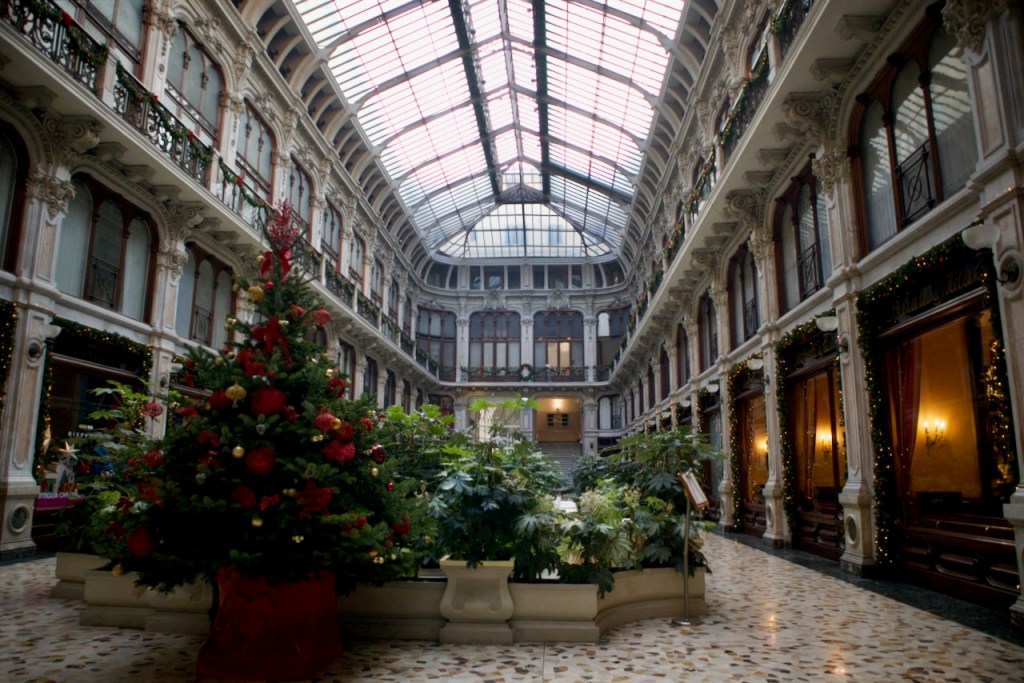
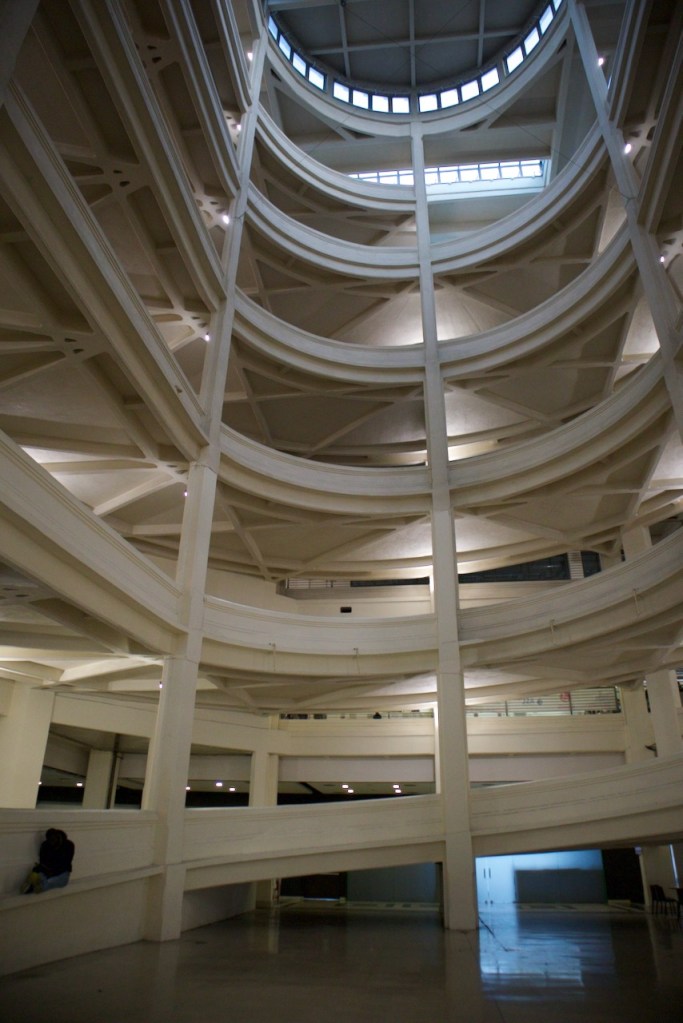
From Piazza Victorio Veneto, I follow the grand via towards Piazza San Carlo, stopping at the signature Mole Antonelliana – now home of the National Museum of Cinema – before making my way towards Palazzo Reale. A late afternoon stroll along river Po takes me to Parco Valentino with a mini-Versailles castle. Lingotto, the seat of Fiat’s old factory now turned into a shopping arcade and museum, is a perfect example of Torino ingenuity. There is still plenty more to do and visit in this rich city from the automobile museum to Galleria Subalpina or a trip to Superga in the nearby hills. But the main purpose of my visit is a reunion with Diletta and Eric whom I met in the Camino de Compostella two years ago. Much to catch up and celebrate in three joyful days ending with a mega Italian festa!







Milano, in Foresight
The tradition of Milanese does not lie in preservation, but in foresight. And while the penchant for innovation may sometimes manifest in excess, this surplus merely reflects the spirit of an active, dynamic population decidedly oriented toward the future.
– Pierre Restany, A Proposito di Milano, d’Arte e d’Arte a Milano.
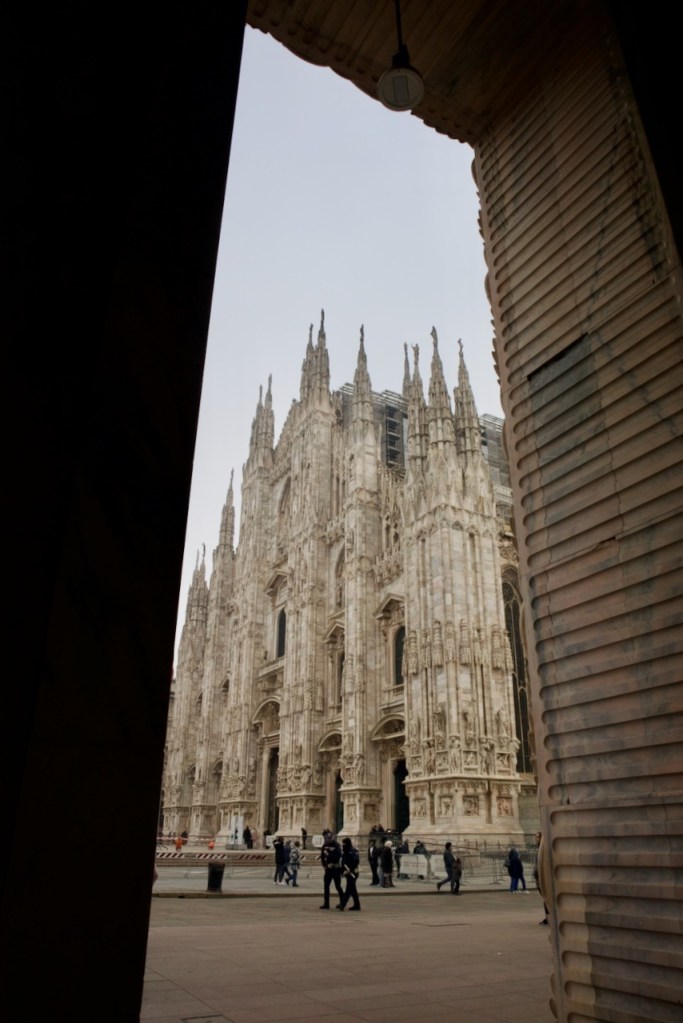
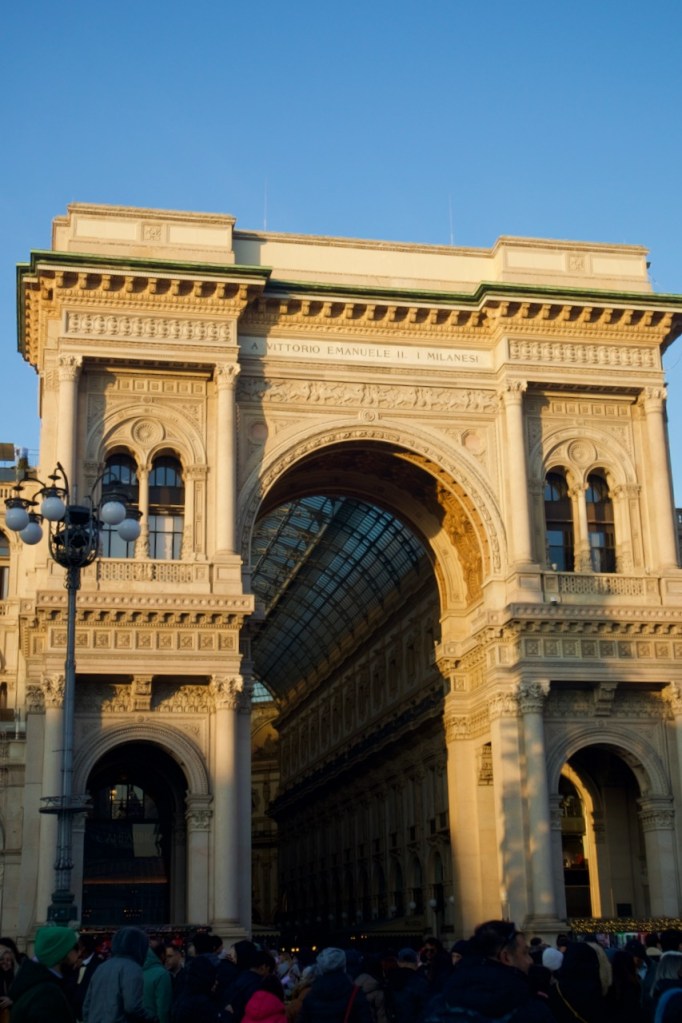
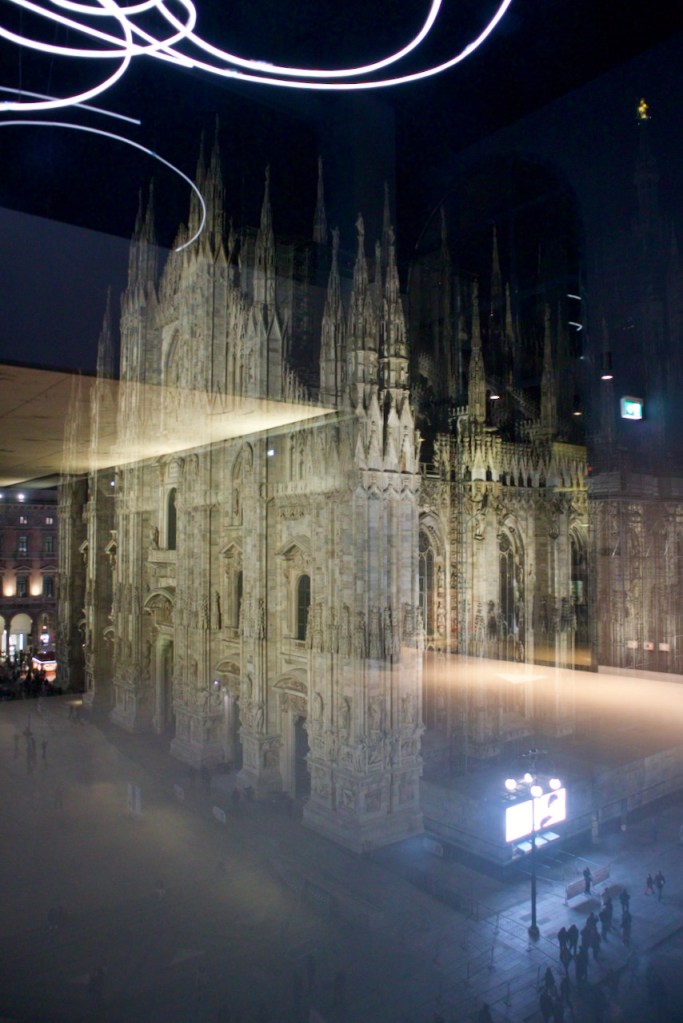
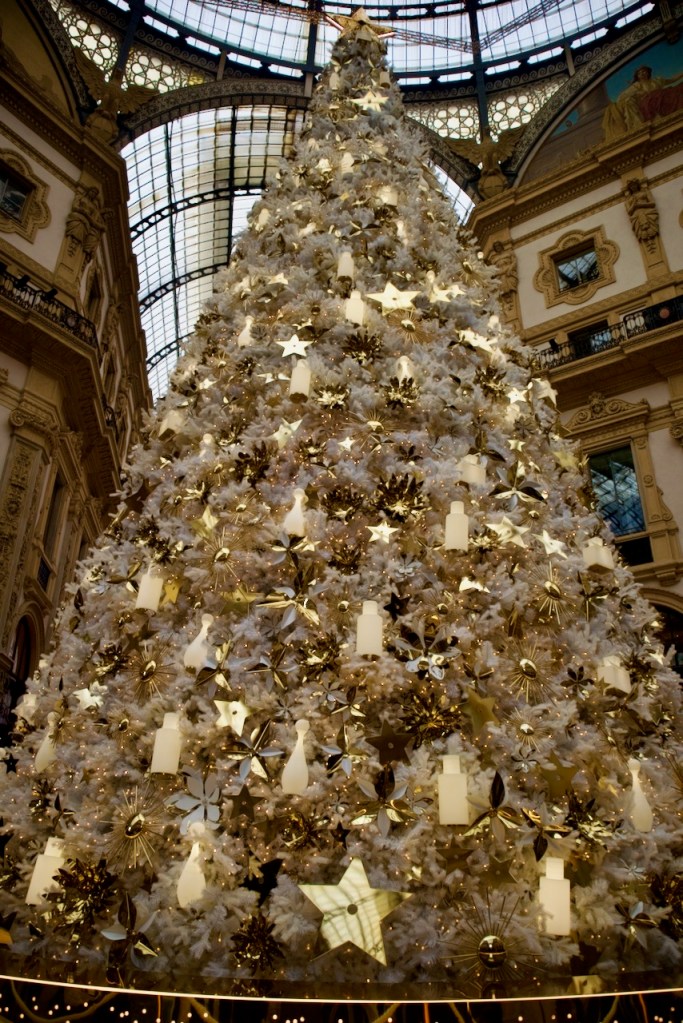
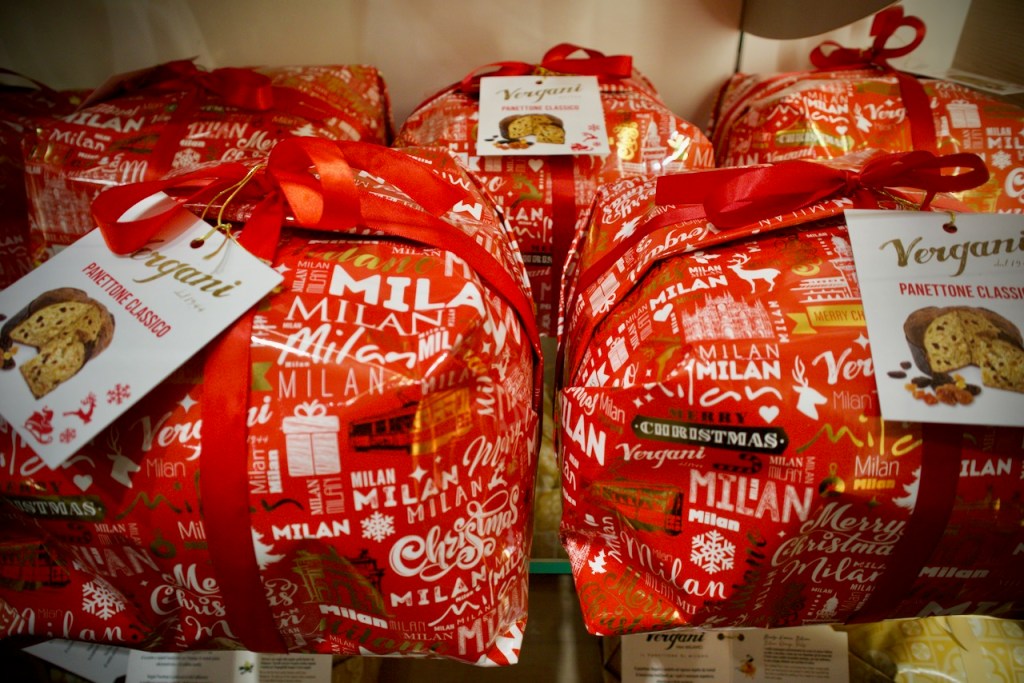
The holidays are near and Milan is my last stop over. I begin a DIY walking tour in the Duomo in the teeming piazza with a vague memory from my maiden backpacking trip to Europe eons ago. Zooming through the glamorous Galleria Vittorio Emanuele, I follow the holiday crowd to Via Monte Napoleone and Via Dante more for a sociological study of high fashion than to fill my capsule wardrobe. Castello Sforzesco, a grand UNESCO medieval castle, brims with visitors while the Monumental Cemetery is deserted in this time of the year. Tickets for Leonardo da Vinci’s The Last Supper are sold out, so I drop by Chinatown for a bowl of hot and sour noodle soup instead. Alas, no more opera seats at La Scala. I spend the evening at the Museum Novecento, admiring marvellous collections of Italian cubists, futurists, and arte povera, with a stupendous bonus night view of the Duomo. Milan’s offerings are endless – from aristocratic mansions to art museums and architectural gems – but I opt for walks in the city with Milanese. What is your favourite neighbourhood? Giada, a theatre teacher, introduces me to trendy Porta Romana before I join Gaby for one last Italian reunion dinner in her beautiful apartment in Porta Genova/Navigli. A grand bouquet finale to my Italian odyssey!




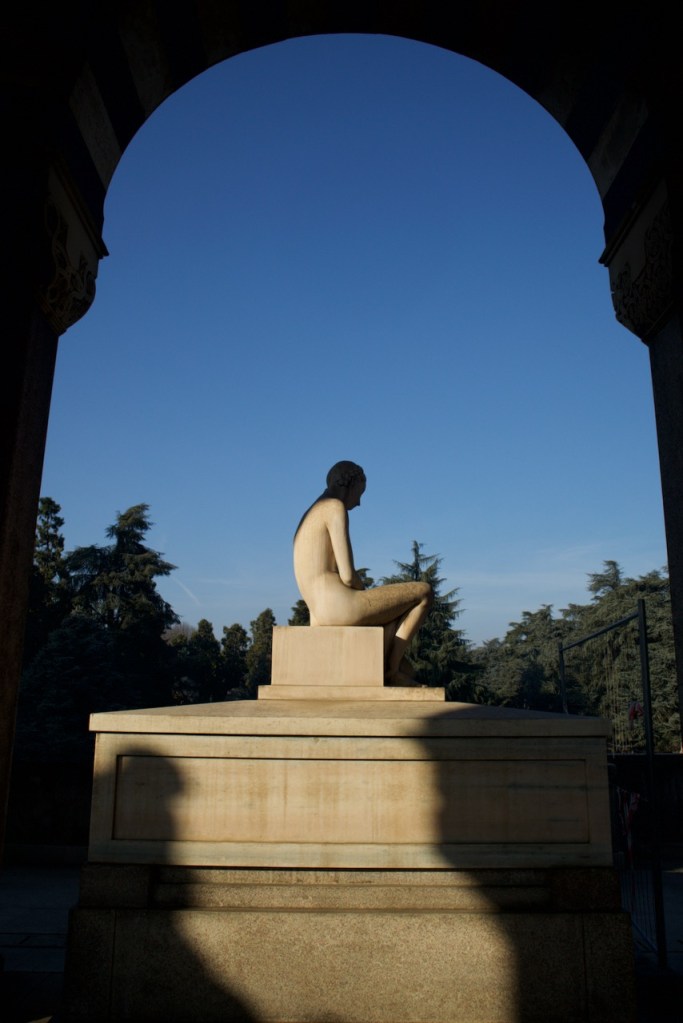


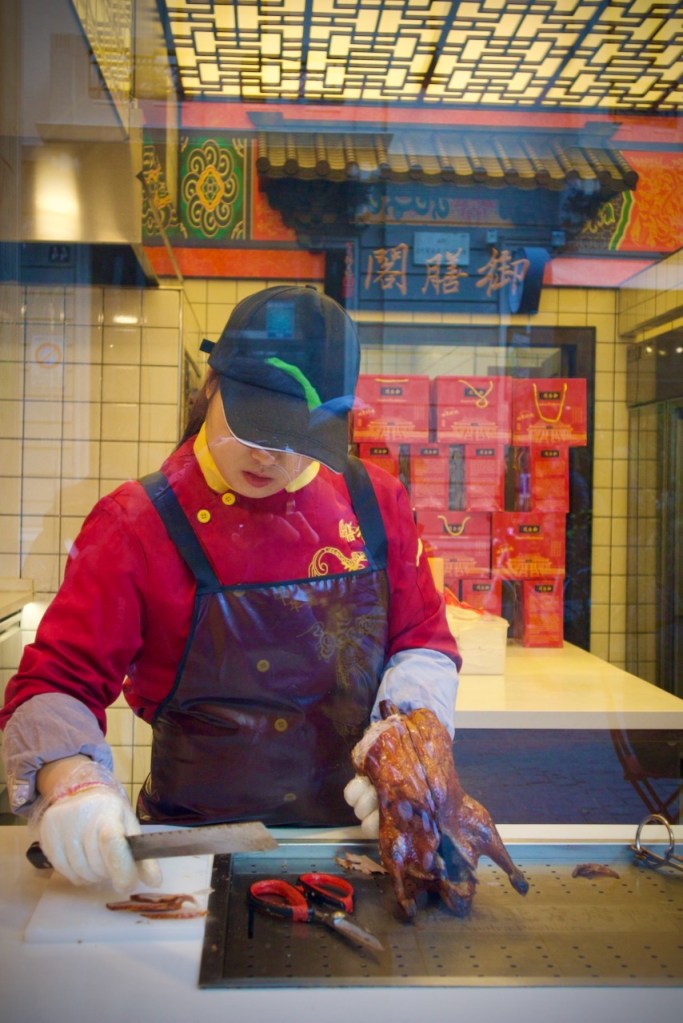


There’s no looking at a building after seeing Italy, the English novelist, Fanny Burney, wrote. Maybe there’s no living the same way after visiting Italy. As I follow the changing light and colour from late summer to autumn till the end of year, I feel grateful to have the opportunity to roam around this immense country of countries where each town, city, island, and region offers so much to the visitor. In my fifth visit, I always discover something new – I mean old – be it a song or an expression, a dish or a bridge. Who said that Italy was where the soul went to find calm and love? So here is my long love letter to Italia classica.
I am mindful of my romantic eyes skirting around deeper layers of reality, from economic troubles to corruption, a fascist legacy as well as a mafia tradition. There’s much beauty to see a country struggle to find a balance between the old and the modern, to preserve her grandeur and yet continue to grow. Grazie tanto to all Italians who receive me with open arms and big hearts and plateful after plateful of soulful cibo. With my deeply grateful heart, I say, buone feste and arrivederci!
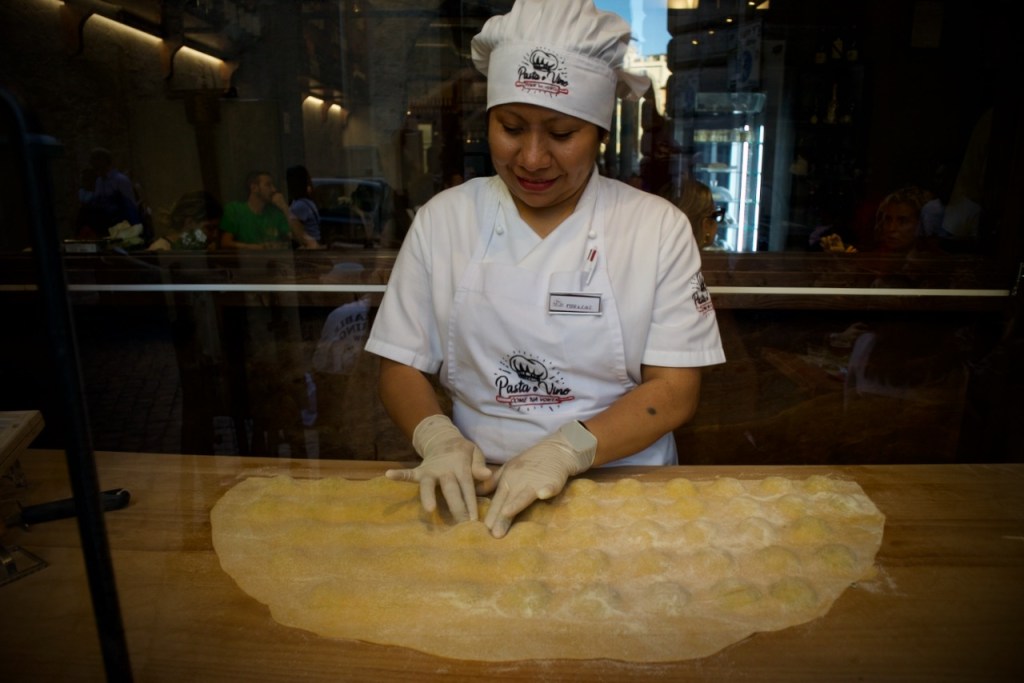











Italy is a dream that keeps returning for the rest of your life.
— Anna Akhmatova (1889-1966)
All Content © 2026 by Jennifer Chan
 Jennifer Chan Photography