
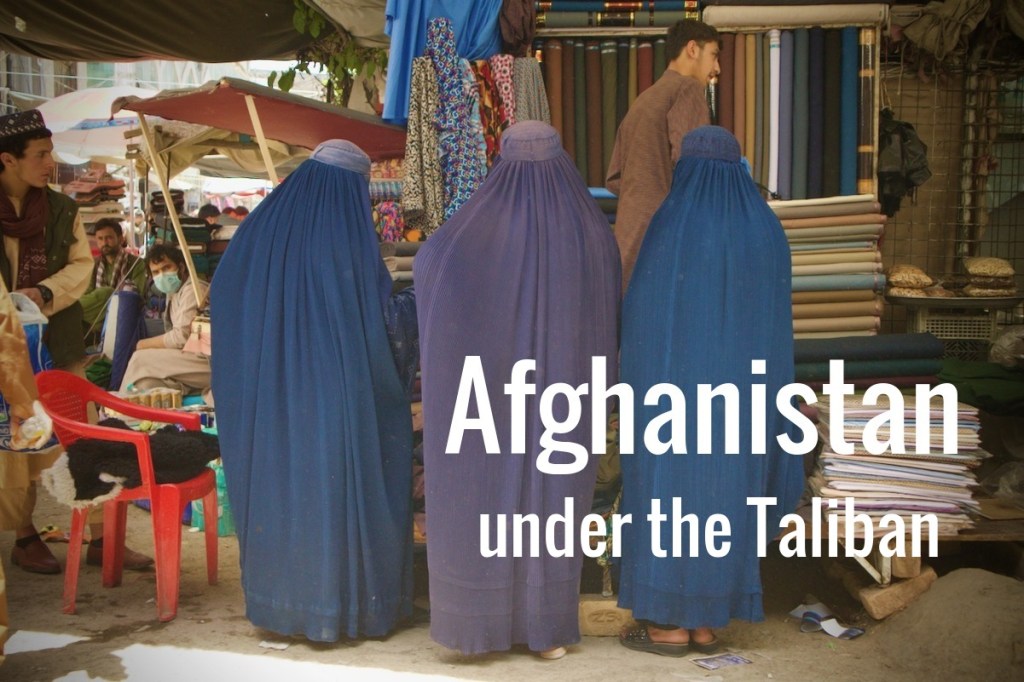
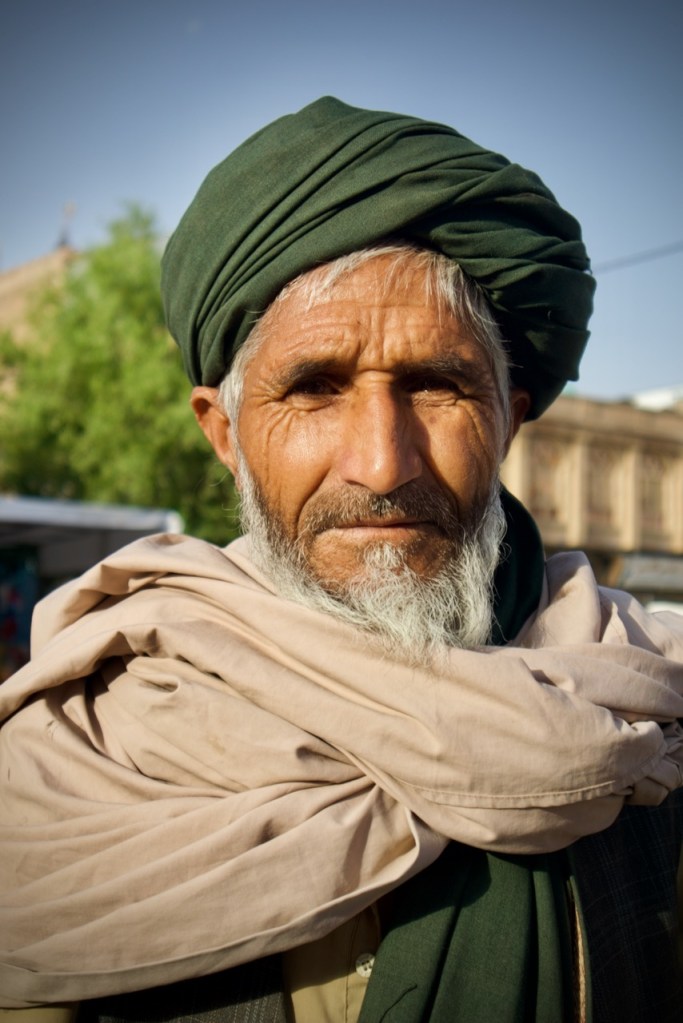
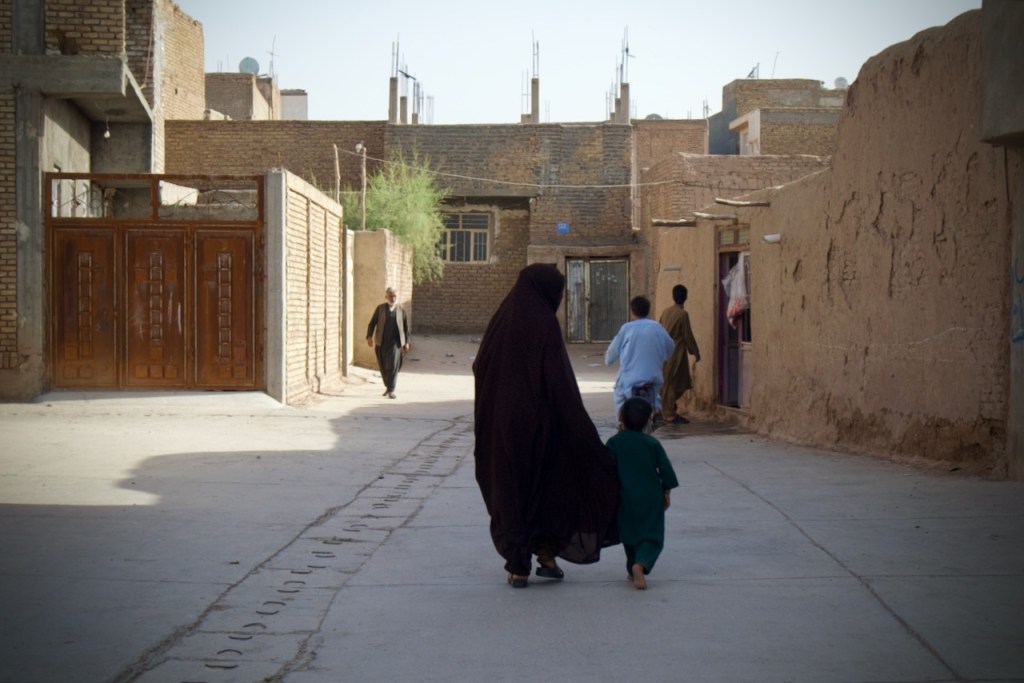
Most of the world sees us as a people at war. And war has a way of coloring a country various shades of grey: the guns, tanks, dusts, mud, and rubble blur into a single hue. To most of the world, Afghanistan has been presented in the recent past as nearly colourless, a sepia image of treeless mountains and endless deserts populated by beige blanketed bearded men with dashes of periwinkle blue provided by burqa covered women. The overall impression is of a place that is dreary, oppressive, backward, and dangerous, but there is so much more to our country.
– Sima Samar
May 2025
My first encounter with Afghanistan dated back to summer 2011 when I was cruising along the legendary Pamir Highway, overlanding in Central Asia from Kyrgyzstan to Uzbekistan. The bustling weekend Afghan market near Khorog along the Tajik-Afghan border seemed straight out of an old photo book. I remember the shiny caps and fragrant herbs, colourful textiles and soft carpets, the lively bargaining and incredible ambiance, and above all, handsome Afghan traders in their traditional outfits. Eight years later, I spent a month in Lahore and was tempted to cross the Khyber Pass, but ventured to K2 Base Camp instead. The war was still raging then, not the best time to visit the country that had loomed so large in both our cultural imagination and international headlines. From the hippie trail – an overland route that Western travellers take from London to Kathmandu via Kabul in the 1960s and 1970s – to the twenty-year-old war (2001-2021), few have not heard of Afghanistan, albeit not always in the best light.
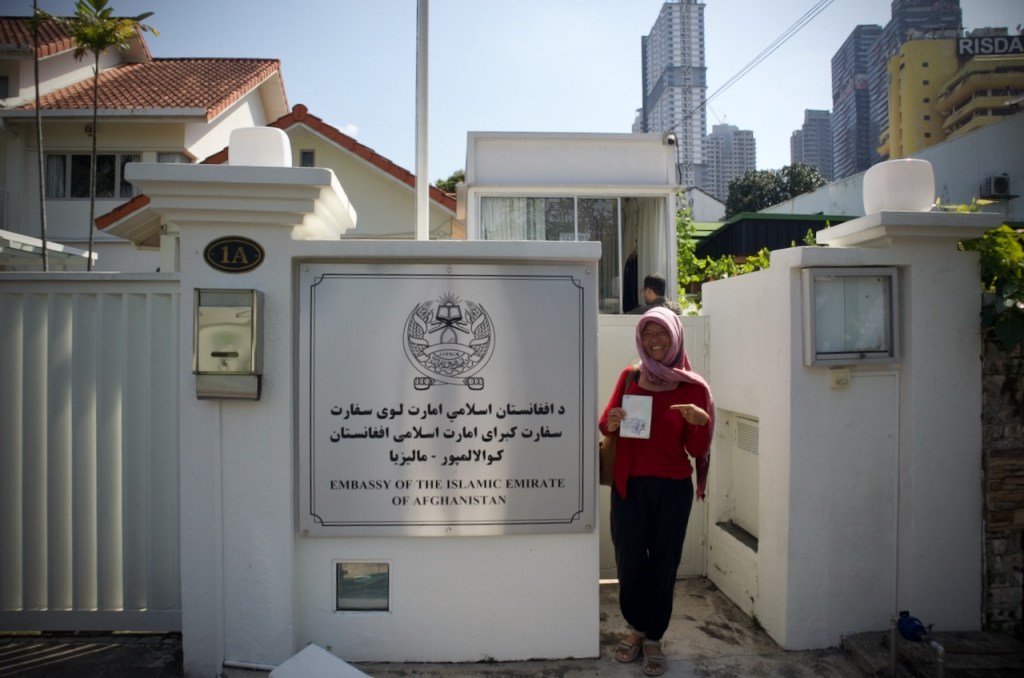
Four years after the Taliban returned to power, independent travellers are now slowly returning. The visa process is anything but straightforward, as the current government is not recognized by most Western countries. While traveling in the Philippines, I heard through the backpackers’ grapevine that the Afghan Embassy in Kuala Lumpur issued visas with just an application form, two photos, and a fee of USD80, processed within three days. No tours or hotel confirmation required. Now or never, I took the plunge!
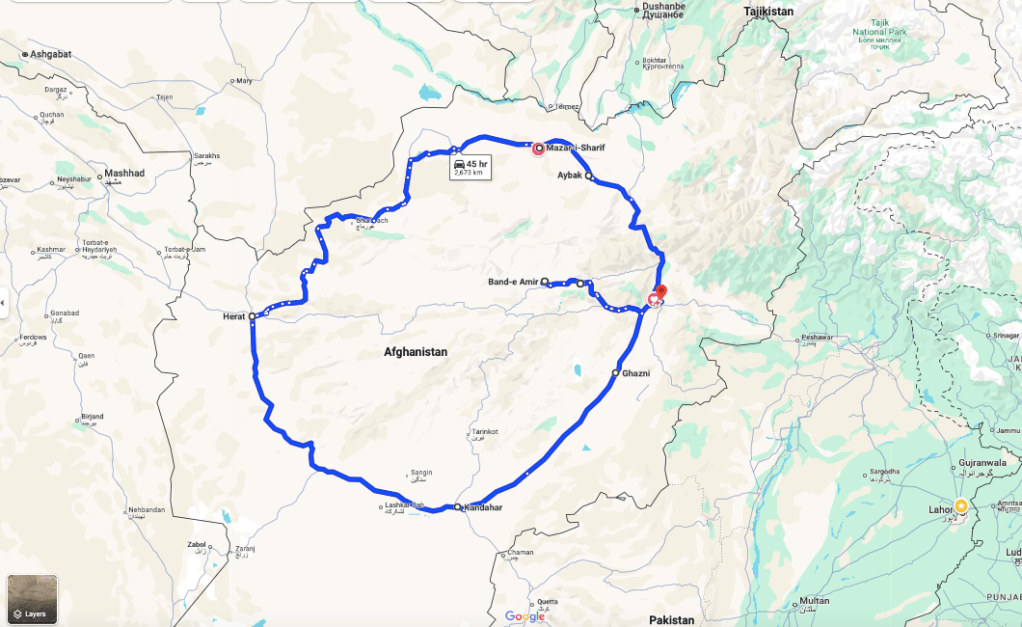
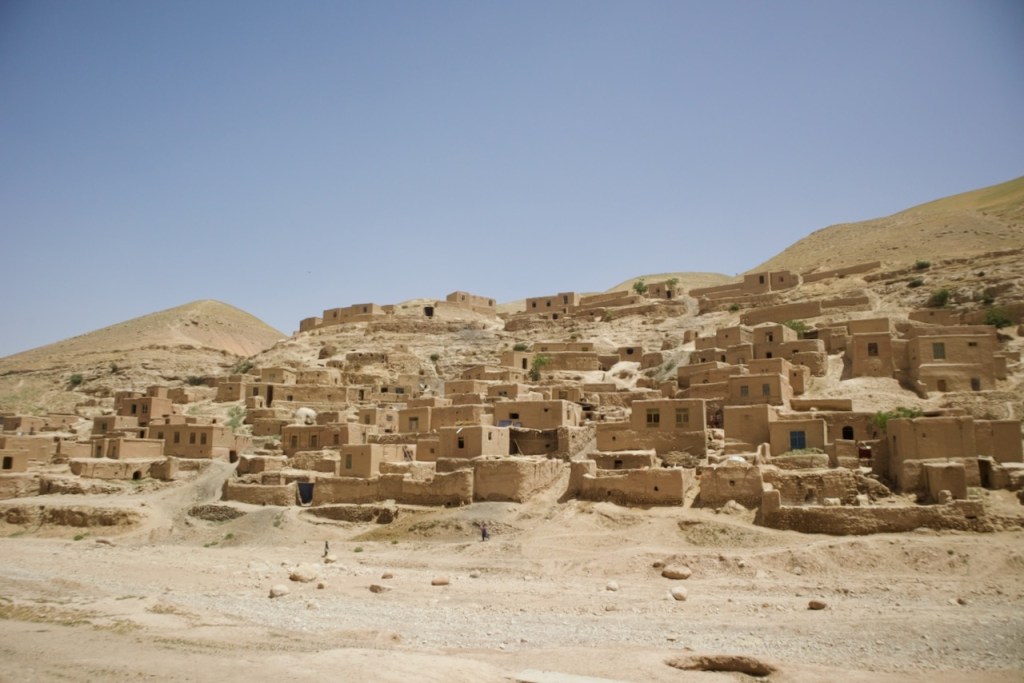
During two weeks, I do a classic DIY tour of Afghanistan along the ring road clockwise, from Kabul to Bamyan, Ghazni to Kandahar, Herat to Mazar-i-Sharif before returning to the capital. From ancient mosques to holy shrines, old castles and world heritage sites, photogenic fortresses and minarets, scenic lakes and mountain passes, old neighbourhoods and bustling bazaars, Afghanistan has it all and so much more. The adrenaline-filled 3000km road trip along dusty highways and super rough roads, punctuated by regular checkpoints, is not for the faint of heart. But it is worth the sweat to discover this uniquely beautiful country and the indomitable Afghan spirit, marked by hospitality and resilience, despite so much violence, bloodshed, and suffering. Like Sima Samar writes, I want to see beyond the guns, tanks, dusts, mud, and rubble. So here it is, a visual journey across Afghanistan under the Taliban…


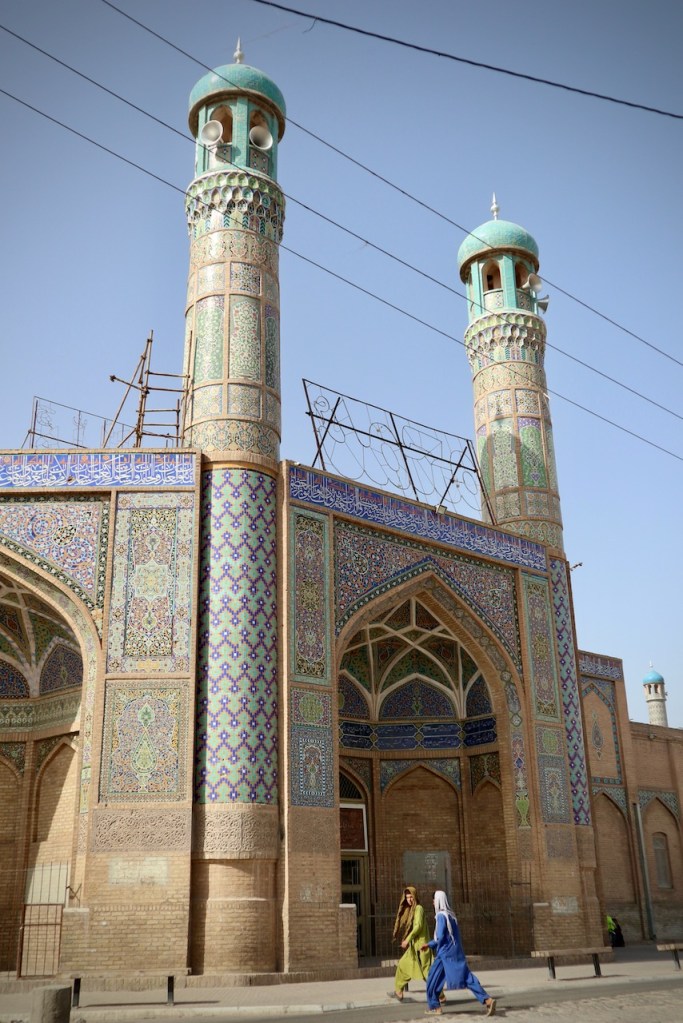

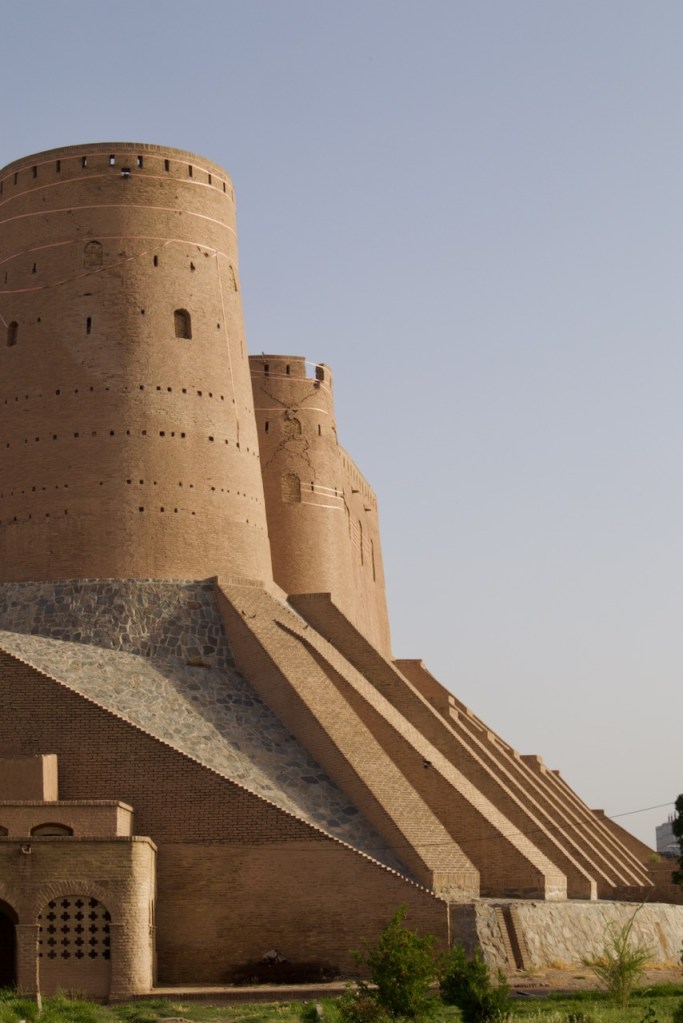


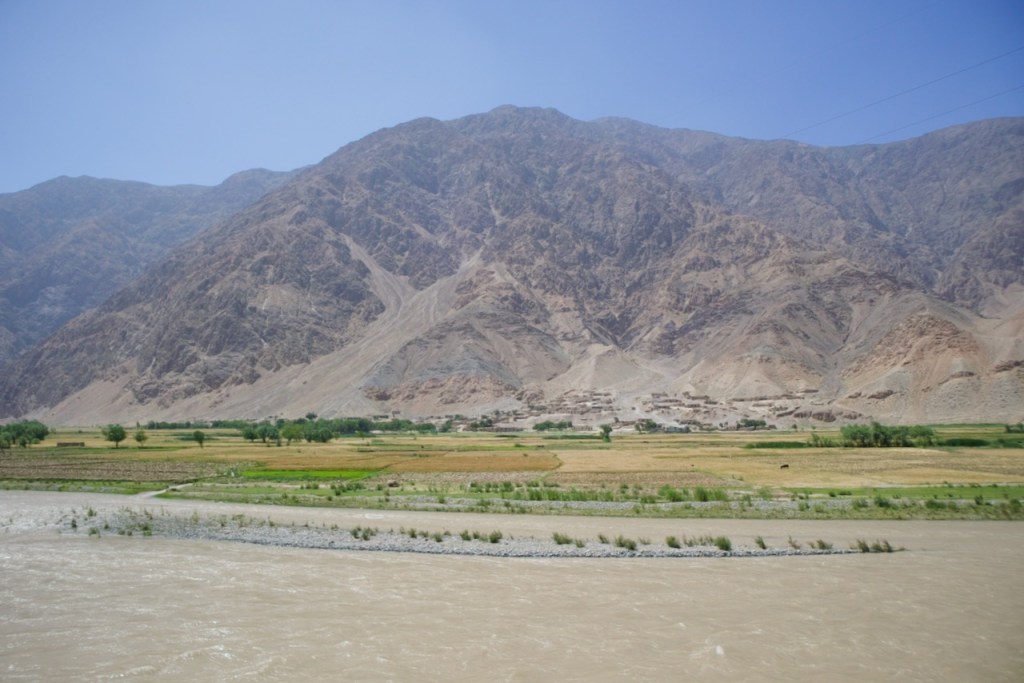


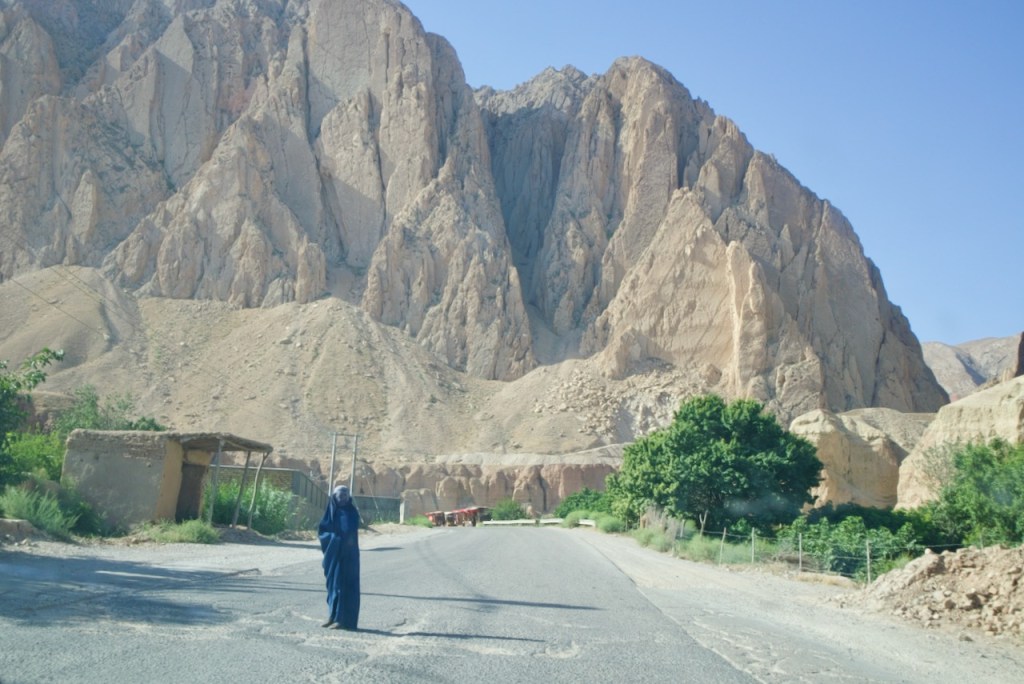
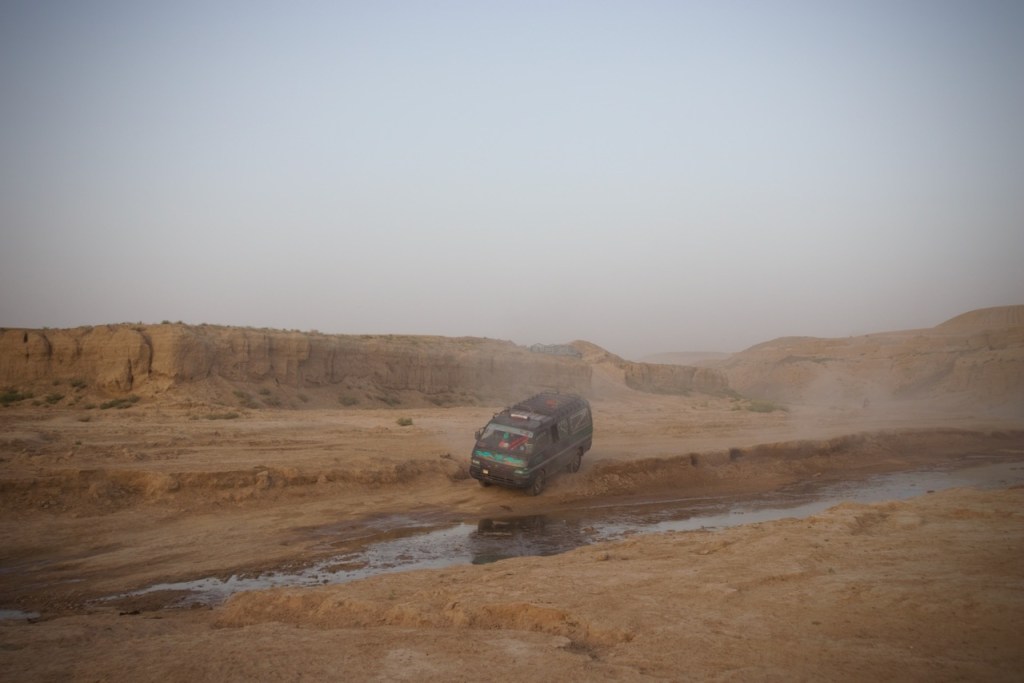


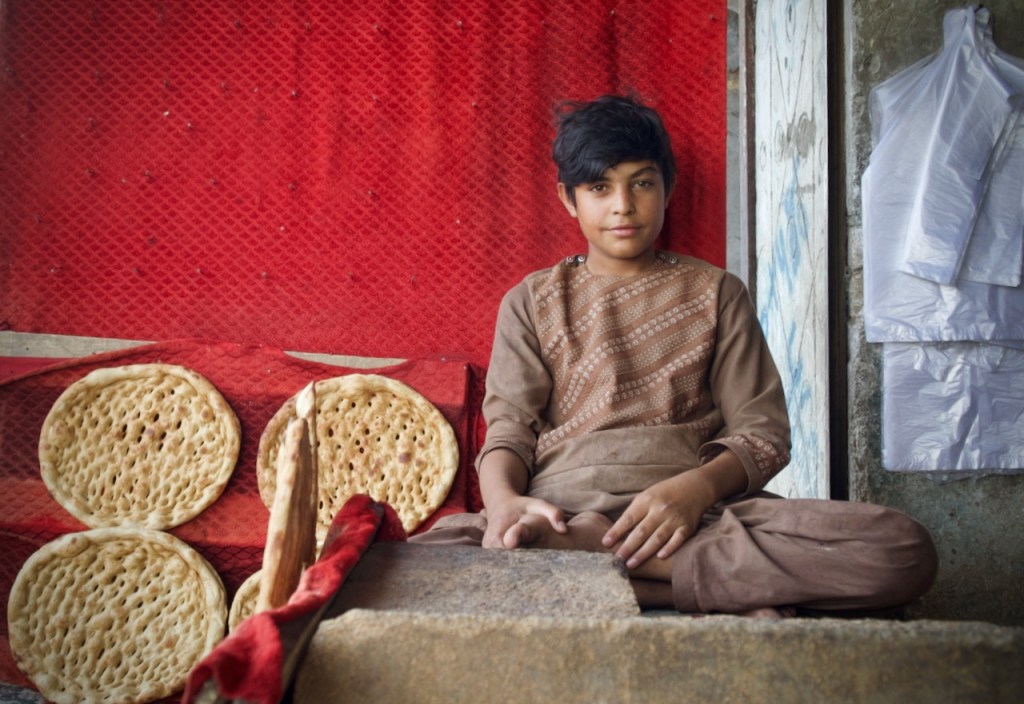
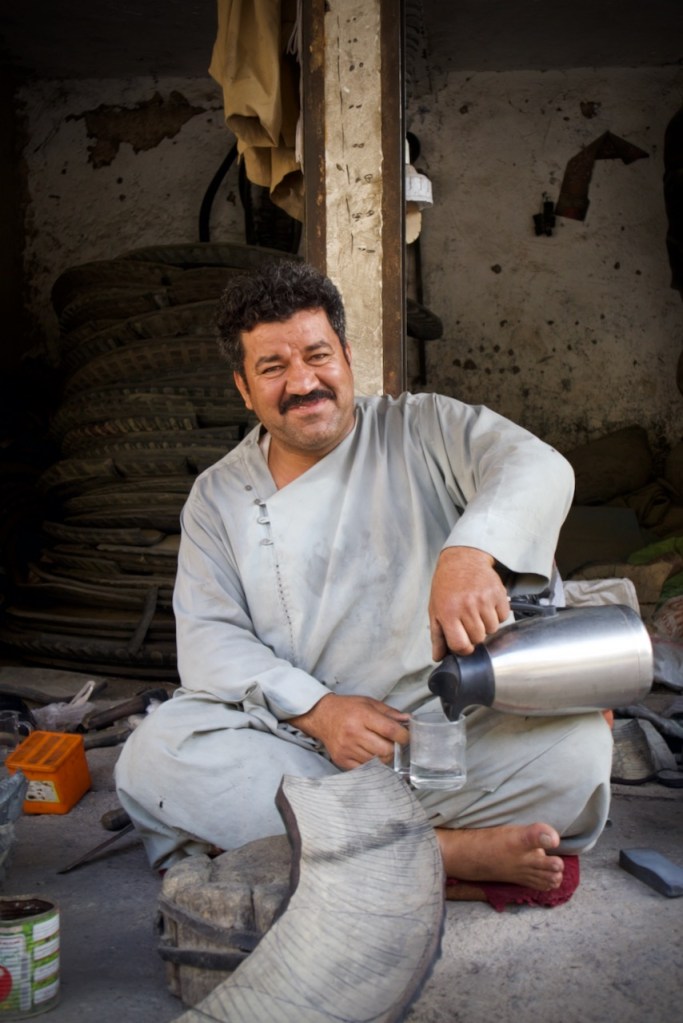

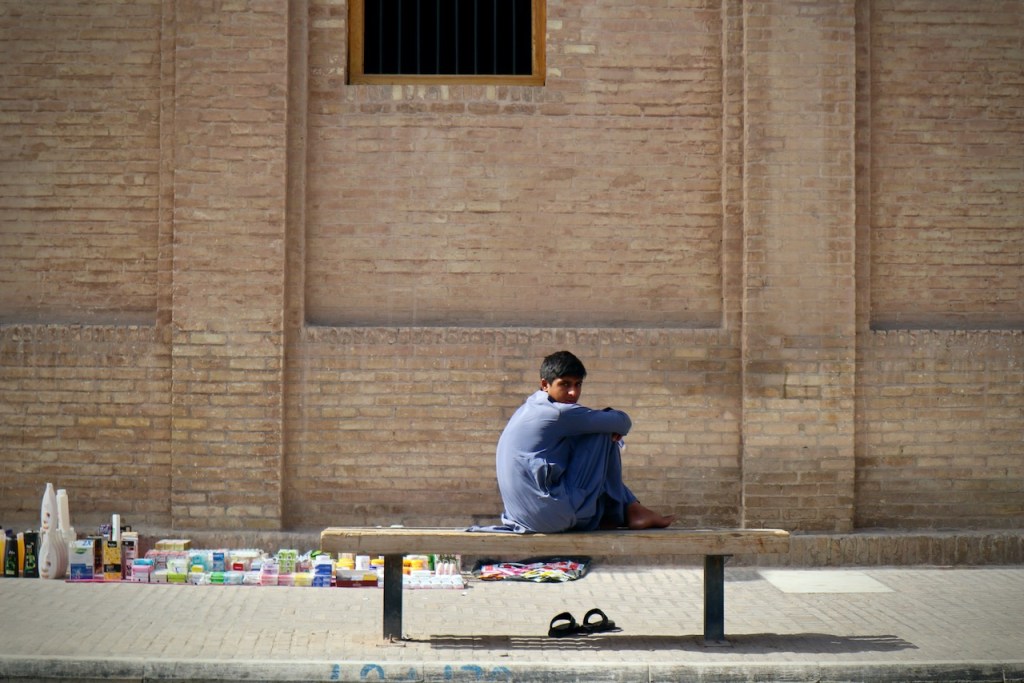






Once I secure my Afghan visa, it is departure frenzy. A thousand questions swirl in my head, especially concerning clothing and appearance. What kind of abaya is Taliban appropriate and yet not suffocating? Can I wear sandals? Are headphones allowed (to listen to music or audiobooks)? Will they be searching my bag, checking my camera SD cards and/or laptop? How much money can one bring in and out of the country? Above all, what photos can – and cannot – be taken?
Storing away my tank tops and t-shirts, dresses and bikini in the bottom of my capsule travel wardrobe – I will not be needing these in Afghanistan! – I settle on a loose-fitting two-euro black cotton abaya that I scouted in Little India in Kuala Lumpur – for weight and comfort – adding a pair of sleeves and using my travel scarf as a veil. Taste and preference for a more colourful dress are not the point here. Whatever does the job of helping me blend in would do. Sandals? Yes! a fellow traveller replies. What a relief. Forget about yoga in an abaya! All the while I start a crash course on Afghan politics and society 101, going through thick tomes including Graeme Smith’s The Dogs are Eating Them Now; Steve Cole’s Directorate S; Sima Samar’s Outspoken; Nelofer Pazira’s A Bed of Red Flowers; Fariba Nawa’s Opium Nation; and Asne Seierstad’s The Bookseller of Kabul…
No preparation seems ever enough for Afghanistan. With both trepidation and excitement, I head to the KL airport where Latifa, a Malaysian Muslim bidding farewell to her friends heading to Mecca, comes to my rescue as I struggle to put my veil properly. Take these, she says, handing me her inner veil and glittering pin. I am ready to board in my exotic new look, only to be told minutes later by a young Korean Air Arabia hostess, It’s totally chill in Sharjah. You don’t have to put these till you board your next flight bound for Kabul. A few more hours of freedom!

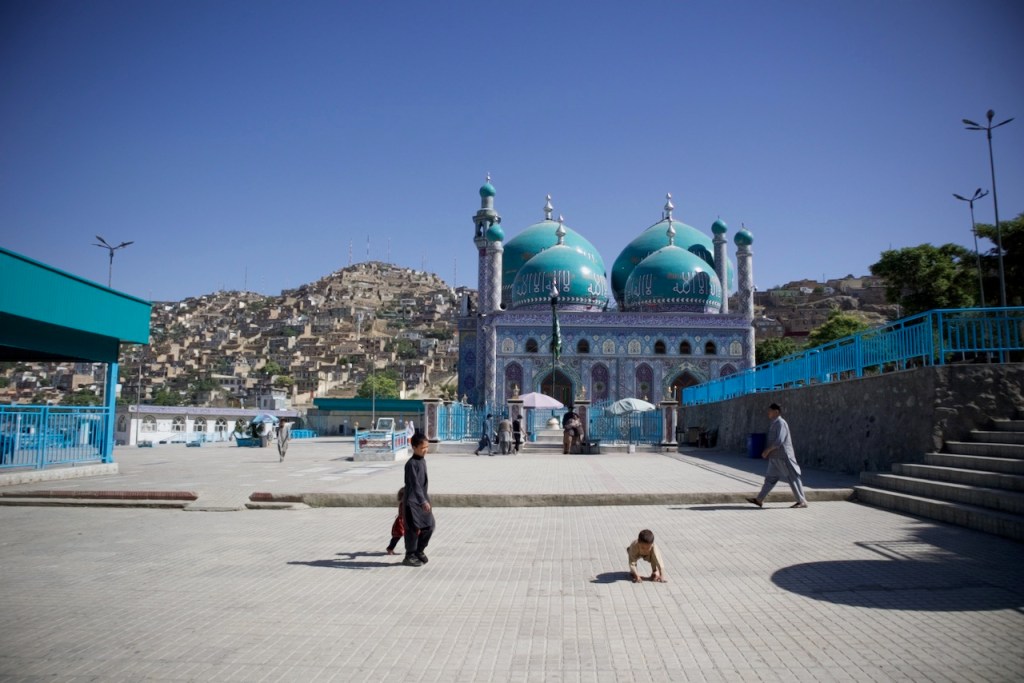
Full Moon in Kabul
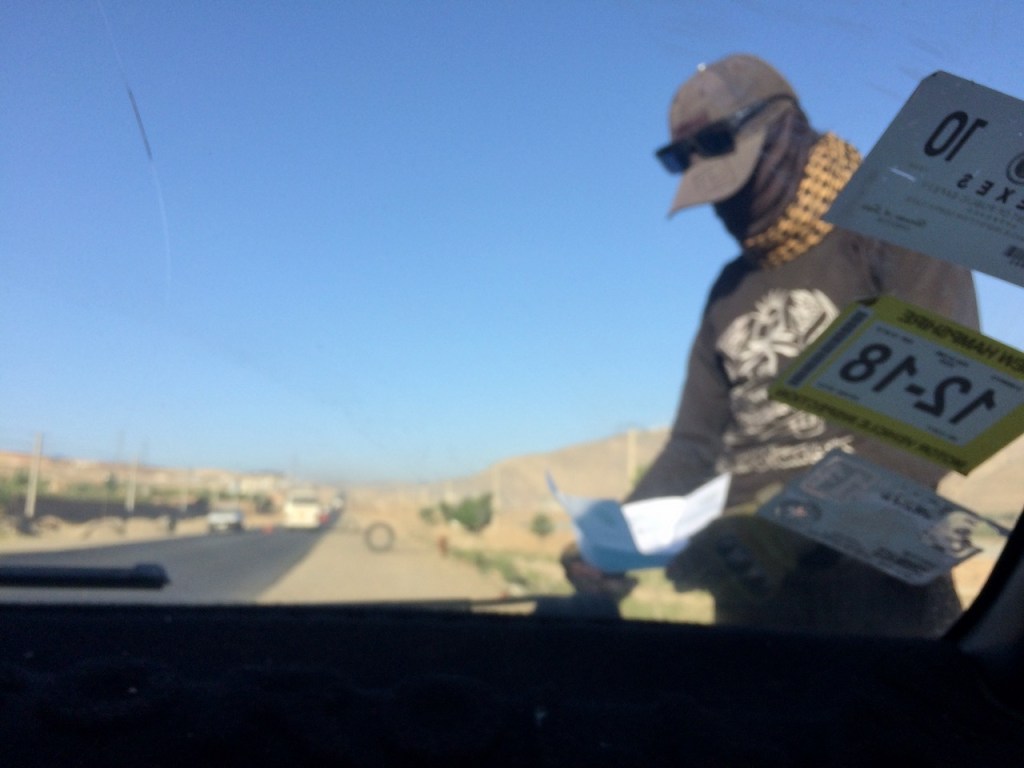
Considered as Paris of Central Asia in her golden days, Kabul conjures so many exotic images in my mind: mud rooftops and snow-capped mountain backdrop, kite-flying and shimmering mosques, gardens and palaces, and all her bazaars… But first thing first: getting a permit to visit the rest of the country from the Ministry of Information and Culture. I pass through the first armed check point, followed by a patdown by a woman, and re-emerge out of the building twenty minutes later with a permit in hand. So far so good in my first experience with the Taliban. The barbed wires, guns, and check points remind me of divided Cyprus and Lebanon…
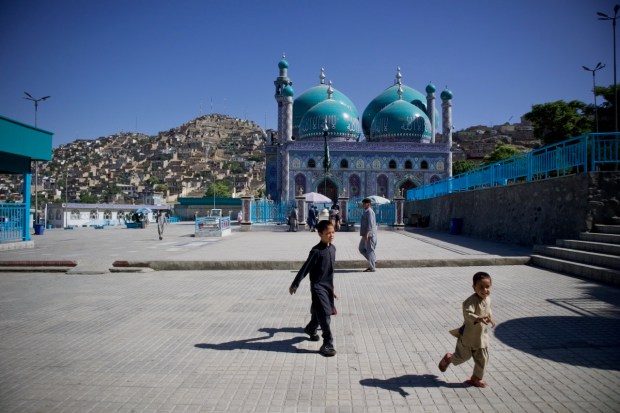
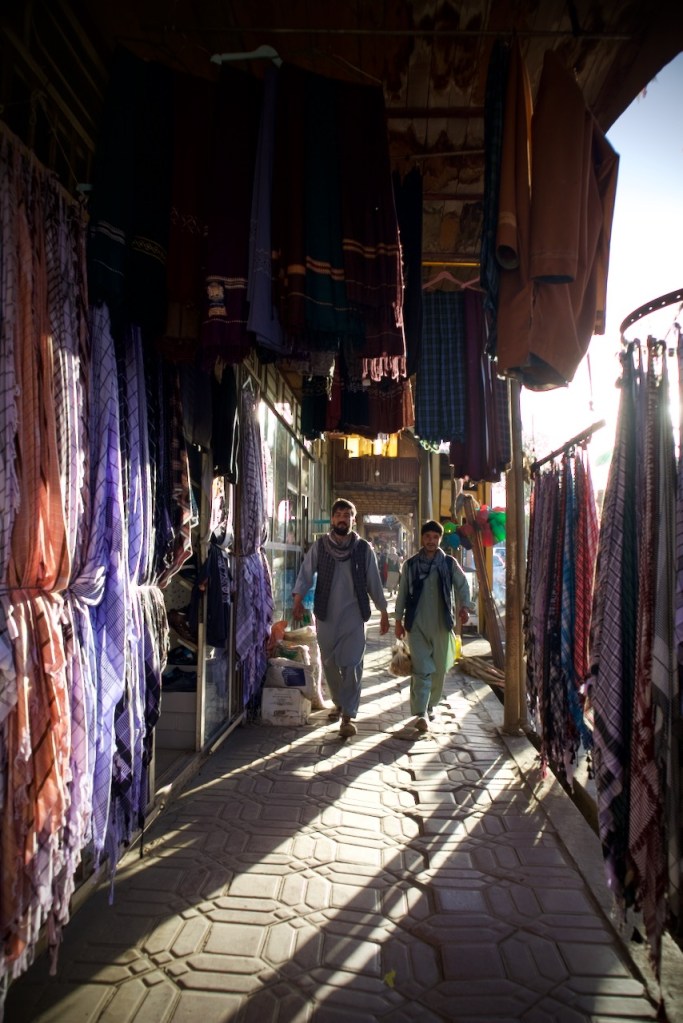
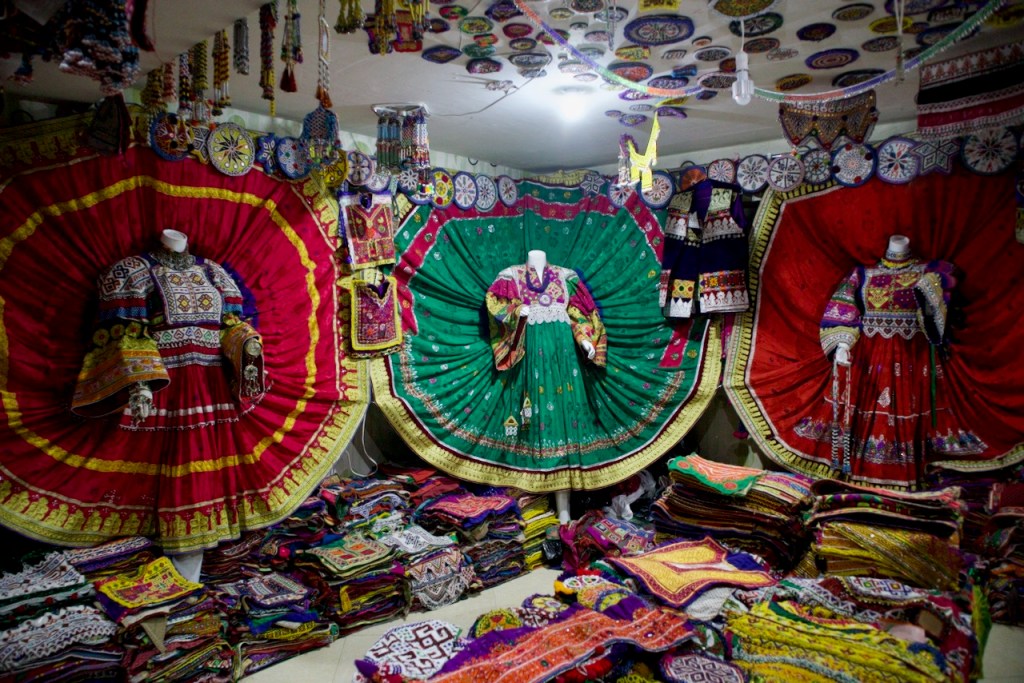
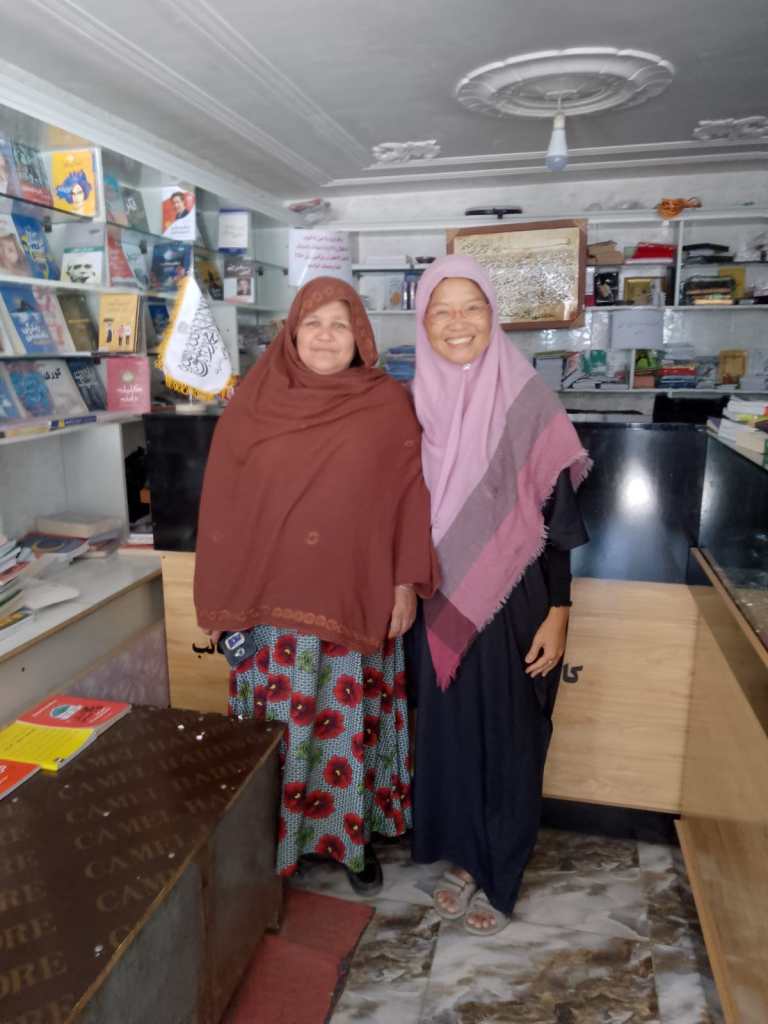
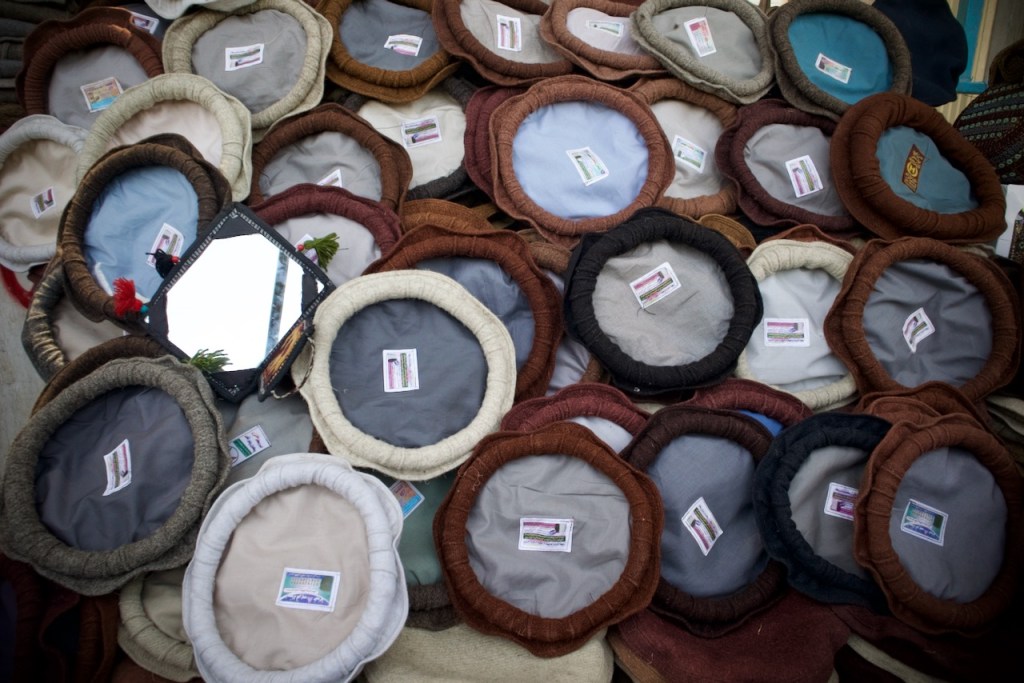
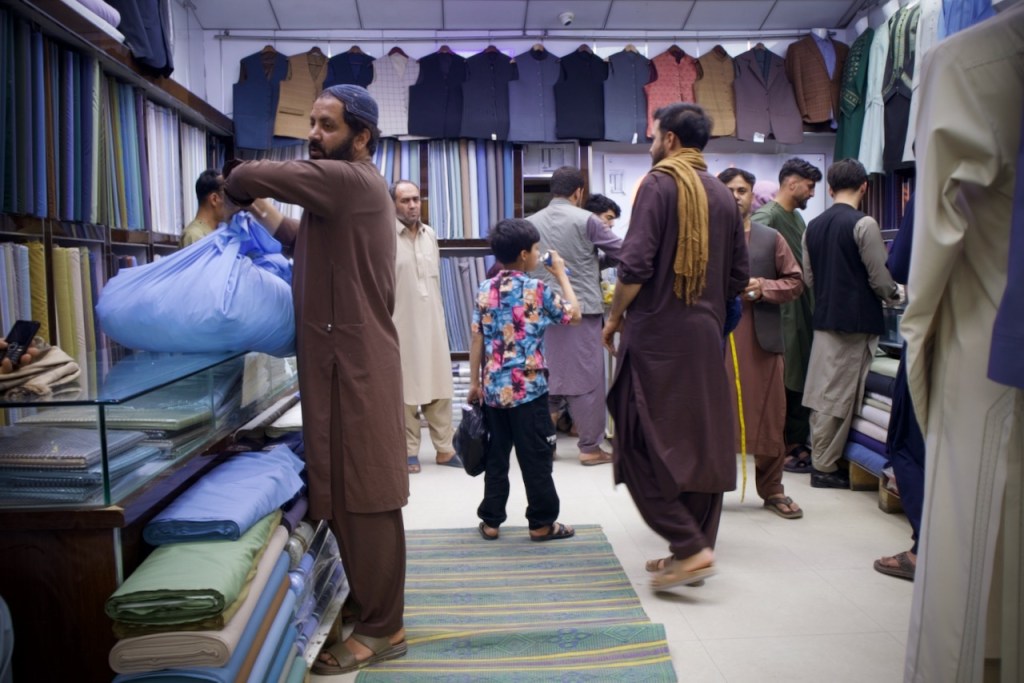
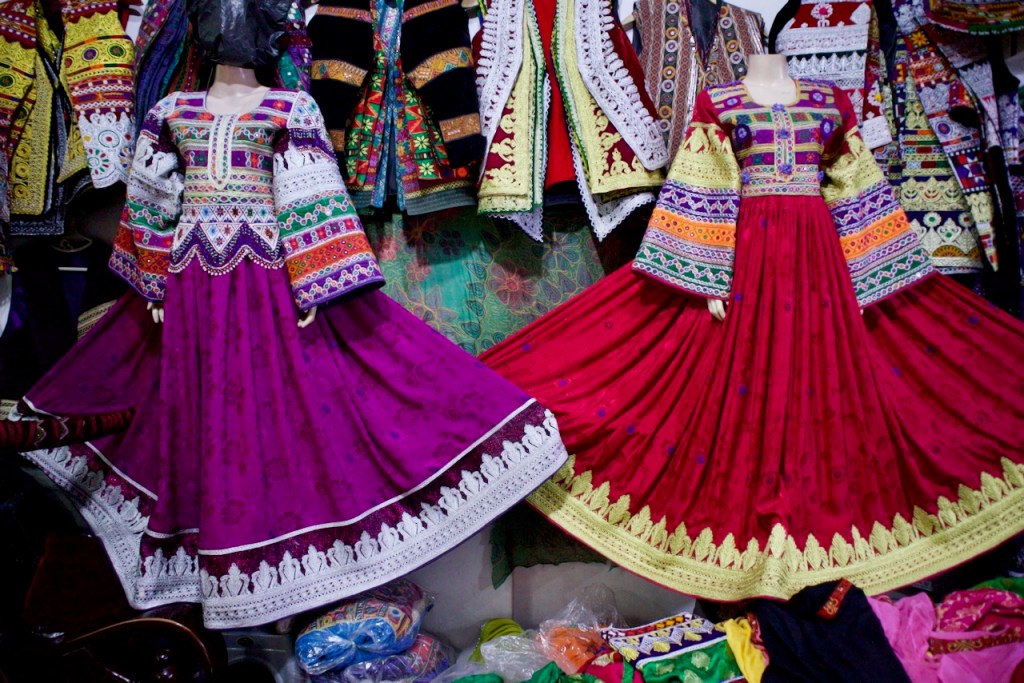
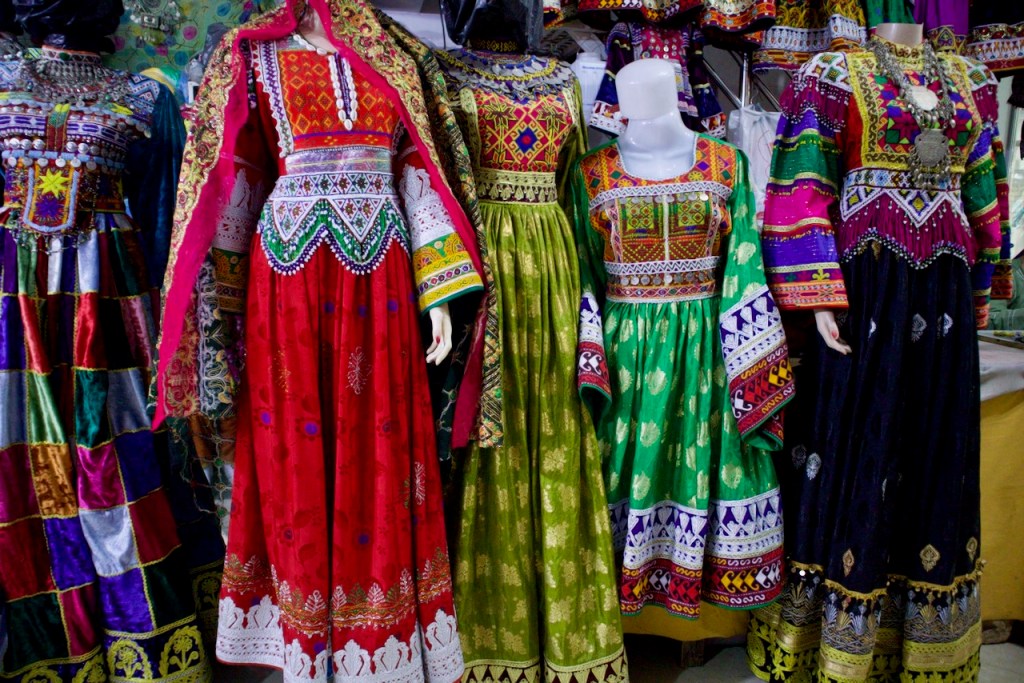
I spend two leisurely days, strolling through Shah M Books (based on which The Bookseller of Kabul is written), the bustling Deh Afghanaan market, admiring the Shah-Do Shamshira Mosque, the Abdul Rahman Grand Mosque, as well as the Sakhi Shrine, and visiting the photogenic Ka Faroshi Bird Market, before hiking up Wazir Akbar Khan Hill to see the gigantic Taliban flag fluttering in the wind. The National Museum is right by the restored Darul Aman Palace. Along Flower Street, stores after stores showcase a dazzling array of traditional Afghan dresses – in happy, bright colours – in such contrast to the subdued tones one sees in daily life. Chicken Street, once a favourite hippie arts and crafts market hangout, is eerily quiet. And I see a few kalashnikov-toting men perusing in the formerly Bush, now Mujahadeen Bazaar.
Kabul is such a time capsule with everything so layered with history. You must begin with Afghan history, Mirsayed, a soft-spoken former UN bureaucrat, says over dinner at Bukhara. Where to begin? From Cyrus II to Alexander the Great, the Mongol invasion, the three Anglo-Afghan Wars, Soviet invasion, civil war, Taliban rule, and US-led occupation. For now, we stroll around new Kabul under a bright full moon. I almost have to pinch my face to make sure it is not a dream. I am in Afghanistan…




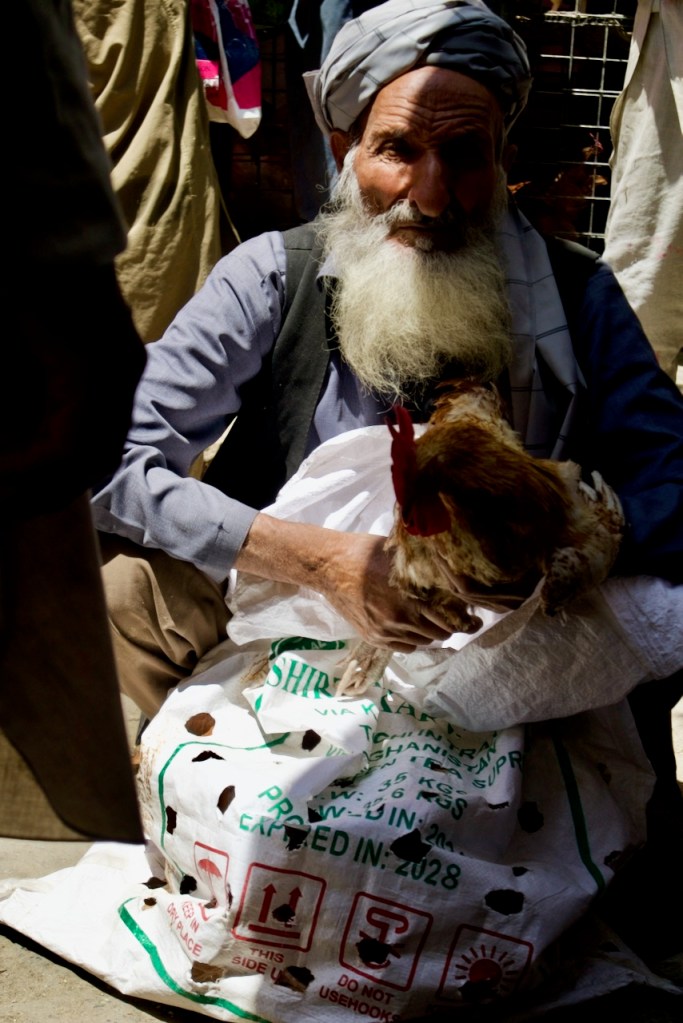


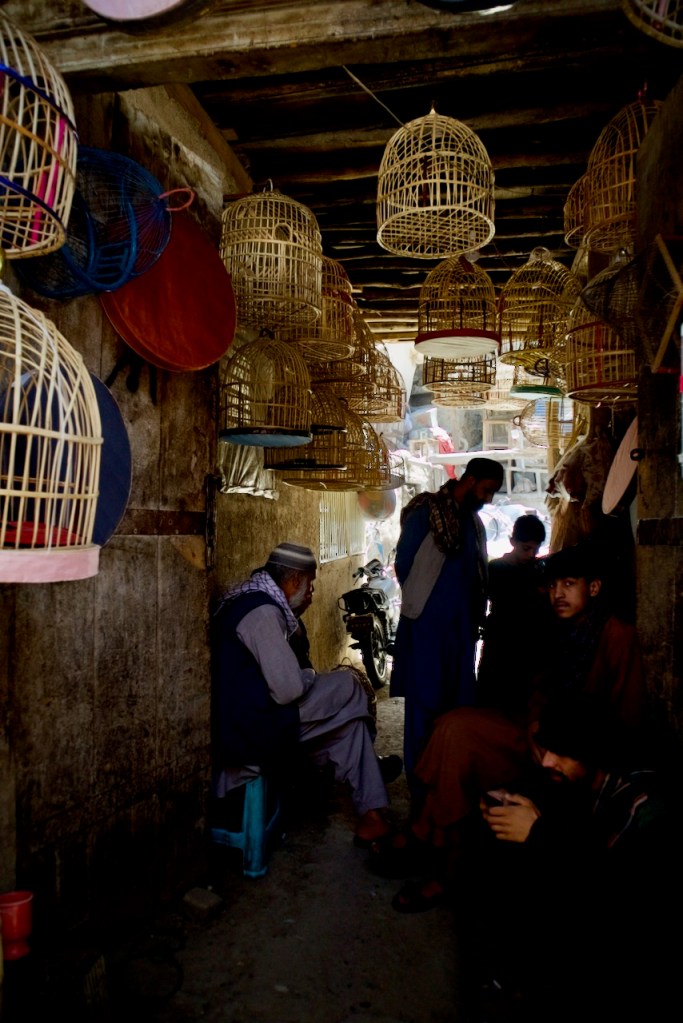
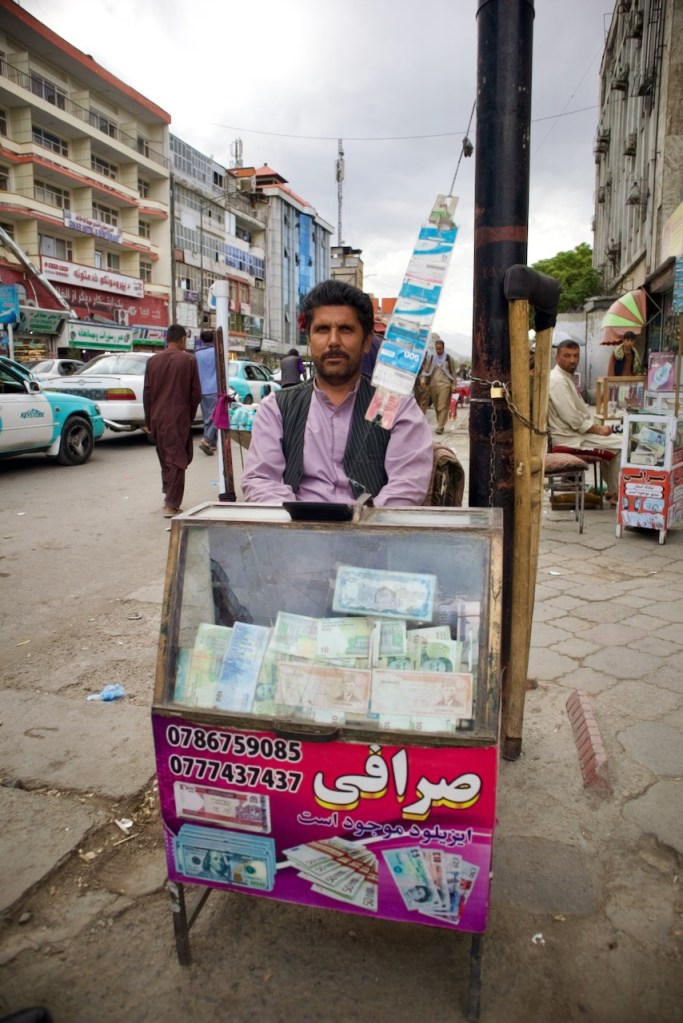
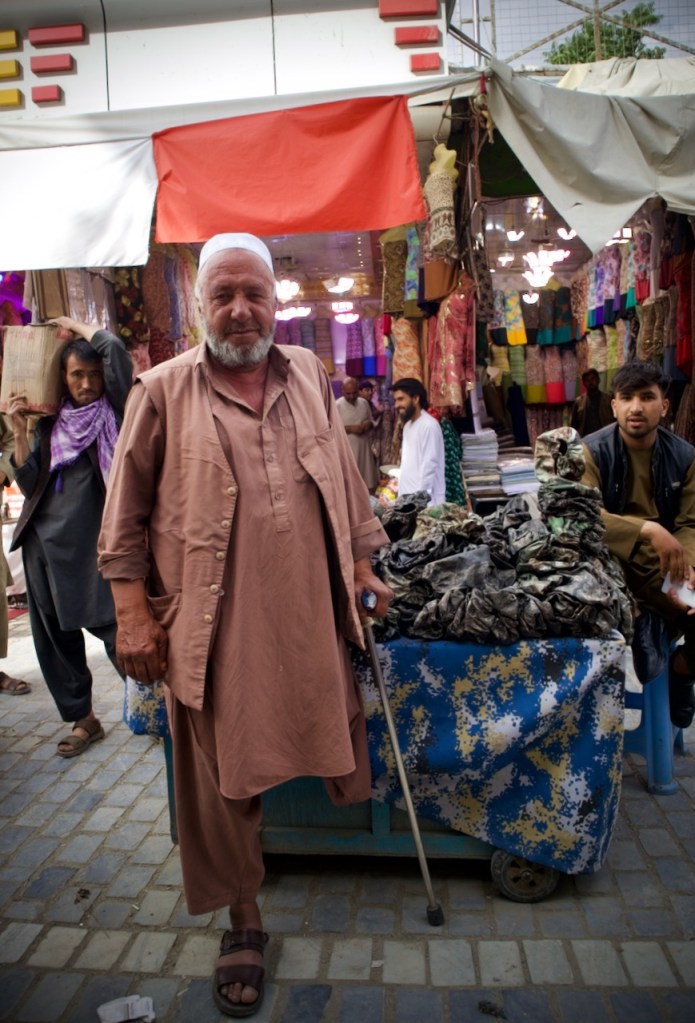











Mystical Bamyan: Buddha No More
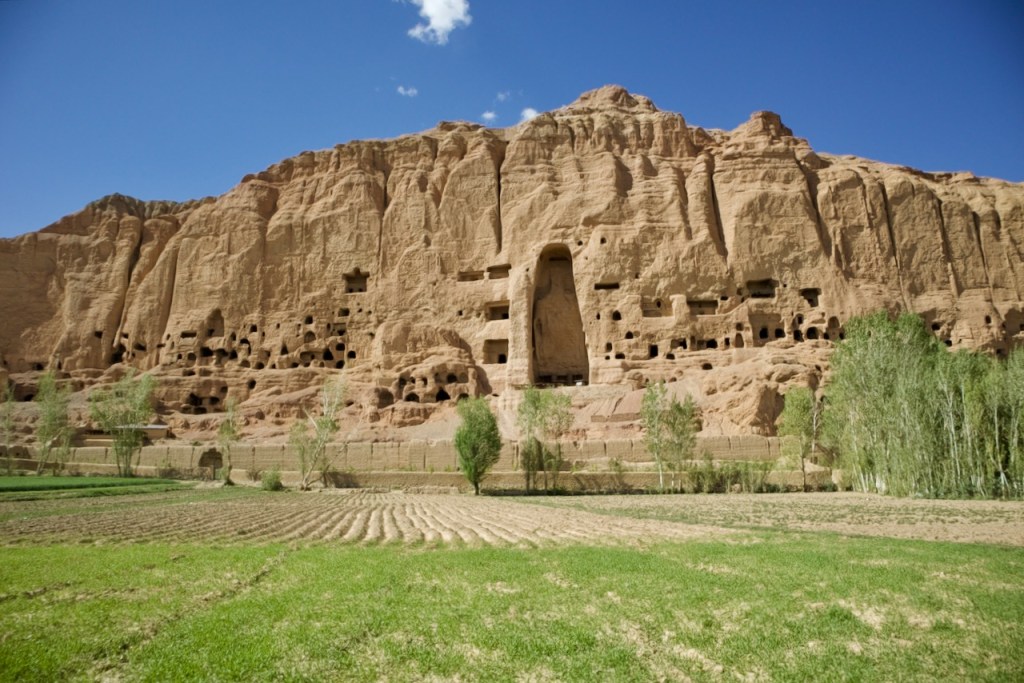
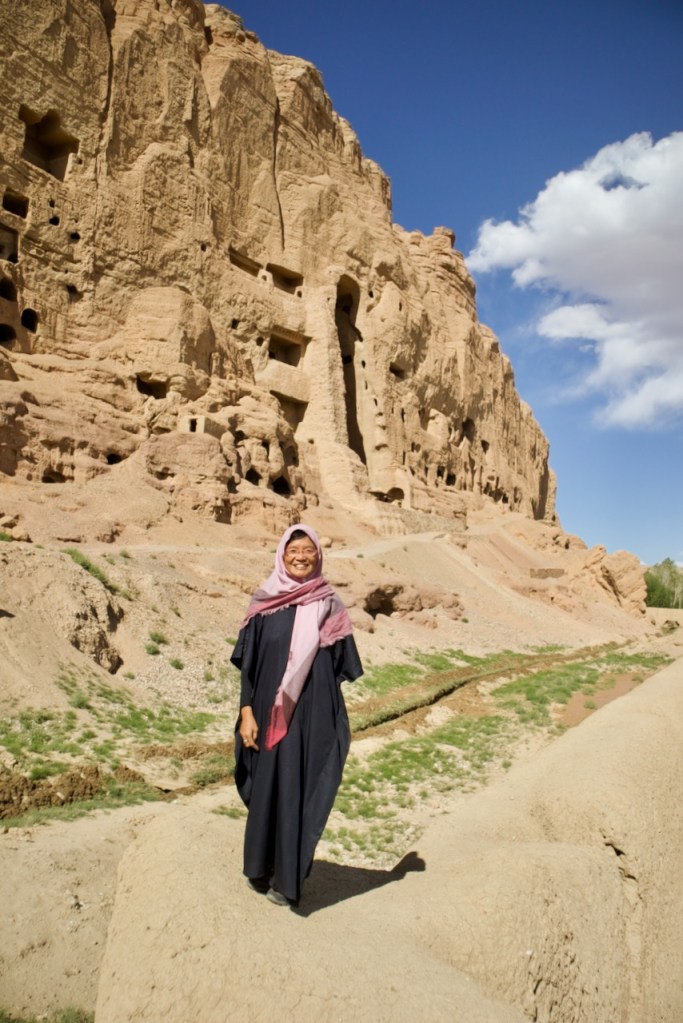
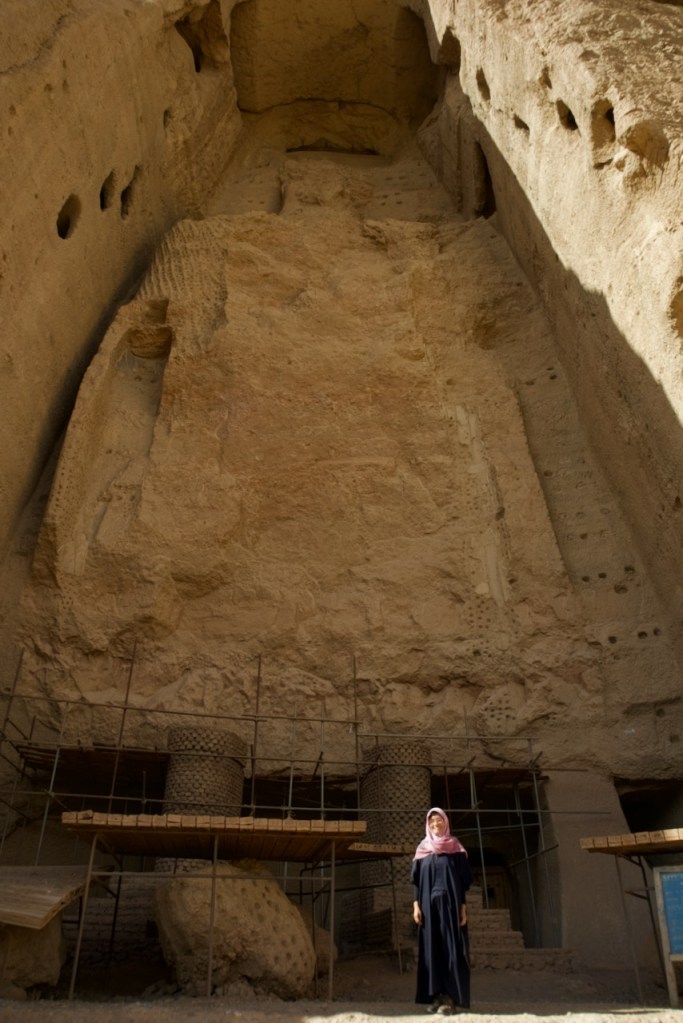
Located between the Indo-subcontinent and Central Asia, Bamyan sat right along the Silk Road in the confluence of different cultures and religions. Until they were destroyed by the Taliban in 2001, the two monumental rock-carved Buddha statues dating back to the 6th century, considered the largest in the world, have attracted pilgrims and visitors for over a thousand years.
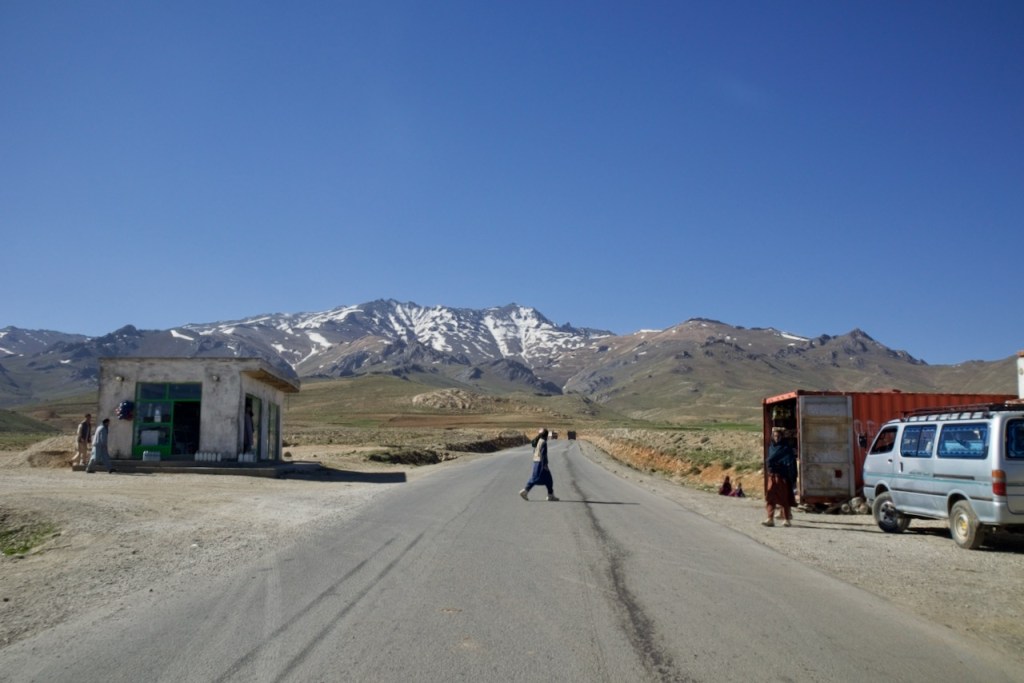
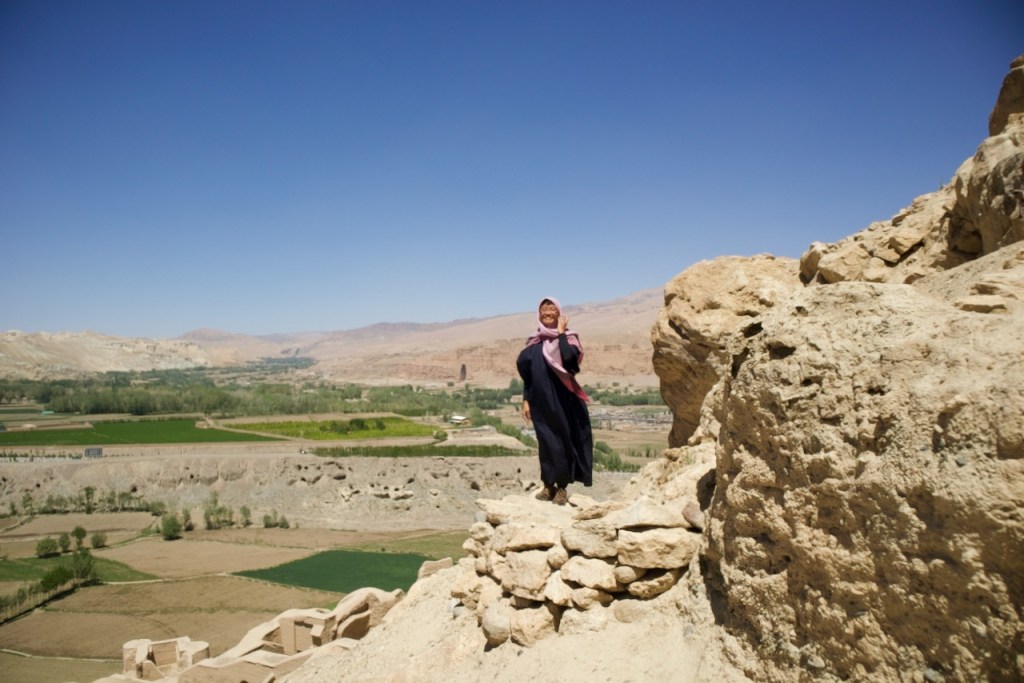
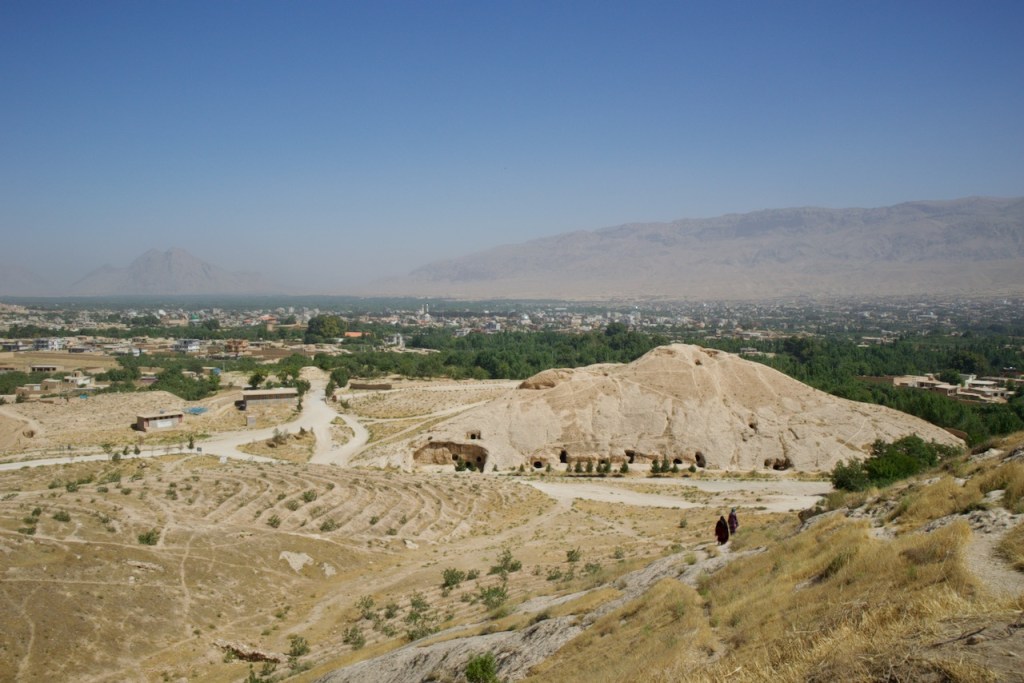
The shared taxi from Kabul follows the scenic serpentine road into the central highlands, dropping me first at the Ministry of Culture to obtain a local permit before depositing me at the base of Shahr-e Gholghola. In the “City of Screams”/”City of Woe”, remains of a historical city destroyed by Genghis Khan during the Mongol conquest of the Khwarazmian Empire, I am tailed by a Taliban guard – my new routine. I linger to enjoy the commanding view of the gorgeous Bamyan Valley and see the imposing Buddha cliff face for the first time, transfixed by its scale and beauty. I make my way to the caves through narrow farm paths and explore the nook and cranny of this mystical place in total liberty until another tourist drops in for a photo op, sending a Taliban guard running our way to check our tickets and permits. This is my favourite place in Afghanistan: Bamyan bathing in such strong spiritual energy in her full spring glory. Standing defiantly strong.
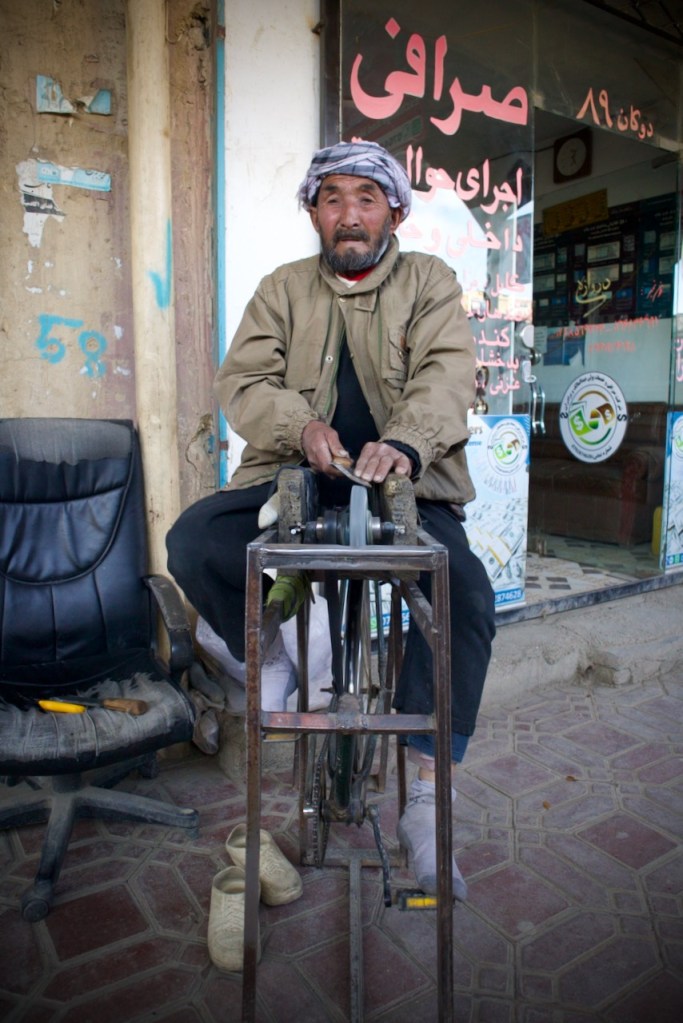
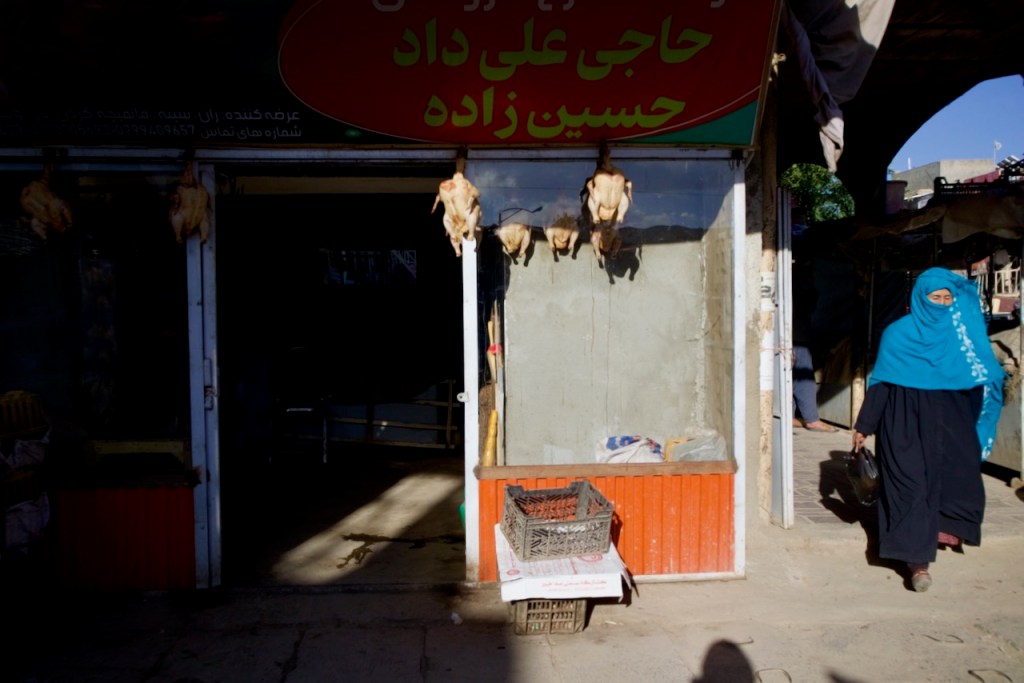
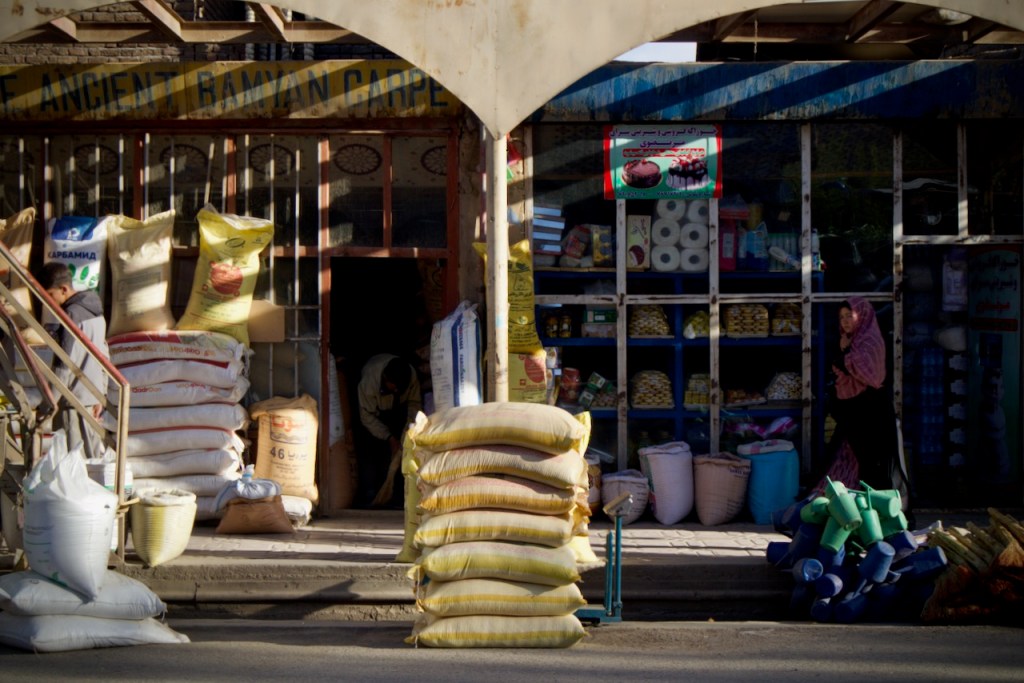
In the late afternoon, I stroll around the bazaar to see locals mill about their end of day, having a hard time imagining the killing of three Spanish travellers and an Afghan exactly a year ago in such a blessed place.






Men-Only Band-e-Amir
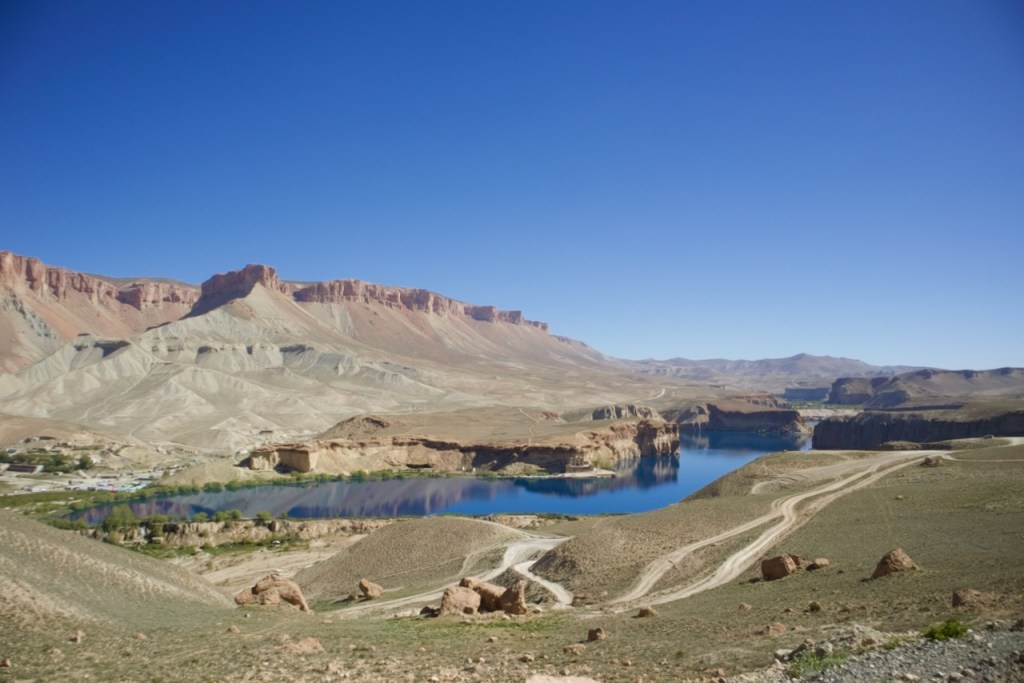
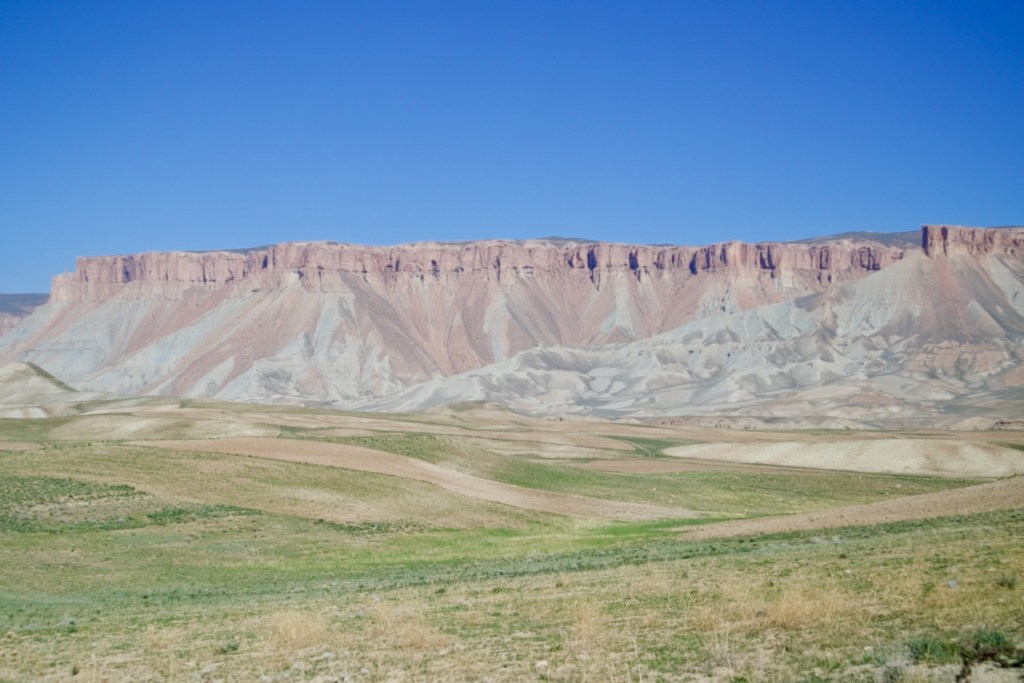
Locals flock to the mountain lake of Band-e-Amir for their summer holidays to get a respite from the scorching heat in other parts of the country. I share a taxi with Angela and Jesper, two intrepid young students touring Central Asia, and enjoy the idyllic hour-long ride to reach the National Park by nine in the morning. Afghan women are not allowed entry to this place, and there were reported incidents of foreign female travellers being turned away unless they had a special permit for the lake. Angela and Jesper have no local permit, and none of us has separate permission for the lake, but Jesper is in our midst and we sail through the Taliban check point. Hurray!



The Next Stop was Ghazni
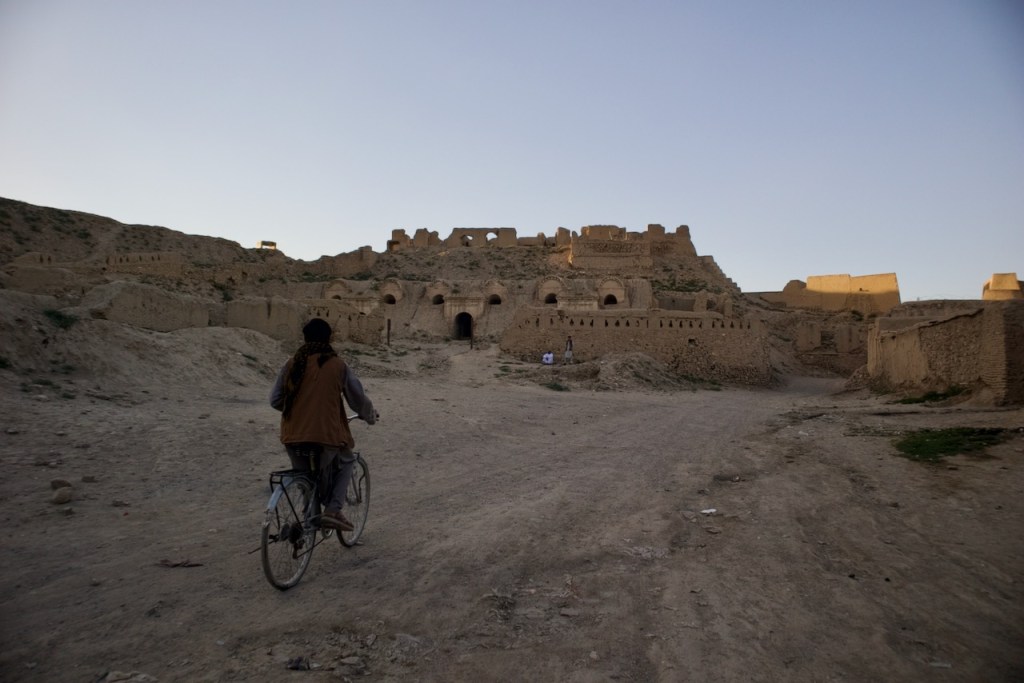
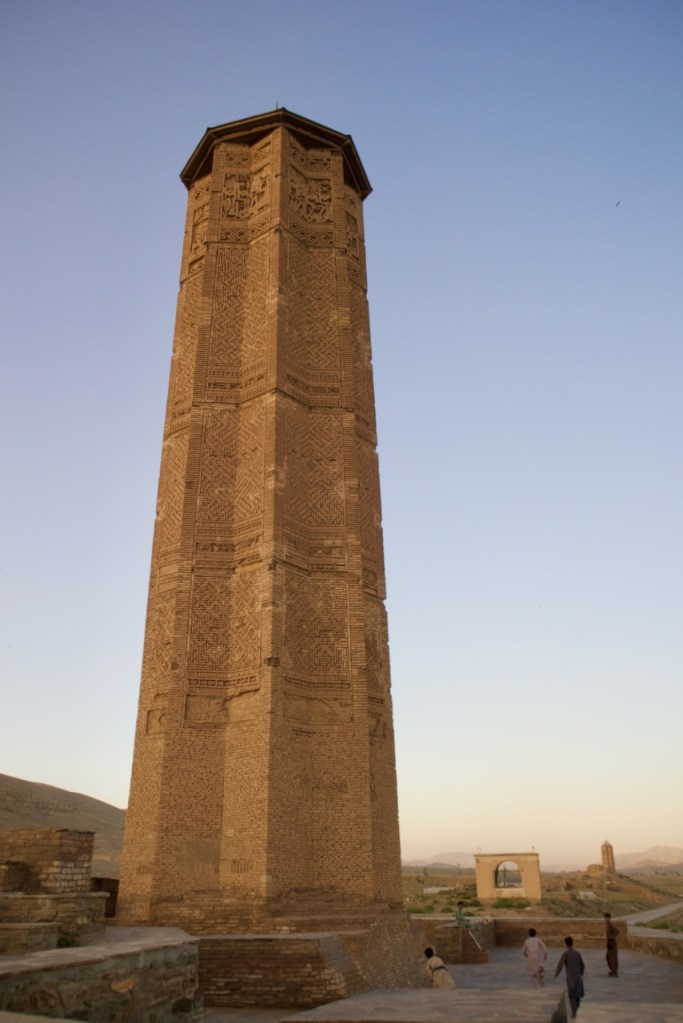
Oops! Absolutely no bus/shared taxi from Bamyan to Mazar-i-Sharif. One must first return to Kabul, I am told. In that case, a change of plan, heading down south first! The next stop was Ghazna, in the footsteps of the 14th C Maghrebi traveller, Ibn Battuta. Reaching town just before sundown, I dash up the famous fortress before catching the final rays set on the magnificent minarets.

The Road to Kandahar
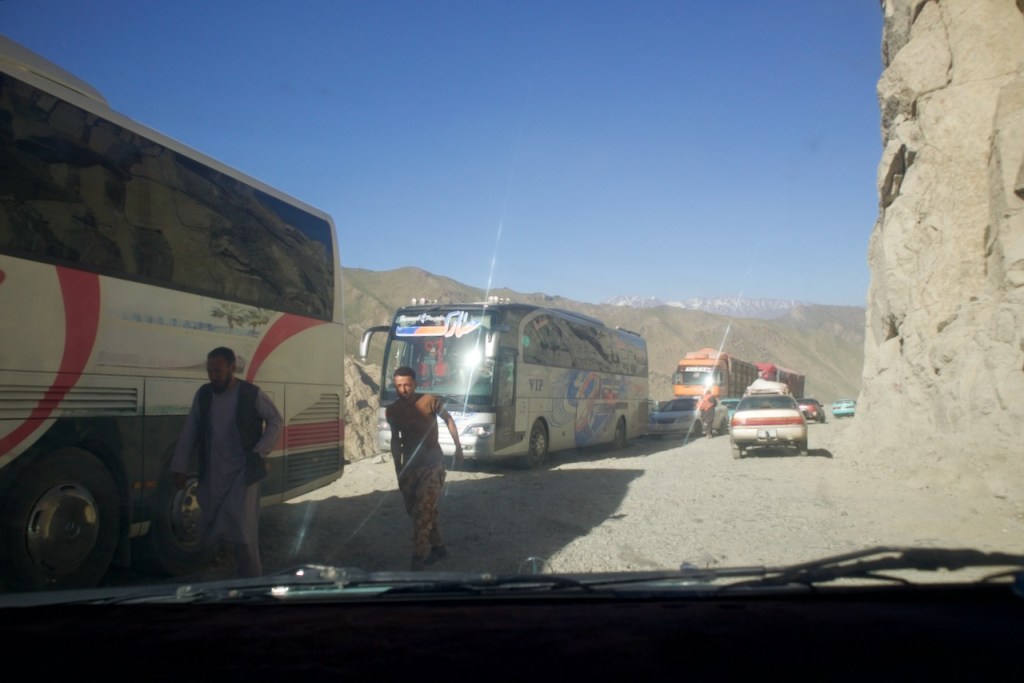
I can hardly believe life takes me to the road to Kandahar, this once notoriously dangerous highway filled with IEDs and ambushes during the protracted war in Afghanistan. The experienced taxi driver zig zags along, maneuvering his Toyota Corolla like a Ferrari, bypassing heavy truck traffic. Despite a particularly bad section around Zabul, we make record time to reach the city within six short hours.
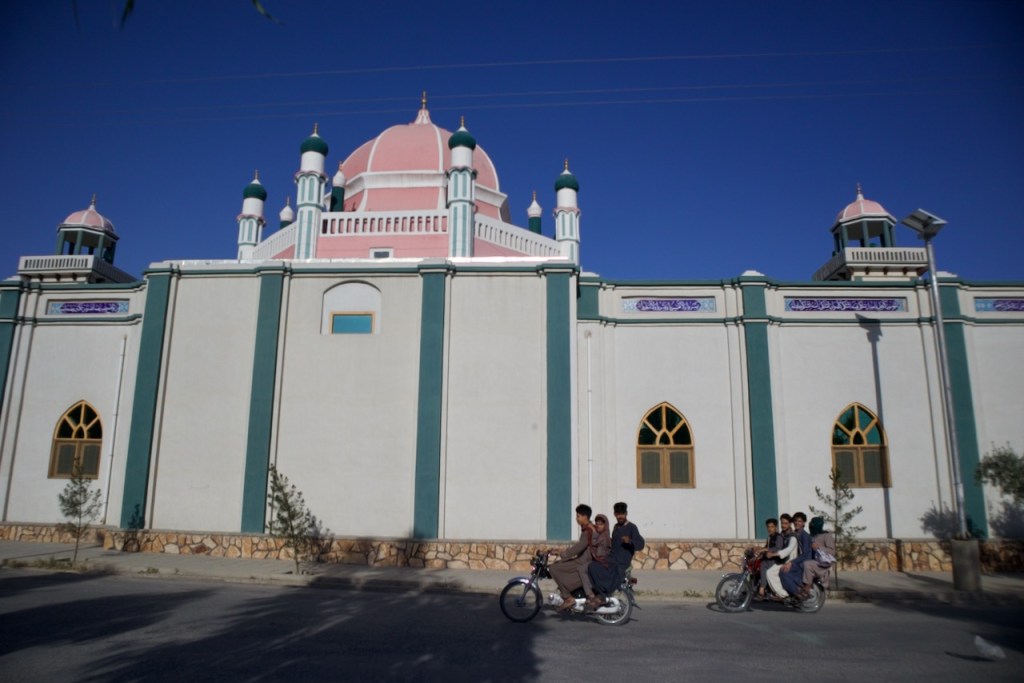
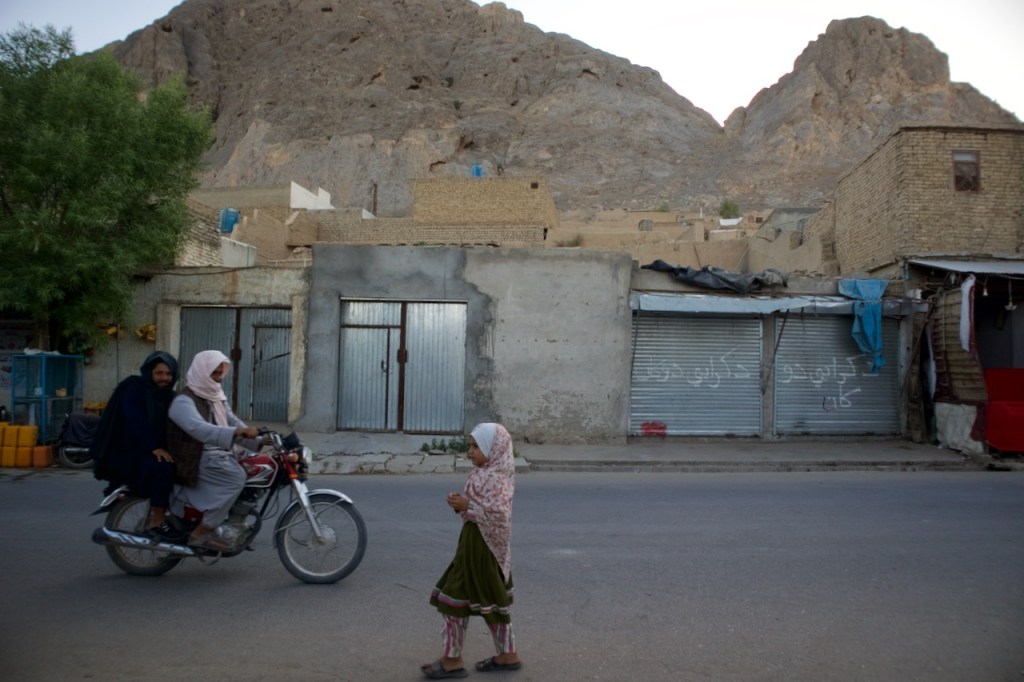
After hearing so much about Kandahar, the visit to the Taliban homeland feels almost anti-climatic. It is Friday, and with a heat wave roasting everything at 45°C, the streets are empty. From the Red Mosque, I make my way to Zorr Shaar/old town. By the time I reach the Forty Steps, I am content to stay in the shade below. Everything from the Shrine of the Cloak to the Mausoleum of Ahmad Shah Durrani are closed; I do not have a local permit anyway.
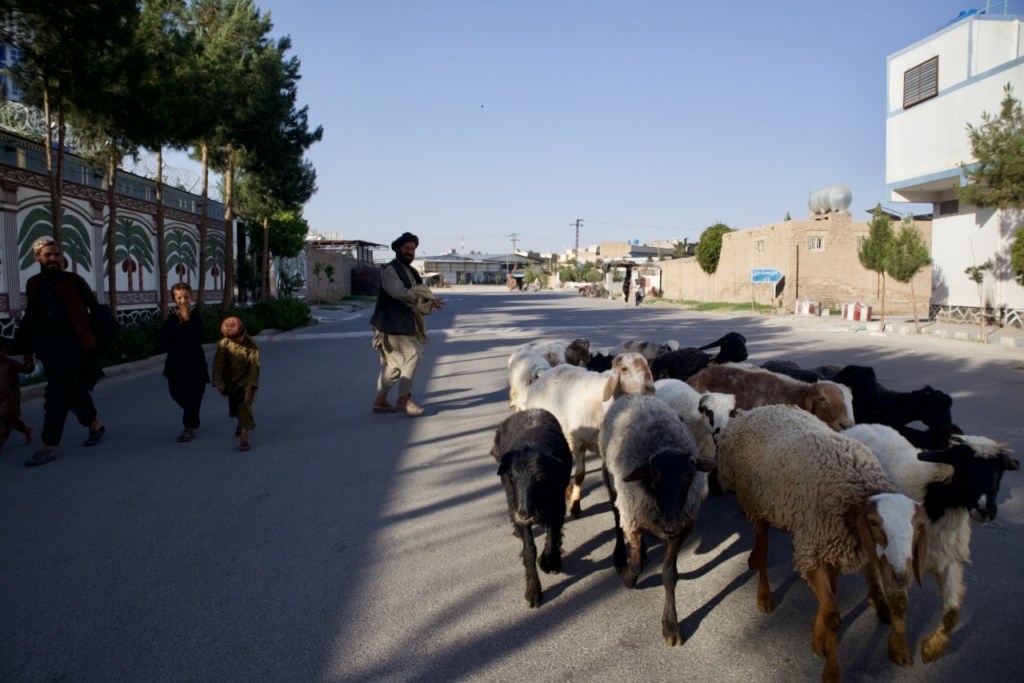
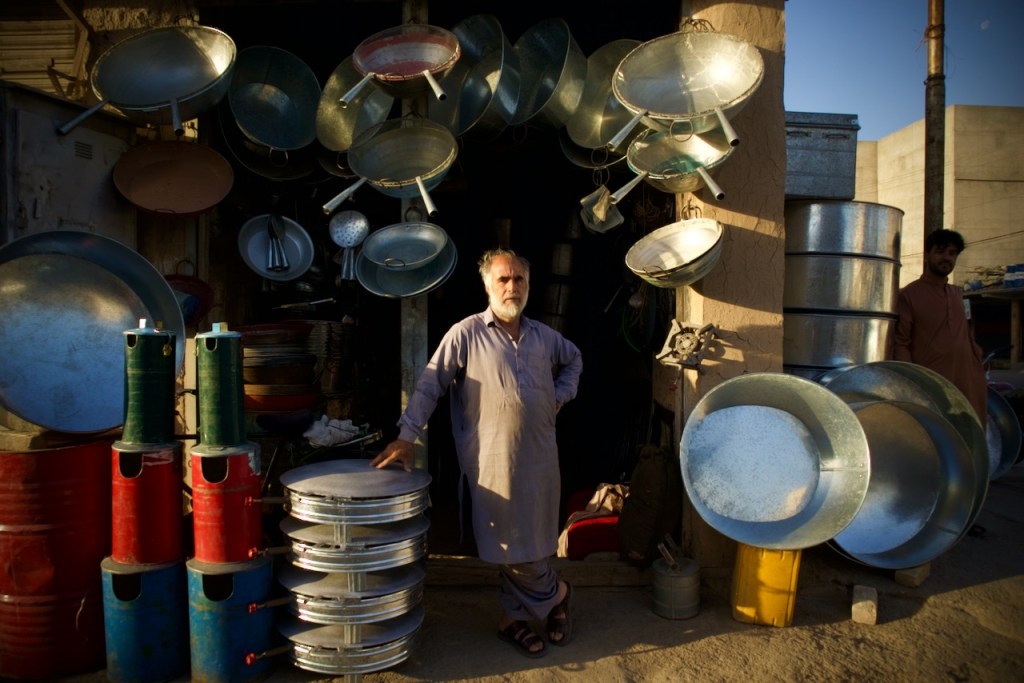
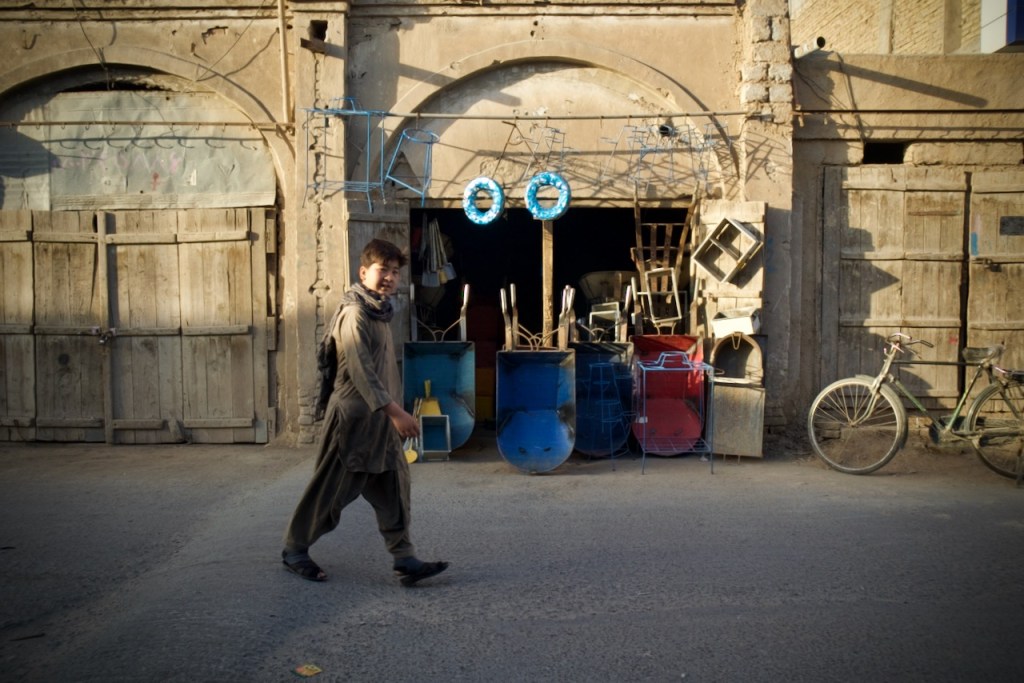
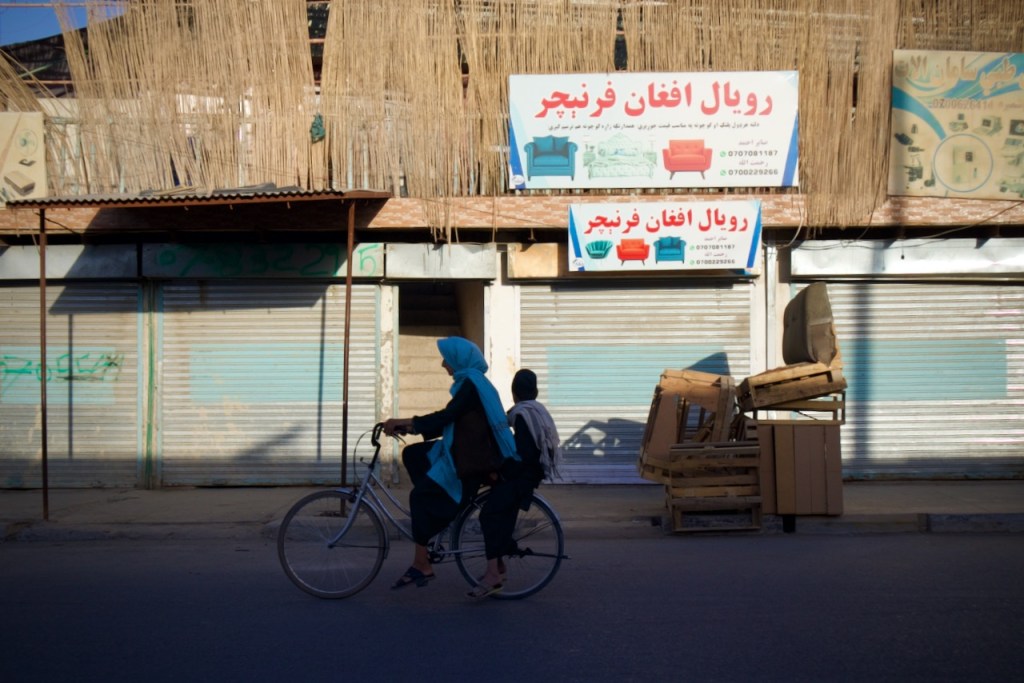
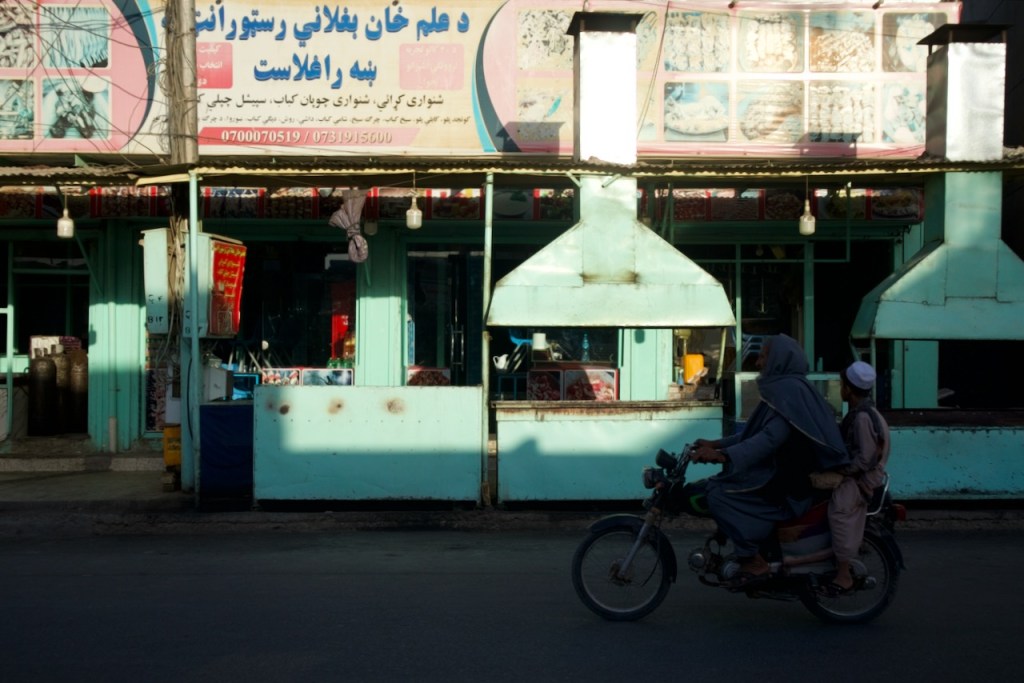
Awaking early before six the next day, I take a delightful morning stroll and see locals – all men – enjoying tea and breakfast, opening stores and getting ready for another scorching day. To my un-probing eyes at this hour, Kandahar, with her wide leafy avenues and welcoming residents, hardly feels like the most conservative city in the country.










Photogenic Old Herat
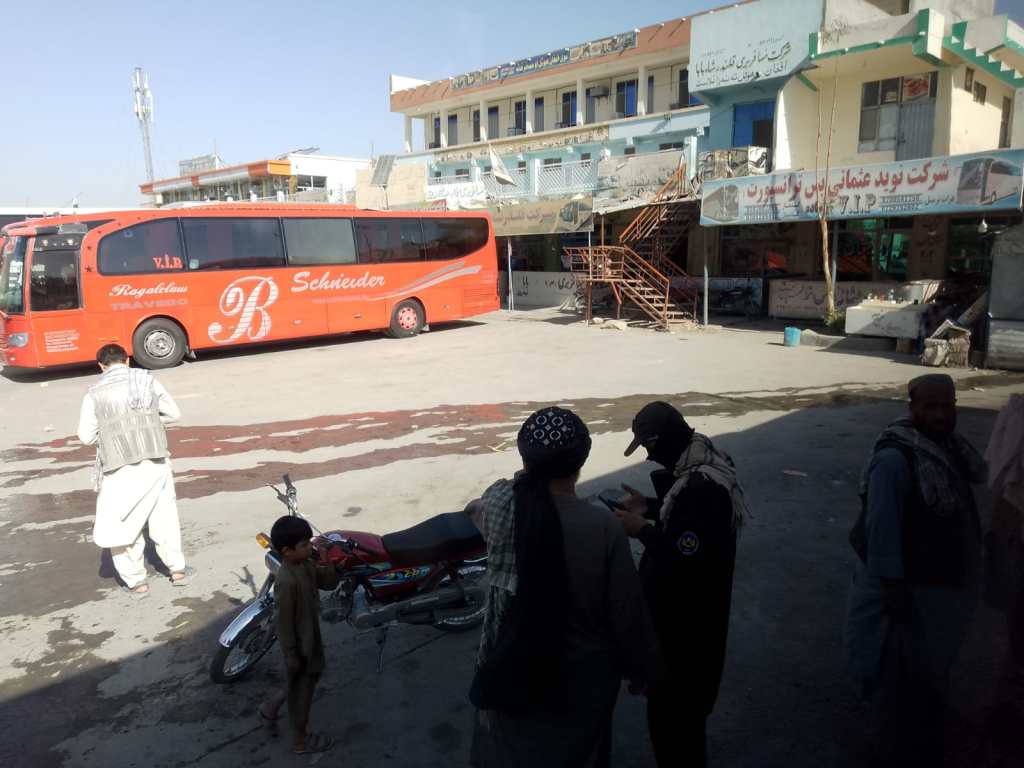
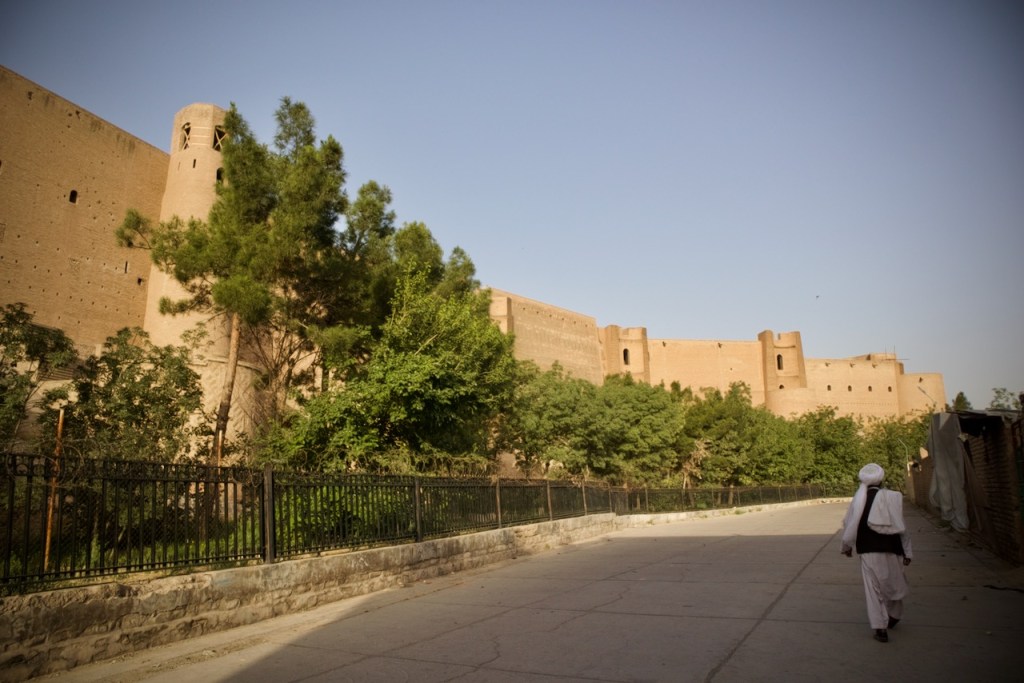
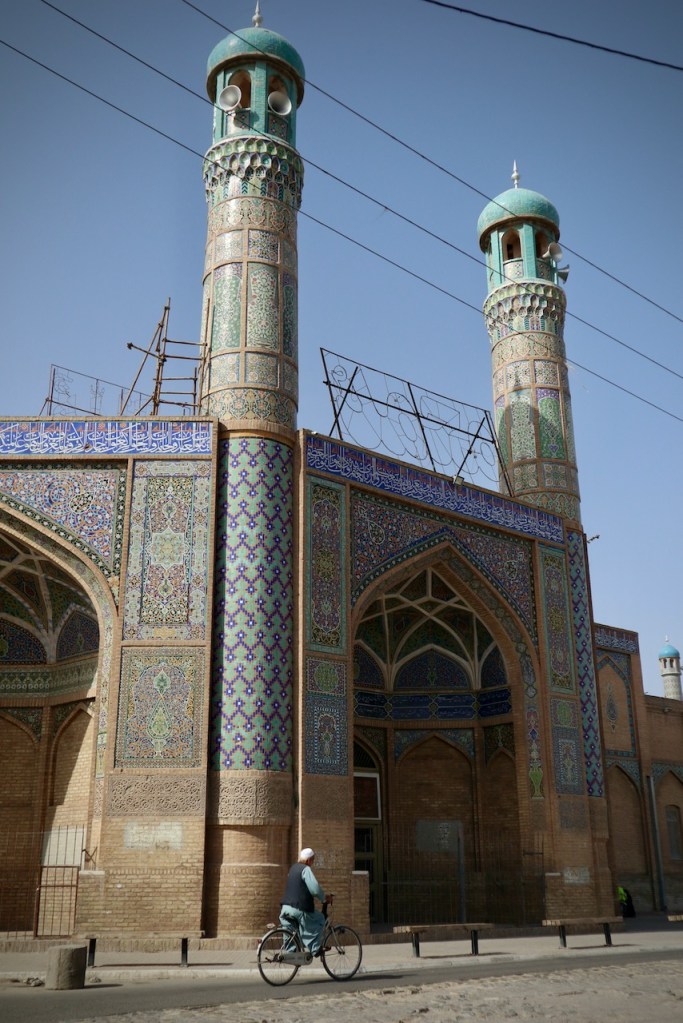
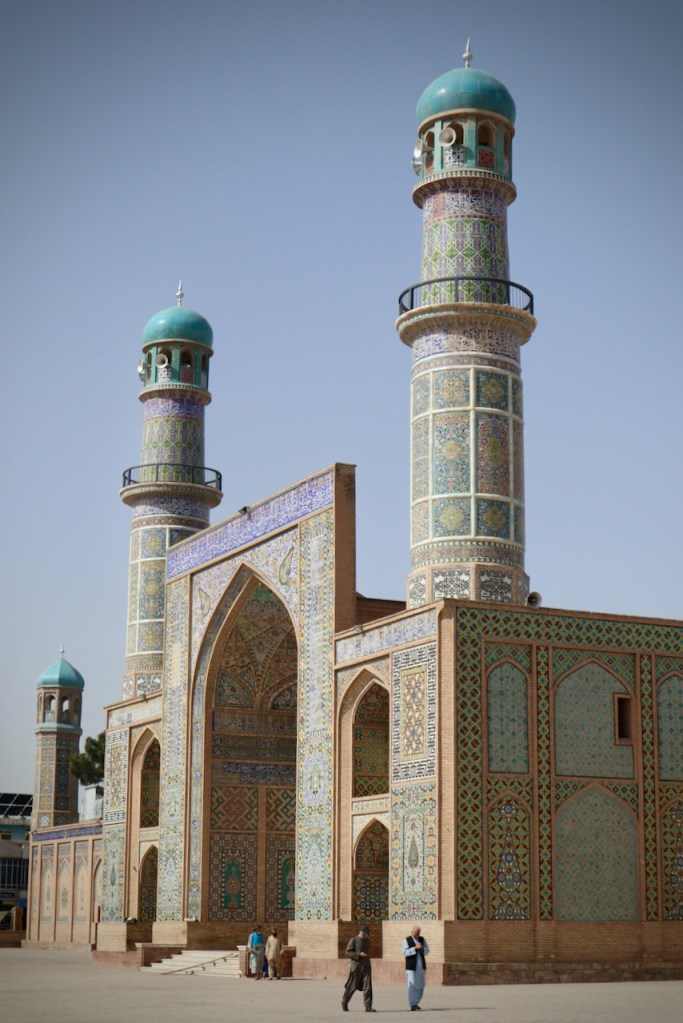
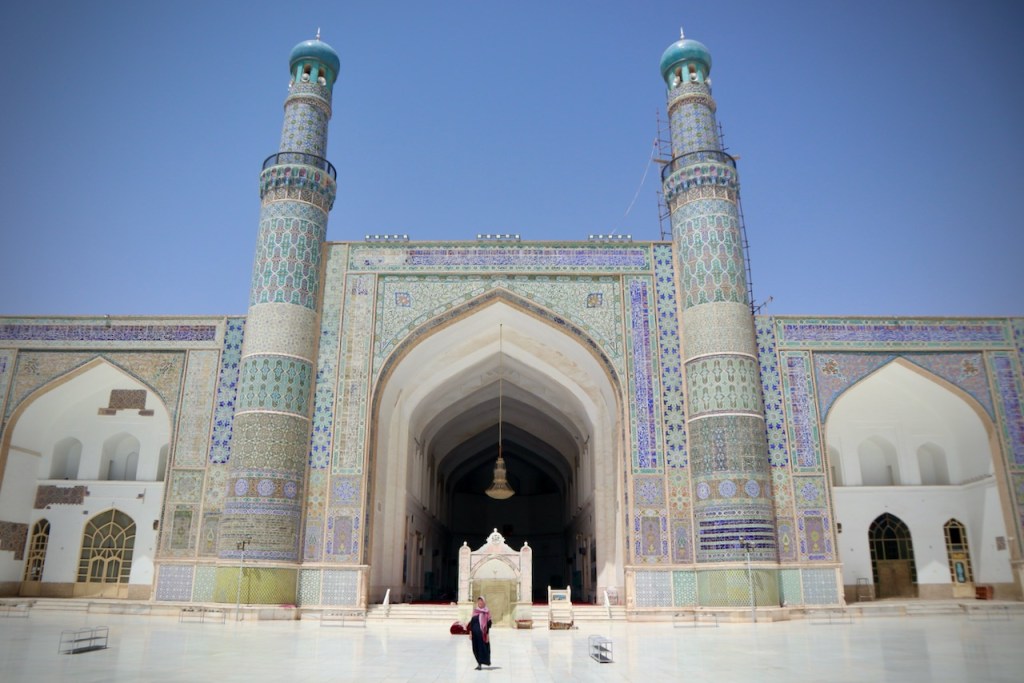
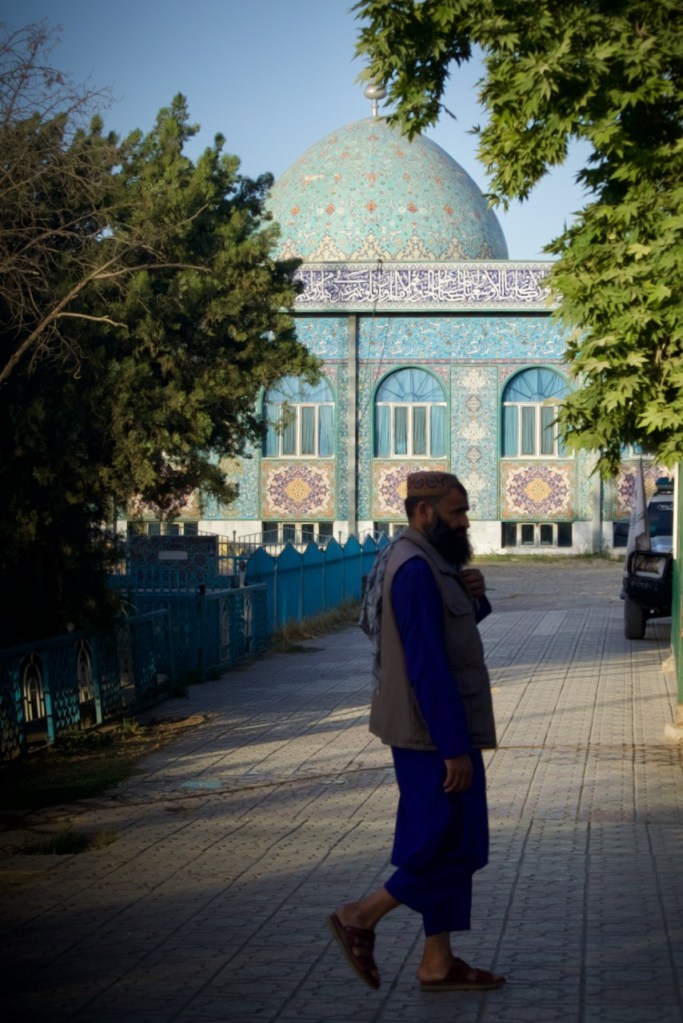
The surprisingly smooth nine-hour VIP bus ride to Herat is a welcome change. I take an instant liking to this former capital city of the Timurid Empire (16th C) and enjoy wandering around old Herat in early morning. An old synagogue here, an old Jewish bath house next door, and a medieval caravanserai around the corner. So much to discover. I have an impromptu reunion with Marc, a fellow traveler I met in Mongolia back in 2017 who has been motorcycling around Afghanistan. First stop: a local permit! At the Ministry entrance, the Taliban guard asks to check my camera. A moment of panic sets in and I quickly replace my SD card. You never know what the Taliban objects to when it comes to images! Fortunately, he lets me pass without touching the review button. Whew! We proceed to the iconic Blue Mosque, the Alexander the Great castle, and old Herat, and finish our half-day tour in the beautiful 15th C minarets after sharing a delicious kebabs lunch.









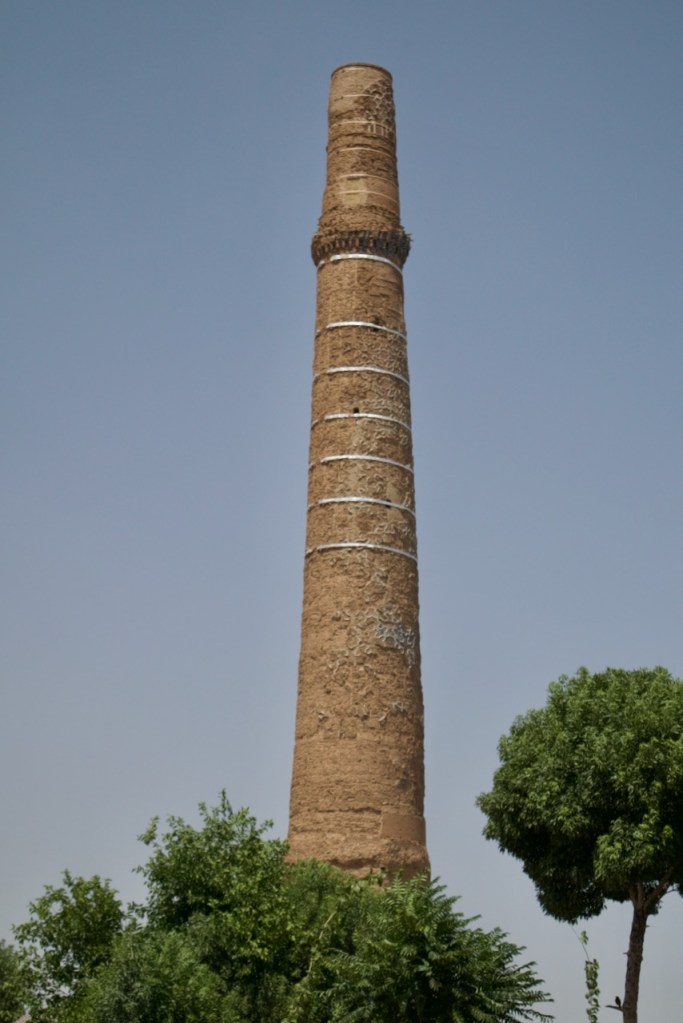
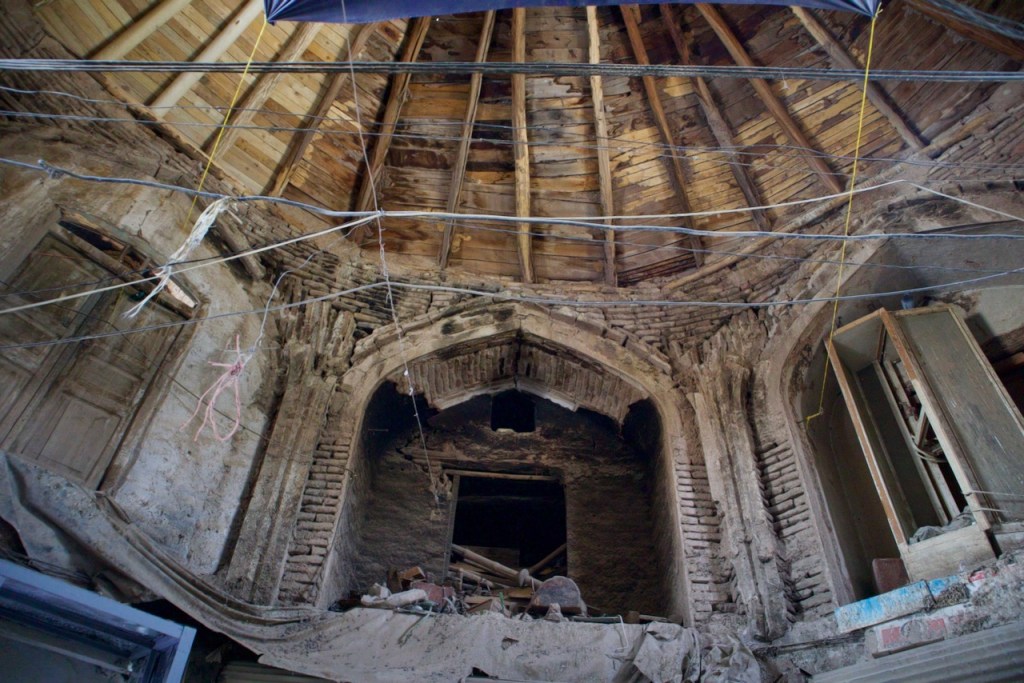


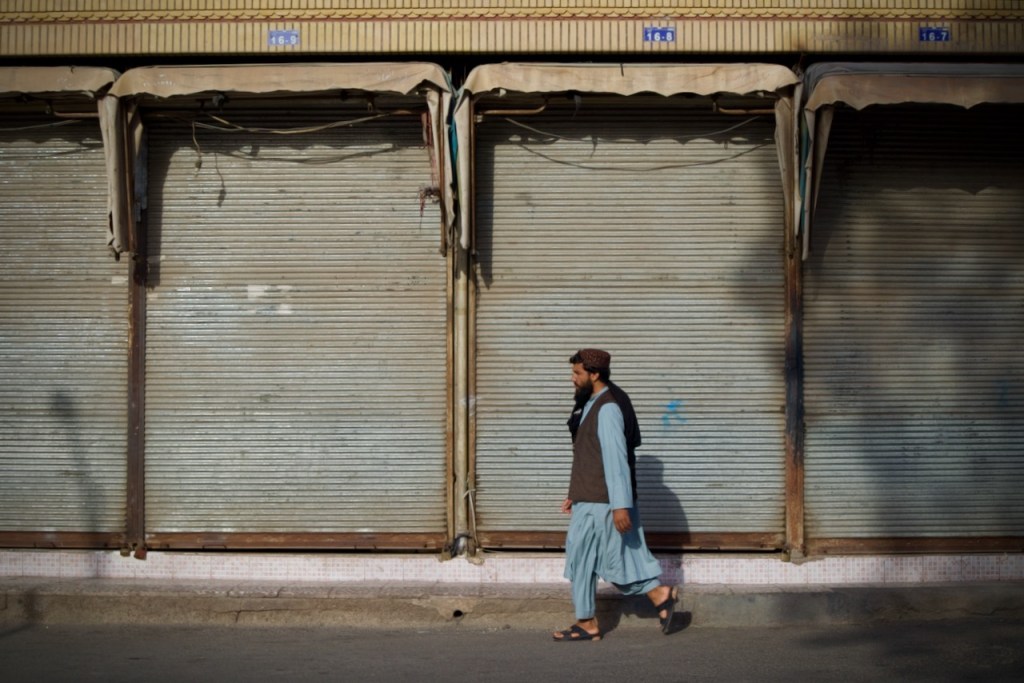

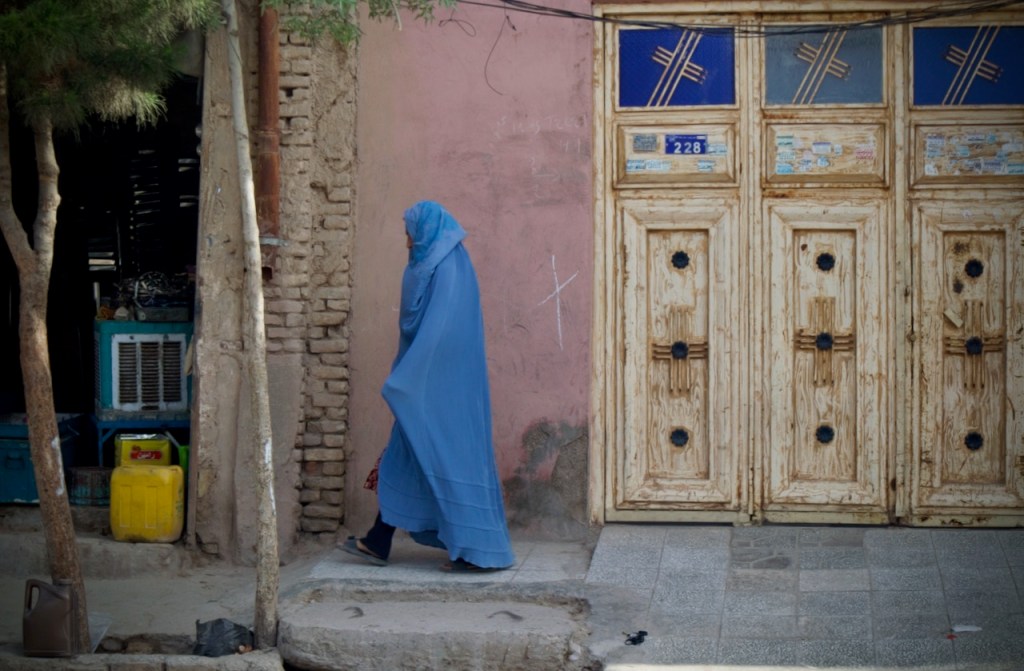



The Mullah in Maymana
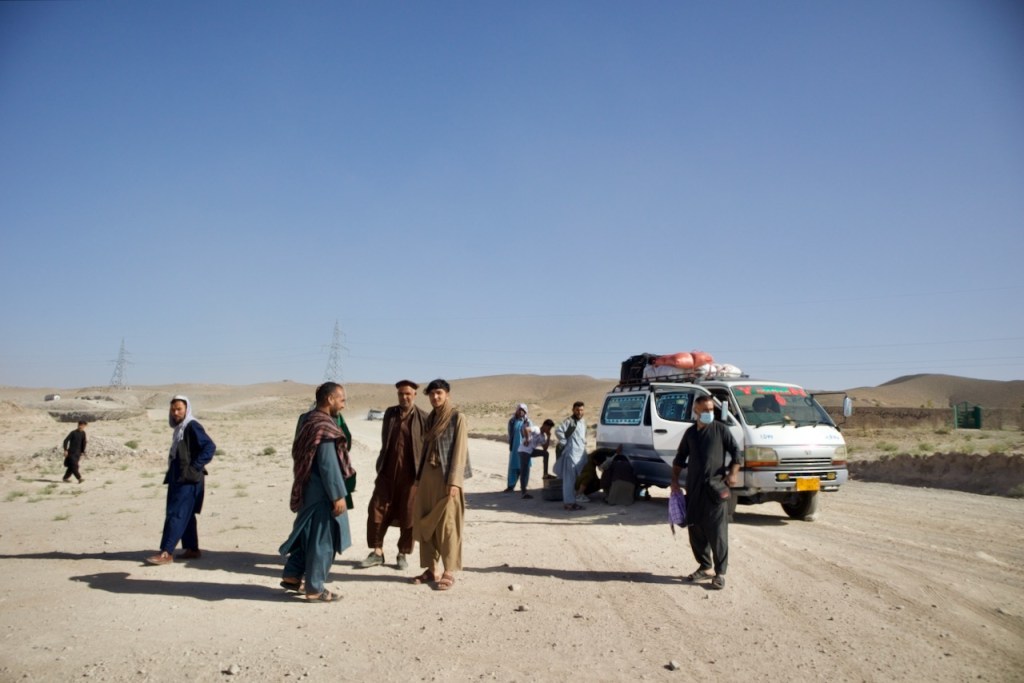
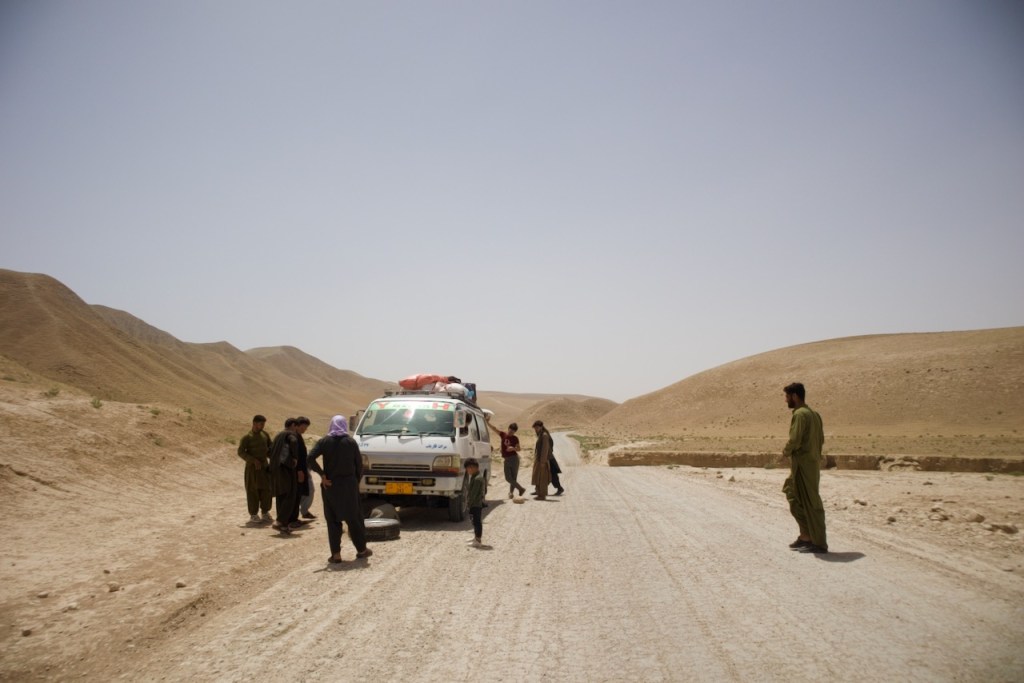
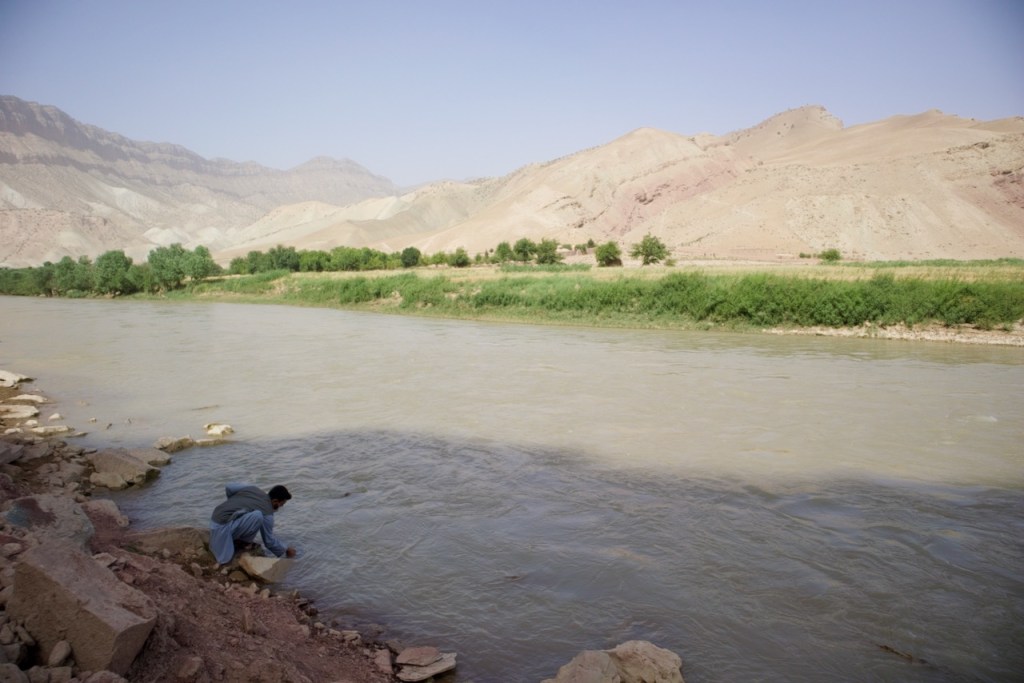
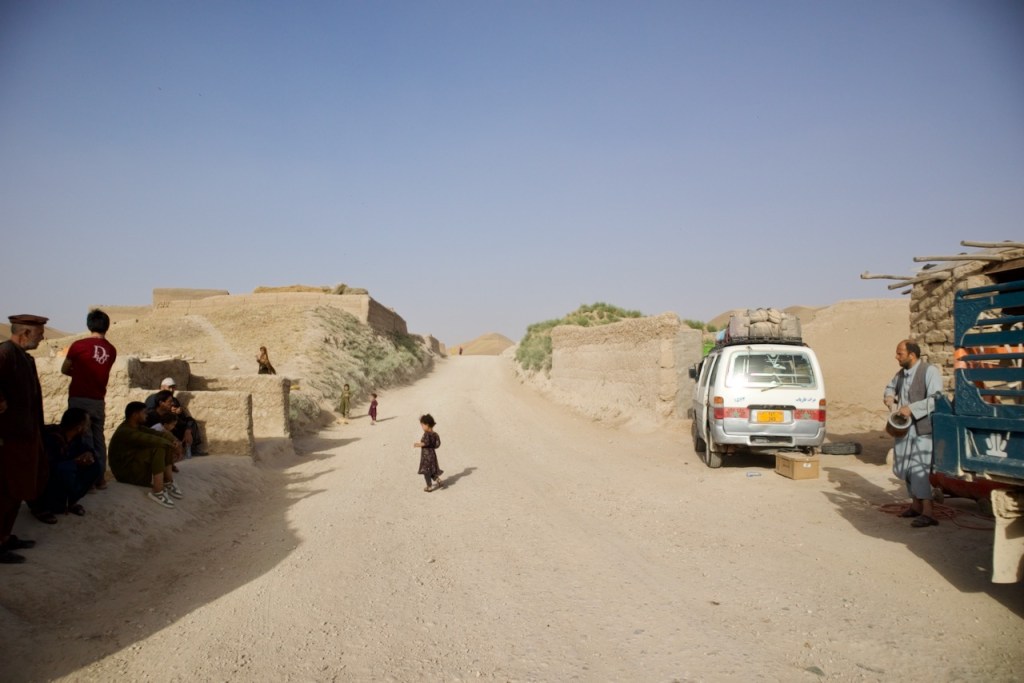
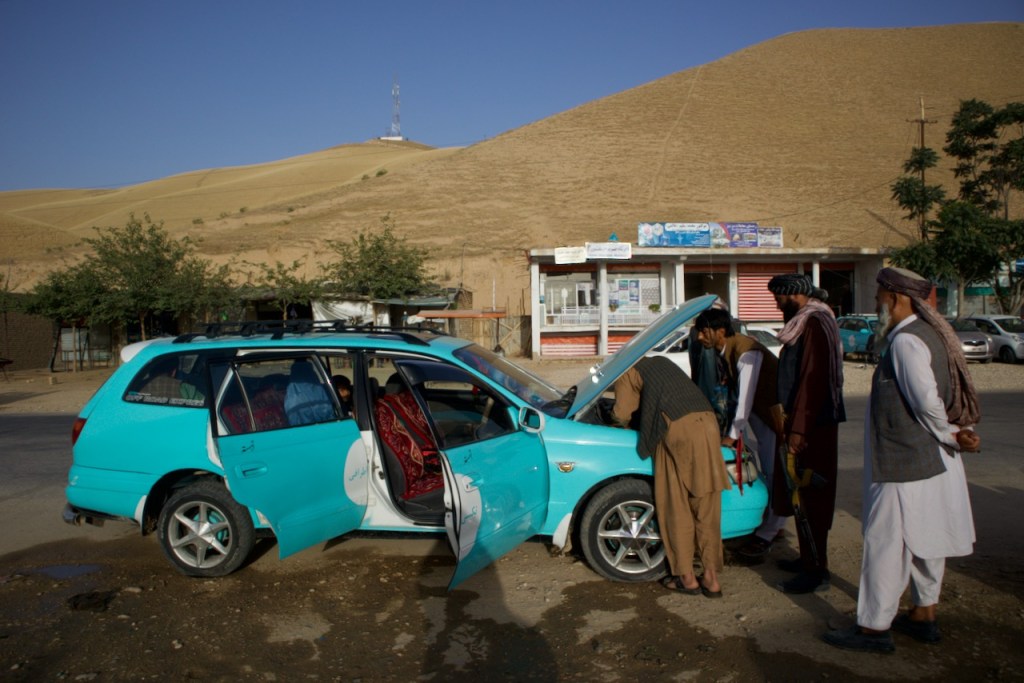
Few travellers brave the very, very bad road from Herat to Maymana. The mini-van does not leave till 8am when it is finally crammed with twenty-one passengers. Barely fifteen minutes in, the driver is already dozing off, causing alarm to a couple traveling with their three young children. We think he’s crazy, the husband says. What have we got ourselves into, I wonder. The roughest road and a mad driver! Then, first and second flat tires, followed by an hour-long lunch break where no lunch could be found, and more car repair stops the afternoon, and prayer breaks to make the exhausting day even longer. By the time we pull into Maymana at 10pm, all I want is to go straight to bed.
Your passport! a Taliban guard demands. When did you arrive? he asks. Just now! I reply. Where are you going? Hotel Faiz! He summons me to get off the tuk tuk and follow him to a group of men centred around a mullah-looking figure who starts to speak in I do not know what language. Your man? another Taliban guard asks. In Kabul, I reply. After some ten-minutes of back and forth, using Google Translate in Farsi, the sentence I see on his phone is: you stay in Foreign Office tonight. What? I ask. I don’t understand. The idea of “detention” flashes across my mind for a second, but for what? No one has ever said I could not travel solo in this region. I stay calm, being too exhausted to even say anything, until finally the mullah pronounces Hotel Faiz! and waves me off.
Incredulously, Hotel Faiz is full! Who is in this boonie town, I wonder. A diner kindly chauffeurs me to another hotel right around the corner, but all lights are out until a grocer calls the manager. I collapse onto the mattress of the bare-bone room at 1am. The next taxi ride to Mazar is only in four short hours!







Mazar-i-Sharif and the National Dish
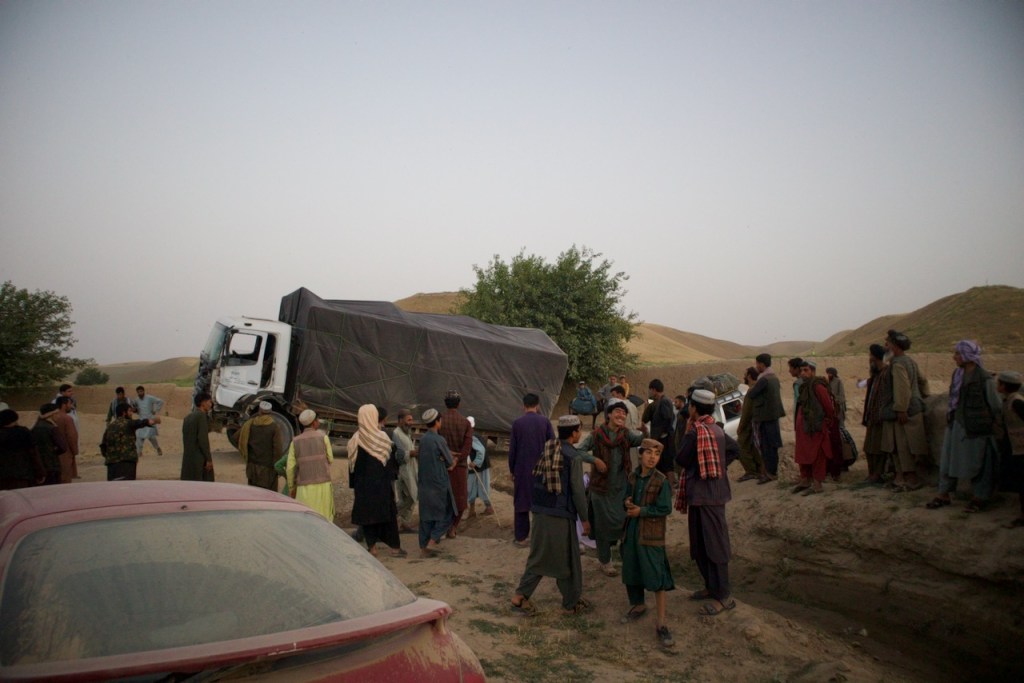
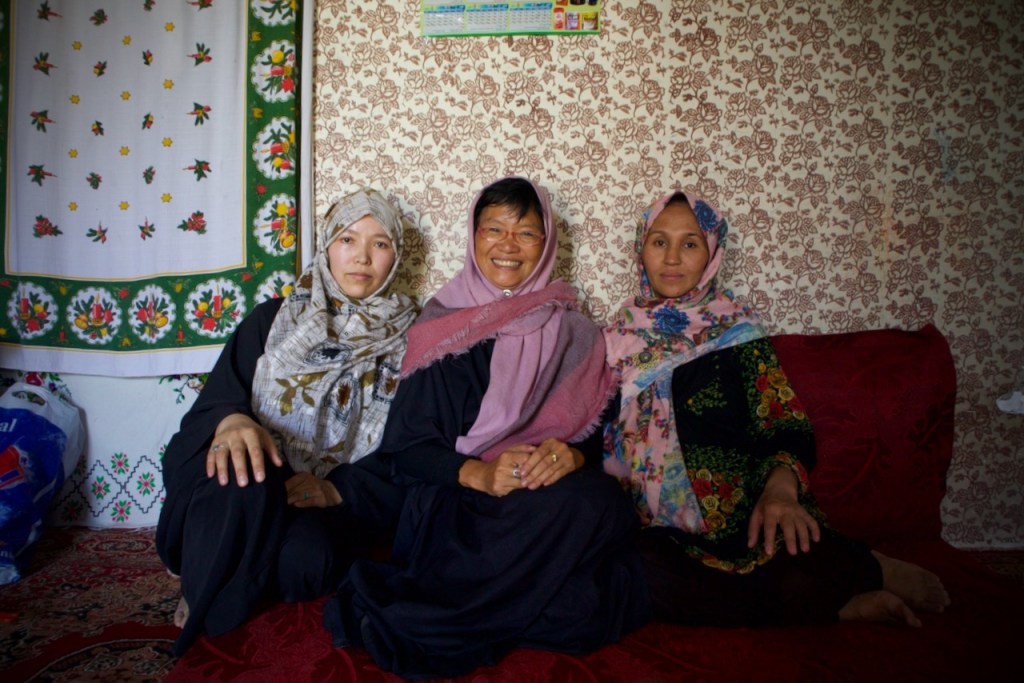
Severely sleep deprived, I remain hopeful for a smoother day, as the road from Maymana to Mazar-i-Sharif is supposed to be in good condition, requiring only four hours I am told. We are off to a good start at seven, only to stop fifteen minutes later for the first of many car-related problems. The car fails to start properly, and the driver mobilizes all male passengers to help push. After several rounds of these within the first hour of our journey, I wonder if – and when – we would ever make it to town. As I start to inquire about other possible shared taxis as an exit option, a crowd gathers. Alas, no alternative could be found. Eventually, we reach Balkh at noon, still leaving plenty of time to visit the Green Mosque and the fortress in this beautiful capital city of ancient Bactria, once a vibrant centre of trade and religion including Zoroastrianism and Buddhism. The fabled city at the heart of the Silk Road is the birthplace of Rumi. Live life as if everything is rigged in your favor. You were born with wings, why prefer to crawl through life? Sell your cleverness and buy bewilderment. A wrong GPS location takes me serendipitously to the home of Begum instead of the fortress – hidden in plain sight in town centre! – and she kindly invites me for tea with her sister-in-law, Fatima. I know you are tired. But Come, This is the way, I can almost hear Rumi…



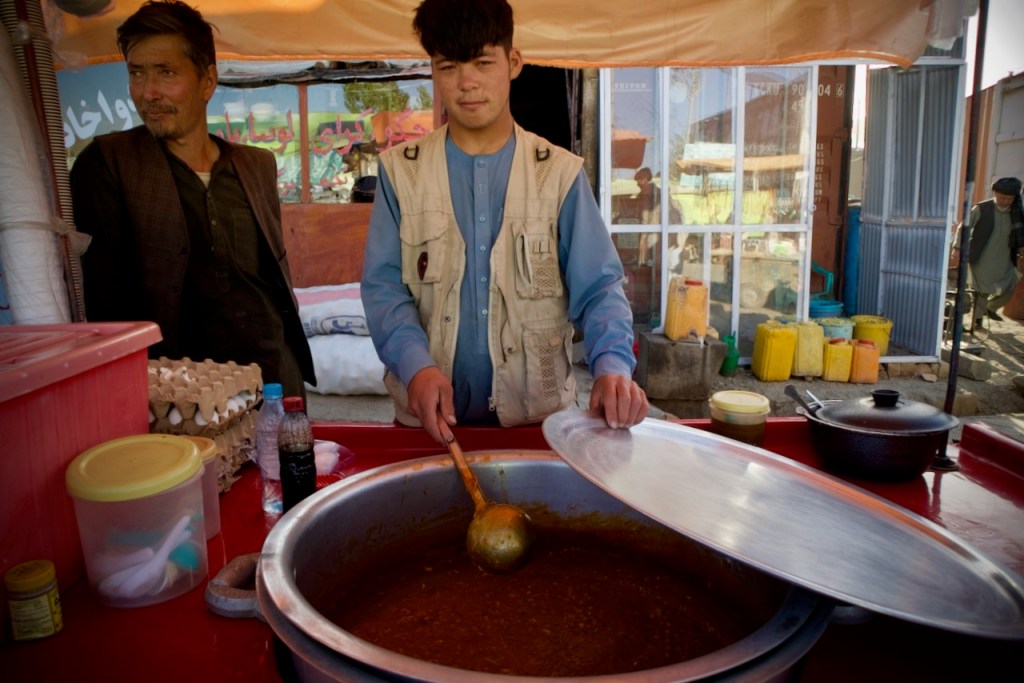
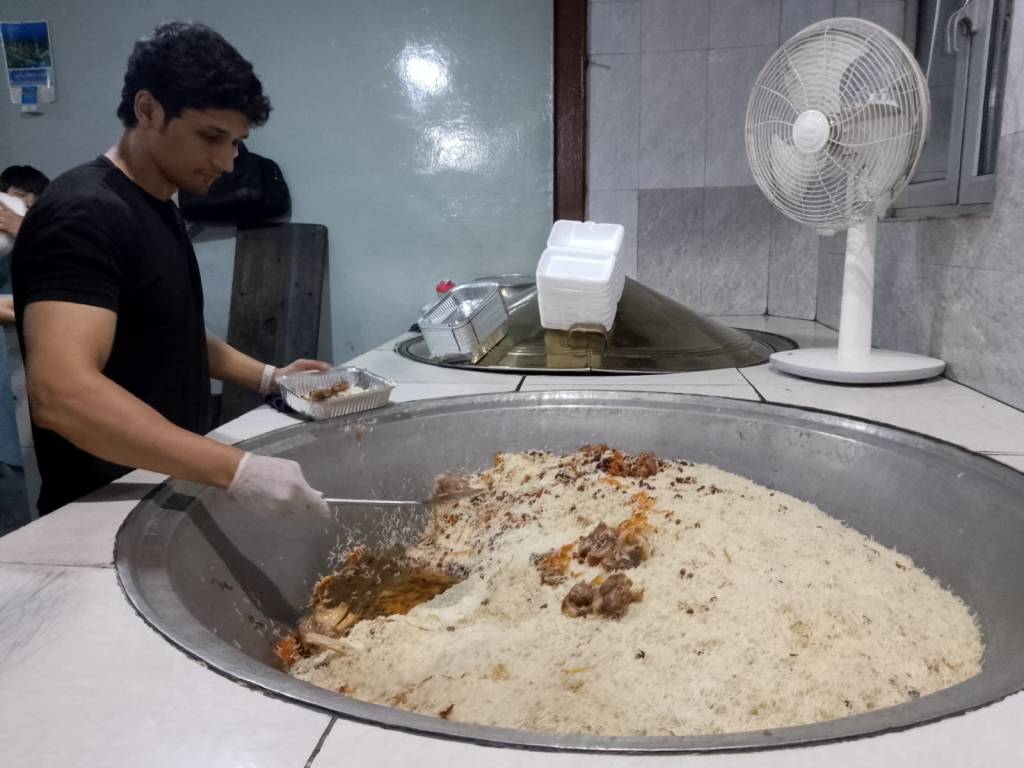
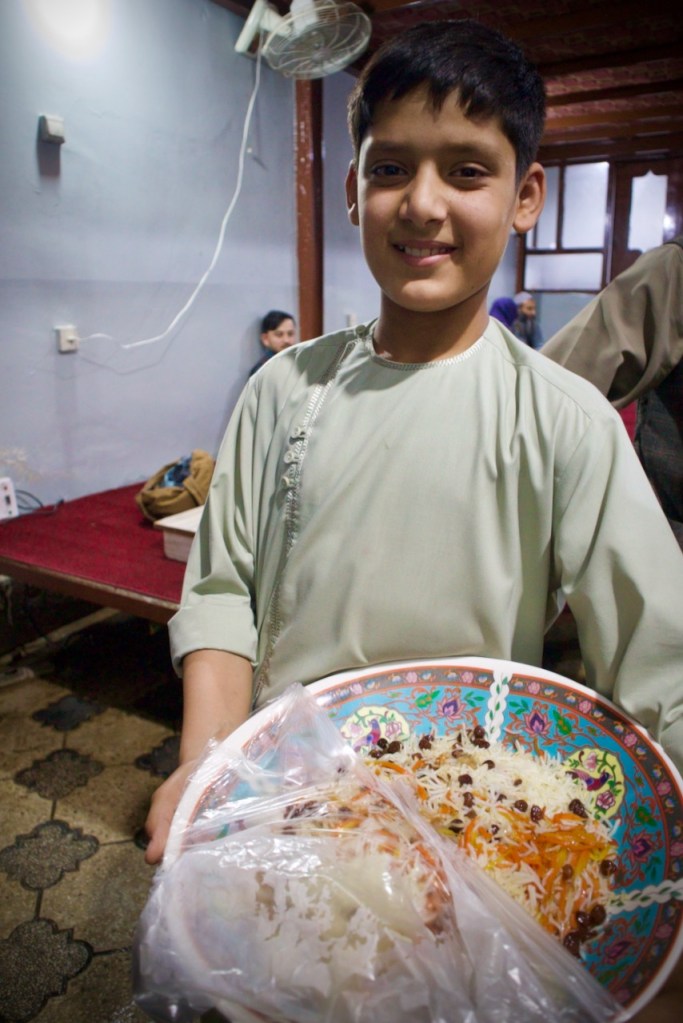
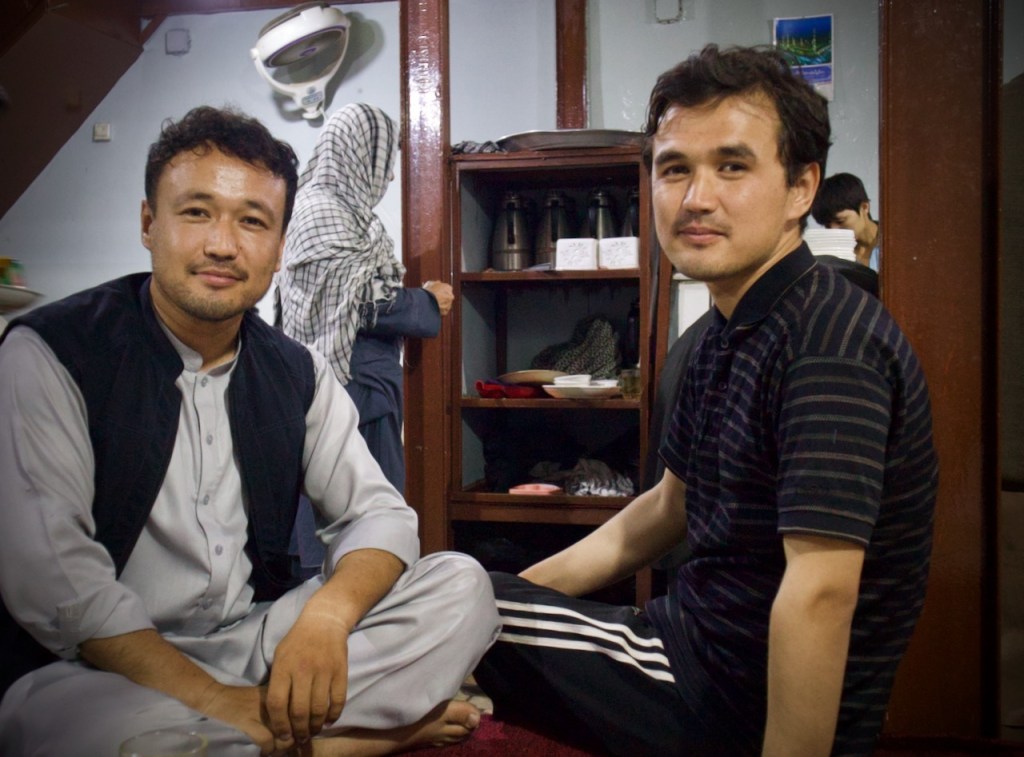
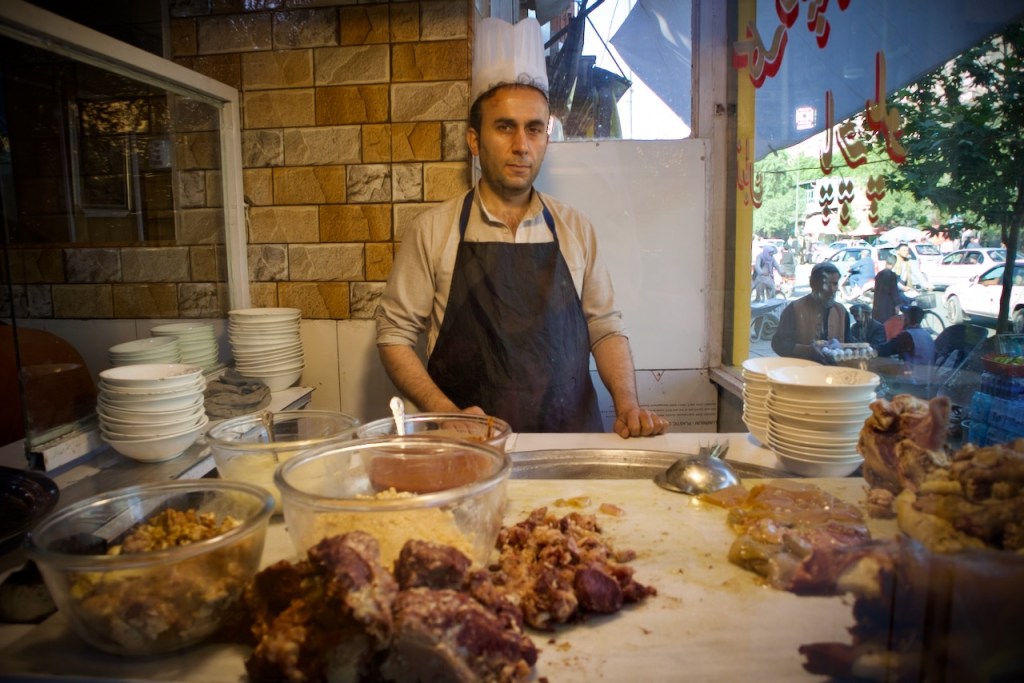
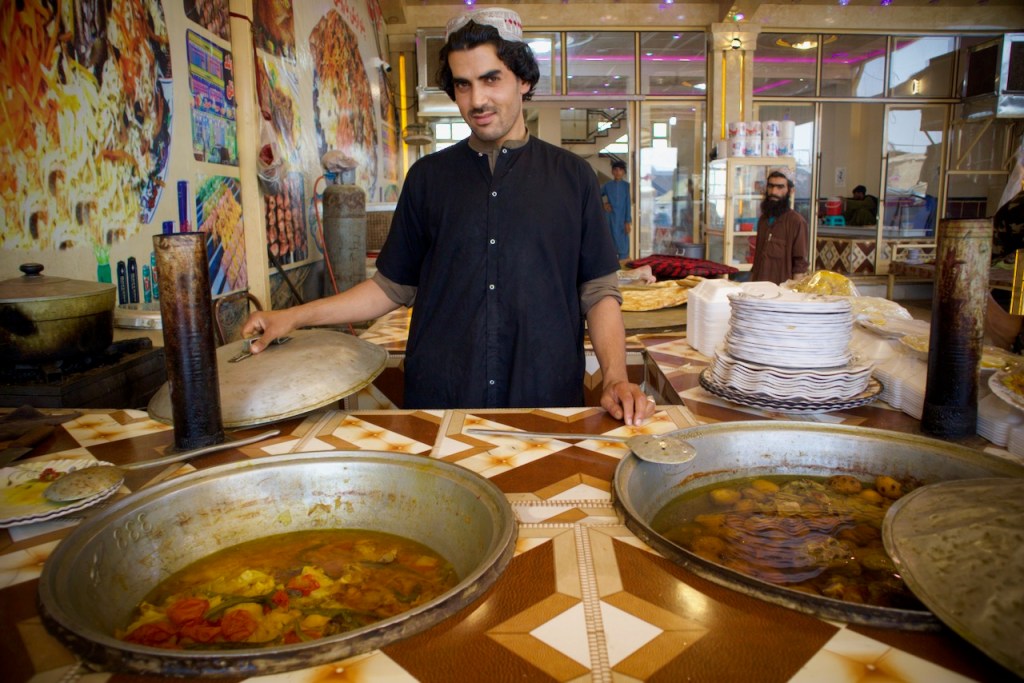
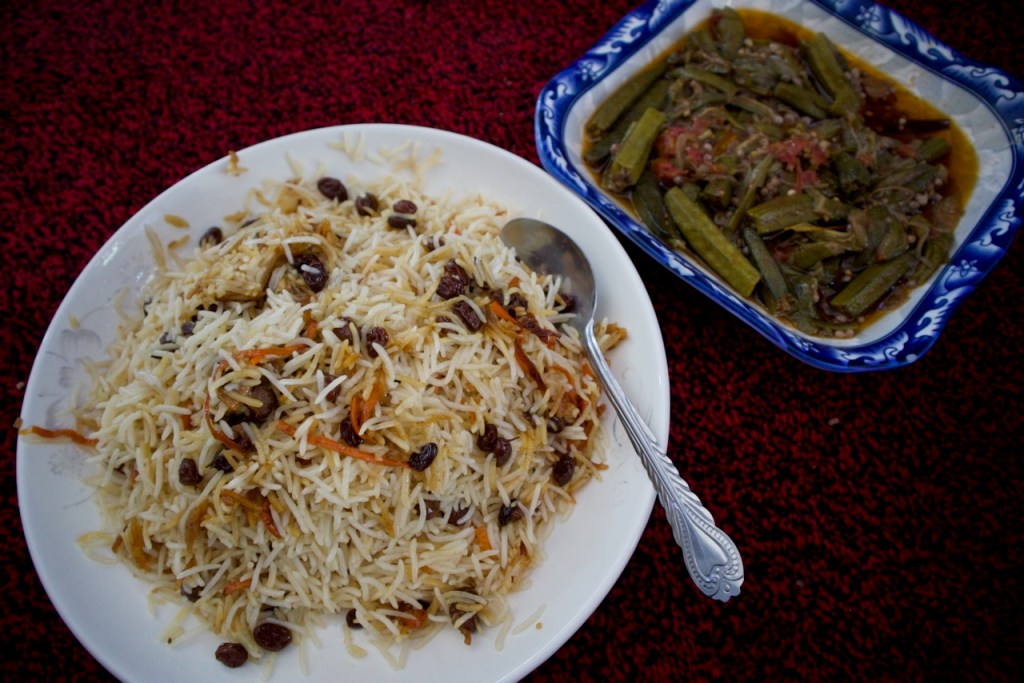
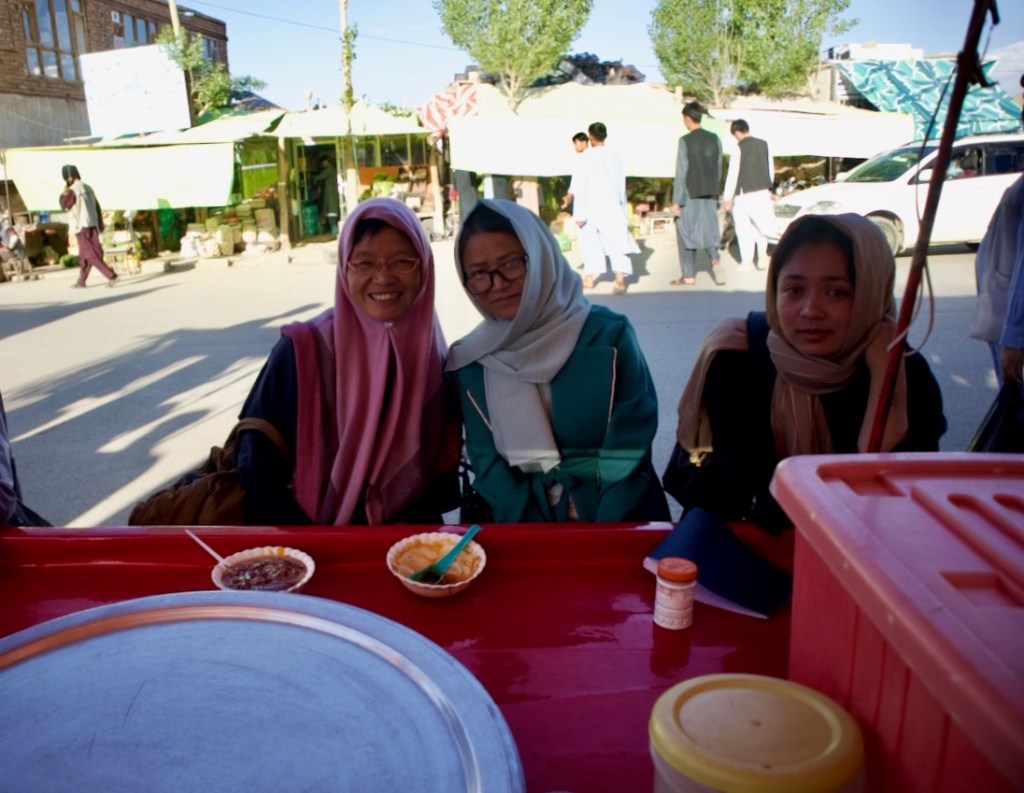
Finally, I reach bustling Mazar after an arduous 20-hour journey from Herat, one of the roughest rides in my travels. The magnificent 15th C Blue Mosque is off limit to women, but I can admire it from the comfort of my room! A sundown stroll through the bustling bazaar surrounding the mosque takes me by chance to the legendary Jamal Pulao where every evening at seven, locals line up with their big plates awaiting their order of kabuli pulao. Young chef Shadab, not wearing a shalwa kameez and showing his brawny upper arms, handles the mountain of rice like a total pro, scooping up juicy fat pieces of meat and oil-dripping raisins in the bottom before piling the flavourful rice onto the plate. I know I have come to the right place. Mazar is famous for some of the best Kabuli Pulao, the national dish in Afghanistan considered as the “king of all rice dishes.” While sipping dough, a refreshing yoghurt drink with shredded cucumbers and mint, I chat with Abdul, a twelve-year-old boy who is first in line. This is my favourite food, he says, beaming a big smile. Soon I understand why, for I almost moan with pleasure when I try the first spoonful of perfectly cooked pulao, so soft, moist, and fragrant that you can tell this is an ancient recipe perfected over time. I can barely finish a quarter of my plate, and enjoy watching the local evening routine unfold like a spectacle. Within 50 minutes, the entire wok of rice is gone. Across from the table, soft-spoken Samuillah, an English-speaking health-science teacher, and his brother, Safiullah, have just finished their meal. You’re going to miss Afghan pulao, he says with a smile. You bet! I reply. So many travel memories across Central Asia condensed in one signature dish. Chef Shadab refuses any payment, putting his hand on his heart. Such classic Afghan hospitality. On my way out, I snap one last shot of Chef Shamshar who has been serving kebabs to locals for over three decades. What a lovely evening!



Samangan and the Salang Tunnel
One last sight before returning to kabul: the magnificent 3rd-4th C Takht-e-Rostam Buddhist stupa sitting atop the Samangan valley. The Taliban is back. Speak English? a bespectacled guy asks. No, I reply. He tails me all the way to the shared taxi station, checking where I am heading. Do not worry; I am a guide from the Ministry. Just call me when you arrive in Kabul, he says.
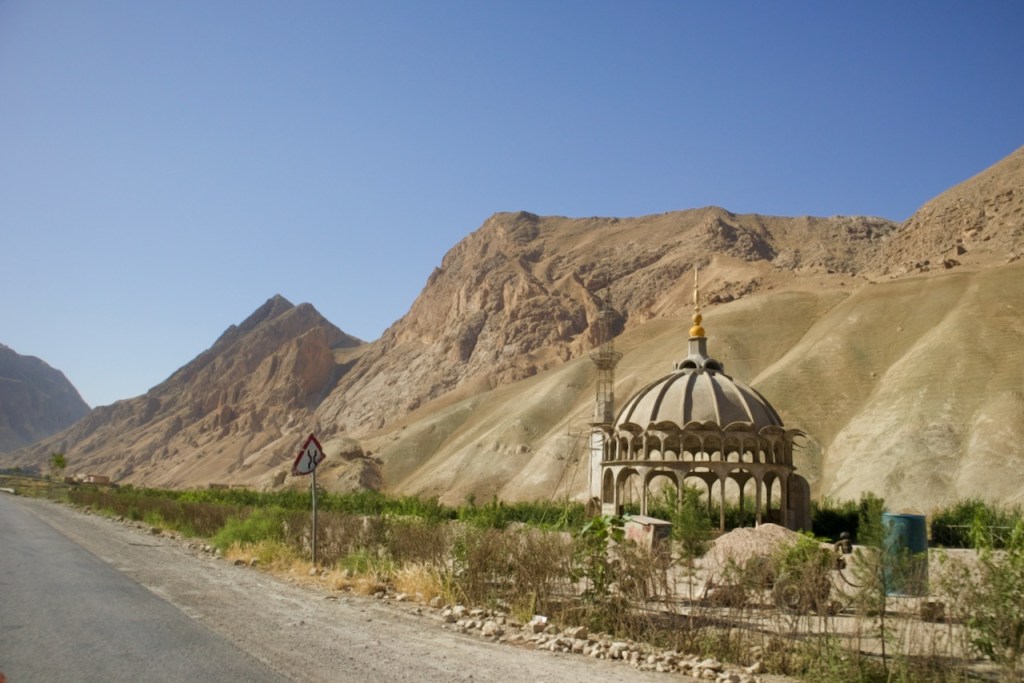
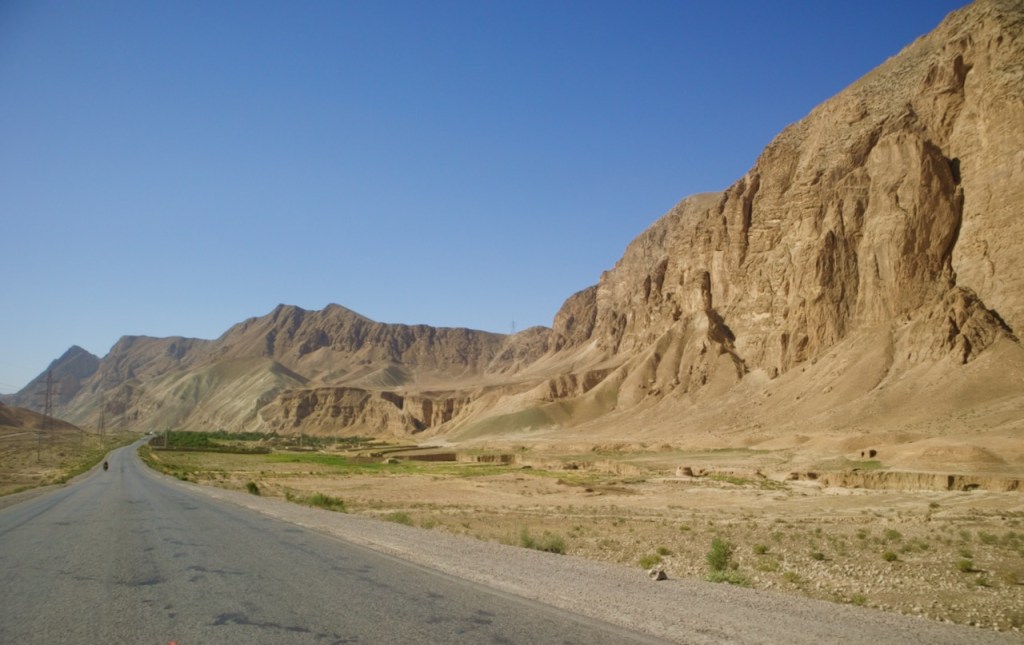
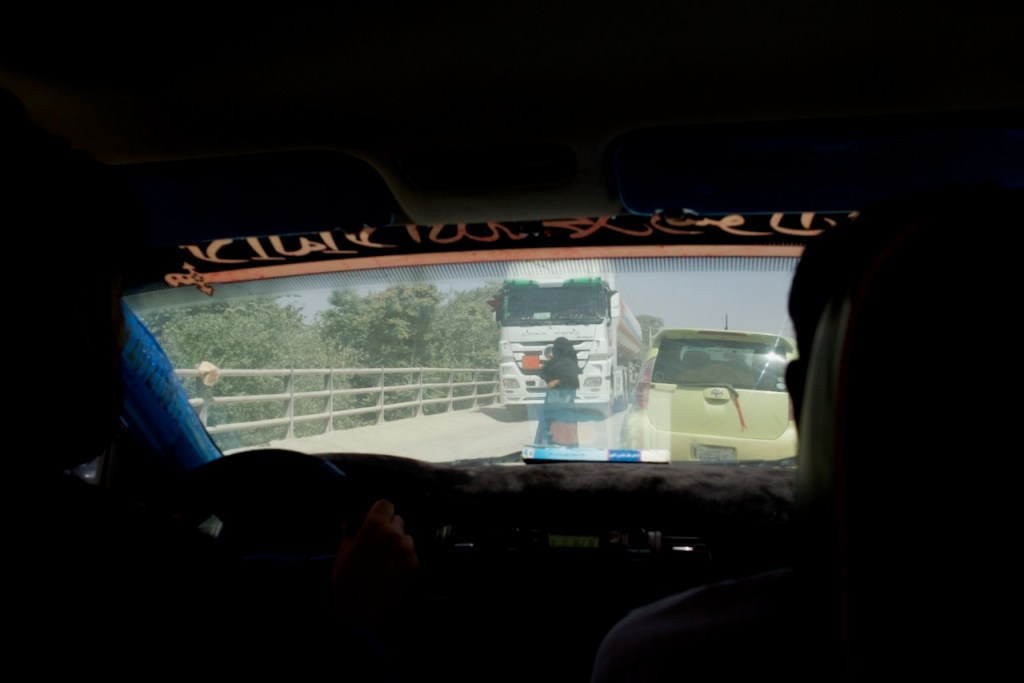
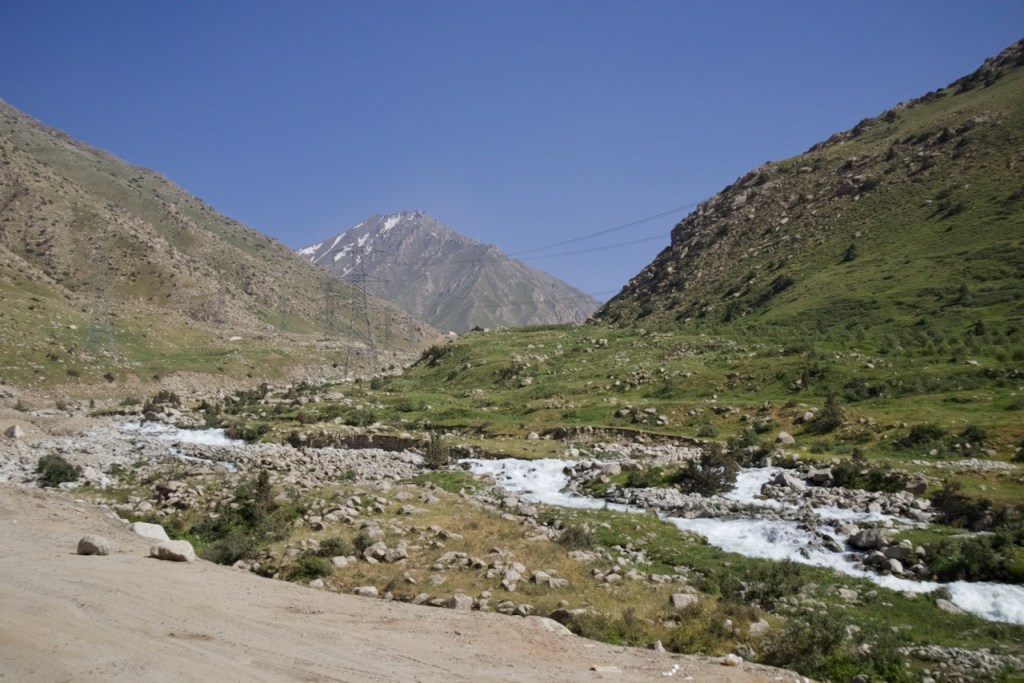
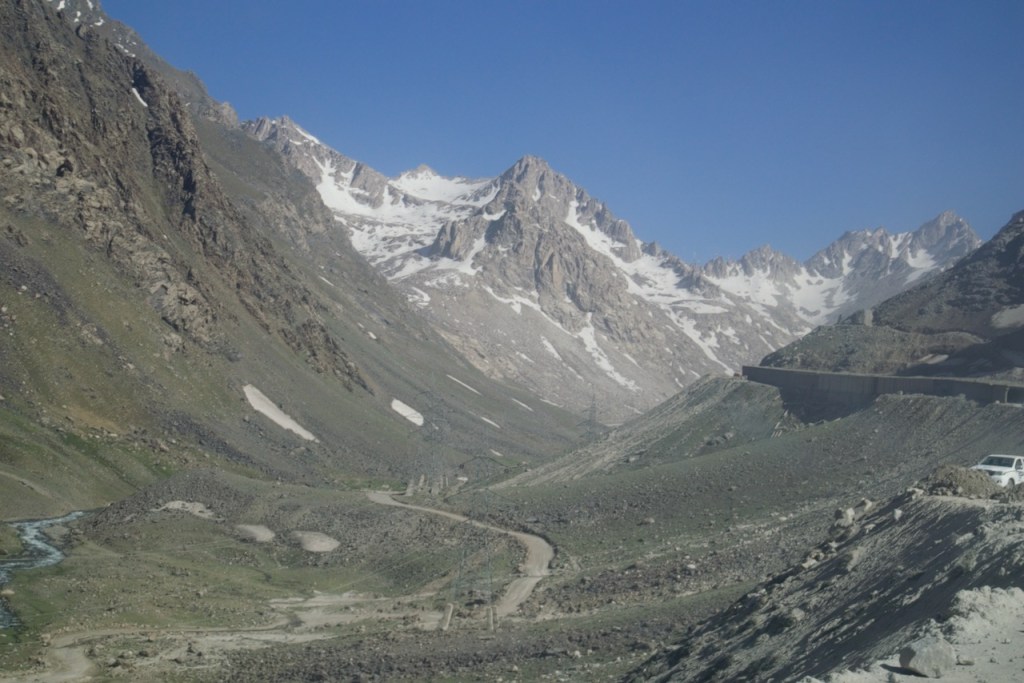
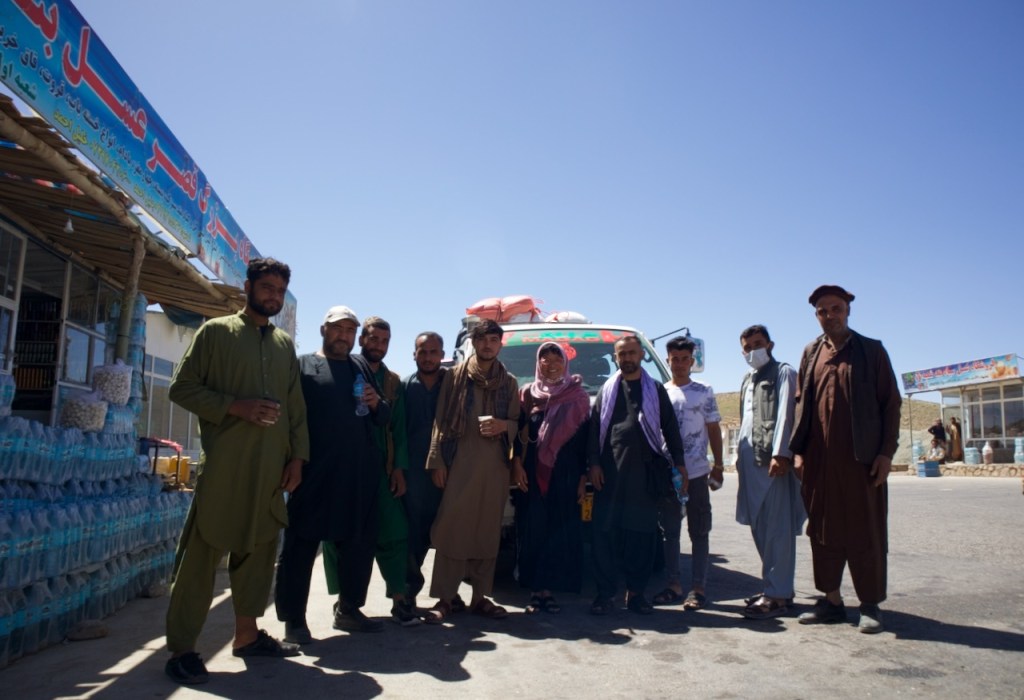
For over an hour, no other passengers come along. If I do not leave soon, I figure, I will arrive in Kabul in the dead middle of the night. Not ideal. I hop on a shared taxi towards Pol-e-Khomri along the Mazar-Kabul highway instead. The remaining 200km+ route takes swooping nine hours, along the scenic Kunduz river flanked by the Hindu Kush up the legendary 2.6km-long Salang Tunnel at 3400m where workers repair a series of avalanche galleries. The road is perilous and the driver totally reckless. By the time we pull into Kabul at 10pm, heating rush hour traffic, I am covered in dust and plagued by a worsening sore throat from days of extreme heat and rough travels…





Afghan Gastronomy
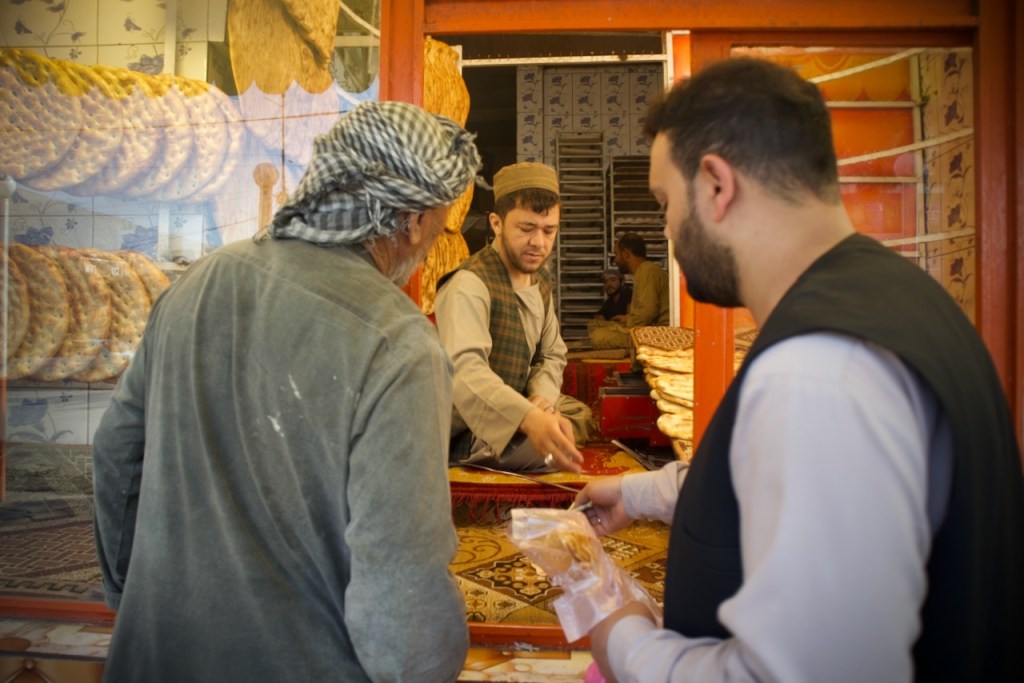
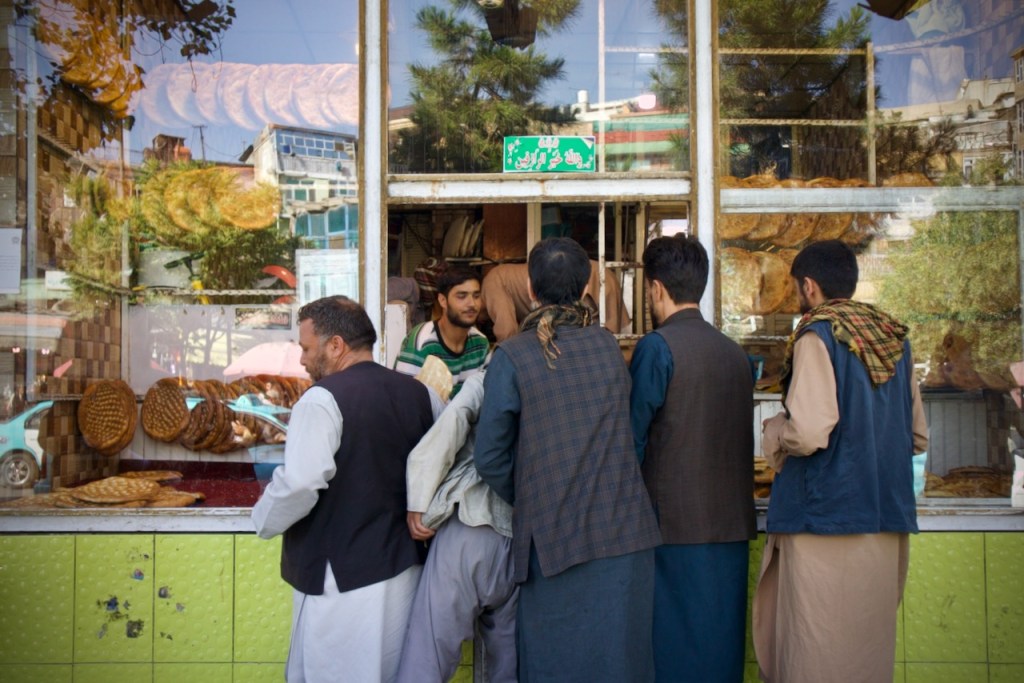
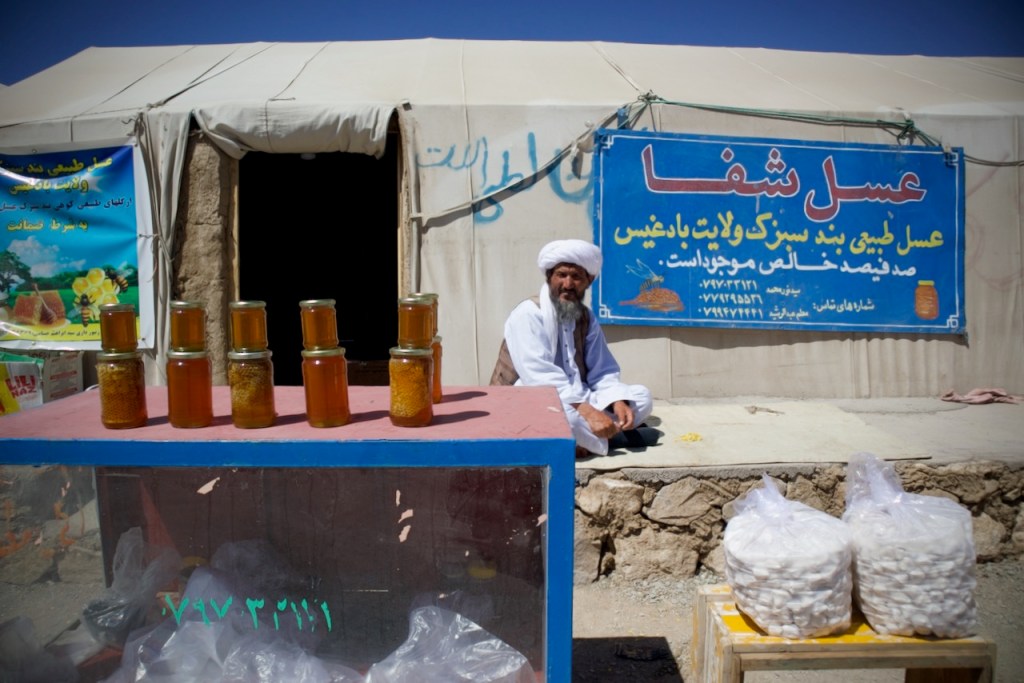
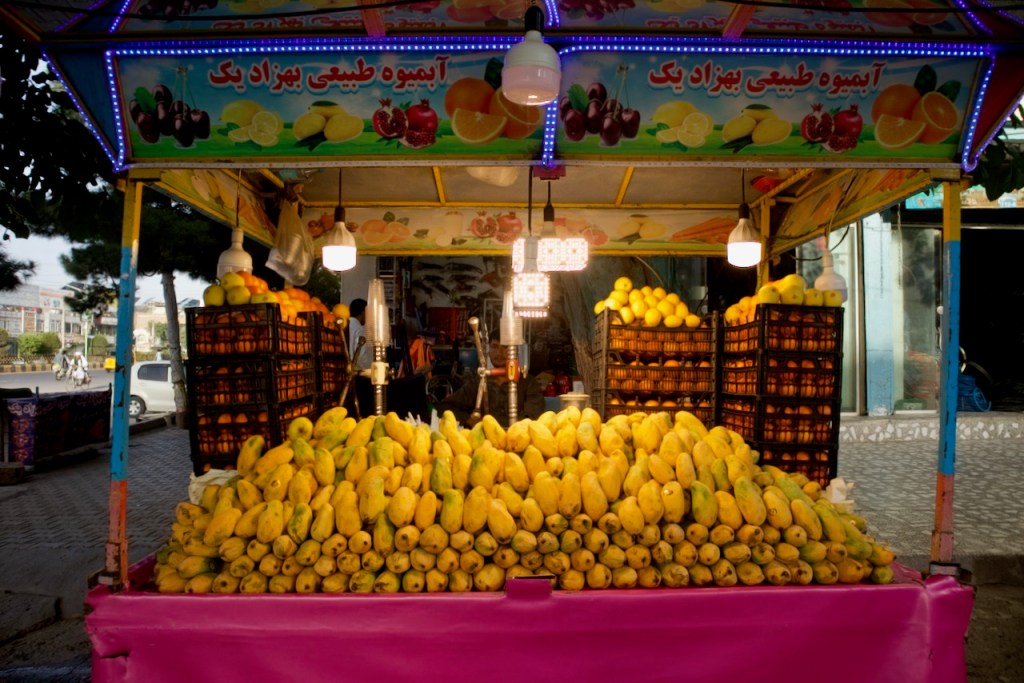
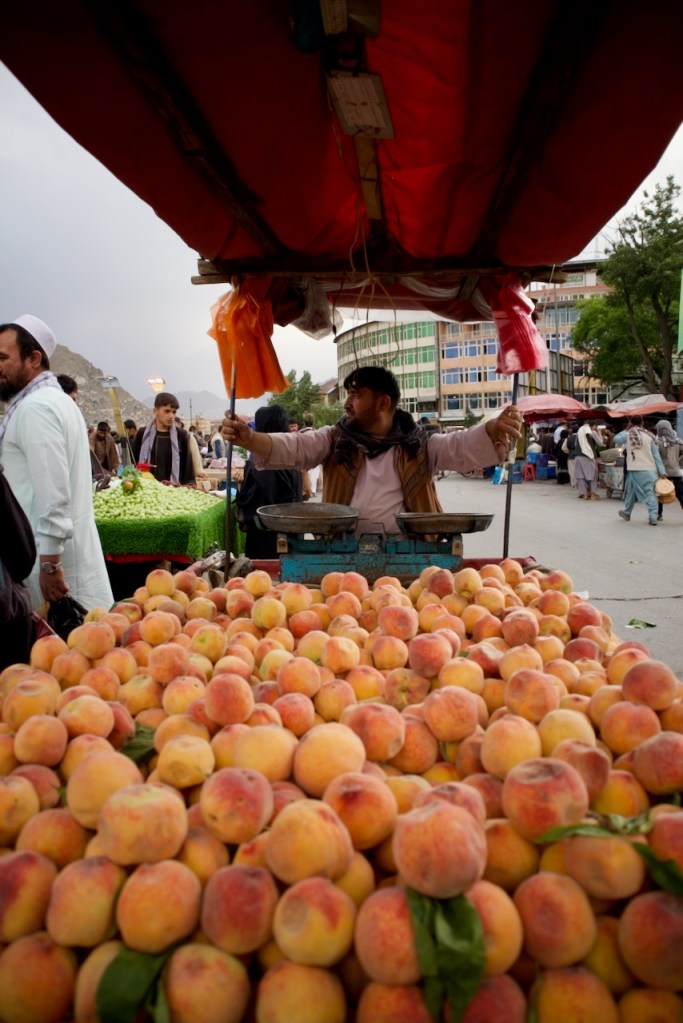
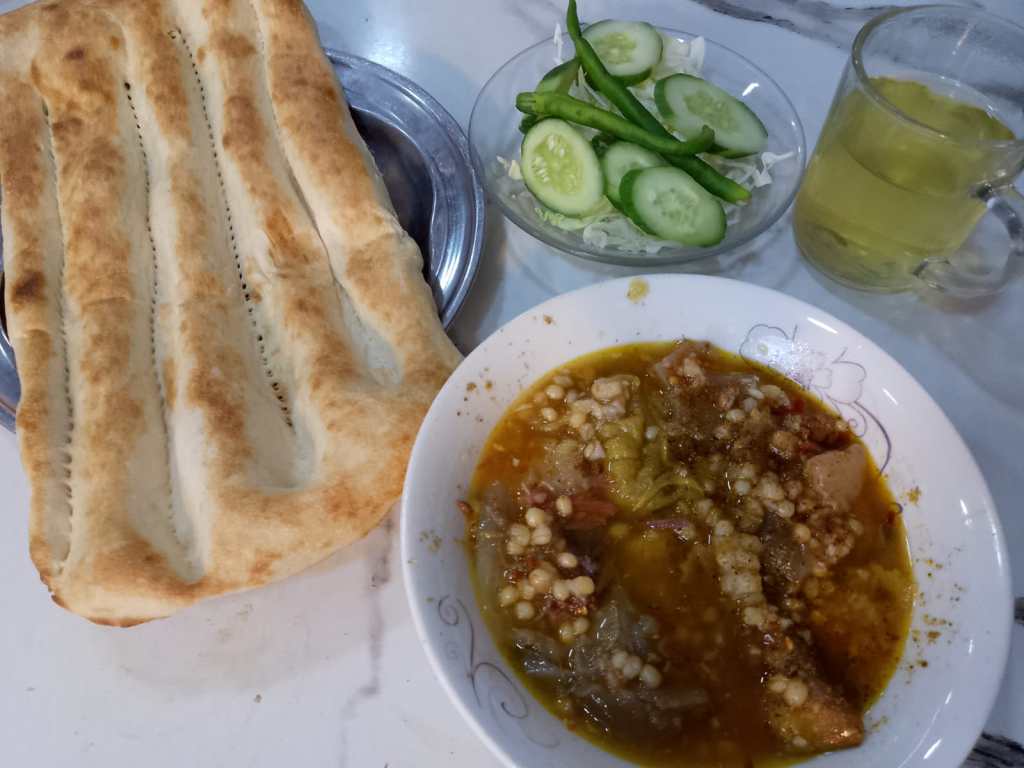
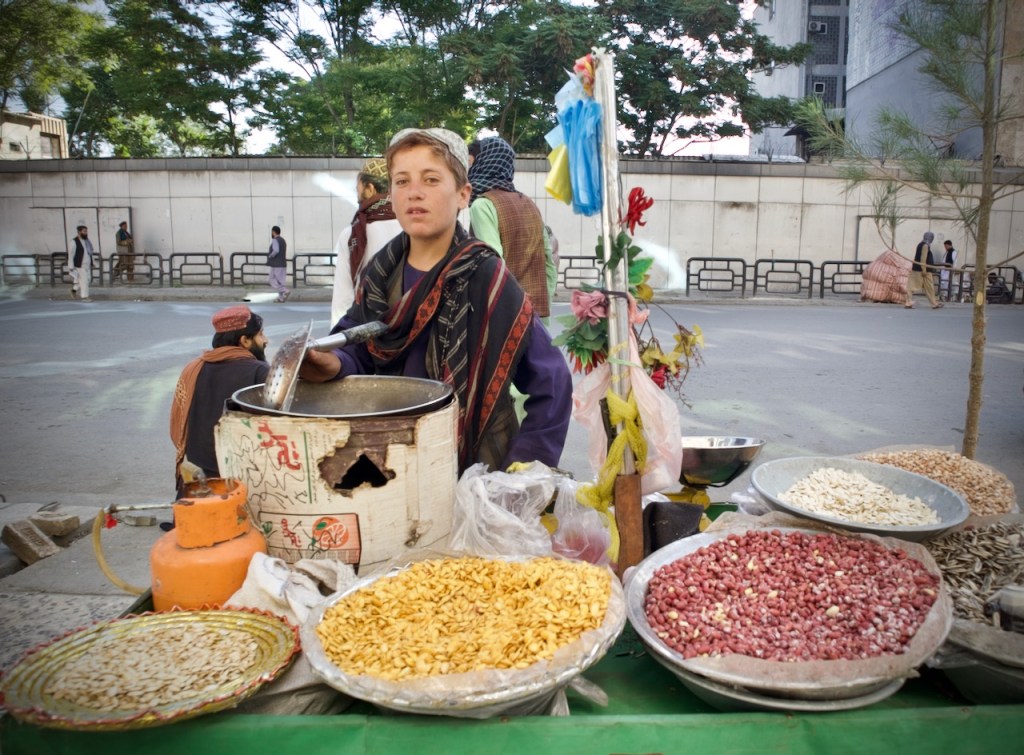
Everything grows under the generous Afghan sun. What a pleasure to taste the diverse exotic flavours of Afghan cuisine in different regions. I munch cucumbers all day long, and get fresh sugar cane juice to stay hydrated. I try a plethora of street snacks the names of which elude me and grab classic bolanis and soups and cookies and cakes as I go. And always oven-baked bread every morning with chai!
All this mouth-watering food is so representative of the Afghan people and their extraordinary generous spirit. I feel nourished in body and spirit every day during the challenging road trip, and feel immensely grateful to all the chefs and bakers, juicers and hawkers, and glaciers who toil daily to keep the whole nation going.



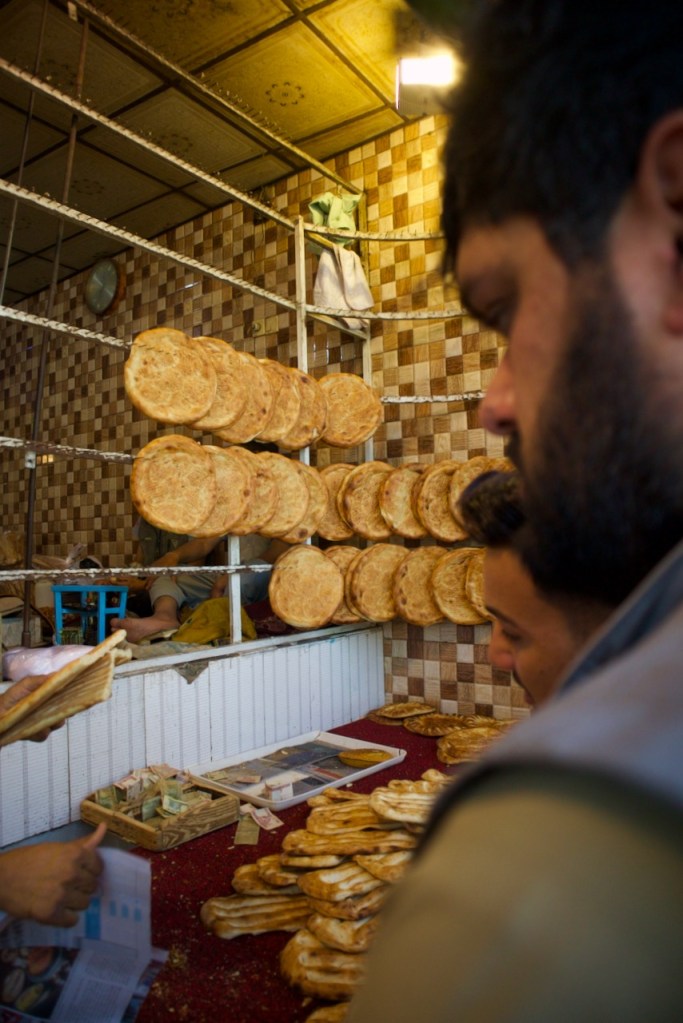

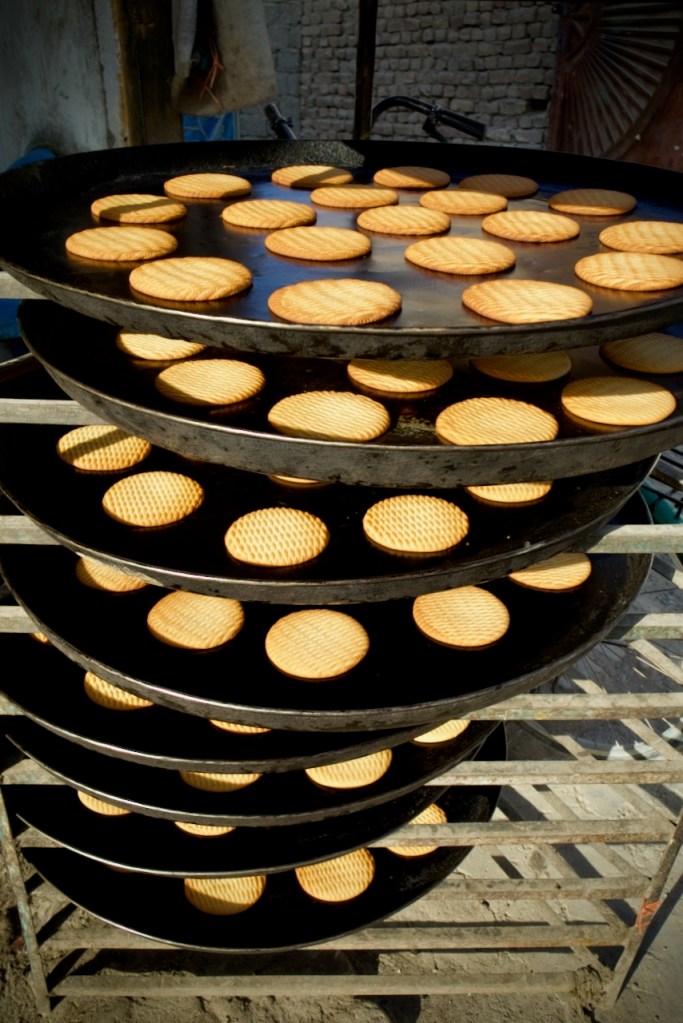


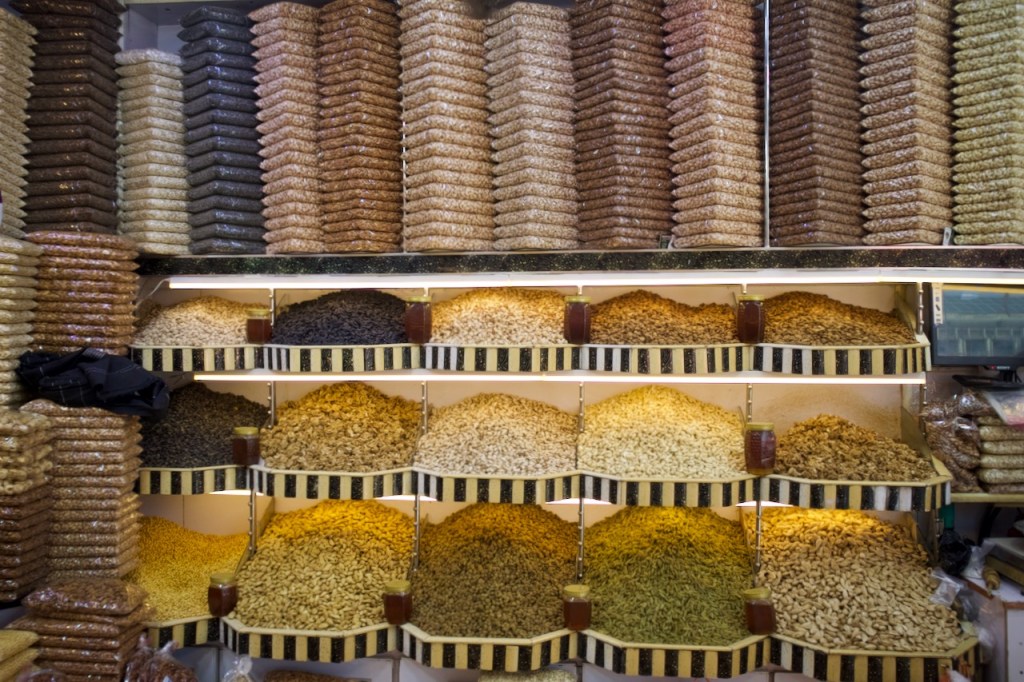

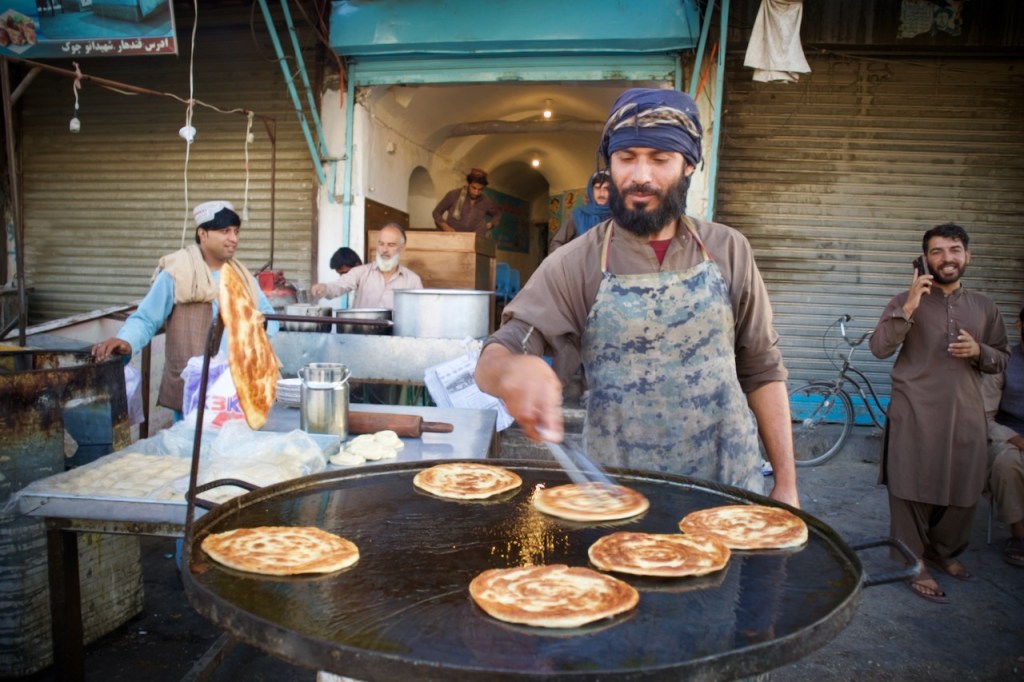




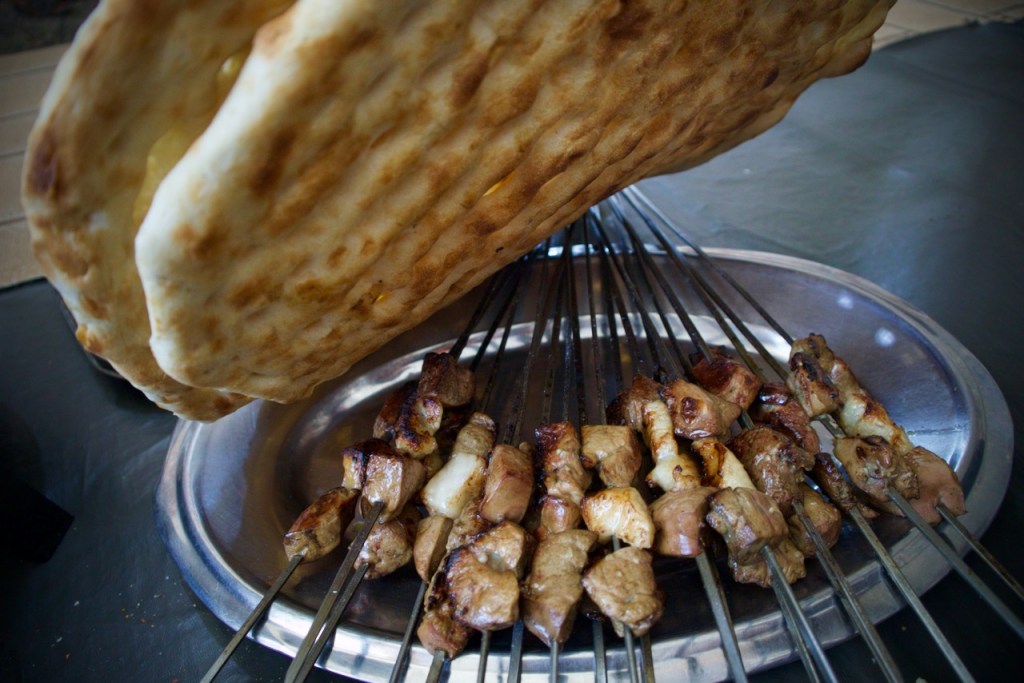
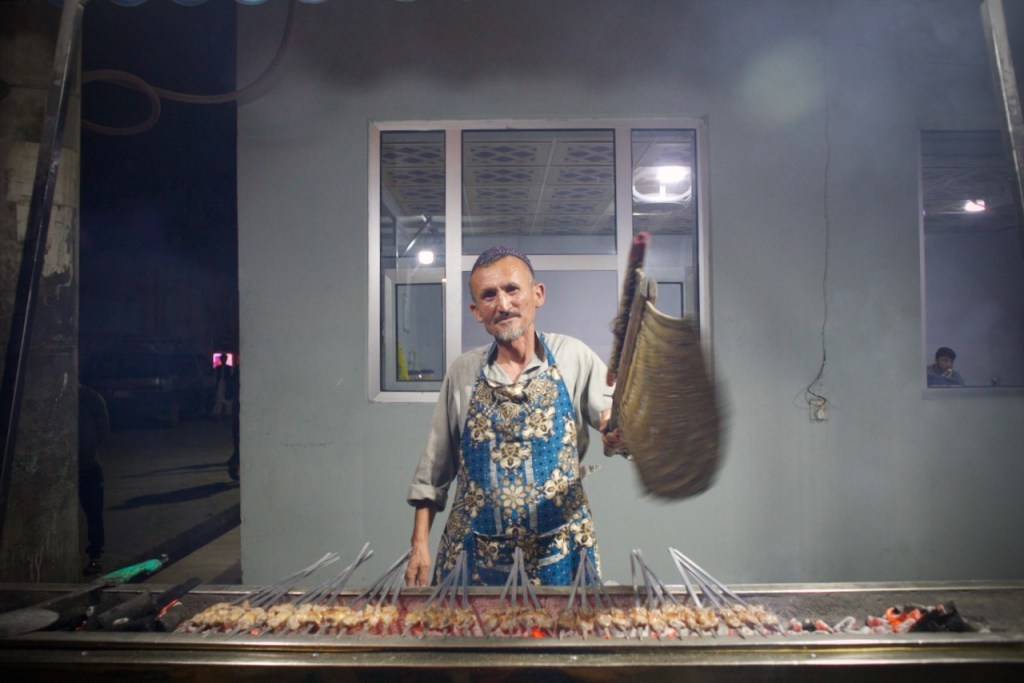


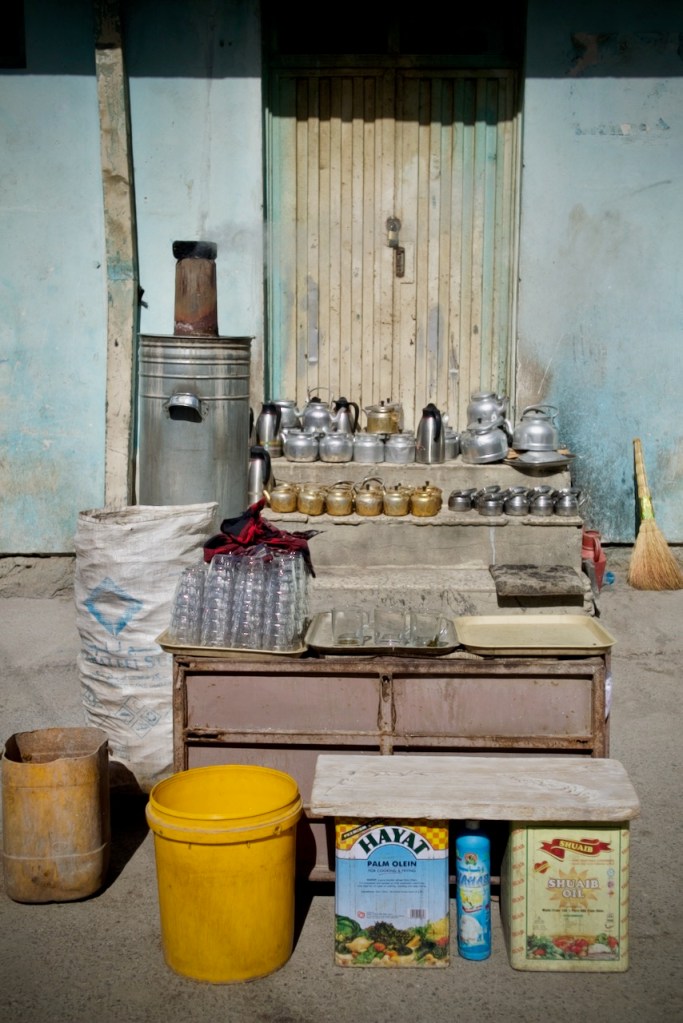
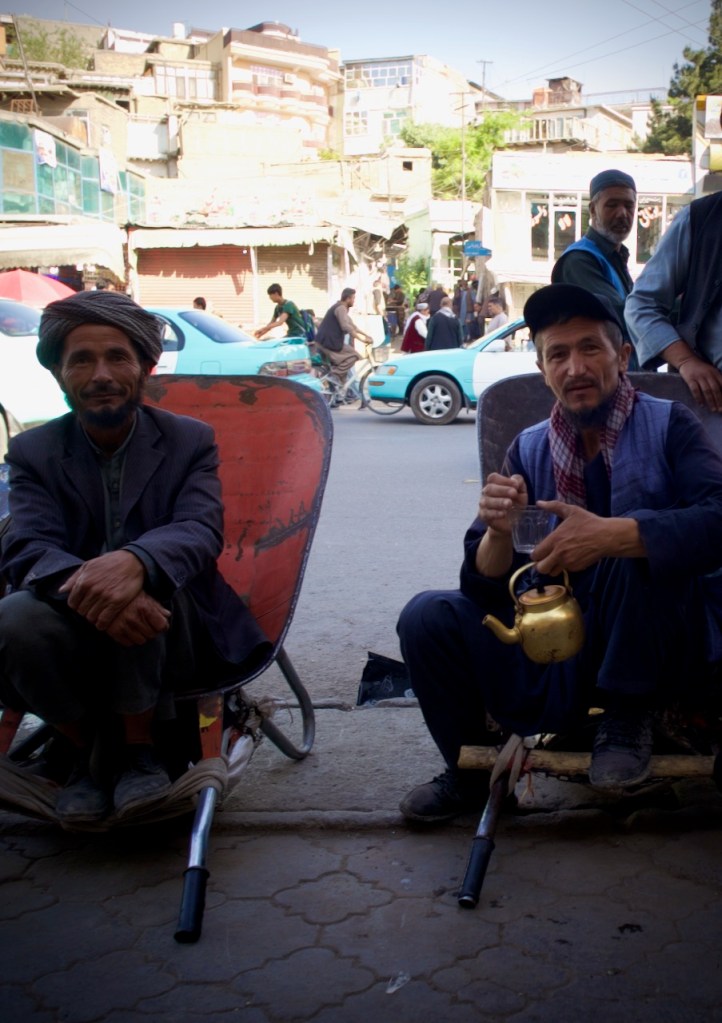
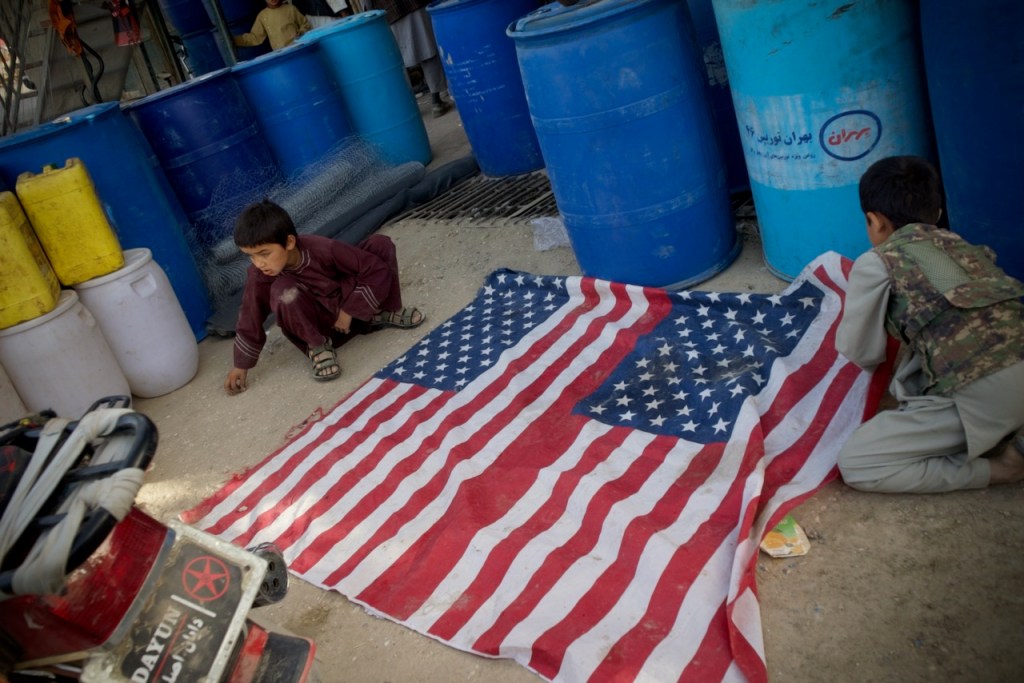
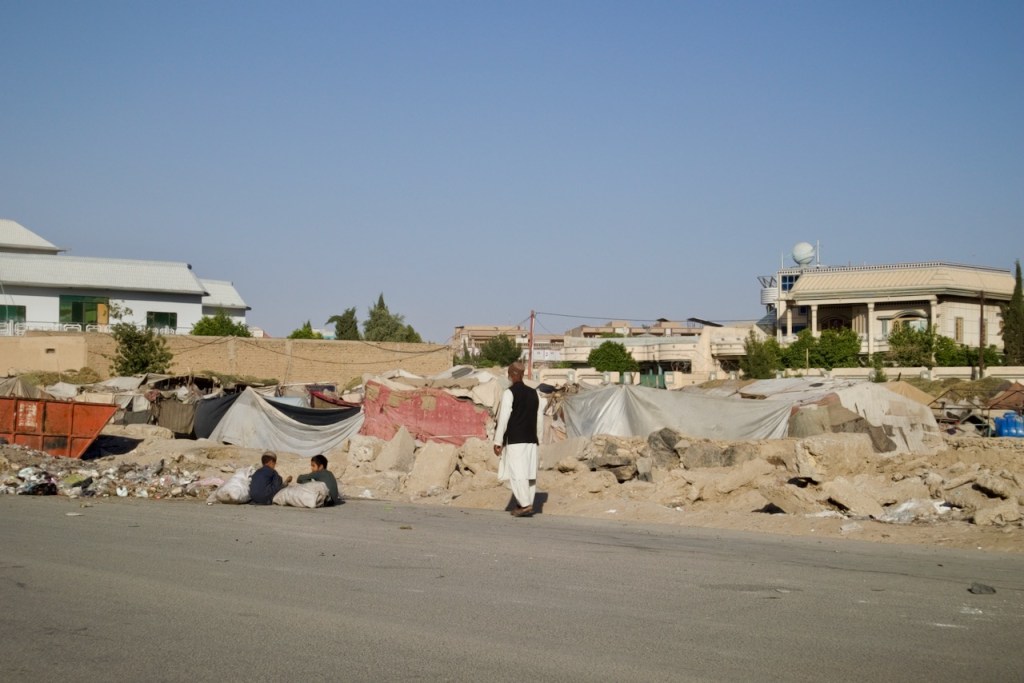
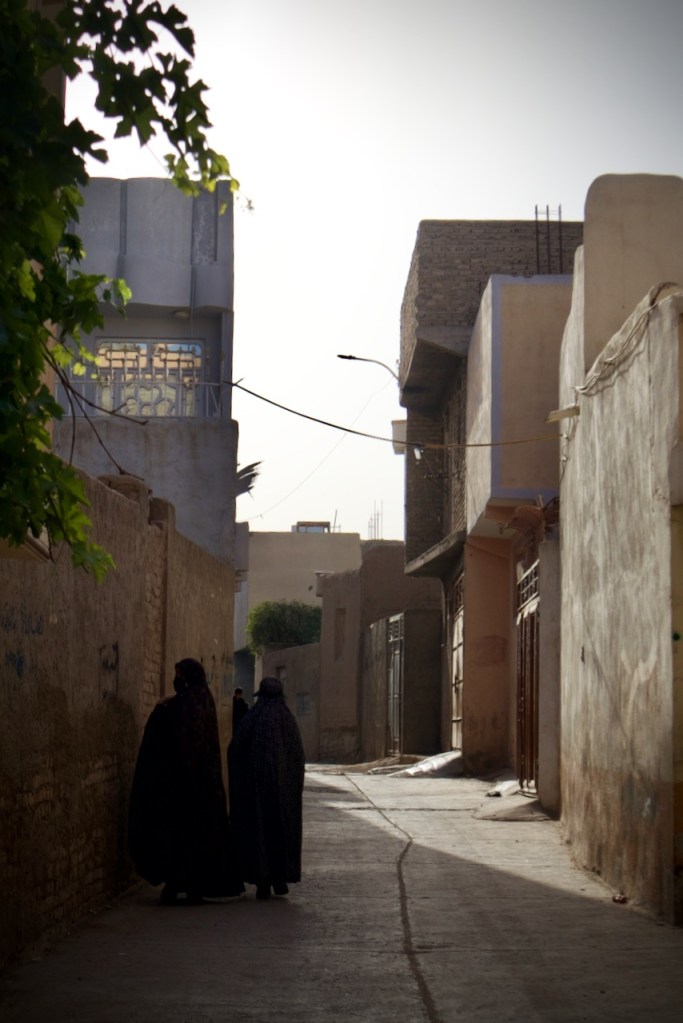
More than scenic mountains and ancient mosques, the best part of my journey is meeting with locals. Except for a few greedy taxi drivers who try to scam a few euros out of you by doubling or tripling the price and unruly children who throw stones at you (stay away from them!), I only meet welcoming and hardworking Afghans who eke out a living out of so little. It is humbling to see their strong and resilient spirit after decades of invasions, occupations, and wars. Extreme poverty especially among women and children – evident in common roadside begging, especially in perilous highways, and rampant child labor – is heartbreaking. With the exception of technical institutes, girls remain banned from schools beyond grade 12. The murder of Farkhunda Malikzada, a 27-year-old Afghan woman, by a Muslim mob near Shah-Do Shamshira Mosque in 2015 is a reminder how things can quickly go haywire in constant gender policing. In Herat, out of sheer curiosity, I try a burqa and take a photo through the eye mesh, imagining what it is like to have this thin screen between oneself and the world, covering life in a film. Some Afghan men, too, might prefer not to wear a bushy beard or love to go out in a suit. Many teenagers might dream of the next jean model or wild parties. Or just to fly kites. For now, tradition as defined by the Taliban maintains a strong hold. After veiling and donning a black abaya like wearing a uniform for two weeks, I am happy to find back colours in my wardrobe and put on tank tops and dresses as I fancy.


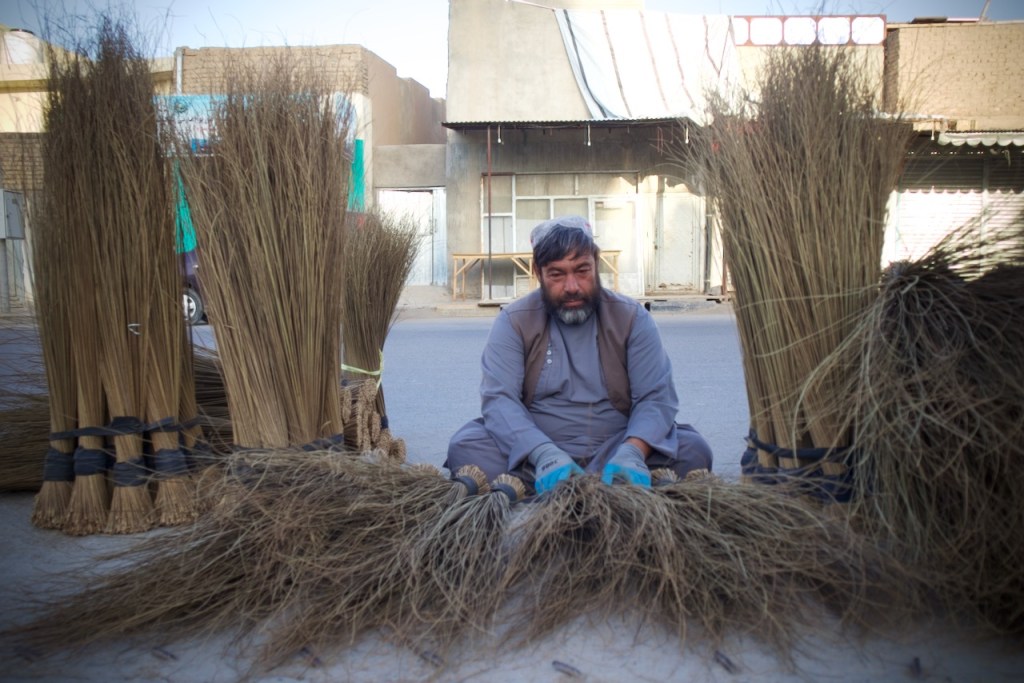







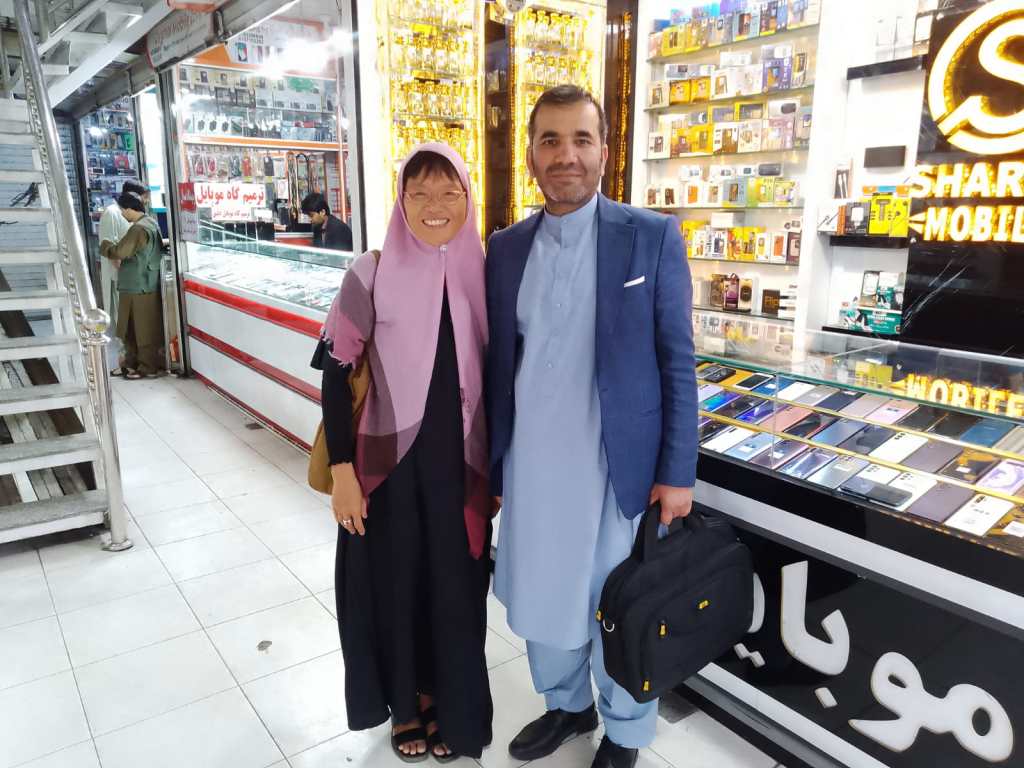
I would not have survived – and enjoyed – such an audacious undertaking without the assistance of many. Mirsayed welcomes me to his country, helps me settle in Kabul, and answers my myriad questions at all hours. The travel community within Afghanistan Travel Experience (ATE) led by indefatigable Tariq is an indispensable resource for any travellers to Afghanistan. Above all, it is all the bread-breaking, tea-sipping, pulao-and-kebab sharing, and joyous company of Afghans that help cushion all the shocks through the interminable rough roads. Dera manana & tashakur!



Postscript: Security & travel logistics
Is Afghanistan safe? everyone asks me. I feel safe enough the entire time, zipping through the country and consider myself lucky to pass at times as a Hazara woman, zooming through the ubiquitous check points. With the exception of the incident in Samangan mentioned above, I encountered no issue with the Taliban authority. But then security is highly personal. At the Afghan Embassy in KL, I met a British traveller applying for the visa who paid for a full security package through his guest house for USD500 – more than my entire budget – for his upcoming stay of three days. As a solo woman traveller, except for a few mosques, there was nowhere I could not go. Below is some practical info as of May 2025 based on my limited experience (no commissions taken!).
Afghan visa at the Embassy in Kuala Lumpur: 1a, Jalan Mengkuang, Desa Pahlawan. Whatsapp: +60 3-4251 0027. No appointment required. Fill out application form online (it requires a digital photo), bring original passport and 2 photos, and USD80 equivalent in Malaysian ringitts (to be paid at a nearby bank). If you are overlanding, check with ATE group for the updates on border crossings and visa. From what I have read, solo women travellers cannot enter Afghanistan through the Tajik border (but you can always hire a guide!). Other embassies that issue visas with relative ease include Dubai and Pakistan.
Permit: If you arrive in Kabul, you can get a free country-wide permit at the Ministry of Info and Culture (or get a travel agency to arrange it pre-arrival for a fee). Upon arrival in each province, one is supposed to register at local ministry of info and culture, but arriving often too late in the afternoons or on Fridays, I did not always do so and encountered no issue. I also met several independent travellers who never registered in local ministries.
Currency exchange and control: USD and euros can be easily exchanged in the streets of Kabul. One is not supposed to bring more than 500 euros out of Afghanistan (but there was no check upon my departure).
Budget Hotels/Guest Houses
Kabul: Hotel Spinzar (single: 600af; double: 1200af). Whatsapp: +93 70 803 5001
Bamyan: Noorband Qala Hotel (single: 1500af; double: 2400af) Whatsapp: +93 77 107 1854
Ghazni: Sitara Hotel (single: 700af; double: 1000af)
Kandahar: Fazli Hotel (single: 800af; double: 1500af) Whatsapp: +93792715077
Herat: Asil Hotel (single: 1500af; double: 2400af) Whatsapp: +93 78 114 4000
Samangan: Hotel Faiz
Mazar-i-Sharif: Bukhdi Guest House (1000af)
Kunduz: A fellow traveller recommended Five Star Guest House.
Shared Taxis
Kabul to Bamyan: 450af
Bamyan to Band-e-Amir (arrange through your hotel in Bamyan): 1500af for a private taxi or 500af shared with 2 travellers
Bamyan to Ghazni: 850af
Ghazni to Kandahar: 1000af
Kandahar to Herat (VIP bus): 800af
Herat to Maymana (minivan): 1300af
Maymana to Mazar: 500af
Mazar to Samagan: 300af
Samangan to Kabul: 1000af
Budget for two weeks (excluding international airfare) : 300 euros including visa fee.

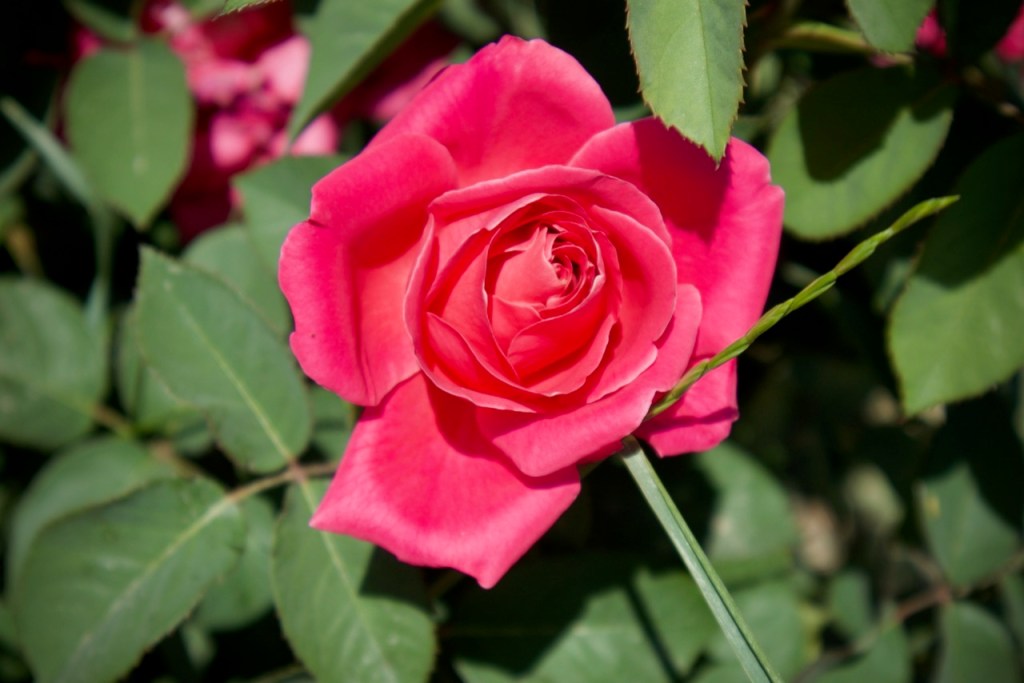
Forget safety. Live where you fear to live.
– Rumi
All Content © 2026 by Jennifer Chan
 Jennifer Chan Photography