

They come to see me
They ask me for the sea
Algae and fish
Unlike Jesus I have no gift
For self-deprecation…
In the flux and flow of the coming tomorrows
I’ve only one thing to do
Tame the whale of the unknown.
– Abdourahman A. Waberi, A Touch of Salt on My Confession
December 2025
The first Djiboutian I met was Mohammed, a French-trained baker awaiting for his visa for Paris, in Harar, Ethiopia in 2020. He doted us exhausted backpackers with so many eclaires and cream puffs that the desire to go visit his sweet country one day was germinated right there and then. I went on to Rwanda, Malawi, and Mozambique, bypassing the rest of the Horn of Africa.
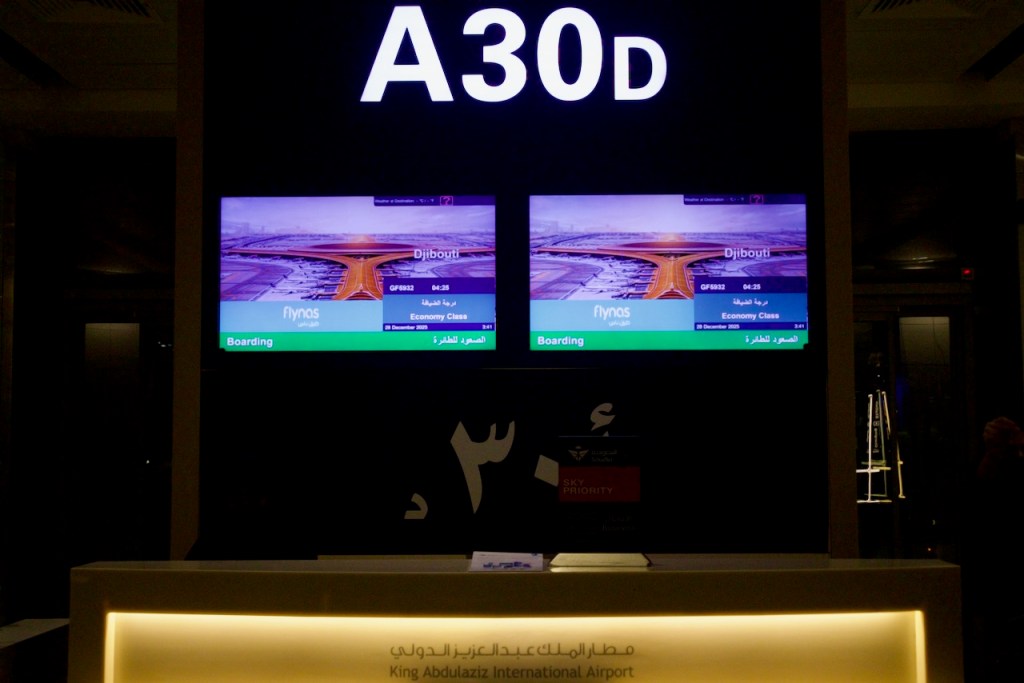
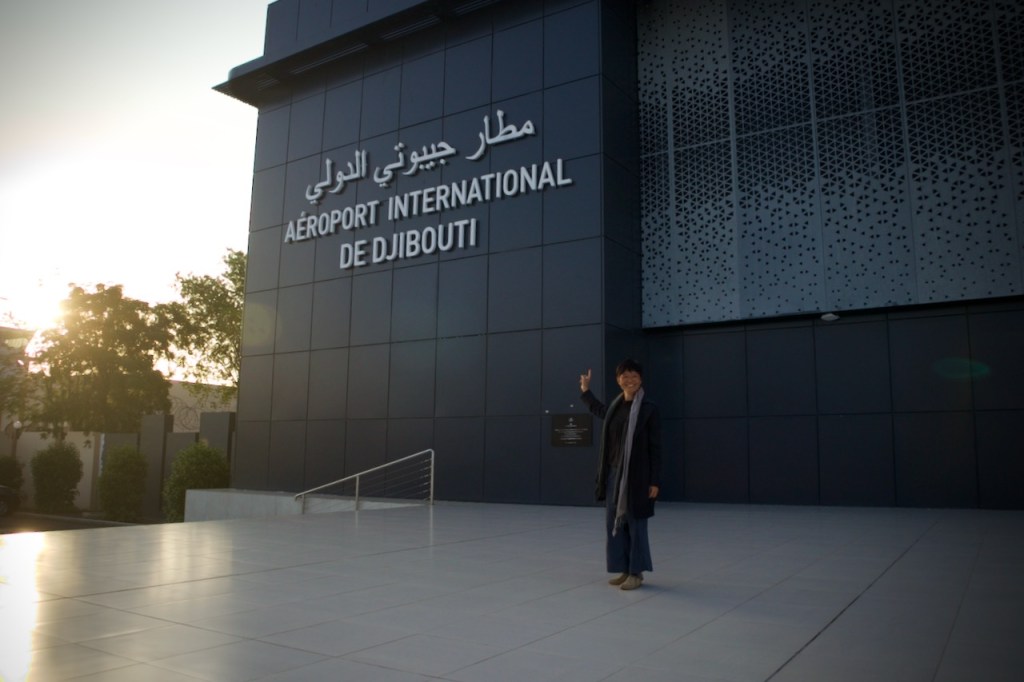
Here I am, five full years later, back in the region after exhilarating adventures in Syria, Iraq, Saudi Arabia, Libya, and right next door in Eritrea where I have just spent an unforgettable Christmas. I fantasize about overlanding from Asmara or Massawa to Djibouti, but that option, once available to caravan travellers, seems now closed or too risky to undertake. So with a hotel reservation cum letter of invitation from Ras Dika Hotel, I take yet another red-eye flight from Asmara to Jeddah, spending over fifteen hours at the airport, catching up on blog writing, and finally arrive in Djibouti at the crack of dawn with Bjorn, a fellow traveller I met at the Asmara Airport.
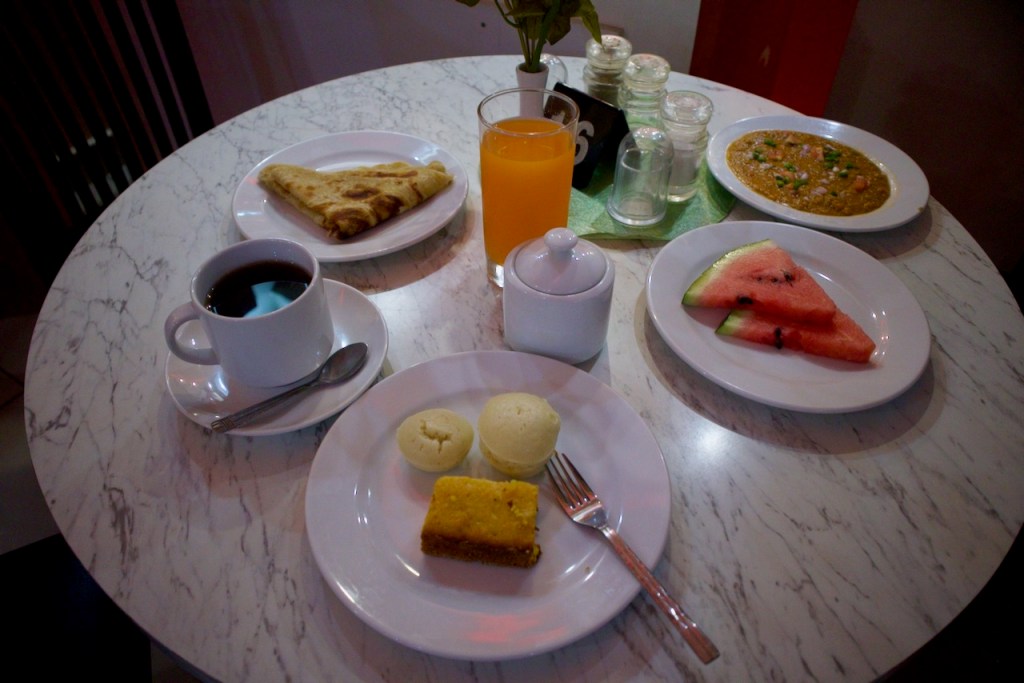
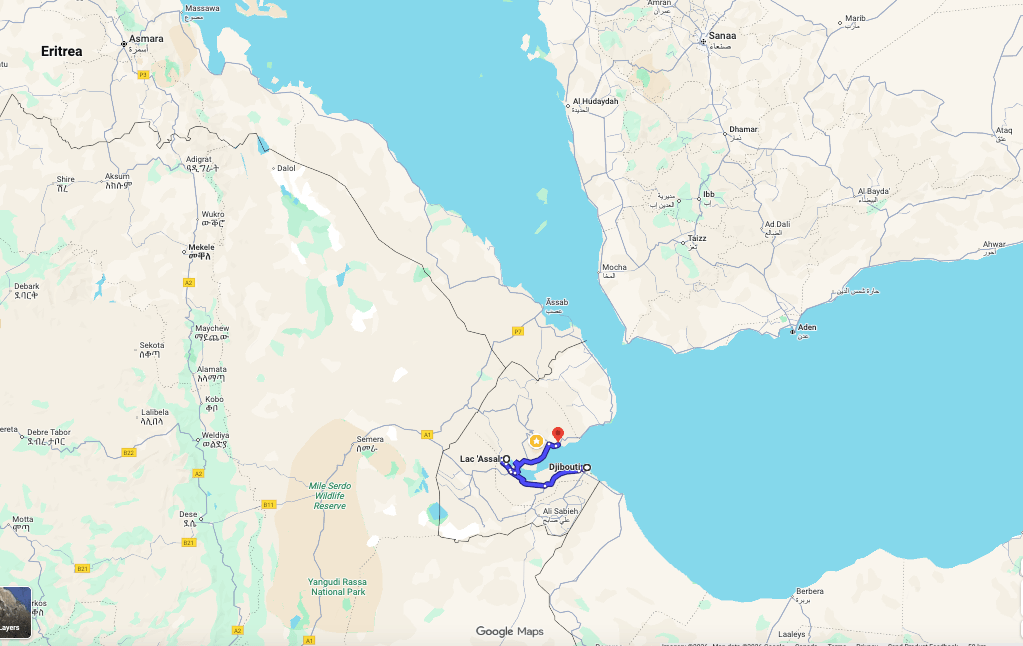
The visa on arrival (USD30) process takes minutes, and within half an hour I am seated to a wonderful local breakfast of ful/beans Djibouti style with mulawaha/chapati, watermelon, buns, cakes, and juice. Like in Eritrea, I have three full days but no plans, as venturing beyond the capital city requires once again costly tours. Welcome to the paradox of traveling in Africa with one of the lowest standards of living and yet some of the most exorbitant prices. I end up spending my first day walking around Djibouti city, join a group tour to Lake Assal on day two, and an impromptu ferry excursion to Tadjoura on day three, a full schedule for a very short stay. Mystic Lake Abbe and its volcanic chimneys by the Ethiopian border, the mountains further up North, the old capital city of Obock, Devil’s Islands, whale shark diving, and so much more will all have to wait.



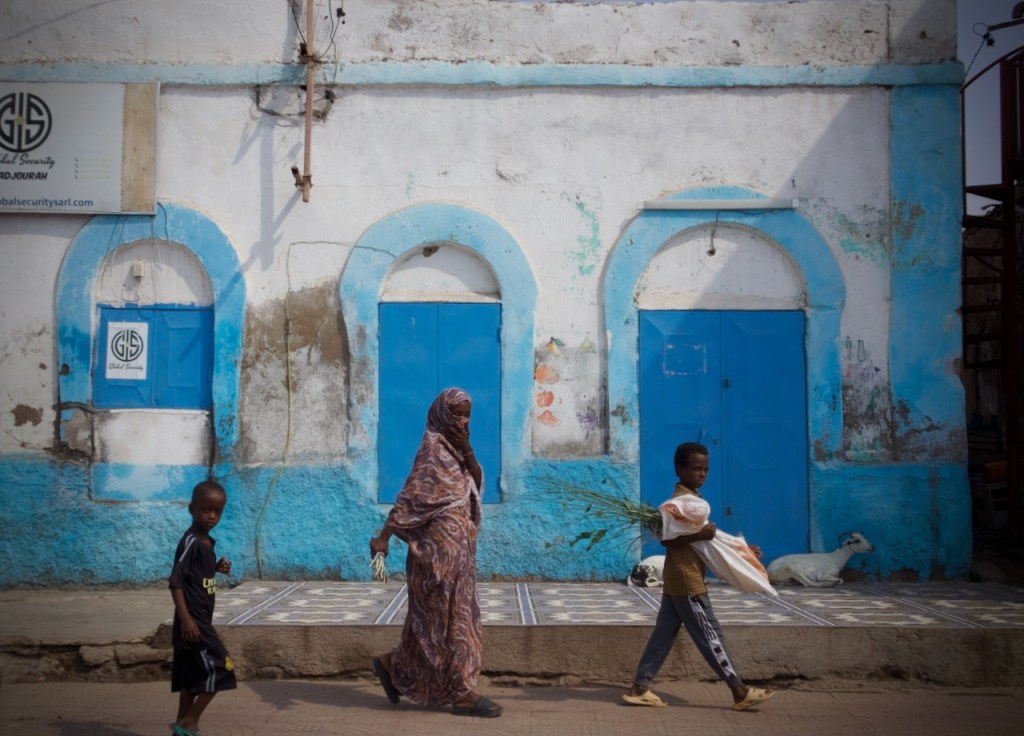
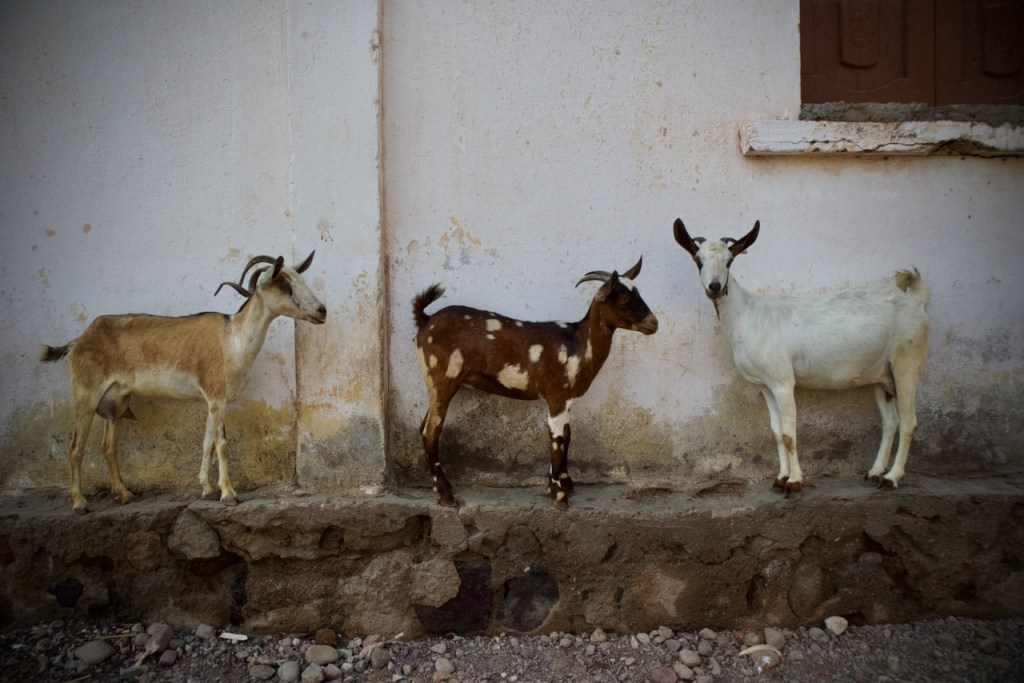
Djibouti City
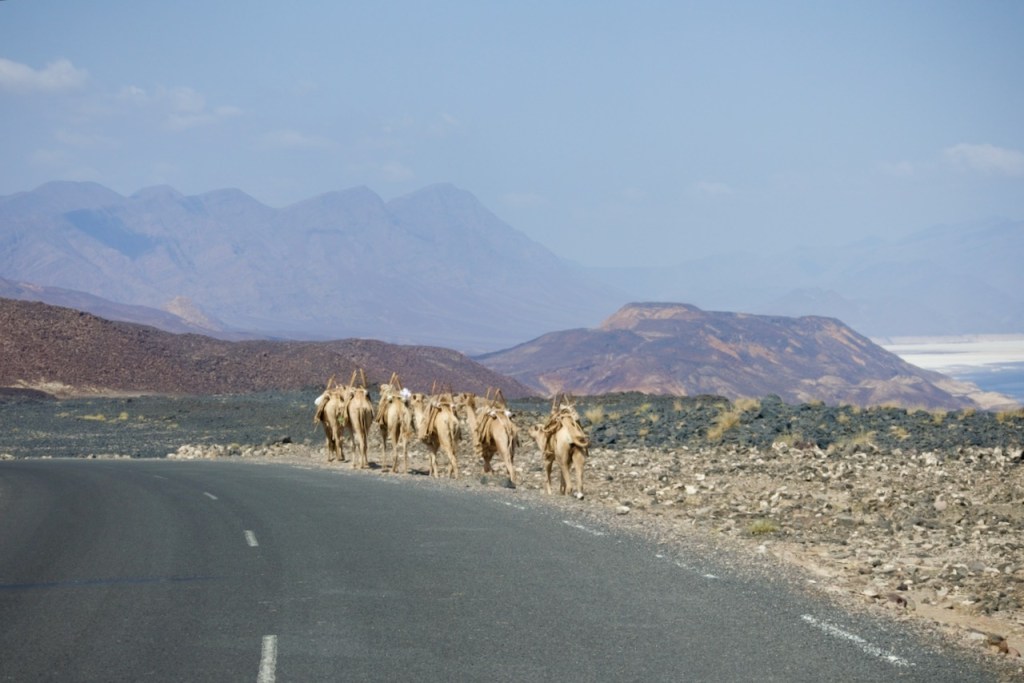
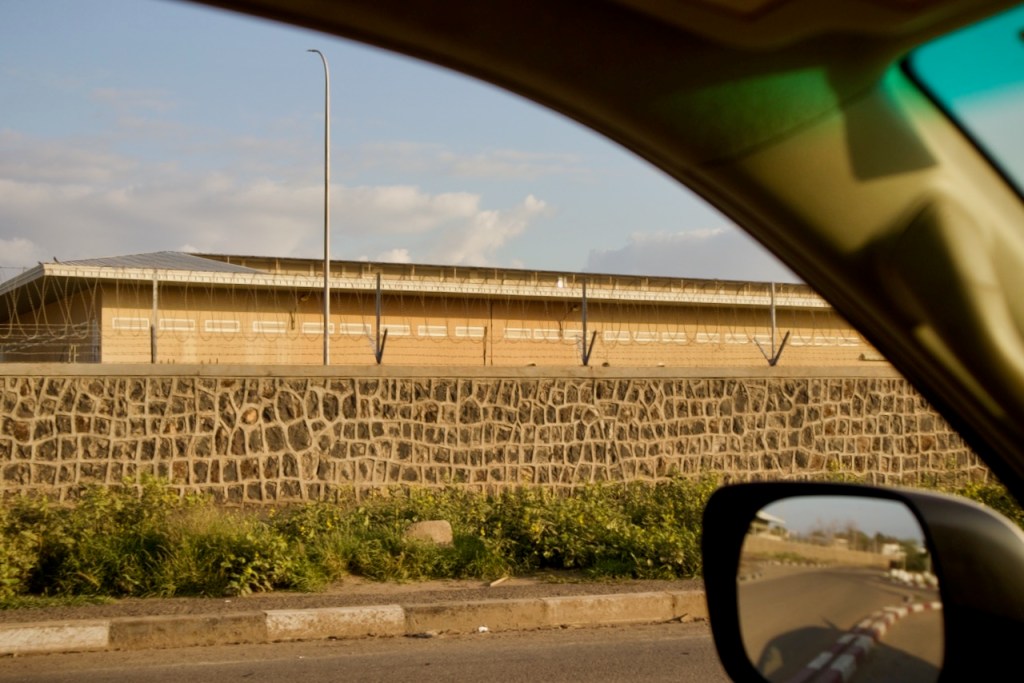
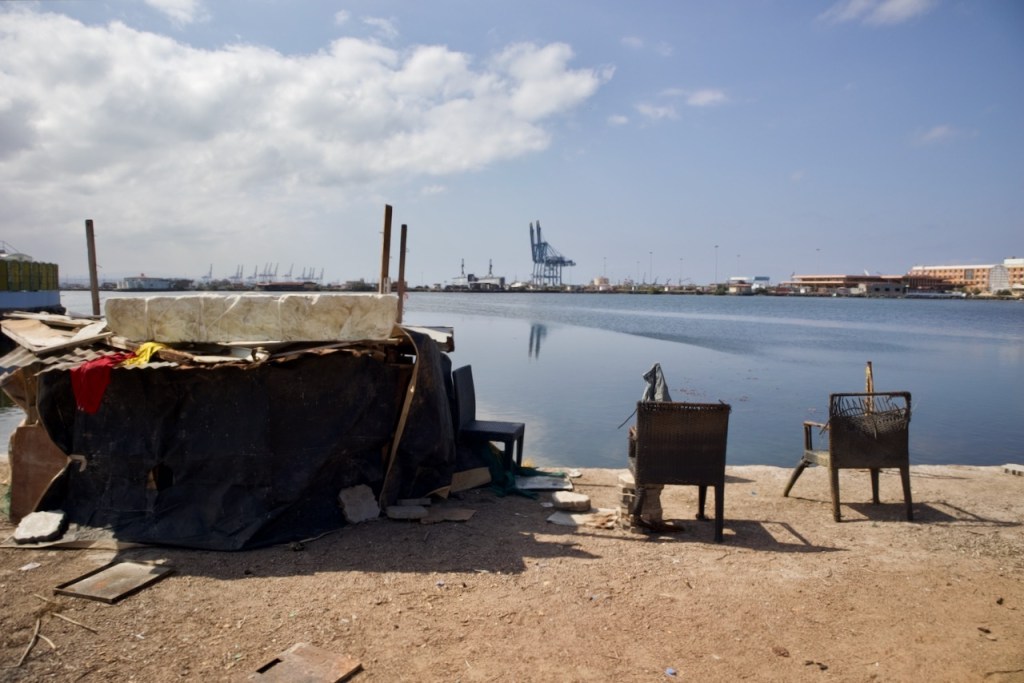
Unless you have a French connection, few people might know where to locate Djibouti. Yet the small country with a population of only a million occupies one of the most strategic locations at the entrance of the Red Sea in the Horn of Africa, hosting military presence from France, the US, China, Japan, Italy, Germany, Spain, and Saudi Arabia. As part of the ancient salt caravan routes where Afar nomads mined salt and transported it to Ethiopian mountains and Red Sea markets by camels for centuries and now a global military hub, Djibouti has a predominantly Muslim blend of Afar and Somali influences plus a marked French colonial imprint. The short drive from the airport to town through vast blocks of military bases sets the political tone of Djibouti whereas the strategic port showcases its regional economic importance.
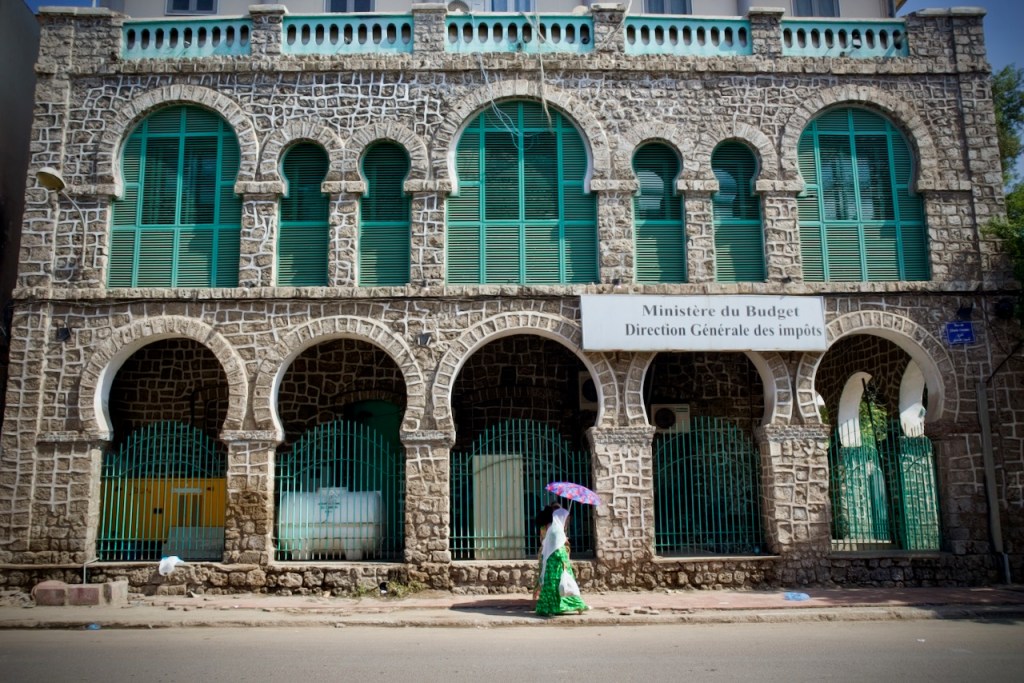
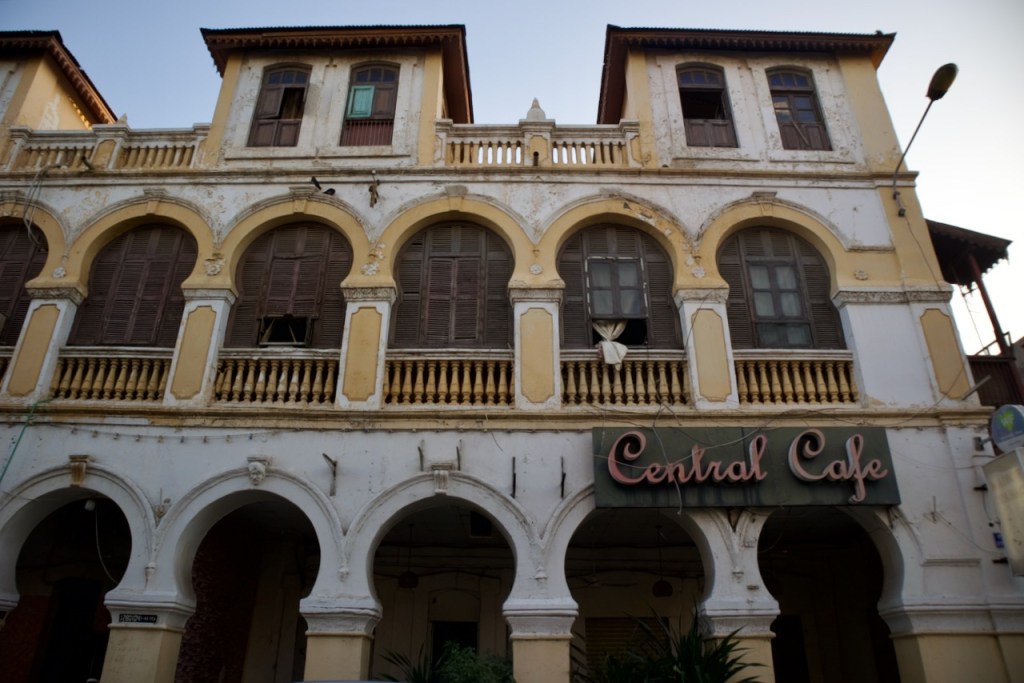
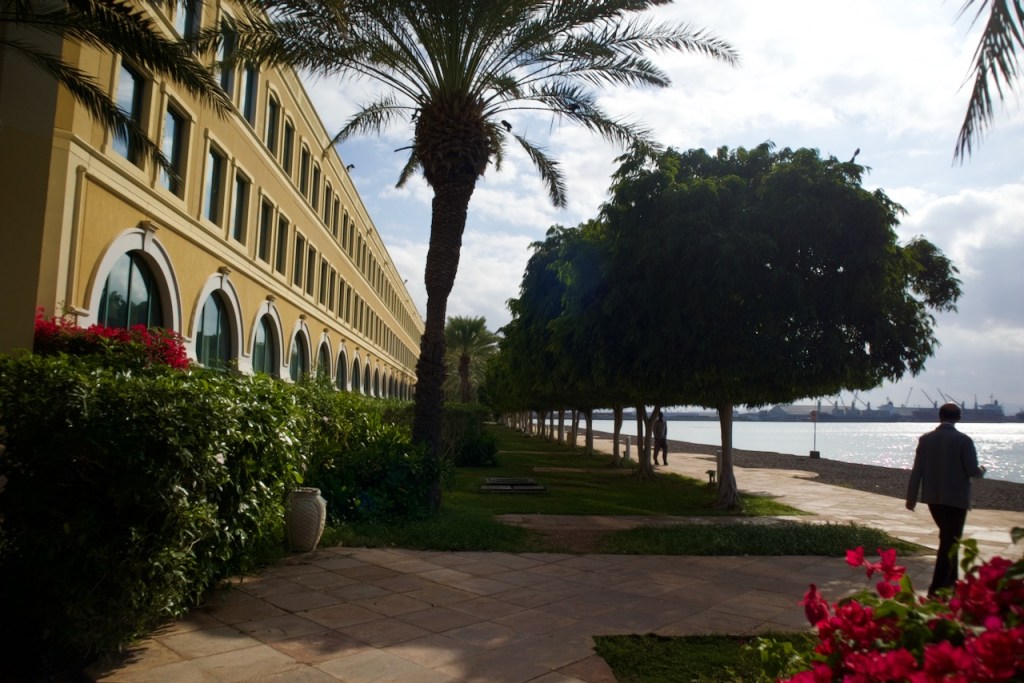
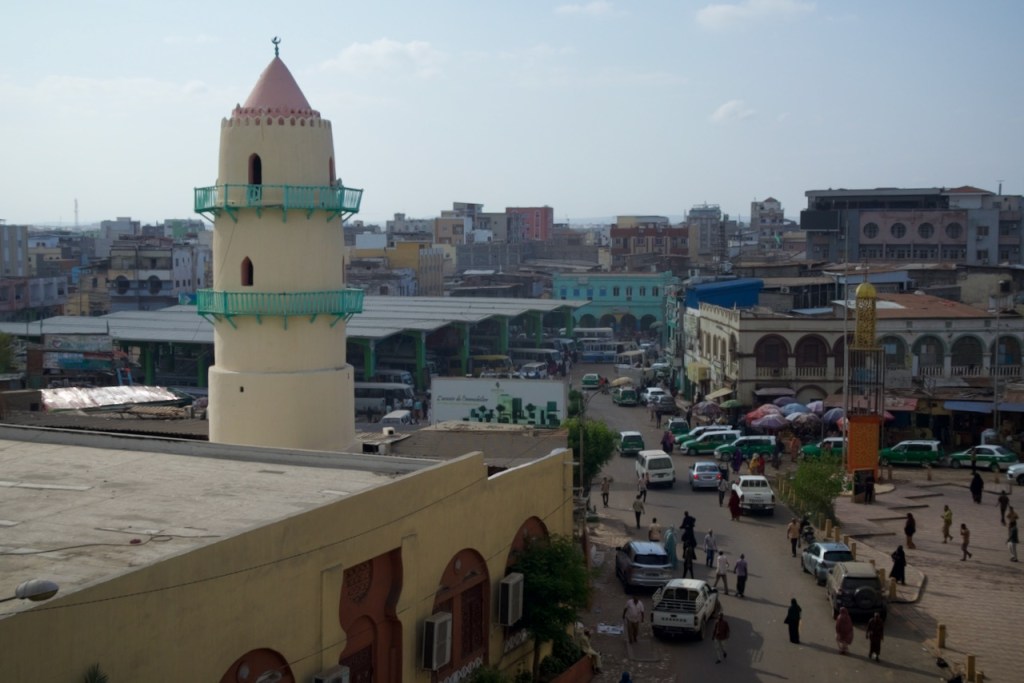
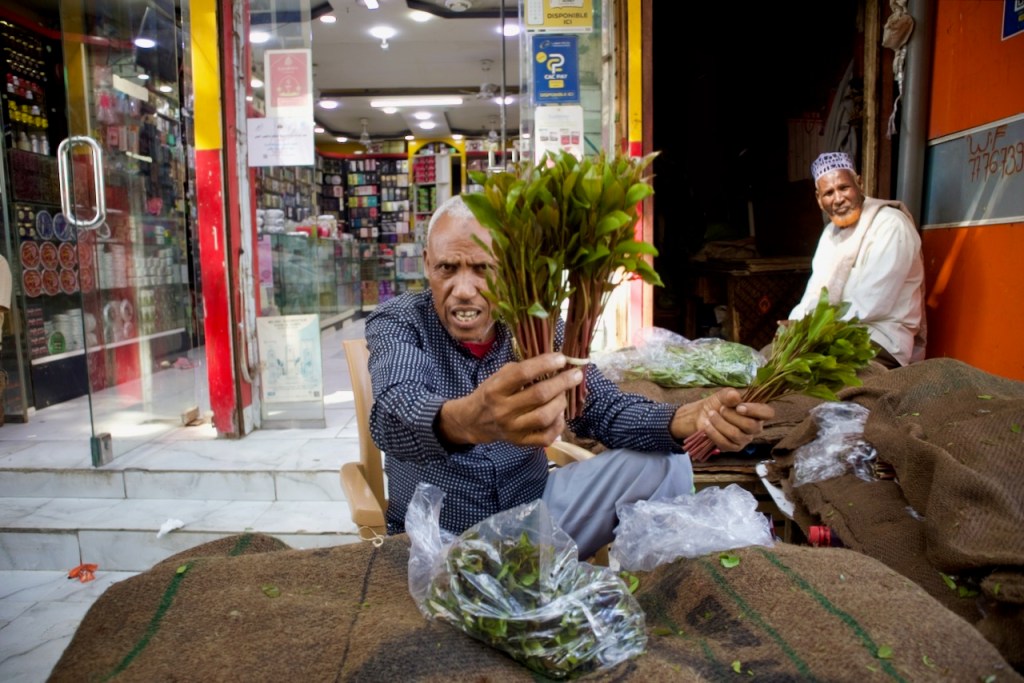
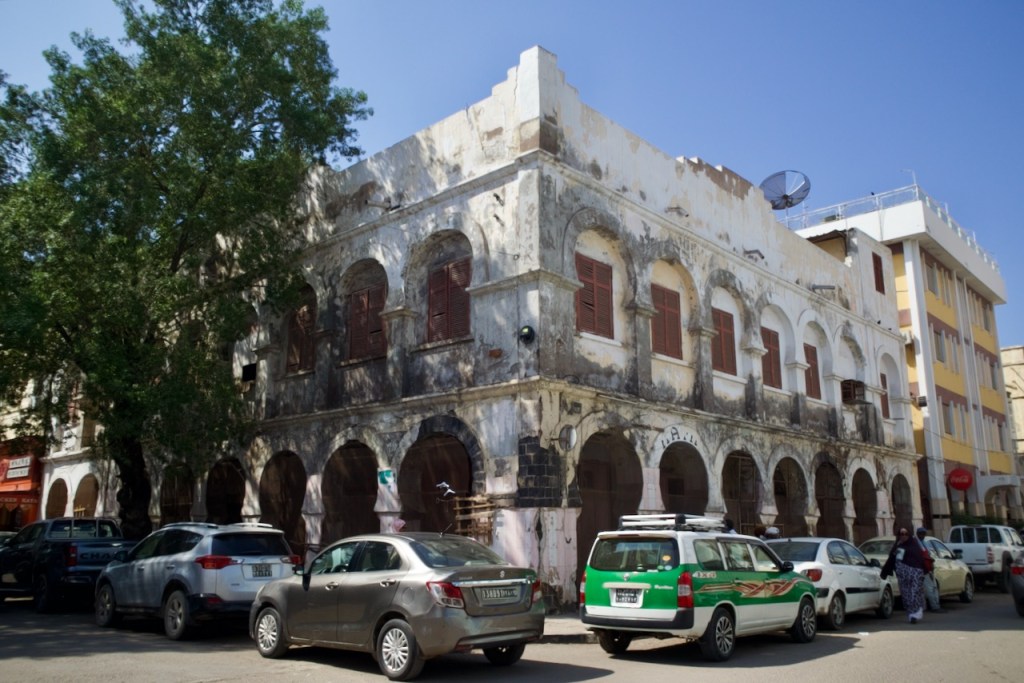
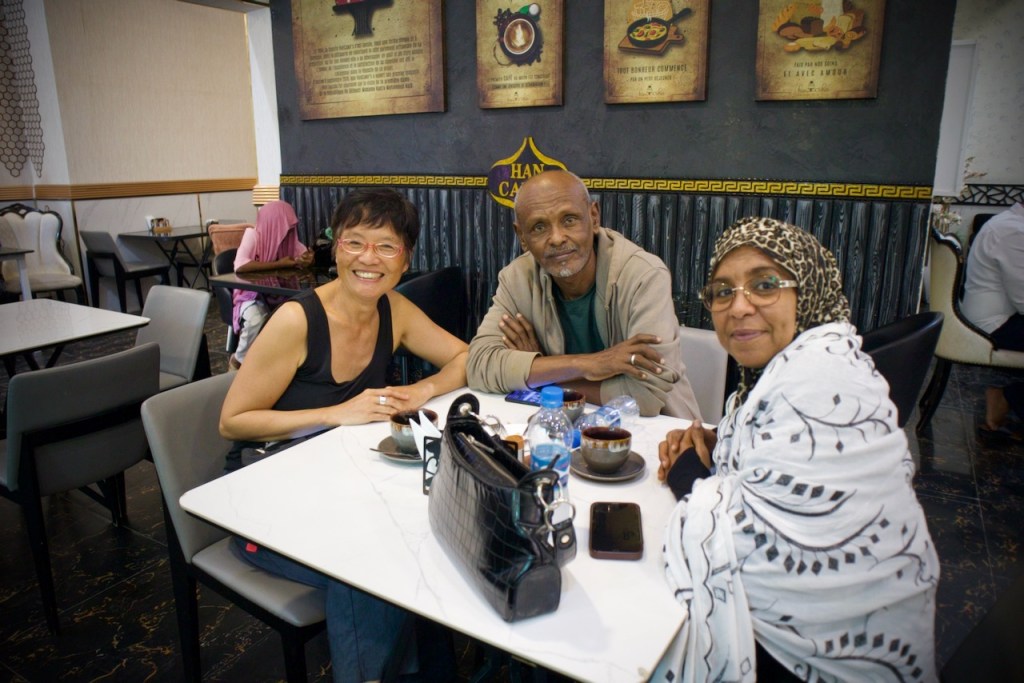
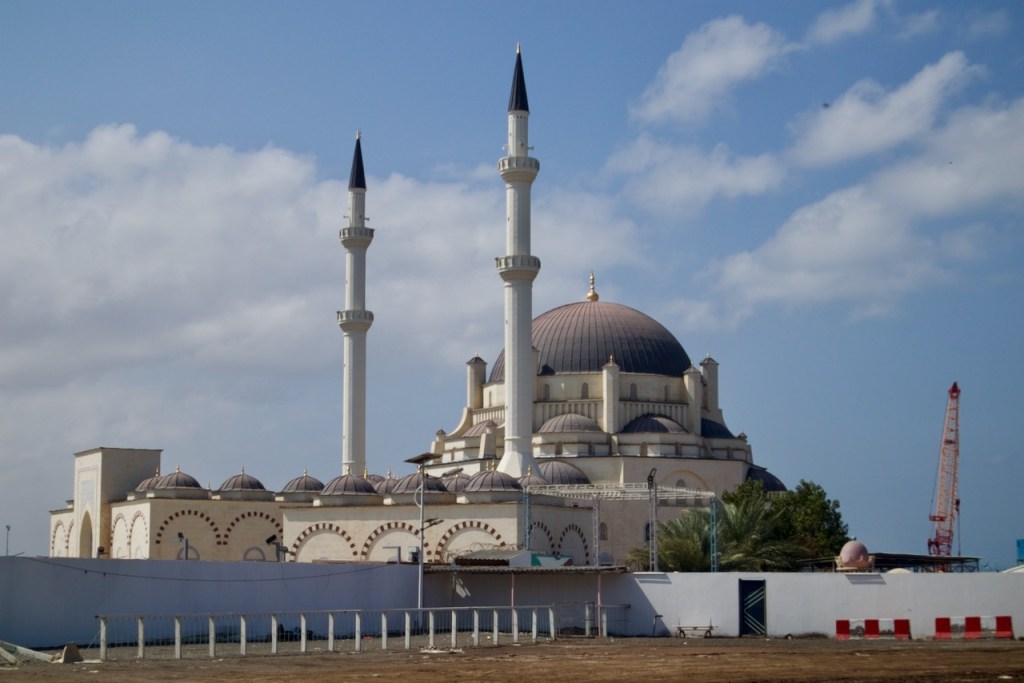
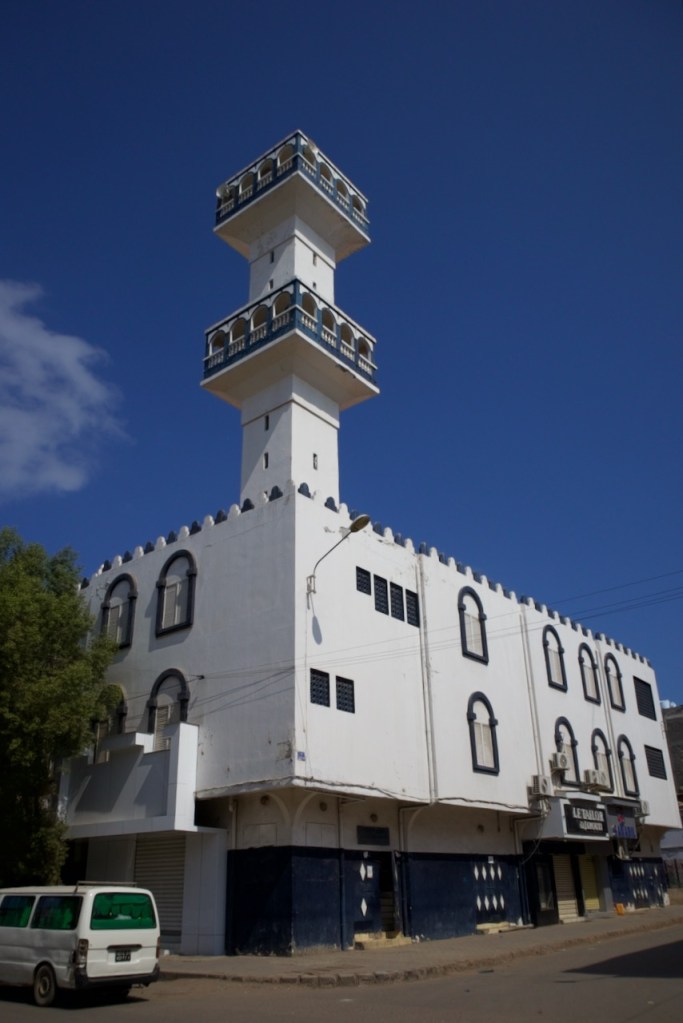
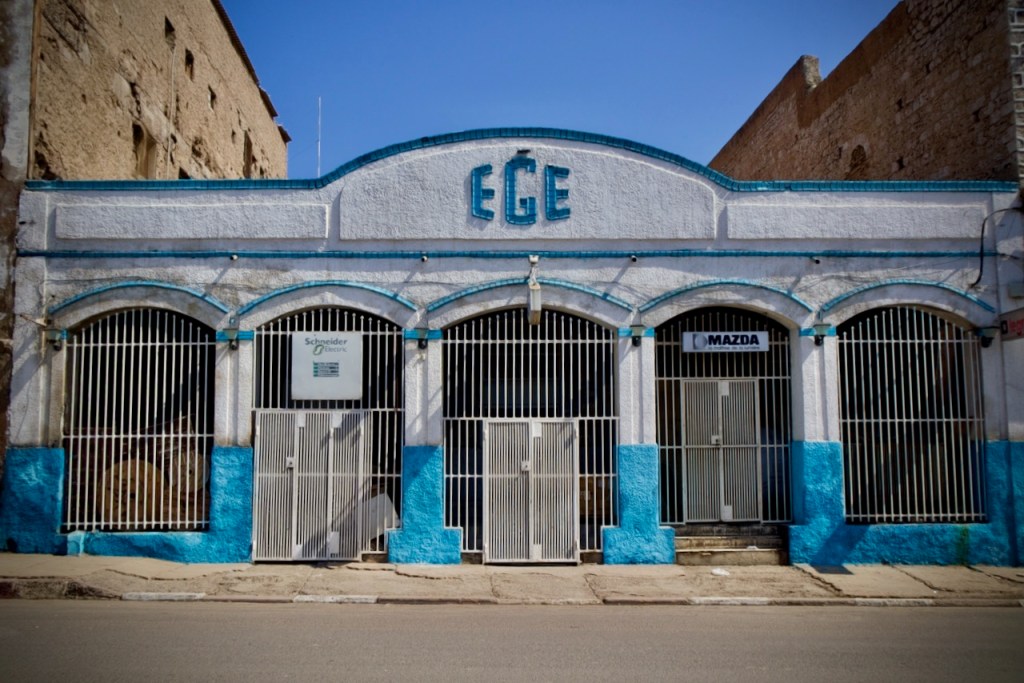
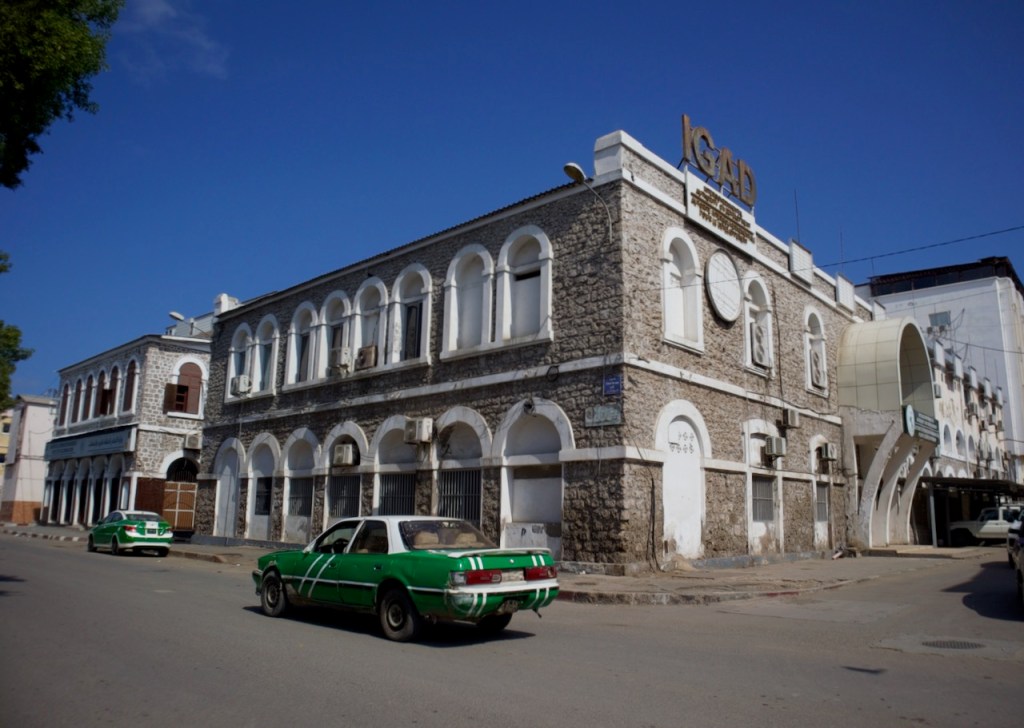
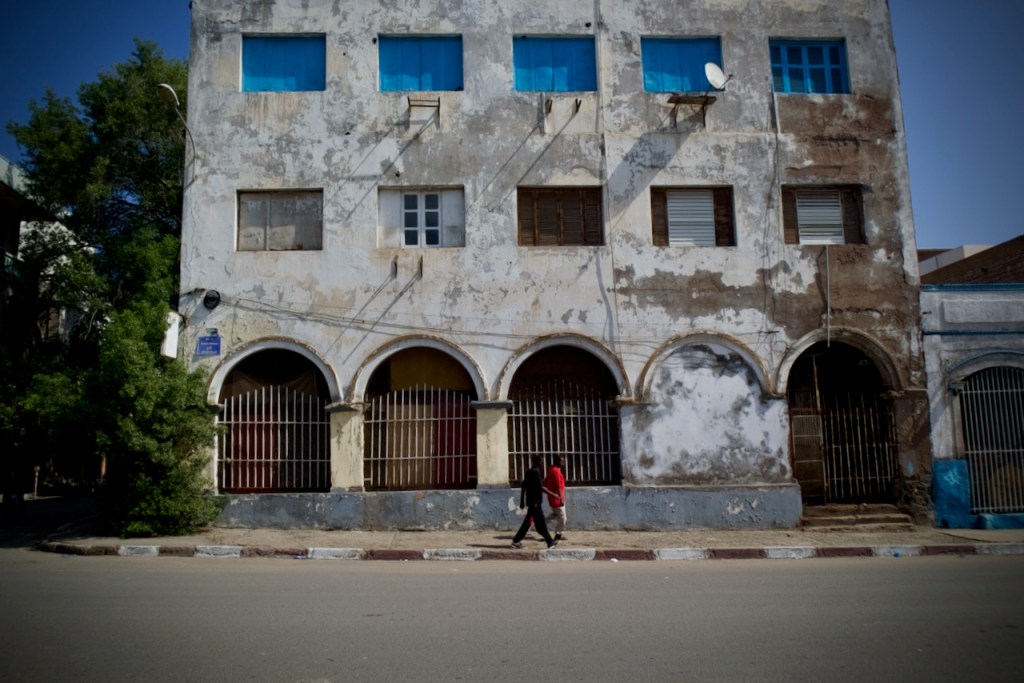
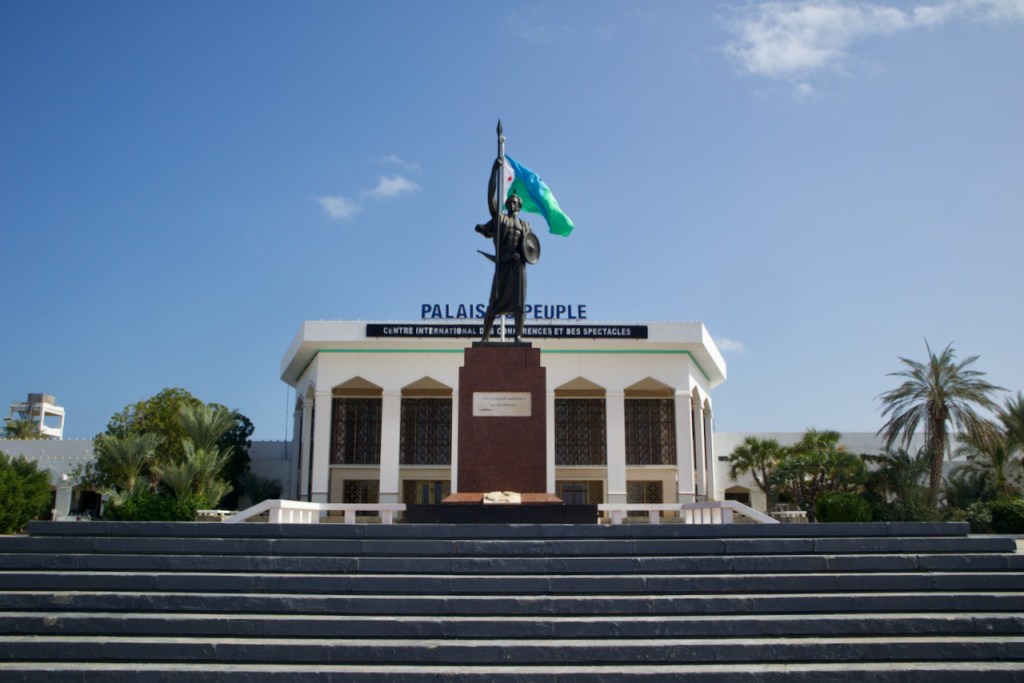
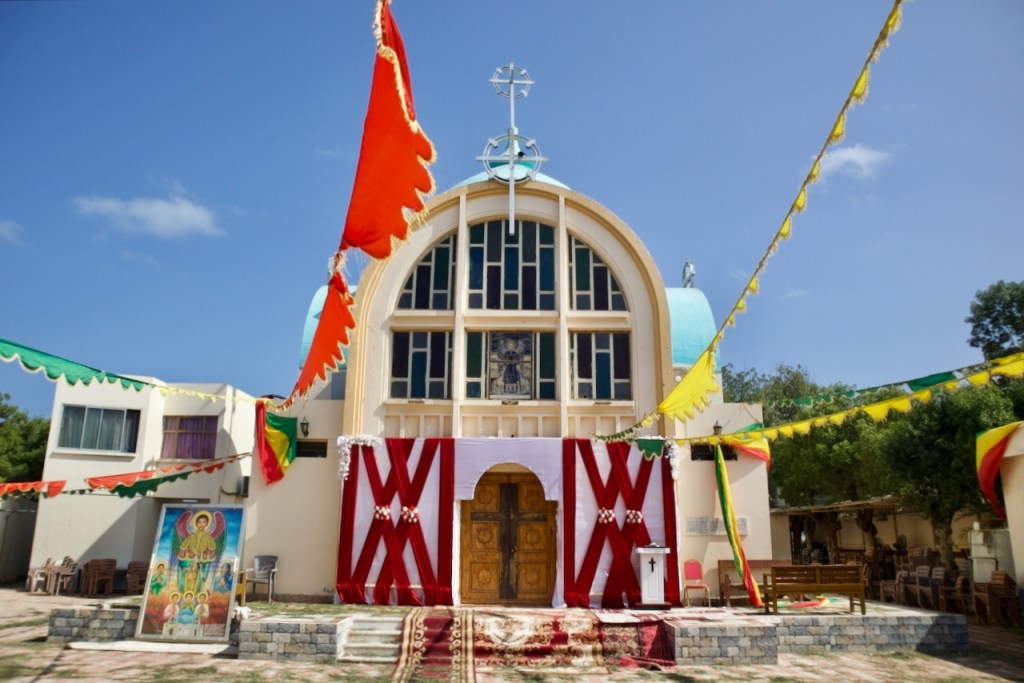
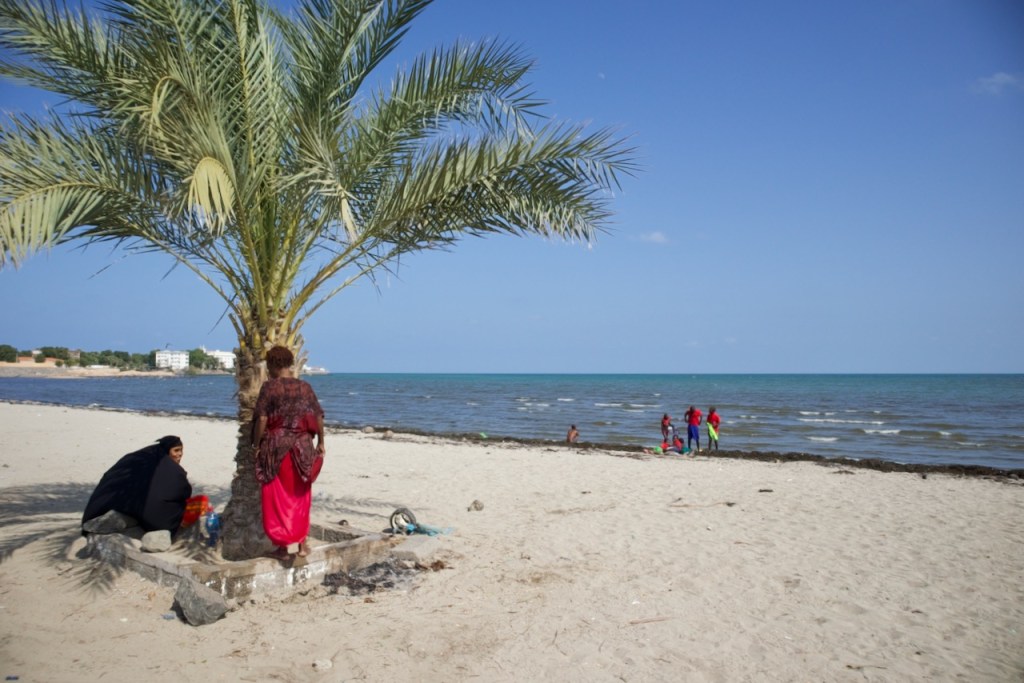
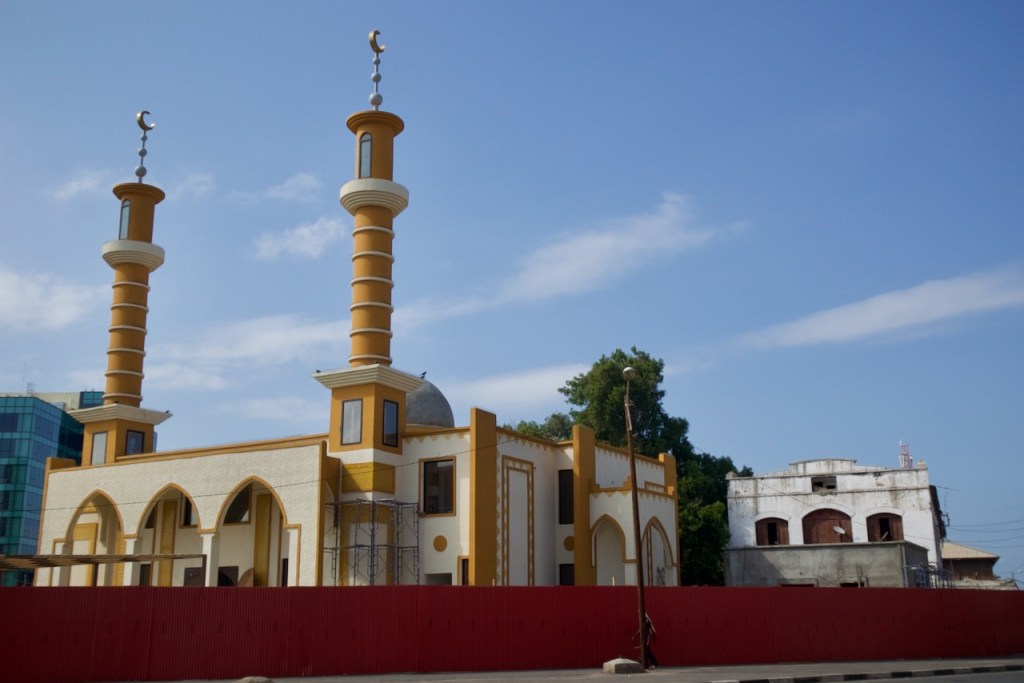
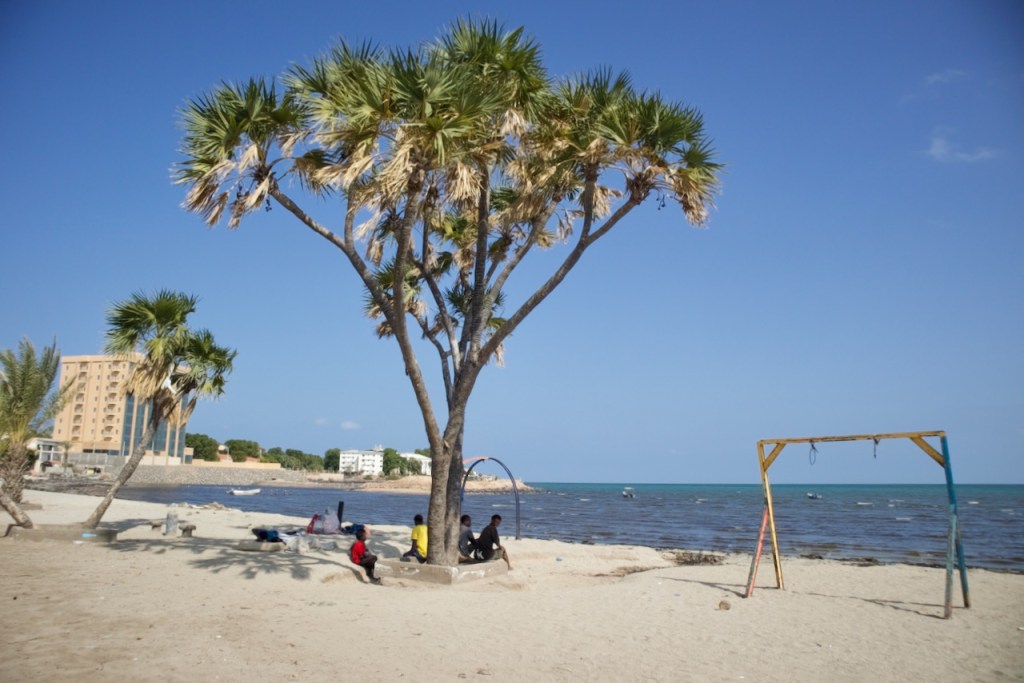
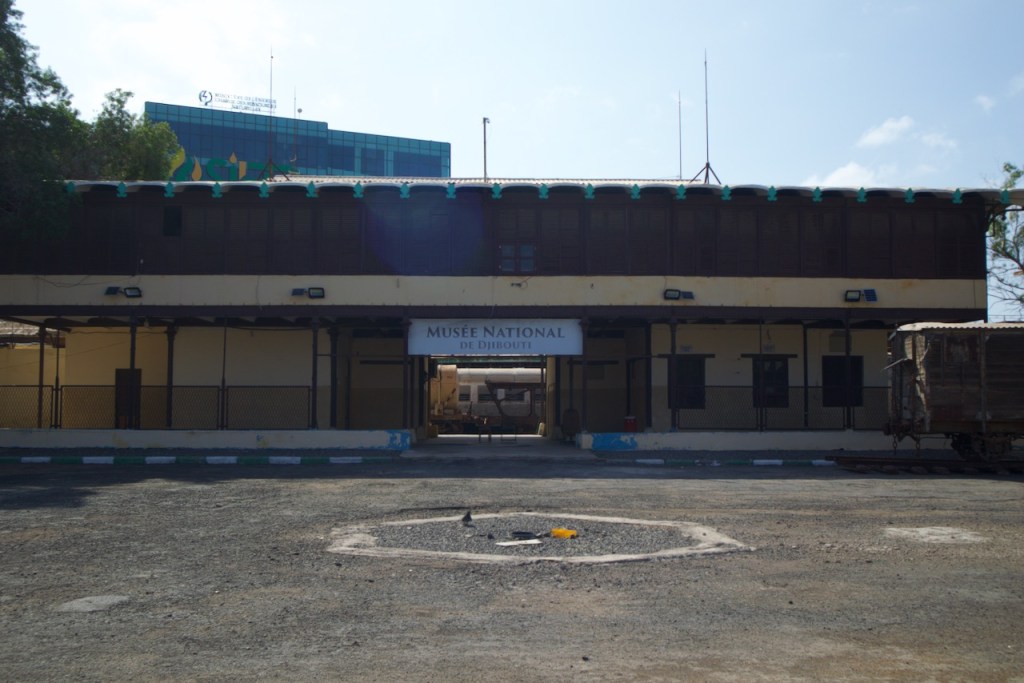
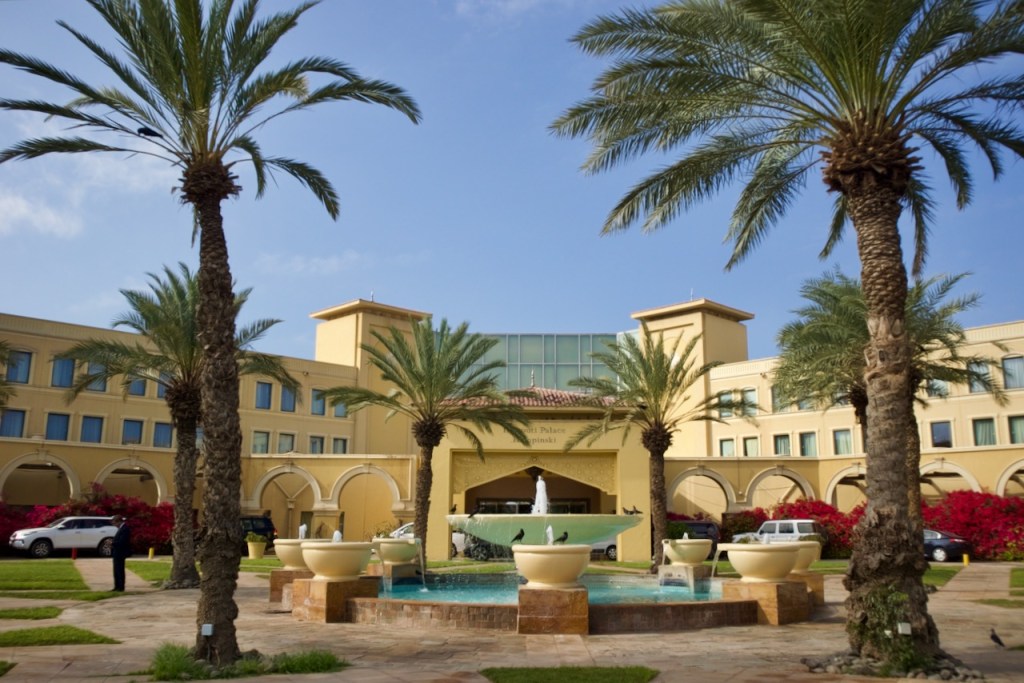
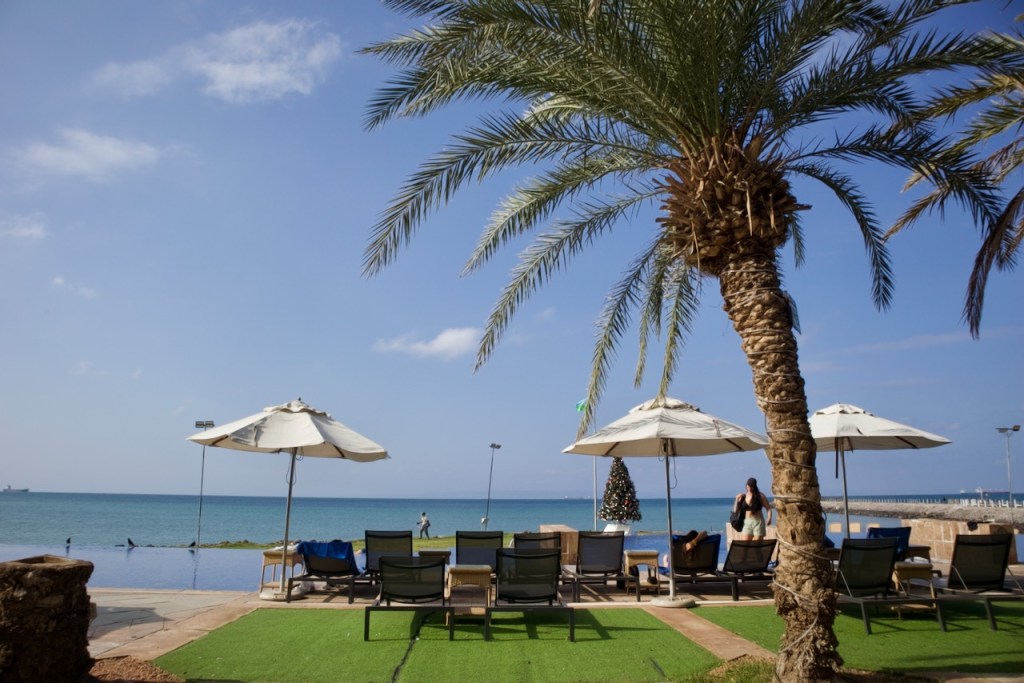
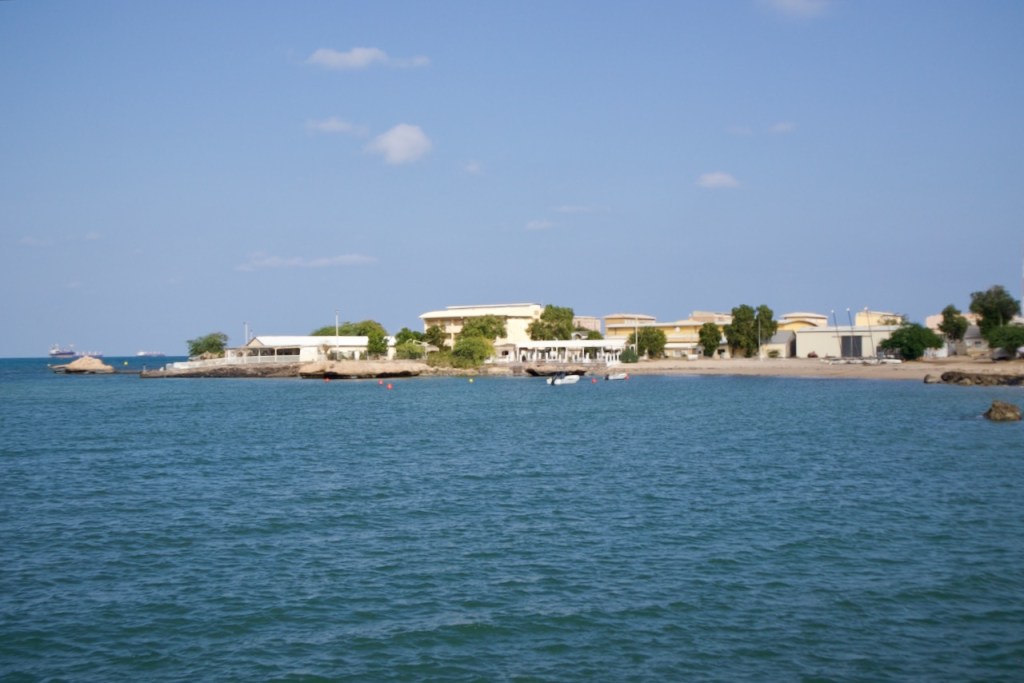
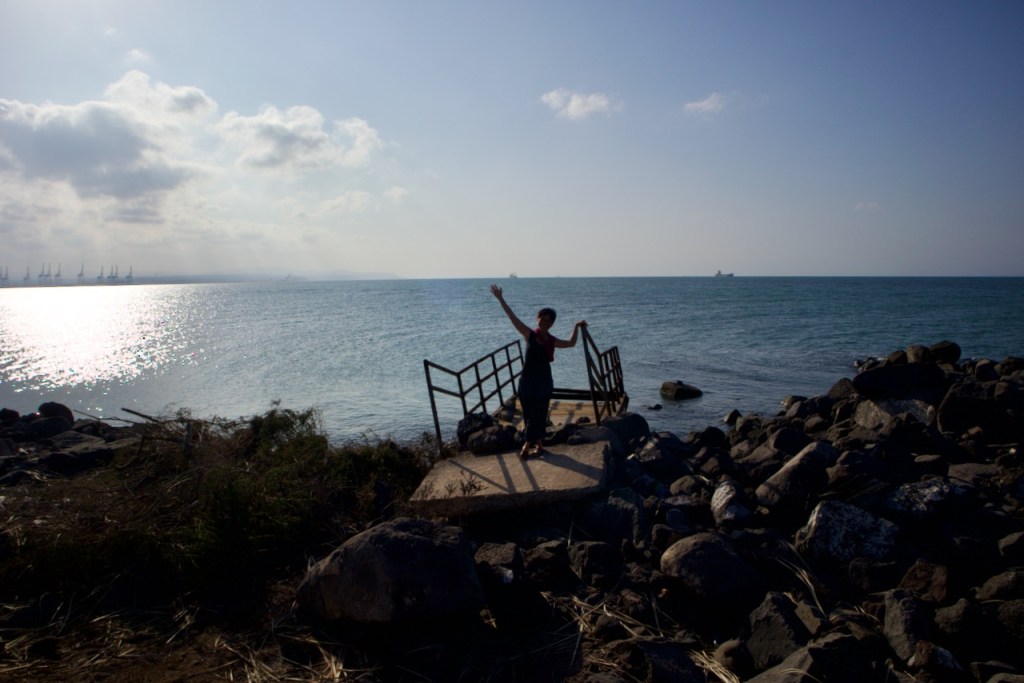
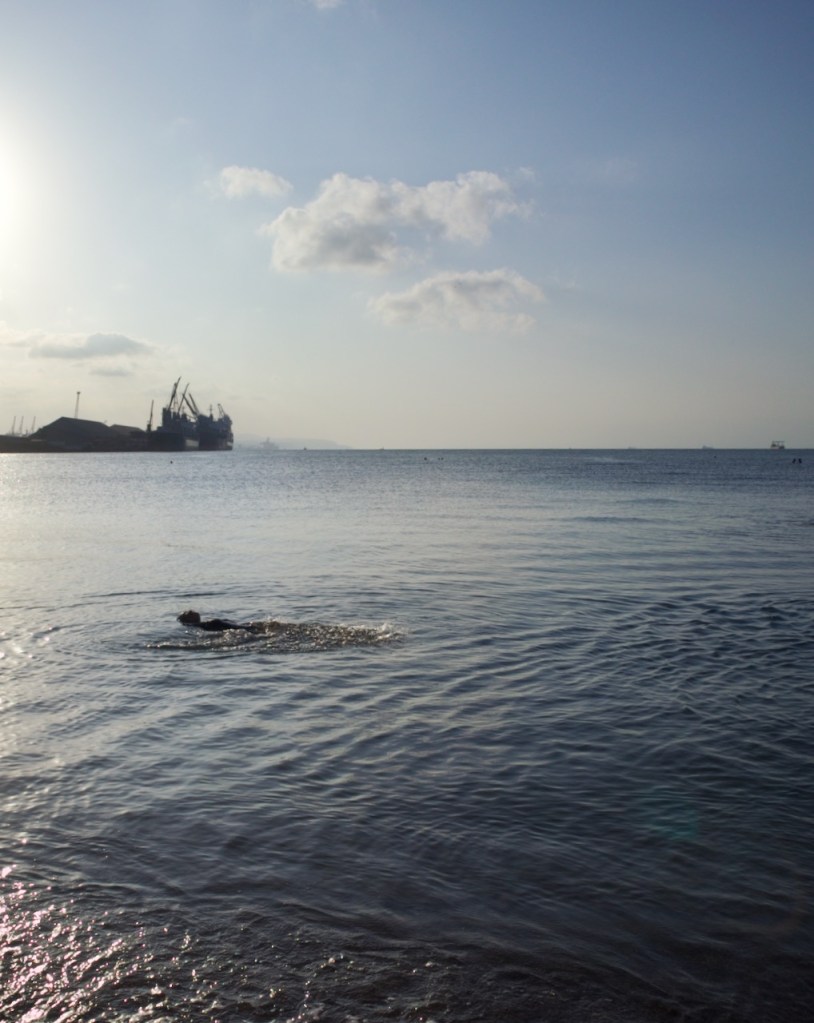
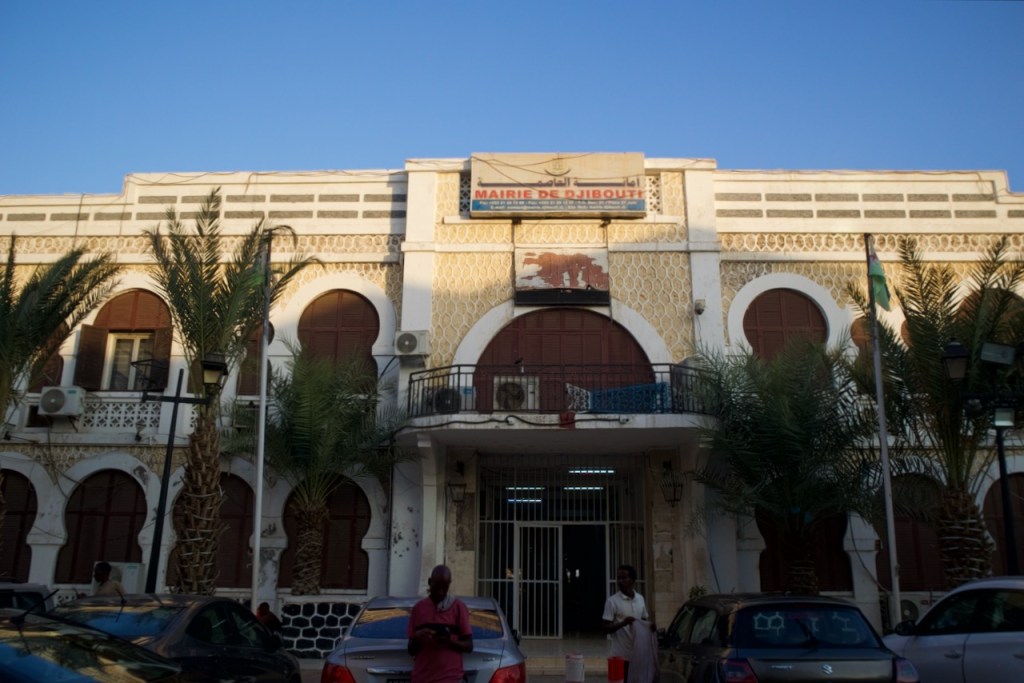
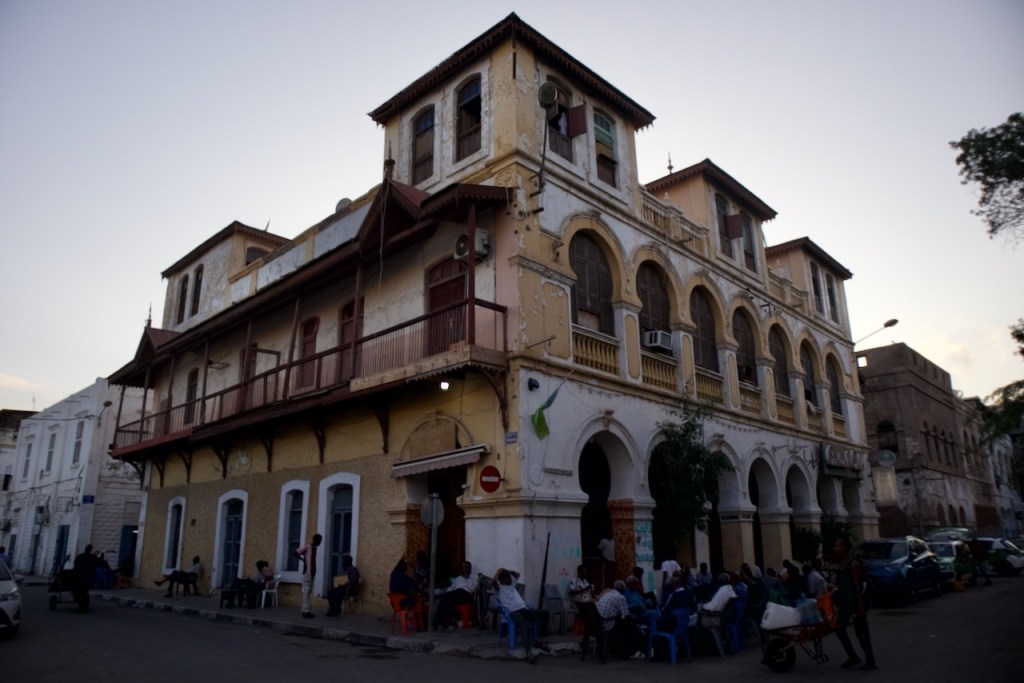
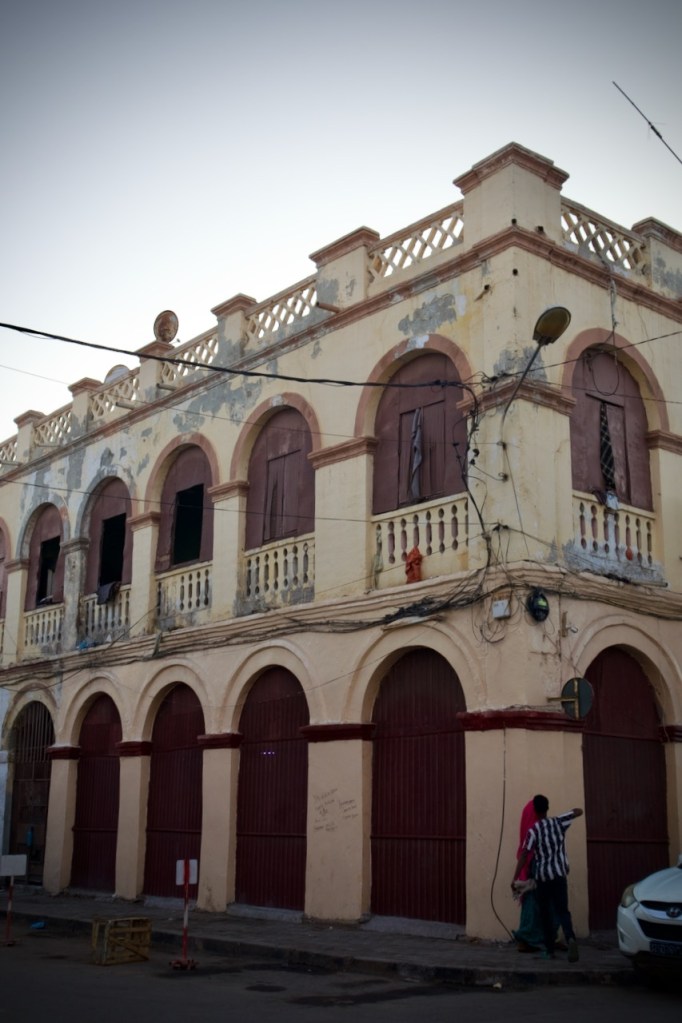
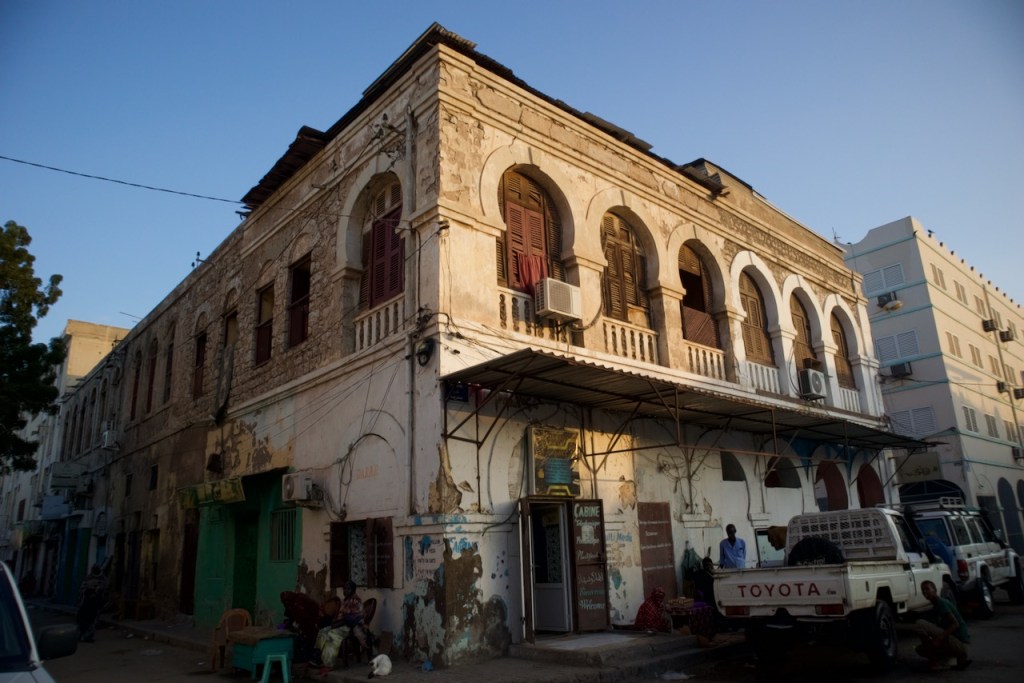
The hotel is conveniently located right next to the oldest mosque and my room comes with a pretty view of the minaret – as well as the punctual muezzin/call to prayer – the sprawling souk, and the bus station, a quintessential African tableau straight of an Orientalist painting. I venture into the old city, meeting rows and rows of khat sellers – non, merci! – dilapidated colonial buildings, and mosques of all eras and grandeur. At the (closed) maritime office where I want to check out the Tadjoura ferry hours, I meet Houriya and Hassan, a lovely local couple who have just returned from a holiday in Addis Ababa, also trying to get tickets. We enjoy a cappuccino and Djibouti French pastries before I make my way to the Palais du Peuple, an iconic old Ethiopian Church, the old railway station, and Hotel Kempinski. The prime land of the corniche is occupied by a French military base, so I join the locals in enjoying a late afternoon dip in a nearby beach, washing off the fatigue of a twenty-four hour transit. It’s over 30C at the end of December. I have to pinch myself to believe I am relaxing in the Red Sea!


Lake Assal: the Lowest Point in Africa
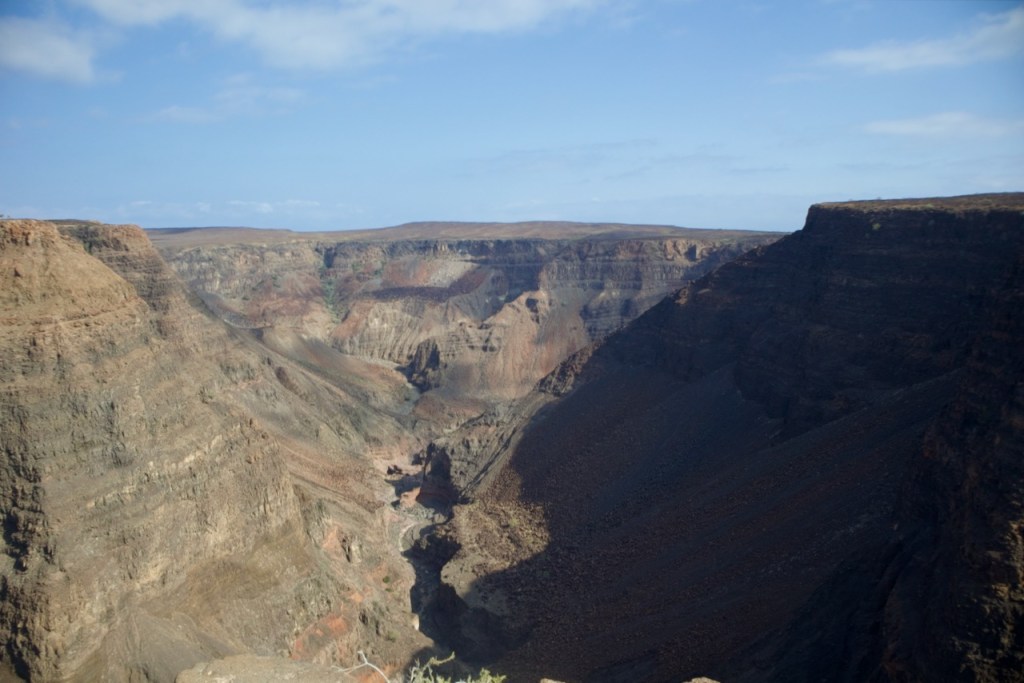
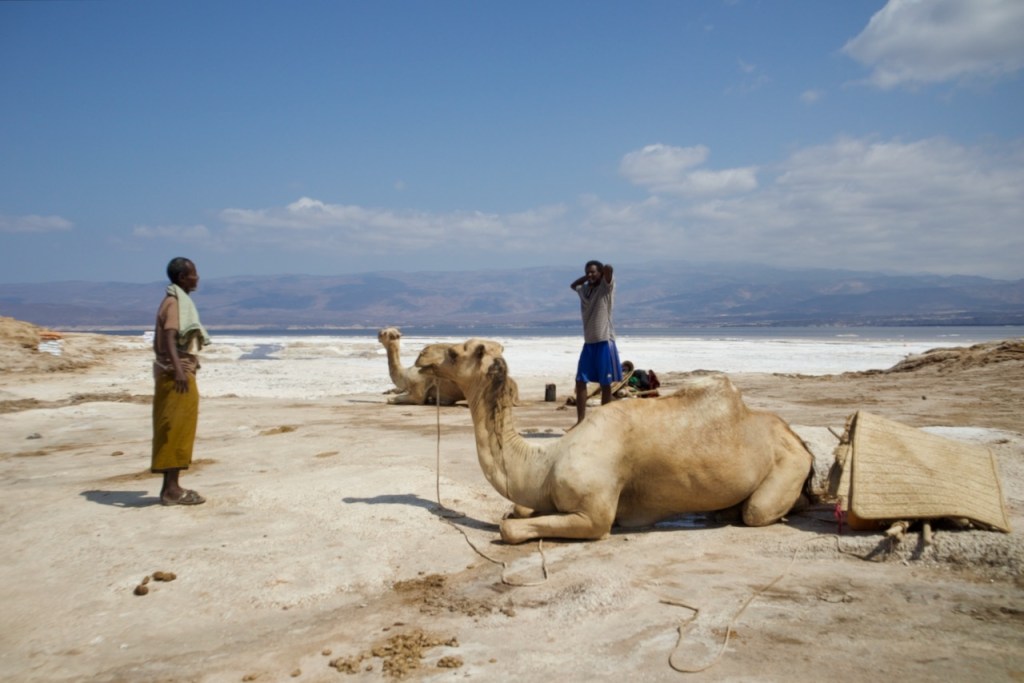
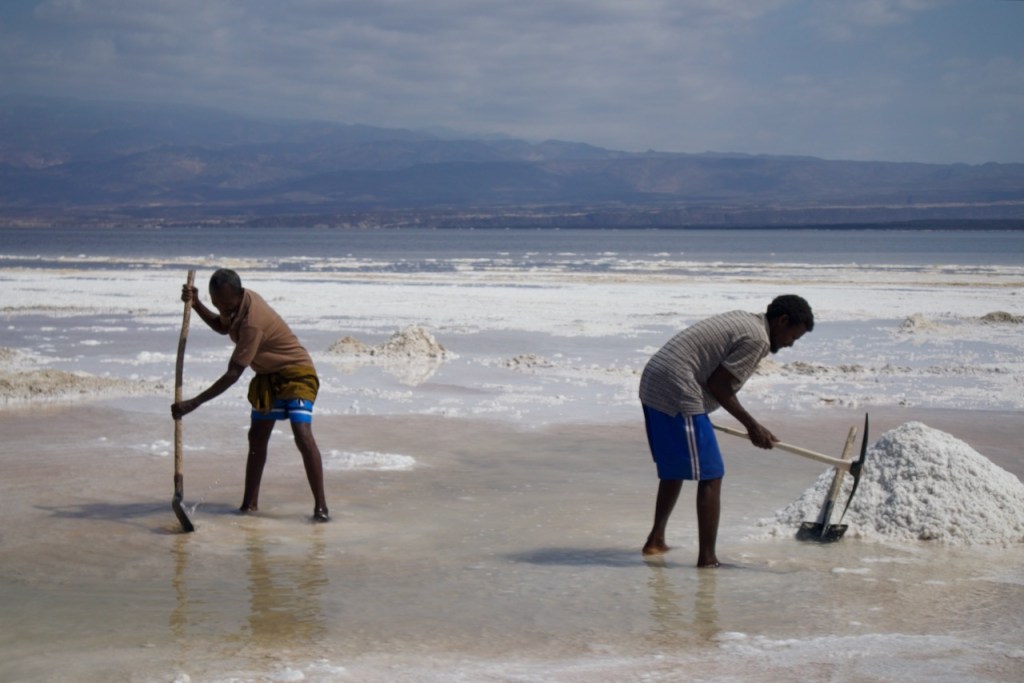
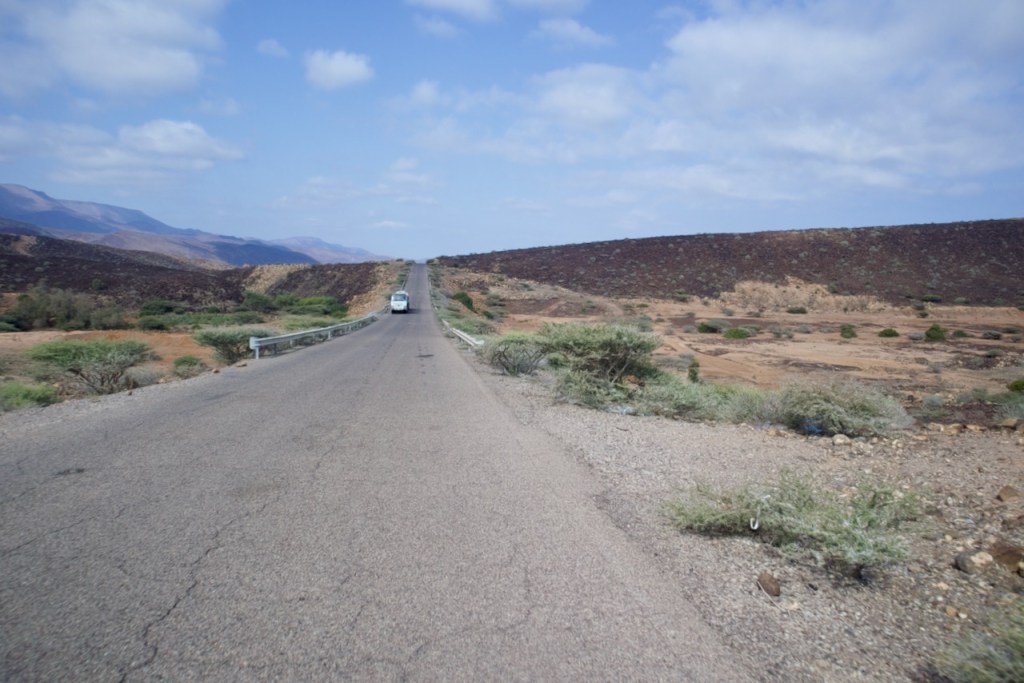
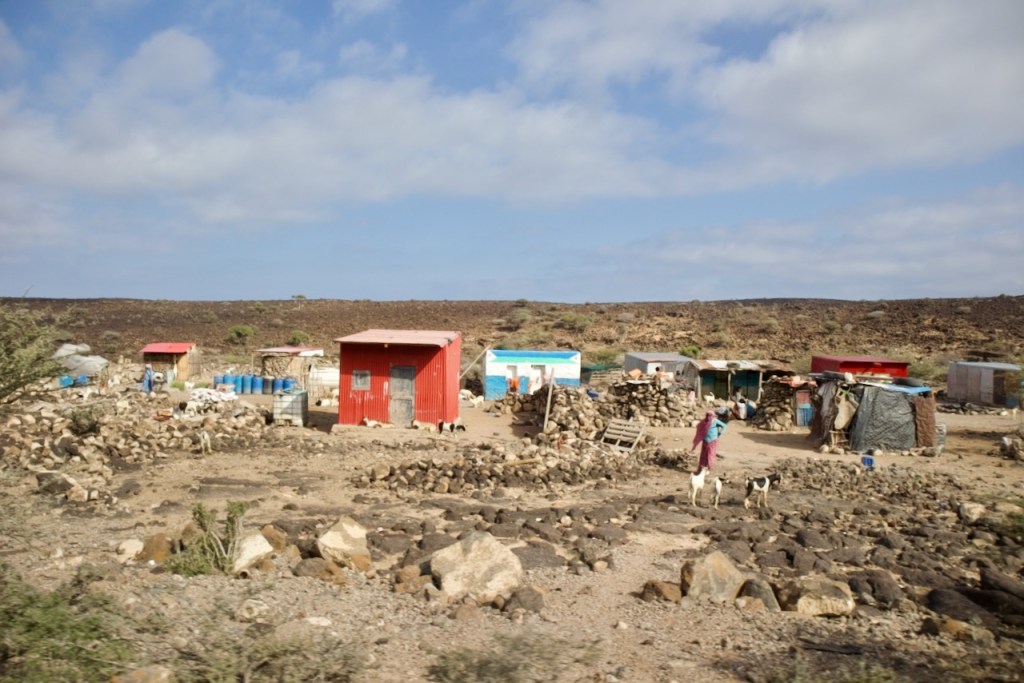
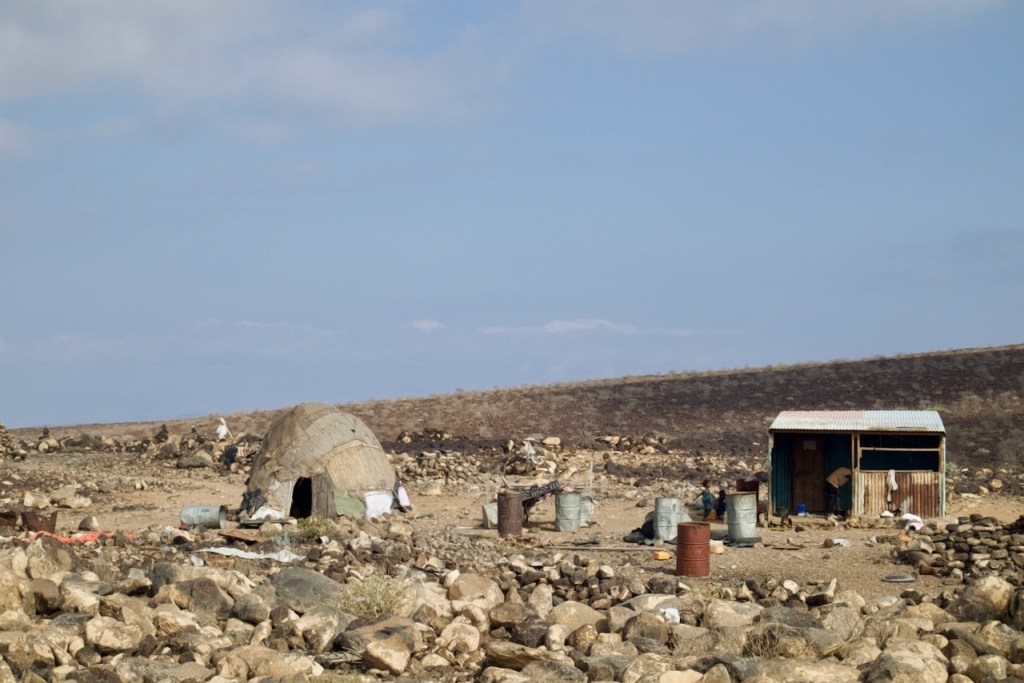
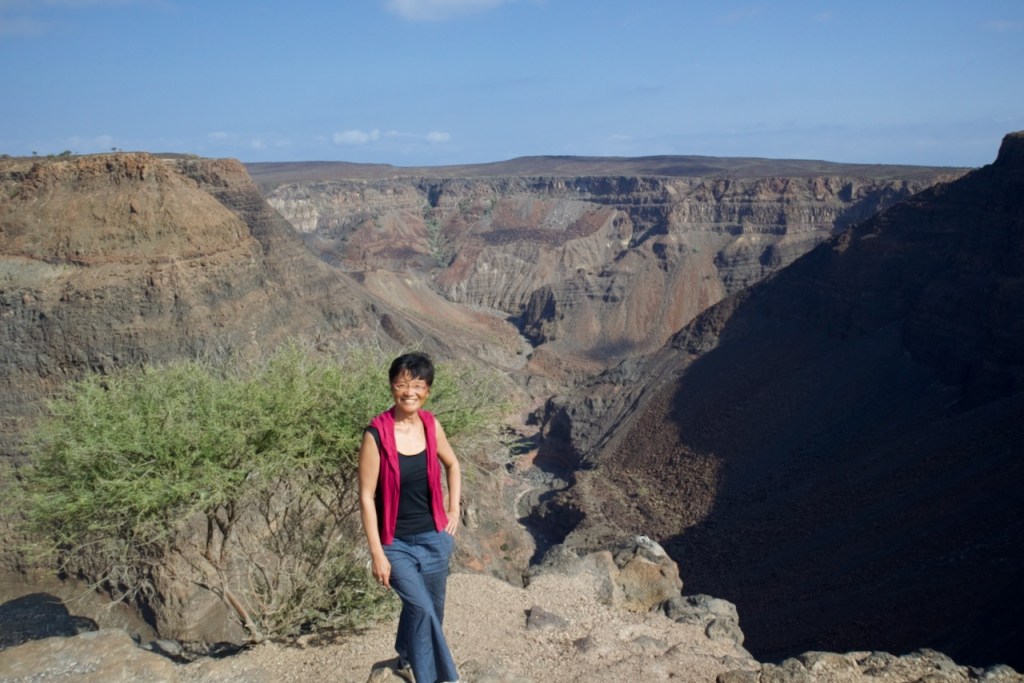
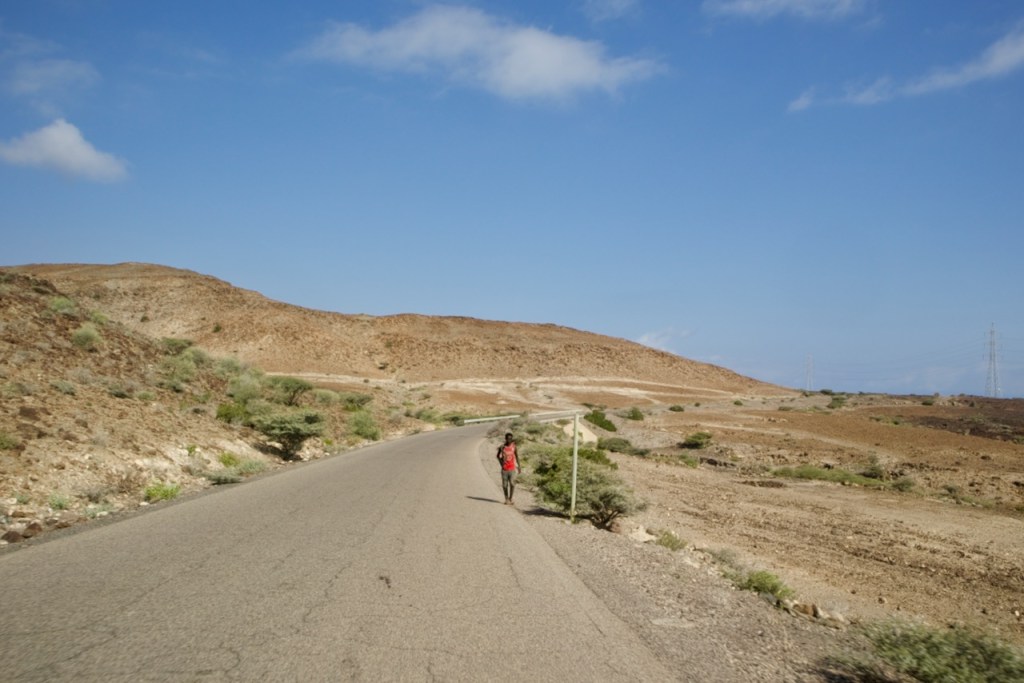
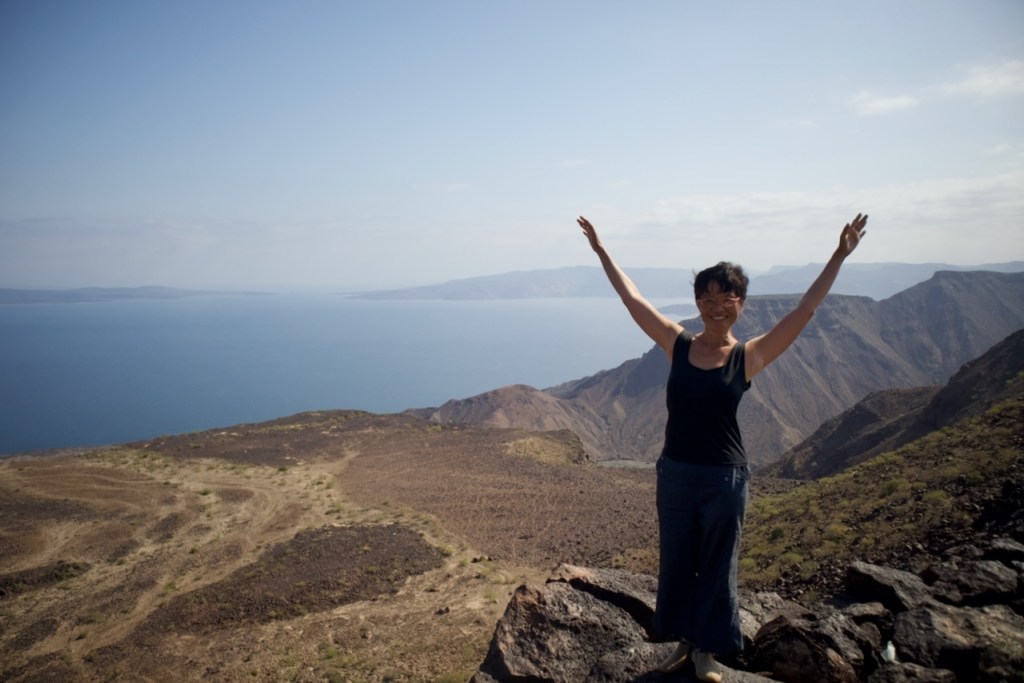
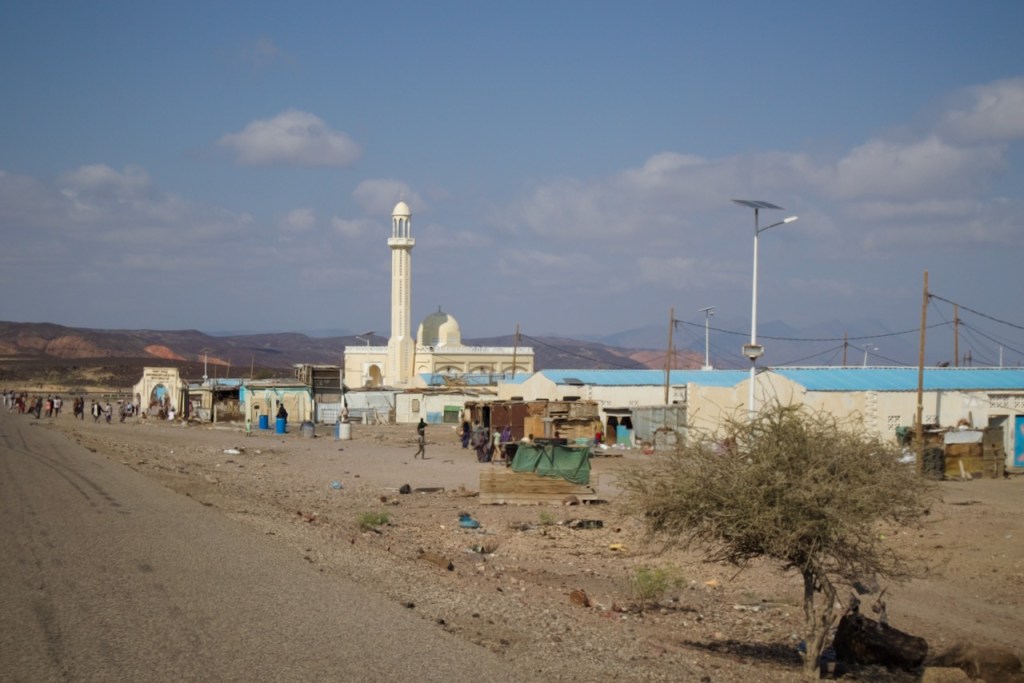
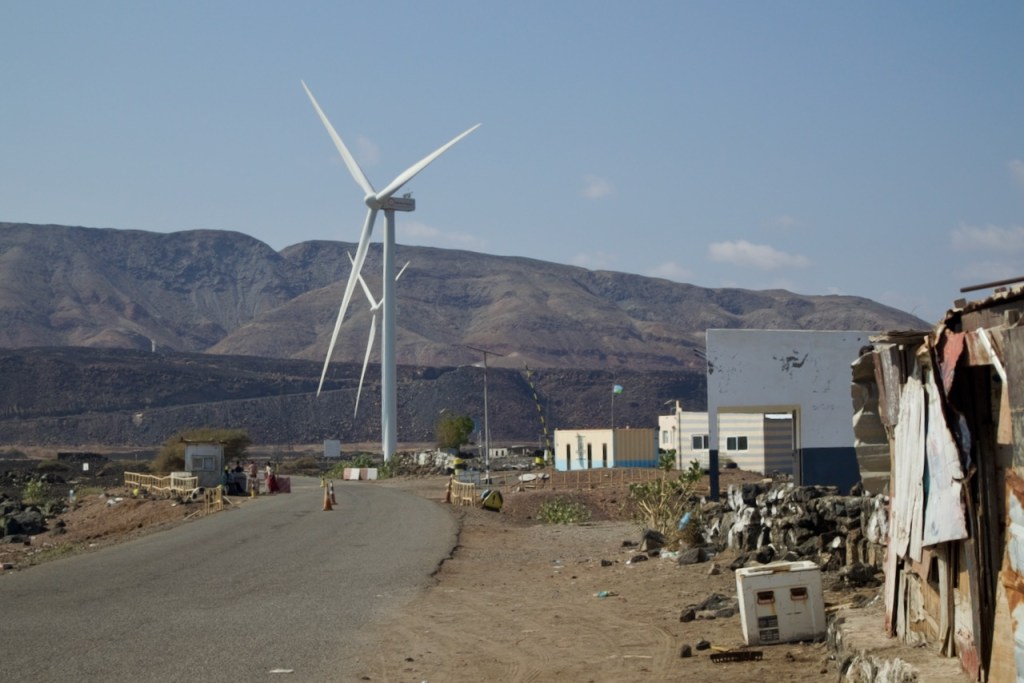
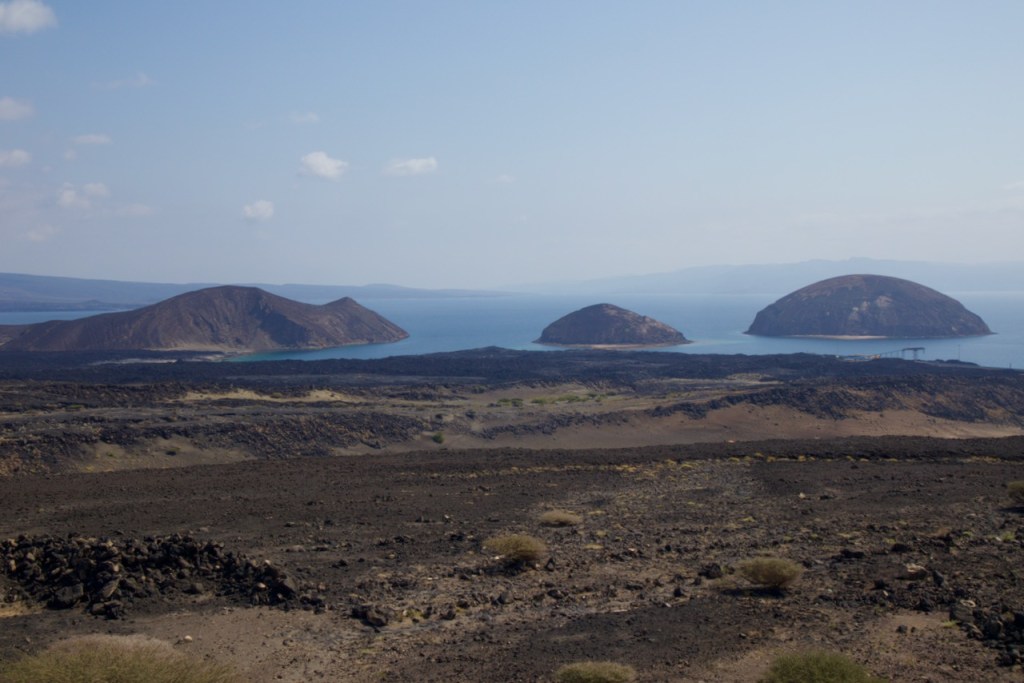
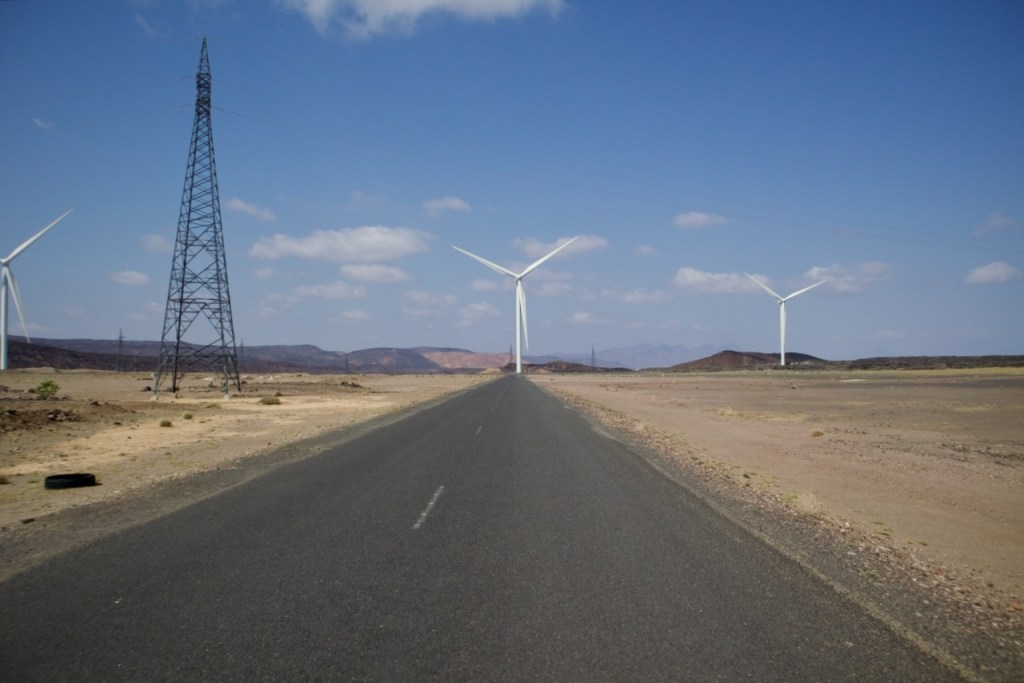
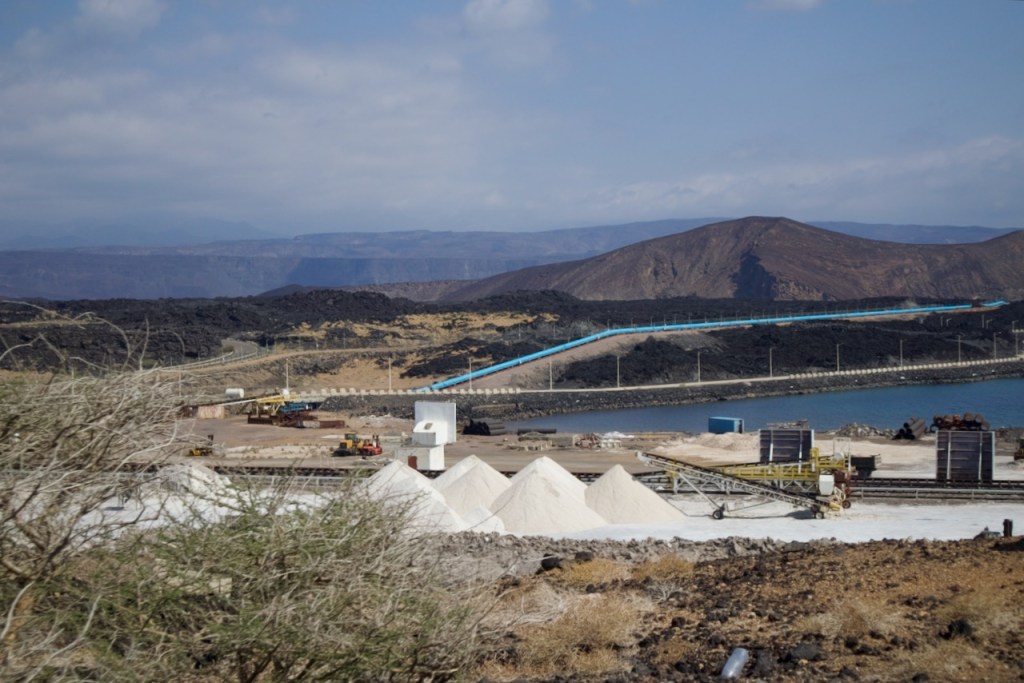
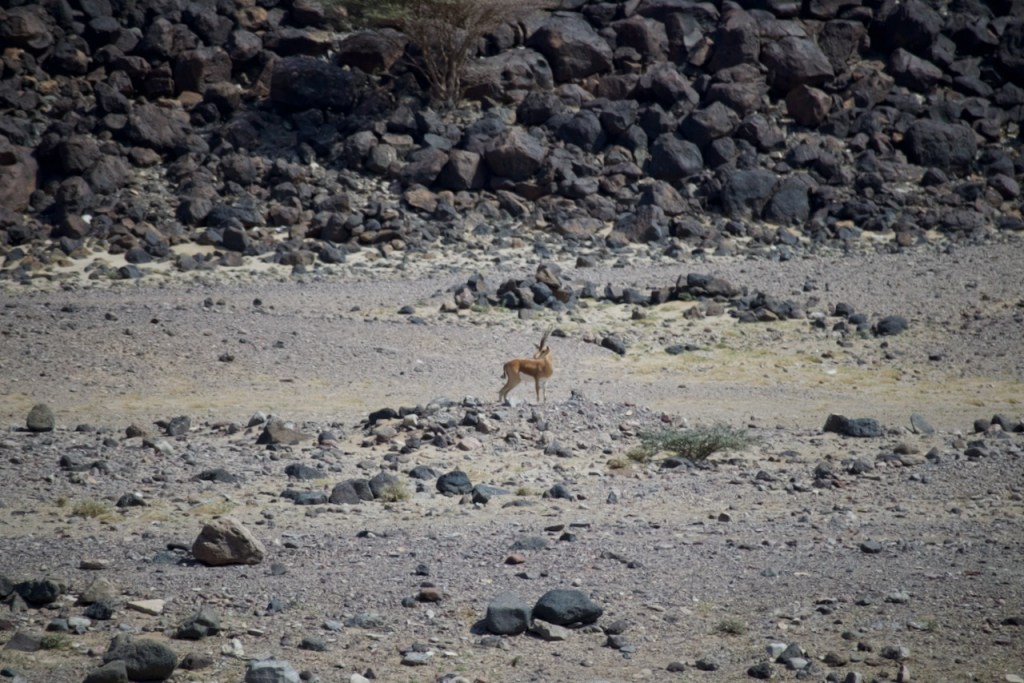
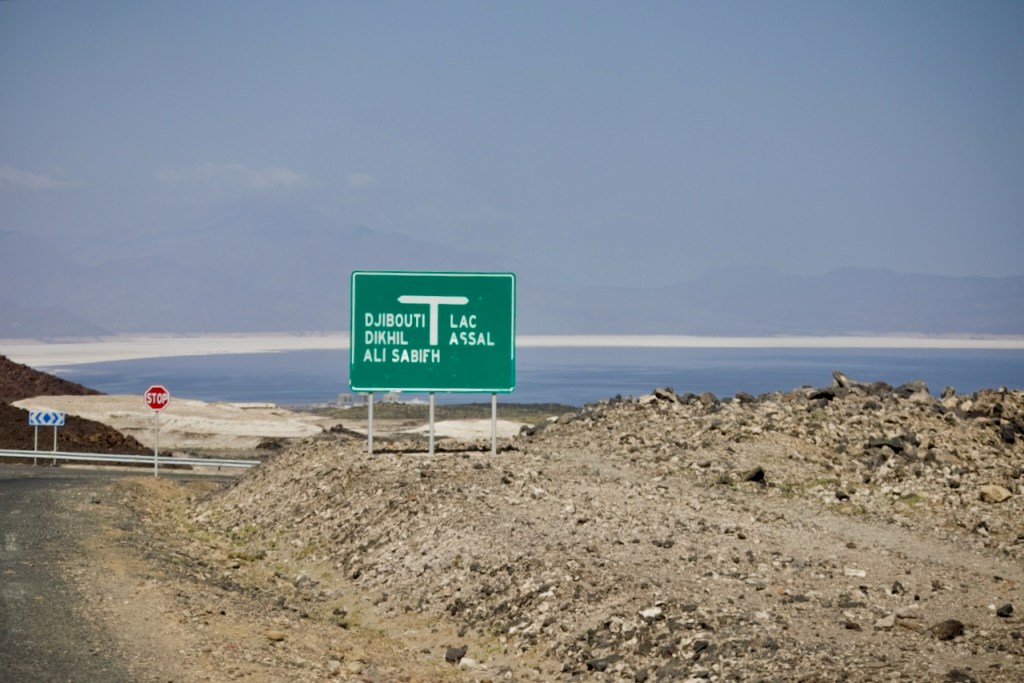
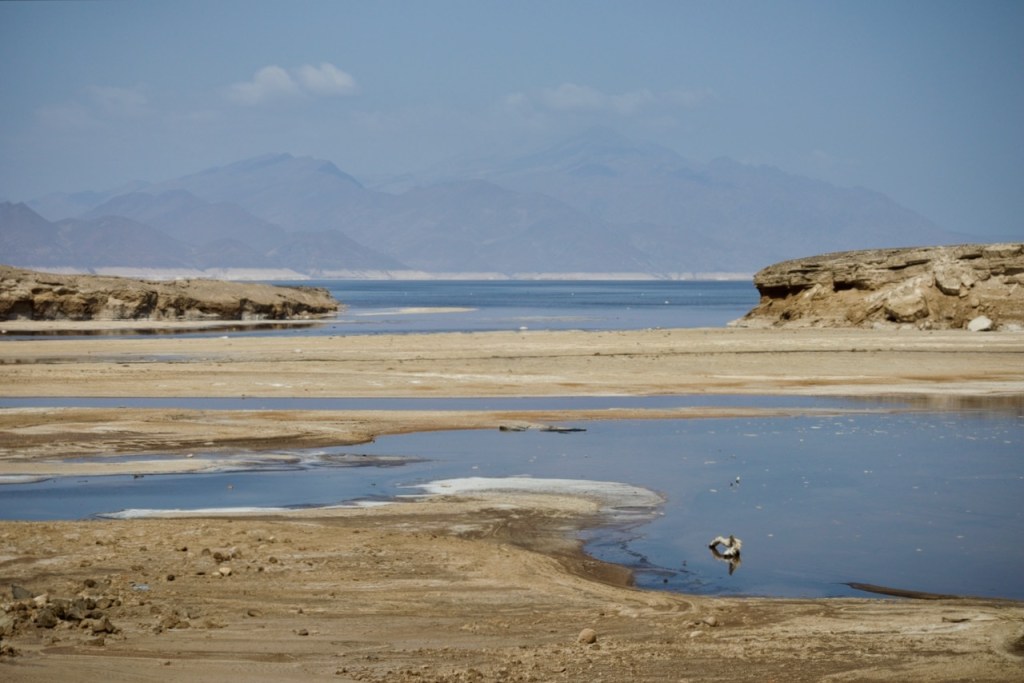
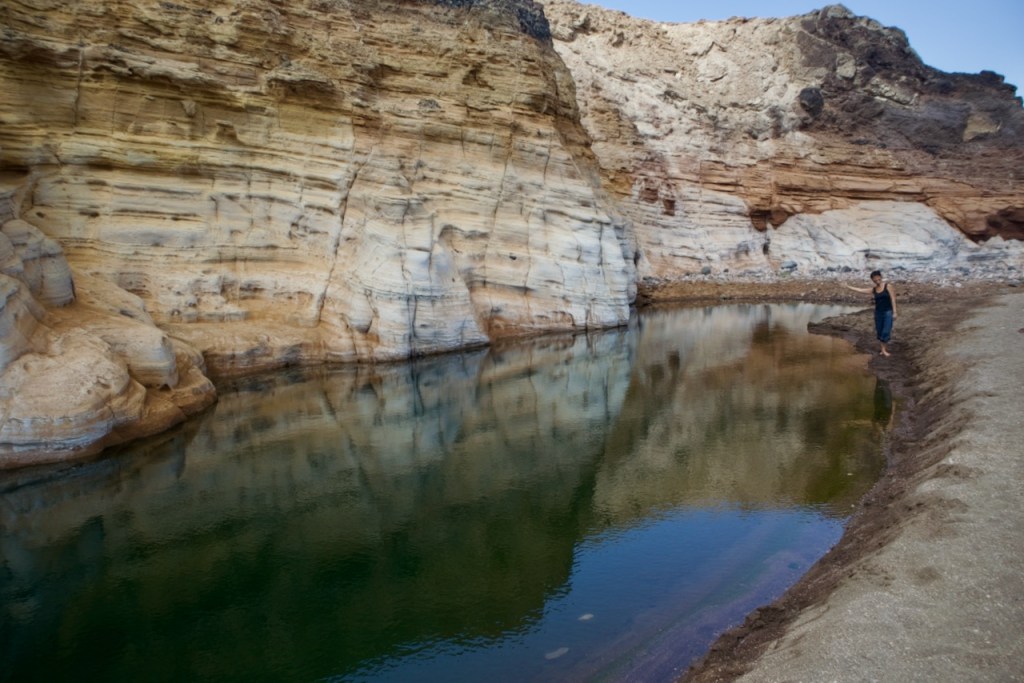
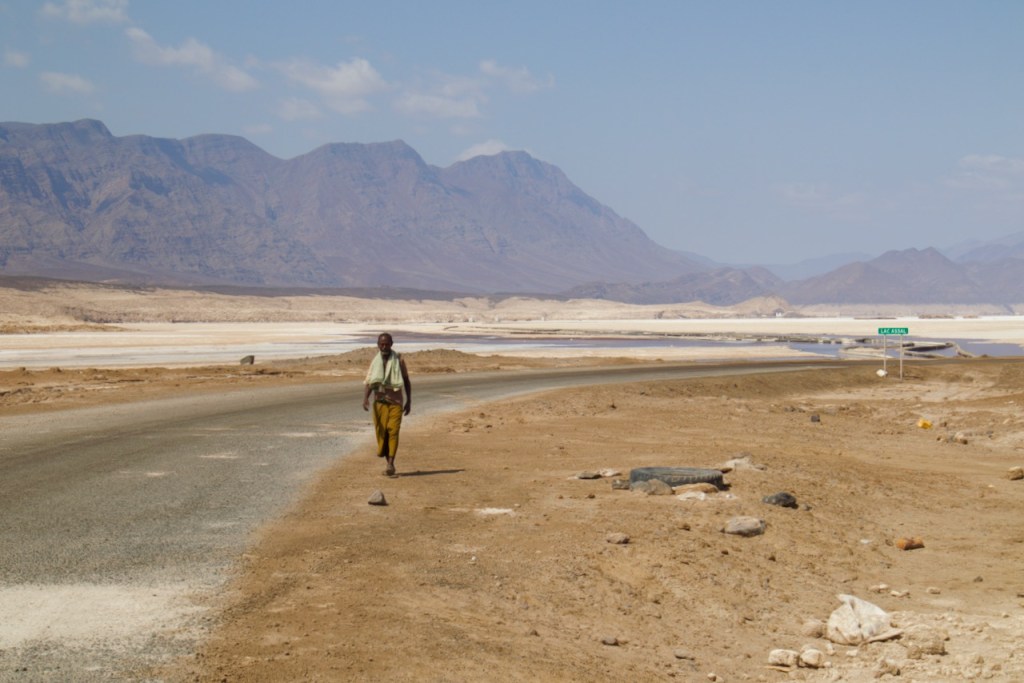
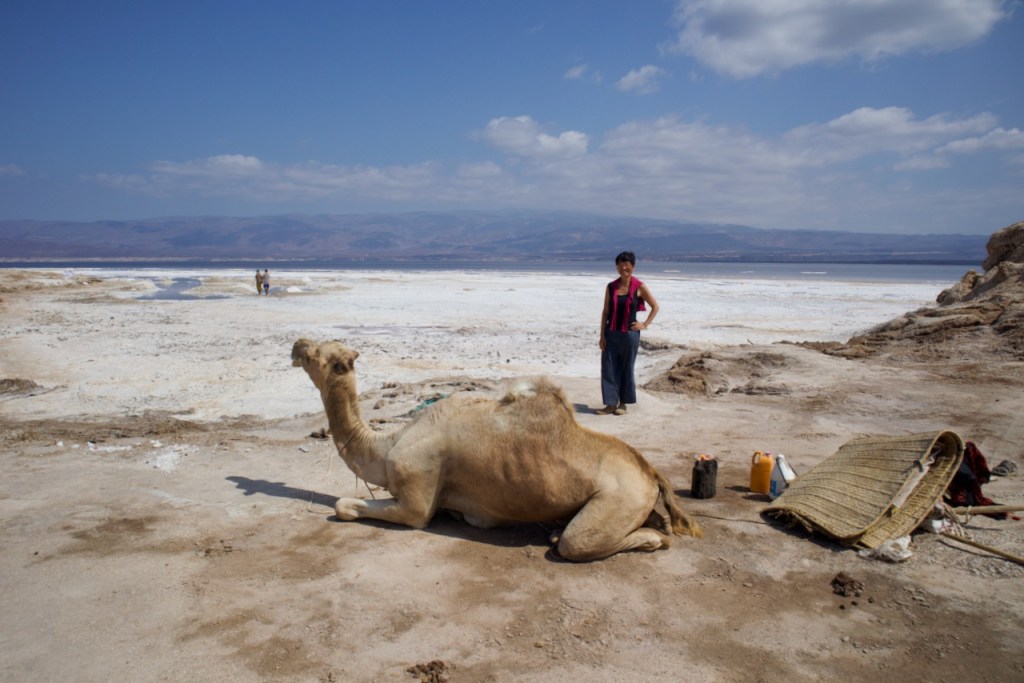
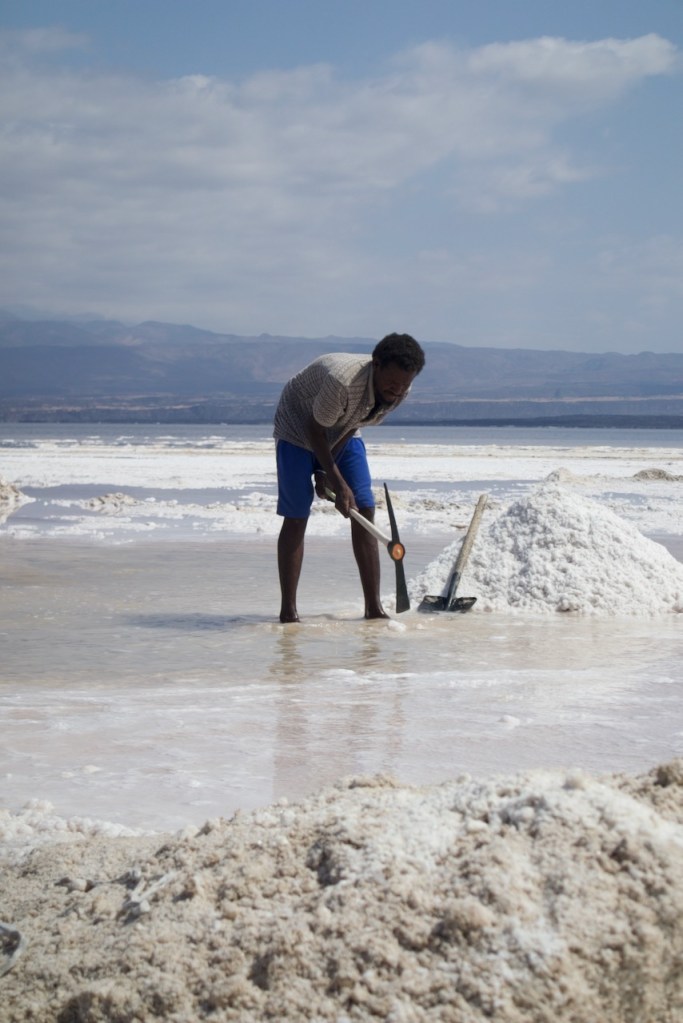
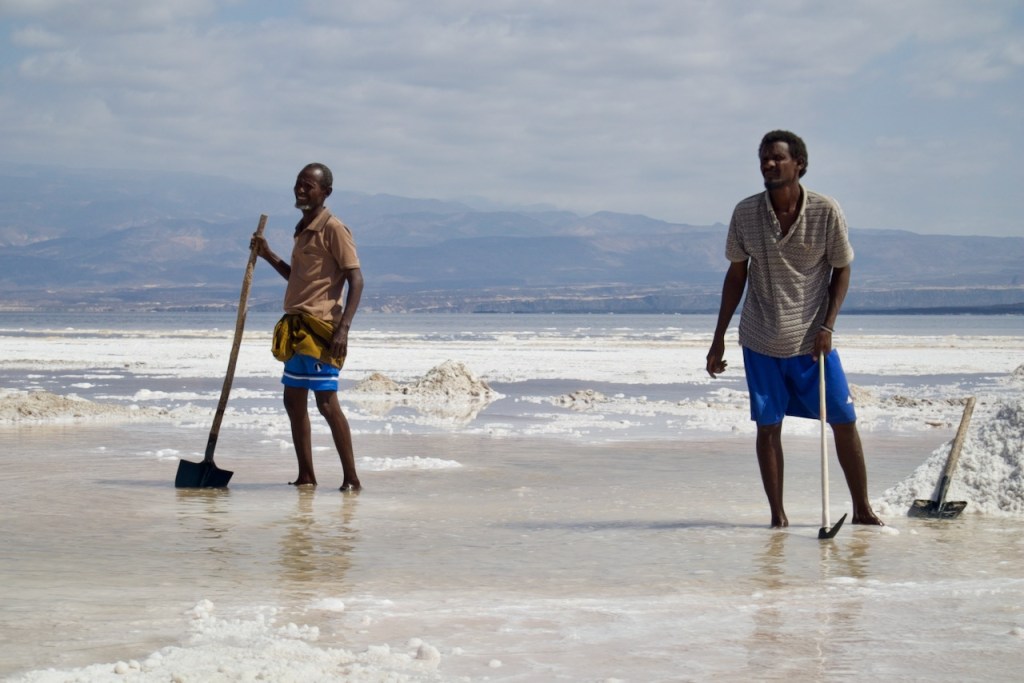
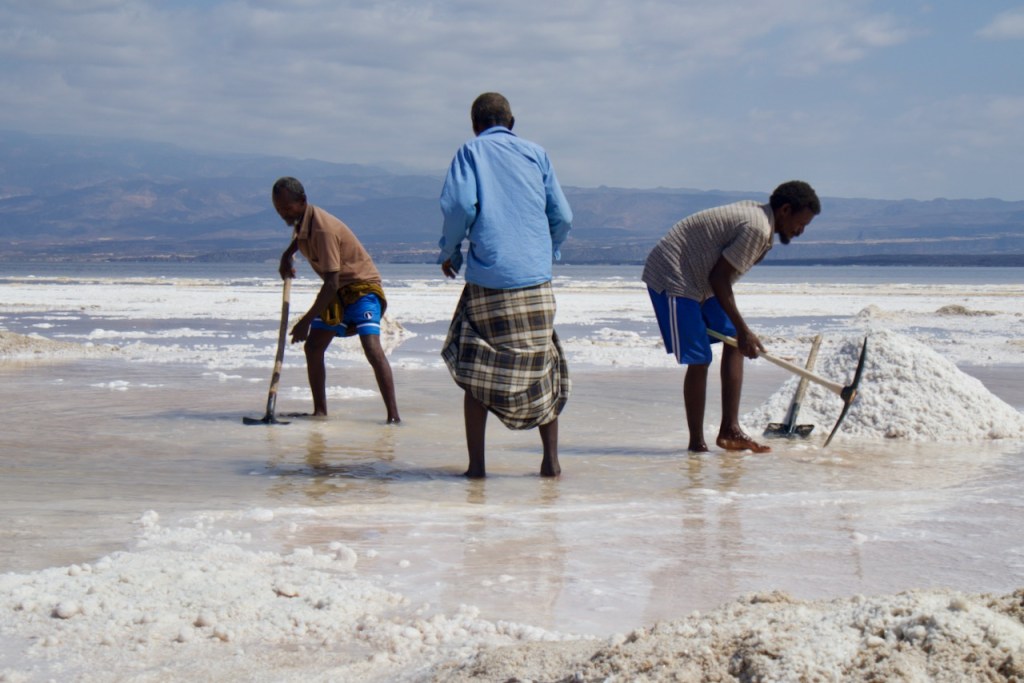
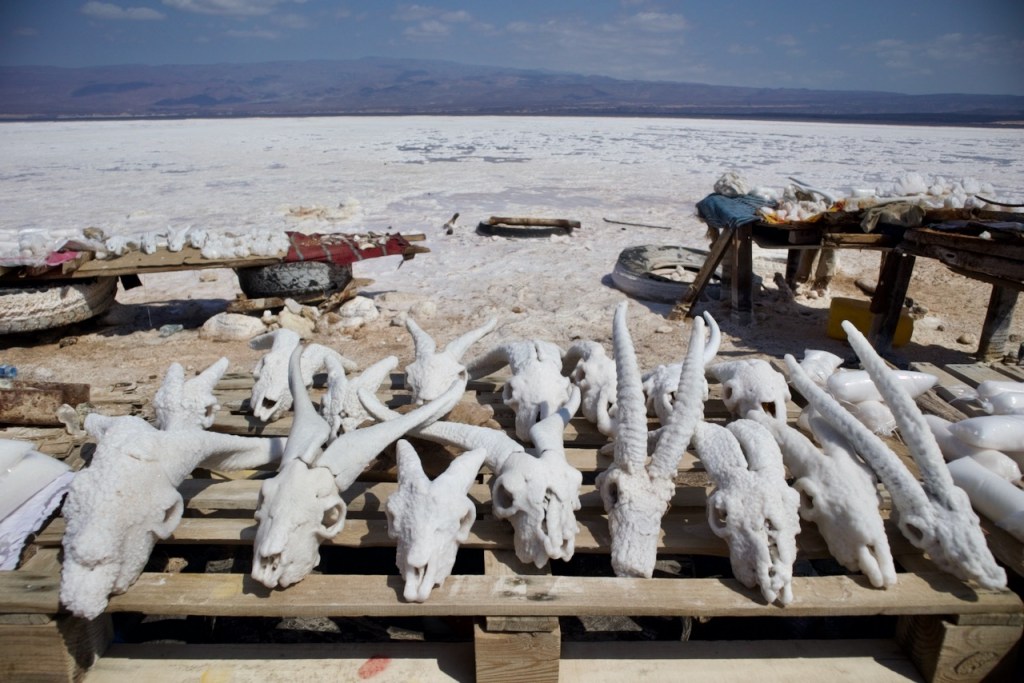
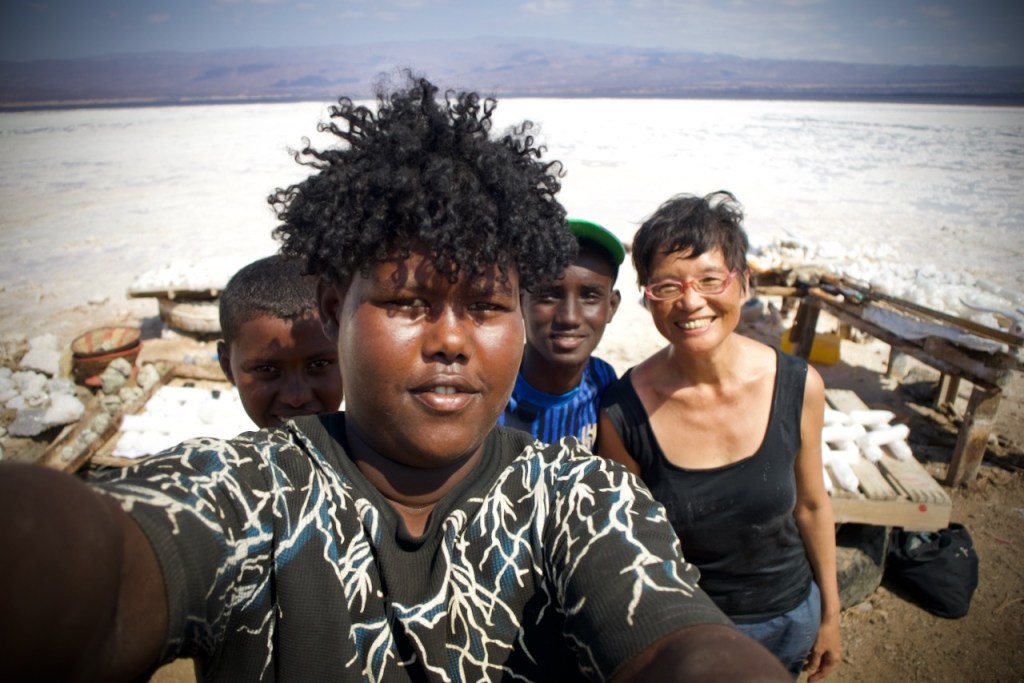
Together with Julien, a Swedish entrepreneur who is here for the whale sharks (none spotted!), and Jun and Jim, a young Taiwanese couple who just embarked on their four-month journey in Africa, we manage to be four for our day trip to Lake Assal (and still being charged for USD110 a piece, meaning the tour operator makes a monthly salary in a short day!). The arid landscape en route is not much different from that in the Afar province in Ethiopia in my journey to the Danakil Depression back in 2021. We pass through small villages, more military bases, clusters of traditional Afar dwellings before we reach the Dimbya Canyon and then a fantastic view of the Gulf of Tadjoura. This is volcanic land and there are plenty of hot springs at 90C! Finally, we arrive at Lake Assal where we see locals mine salt the old way, aka, by hand, before loading it onto camels that make the long trek towards the Ethiopian mountains. Backbreaking work for very little in a fast disappearing old world.
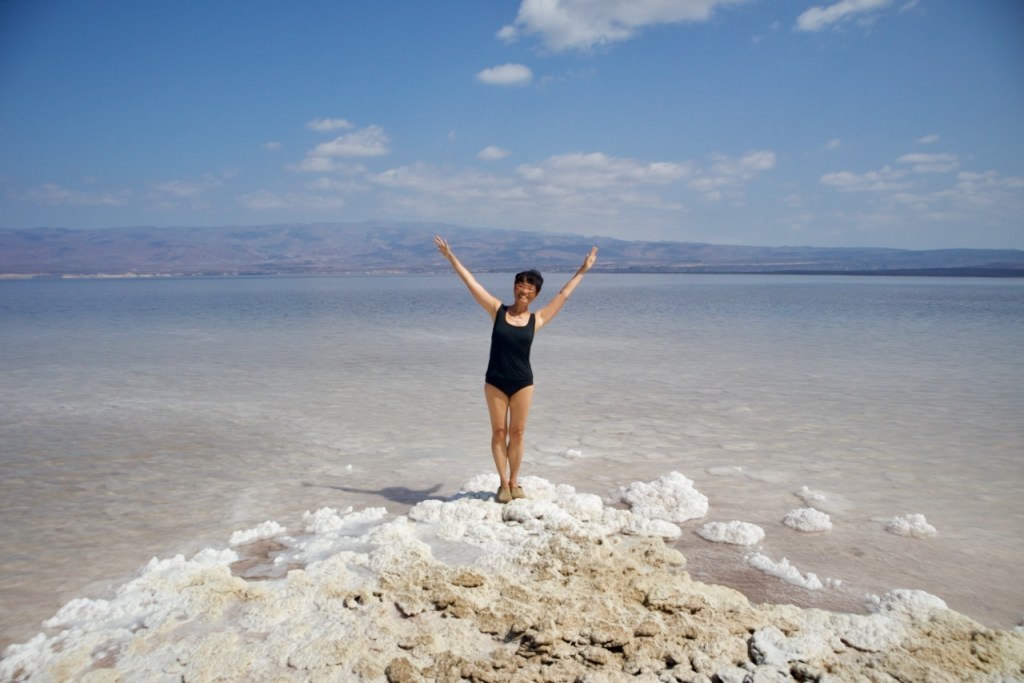
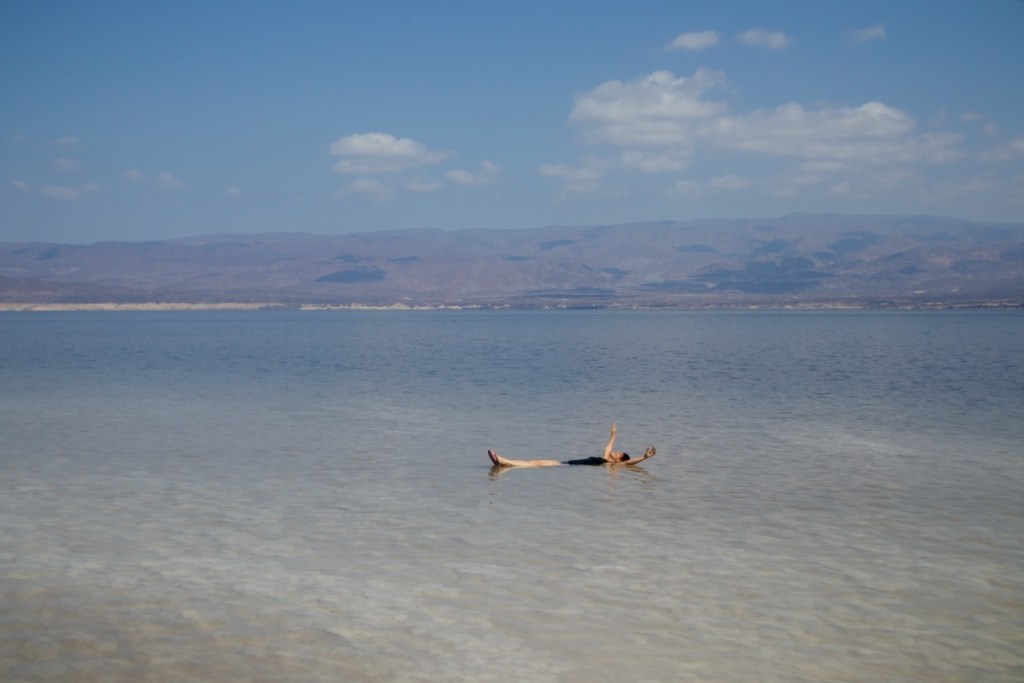
Who wants to have a dip? our guide asks. I am the only one crazy enough to go ahead but am unaware of the specificity of this unique exercise: the sharp salt crystals lining the lake, leaving you no chance to step into, let alone swim in it. Wait, I can go borrow some sandals from the local kids, our guide kindly proposes. So I stand there, in my tank top and underwear, gazing at this marvellous wonder of nature, before finally taking the “plunge” in the saltiest body of water in the lowest point of Africa. Kilimanjaro, the polar opposite highest point in the continent, would be a great next complement!






Tadjoura
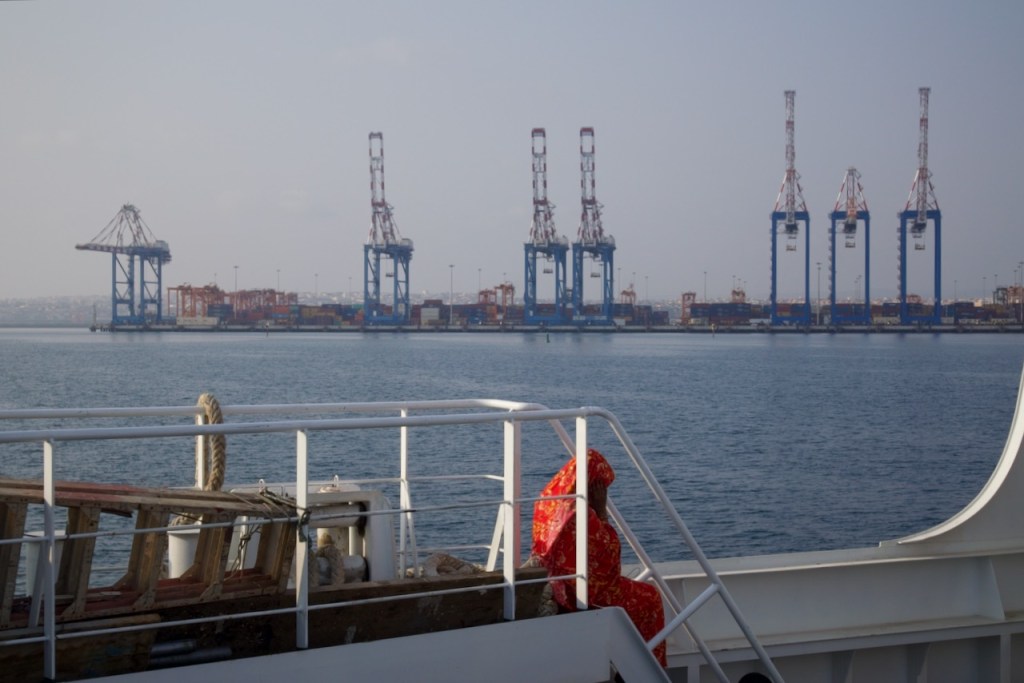
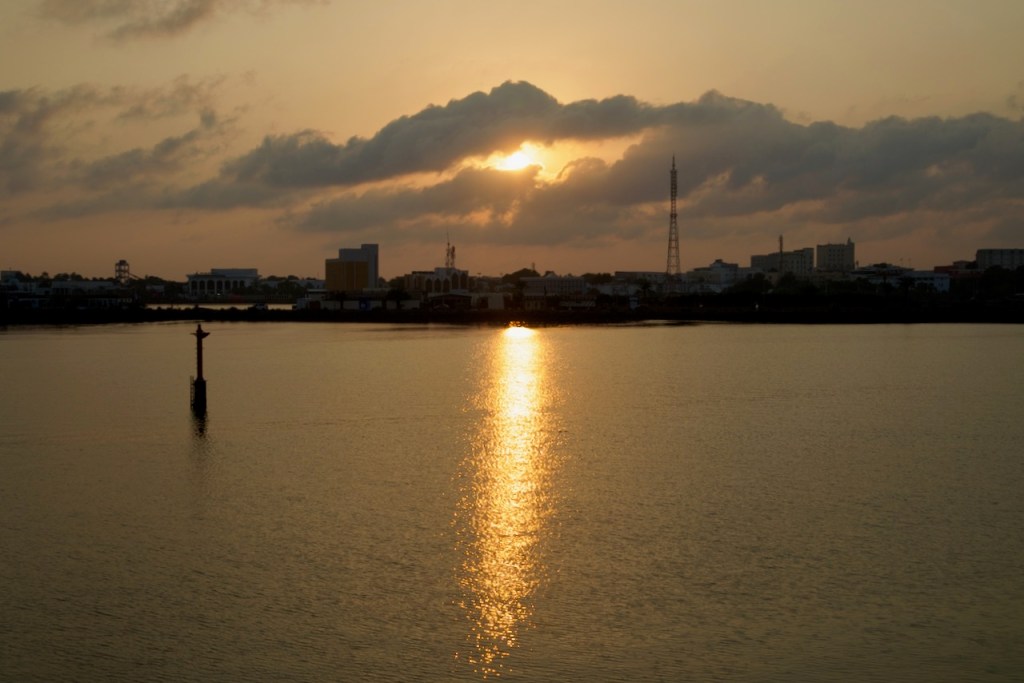
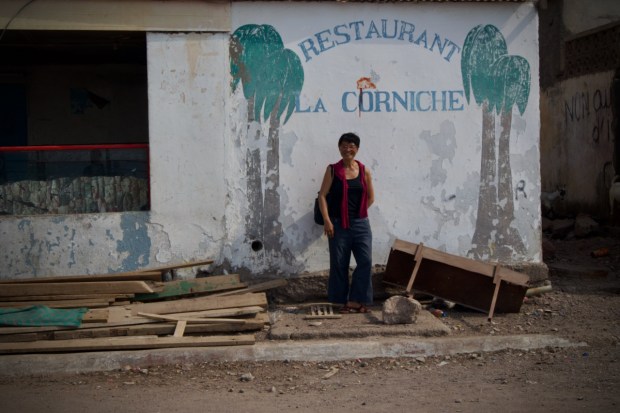
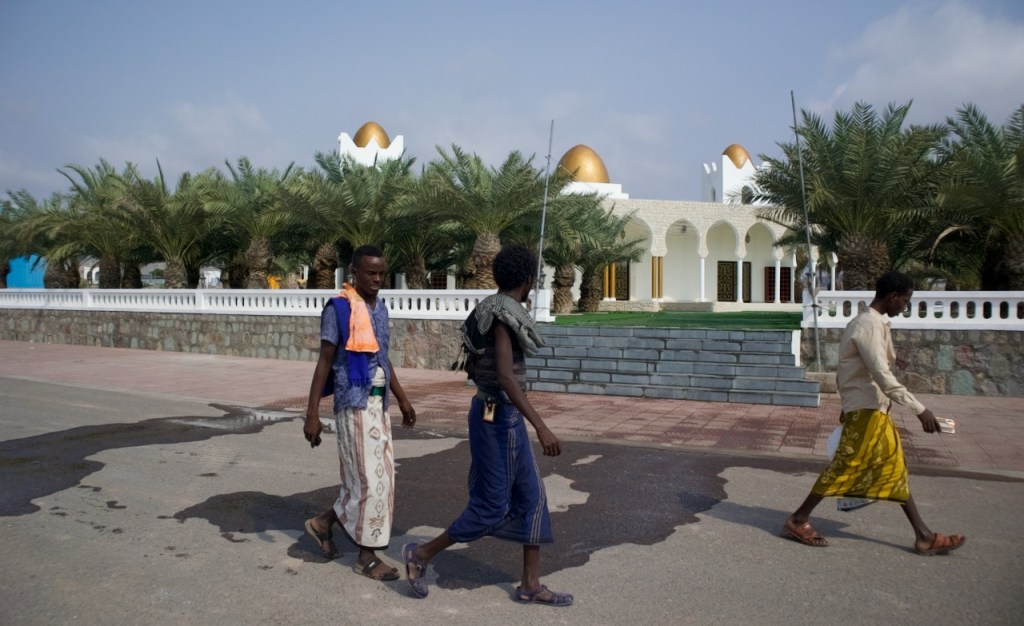
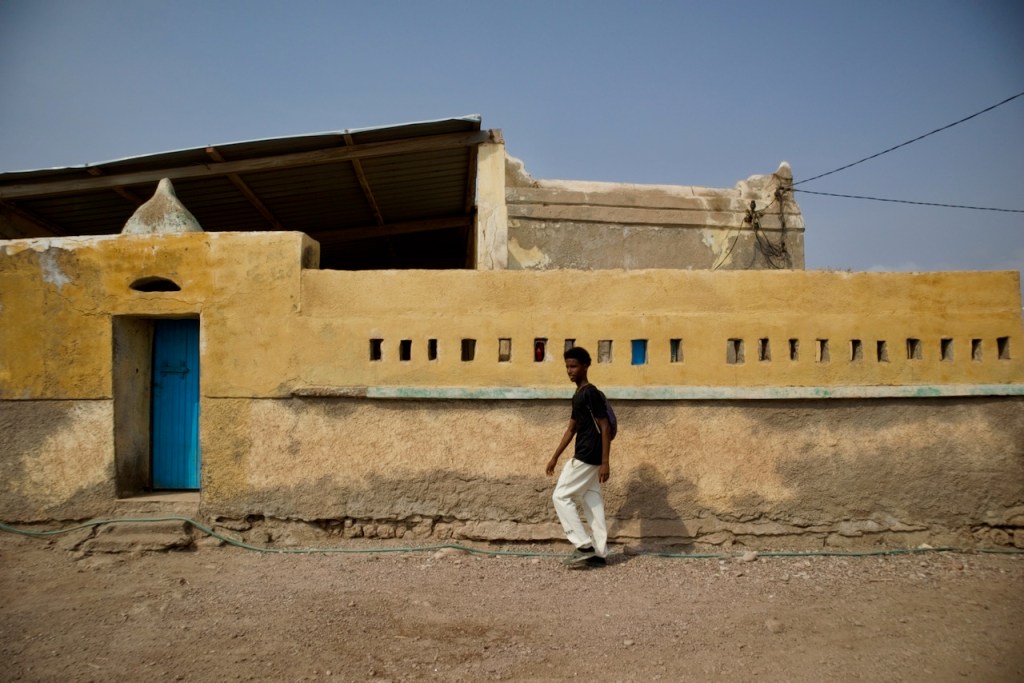
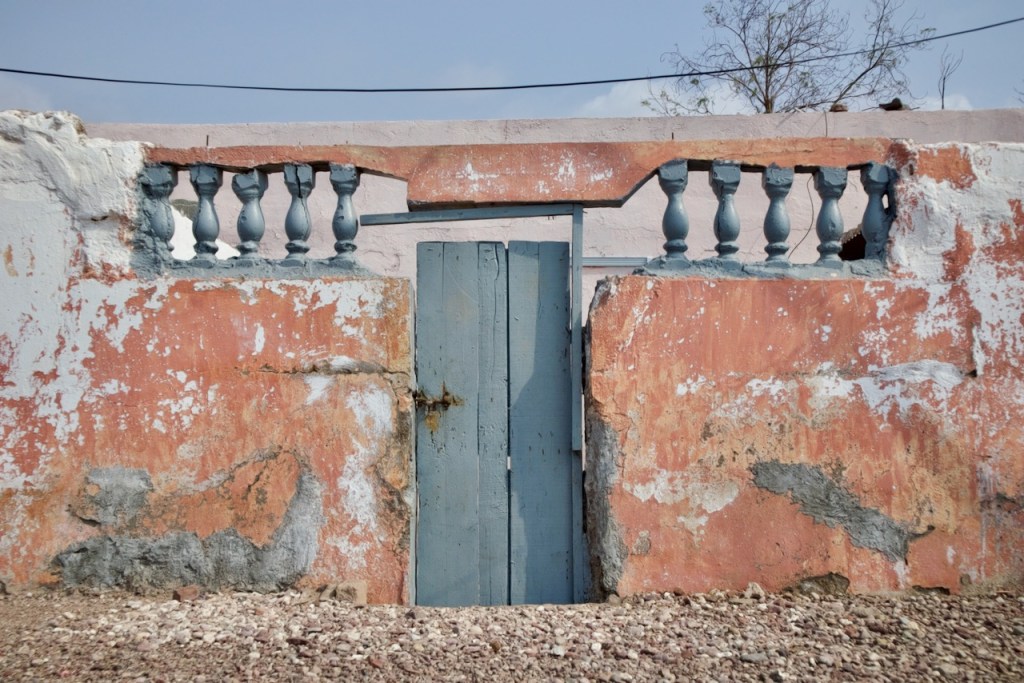
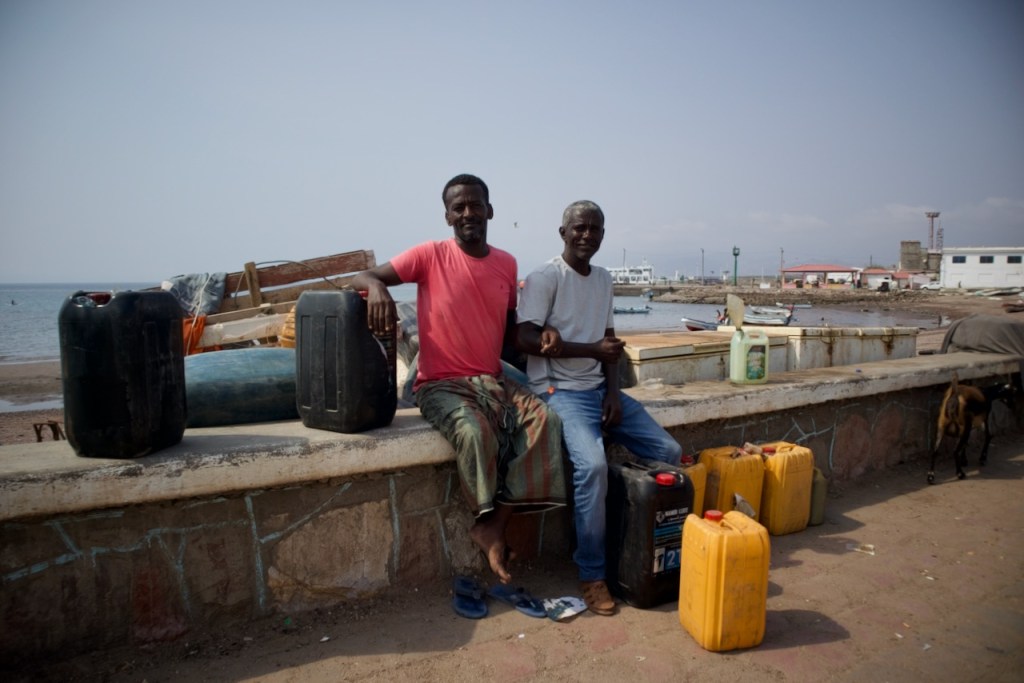
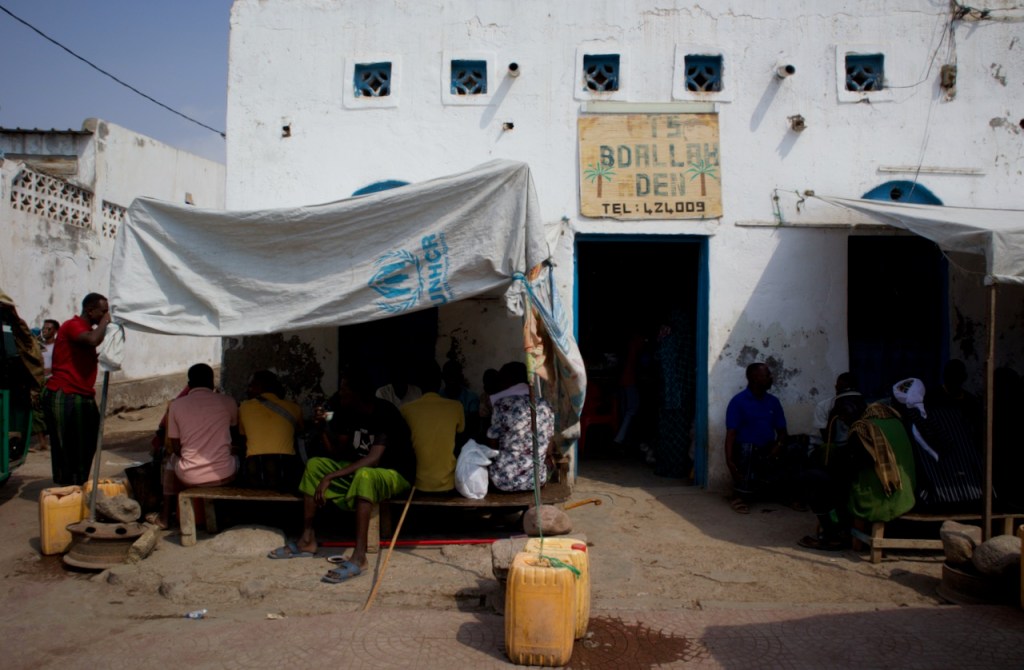
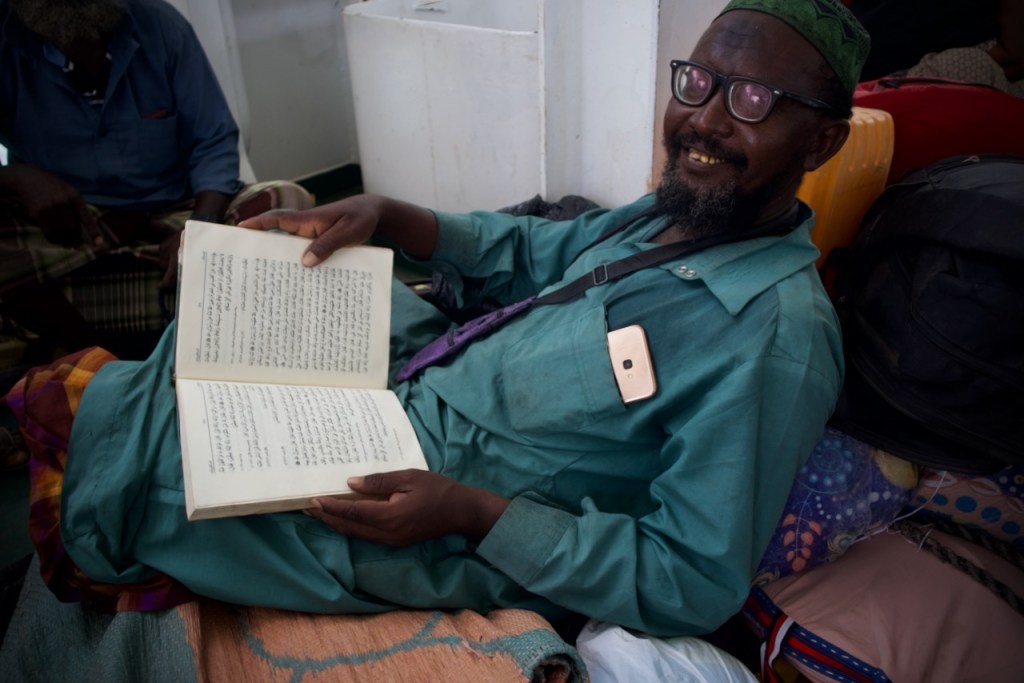
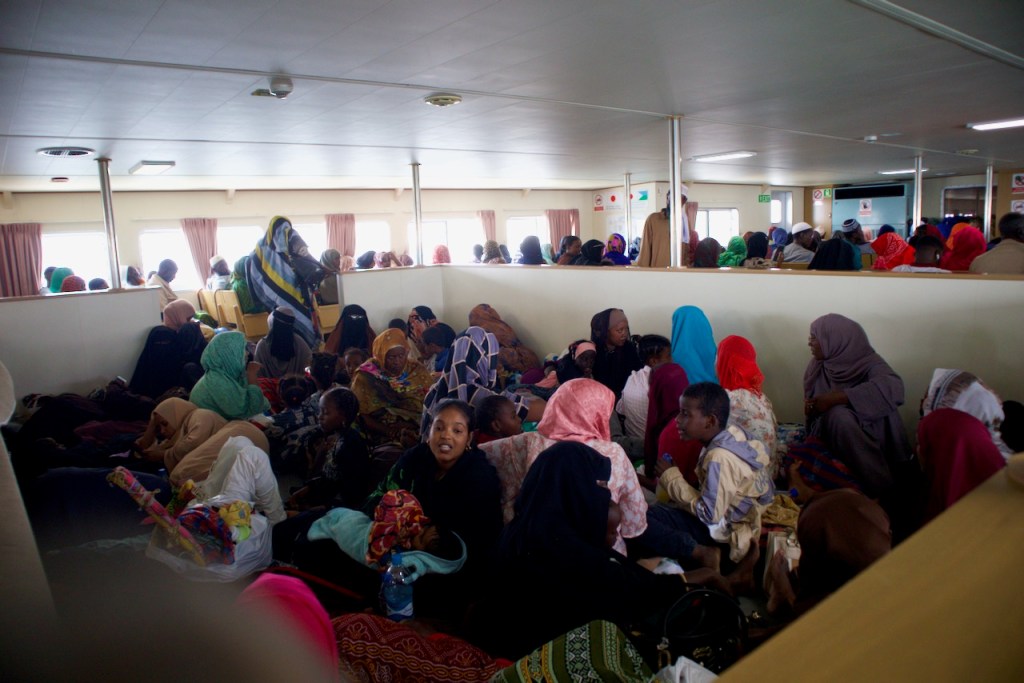
The ferry ticket to Tadjoura is so hard to get that I almost give up. Third time lucky, I arrive at the Maritime Office at 7:30pm just as told to find a crowd all trying to enter the tiny desk. I manage to get a same day return ticket after a real test of patience. C’est Afrique! the young woman queuing next to me says. The ferry leaves at eight in the morning, and you have to be at the terminal by seven. I have a grand total of an hour before hopping on the noon ferry to go back to town. I love ferry excursions, with a bonus sunrise, the sea breeze, and feeling being part of the local rhythm in just another day in Djibouti. Before disembarking, I ask around to get some info in terms of a realistic hour-long visit. Daoud, a college student in telecommunications who saw me at the Maritime Office the evening before kindly took me under his wings to show me his native town. Tadjoura is a quaint little village with a slow paced life. I find it very photogenic, with plenty of old mosques, busy seafront stores and restaurants, and an overall faded feel, as if time has stood still. Time’s up and I say goodbye to my kind volunteer guide, grab a quick bite of fried fish and rice, and find the boarding gate closing. It is December 30 and the ferry is packed with holiday makers, leaving when full well before schedule. I manage to find a tiny corner and fall for a heavenly nap, awaking just in time when we reach the Dijbouti port.
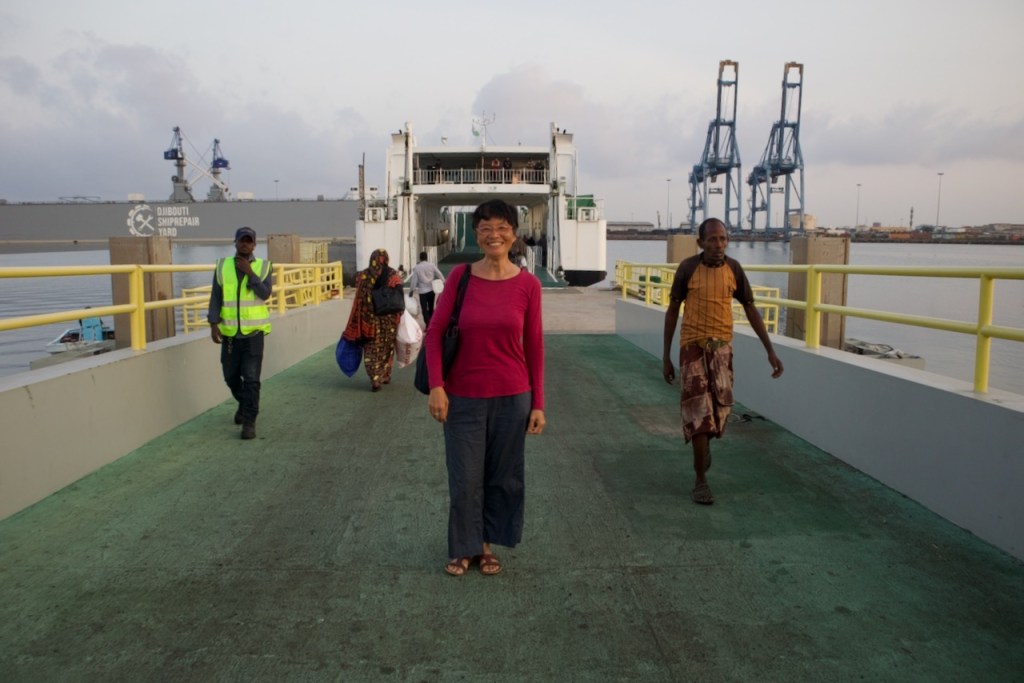

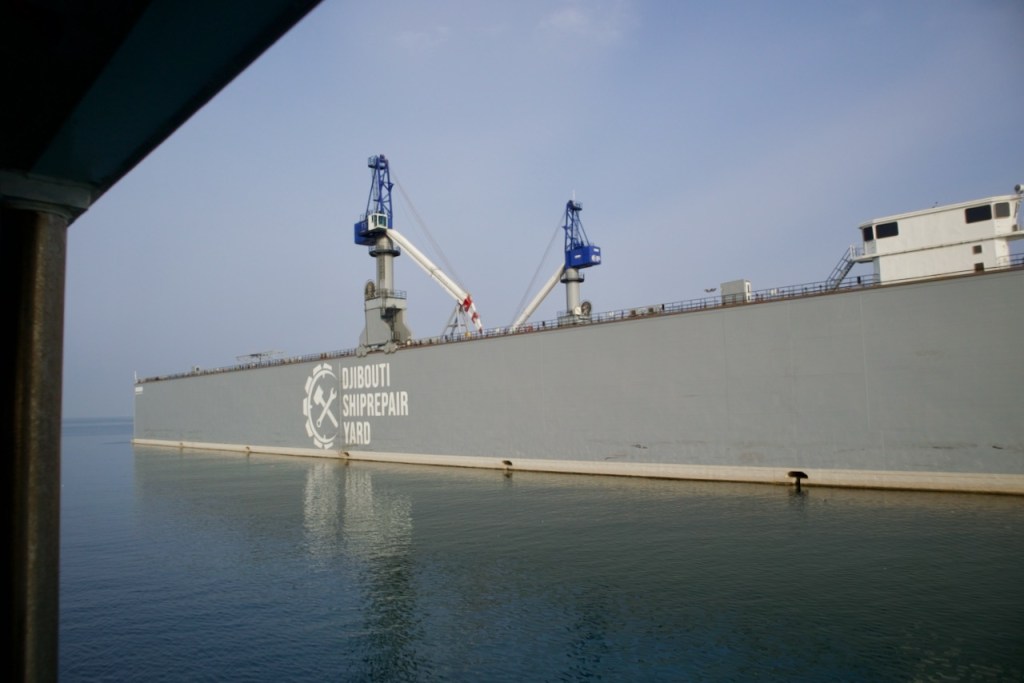
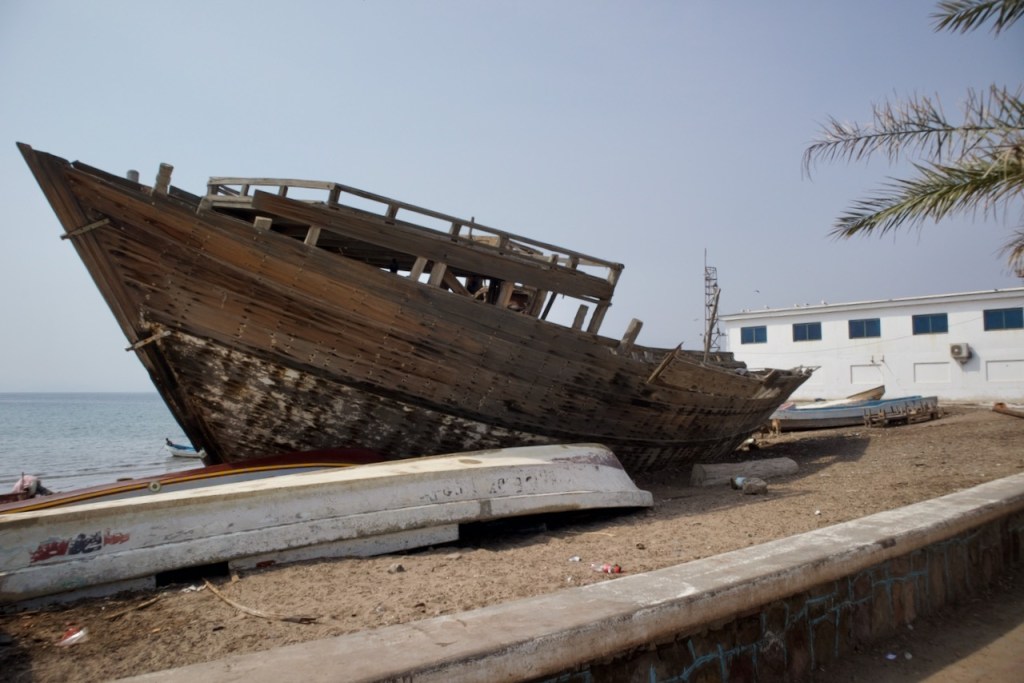
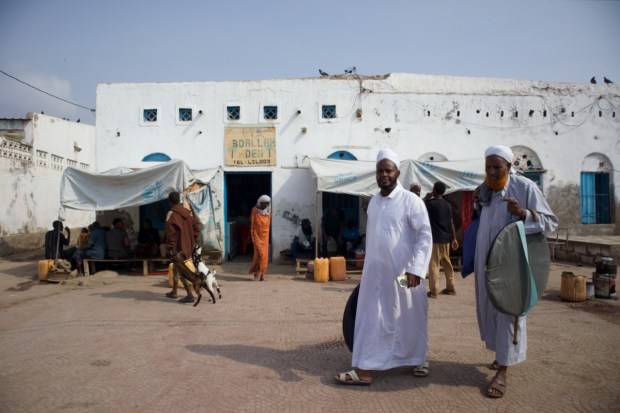
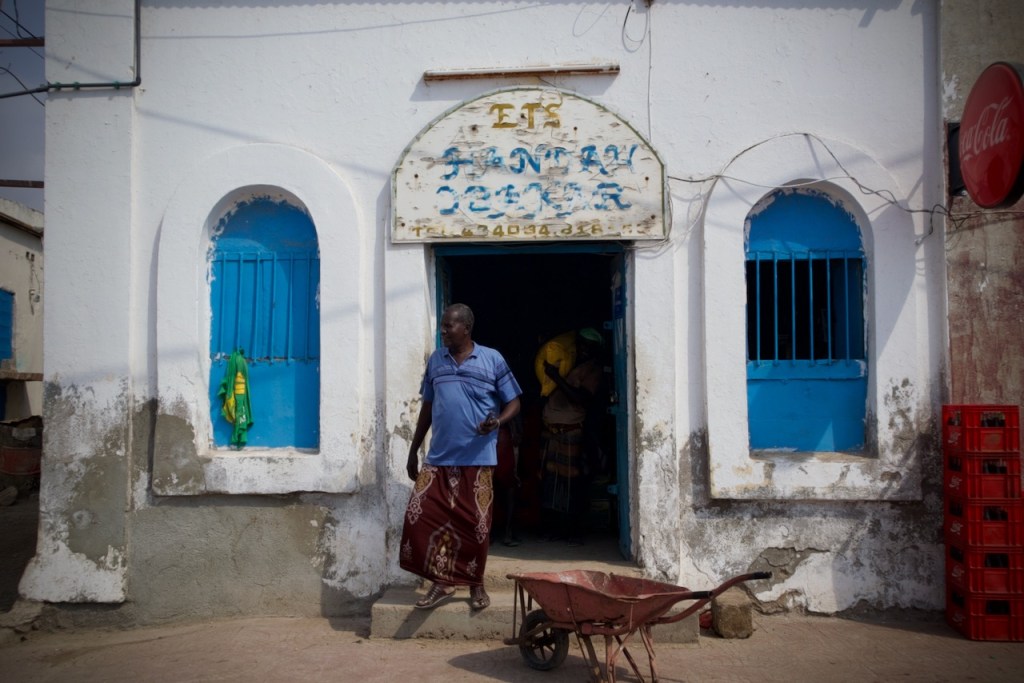
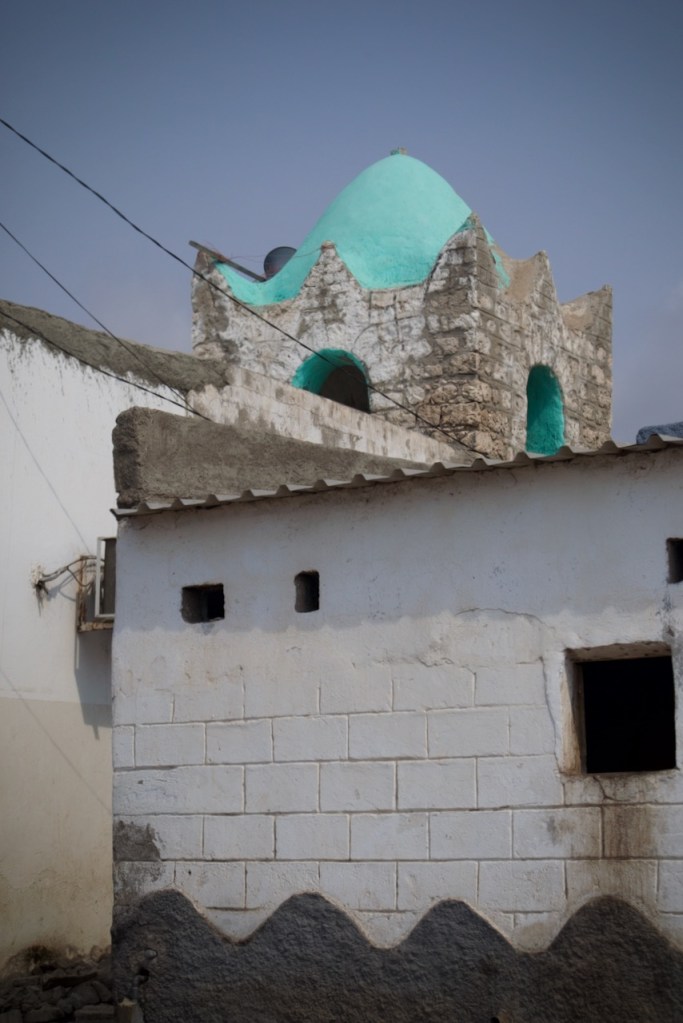

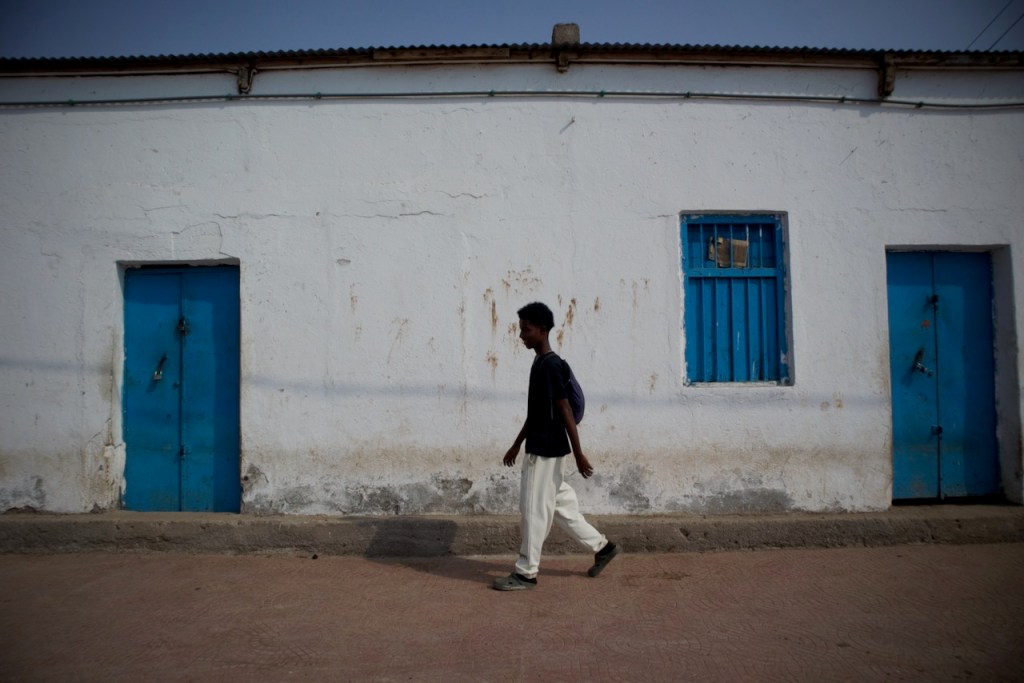
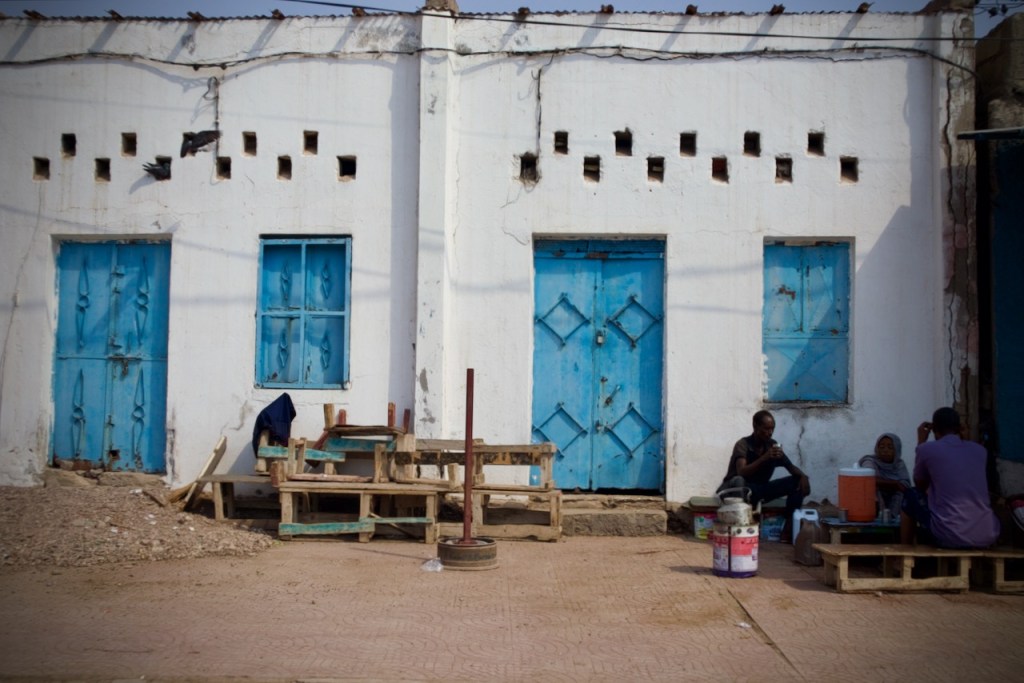

It being only three in the afternoon, I want to take advantage of the late afternoon light for a few last shots of the old city only to be stopped by the police. Permis?! he asks. Permit, show me your permit! he demands. Oops! what permit? I vaguely remember reading about having to apply for a photo permit but have been roaming around without one. In the few steps I follow the cop, I manage to change my SD card and snap a quick shot of a random street, deleting that in front of him and showing an empty screen, thereby saving all my photos in my other card. Whew! Flashbacks to a similar incident in my recent adventure to Afghanistan come immediately to mind. It’s time to leave before I get into more serious trouble!
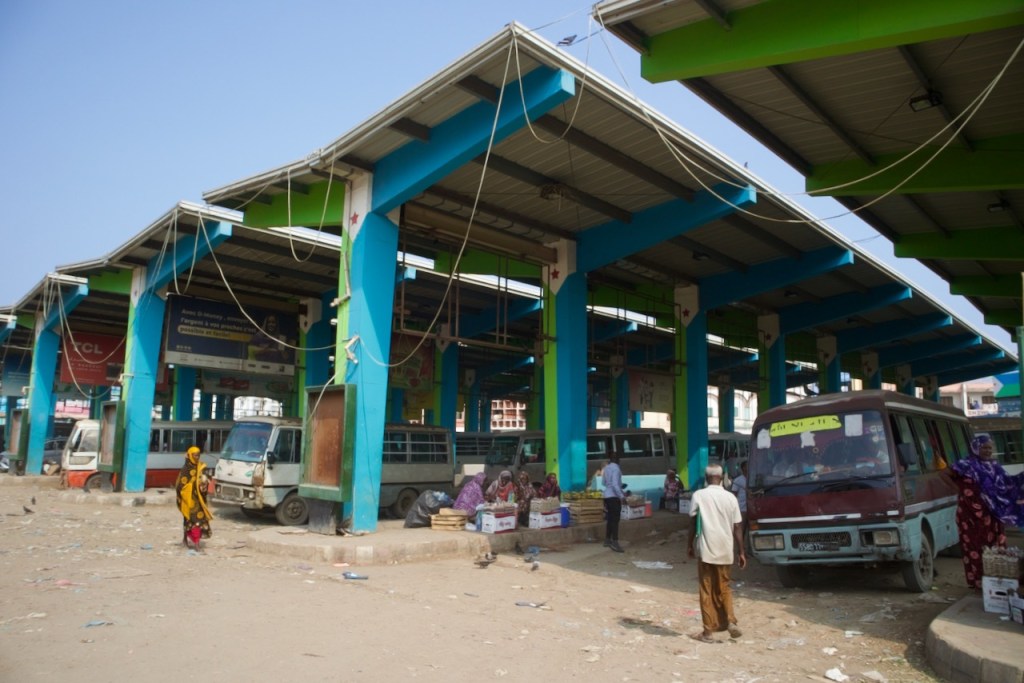
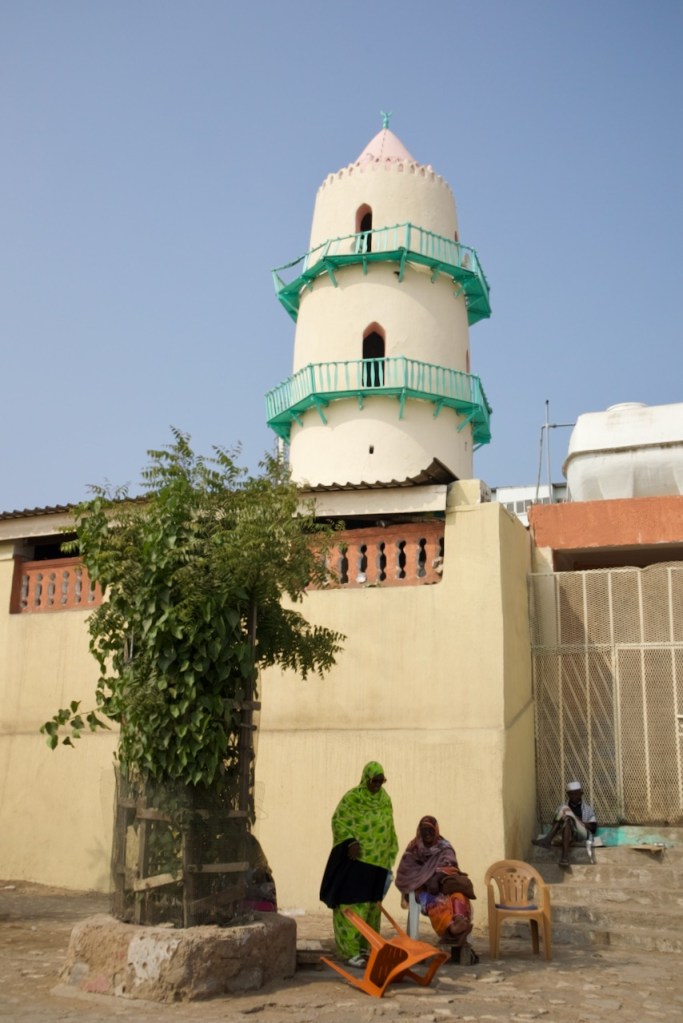
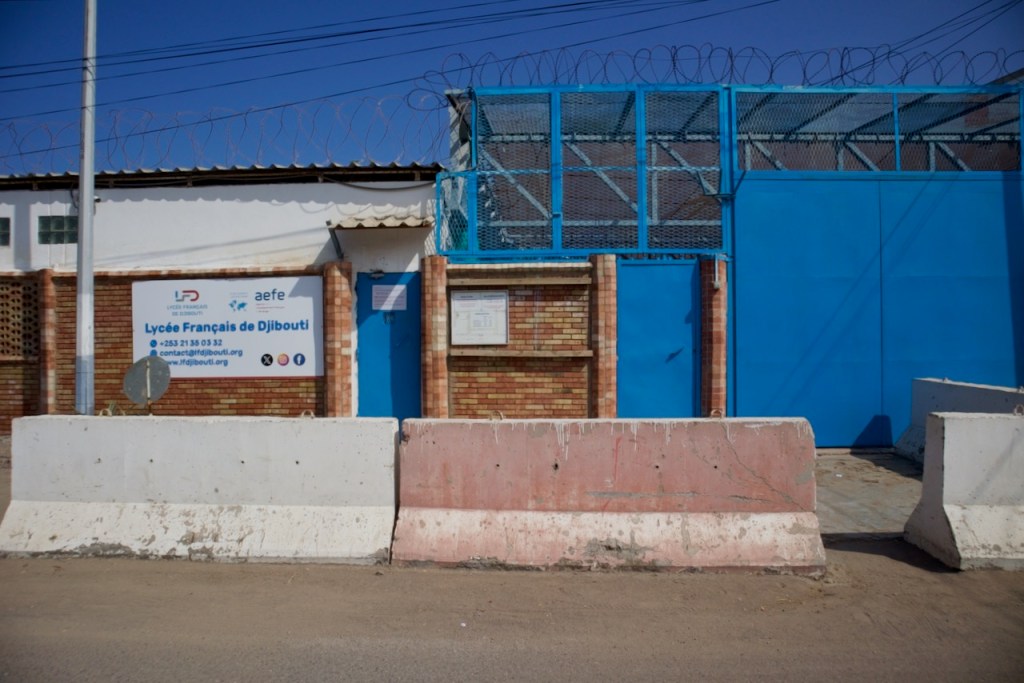

Djibouti is unlikely going to be your destination of choice (even though I came across visitors who come here just for whale sharks). Here I meet mostly 193ers – travellers who attempt to visit all countries in the world. I find the locals friendly and the landscapes beautiful. Tours are in general expensive, ranging in the thousands of dollars/euros, but with more time and patience, more affordable alternatives could possibly be found to explore more remote beautiful corners of this little visited country. Like in Eritrea, another lesson learned, especially in African travels: avoid a quick-in, quick-out trip. Leave room for serendipity!
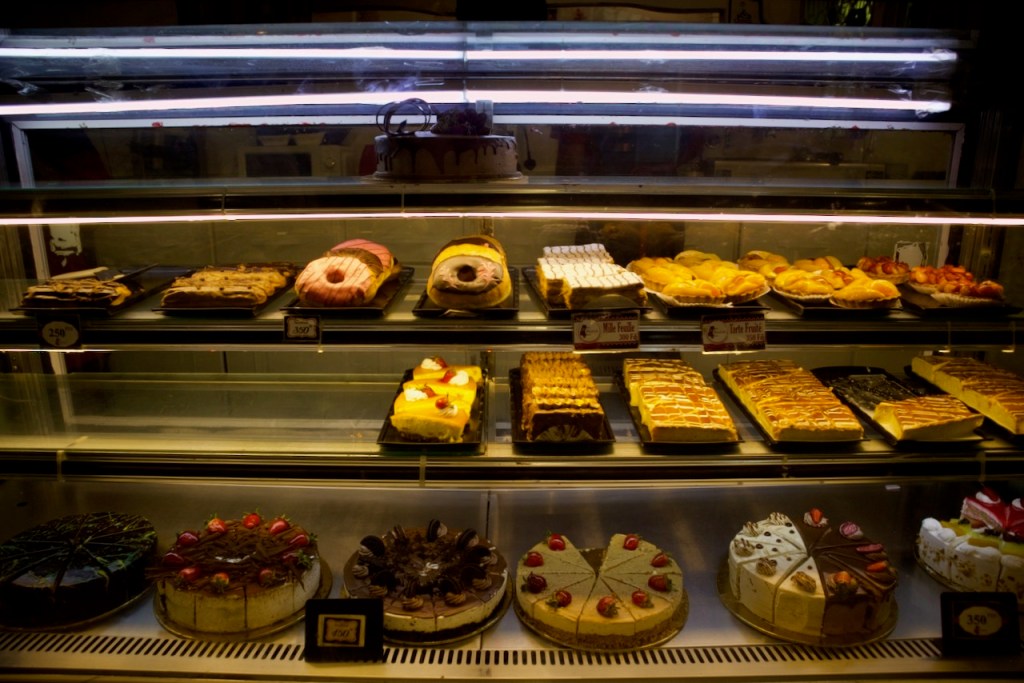


This is part of a seven-country tour in post-conflict societies in the Middle East and the Horn of Africa in 2025 from Syria to Iraq, Saudi Arabia, Libya, Eritrea, Djibouti, and Somalia. A scheduled trip to Yemen as part of this project was cancelled due to renewed conflict in the country at the time of writing.
Syria: on the Road to Damascus
All Content © 2026 by Jennifer Chan
 Jennifer Chan Photography