

We meet heart to heart:
With much to learn, but smart
Enough to know what hurts.
-Reesom Haile
December 2025
I was in the Danakil Depression, Ethiopia in 2021 as part of a year of minimalist travels across Africa during Covid, but stopped short of overlanding to Eritrea used by the rebels in transit during the Ethiopian civil war. Visa rules changed once again a month before my arrival in 2025, making visa on arrival no longer available. So either you apply at an Eritrean Embassy in your home country – not always possible, depending on your location – or pay for the service of a fixer. I headed to the Eritrean Embassy in Beirut and called the one in Riyadh, Saudi Arabia, to no avail. So a fixer it would have to be (USD75 service fee + USD70 visa fees). With the paper provided by Mr. Tekeste of Asmara Grande, I fly from Tripoli to Cairo, then Jeddah to Asmara on Christmas eve, not having much of a plan, as any trip outside of the capital city requires a permit and a pricey taxi (USD200 upwards). It is one of the most exotic Christmas, with everything on the fly and suspense till the end whether I could make a trip to the Red Sea.






Christmas Eve in Asmara
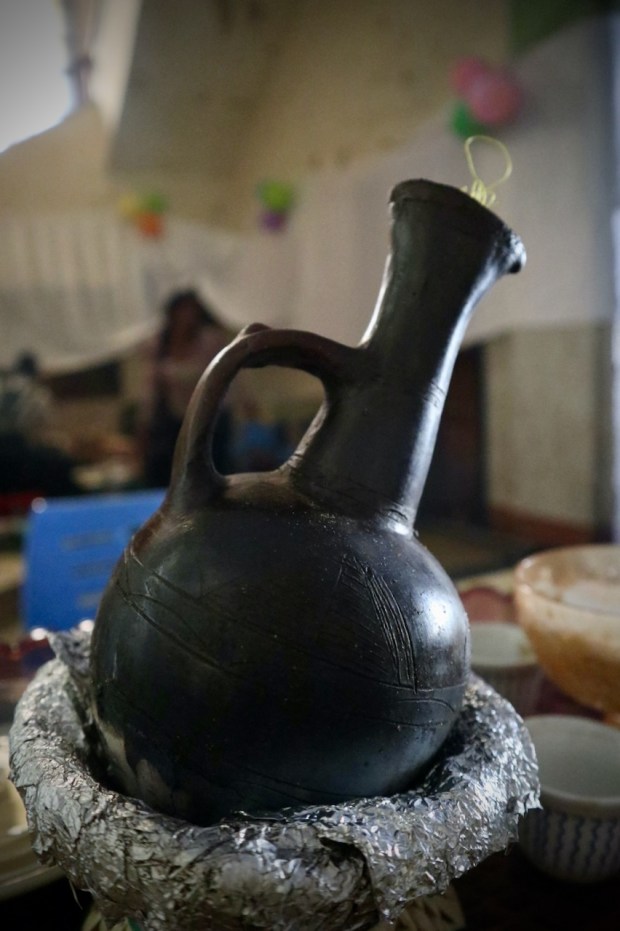
With complex visa rules and stringent travel permit requirements, Eritrea remains one of the least visited countries in the world. It is a relief to board and arrive at the Asmara Airport where the visa is processed smoothly and quickly (no bribe necessary!). Welcome to Eritrea! You want coffee? Mr. Tekeste, my fixer, asks. That would be lovely! I answer, being so exhausted by yet another red-eye flight in the past month of some intense travel from Syria to Iraq, Saudi Arabia, and Libya. Being a non-coffee drinker, I make an exception for the freshly ground and slow brewed coffee that brings back such sweet memories of my two-month visit to neighbouring Ethiopia in 2020.

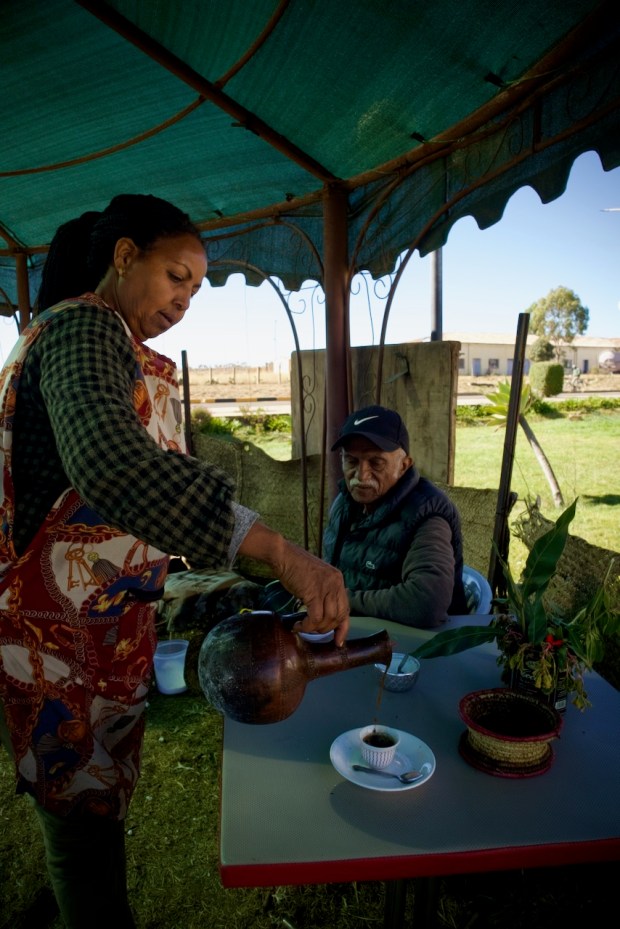
So what is your plan? Mr. Tekeste asks. It depends, I reply. I have a grand total of three days in Eritrea: Christmas eve, Christmas day, and Boxing day. I have informed him over a month ago that I would love to go to Massawa and/or Keren. A day trip to Massawa costs USD200, and a two-day trip to Massawa and Keren costs USD600, he says. So far I haven’t found anyone to share the car, but I will keep you posted. I immediately call a friend of a contact to see if she could find a cheaper option, to no avail, and decide to visit the city instead of wasting precious time on travel bureaucracy.
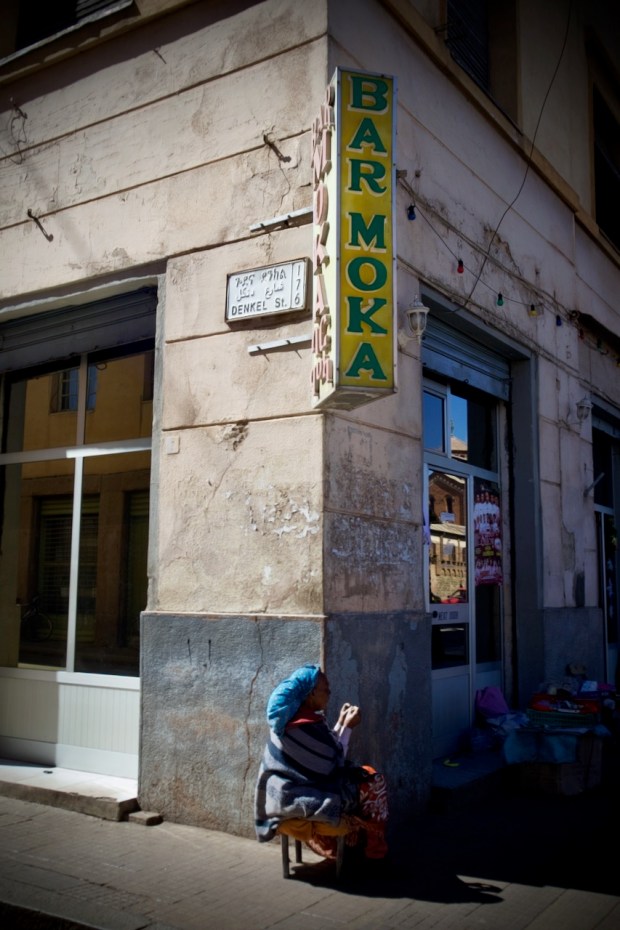
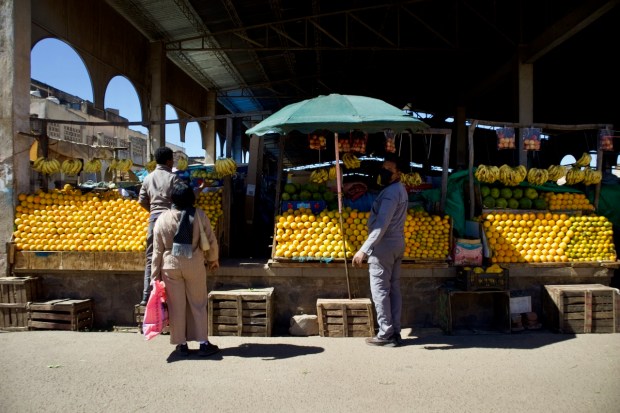
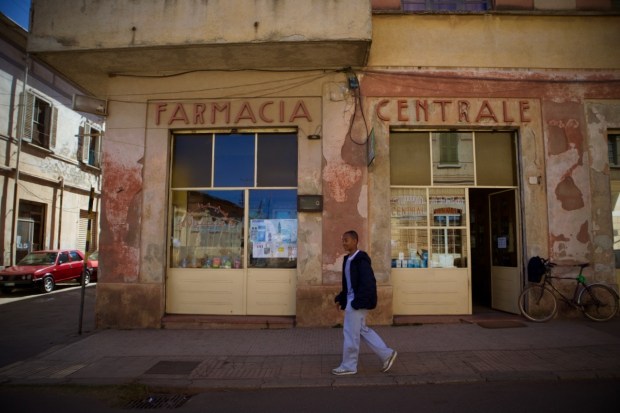
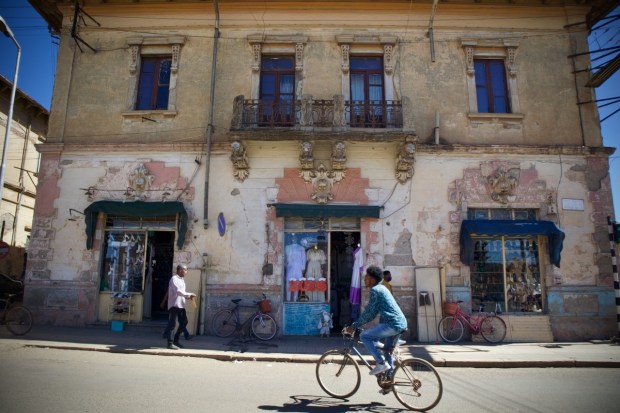
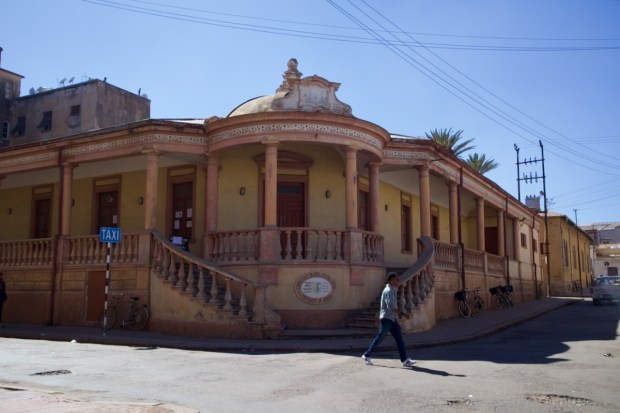
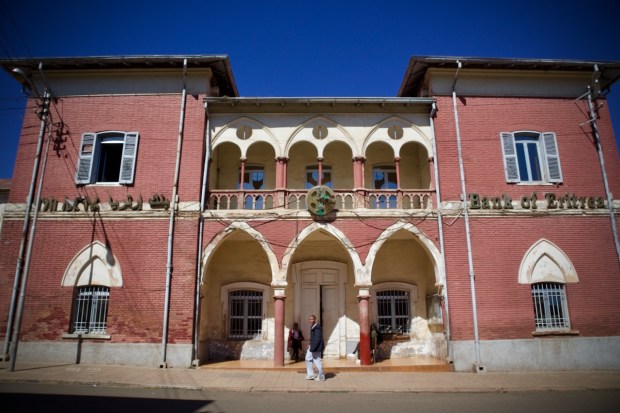
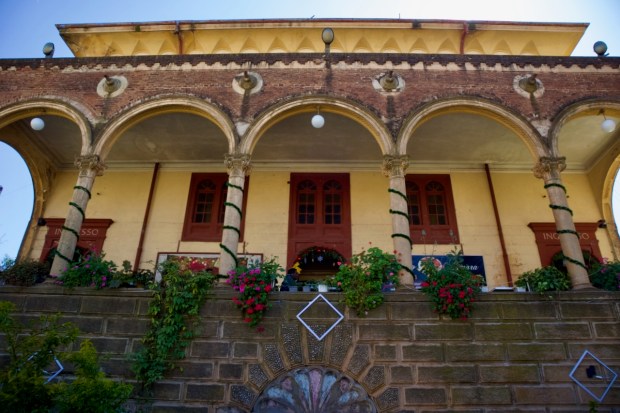
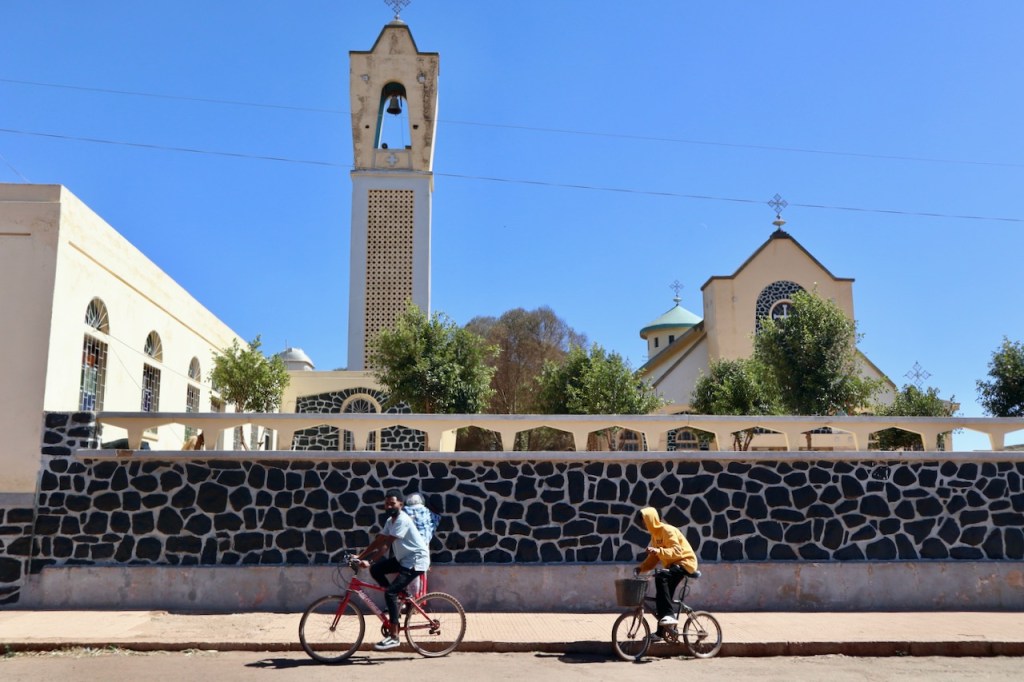
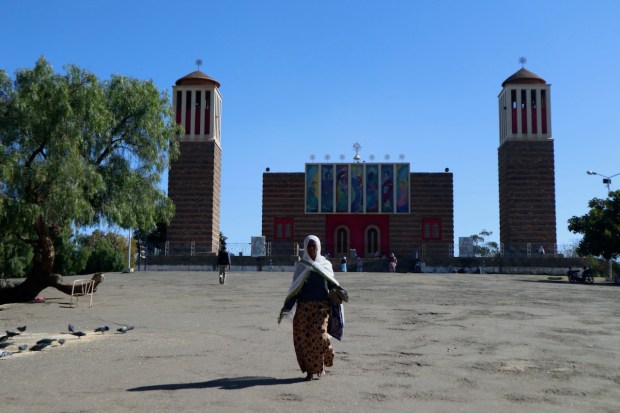
From Cinema Impero, a beautiful Art-Deco building from the Italian era (1937), I walk towards the bazaar, passing through the fish market, the old synagogue, the iconic Al Kulafa Al Rashiudin Mosque, and many cafes teeming with locals enjoying a macchiato, cappuccino, or freshly squeezed guava juice. I feel ravenous after twenty-four hours of travel, and ask a local grocer where I can find good pasta. Hamasien Cafe, he suggests. I order Spaghetti Bolognese, which is not exactly like the one I had in Bologna, but it is something I will remember for a Christmas eve lunch in Eritrea. Sitting at the next table are Aki and her family. My question of how to find a more accessible way to go to Massawa sets us off a wild goose chase all afternoon. Let me ask my taxi driver, she proposes. While waiting, her precocious teenage son gives me an architectural tour, through the Asmara Cathedral to the Old Post Office, Farmacia Centrale, Teatro Asmara and Roma, and the signature Fiat Alighero, dubbed “the most beautiful gas station in the world.”
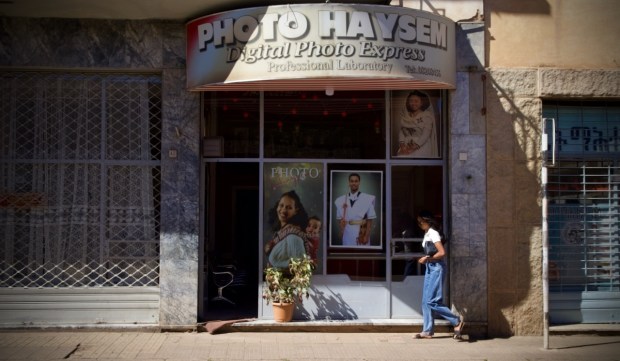

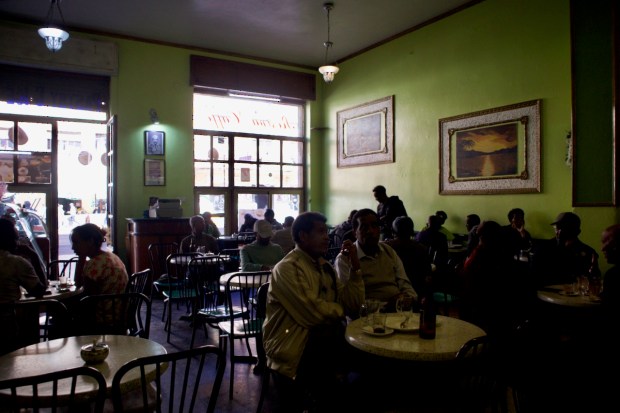
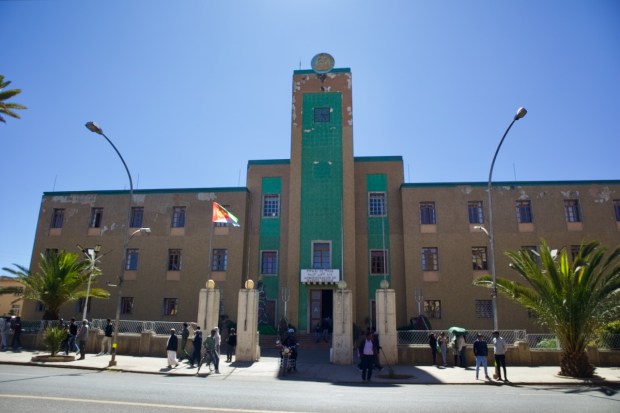
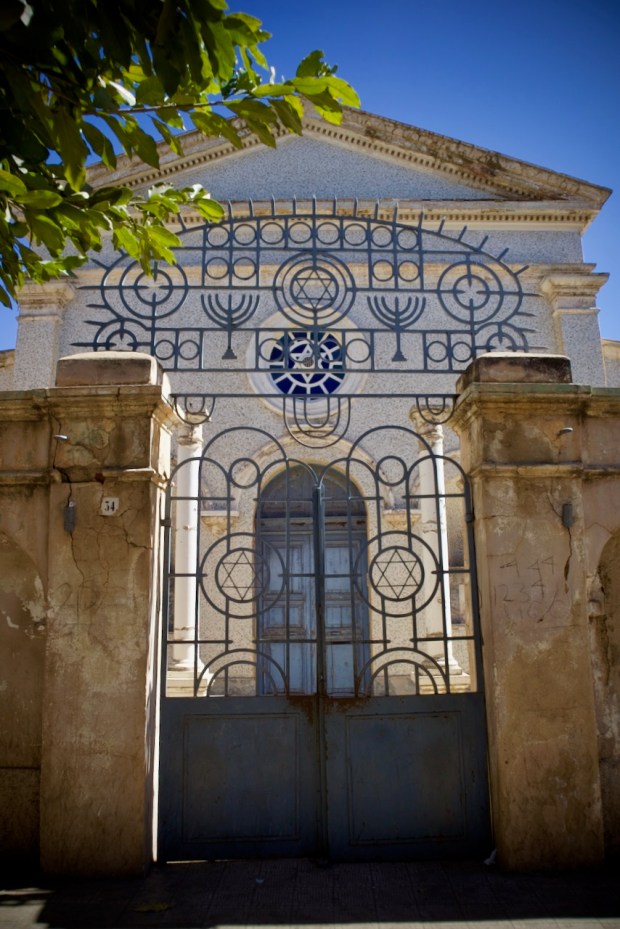
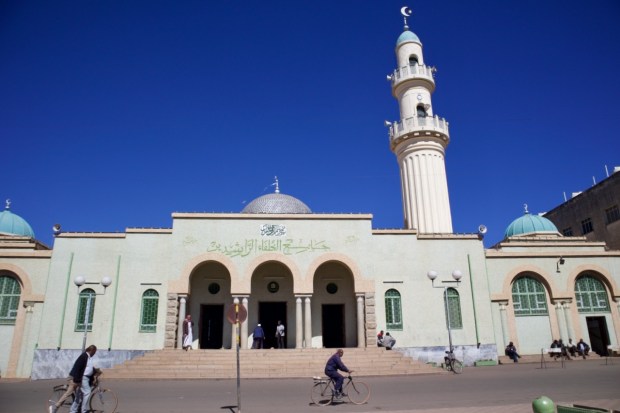
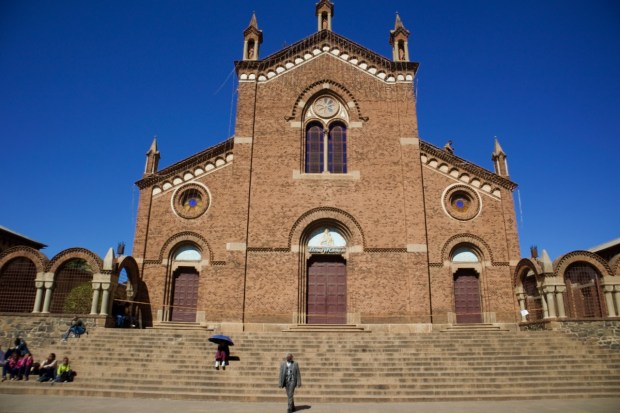
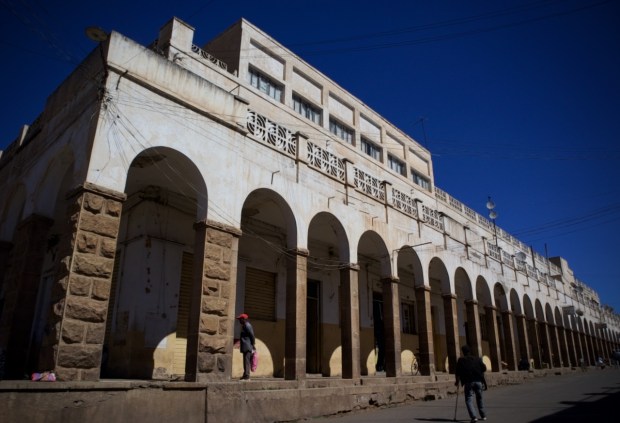


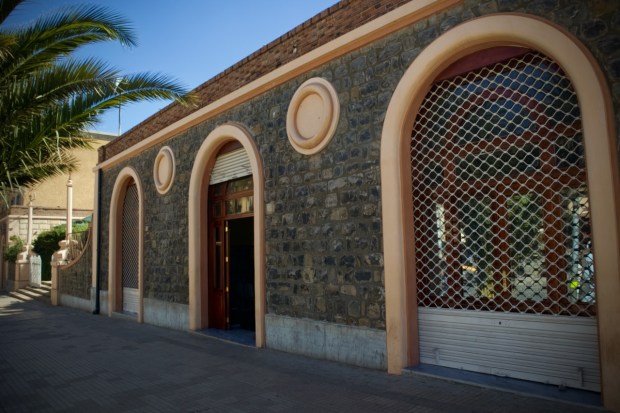
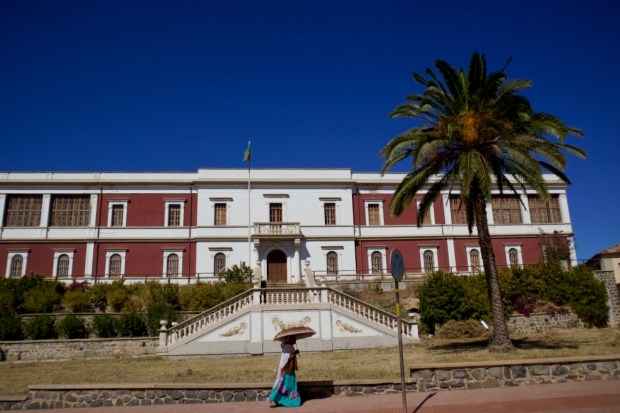
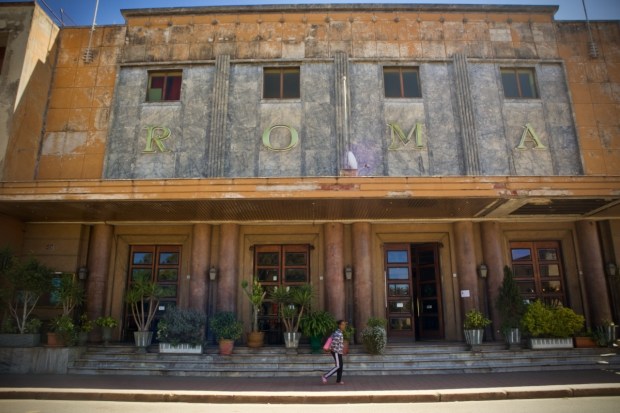
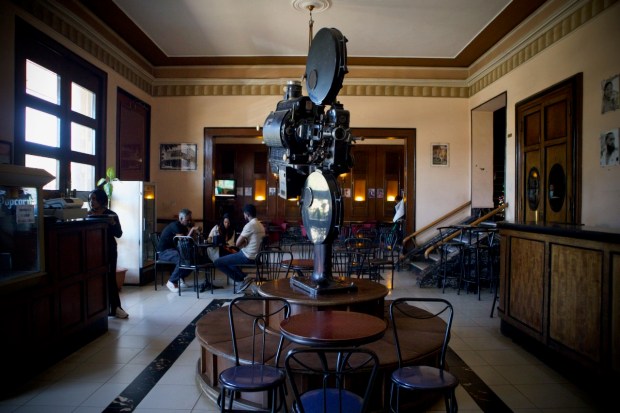
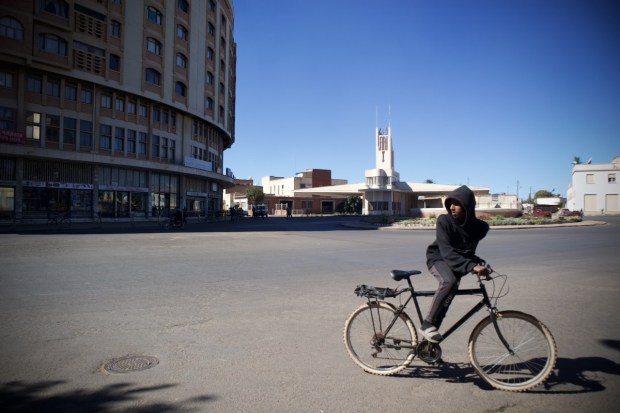
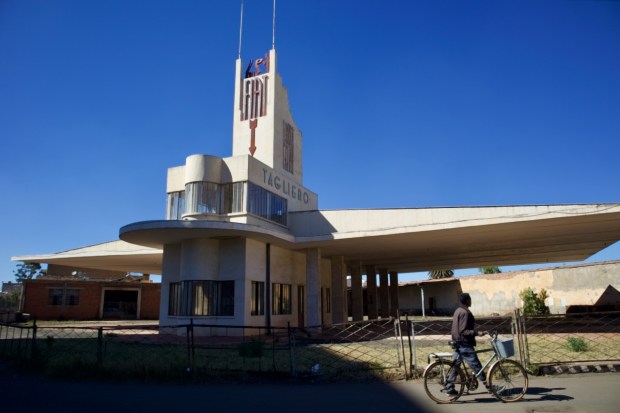
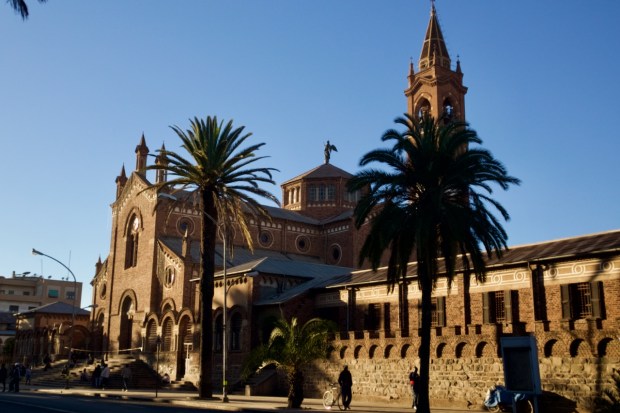

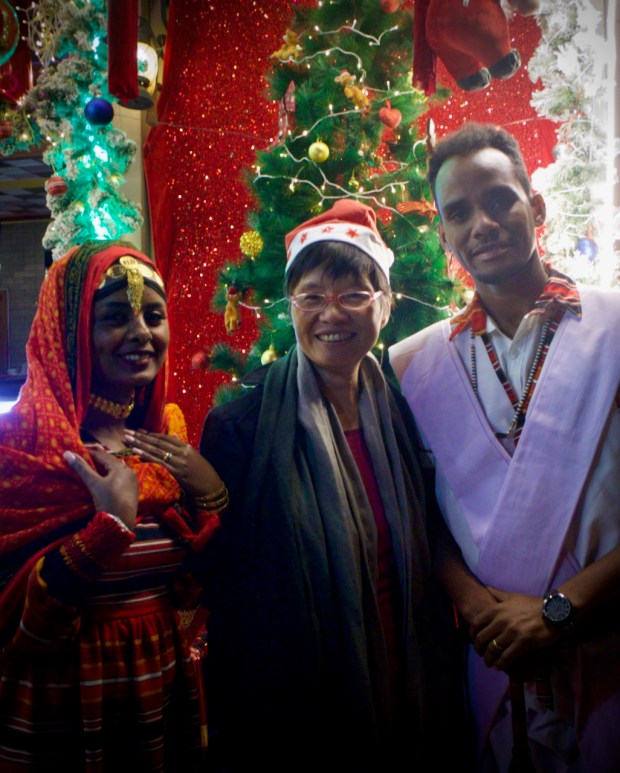
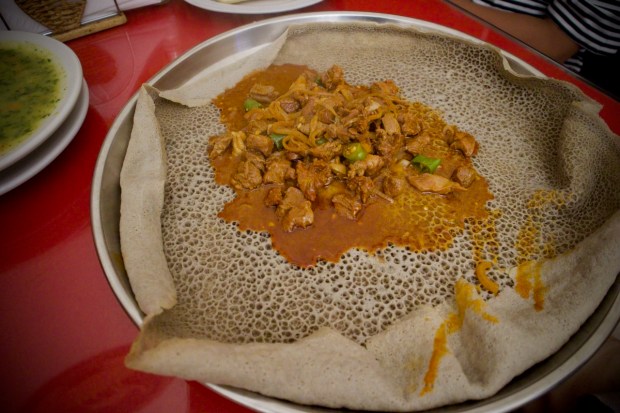
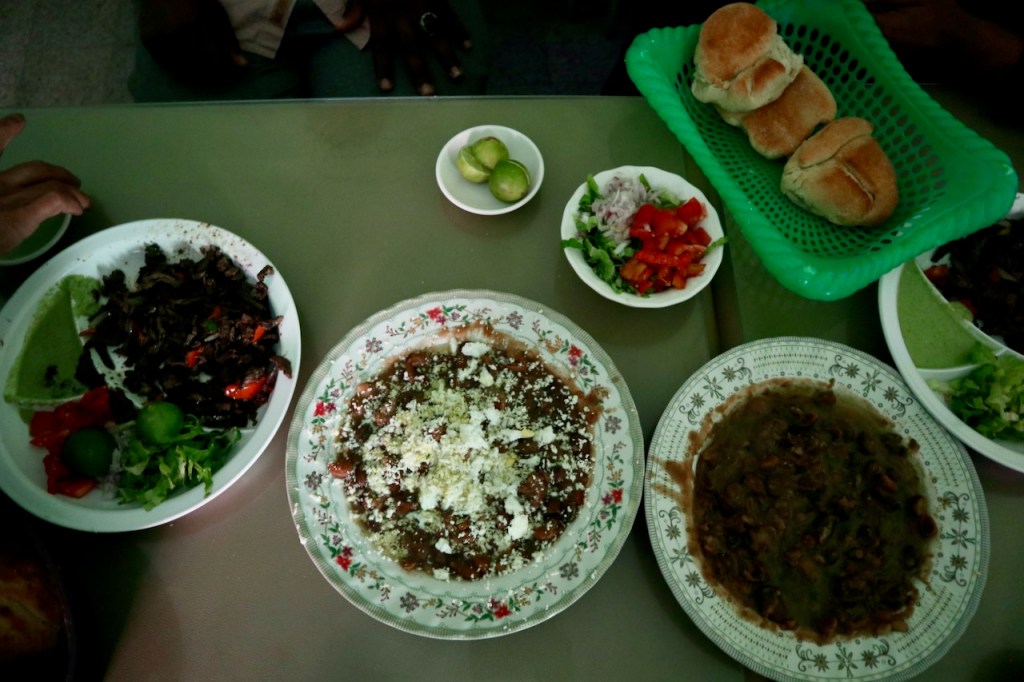
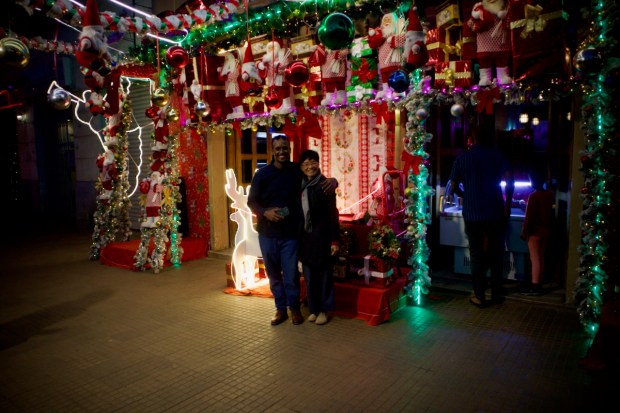
When the taxi driver finally arrives – in timeless Eritrean time – asking for even more (USD300!), the whole plan flops. Then along the main avenue appears Jooda, a Sudanese living in China, who looks at me like a long lost lover and starts mumbling jumbling, nihaoma/how are you? kandaoni jankaixin/So happy to meet you! When he understands that I am desperately looking for a driver to go to Massawa, he reassures me meiyauwentila/no problem! It’s 3:30pm then and the Tourist Office where the permit is issued closes at four. He calls his pal, Mohammed, who is 1) from Massawa 2) has a car and 3) knows the local mayor! I feel buoyant by this gratuitous twist of event, feeling hopeful for a memorable trip to the UNESCO World Heritage city by the Red Sea on Christmas day. When he finally shows up and my passport and visa copies are ready, we are told only taxis and rental cars are allowed, absolutely nothing else, with mayoral connections or not. It feels like a cartel, probably only the tip of the iceberg in this “North Korea of Africa.” As an aside, if you are a digital nomad and/or cannot live offline, Eritrea may not be your destination of choice, as wifi access is at best sporadic and practically nonexistent even at the big hotels. I imagine this as a direct/indirect way of state control, reminding me somehow of the remote kingdom of Bhutan where the mythic philosophy of gross national happiness masks continued underdevelopment and isolation. Anyway, as a traveller, you adapt to what is on offer, and, thankfully, there is plenty to enjoy in Asmara. For now, we just soak in the joyful Christmas atmosphere – with music and lights and Santa – and enjoy a feast of tibsi Eritrean style of sautéed spiced beef and liver with onions and peppers, served with injera at a Ghibabo, a popular local restaurant.
There’s a party at our hotel! Aki says, so we hop on a taxi to find Asmara Palace as quiet as a haunted house. It’s just a practice for the real thing on new year eve, the receptionist explains. Let’s go clubbing, Jooda then proposes. Aki’s family goes silent before retreating to their room. My eyes could barely stay open after 36 hours of no sleep. Tomorrow, tomorrow we’ll go clubbing, I promise.

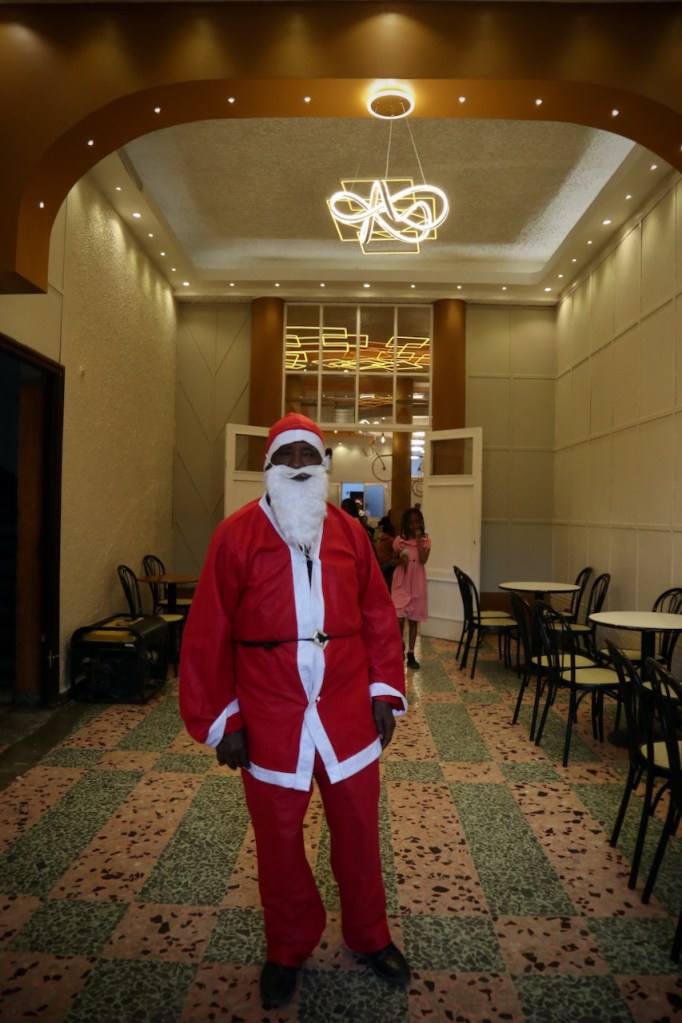

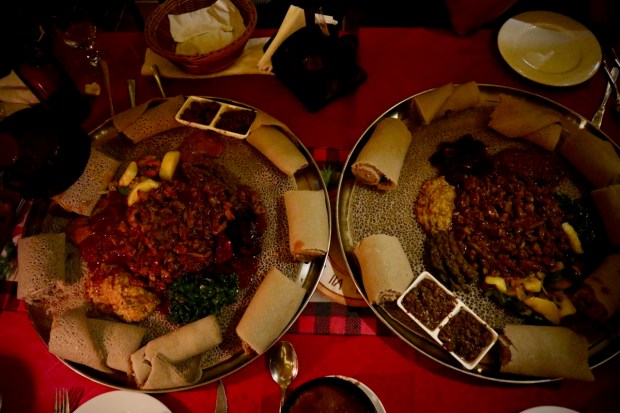
Christmas Clubbing in Asmara
For most Eritreans, mornings begin with a strong macchiato. Jooda takes me to Cafe Tre Stella where his pals hang out. There I meet his business partner, the father of Mohammed who is looking for a wholesale buyer of sea cucumber harvested in the Red Sea. Selalik, lega, abu sanduk, cary fish, sand fish, and white sand fish grade 1 (premium stuff!), he shows me photos of the delicacy beloved by the Chinese one by one. Next time you come, we help you with a business visa! he says. Without my knowing, I am now in (potential) trading. Why not, if this helps me return to Eritrea without a fixer?
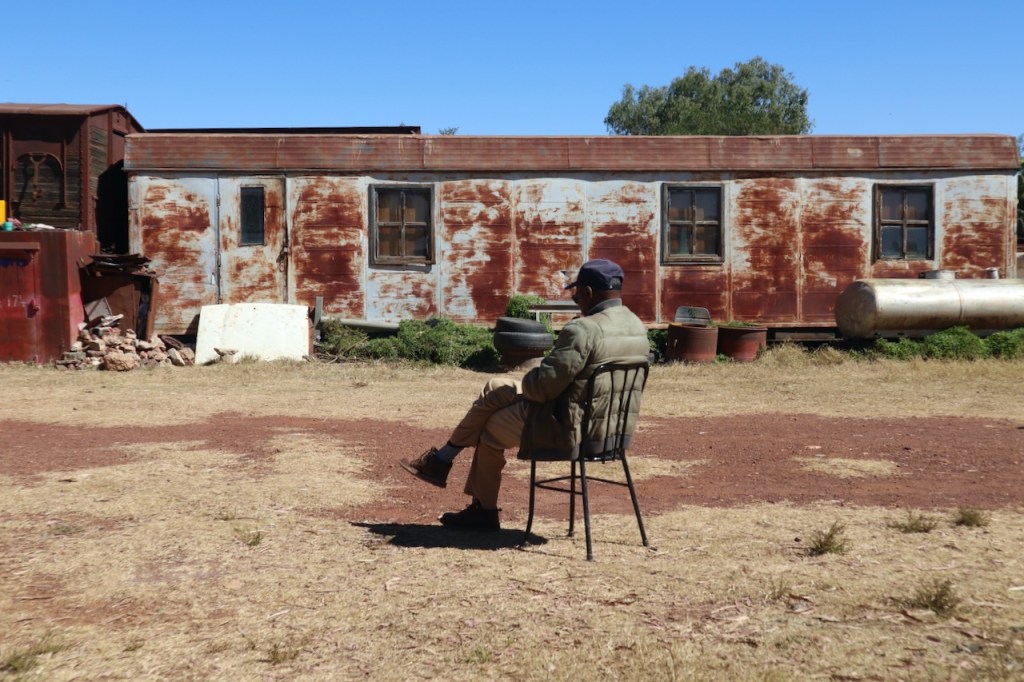
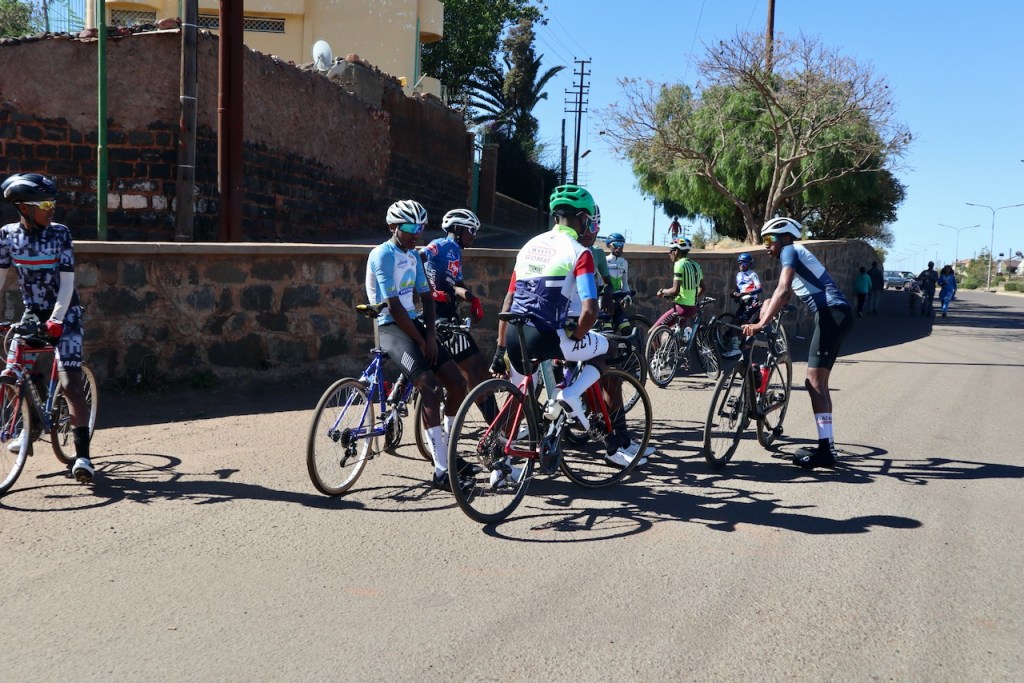
All the time we spent at the Tourist Office yesterday was not lost. Aki managed to secure me a free permit – with her as a local guide – to visit the Tank Cemetery en famille, a field littered with thousands of military tanks, a poignant monument about the 30-year-old war between Ethiopia and Eritrea. A highly photogenic open-air museum and a history lesson that I feel privileged to visit and share with a diasporic Eritrean family. Everyone is impacted by that protracted war; no family is untouched, Aki’s husband says. Though in a different context, it reminds me of the genocide museums in Rwanda and the importance of peace education in post-conflict societies. The site is right next to Kagnew Station, the former US military base from the 1940s to the mid-1970s, an important Cold War listening post for signal intelligence staffed by self-contained American community with schools, supermarkets, and movie theatres. We have to make a detour as a cycling competition is on that morning. Apparently, cycling is now all the rage in the country ever since Biniam Girmay made history by becoming the first African to win the Green Jersey, as the best sprinter, in the Tour de France in 2024. It is marvellous to see/feel all the energy and the hope of a nation so little known to the outside world.

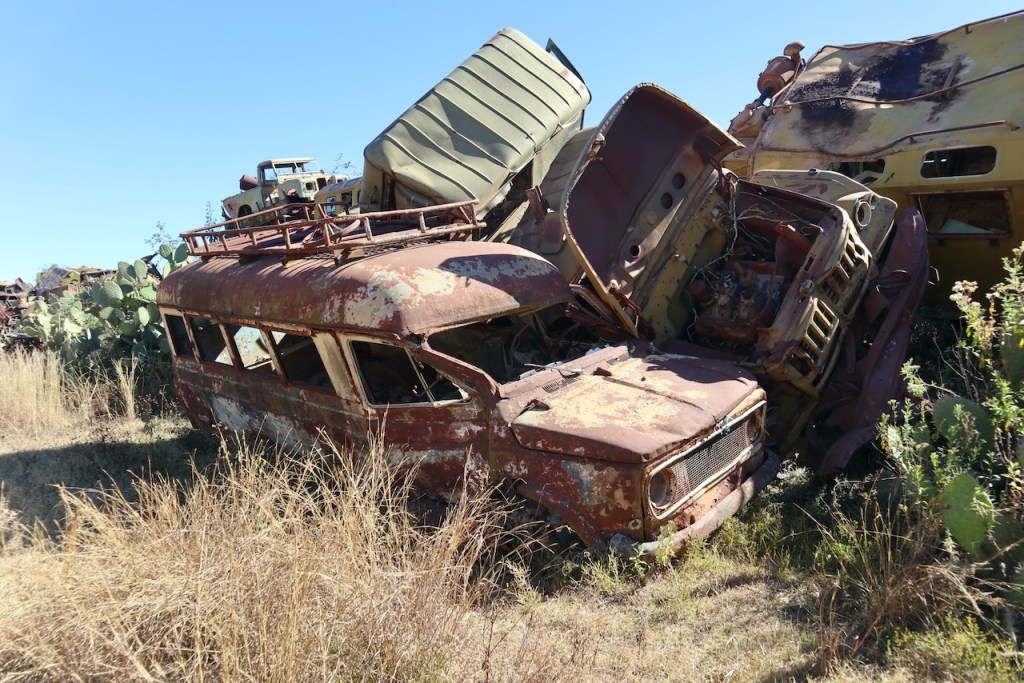
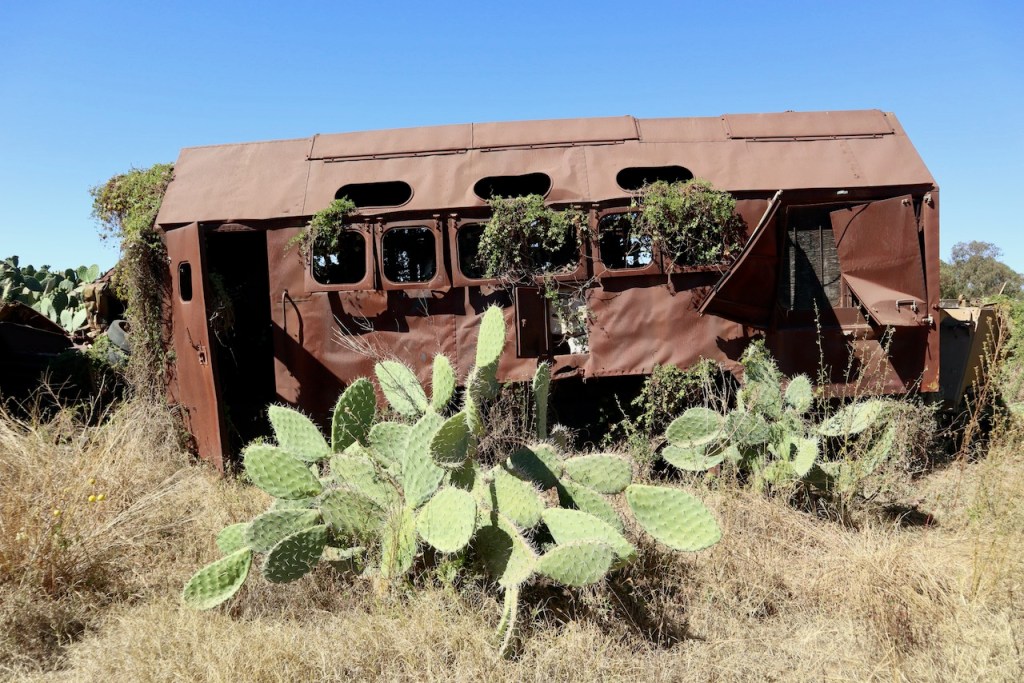
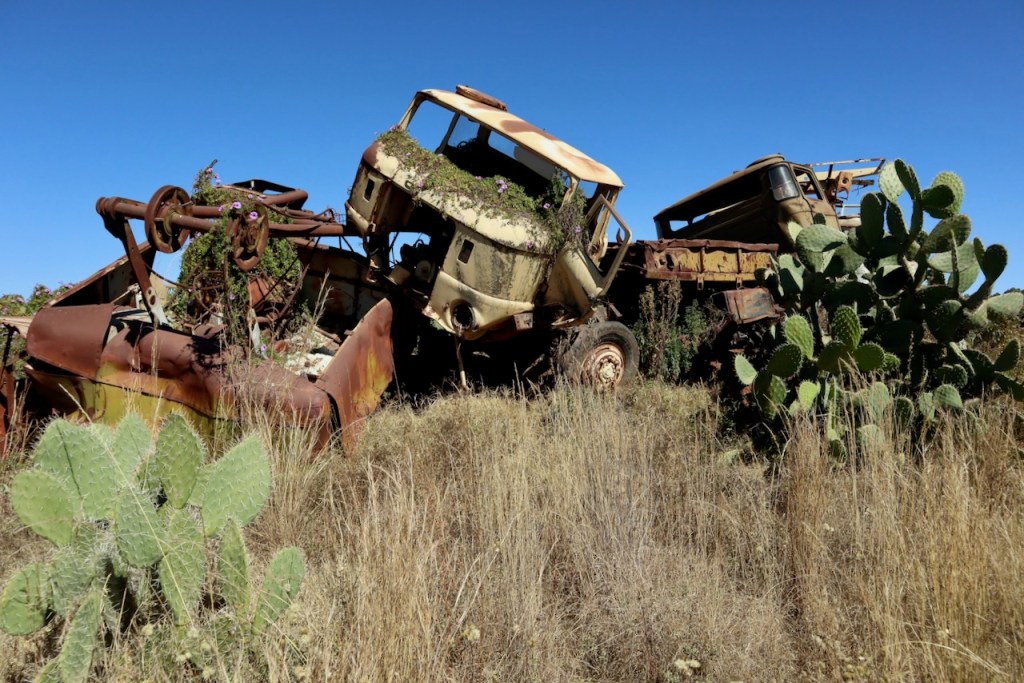
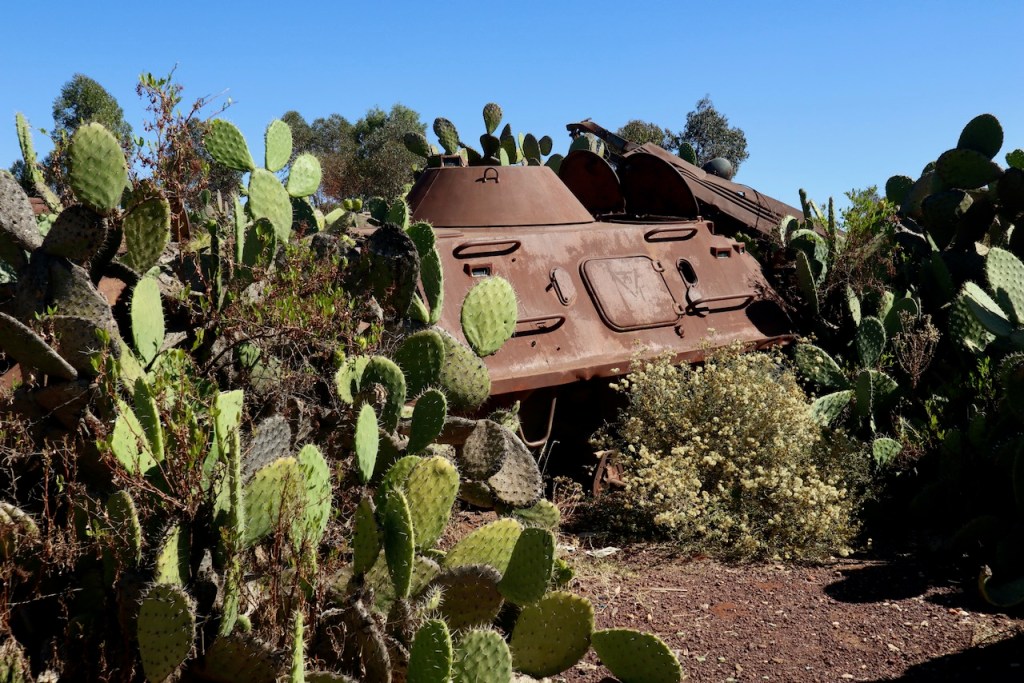
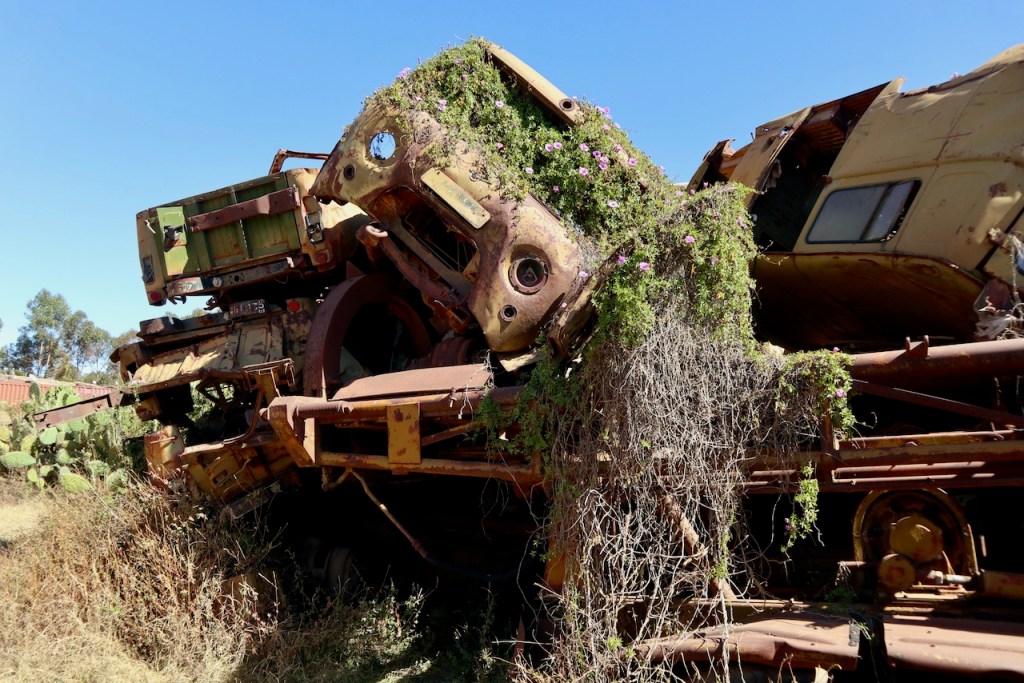
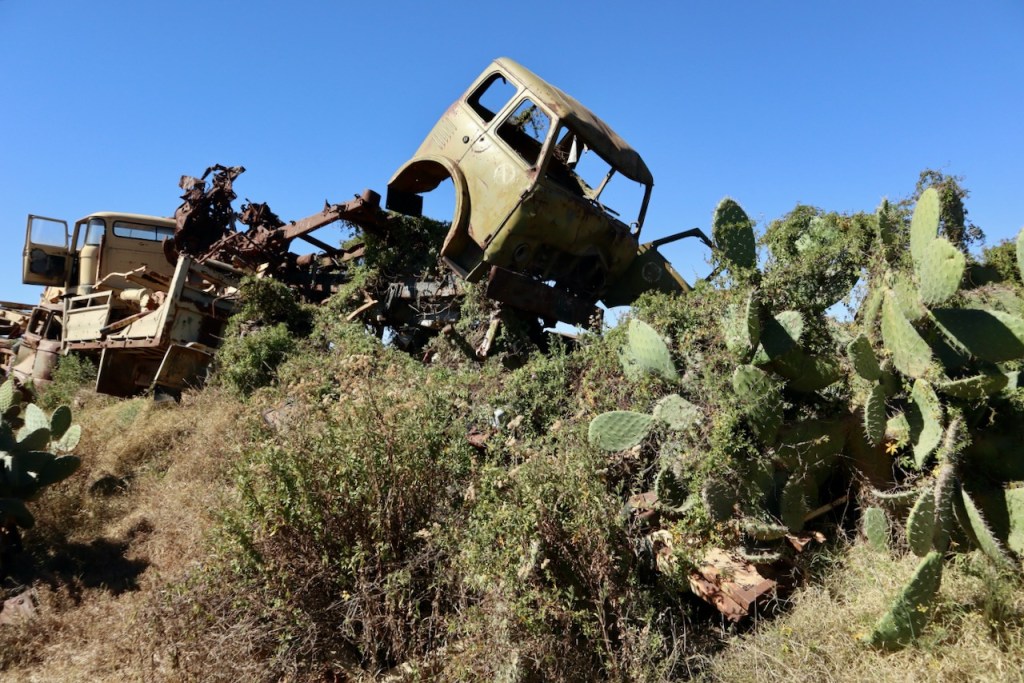
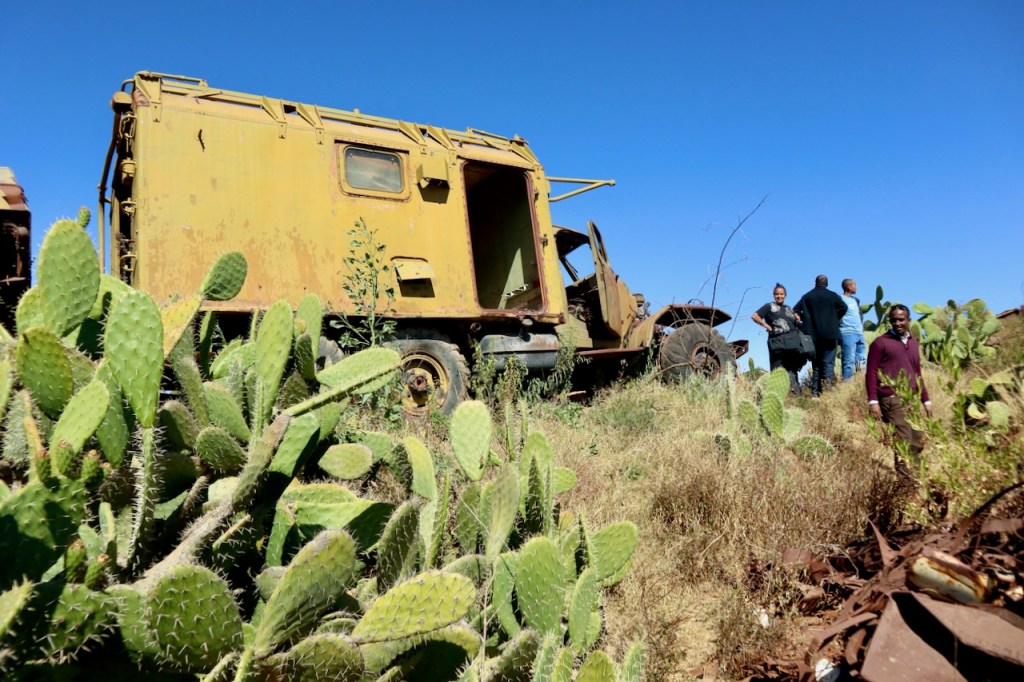

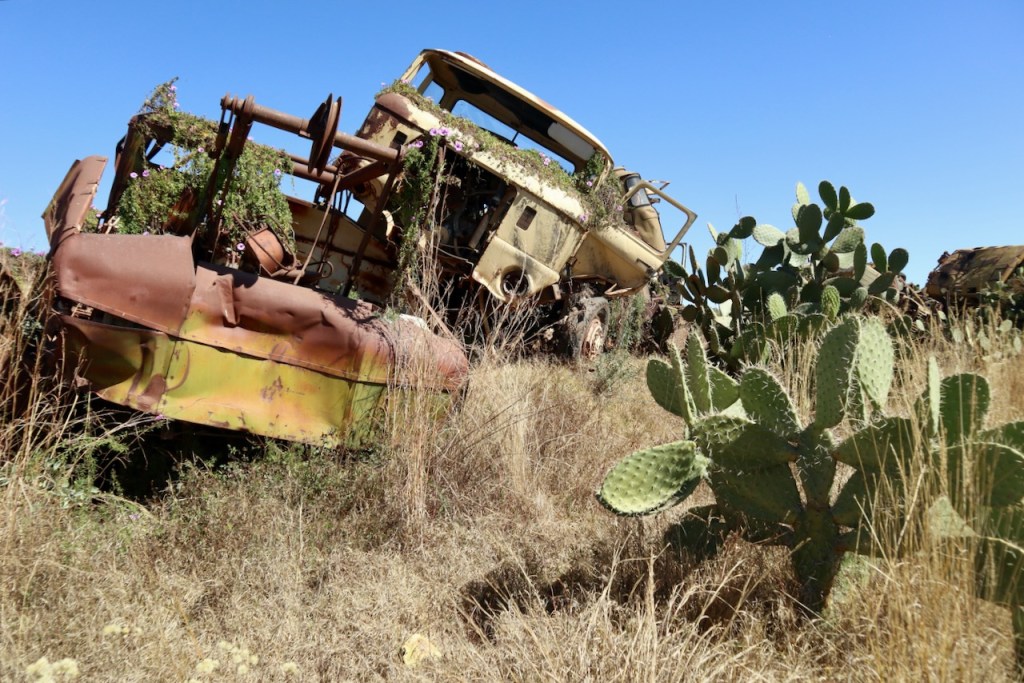

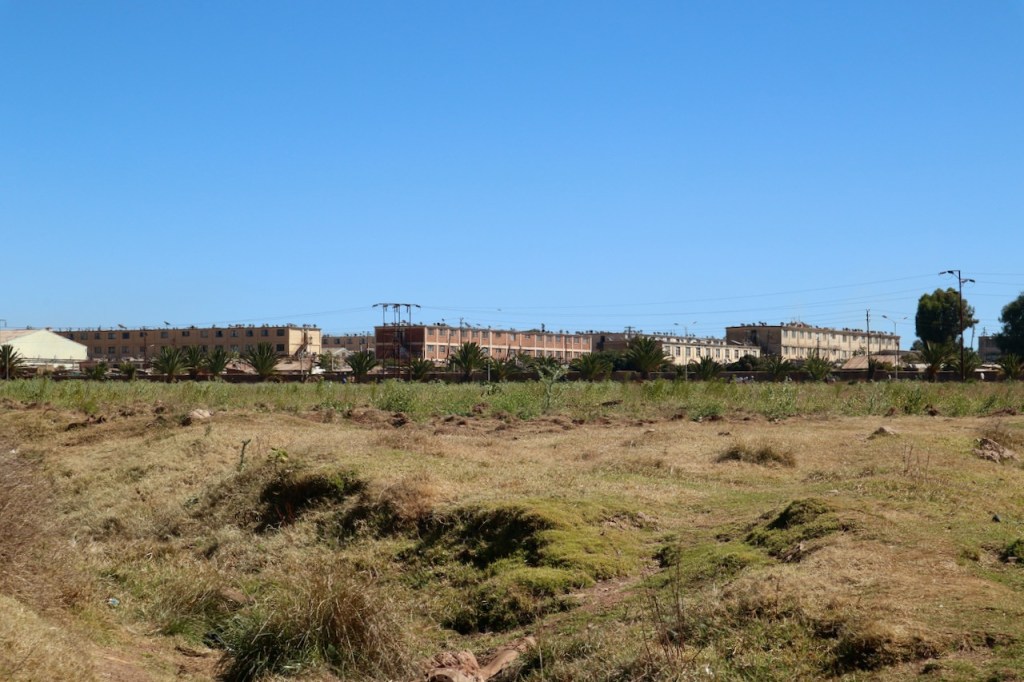
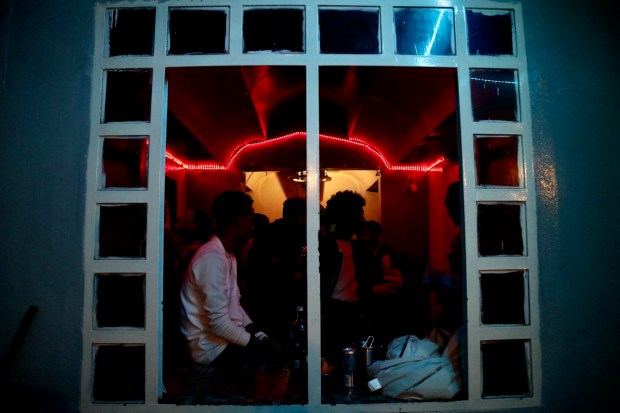
Maybe with the potential sea cucumber deal in mind, Mohammed chauffeurs us around, from the Baldisera Fortress with a bird-eye view of Asmara to the Italian War Cemetery, all the way to the outskirts of town on the road to Massawa. A consolation, I tell myself. Situated at over 2,300m, Asmara has a dry and mild winter compared to the coast. I find the relatively small capital city charming, arguably one of the most photogenic in Africa. After a late Sudanese Christmas lunch of ful medenese, we say goodbye to Aki’s family. At 10pm, Jooda and I head to Zara Bar. What a wild experience to spend Christmas night dancing with Eritreans to exotic tunes!


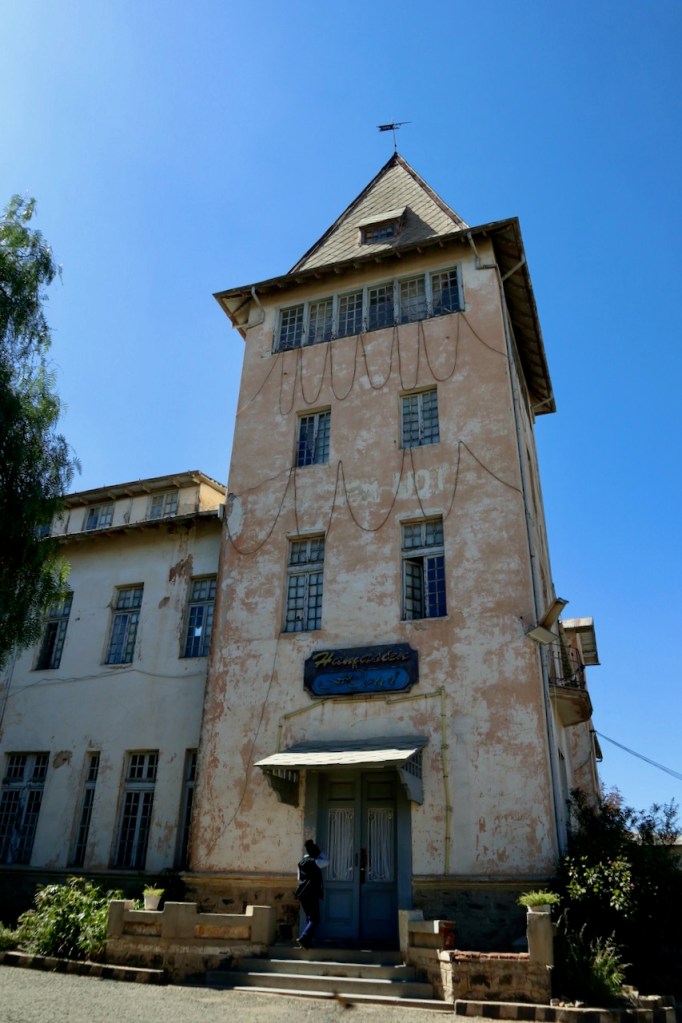
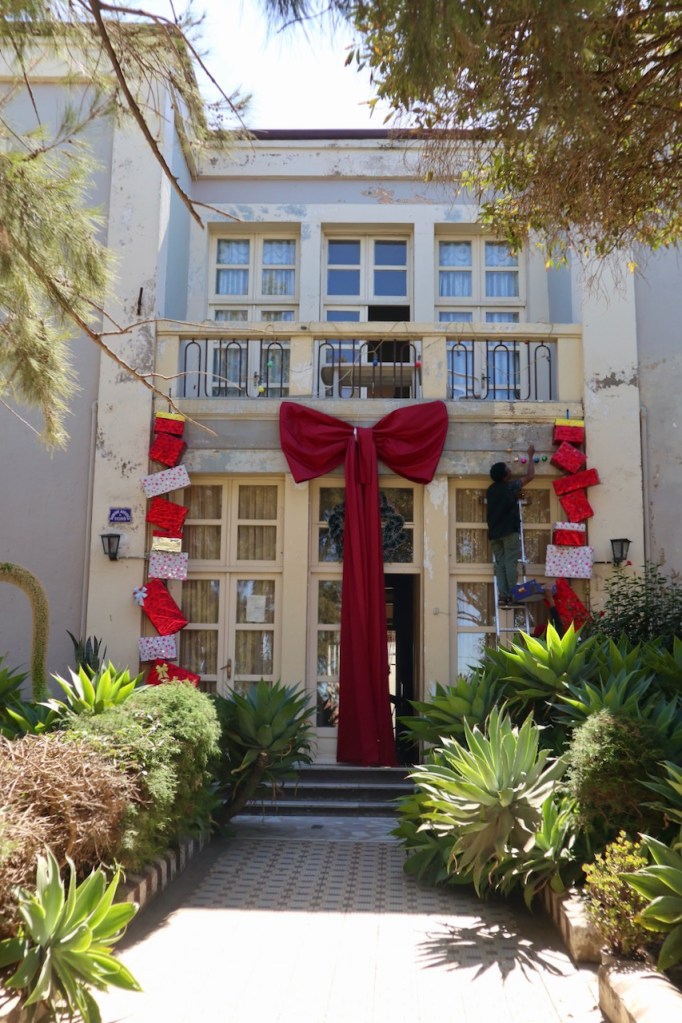
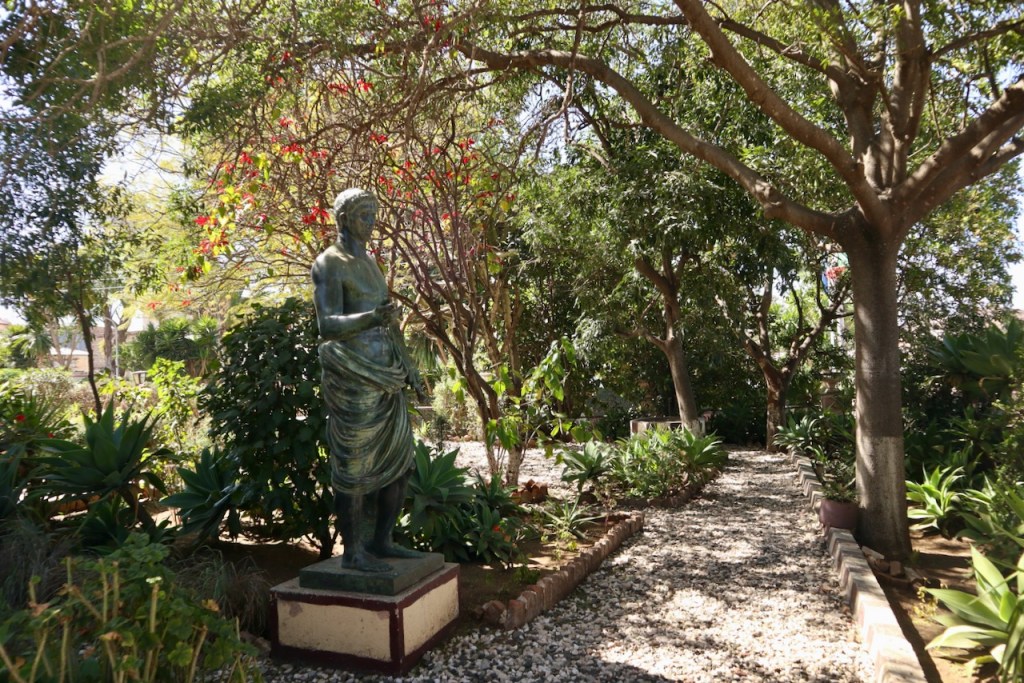
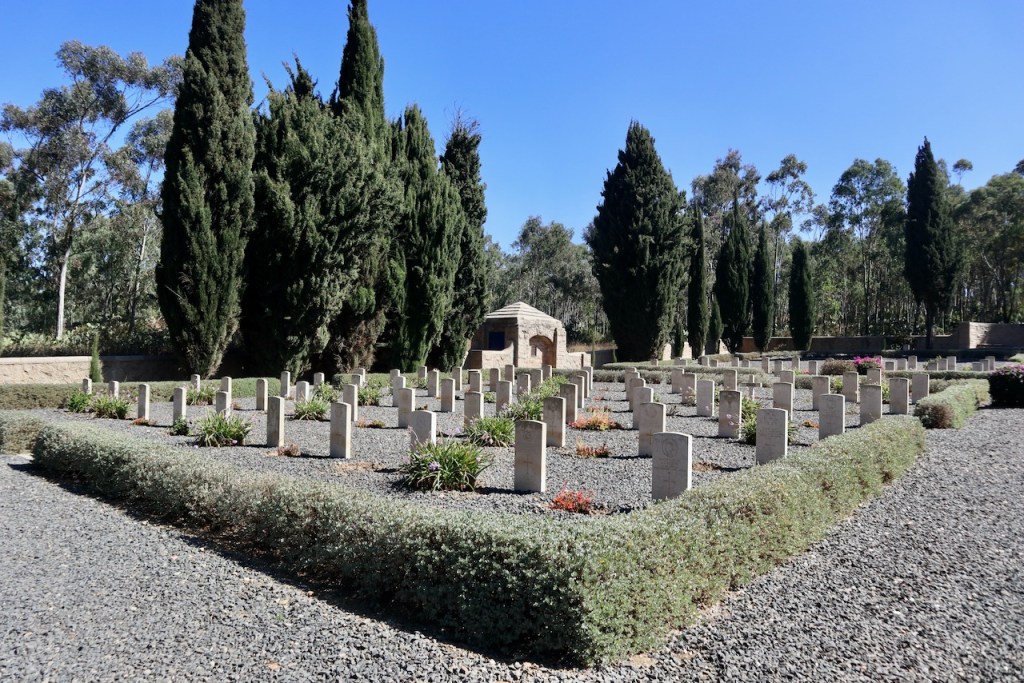
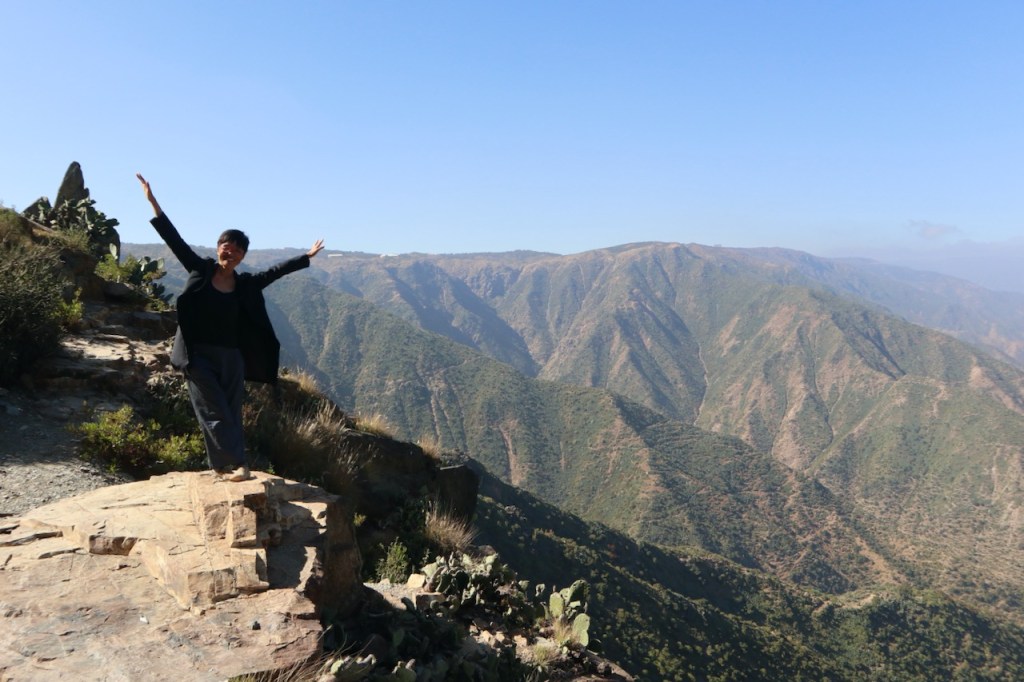
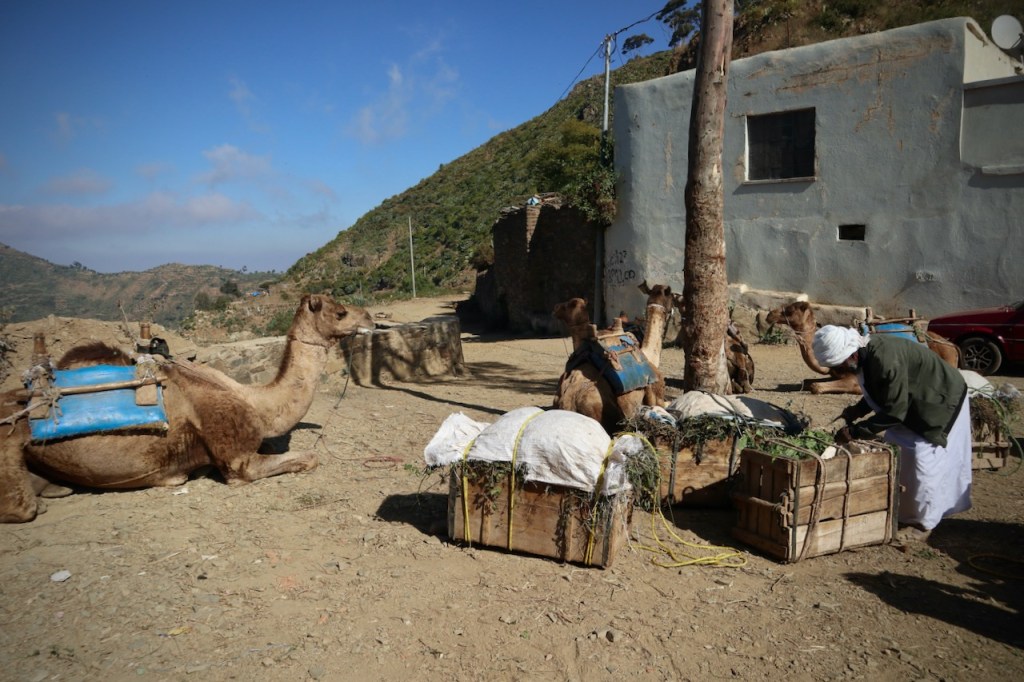
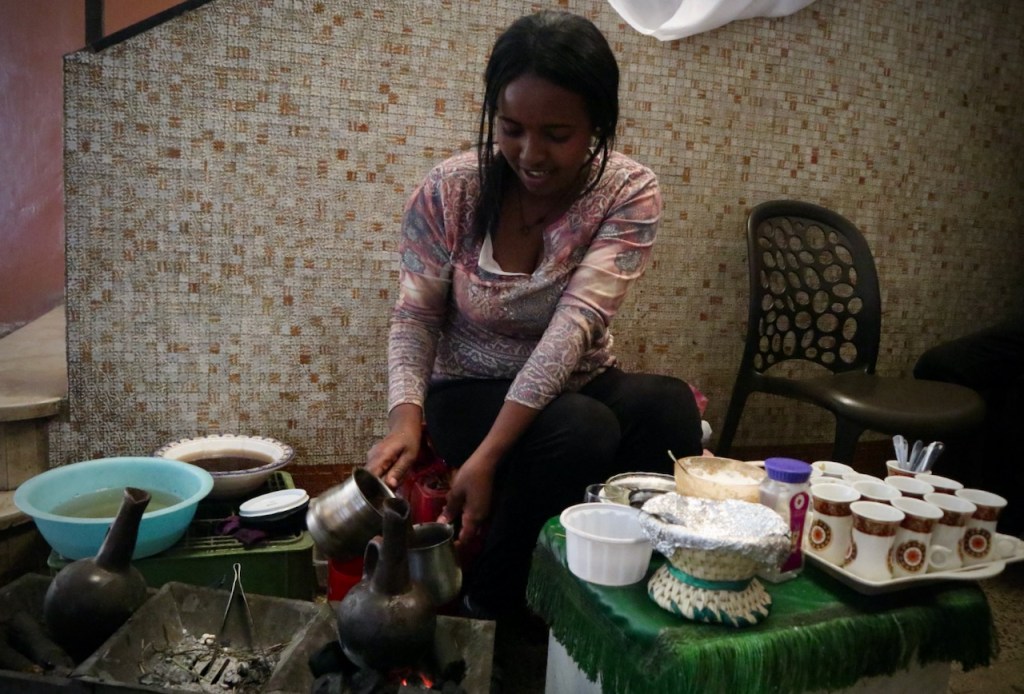
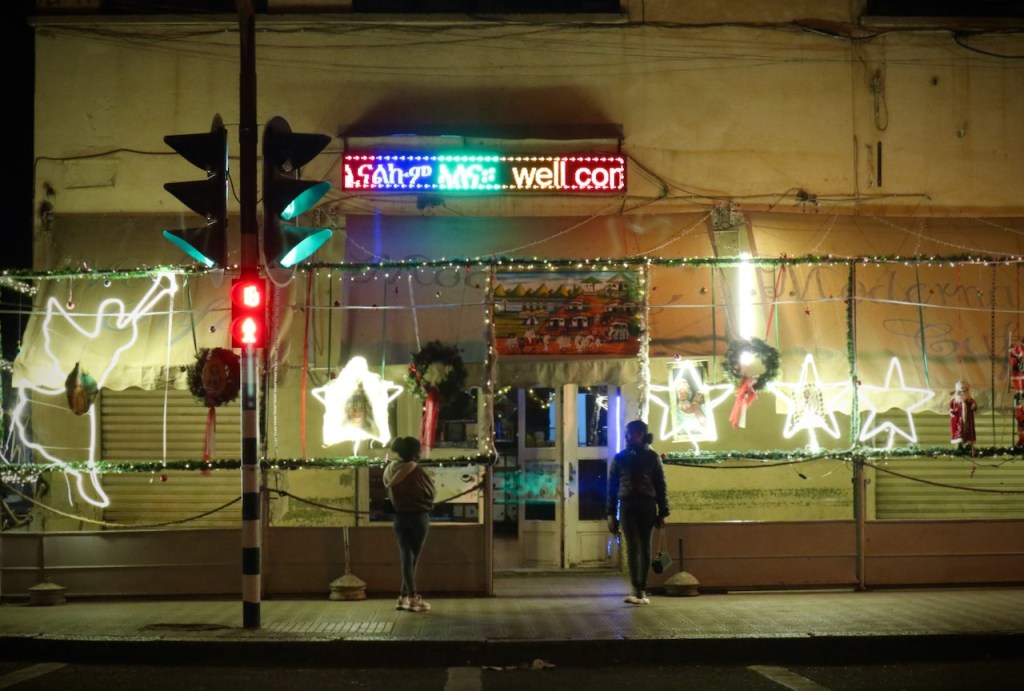

Massawa, here I come
I am ready for a Boxing Day grasse matinee when Elsa, the hotel owner, knocks on my door at eight in the morning. It’s Mr. Tekeste. He asks me to wake you up. You are going to Massawa, she says. What? I must be dreaming! Two other travellers are going today, so you can join, he says on the phone. Go to the Tourist Office by 10am.
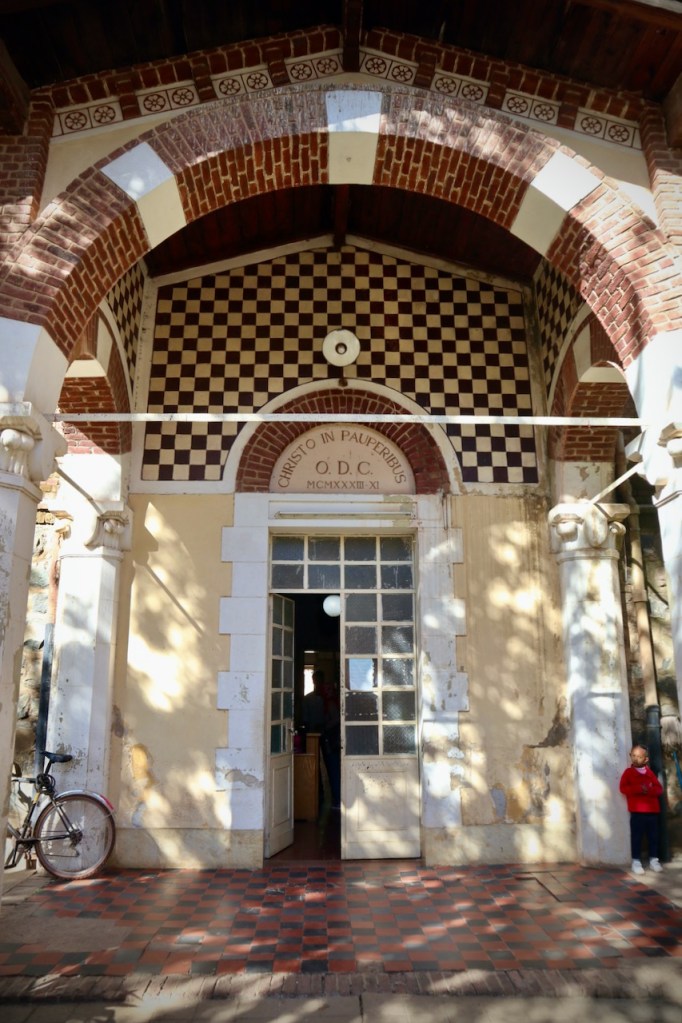
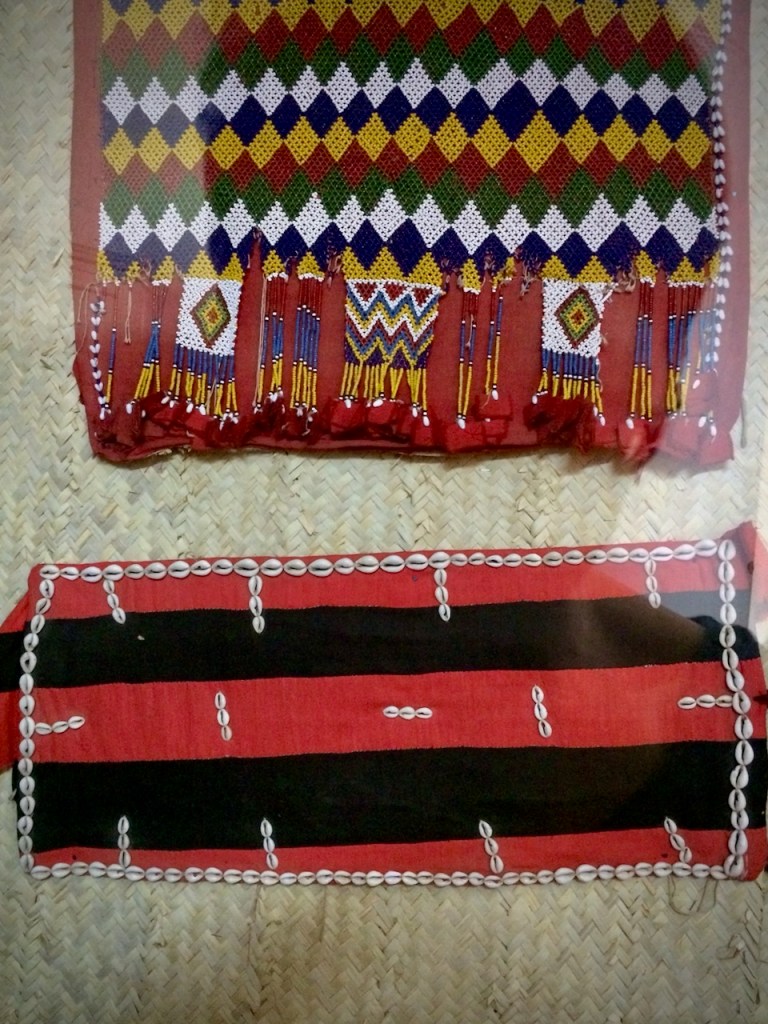
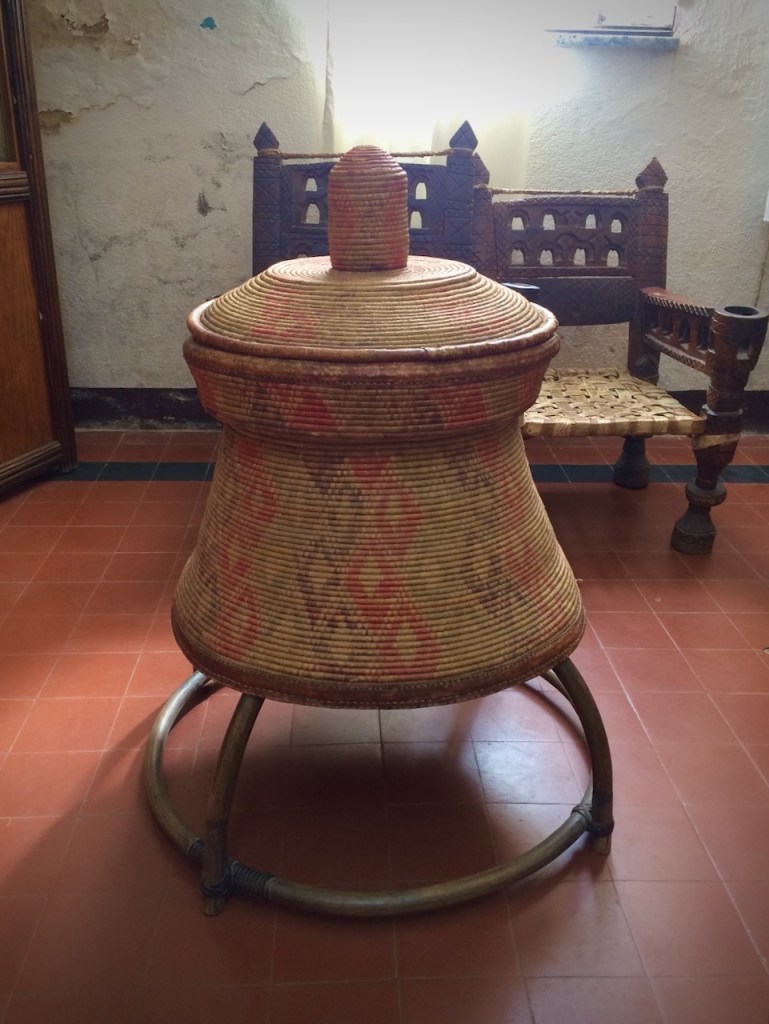
I dash off to the National Museum, reopened after the holidays, before hurrying my steps back to the Tourist Office where neither the guide nor the tourists are in sight. The permit won’t be ready till 11am, the chief says. So I sprint to the Medeber recycling market where I see women processing chilies on one side and men pounding metal sheets of all sizes and shapes on the other. What a morning scene with heavy metal music!
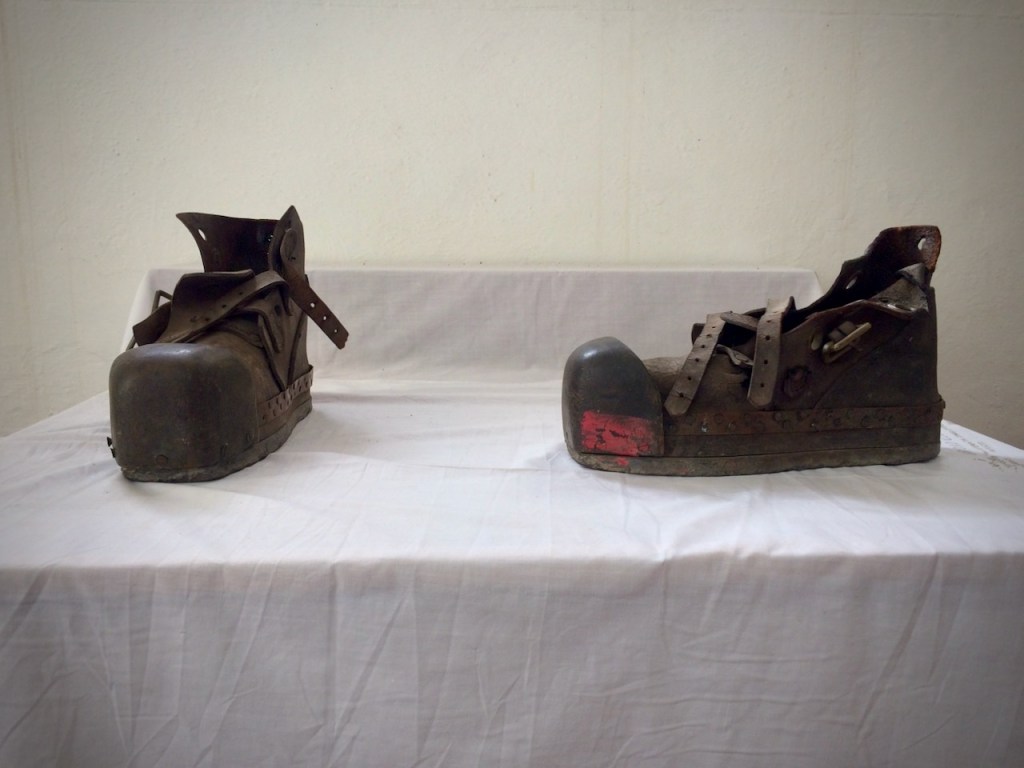

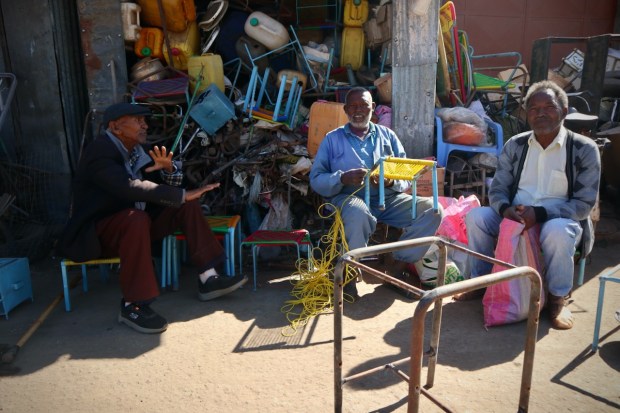
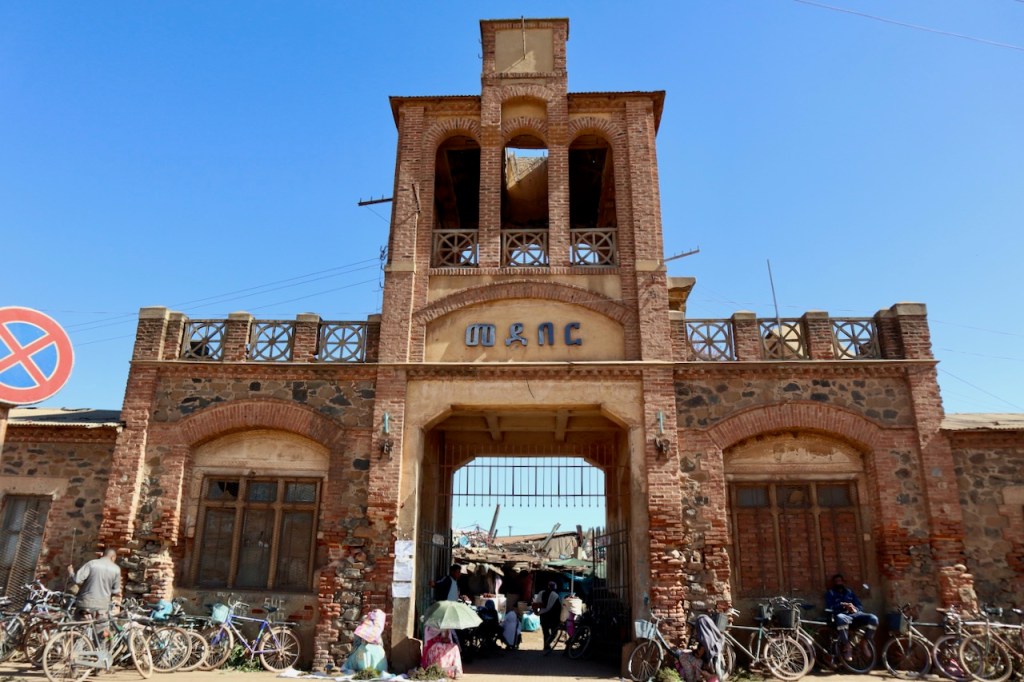
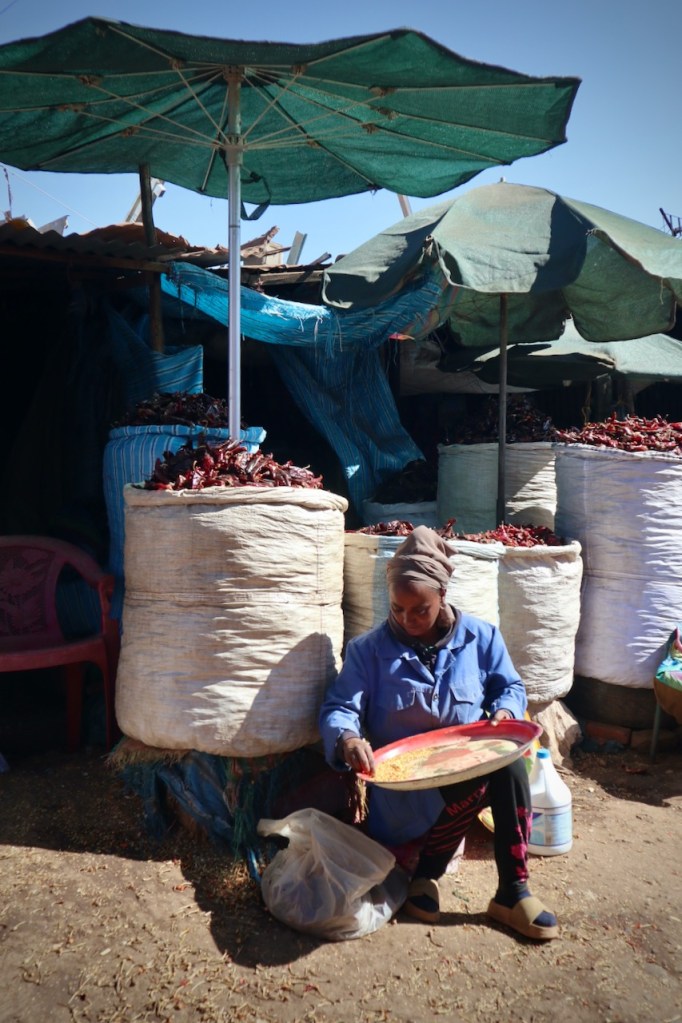


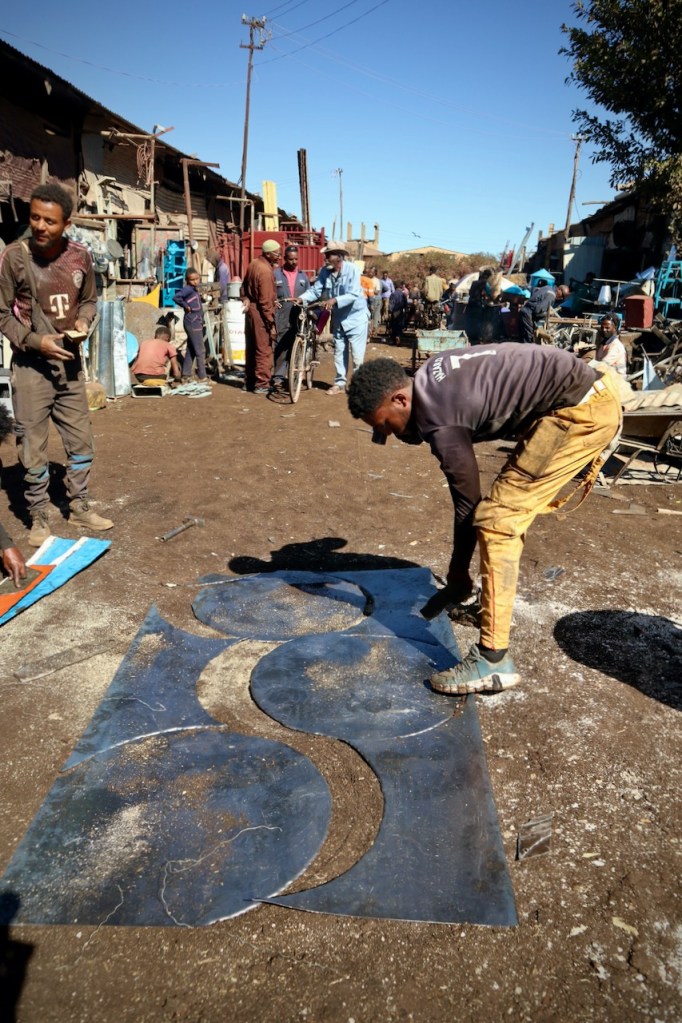
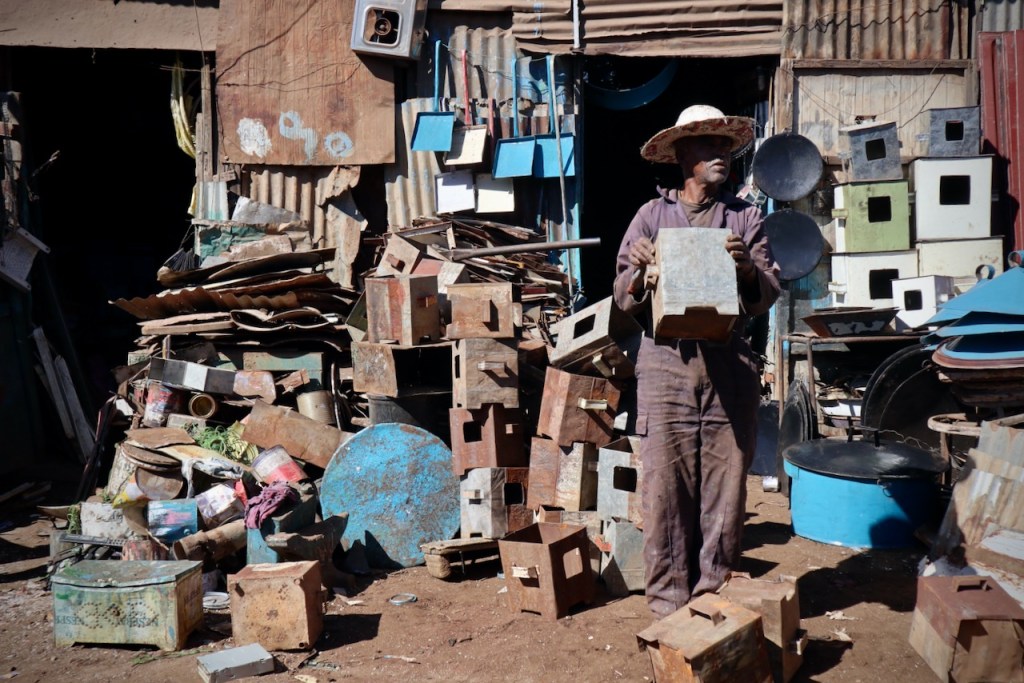
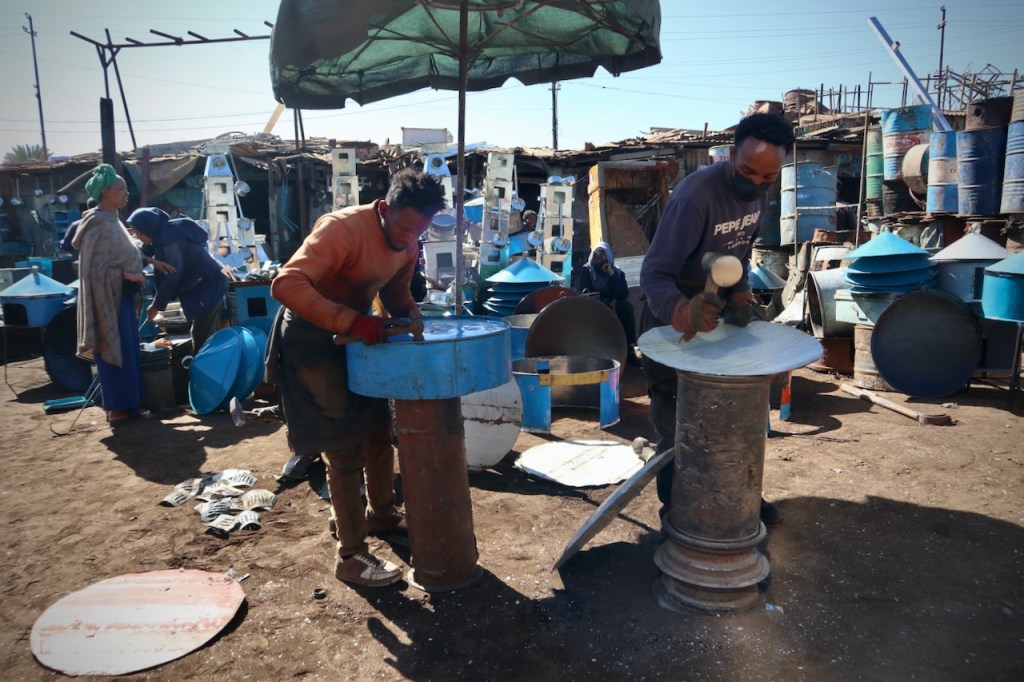
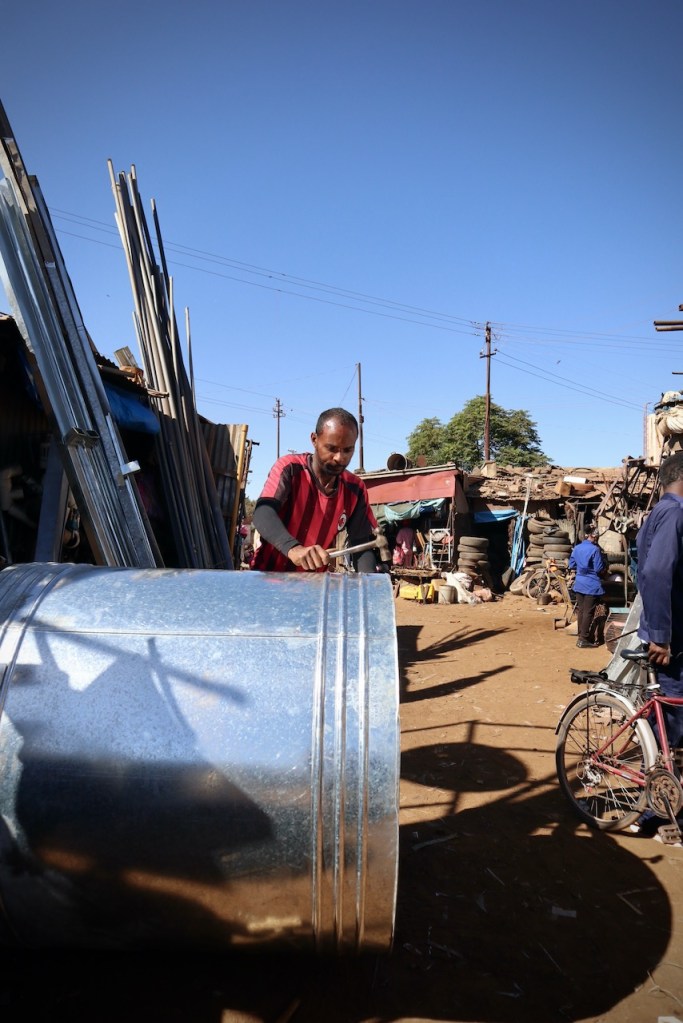

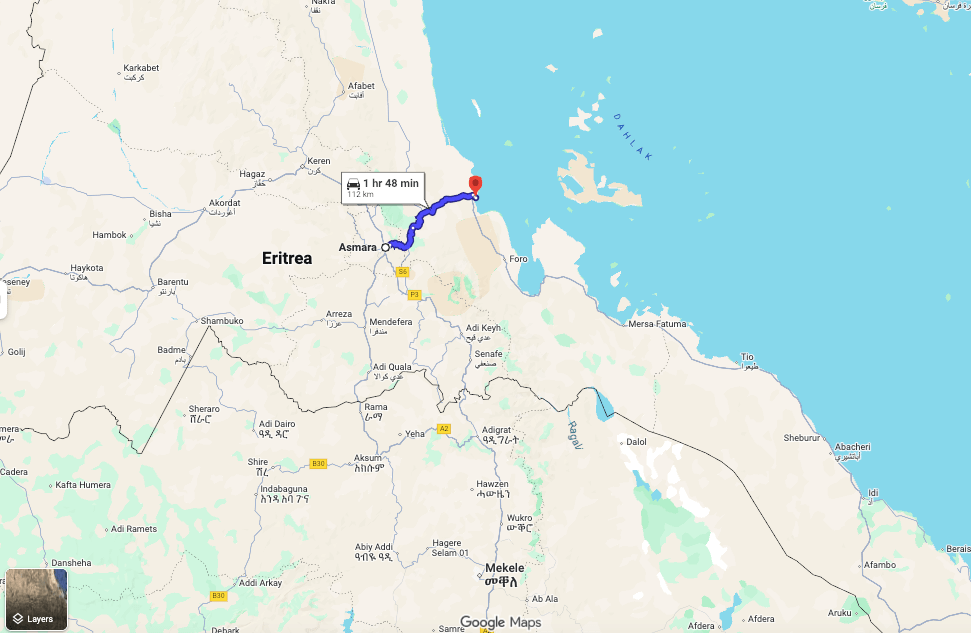
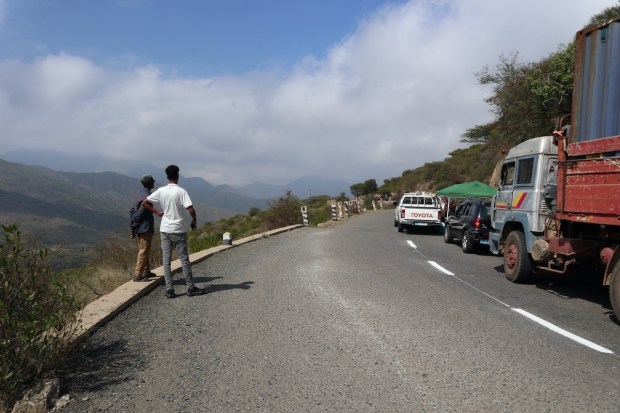
Finally, the permit is ready, but no one has shown up. It is getting close to noon by now and I have given up all hope of ever reaching Massawa when a driver shows up. Let’s go! Aron says. Where are the others? I ask. We’re now driving to the Italian Embassy to meet with the guide who informs me that I am going solo (but at a third of the price as agreed). The two other travellers have postponed their plan. Aron speeds through the windy road, as he knows well it takes an average of three hours to reach the city by the coast. Barely an hour into the journey, we see a queue. An accident, I thought. No, a road painting job. How long does it take? I ask. No one knows! Aron replies. With the fog coming, the authority is worried that drivers can’t see the line properly. I get off the car and start walking. See you further down the road, I tell him. And so I get a bonus hour of a lovely hike along an empty road, passing through old railway tracks built by the Italians and small villages set in stunning mountain landscapes. I wonder how long it takes to walk all the way to Massawa, remembering the life-changing camino experience in Spain that radically transforms the way we walk, as one of the simplest and yet most spiritual activities. I’m shocked how far you walked, Aron says, when he picks me up after about an hour. It’s only 5km!
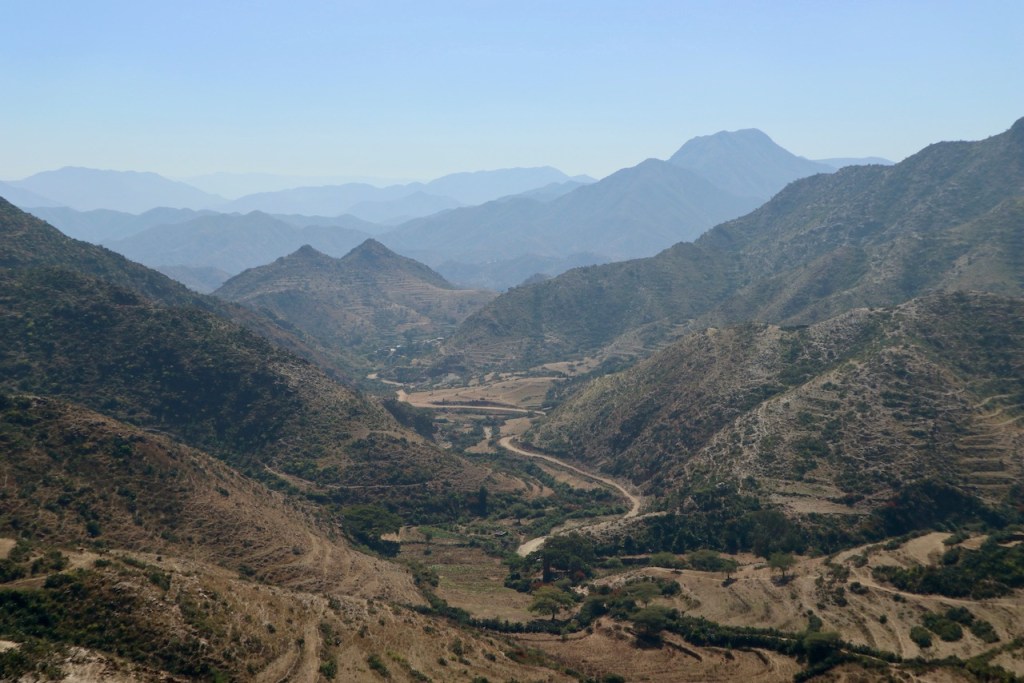
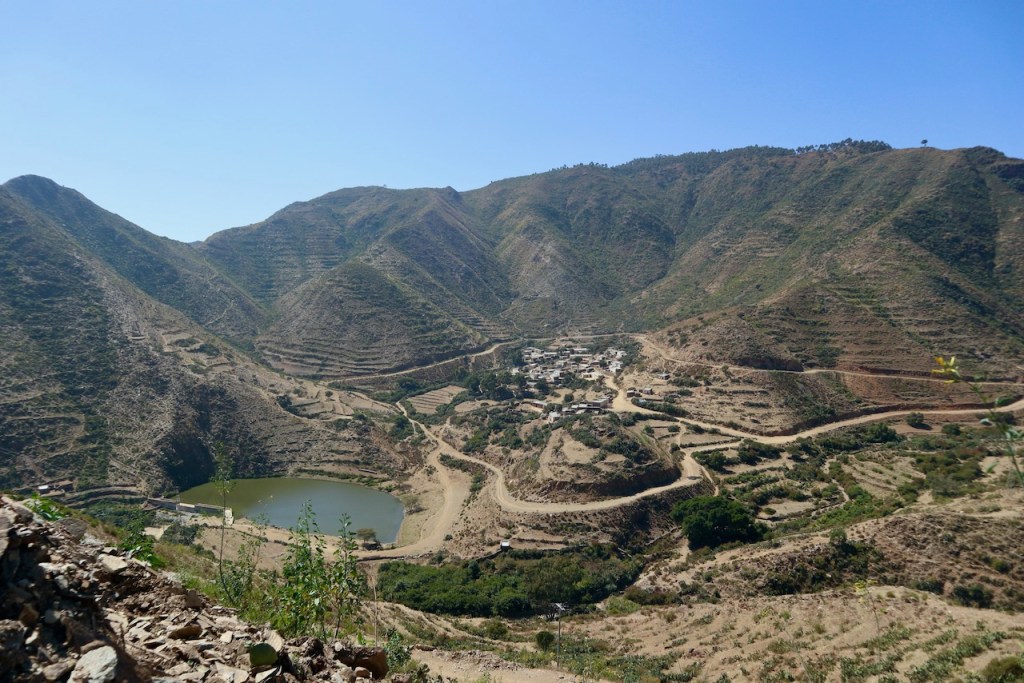

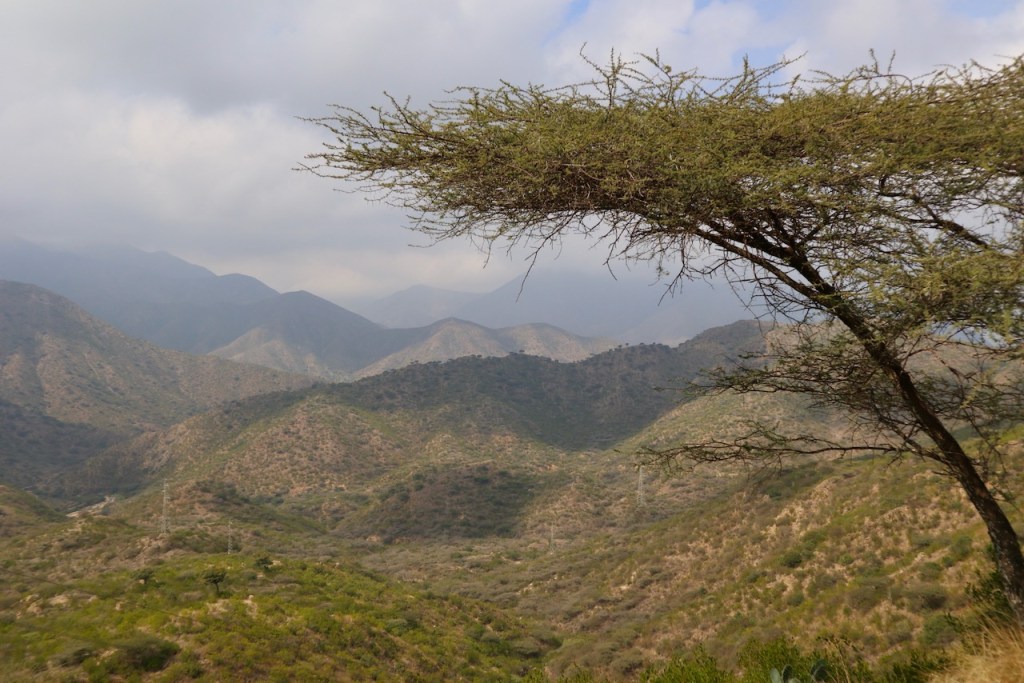
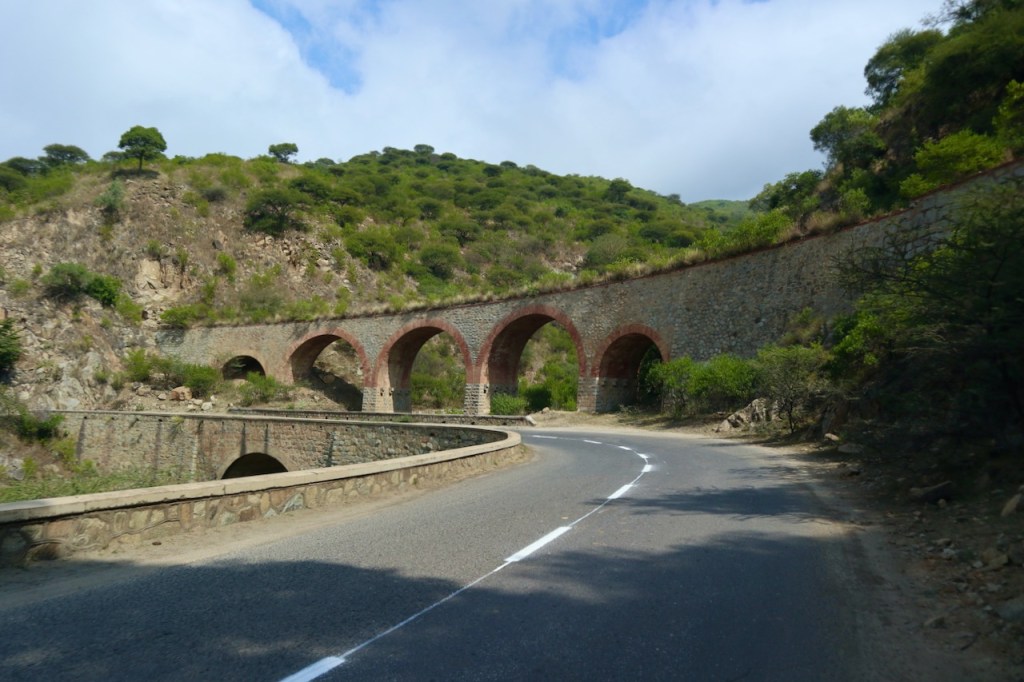
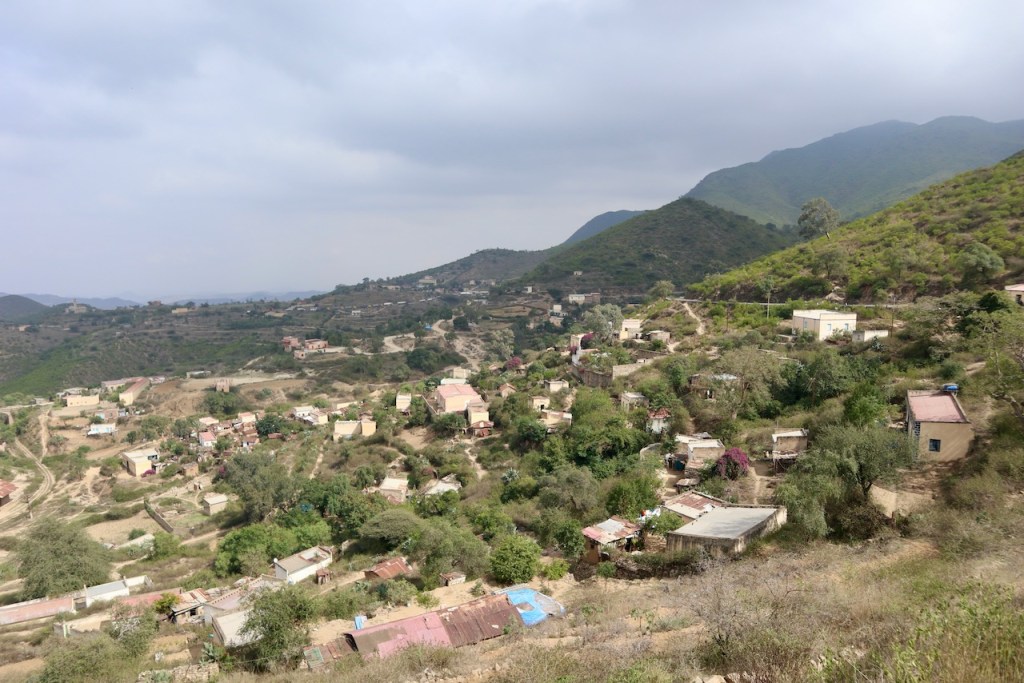
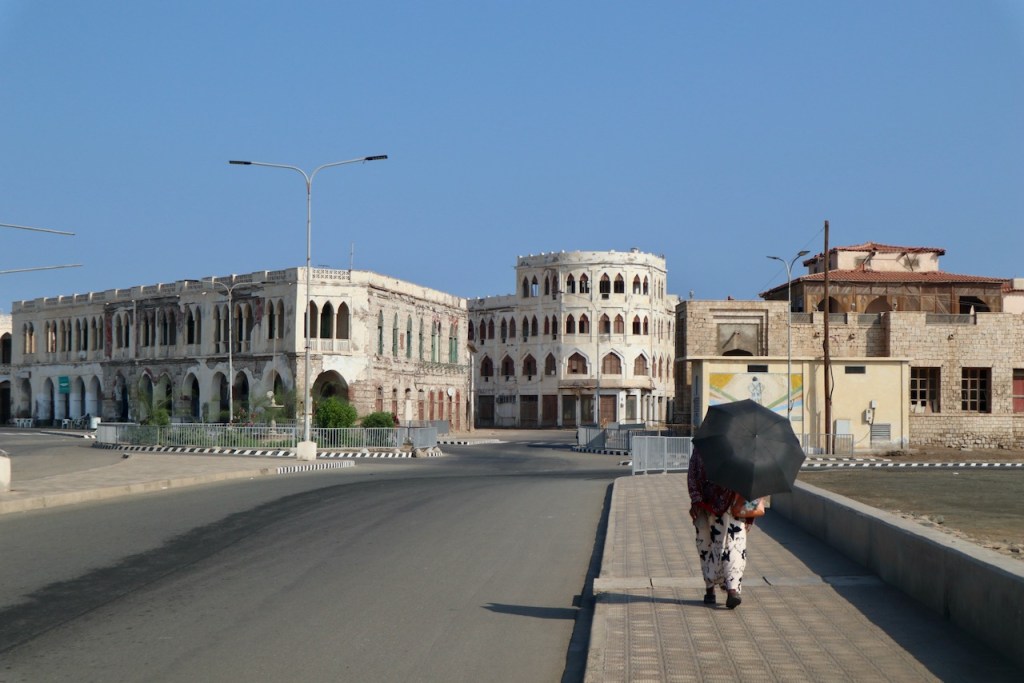
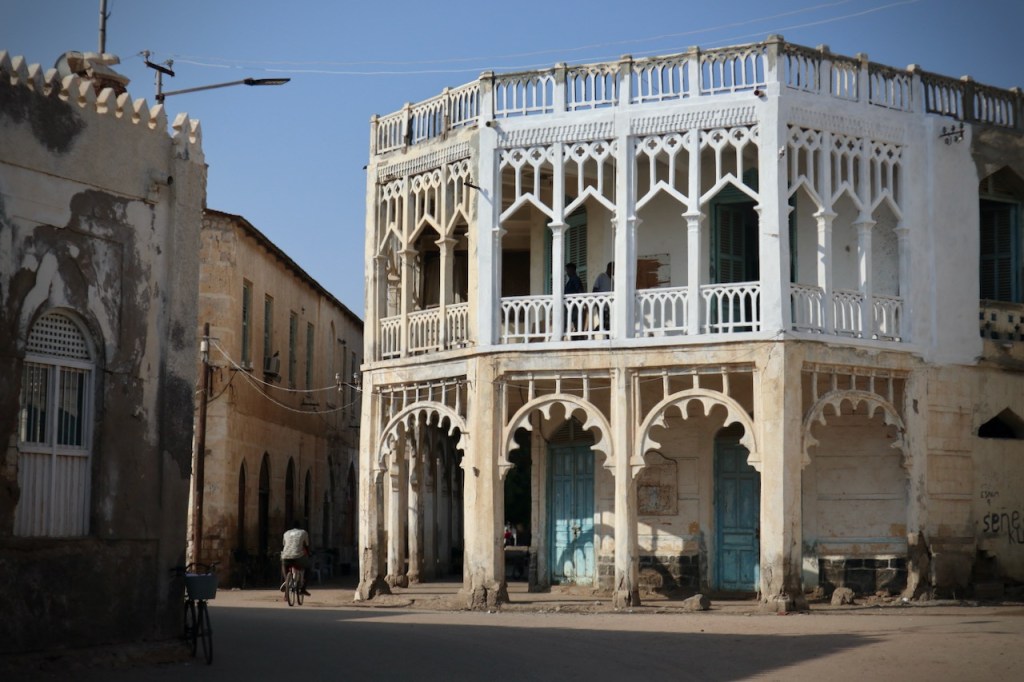
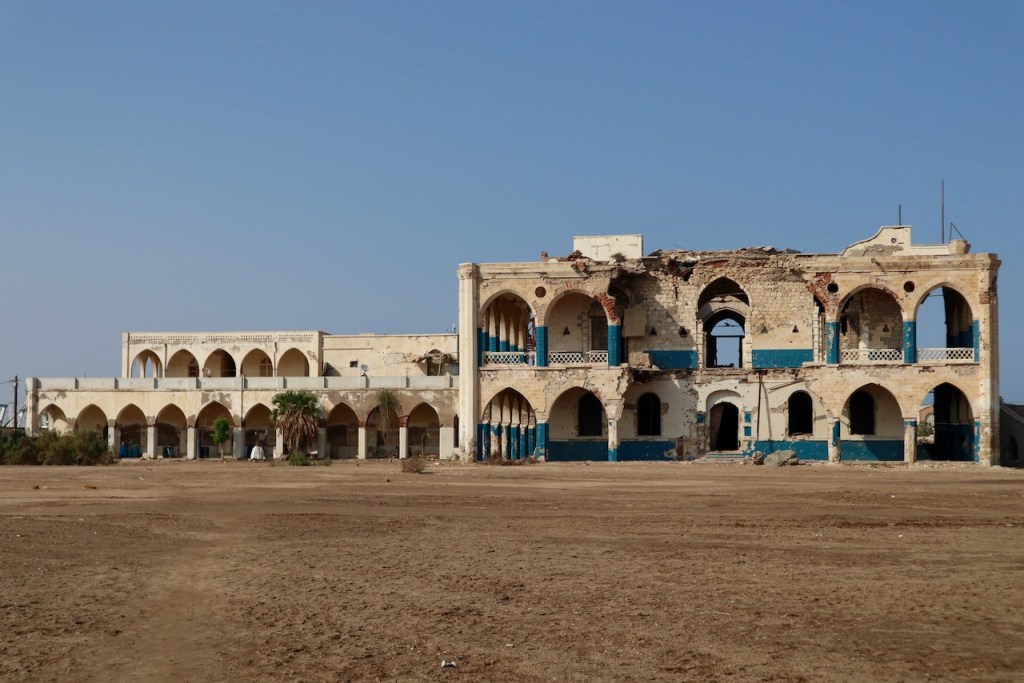
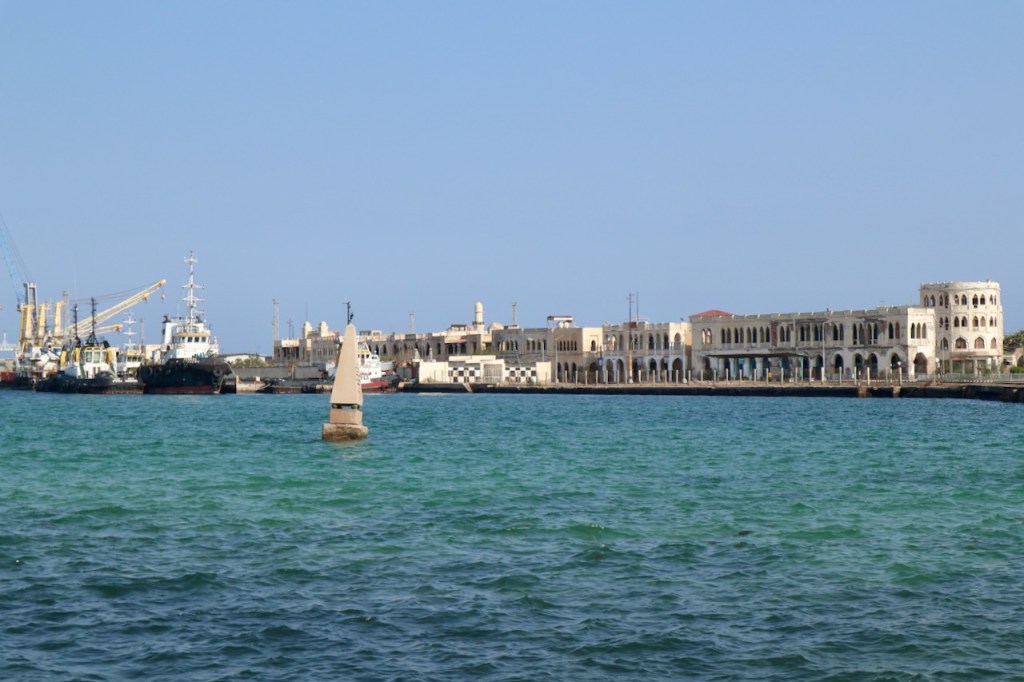
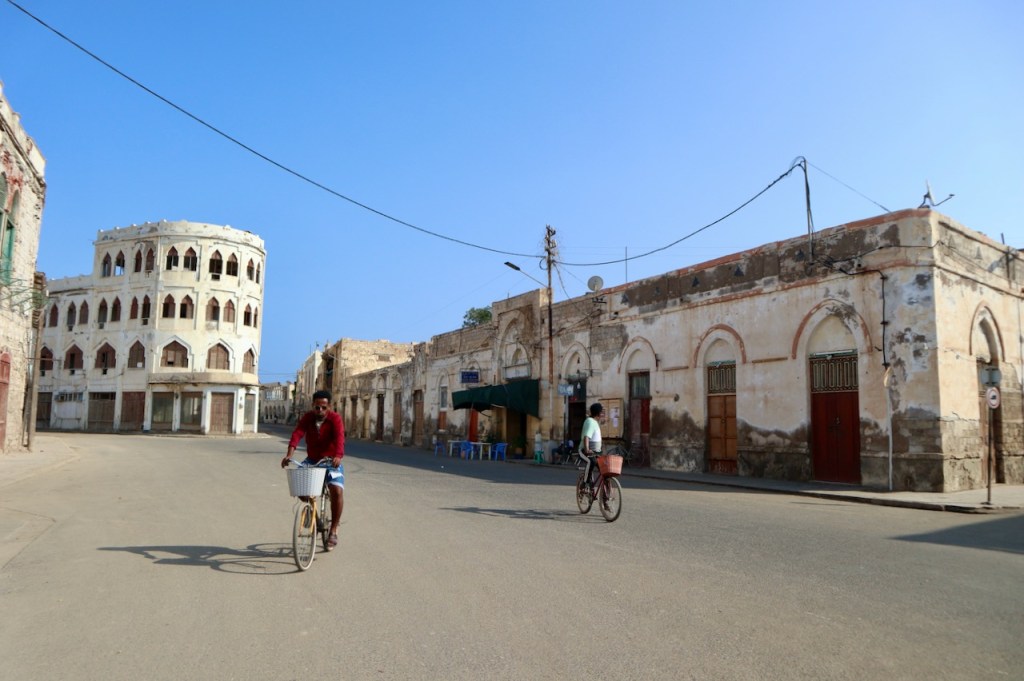
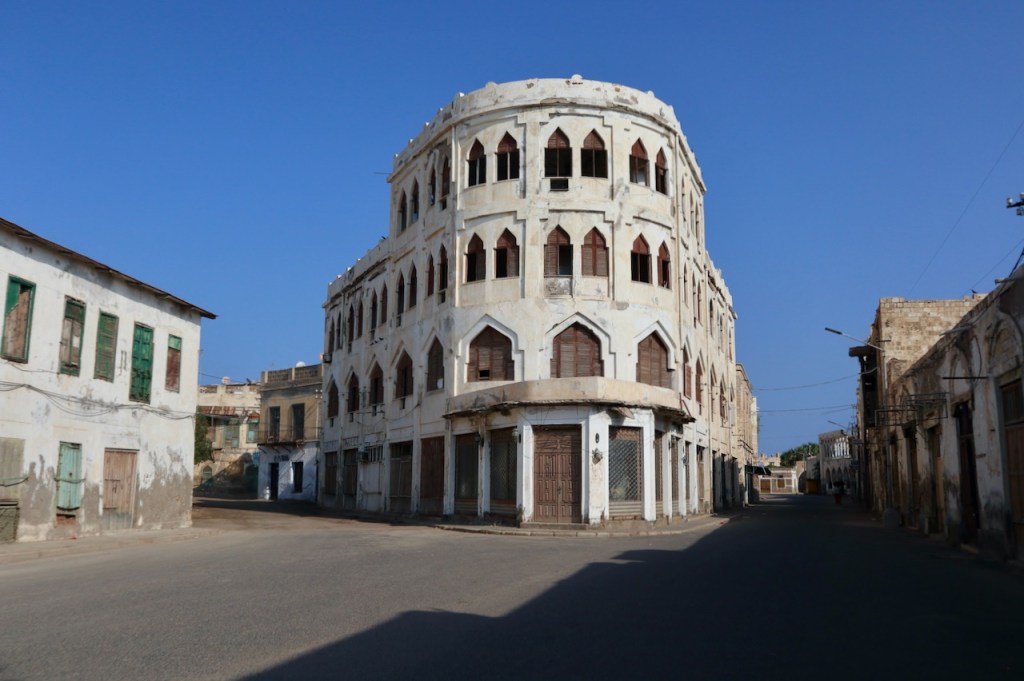
We reach Massawa at around 3:30pm. First stop: a monument to the Eritrean War of Independence, commemorating the decisive Finkel Offensive liberating Eritrea from Ethiopian rule in 1990. Nearby stand the eerie ruins of the former palace of Ethiopian Emperor Haile Selaissi right by the sea. Aron shows me the port and the old city of Massawa – all in ruins – from decades of war as well as decay before stopping for a long coffee at Mariam’s. Historically an important port for centuries through the Ottoman Empire and Egyptian rule before being the capital of the Italian colony, Massawa leaves a rich cultural and architectural heritage including many houses of coral, the iconic Hotel Tofino, Banca d’Italia, the Sheikh Hanafi Mosque and St. Mary’s Cathedral. As the temperature soars to 30C, I could not resist a quick dip in the Red Sea. What a marvellous end to a most exceptional Christmas, with surprises from beginning to end!
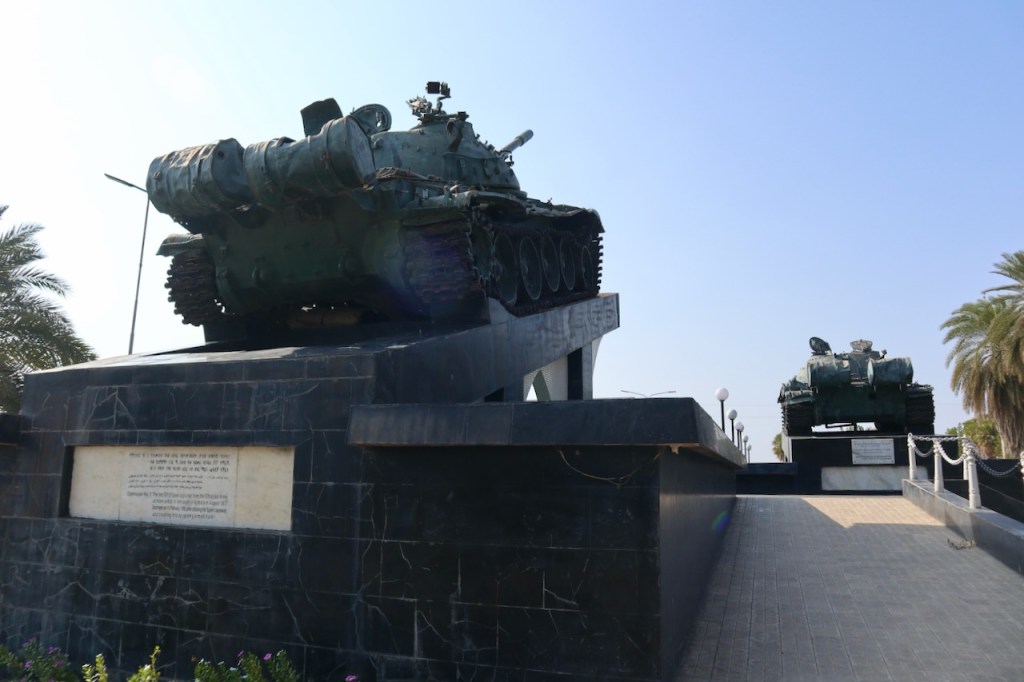
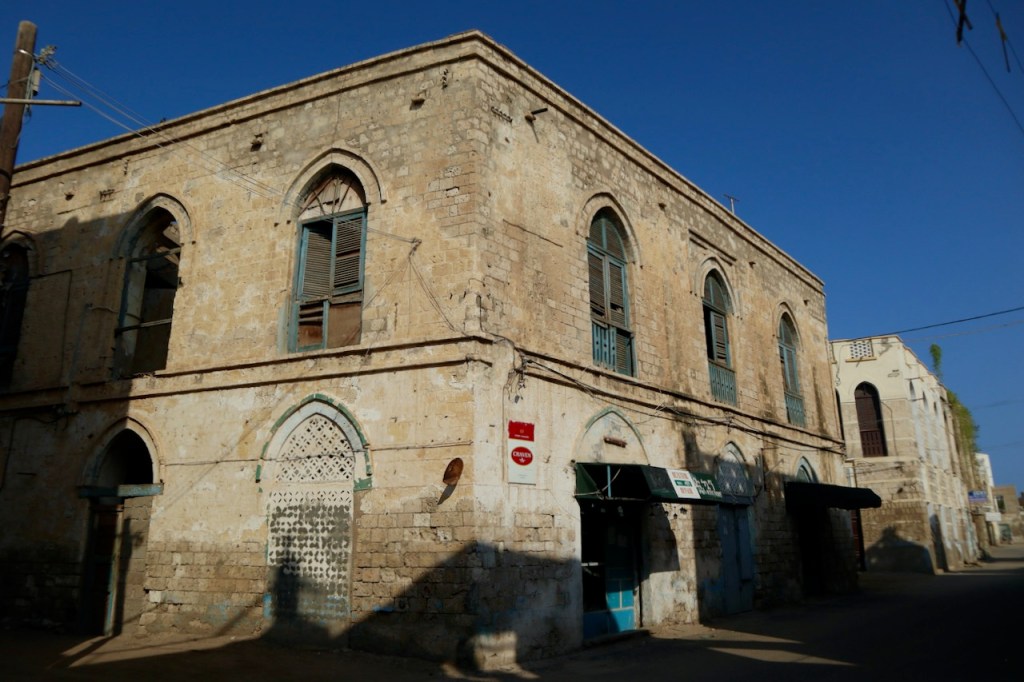
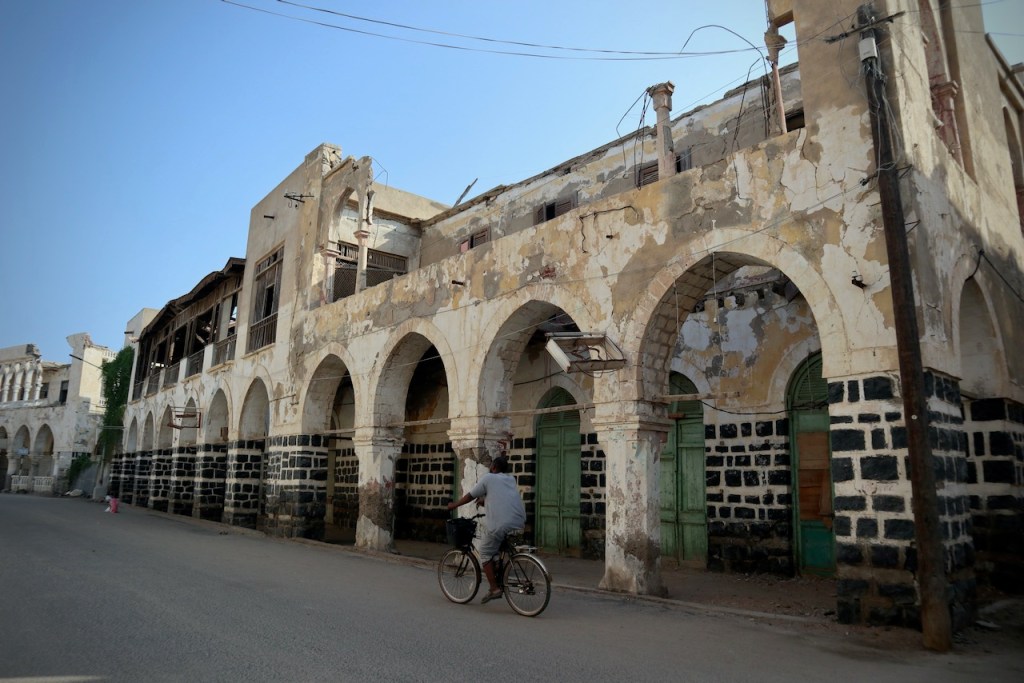
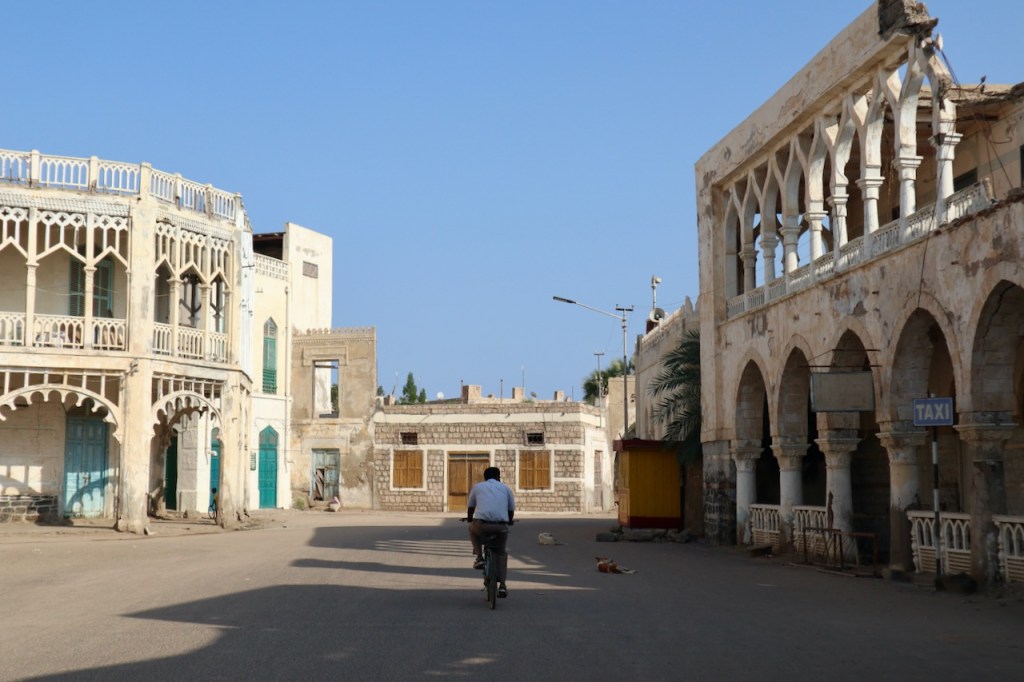
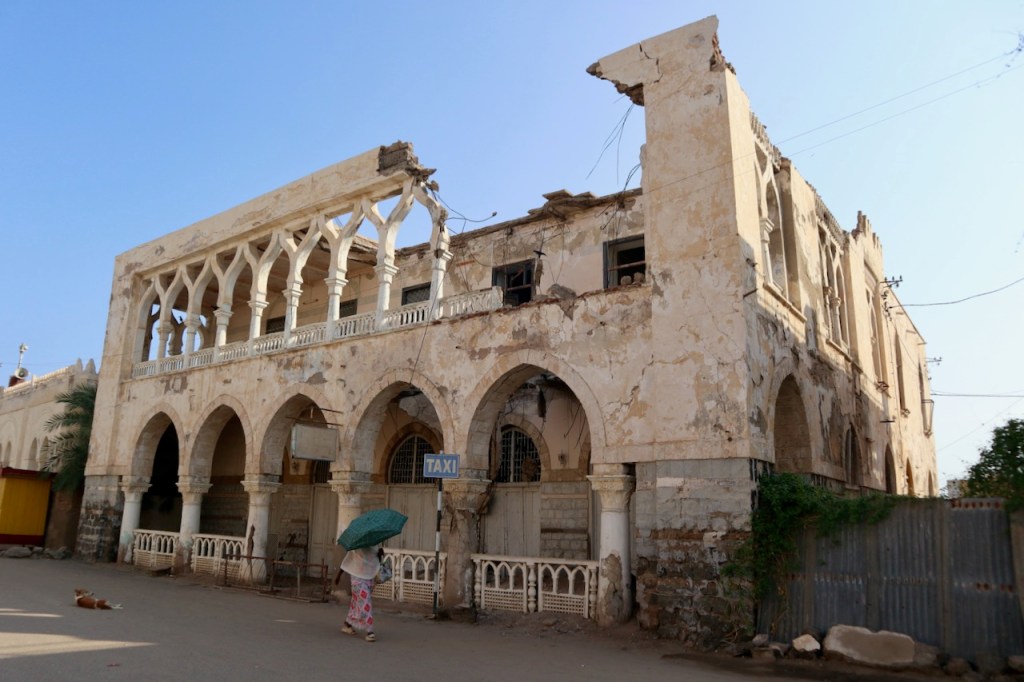
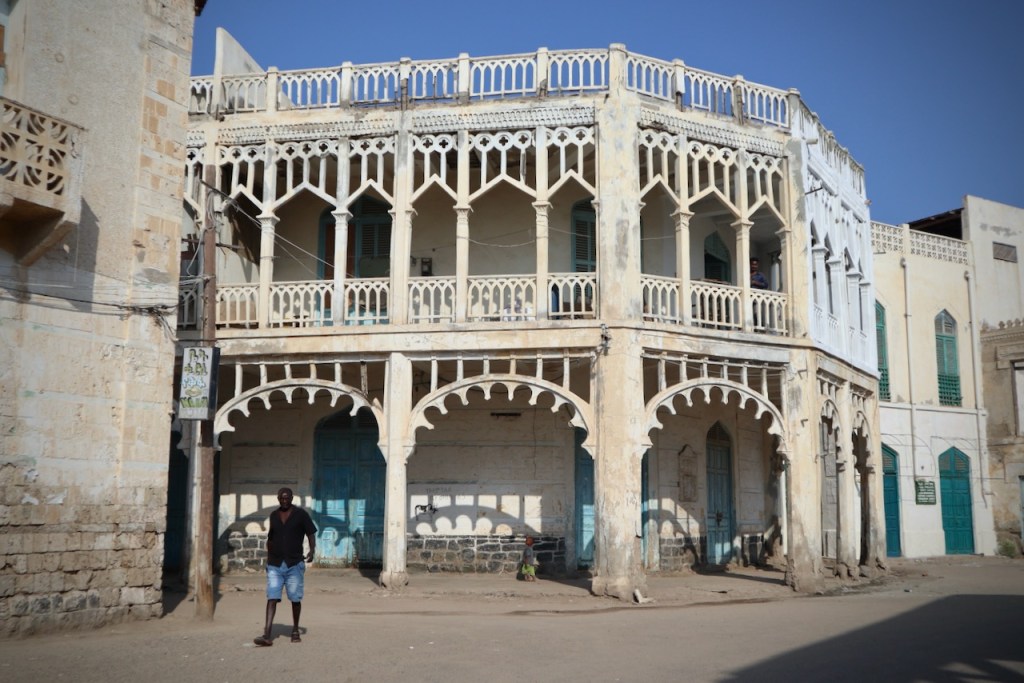
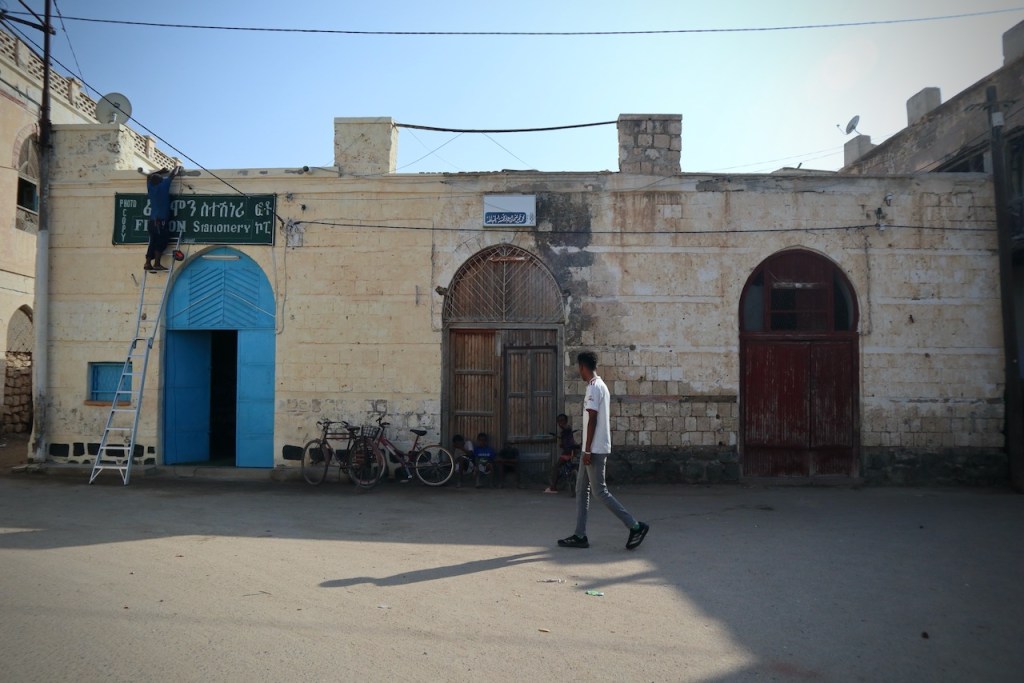
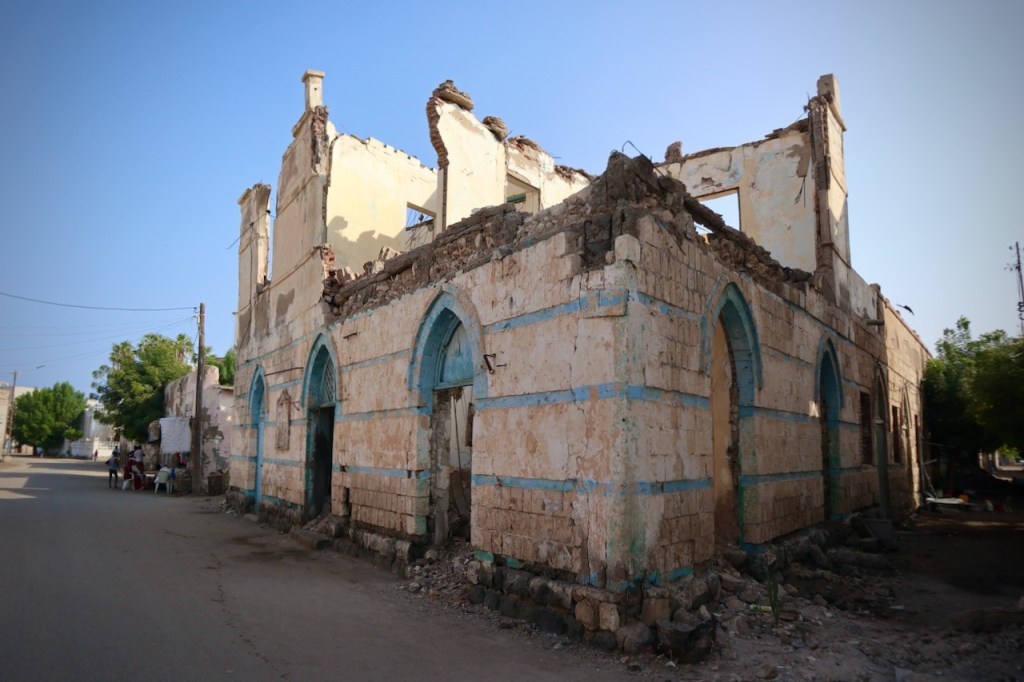
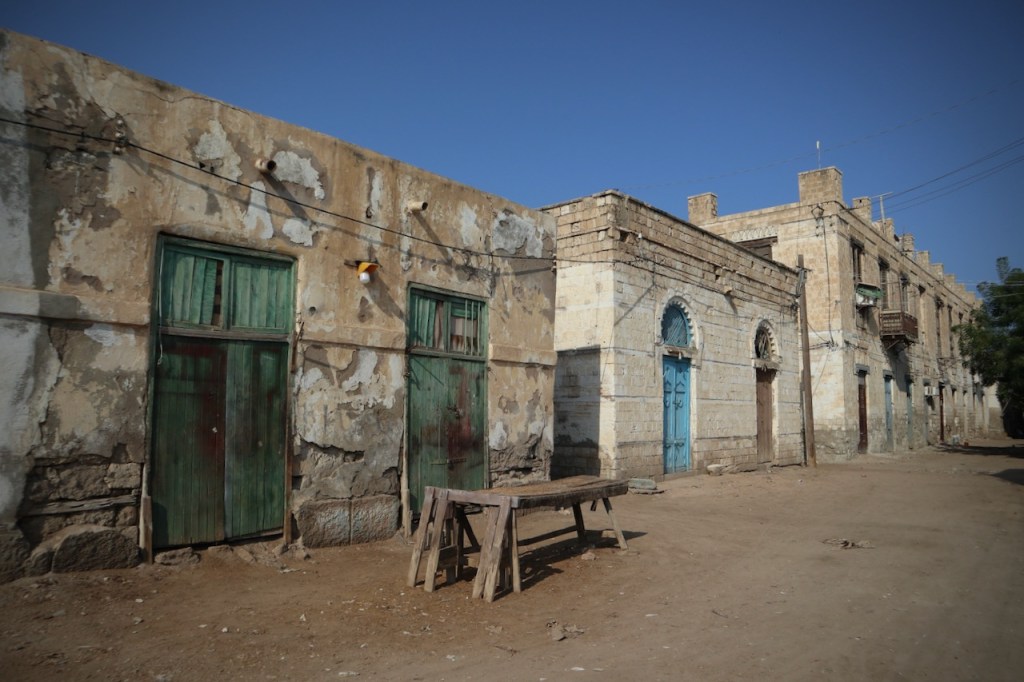
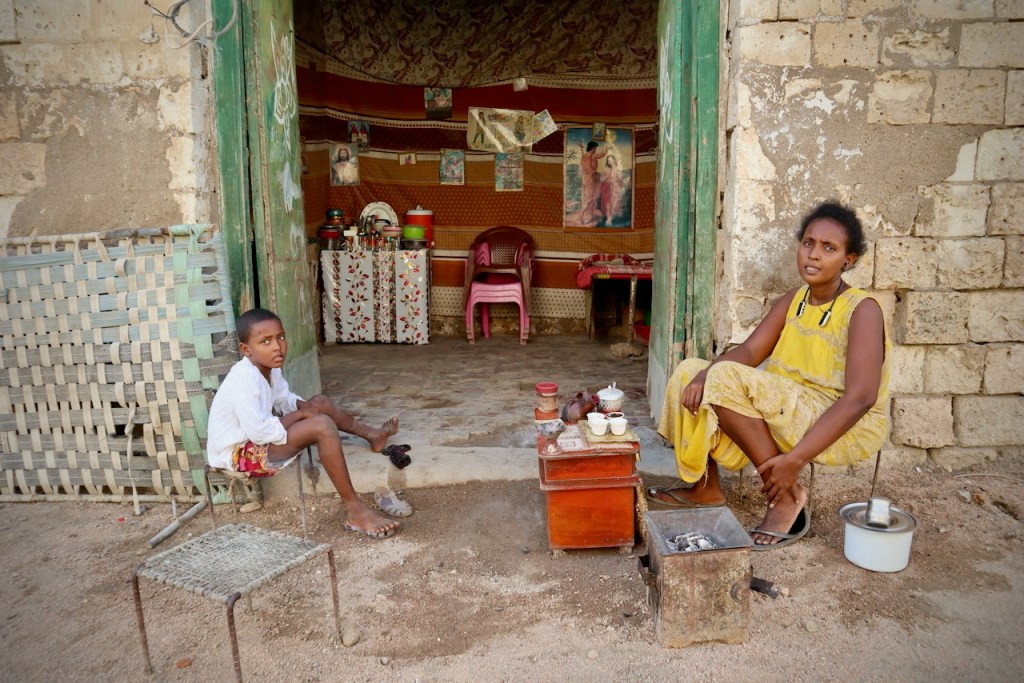
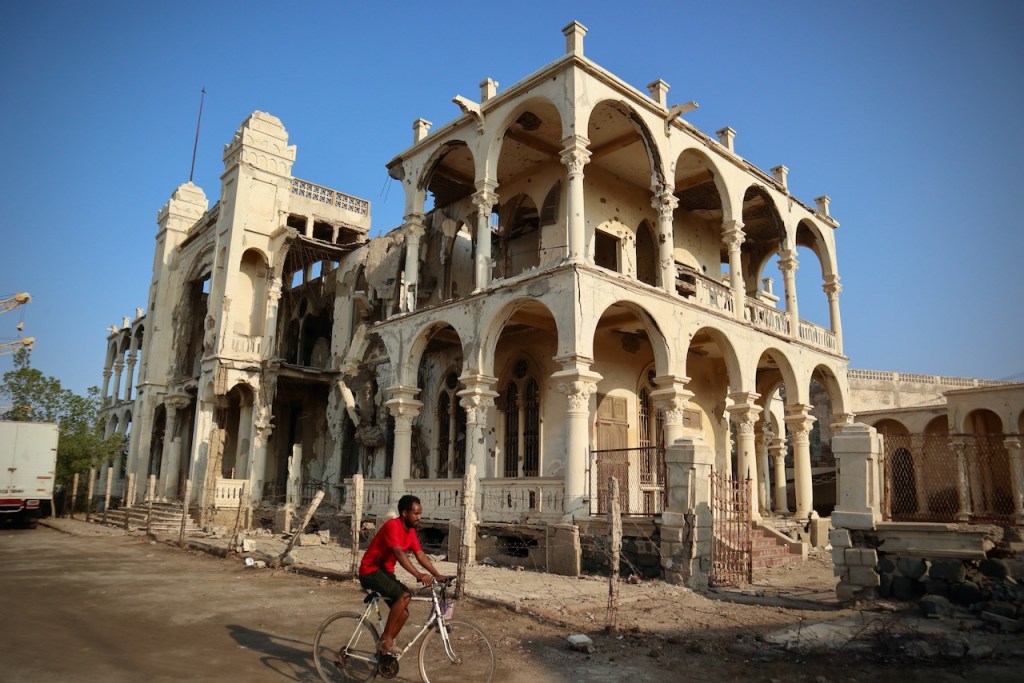
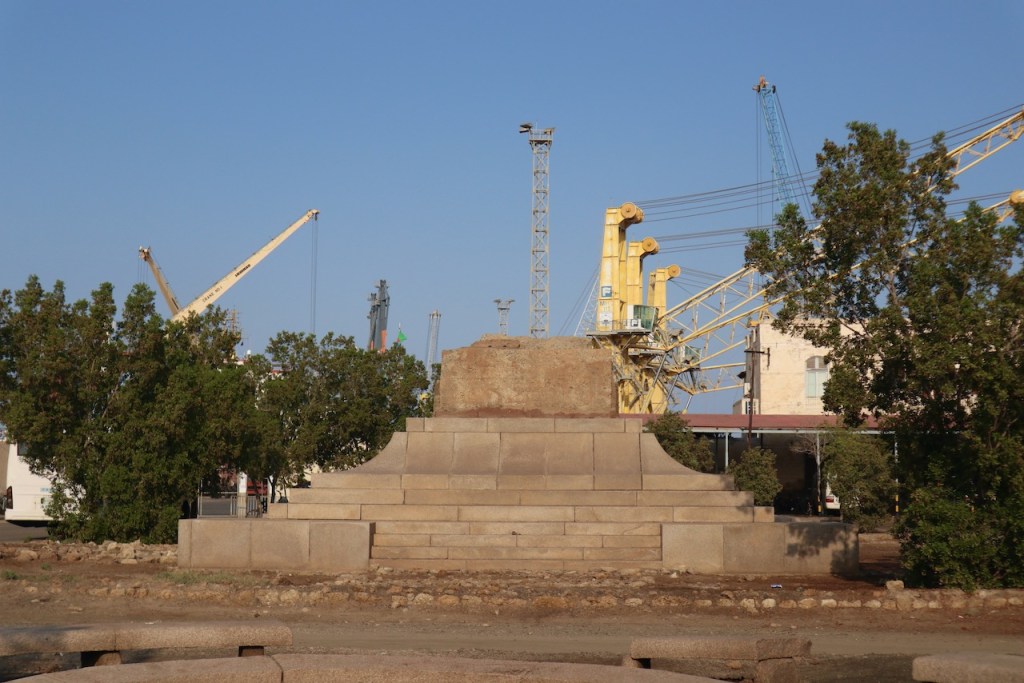
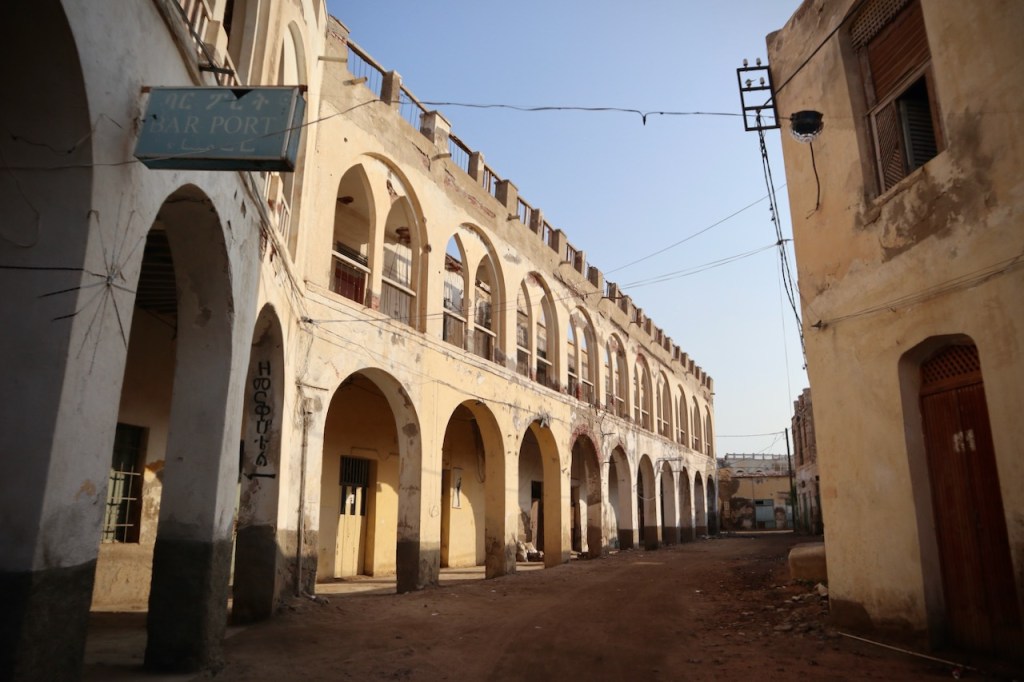
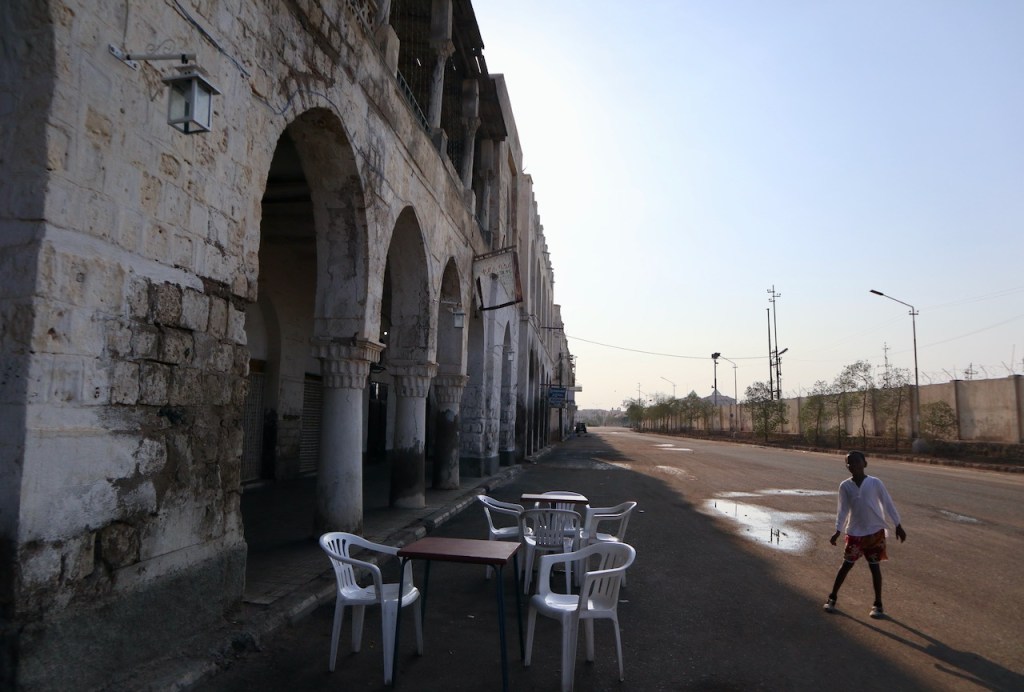
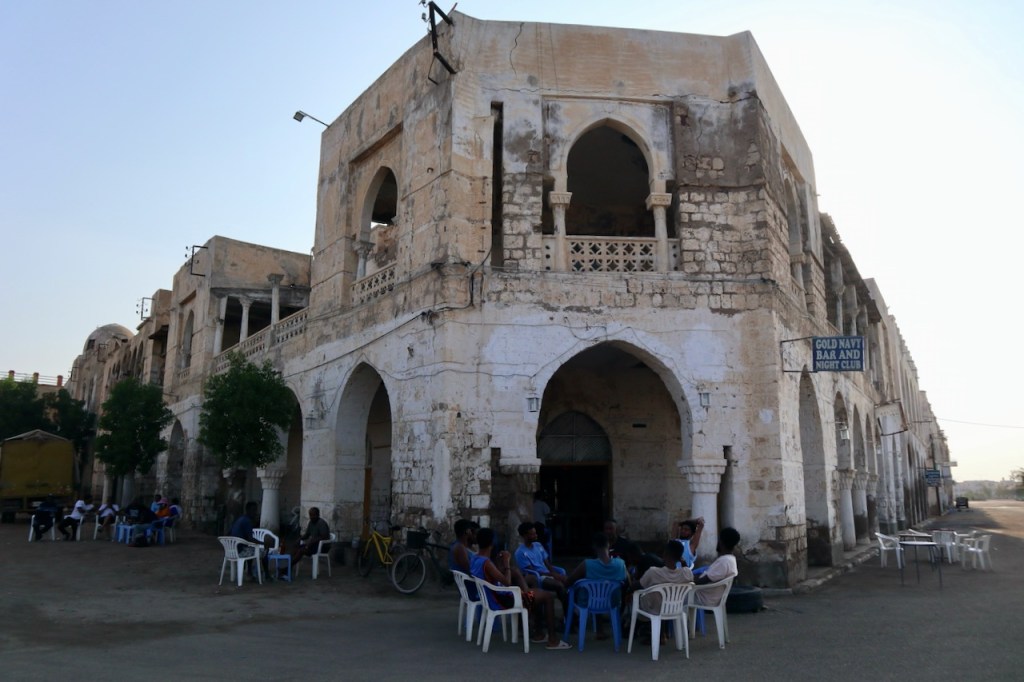

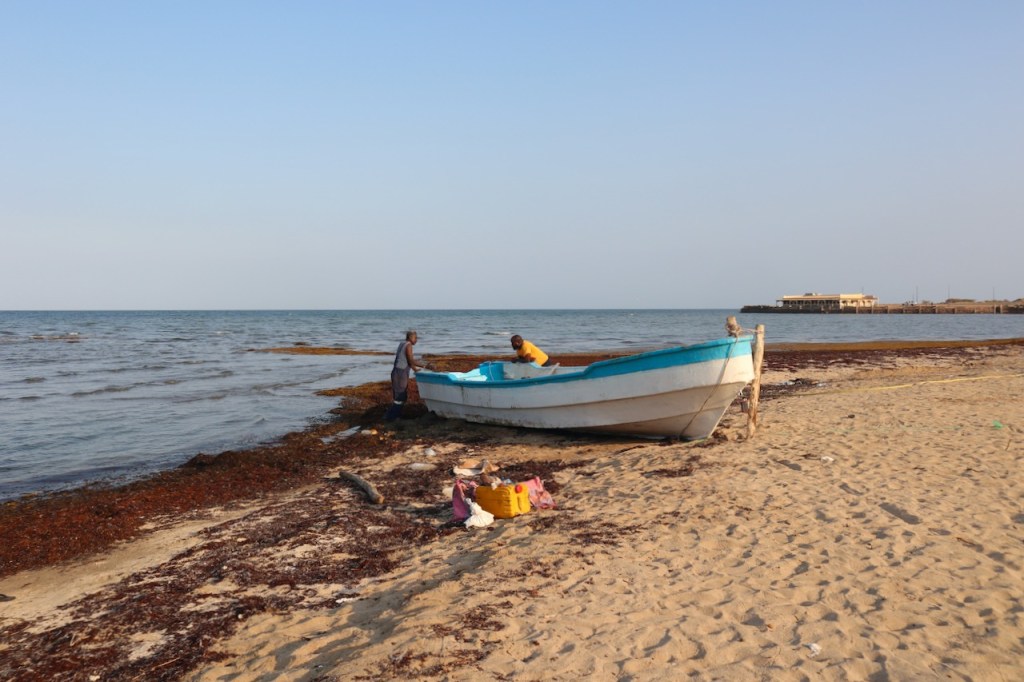

Three days, however intense, cannot do justice to a country as beautiful as Eritrea. The visa process and travel permit requirements can be dissuasive, but the charming capital city, colonial legacy, mountain scenery, the Red Sea and coastal cities, and, above all, the gentleness as well as the spirit of the Eritrean people make everything worthwhile. This is a nation that has endured decades of war and occupation where faith, resilience, and deep community ties continue to hold all Eritreans including the vast diaspora together. Yekenyeley (የቐንየለይ) to Aki’s family and Jooda for such a special Christmas. I am not sure about the sea cucumber deal, but I hope to find a way to return to Eritrea…


This is part of a seven-country tour in post-conflict societies in the Middle East and the Horn of Africa in 2025 from Syria to Iraq, Saudi Arabia, Libya, Eritrea, Djibouti, and Somalia. A scheduled trip to Yemen as part of this project was cancelled due to renewed conflict in the country at the time of writing.
Syria: on the Road to Damascus
All Content © 2026 by Jennifer Chan
 Jennifer Chan Photography