
I sit upon the white rocks by the bay,
Against whose hollows numberless, the waves
Will splash forevermore. The sunset laves
The deep with light…
The day is done, for once it had a beaming,
And so must all, whatever may be seeming.
– Luis Dato
April 2025
During all those years while I was living in Asia, I never visited the Philippines. Not for the lack of curiosity, but for the sheer size of it with over 7000 islands spread over thousands of kilometres that would require months to explore. Having grown up on one, I have always been partial to islands. After spending over three months island hopping in Cape Verde, the Canaries, Madeira, and the Azores during Covid, and then three more visiting twenty-seven islands in Greece in 2023, I am ready for more, this time in the tropics in my home region.
I begin my month-long adventure in Cebu city, the oldest in the country, before hopping on an overnight bus and ferry to Siquijor. Then, Bohol is just a short fastcraft away. Getting to Siargao, “the best island in Asia,” afterwards is a little trickier, requiring an indirect flight through Cebu, but it is definitely worth the detour. Finally, I fly out to Puerto Princessa on Palawan to explore Port Barton, Cagnipa Island, El Nido, and Coron. From sea to mountain, I wrap up my grand voyage in the main island of Luzon through the summer capital of Baguio, the rice terraces of Banaue, the hanging coffins of Sagada, the colonial architecture of Vigan, and the mega capital city of Manila.

What a blessed month, snorkelling, cave swimming, boat touring, hiking, chilling in spectacular nature, and soaking up rich Filipino history and culture! Sandbars, corals, lagoons, waterfalls, coconut groves, jungles, an embarrassment of choices of fine sand beaches, but also colonial architecture and exquisite museum collections. Above all, what a discovery of the rich flavours of Filipino gastronomy and her exceedingly welcoming and resilient people. The trip only whets my appetite for longer future stays!






Historic Cebu
The hot, humid air sticking on one’s skin upon landing in Cebu brings back instant memories of childhood in the tropics. Most visitors bypass the busy city, heading immediately to Moalboal for a beach holiday and/or to Oslob to swim with whale sharks (a contentious practice that hopefully would be outlawed soon due to feeding). I find my first port of call, however chaotic, surprisingly compelling, offering a great glimpse of Filipino history.
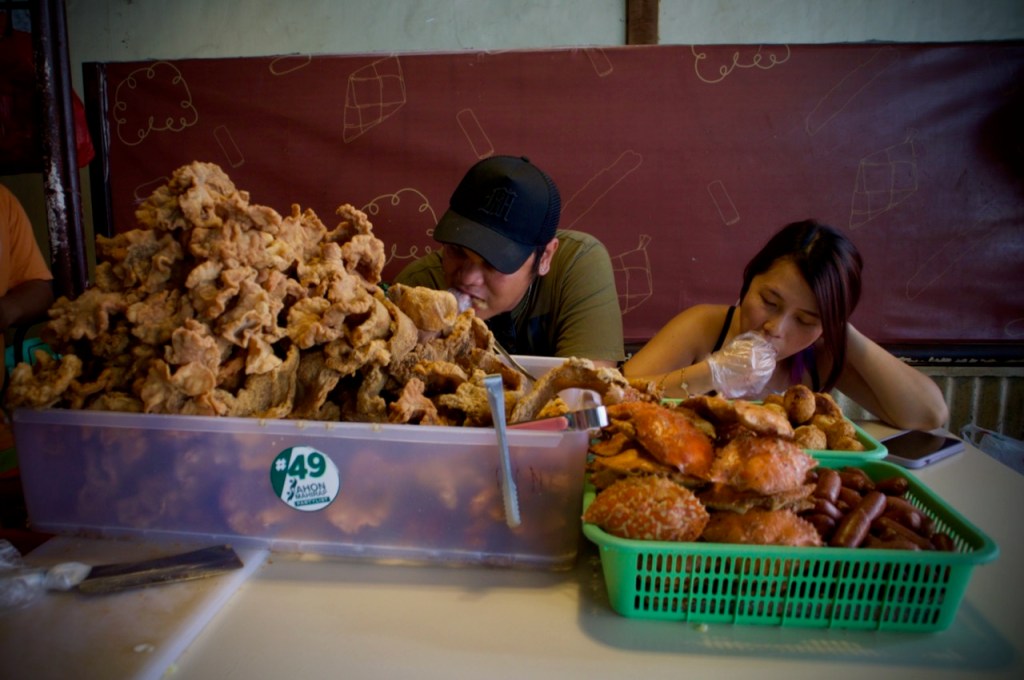
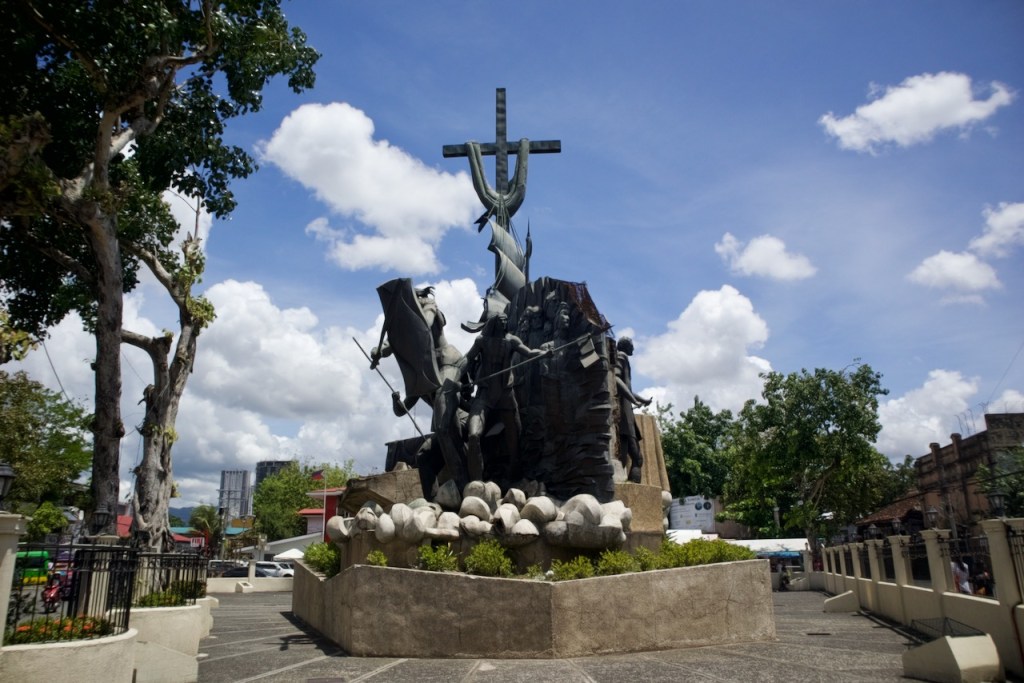
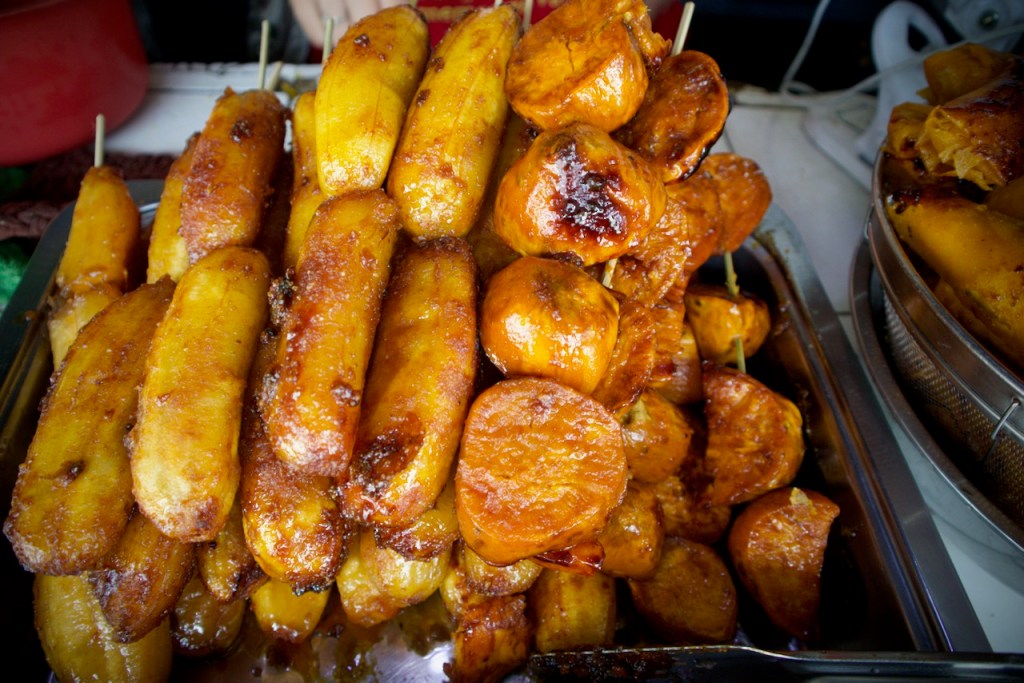
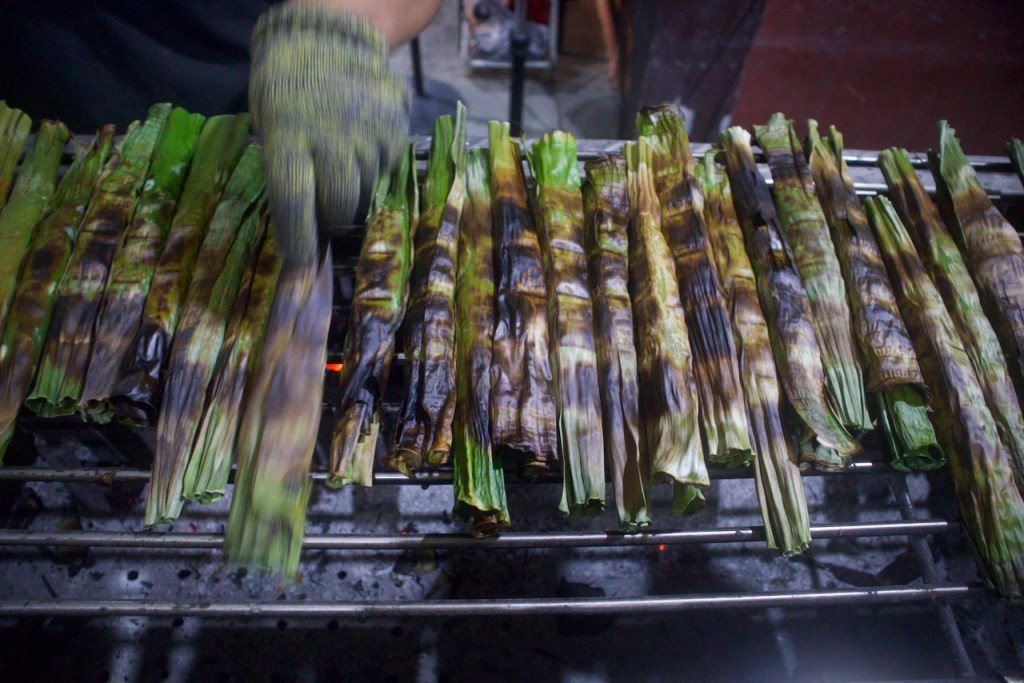
First thing first: a Cebuano breakfast! Bj, a software developer I met while looking for the airport bus, takes me to a cholesterol-filled classic Pungko-Pungko of deep-fried everything (spring rolls, meat balls, chicken skin, sausage, pork belly), accompanied by puso/hanging rice wrapped in banana leaves. Meaning “to squat,” pungko is legendary street food dating back to the 1970s with vendors selling snacks from baskets, inviting customers to enjoy and socialize. With our tummies filled, we hop on a jeepney to the Heritage of Cebu Monument in the heart of the historic Parian district. Passing by the beautiful Yap-San Diego Ancestral House, one of the oldest in the Philippines, we reach Casa Gorordo Museum where Bj walks me through Cebu History 101 on an interactive map, from the Spanish colonial era to American and Japanese occupation.
A short walk away stands the the oldest church in the Philippines, the grand Basilica Minore of St. Nino, and the highly informative National Museum. Neal Oshima’s mouth-watering photography exhibition on regional culinary traditions is on show, offering an excellent introduction to my month-long foray into Filipino dishes. At Fort San Pedro and Plaza Independencia, the past meets the present. Young students practice hip hop steps under the high noon sun. What energy! On my return, I meander through a series of century-old arcades with bustling shophouses, remnants of the old China town, when traders settled along Colon and Magallanes Street dating back to the mid-1800s. Time for a pause, finding a shoe repair to stitch up my bruised and battered sandals that had recently endured an expedition to the Algerian Sahara. Cebu has much to offer, but the neighbouring islands beckon me. Hopping on an overnight bus and ferry brimming with locals, I begin my island-hopping adventure in Siquichor, the mecca of Filipino “bolo bolo”/white magic!


Full Moon in Siquijor
The ferry docks at five in the morning and I get a taste of island life in Siquijor at her morning best. As the crimson sun breaks through the horizon, the bus follows the coastline clockwise to reach San Juan after making a pit stop for a nourishing Filipino breakfast in Lazi with rice and eggplant omelette.
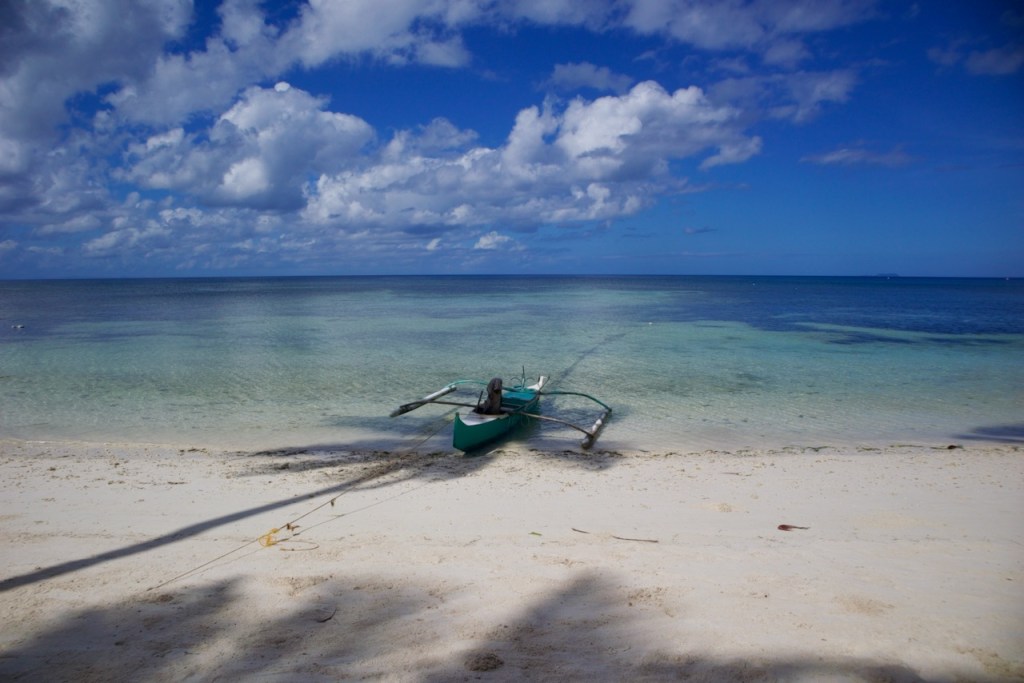
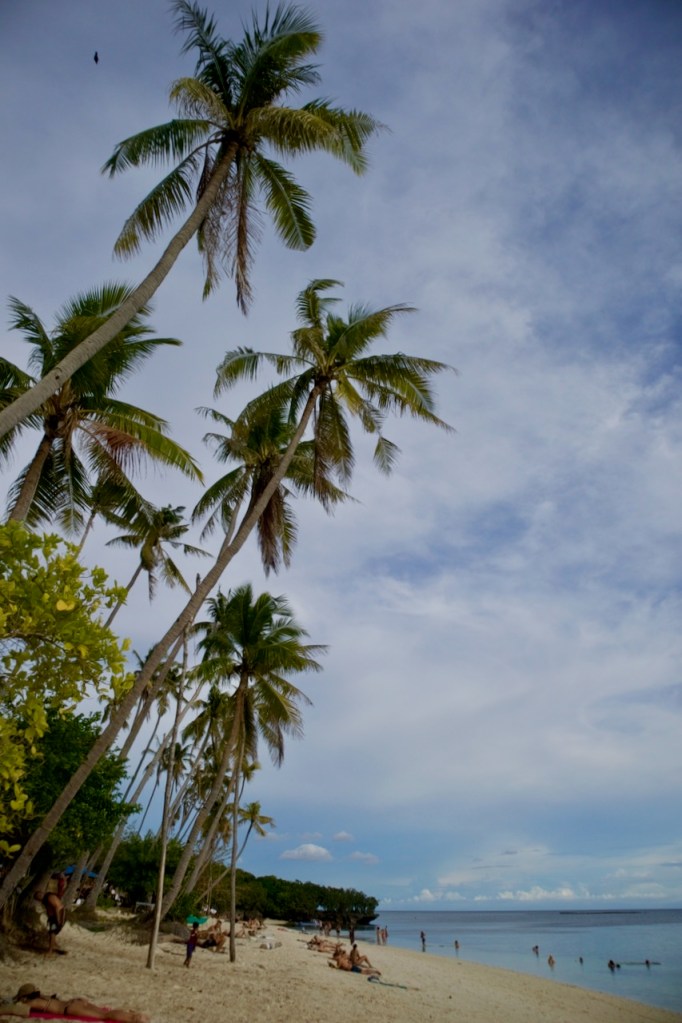
Known since ancient times for her mystical power and folk healing, Siquijor attracts spiritual seekers and nature adventurers alike. From natural springs to white sand beaches, underground rivers and coral gardens, marine sanctuary and deep sea caves, scenic waterfalls and cliff diving, the small enchanting island has it all without the overdevelopment that has plagued so many other Filipino islands.
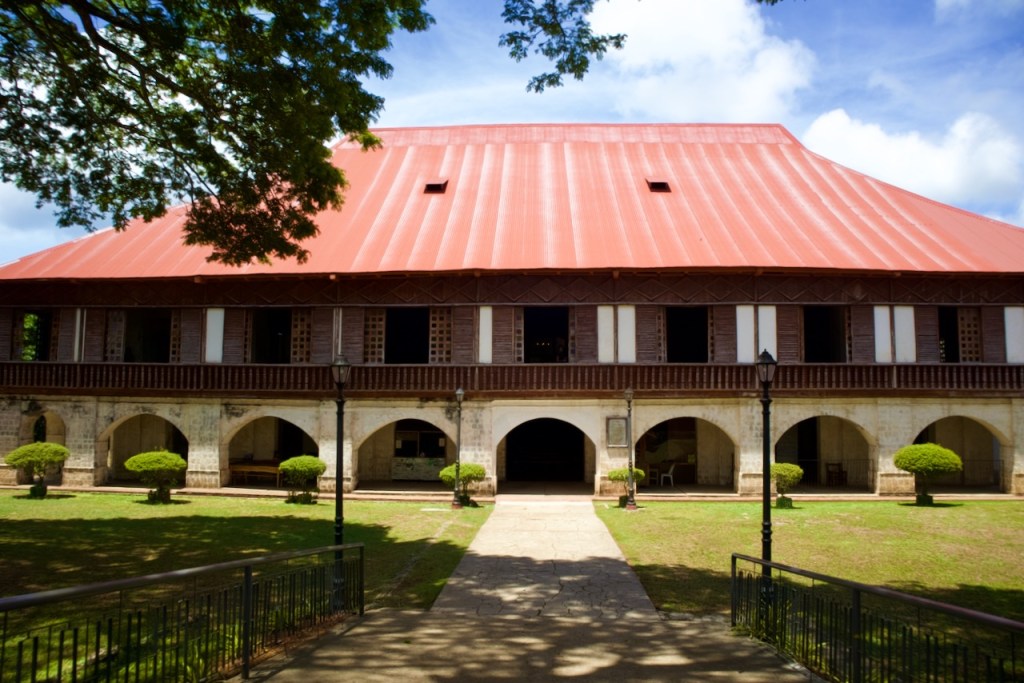
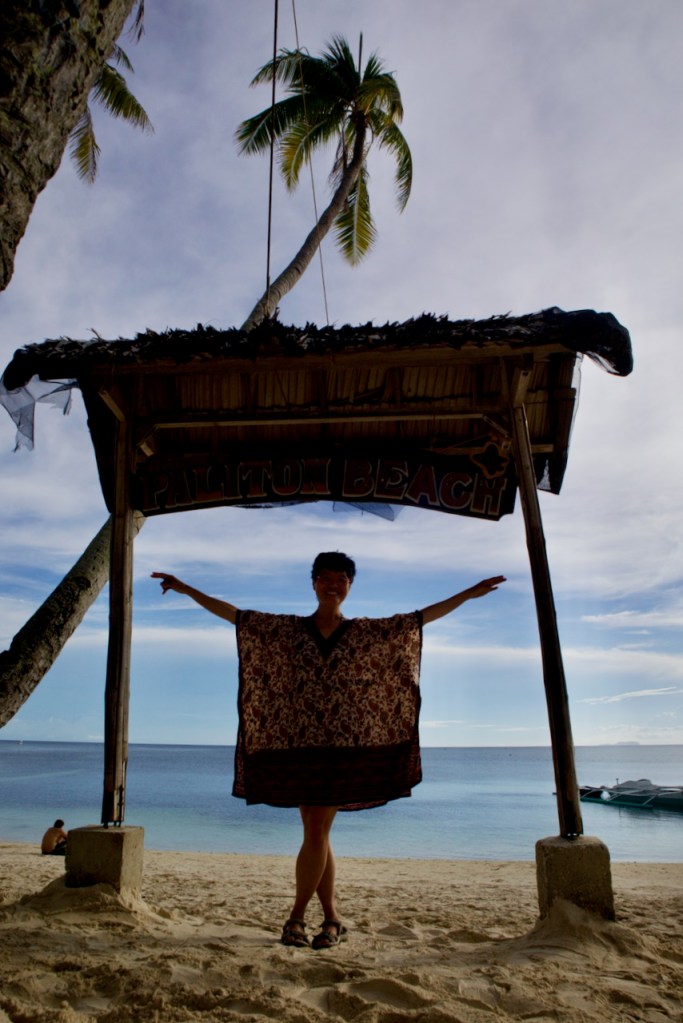
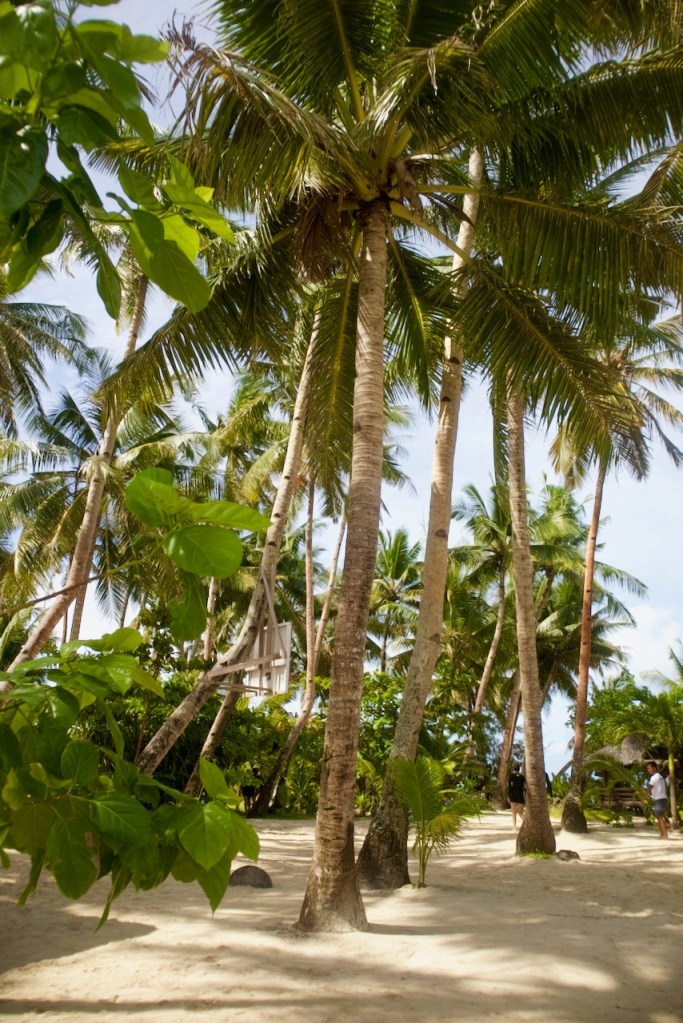
The day tour begins in postcard-like Pitogo Cliff and winds it way through a four-century-old Balete tree, followed by a dip at the Salagdoong Beach resort. The Lazi Convent, oldest in the country, made of sea stones and wood with a beautiful garden and courtyard, showcases fine Baroque architecture. After lunch, we relax in the Cambugahay Falls and then end our gorgeous day in Paliton Beach surrounded by coconut trees.
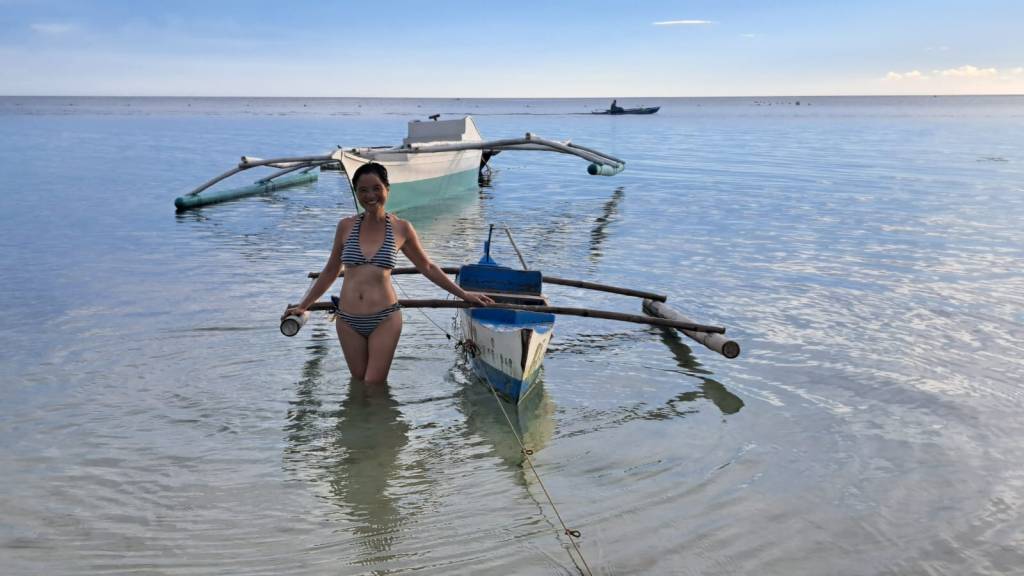
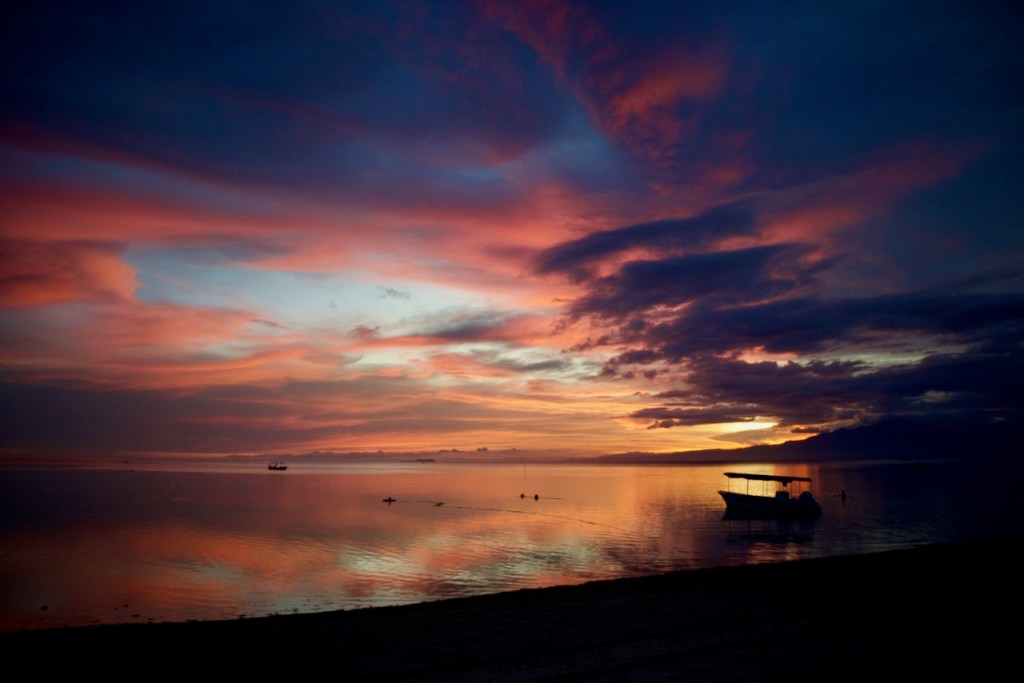
Sun, sea, swim – soaking up everything that this generous country has to offer – sets the tone for the rest of my stay in the Philippines. I believe if there’s any kind of God it wouldn’t be in any of us, not you or me but just this little space in between. If there’s any kind of magic in this world it must be in the attempt of understanding someone sharing something, Richard Linklater says. Before sunrise, before sunset… And a new full moon is rising and you can almost feel bolo bolo magic happening!


Behold Bohol
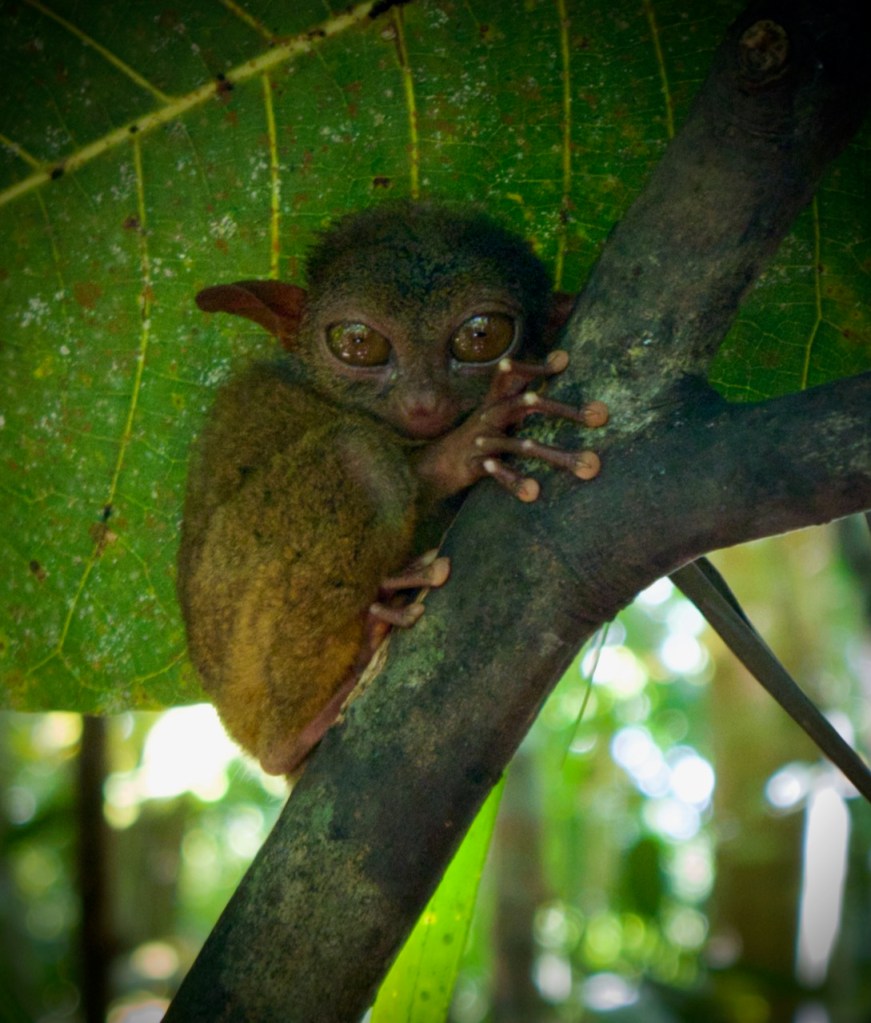
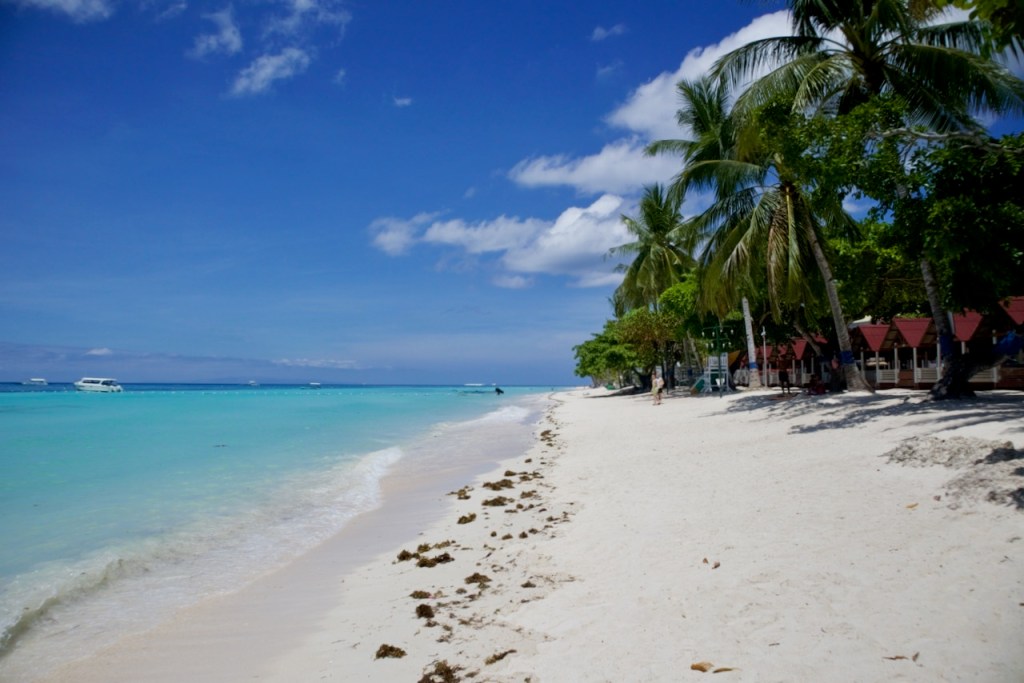
Bohol is just a short fast ferry ride away with her fine white-sand beaches, dive spots, coral reefs, unique geological formations, and the smallest monkeys in the world: the Philippine Tarsier, all protected within the Philippines’ first UNESCO Global Geopark.
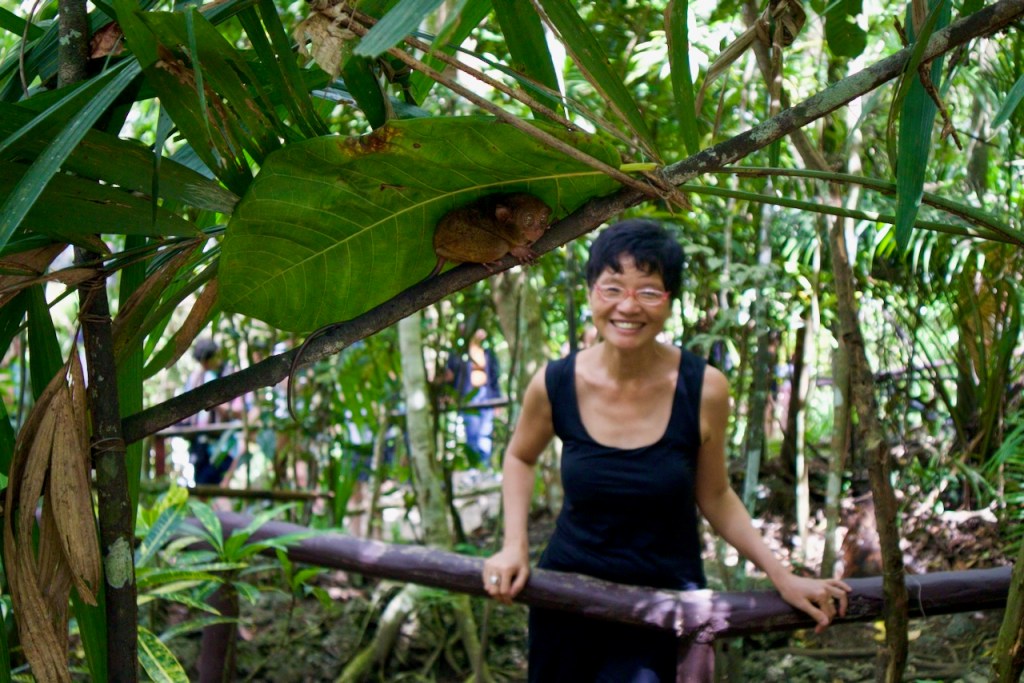
With an extensive bus network in Tagbilaran, it is easy to reach the Tarsier Sanctuary, the abode of the alien-like long-tailed monkeys so tiny and camouflaged in their jungle habitat that one has to strain the eyes to catch them. Here’s one! a visitor would shout and the entire crowd would flock to the spot. Their disproportionately huge eyes and curious look make them quite a sight to behold.

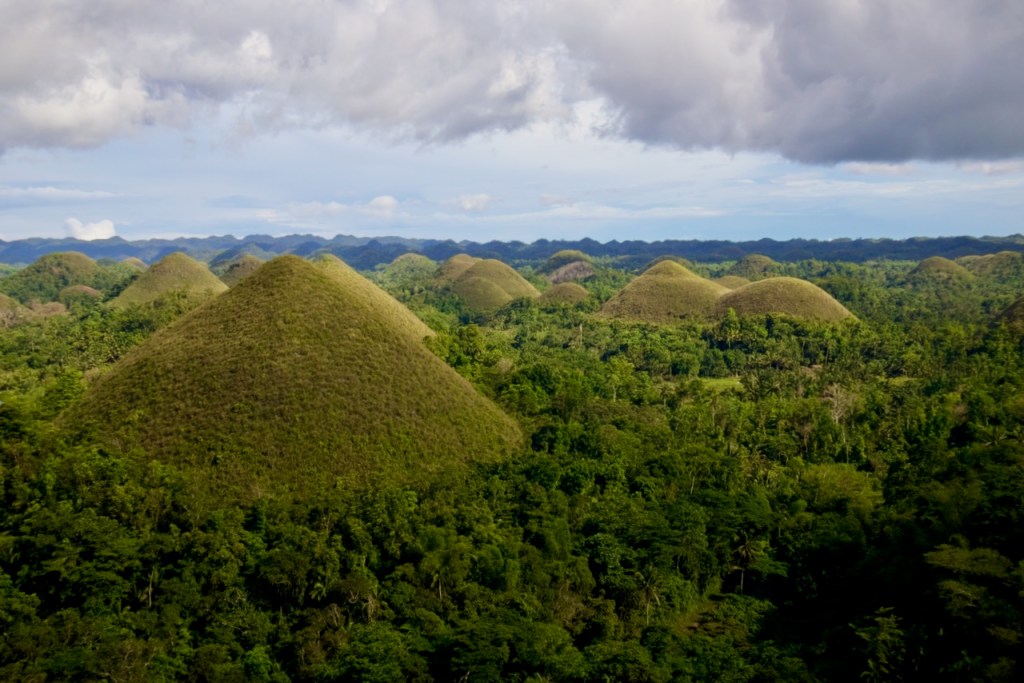
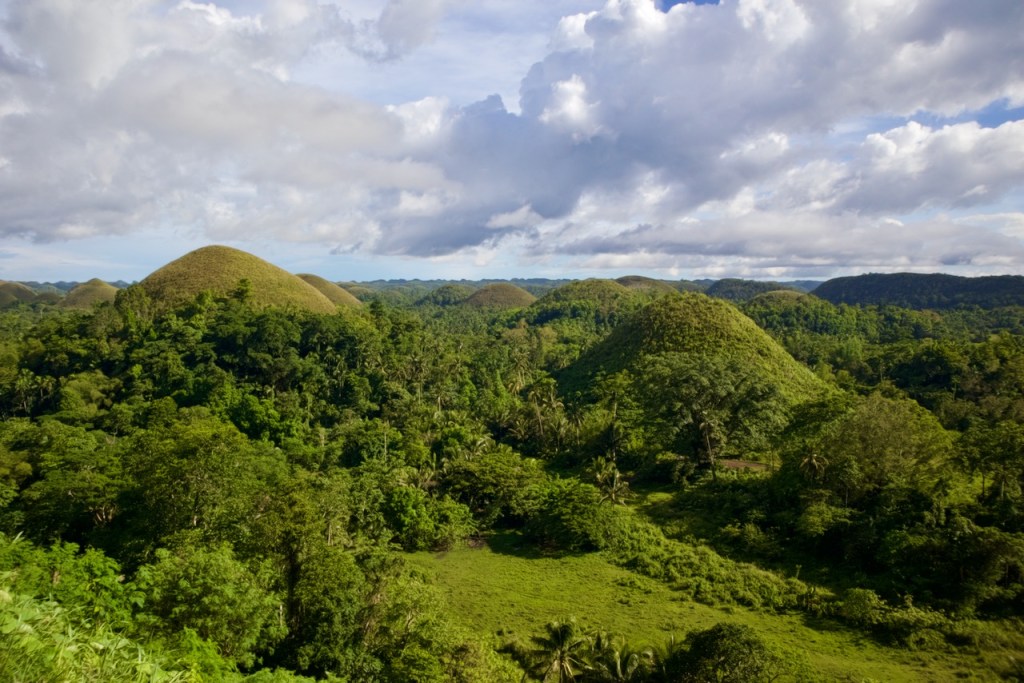
The most famous tourist attraction in Bohol is the Chocolate Hills, a unique karst landscape made up of smooth, conical hills – close to 1,300 of them spread over 50 km – from erosion of the limestone build-up of coral reefs over two million years ago, turn cocoa-brown in the dry season in great contrast to the green jungle. Further to the east is Anda, a tranquil fishing village with a sandy beach far away from the Panglaocrowds. There is plenty more to do, kayaking down the Loboc river, swimming in waterfalls and caves, admiring mural paintings in the stone church of Baclayon, and island-hopping within island-hopping…

Siargao: “Best Island in Asia”
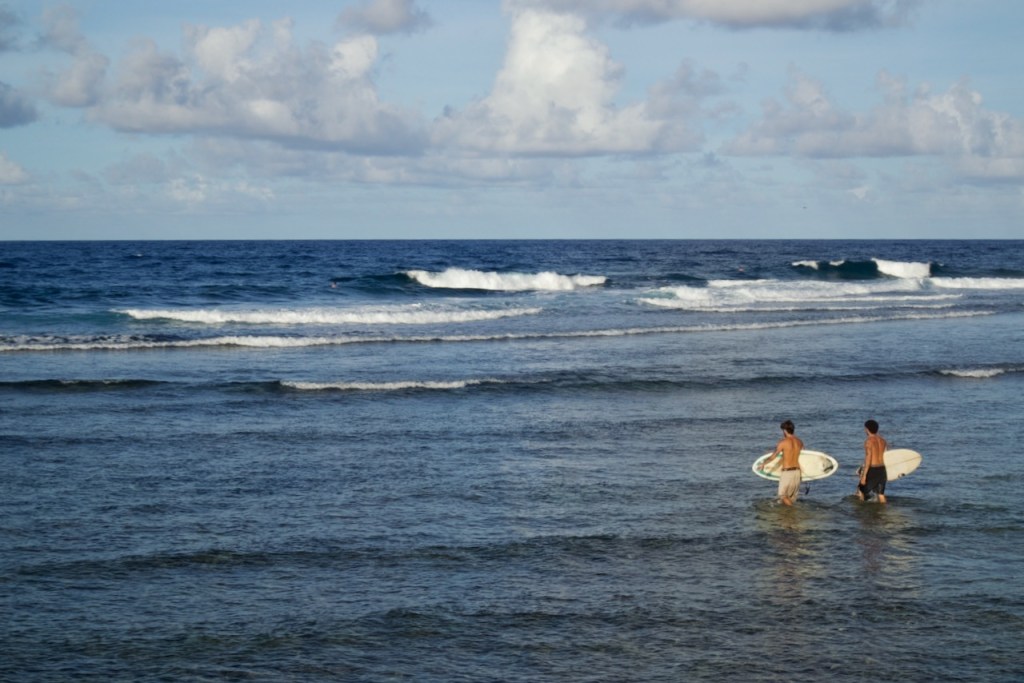
The tear-shaped island of Siargao has become an overnight sensation after Conde Nest Travellers named it as the “best island in Asia” in 2021. Surfers have been coming here since the 1990s when they spotted an idyllic corner near General Luna where waves figured like a nine before forming a cloud upon breaking. Cloud 9 has since become the surf capital in the Philippines, but the gorgeous island has tons to offer to non-surfers alike from secluded beach stays to wild night parties. Your choice!
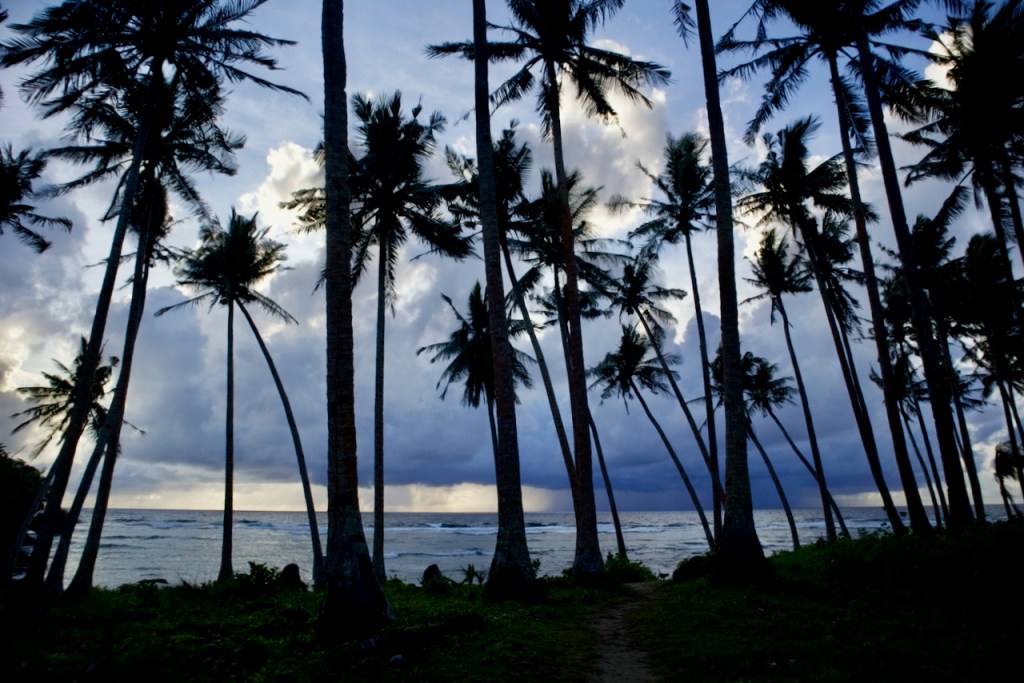

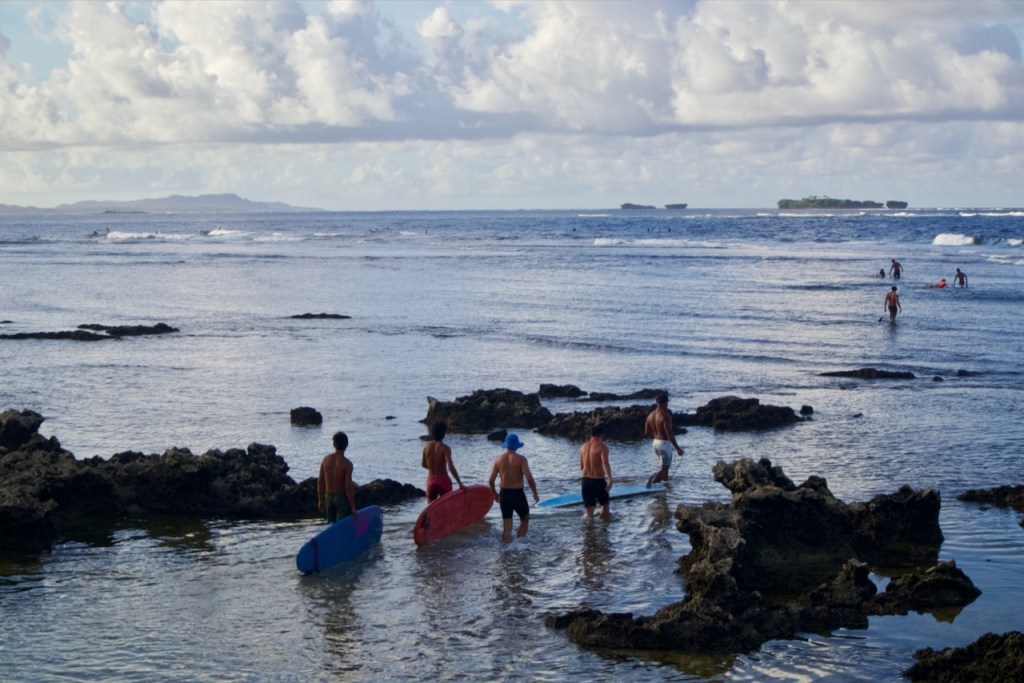


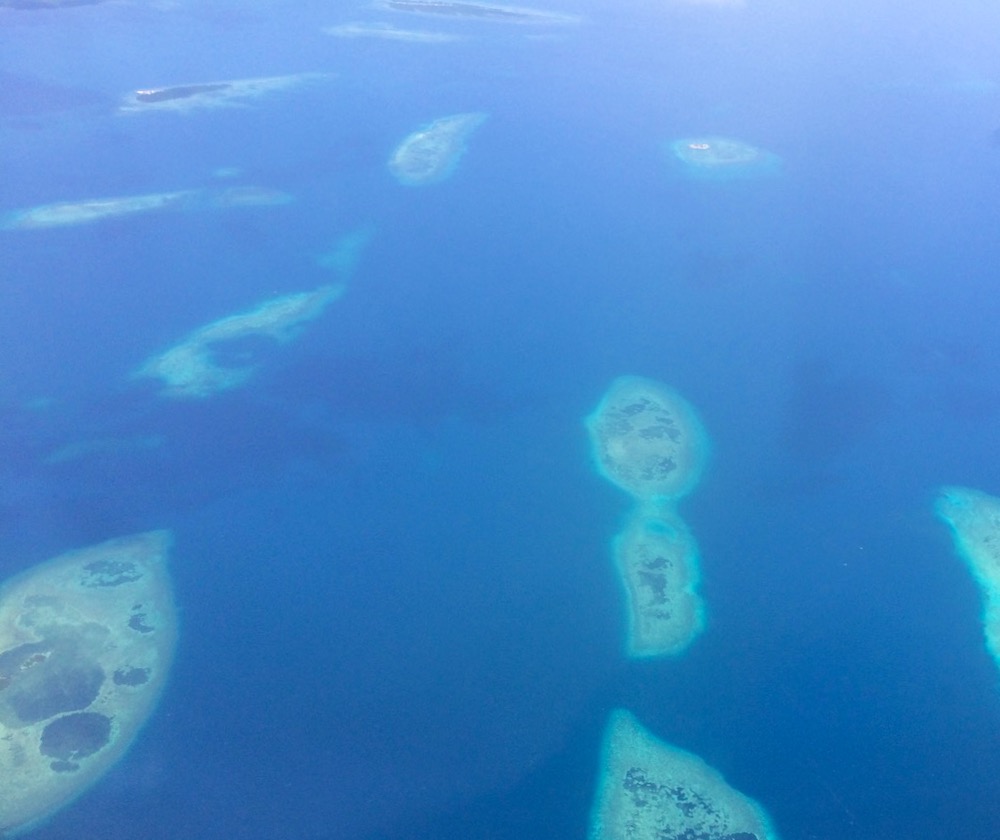
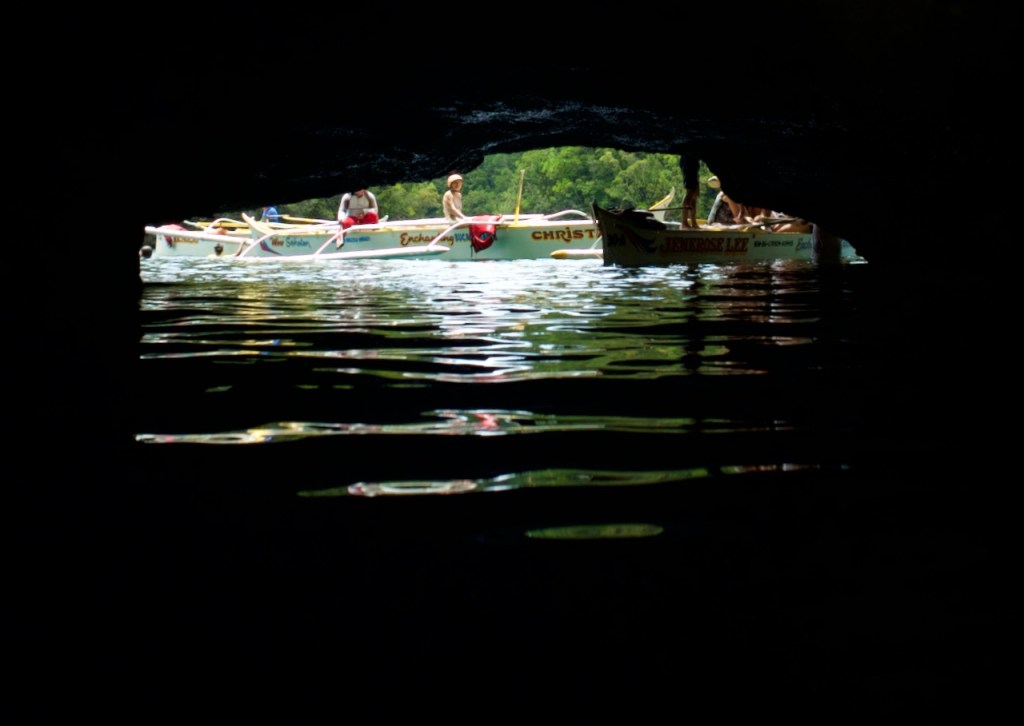
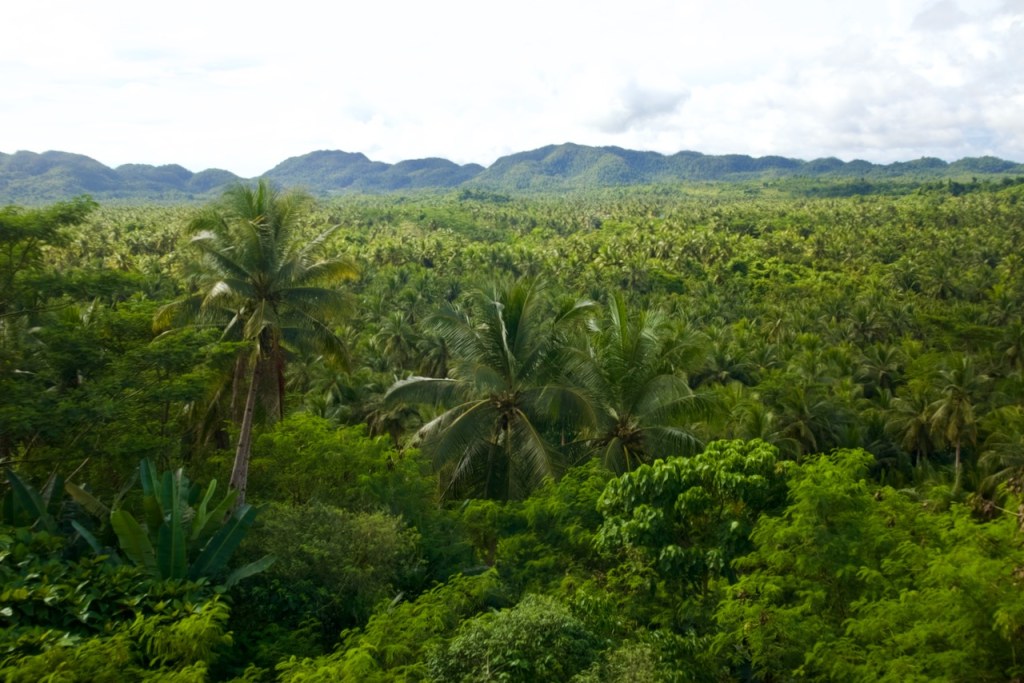
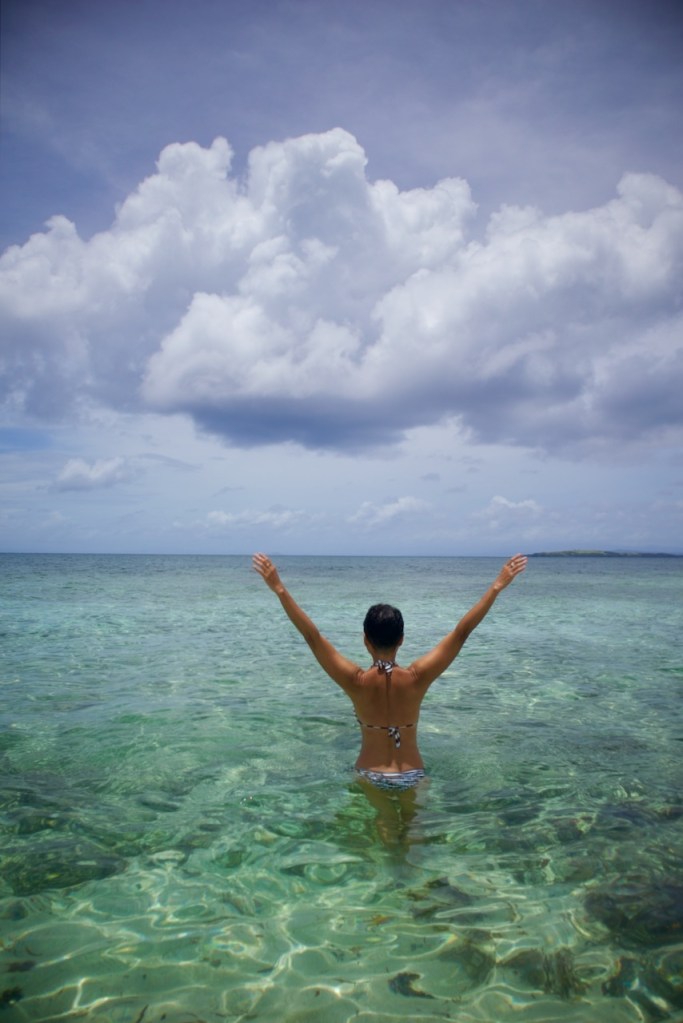
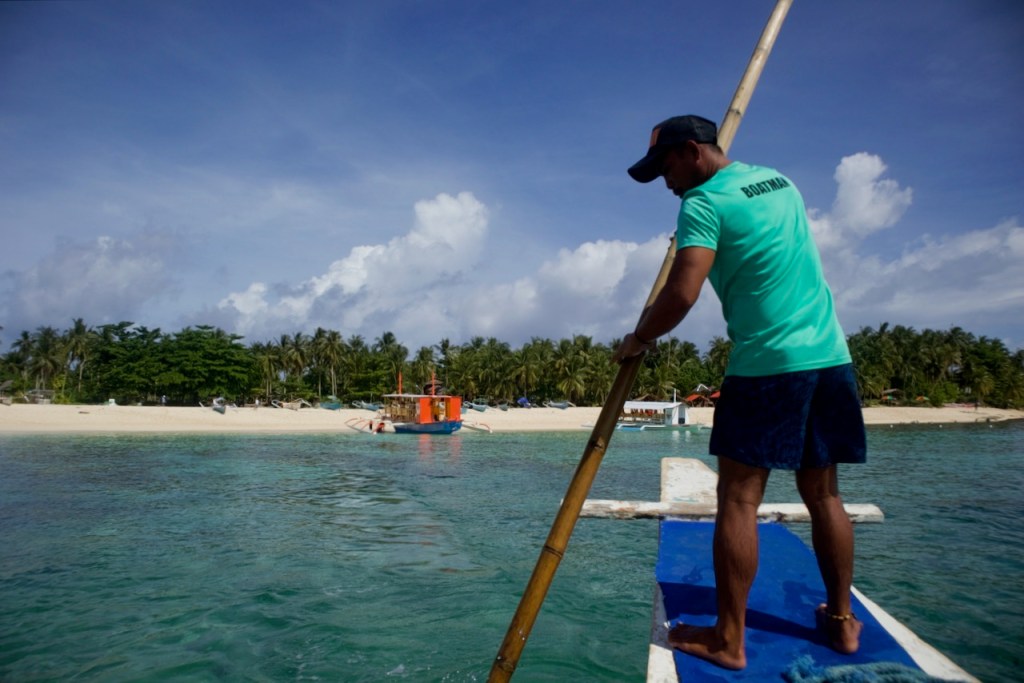
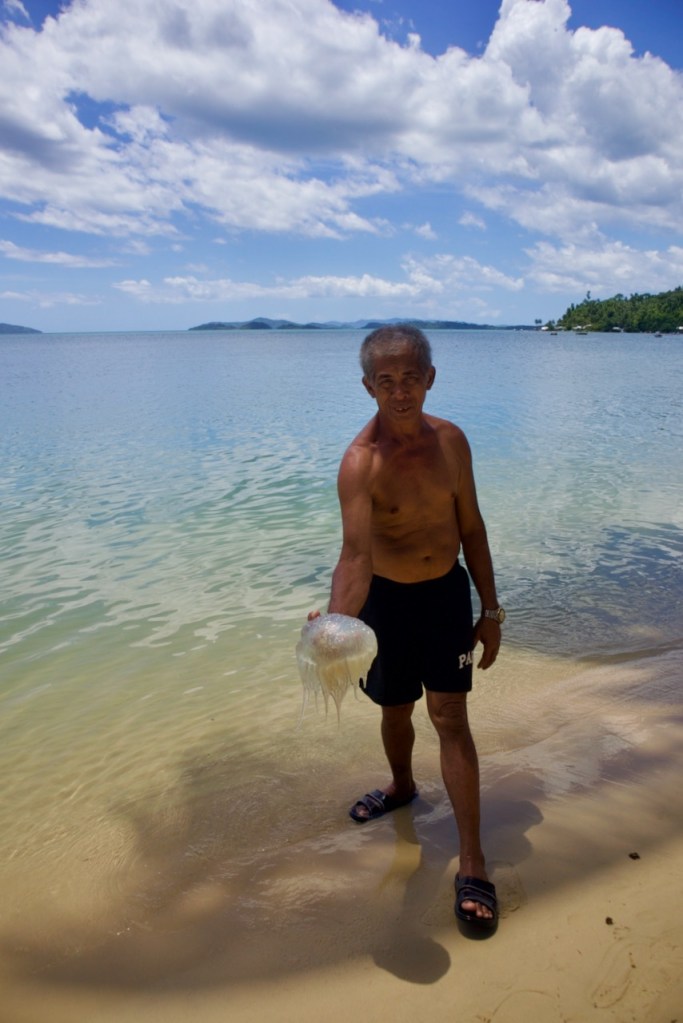
The jaw-dropping aerial view is promising: a lush jungle and mangrove groves, rolling hills and coconut palms, a pristine coastline and emerald water. I arrive on Good Friday and spend a busy Easter weekend touring this little slice of heaven. First stop: Sohoton Caves. From the Dapa ferry terminal, an outrigger takes about an hour along fringing mangroves – the biggest in the Philippines – to Sorocco in Bucas Grande. The bustling departure hub for Sohoton Caves is just a short van ride away. Normally reserved for experienced divers, cave exploration is made fun and easy by a team of Filipino guides, hauling visitors one by one through the narrow cave entrance, shining spotlight on stalactites and stalagmites in the huge cavern, and skillfully snapping pictures with your non-water-proof camera while you try to stay afloat. Nearby is the Tojoman lagoon where, for once, you can swim with jellyfish that has lost its stinging cells due to absence of predators in its natural sanctuary. What a unique experience!


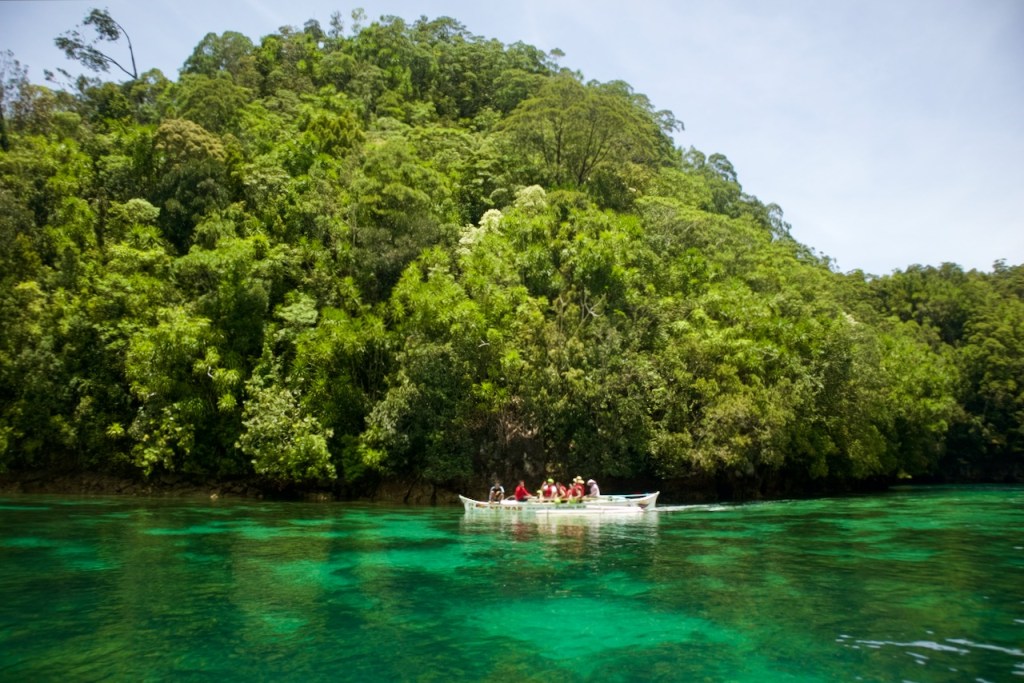
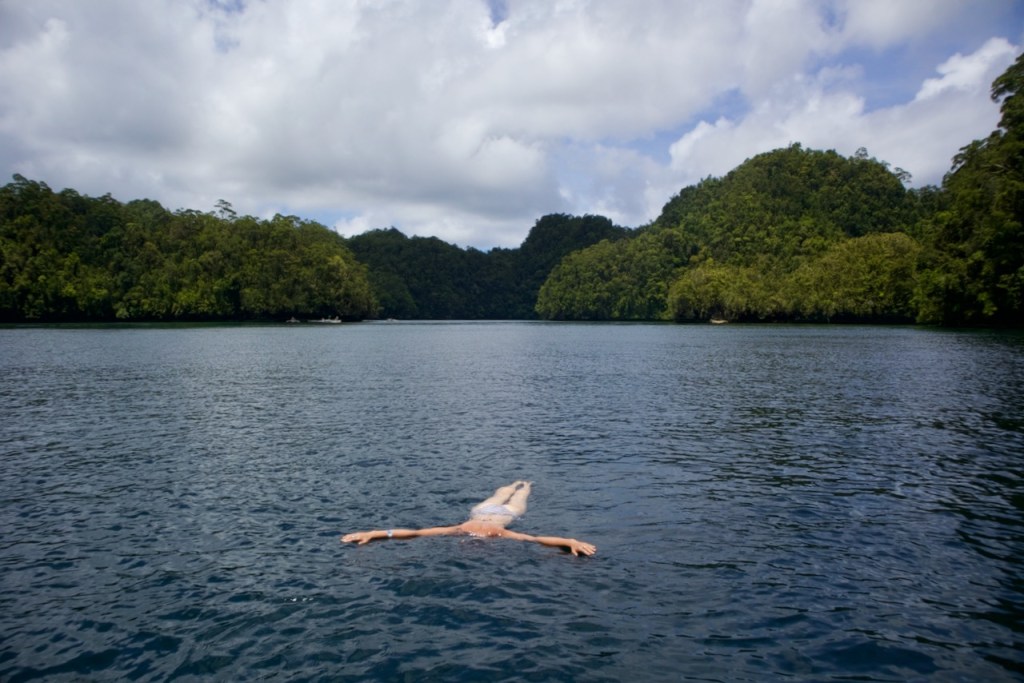


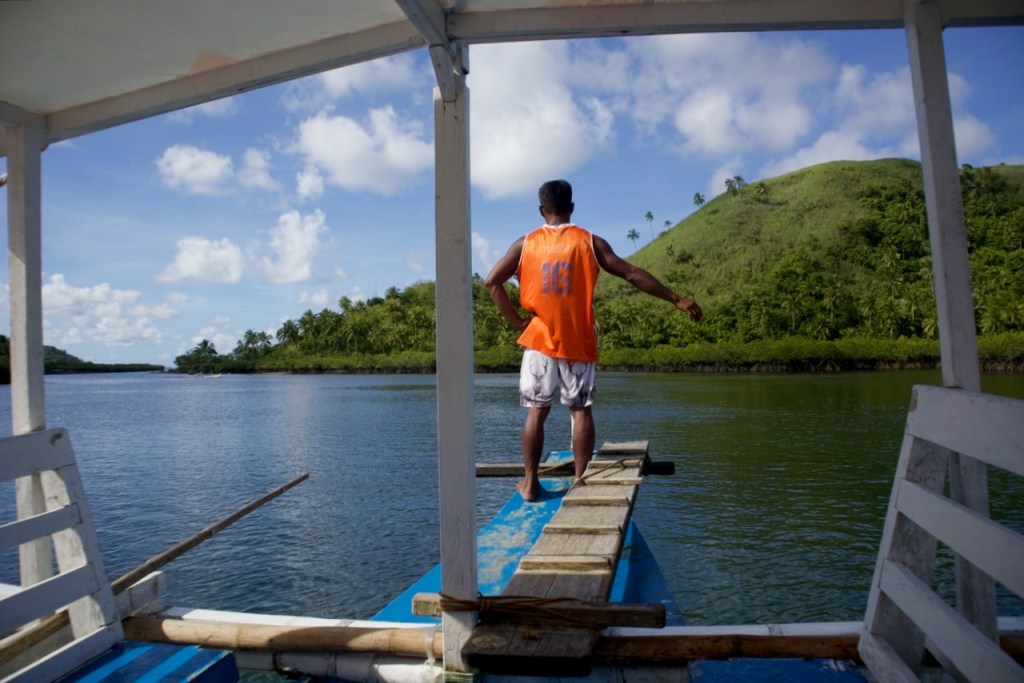
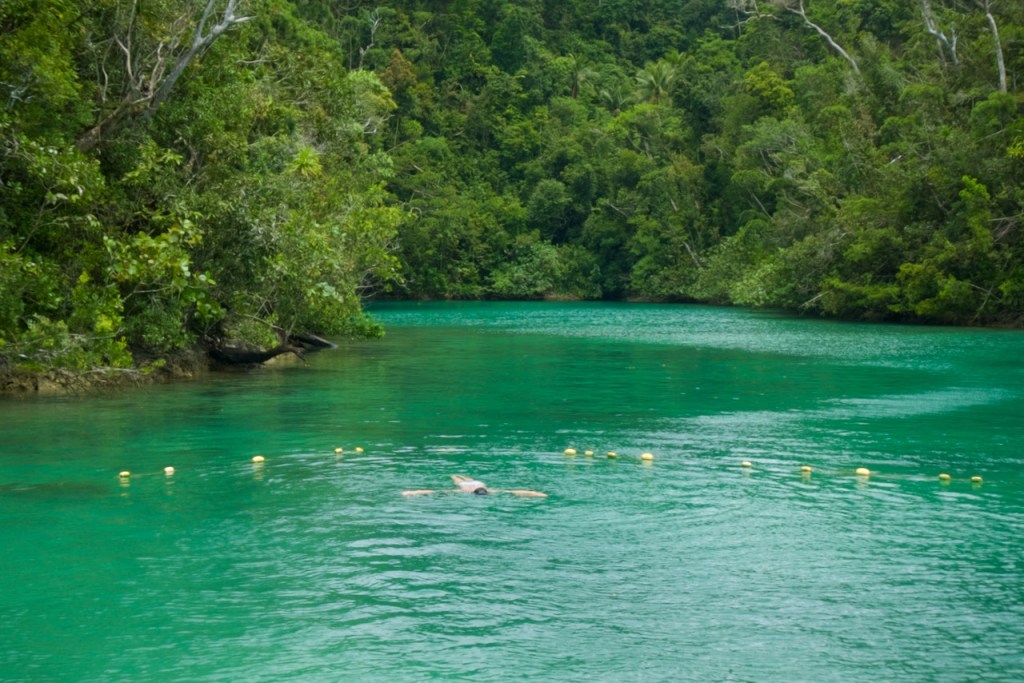
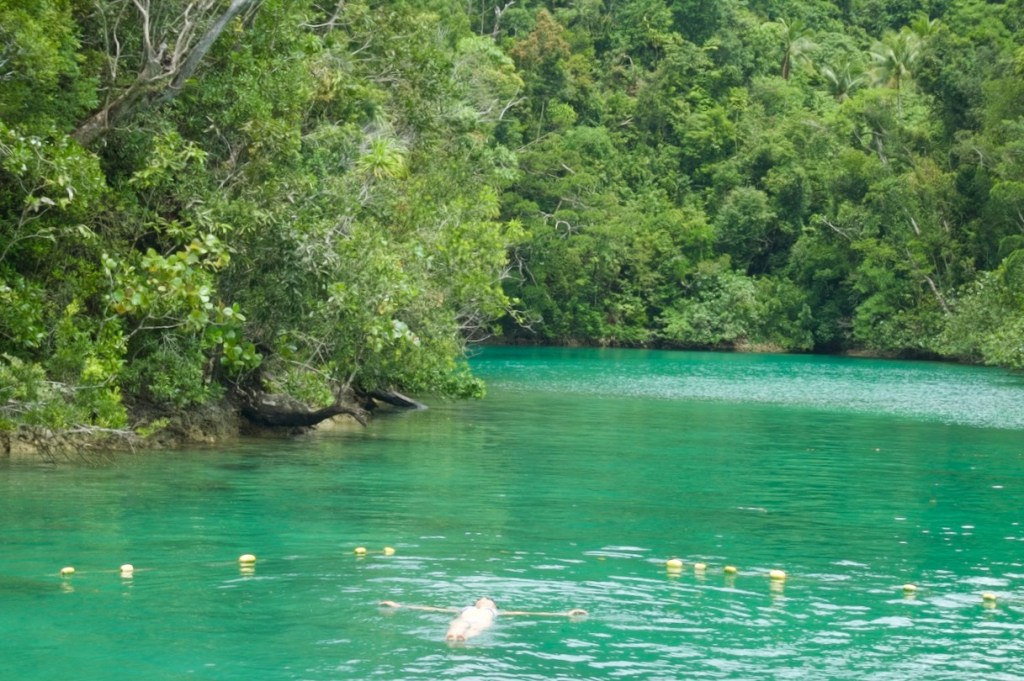
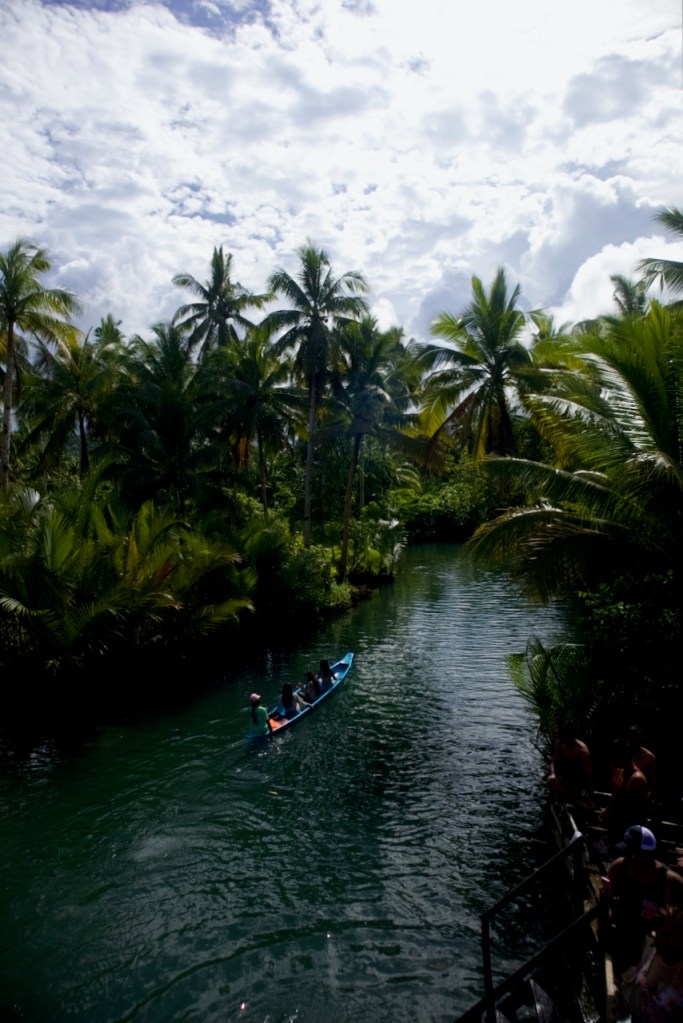
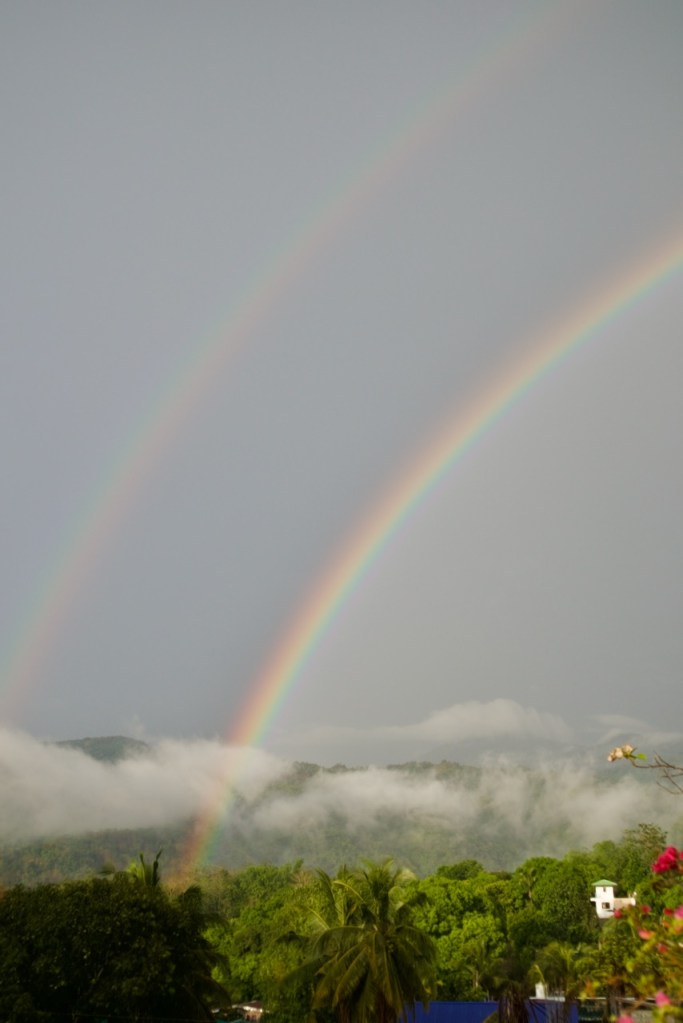
Another day tour begins in the beautiful Sugba Lagoon known for its crystal-clear waters surrounded by lush mangroves. Then we make our way to the Magpupungko tidal pools, Massin River, Coconut Mountain View, and end our day with a bonus rainbow over Secret Beach.




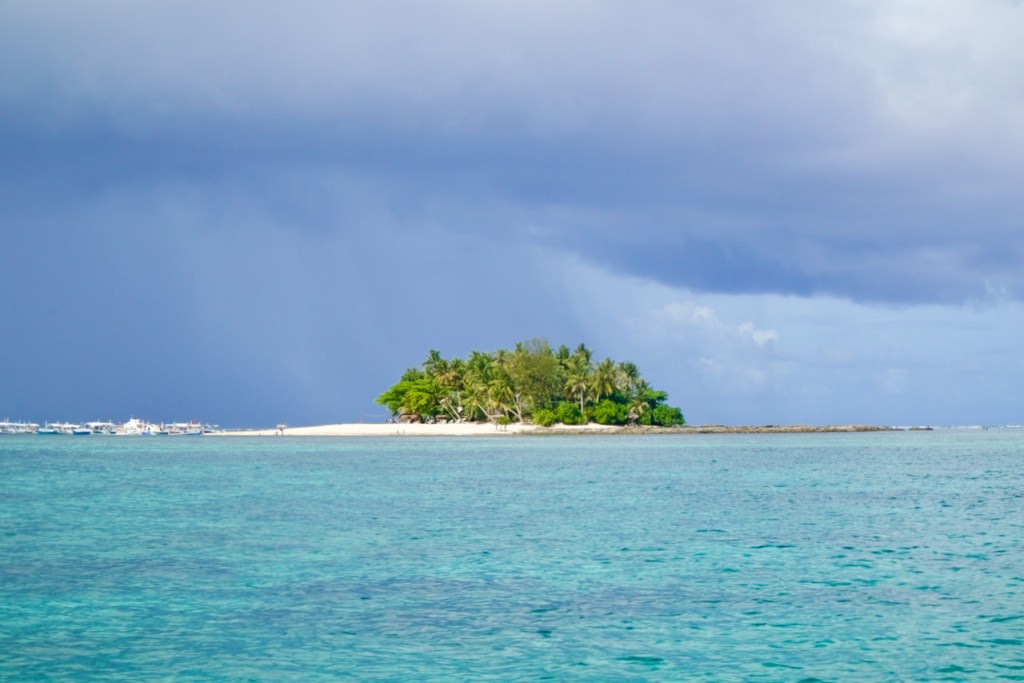
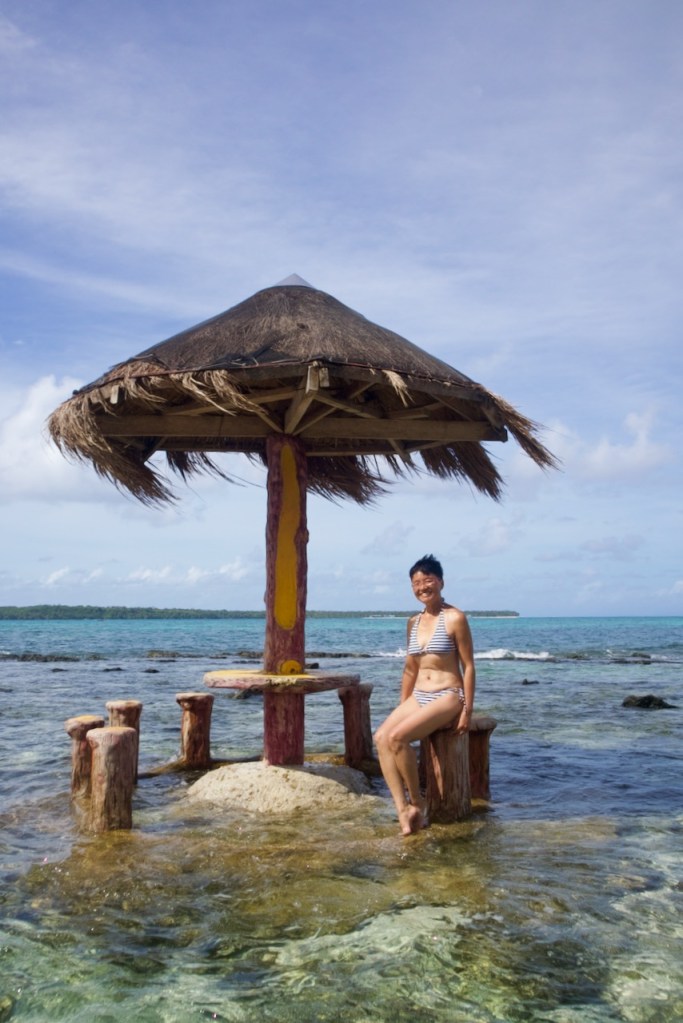
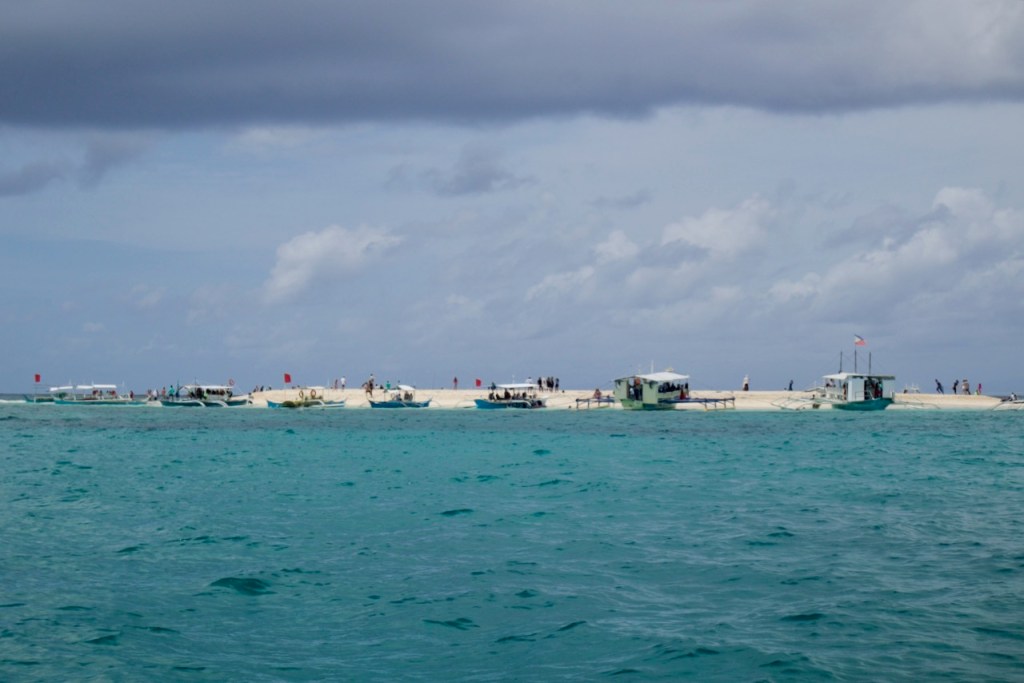
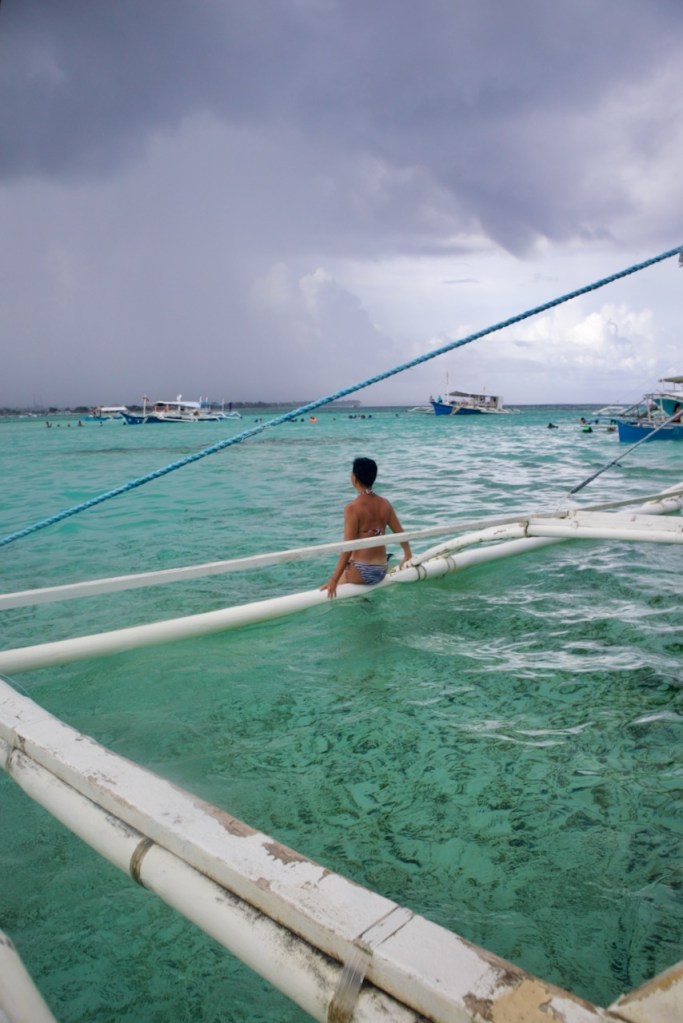
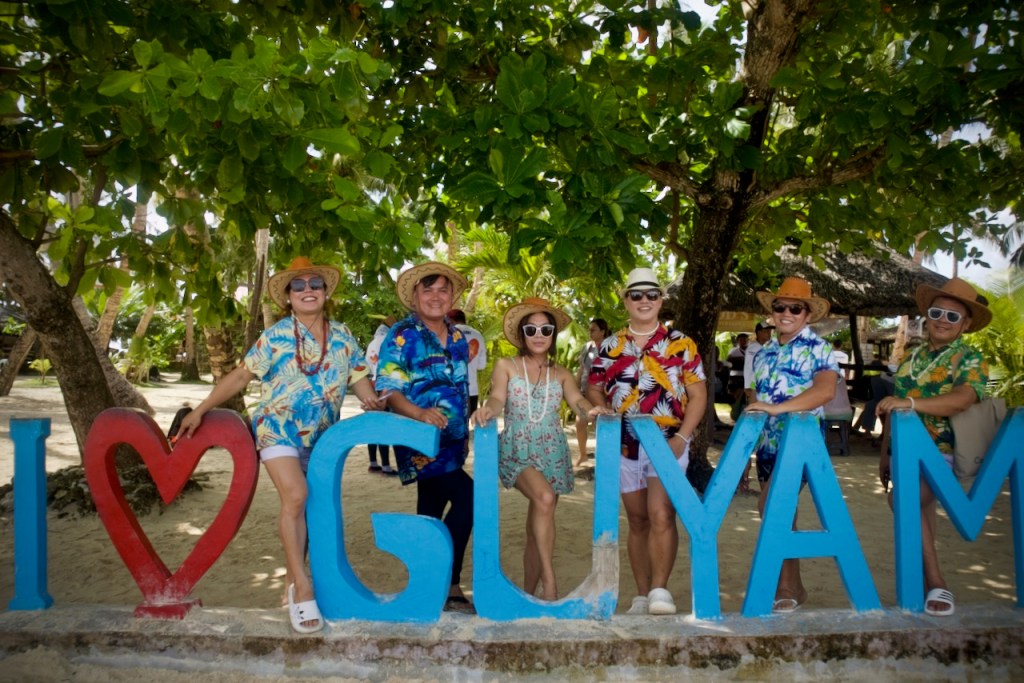
Another popular tour takes one out to Guyam, Naked, and Daku Islands. They are all tiny, taking no more than a few minutes to circle around. After a morning of snorkelling and chilling, we are served a spectacular buffet spread called “boodle fight” – a traditional ice-breaker in the army – on Daku. Afternoon bonus: Secret Island, a tiny sandbar in the middle of the sea before returning to General Luna, just in time for Happy Hour!

Palawan: Port Barton & Cagnipa Island
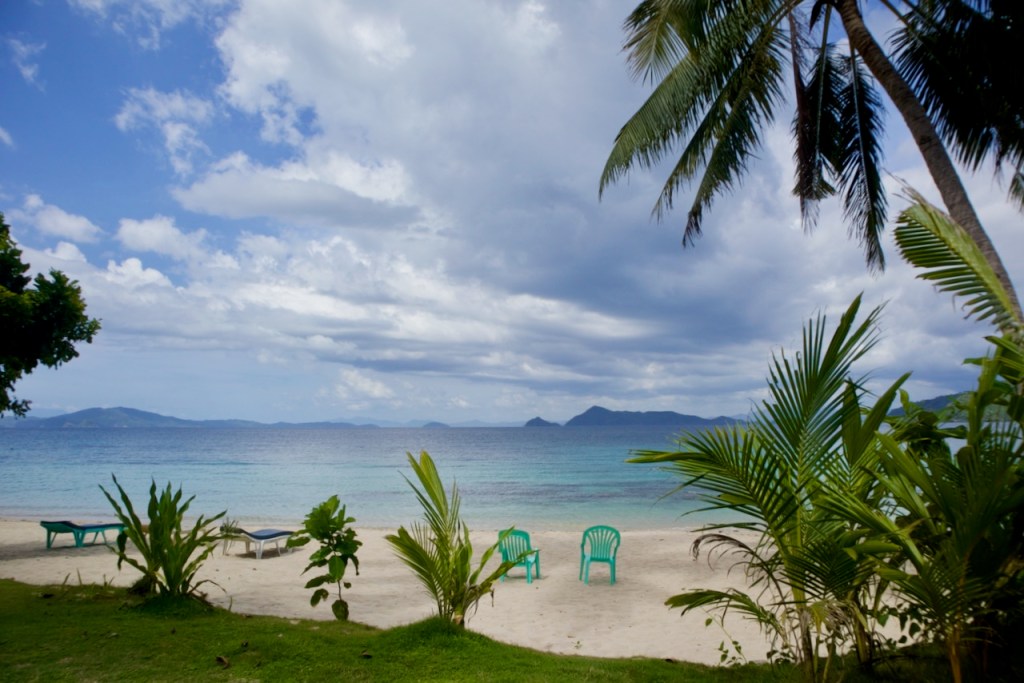
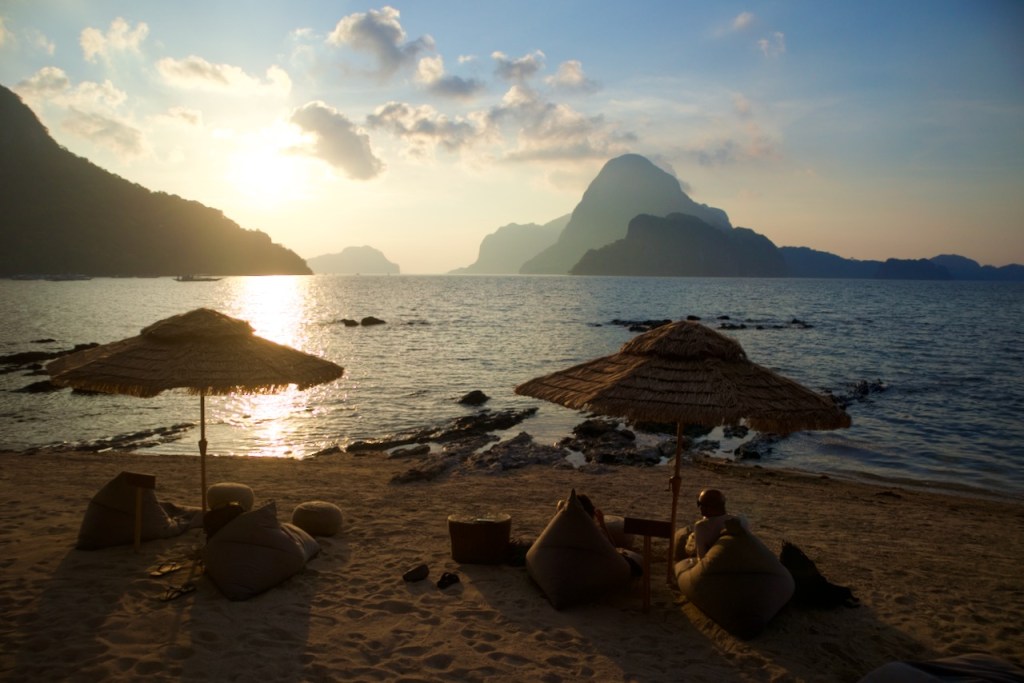
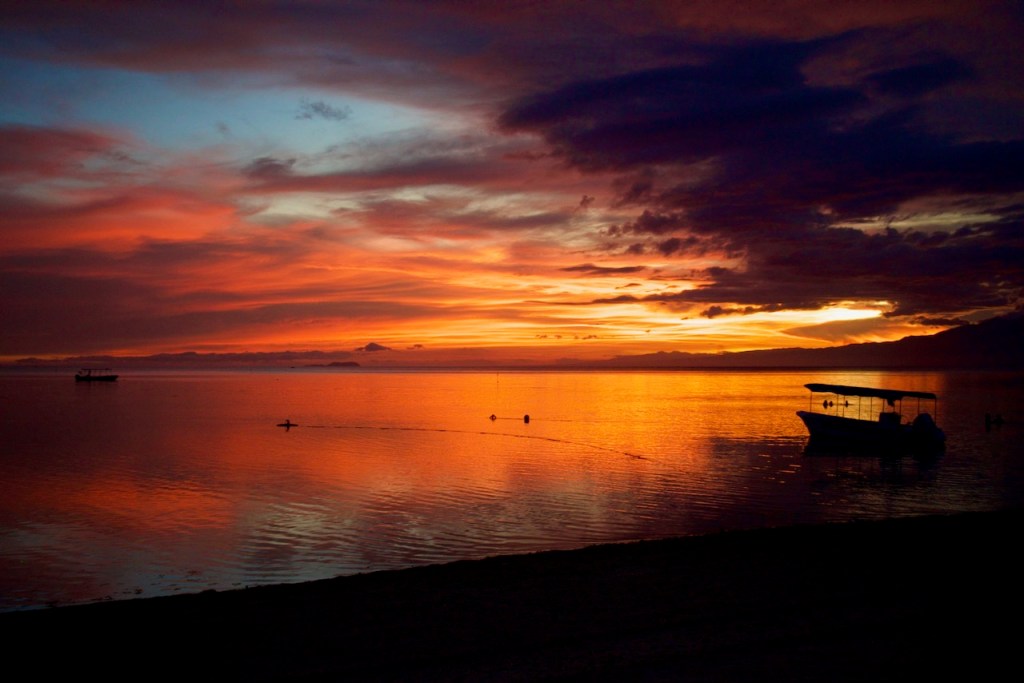
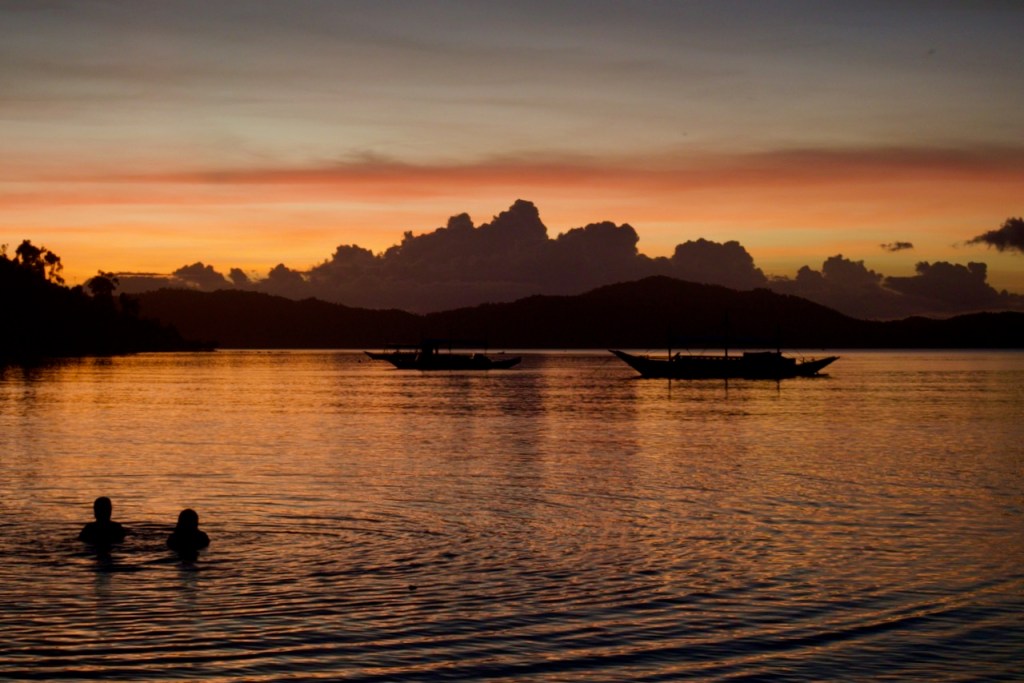
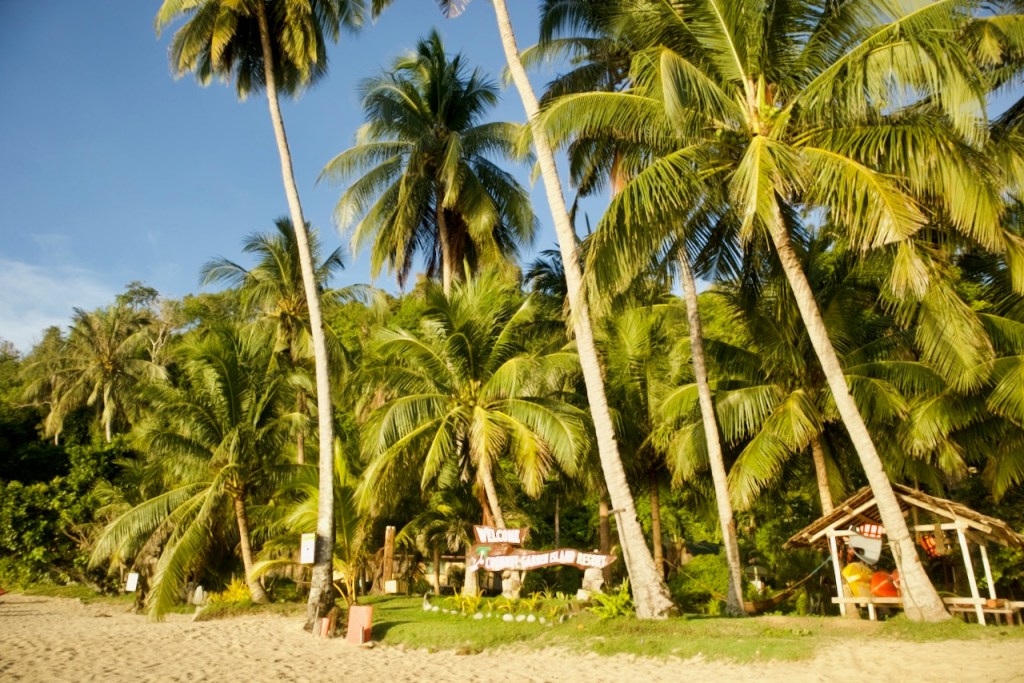
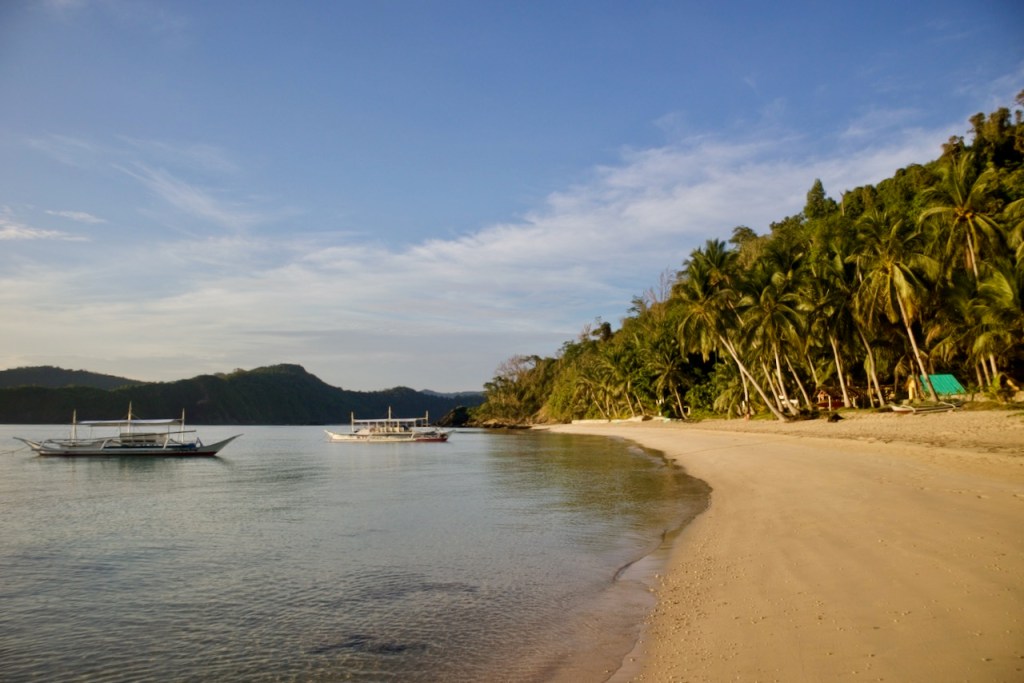
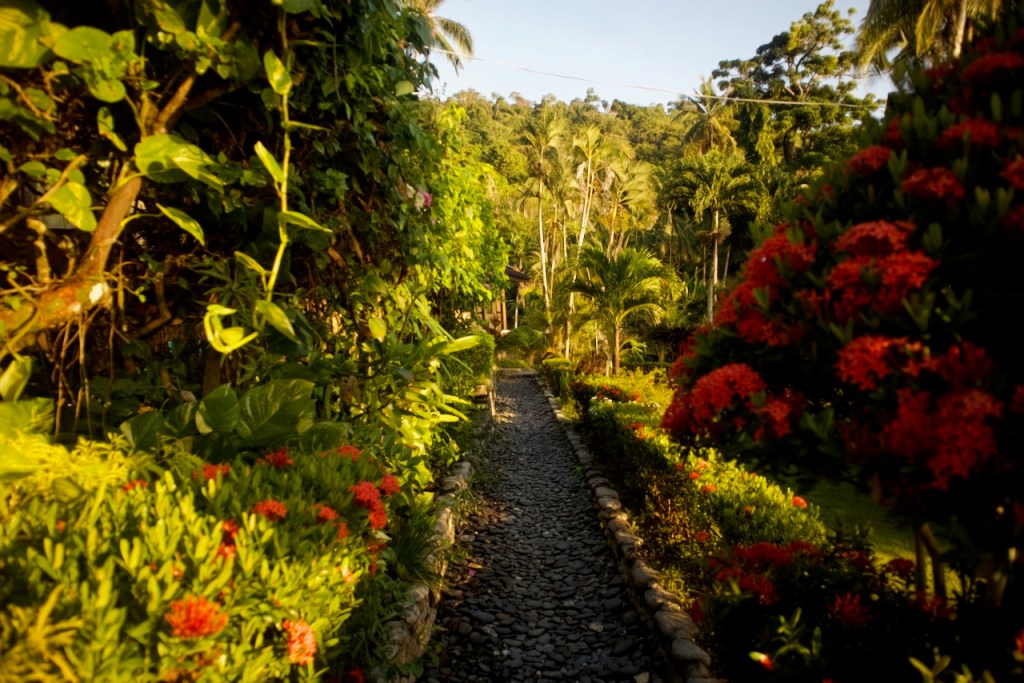
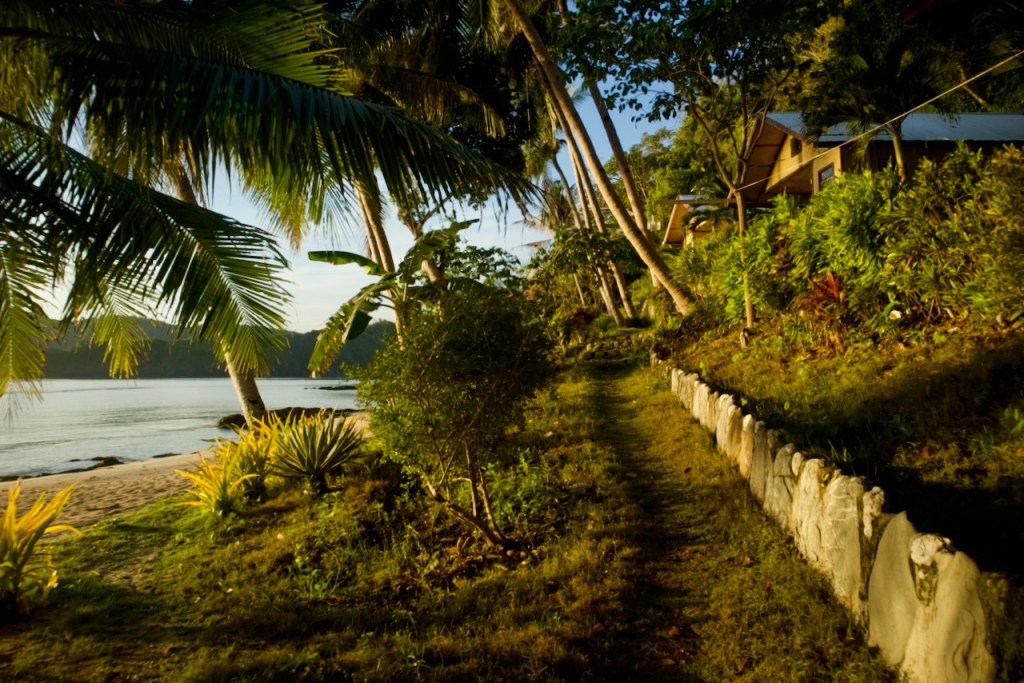
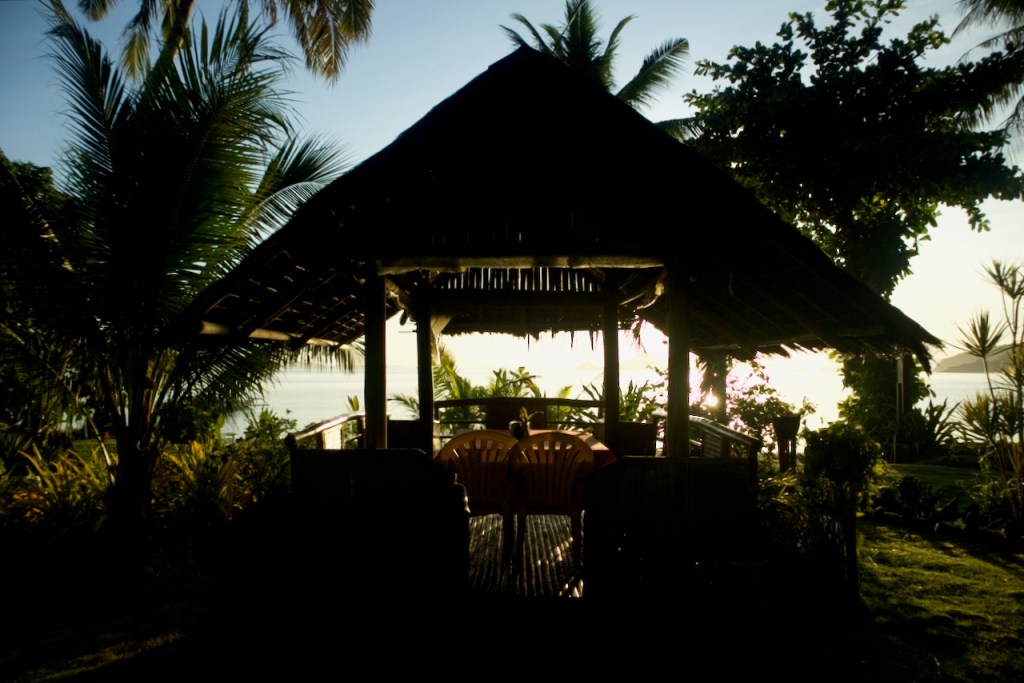
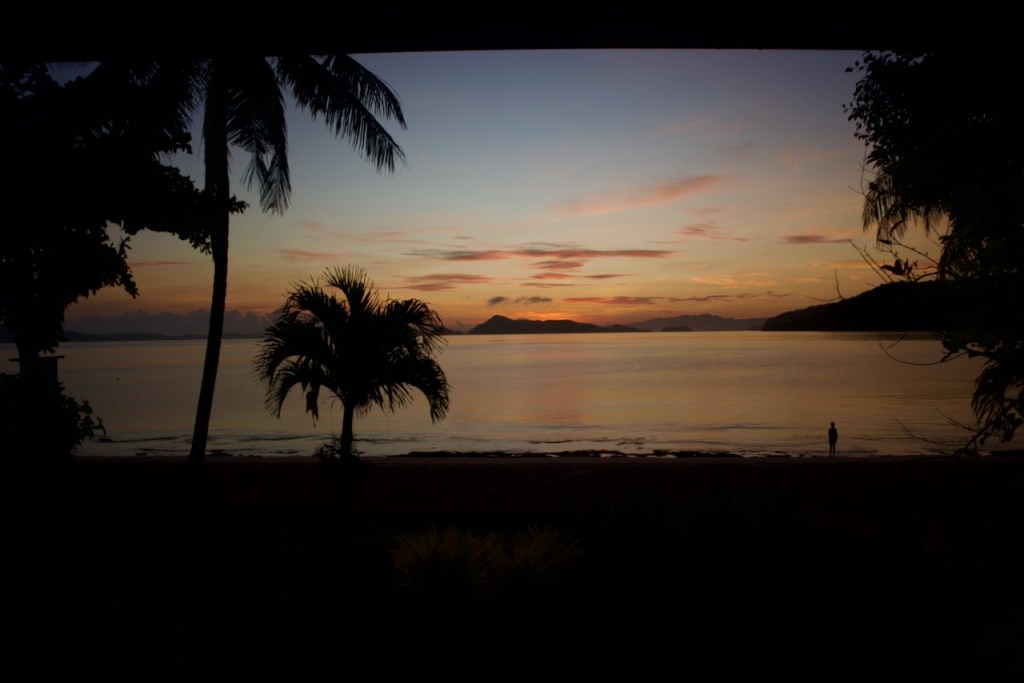
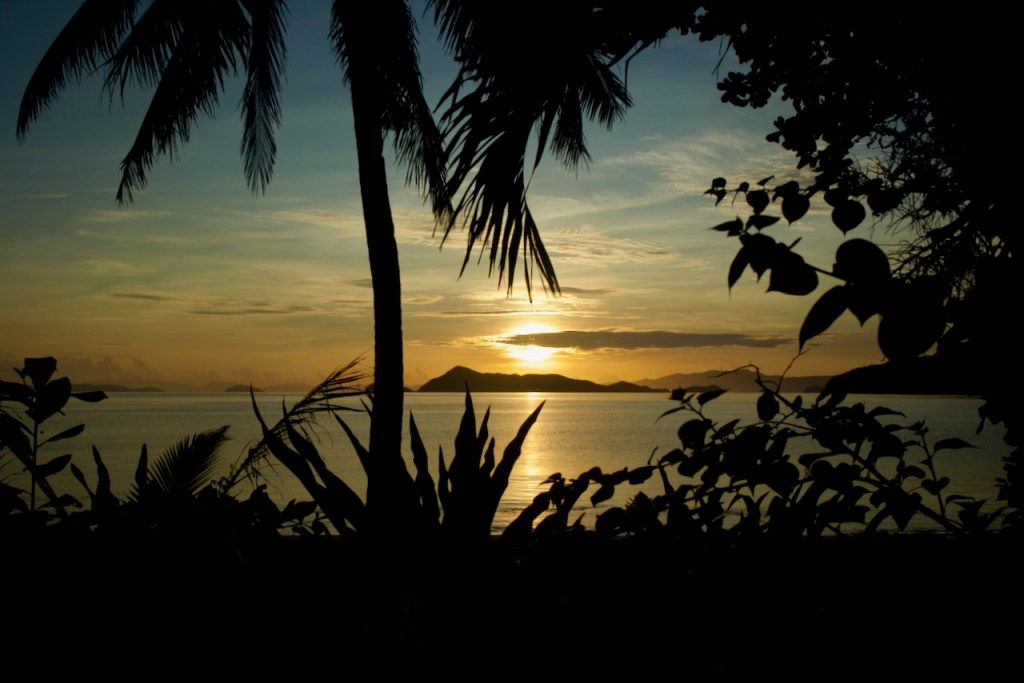
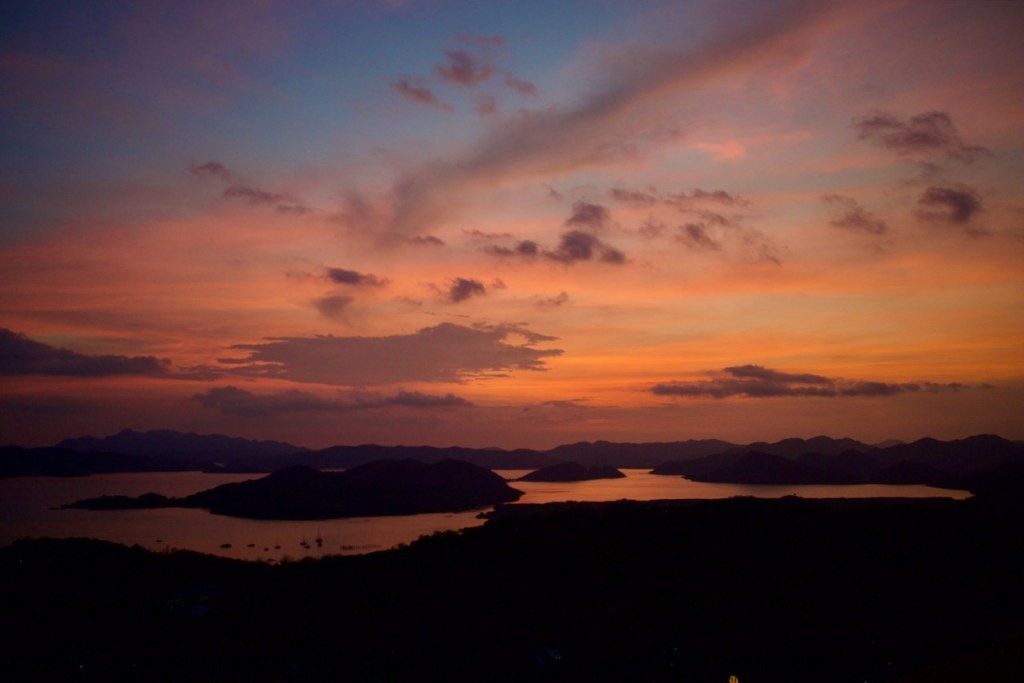
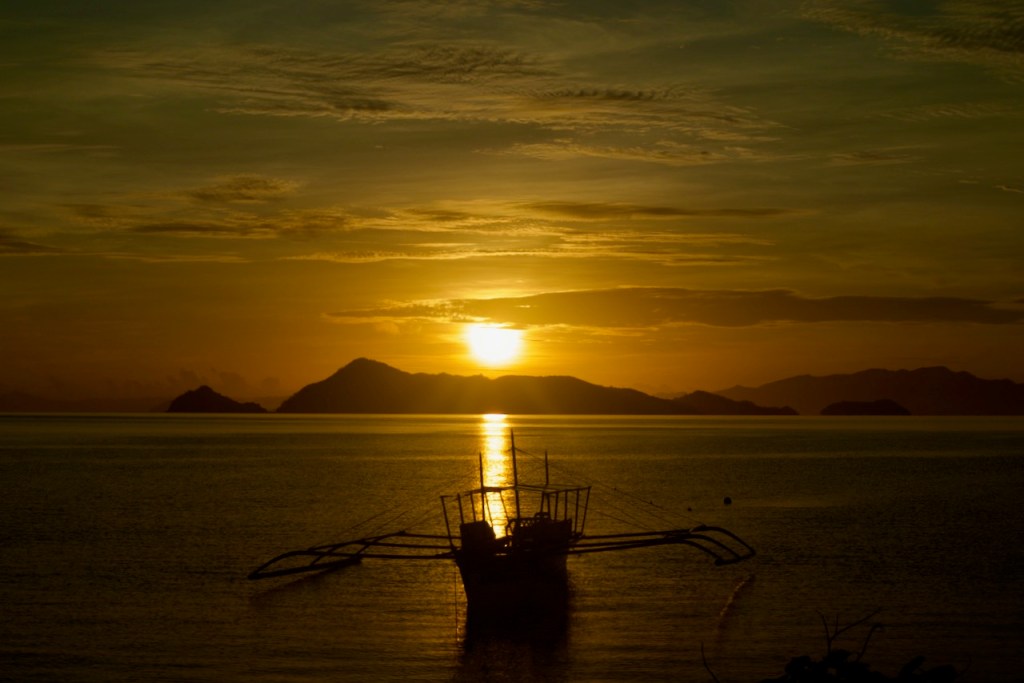
Finally, I keep the best for the last: Palawan. Offering full mountain-to-sea ecosystem, spectacular fauna and flora, complex cave systems and underground rivers, limestone cliffs and protected forests, marine and bird sanctuary, and archipelagos of archipelagos, the island has surpassed Boracay as the most exotic destination in the Philippines. From Puerto Princesa, it is a three-hour van ride to Port Barton, a laid-back village famous for her white sand beaches. Jelly fish is in season, though, and these ones sting, causing the death of a ten-year-old French boy last year. I take a short ferry to Cagnipa Island instead, a natural sea turtle habitat, where I check in for a do-nothing stay. Sunrise, sunset, and jungle music set to undulating waves. An idyllic place!



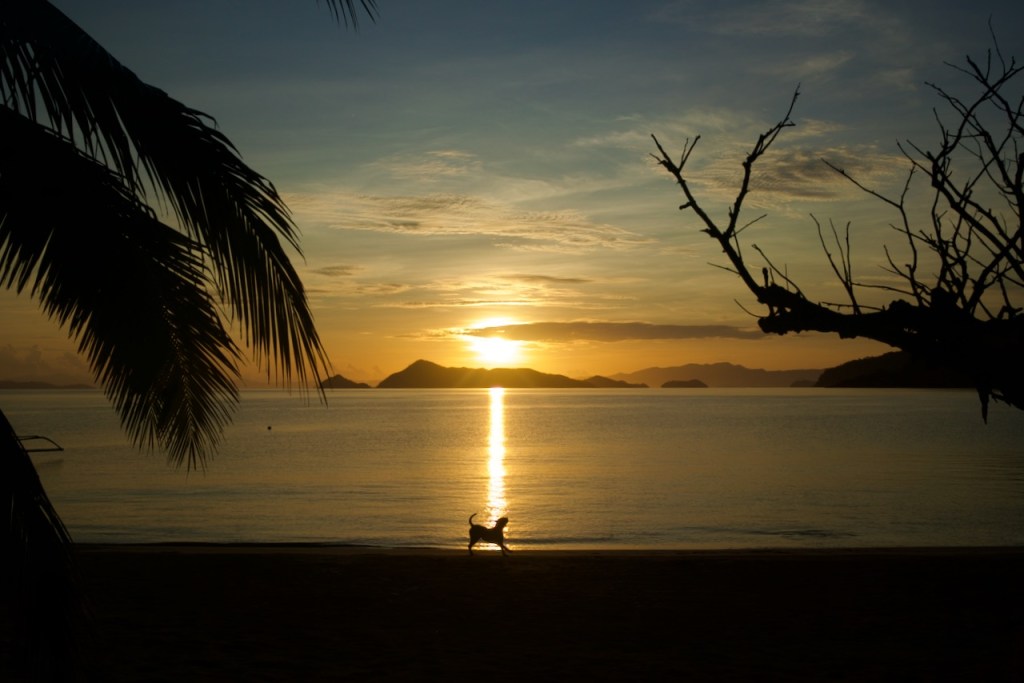

El Nido: The Last Frontier
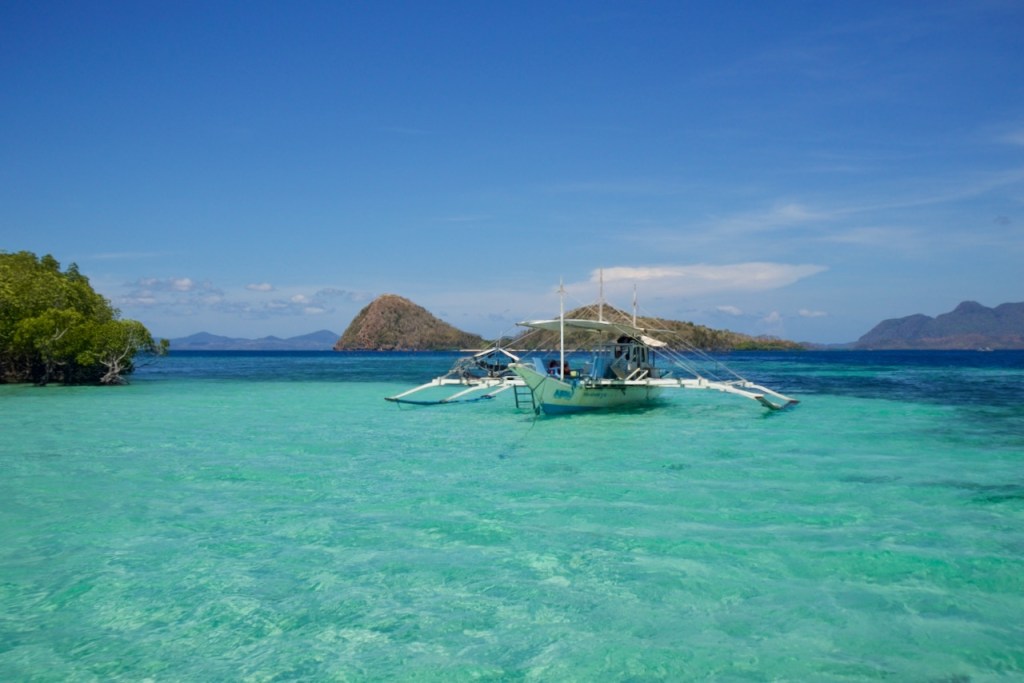
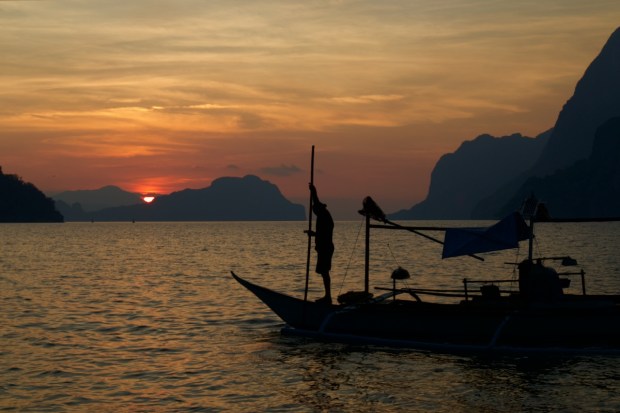
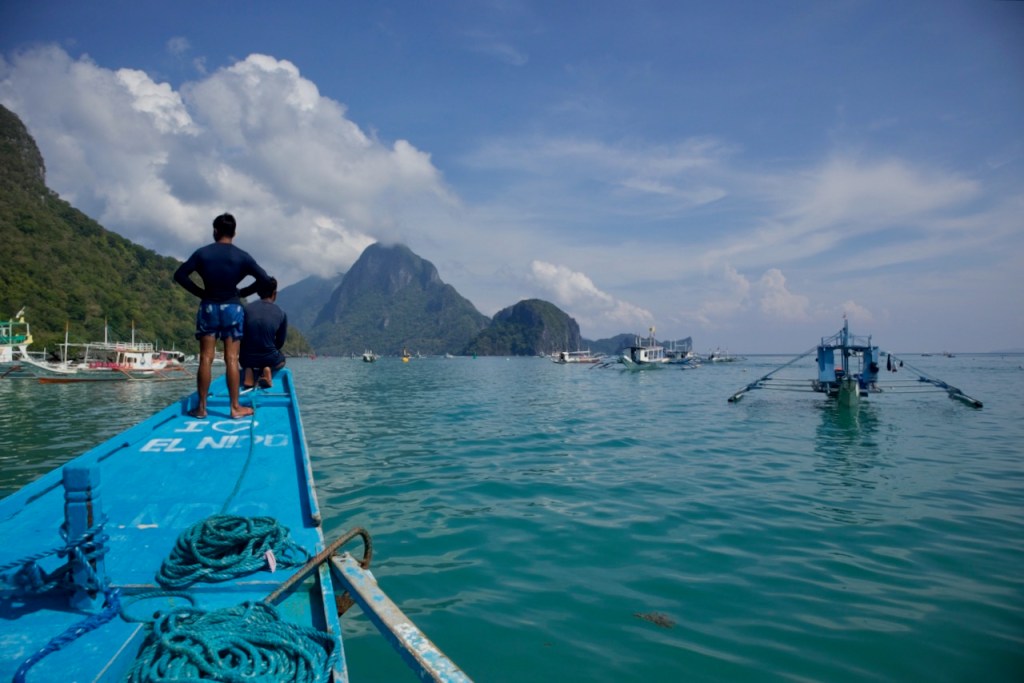
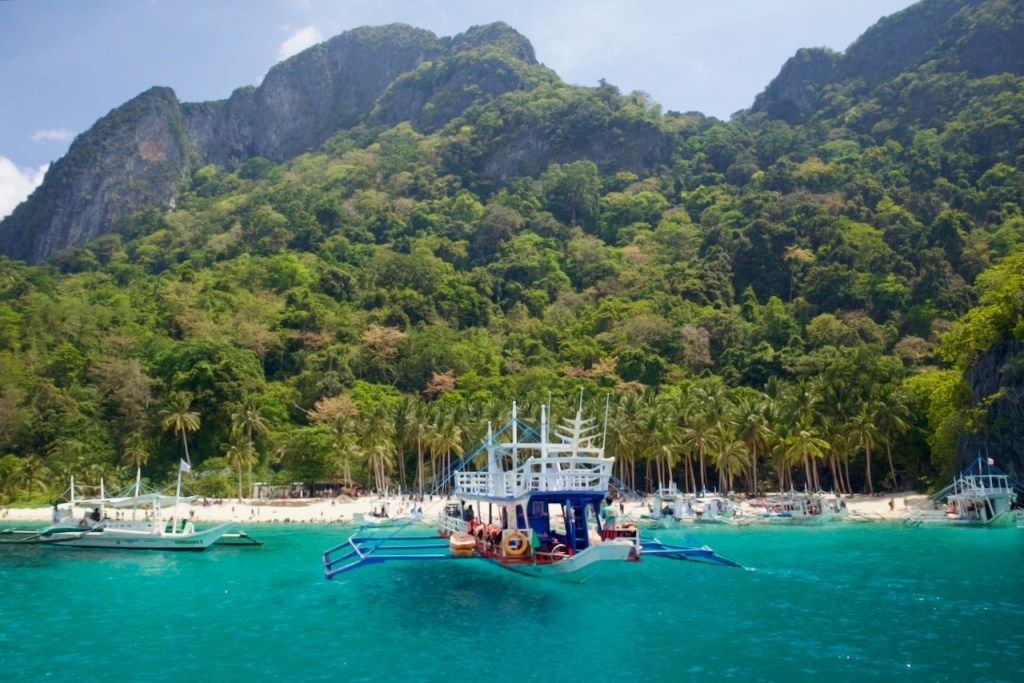
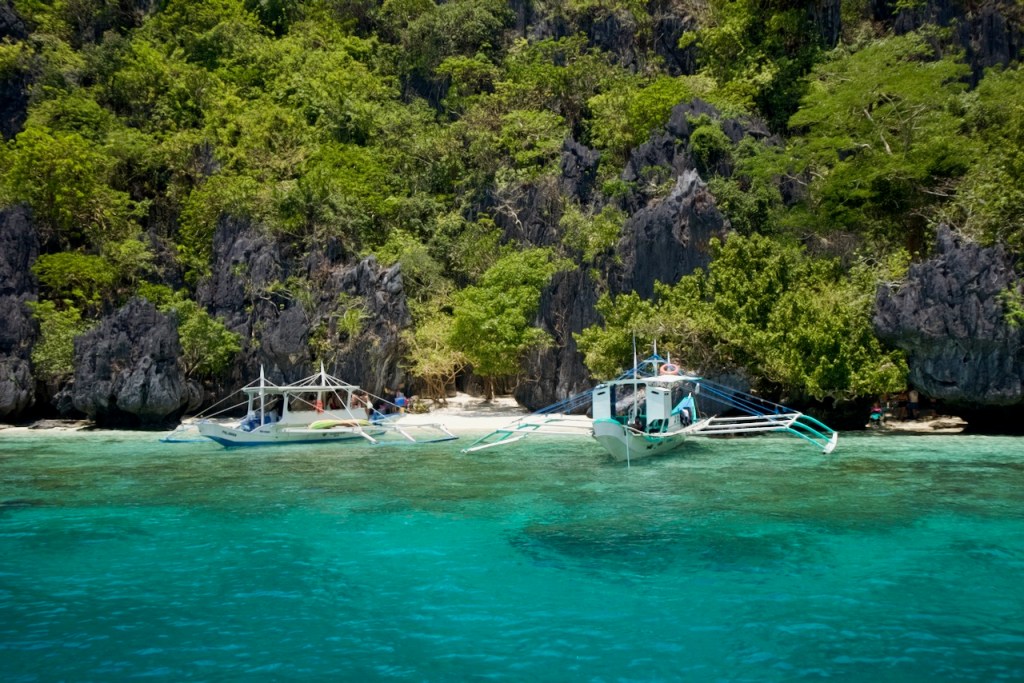
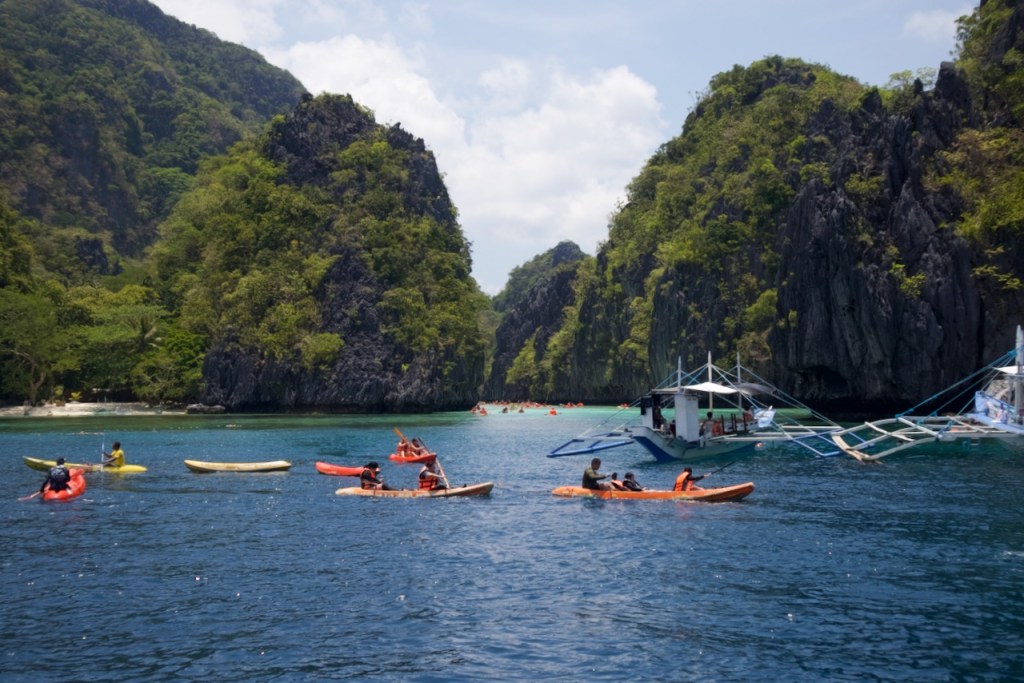
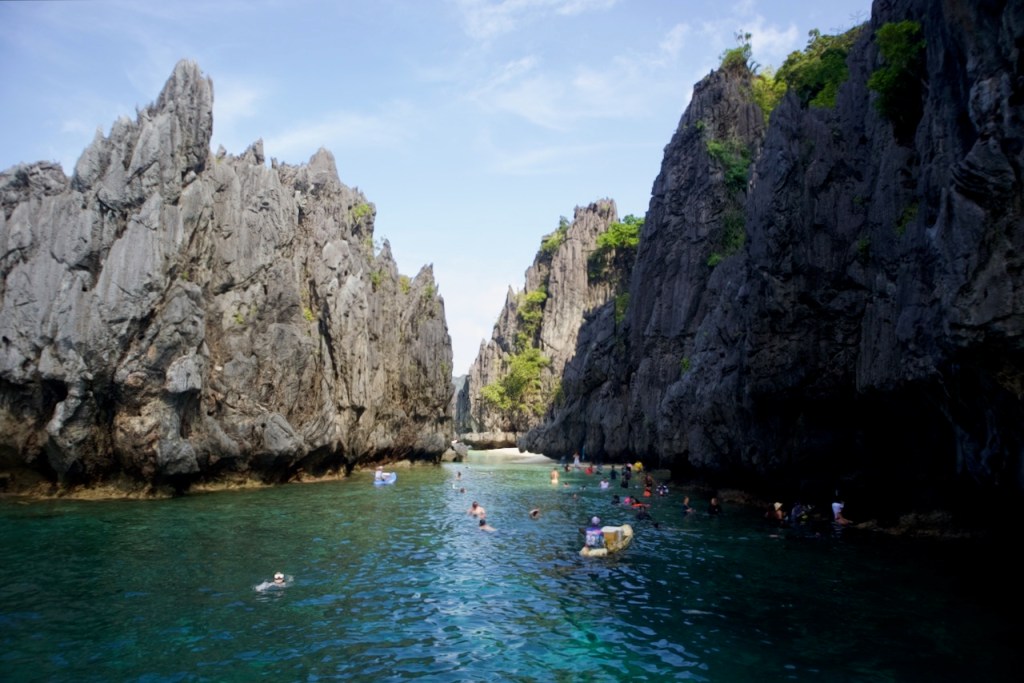
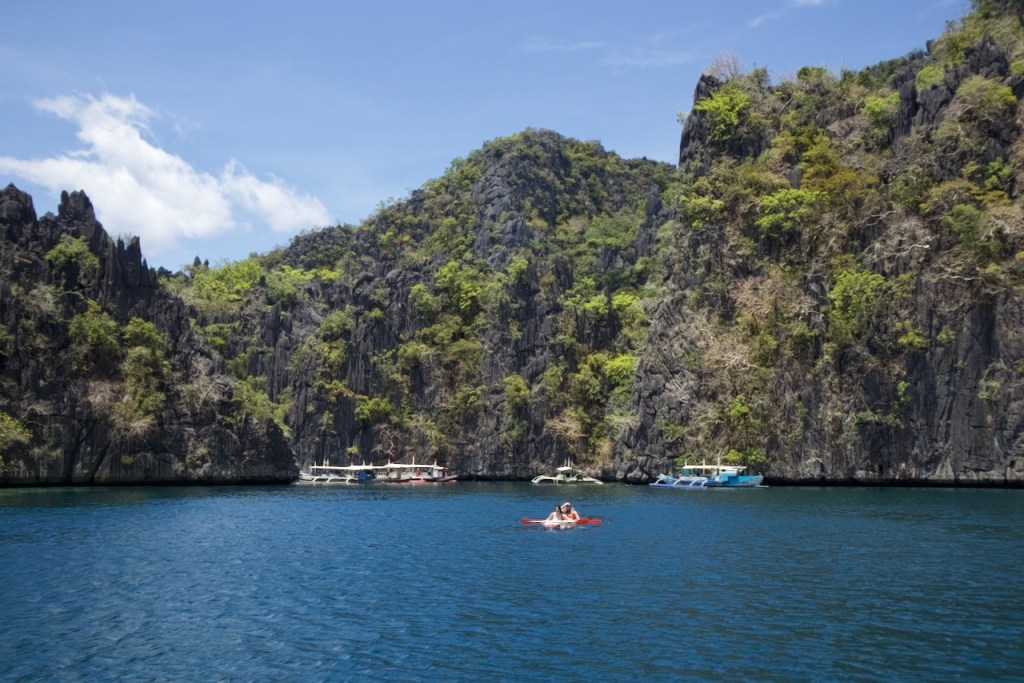
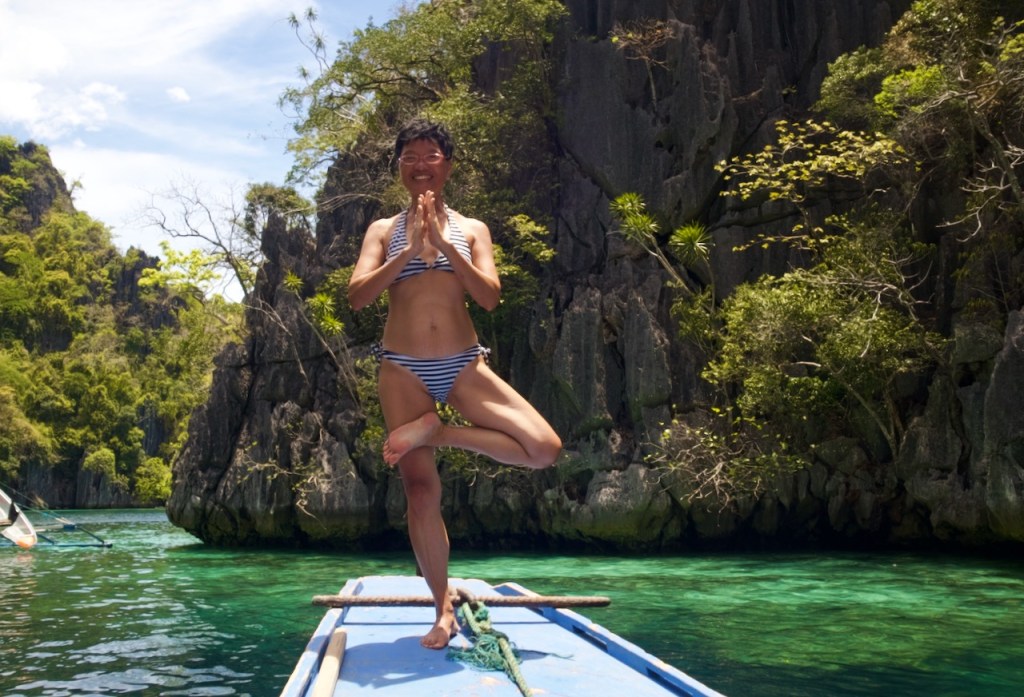
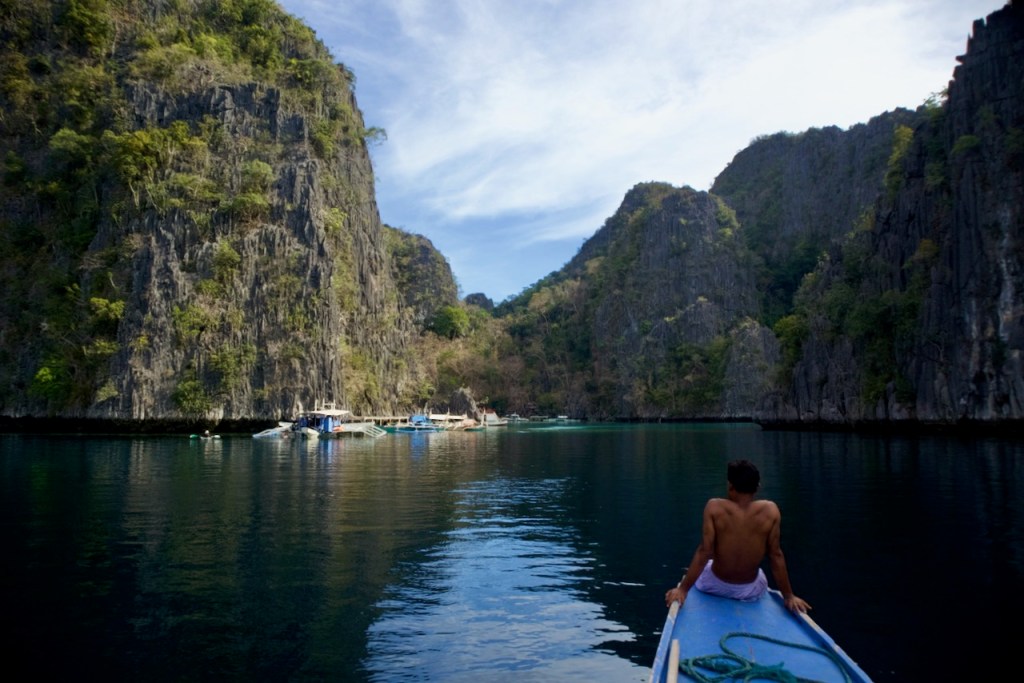
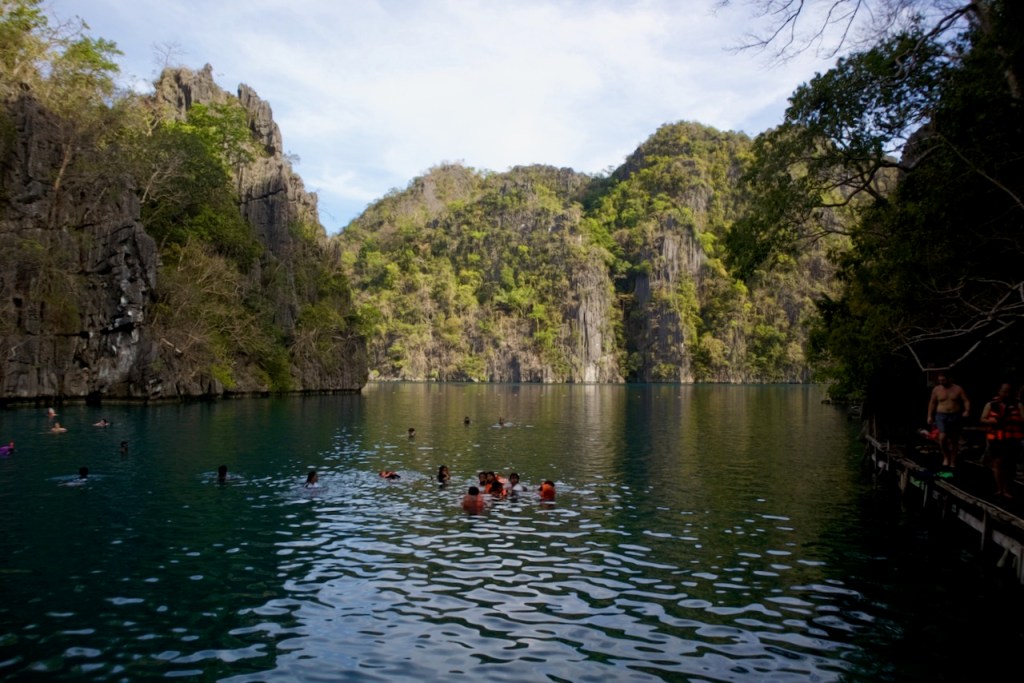
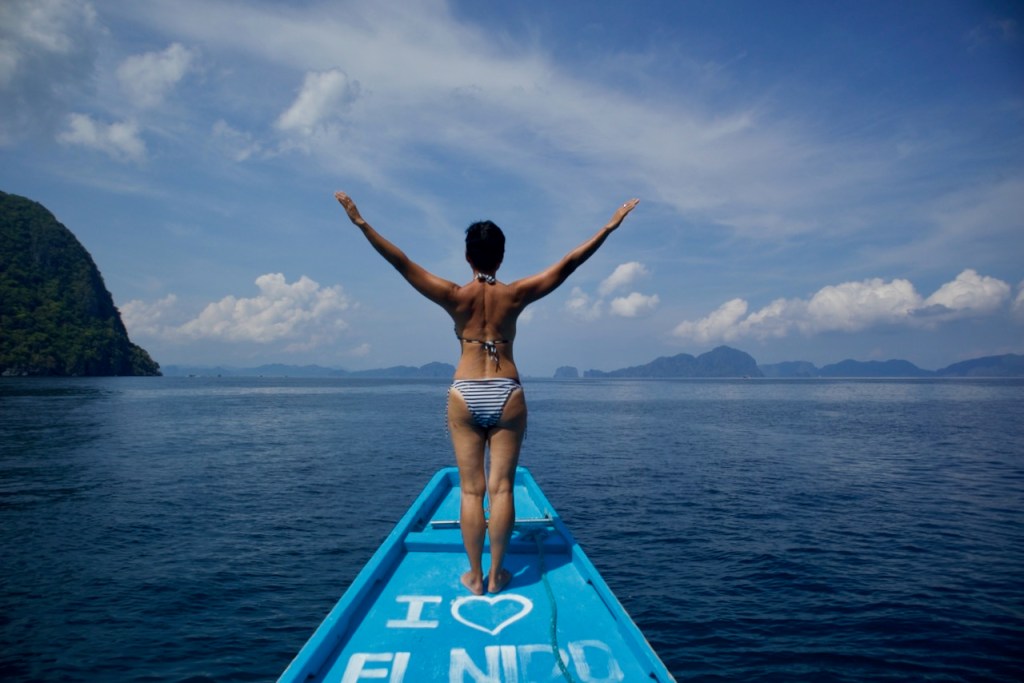
Meaning ‘the nest’ in Spanish, El Nido is known for sea turtle nesting sanctuaries in the Bacuit archipelago, the Halong Bay of the Philippines, considered as one of the most beautiful in the world. With photogenic karst cliffs and secluded islets, green lagoons and pristine beaches, underwater tunnels and over 30 dive sites, the El Nido Marine Reserve Park has become the mecca of island hopping tours. The day begins with snorkelling off beautiful Miniloc island before we reach Seven Commandos Beach. The highlight is a kayaking excursion to Big and Small lagoons on Shimizu Island, named after divers who perished in an underwater cave decades earlier. Another gorgeous day ends in a secluded secret lagoon and then a breathtaking sunset back in El Nido.

Coron: The Ultimate Tour
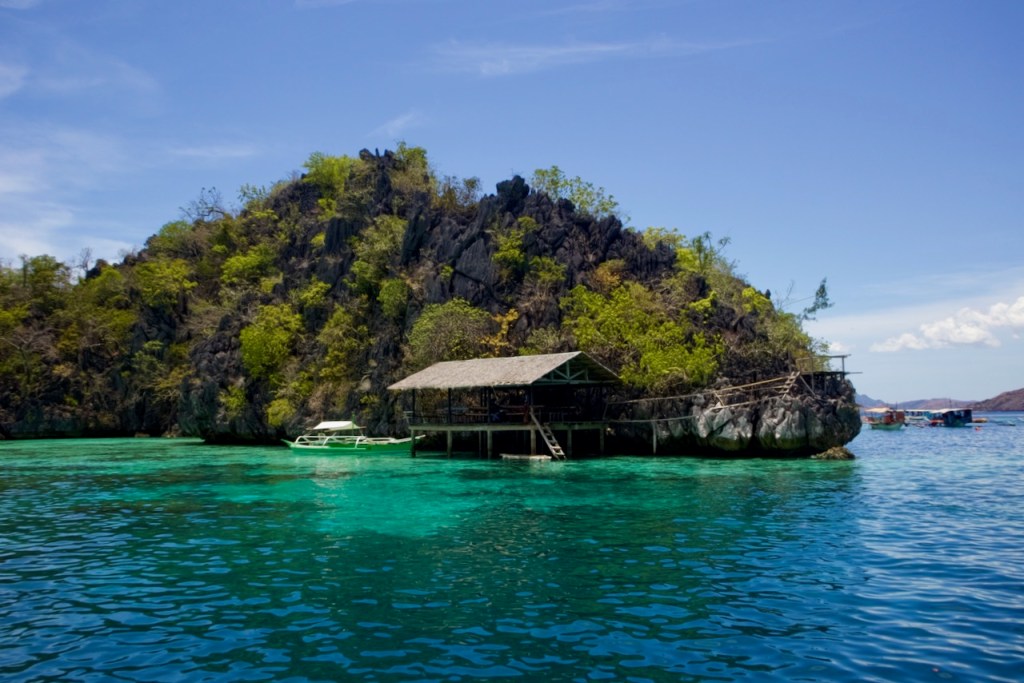
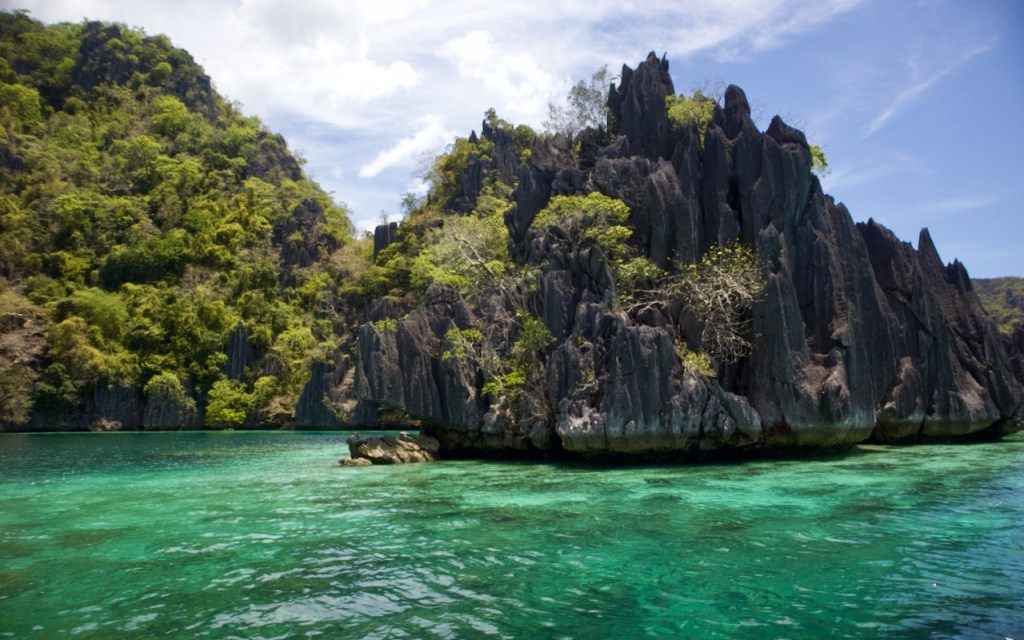
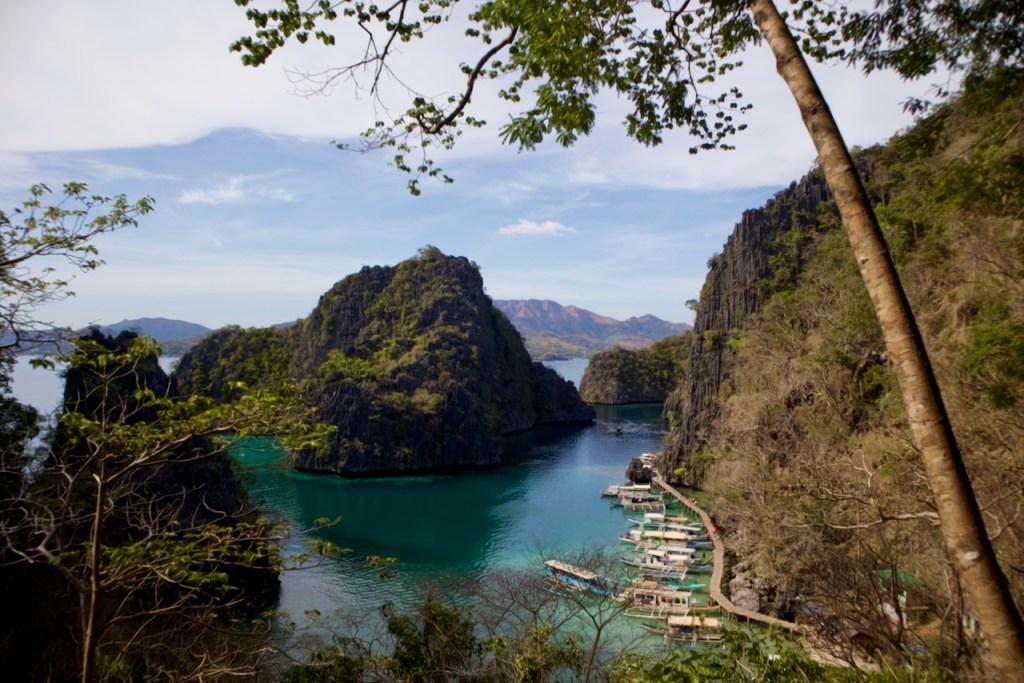
One last day of swimming, snorkeling, and kayaking off scenic islets of Coron. The Ultimate Tour takes us to Coral Garden of Twin Peaks, the famous Skeleton Wreck – a WWII Chinese cargo ship – the Twin Lagoon, Barracuda Lake, and Kayangan Lake. Time to walk up 720 steps to Mt Tapyas for a sweeping sunset view of the Coron coastline. What stunning natural beauty!

Baguio: the Summer Capital
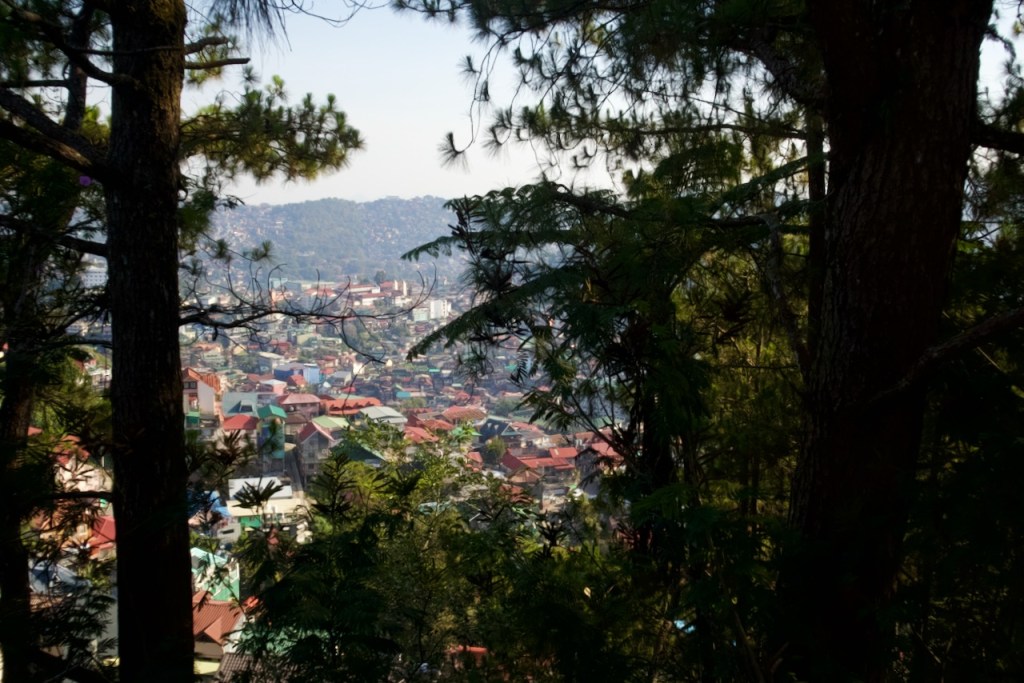
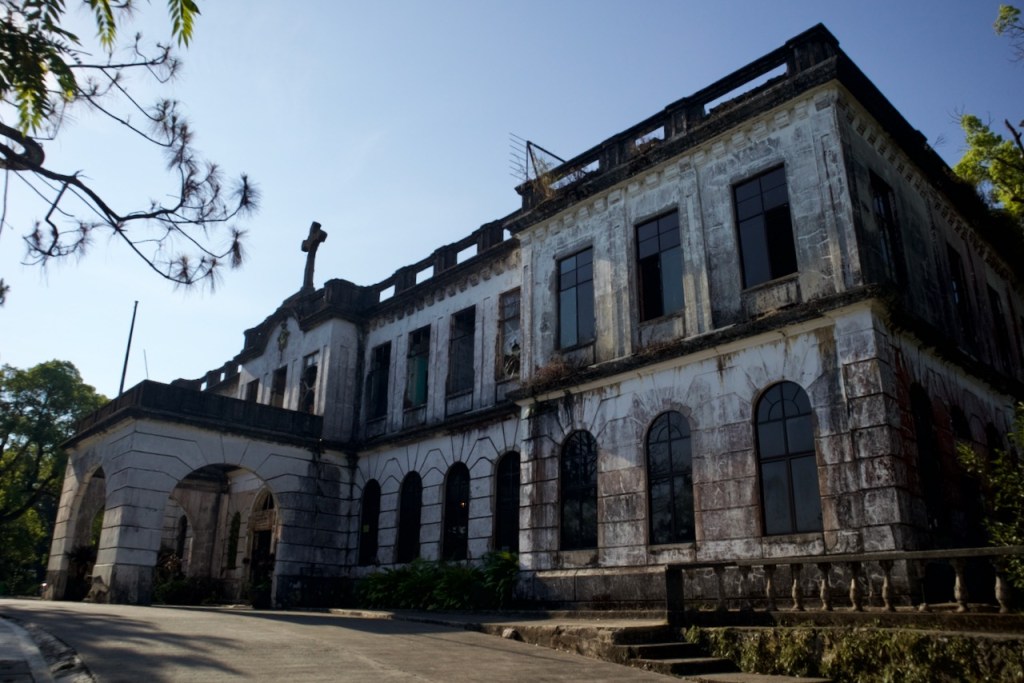
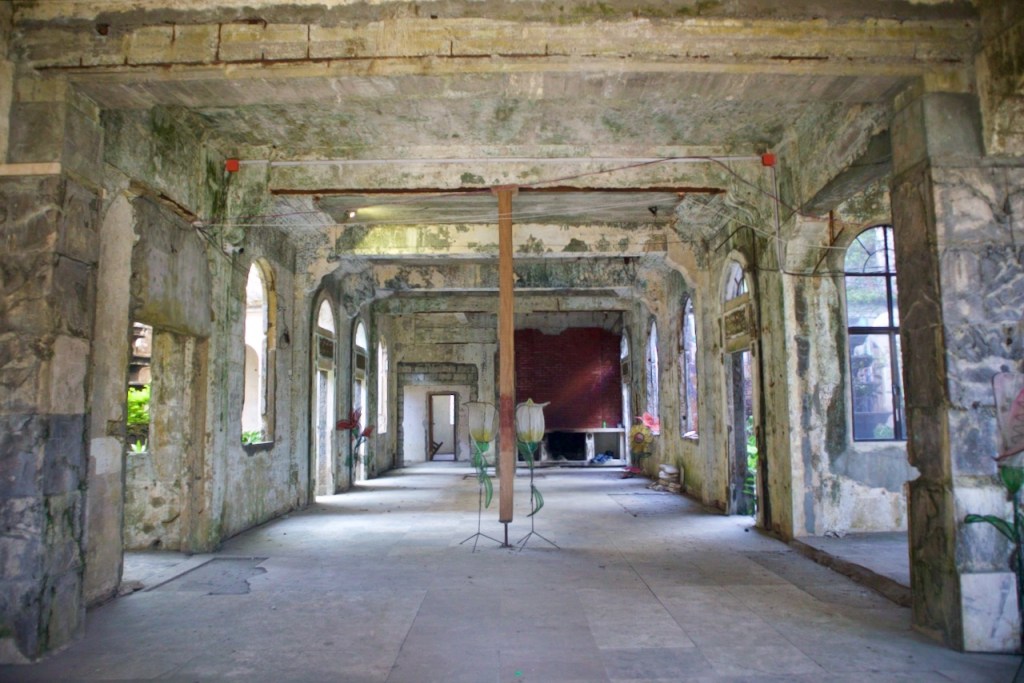
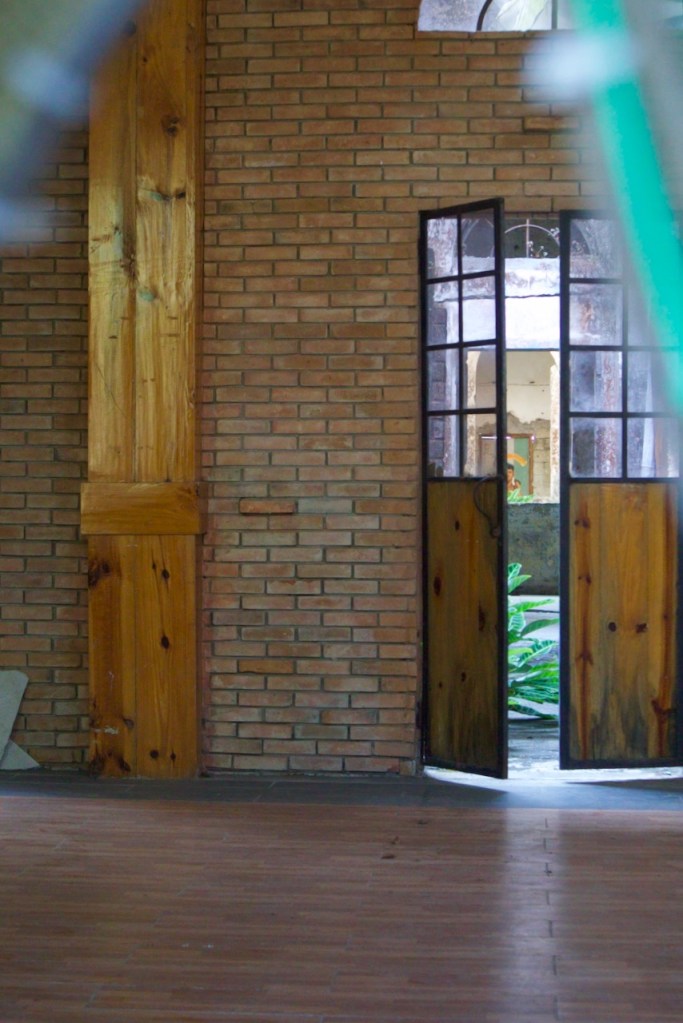
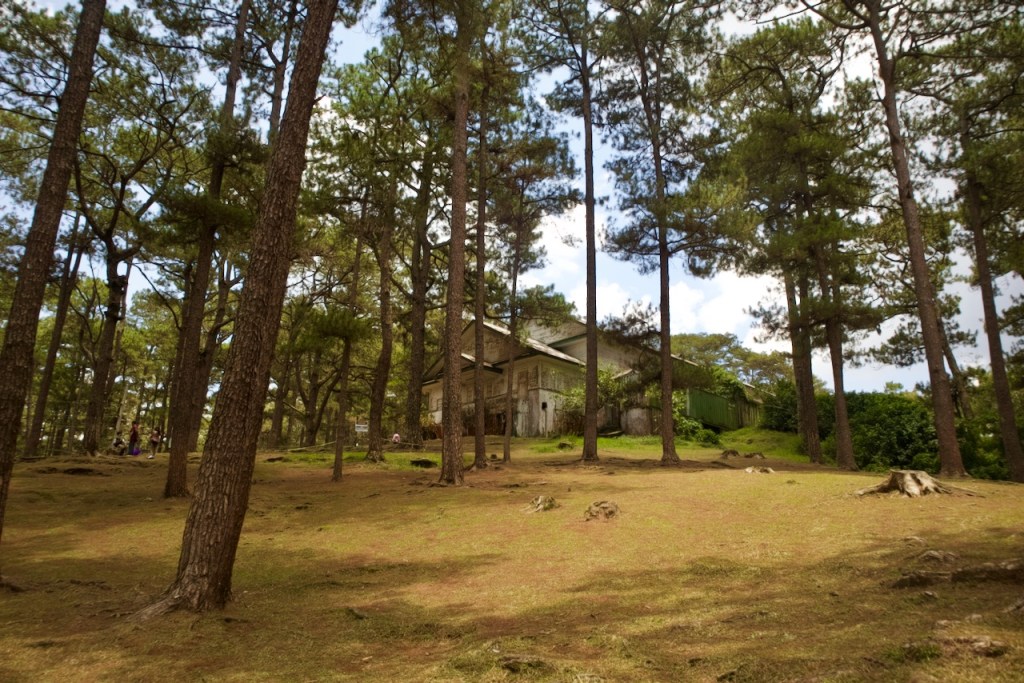
Located in the highlands of the Cordillera Ranges, Baguio, called the “City of Pines,” is the Filipino summer capital. Much cooler and greener, the vibrant city offers great respite from the scorching heat in the rest of the country. I enjoy a morning stroll to the famous haunted Diplomat Hotel, once the sprawling Dominican Hill Retreat House and then a sanatorium by Japanese forces during World War II. The building is locked, but I catch a glimpse of someone. A painting, or a ghost? I continue on to the other most haunted place, the Laperal House, now fancily refurbished as an upscale French restaurant. In nearby Camp John Hay, a R&R facility for American military personnel during the occupation set in a beautiful pine forest, I feel like being in an American National Park, complete with a golf course and resorts. With still time to kill till my evening bus to Banaue, I linger around the bustling Session Road, sampling all kinds of Filipino snacks before a torrential downpour washes the heavy heat away…


Banaue and Sagada
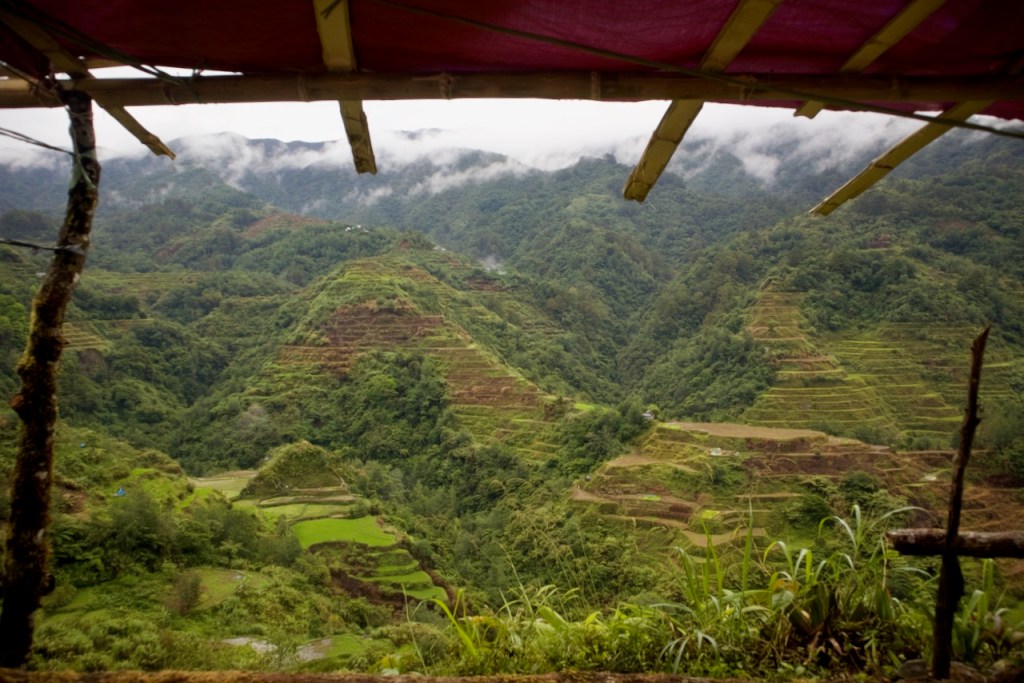
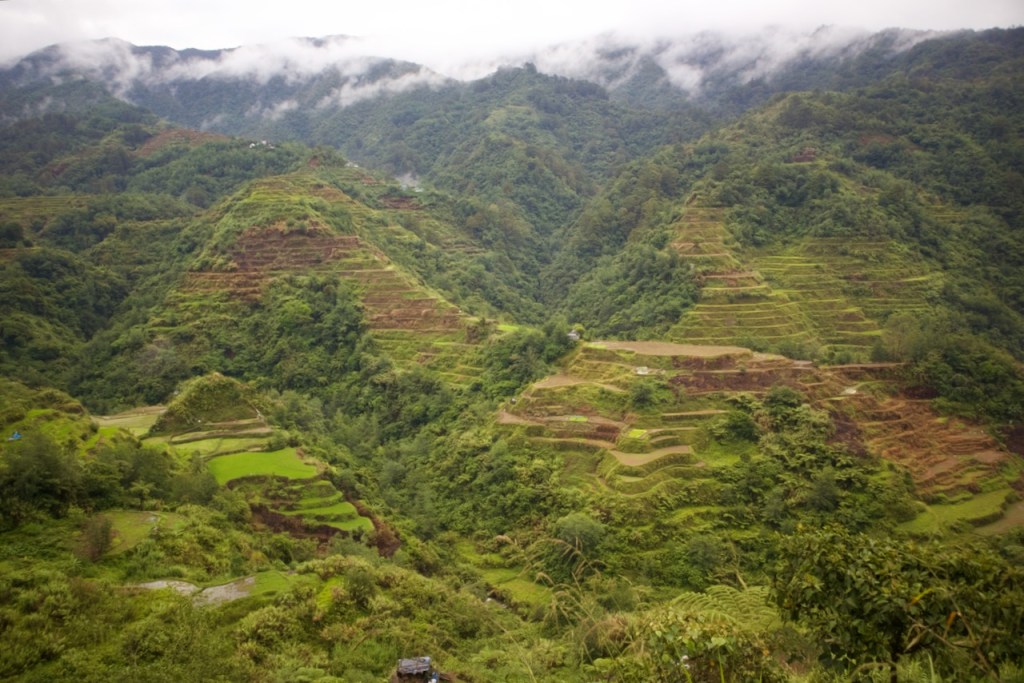
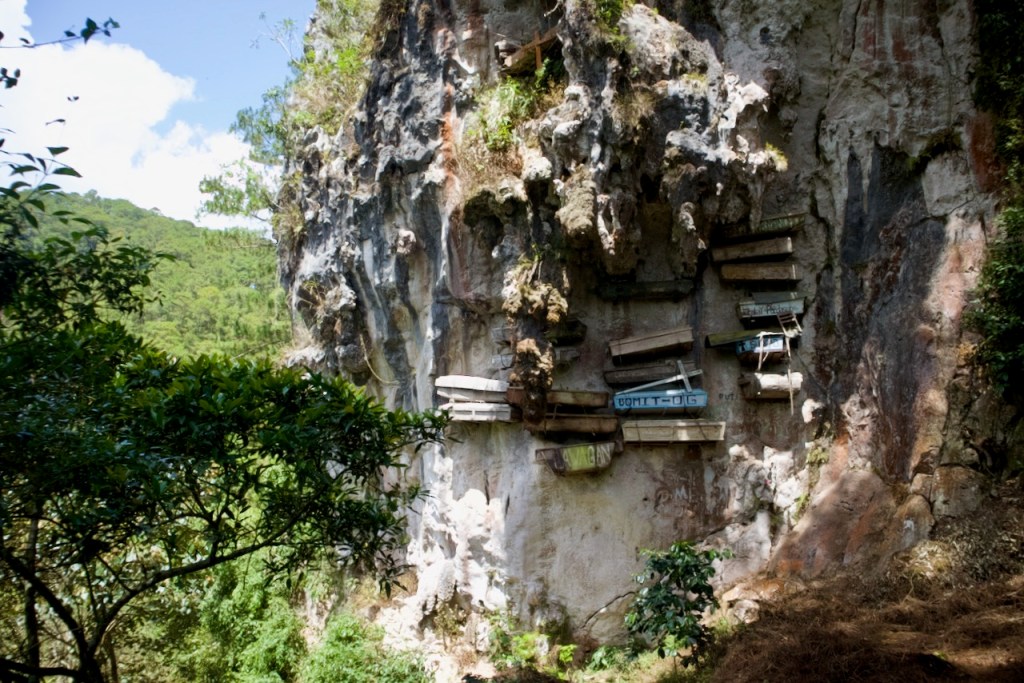
Banaue might be only 180km away, but the narrow mountain road is in such a bad condition that the night bus has to loop back to San Jose, arriving finally at daybreak. Few things beat an early morning walk among the rice terraces in Banaue, recognized by UNESCO as a World Heritage site for the ingenuity of the Ifugao people of such an agricultural engineering feat over 2000 years ago. From the main viewpoint, I walk down along a series of panoramic stops with stunning vistas. The scenic drive to Bontoc goes through more mountain villages and rice terraces before arriving in Sagada, famous for her unique hanging coffins. From the St. Mary’s Church, the path takes one through the cemetery and goes down a trail through the beautiful Echo Valley where one can glimpse the wooden coffins hanging on cliff face at a distance. The ancient burial practice by local Kankanaey people who believe that the higher the burial the better, as they are closer to heaven, dates back over 2000 years and is still observed by some today. Where do broken hearts go? Esmeralda, my guide, asks. To Sagada! she replies with a big smile. This is where you can stay forever!



Vigan: Most Beautiful City in the Philippines
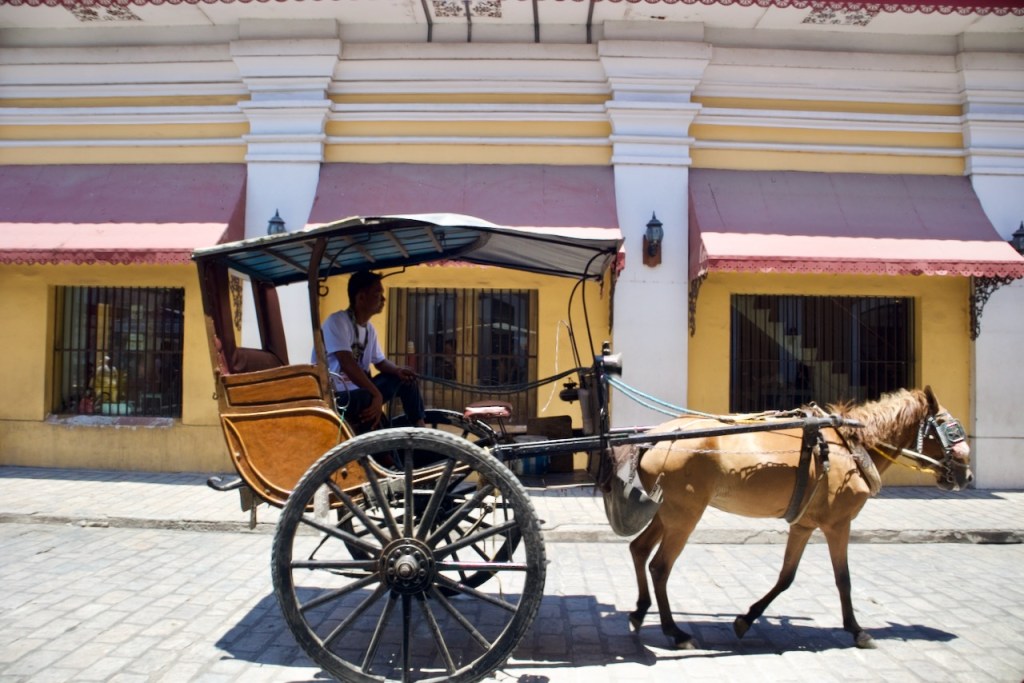
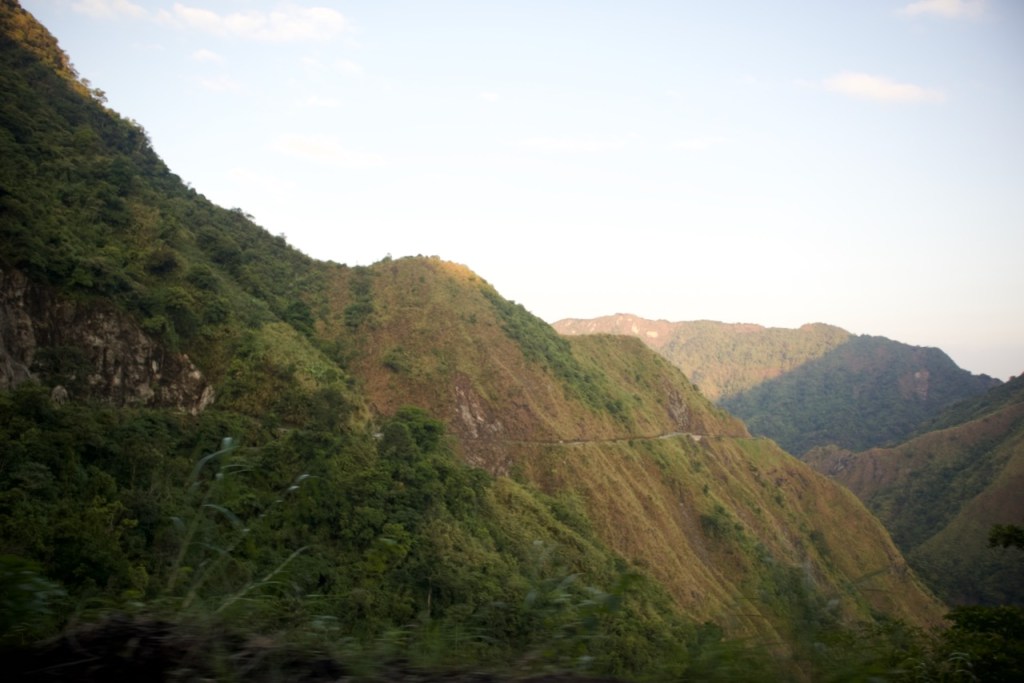
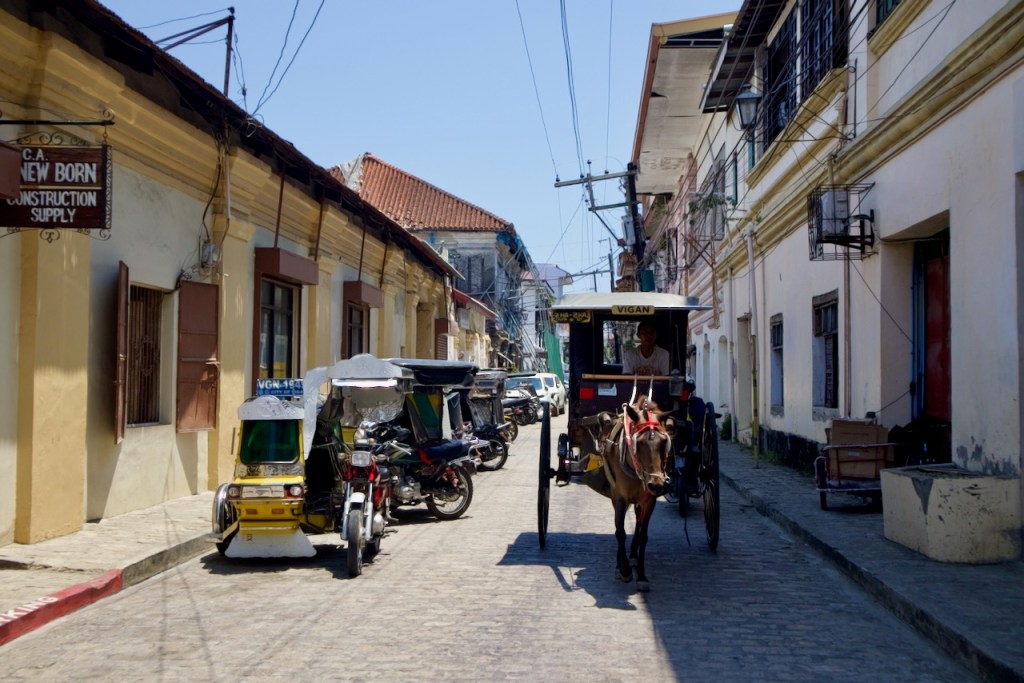
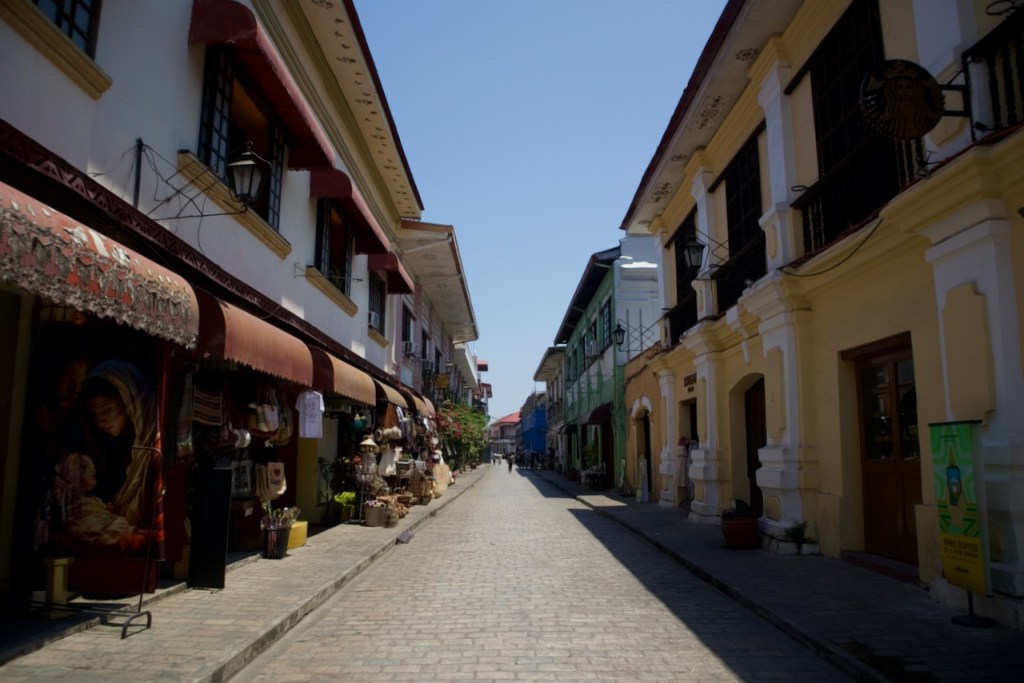
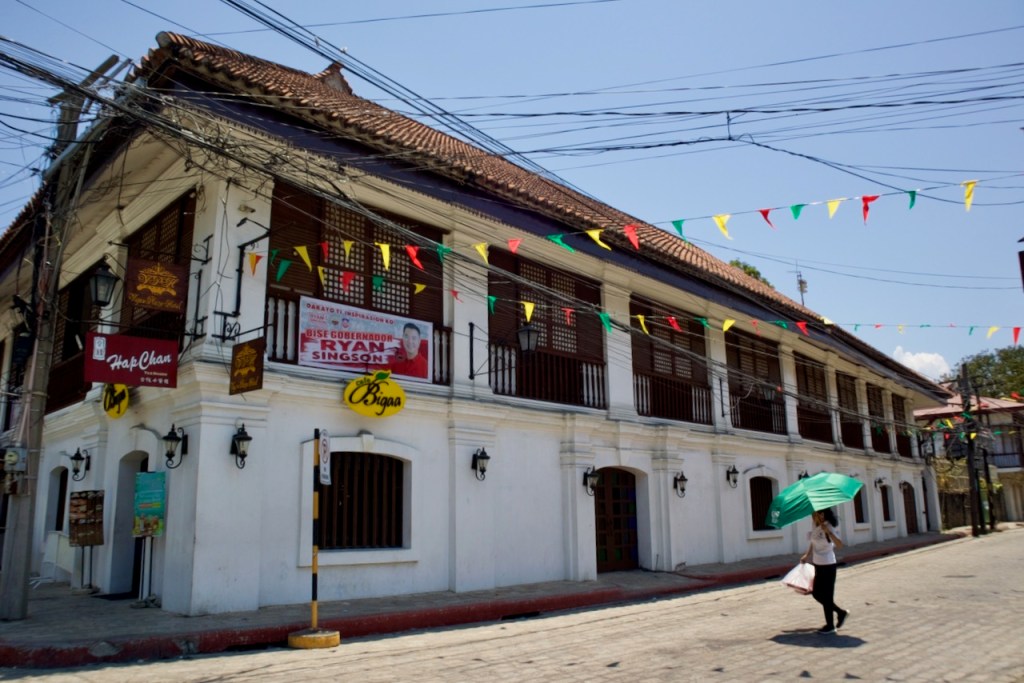
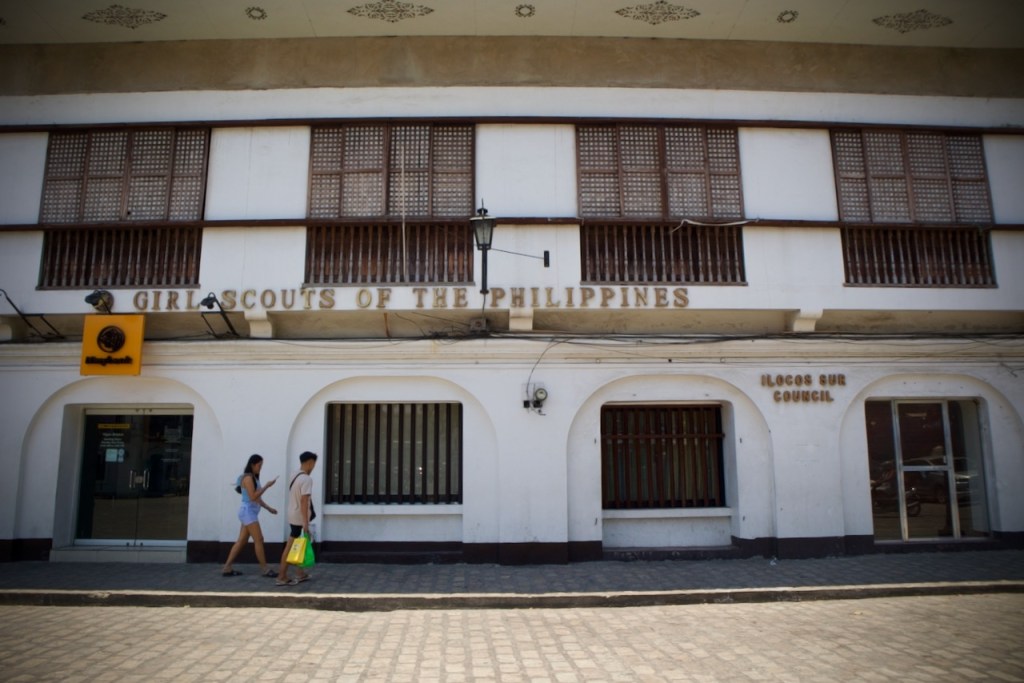
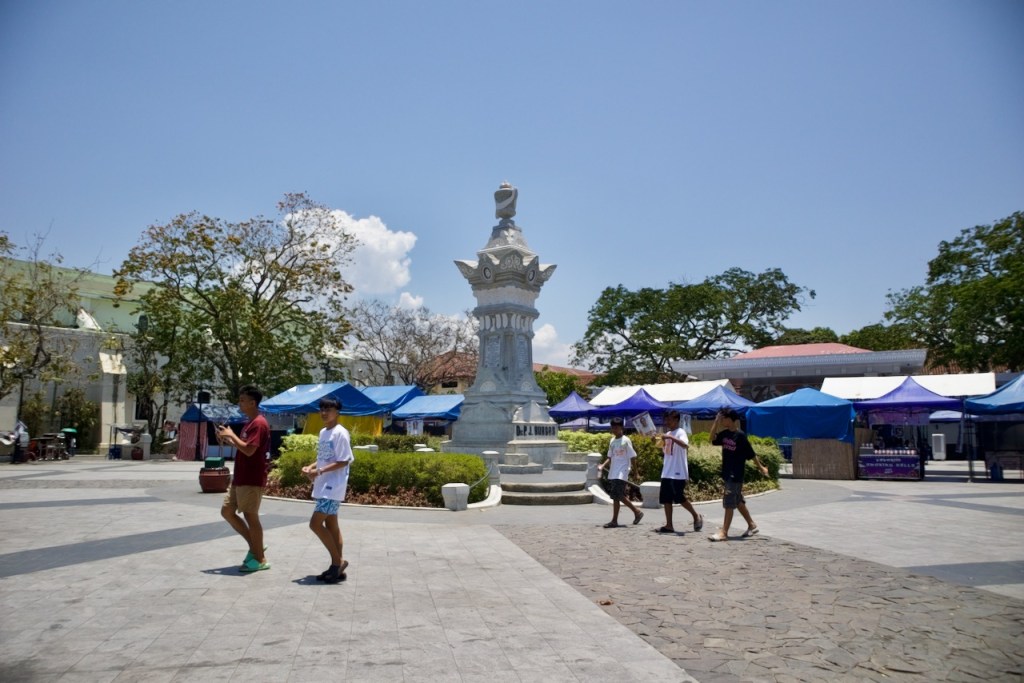
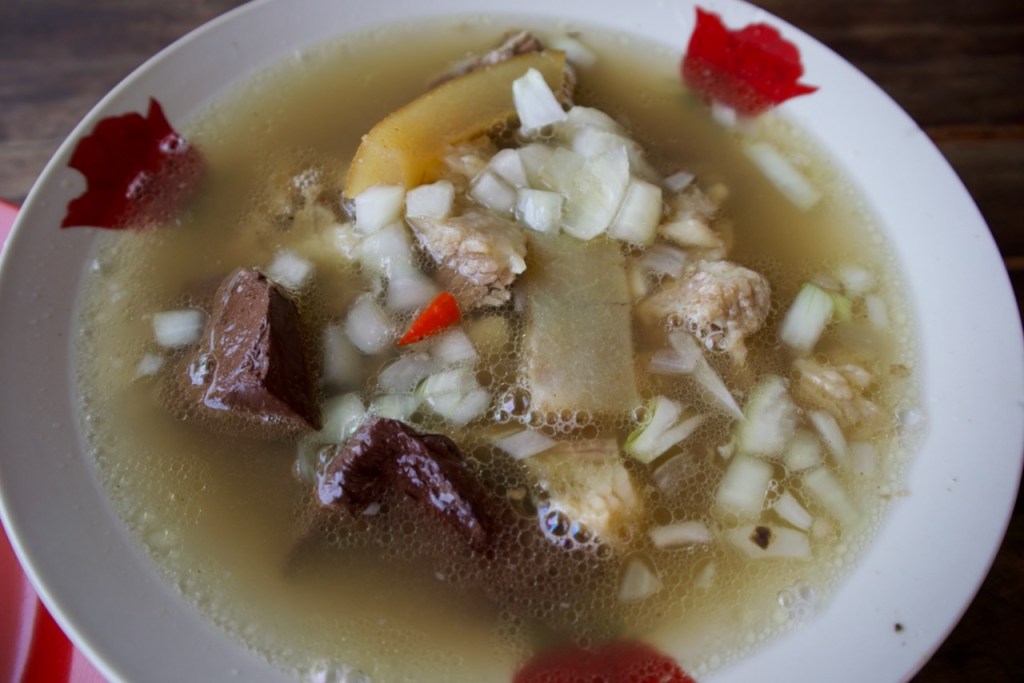
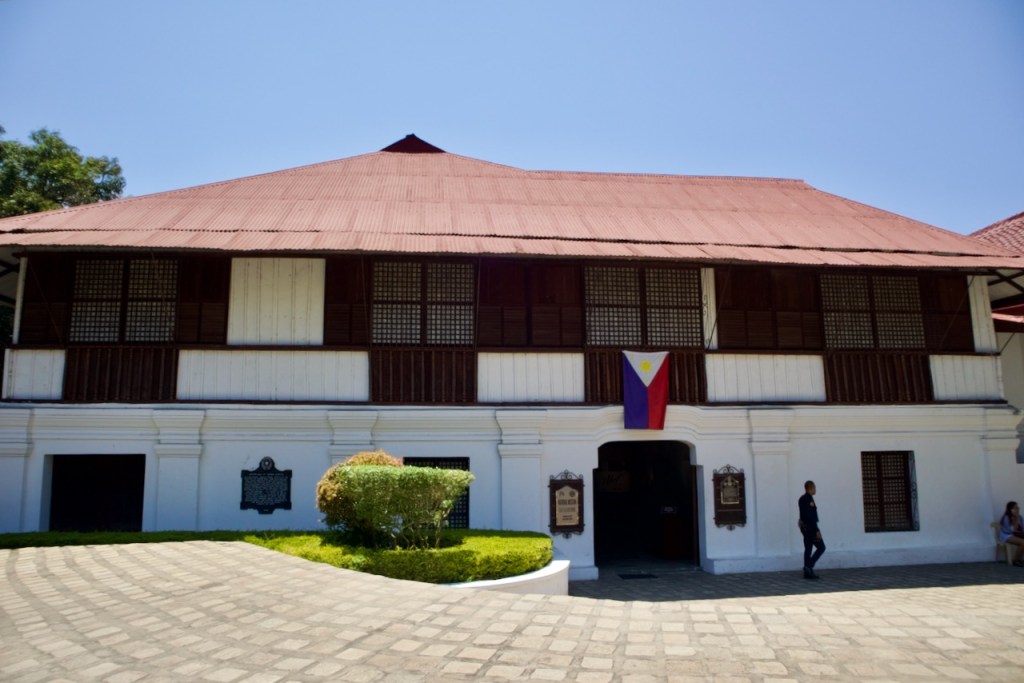
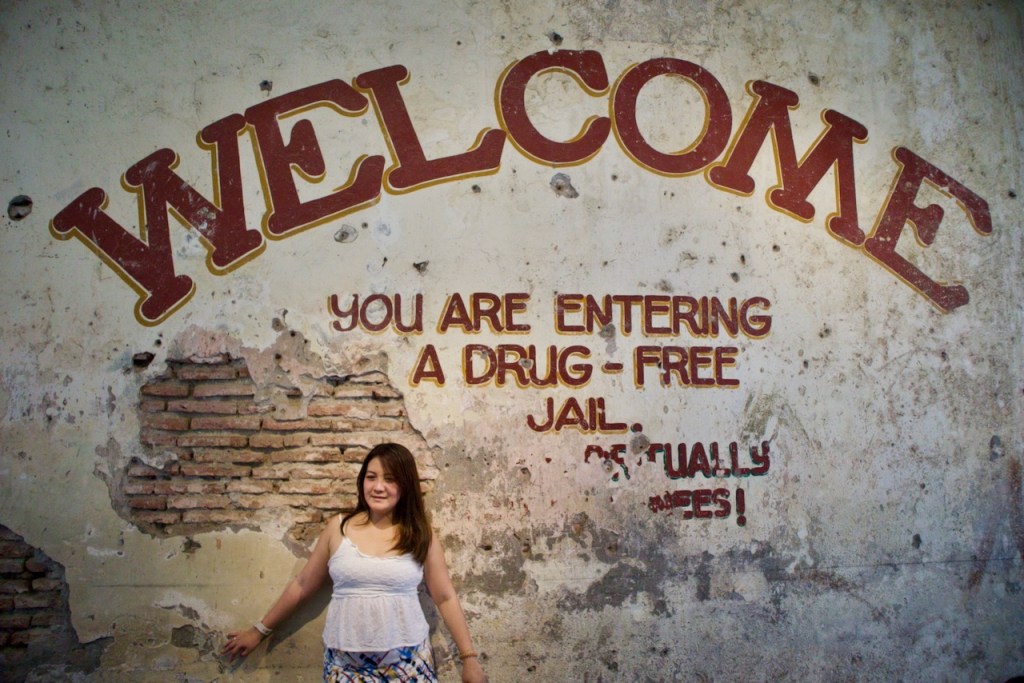
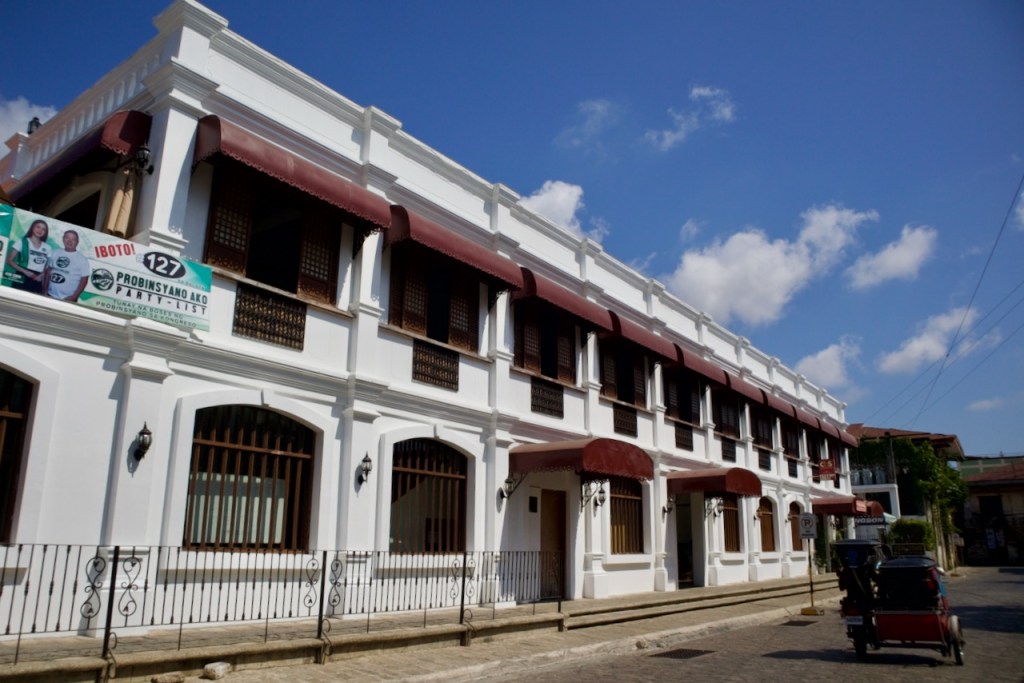
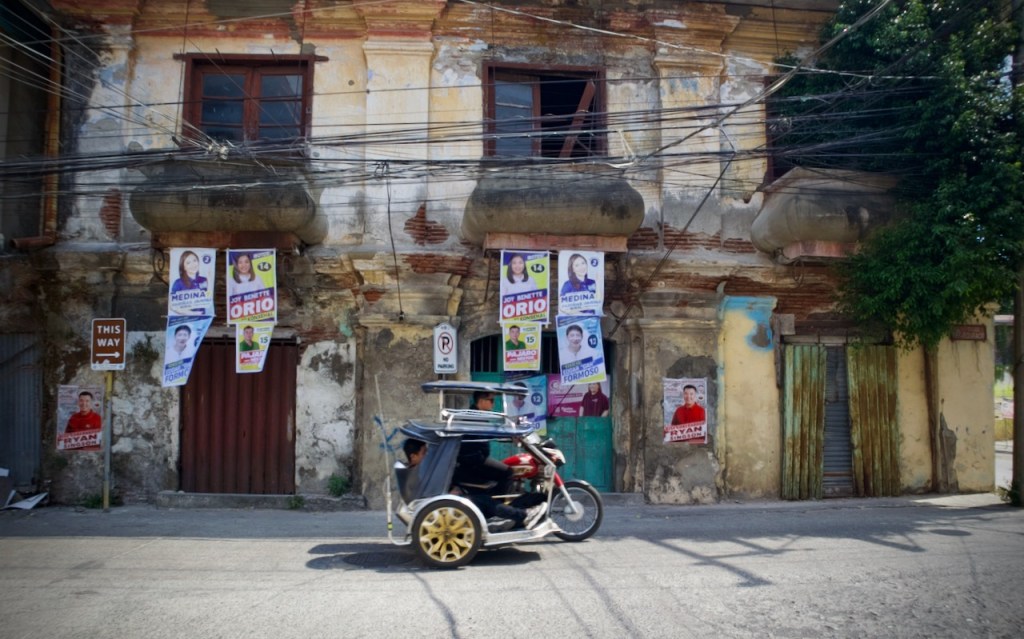
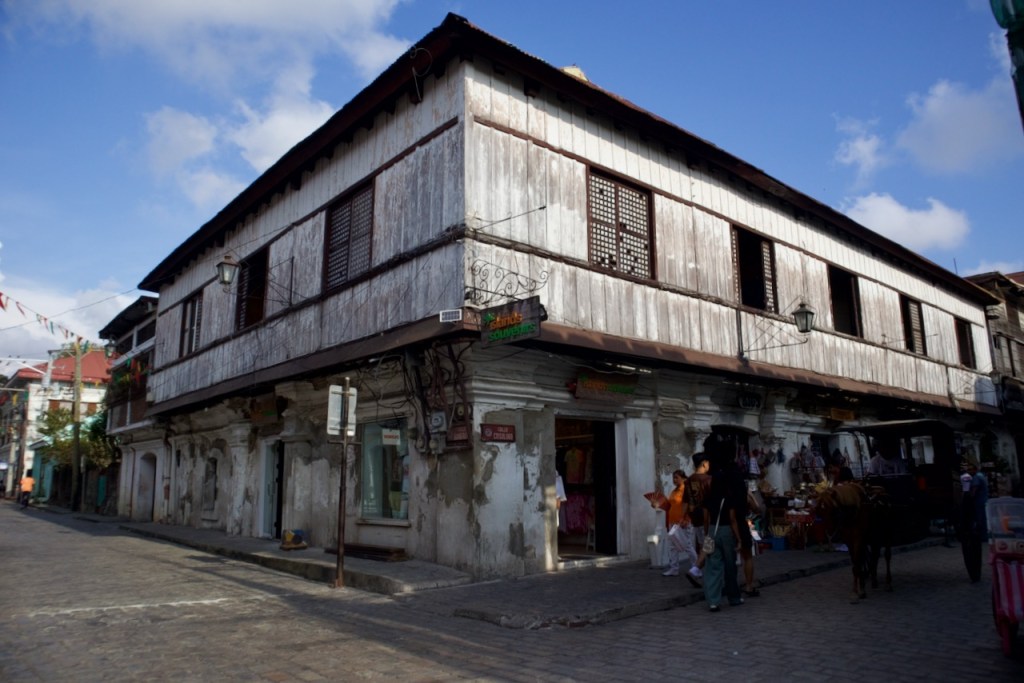
The way to Vigan is serpentine and indirect, through Bontoc, Bauko, Cervantes, and Tagudin, but what scenery through quaint villages and mountain passes at dawn! Finally, I reach the UNESCO World Heritage City of Vigan, arguably the most beautiful in the Philippines. Along Crisologo, Plaridel, and Florentine Streets, one steps back in time to admire the colonial ancestral houses. The city centre might be small, but it showcases a photogenic blend of Spanish, Chinese, and Filipino architectural styles. Near Plaza Burgos, I follow locals to a joint serving the signature Vigan dish, Sinanglaw, a beef offal broth flavoured with ginger and peppers. Dessert: a Filipino mango sorbetes!



Manila : the Good, Bad, and Ugly
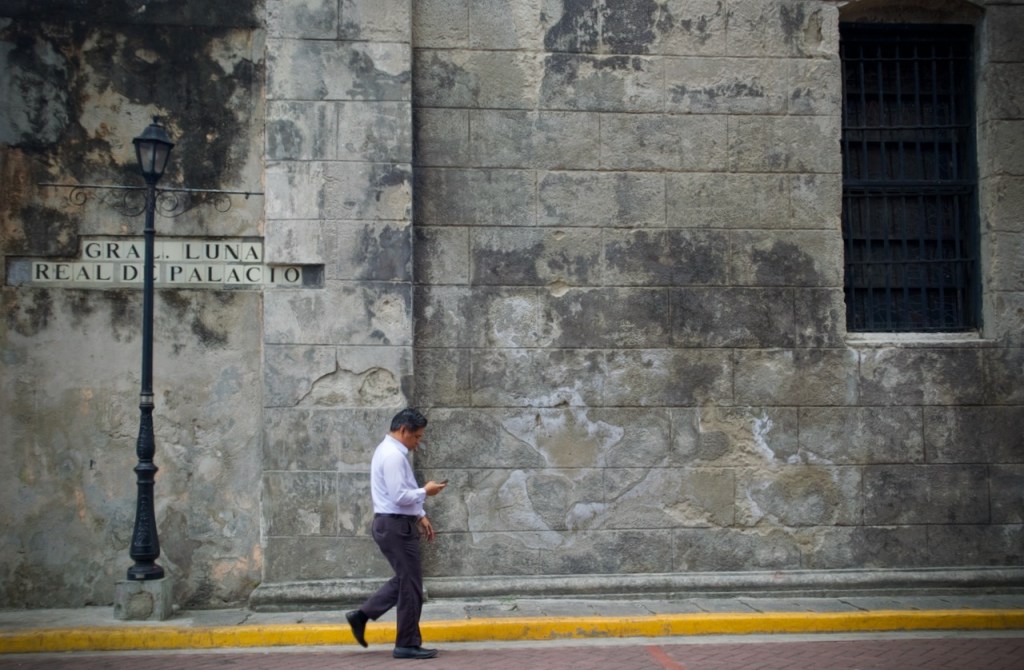
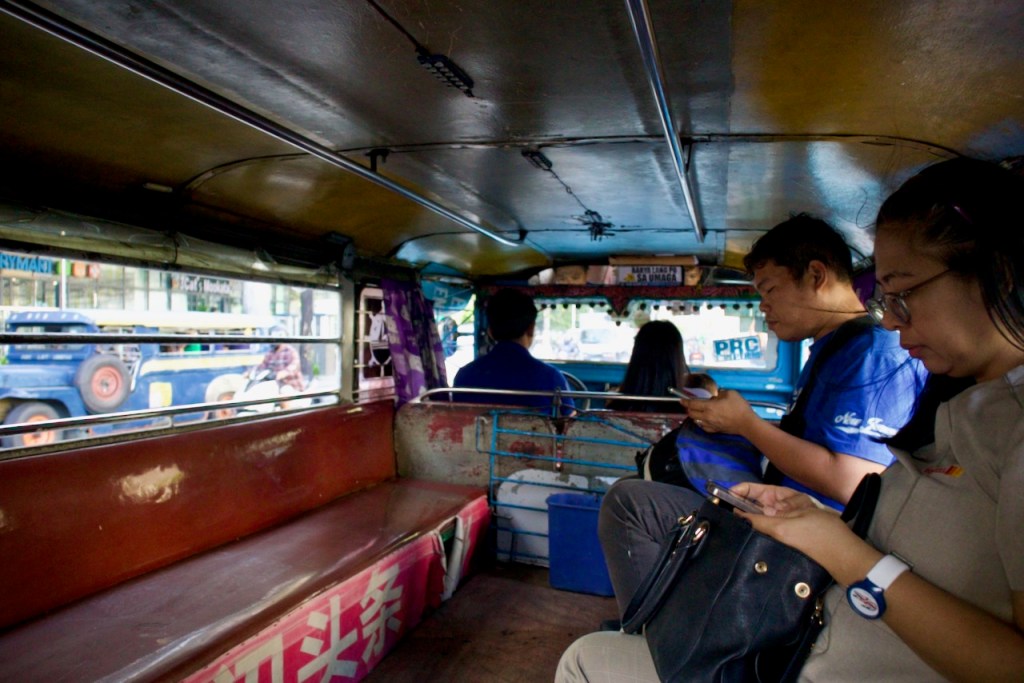
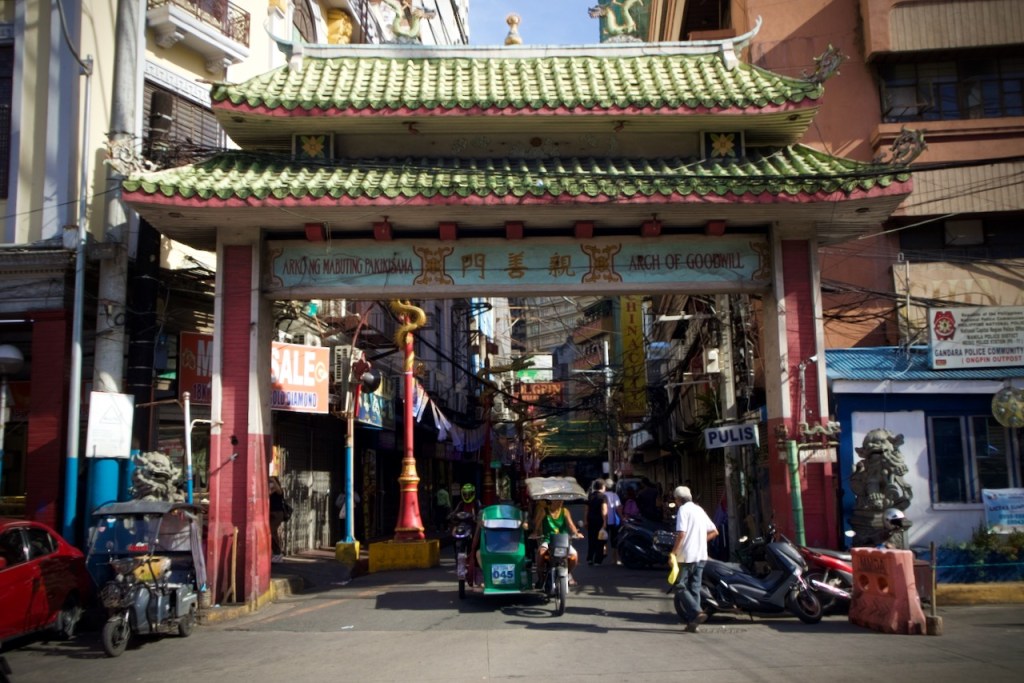
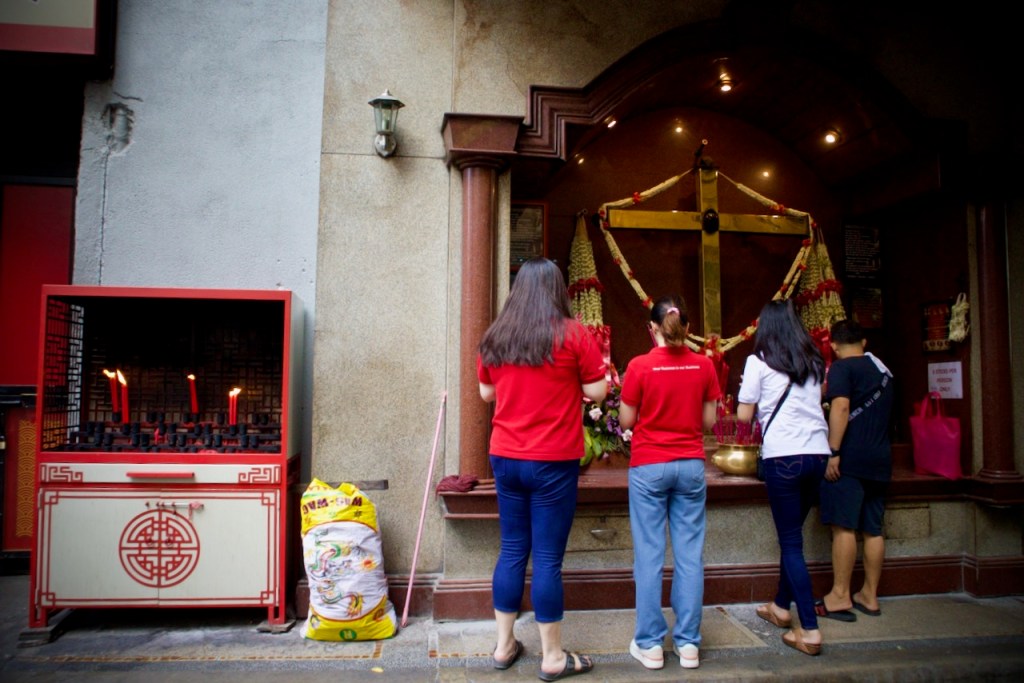
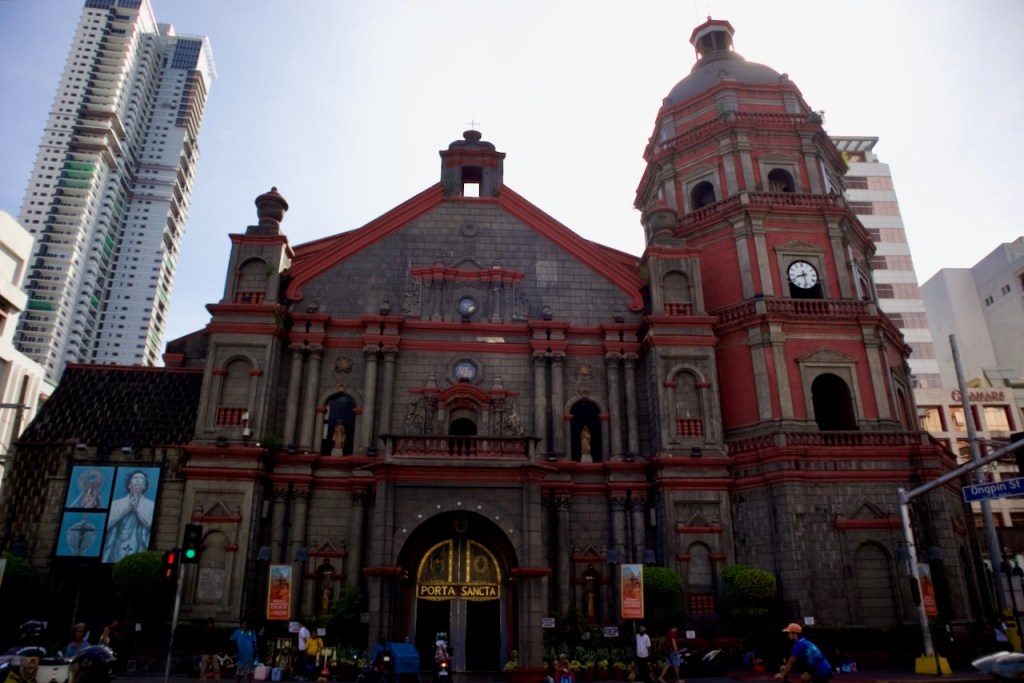
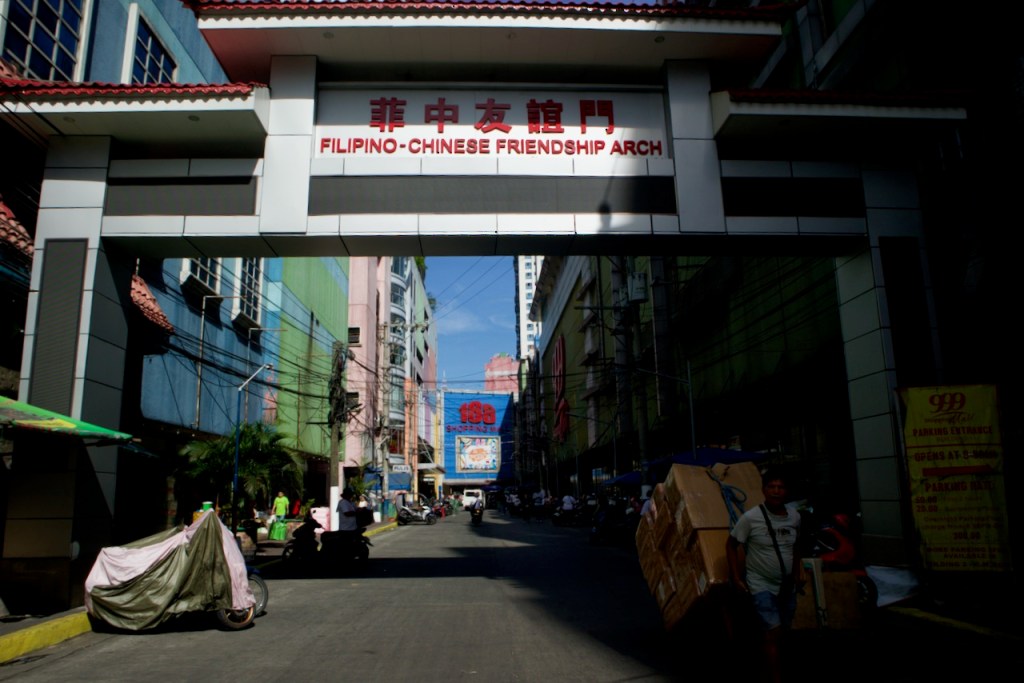
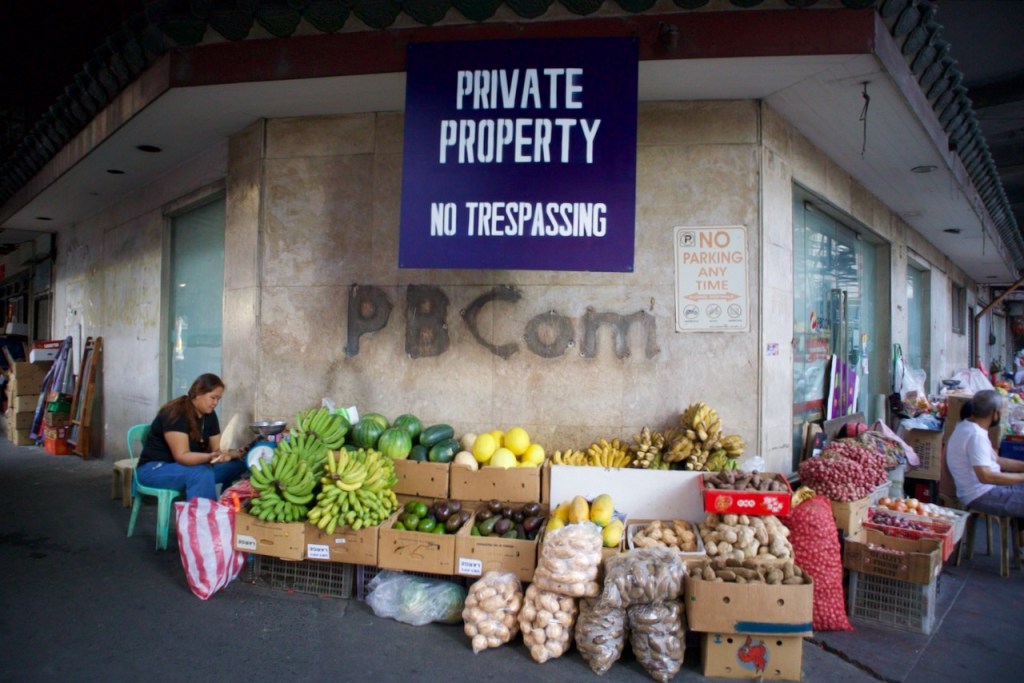
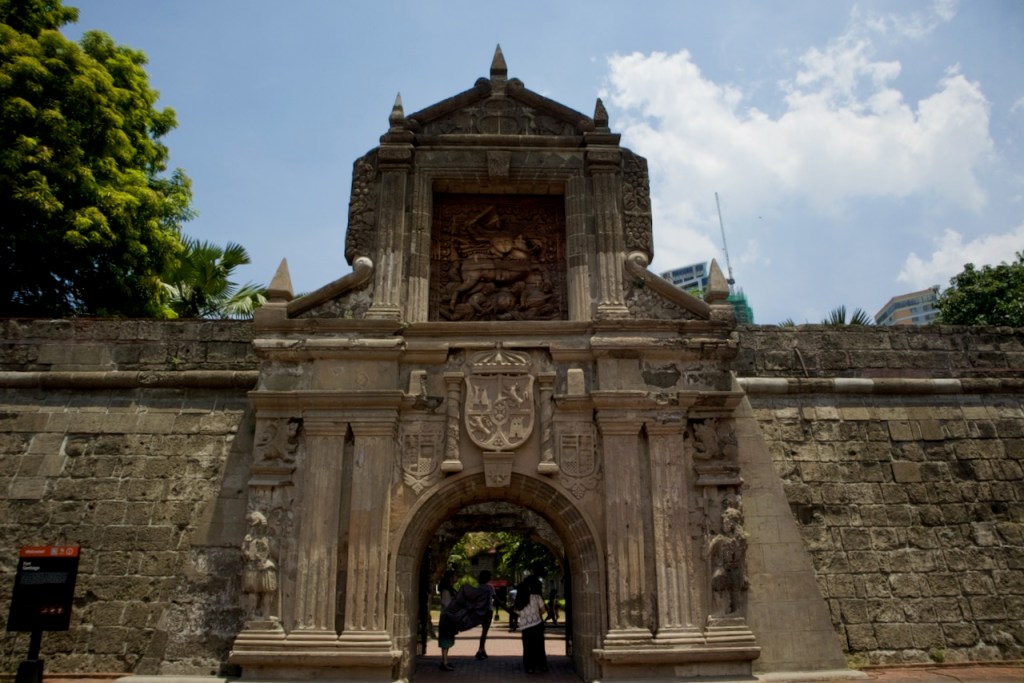
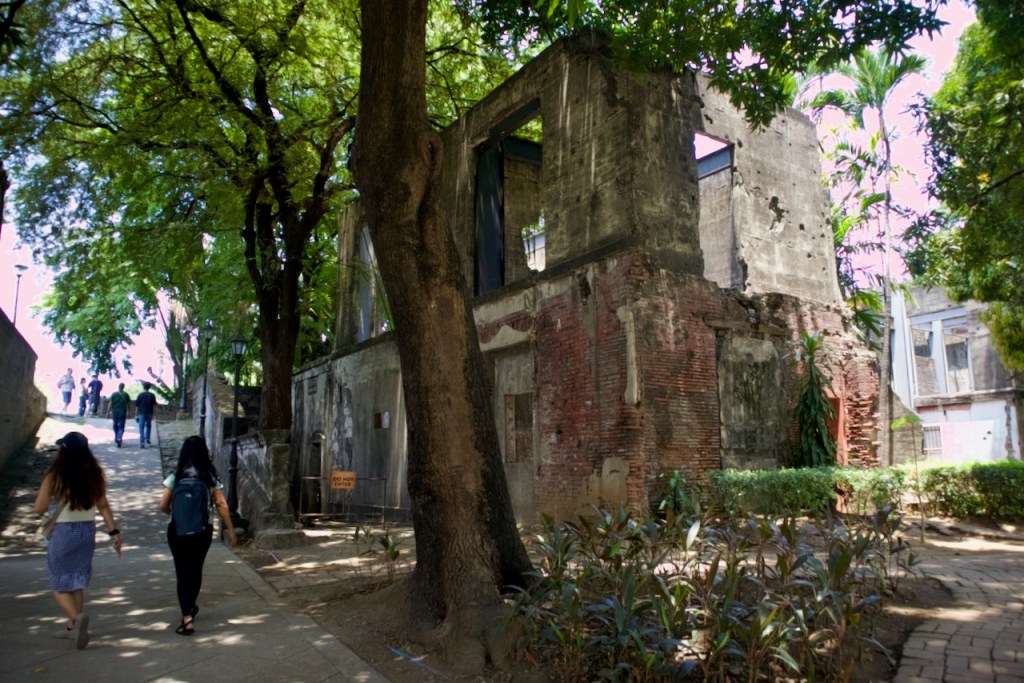
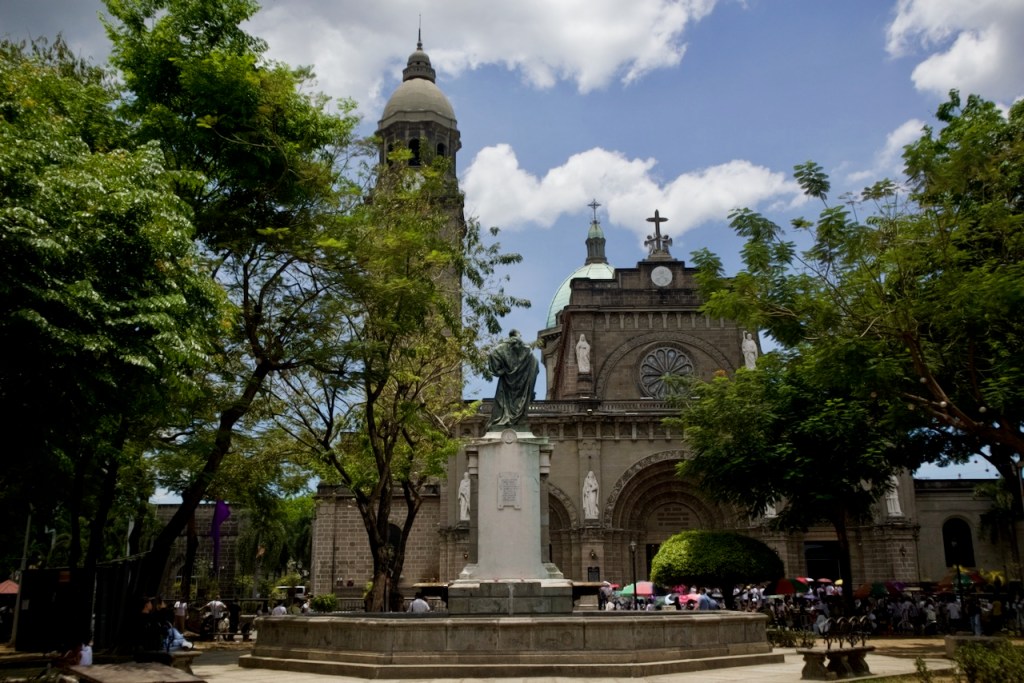
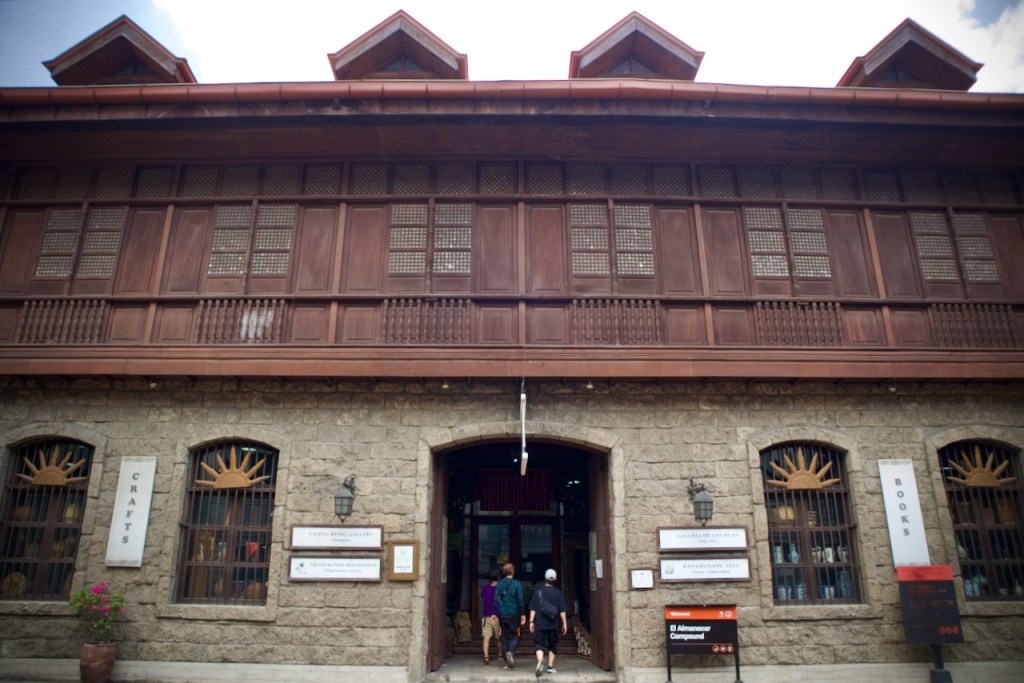
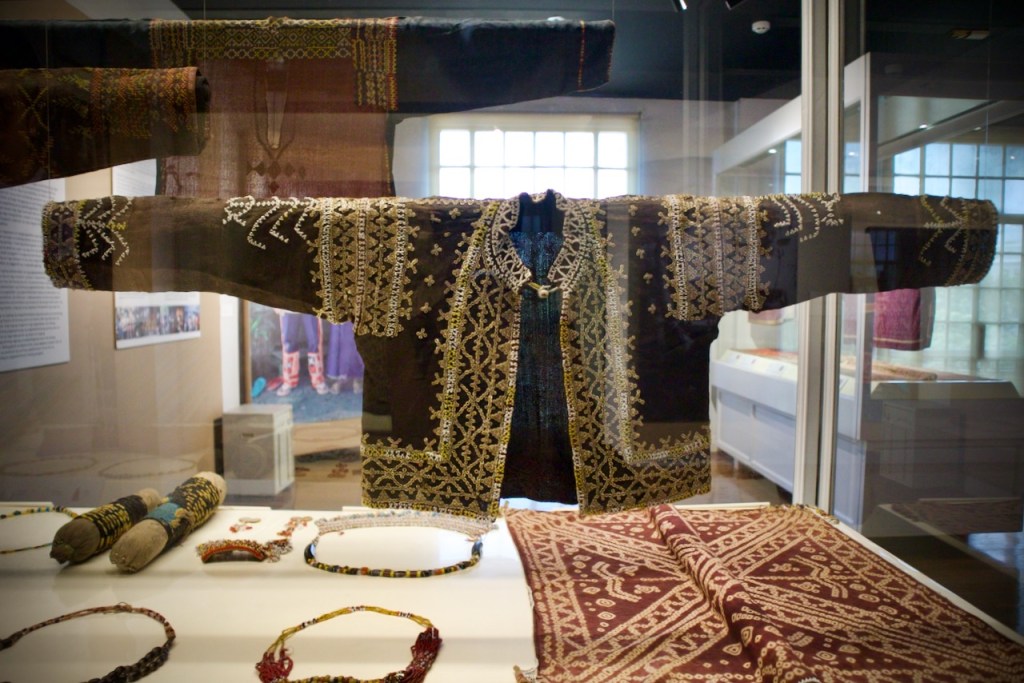
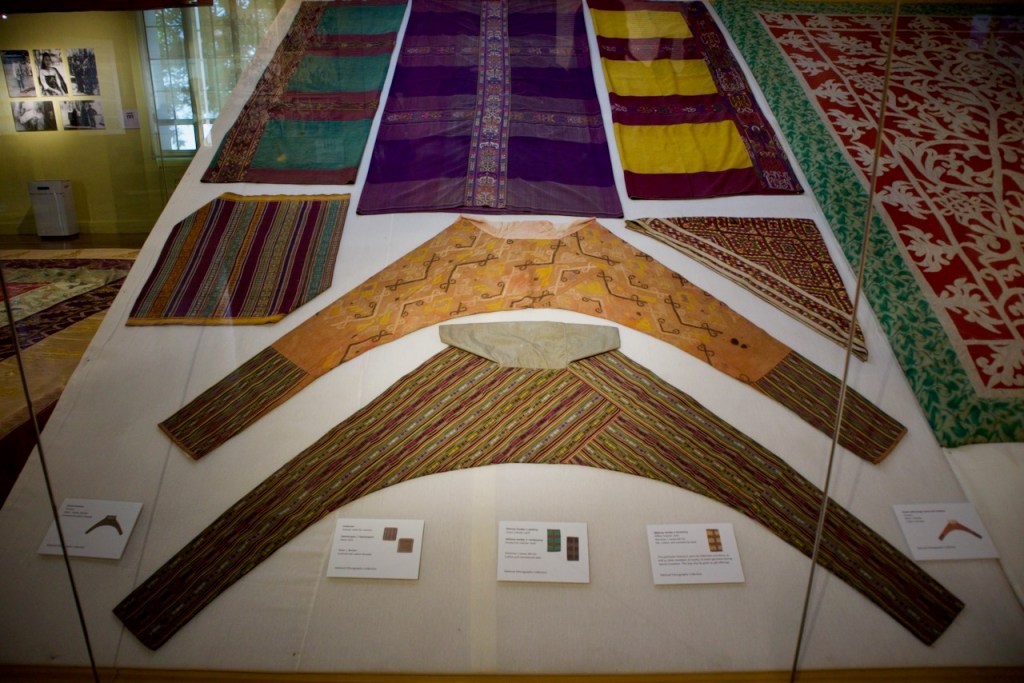
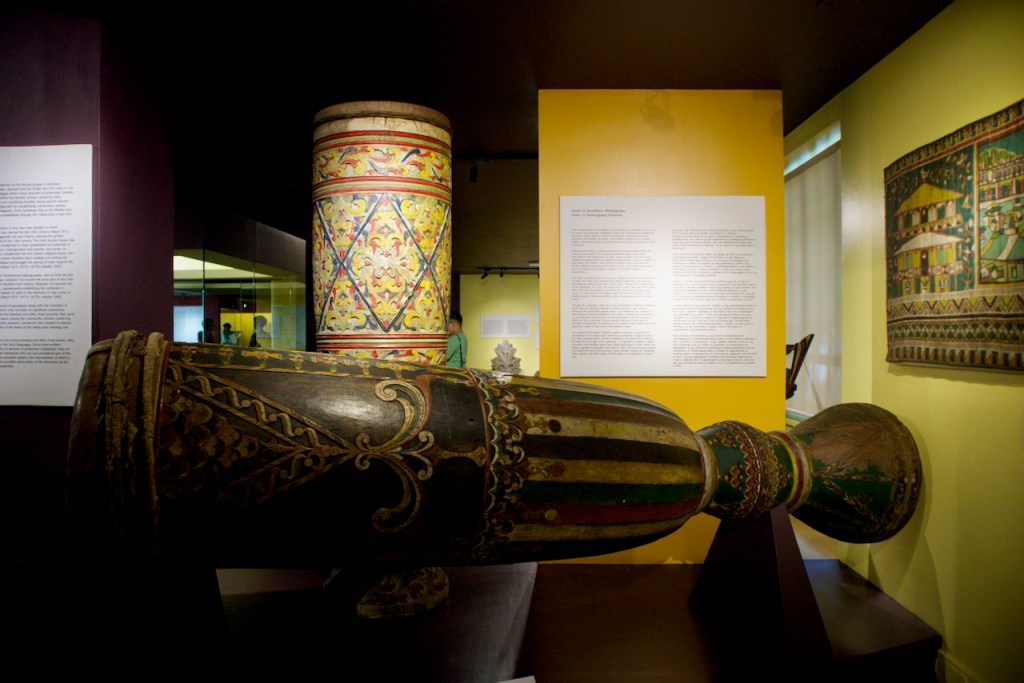
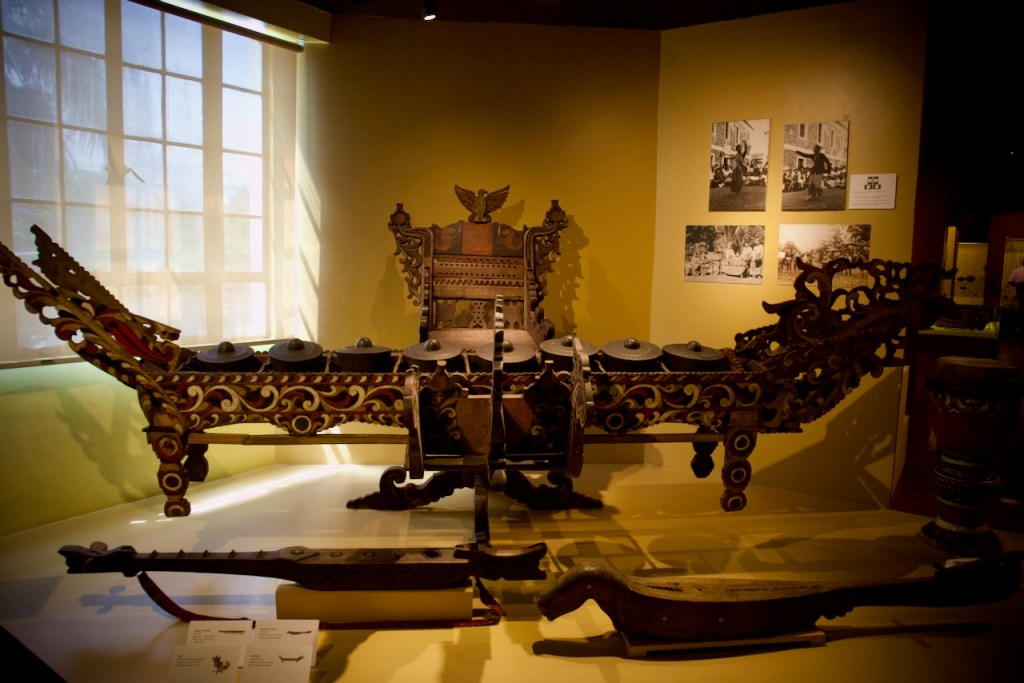
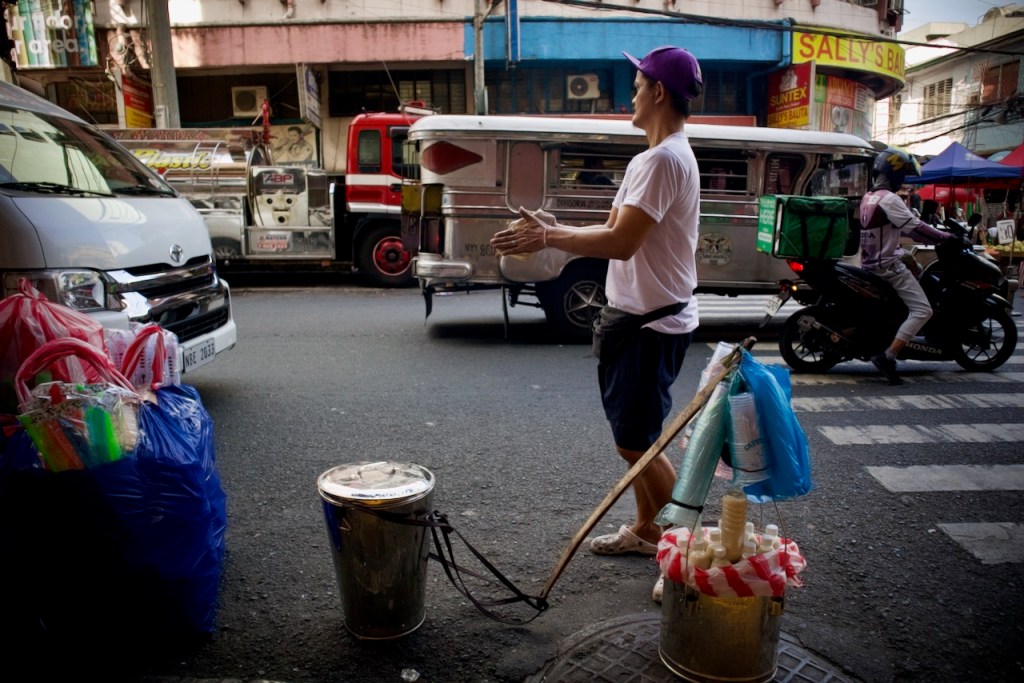
Finally, it is time to brave the mega capital city. My last DIY day tour in Manila begins with a jeepney ride to Binodo, Chinatown, the bustling commerce and culinary hub where you can find everything from dim sums to gold shops, feng shui stores and casinos, and churches next to temples. A short walk across the Pasig River takes me to the historic centre of Intramuros. From sprawling Fort Santiago, most heritage sites – the cathedral, San Augustin Church, and Casa Manila etc. – are all within a mile. The nearby historic Manila Hotel, built in 1912 on the commemoration date of the American Independence, as a first-class hotel for American travellers before being used as a military headquarters during the Japanese occupation and a residence for General Douglas MacArthur, feels like a time machine. The Museum of Anthropology is a real gem, offering a rich ethnographic collection of traditional textiles, baskets, and religious artefacts in a stately neoclassical building. There is still so much more to do: the Malacanang Palace, the Manila Bay, and the 100 malls where you can shop to your heart’s content!




What a splendid month nourished by this gem of a country in my home region. From her rich flora and fauna to a unique gastronomy under European, Chinese, and Filipino influences, and 24/7 sun, sea, ad fun, the Philippines has endless offerings. Alas, the grinding poverty (20% of the population lives below the poverty line) and notoriety for crime (fortunately not once during my entire month have I experienced any harassment or aggression) continue to deter many foreign visitors. I could not help thinking during my stay, had the Spanish not colonized… Had the Americans and the Japanese not occupied… Had the Marcos dictatorship years not indebted the Philippines, bringing the country to her knees… With her incredible natural resources and industrious people, the country would probably be as rich as any developed country today. But it is her destiny, in search of a unique identity built from a rich diaspora. Jessica Hagedorn captures the national spirit well in her classic Dogeaters: The Filipinos are descendants of warring tribes which were baptized and colonized to death by Spaniards and Americans, as a nation betrayed and then united only by our hunger for glamour and our Hollywood dreams...



All Content © 2026 by Jennifer Chan
 Jennifer Chan Photography