
It is a memory that reshapes itself with every wind,
to remind us that stability is an illusion,
and that existence is not measured by constancy,
but by movement, sound, and impact.
– Manal AlDowayan
December 2025
In 2017, I did a grand DIY tour of the Gulf region, visiting the UAE, Oman, Kuwait, Qatar, and Bahrain, being only a bridge away from Saudi Arabia. Alas, evisa was not available back then and solo women travellers were barred from entry without male chaperons. I am glad I waited, for the past decade has seen sweeping changes to the kingdom in a wave of liberalization that has made travel much easier. It took minutes to apply for the evisa (USD110), approved within hours, and the immigration process was one of the smoothest ever. Unlike in Afghanistan, foreign travellers are not required to veil or wear an abaya. Finally, it is time to visit Saudi Arabia.
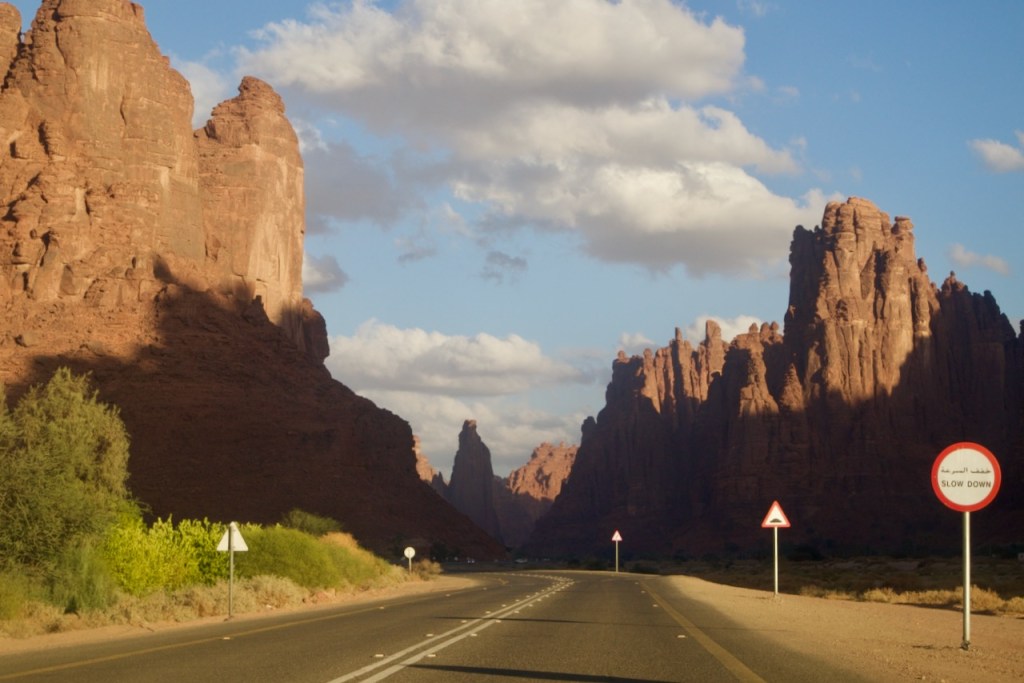
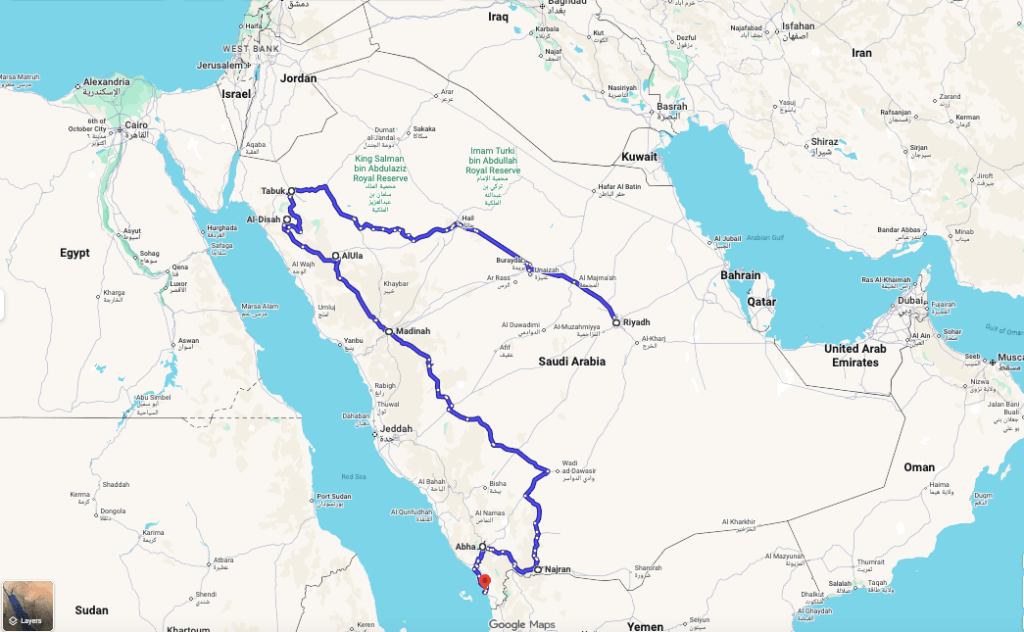
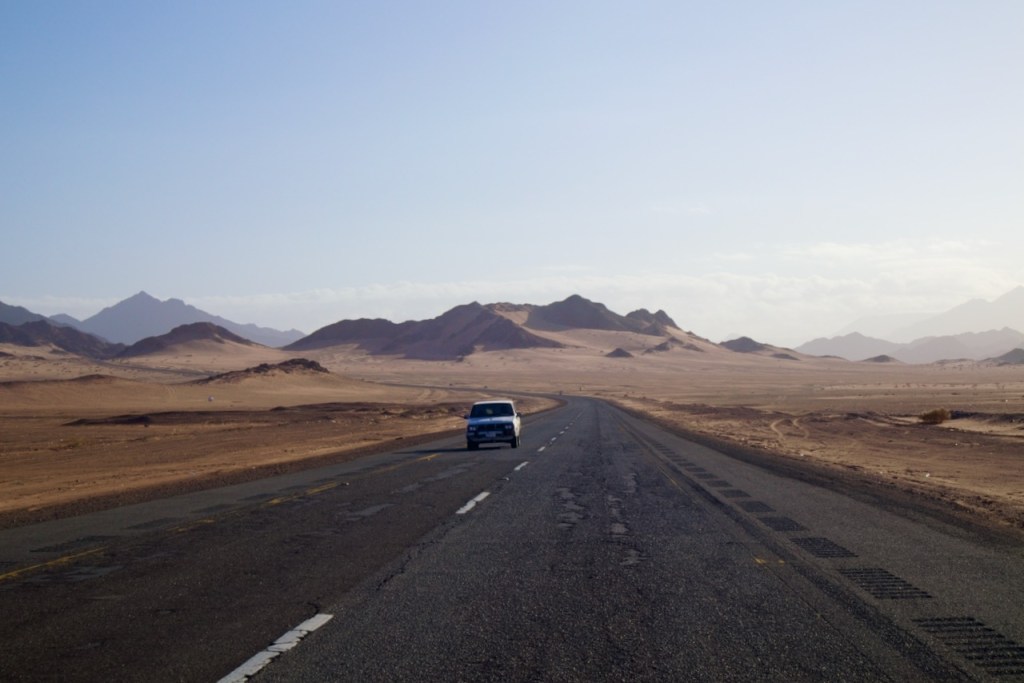
After my adventures in Syria and Iraq, I hop on a plane from Baghdad to Riyadh before making my way north to Tabuk. The drive to Al Disah and Al Ula through tall mountains and deep canyons is spectacular. The vibrant holy city of Medina is only a few hours away before I fly down south to Nejran marked by Yemeni roots. The colourful heritage villages surrounding Abha are a cultural highlight, followed by an escapade to Farasan island off the coast of Jizan. I save the best for the last, wandering in Jeddah’s historic Al Balad neighbourhood like a lost child marvelled in her charm and nostalgia. What a whirlwind of two weeks, traversing over 4,000 kms including hitching part of the way, living from moment to moment, trying to capture this vast, gorgeous country through her diverse landscapes from modern cities to ancient ruins, desert oases to UNESCO sites, heritage villages and the Red Sea archipelago. Every day is a total adventure, and the word epic could not even begin to describe this exhilarating journey through the kingdom of kingdoms caught between the pull of modernity and the draw of tradition, standing proud in her ruins while making leaps to a promising future.









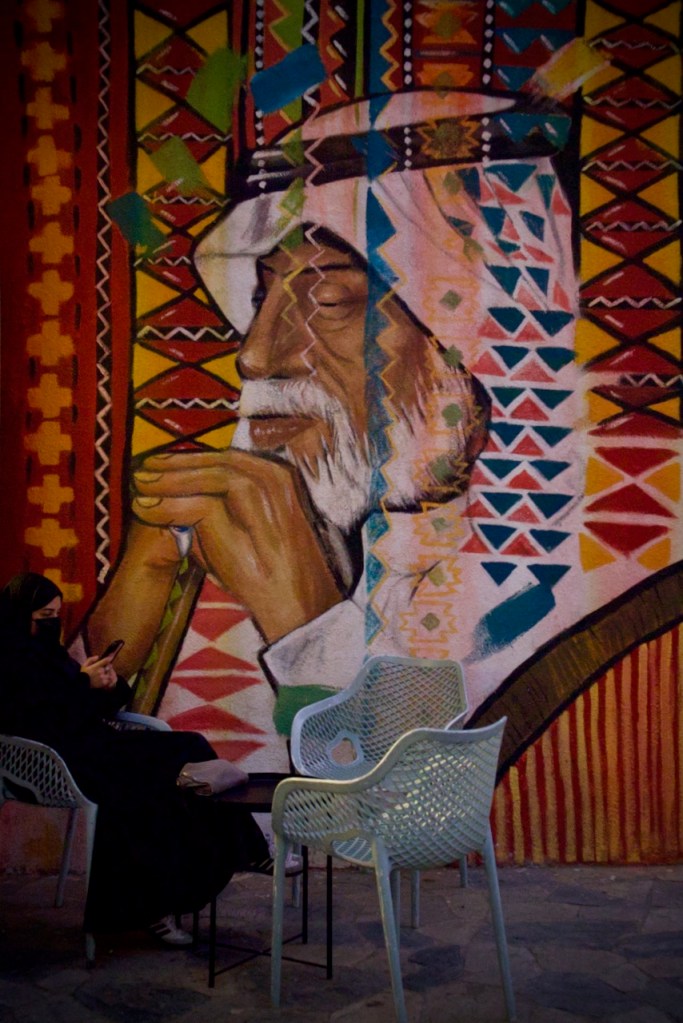



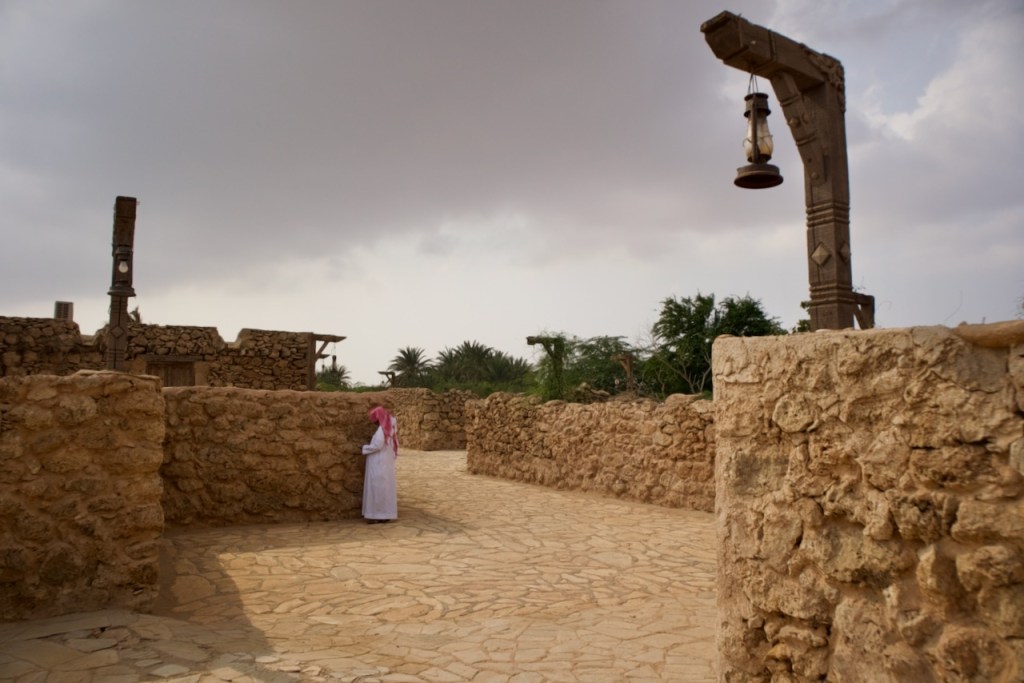



Riyadh: A Nation in Progress
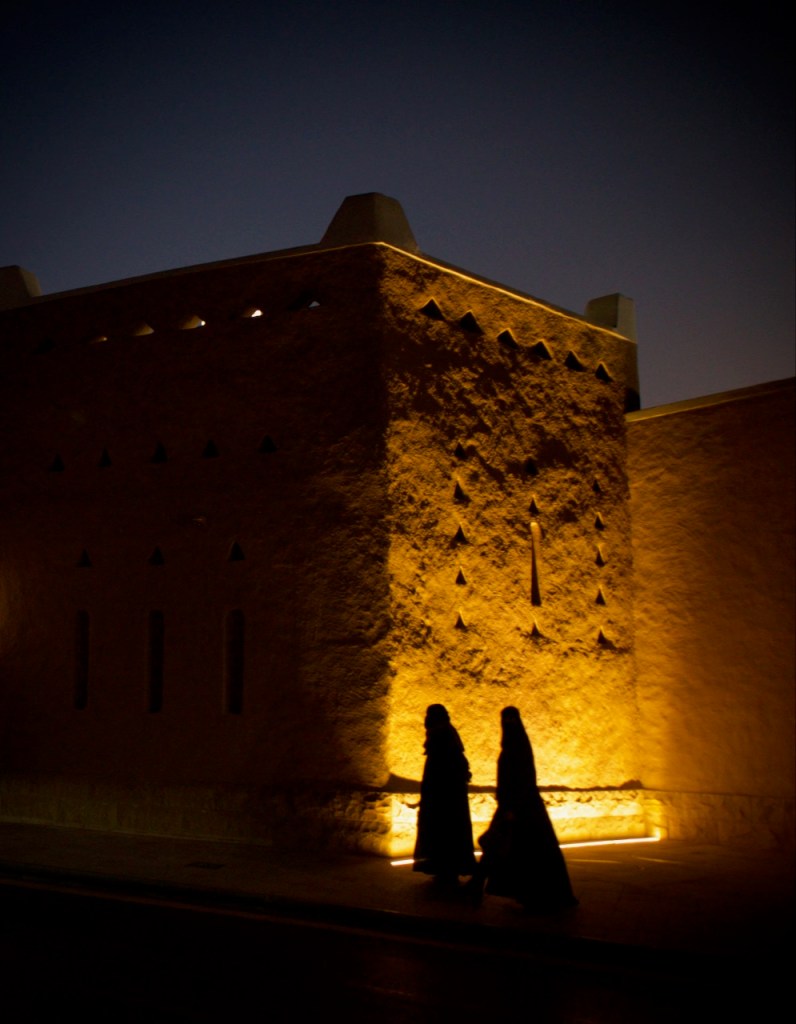
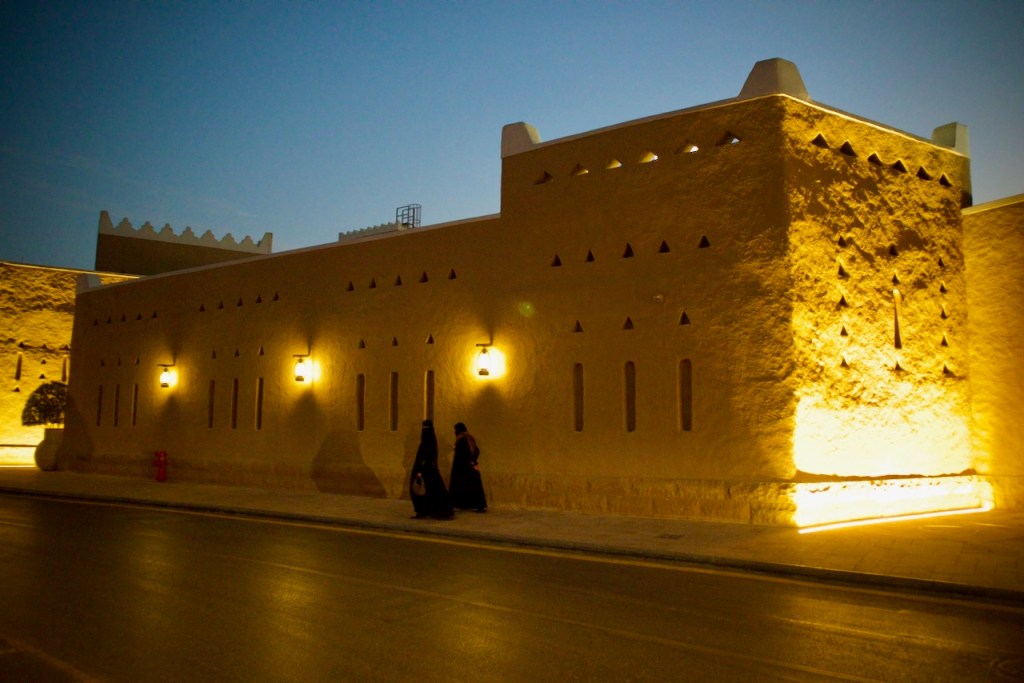
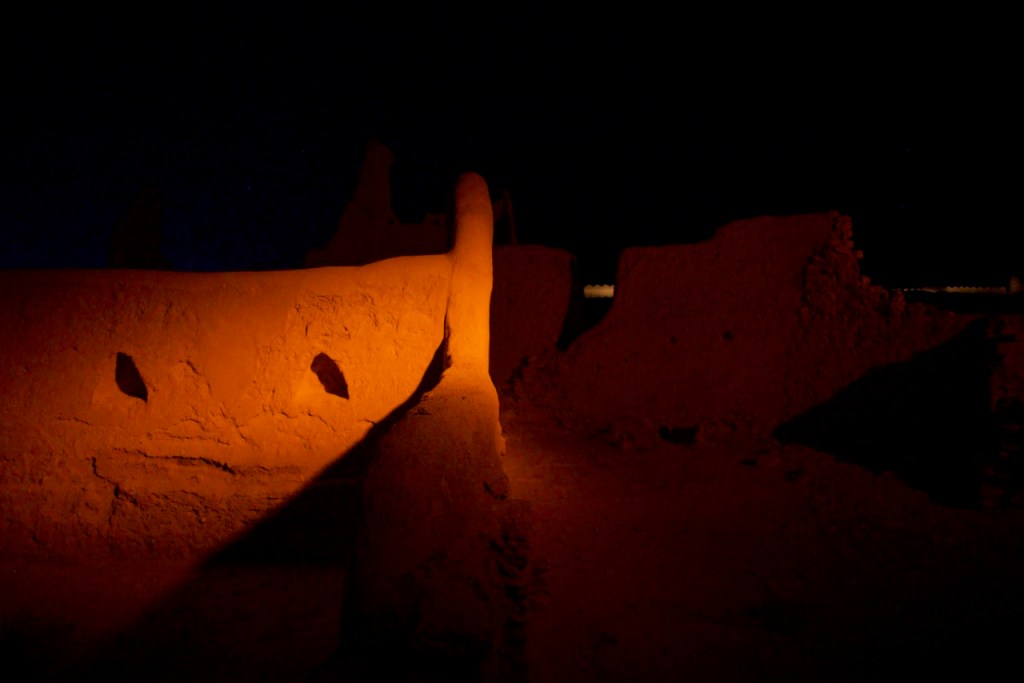
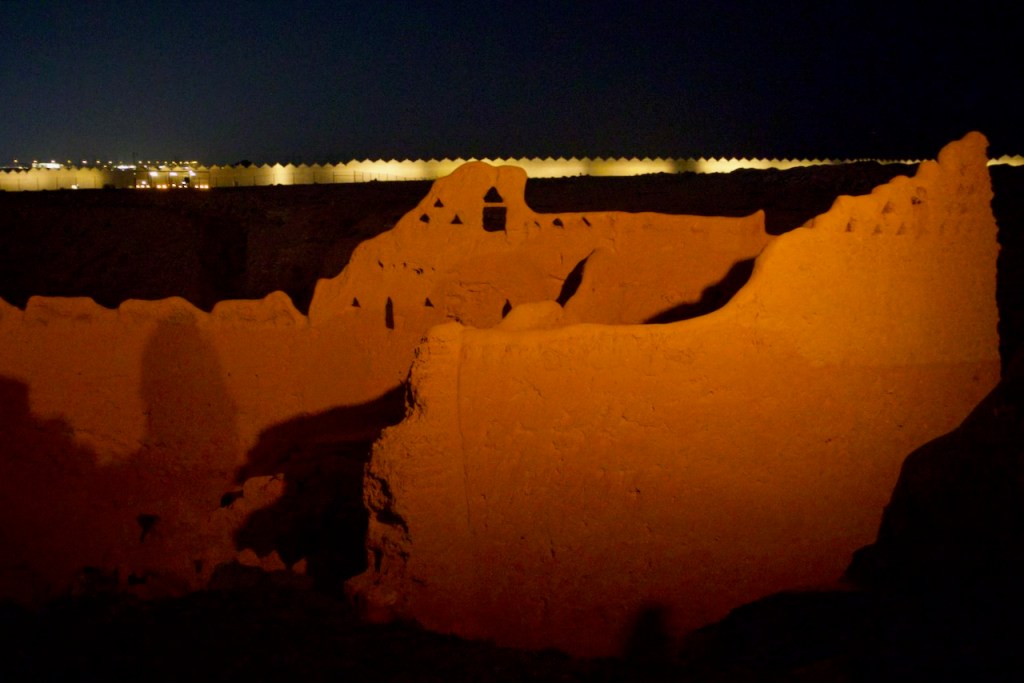
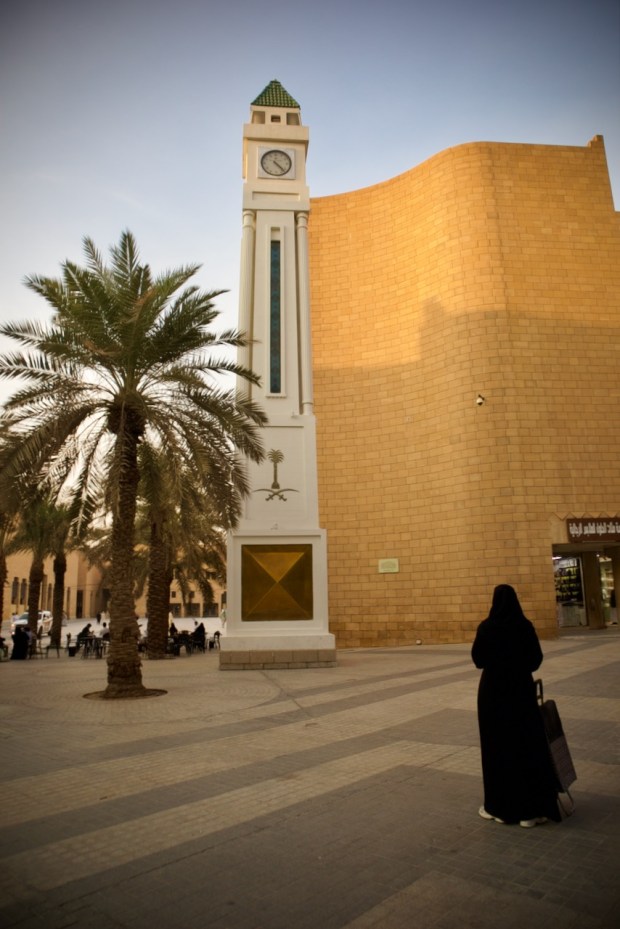
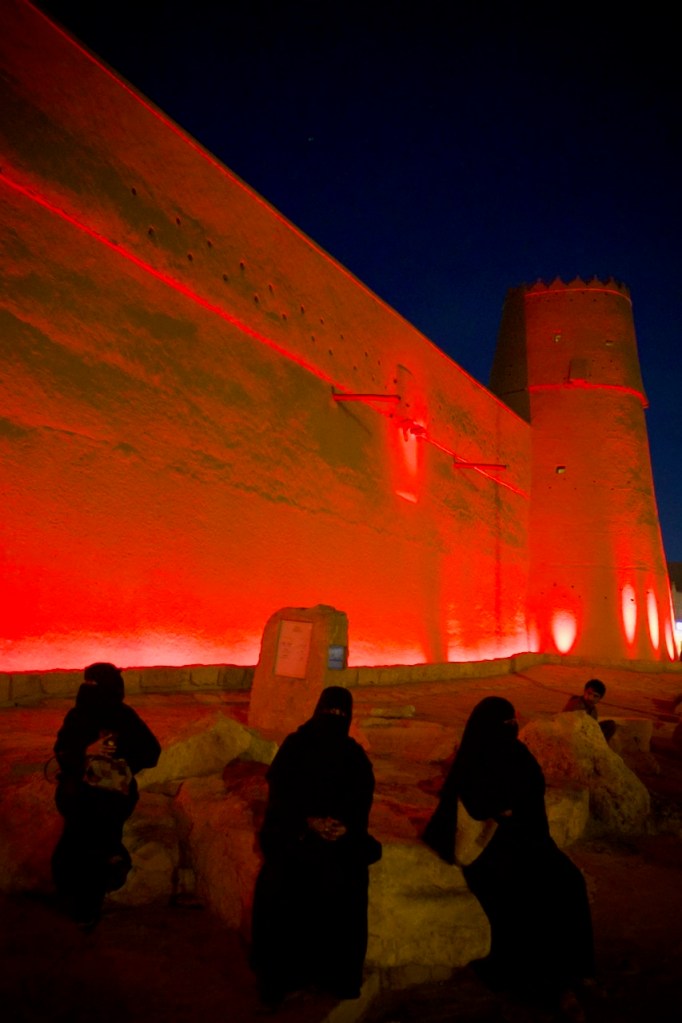
I ride the brand new subway, opened only months ago, from the airport to the centre of the capital city, and make a beeline to the National Museum (closed on Sundays). Go to Diriyah at sunset time, the locals tell me. So I arrive at dusk to find the stunning ruins – the ancestral home of the royal family, the historic birthplace of Saudi Arabia, and a UNESCO World Heritage site – exquisitely lit and teeming with visitors. While the Saudi way of managing their heritage, turning ruins into glitzy marketable products, might not be to the liking of everyone (I imagine horrified archaeologists shaking their heads at the extensive interventions), I must admit Diriyah by night is an interesting photographic moment. The sight and the sound, in the shadow of a palmy oasis in this balmy December evening, with a bonus near-full moon rising, is surely an experience.
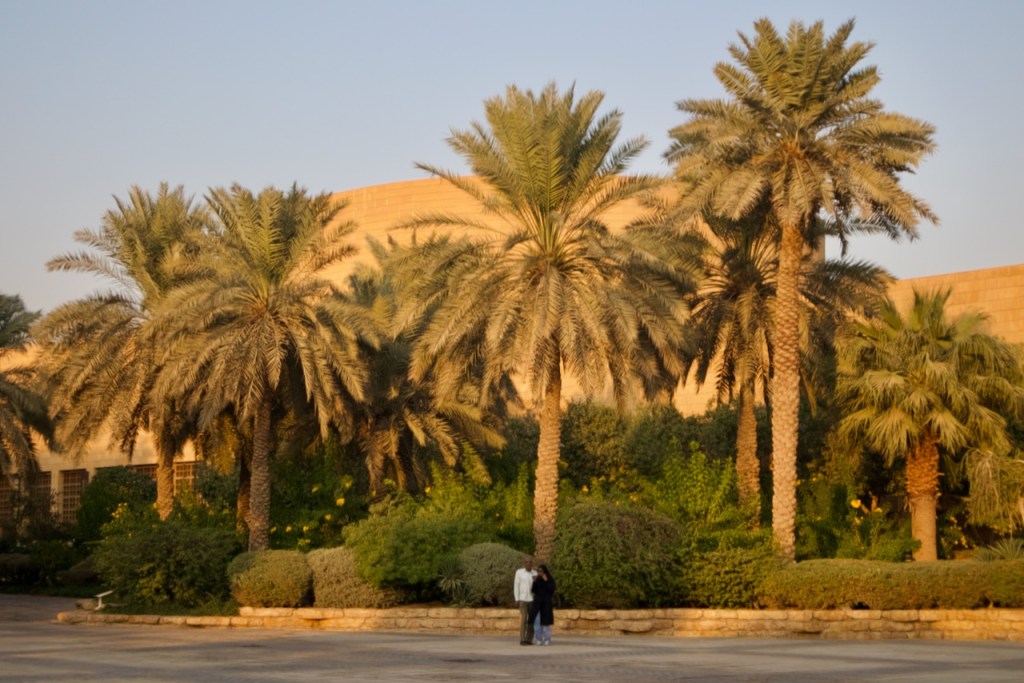


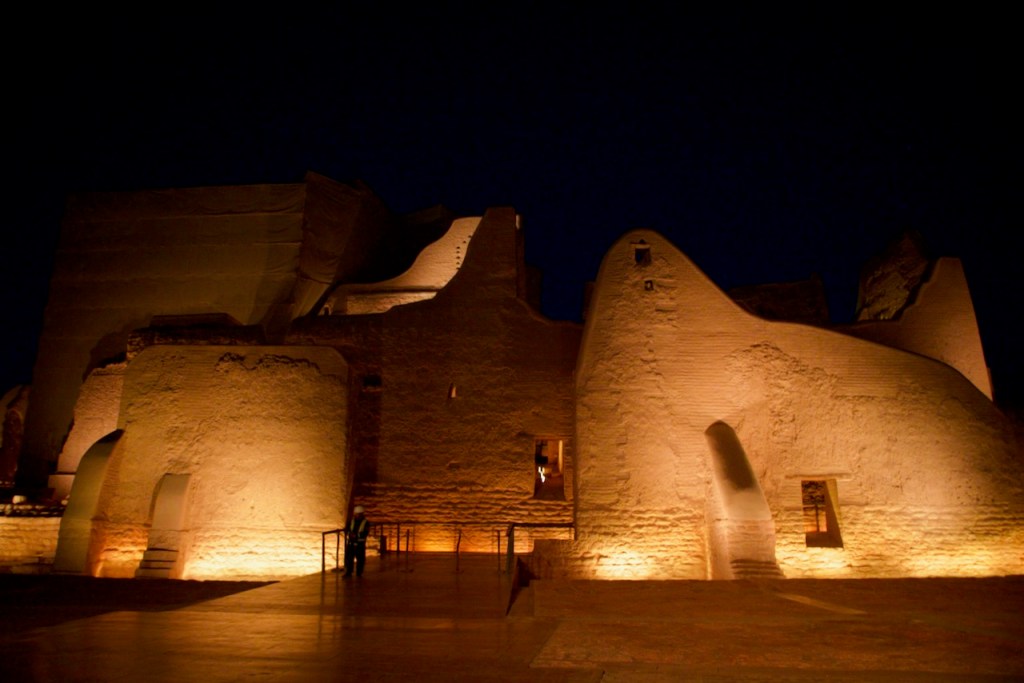
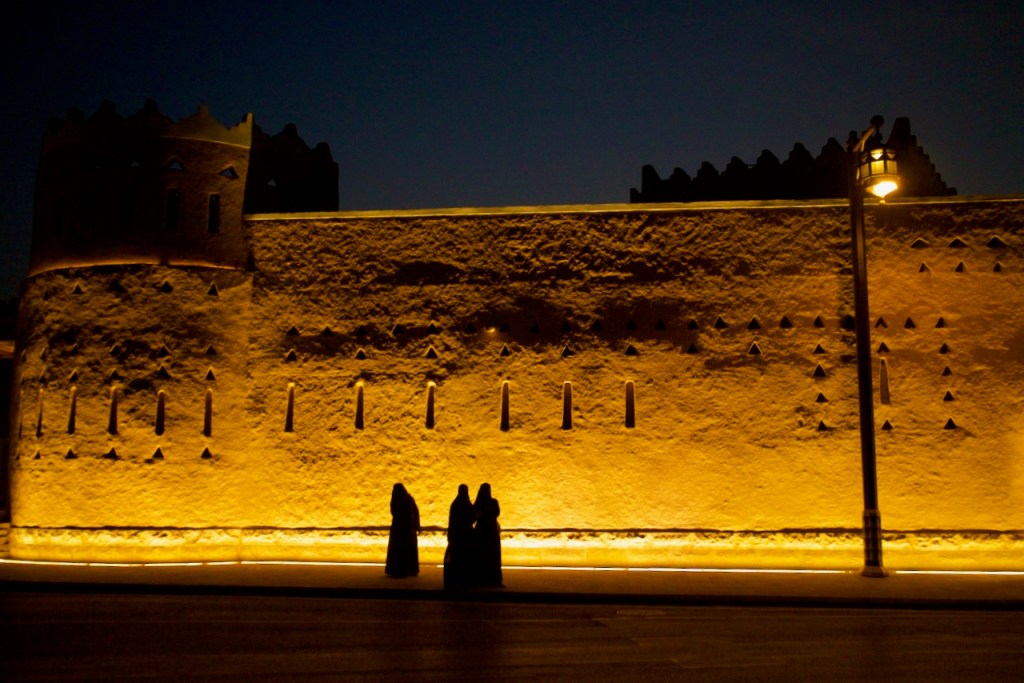
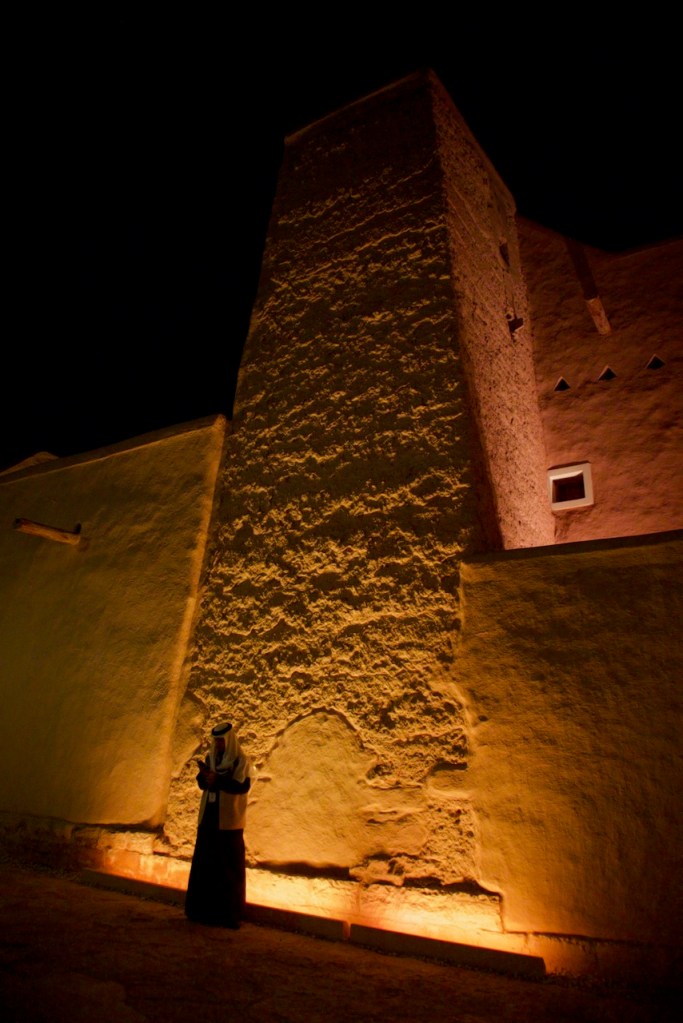
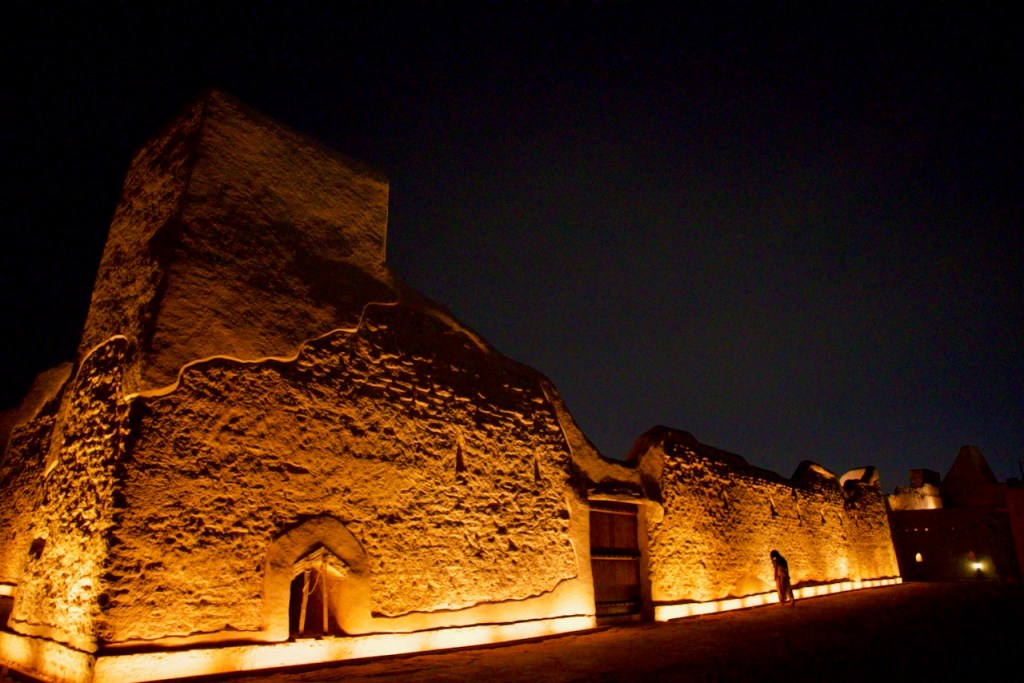
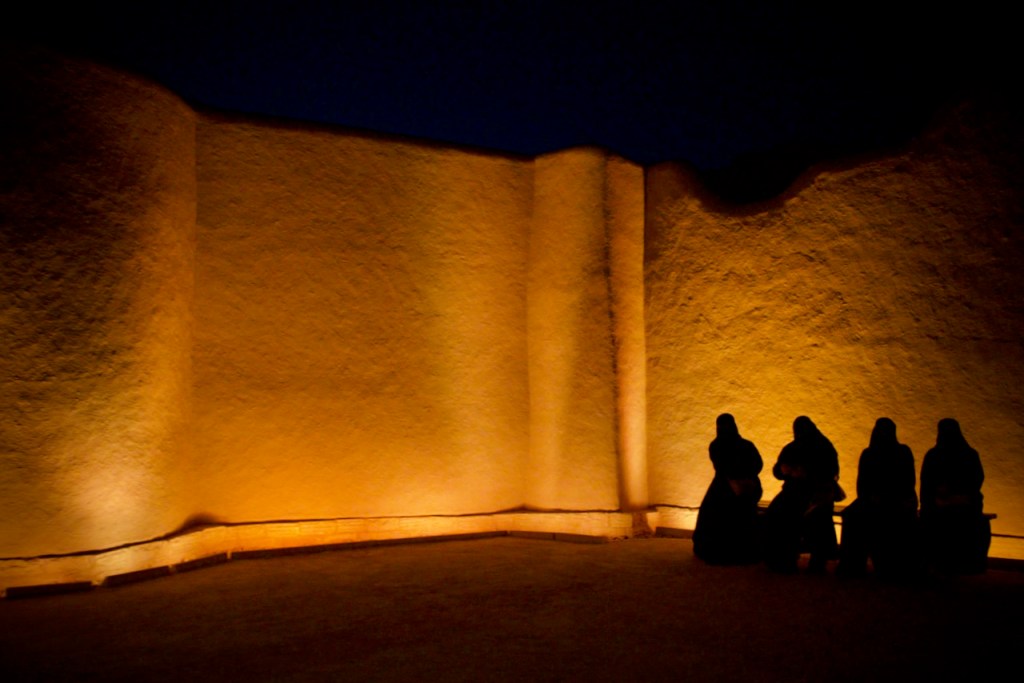

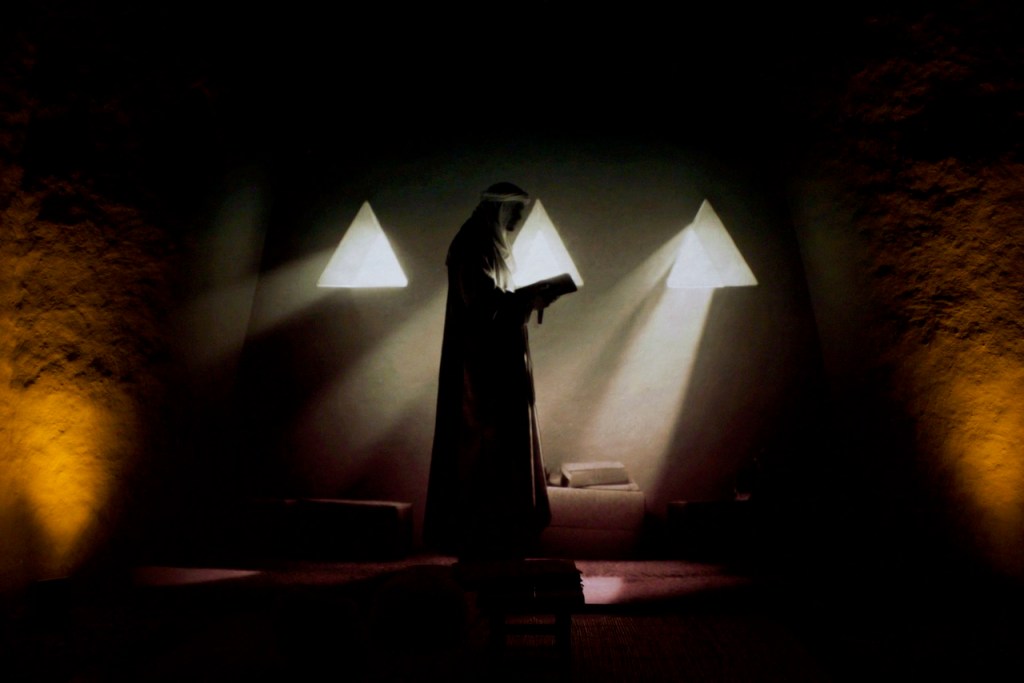


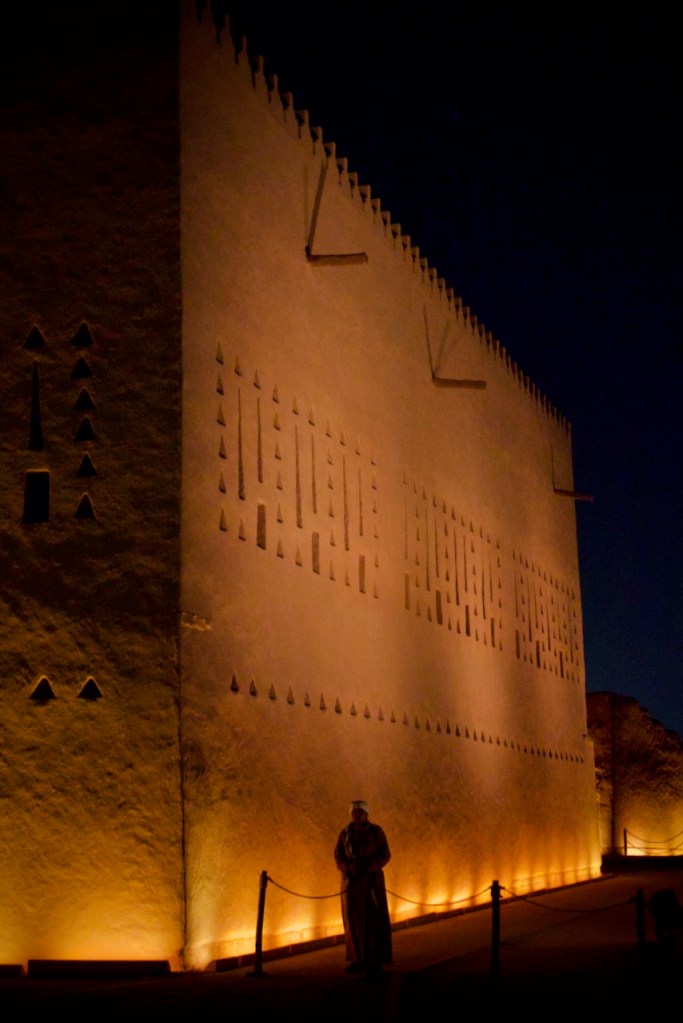
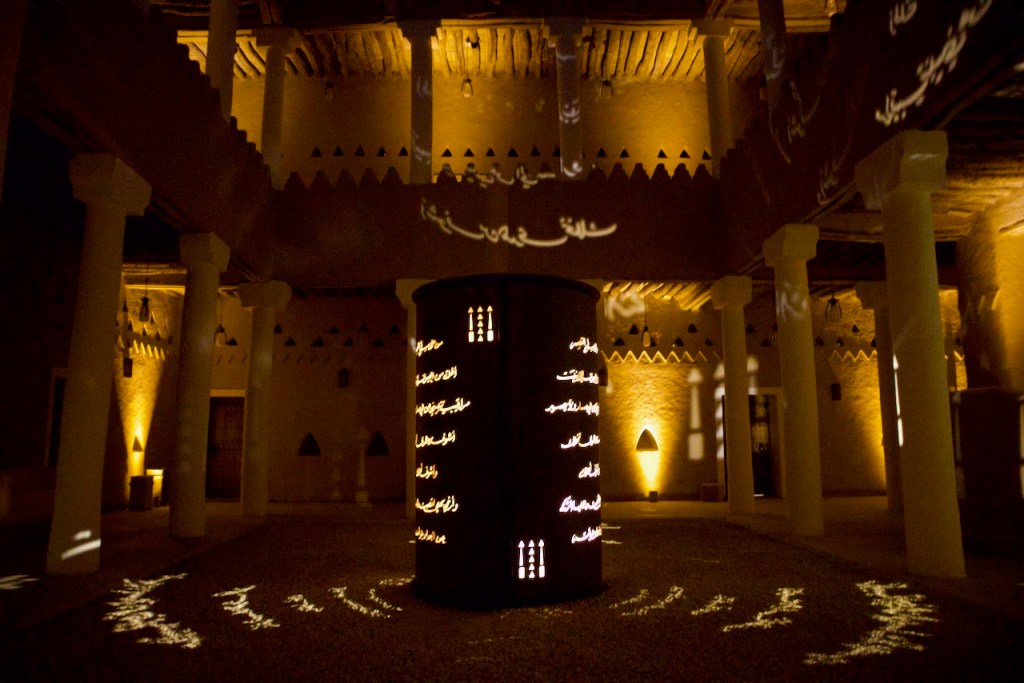
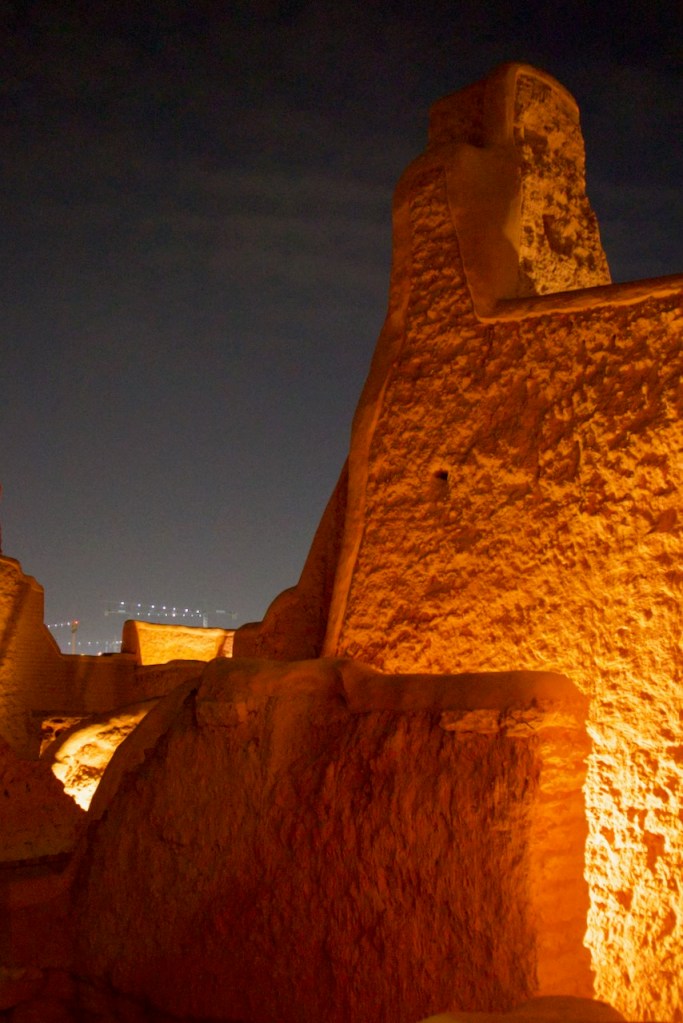
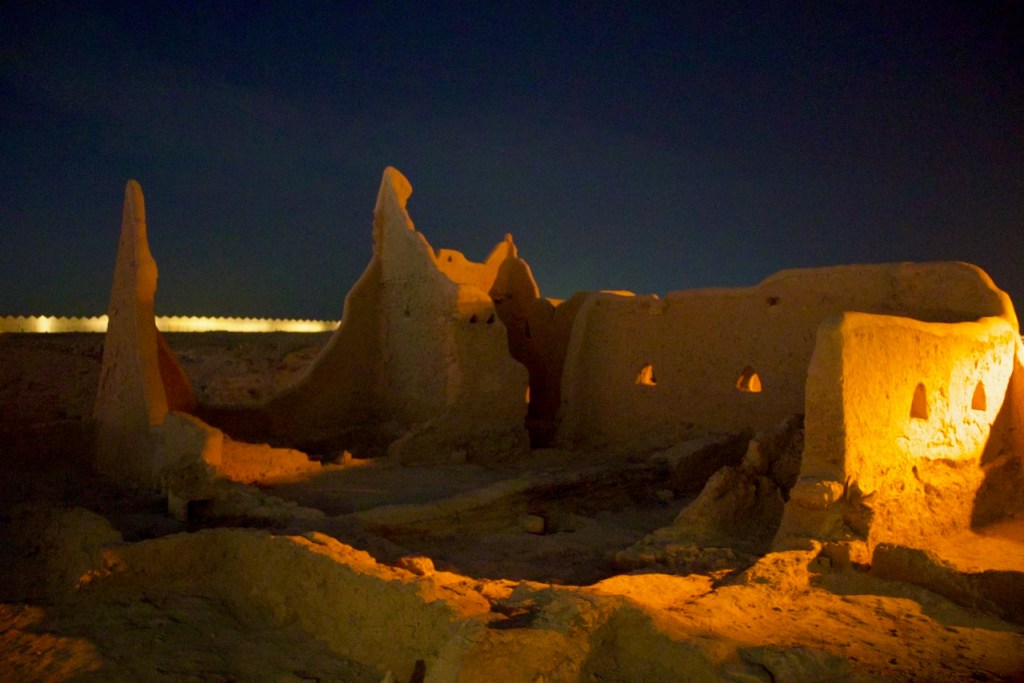
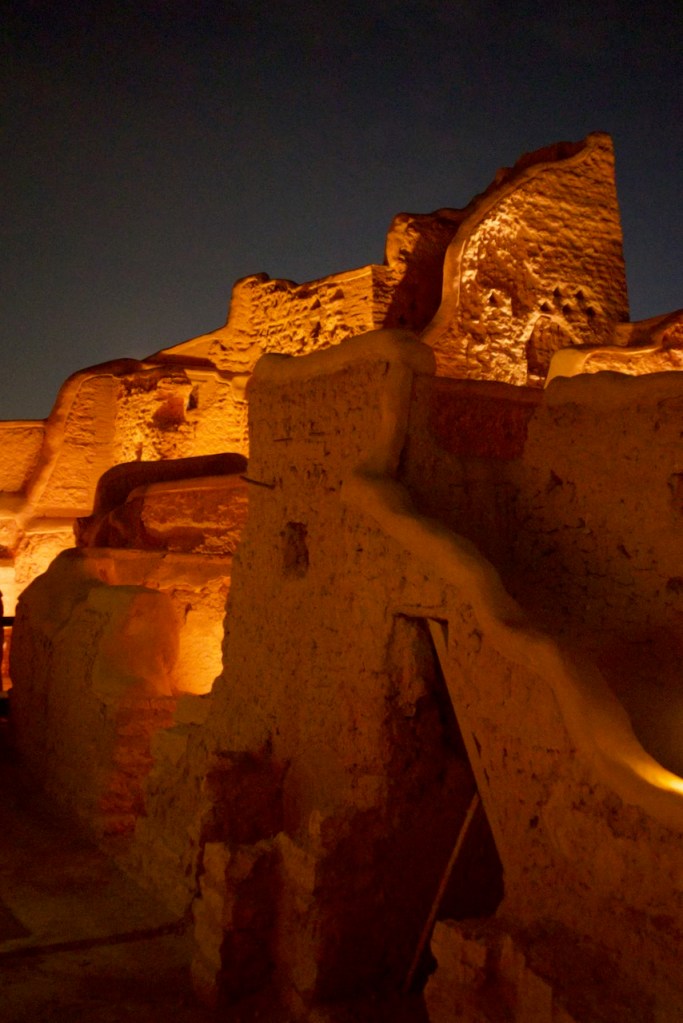
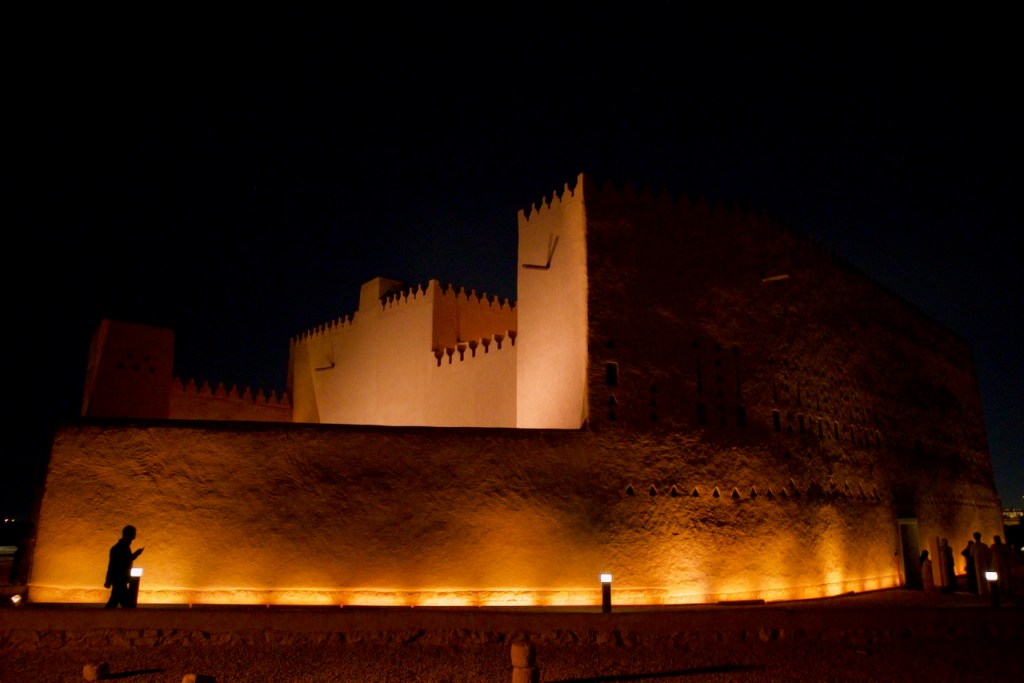


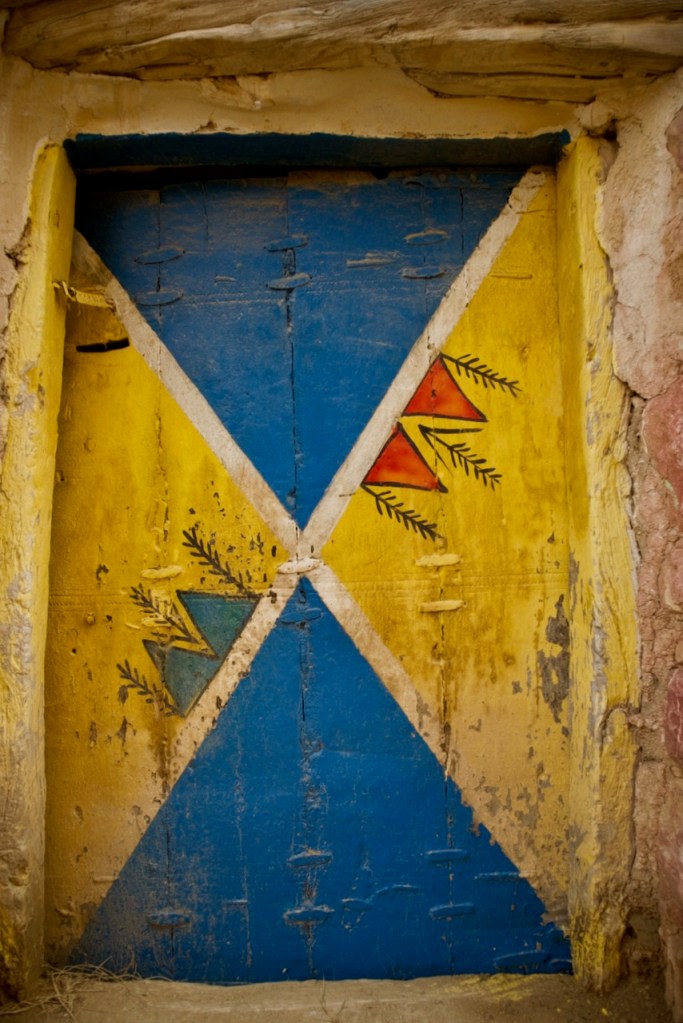
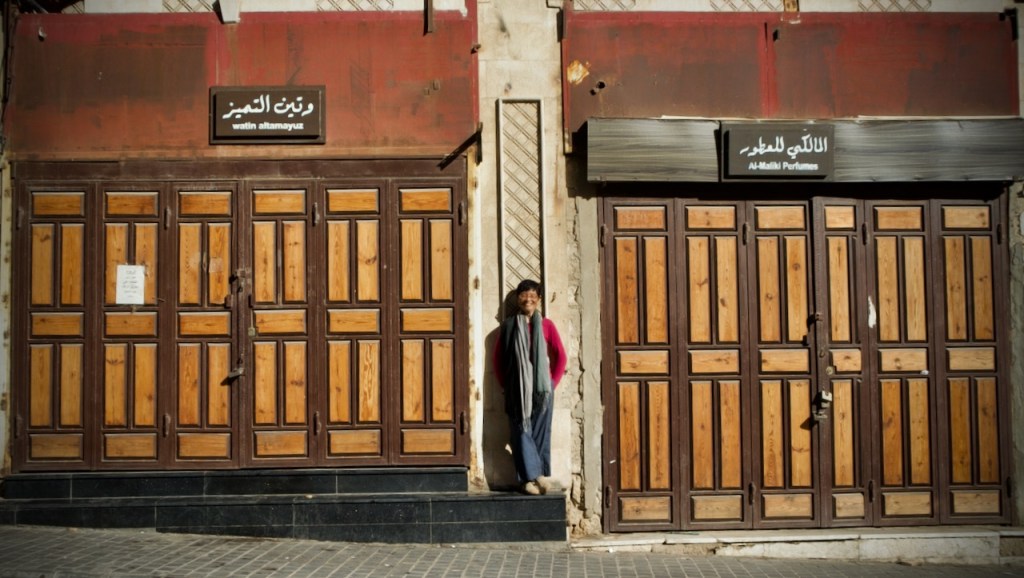
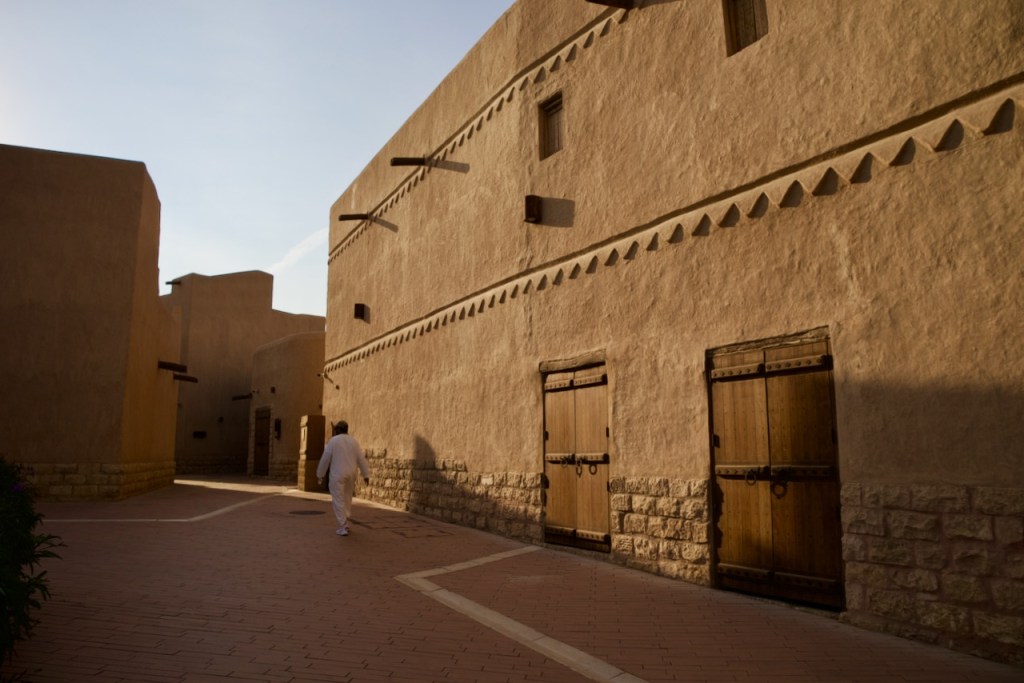
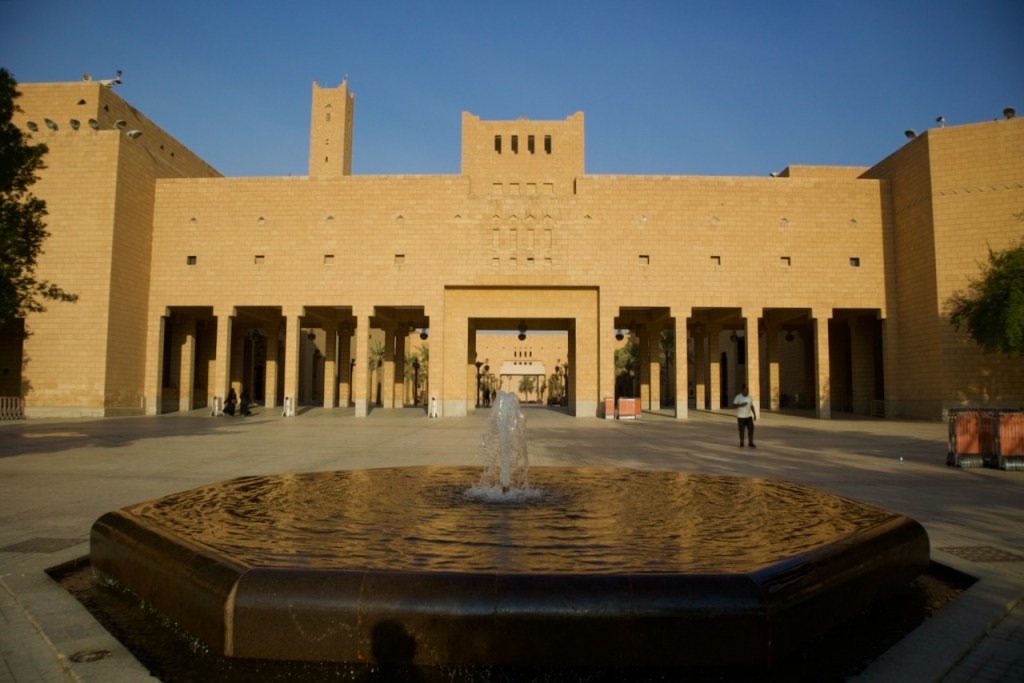
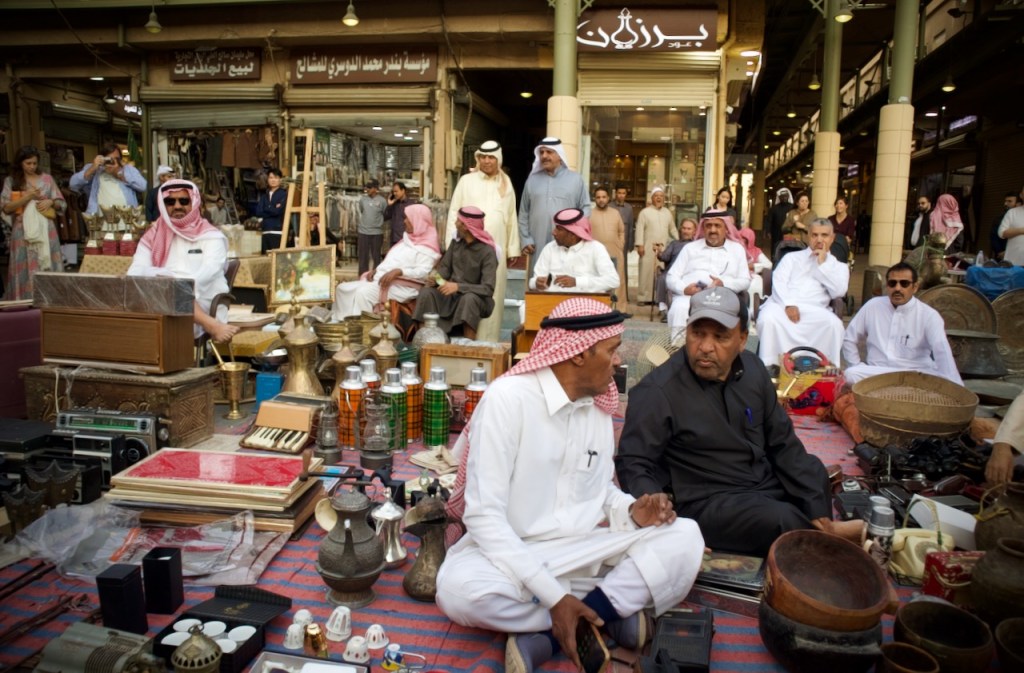
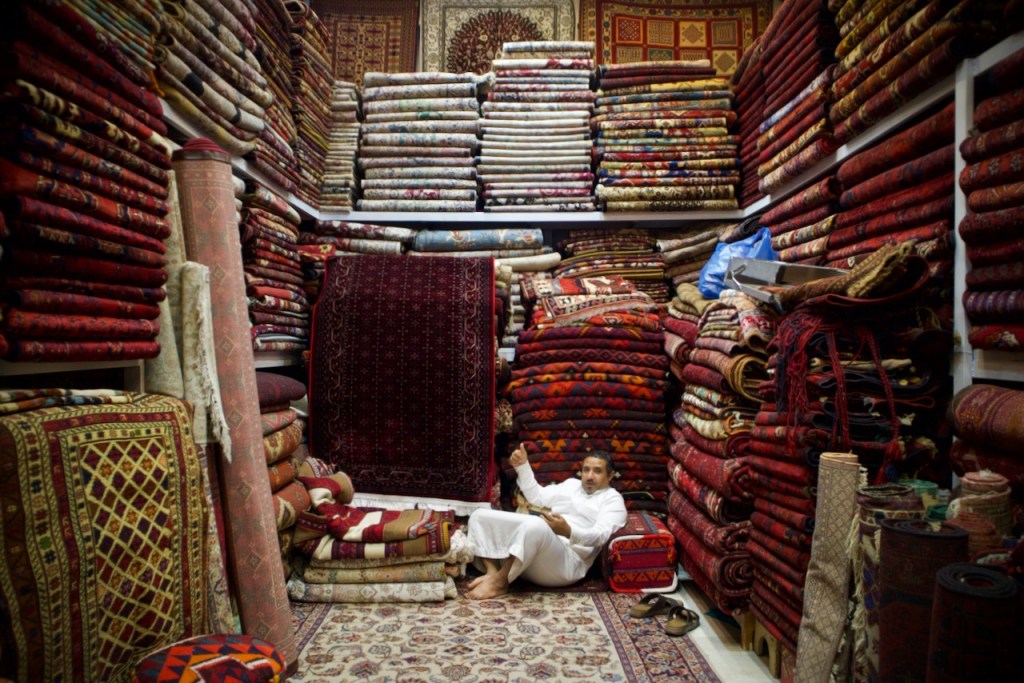
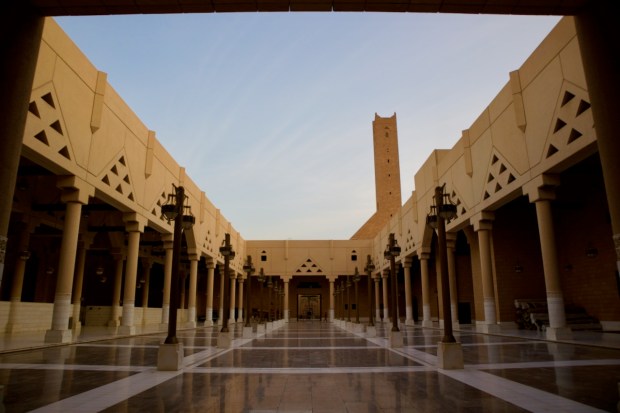
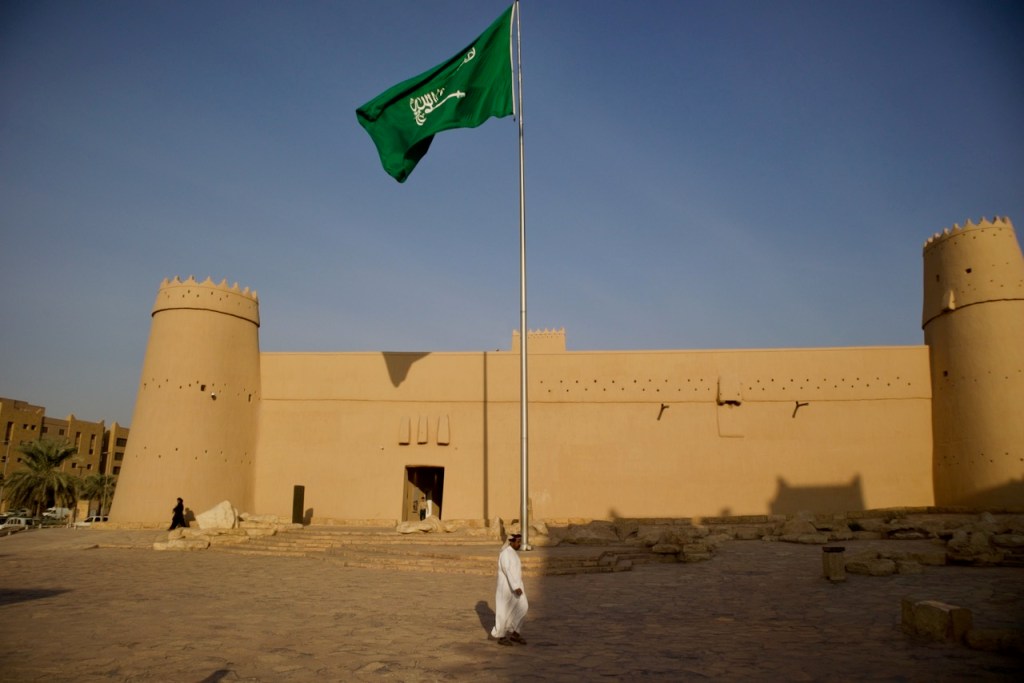
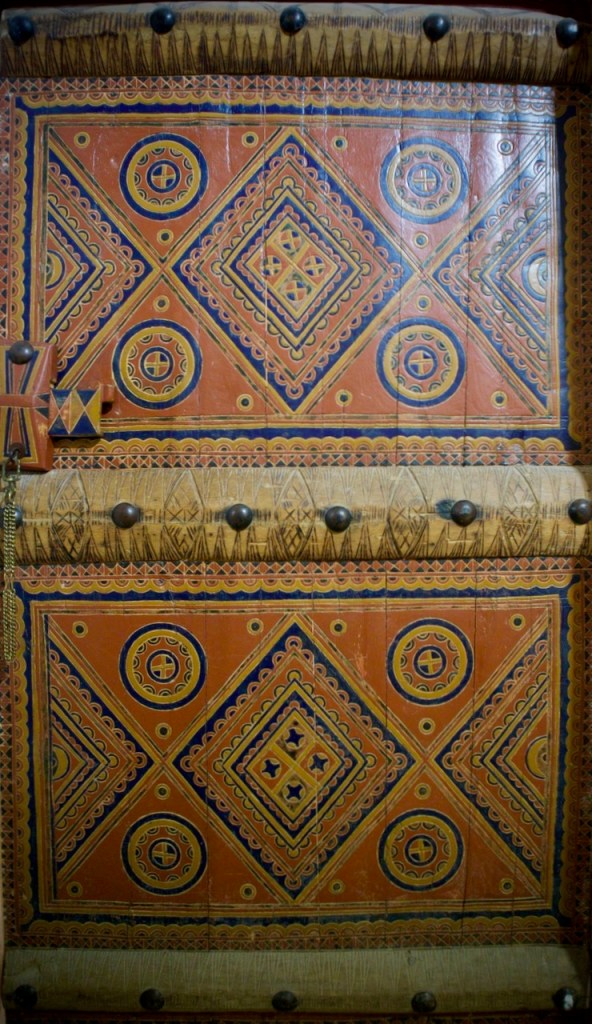
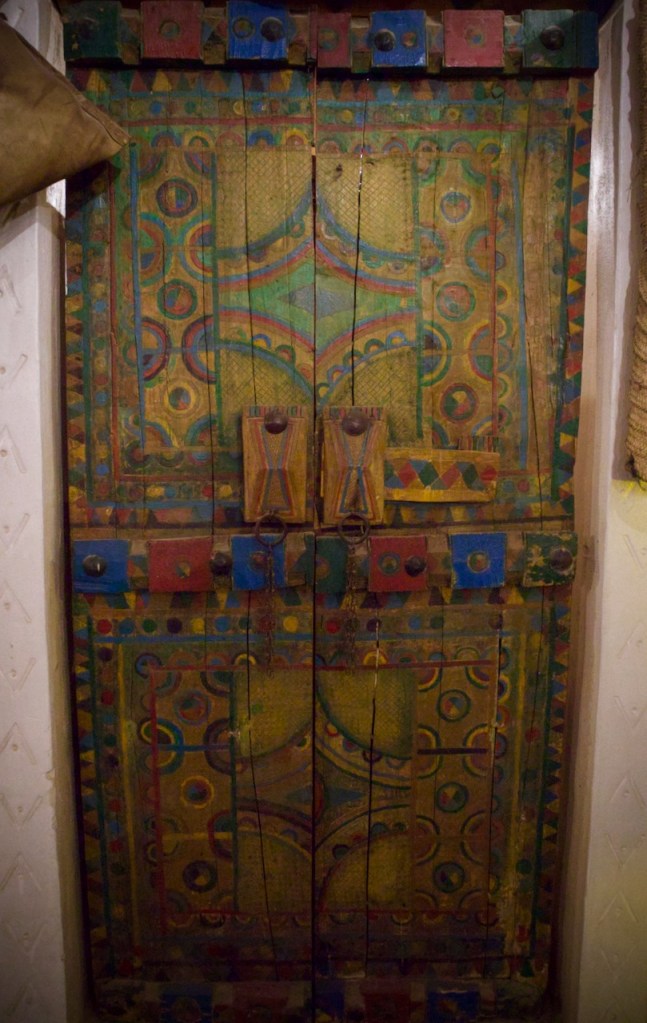
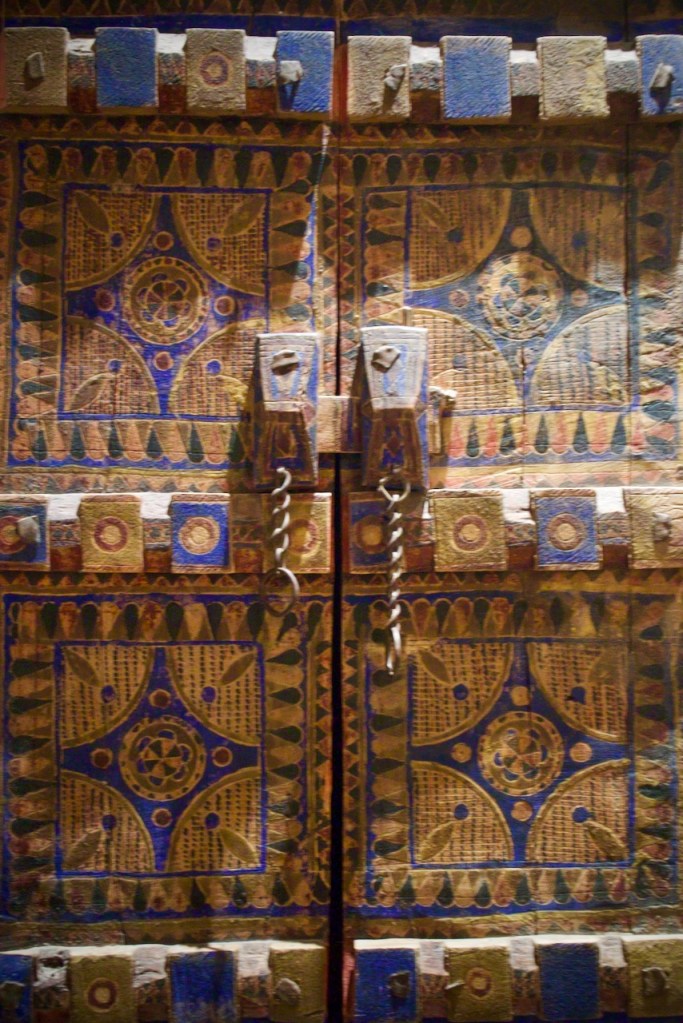
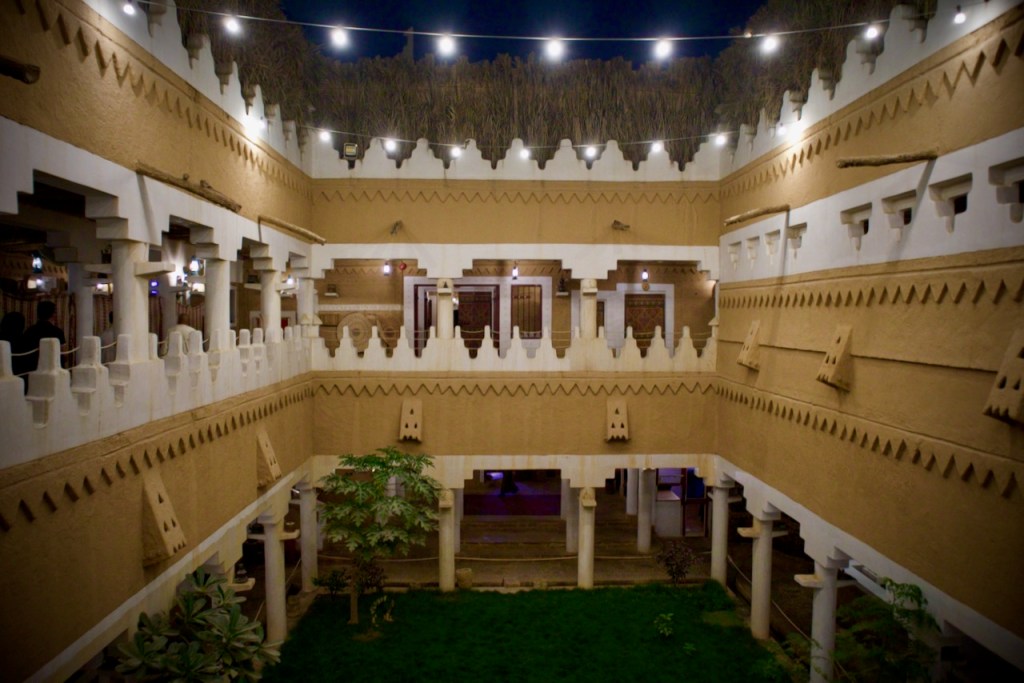
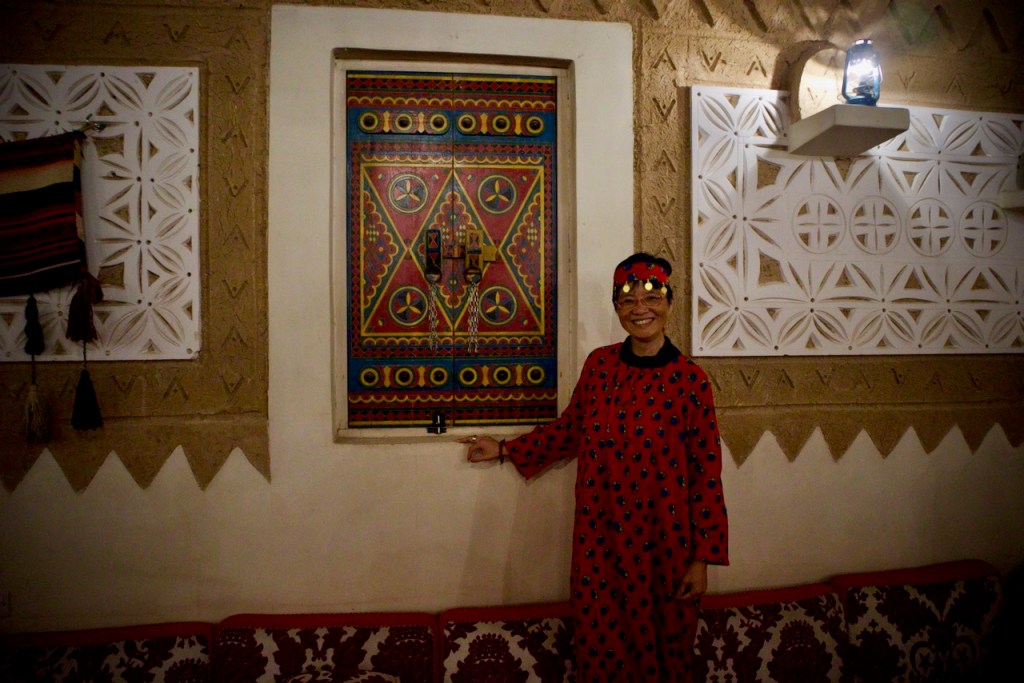
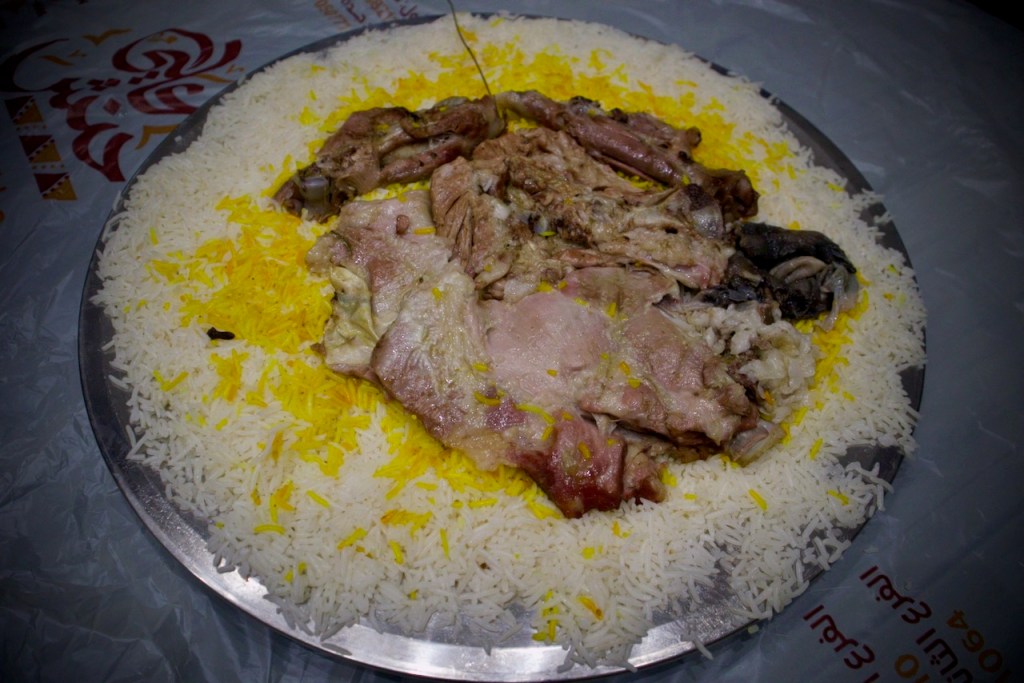
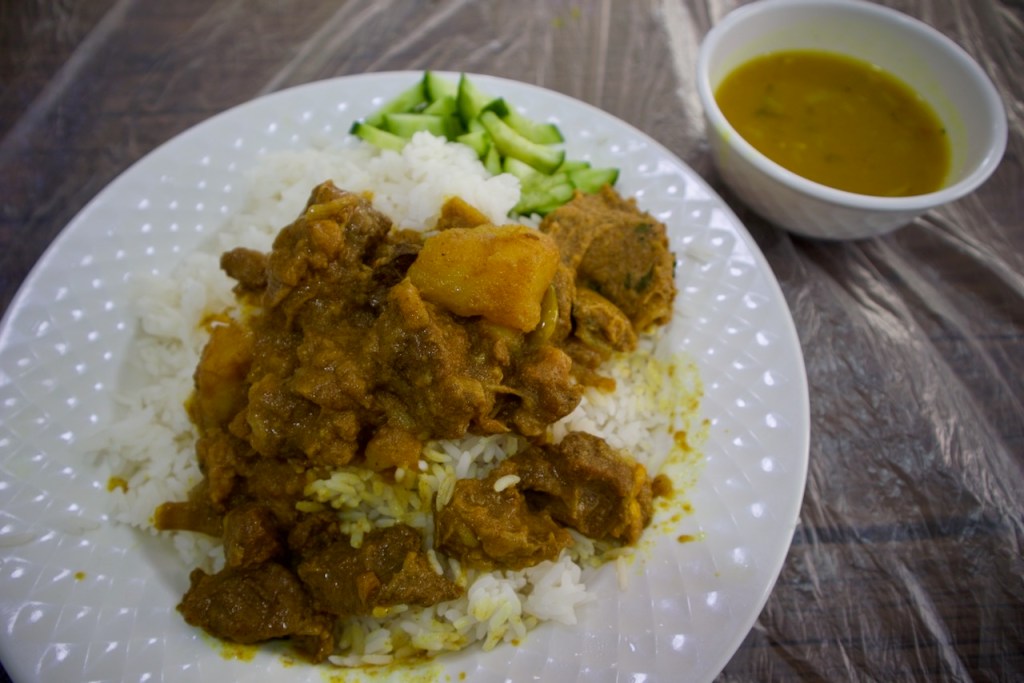
The next day I join a free cultural tour offered by the Scientist’s Gift Organization. We go through the old souk, catching the daily spectacle of an age old tradition of auction – pricey oud incense, antiques, and other valuable possessions among the traders. In this desert country with oppressive heat, everything starts in the late afternoon. We arrive at the grand Imam Turki bin Abdullah Grand Mosque and Al Masmak Fortress at dusk, once again in superb light. I trail behind the group in photographing the colourful traditional doors that make every home and palace so welcoming in an otherwise harsh desert environment. Then, there is always an abundant flow of coffee or tea and dates for nourishment, and heartening meals in great company. We wrap up our tour at the traditional Najd Village restaurant where we are offered the traditional costume – an abaya for women and a white thobe for men – and a sumptuous national dish of slow cooked chicken and rice. What a great introduction to Saudi culture!




Along the Desert highway: Tabuk and Al Disah
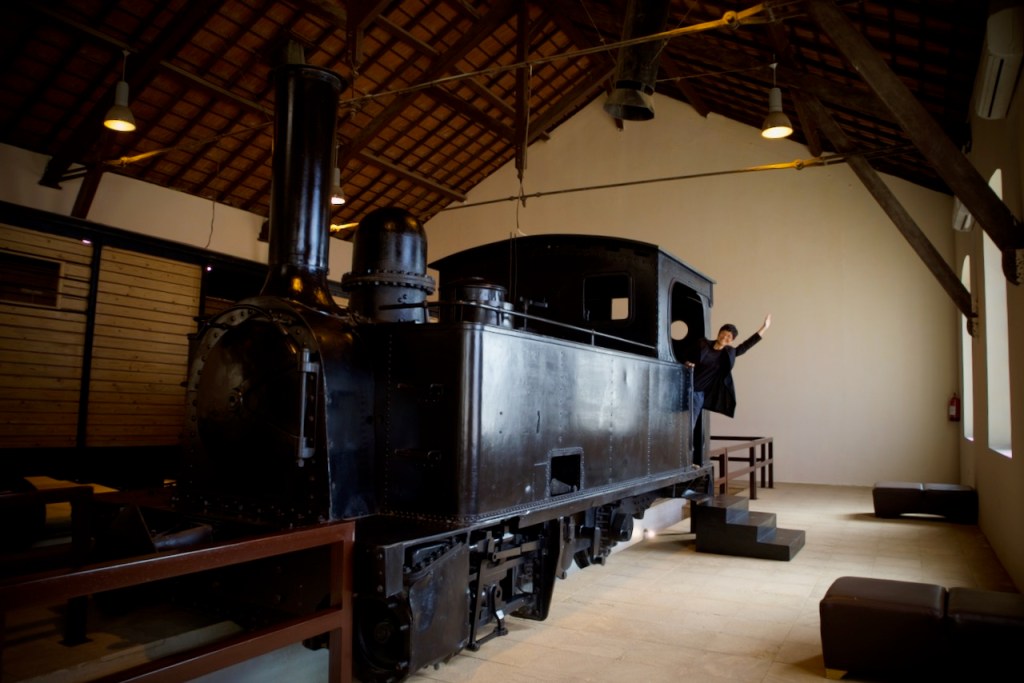
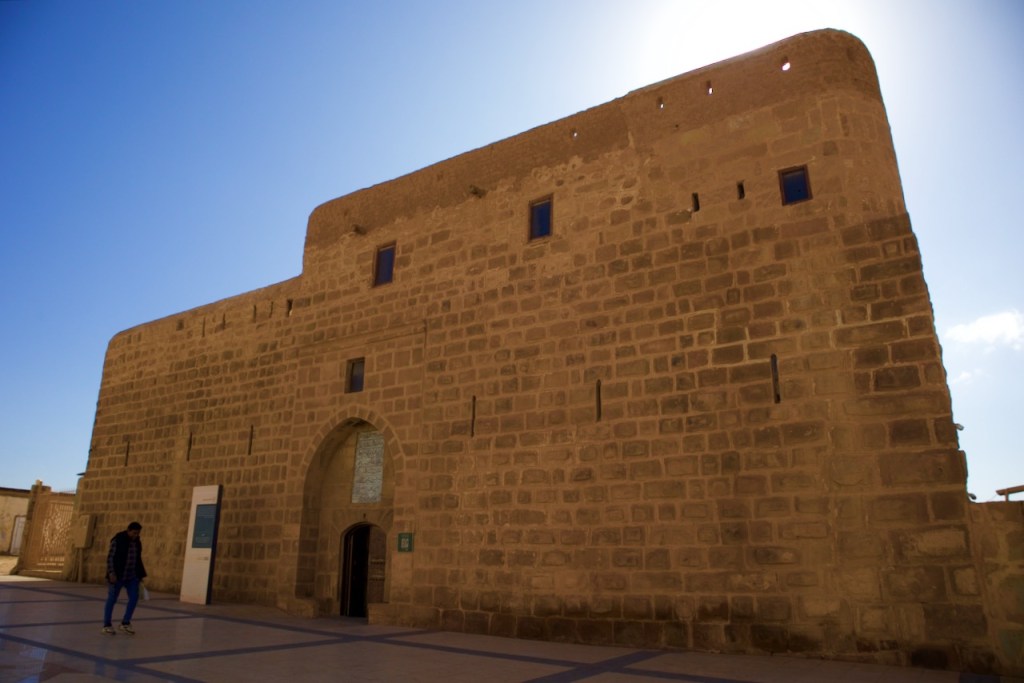
Few visitors make it to Tabuk in the far north due to the vast distance. Yet, it is a historic town, set along an ancient pilgrim caravan route to Mecca and Medina. I make a pit stop at the old Hejza Railway Station, once linking Istanbul to the kingdom for the faithful. The main draw in Tabuk is the 16th-century Ottoman fortress, featuring mosques and towers, embodying the region’s deep history as a gateway to North Arabia.

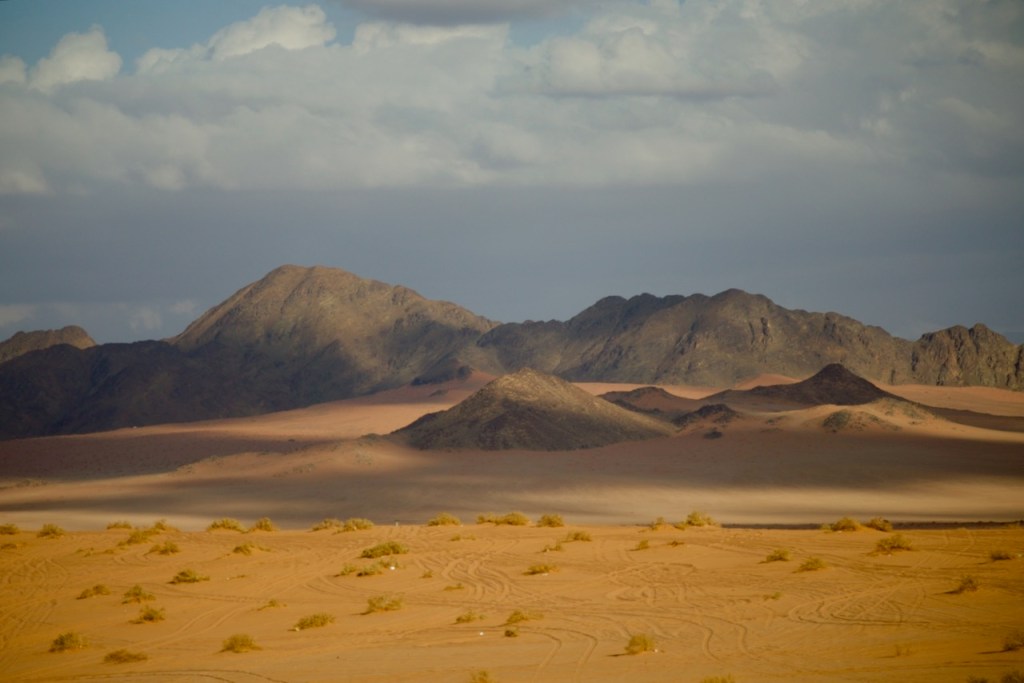
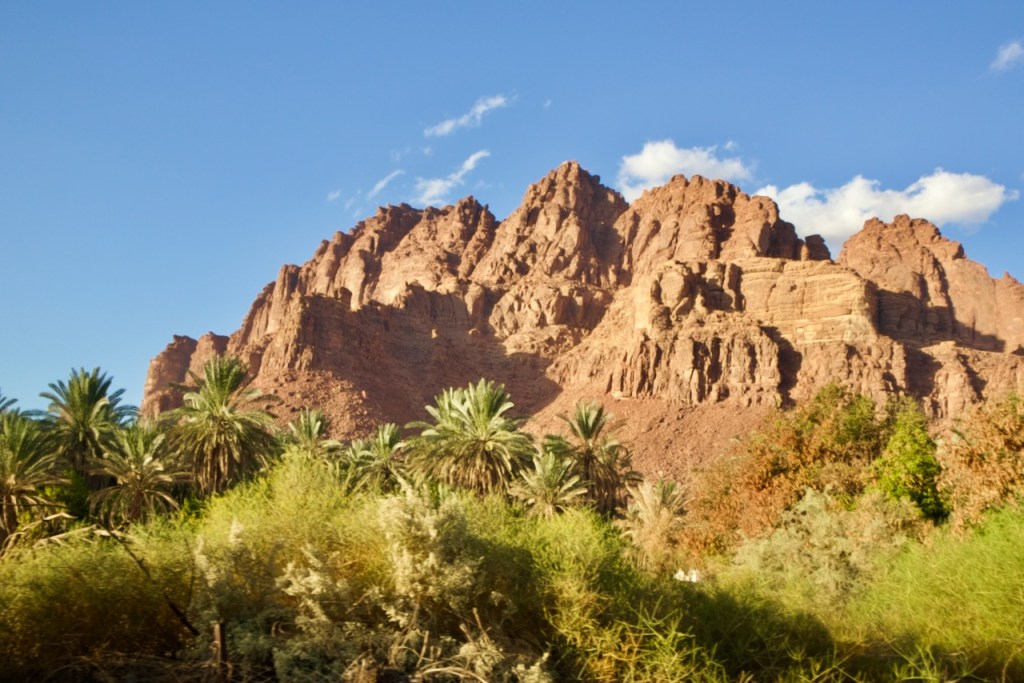
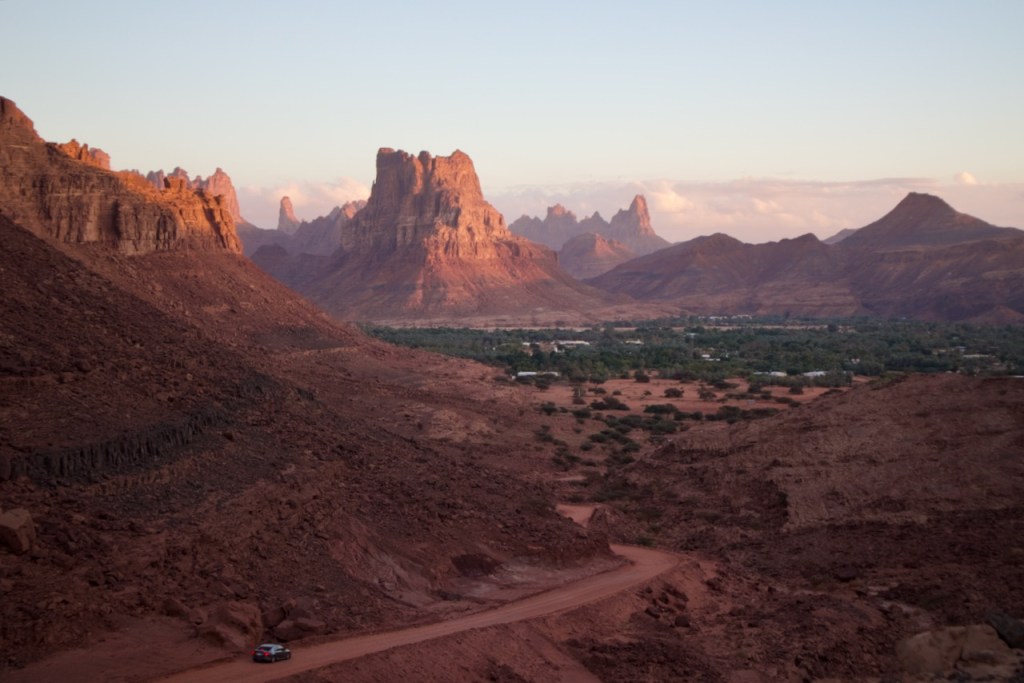
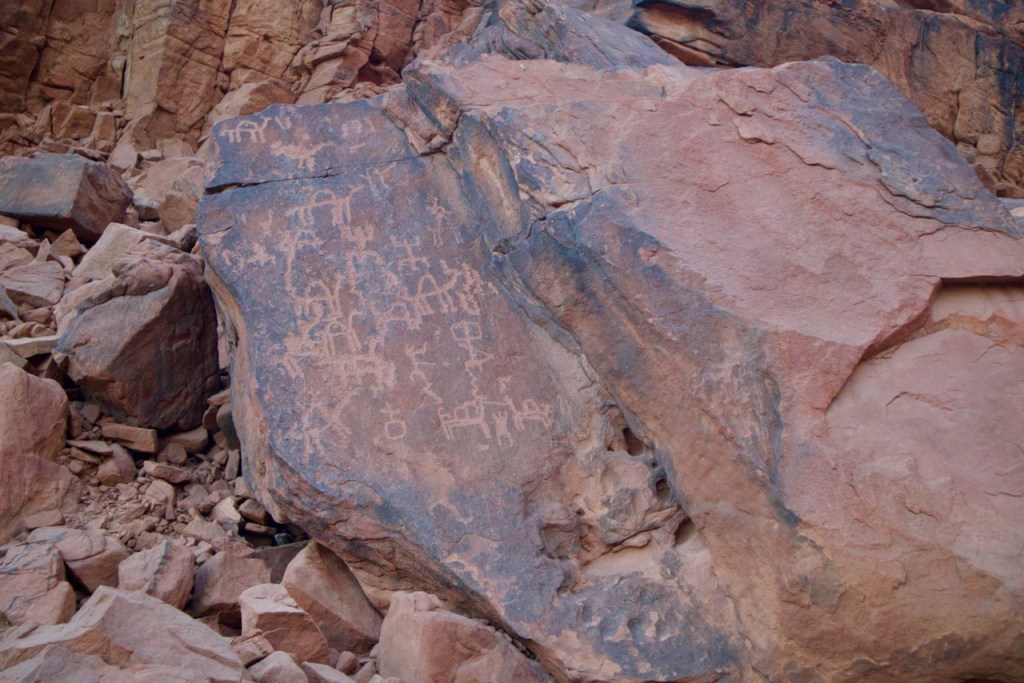
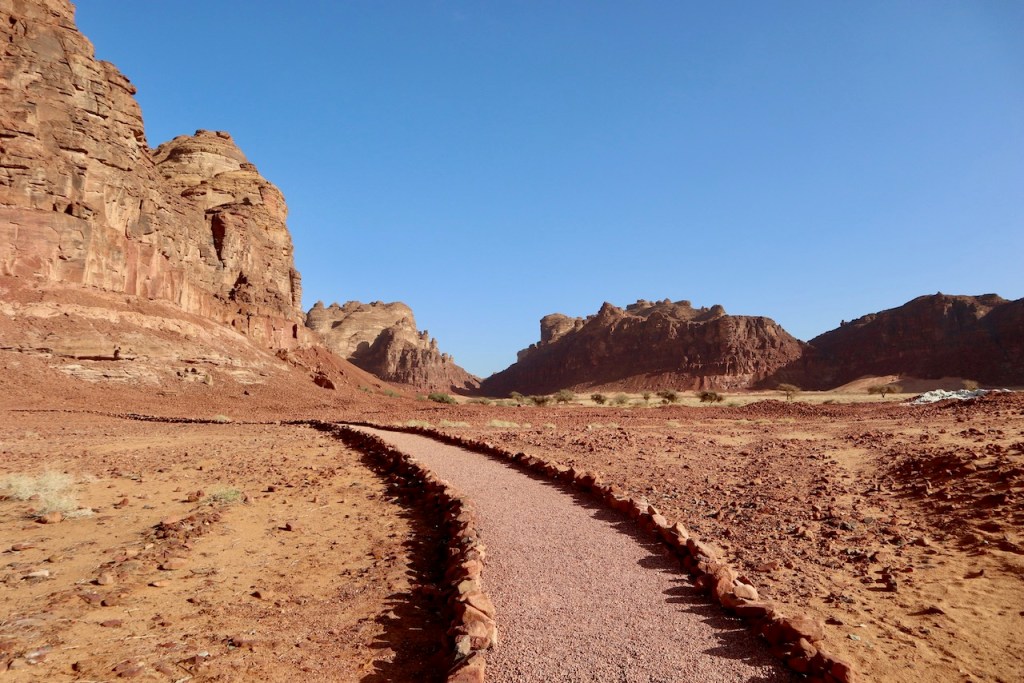
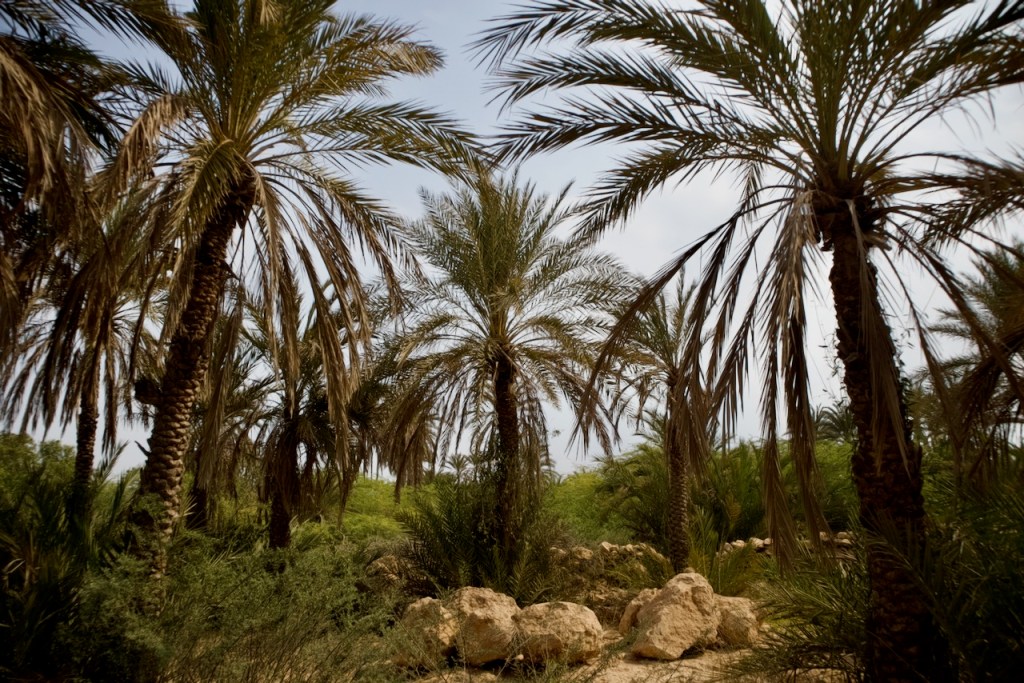
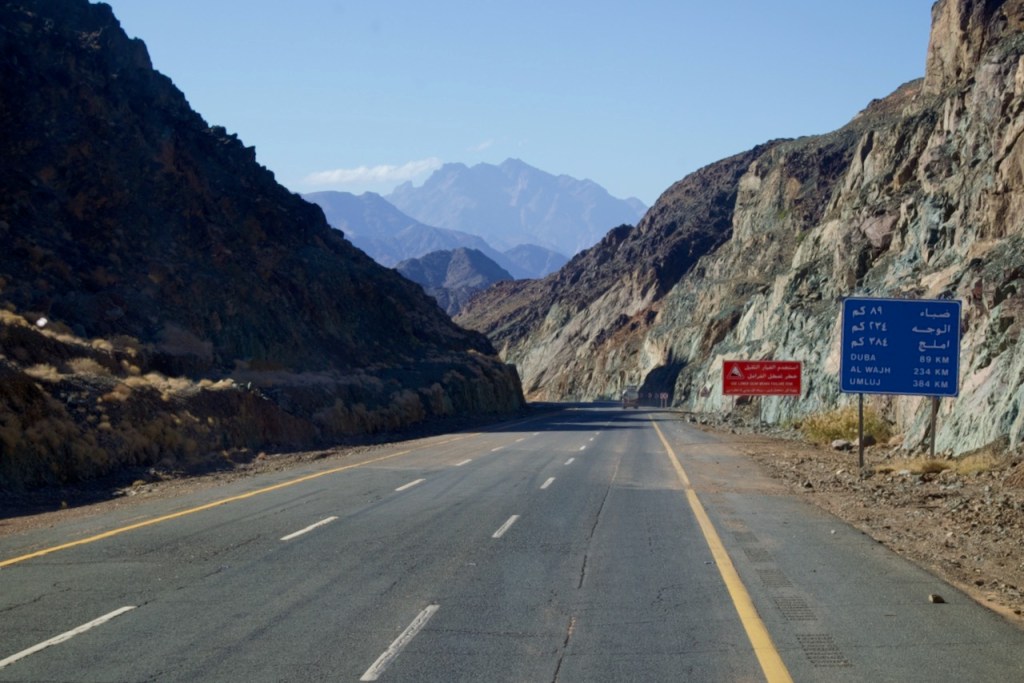
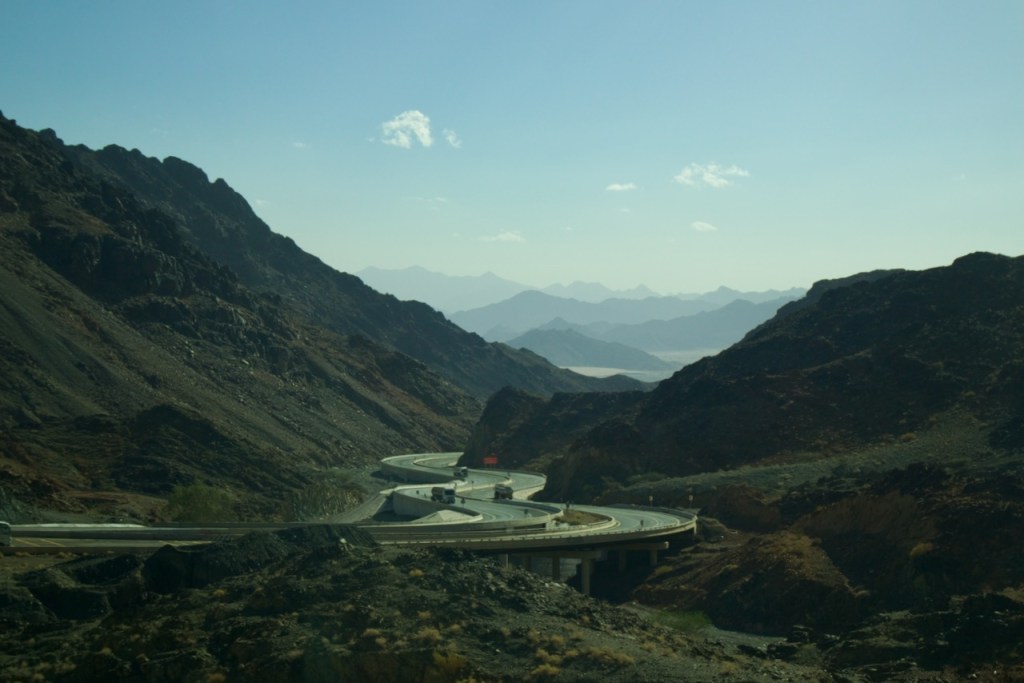
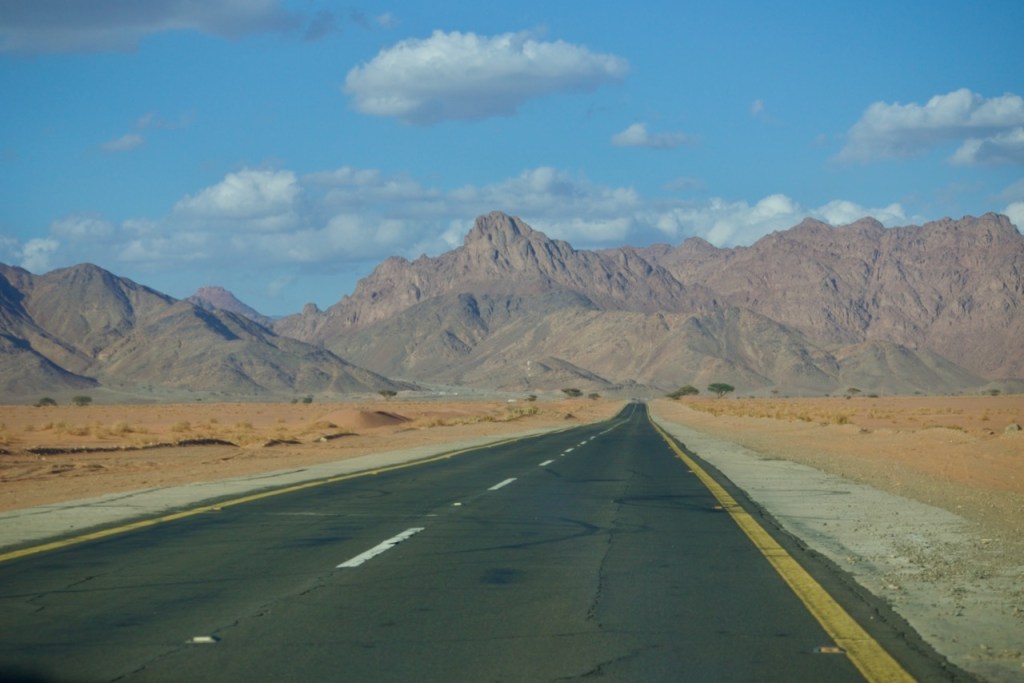
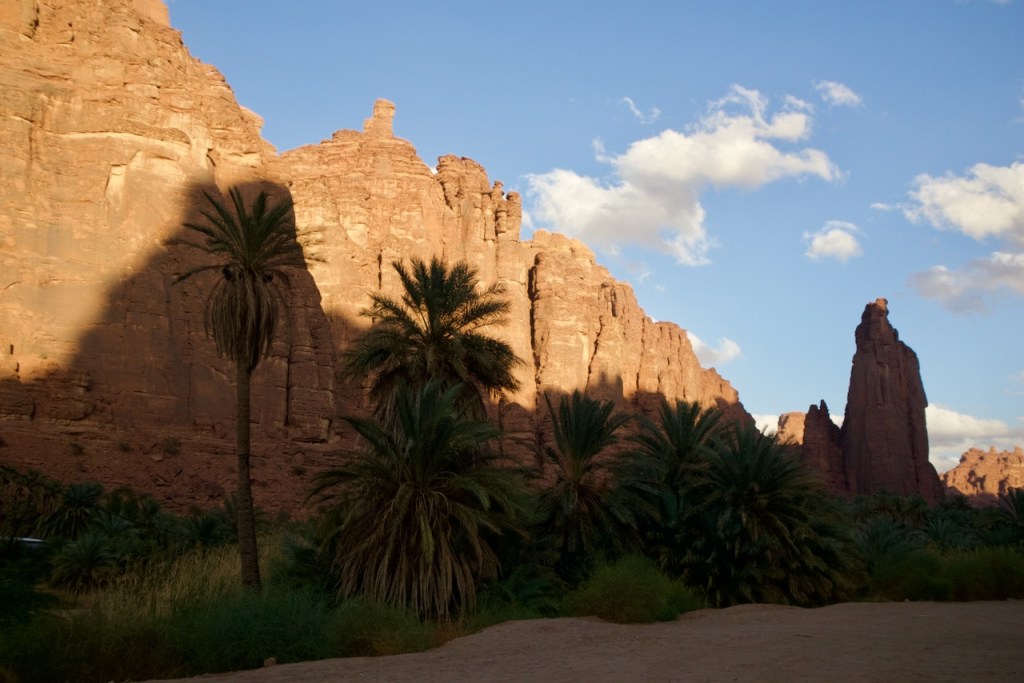
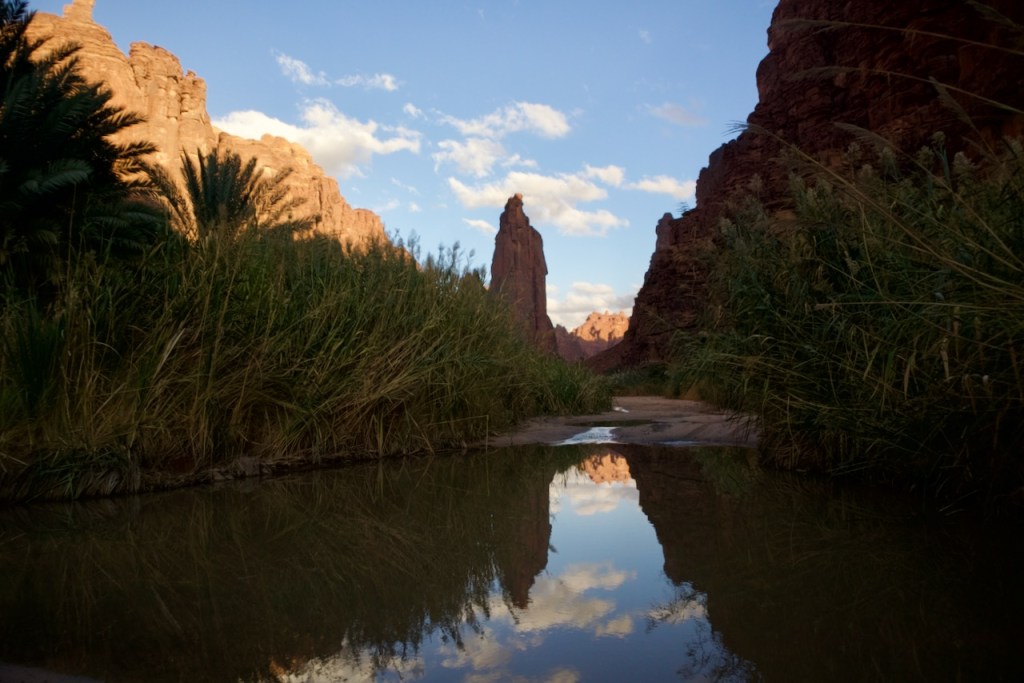
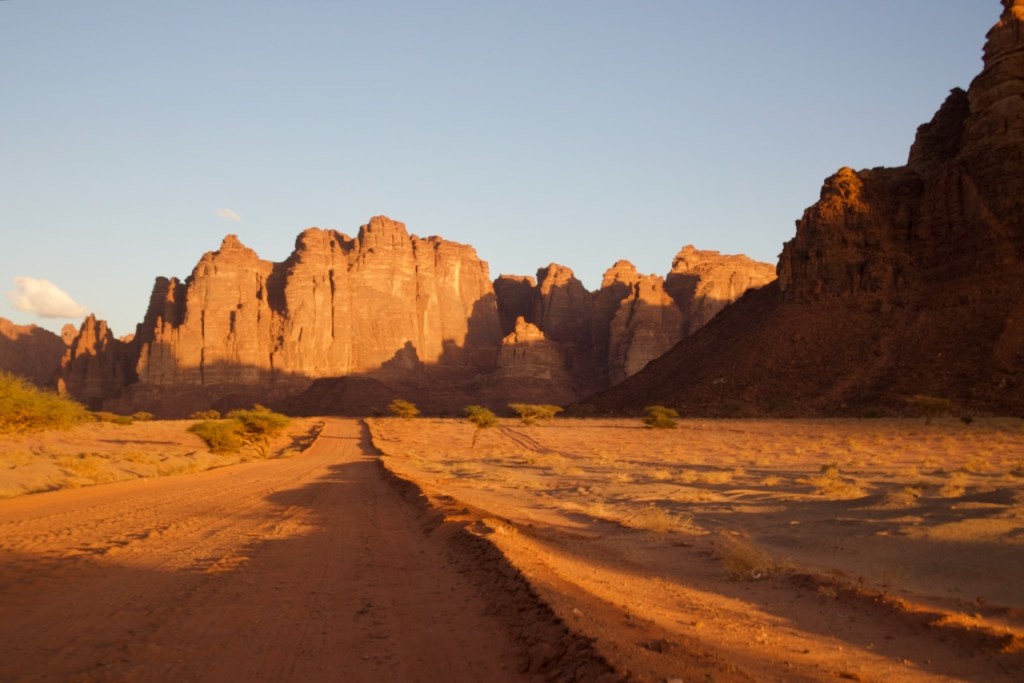
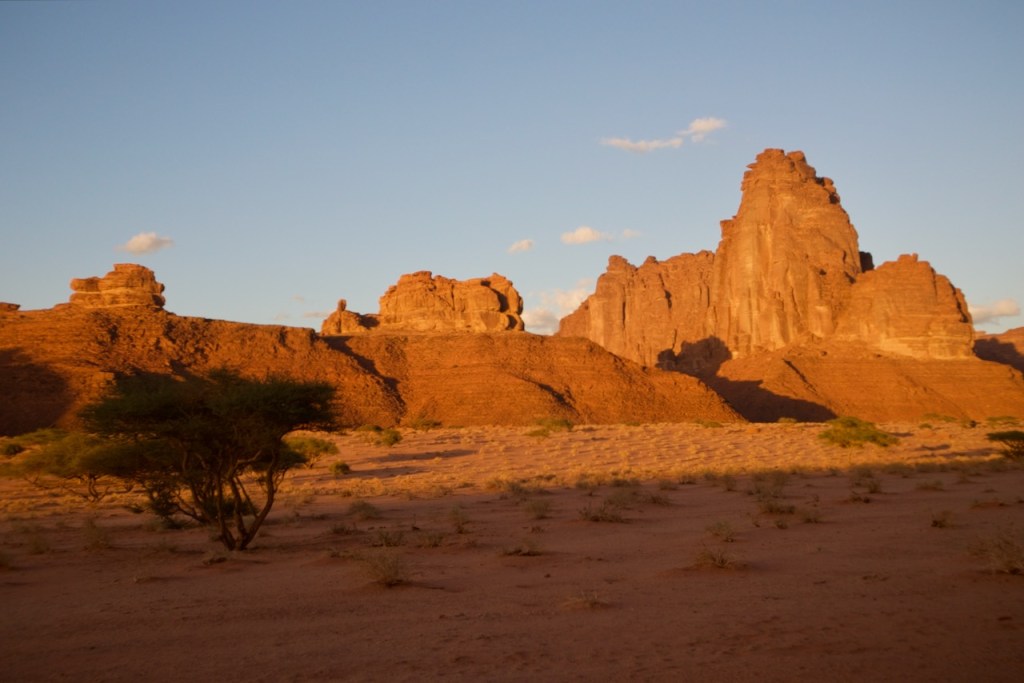
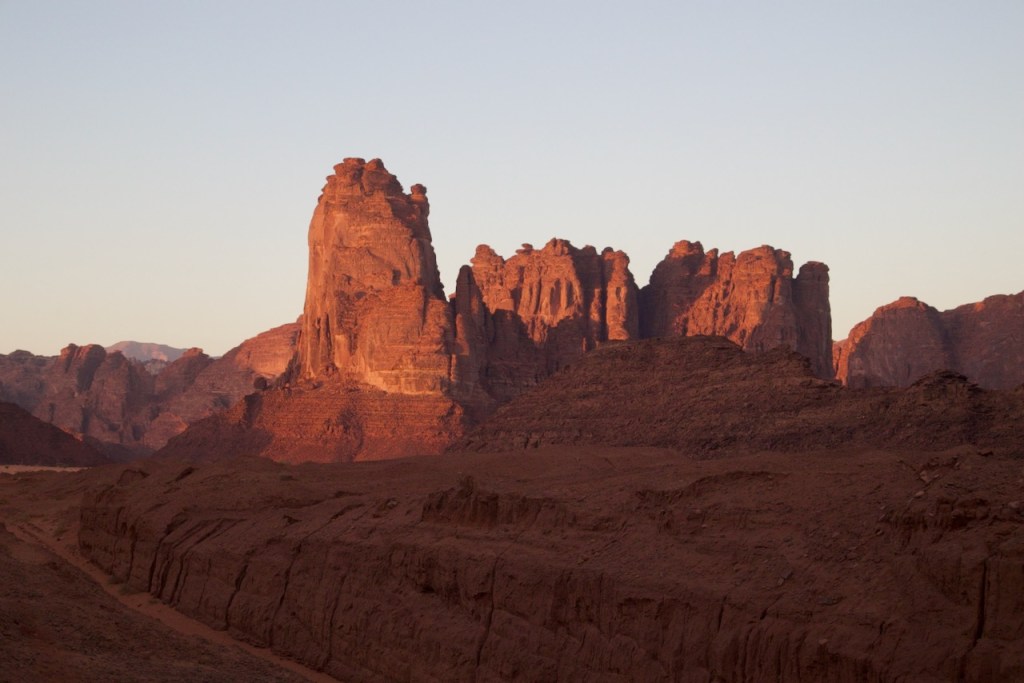
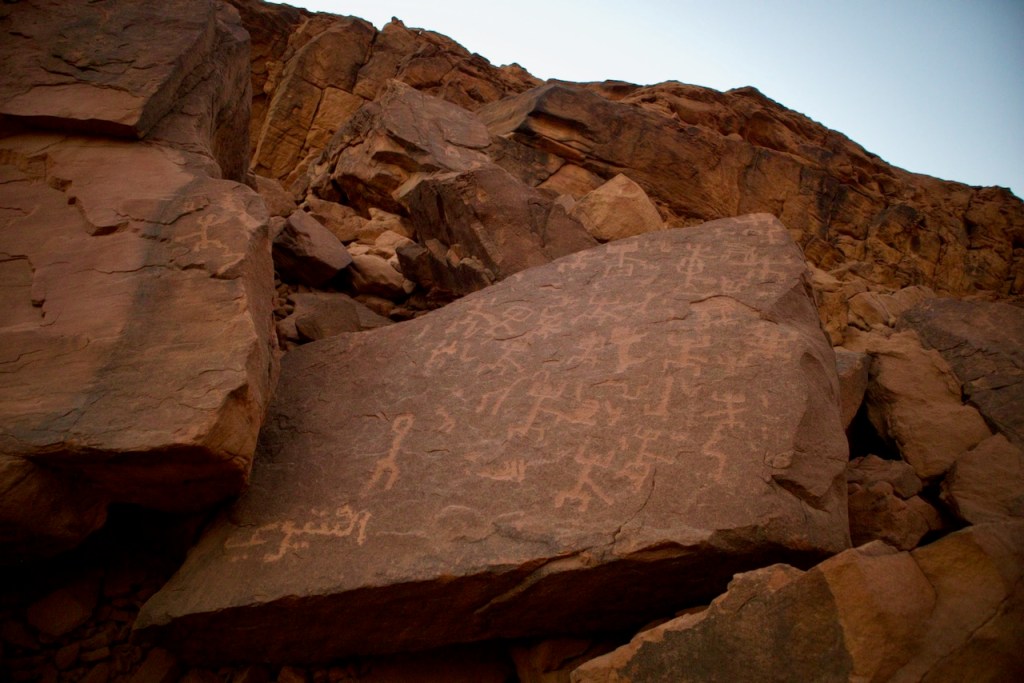
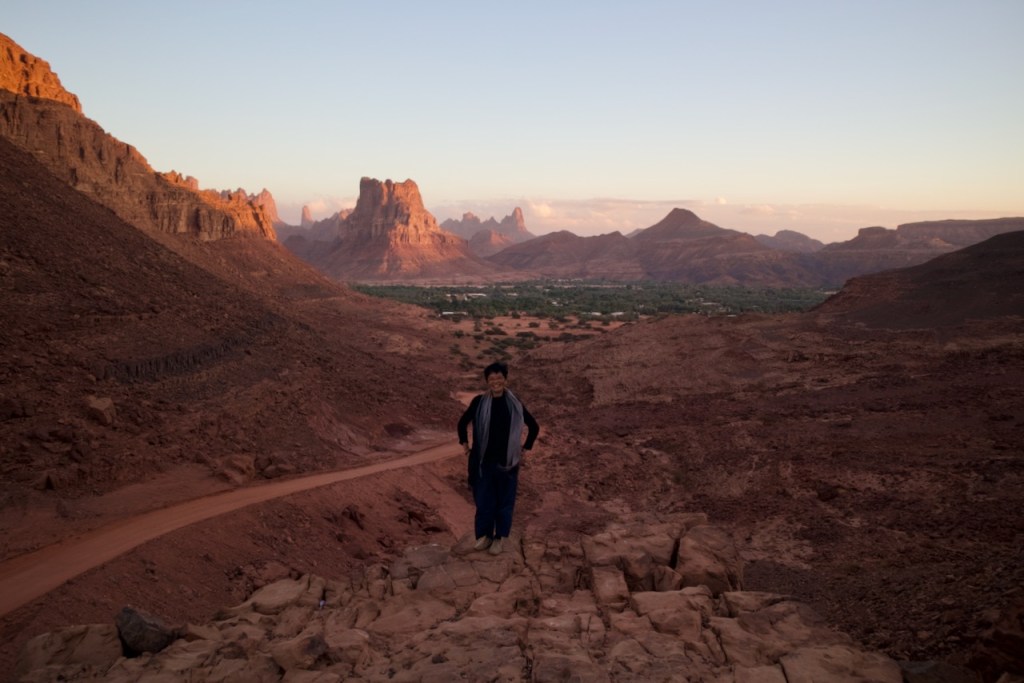
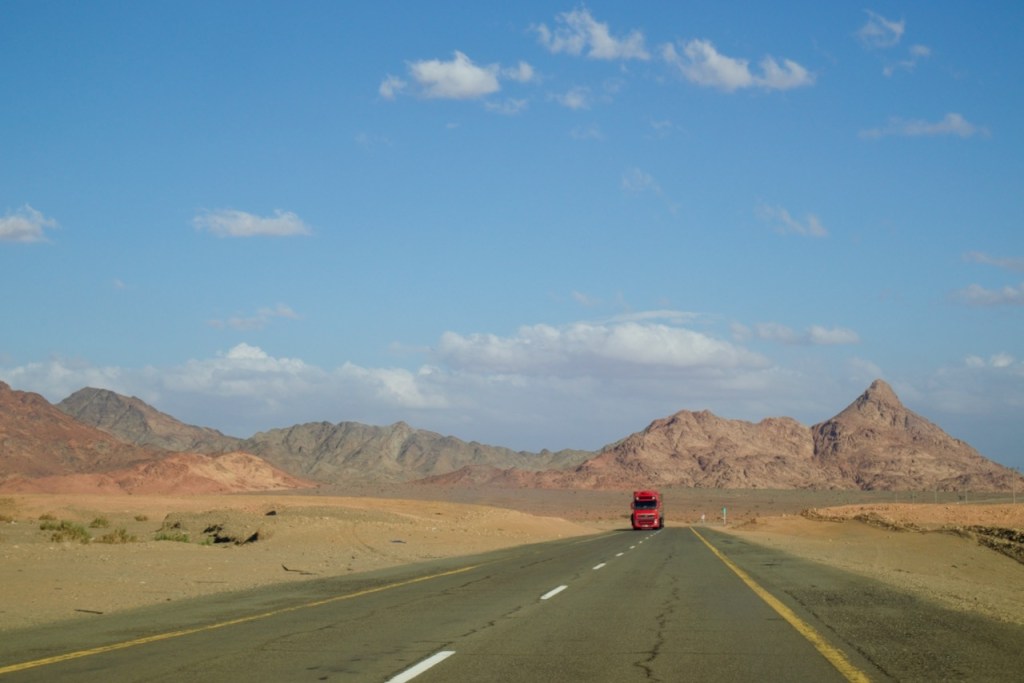
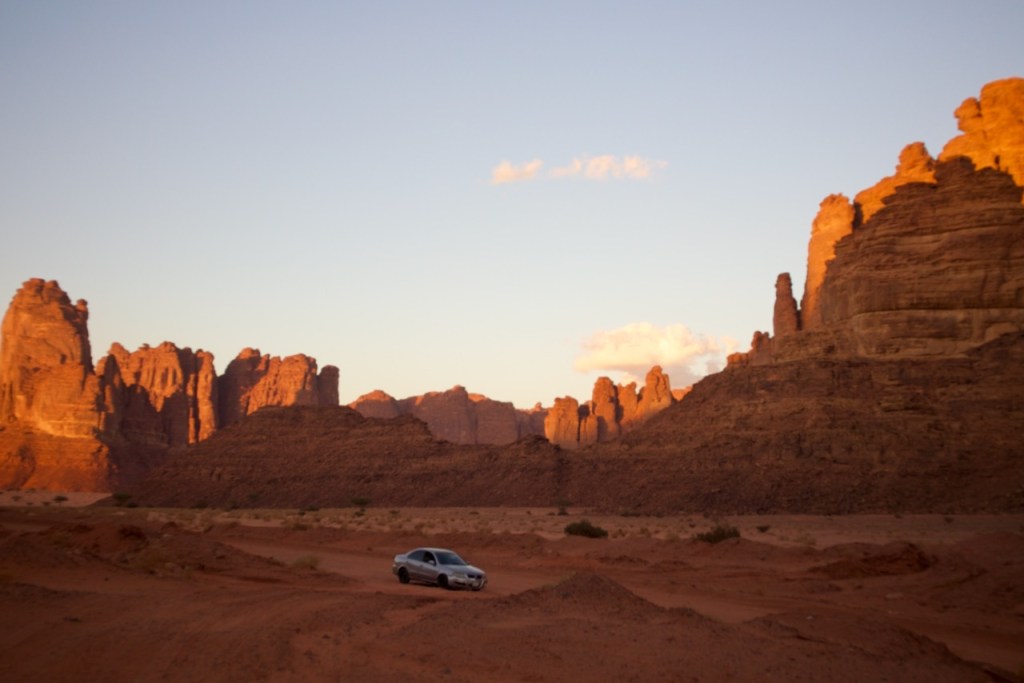
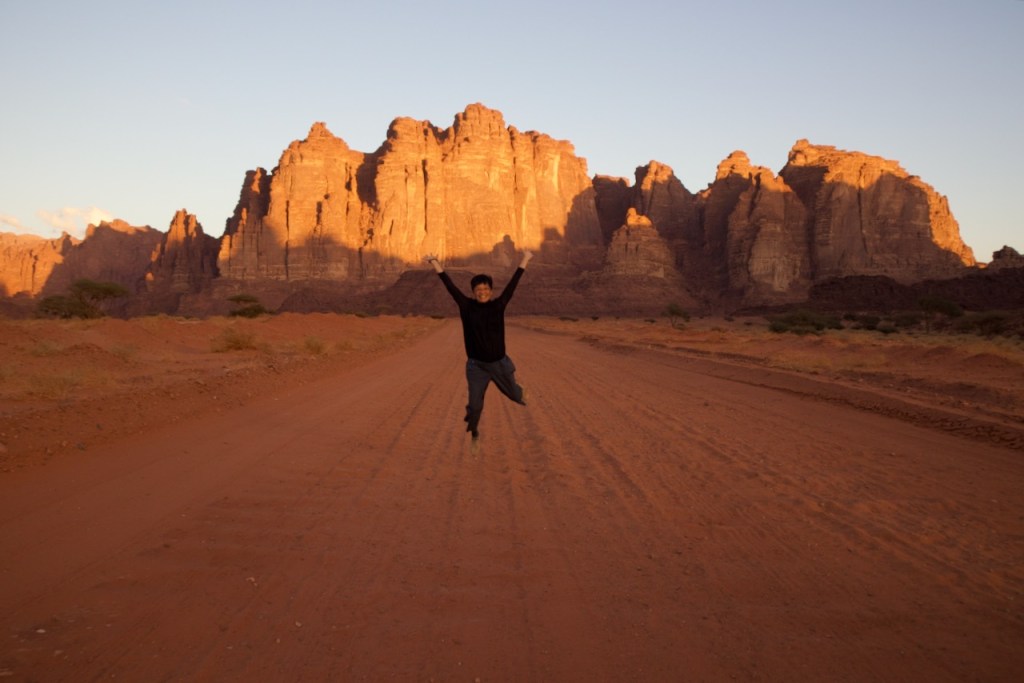
Instead of booking a pricey day tour to Wadi Disah, I take the bus bound for Duba and get off at the junction for Al Disah where my Saudi adventure begins. The driver drops me at the wrong junction, and I start hitching the way to Al Disah. Coming from Riyadh, the jaw-dropping scenery could not have been more different. Flanked by spectacular mountains and rock formations, the country back roads open up vista after vista. Thanks to generous Saudi drivers, a worker heading somewhere and a teacher returning home, all bewildered by this intrepid solo woman traveller, I make it to Al Disah by four in the afternoon and find the oasis cloaked in her golden hour. The wadi is closed, I am told. Alhamdullilah/praise be to God, the rain fell nonstop two days before. Turki, my driver, proposes to take me to another wadi instead, for sunset shots and so much more. Stunning landscapes, rock art, and a sweeping view of the entire valley. A total blessing in disguise!




Al Ula, the Crown Jewel
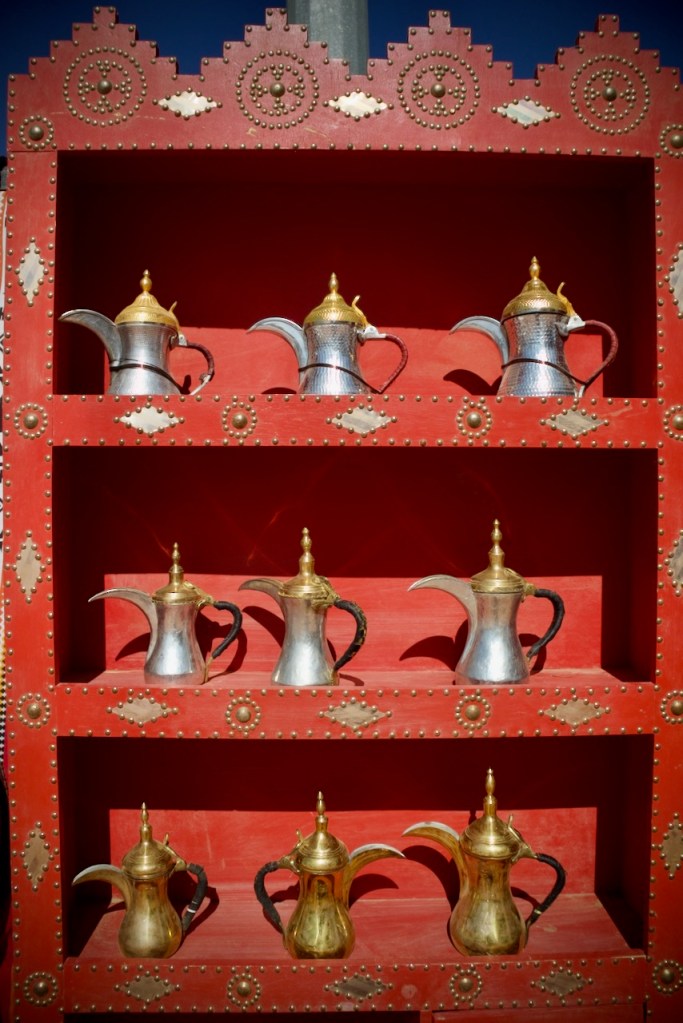
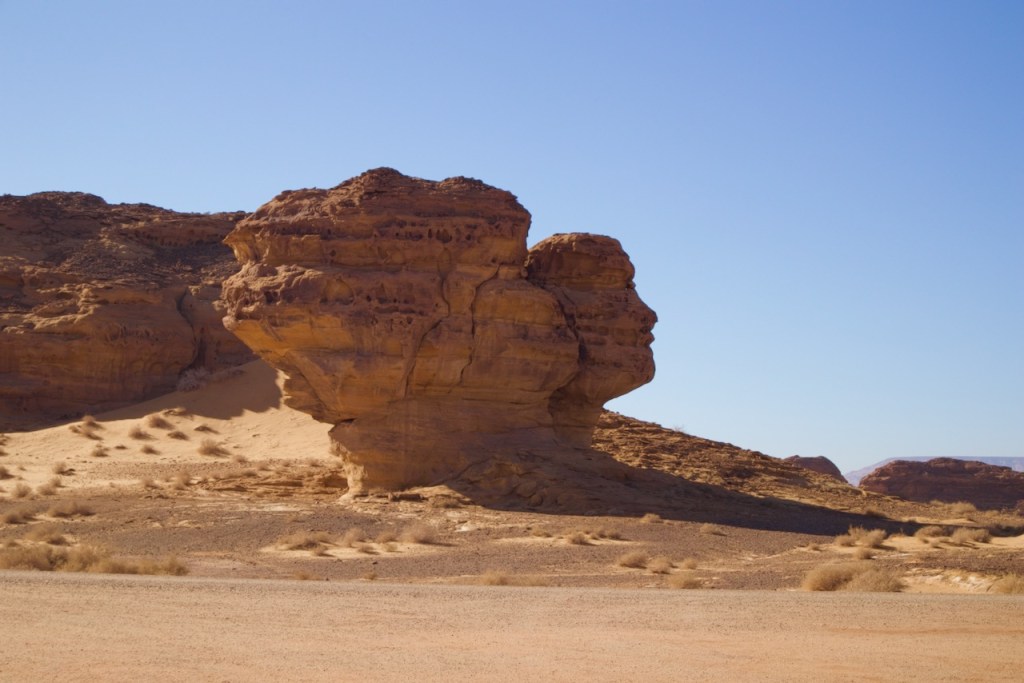
Al Ula is arguably the most famous site in Saudi Arabia easily accessible by flight, bus, or car. From Al Disah, however, there is no public transportation, so I study my offline map and ask Turki to drop me at the first junction in early morning. Schwaq, Shghb, Beda, and, inchallah, Al Ula. I arrive after noon and head straight to the Winter Park. The tickets to Hegra are sold out, but the last tour to Dadan is still available. While enjoying Arabian coffee and munching dates in the waiting area, I meet John from Amsterdam who kindly takes me up to Harrat Viewpoint (supposedly closed for renovation). We make it to the top and snap a few quick shots of the almost 360-degree vistas from above.
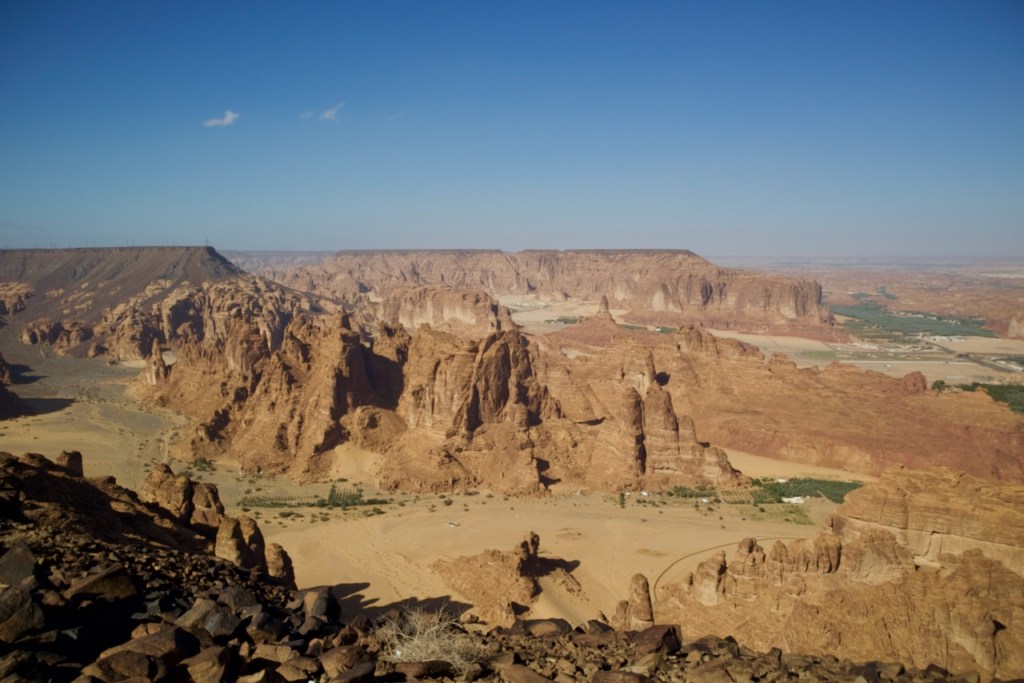

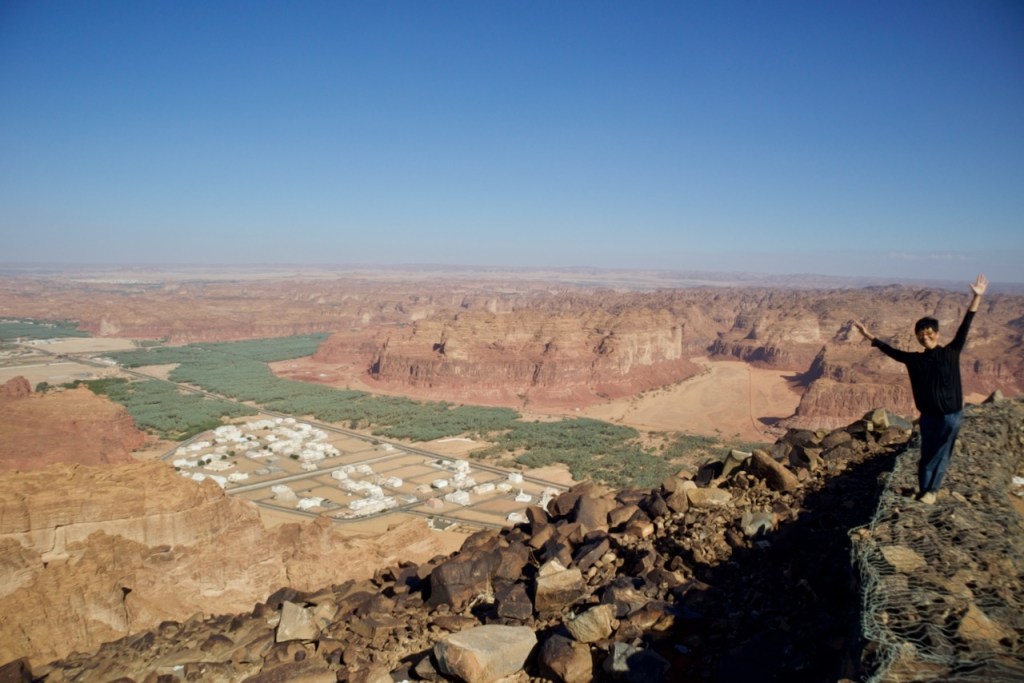
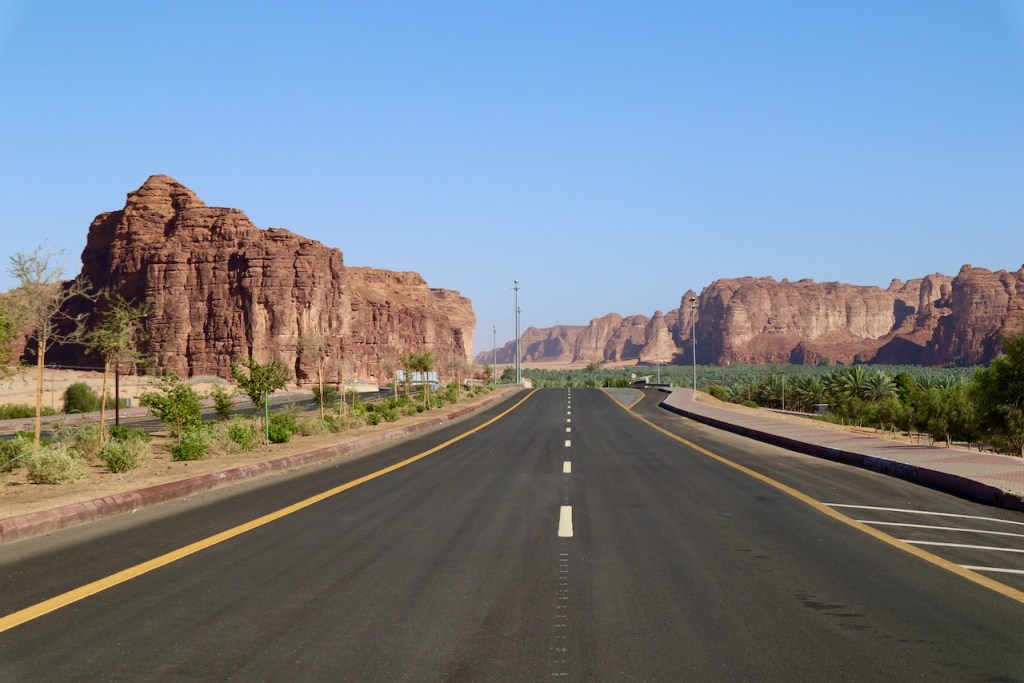
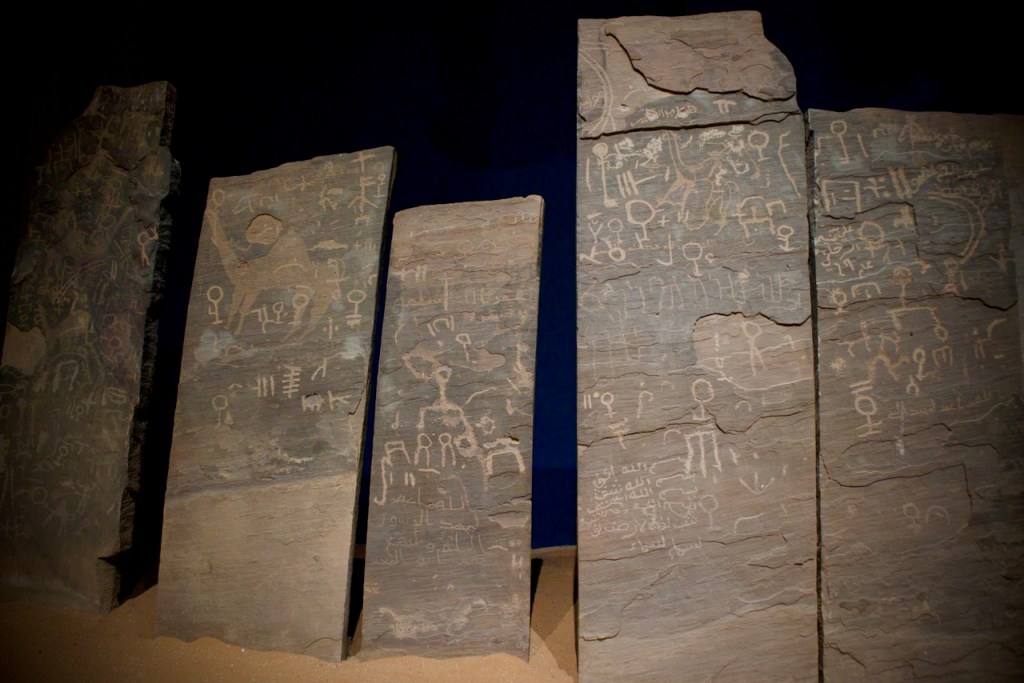
Among many things, Al Ula is well known for being part of the Dadanite civilisation. The tour takes us to the famous Lion Tombs as well as Jabal Ikmah, an “open-air library” with a rare collection of ancient inscriptions set in a stunning desert canyon. I meet Awwadh, a toxicologist, and his friend, Mohammed, a pilot, on their camping adventure. Together, we visit Old Al Ula by night, another development project, with cafe and music, shops and restaurants, and, like in Diriyah in Riyadh, ruins in stunning light.
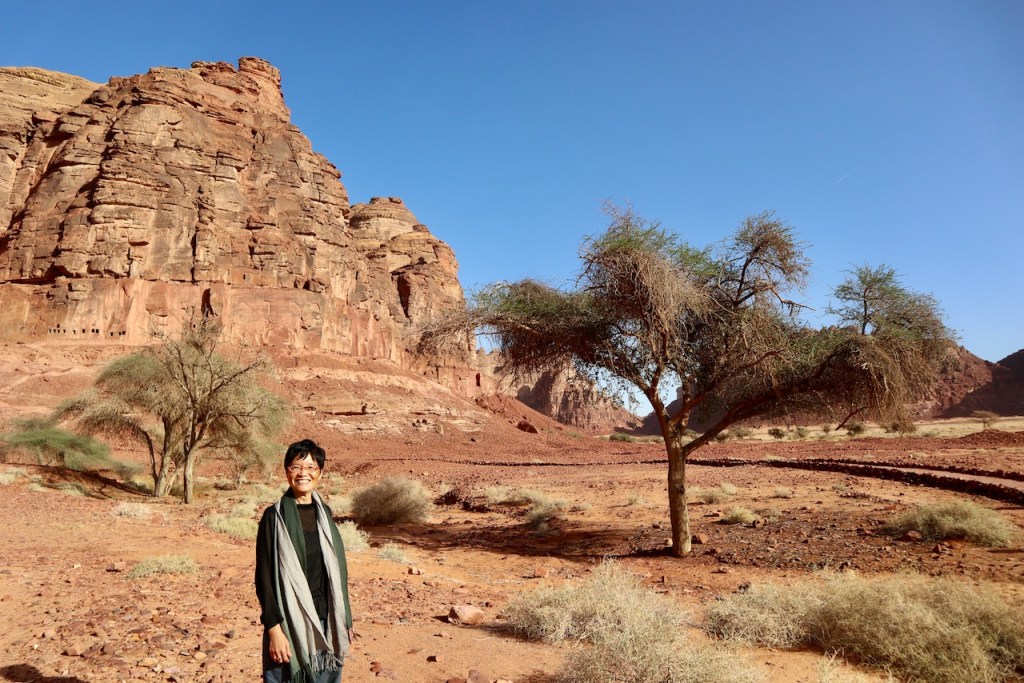


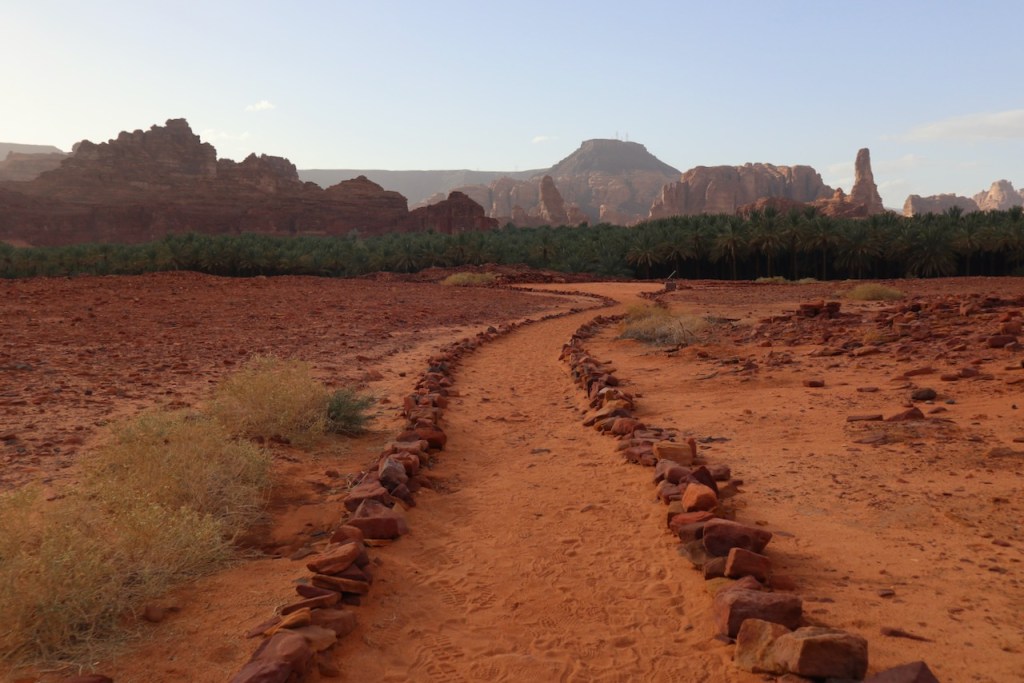

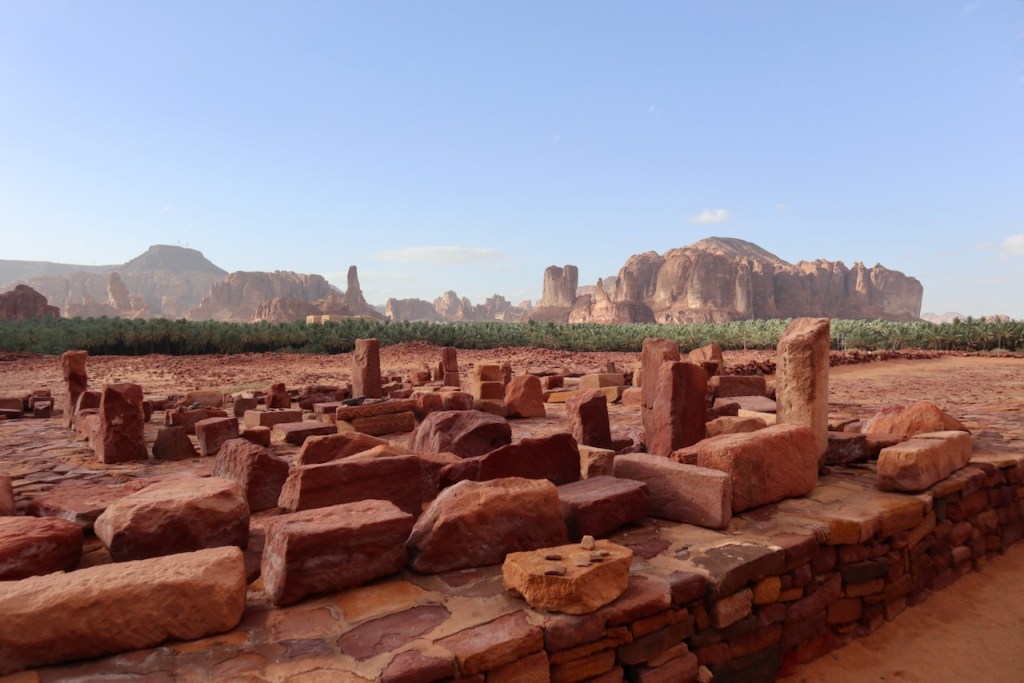
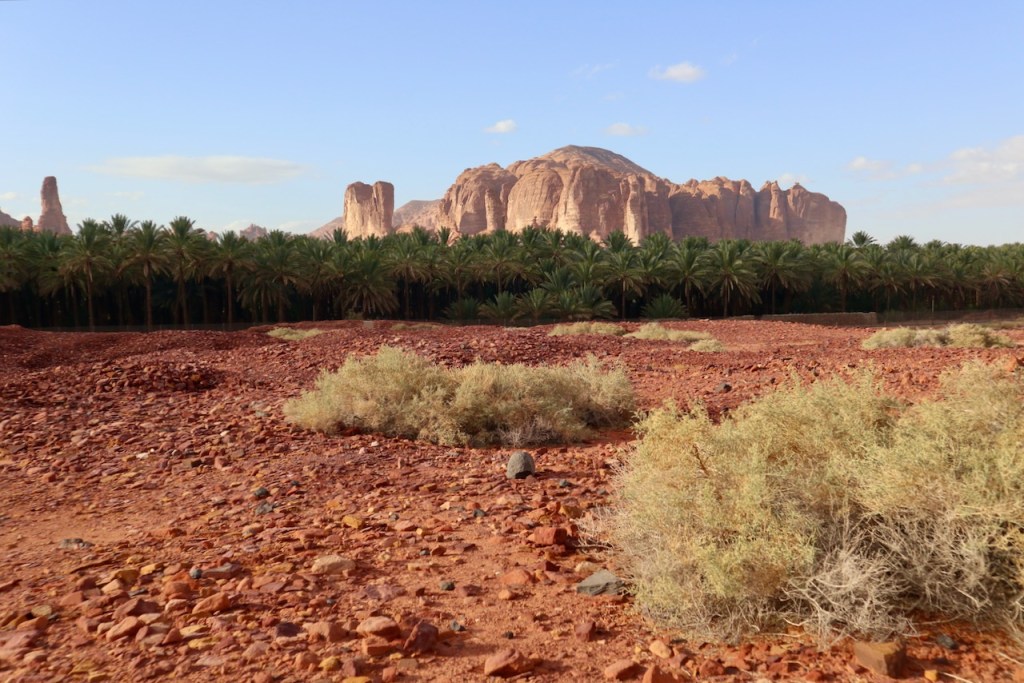
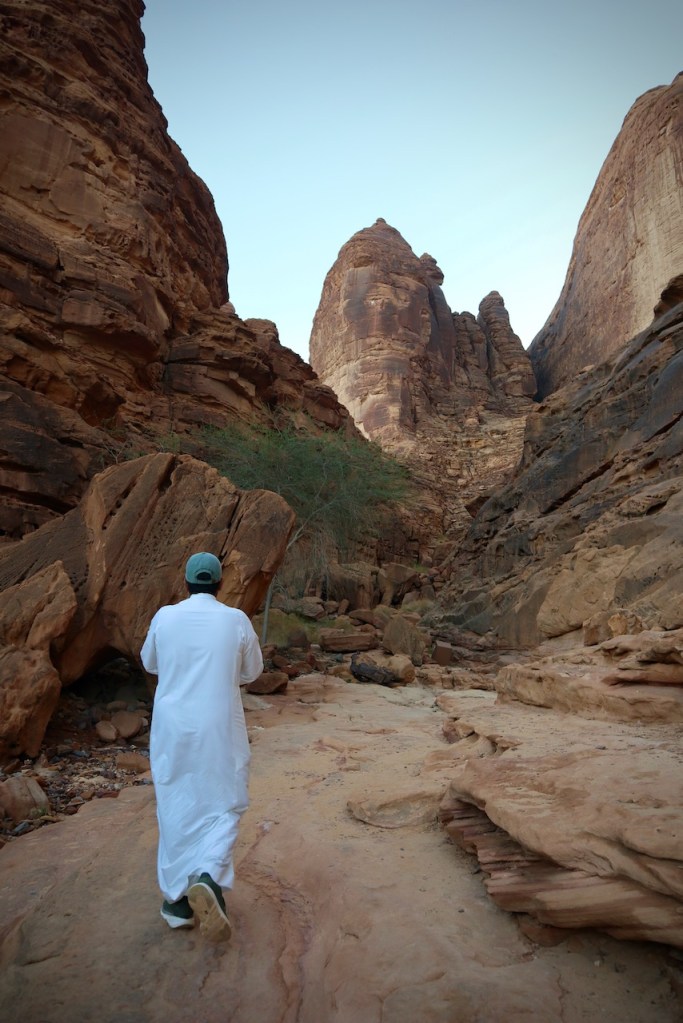
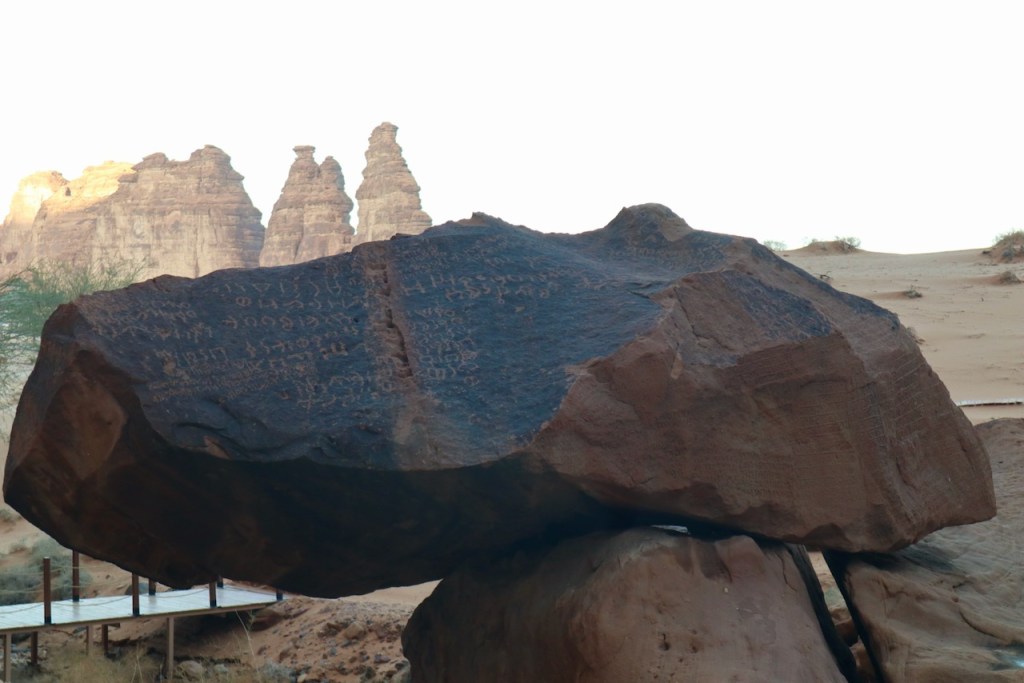
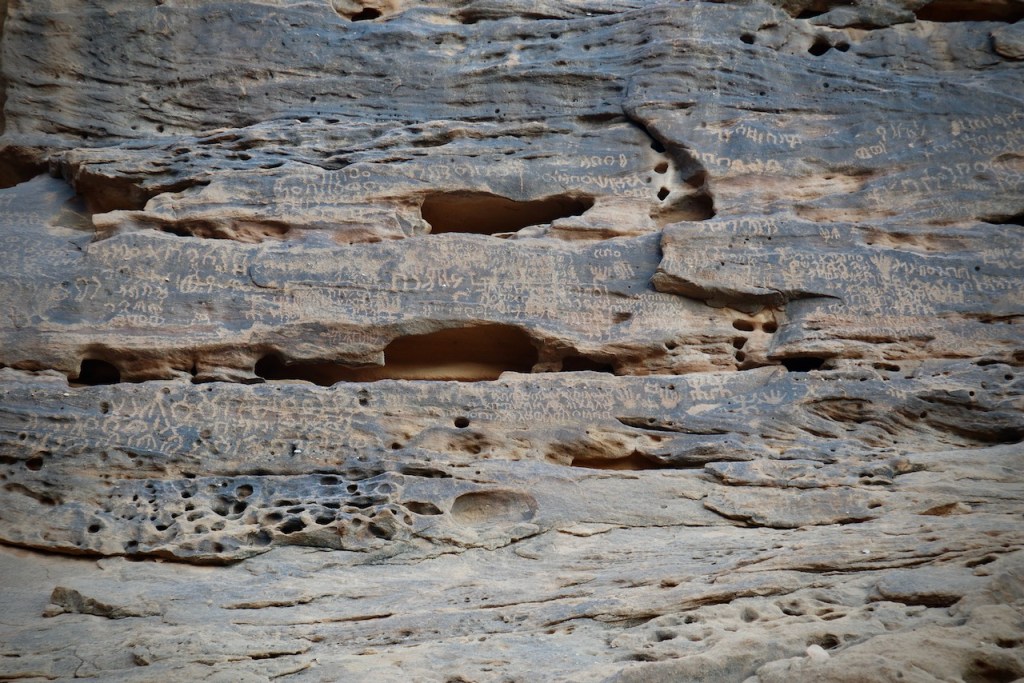
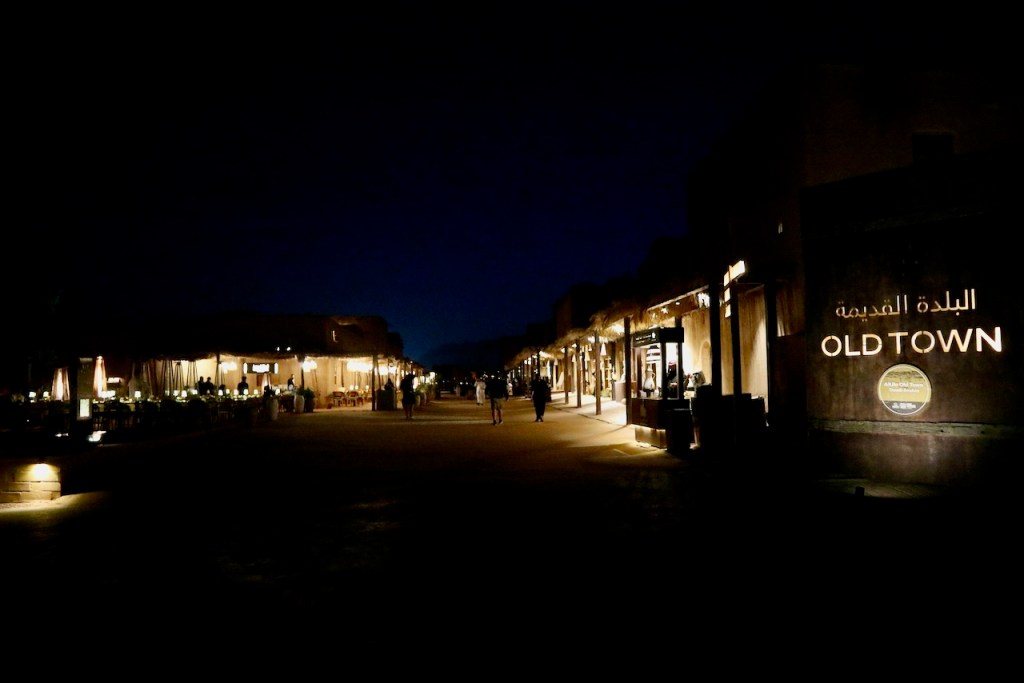
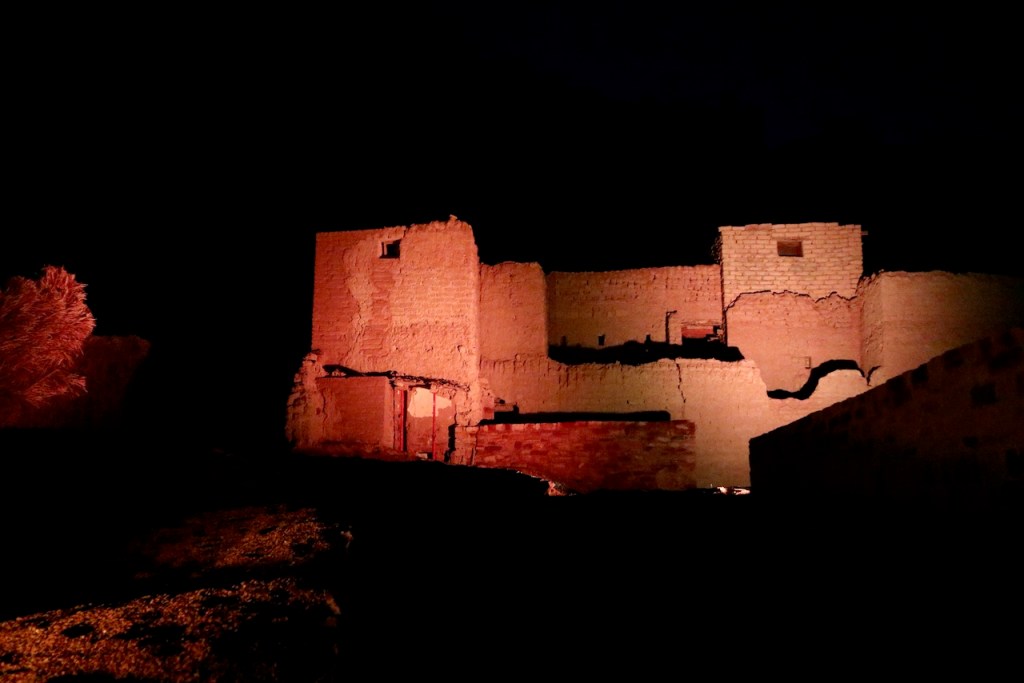
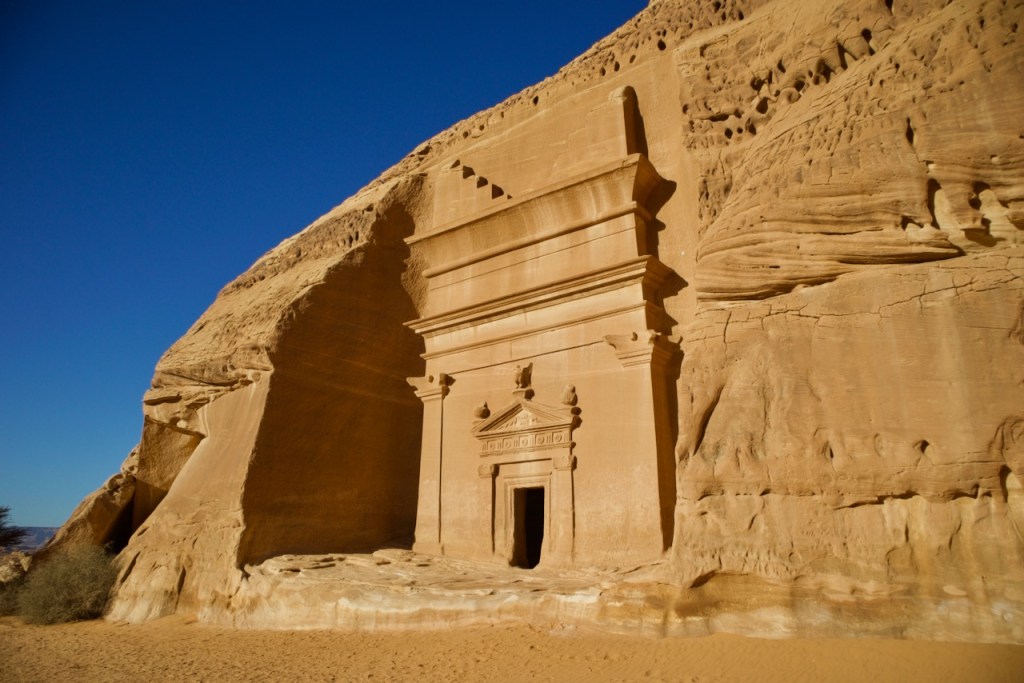
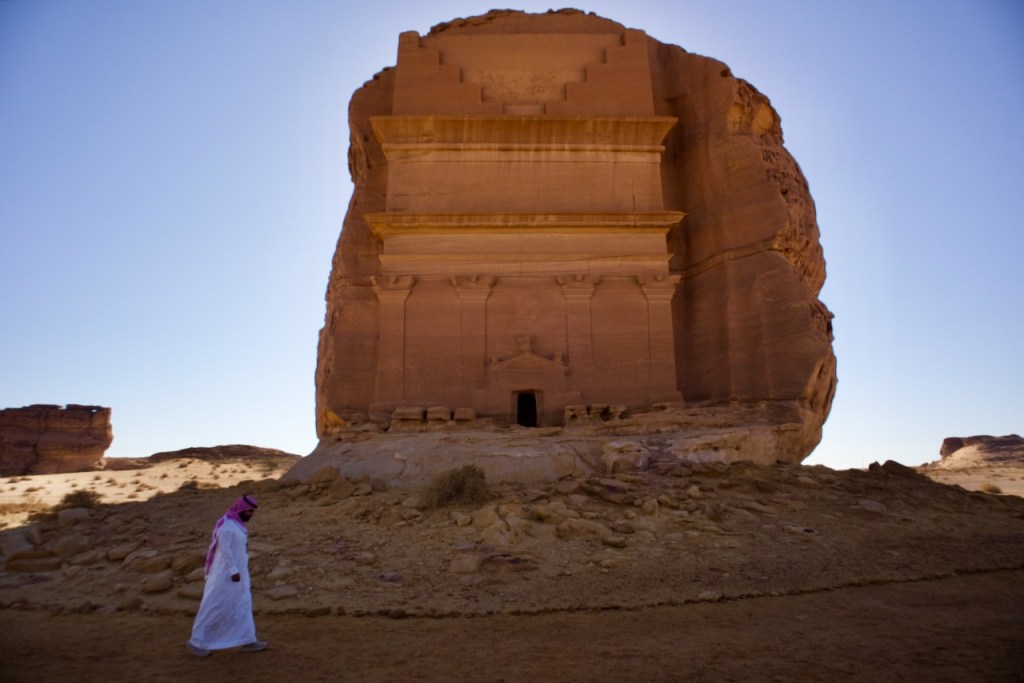
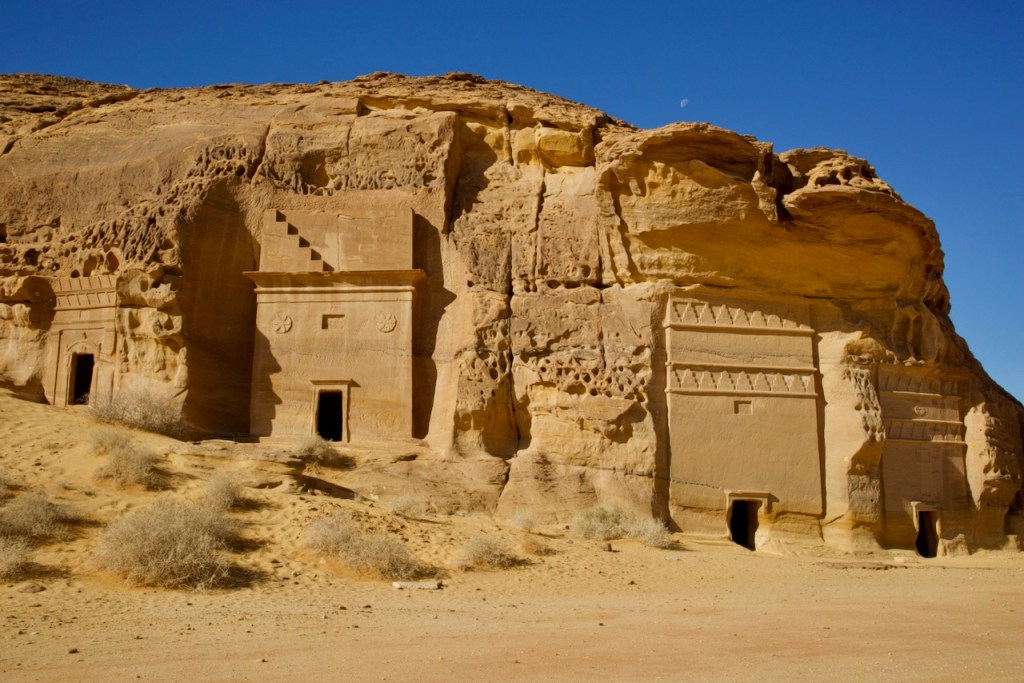
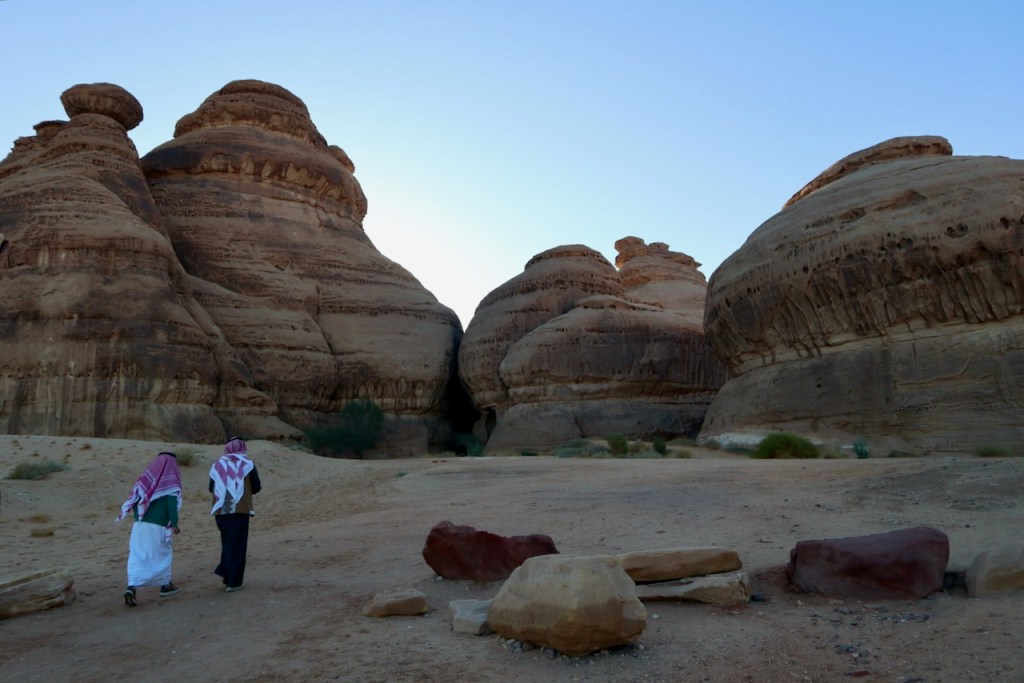
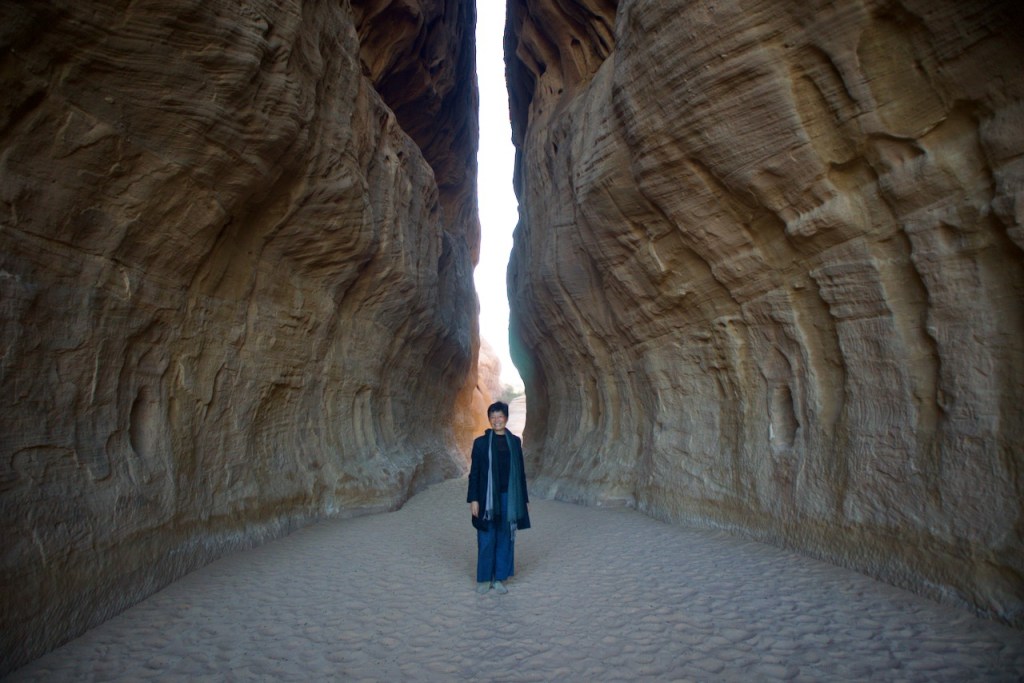
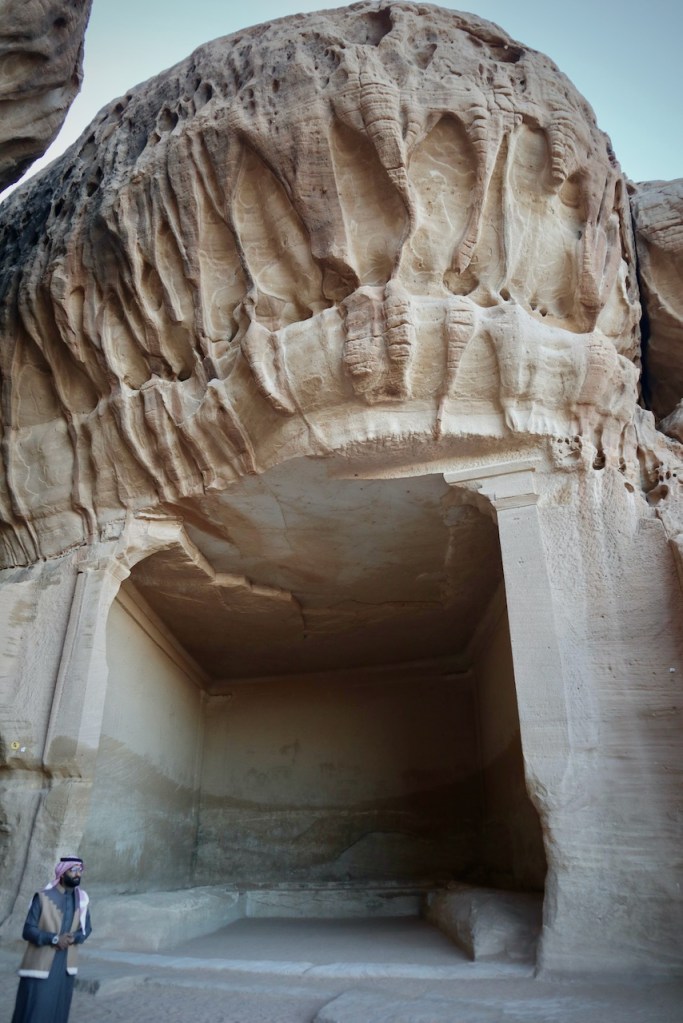
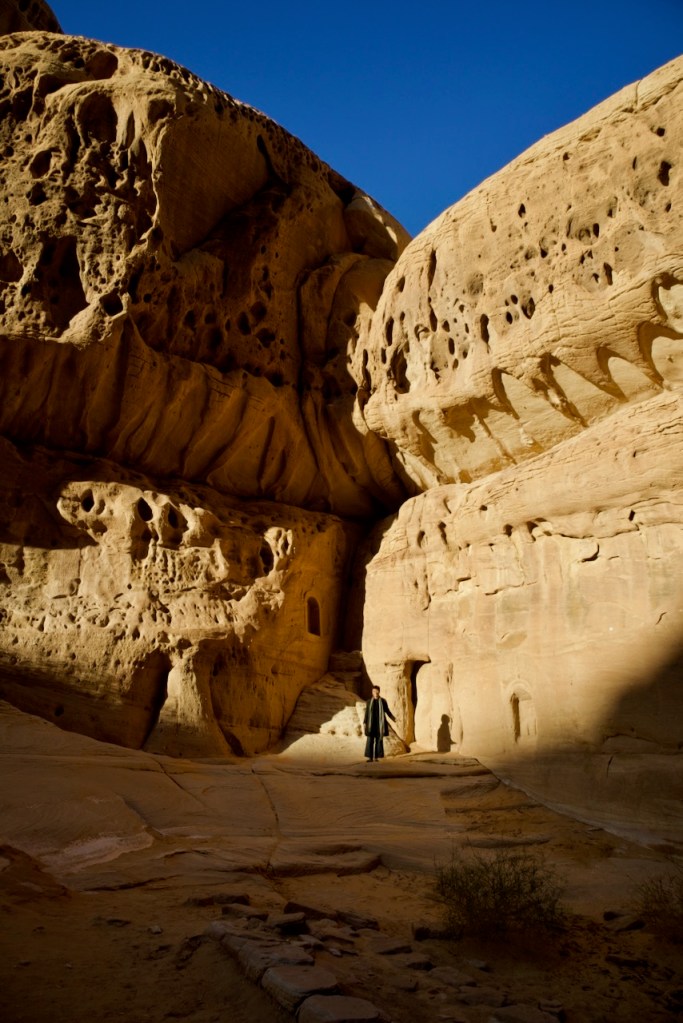
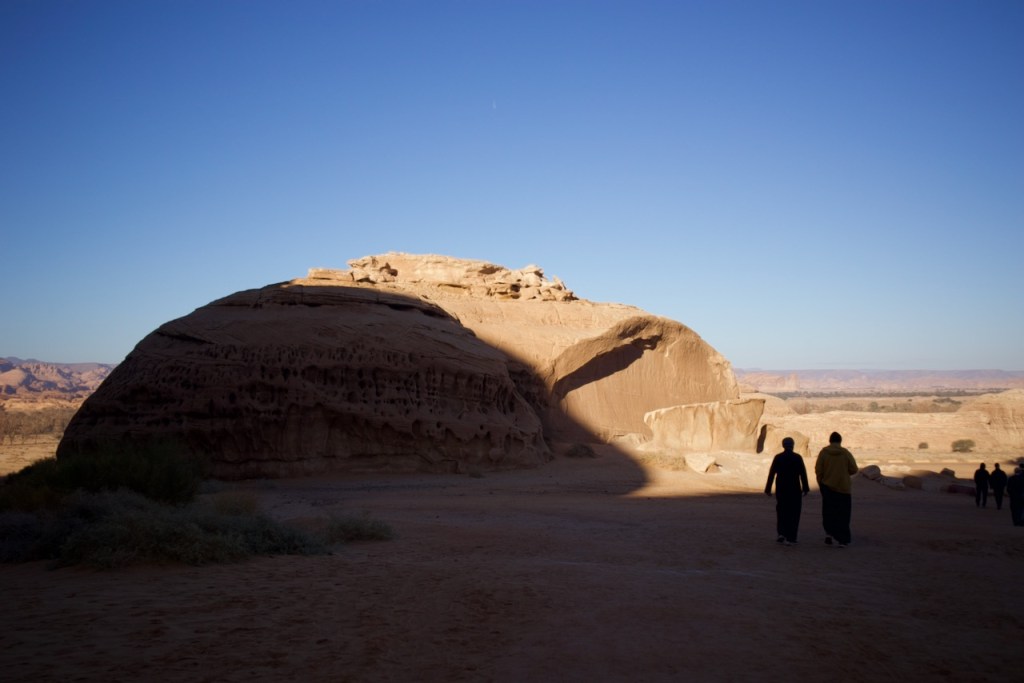
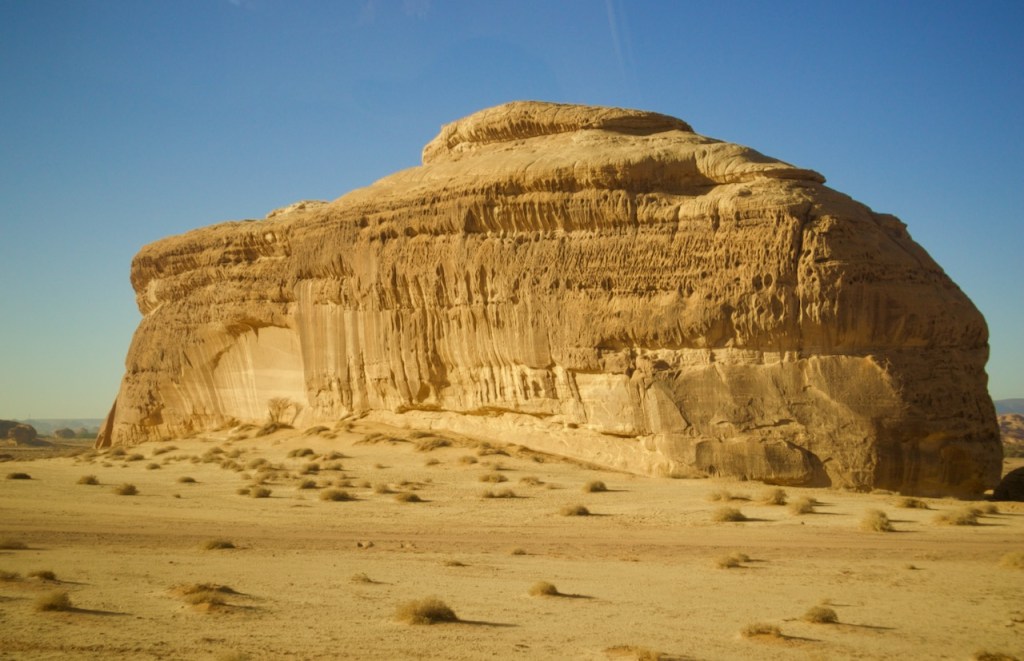
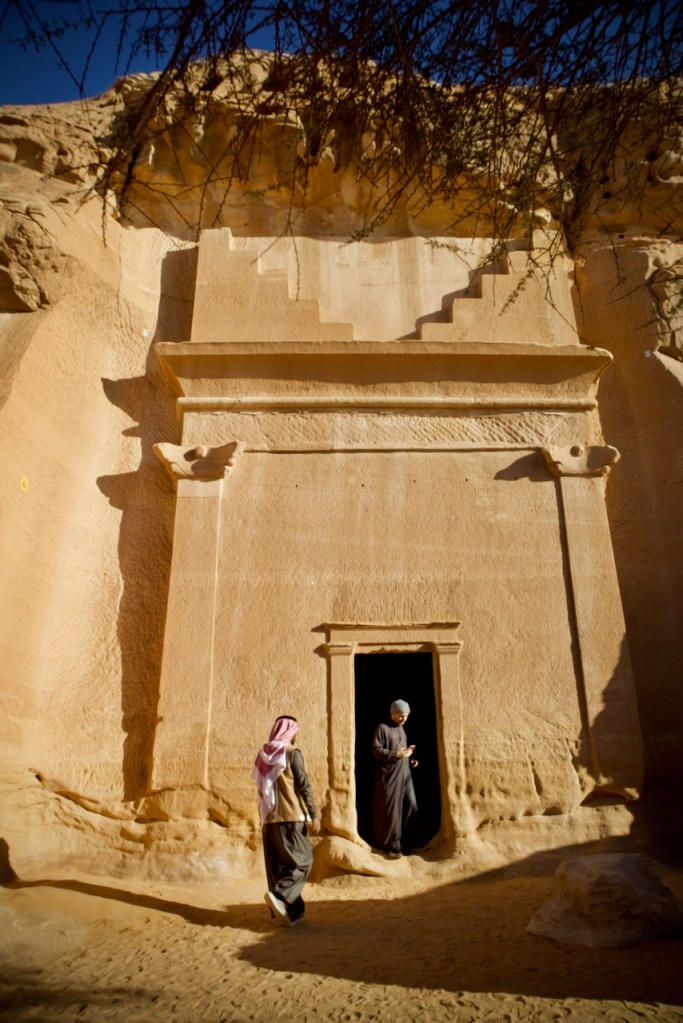
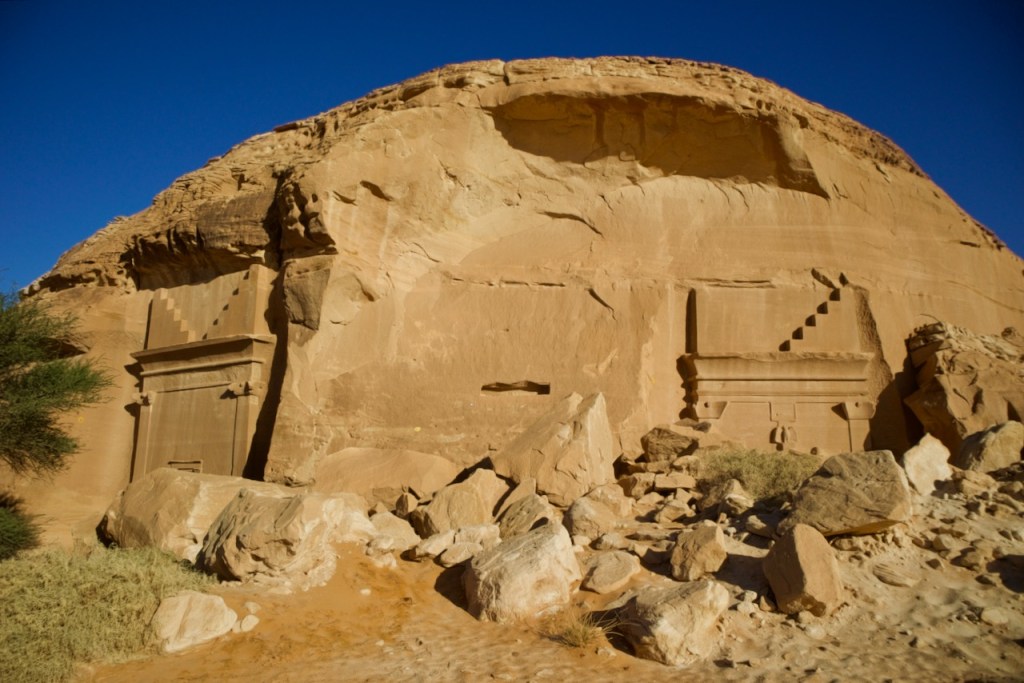
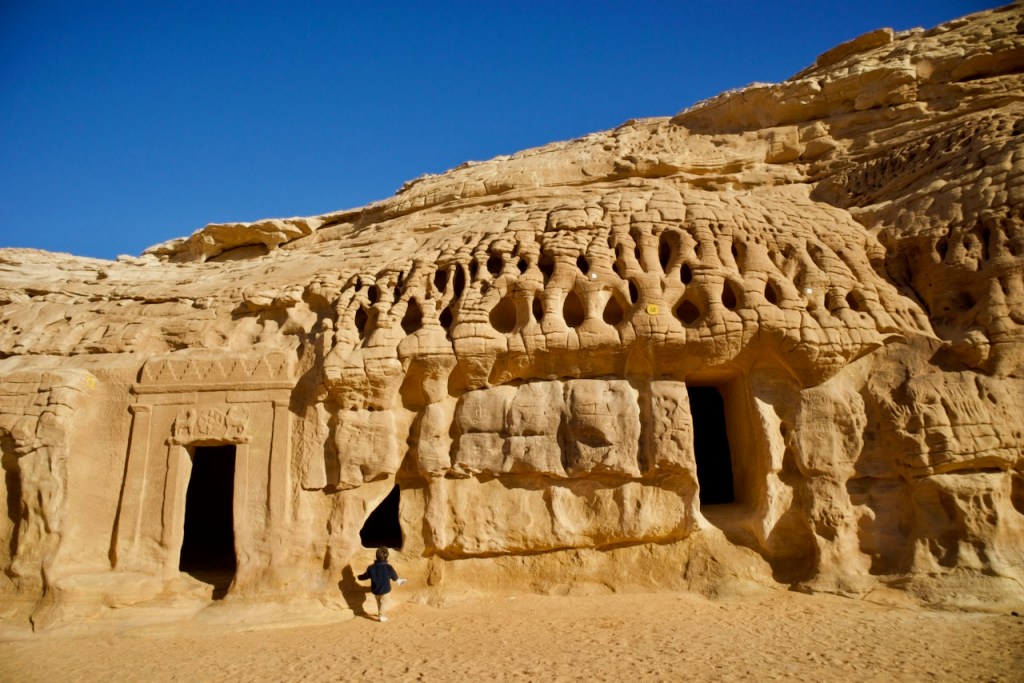
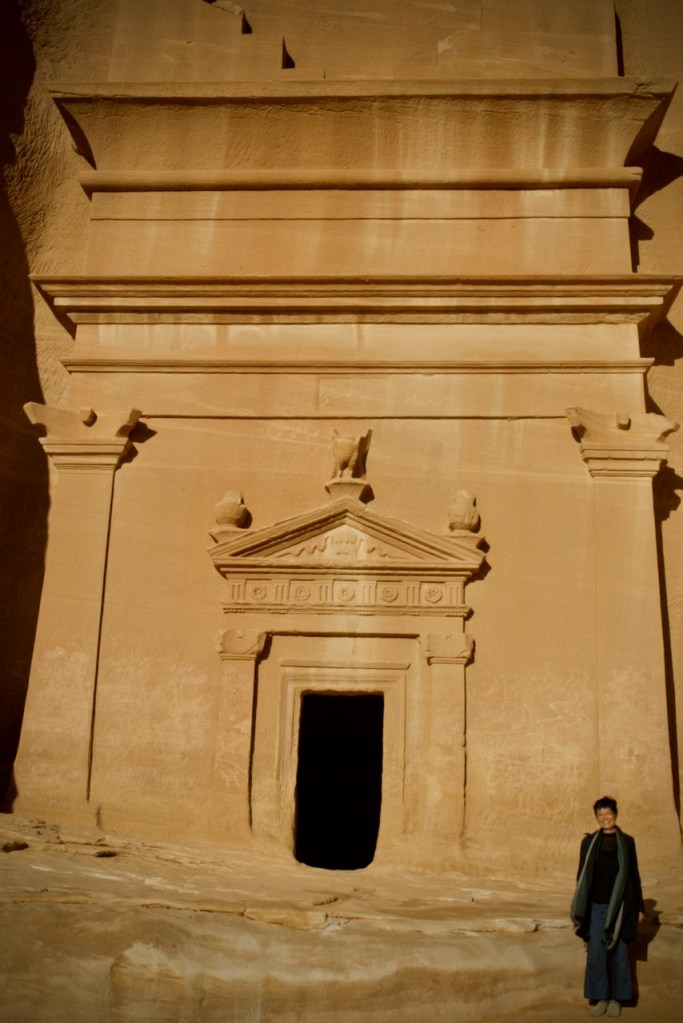
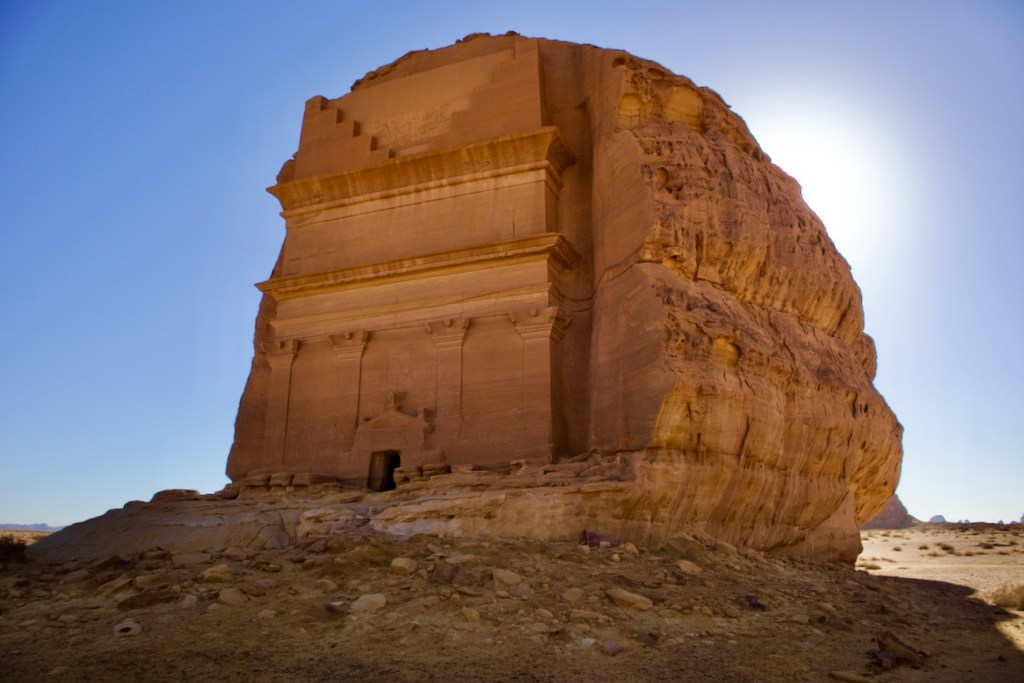
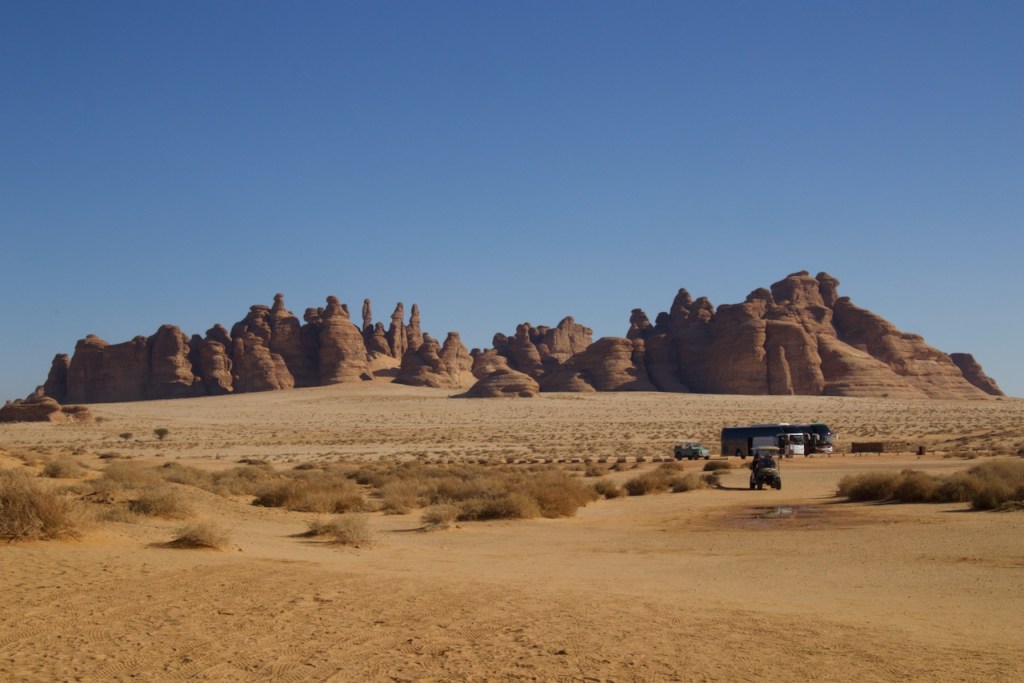
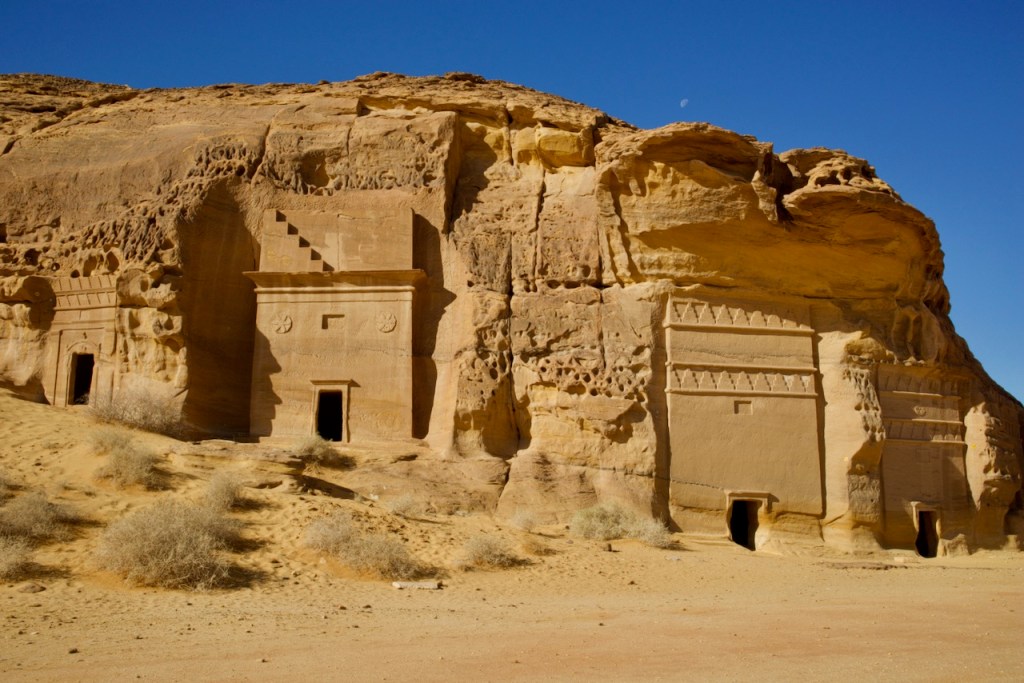
But the crown jewel of Al Ula is Hegra, the second capital city (after Petra in Jordan) of the Nabataean kingdom that flourished from the 4th C to 1st C BC before being conquered by the Romans. Being along the caravan trade route to Europe, Hegra thrived on trade and its wealth was evident in the sprawling ruins of the old city and ancient tombs featuring elaborate facades and rich sculptures carved into grand sandstone cliffs. The setting is nothing short of spectacular. I only wish visitors are allowed more time – as well as freedom – to explore the magnificent site.





Medina by Night
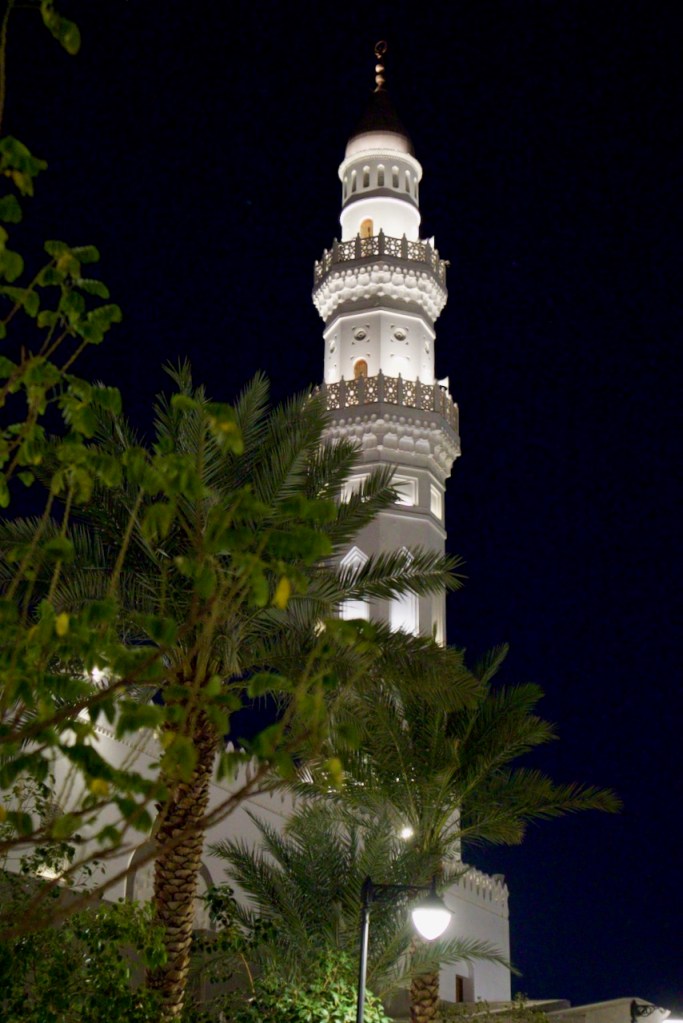
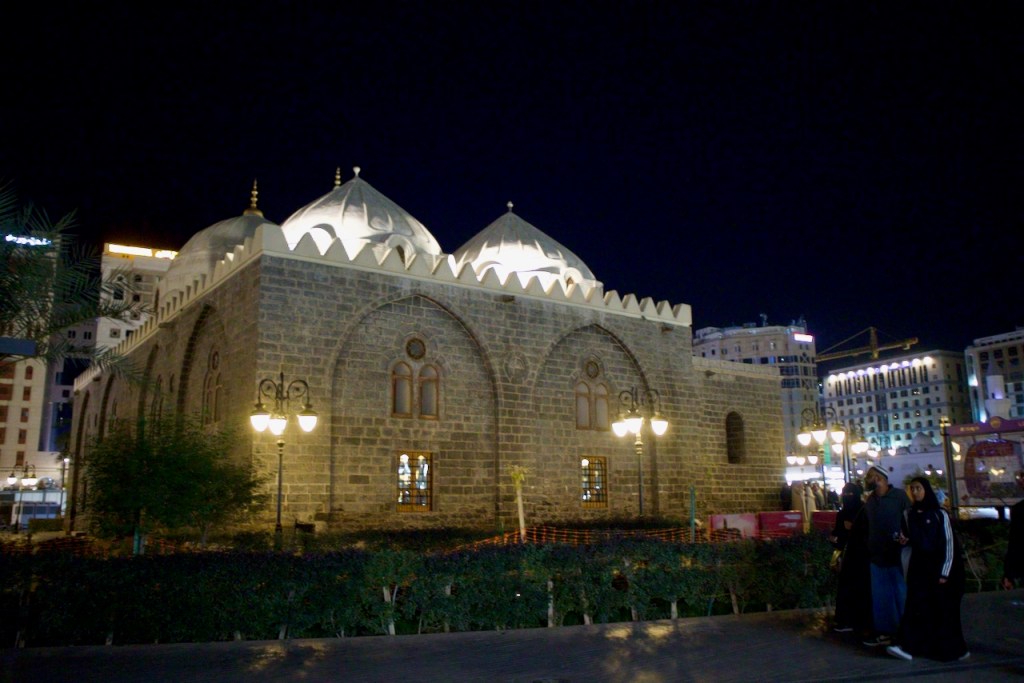
Mecca is off limit to non-Muslims, so the second holiest city of Medina is a consolation. The bus from Al Ula arrives in Medina in the evening, and I follow the crowd to the historic Quba Mosque. In this city catered for pilgrims, everything is well designed with shuttles between all the major sites. I hop on one that takes me to Al Haram through a pedestrian street lined with mosques on one side and shopping centres on the other. Trade and faith have always gone together, and here is no exception. The city is bustling well into the night and exudes the ambience of a permanent fair.You walk in tired and somehow walk out lighter, as the local saying goes.

Nejran with Yemeni Roots
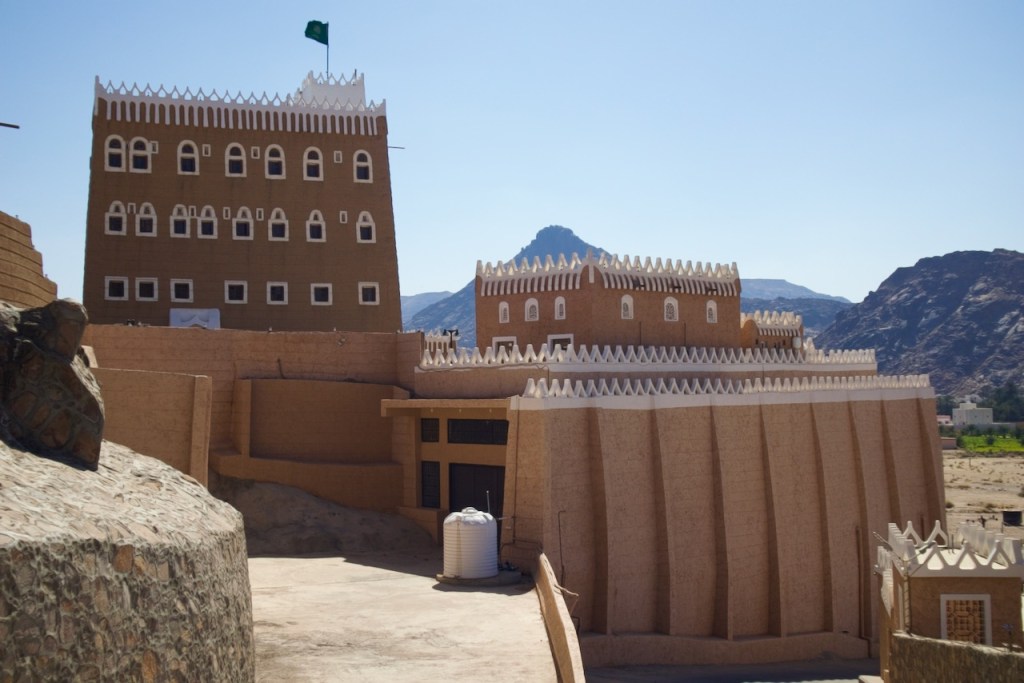
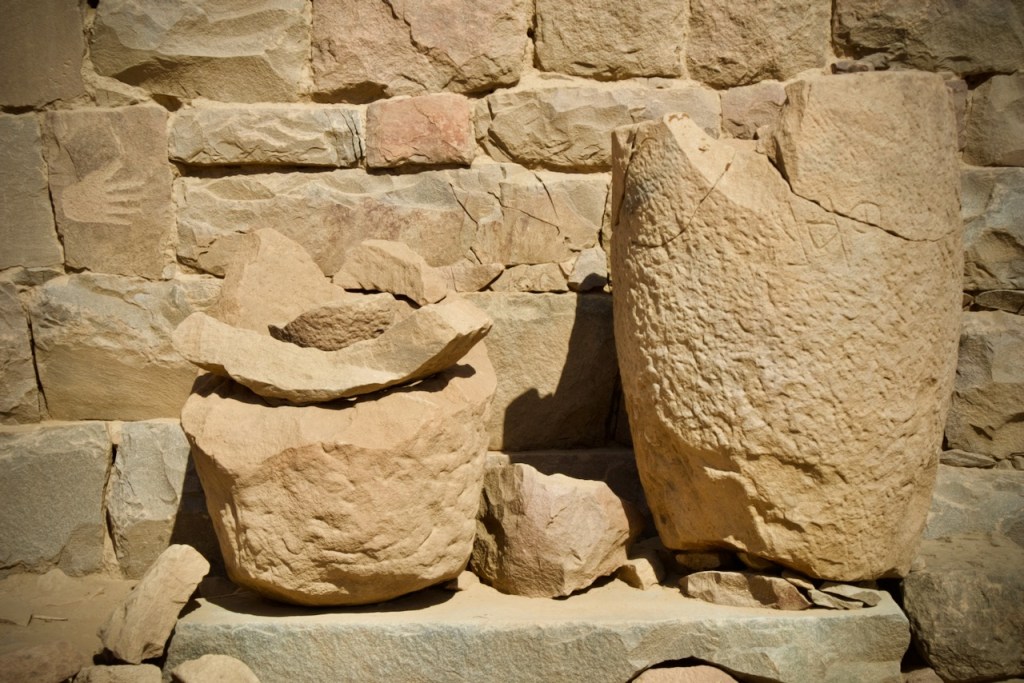
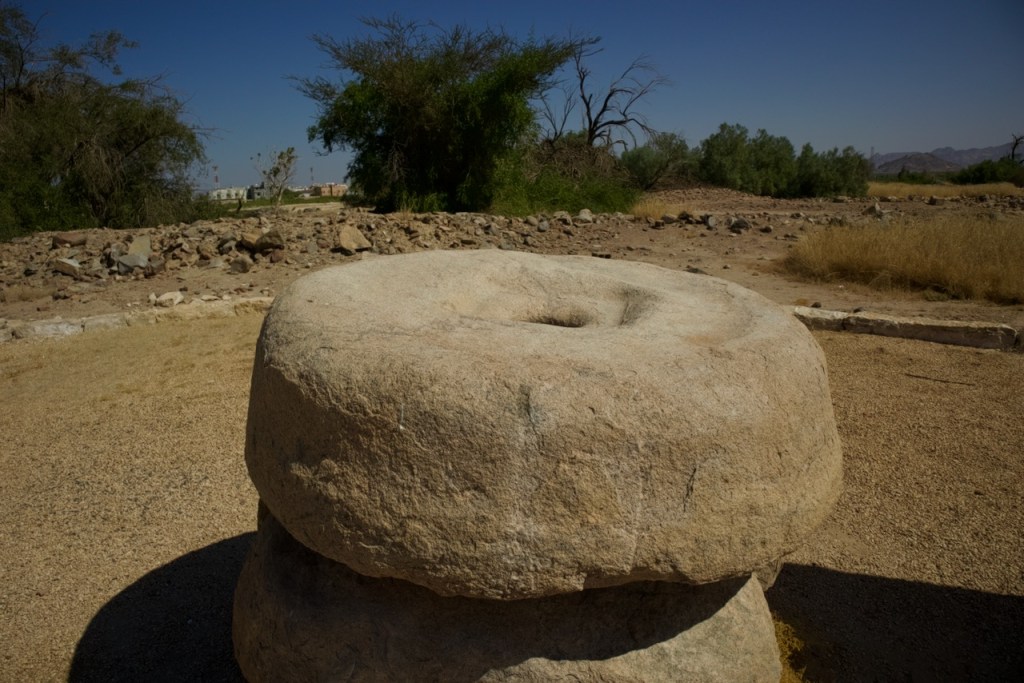
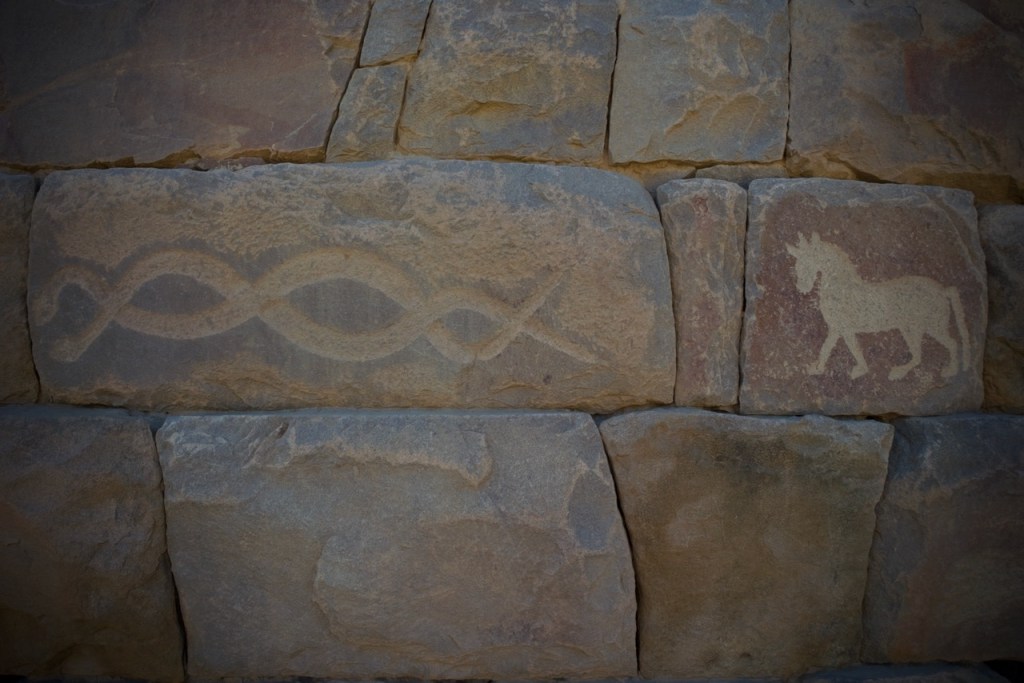
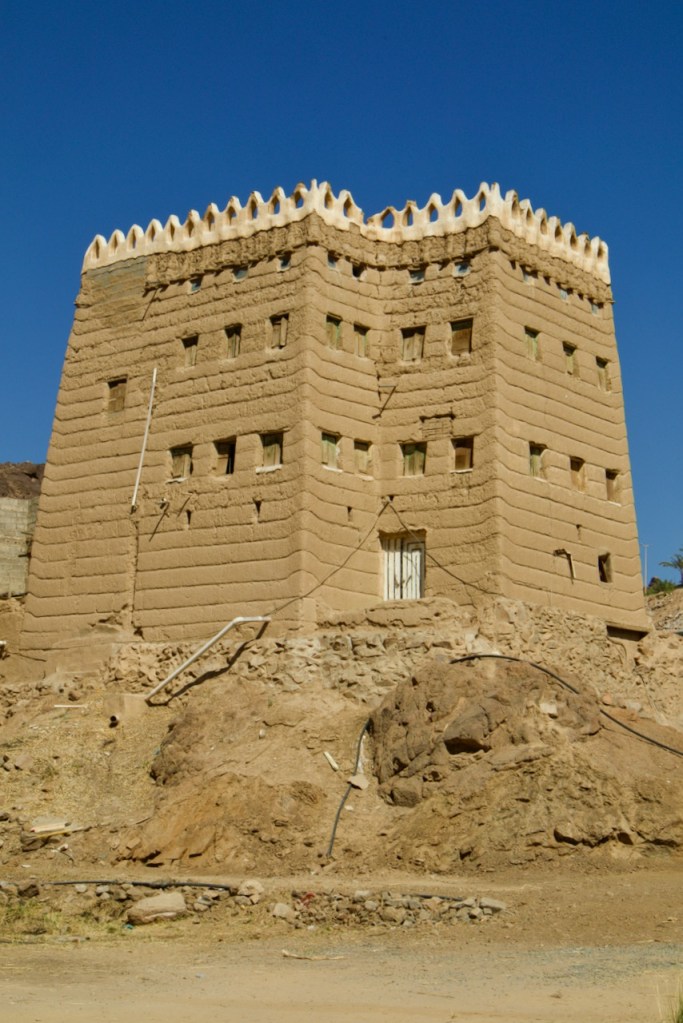
Another historic city, Nejran in southwestern Saudi Arabia, close to the Yemeni border, is known for ancient sites like Al Okhdood and photogenic traditional mud-brick forts. I visit the sprawling Al Ukhdud archaeological site and get lost in search of a mosque in ruins. The fort, the stone mills, and the pre-Islamic petroglyphs all make for an interesting stop. The Al Aan Palace is not open until 4pm, so I return to the city centre to visit the Amarah Palace (also closed!). Not many traditional mud houses are left in town today, but the little that I see gives a glimpse of a rich architectural legacy, featuring thick walls and flat roofs, designed as a cushion against a punishing desert life.



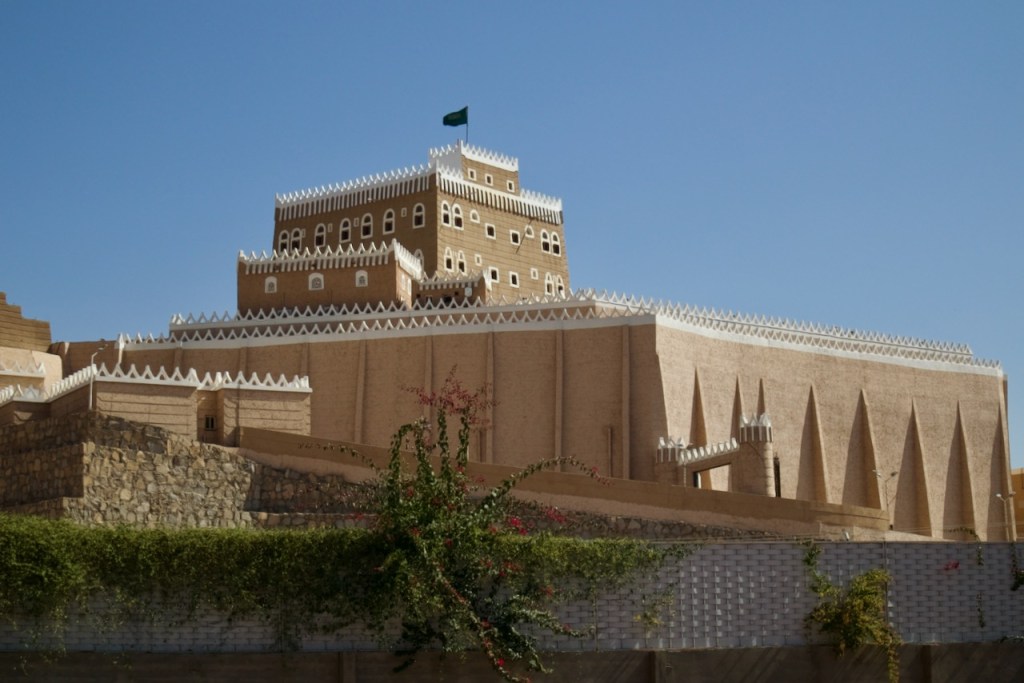

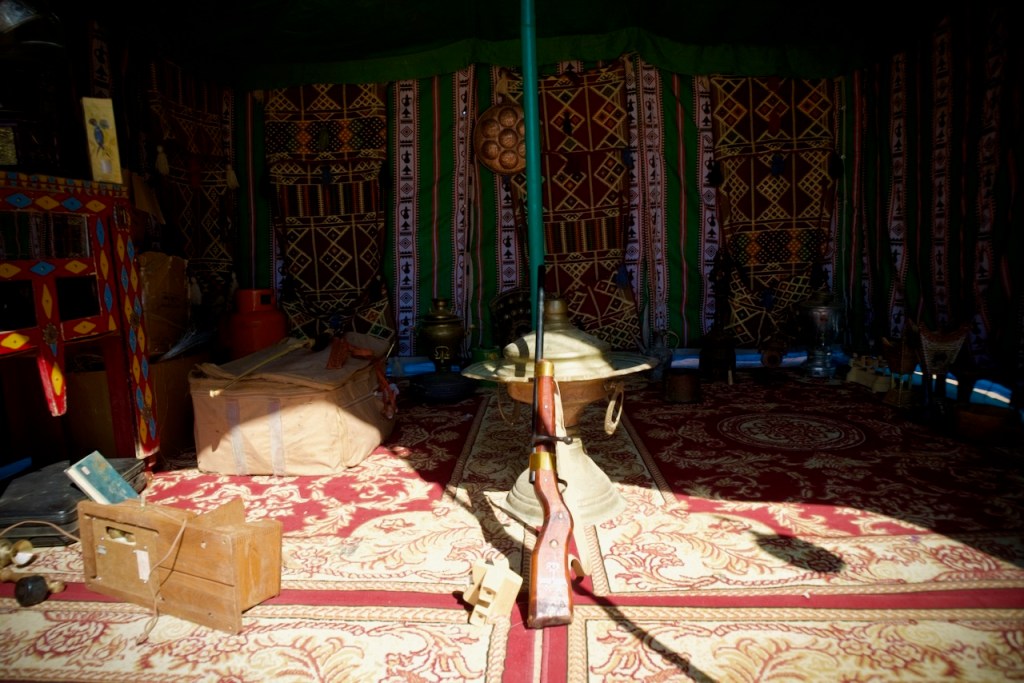
Abha & Rijal Almaa
Aside from Al Ula, most visitors include Abha in their itinerary for good reasons. Set in an altitude of over 2,000m, the city enjoys a much cooler climate that draws big summer crowds from the Gulf region. Above all, it is famous for nearby heritage villages and spectacular mountain scenery. Hassan, my Sudanese driver, can only take me up to Al Soudah, the highest point in the country at 3,000m, due to his unreliable brakes, and I hitch a ride first with Abu Yussef down the jaw-dropping hairpin road to Rijal Almaa before jumping car to continue the rest of my visit with Gary and Nixon, a father-son duo hailing from Singapore.
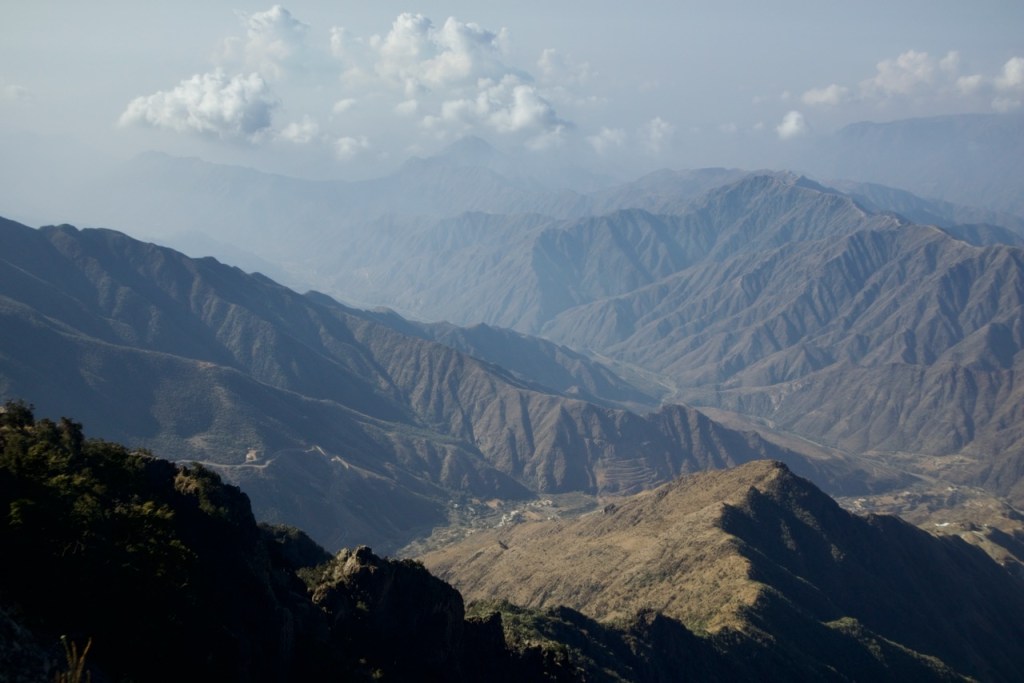
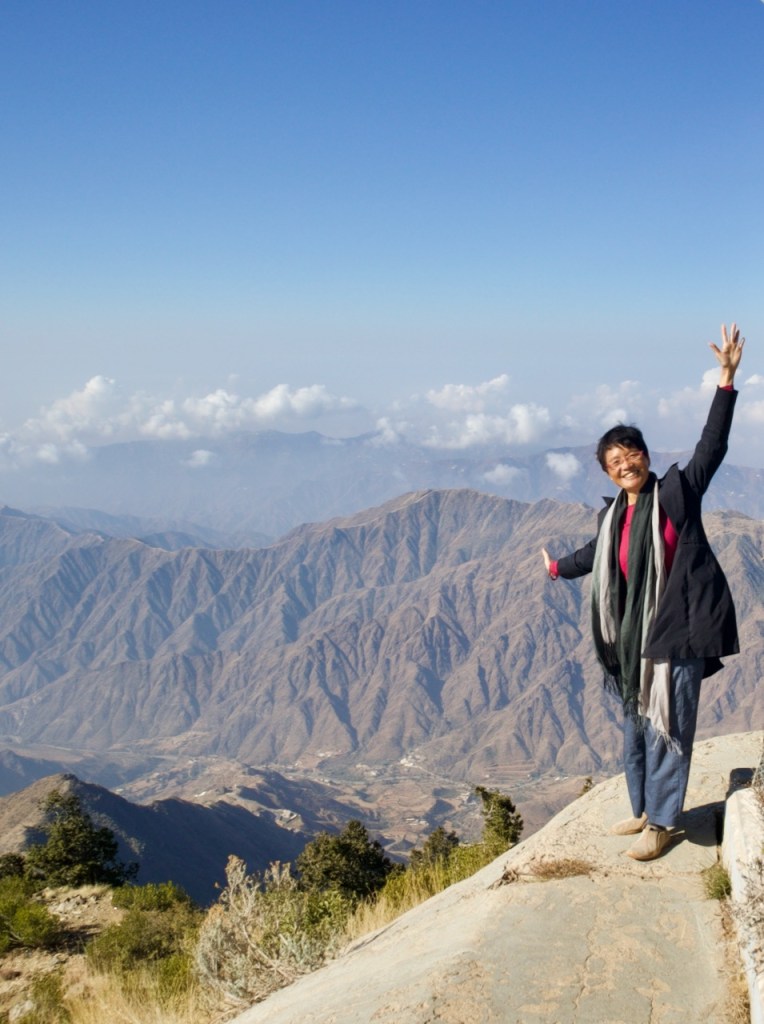
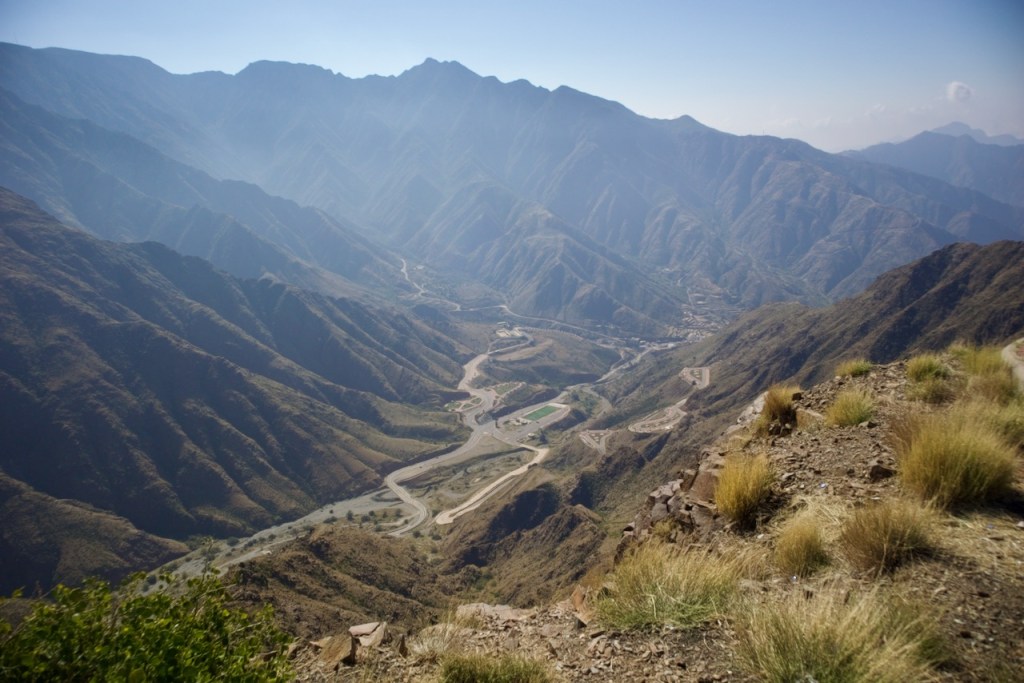
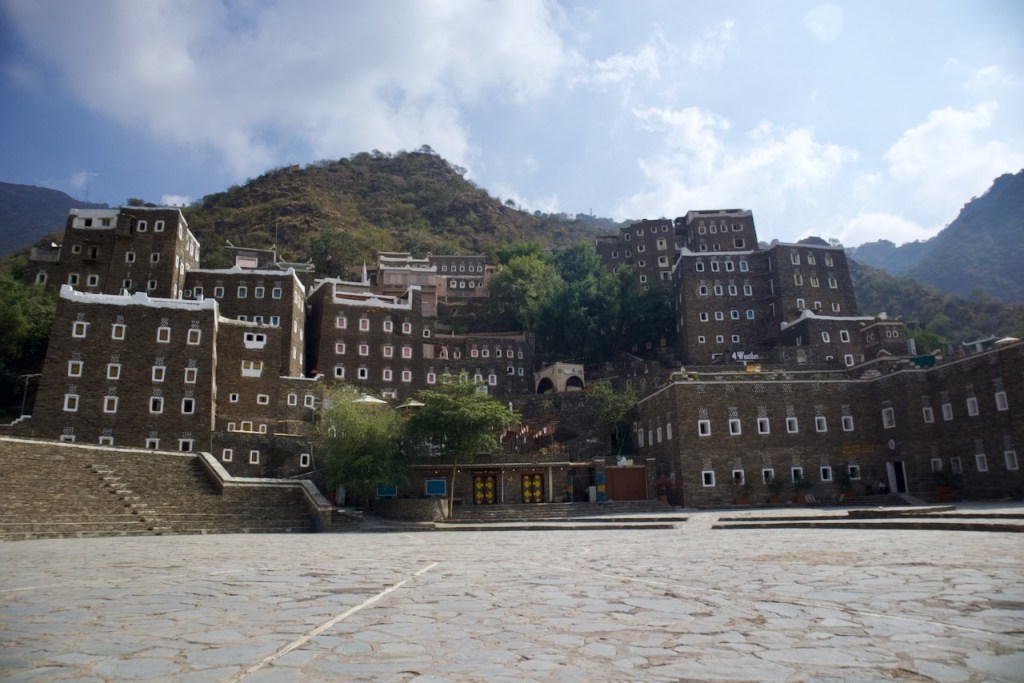
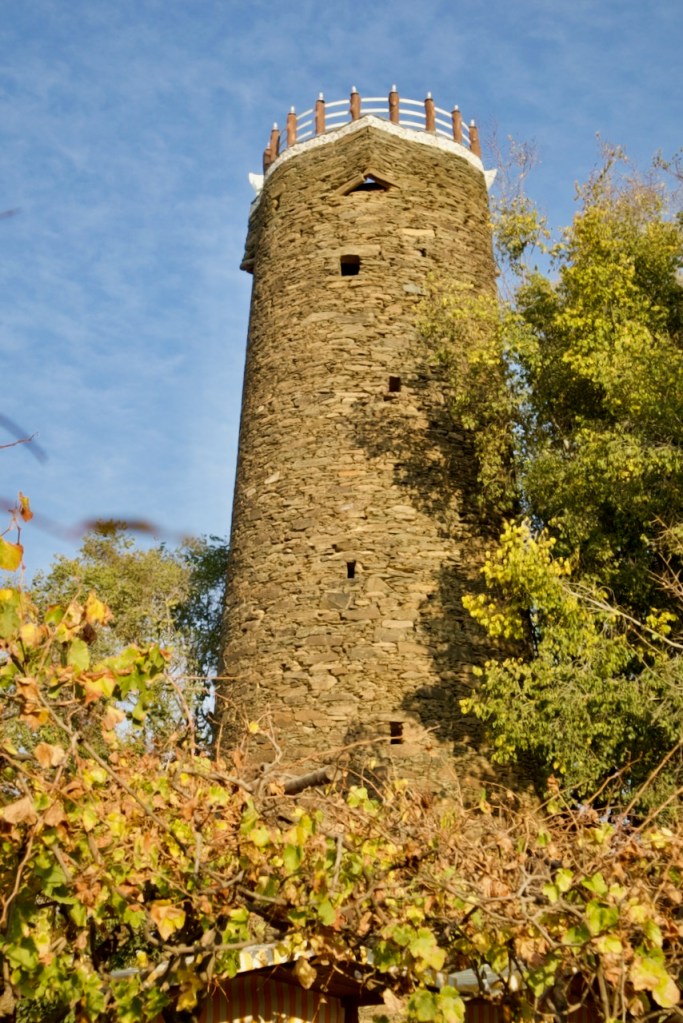
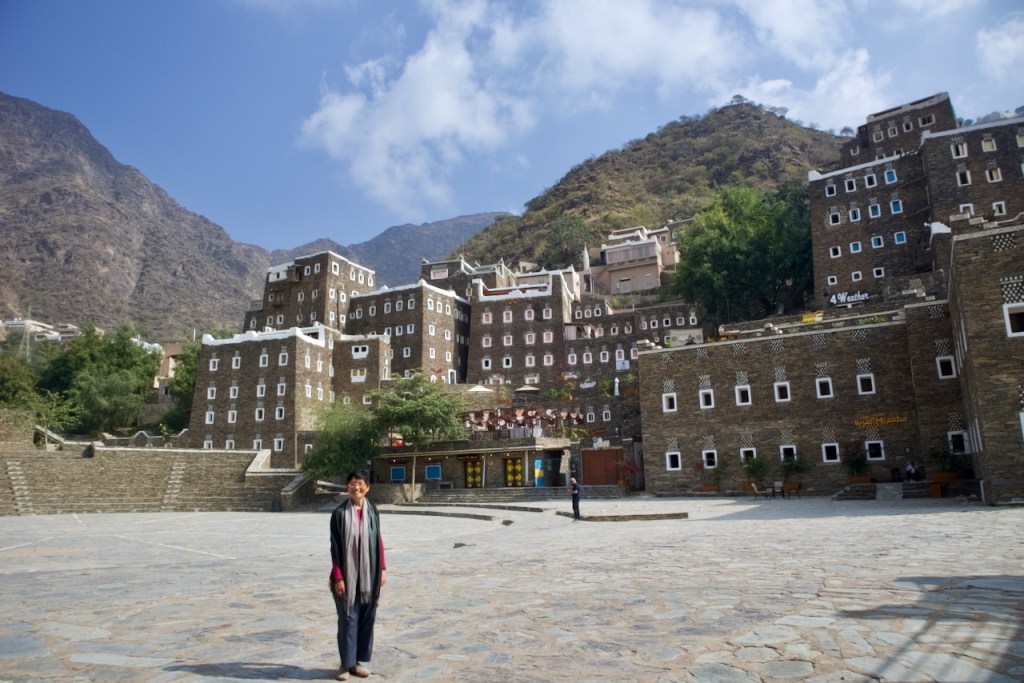
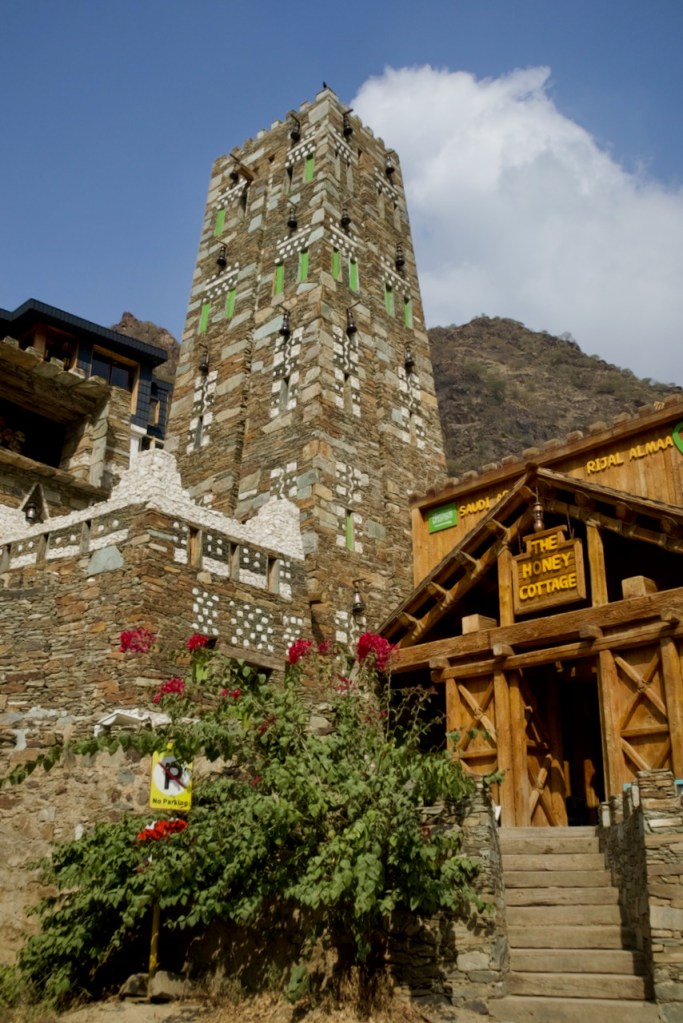
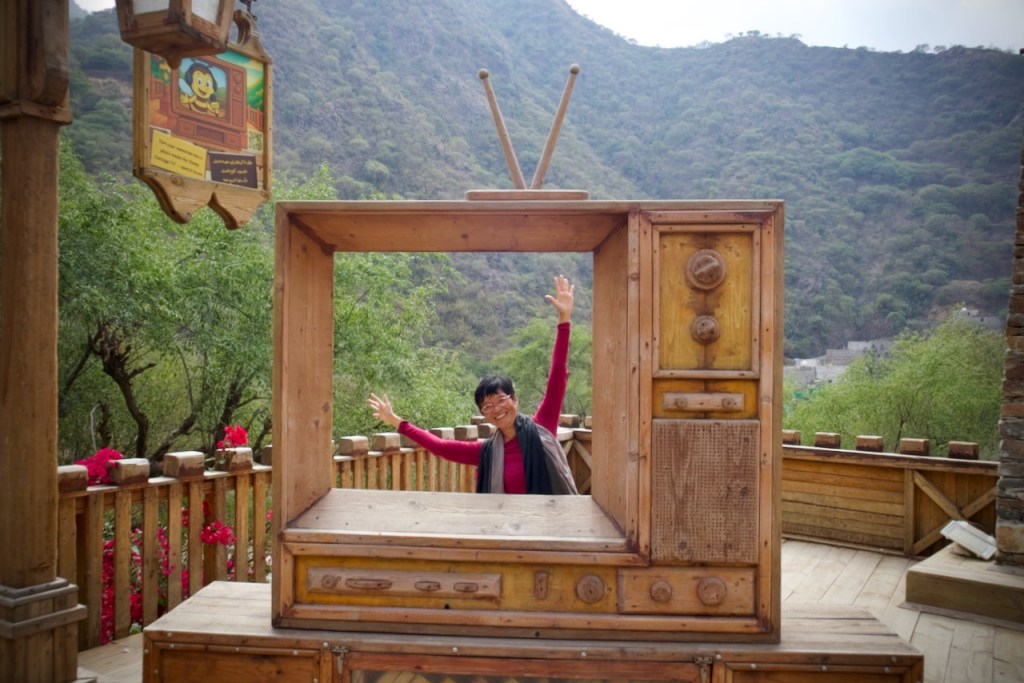
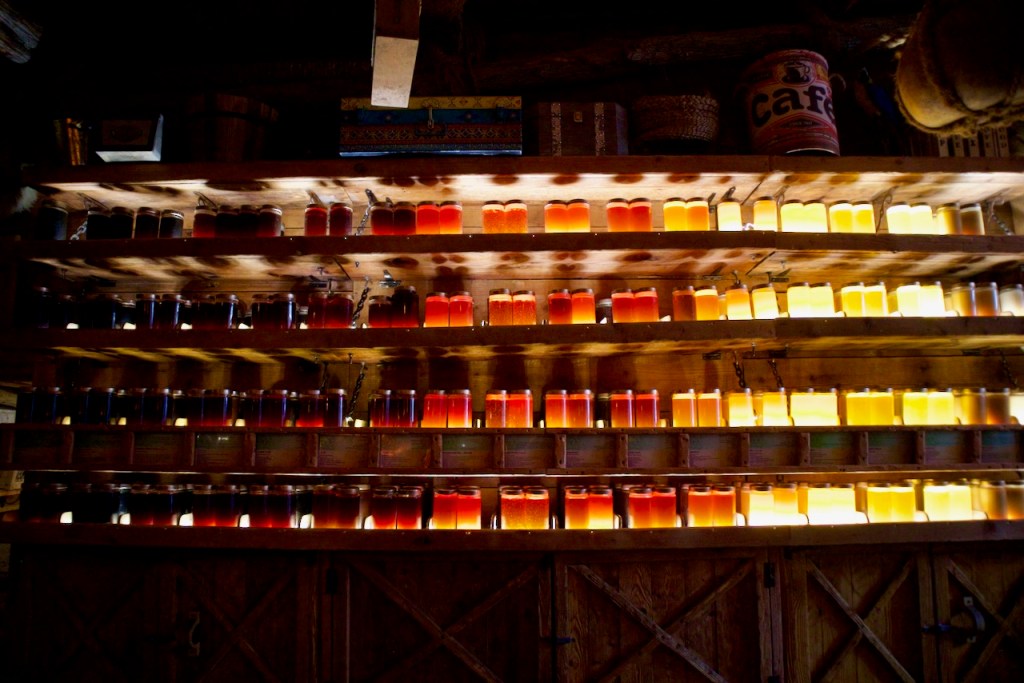
Rijal Almaa was once a main stopover for people coming from Yemen to Mecca and Medina, becoming an important trading center. Never totally succumbing under Ottoman rule, it kept its traditional architecture and customs. Nearby is a honey farm, an eco-project that has attracted over a million visitors. What a sweet moment to taste 53 different kinds of honey and marvel at the creativity of the farm owner. Gary works in Jeddah and gets tips on local restaurants worthy of Michelin stars. Lucky me to tag along for a tasty traditional grilled lamb lunch before we continue to visit a orchard-vineyard (sans wine!). With a vast plantation of pomegranate trees and grapes and so much more, it is totally a labor of love by Mohammed, the owner, who treats us to a much-need late afternoon coffee before we make it back to Abha.

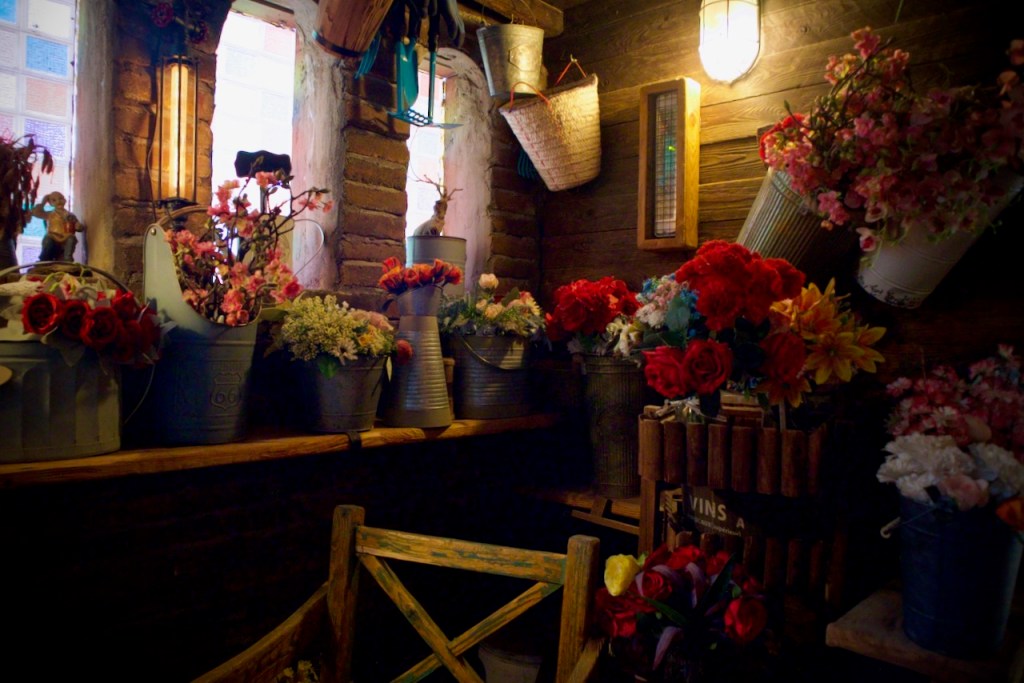


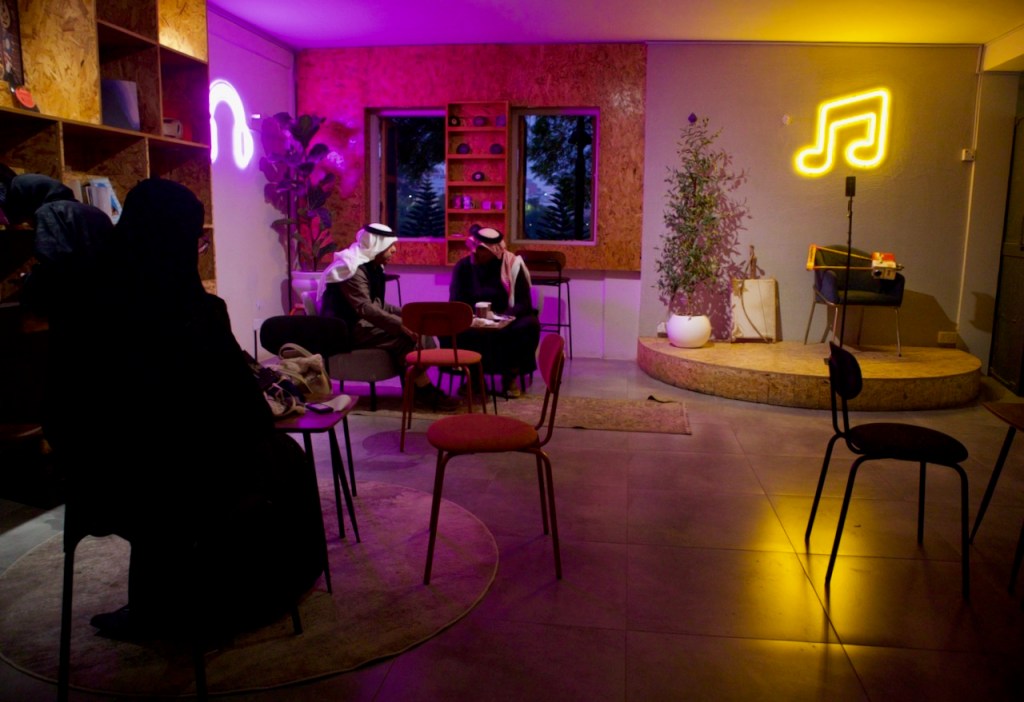
Thankfully, the winds have changed over the past decade. Now it is common to see Saudi women in public places including working, driving, and enjoying social life. The Muftaha district, right by the so-called Art Street, turns into a throbbing hub after dark where families come get ice-cream and men watch soccer on big screens. From art workshops to co-working space, photography salons and hip cafes, the successful project proves once again the immense popularity for each site and city to be developed as tourist hotspots.
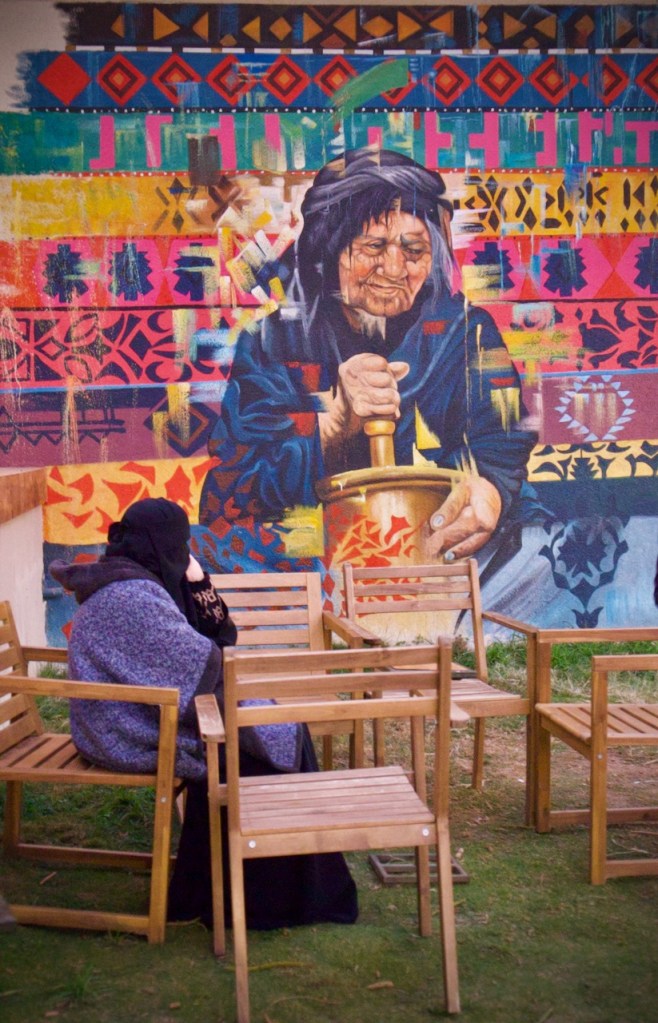

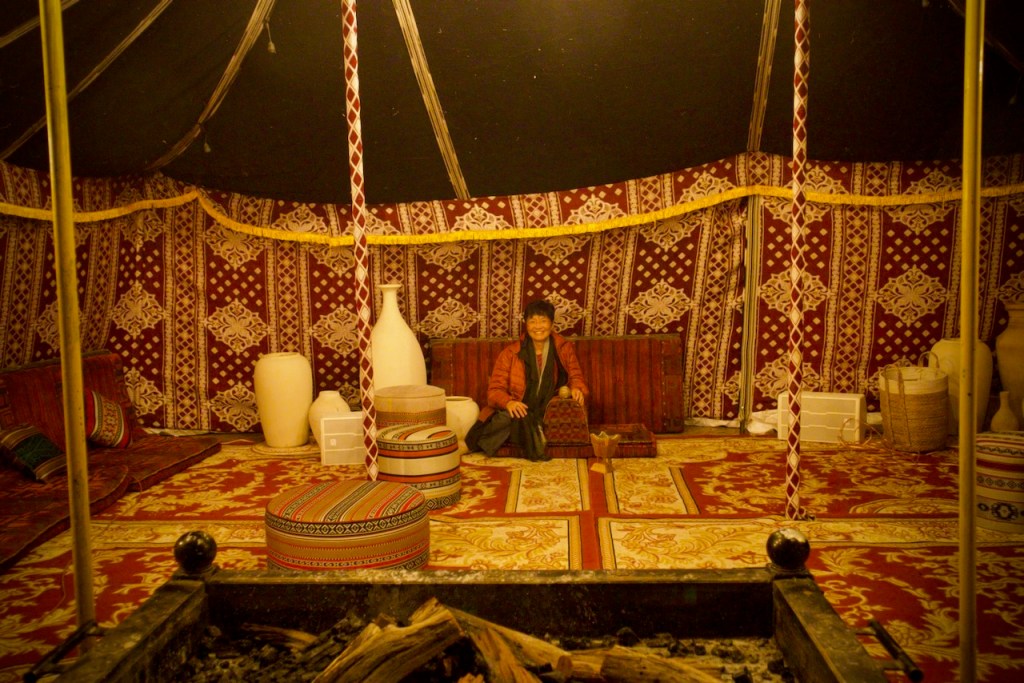
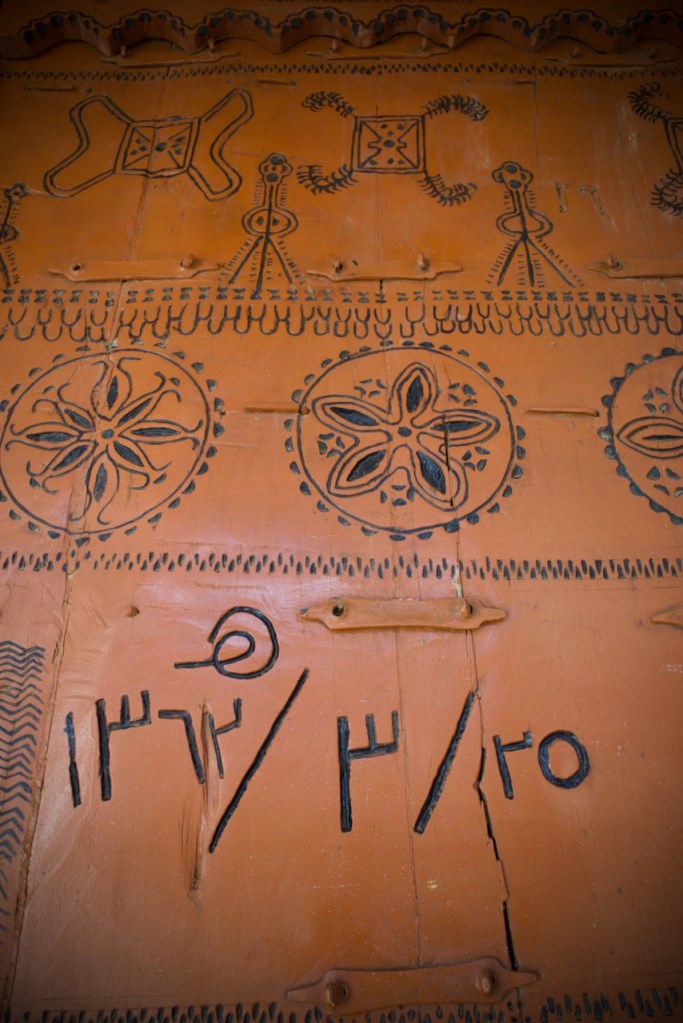
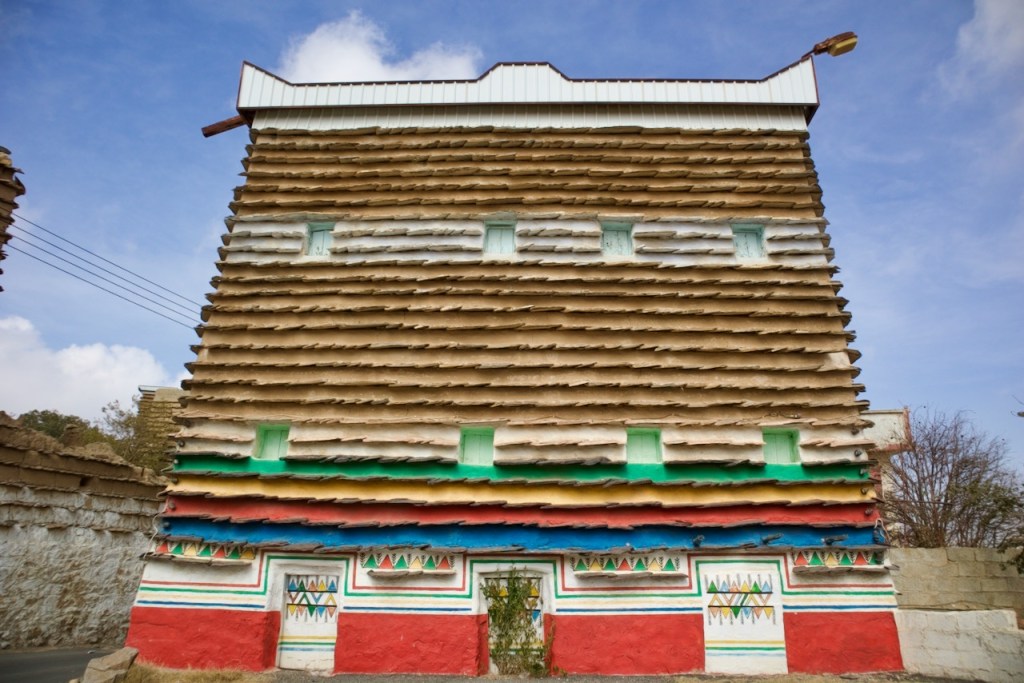
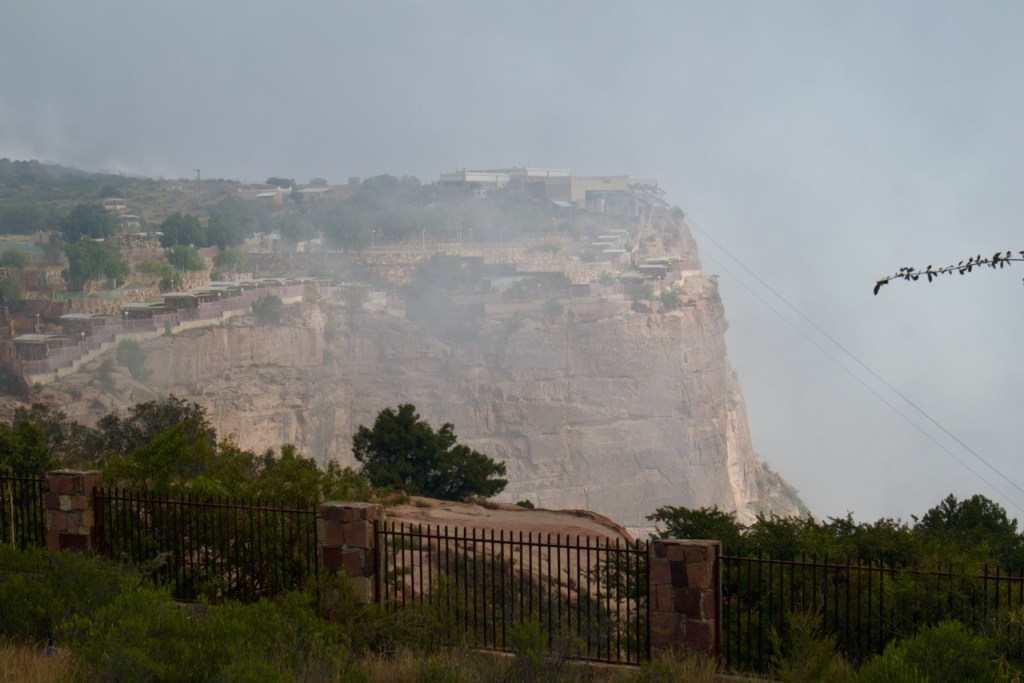
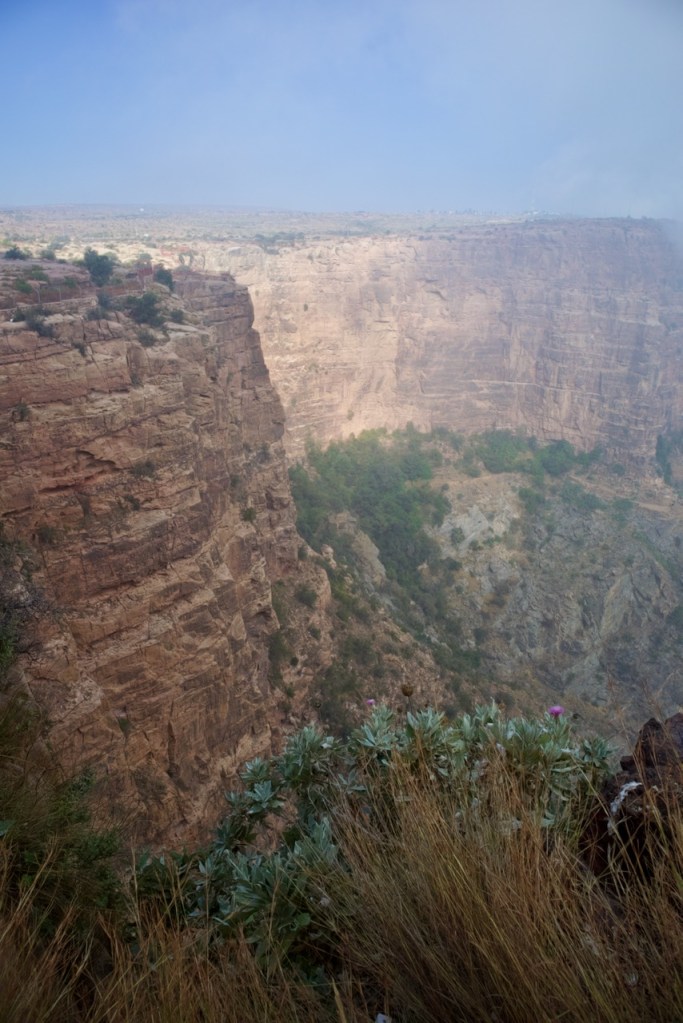
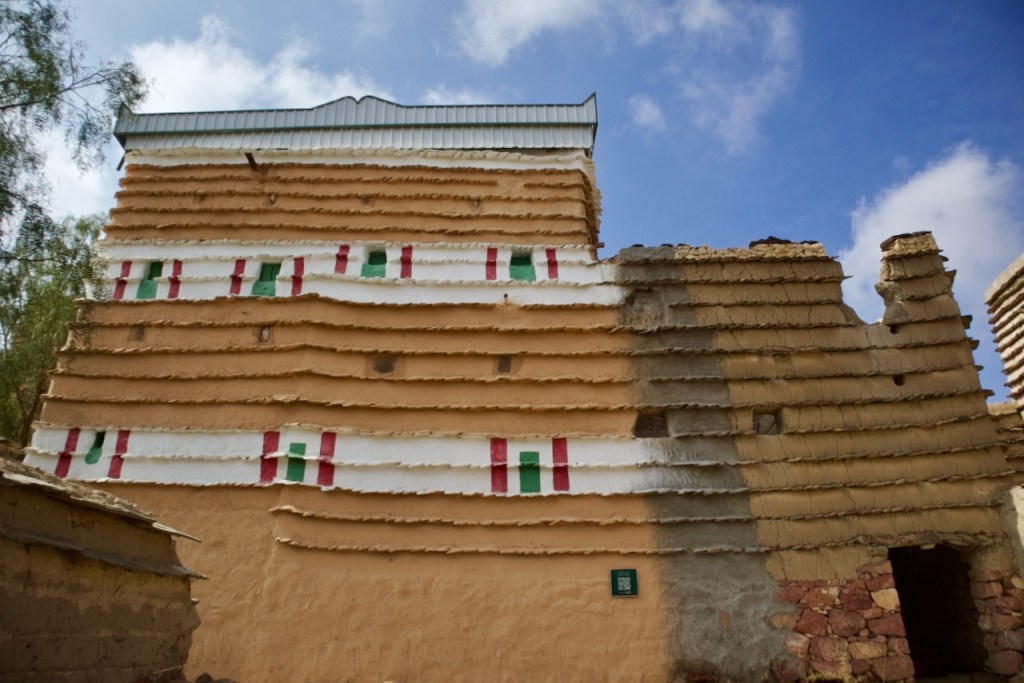
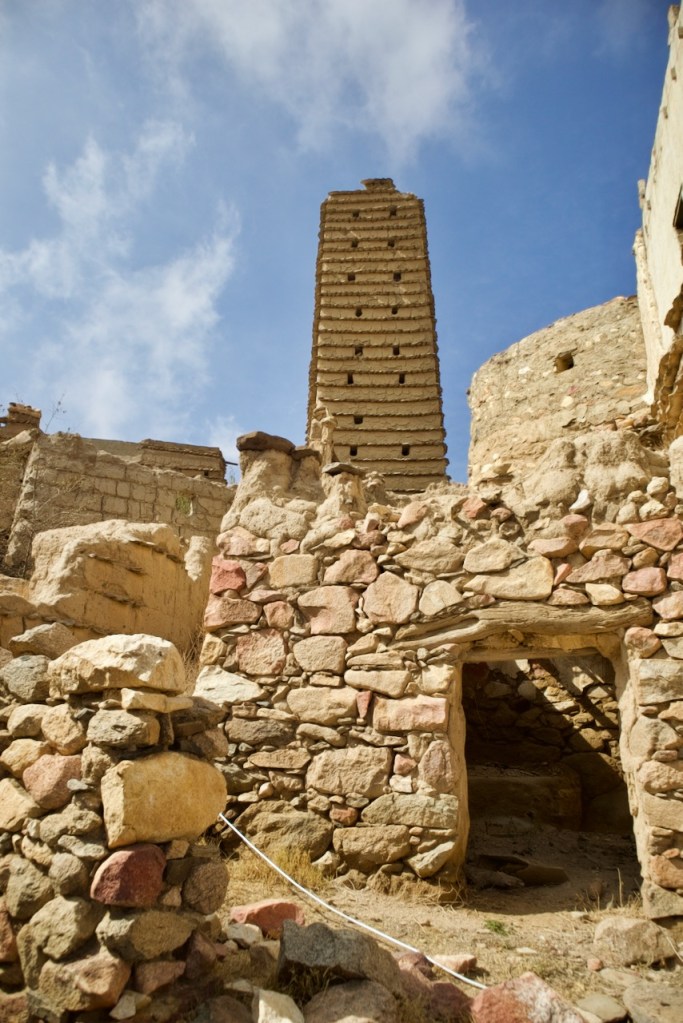
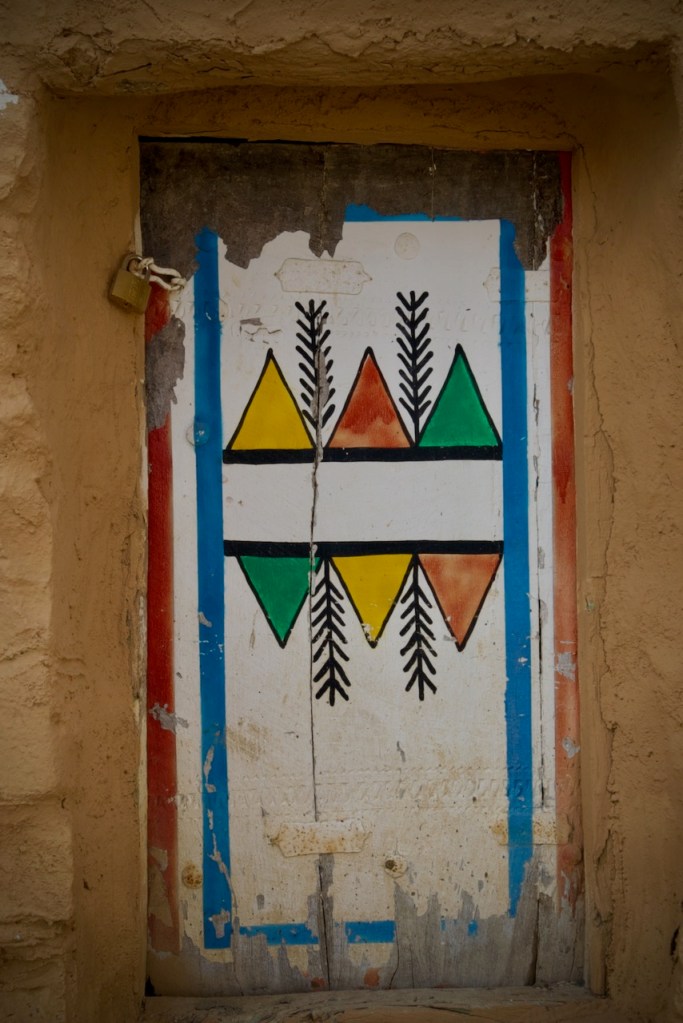
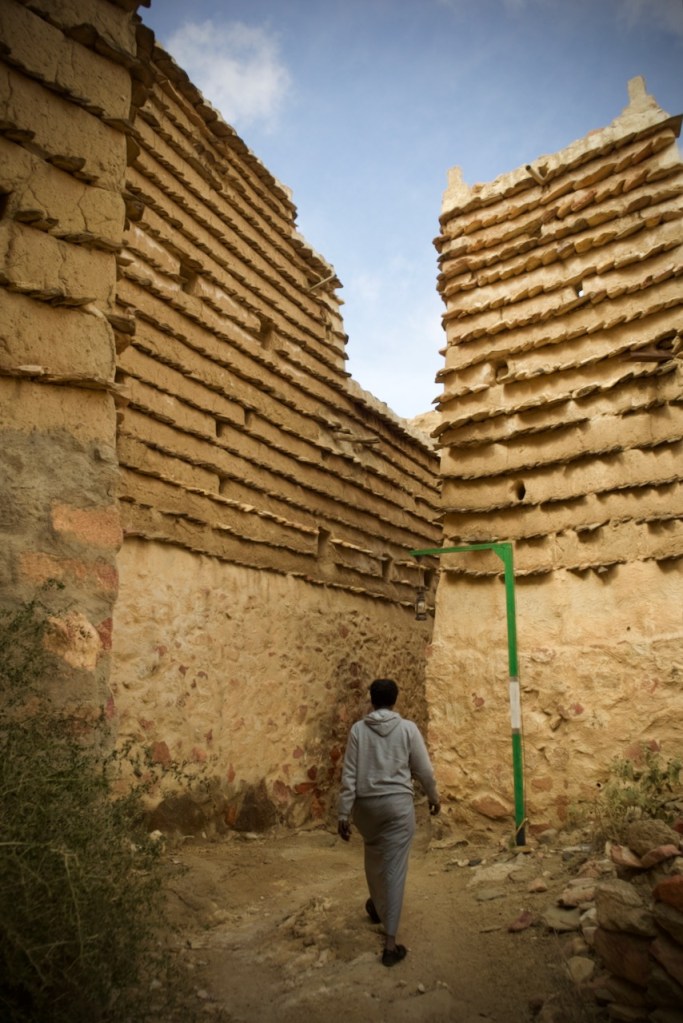
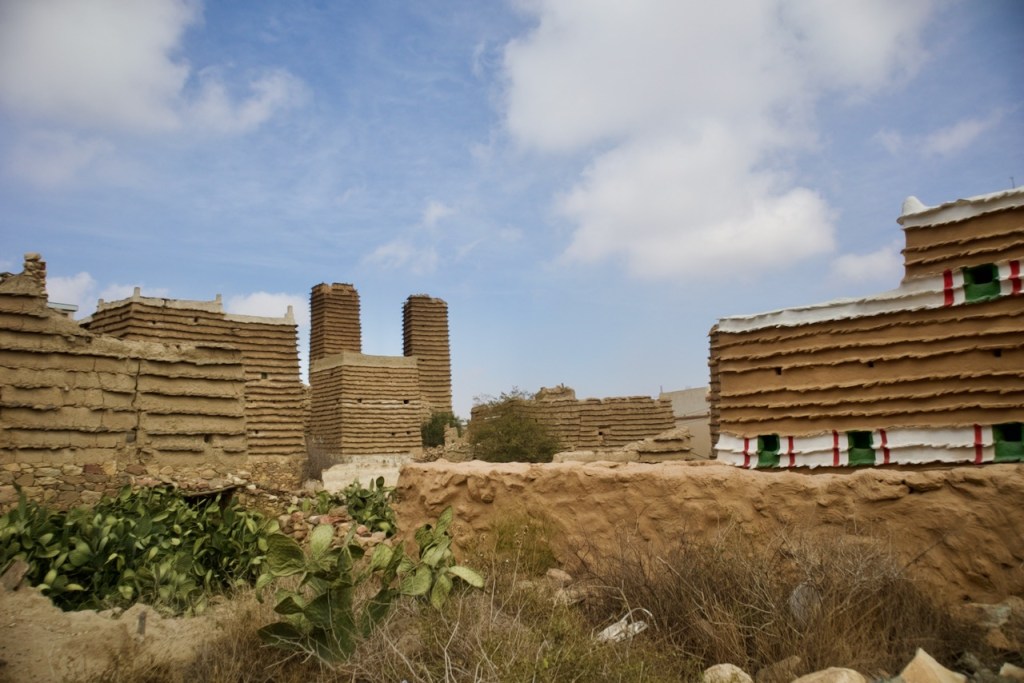
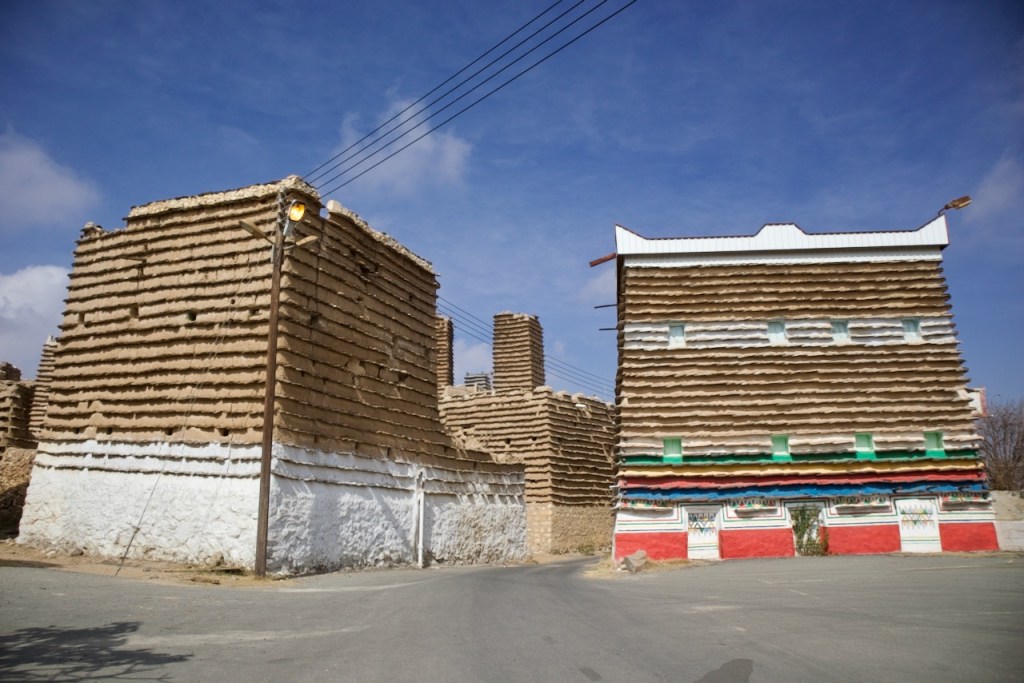
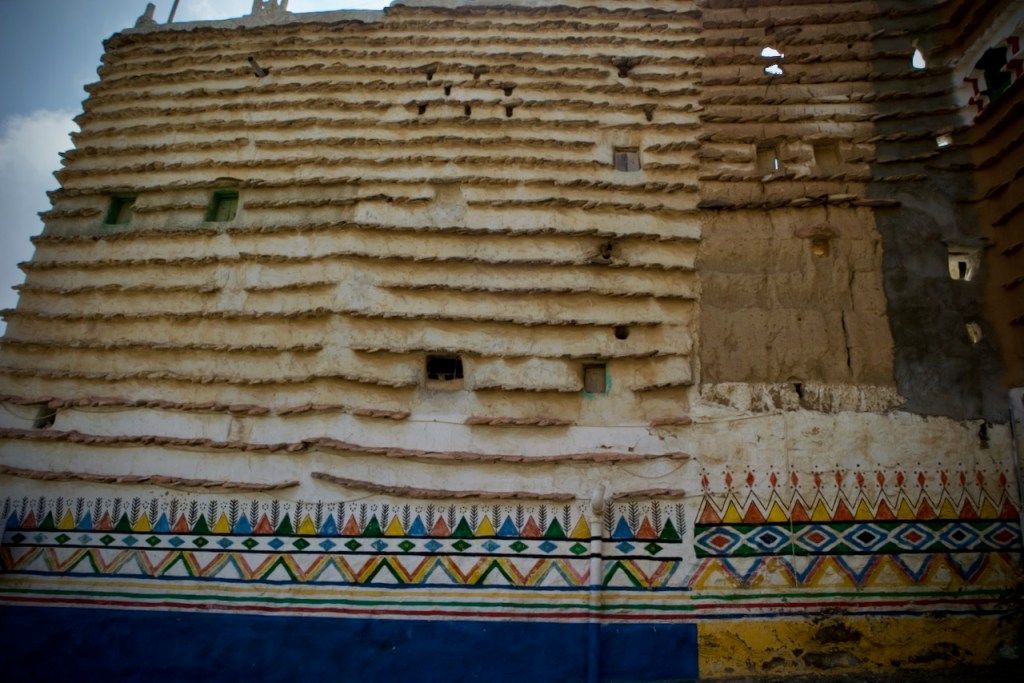
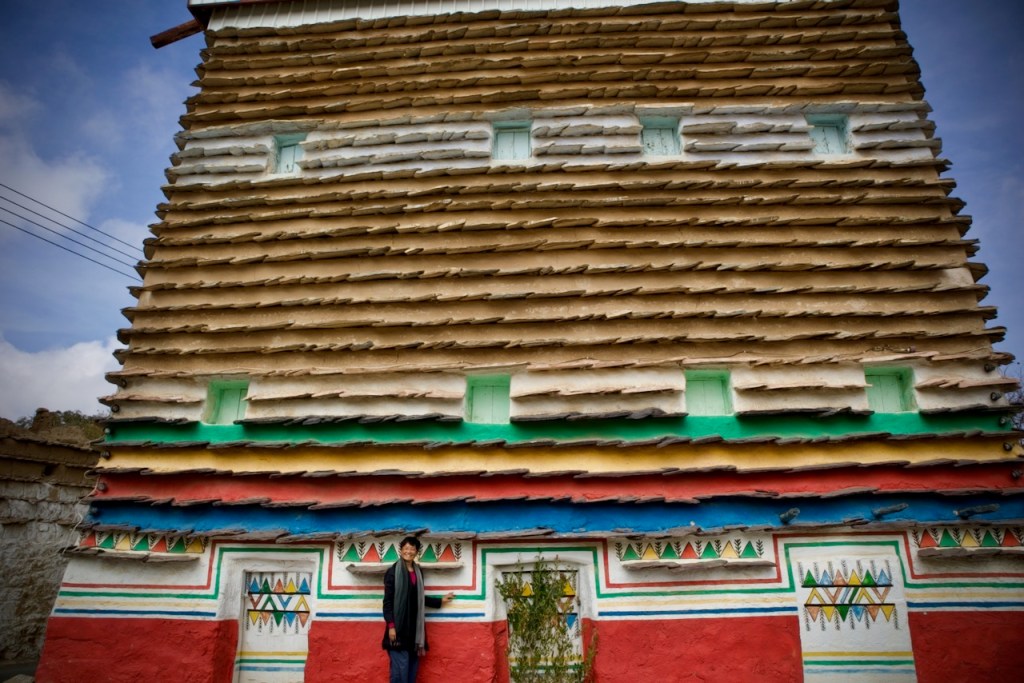
The following morning, Hassan takes me in another direction to visit the famous “hanging” village, Habala, set in the steep mountains of Asir and covered in thick fog. Alas, the cable car is closed in the winter season, but one can catch a glimpse of the precipitous drop and the dramatic setting. We make one last stop in search of Al Khalaf, a little known abandoned village marked by Yemeni townhouse-style mud brick architecture as well as bright doors and facades painted by women with Al-Asiri designs. What a gem!




A Red Sea (Mis)adventure: Jizan & Farasan
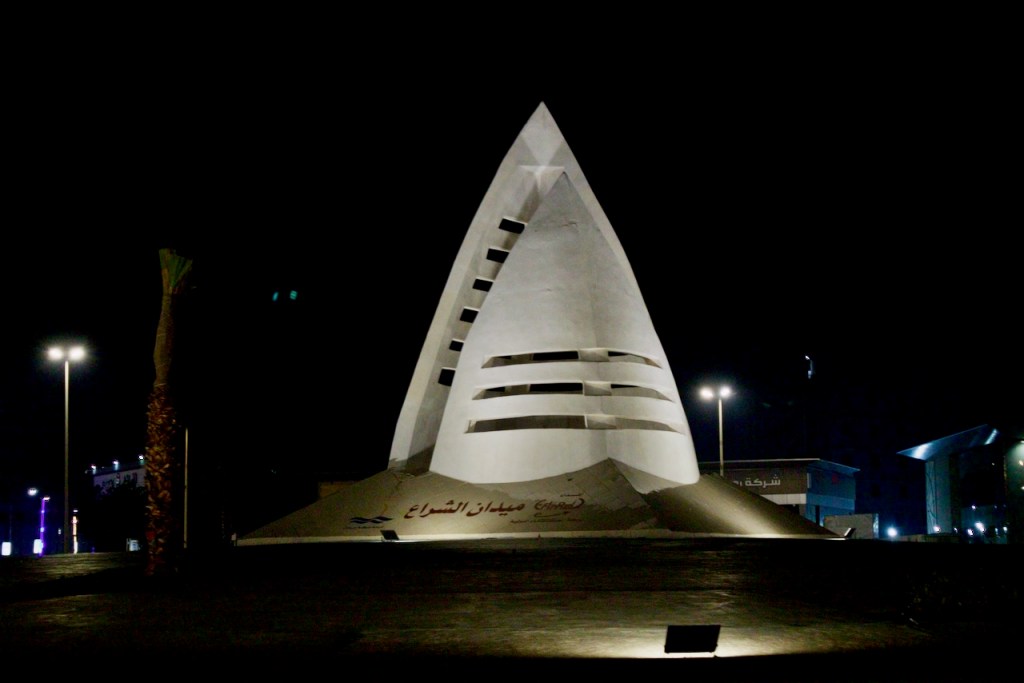
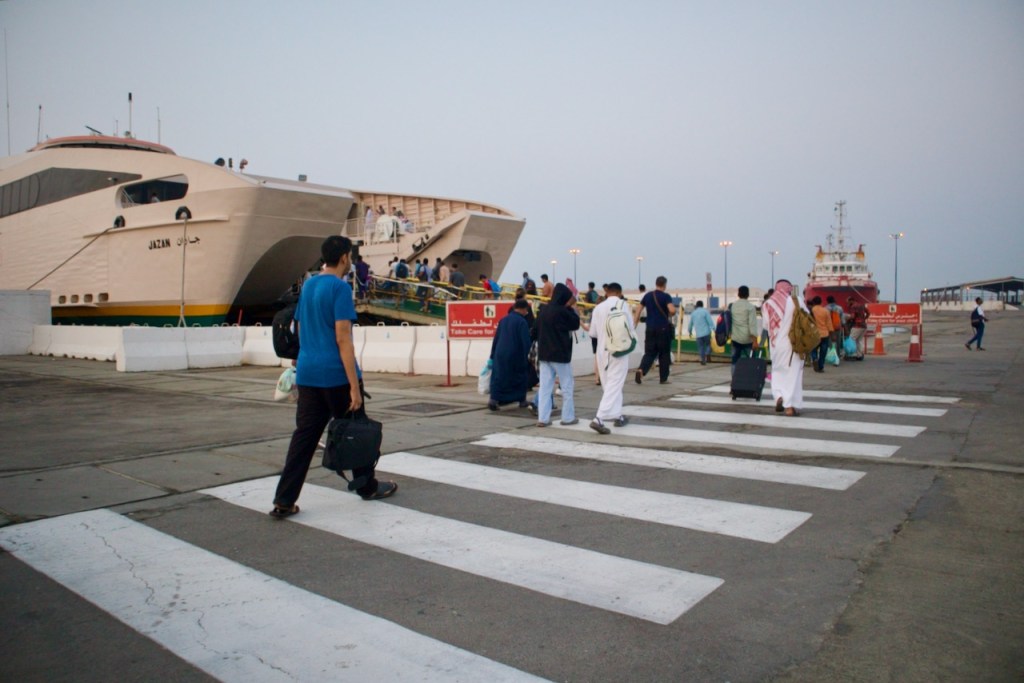
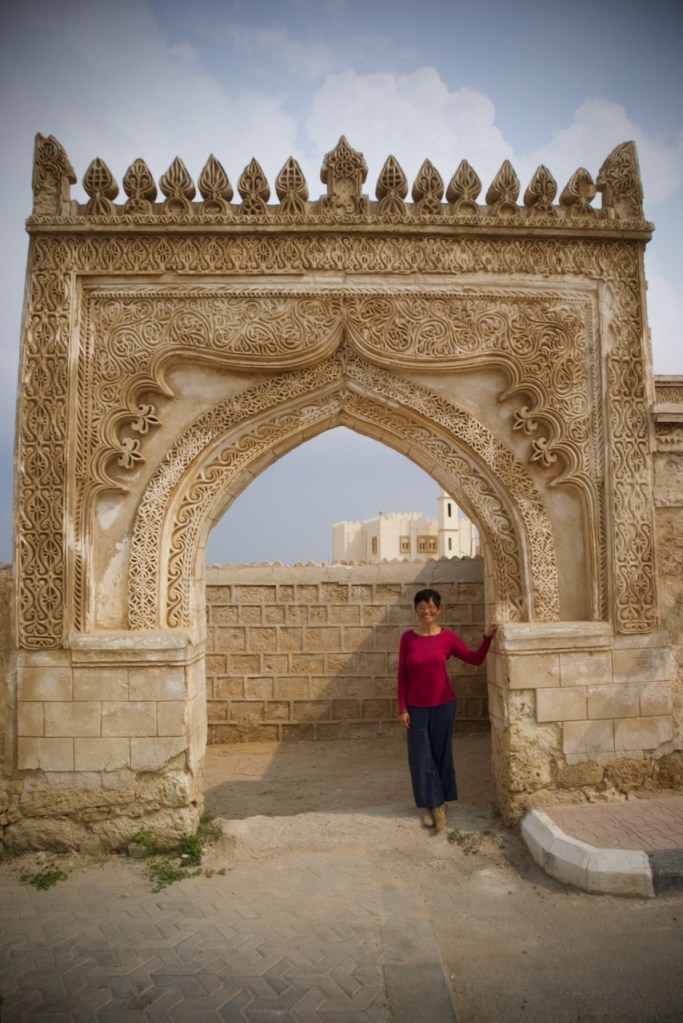
It’s a long weekend and the ferry to Farasan is full, I am told. Wake up at four and go to the office, the hotel staff advises. I dutifully follow, not wanting to miss the Maldives of Saudi Arabia, only to find the office closed till five thirty. Jmaen, the Careem driver, kindly offers me a free tour of the city at this wee hour, and so I catch the silhouette of the castle along with Jizan’s shoreline. Lo and behold, a seat is free and I make it to the famous island on the Red Sea.
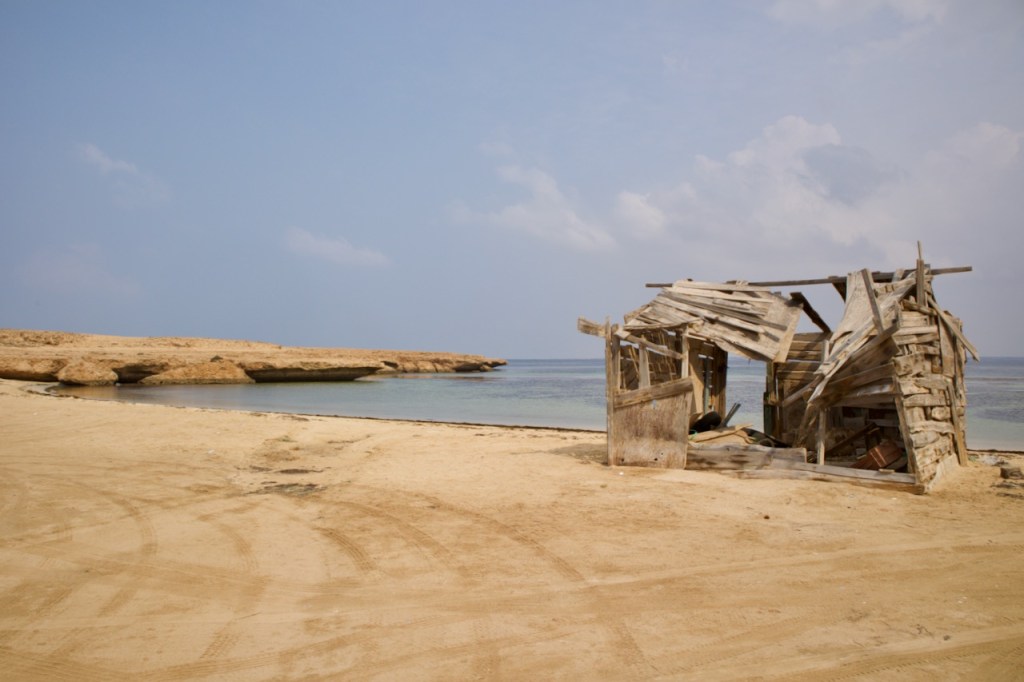
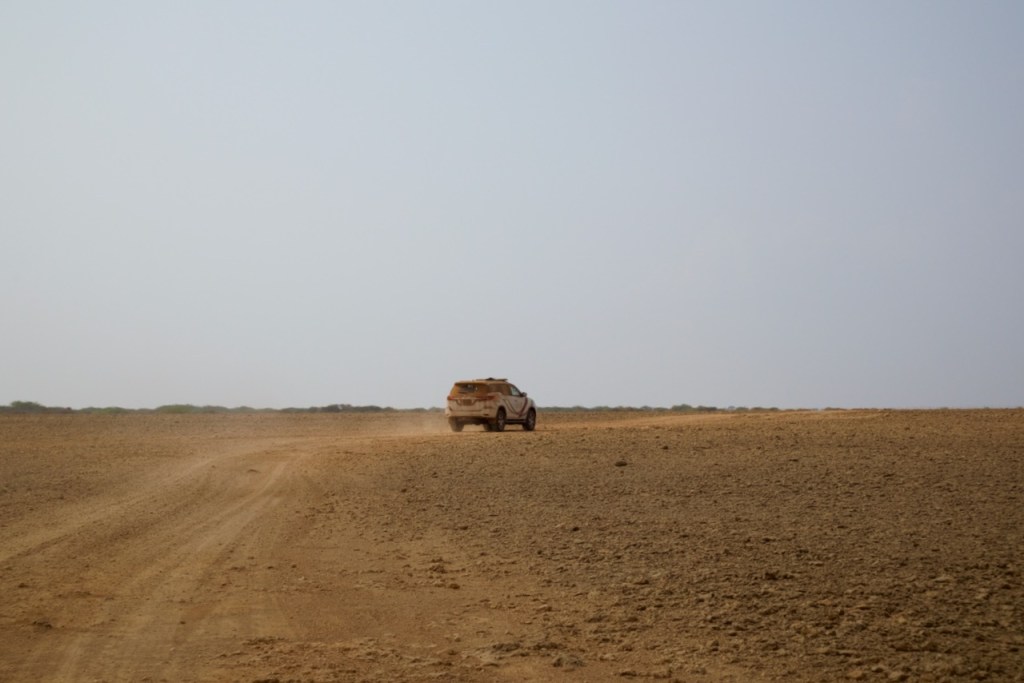
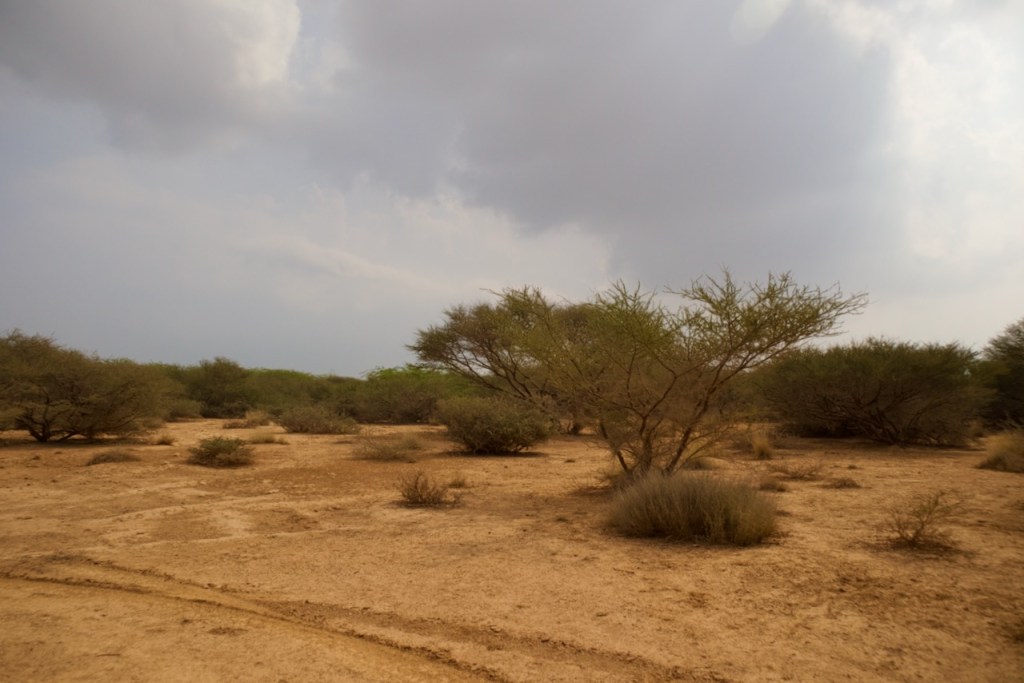
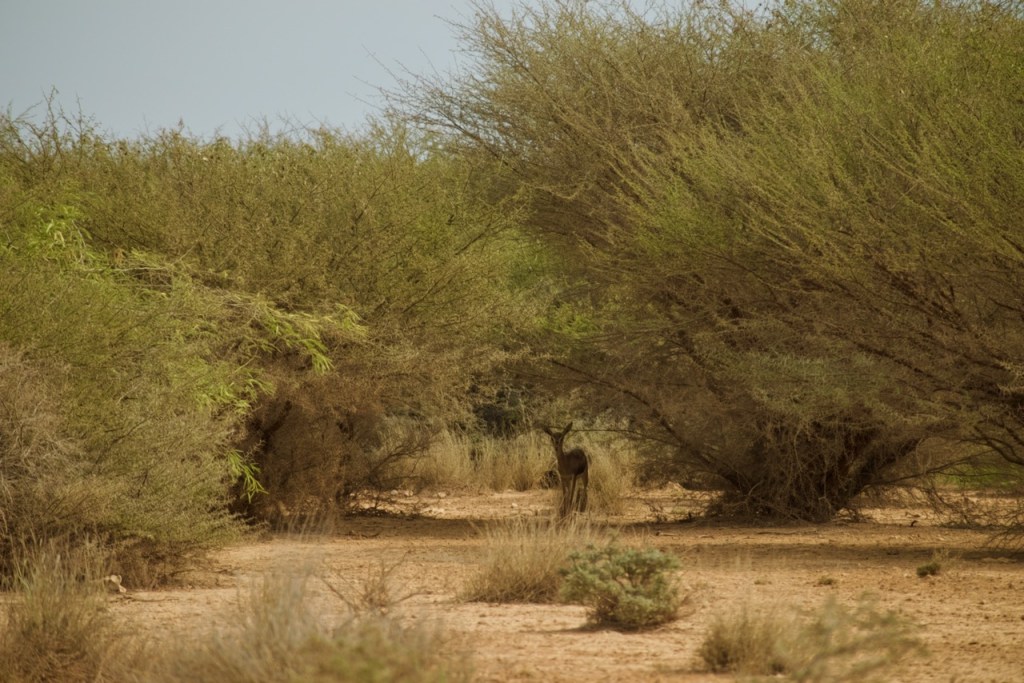
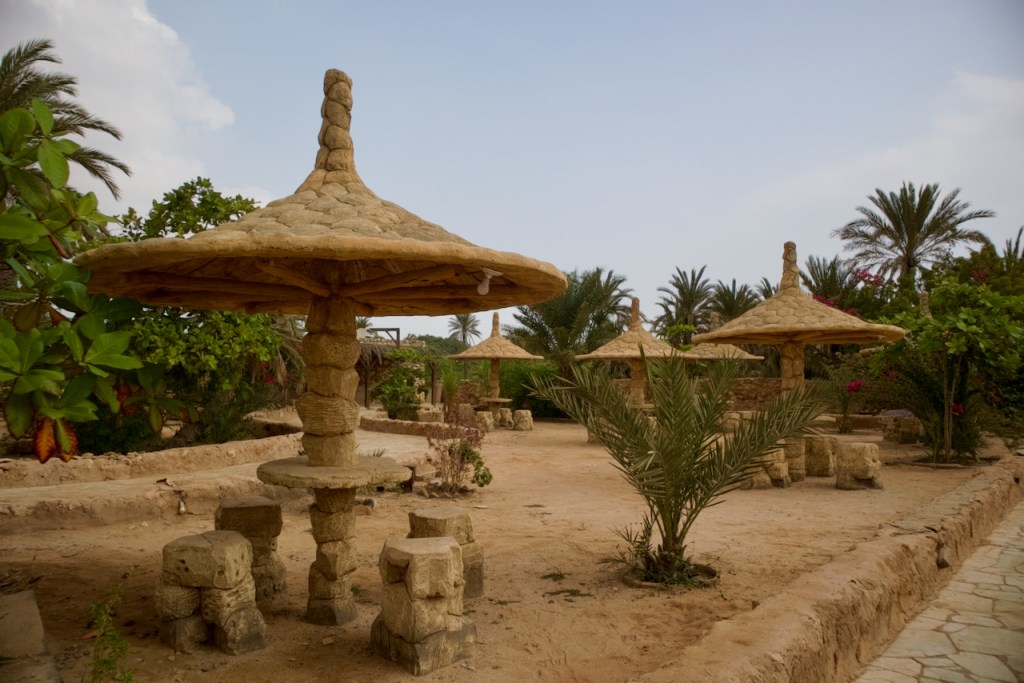
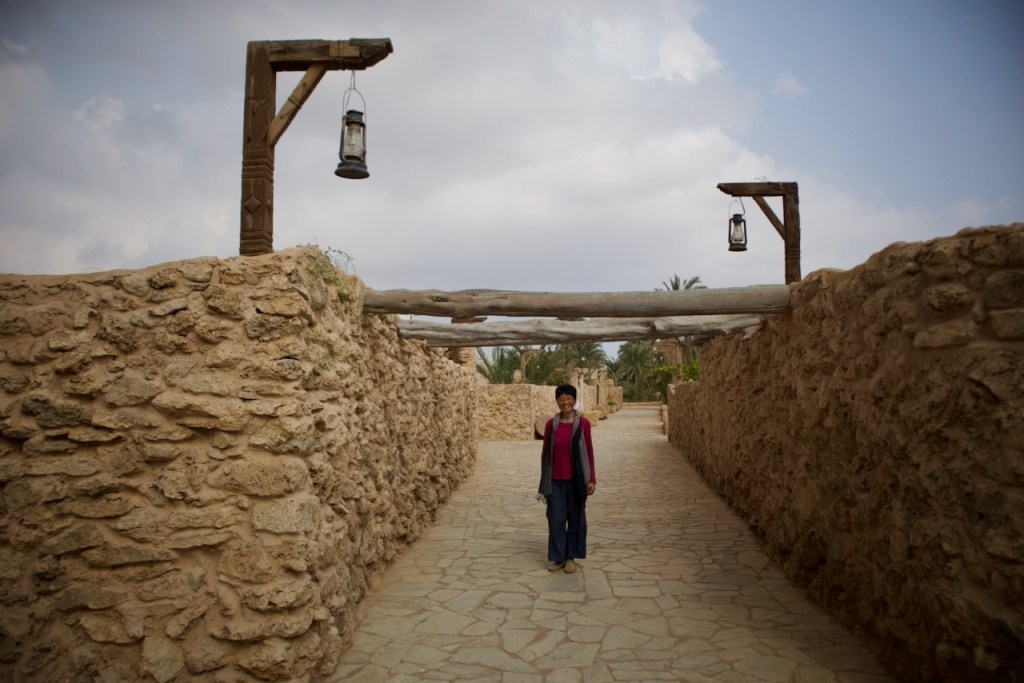
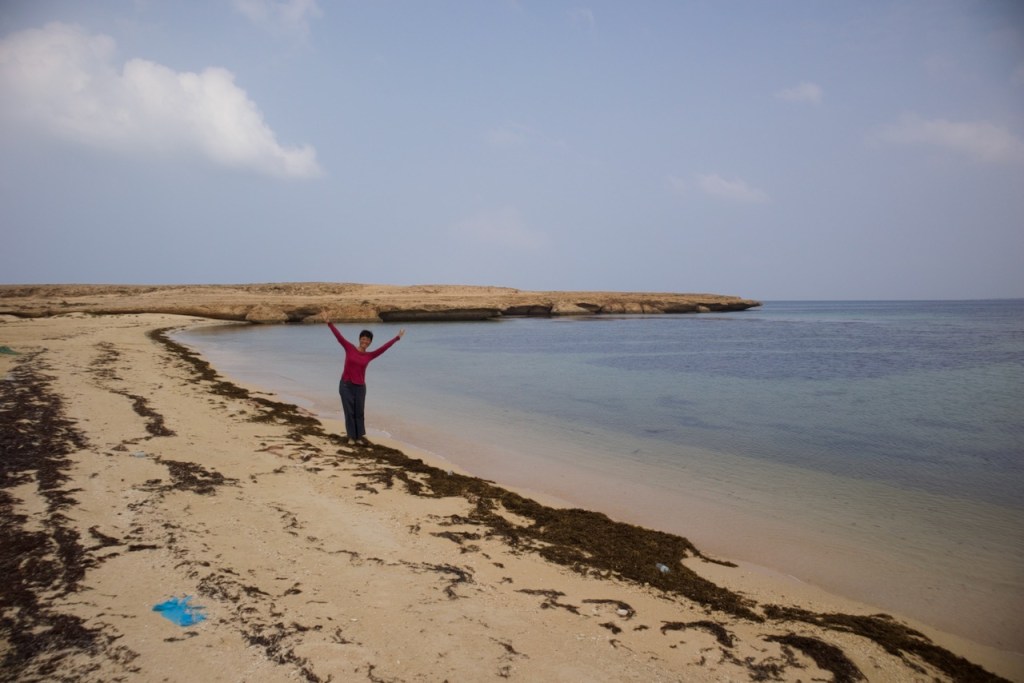
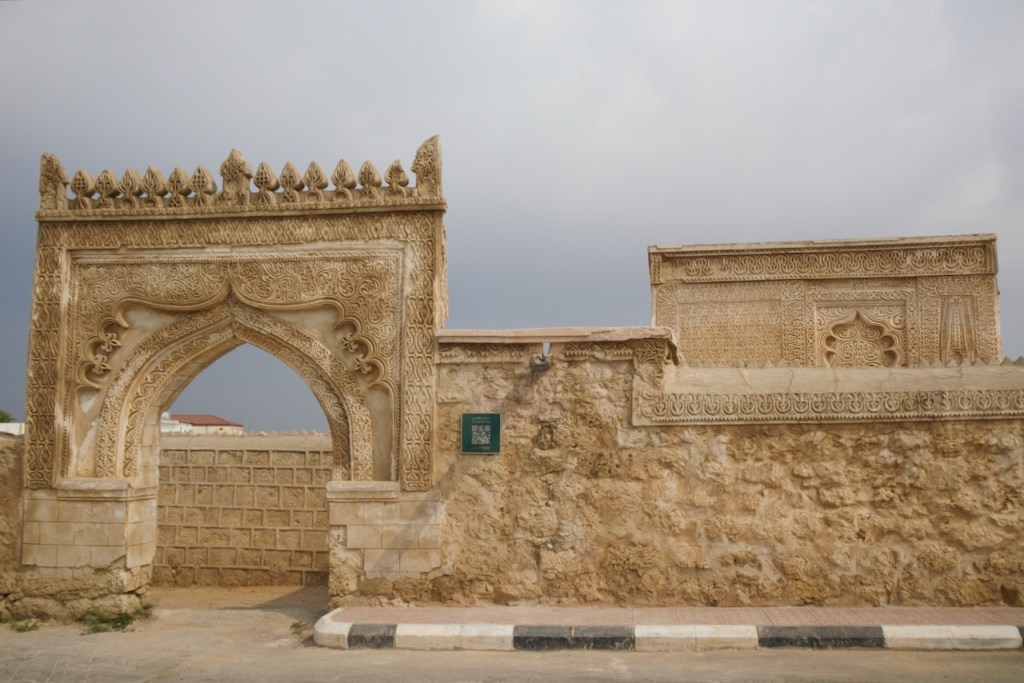
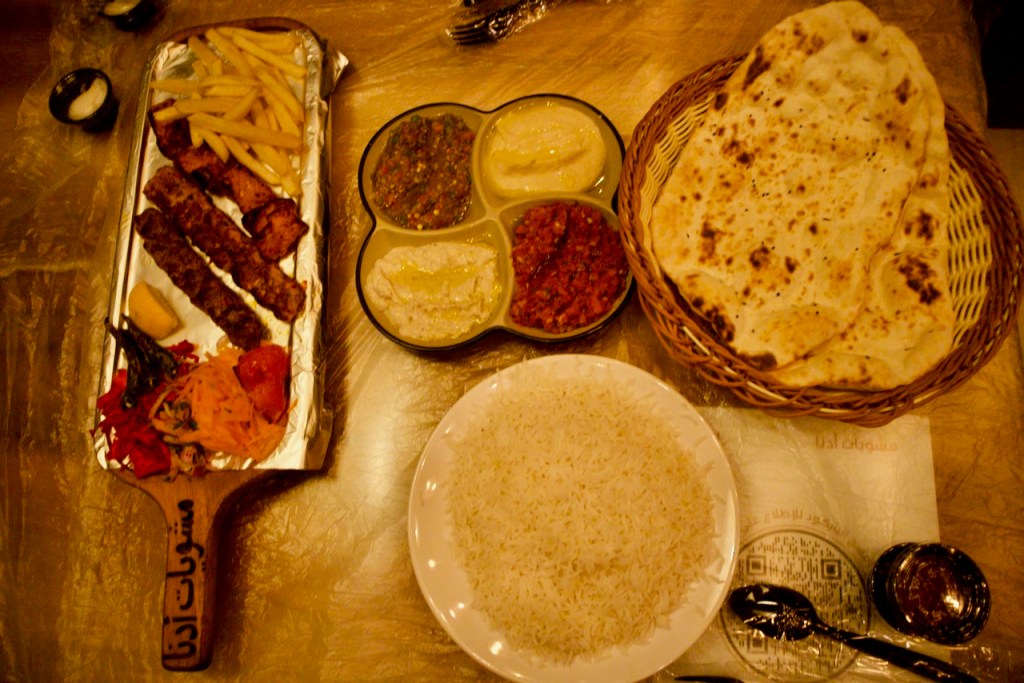
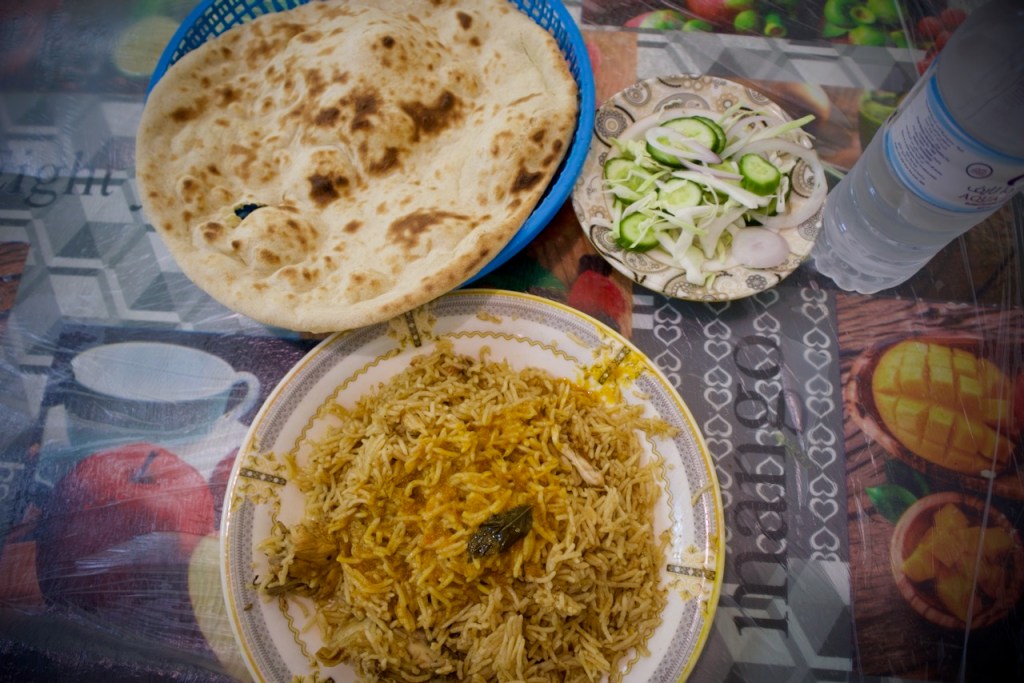
I hop on the bus to Farasan center and meet Ismael, a globetrotter from Madrid. We find a driver who agrees to show us his beloved island, or so we believe, being half lost in translation despite Ismael’s impressive Arabic. First stop: a park supposedly teeming with wild life. I have never seen an open desert plain as devoid of life as this, but the driver urges us to look. Here, here! he points to a gazelle’s legs. We spot a grand total of one and a half gazelle after an hour and become impatient to move on to explore more the heritage village and the shoreline. Petrol, petrol! the driver screams. He has no more gas apparently and needs to make it back to town. We have not even visited the fort or the mangroves, let alone snorkel. I have learned to go with the flow, to take what is being given. Farasan seems very oversold to us. The Maldives it clearly is not, and I decide to change my plan to continue on to Jeddah, my last stop. Our adventurous day is not over yet. Just as Ismael and I sit down to dinner back in Jizan, a fire breaks out in the very kitchen serving us. Closed! closed, we are kicked out just when we are ready to order baba ganoush, nan, biryani, and fish. Thick columns of black smoke billow out and we hurry our steps, lugging our packs, to find a nearby grill. Neither of us has eaten any meal for the past twenty-four hours. The food is bad in Farasan, the locals agree. Tough life of backpackers, Ismael says, smilingly. What a Red Sea (mis)adventure!



Jeddah: the Old & the Contemporary
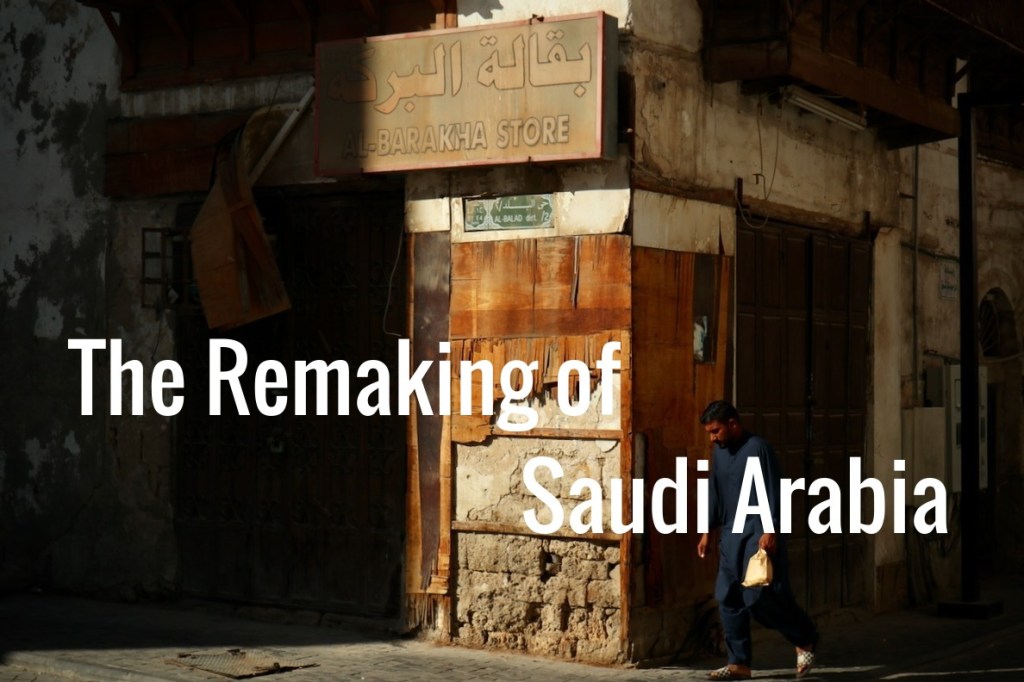
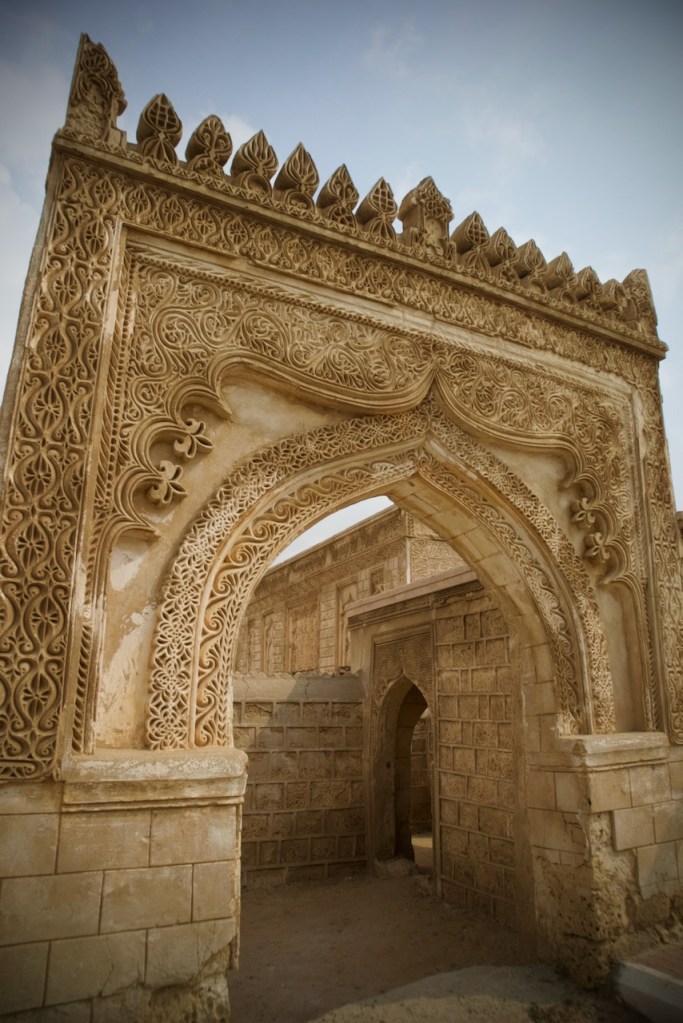
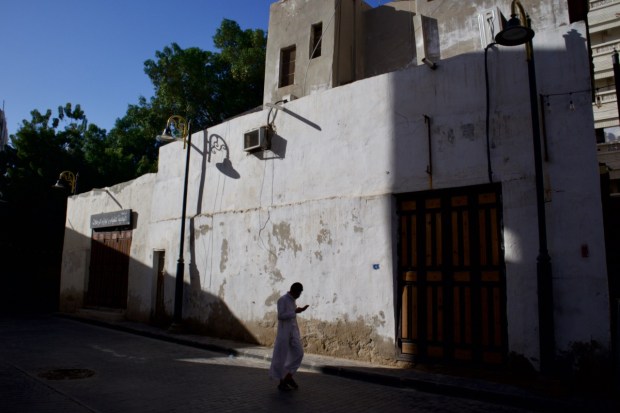
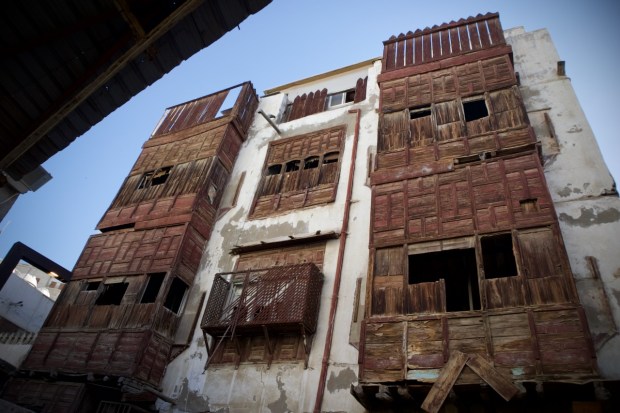
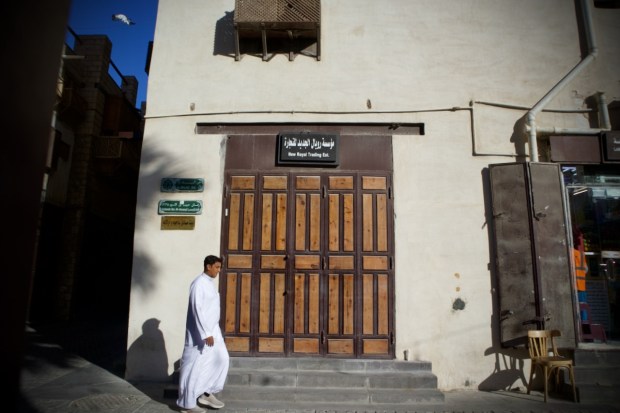
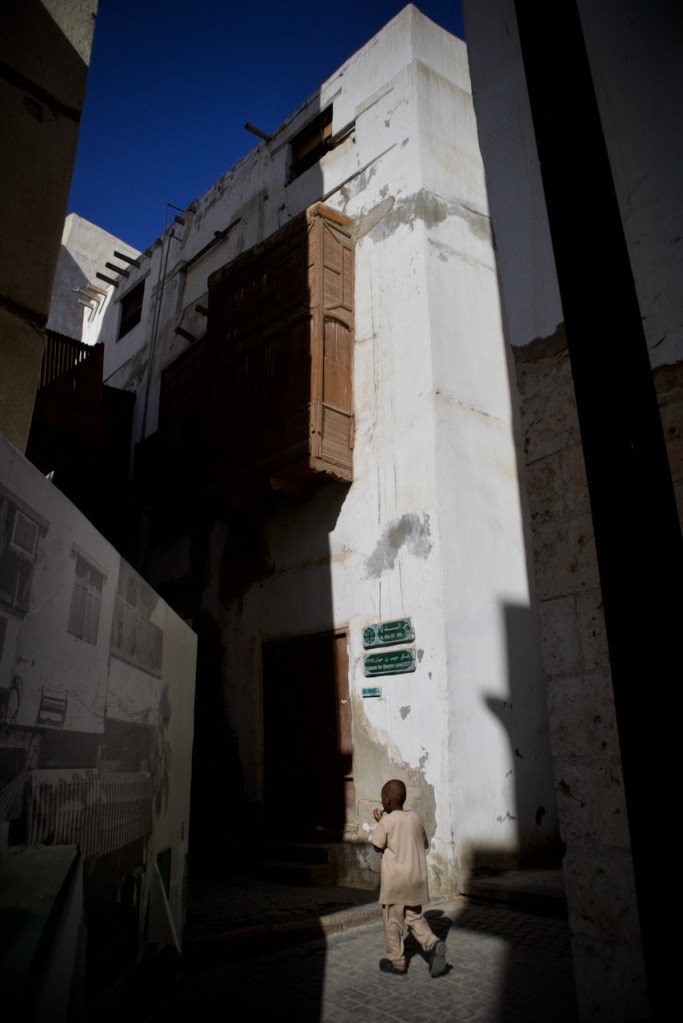
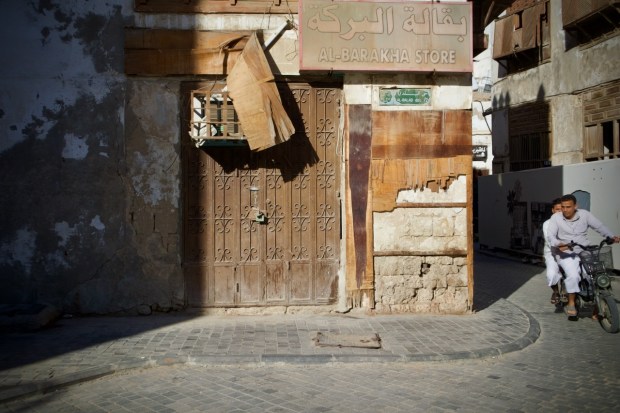
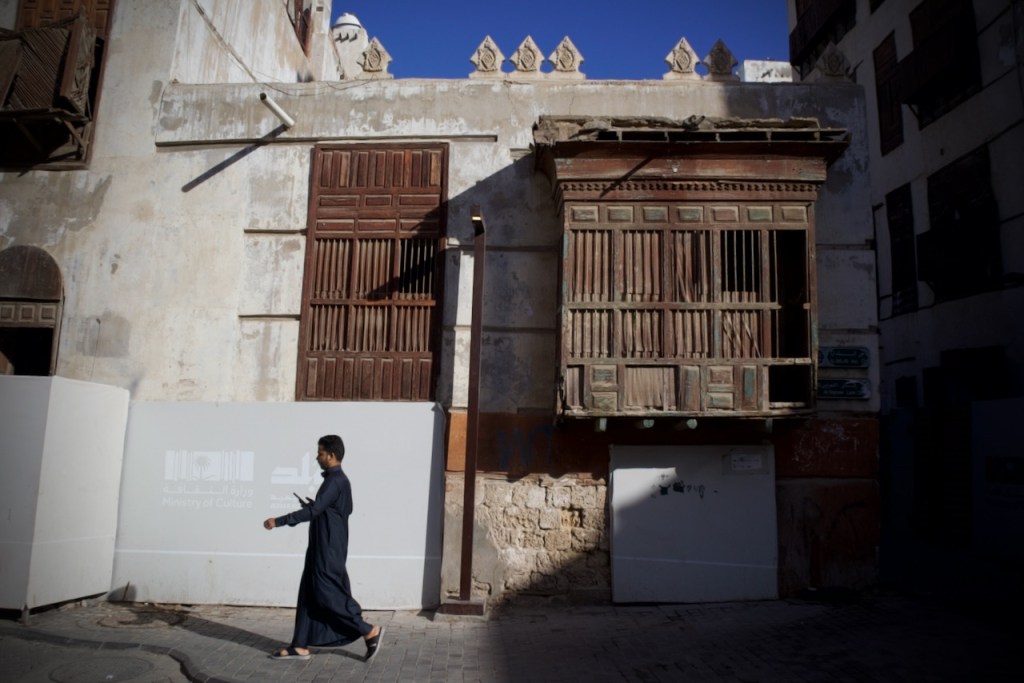
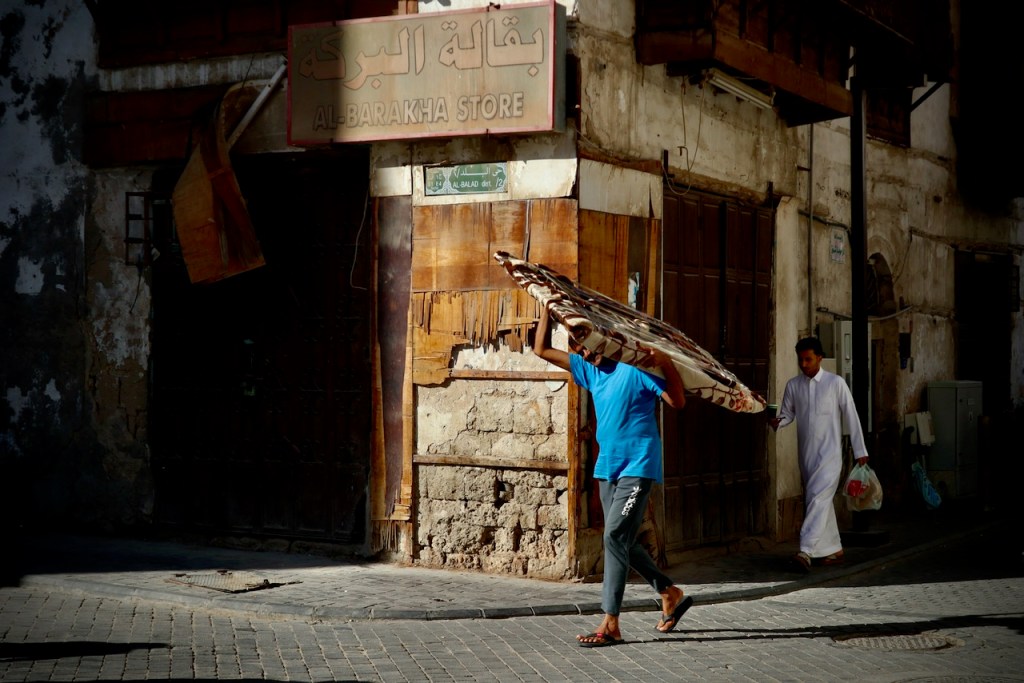
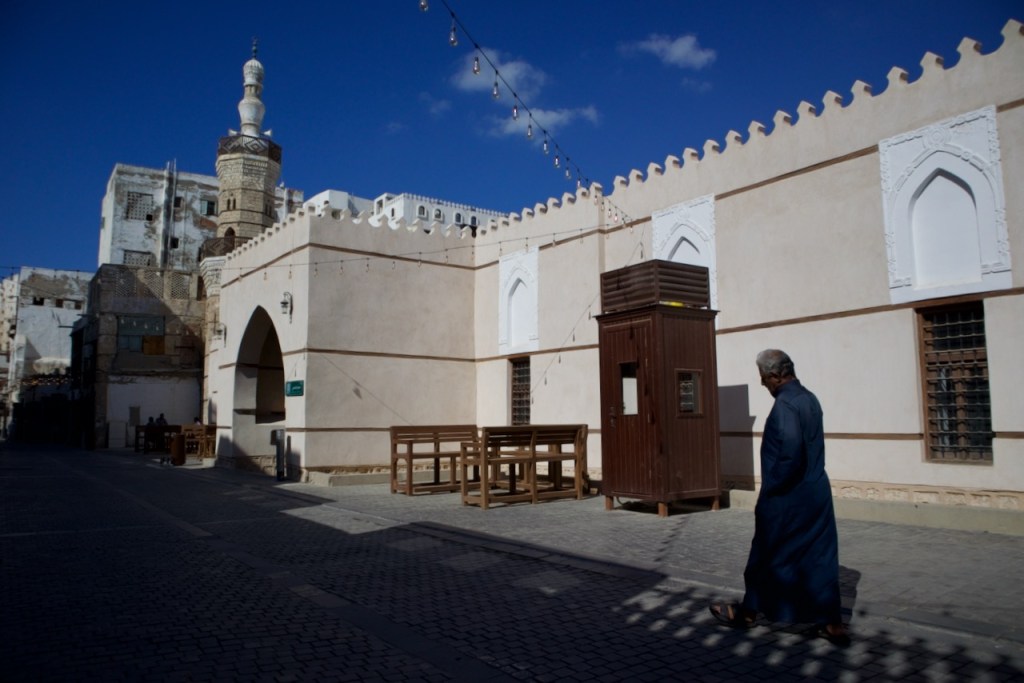
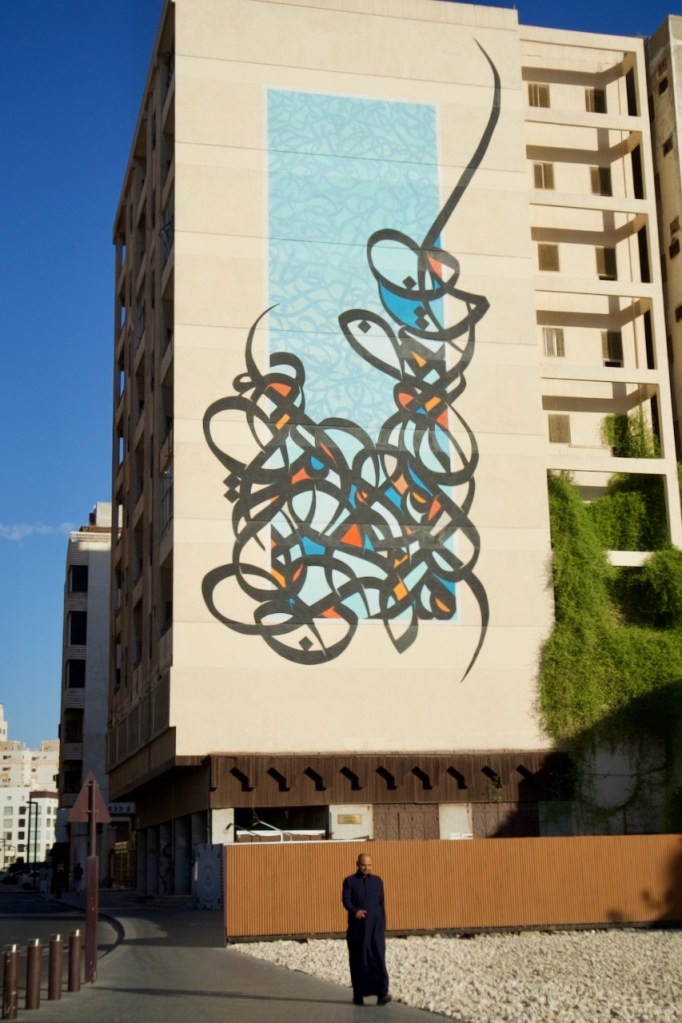
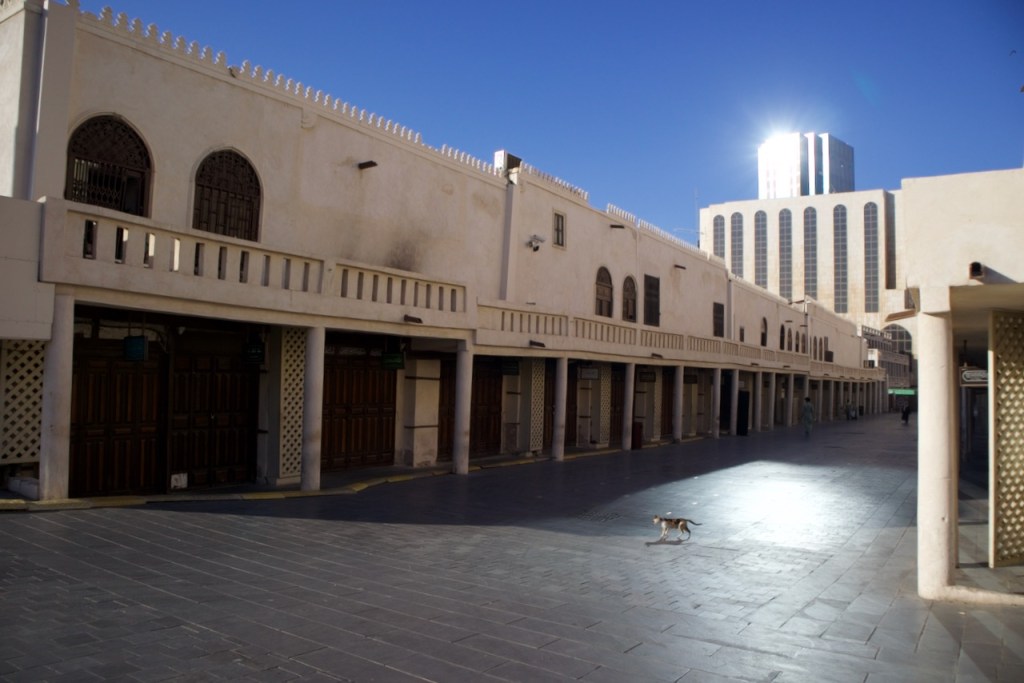
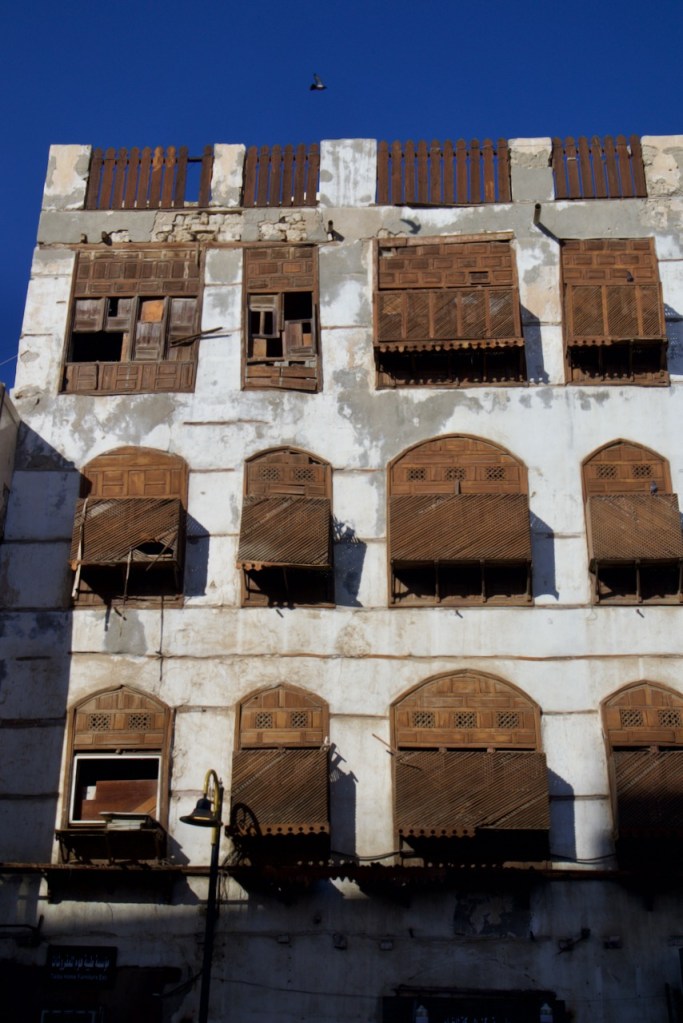
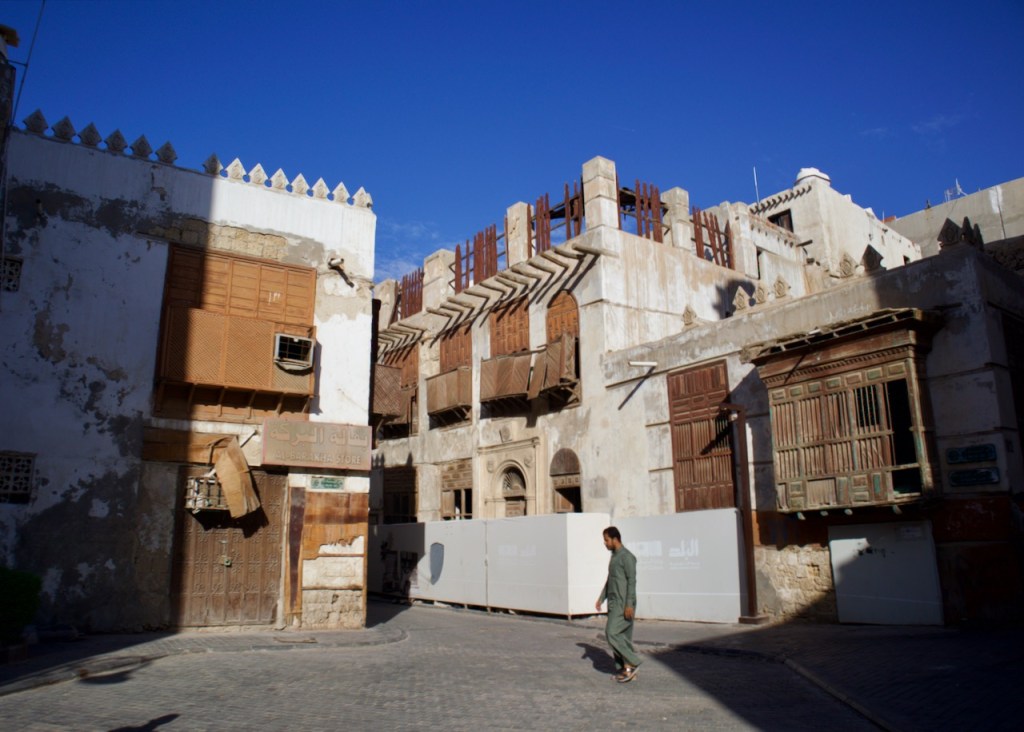
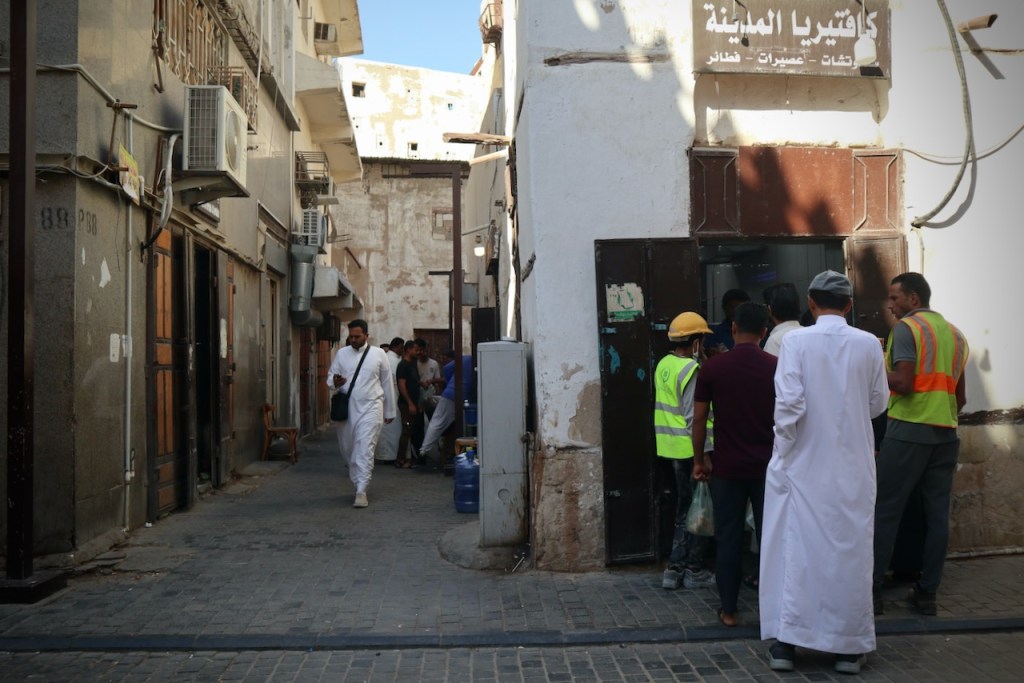
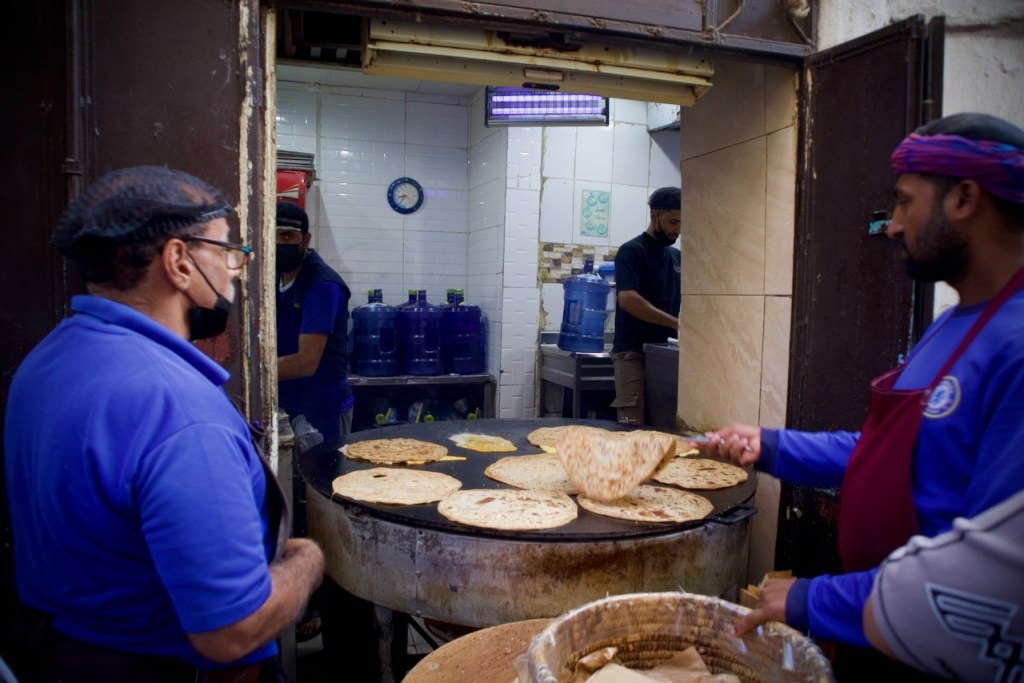
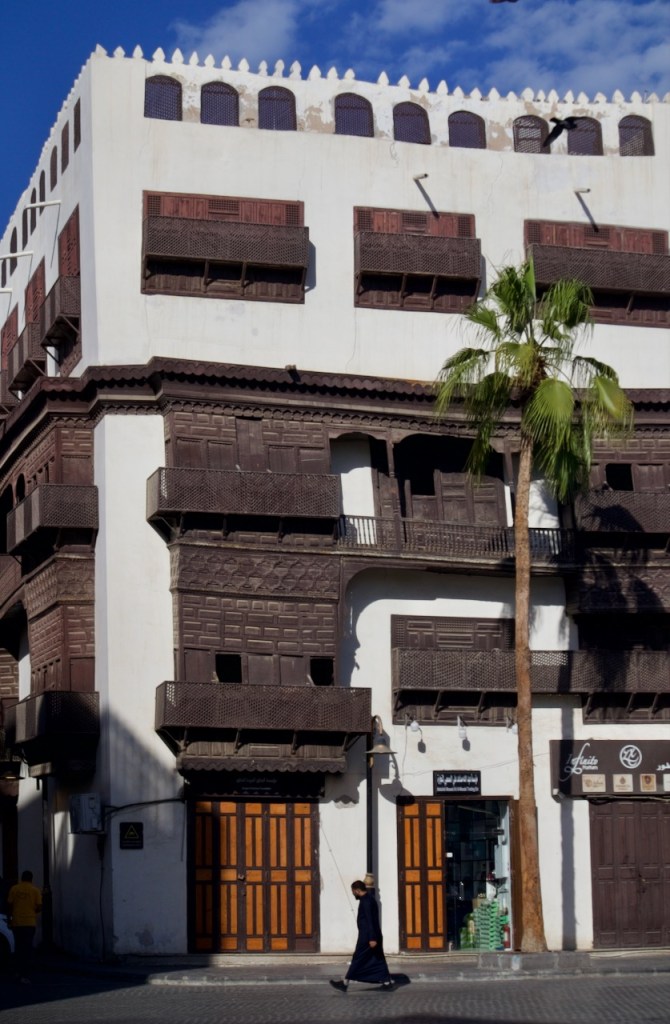
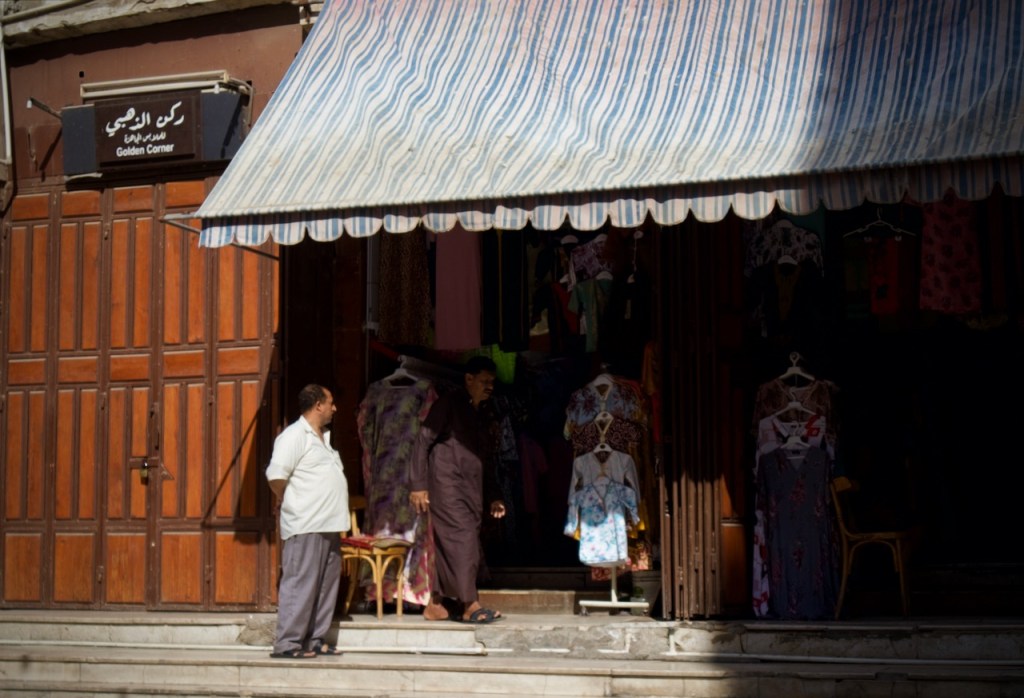
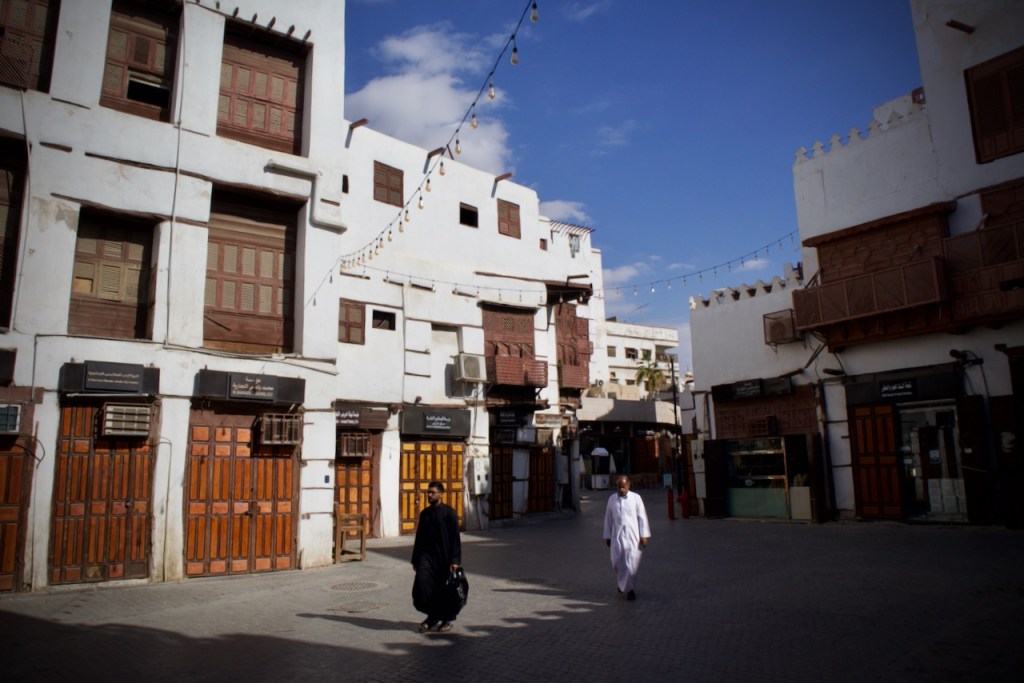
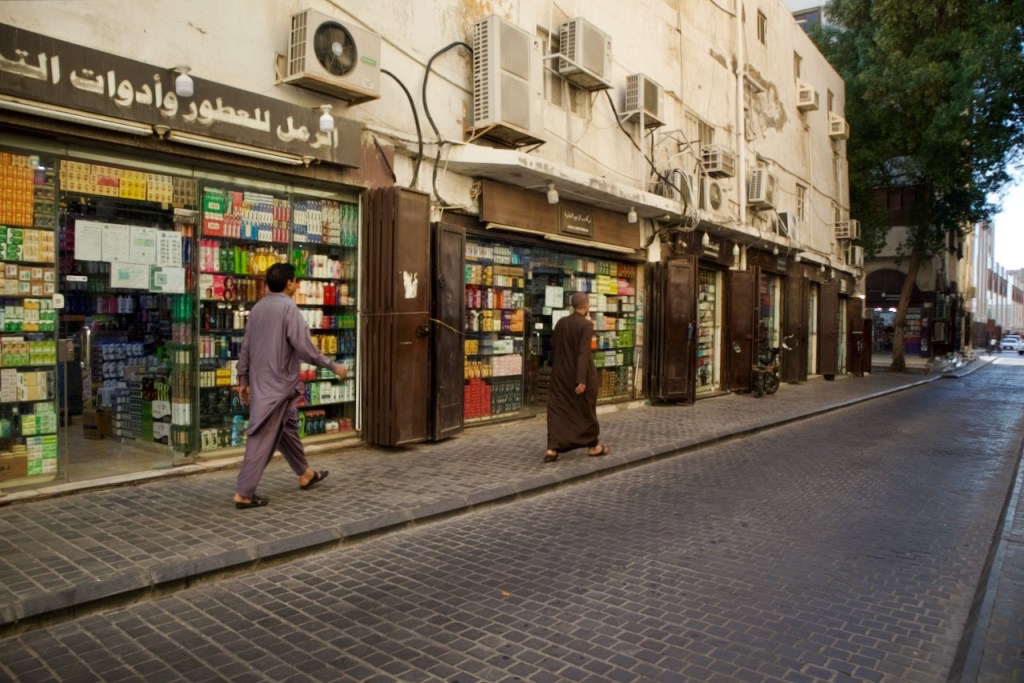
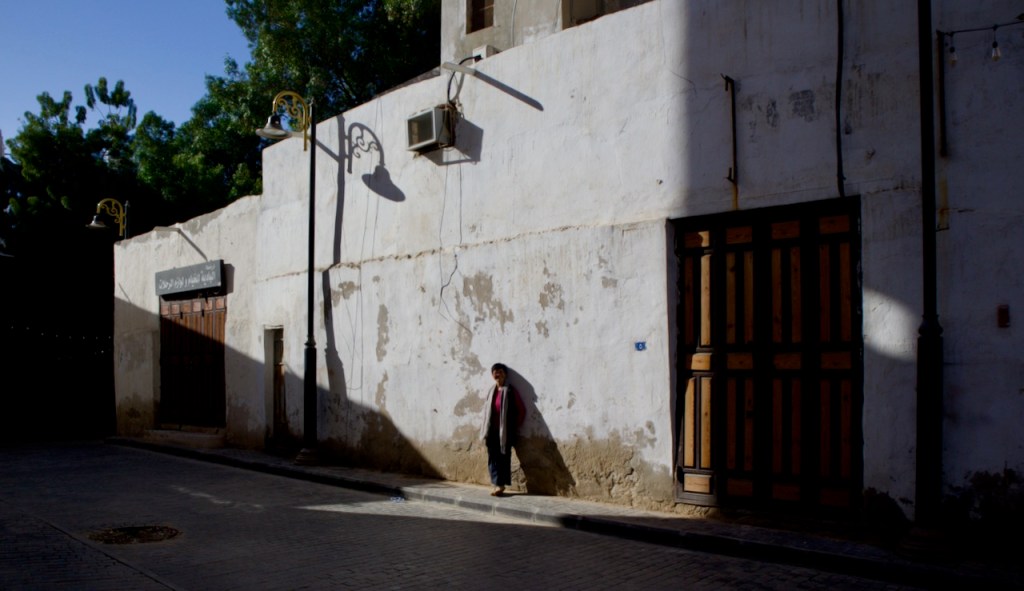
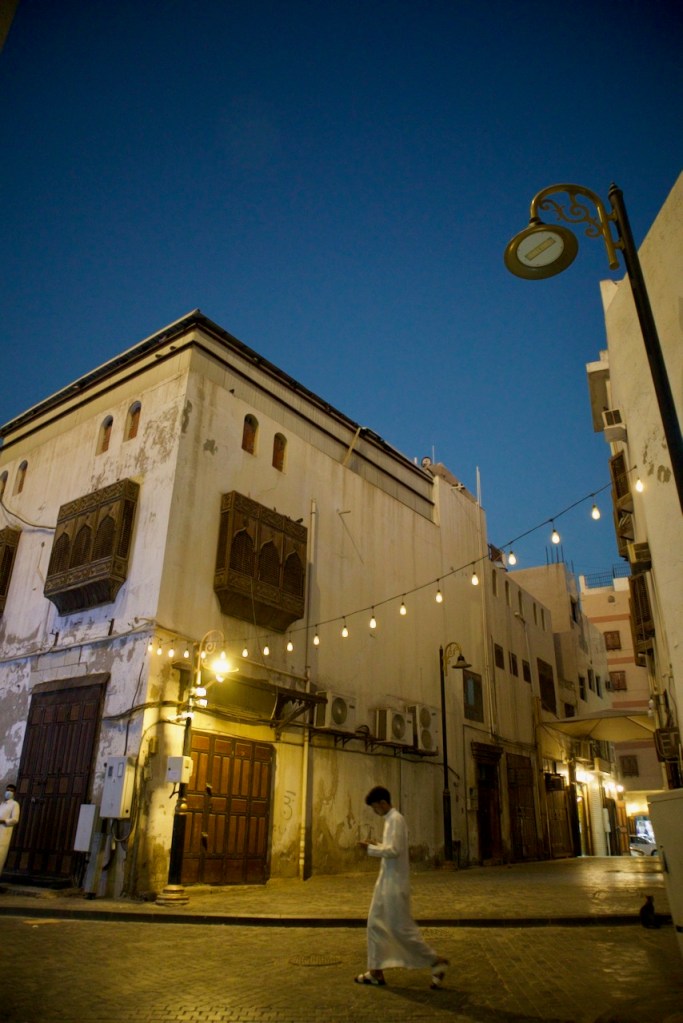
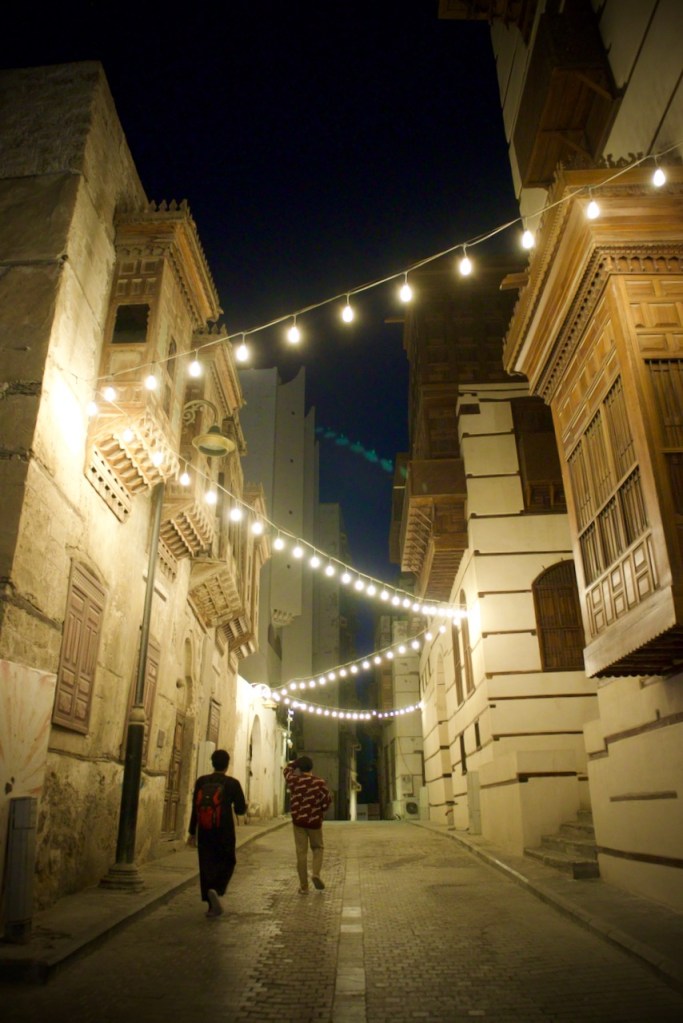
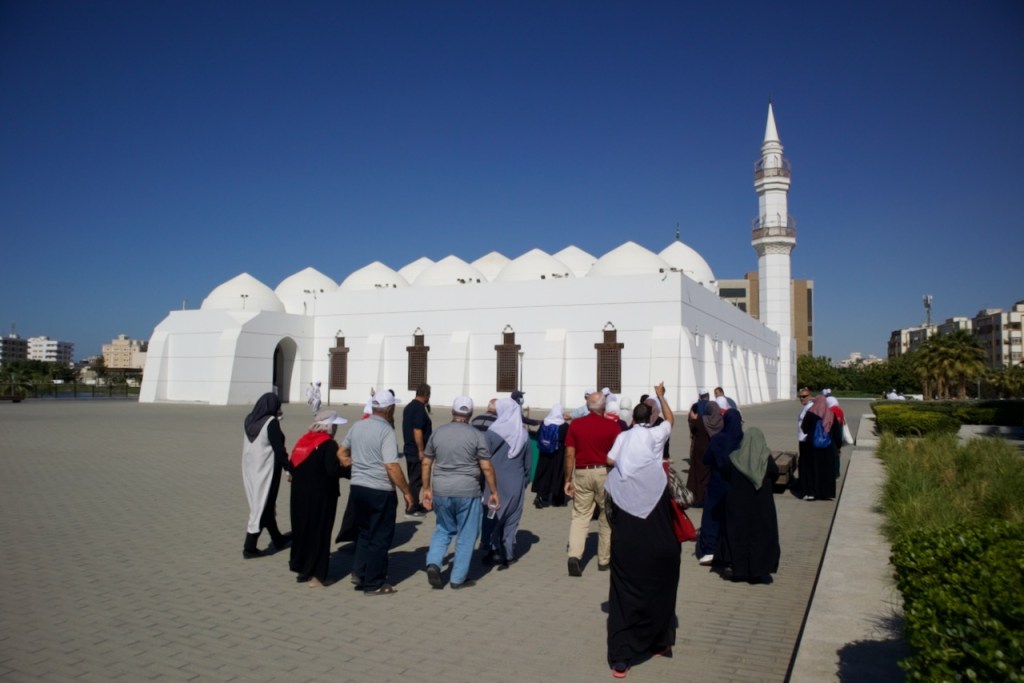
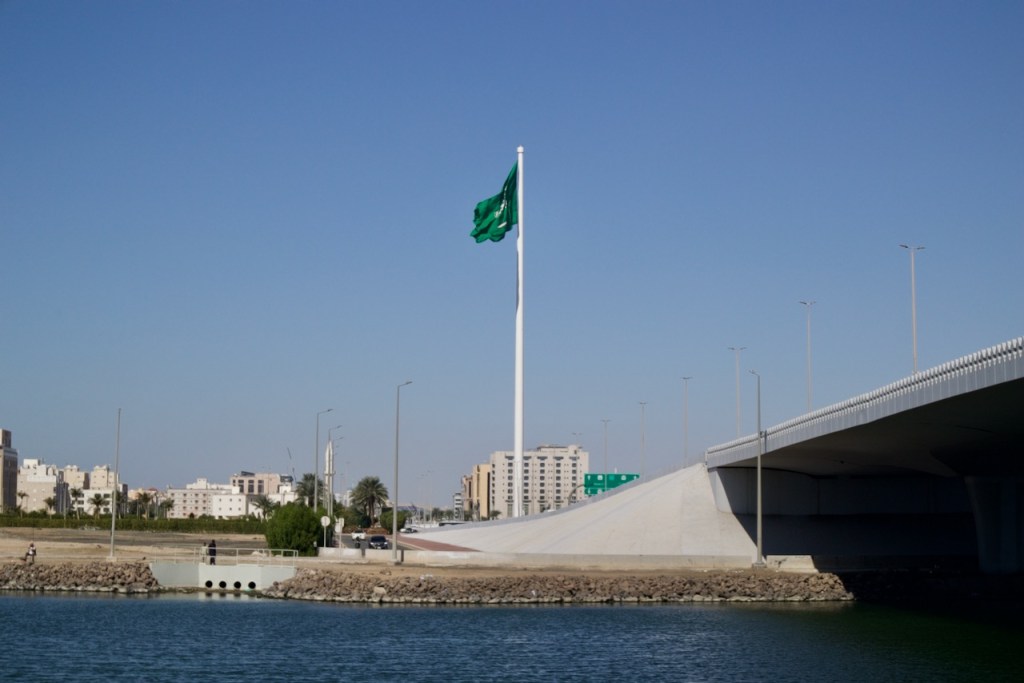
After dreaming and planning this trip for so long, I am excited to arrive in my final destination and explore Jeddah. Known for her modernism and cosmopolitanism, this great port city offers a blend of both tradition and development, exuding relaxed, cool vibes so different from the rest of the country. After another red-eye flight, the airport bus drops me right by the Bab Sharif of Al Balad at seven in the morning. Not having reserved any hotel, I plan to go with the flow like my entire trip in the past two weeks. The light and shadow, so intricately displayed on the gorgeous wooden balconies and coral-stone structures, take me by twists and turns into the plentiful narrow alleys. With an early riser here and an itinerant cat there, morning workers grabbing a quick bite and merchants opening their shops, Al Balad is my best photographic experience. An evening stroll here is magical, so romantic that you feel like you are in a film set. Locals chill in heritage building-turned cafes, lovers murmur sweet words, and parents bring their children to do open-air art. Winter is so mild here along the Red Sea coast that one can linger into the wee hours until daybreak brings another new day in timeless Al Balad. I can stay here for days, even months, to do a project, to document these exquisite architectural ruins still standing defiantly with life pulsing all around. I imagine all the lives once lived, loves fulfilled or forlorn, dreams big and small, and immeasurable loss endured. The rest of Jeddah – the iconic mosques, the corniche, the towering flagpole, and King’s fountain – pale in comparison. Al Balad is a befitting end to my journey, with the old and the new, so symbolic of a kingdom in constant remaking.

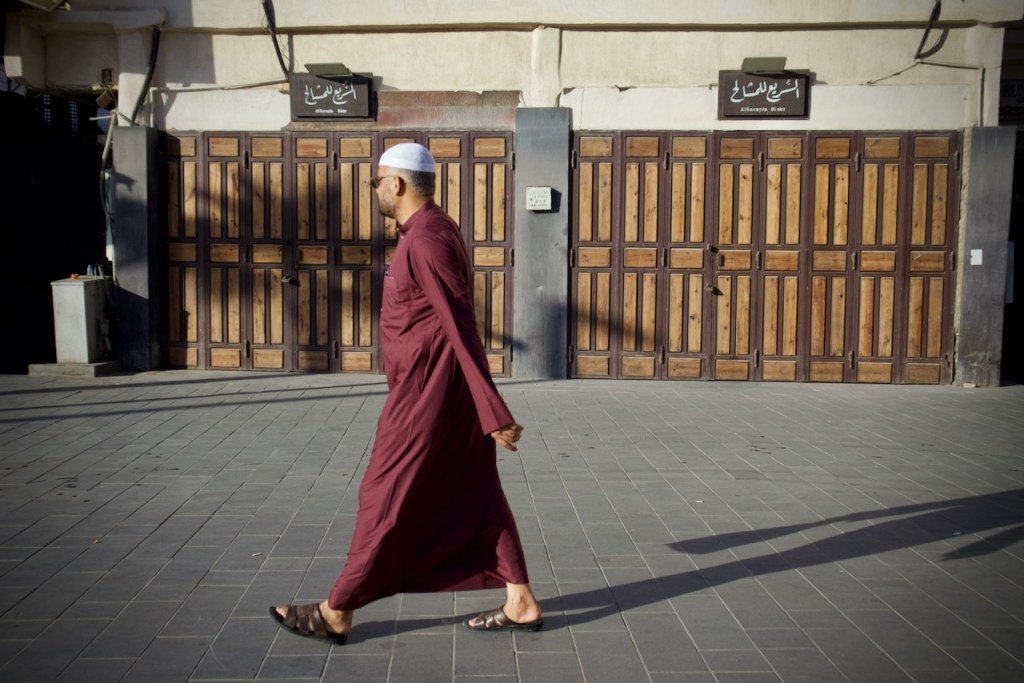
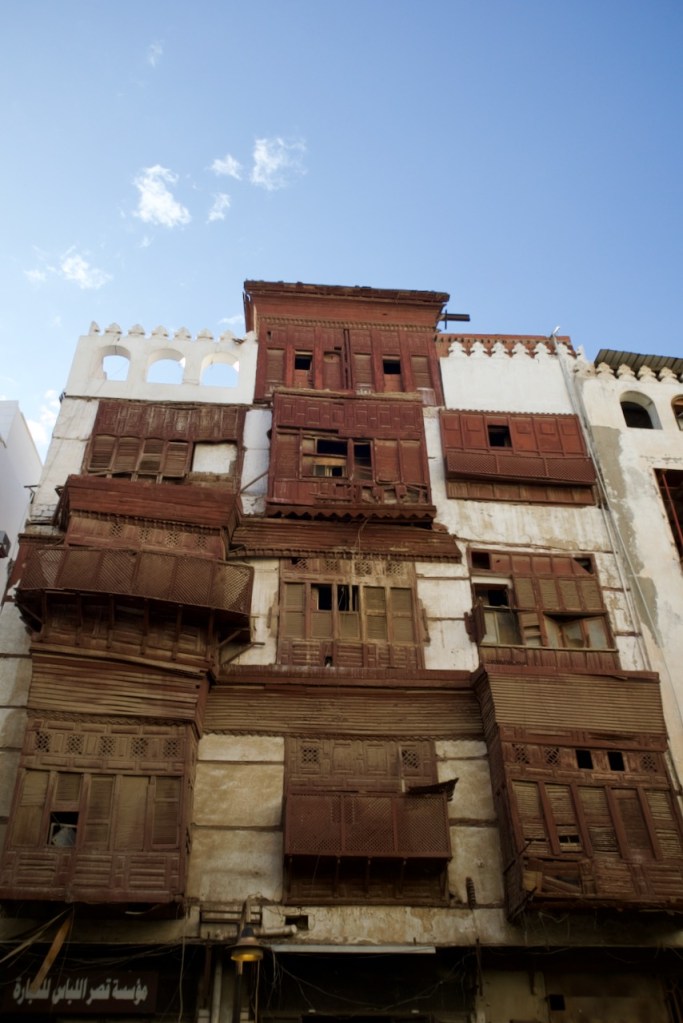


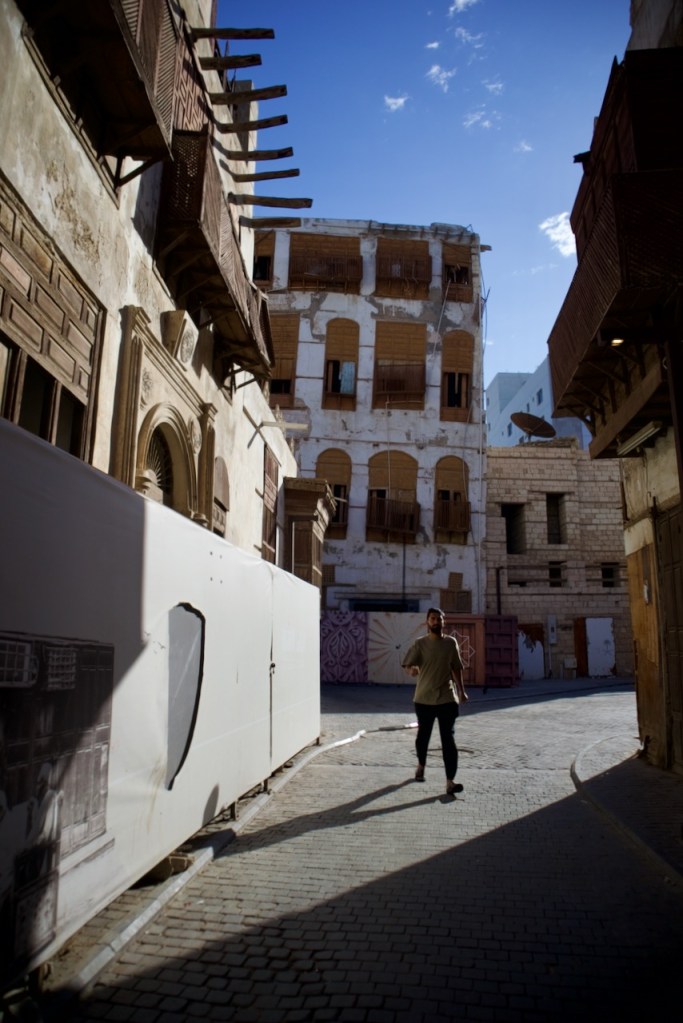

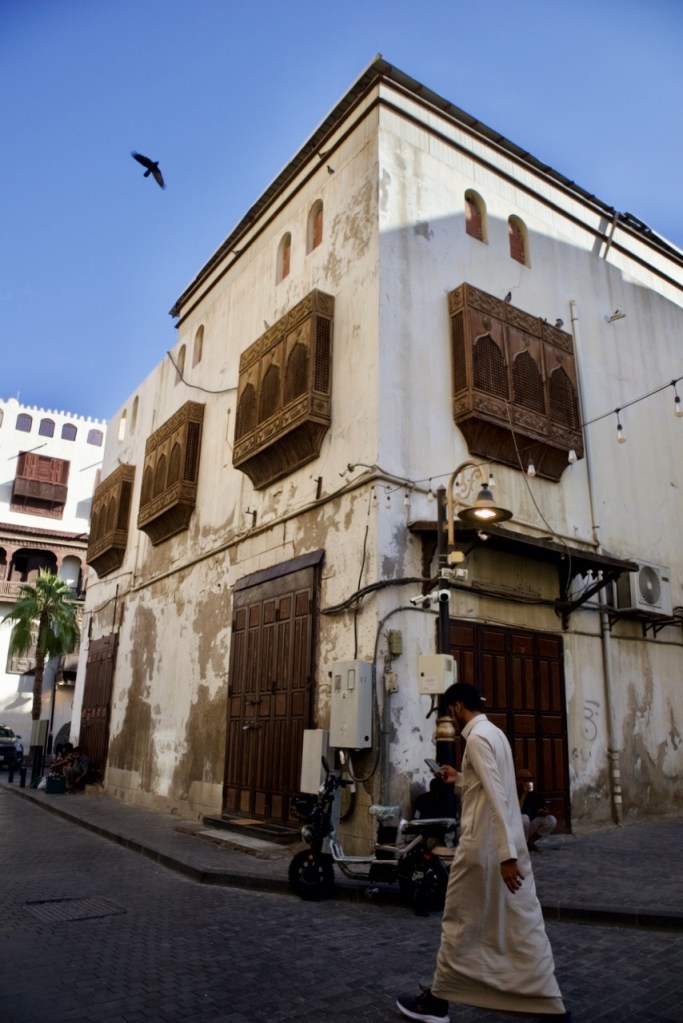


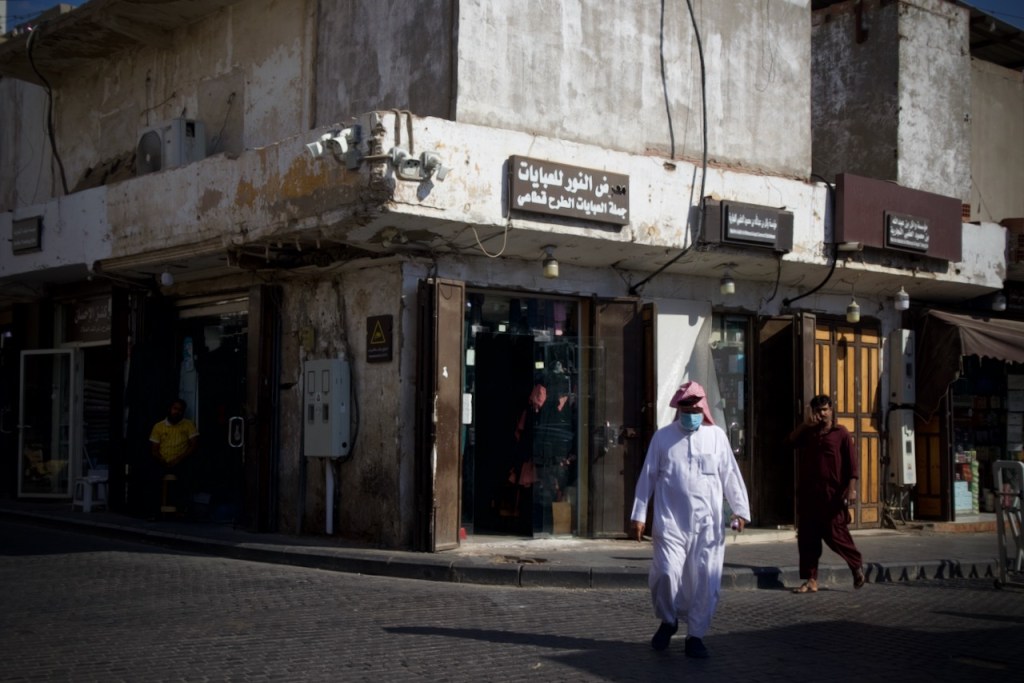

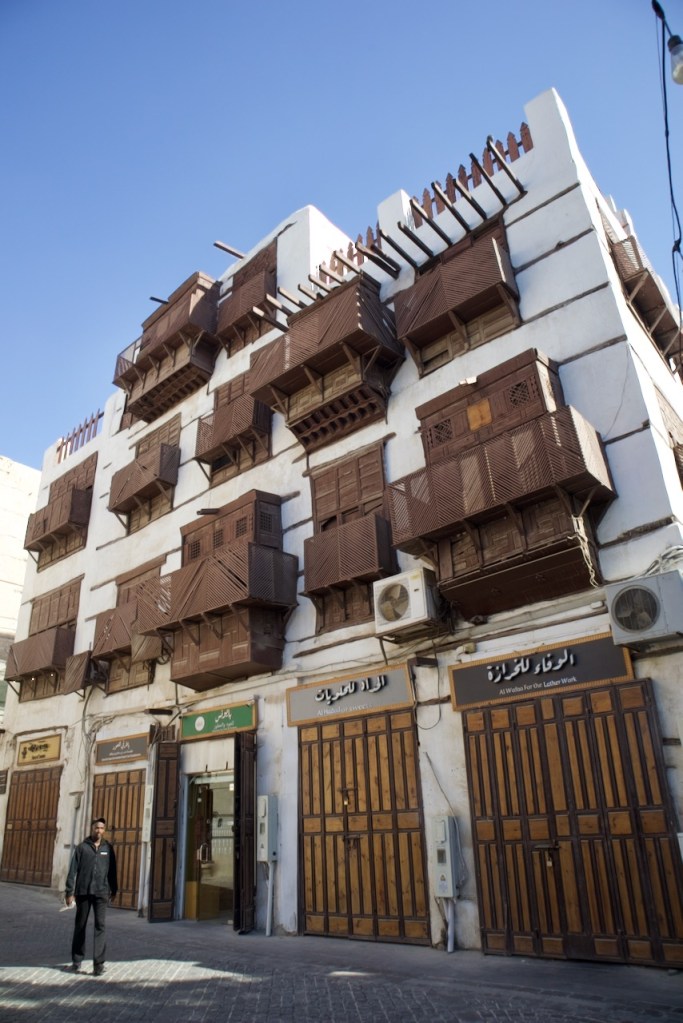

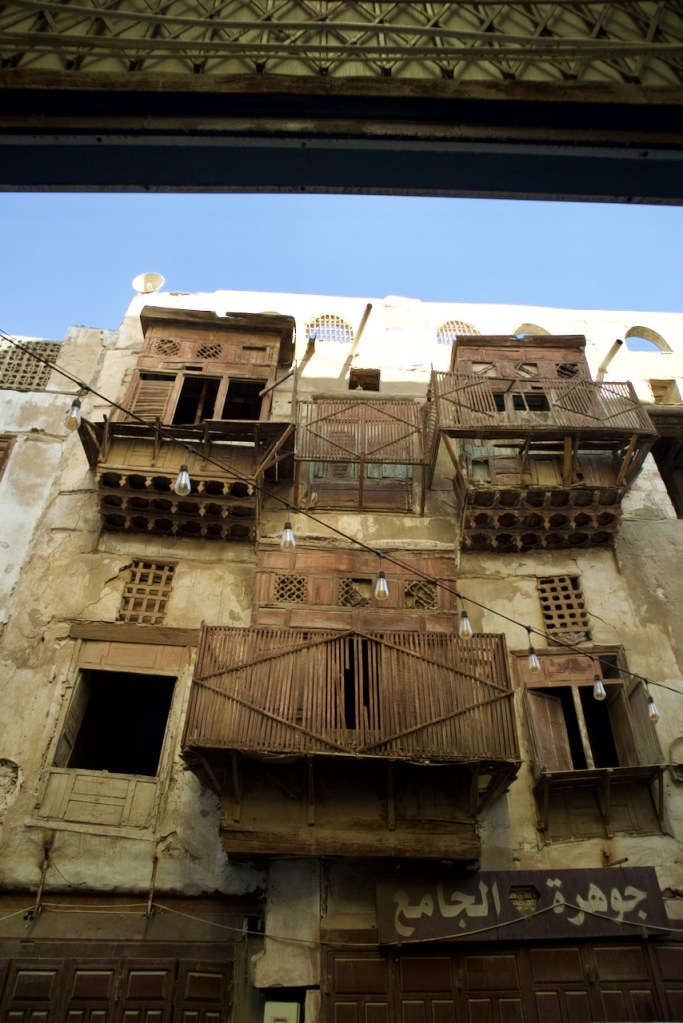
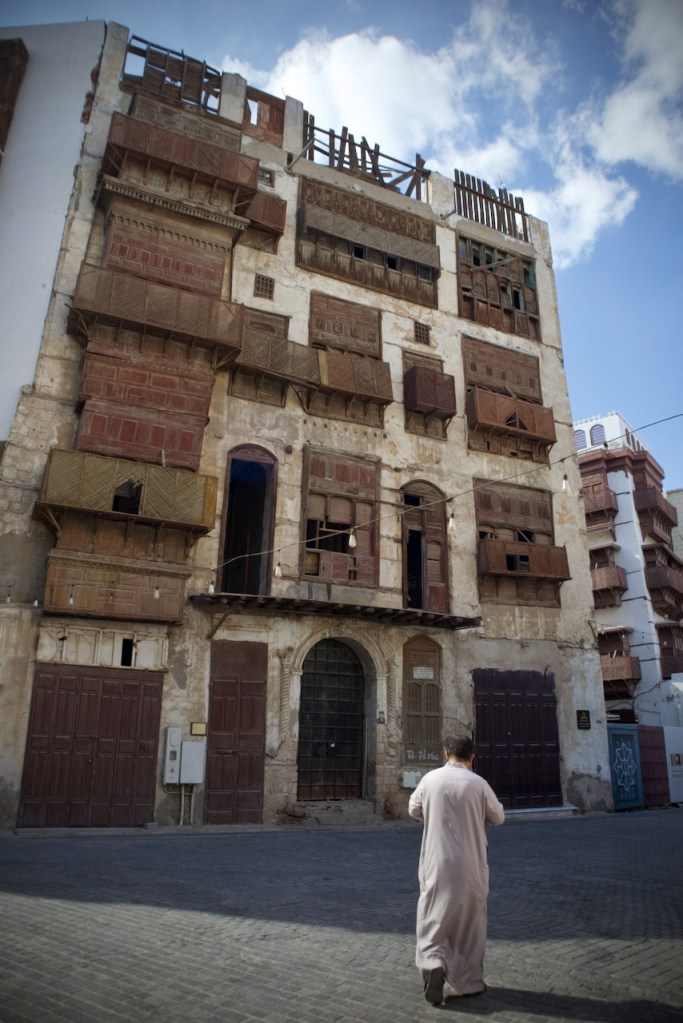
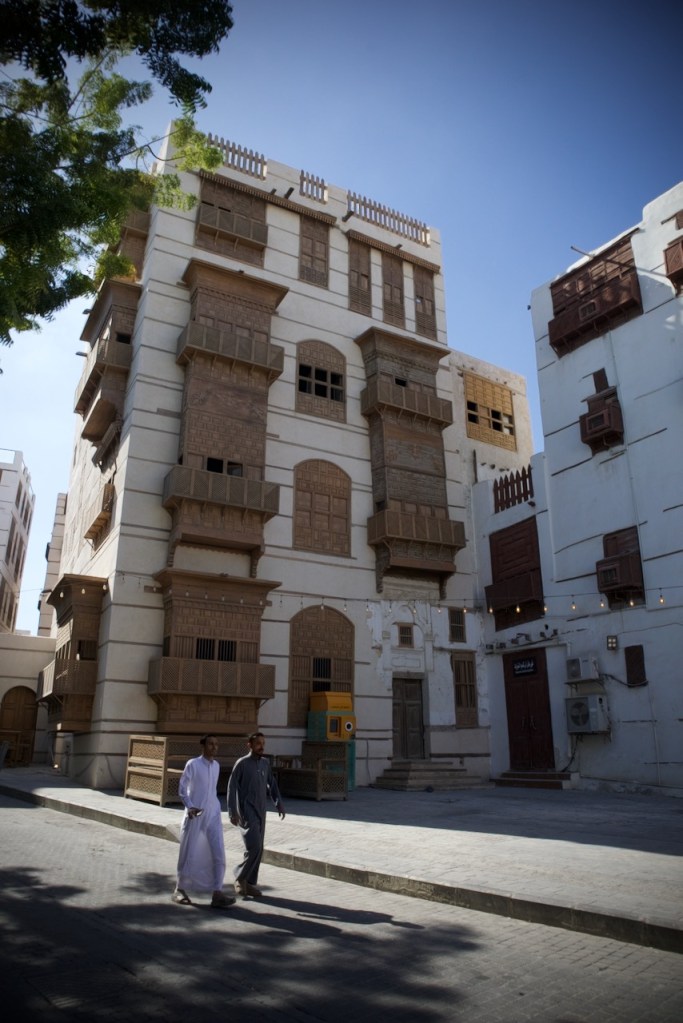


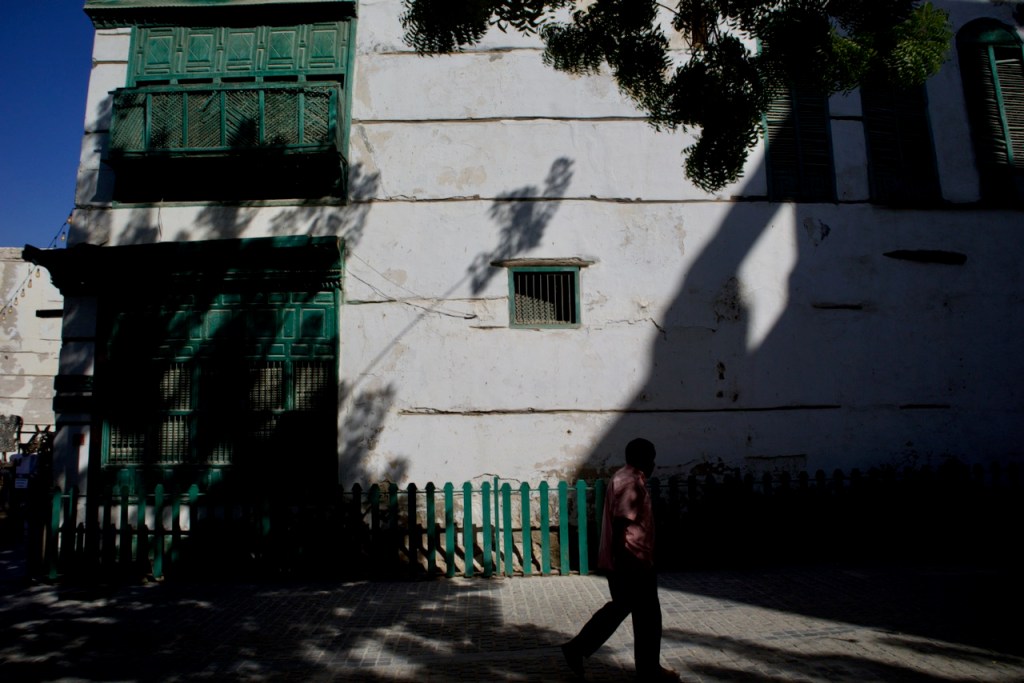
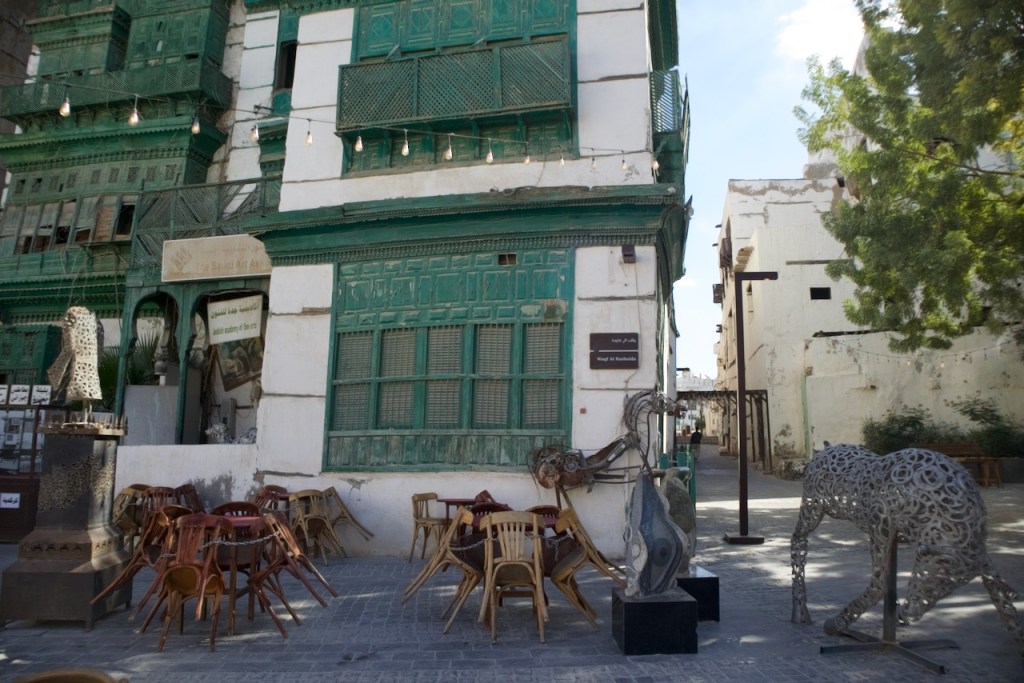
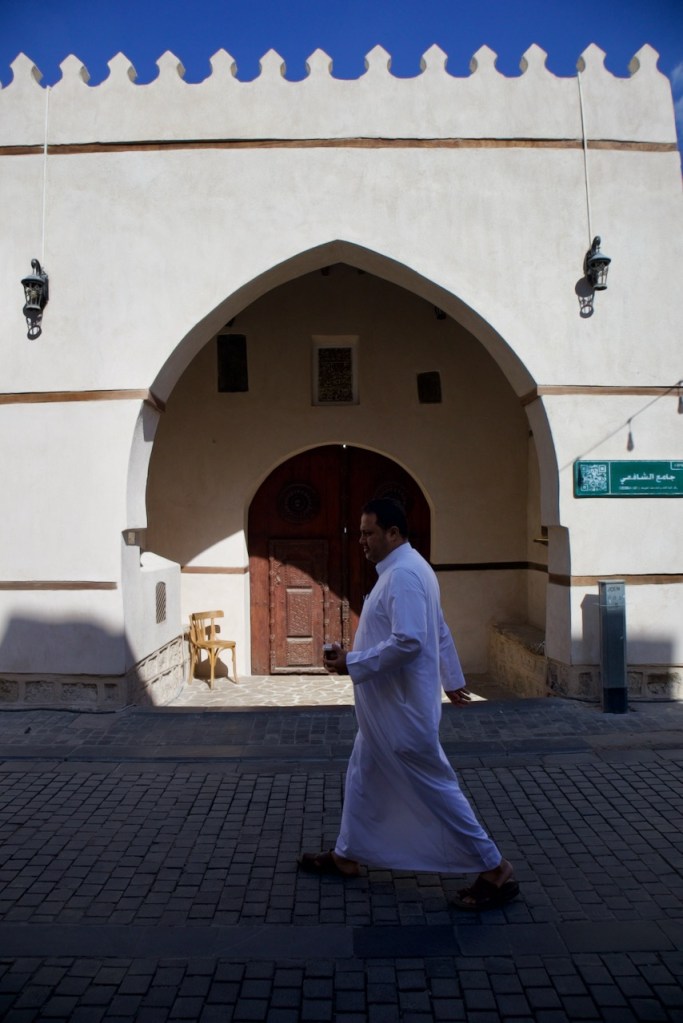


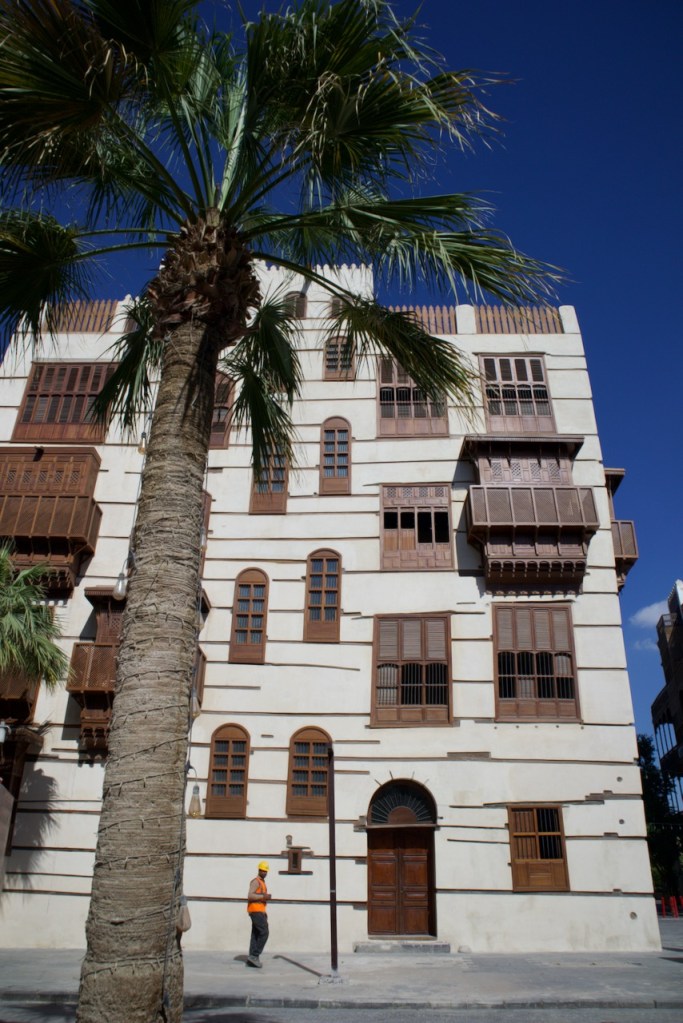
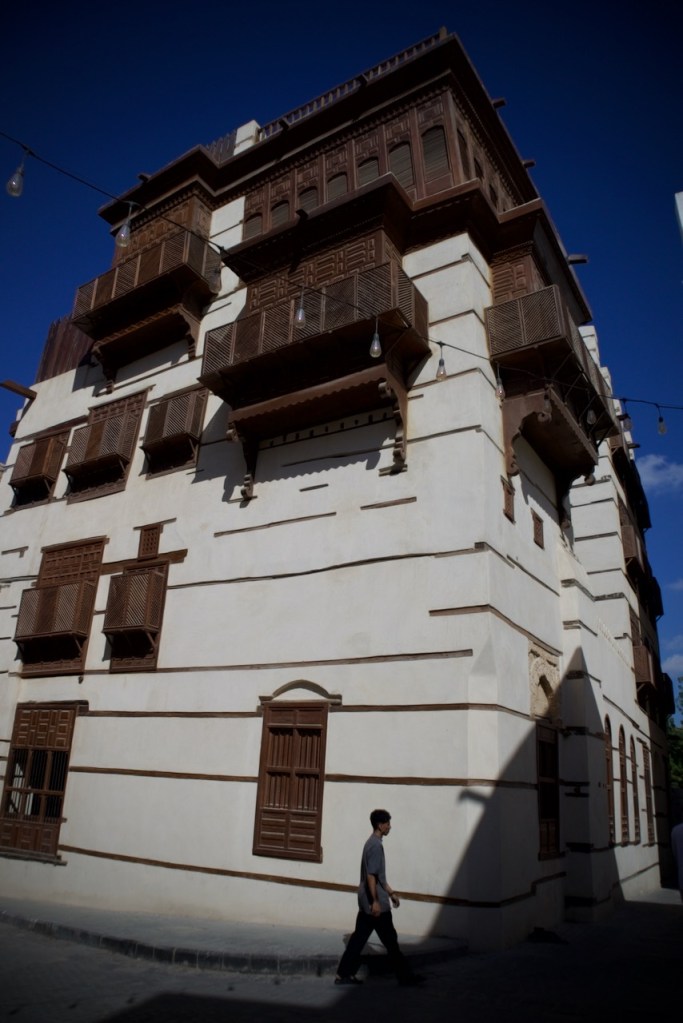
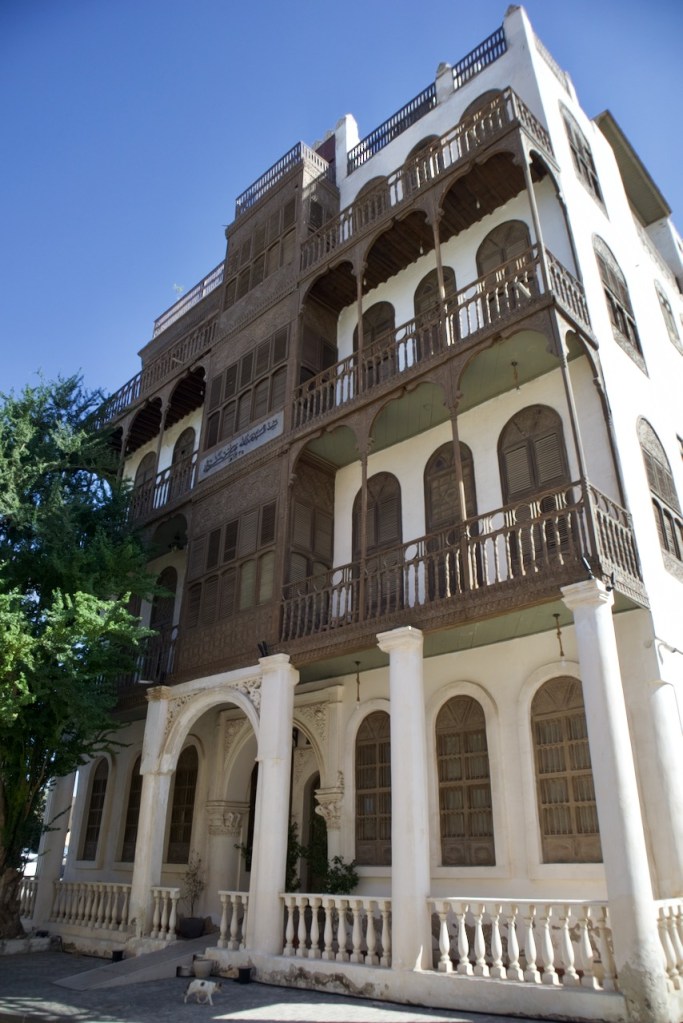
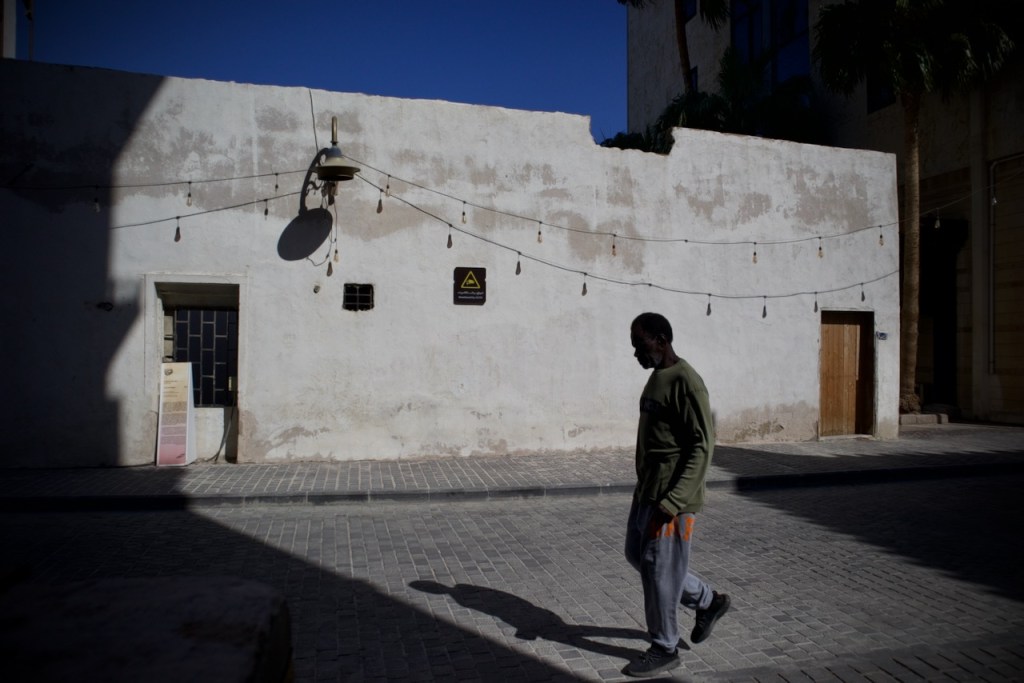


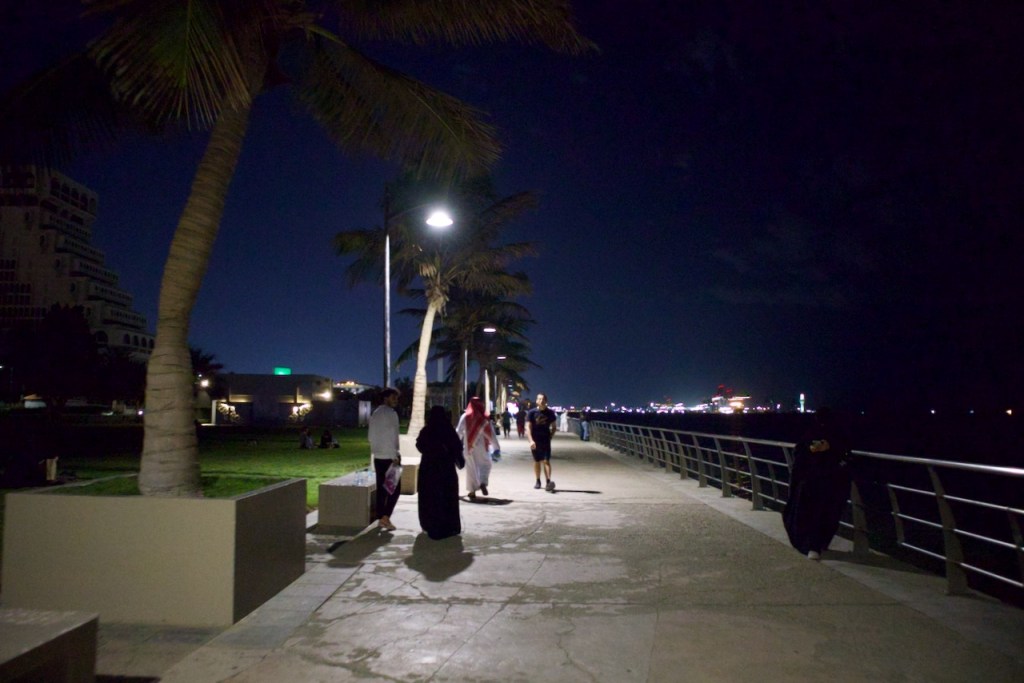
So many things make this journey unforgettable: not just the spectacular nature and landscapes, but also the desert hospitality and Saudi generosity, the fabulous food and balmy weather, and above all, all the serendipitous encounters.
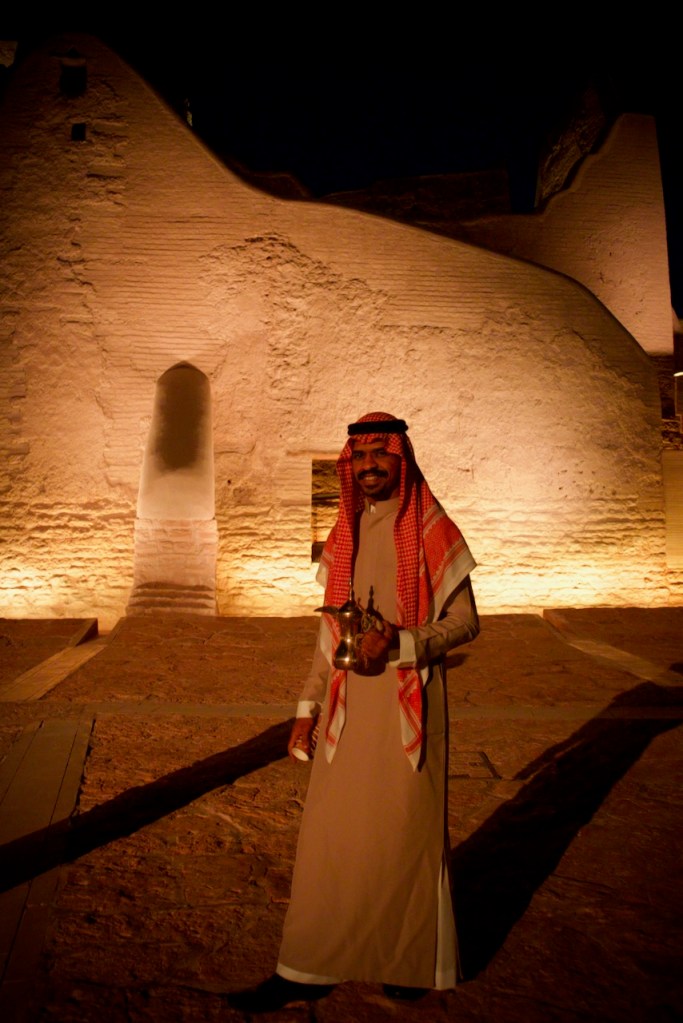
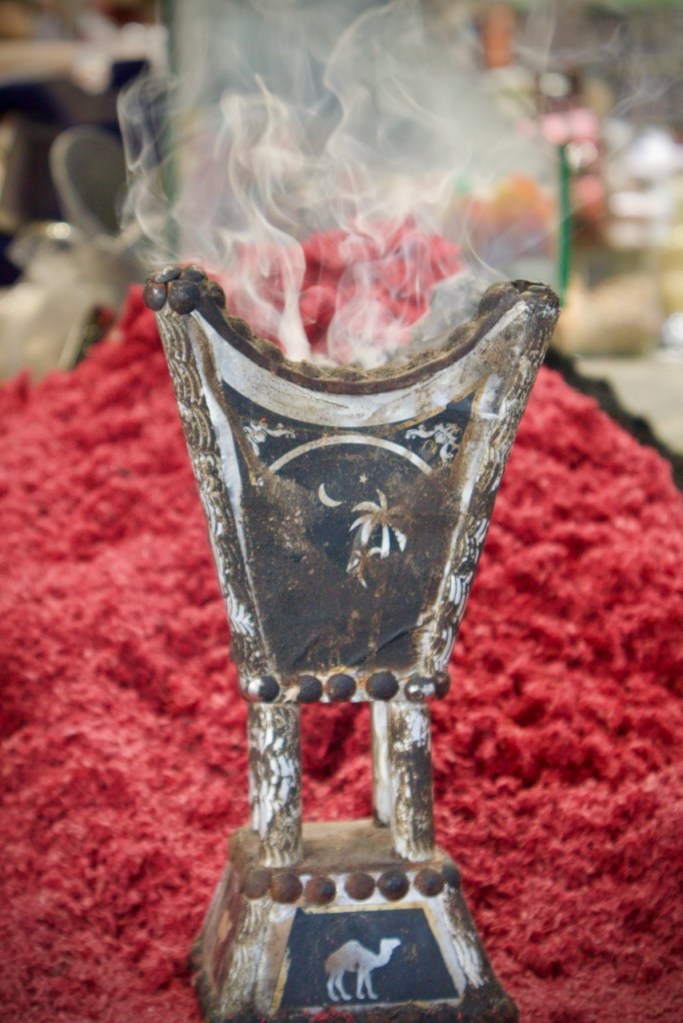
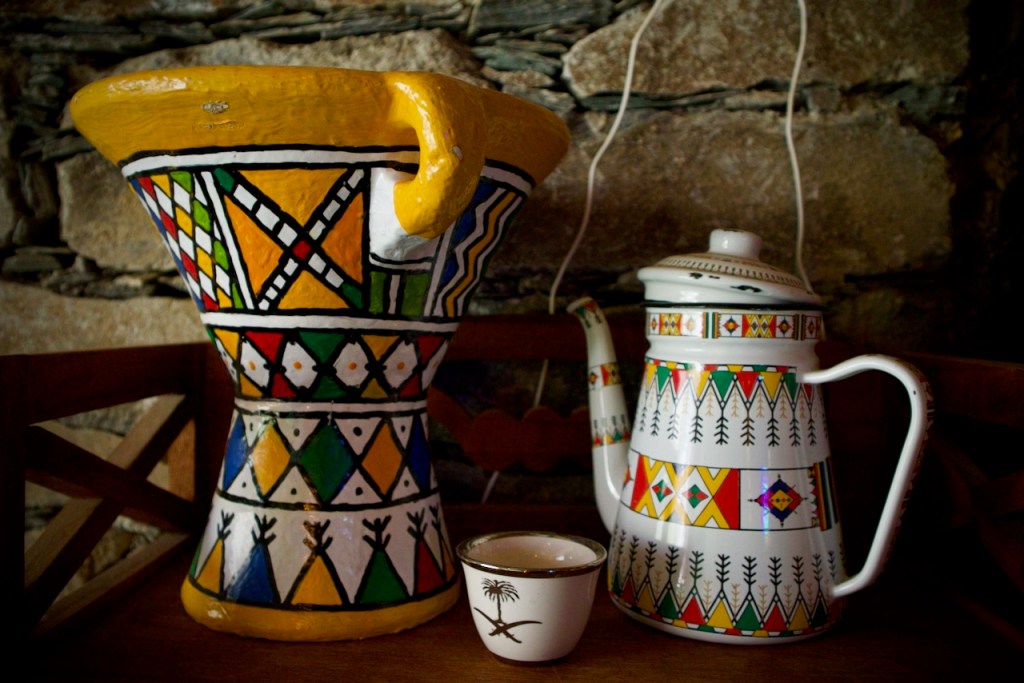

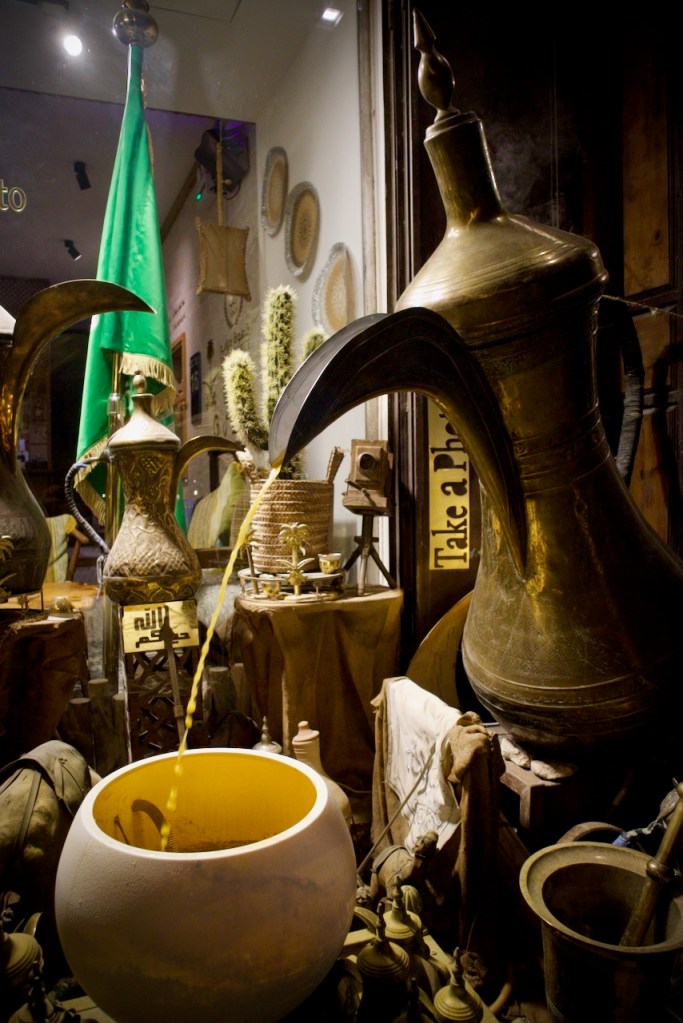
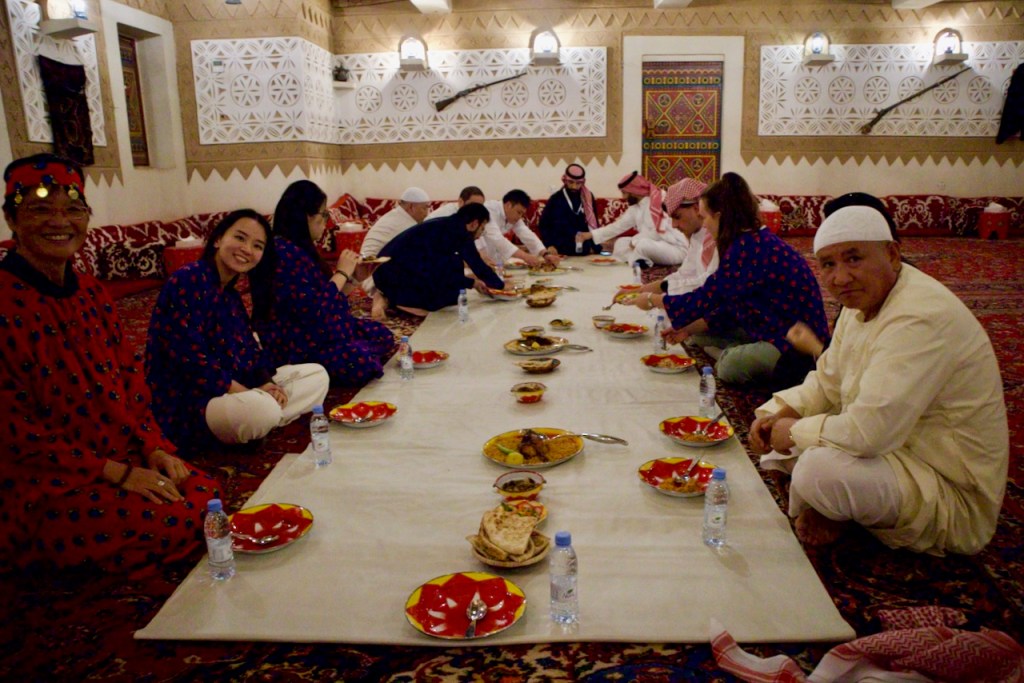
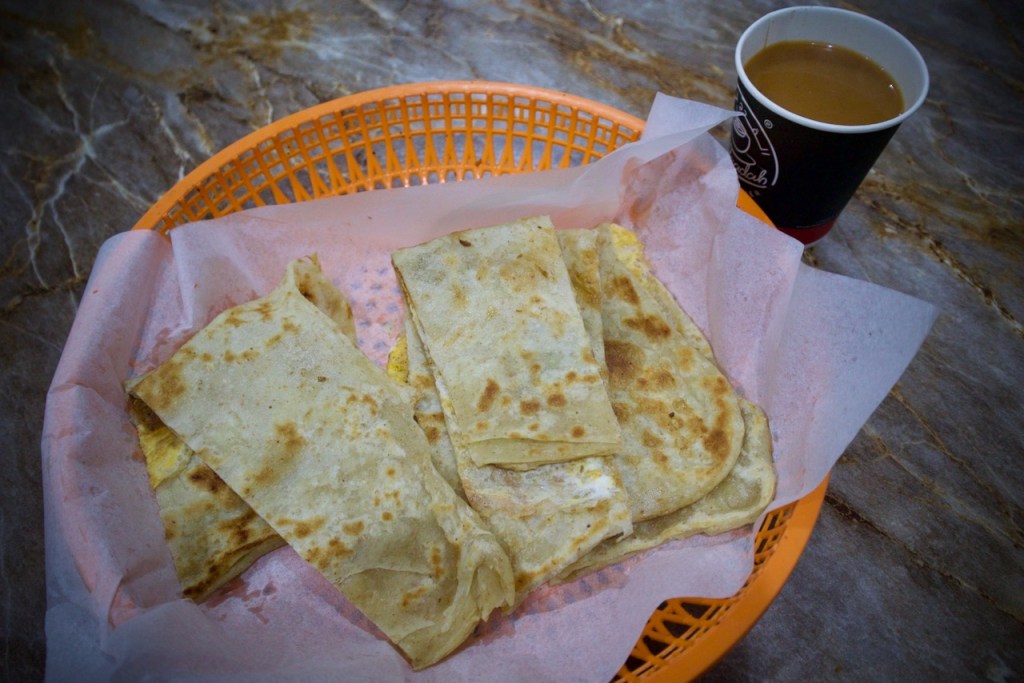



Now, having visited all the countries in the Gulf region, I can firmly say how little I understand the diverse cultures and the rapid changes like shifting sand. To explore Saudi Arabia in her full complexity – the new and the old, the visible and the hidden, the changes and the status quo – requires one to have an open mind and a lengthier stay. But this is an absolute monarchy as well as a car country, a hard sell for a freedom-loving minimalist. For now, I feel blessed and grateful for the opportunity, looking forward to the future of a kingdom in movement. Like a humble puddle in the desert, everything is only here for a brief moment of time, the Saudi artist, Manal AlDowayan, says. Every encounter carries folds of information, slowly revealing in its own time. If only we can really see her…
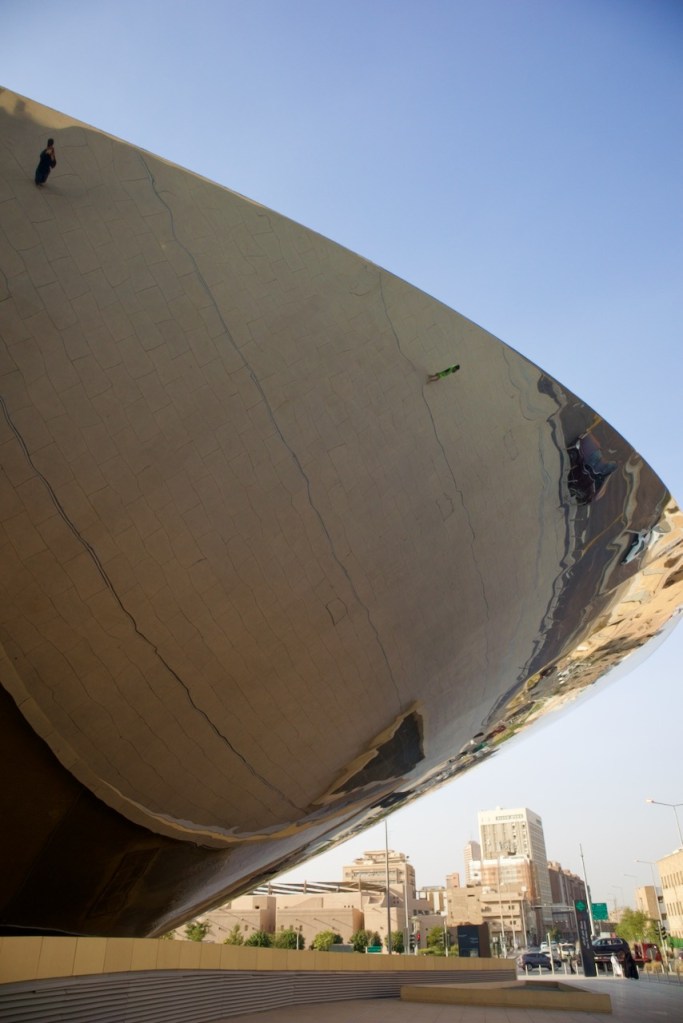






This is part of a seven-country tour in post-conflict societies in the Middle East and the Horn of Africa in 2025 from Syria to Iraq, Saudi Arabia, Libya, Eritrea, Djibouti, and Somalia. A scheduled trip to Yemen as part of this project was cancelled due to renewed conflict in the country at the time of writing.
Syria: on the Road to Damascus
All Content © 2026 by Jennifer Chan
 Jennifer Chan Photography