

From Chang’an, looking back,
the land is like piles of embroidery.
– Du Mu, Tang Dynasty poet.
January 2026
I had scheduled to be in mainland Yemen to wrap up my eight-country tour to post-conflict societies in the Middle East and the Horn of Africa, but Seijun Airport was closed due to renewed conflict two weeks before my arrival. I will have to wait for peace and stability to return to this last country to be visited in the region. Instead, I get a bonus two-week stay in China, flying first to Guangzhou to meet up with family and then on to Xian. How I would have loved to continue on along the ancient Silk Road towards Urumqi and Kashgar. But my travel capsule wardrobe consists of nothing more than tank tops and summer pants adapted to desert weather more than sub-zero temperatures. It’s time to head home!




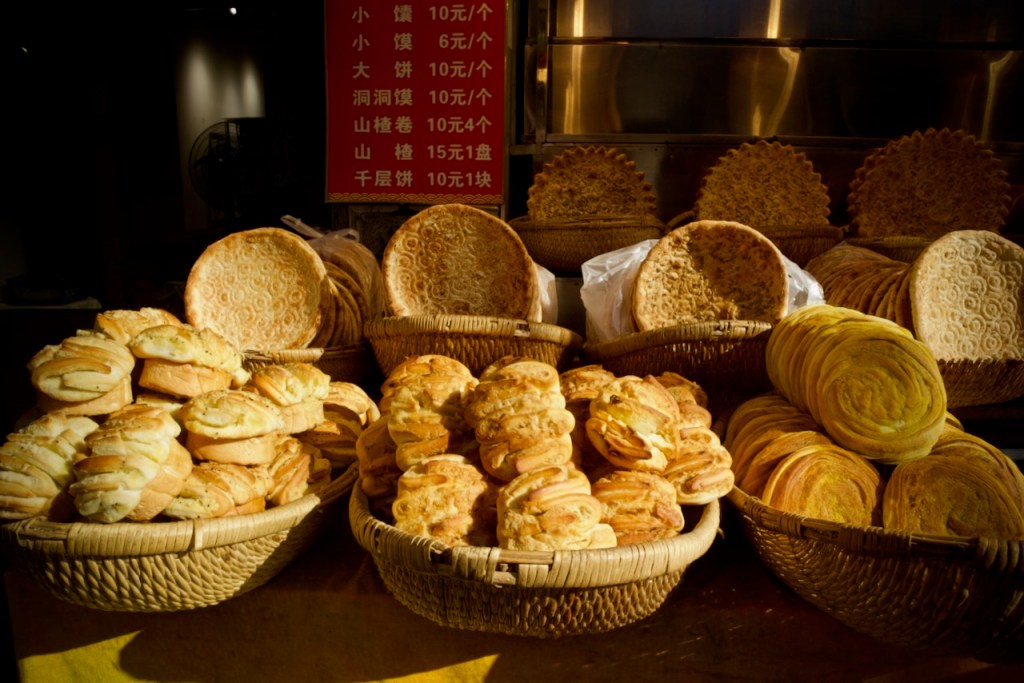


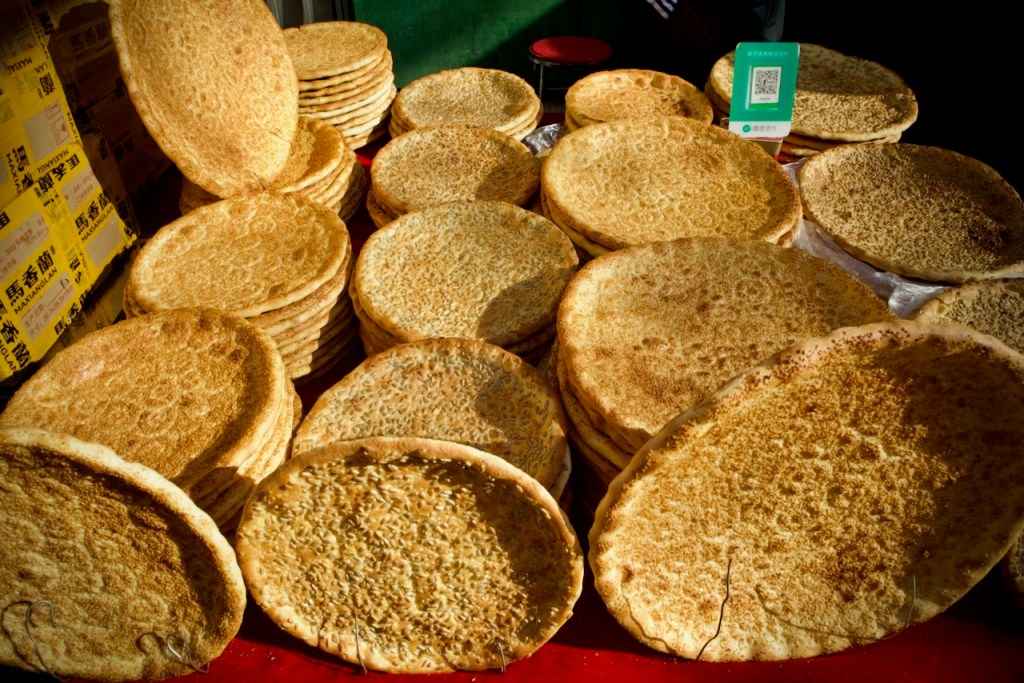
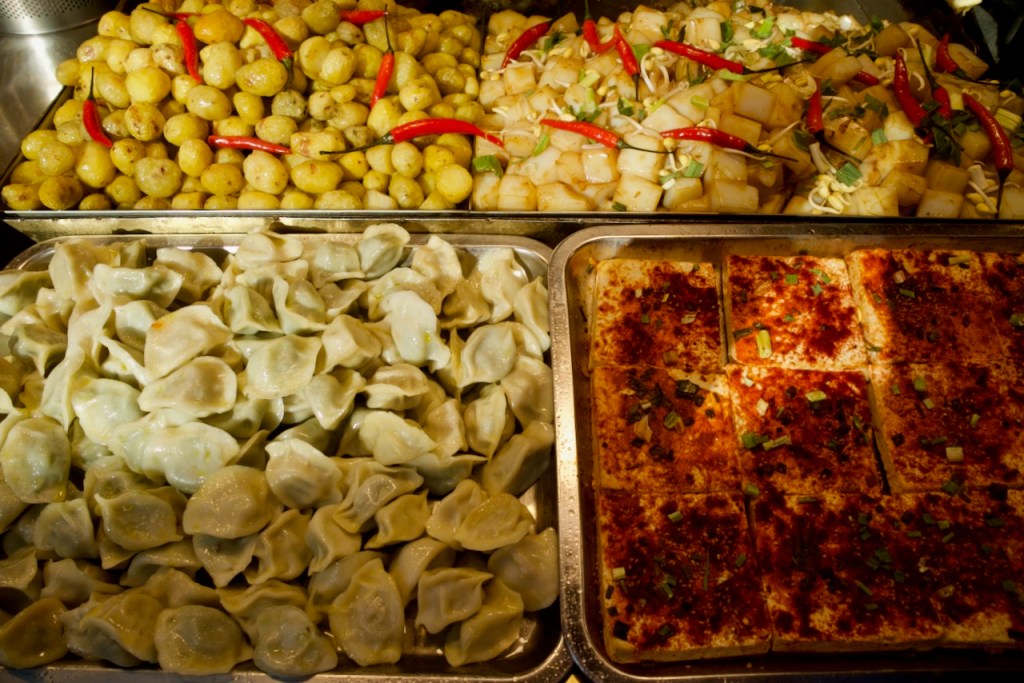

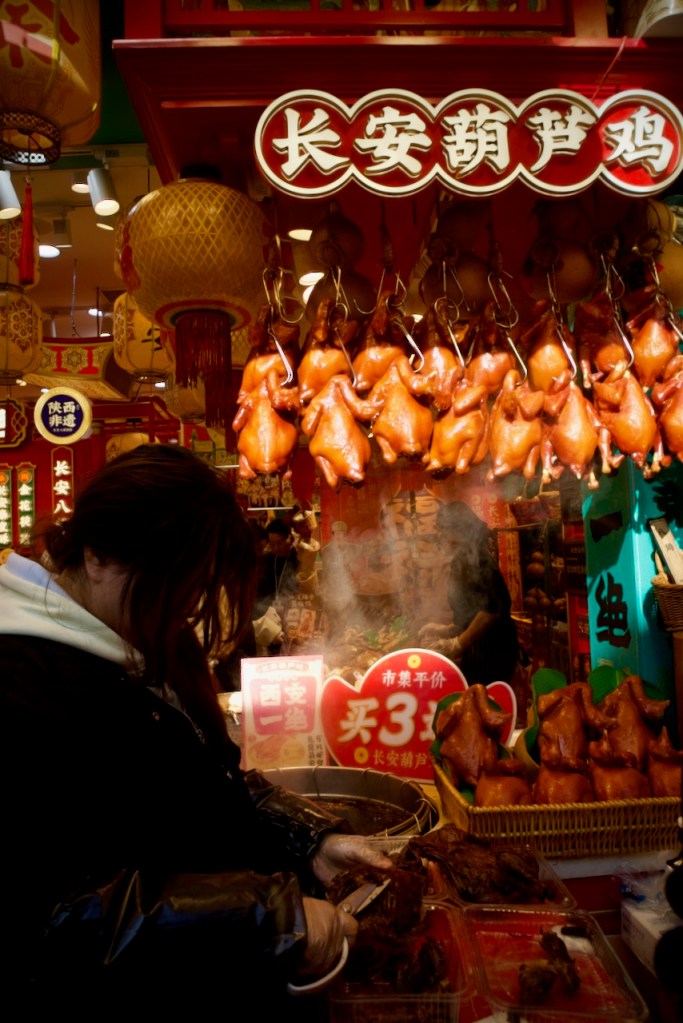
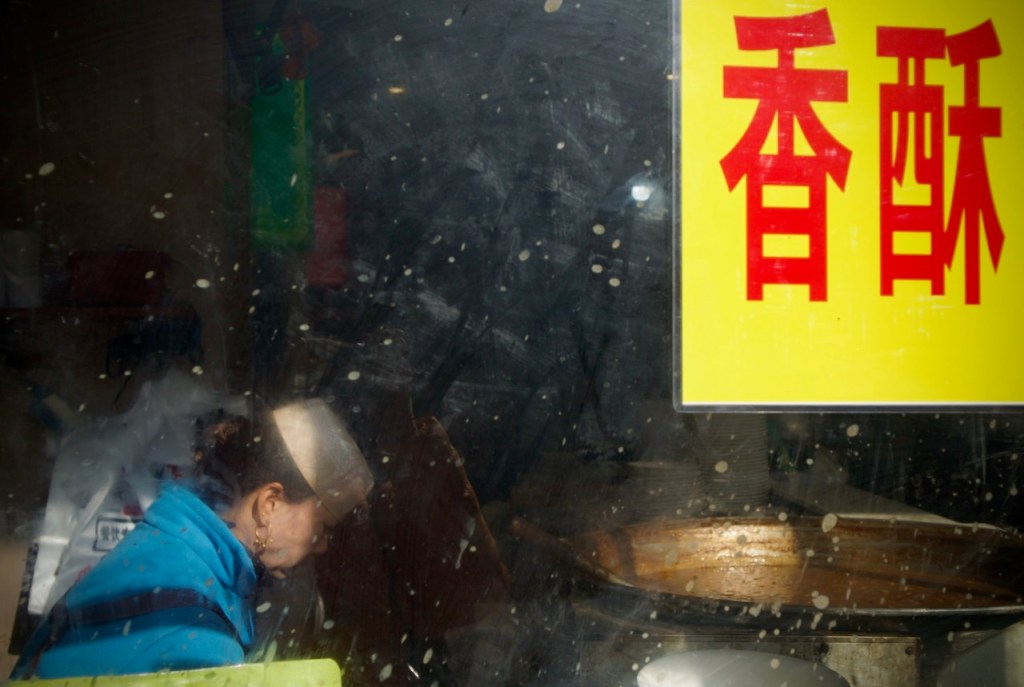
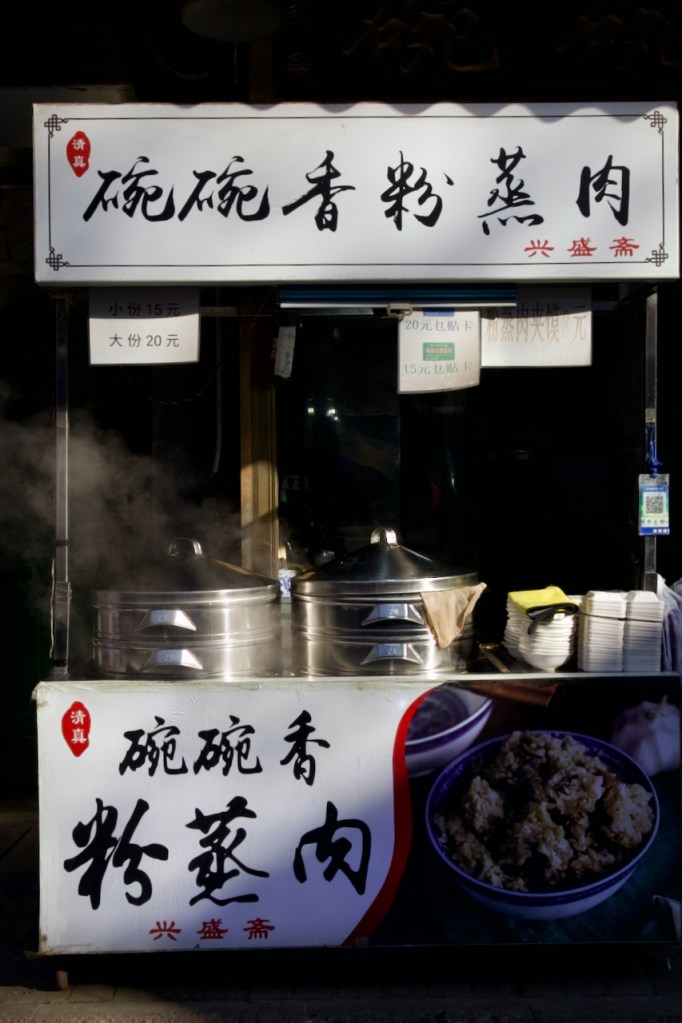
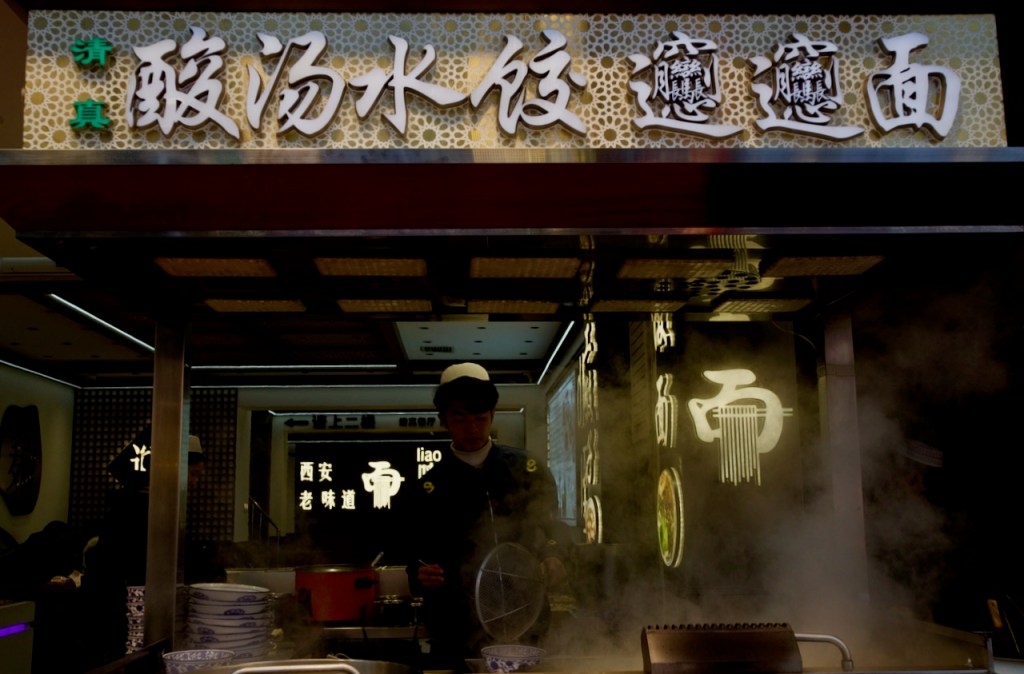
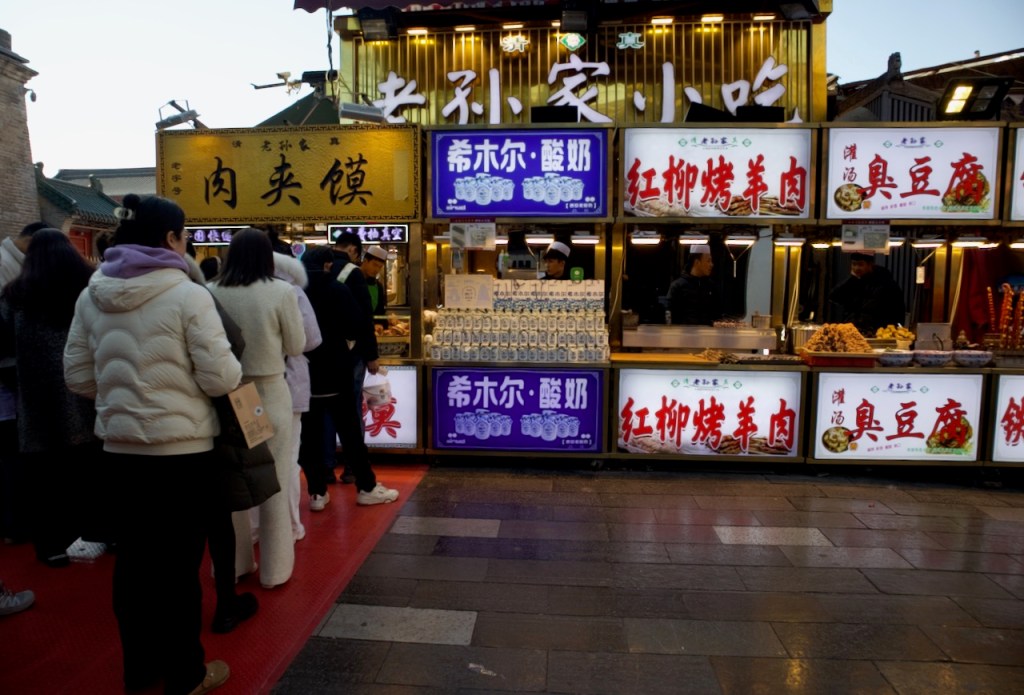



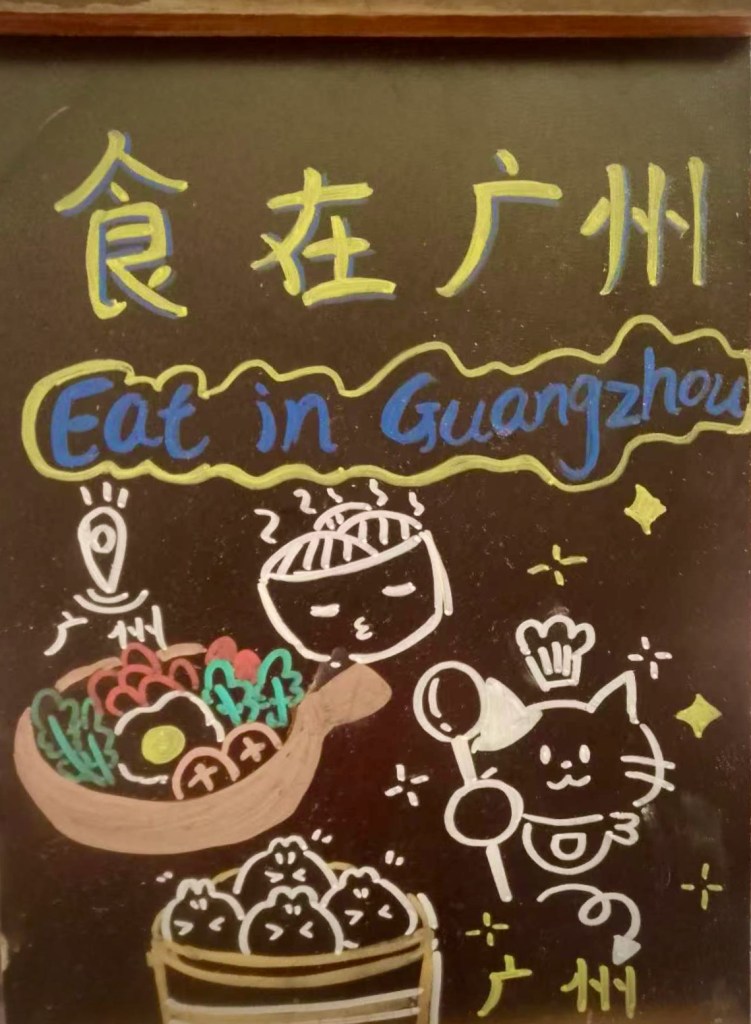
Eat in Guangzhou
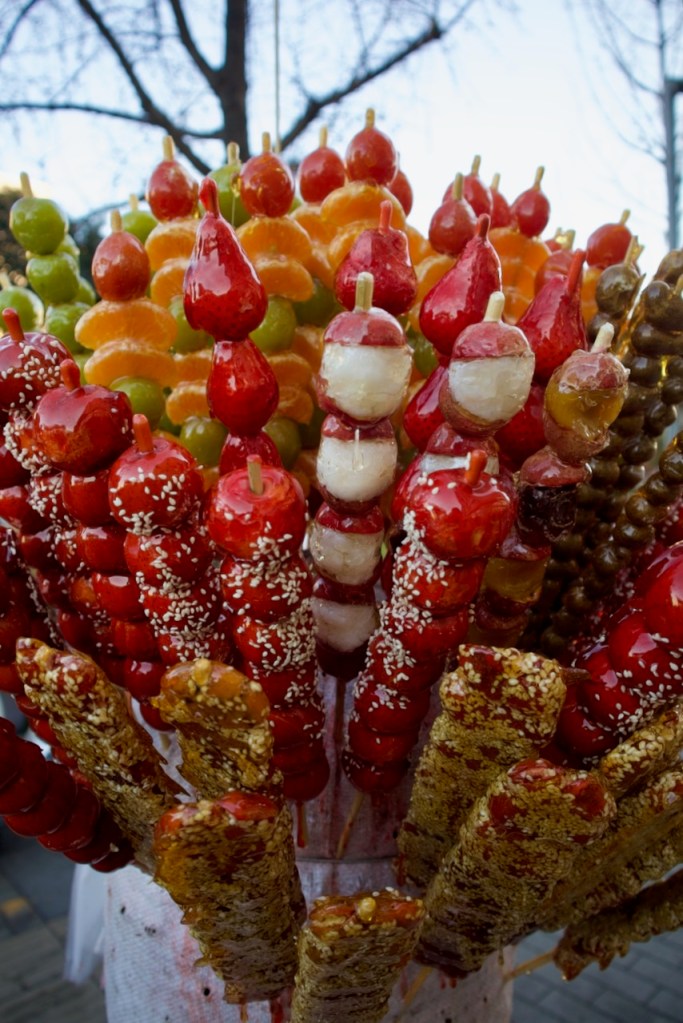
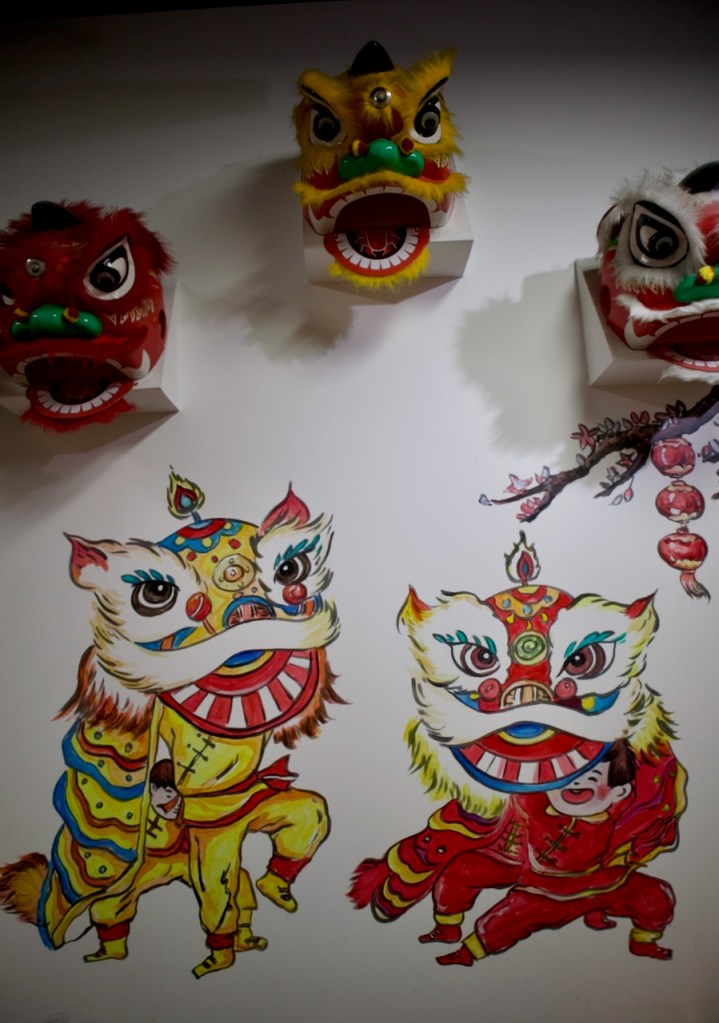
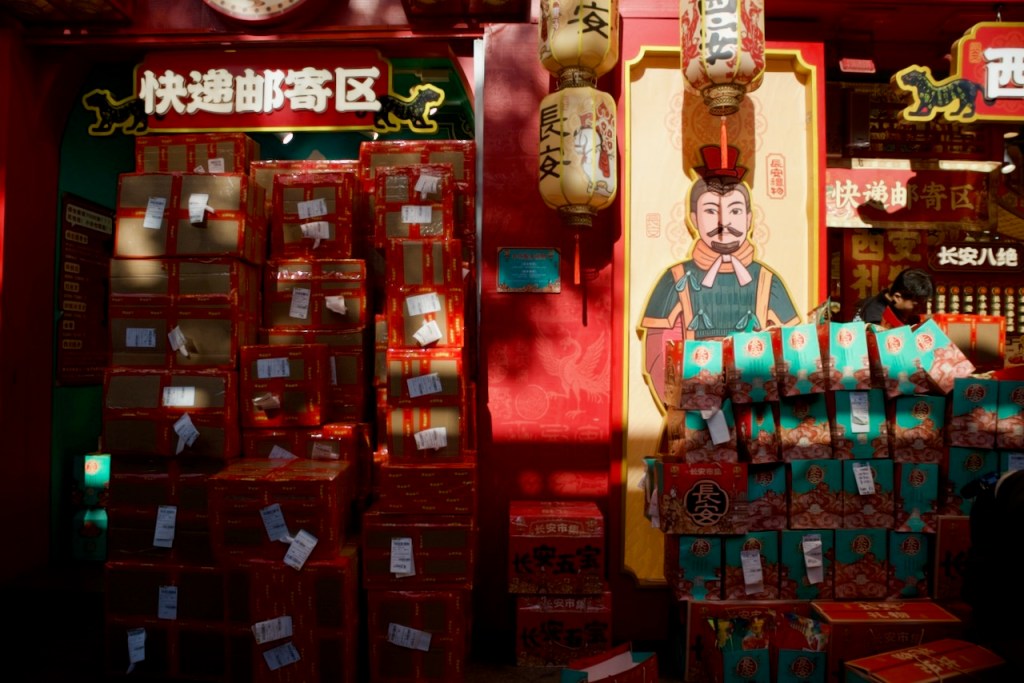
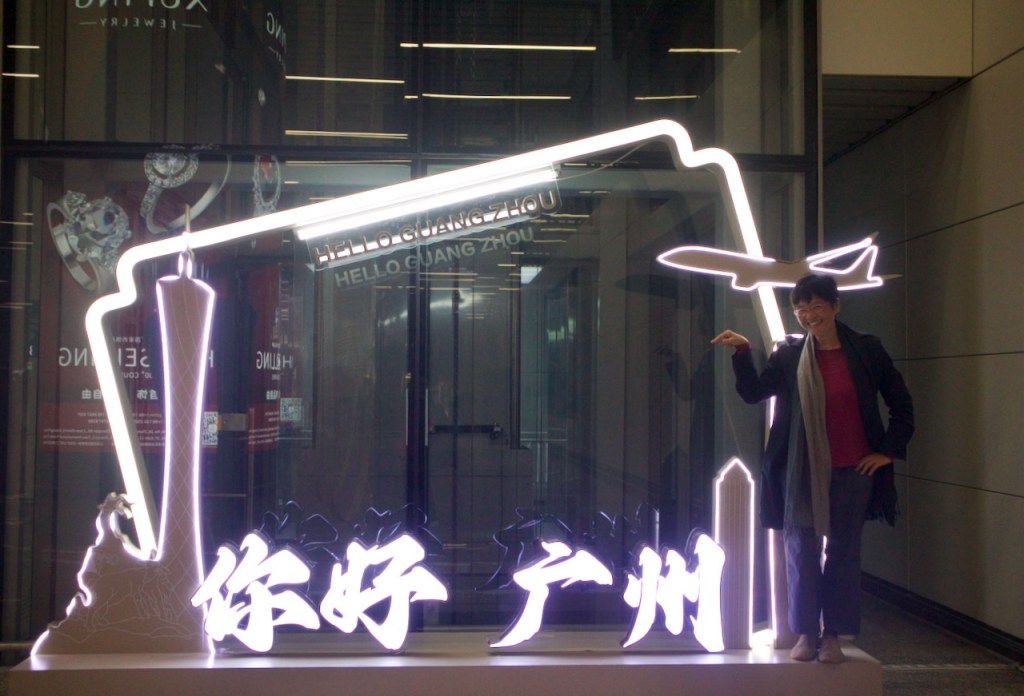
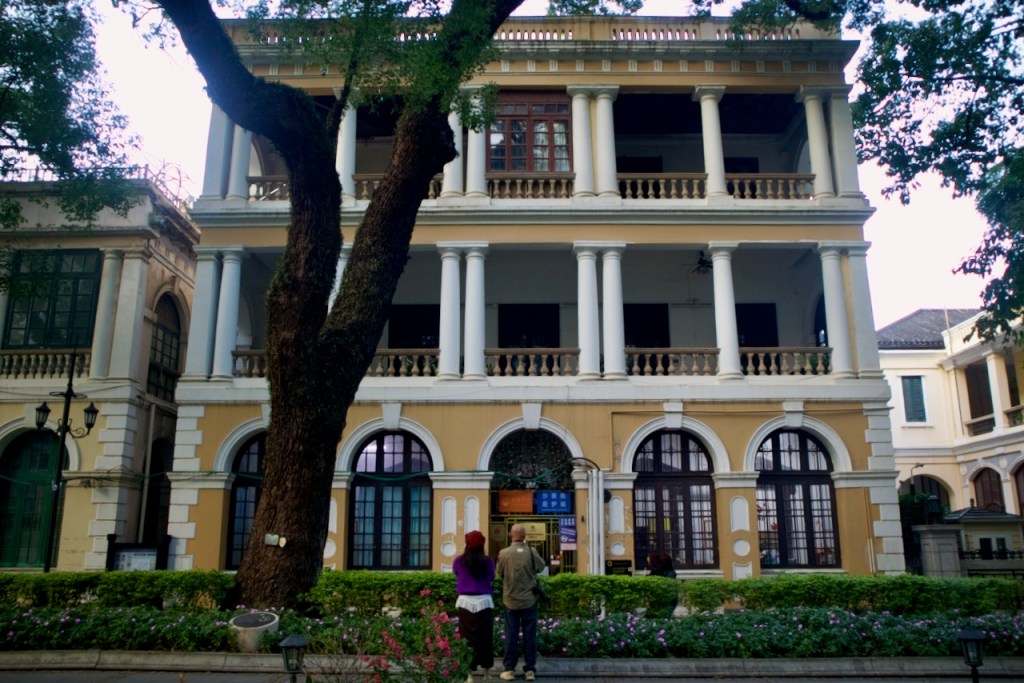
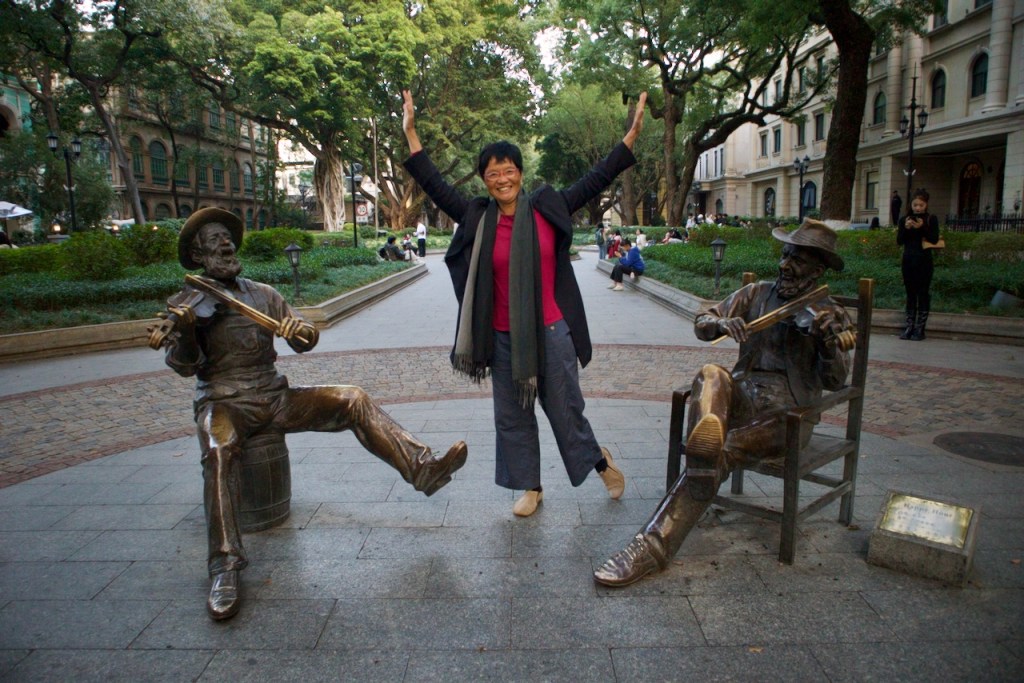
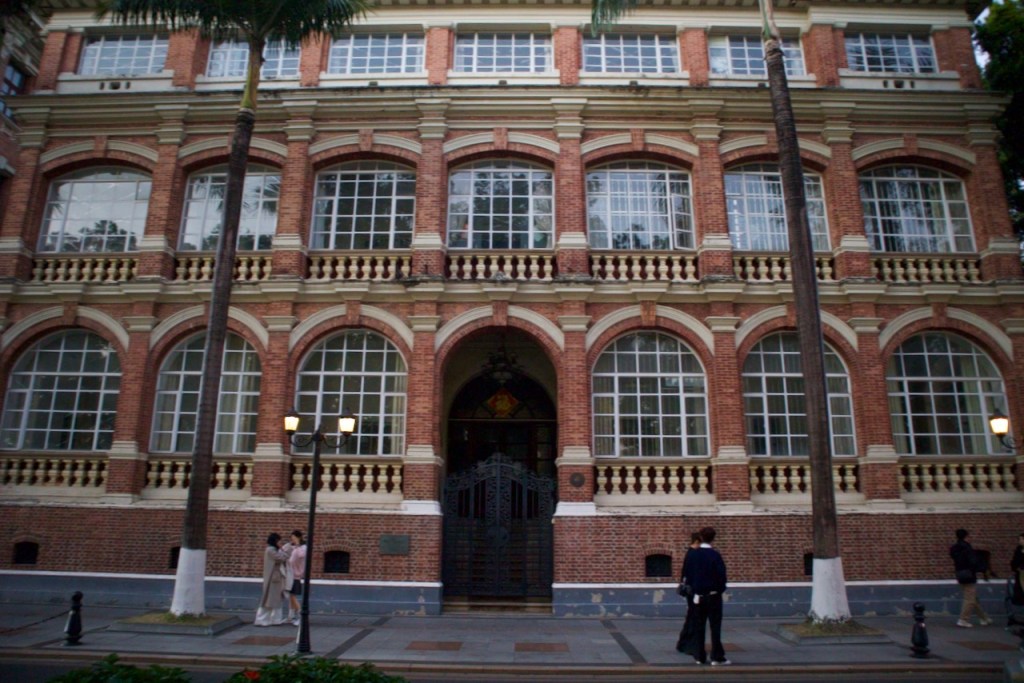
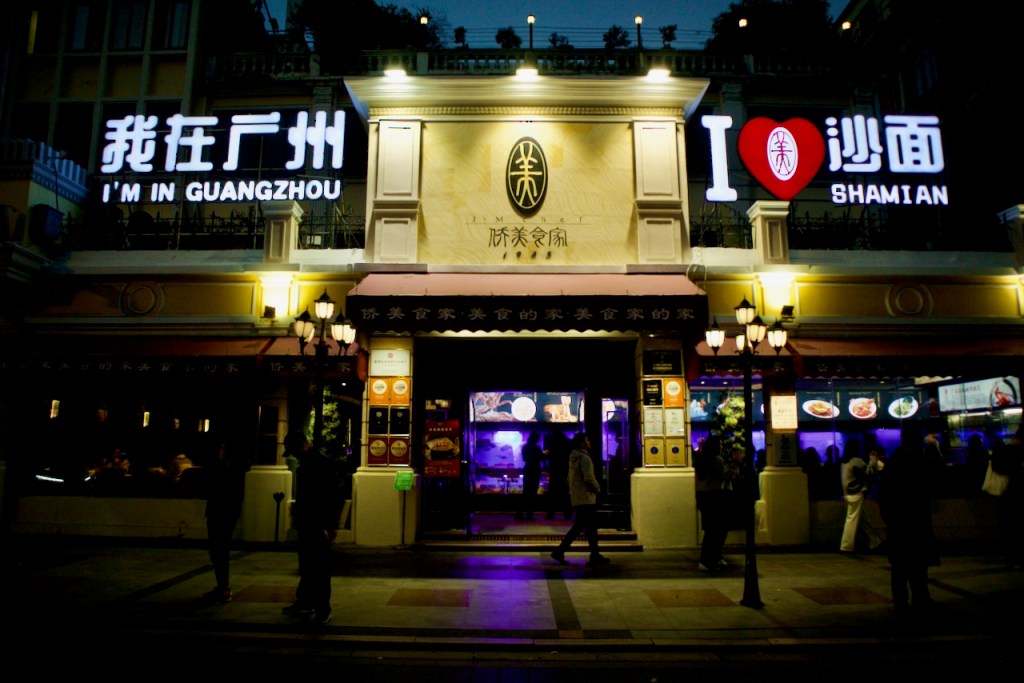
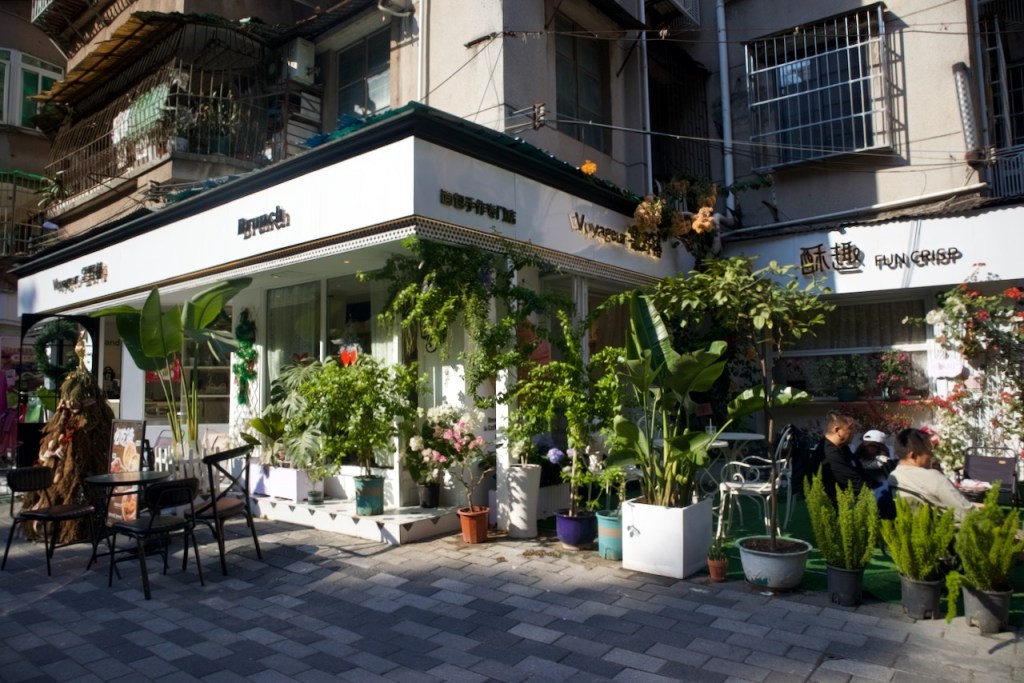
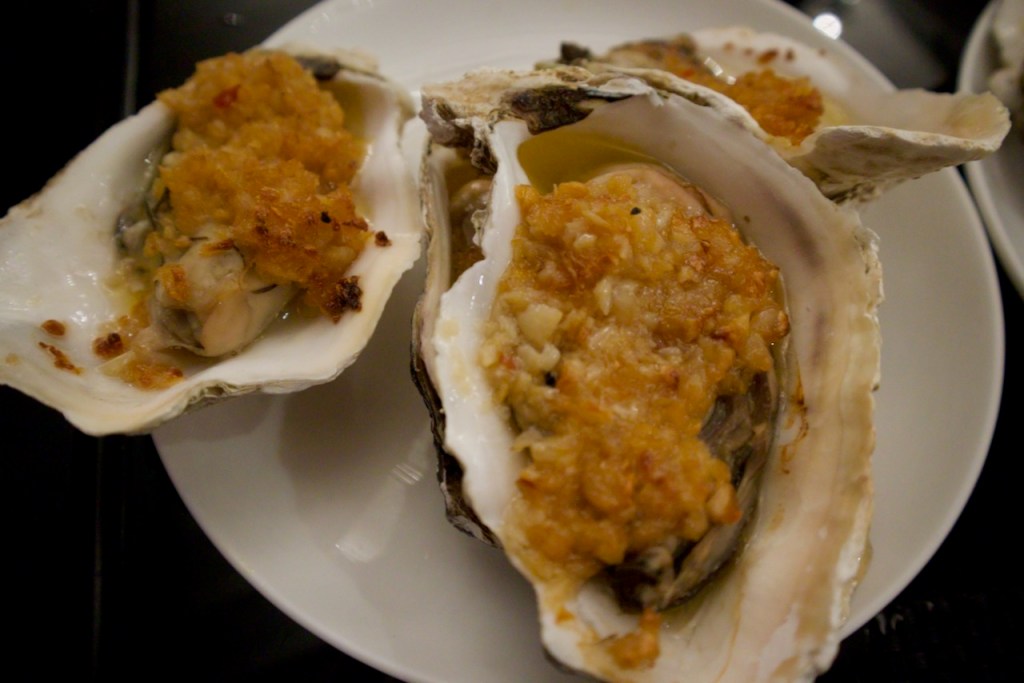
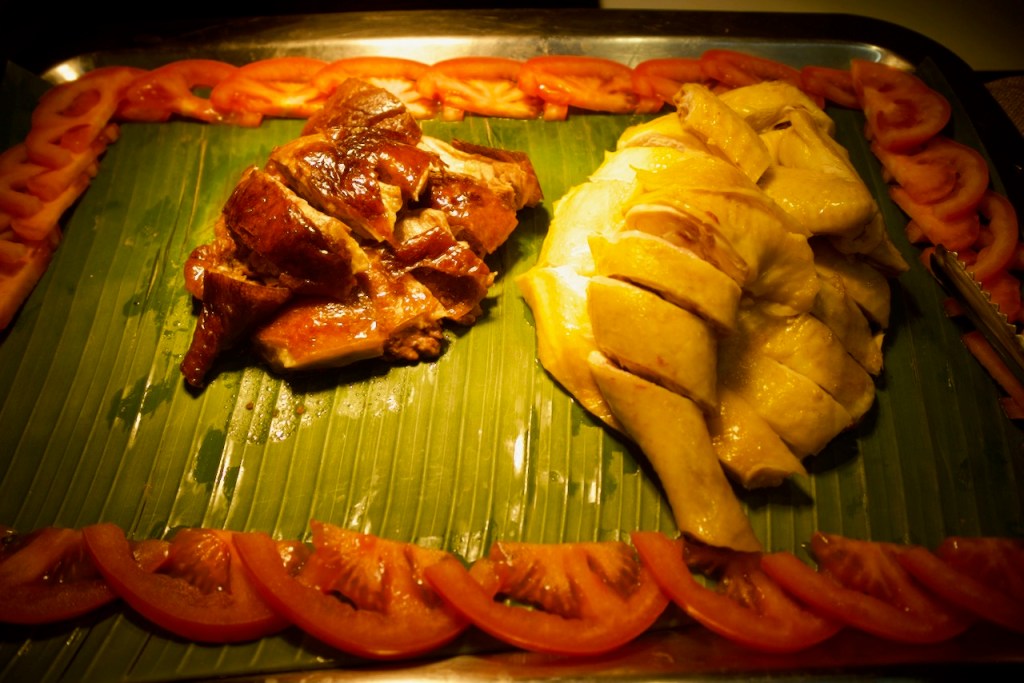
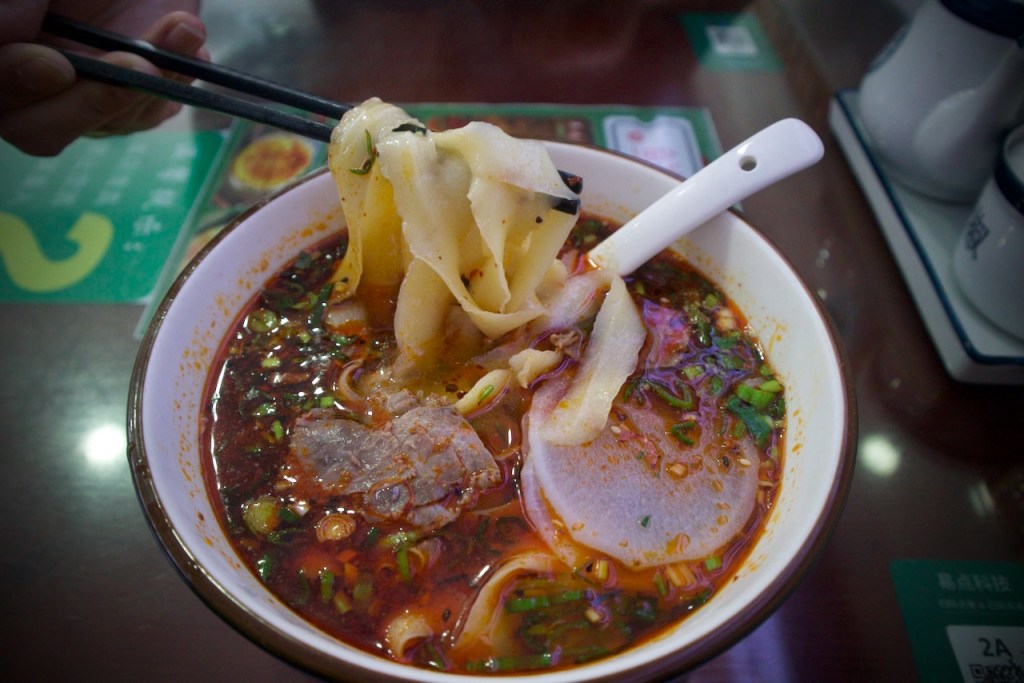
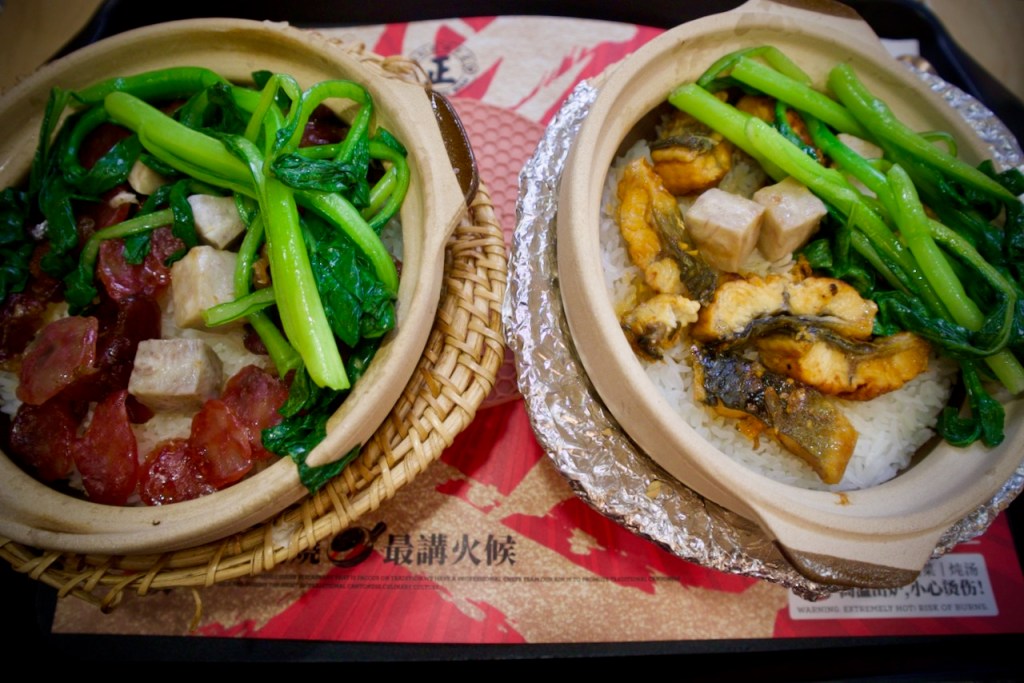
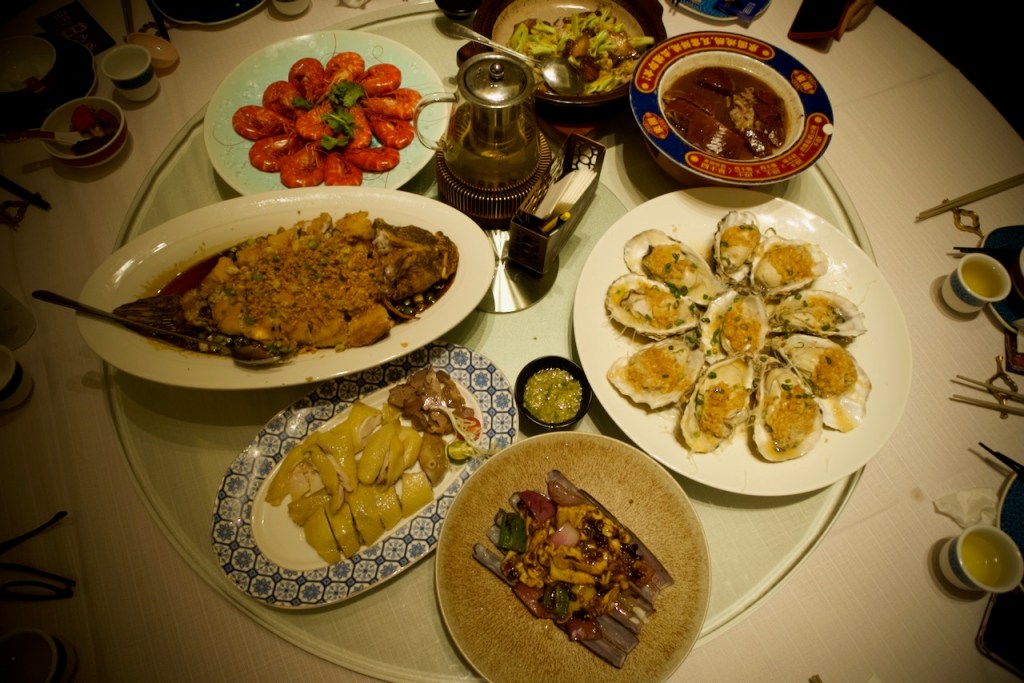
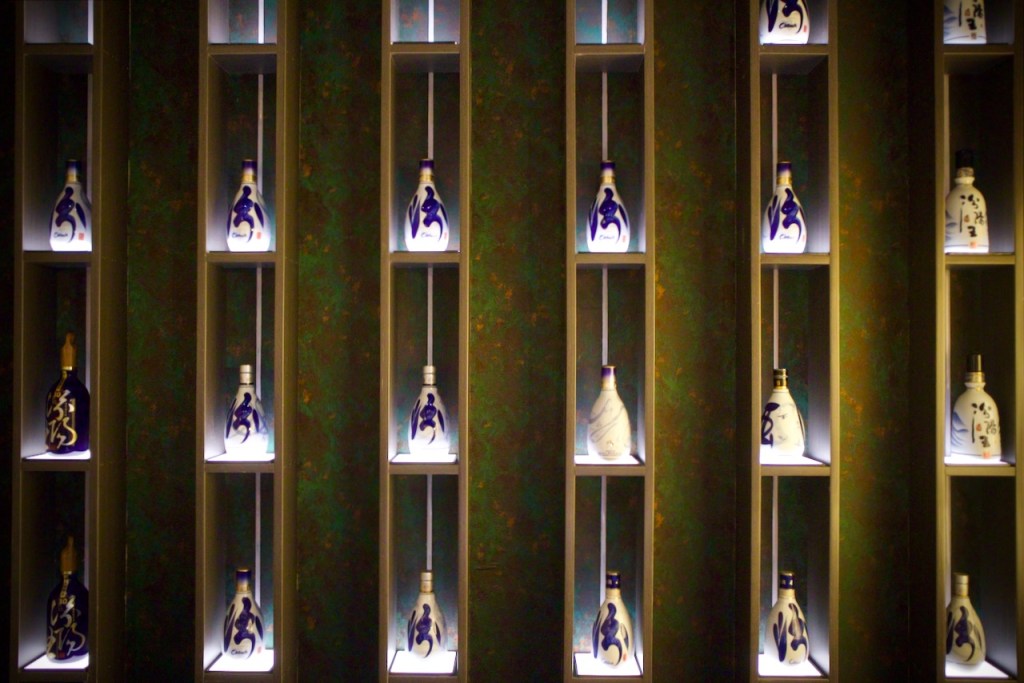
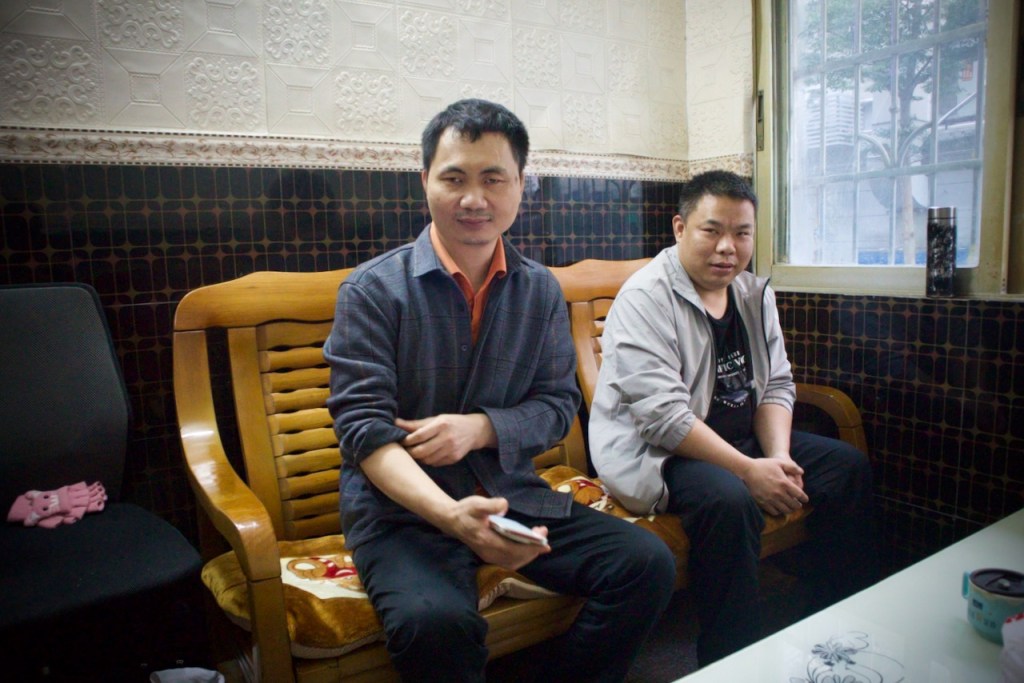
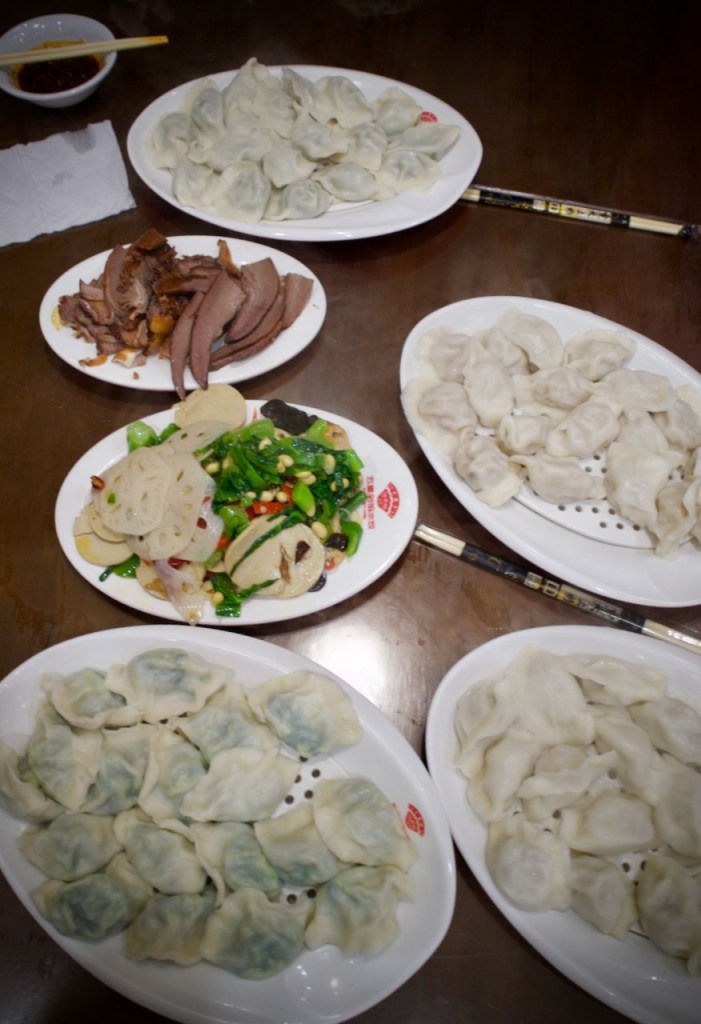
I last visited Guangzhou over a decade ago to meet up with my cousin’s family and have sweet memories of the elaborate morning tea-and-dim-sum ritual, the fancy seafood restaurants, and the beautiful historic neighbourhoods filled with turn-of-the-century buildings. For four days, I have absolutely no agenda except to recuperate. What joy to see my cousin’s growing family – over Peking duck, grilled oysters, black bean clams, and steamed talipa – relish more delicacies like coconut chicken soup and Langzhou beef noodles with my foodie sister, and visit new sights like the Canton Tower by night. A dusk walk along the Pearl River and the Shiamian historic district brings back many sweet memories. The then and now in a country that has transformed radically in the past decade into a global economic power while still holding on to her many traditions. Meeting a blind masseuse is a total bonus; he works magic on my aching back after lugging my pack over 10,000 kms through a war-torn region. With a filled tummy and a grateful heart, I say goodbye to this lovely Southern city so famous for her legendary culinary treats!
















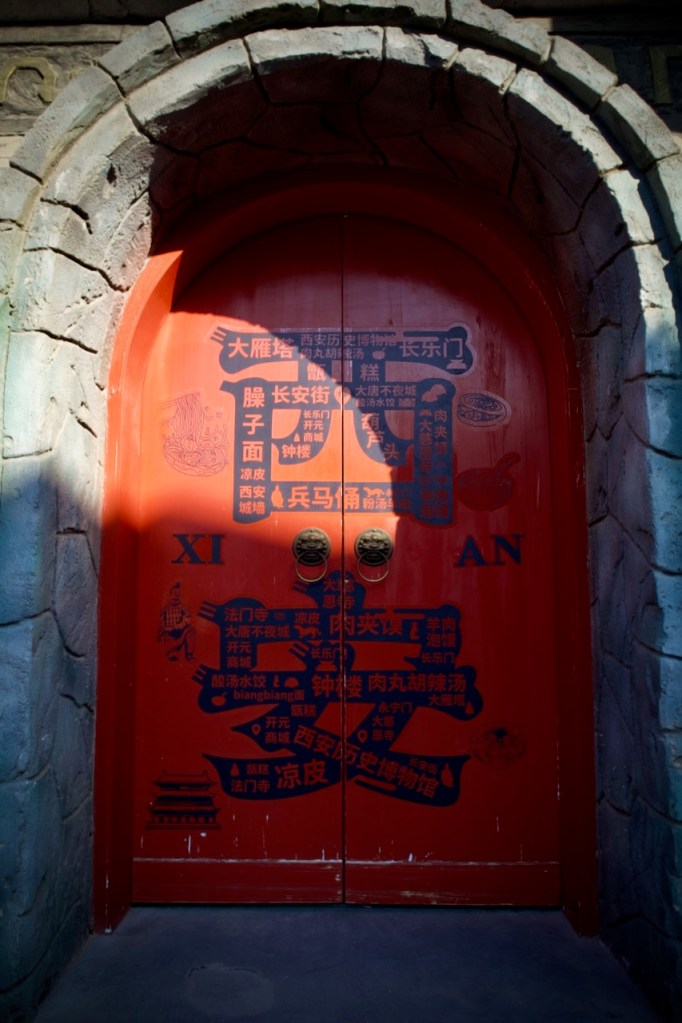
Xian: the Land of a Thousand Gates
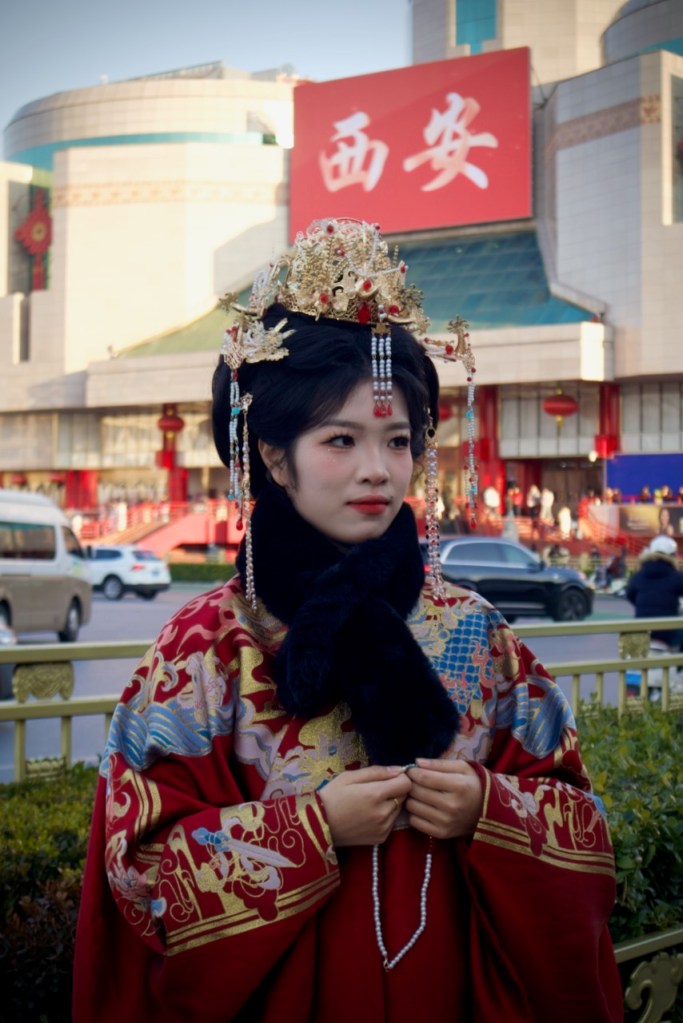
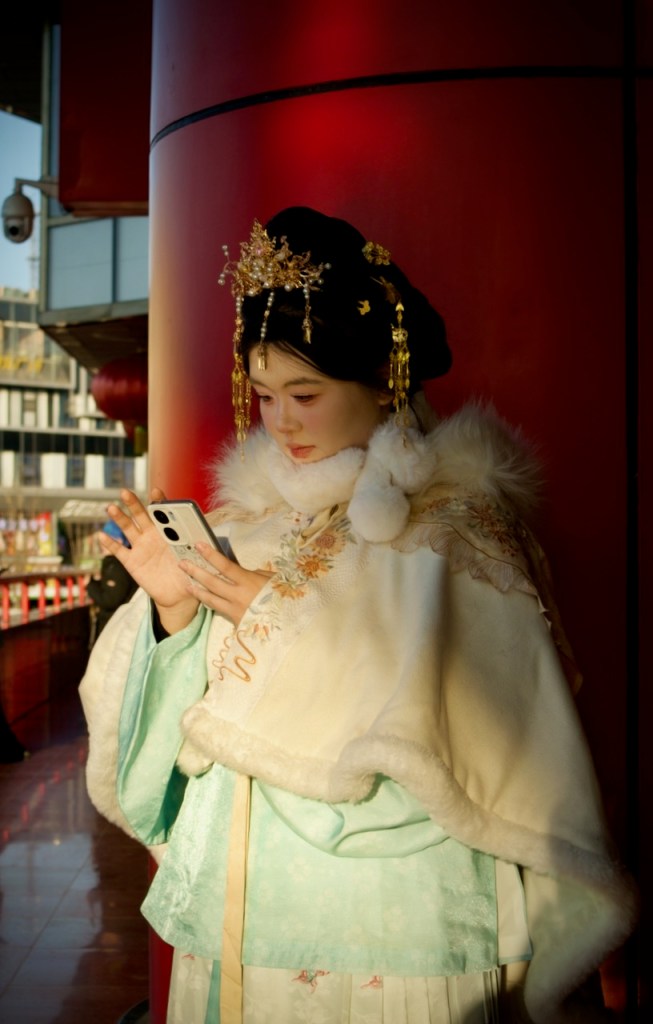
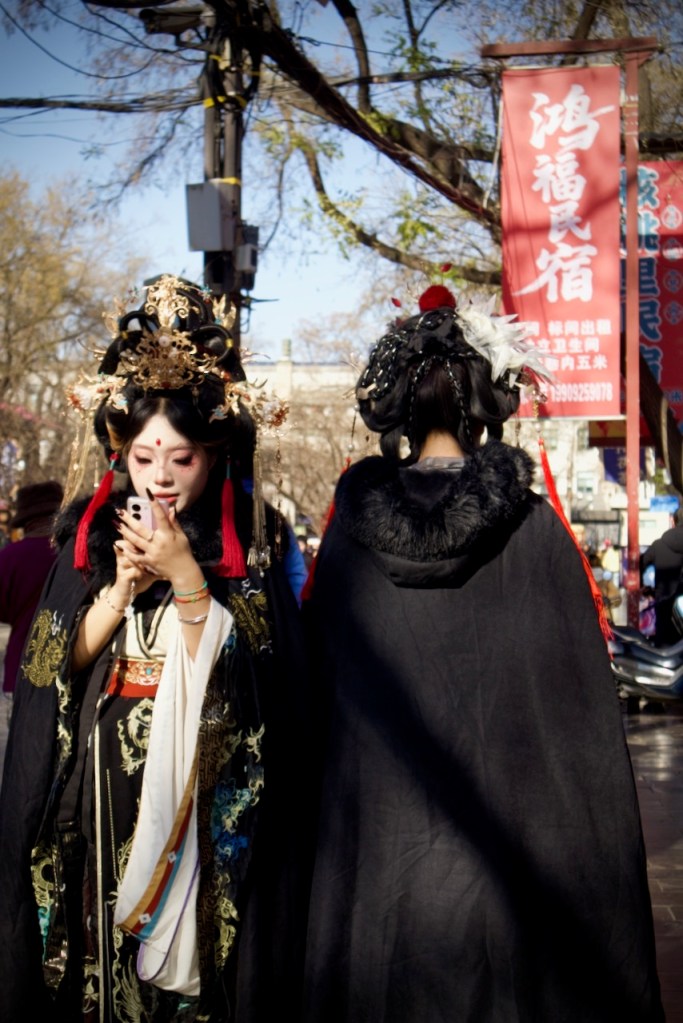
An ancient Silk Road adventure has long been a dream ever since my college pals brought back mesmerizing photos of Great Wall ruins and Buddhist murals, great steppes and old temples, vibrant cities and minority portraits from a long road trip. I rarely step into expansive China, as my wandering around the world took me far from the home region. From Guangzhou, it is only a short flight to Xian, the gateway to the mountains, valleys, and plateaus that lie in the vast West. Once the ancient capital known as Chang’an for thirteen dynasties spanning over a thousand years, on par with Rome, Athens, and Cairo as one of the four great capitals of the world, Xian exudes unparalleled class, beauty, and power as the cultural and economic hub, the terminus of the Silk Road. Here, different ethnic groups converge for trade and exchange between Central Asia and the Middle East. A week could not even begin to scratch the surface of this exquisite old city.
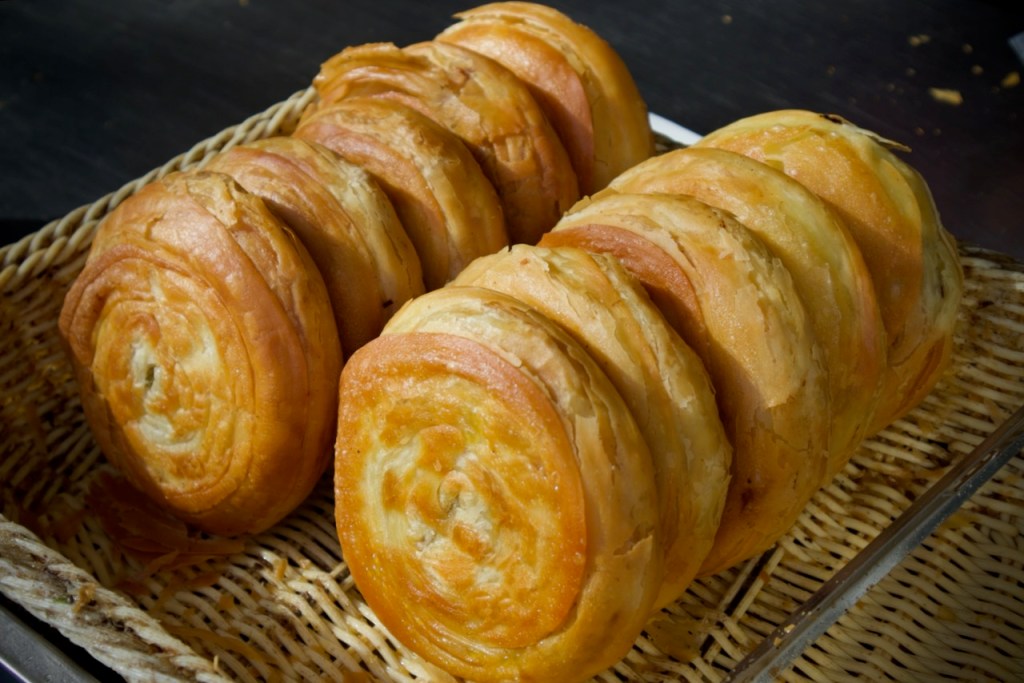
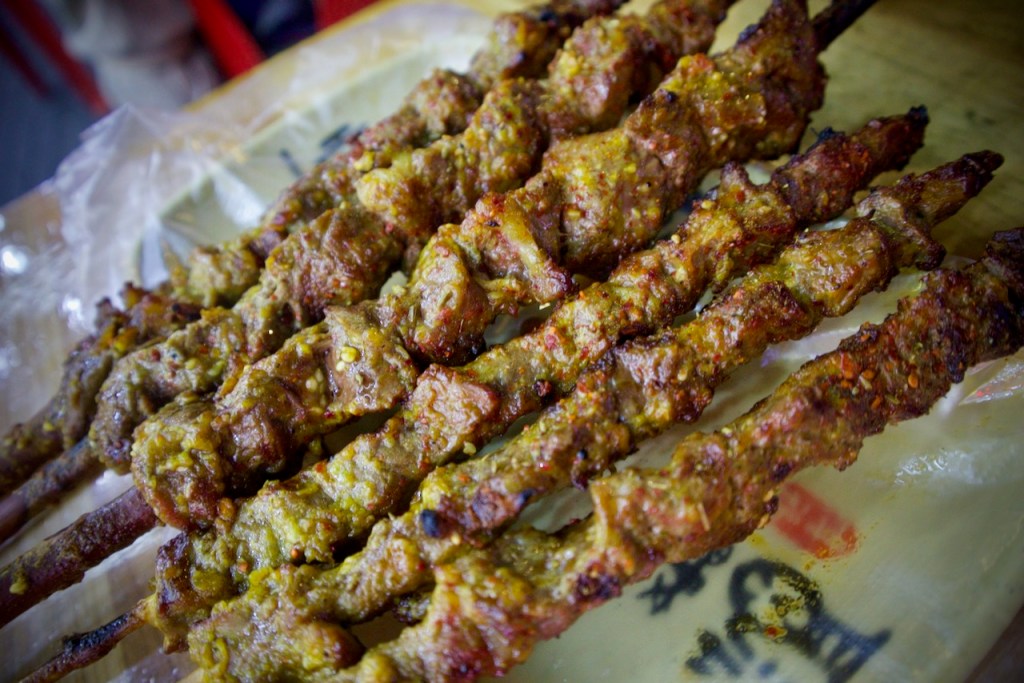
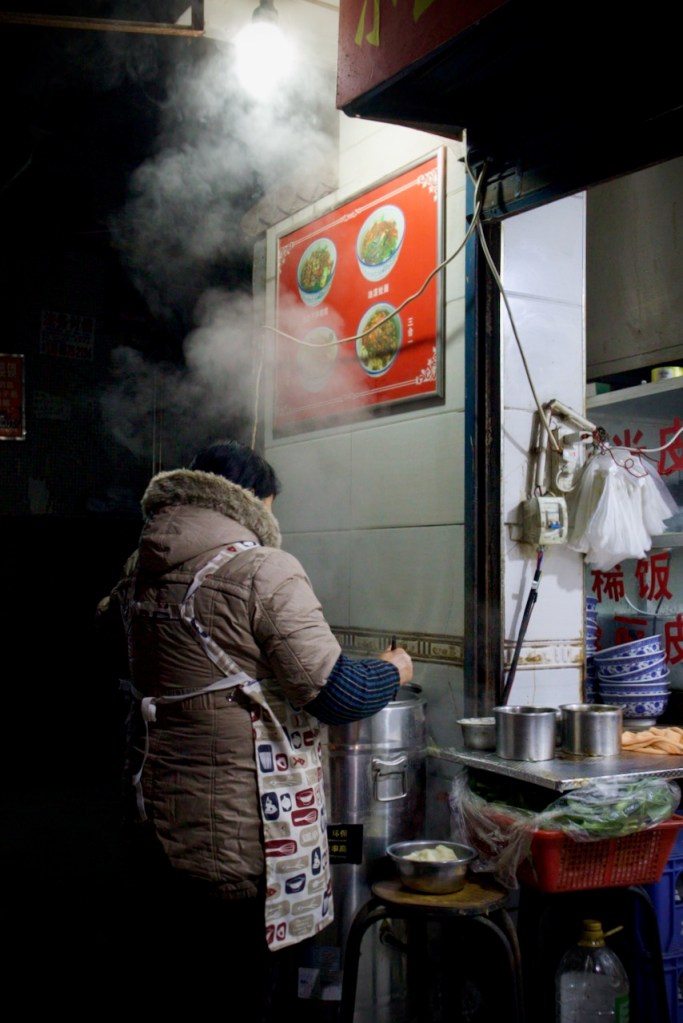
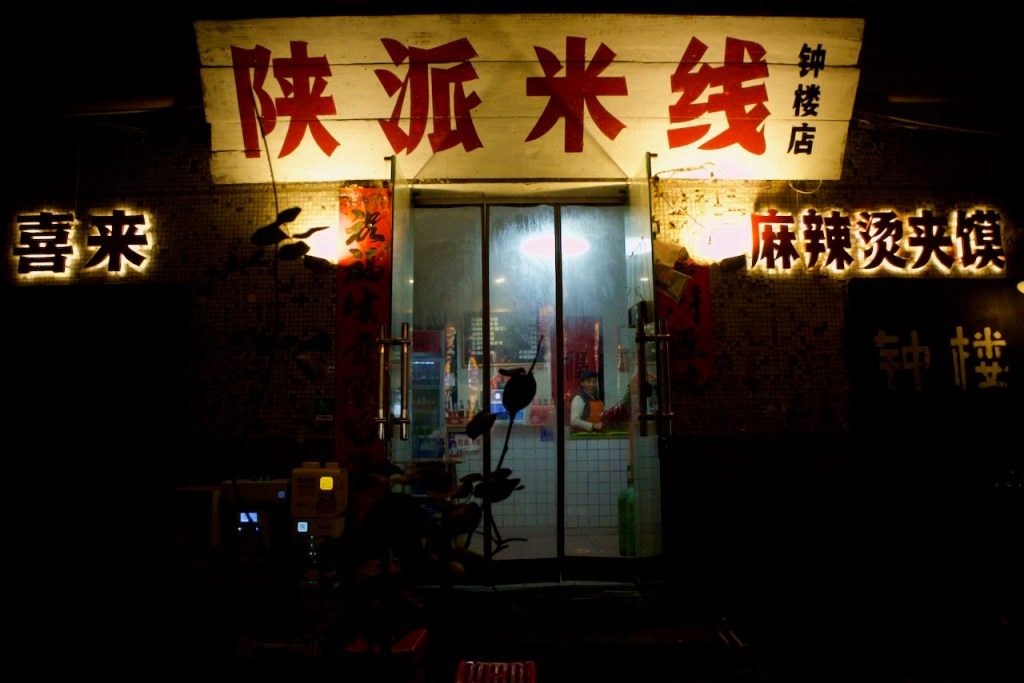
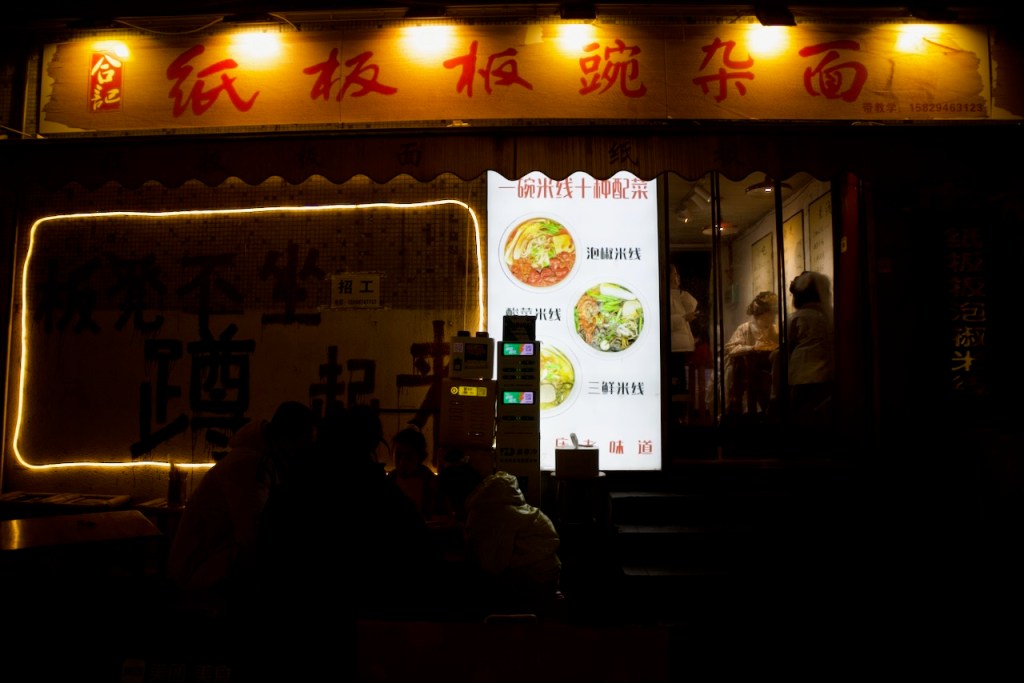
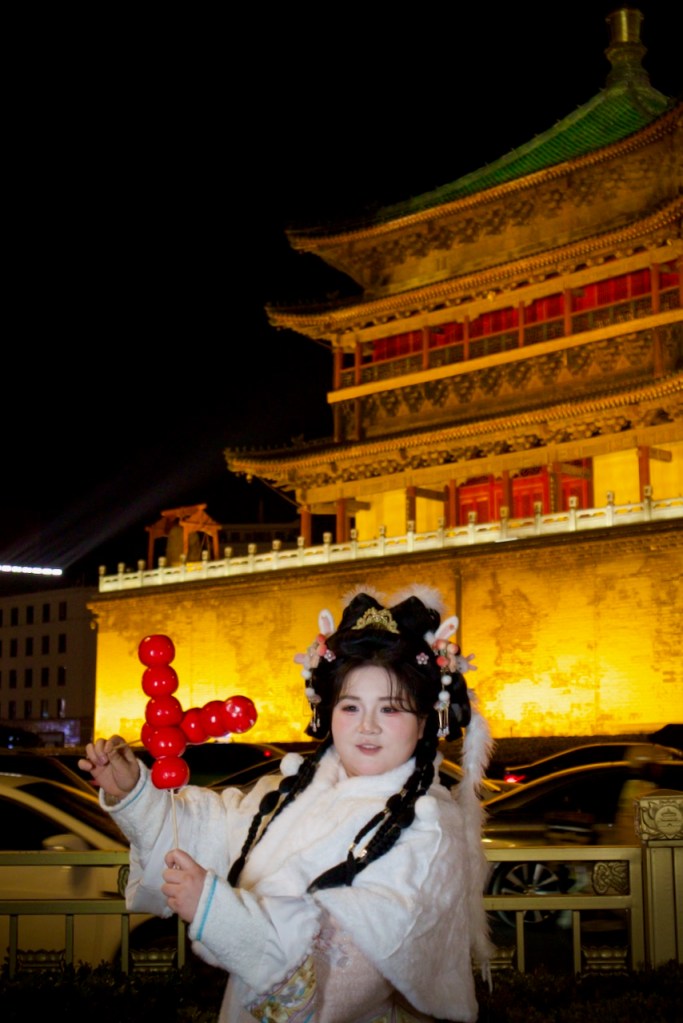
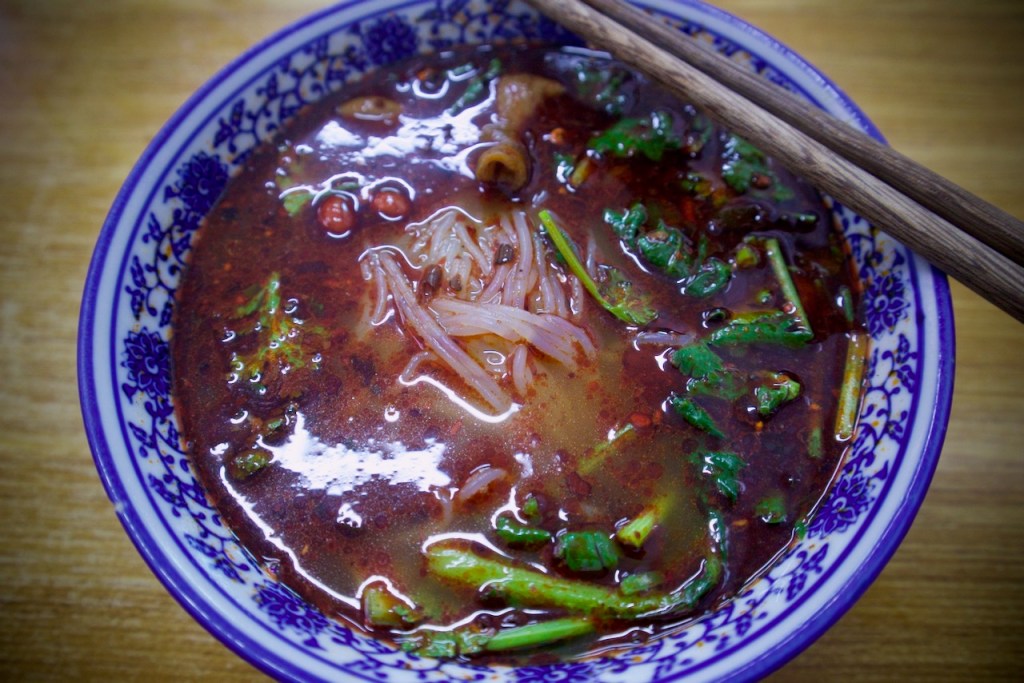
From the Bell Tower, I follow the sight, sounds, and smell to locate an old popular joint famous for hot and spicy vermicelli noodles Xian style. The night is young and the street hawkers are just setting up their wares in this beautiful wintry evening where the moon shines high and bright. Finally, I am in the heart of Xian.



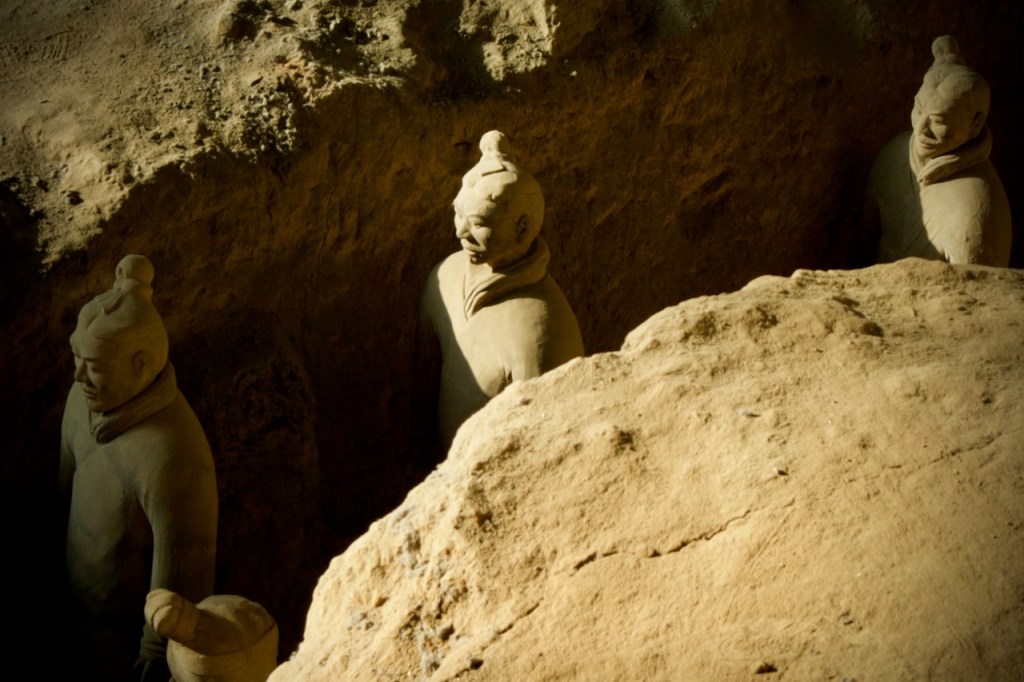
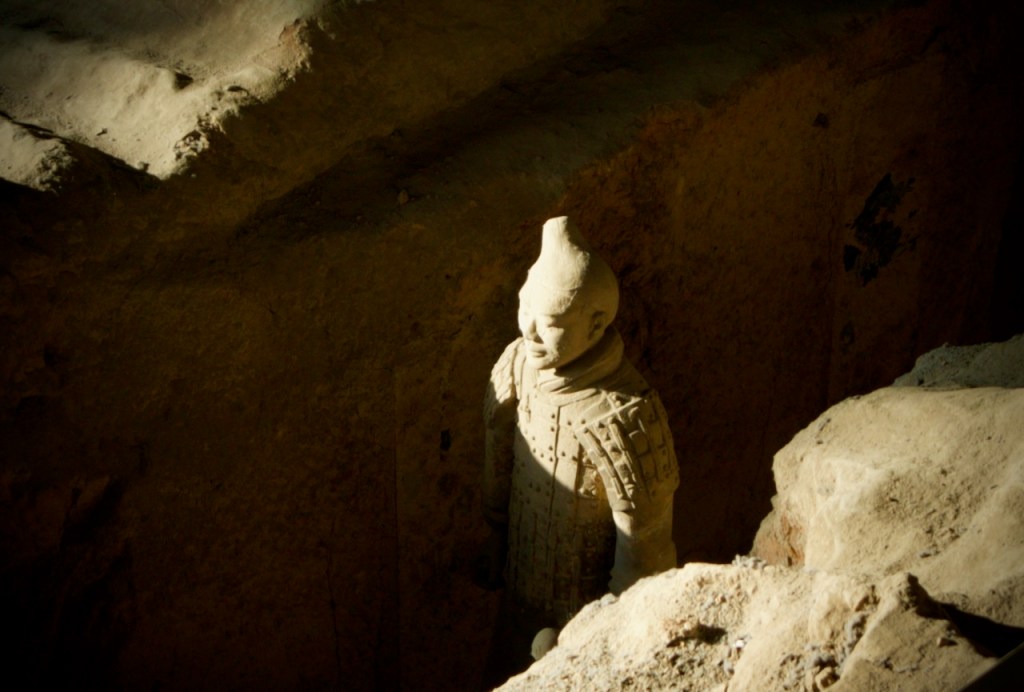
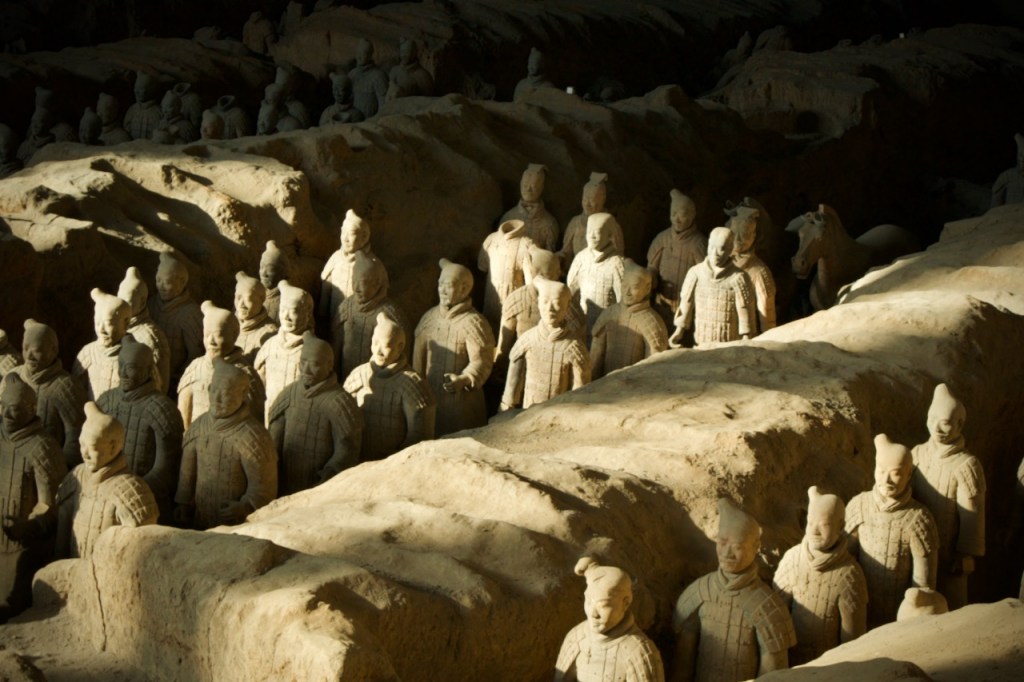
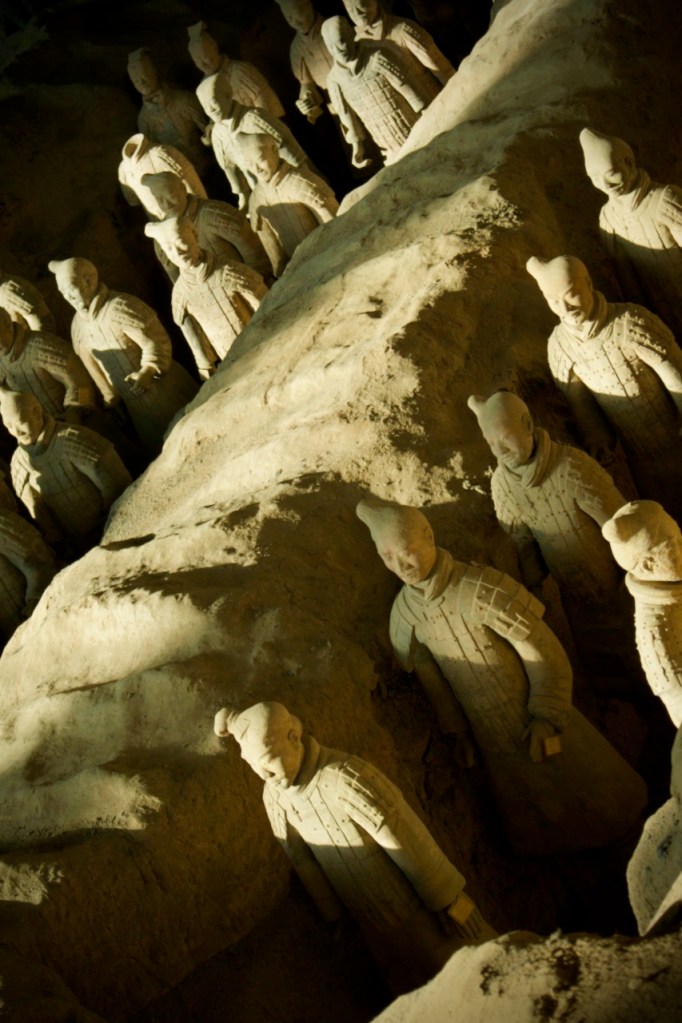
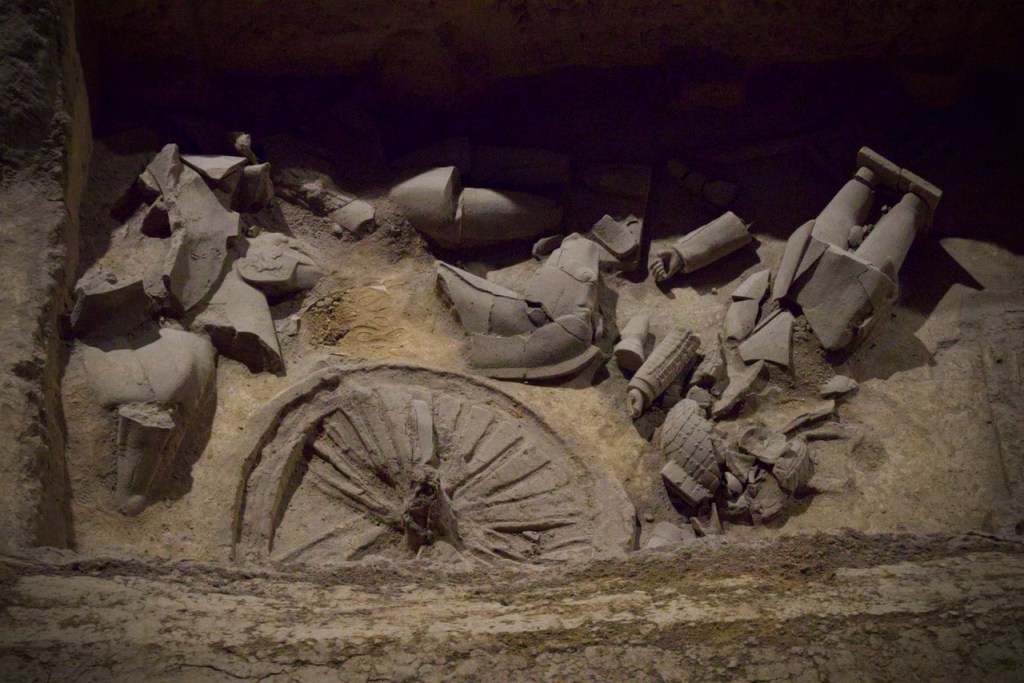
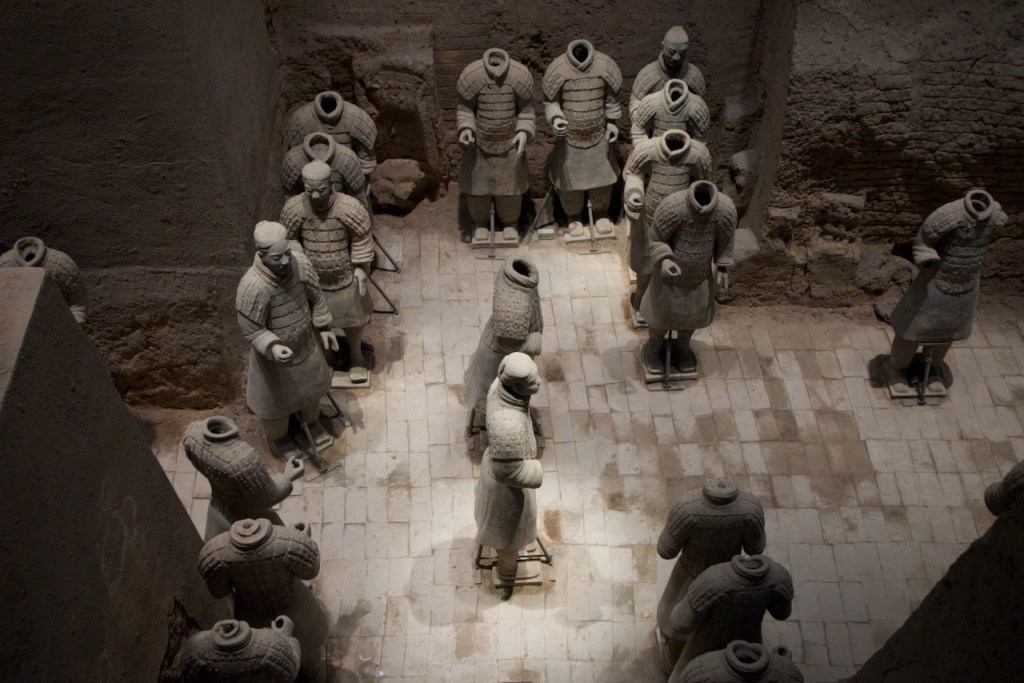
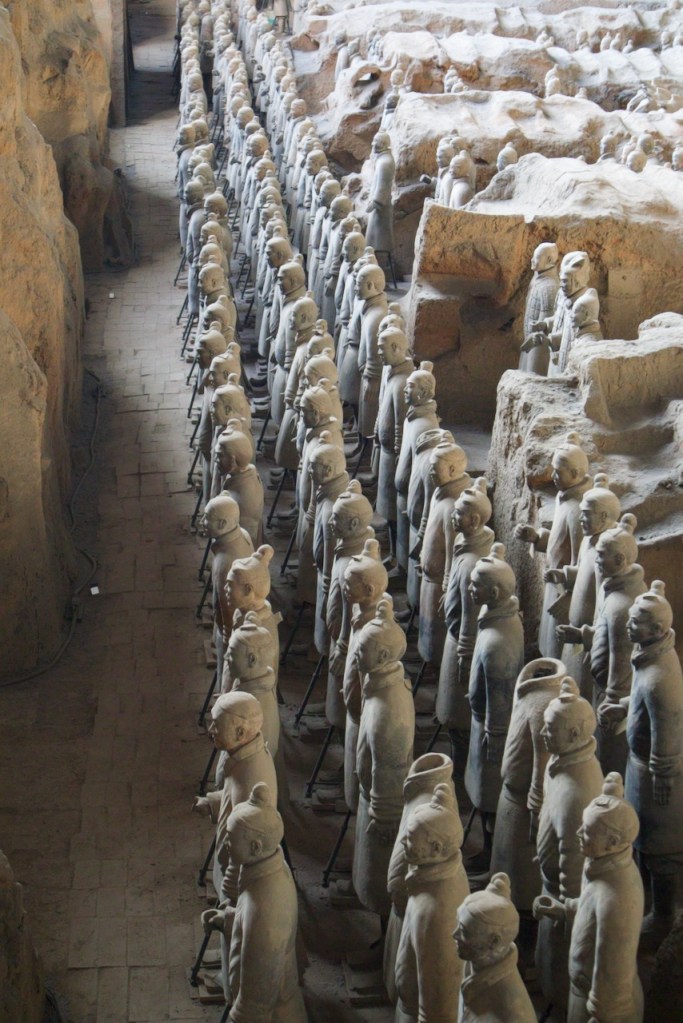
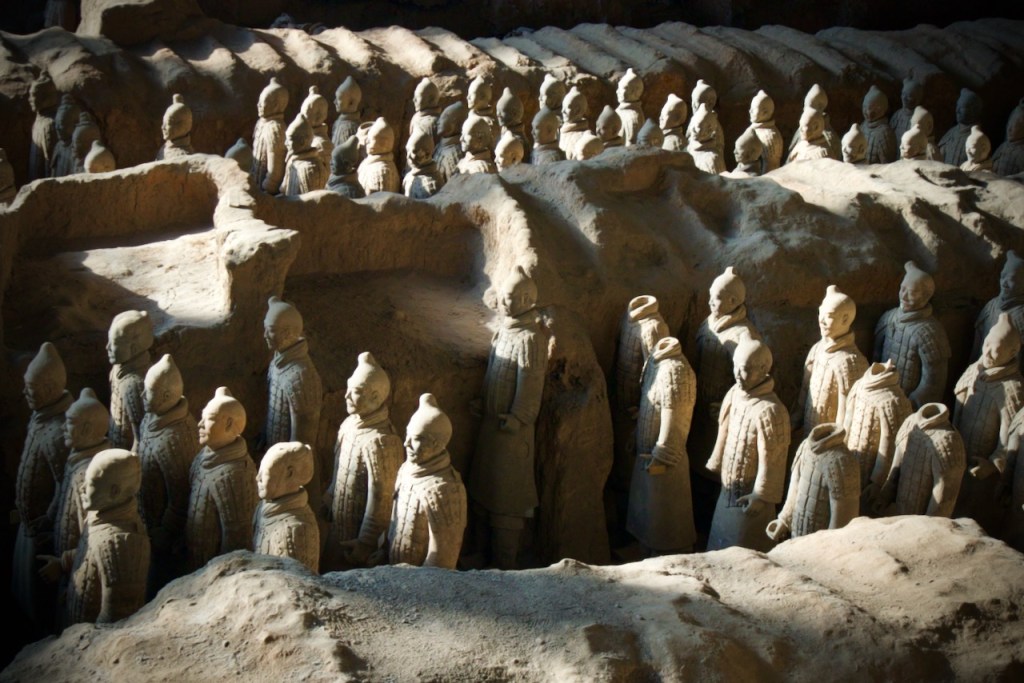
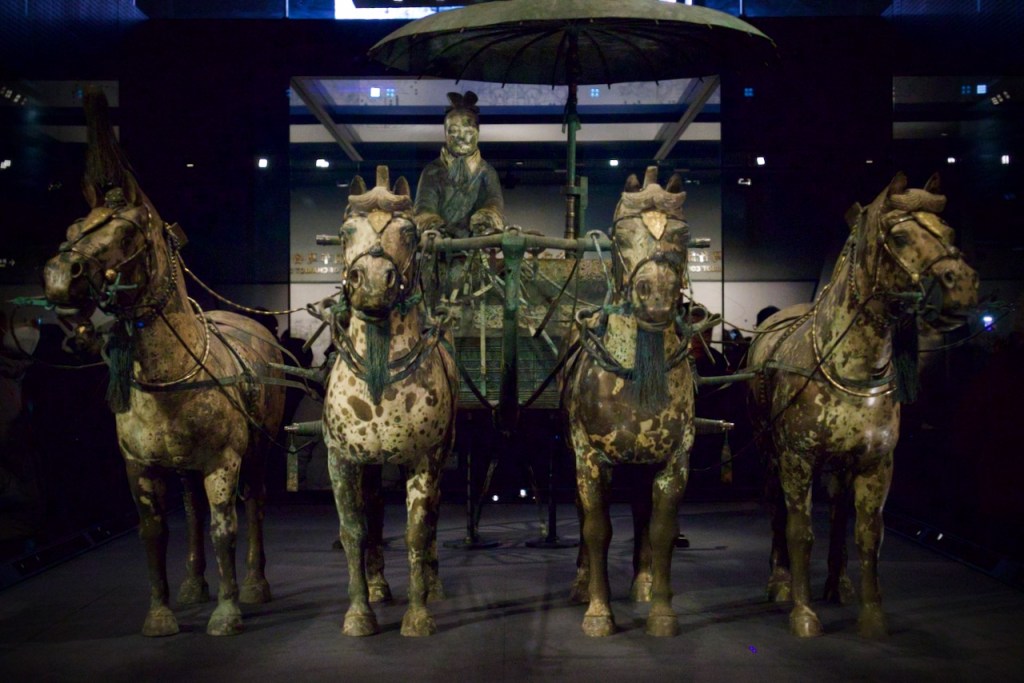
First thing first: I awake early to get to the terracottas, Xian’s most famous attraction, a collection of thousands of human sized clay sculptures of the armies of Qin Shi Huang, the first emperor of China from around 200BC. Set on green mountainside, the site is arguably the most elaborate form of funerary art with the purpose of protecting the megalomaniac tyrant in his afterlife. Though most are in ruins, one could get a glimpse of the warriors, horse skeletons, glazed potteries, impressive bronze chariots, and many ancient artifacts. Nearby lie the mausoleum of Emperor Qin alongside remains of the ancient city walls. The Huaqing Palace, an imperial resort from the Tang Dynasty history, famous for its imperial baths and the legendary tragic love story of Emperor Xuanzong and Yang Guifei, stands eerily in the shadow a short bus ride away.




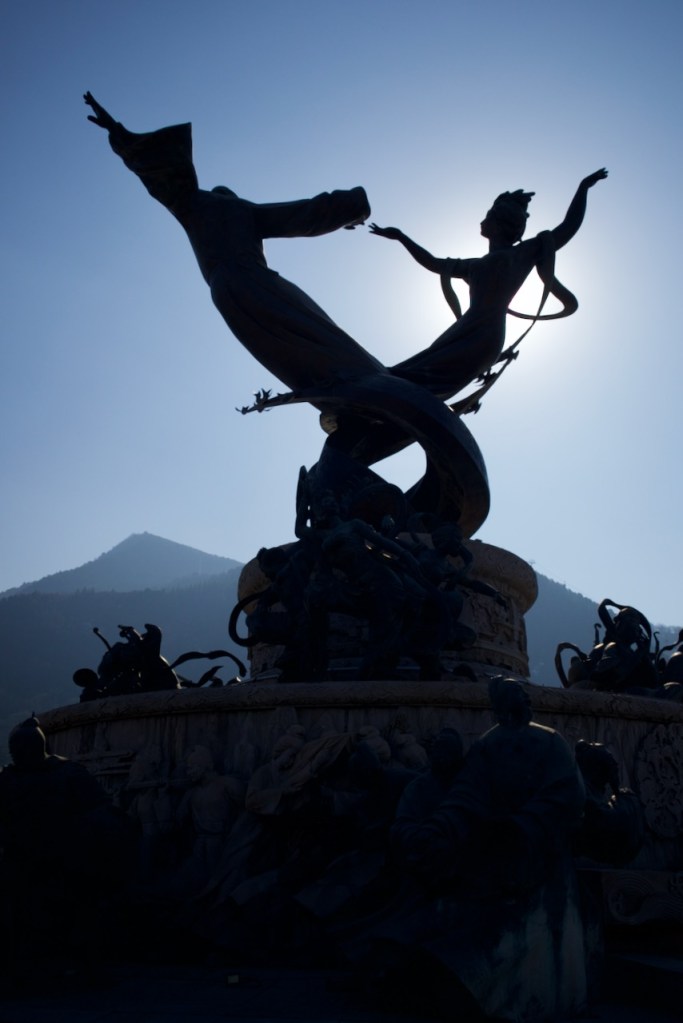
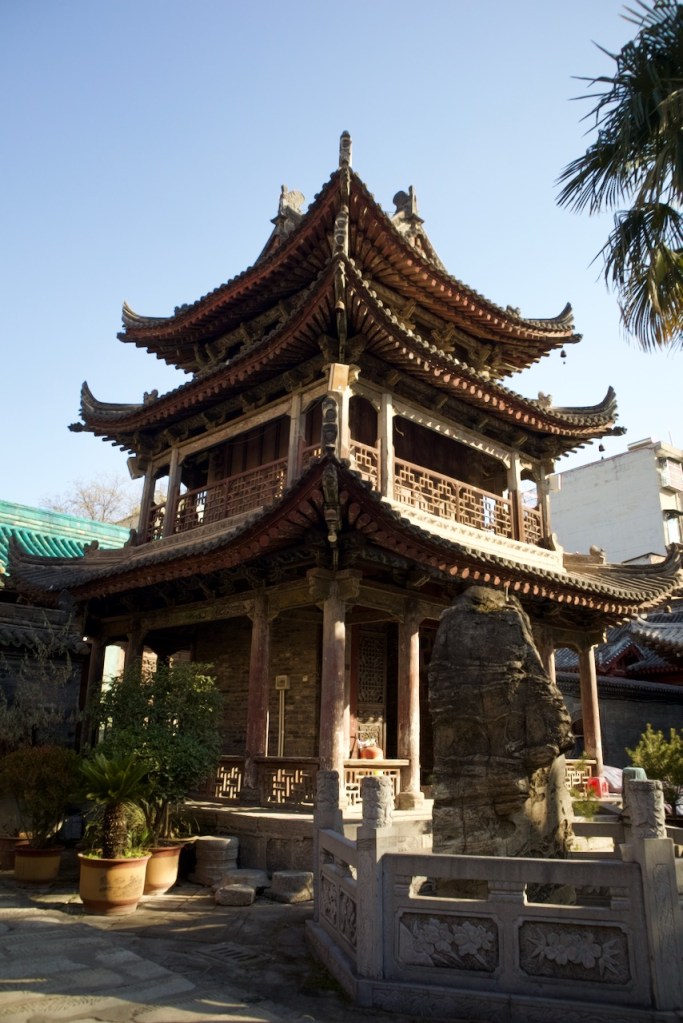
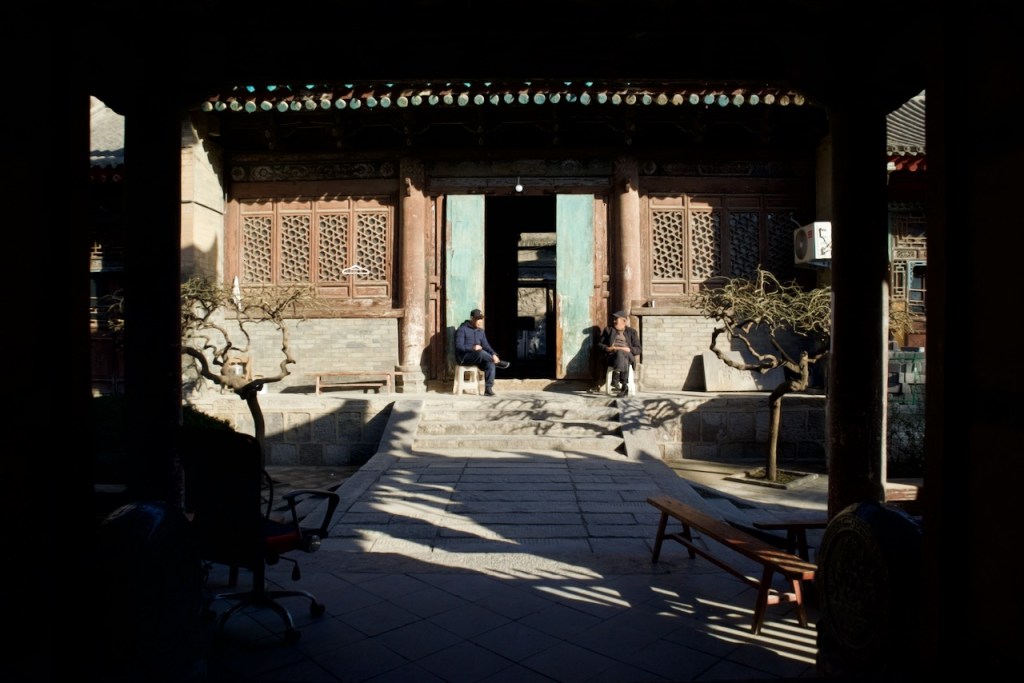
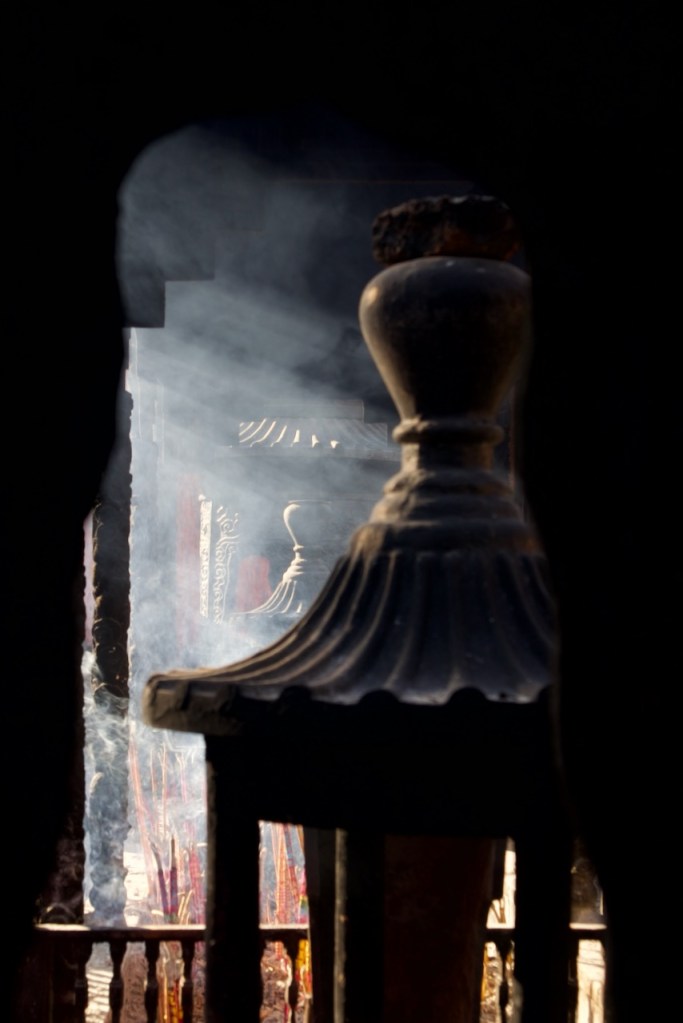
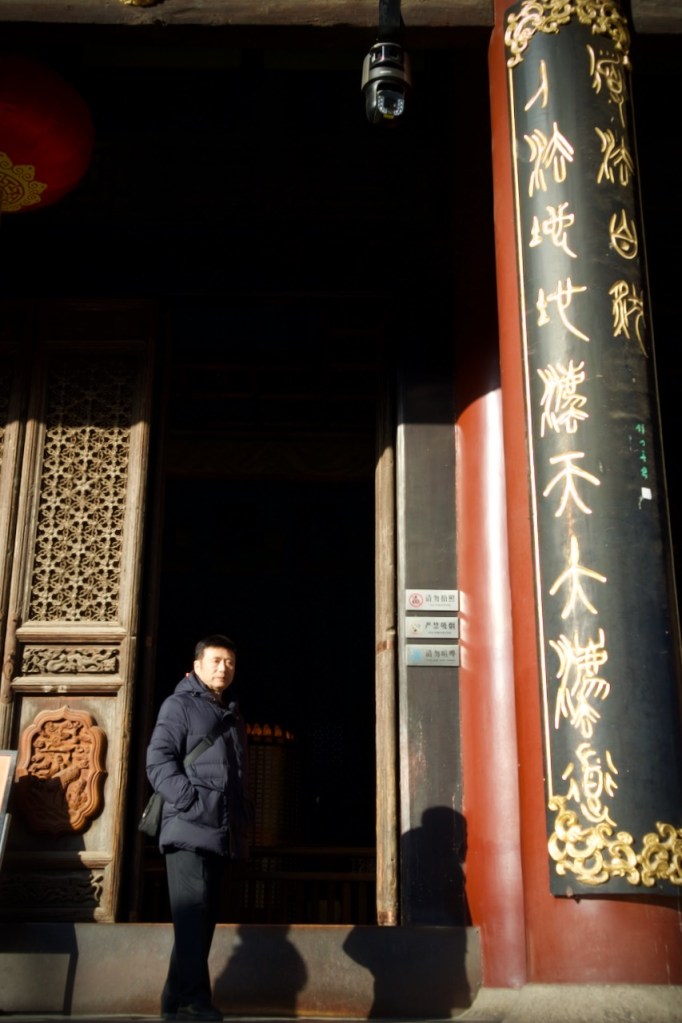
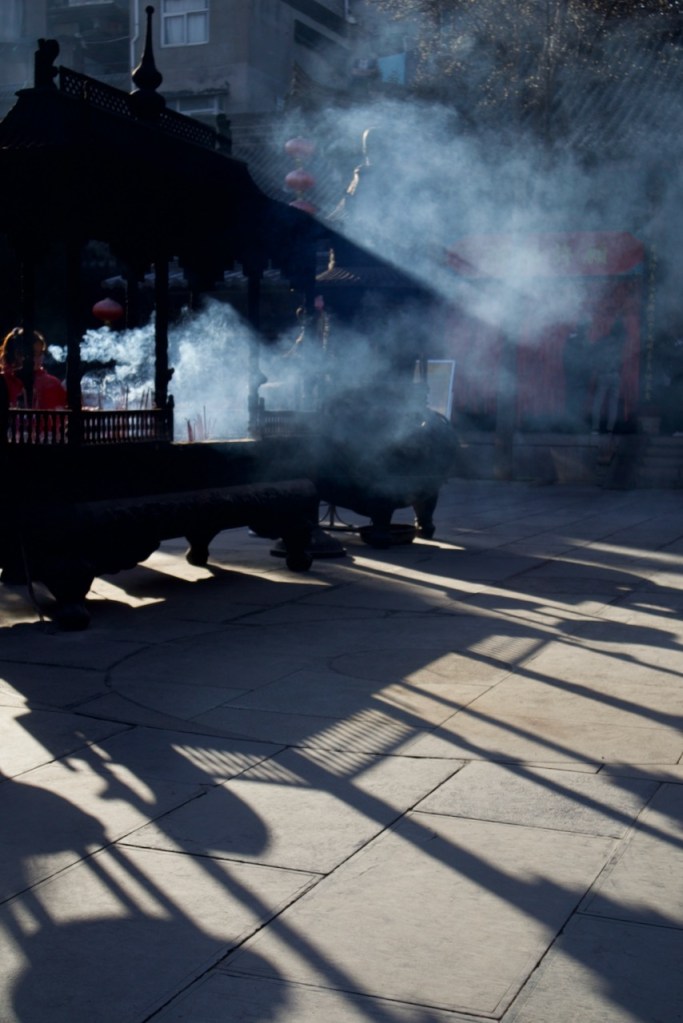
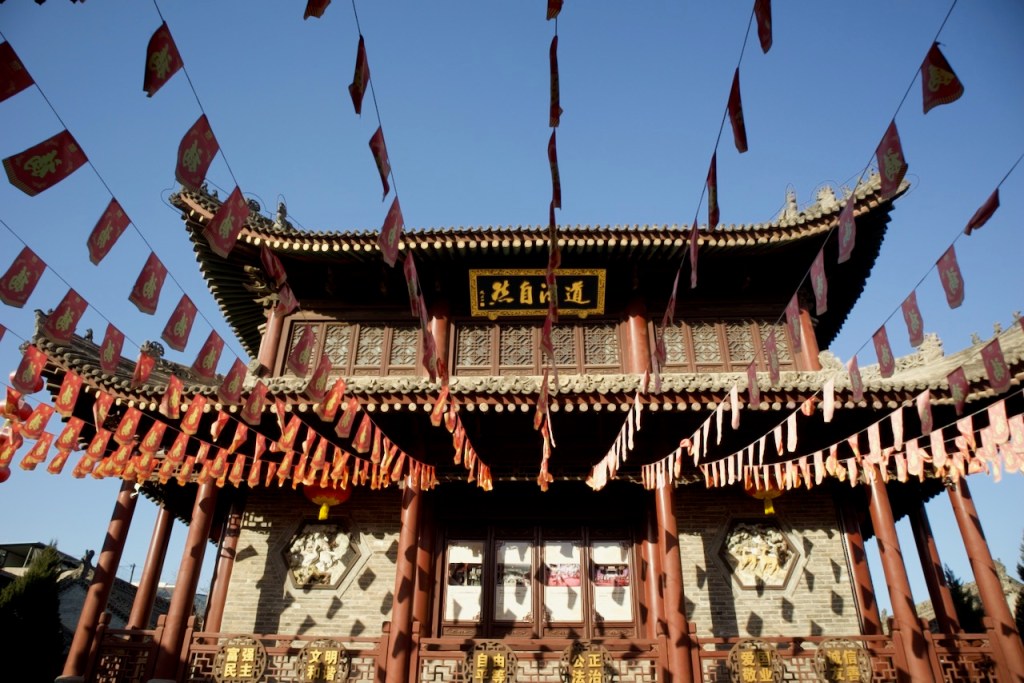
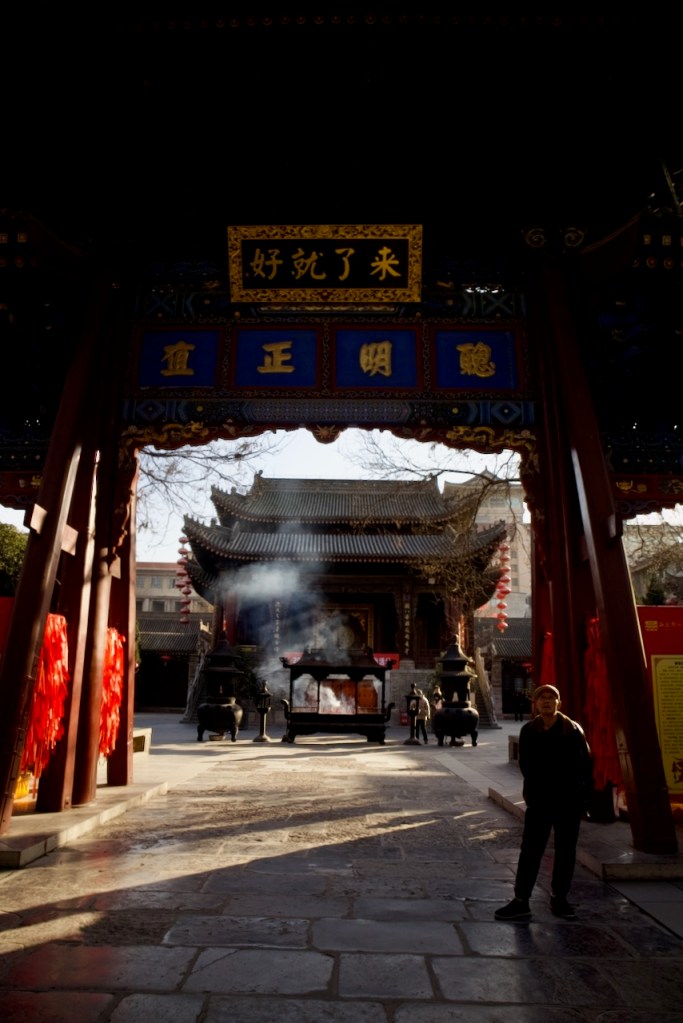
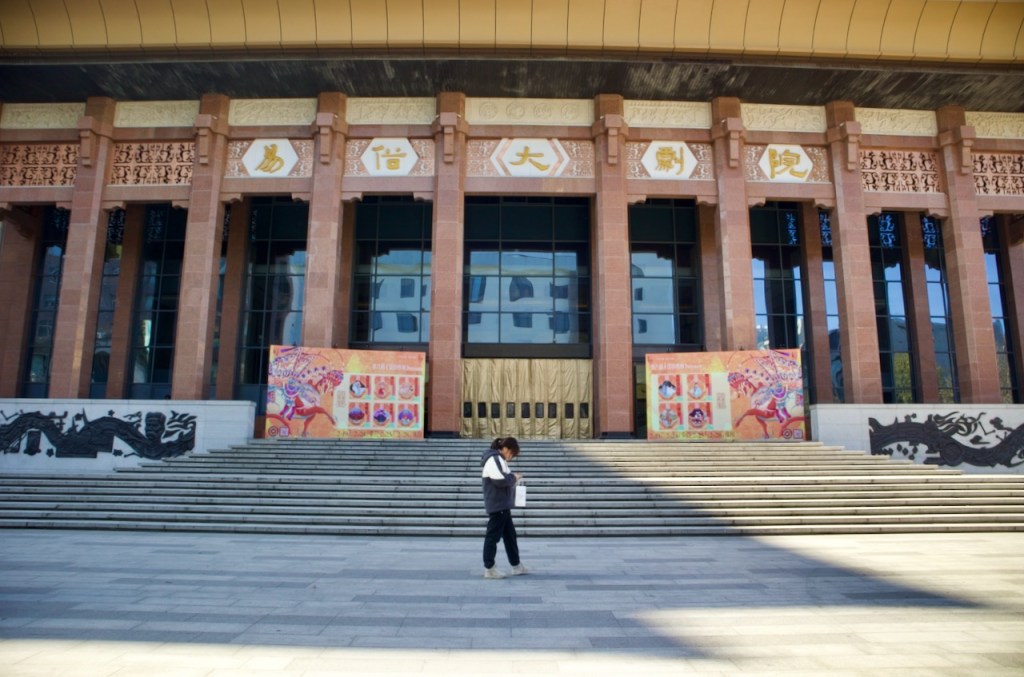
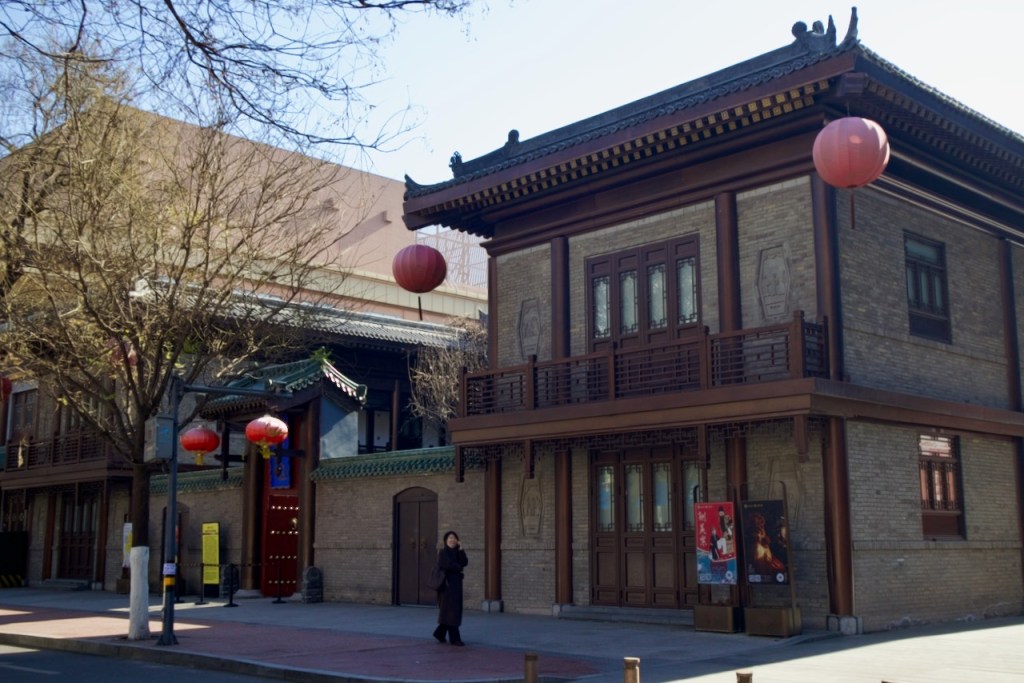
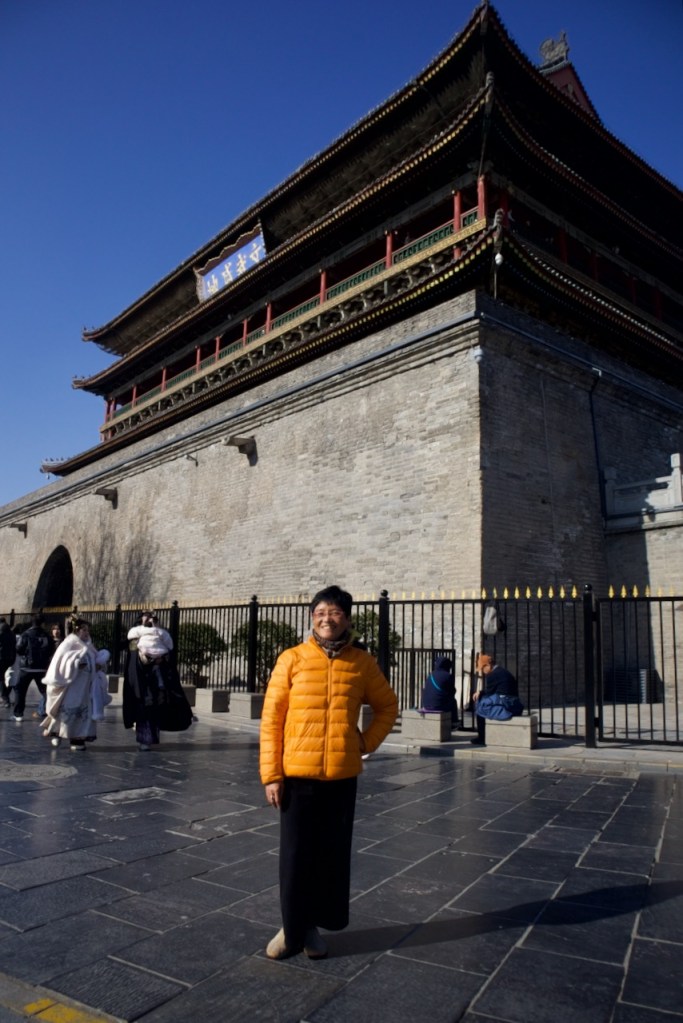
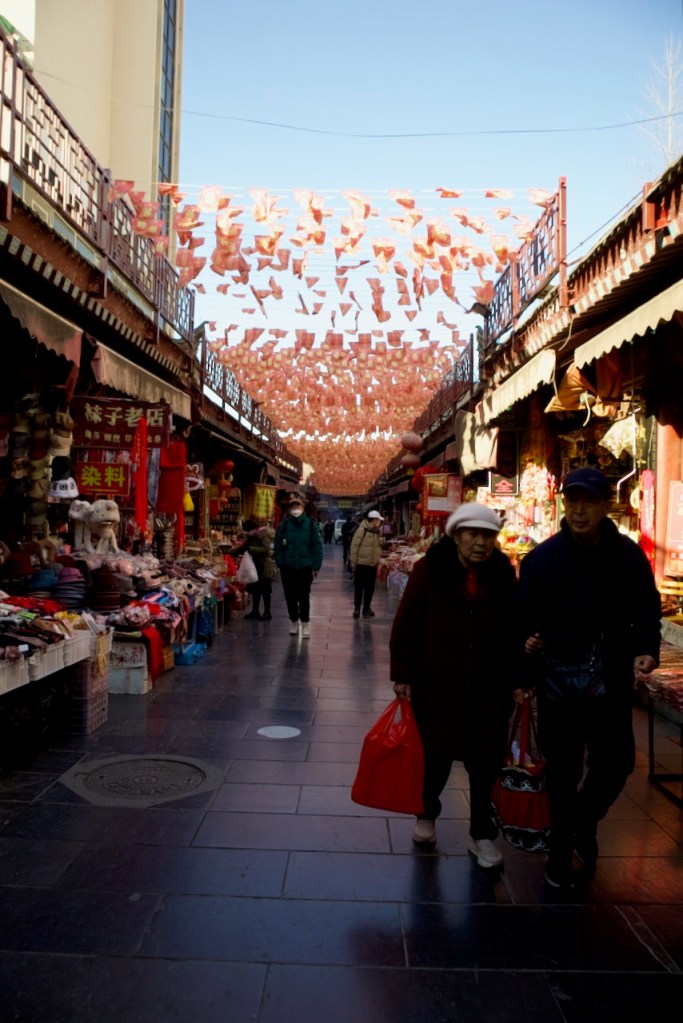
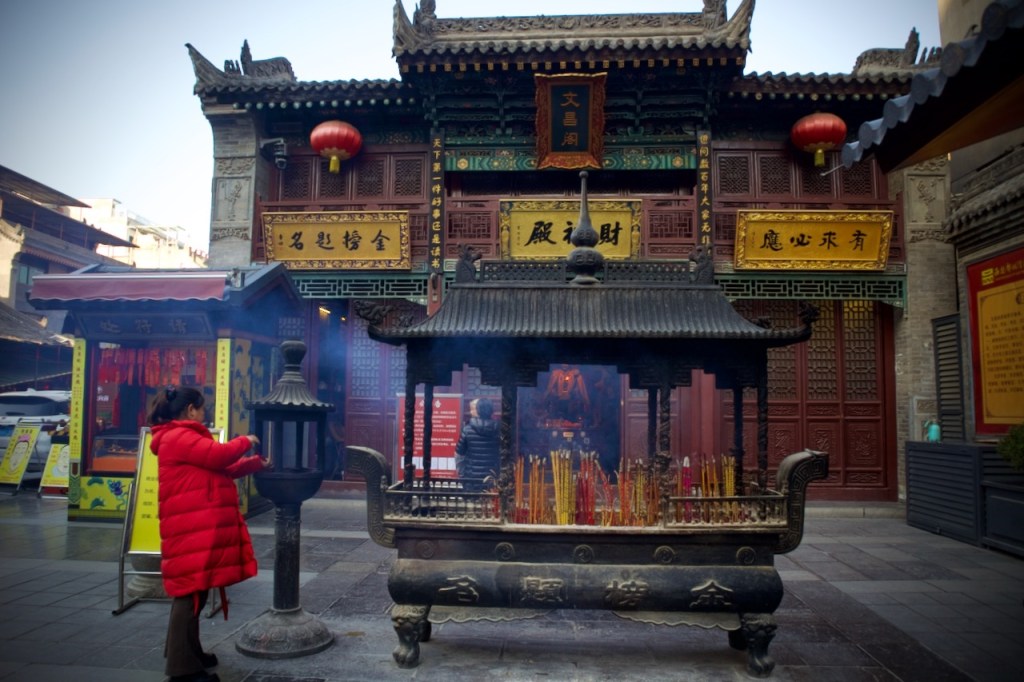
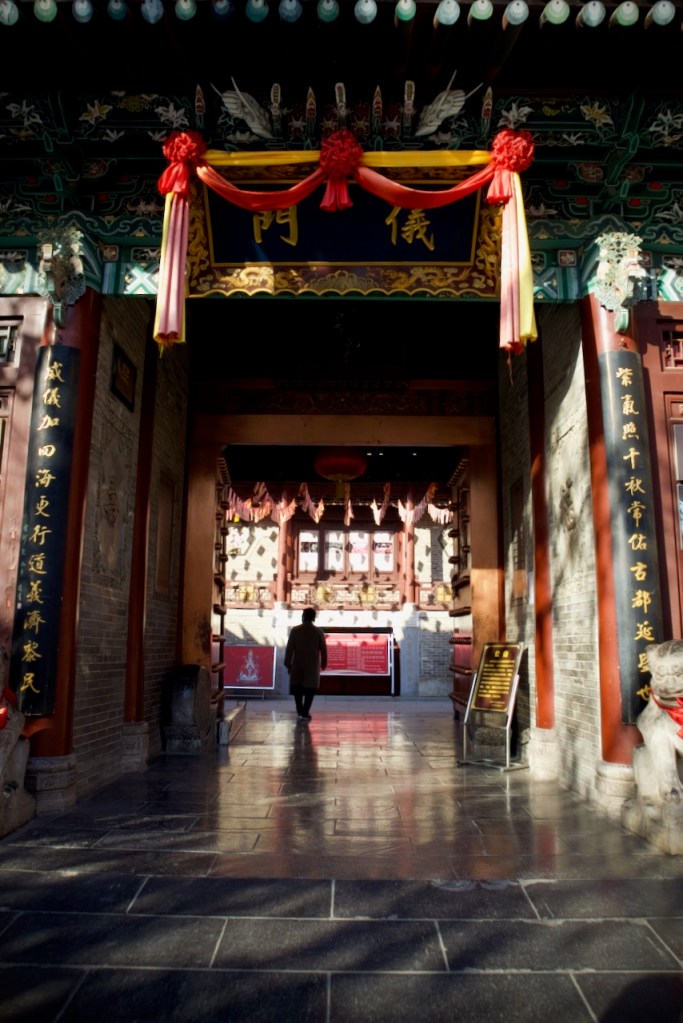
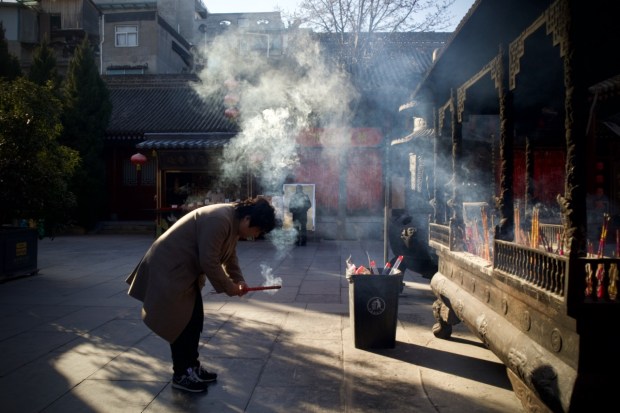
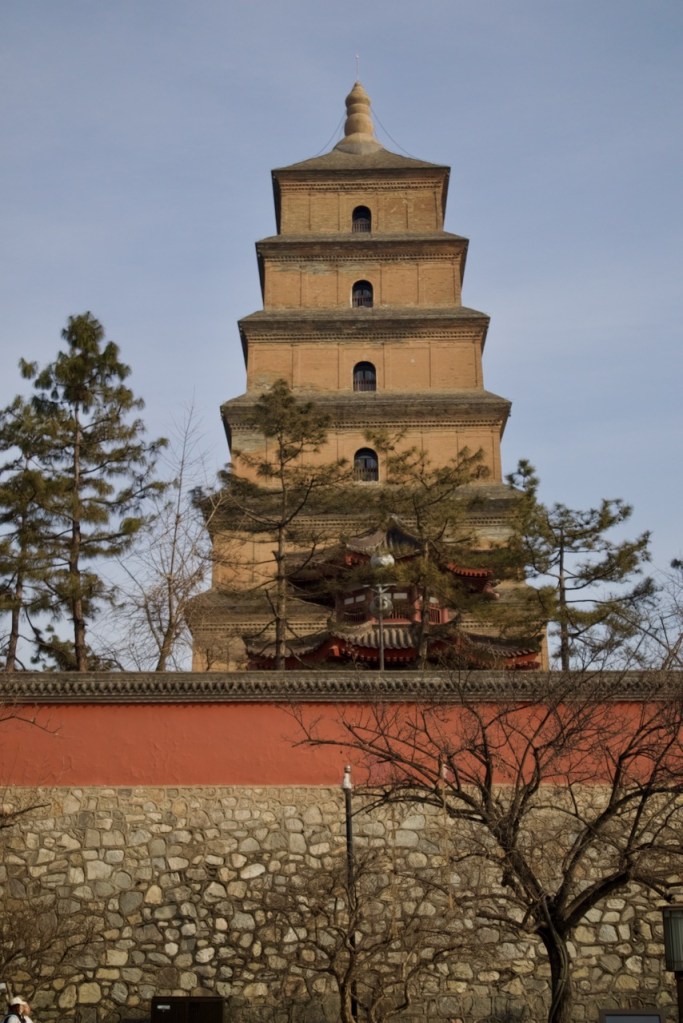
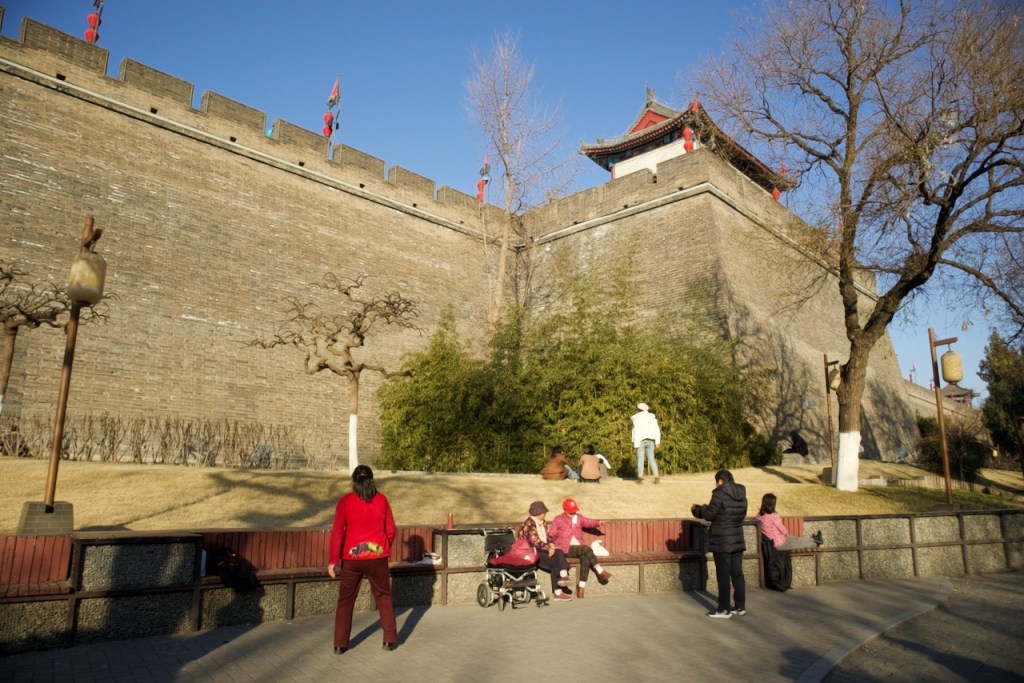
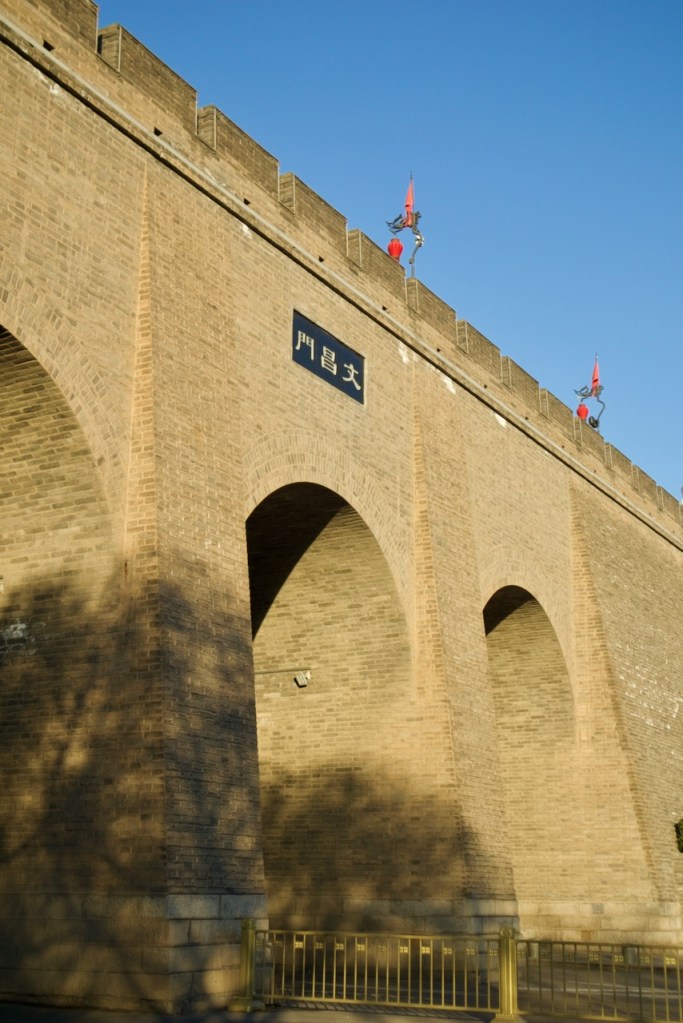
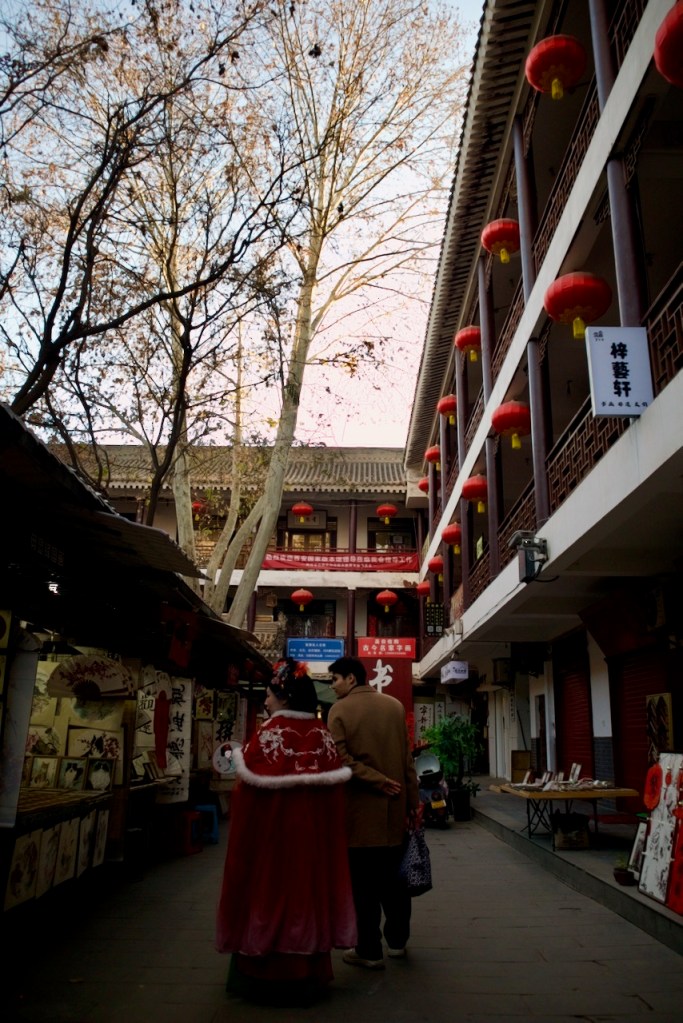
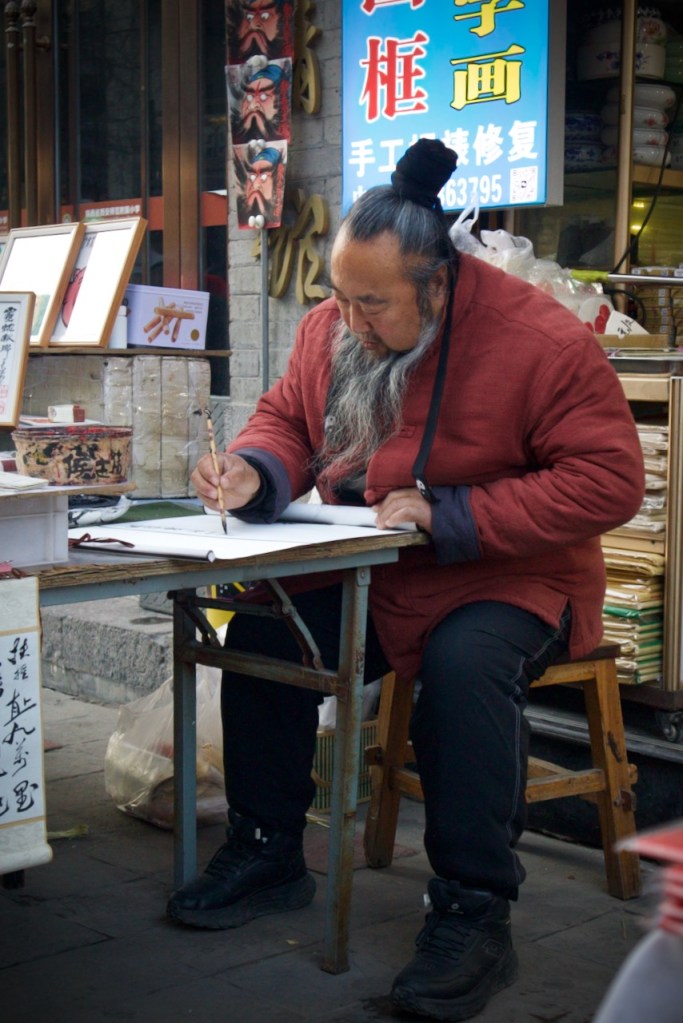
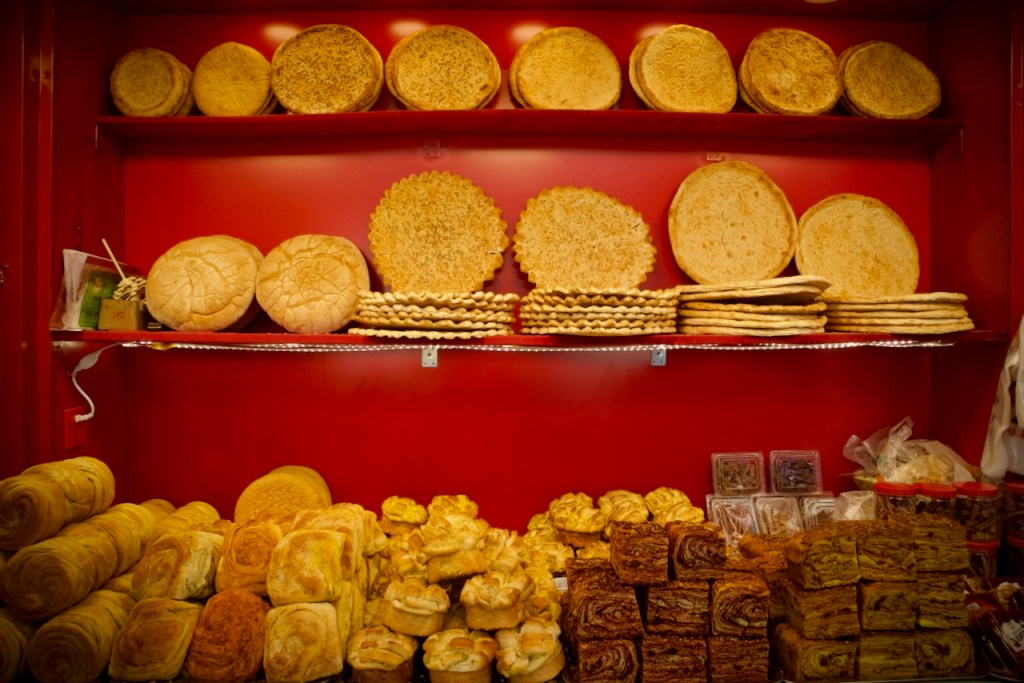
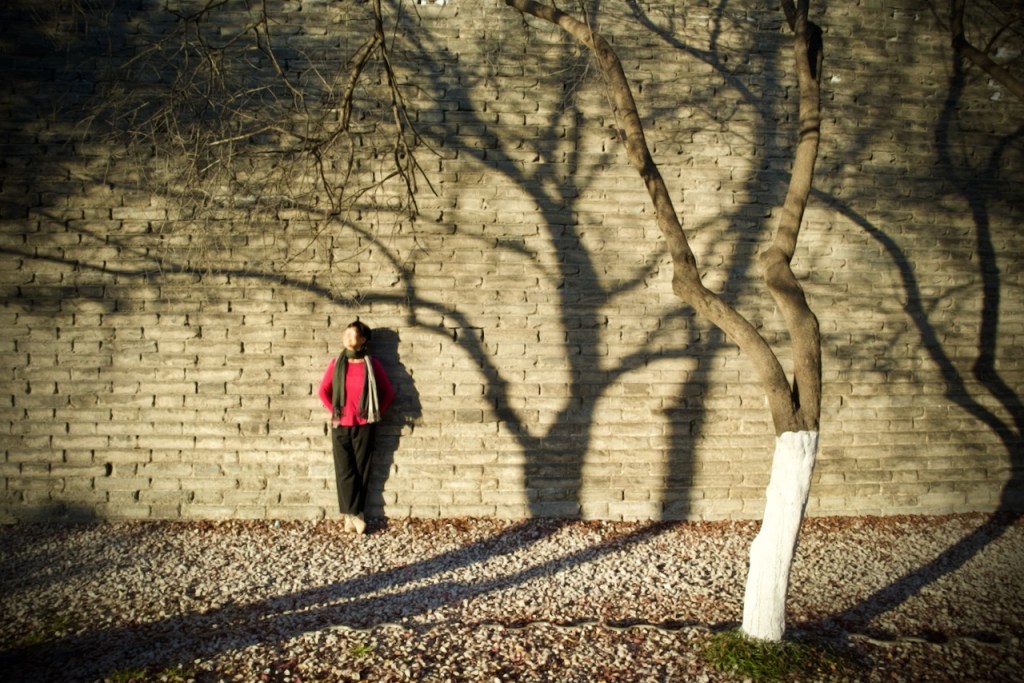
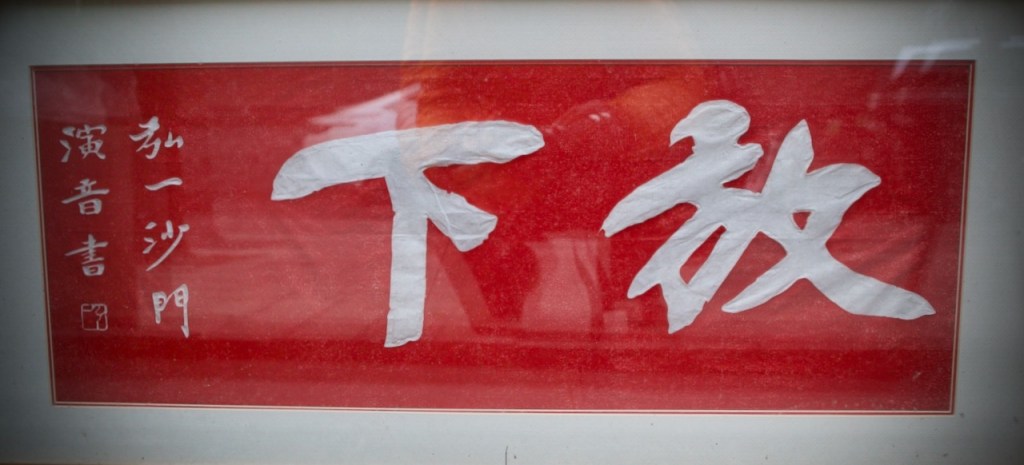
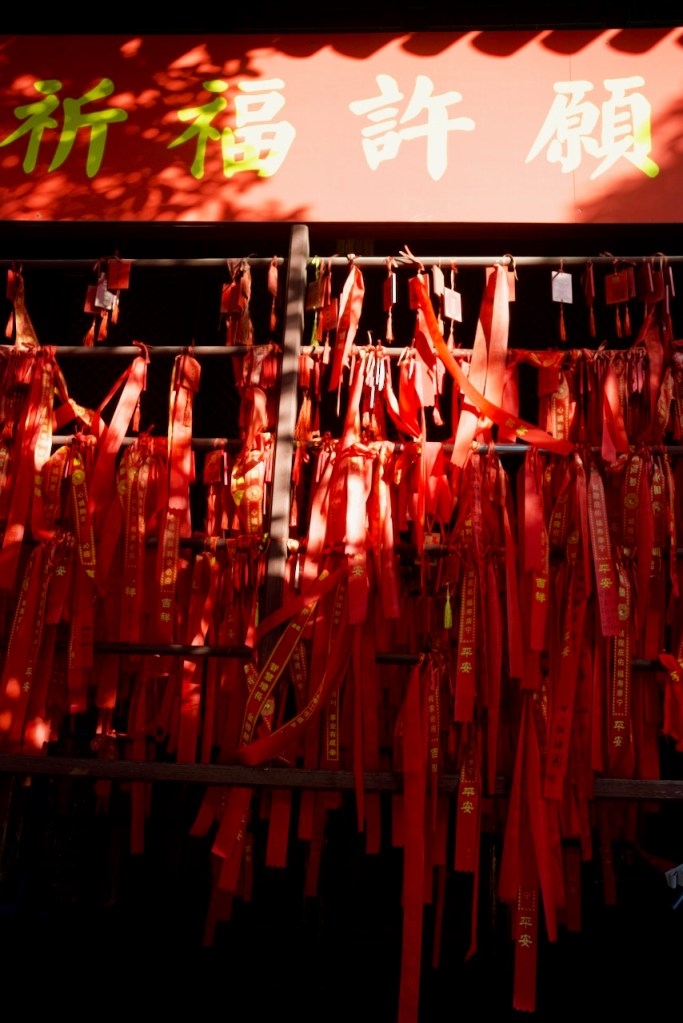
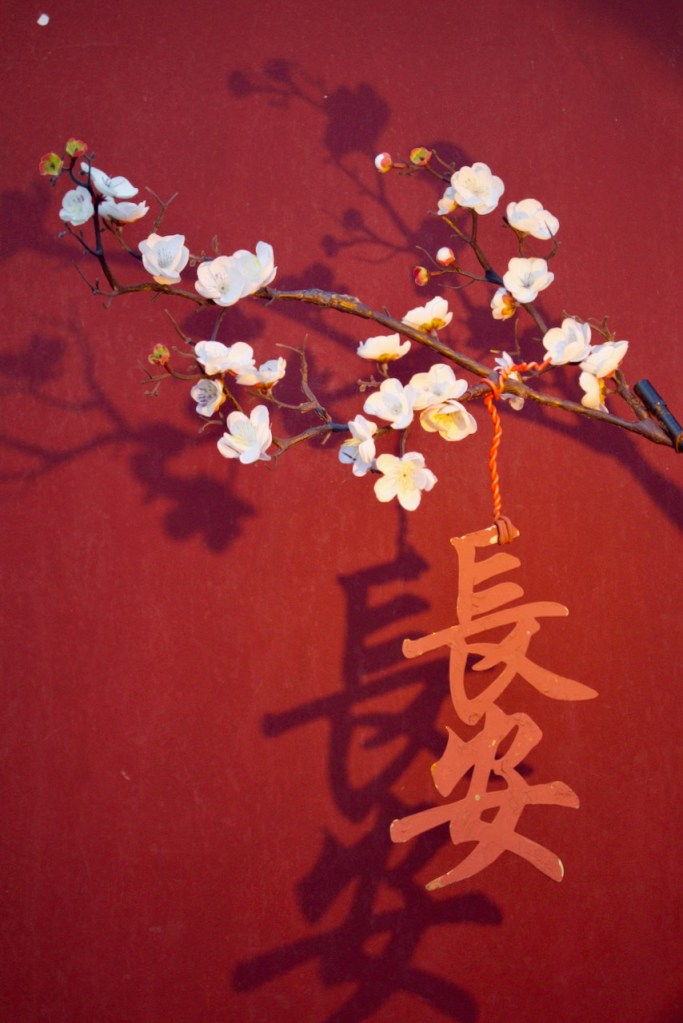
For the rest of the week I tackle one neighbourhood at a time, visiting temples and towers, theatres and old schools, and joints after joints of local eats. From the Bell Tower, my ground zero, I walk towards the Drum Tower and the adjacent Muslim Street, a legendary kilometre-long food street before tumbling onto the exquisite 1300-year-old Great Mosque. Another day, I venture a bit further to visit the Great Goose Pagoda and then return to stroll along the Academy neighbourhood and the famous Calligraphy Street, marvelling at the ancient art. And then there are the city walls, still standing proud and erect, casting beautiful shadows of everything from plum trees to dancing residents. How I would have loved to linger in this amazingly rich city! I have a perfect excuse to return, to begin a journey through Langzhou, Jiuquan, Dunhuang, Hami, Turpan, Urumiqi, and Kashgar…

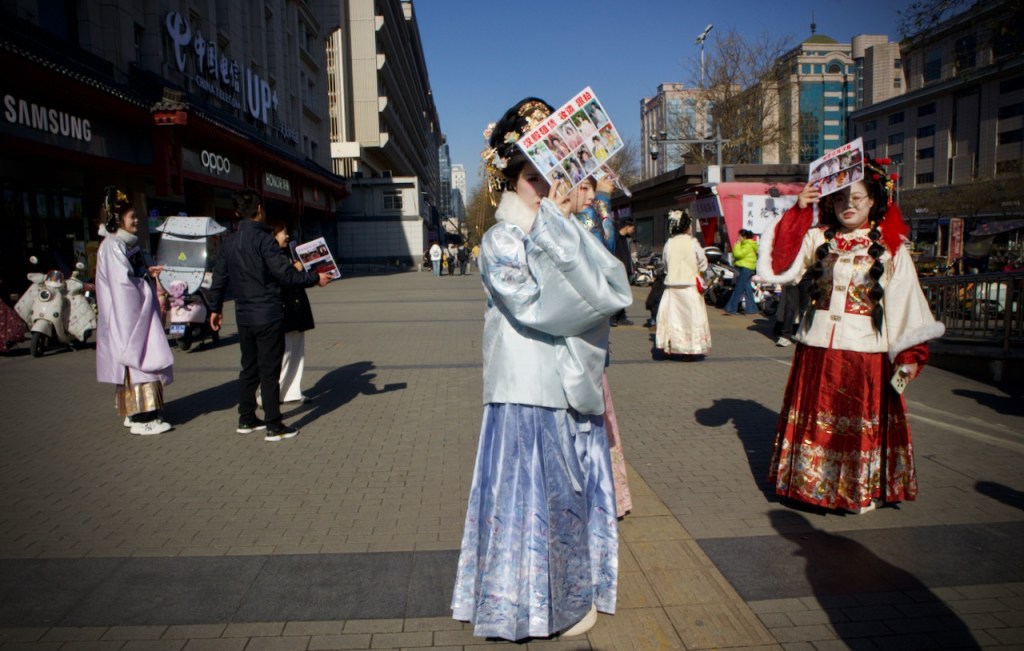

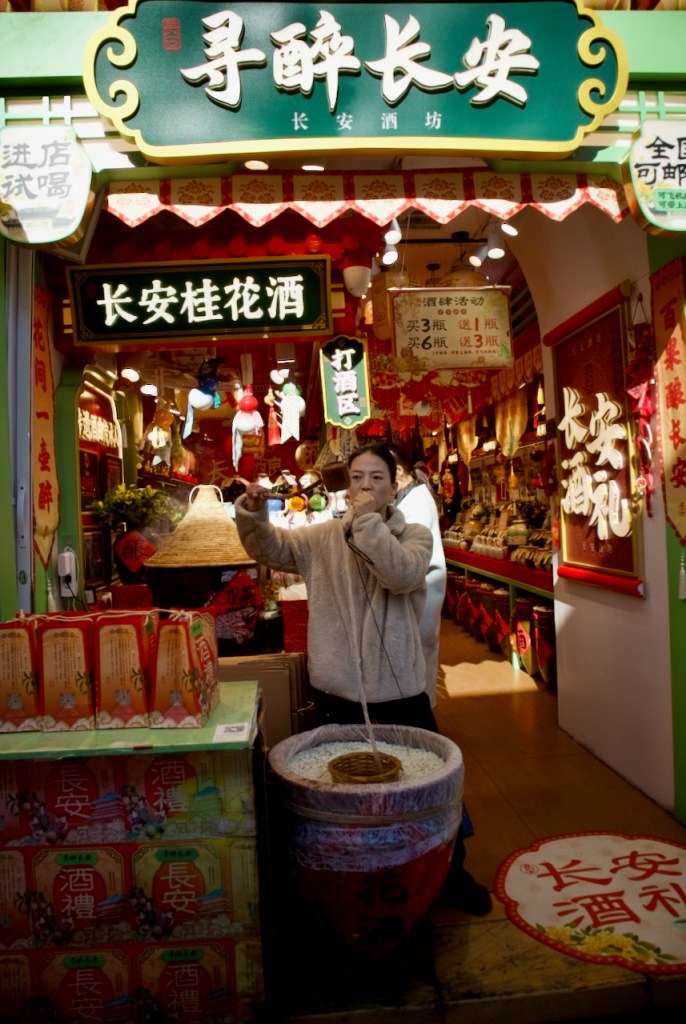
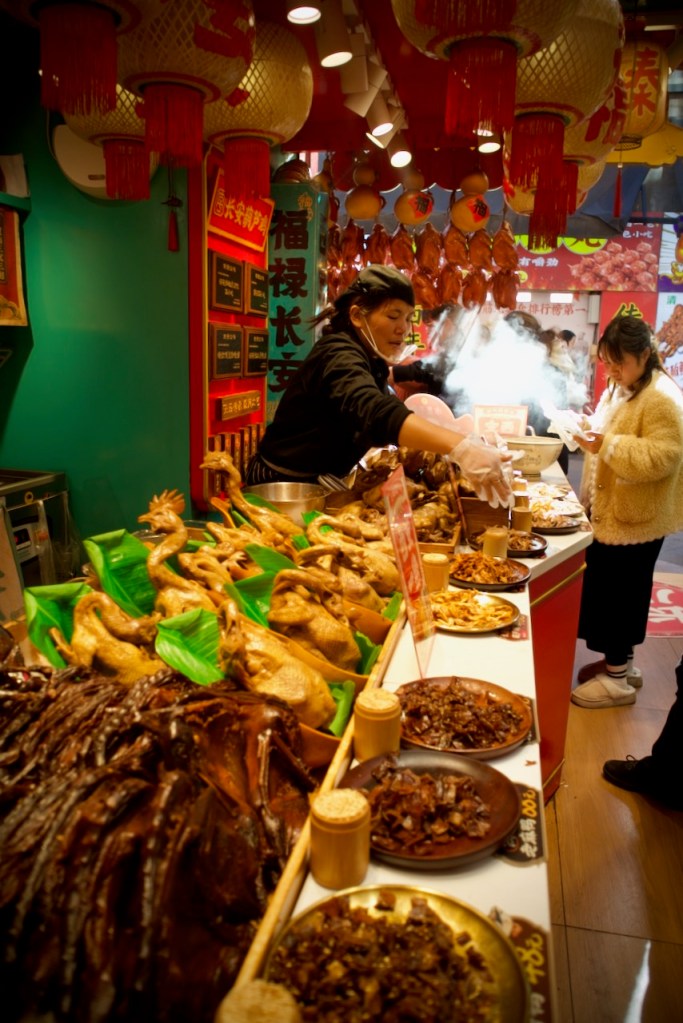

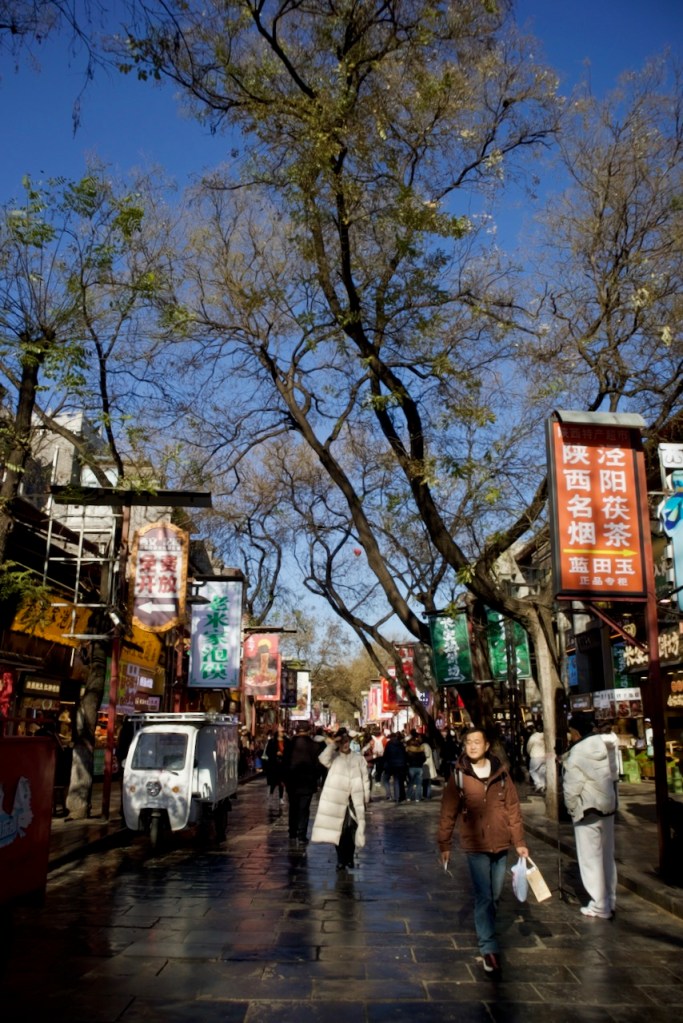
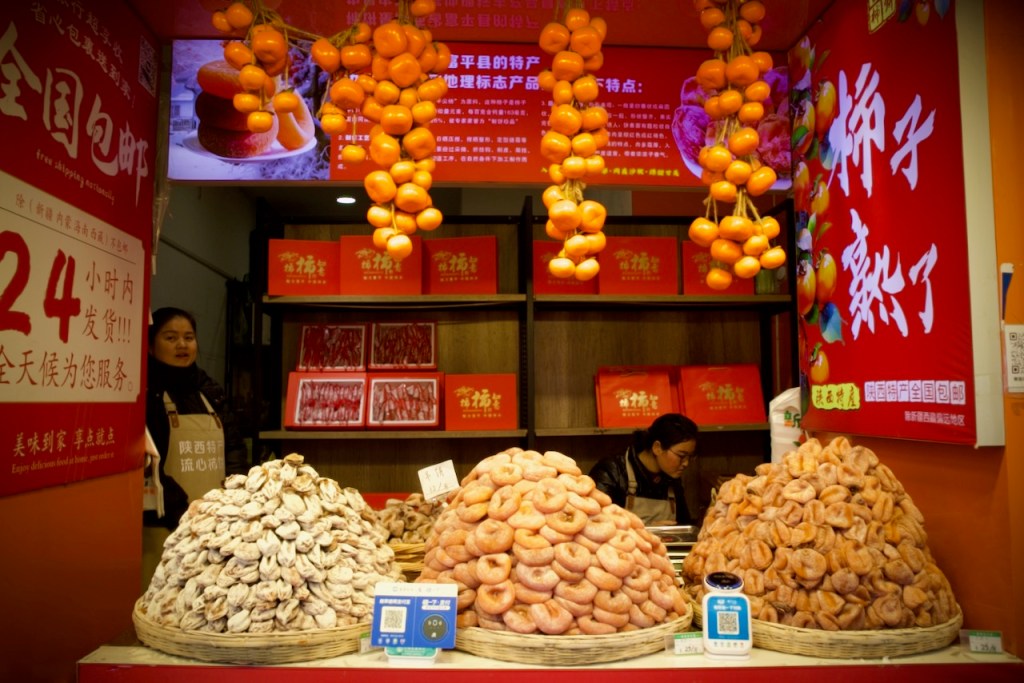
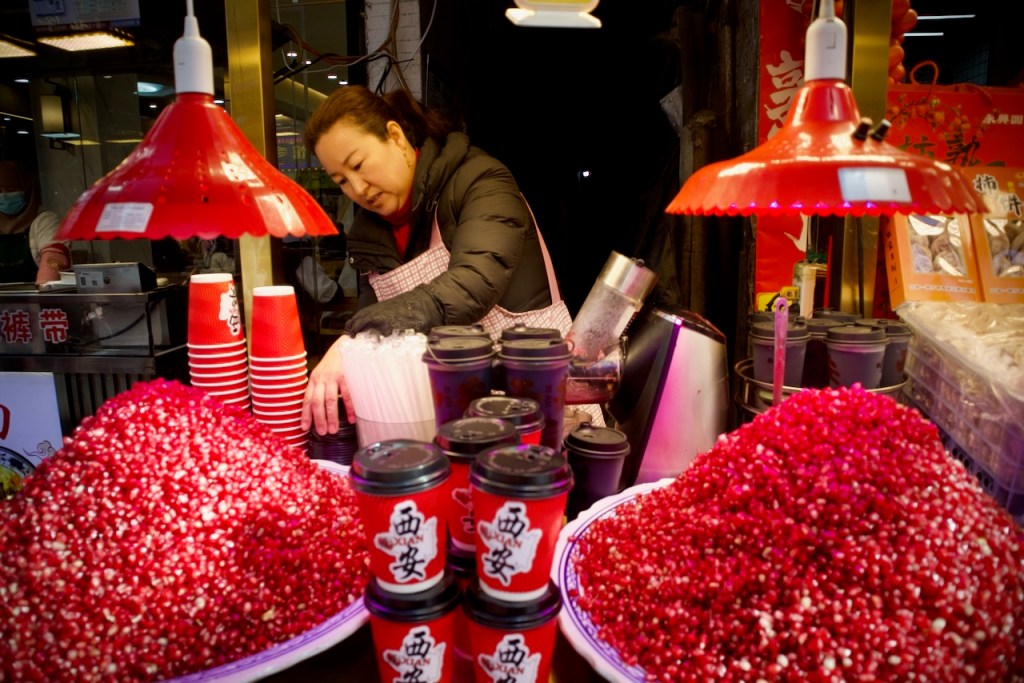
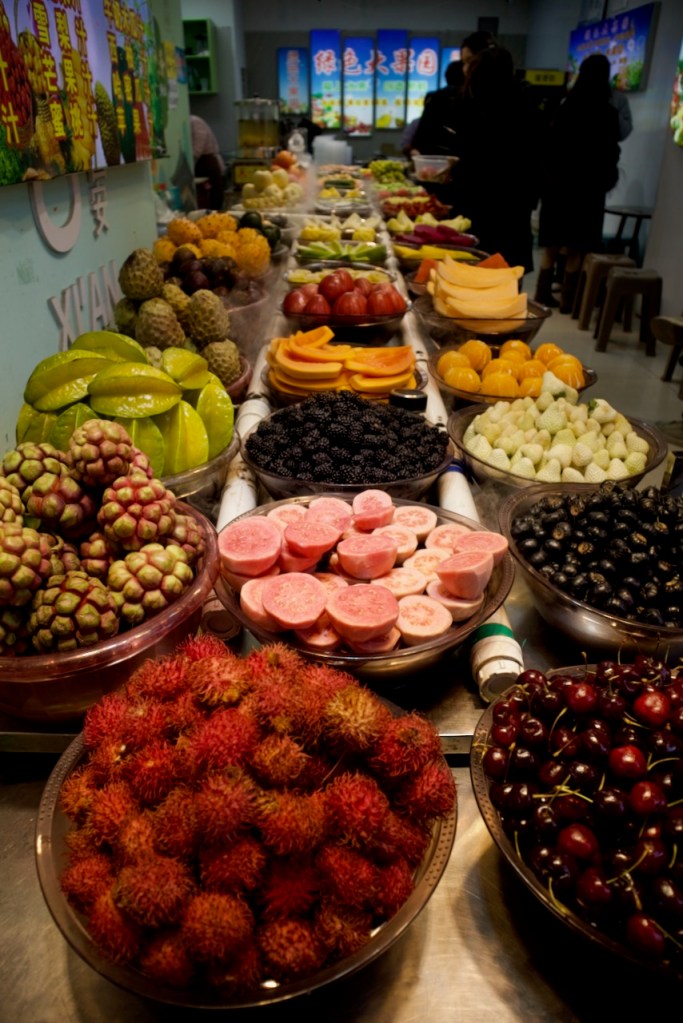
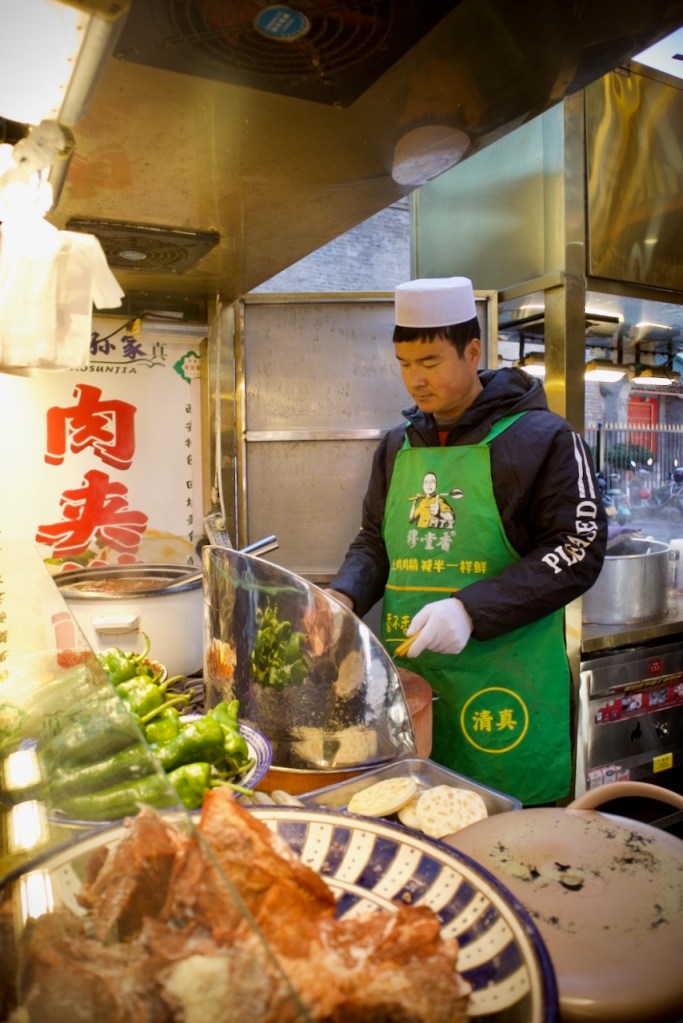
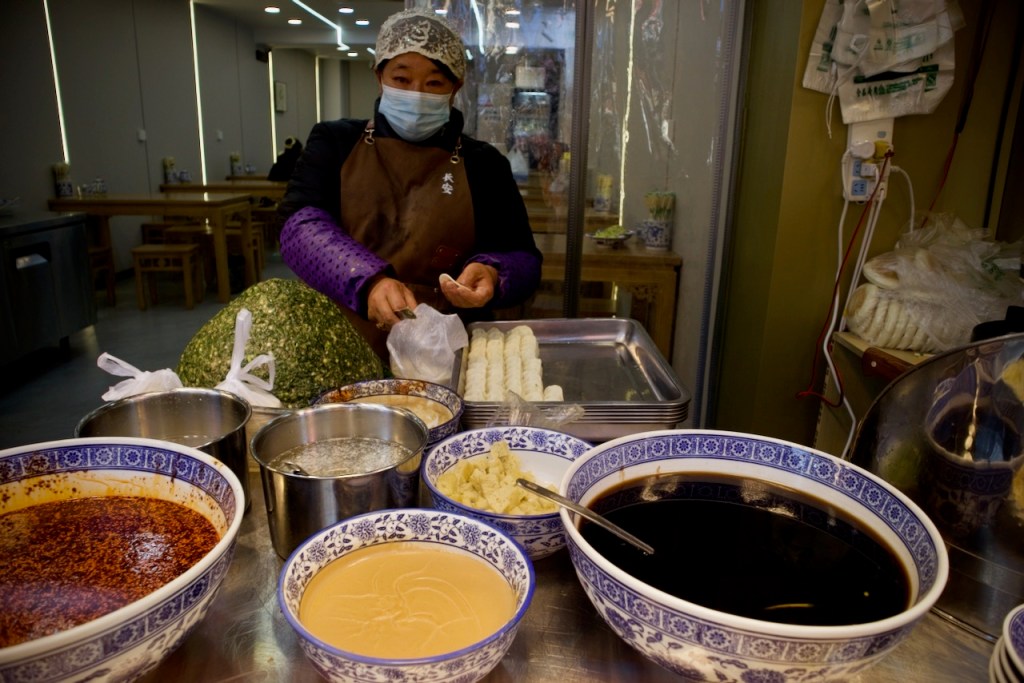
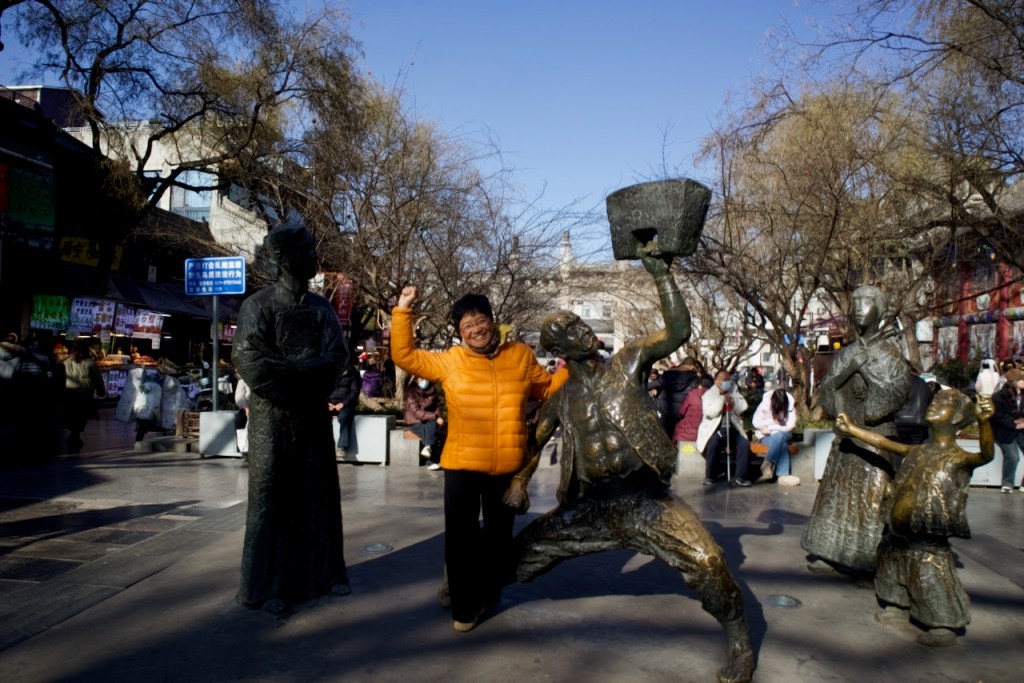
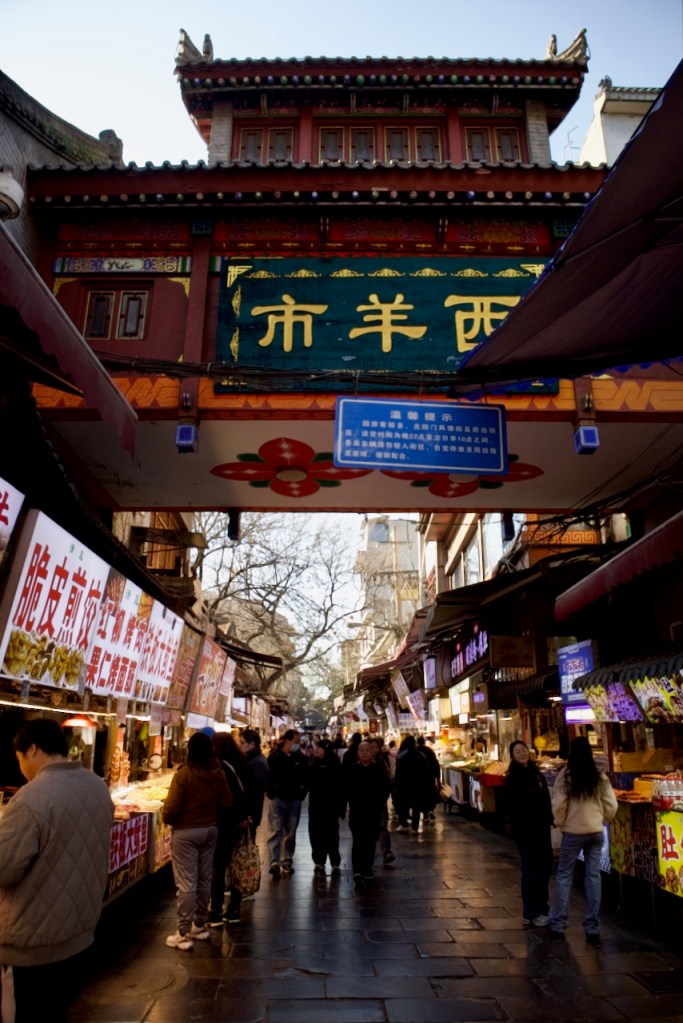
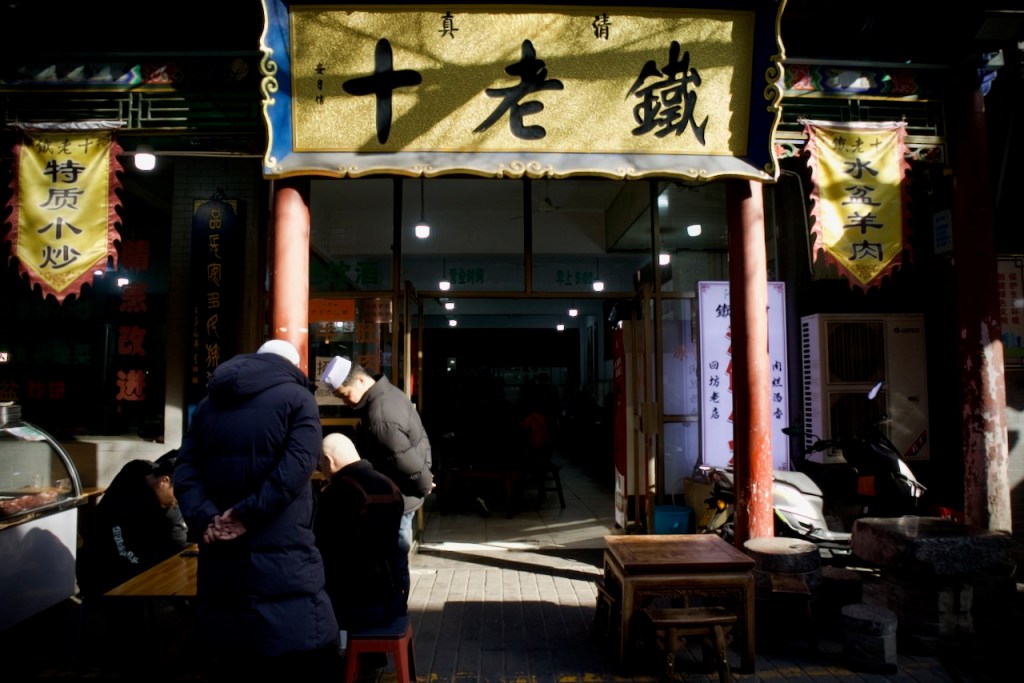

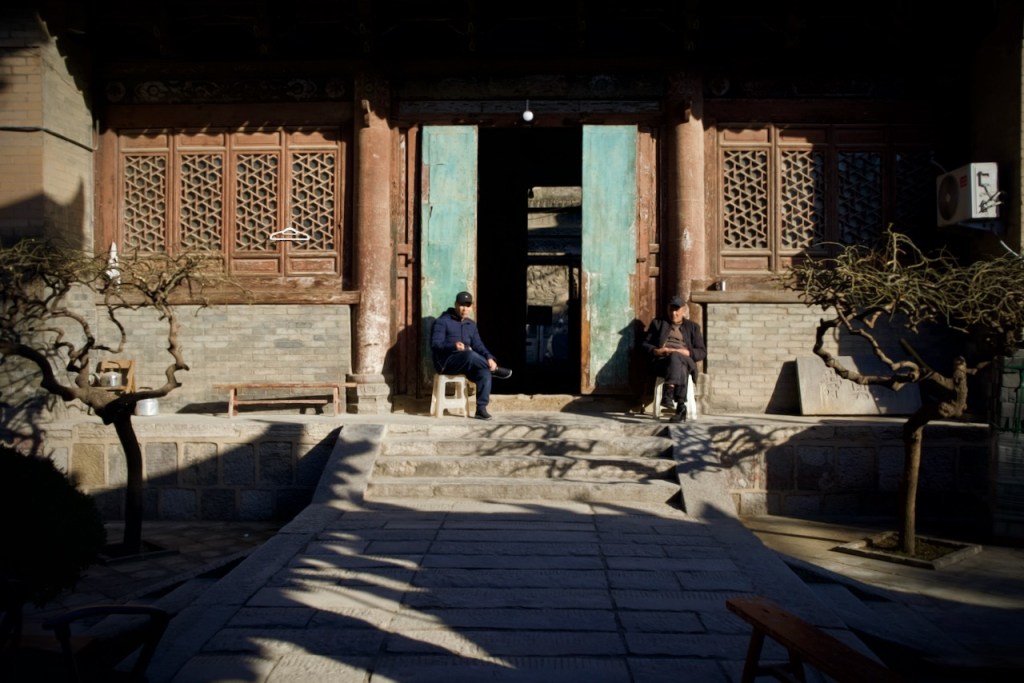




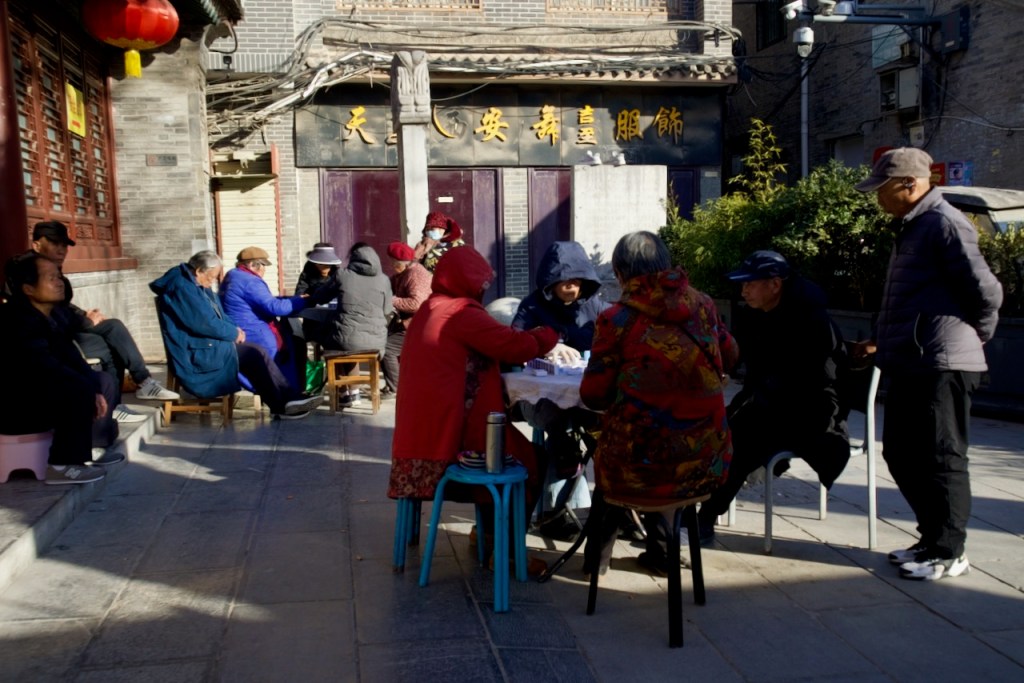

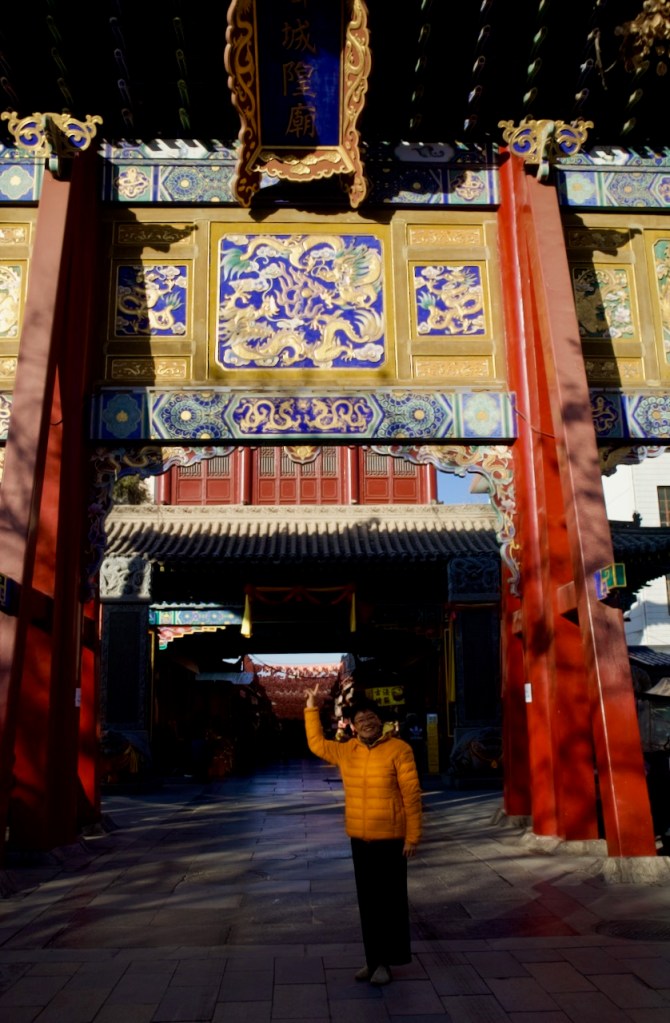
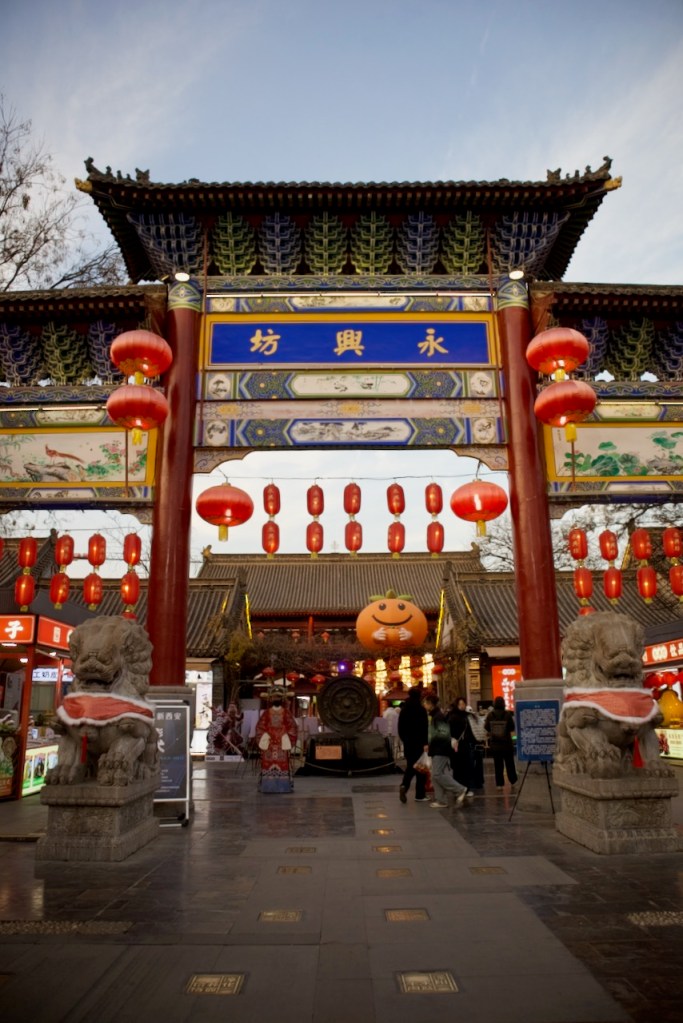
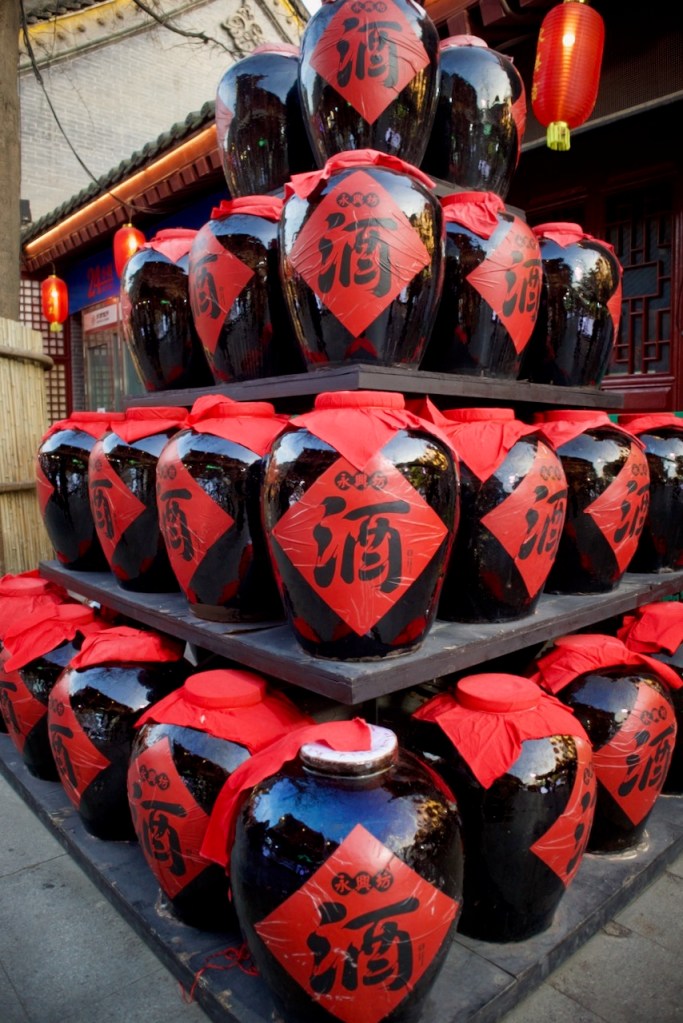

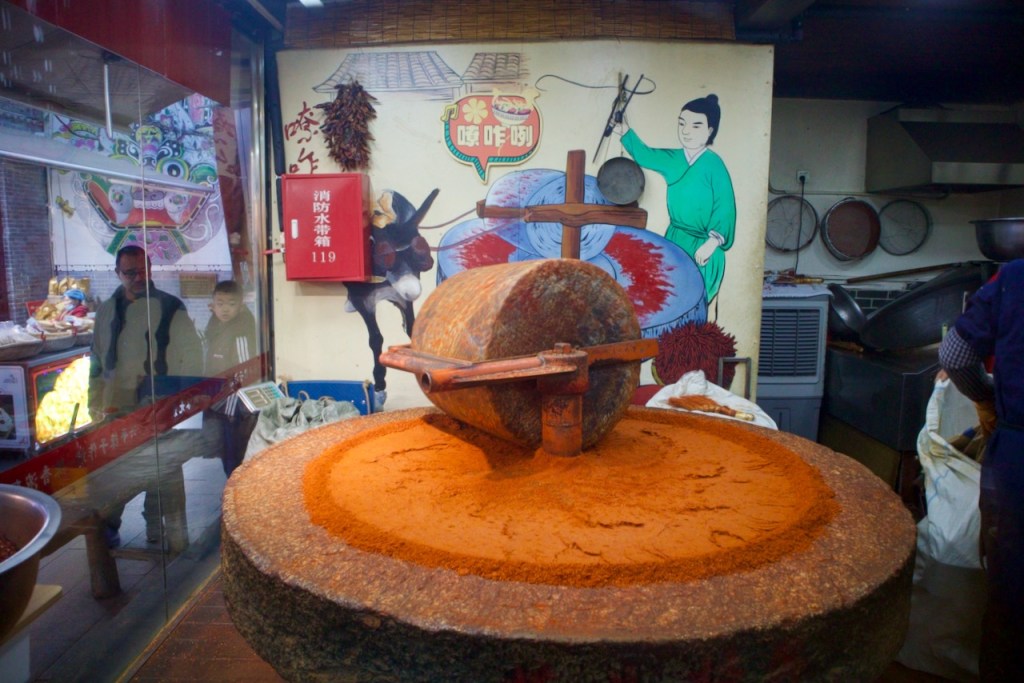
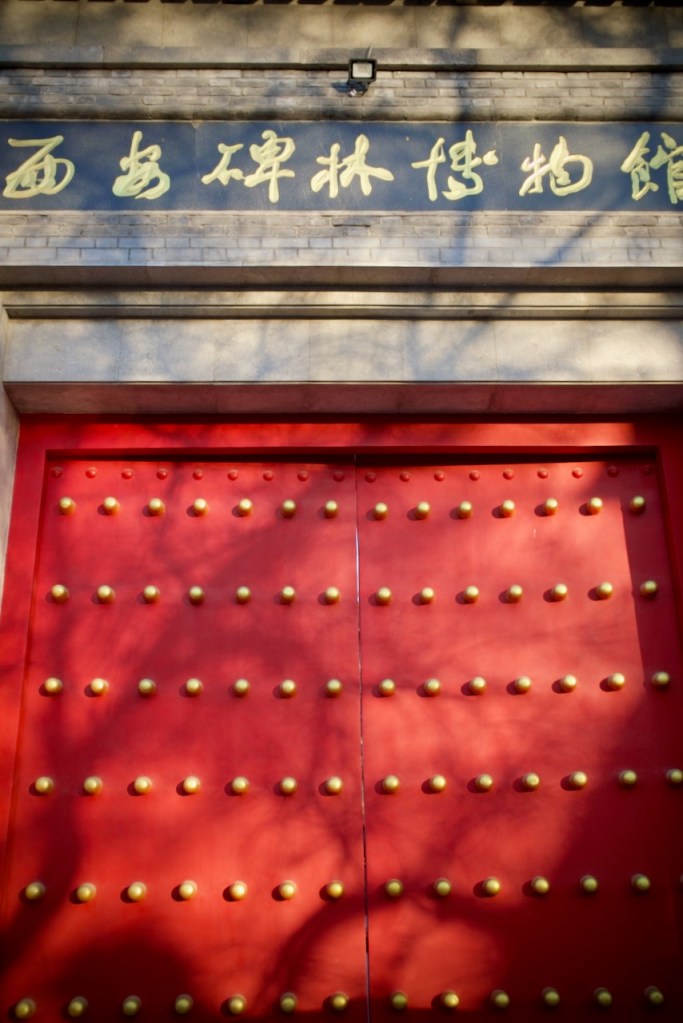
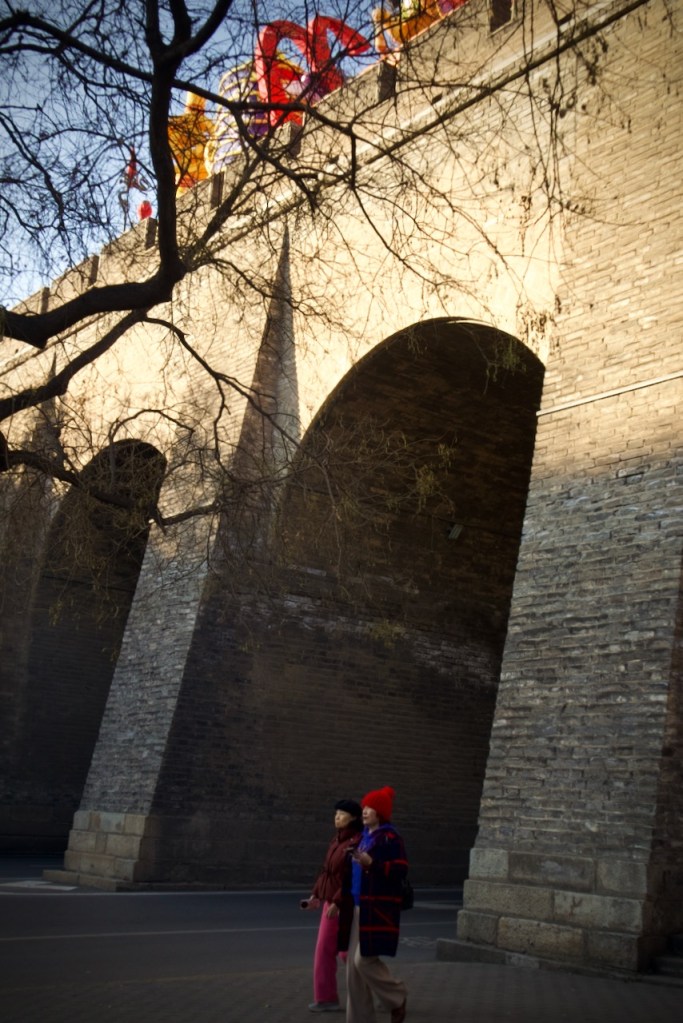




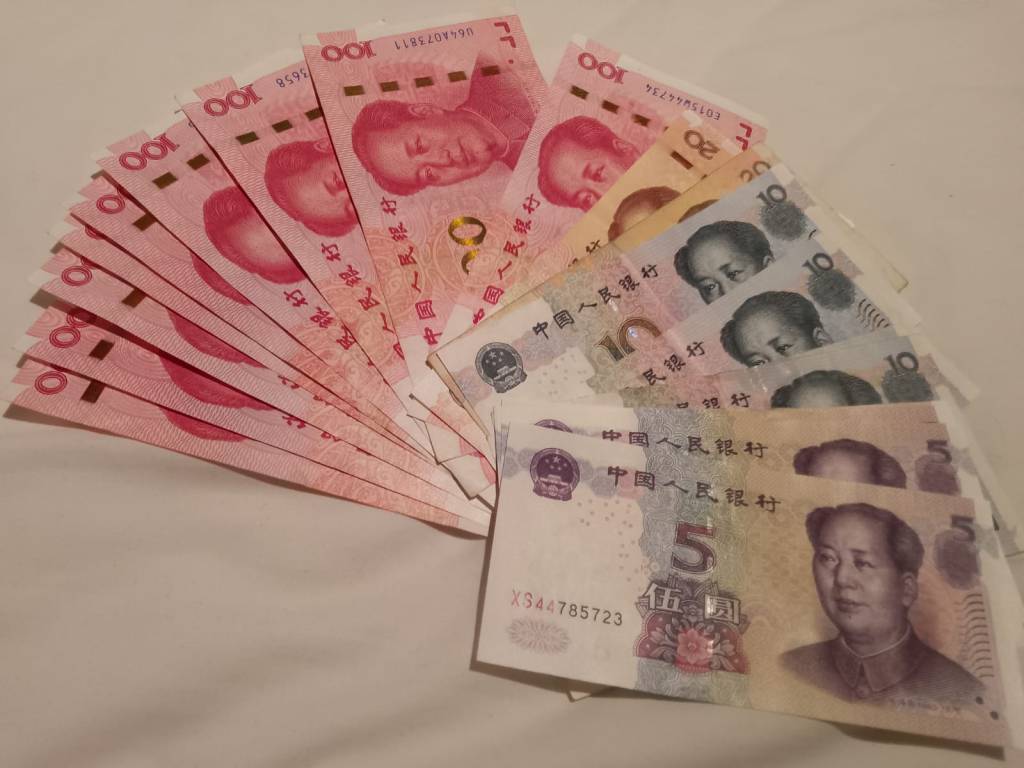
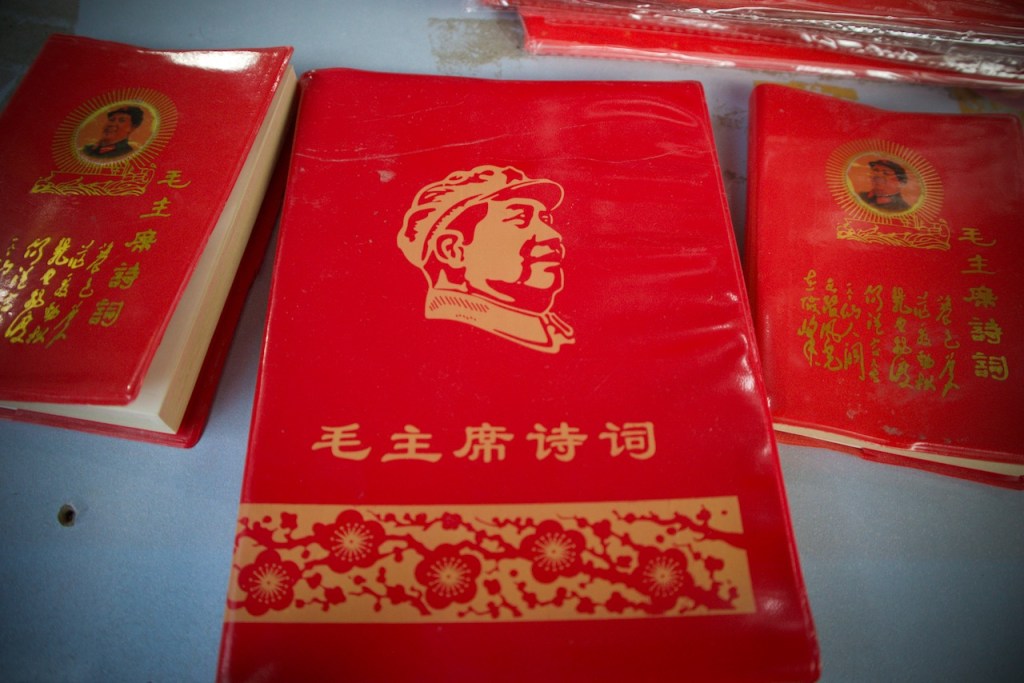
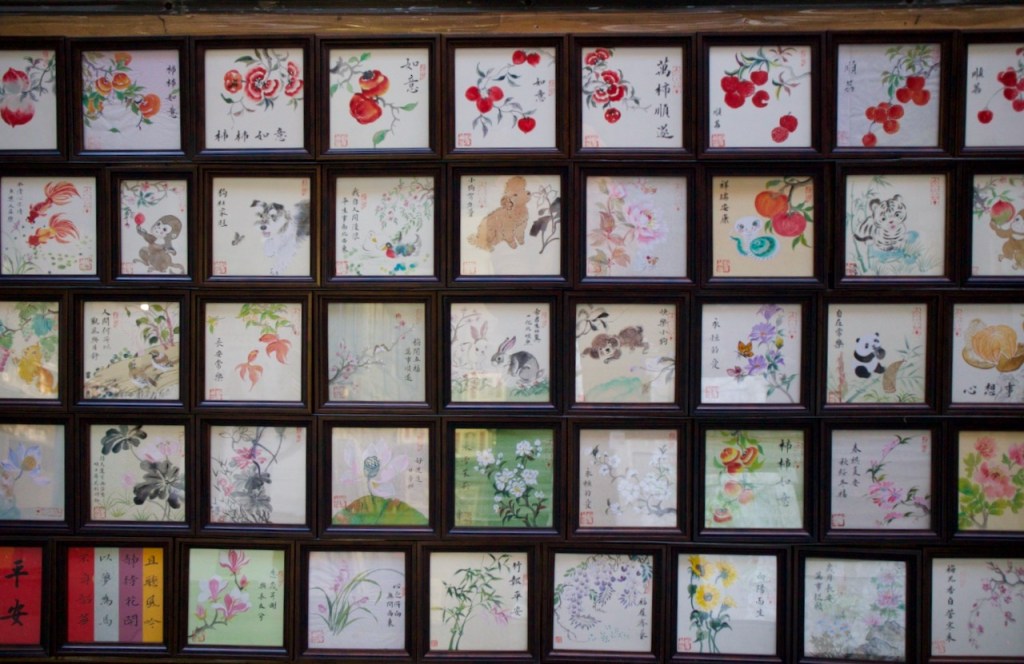


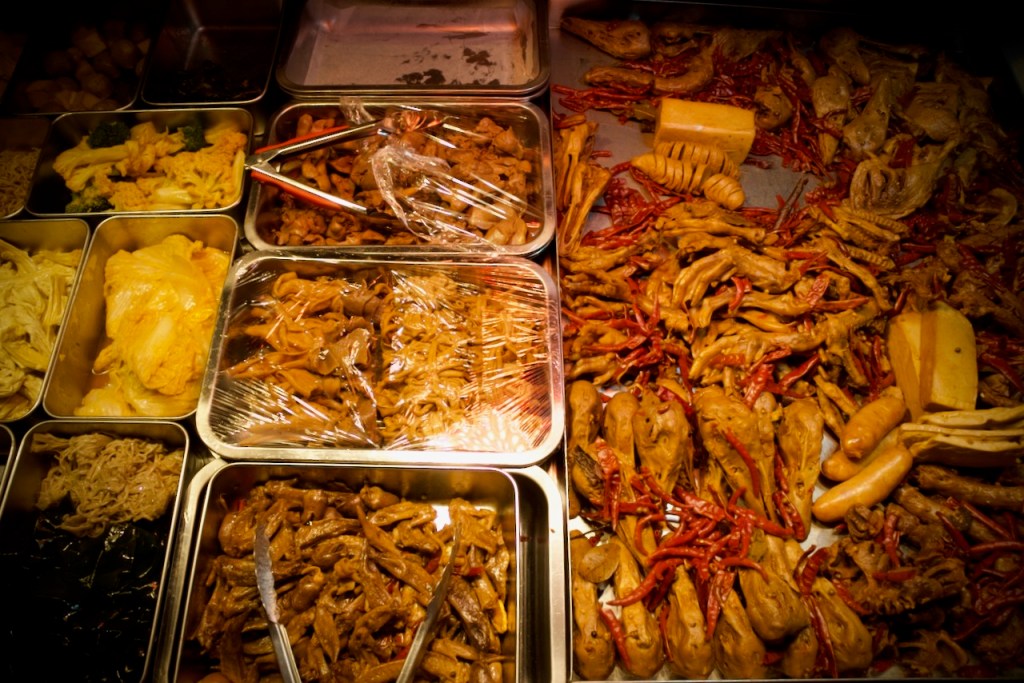
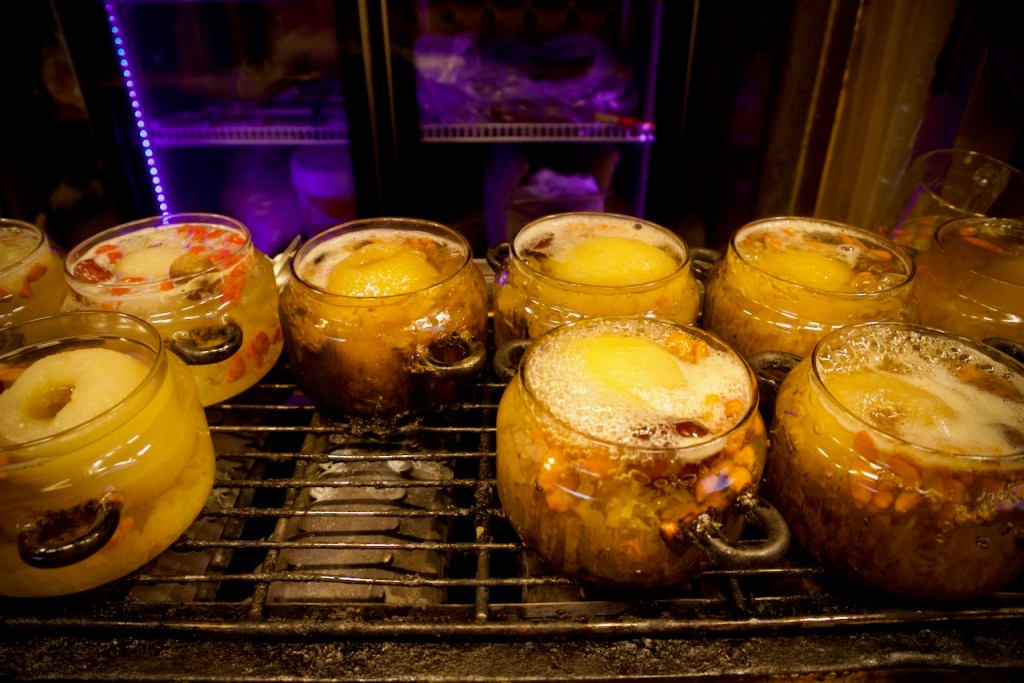
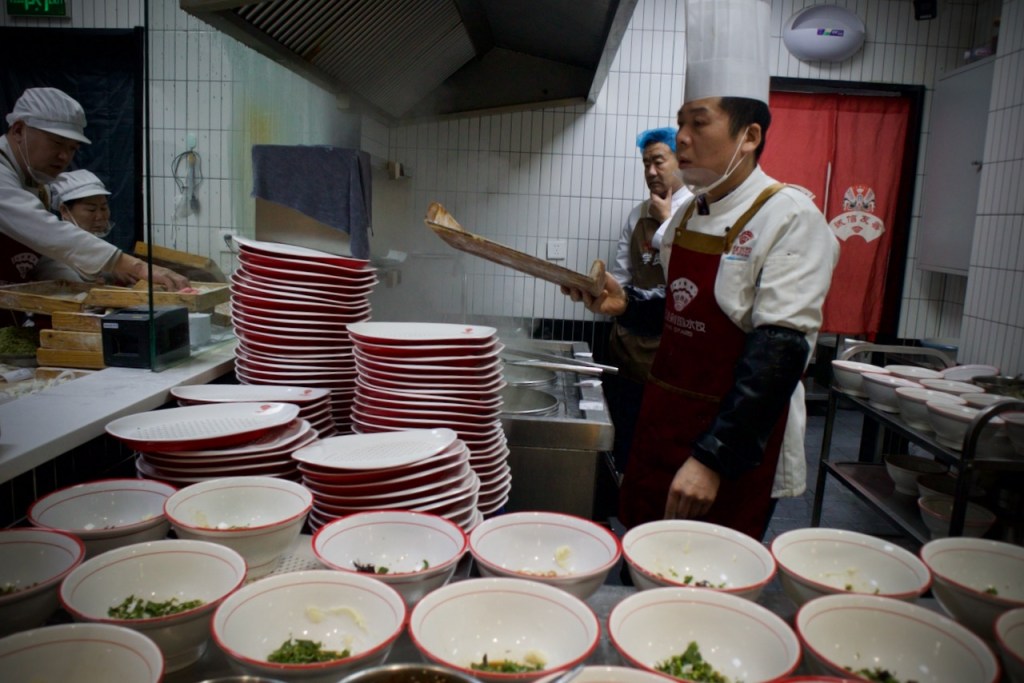
No photos or narratives can even begin to capture China’s rich culinary traditions and my delight in an impromptu gastronomy visit to Guangzhou and Xian. After being away for so long, the rediscovery of one of the best parts of Chinese culture is a real joy. Coming from the heels of a two-month journey through the Middle East and Horn of Africa where basic civil and political liberties are not always a government’s priority, however, I am fully aware of the perils of traveling through China. The latest developments in Hong Kong, notably the passage of a national security law in 2020 have sent many packing. I feel privileged to inherit one of the richest cultures in the world and even more grateful to have the freedom to choose when and where to visit. China is undoubtedly a power to reckon with, and a first hand experience in her latest developments feels priceless. I hope you have that opportunity too.



All Content © 2026 by Jennifer Chan
 Jennifer Chan Photography