
My roses are blossoming with hope
Singing a song of freedom.
– Aziz Isa Elkun
October-November 2026
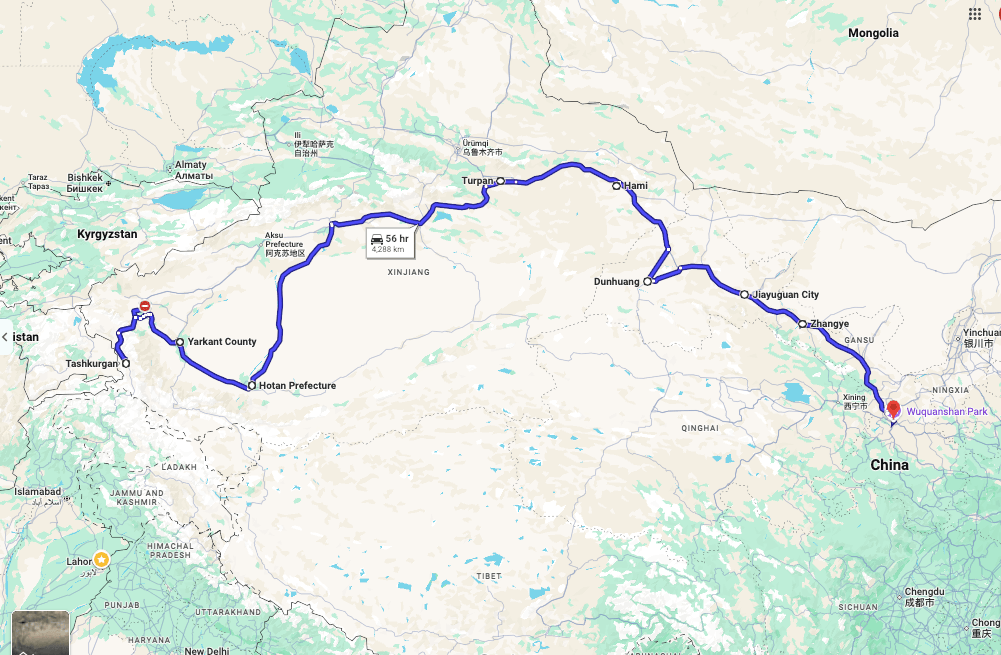
After a whirlwind first week in Northern Xinjiang from Urumqi to Kuqa via Kanas Lake, we reach Kashgar, the legendary Silk Road oasis, the beating heart of Uyghur culture with vibrant markets and stunning mountain landscapes. From Kashgar, we continue eastwards to Shache and Hotan – crossing vast tracts of the Taklamakan Desert – before looping back up North to Turpan and end our Xinjiang tour in Hami famous for her sweet melons. To bring our Silk Road tour to a close, we go on to visit the Dunhuang grottoes, the Great Wall at Jiayuguan, the colourful Rainbow Mountains in Zhangye before reaching Lanzhou. What a year of travels from Xian to Lanzhou via Central Asia and Urumqi!
Kashgar: Heart of the Silk Road
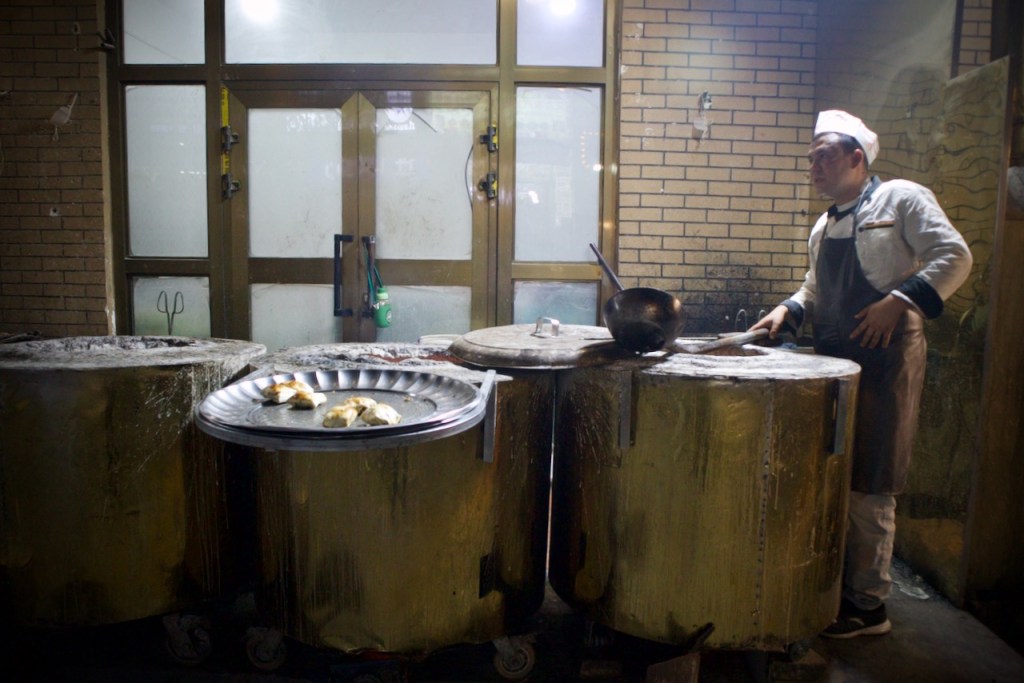
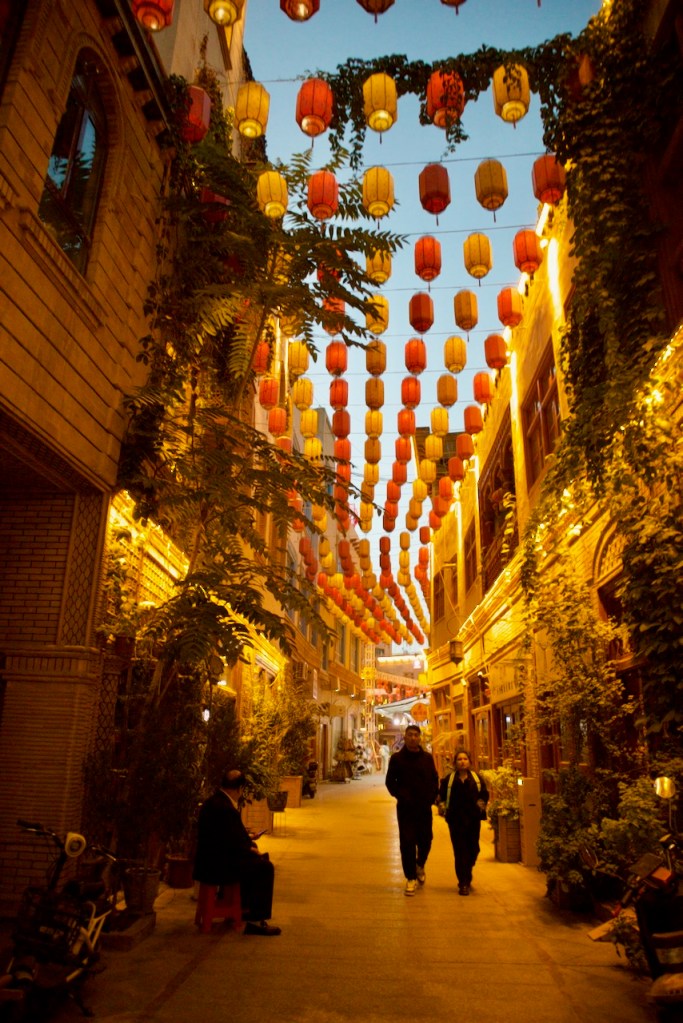
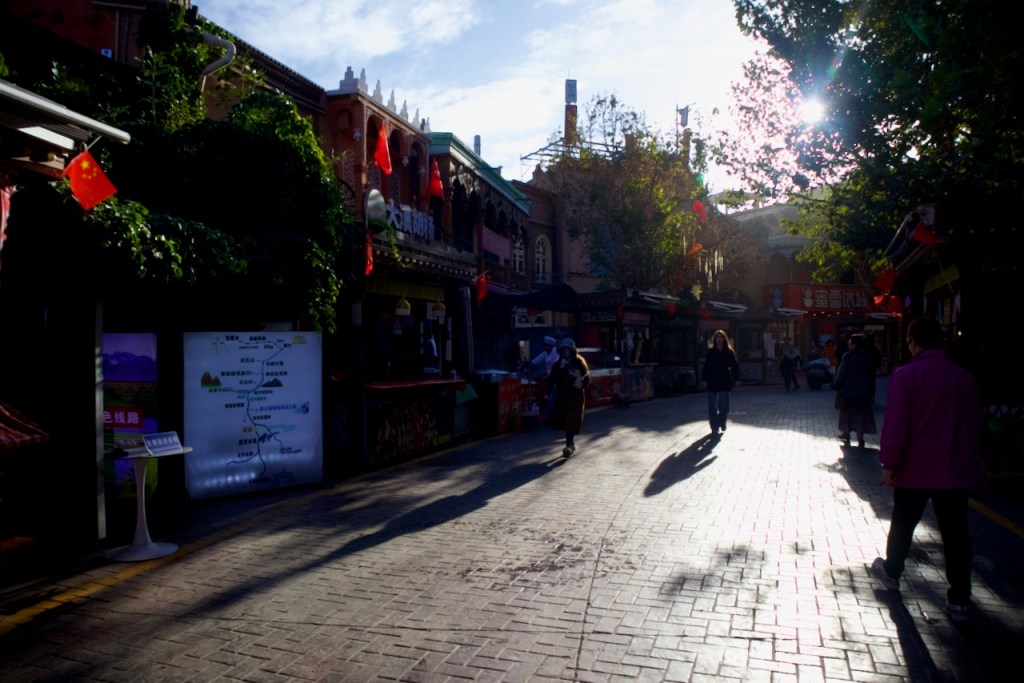
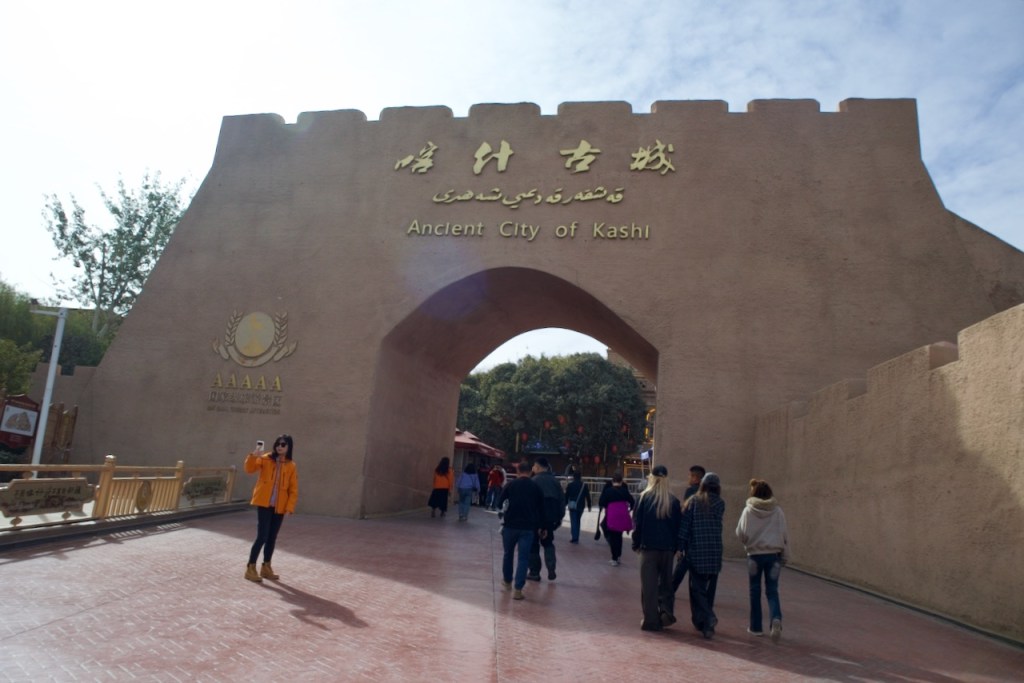
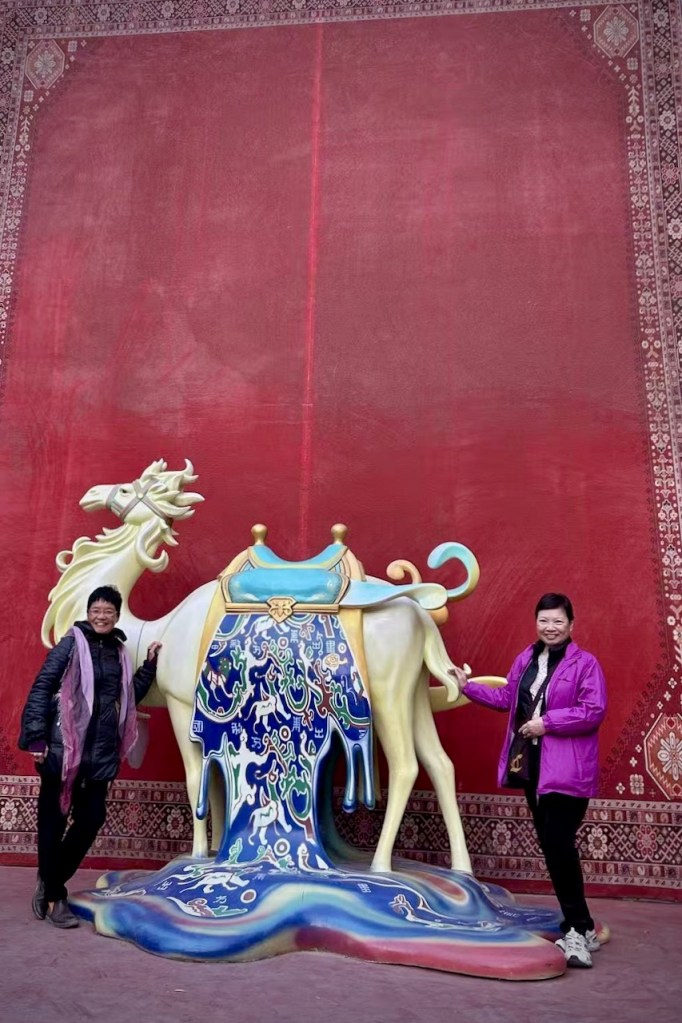
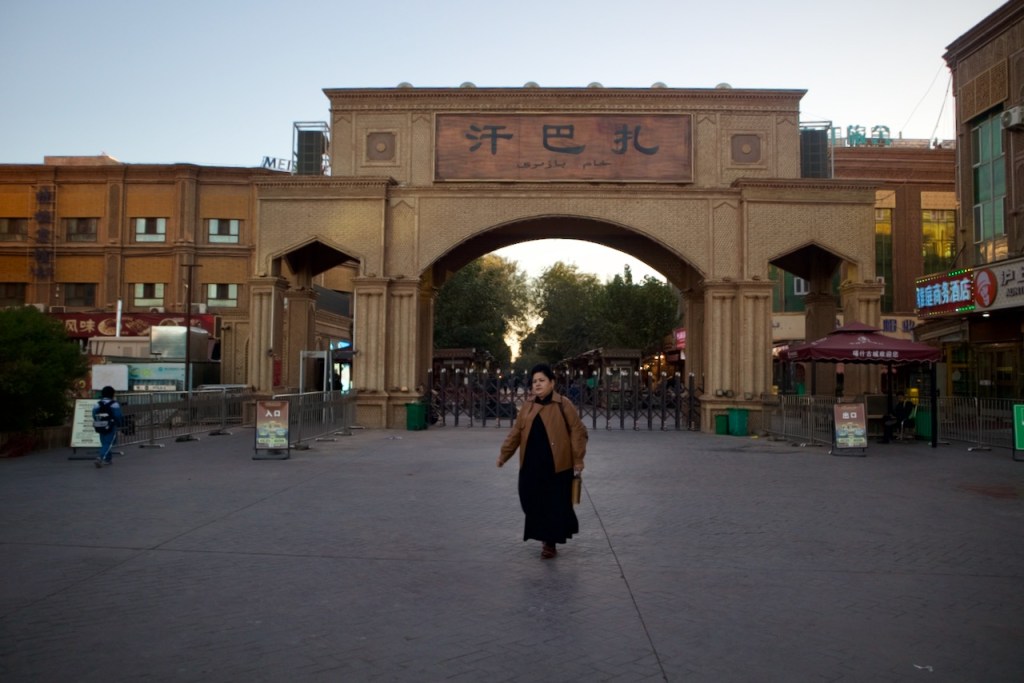
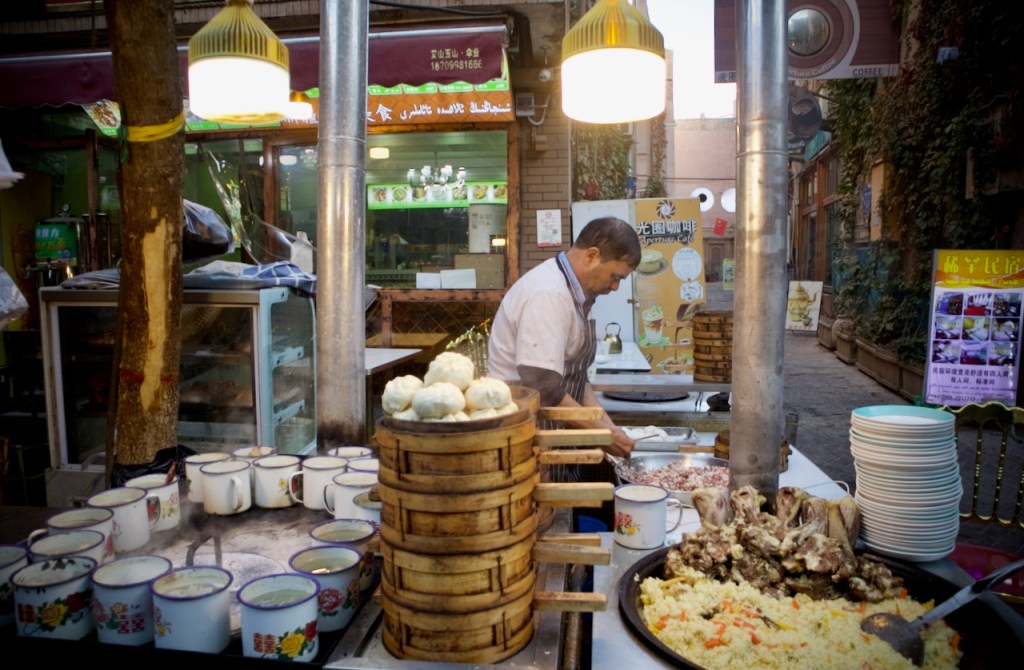
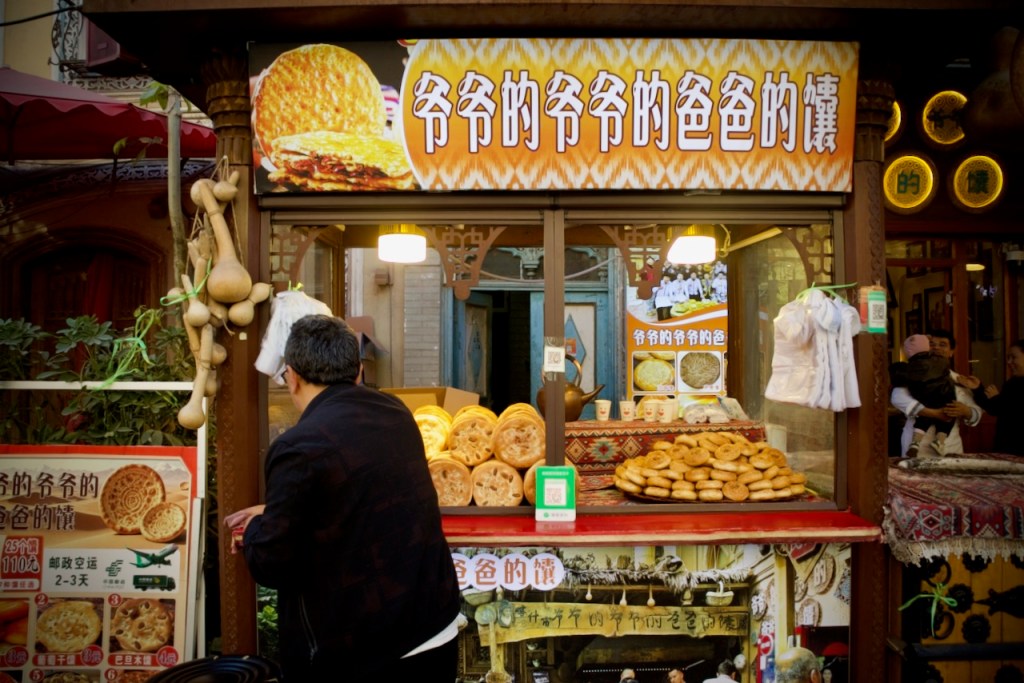
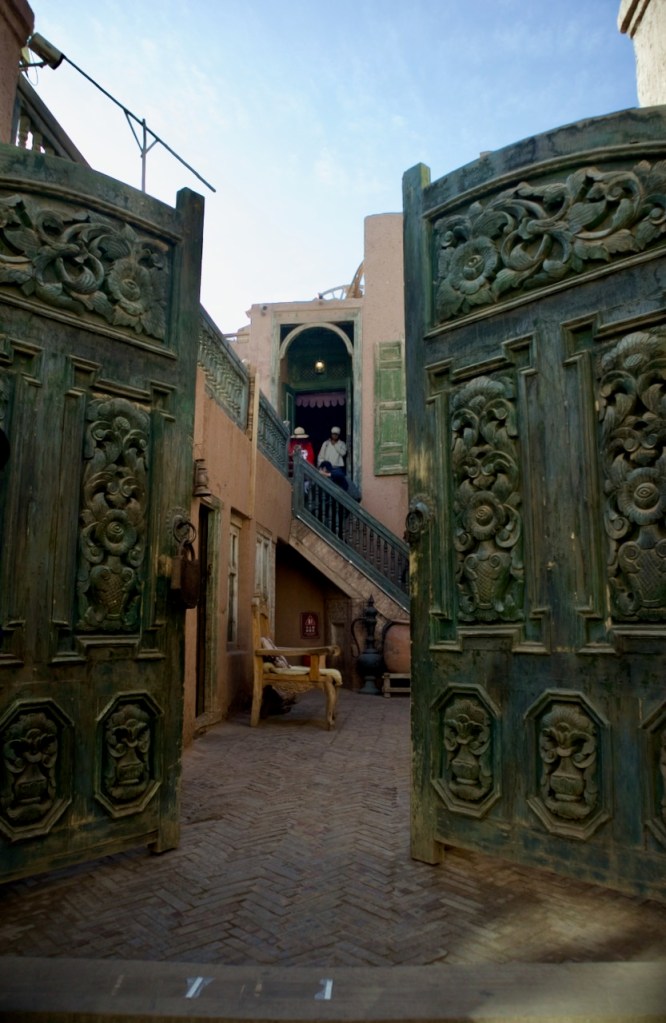
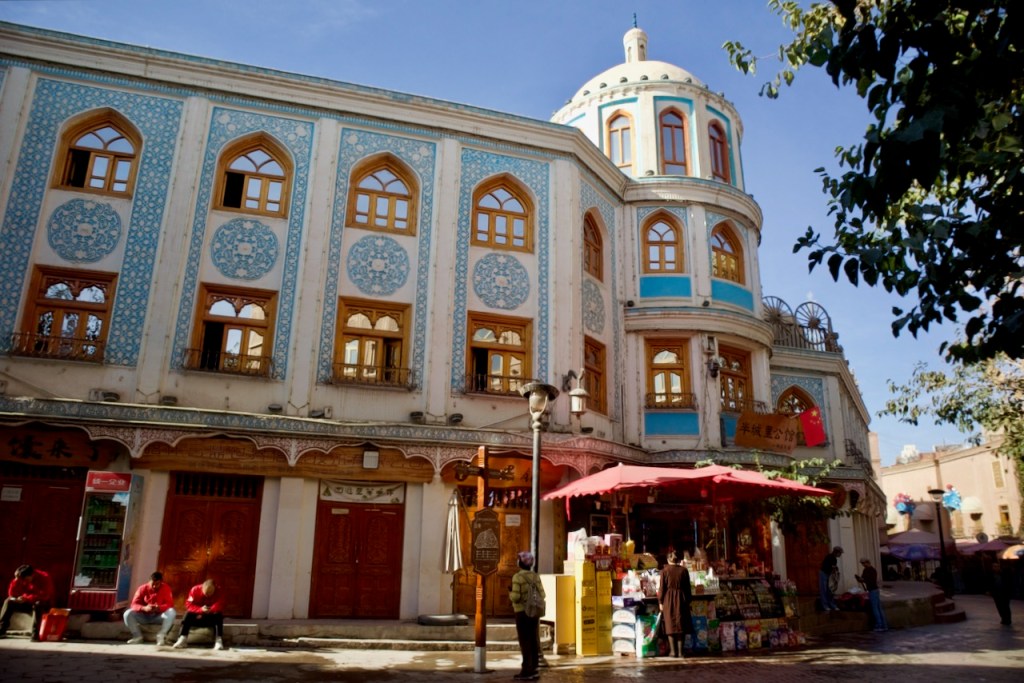
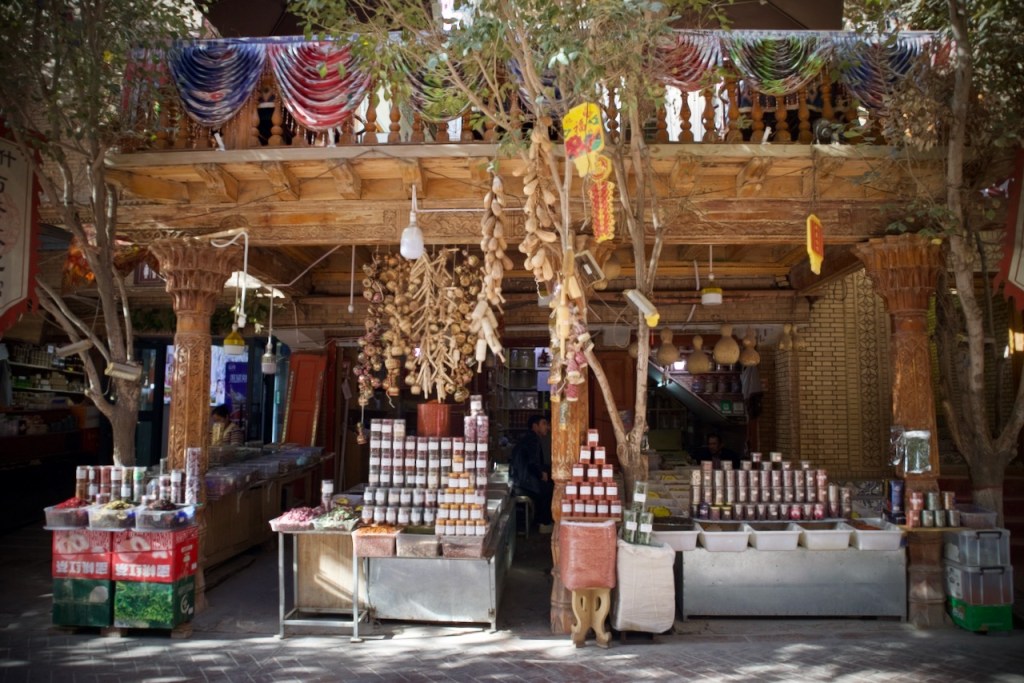
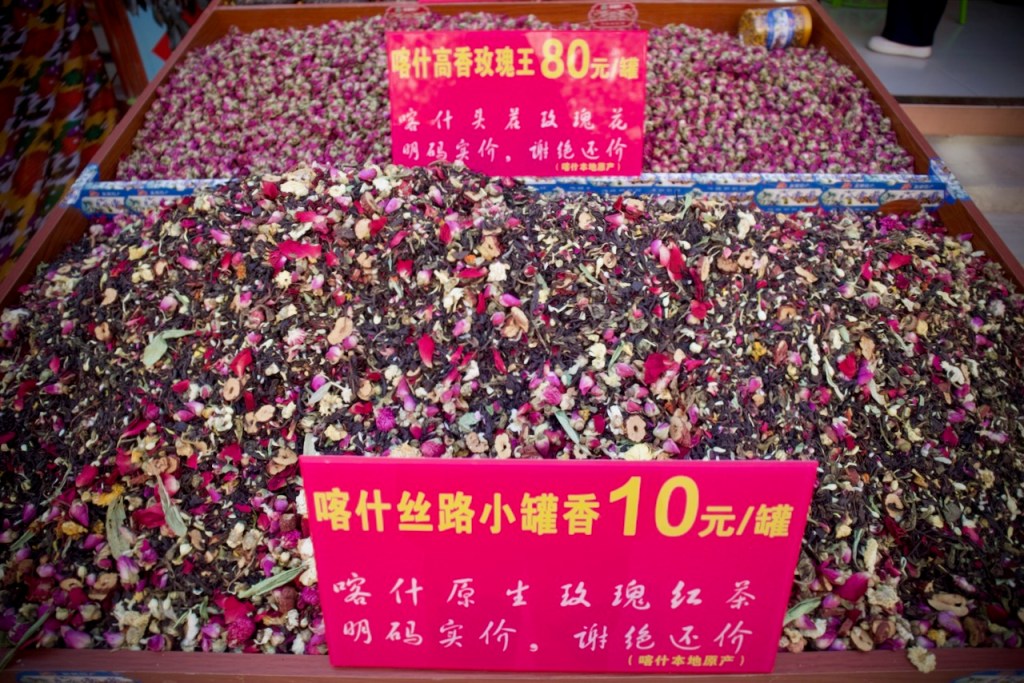
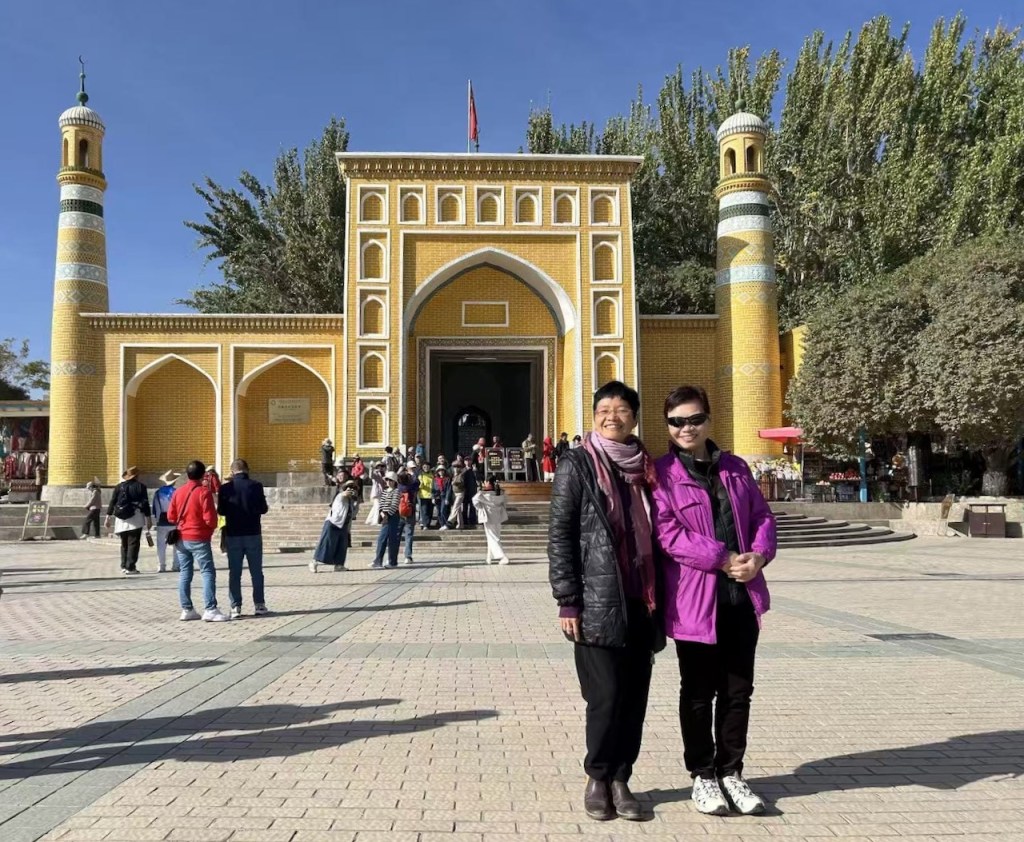
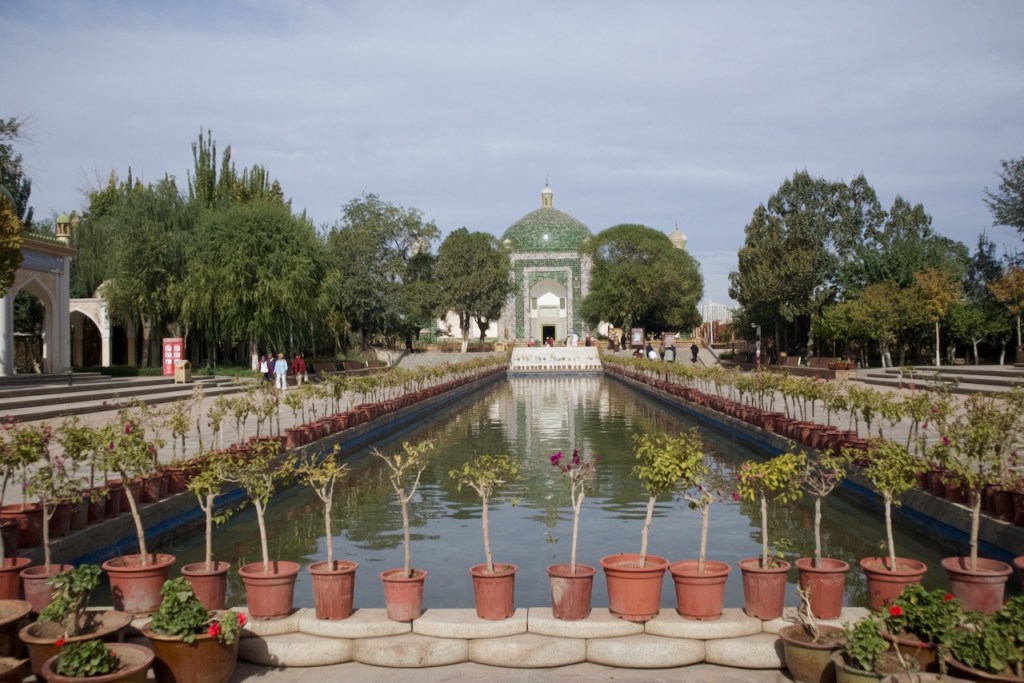
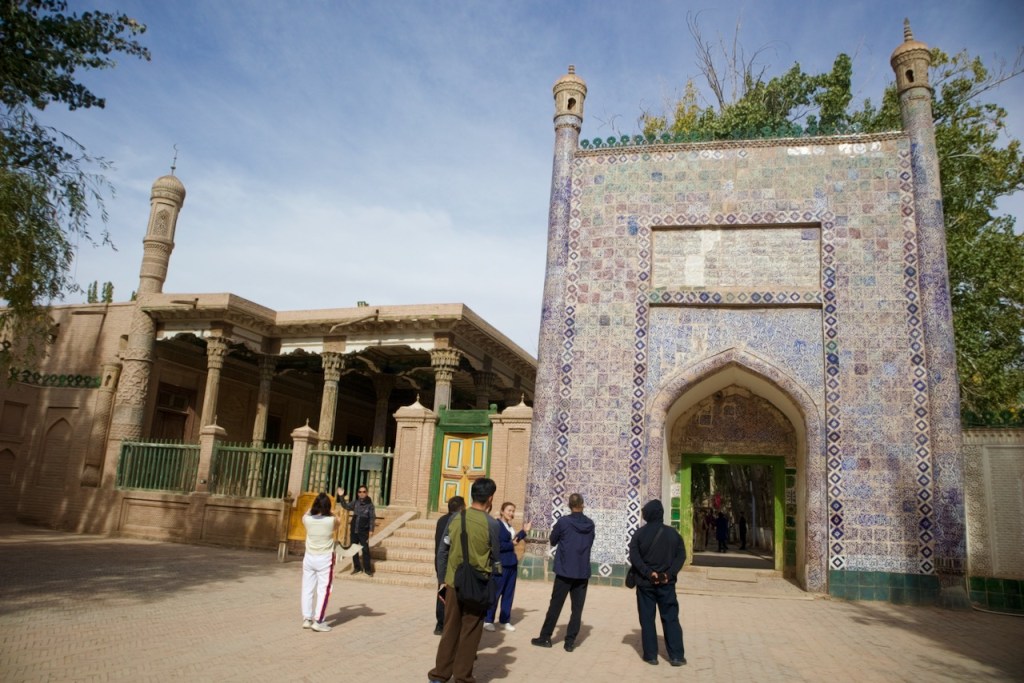
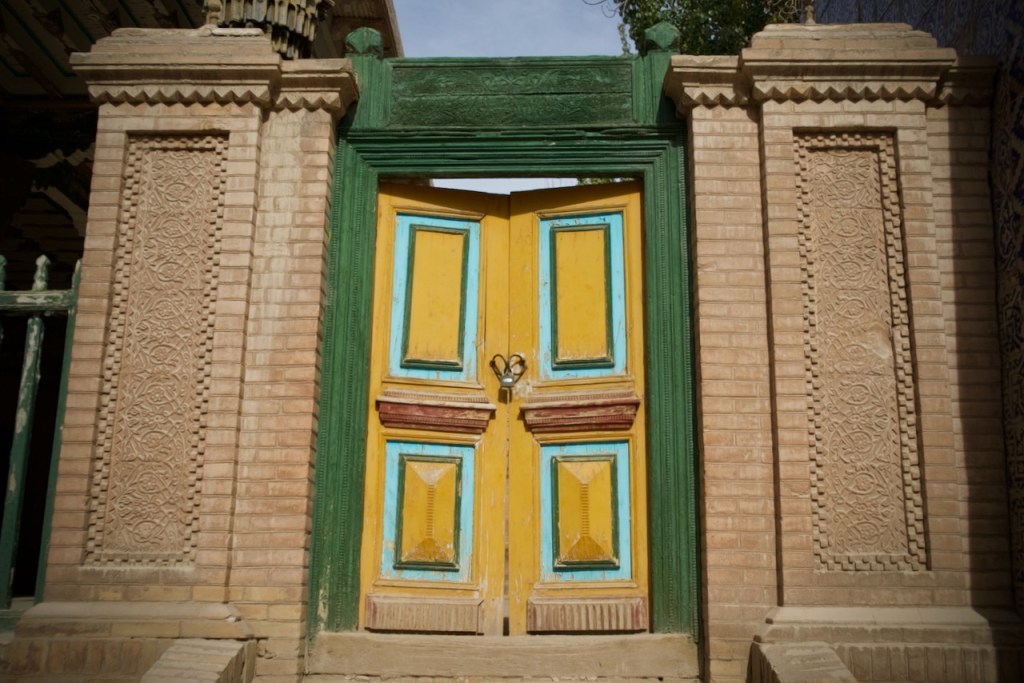
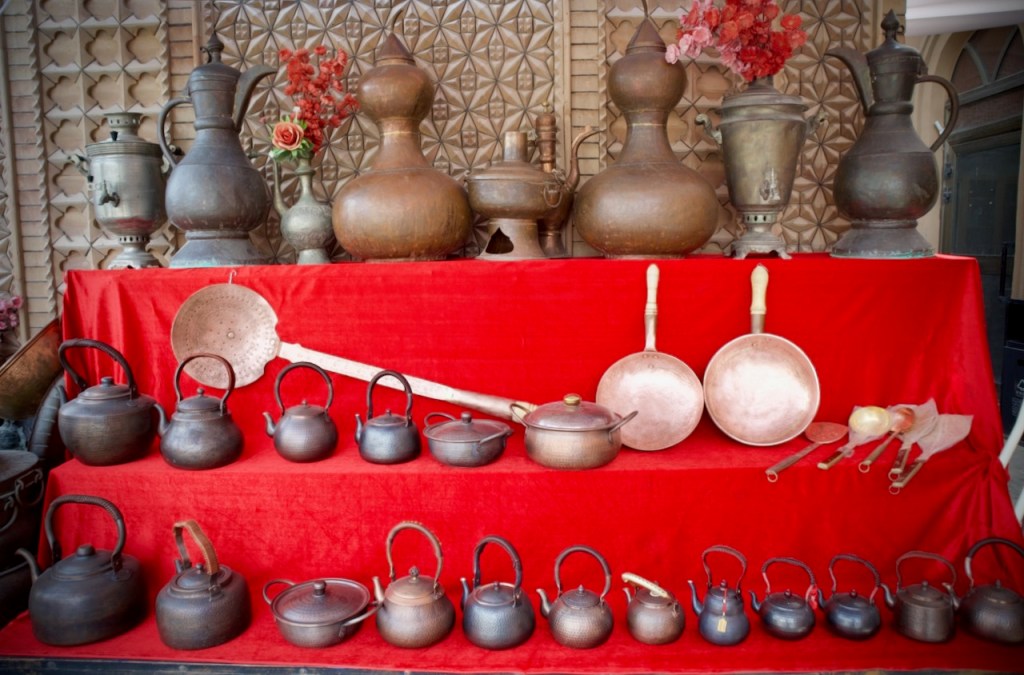
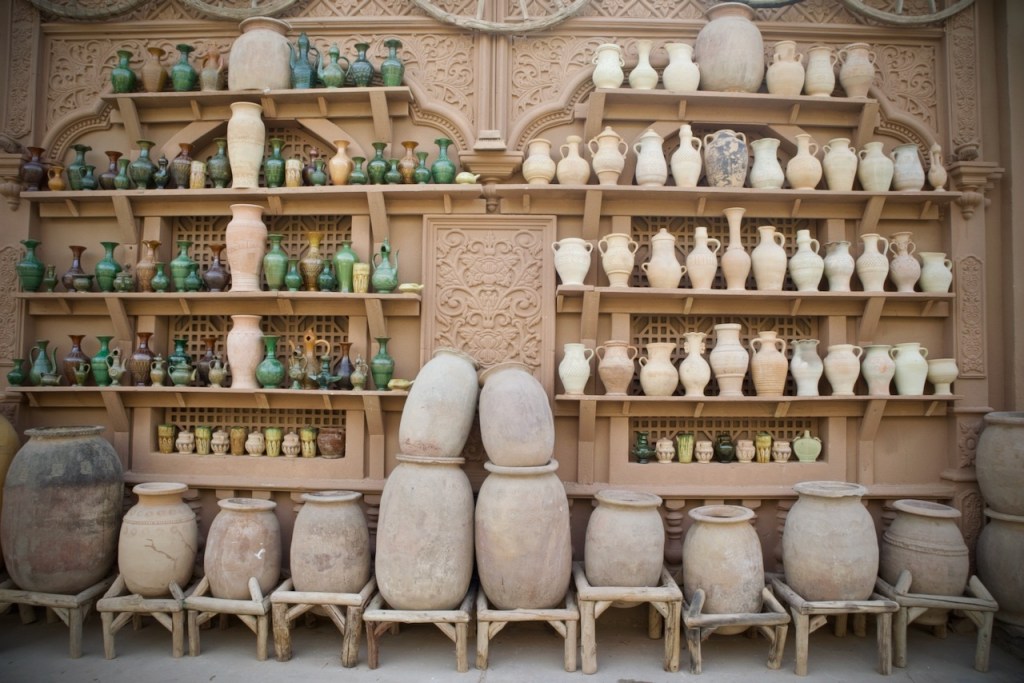
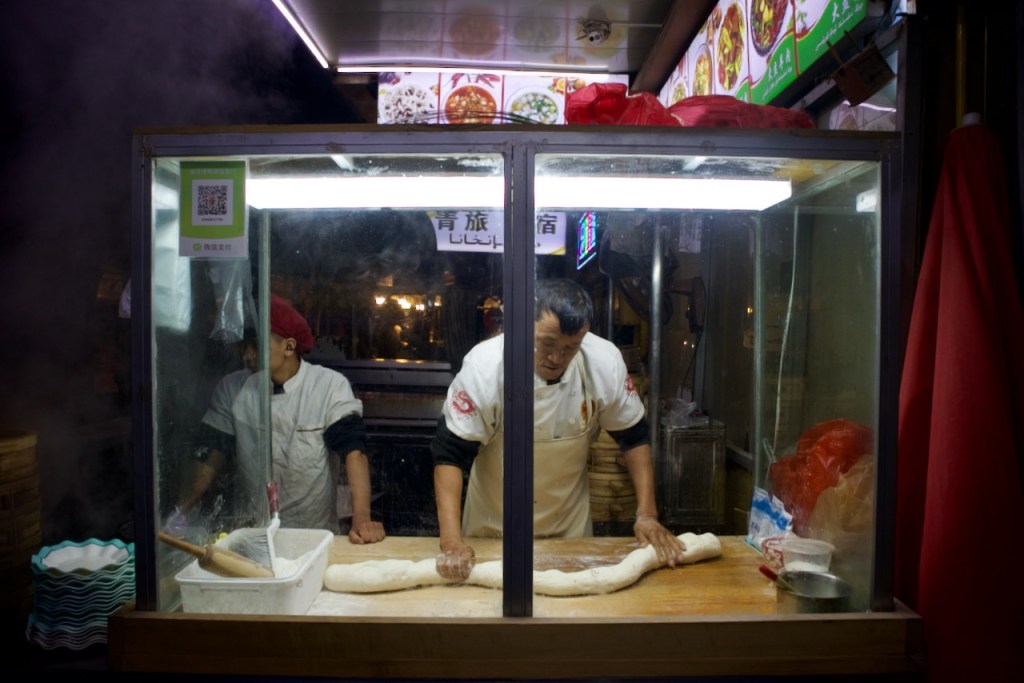
Kashgar old city is the heart of any tour to Xinjiang. To wander through the maze of traditional earthen architecture with timber houses, artisan workshops, and bustling alleyways is to experience the essence of Uyghur culture. There is plenty to do and visit, from the iconic Id Kah Mosque to the Apak Khoja Mausoleum with the striking green-and-white tiled dome of the 17th-century family tomb. The Grand Hambazar, teeming with local treats from fresh pomegranate juice and roasted lamb skewers, comes to life in early evening with each street joint vying for customers. After a first week of jet lag, temperature swing, and overnight hard sleeper, I succumb to a strep throat and run a mild fever, leaving my sister to explore Kashgar night life on her own, even though she is hardly alone. It’s mid-October, the best season to visit Southern Xinjiang. Kashgar is bustling with energy and flavours!
Tashkorgan: Gateway to the Pamirs
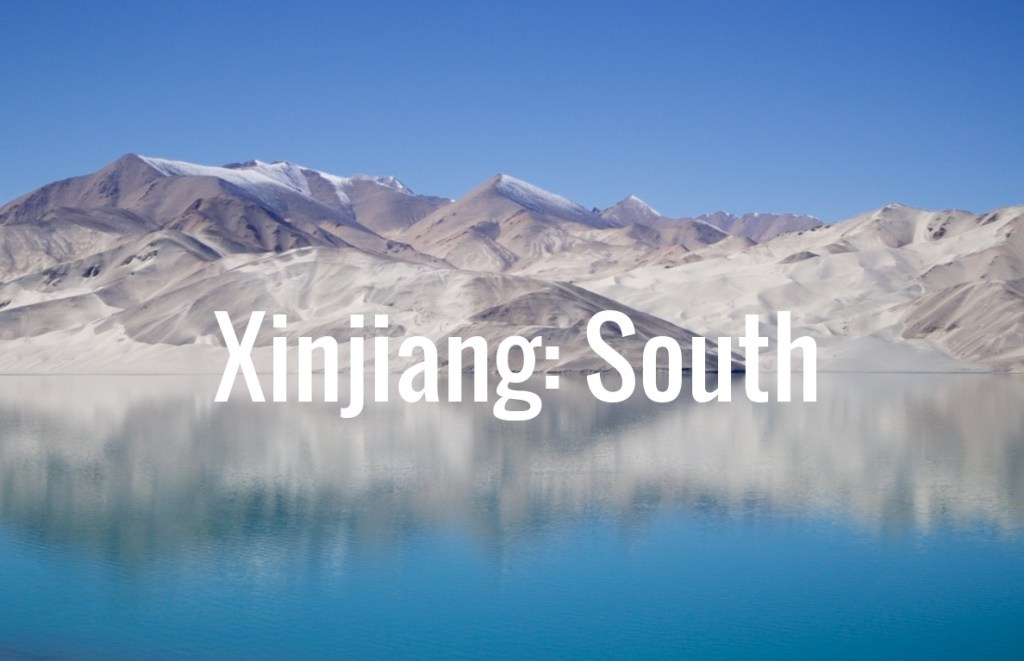
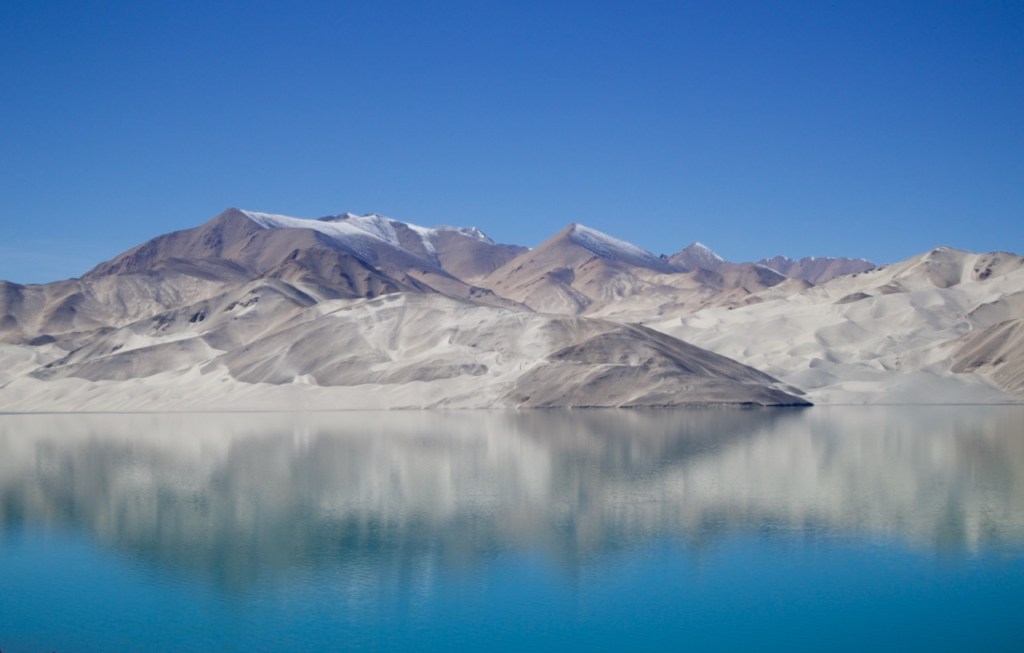
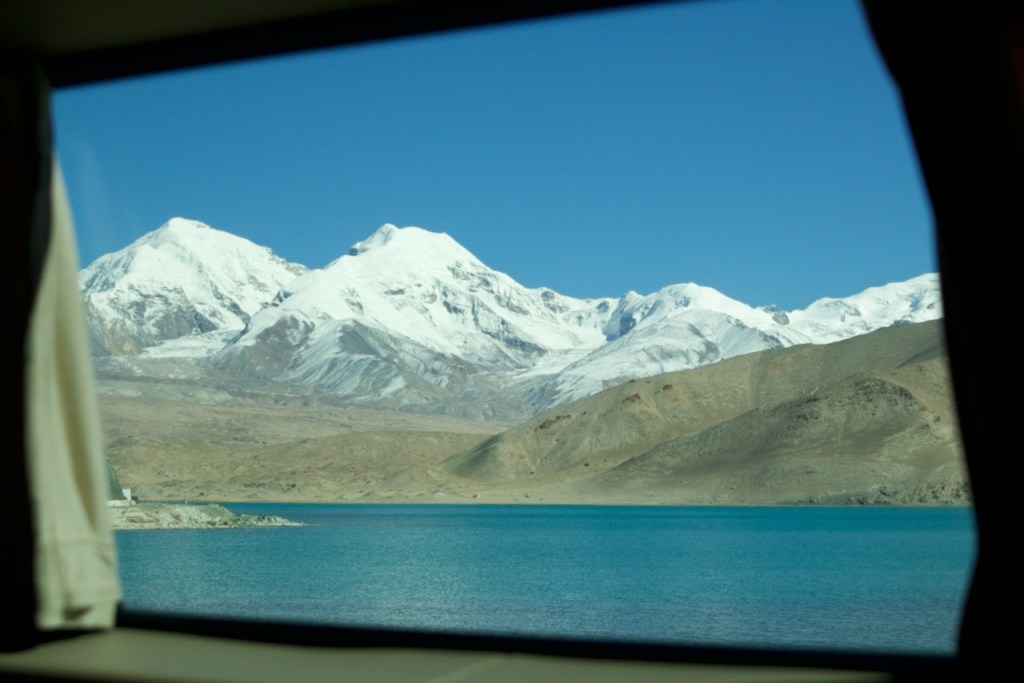
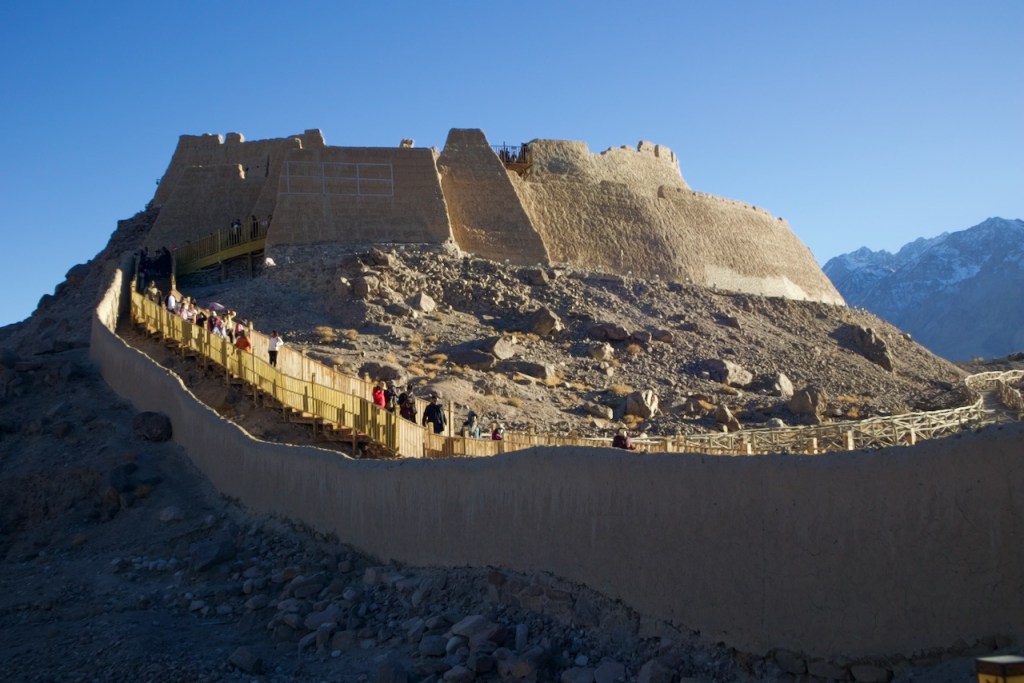
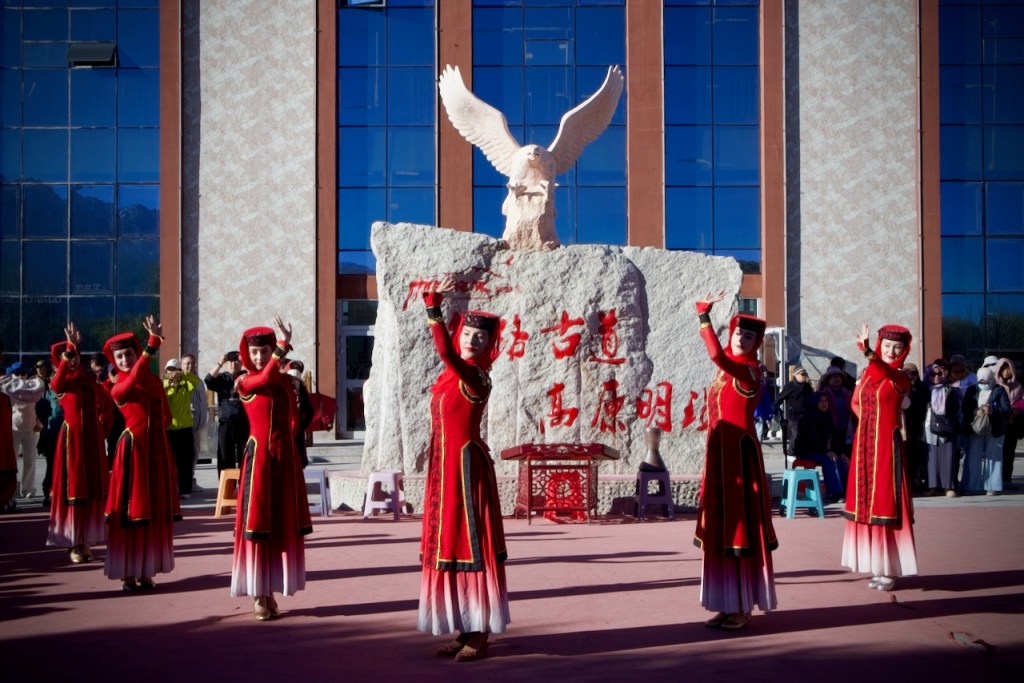
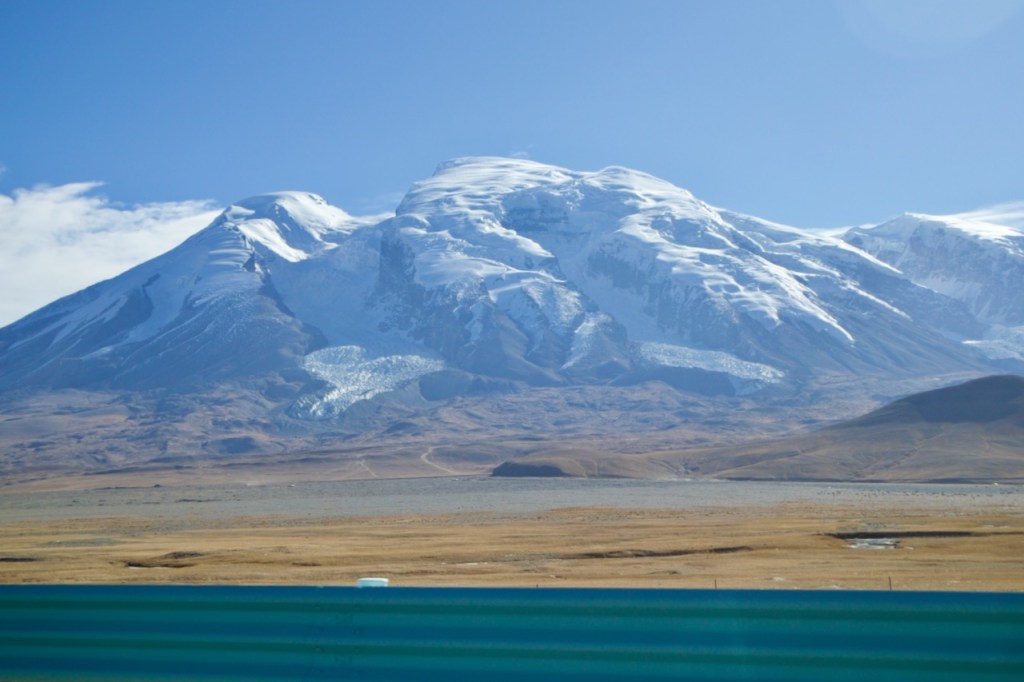
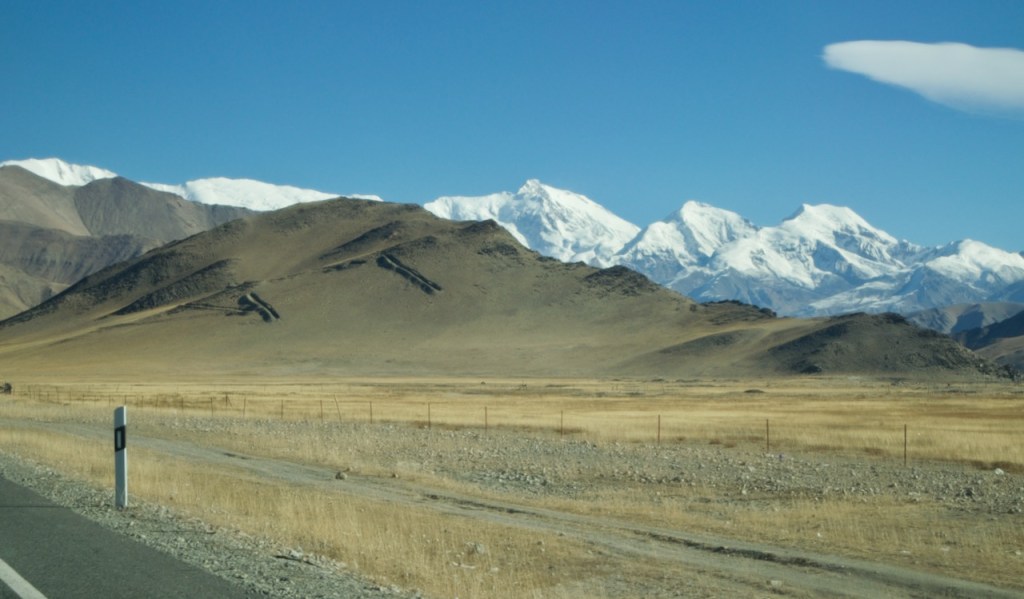
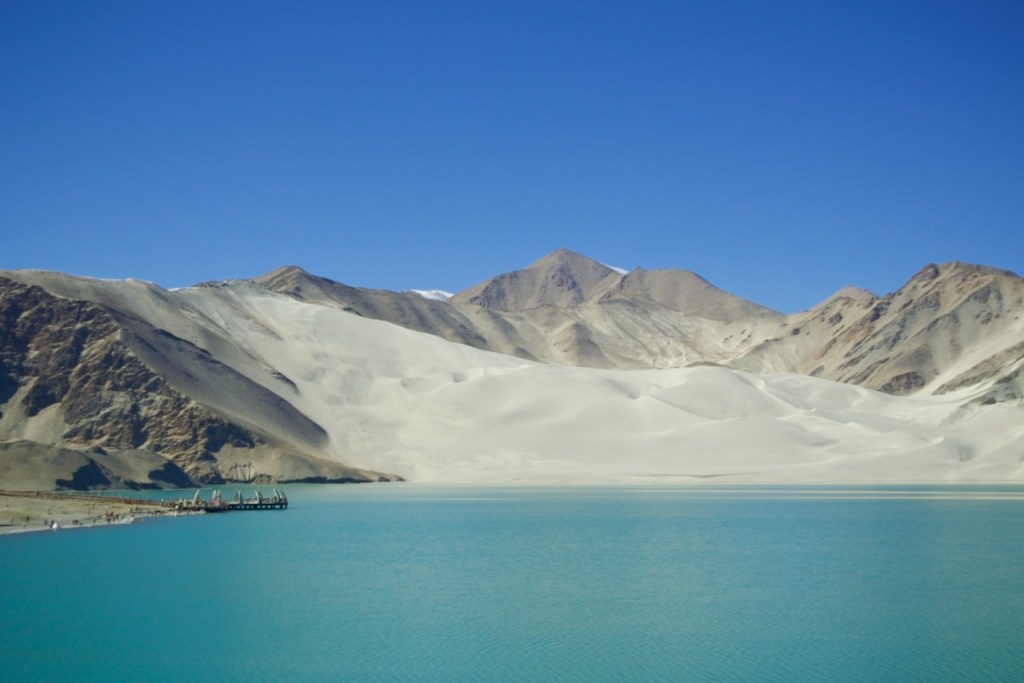
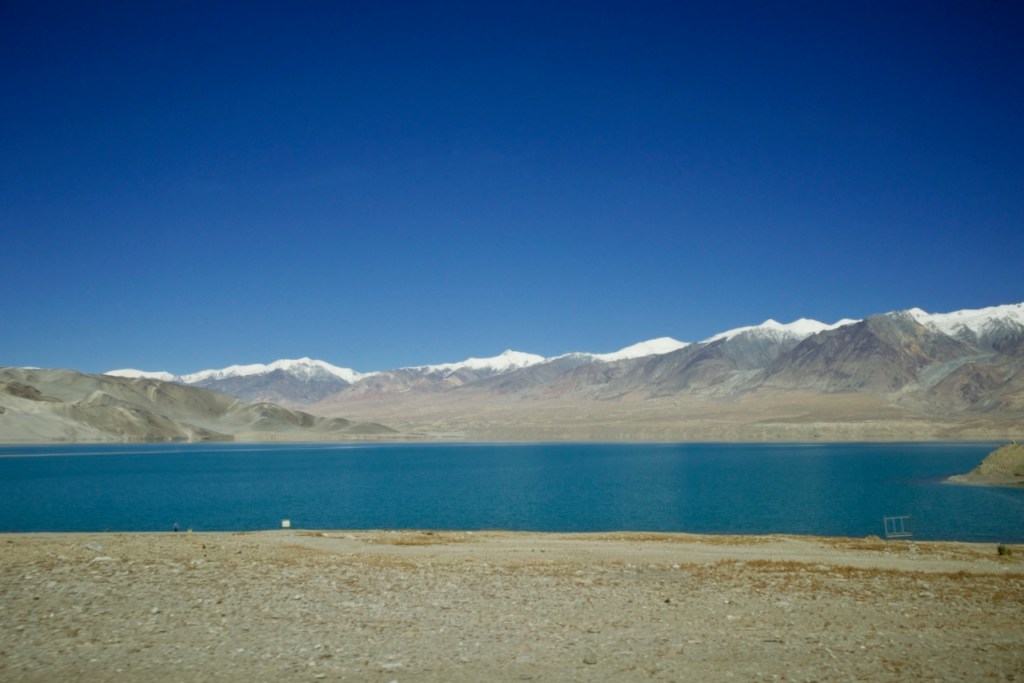
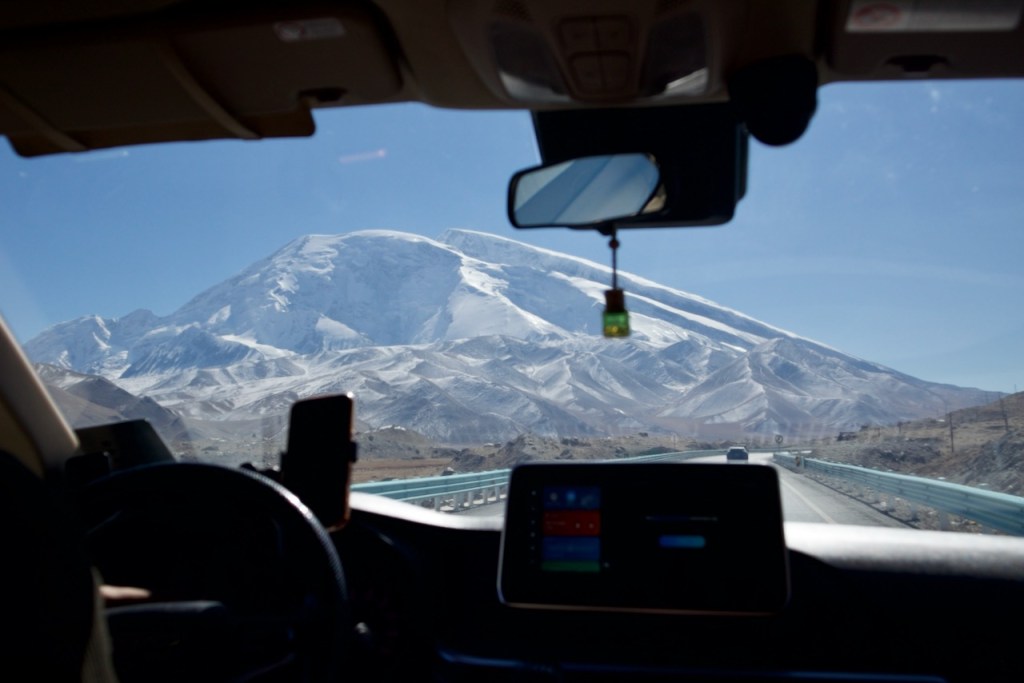
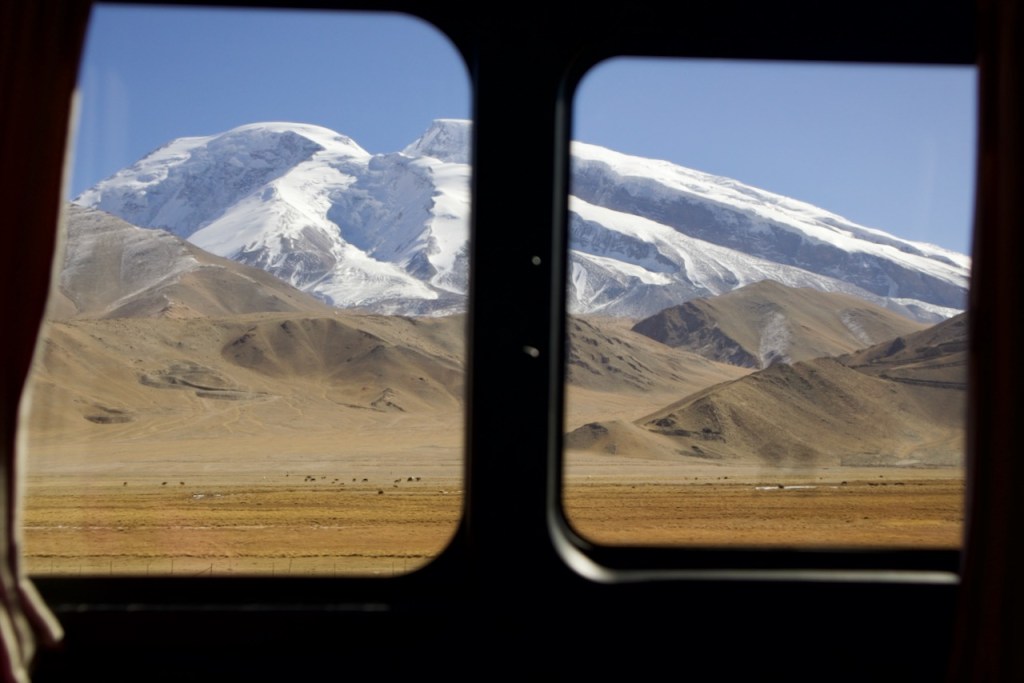
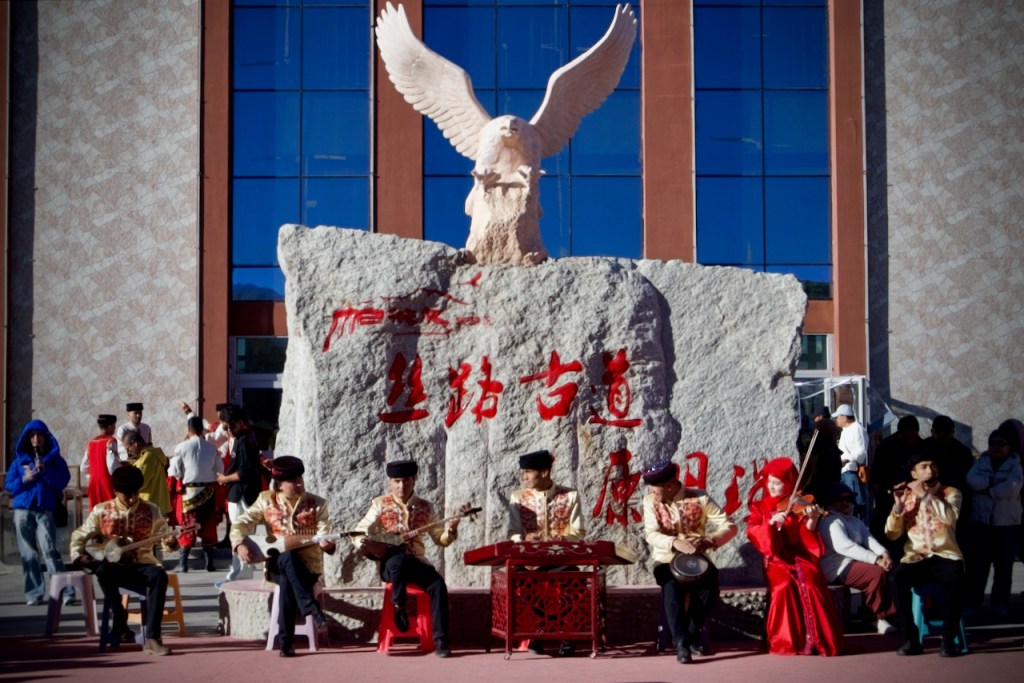
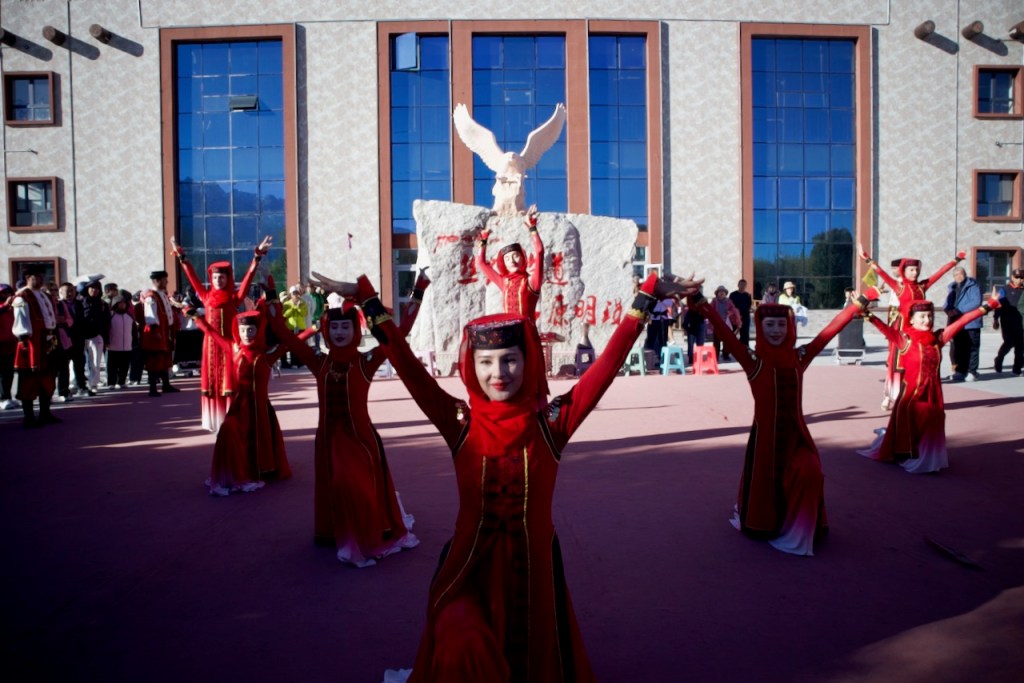
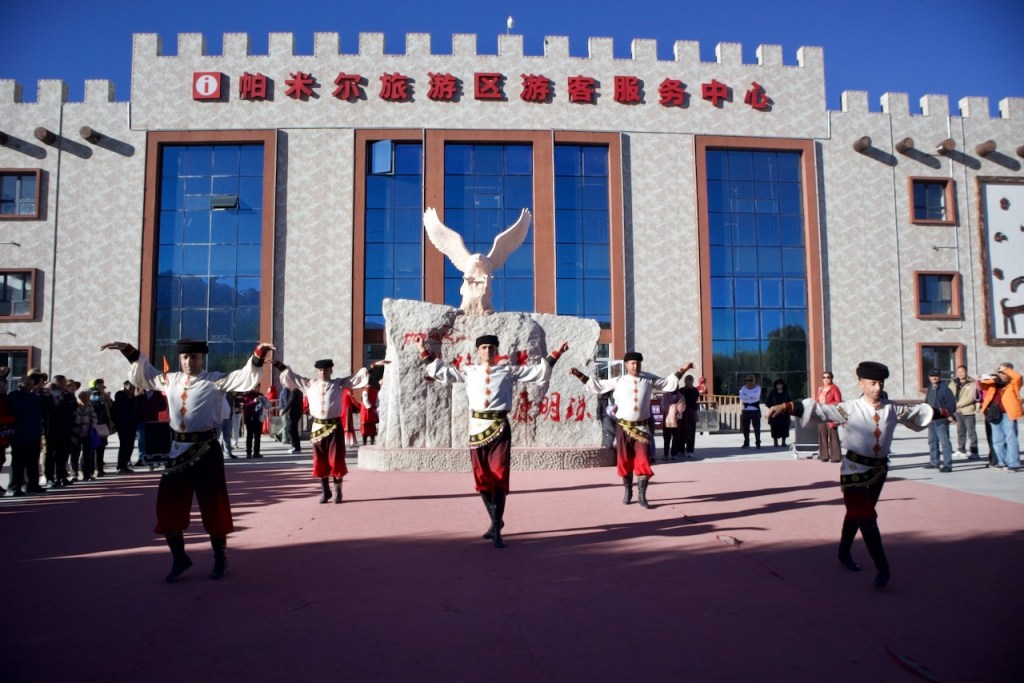
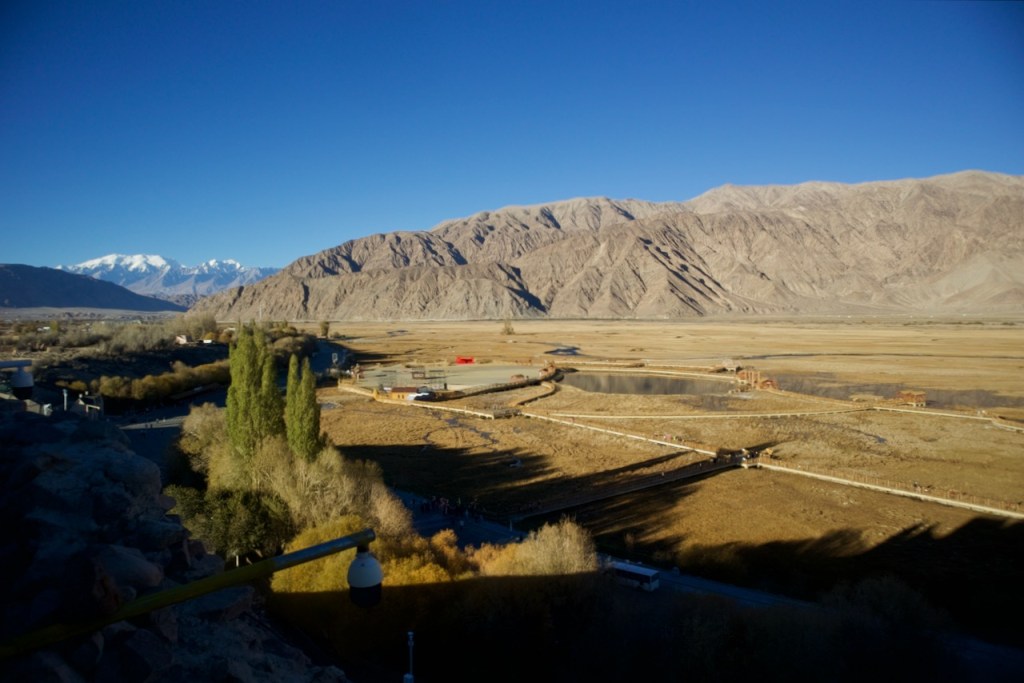
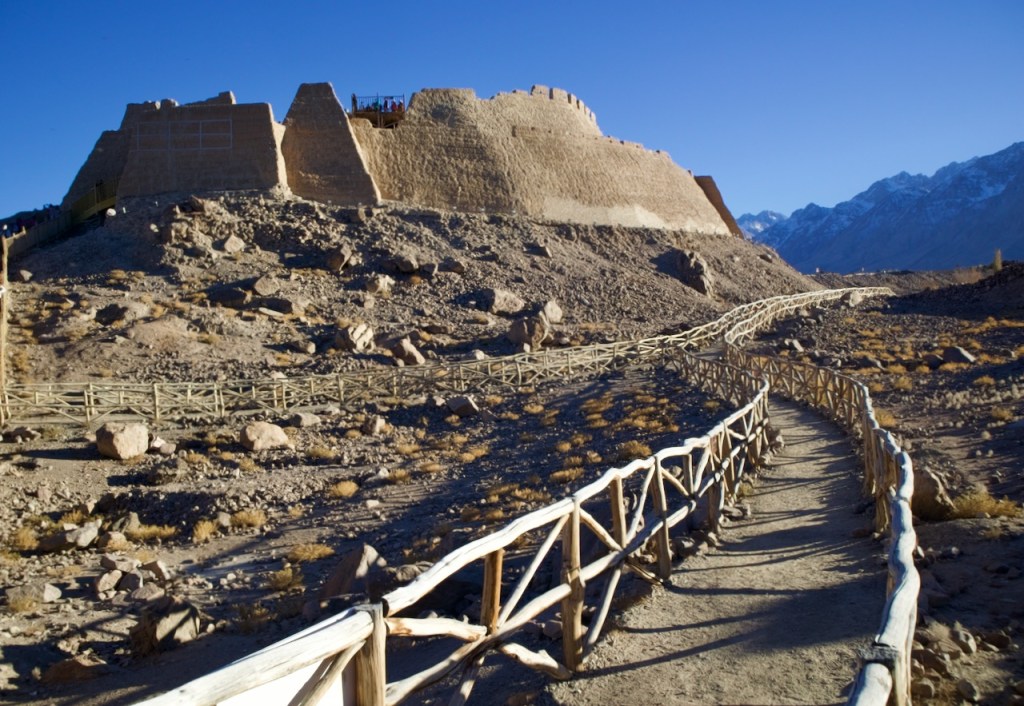
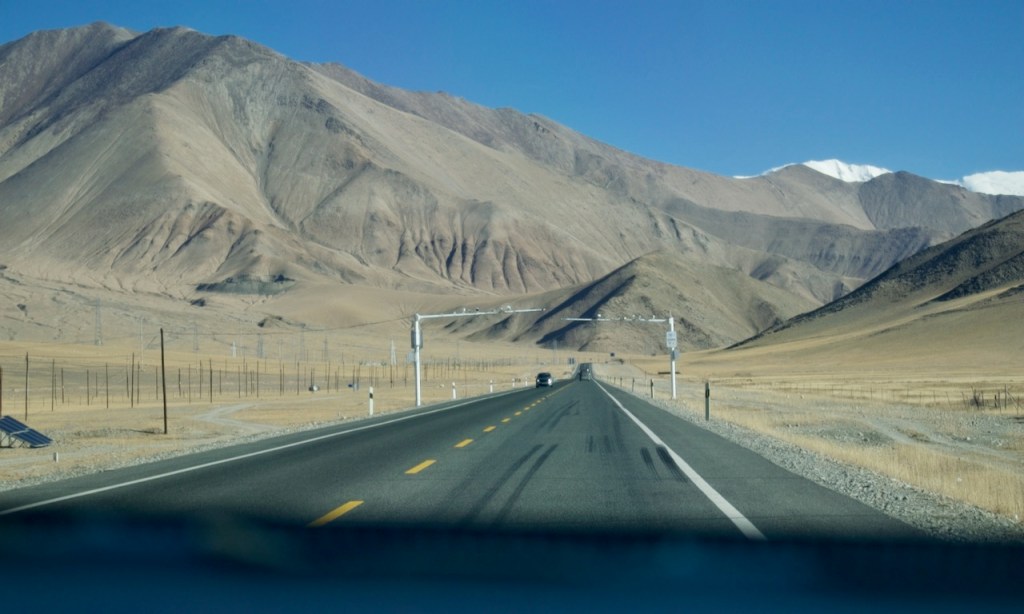
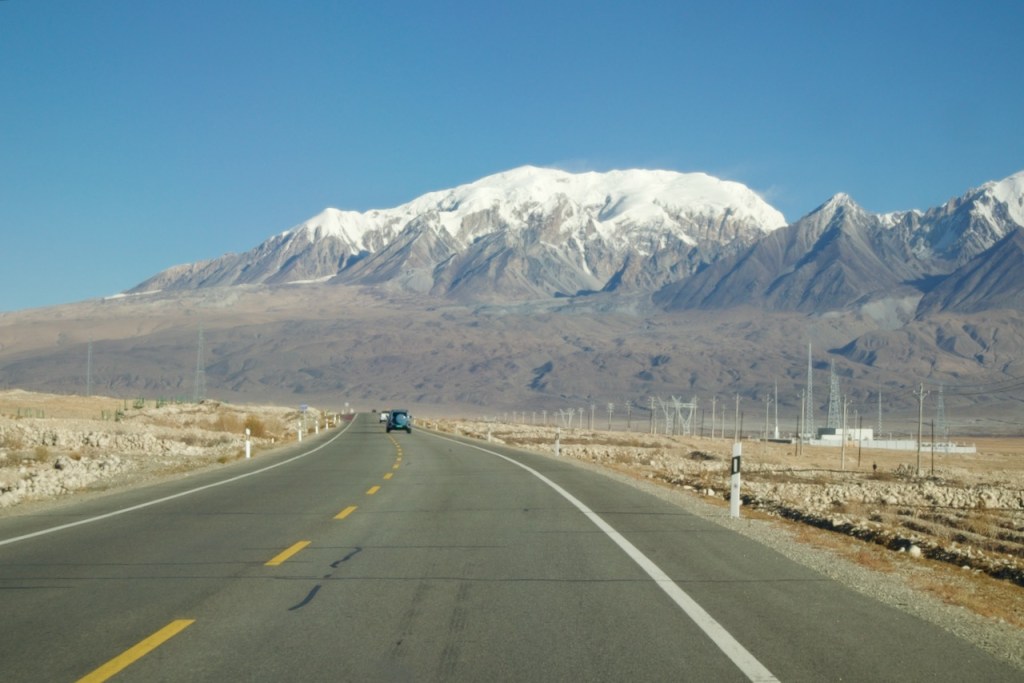
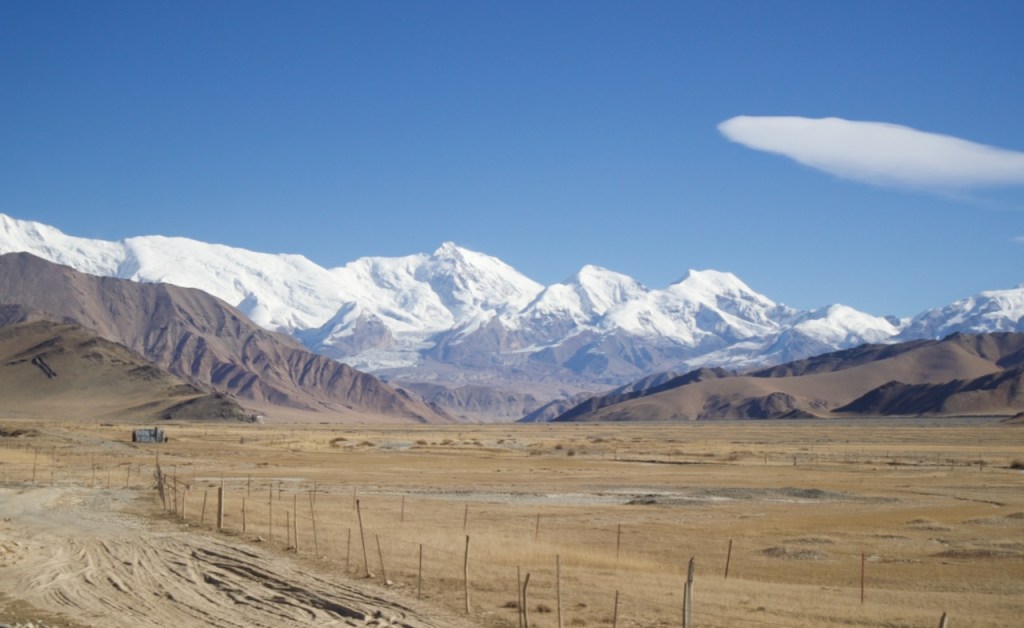
Venturing south of Kashgar requires a separate border permit that we obtain from a local police station by the Kashgar main station. At nine in the morning, our pick up time for Tashkorgan, our driver is nowhere in sight. I’m stuck in Tashkorgan, he says finally on the phone, and arranges another driver for the ride. The Pamir Highway on the Chinese side is nowhere nearly as inaccessible as the Tajik side but no less spectacular. Flanked by 7000m peaks, the road to Tashkorgan passes through the Tian Shan Mountains and scenic alpine desert lakes. The Baisha Lake with its unique white sand dunes and bright turquoise water framed by snow-capped mountains is the most popular spot sitting on the Pamirs plateau along the Karakoram Highway. Further south is the Karakul Lake – “the Black Lake” in Kyrgyz due to its shifts in water color between deep blue, dark green, and blackish gray – at 3,600m, a sparkling glacial lake famous for the perfect reflection of the massive white peak of Muztagh Ata. Finally, we reach the border town of Tashkorgan, gateway to to India and Pakistan via the Khunjerab Pass. Skardu, the beginning of a K2 Base Camp trek, is not far on the other side of the border, bringing back so many fond memories of a journey of a lifetime back in 2019. We arrive at the 2,000-year-old stone ruins, the central palace of the Tajik kingdom, perched on a hill with panoramic mountain and valley views just in time for a local cultural show. The Golden Grassland at sunset is splendid. We imagine Tashkorgan in summer filled with overlanding backpackers and trekkers cruising along the Karakoram…
Shache: Capital of the Yarkent Khanate
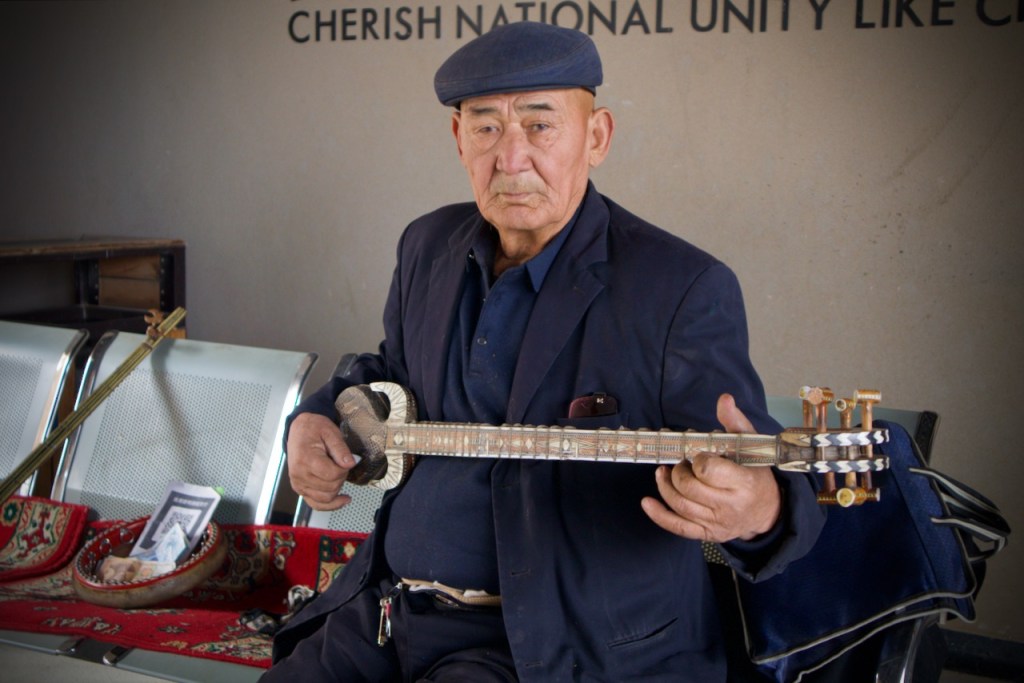
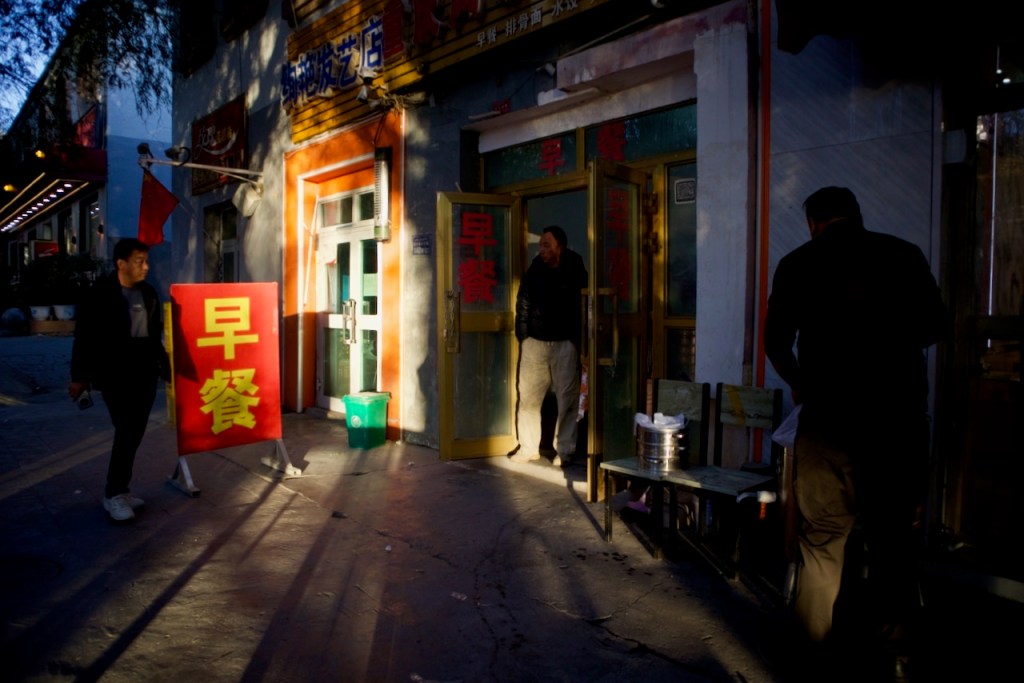
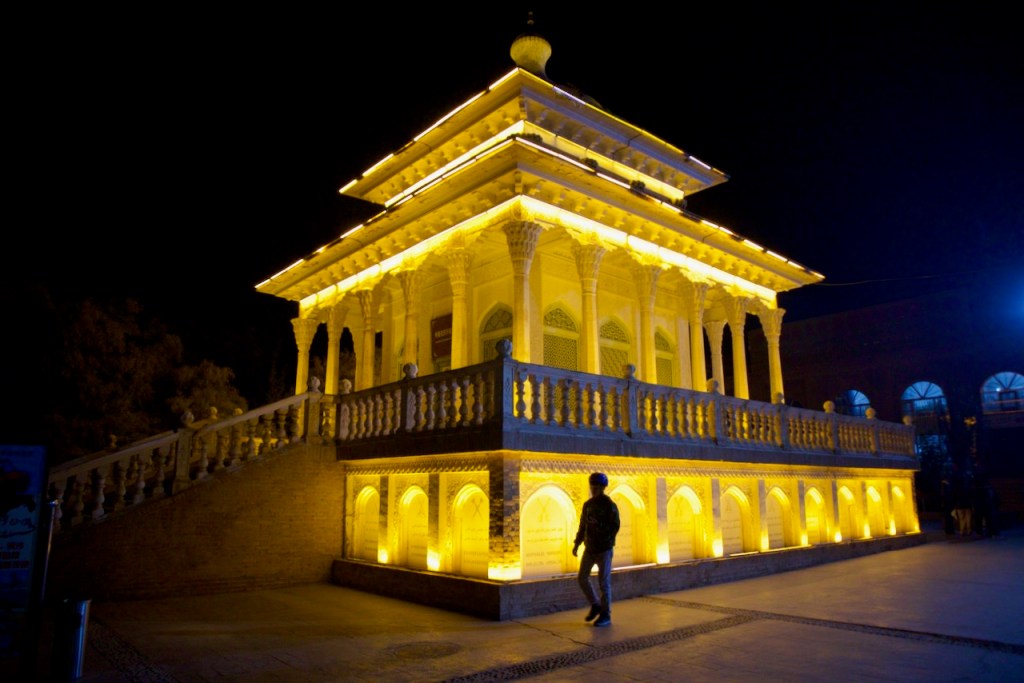
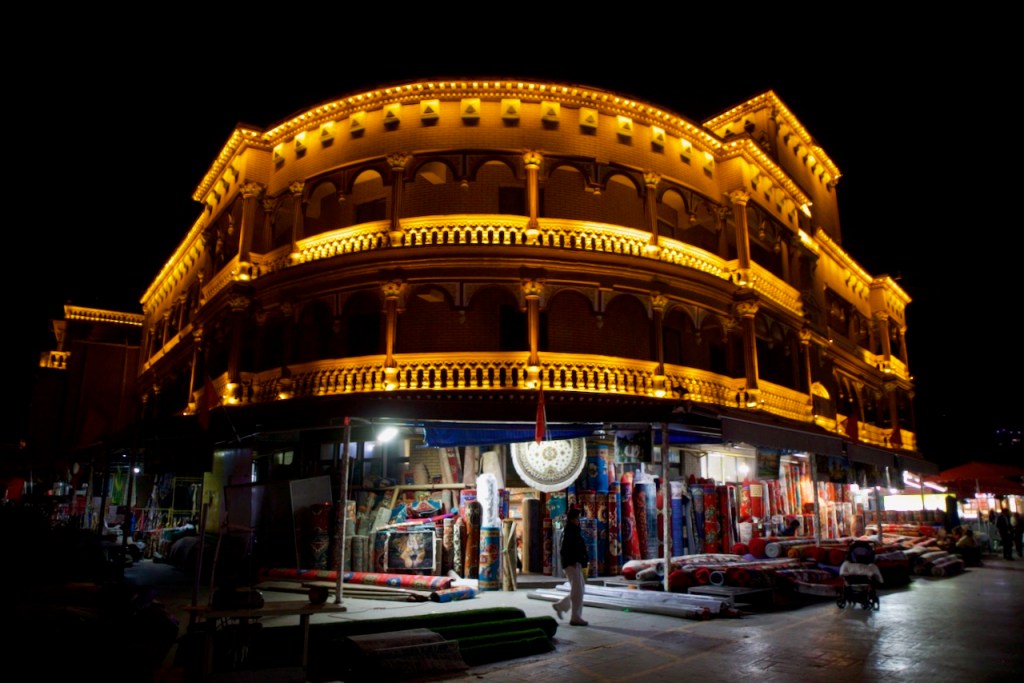
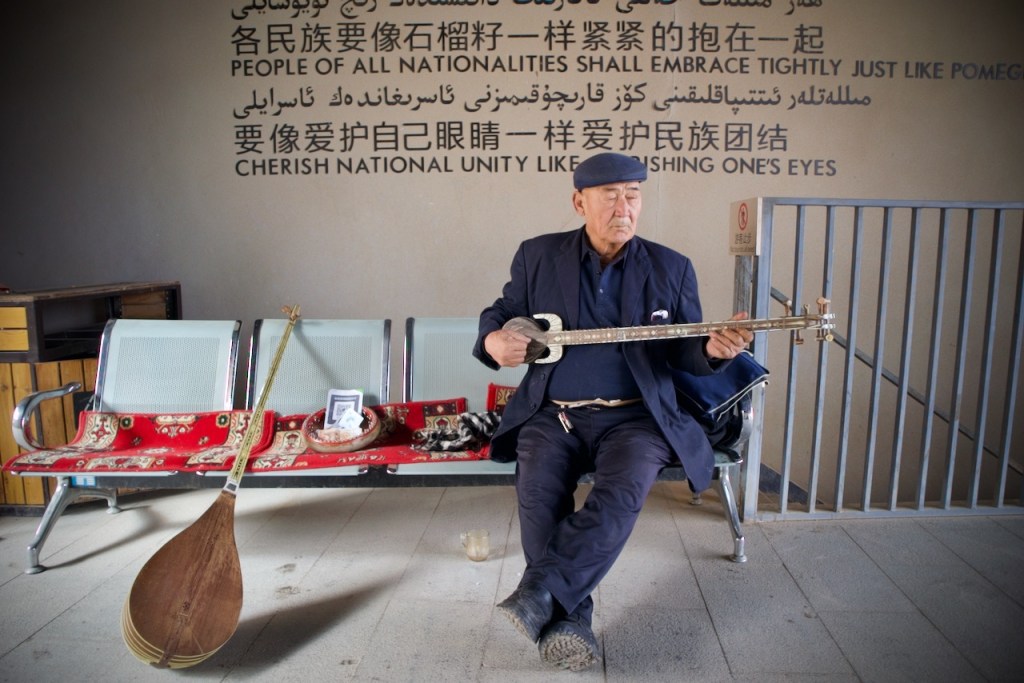
At 3000m, Tashkorgan’s temperatures plummet to sub-zero. The Siberian cold front has been moving south and reached us, causing likely road closures along the Pamirs highway. We return to Kashgar and catch an onward train to Shache, another historic Silk Road oasis city famous for being the birthplace of the Twelve Muquams, the monumental classical genre of Uyghur music. The Yarkand Khan Palace is closed for renovation, and we take an evening stroll around the exquisite illuminated Tomb of Amanisahan, the poetess of the Uyghur Muqam, before wandering in the small lanes of old quiet Shache.
Hotan: Jade, Silk & Carpets
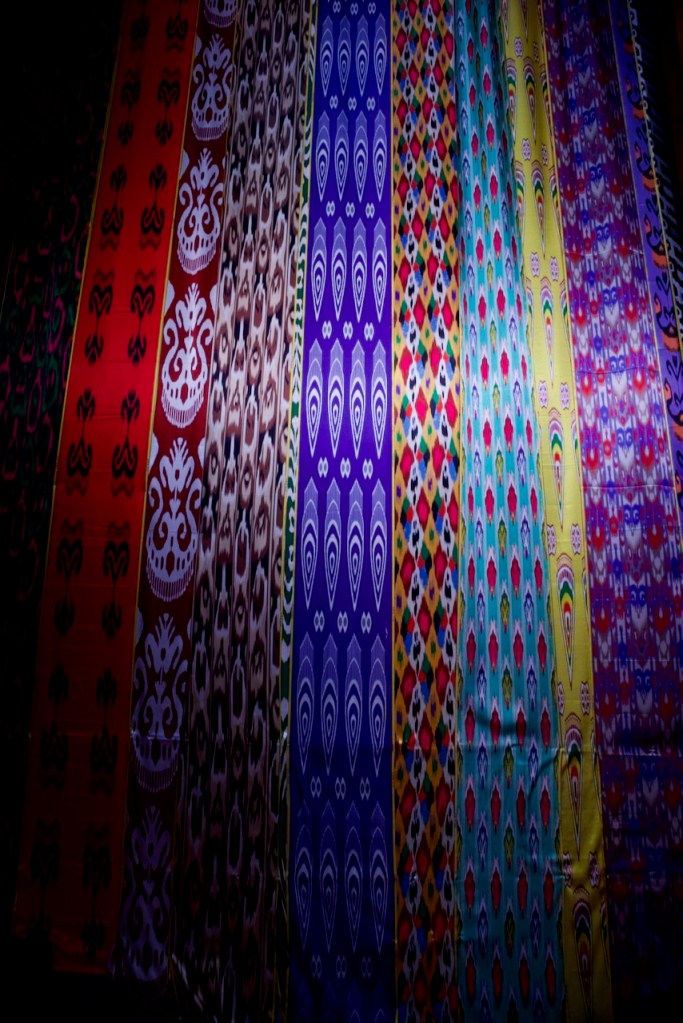
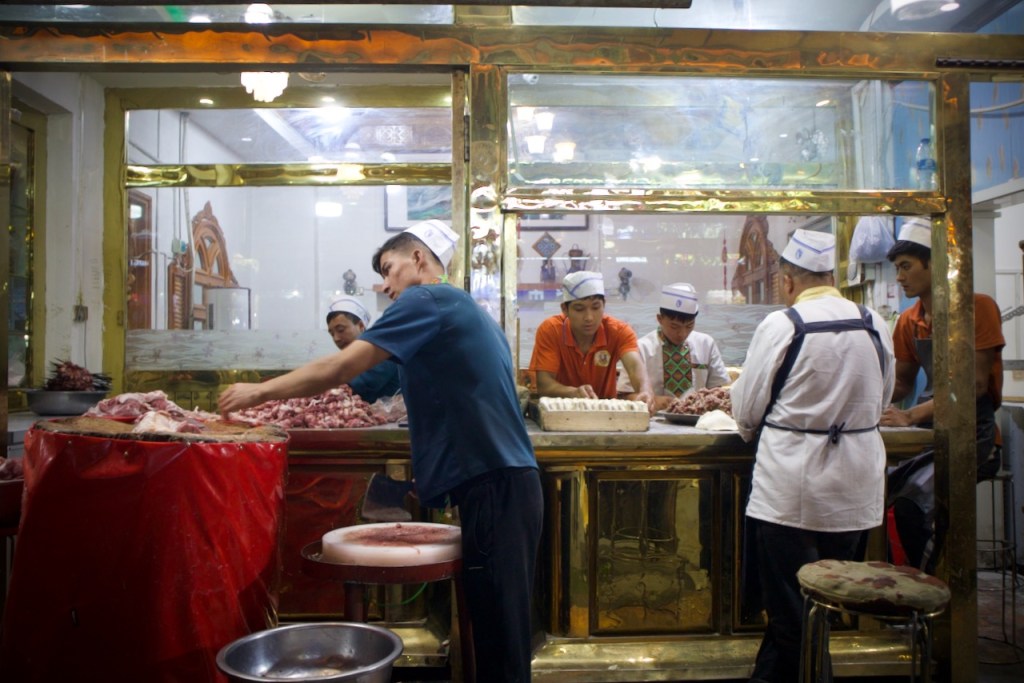
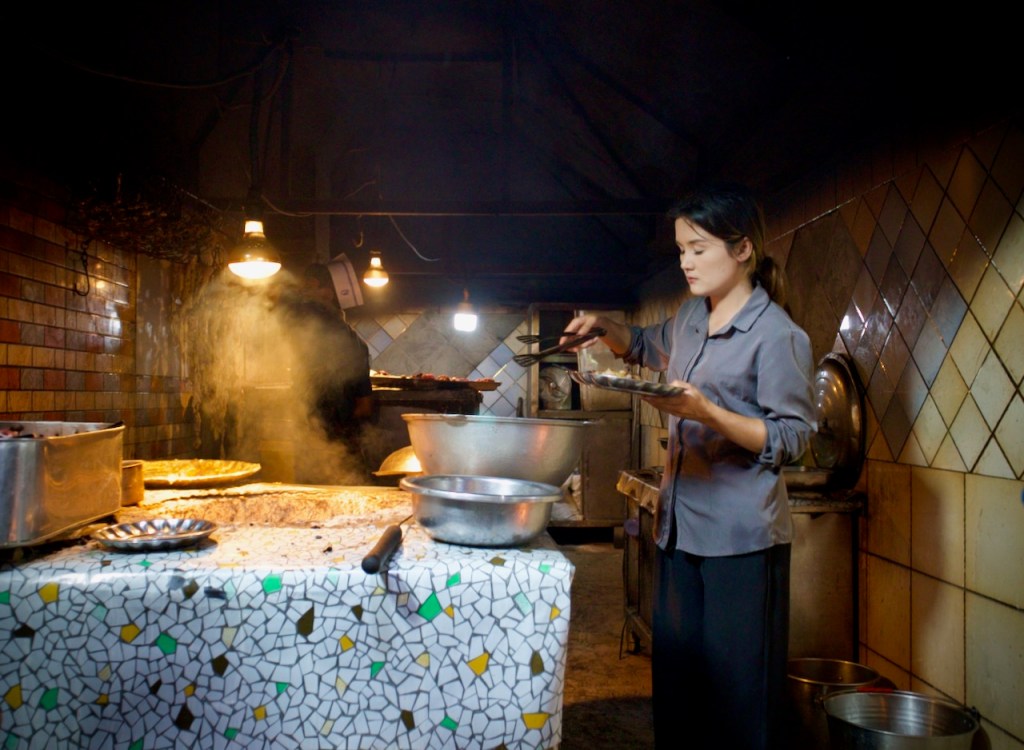
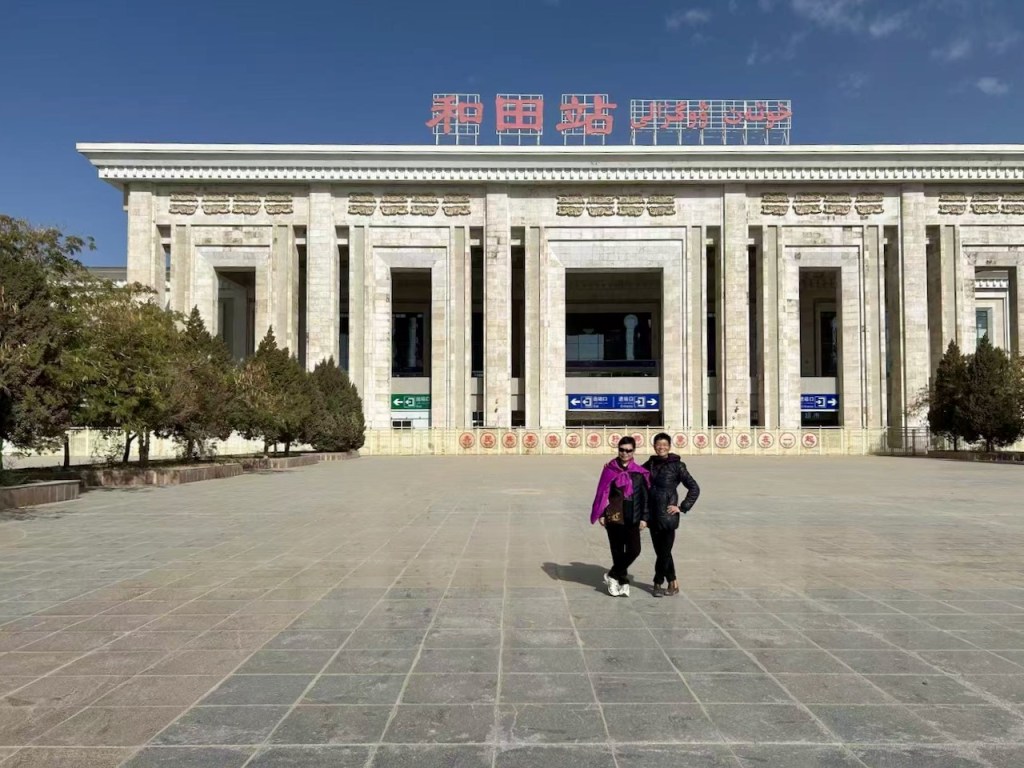
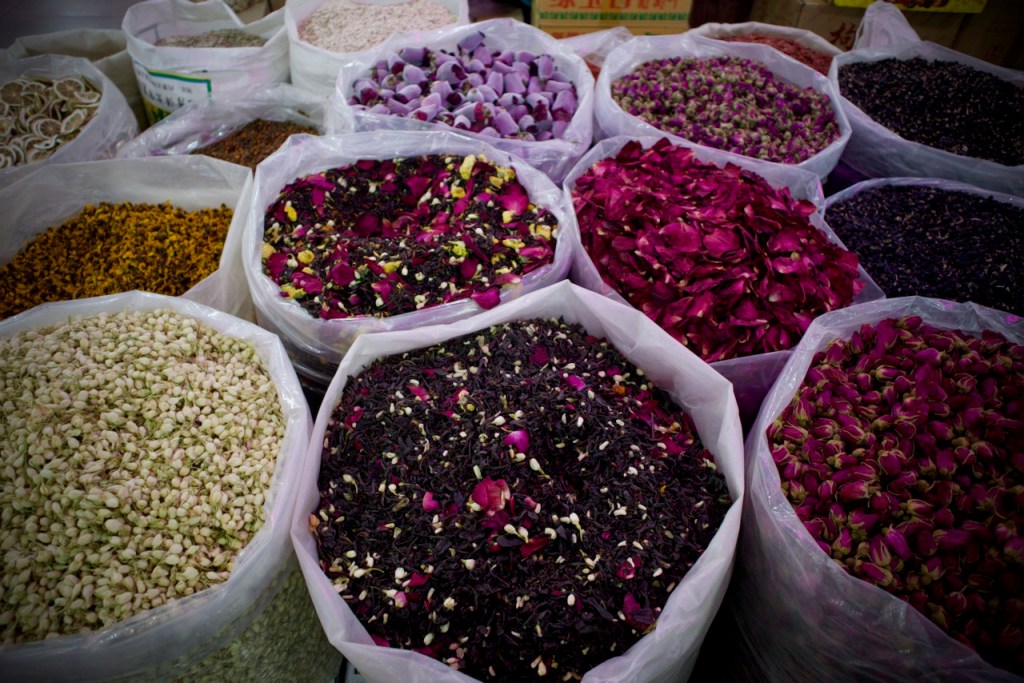
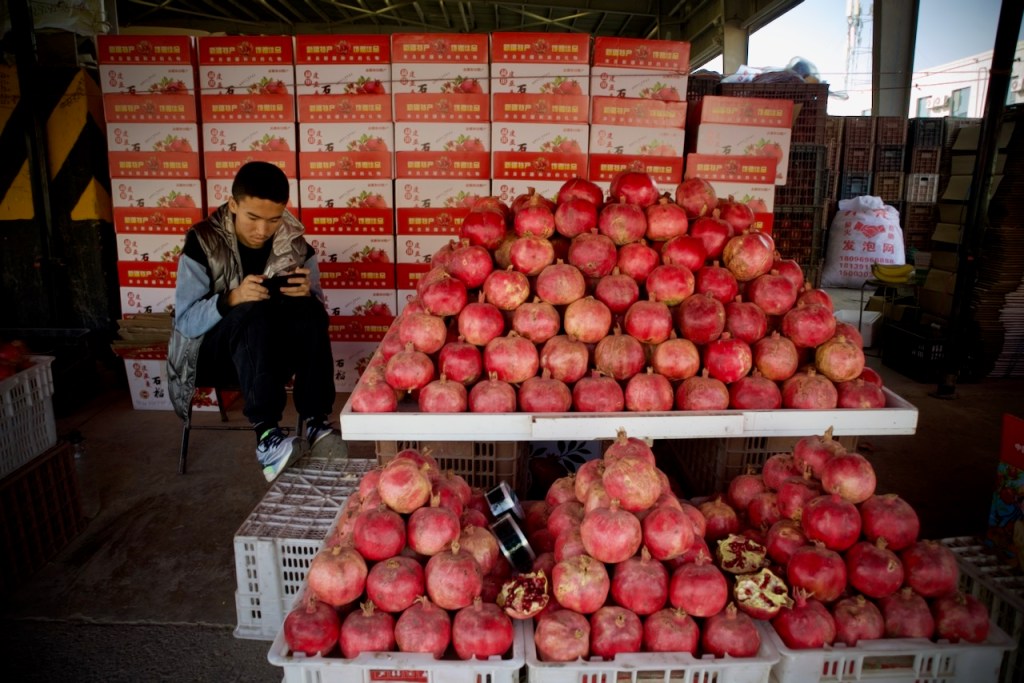
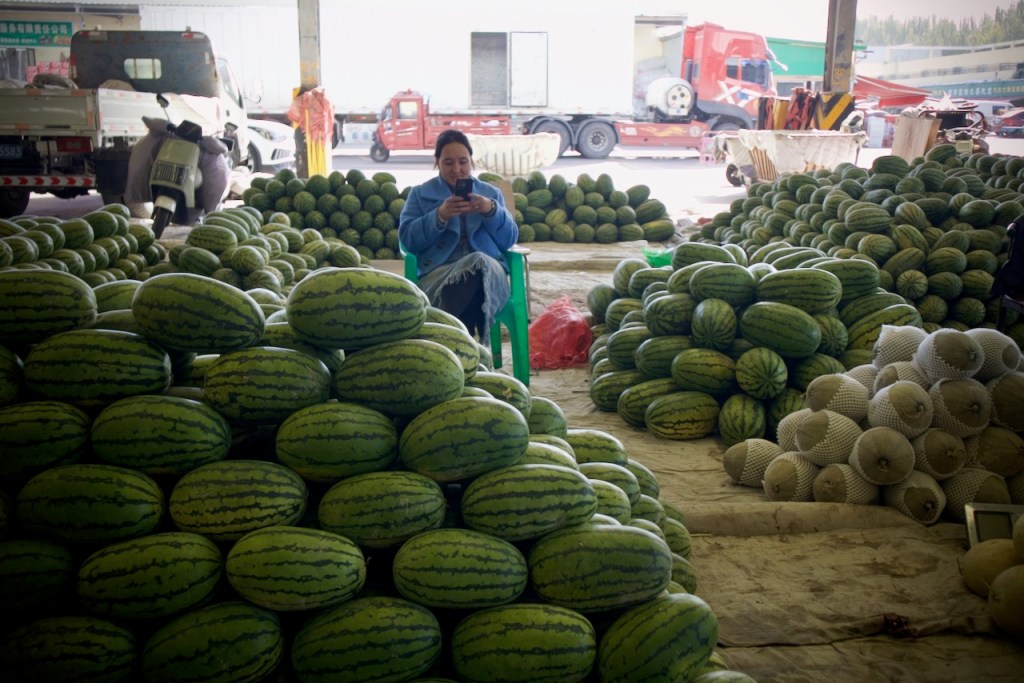
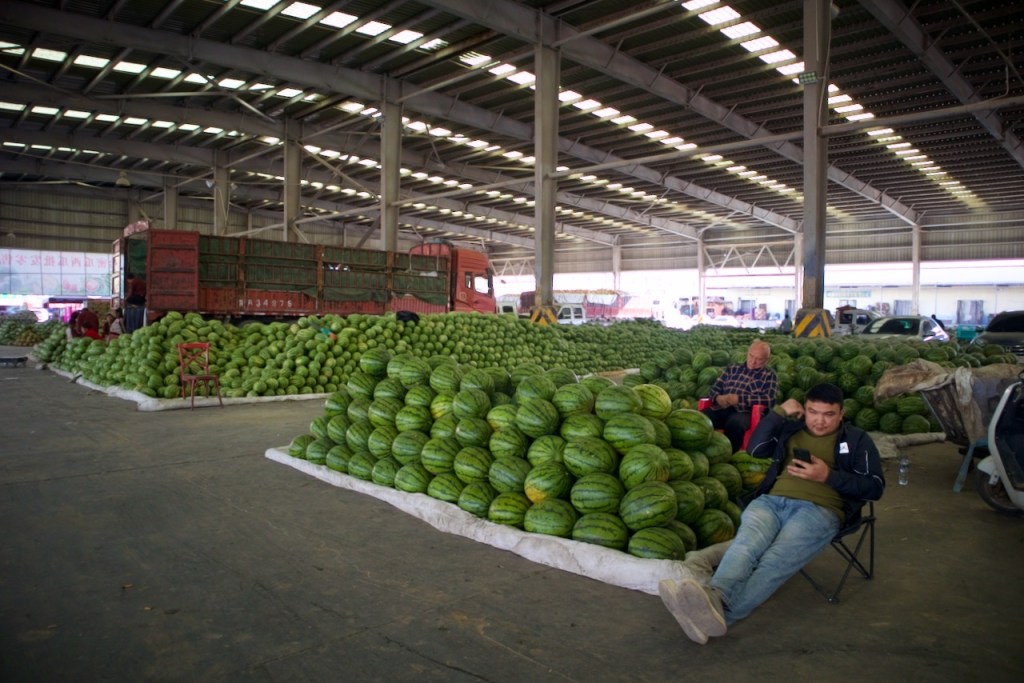
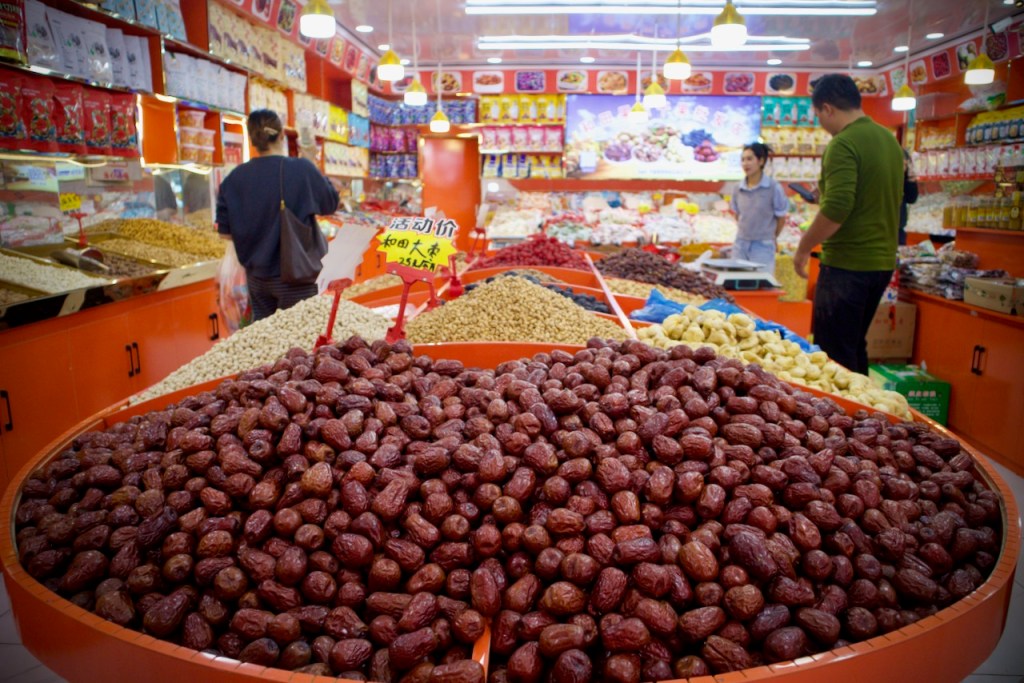
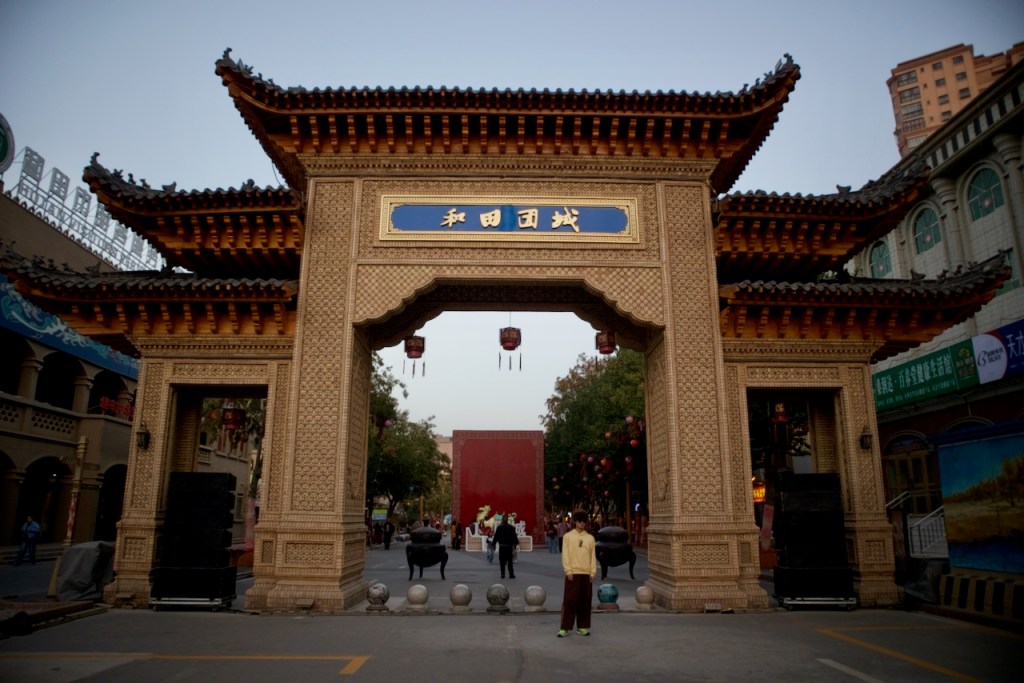
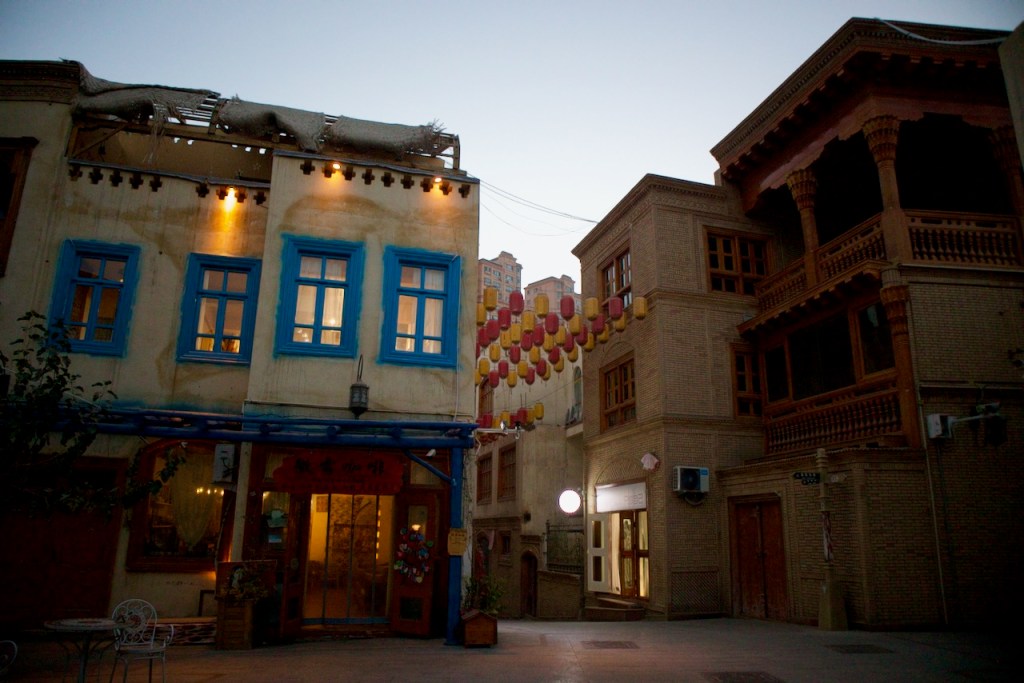
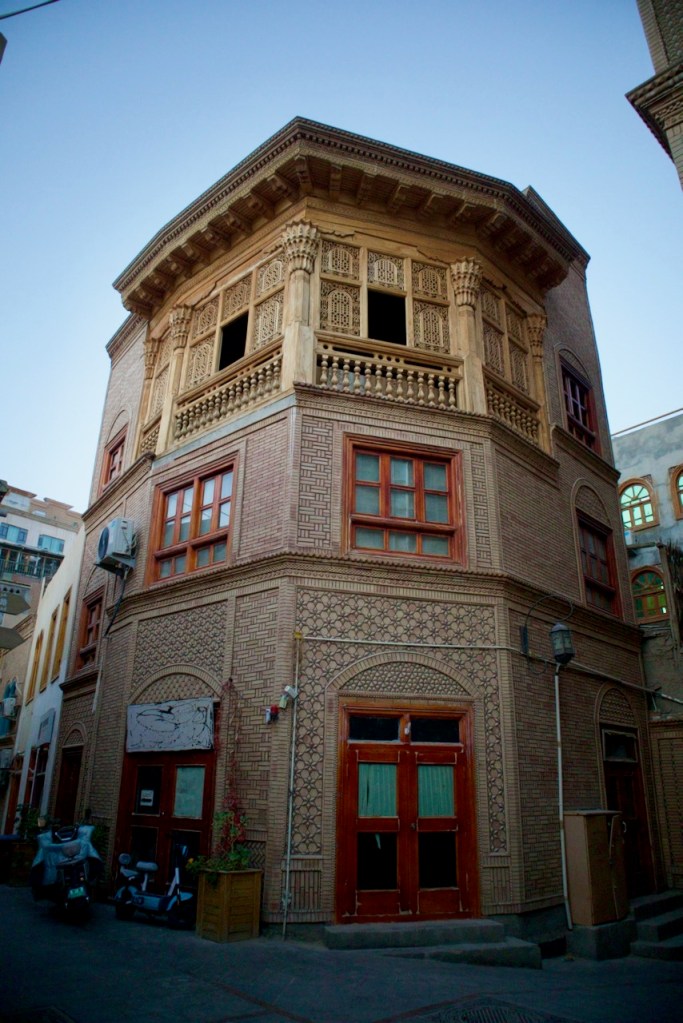
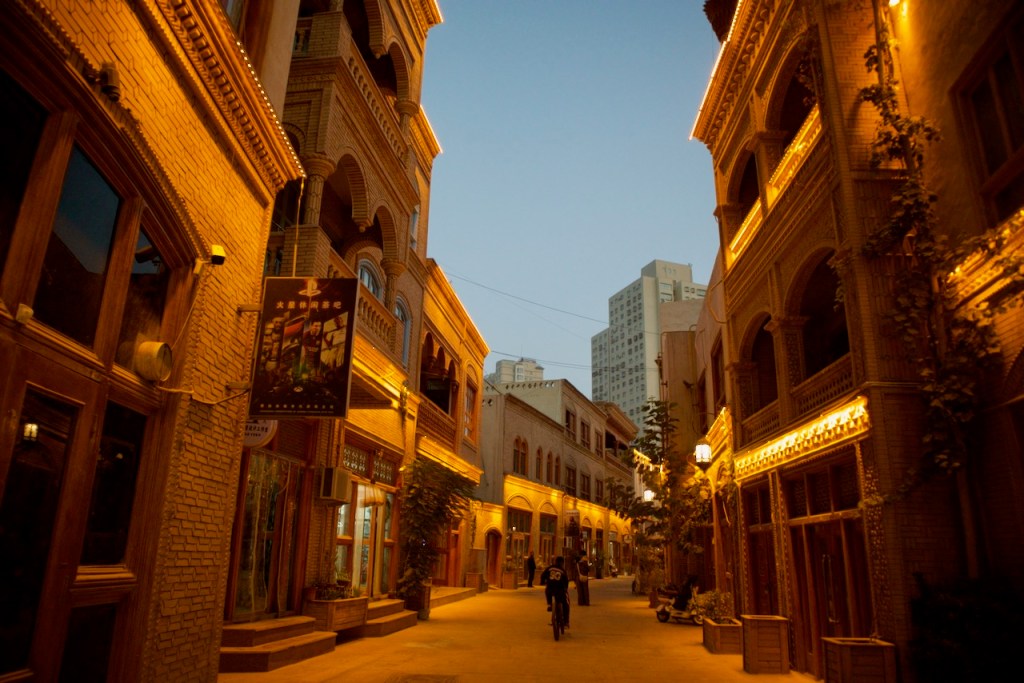
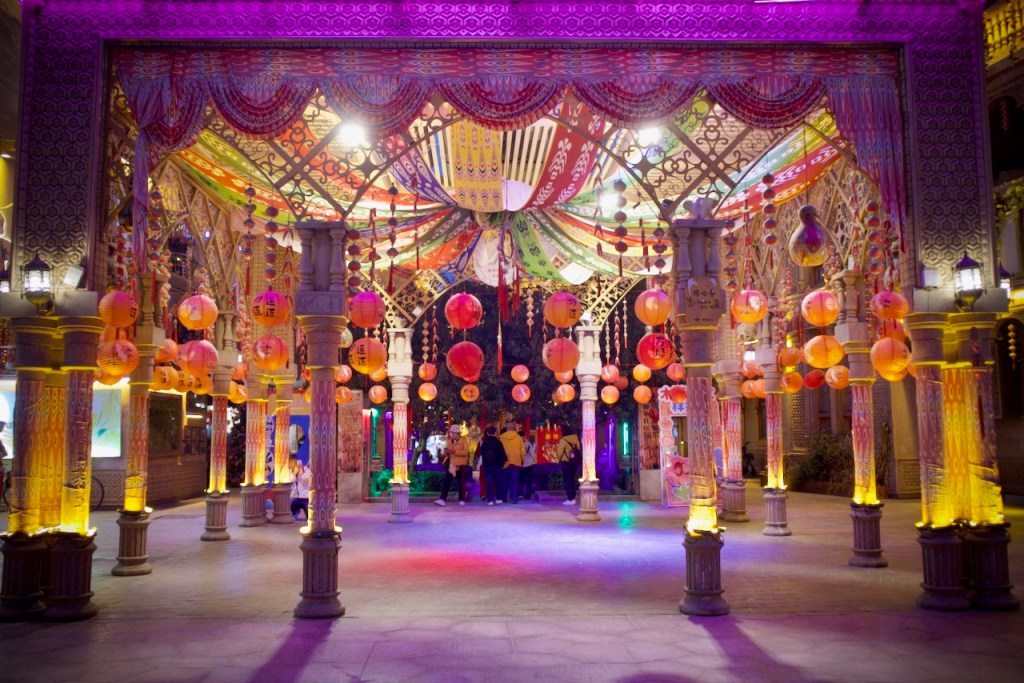
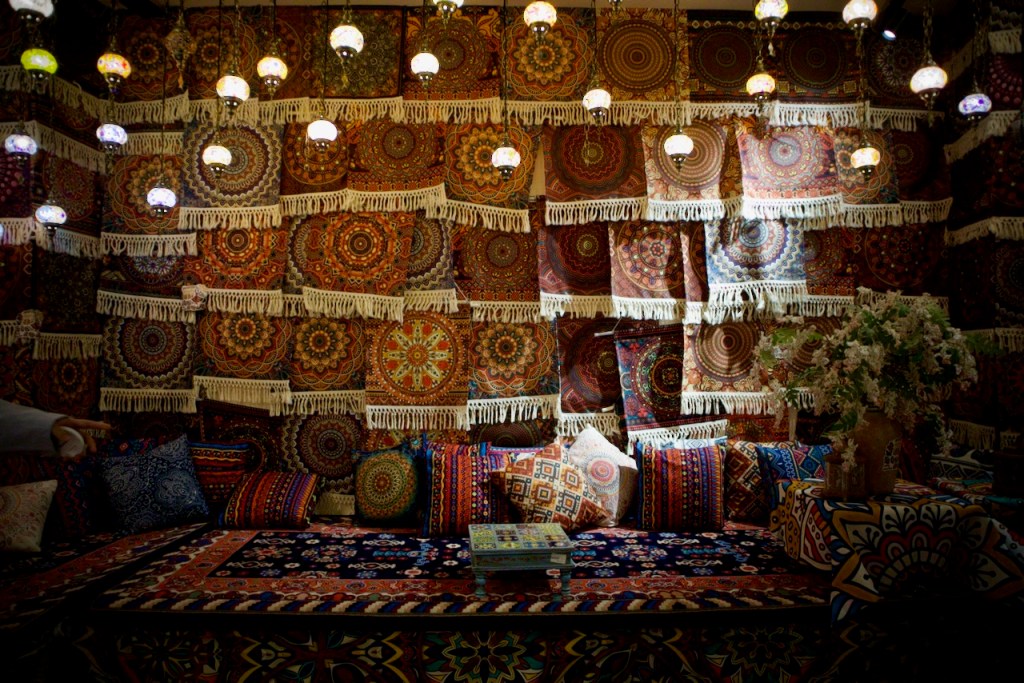
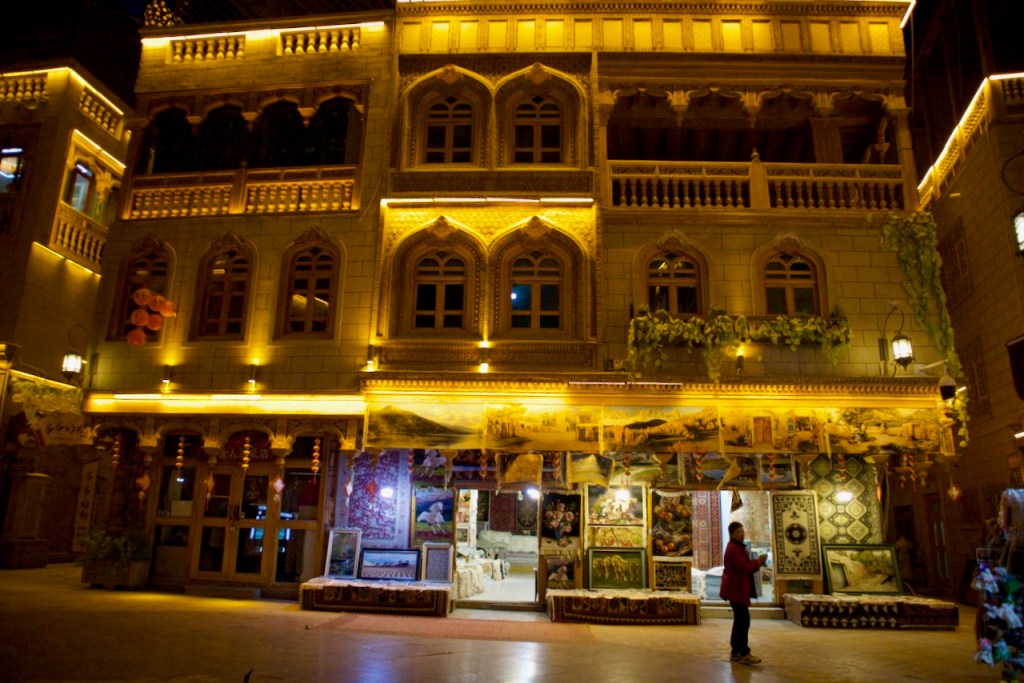
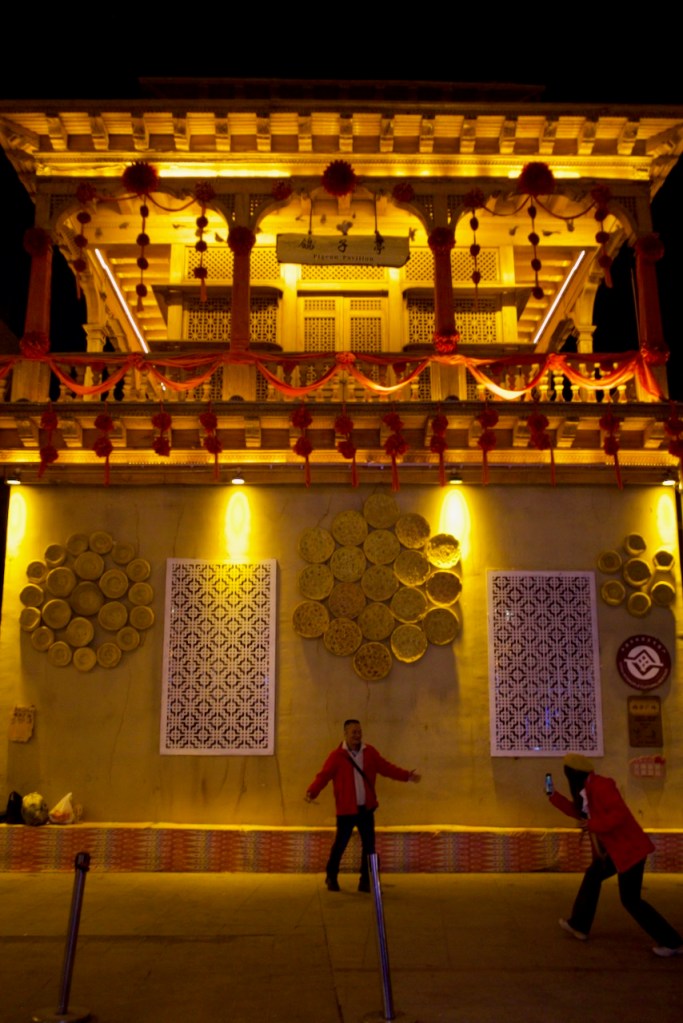
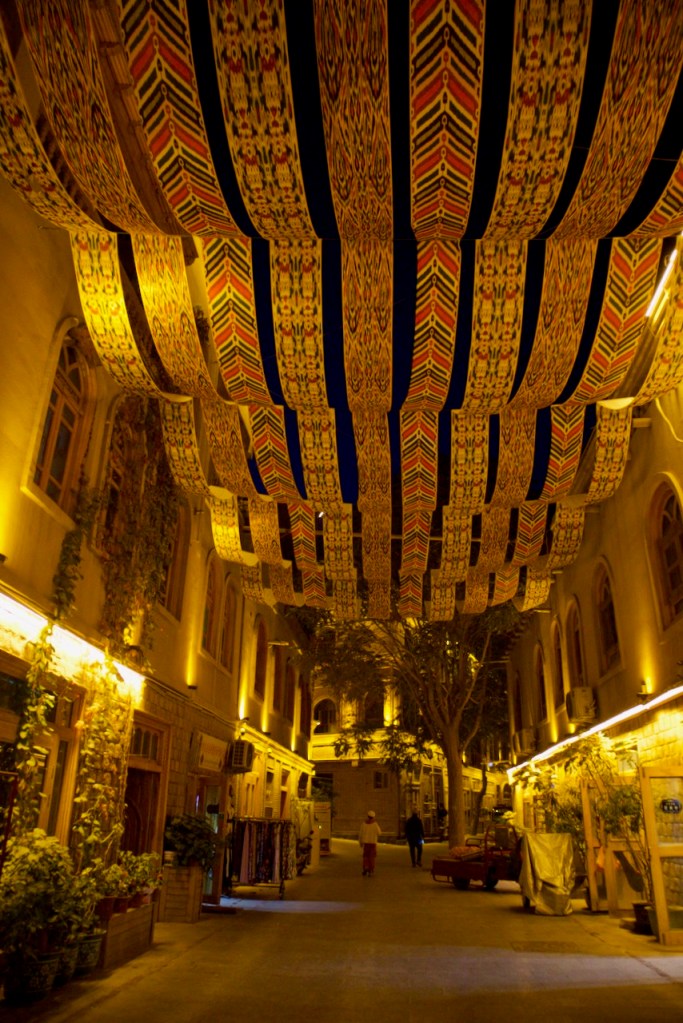
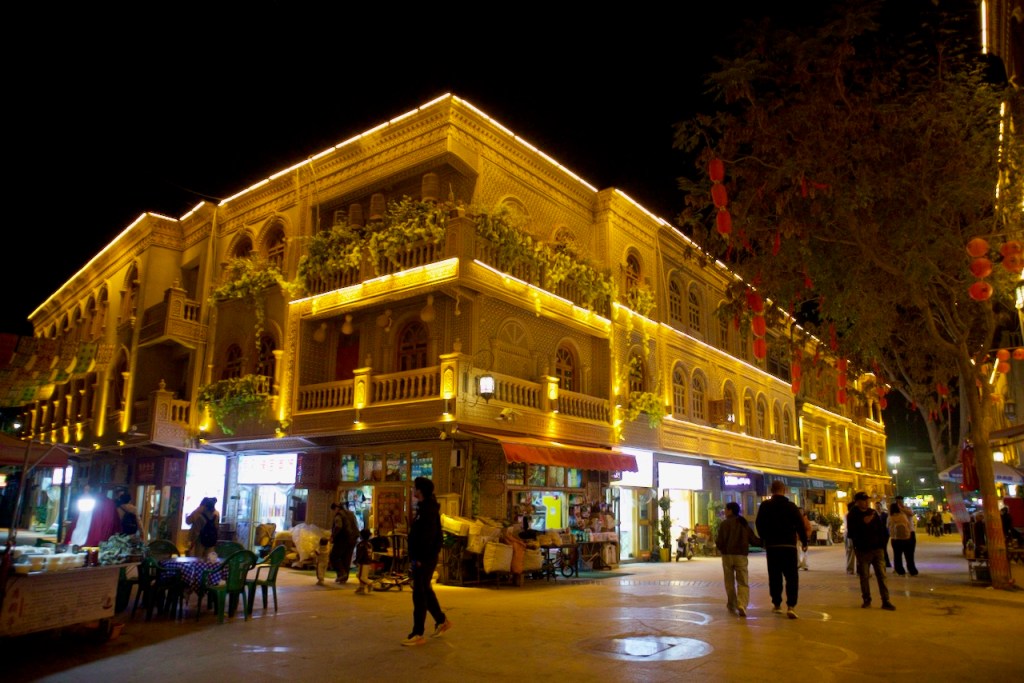
Just a short train ride from Shache is Hotan renowned for her fine silk, handmade carpets, and white jade. All of a sudden, the tourist crowds have thinned. What pleasure to explore the sprawling wholesale markets of nuts, dried fruits, and melons. After Kashgar, the Hotan Tuancheng/Old Town, a labyrinth of colourful Uyghur residences, old teahouses, and traditional handicraft workshops, is one of the liveliest. Alas, my cold has continued to worsen and I pay the People’s Hospital a quick night visit. A blood test requires a wait till past midnight, so a quick doctor’s examination would do. Get these, a Uyghur doctor scribble an amoxicillin generic, paracetamol, and a cough syrup in Chinese. With these, I am ready to take the next 20-hour hard sleeper to Turpan!

Turpan: Journey to the West
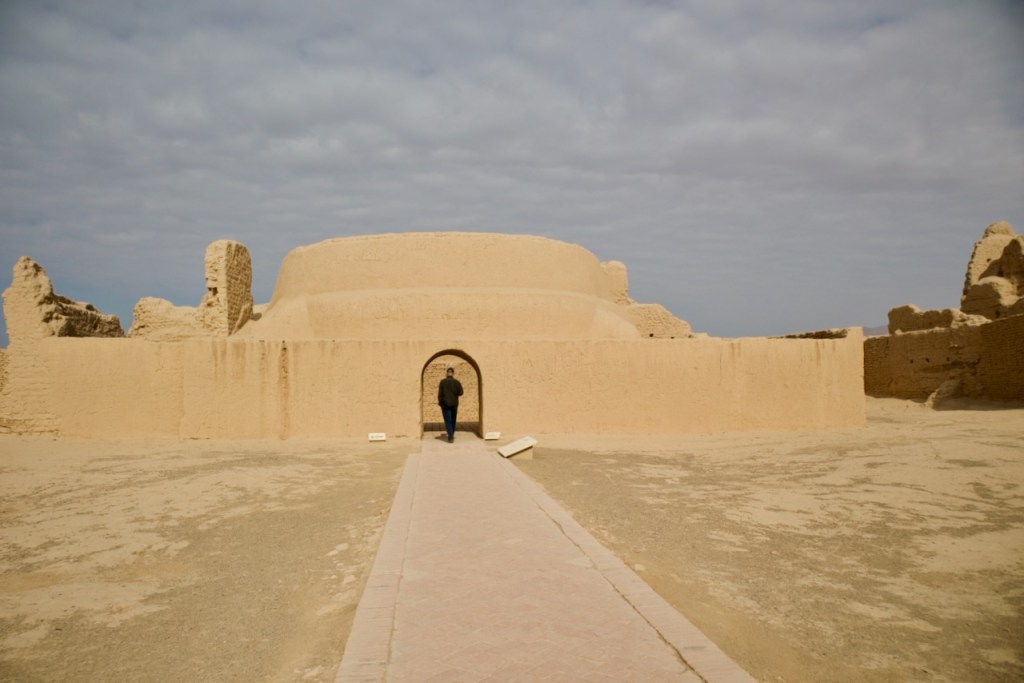
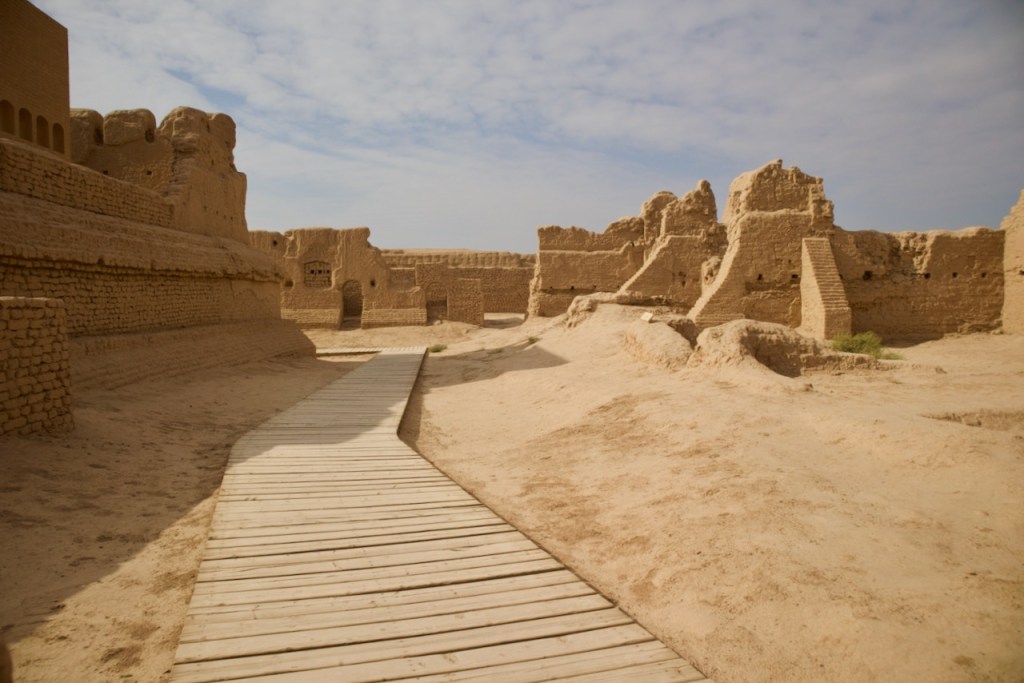
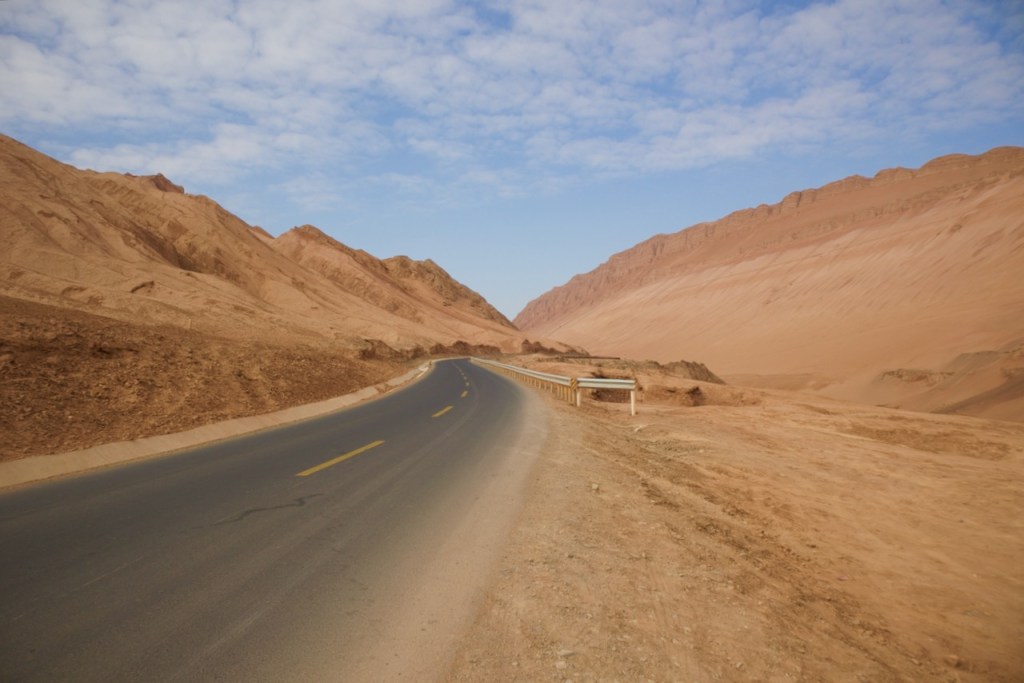
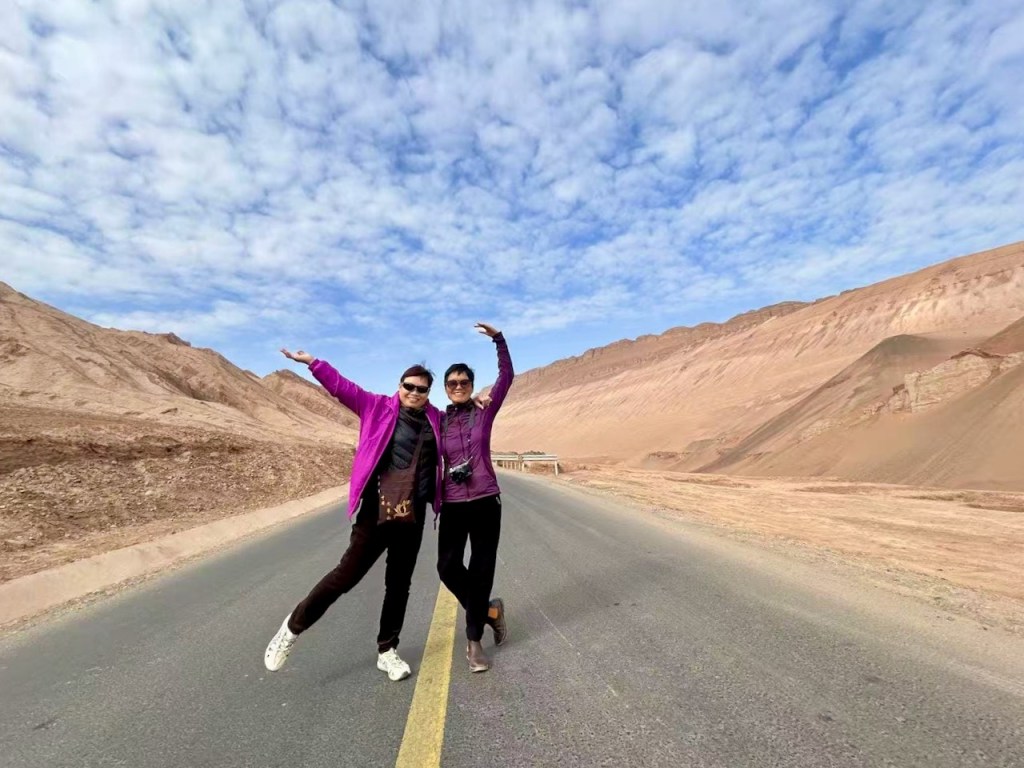
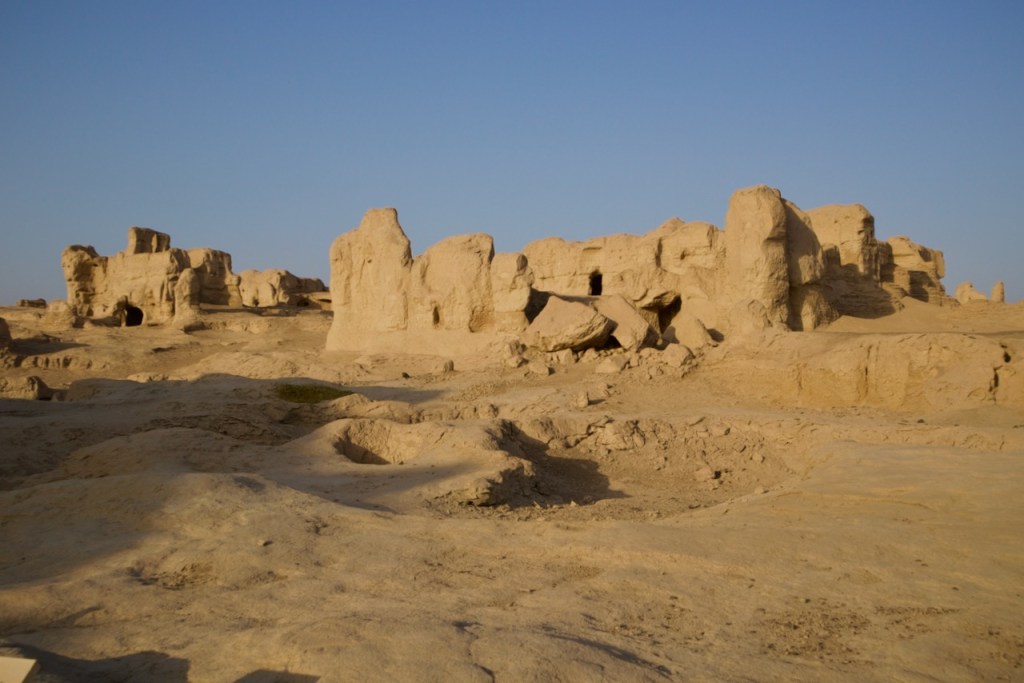
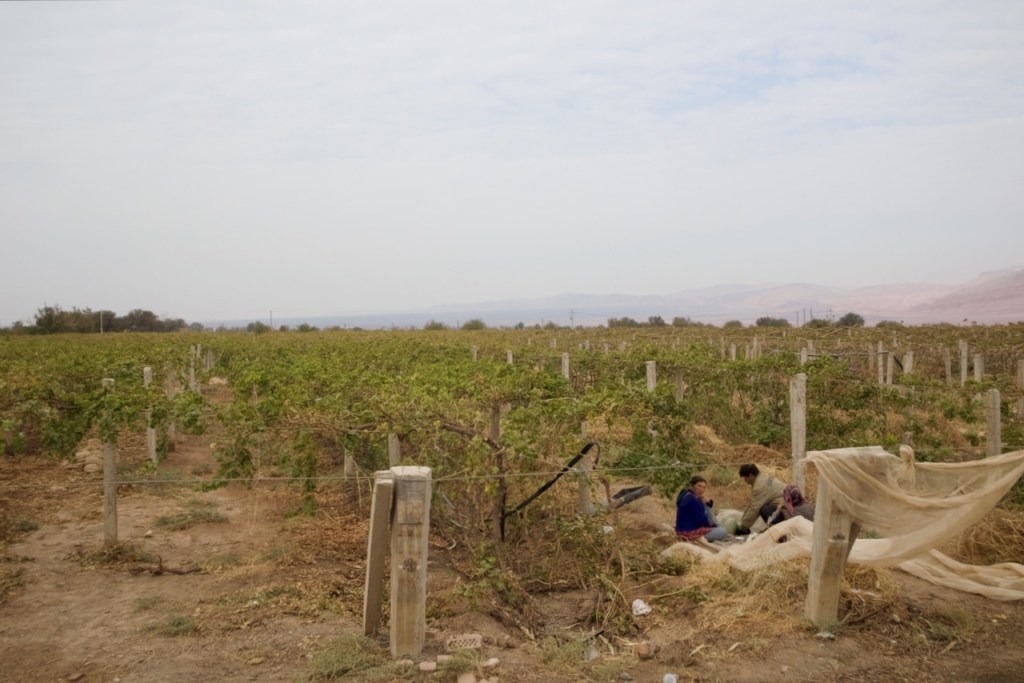
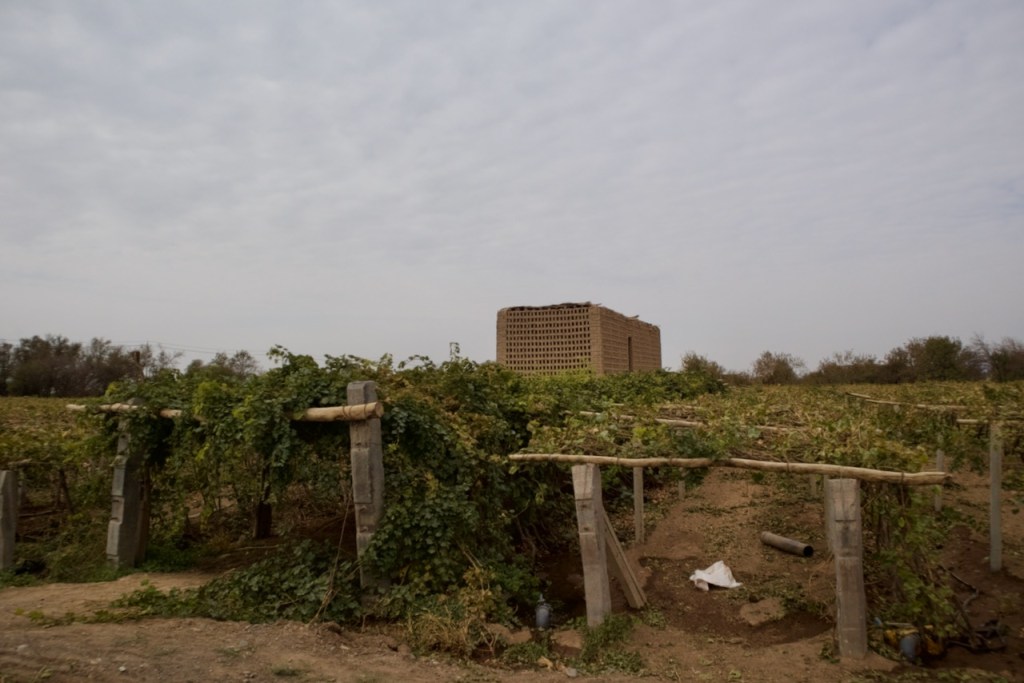
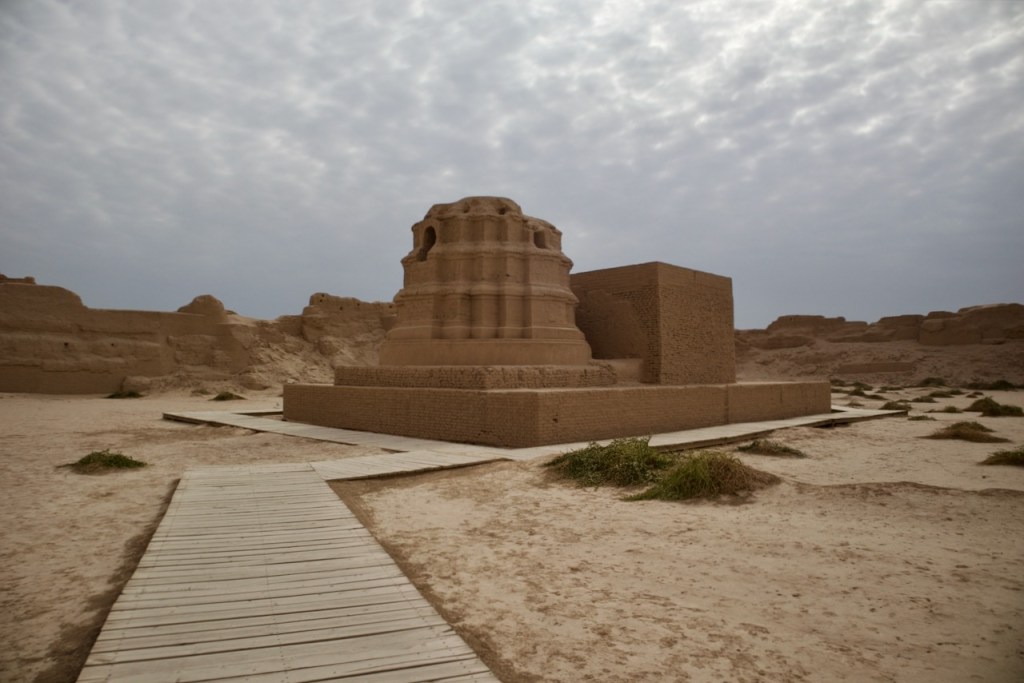
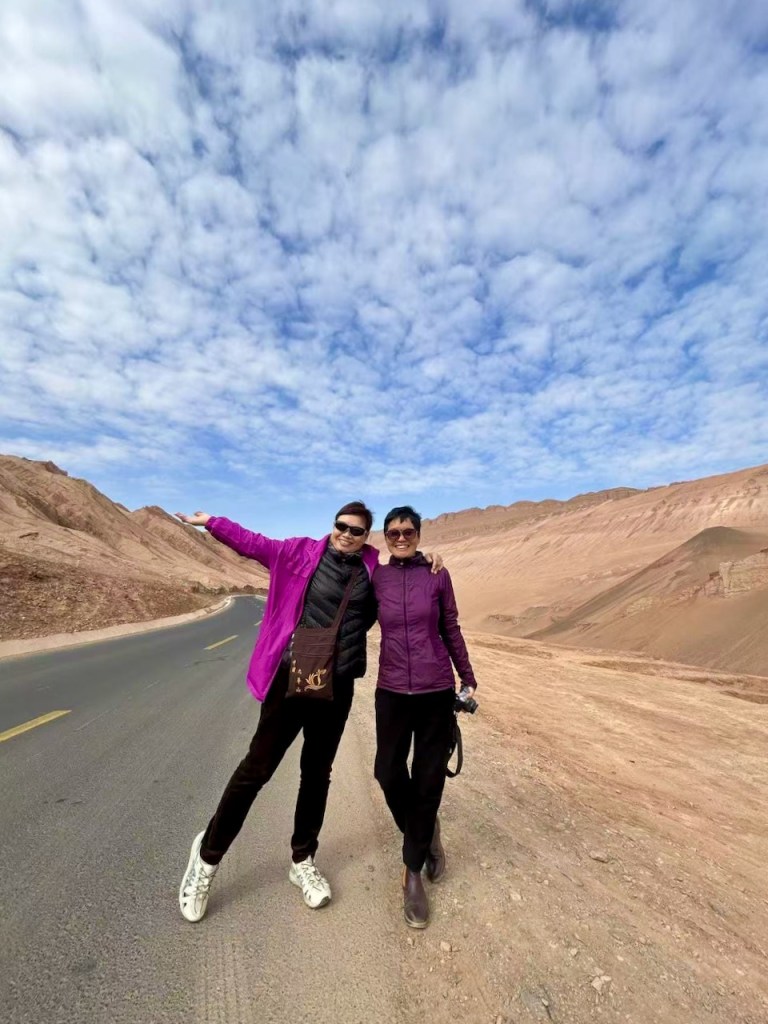
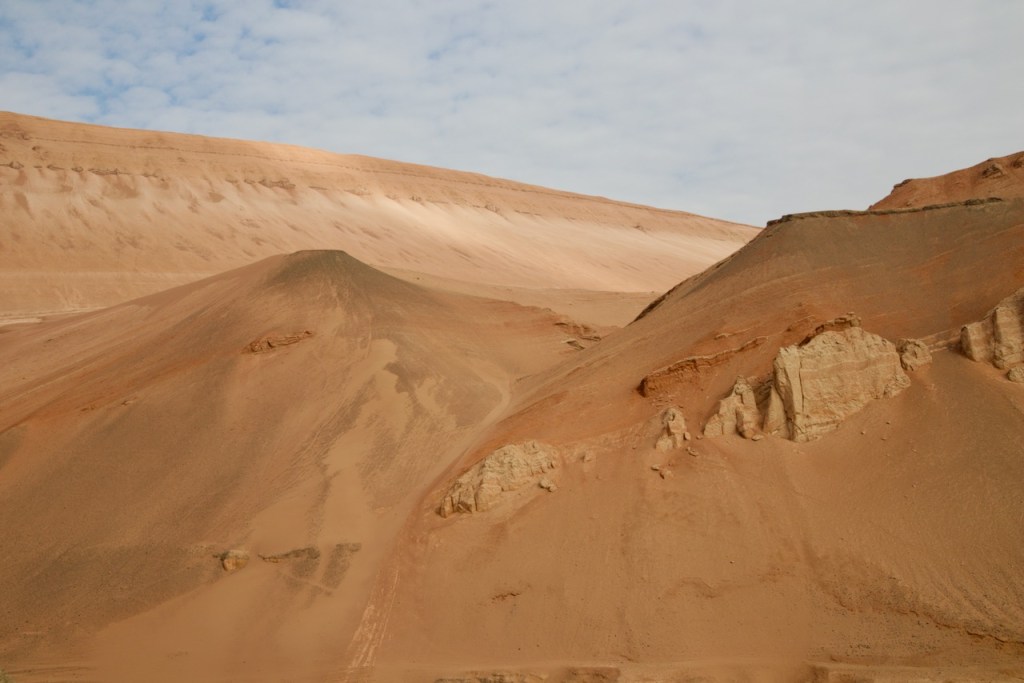
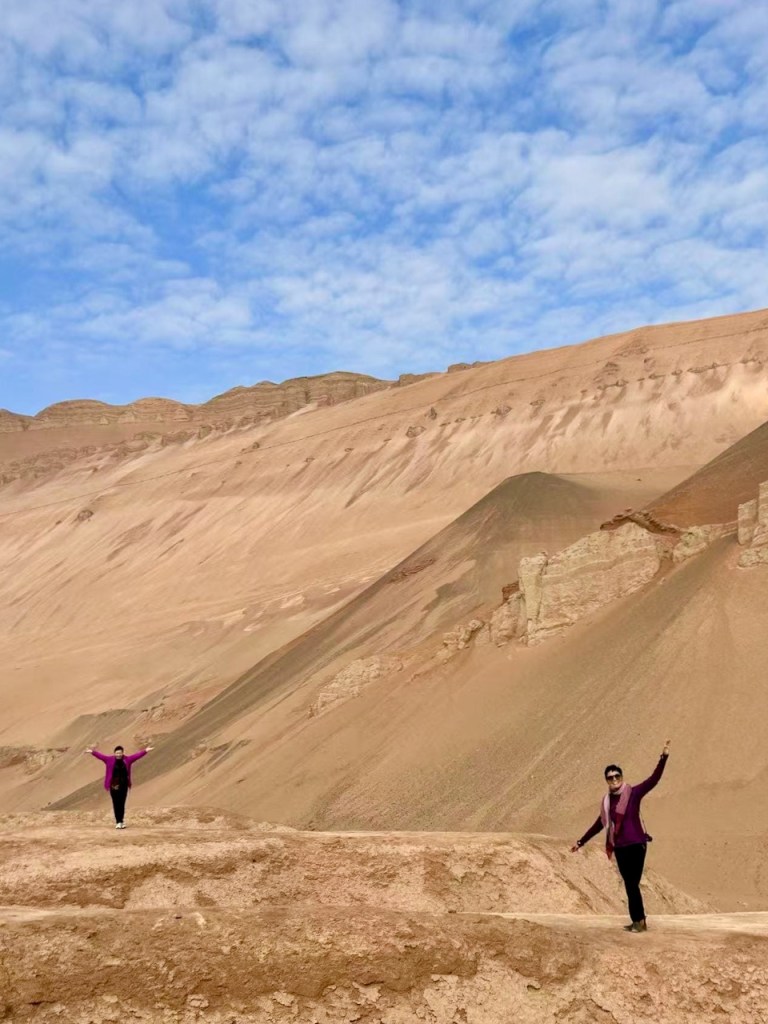
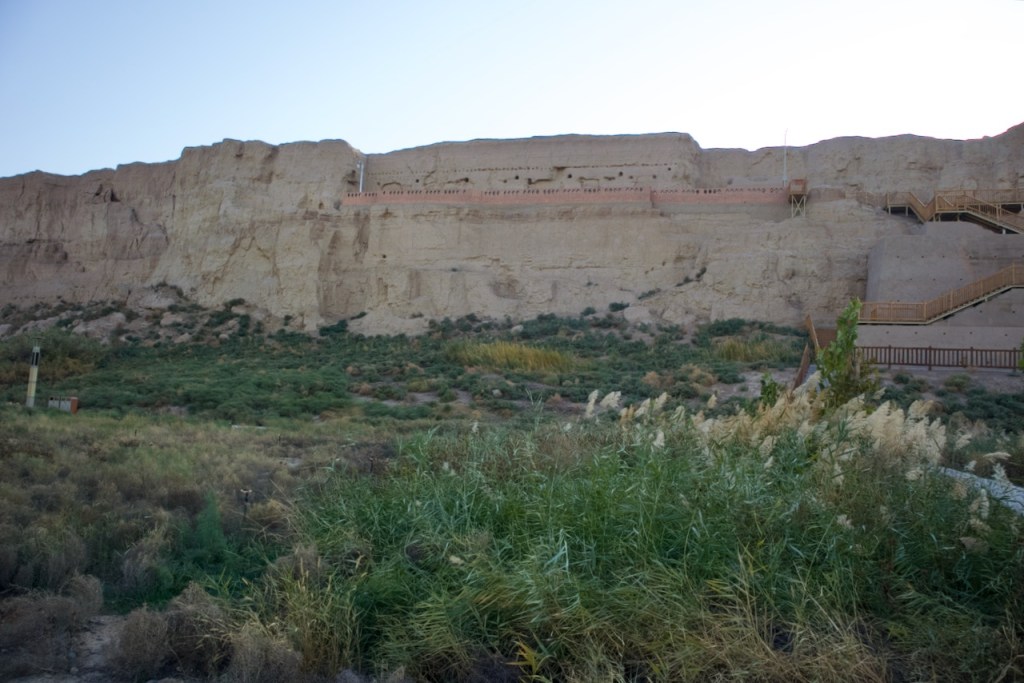
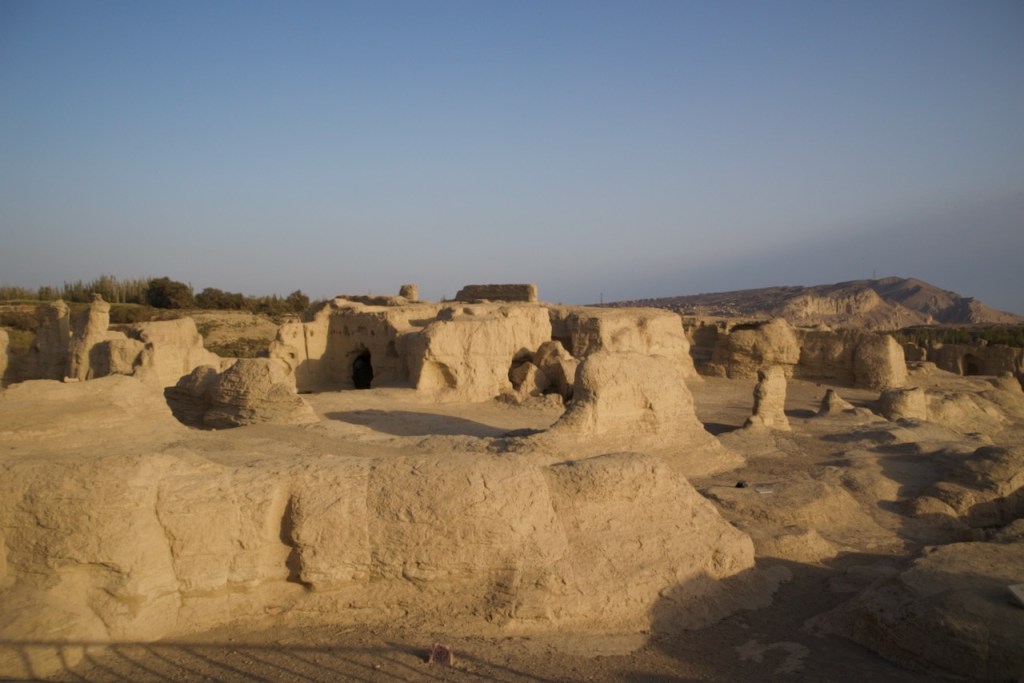
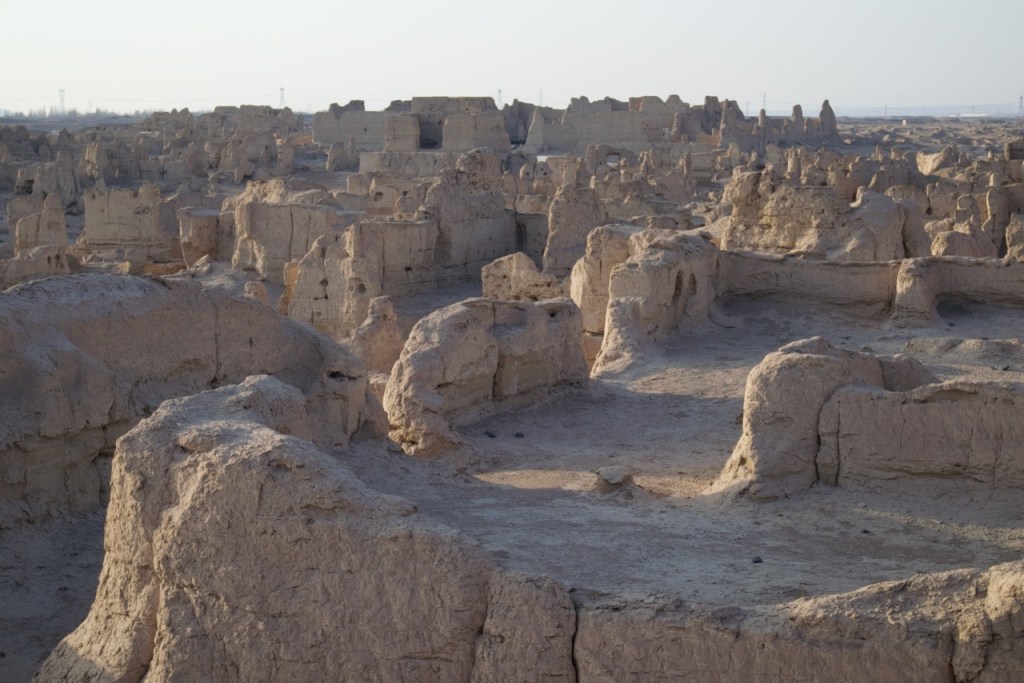
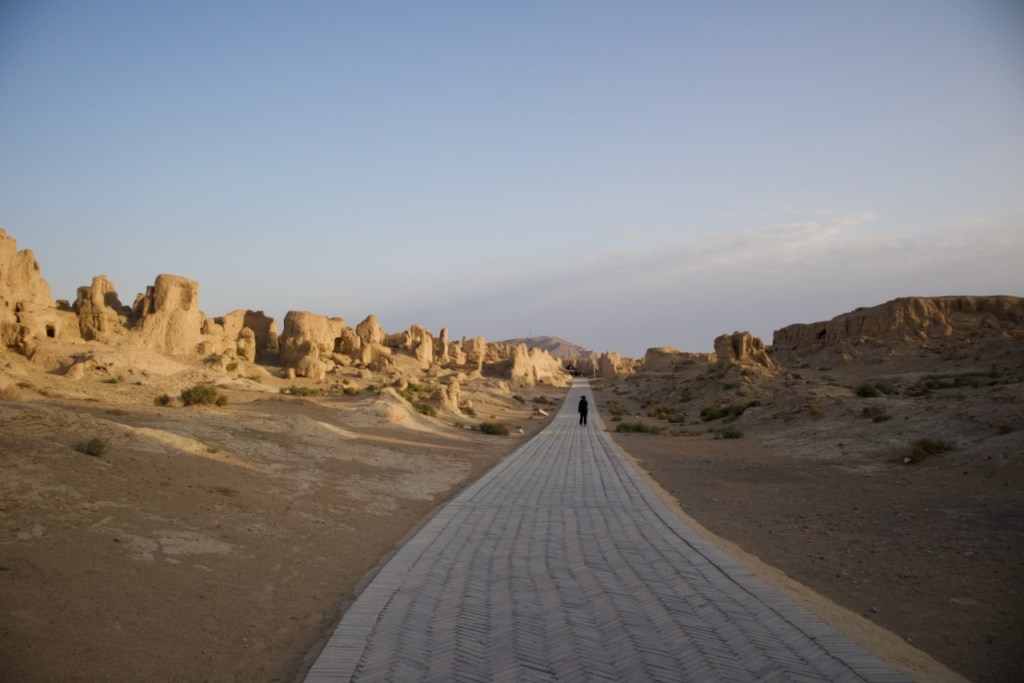
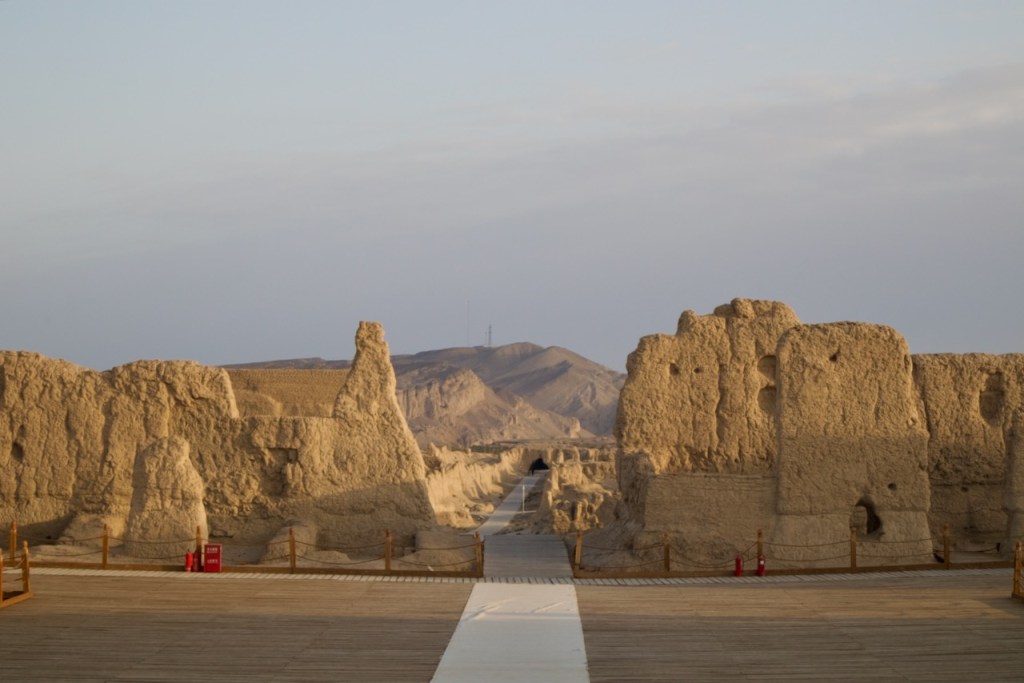
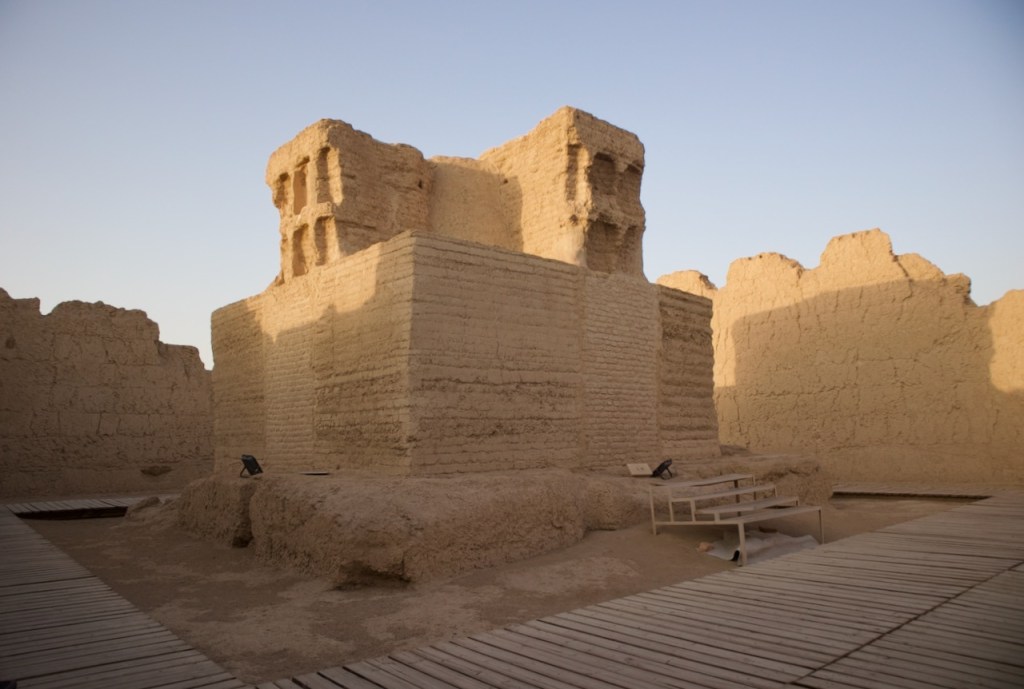
I sleep sixteen hours straight in an upper hard sleeper in the twenty-hour long ride from Hotan to Turpan, arriving at seven in the morning. At the station, a driver proposes to take us for a full day tour and off we go! Turpan is known as the “fire state,” soaring past 45C in the summer as the second-lowest depression in the world (after the Red Sea). The Flaming Mountains, made famous by the Chinese epic Journey to the West, might not appear as burning red in autumn but are no less beautiful. We begin our tour driving through endless fields of grapes with the iconic chunche/drying houses in the background before we reach the magnificent UNESCO World Heritage site, the ancient City of Gaochang. First built as a military outpost in the 1st century, it grew to become one of the biggest international trding posts and Buddhist sanctuaries along the Silke Road before it was destroyed in the 14th century. Intentionally modelled after Xian, the inner and outer cities as well as the royal palace once housed over 30,000 residents, merchants, and monks.
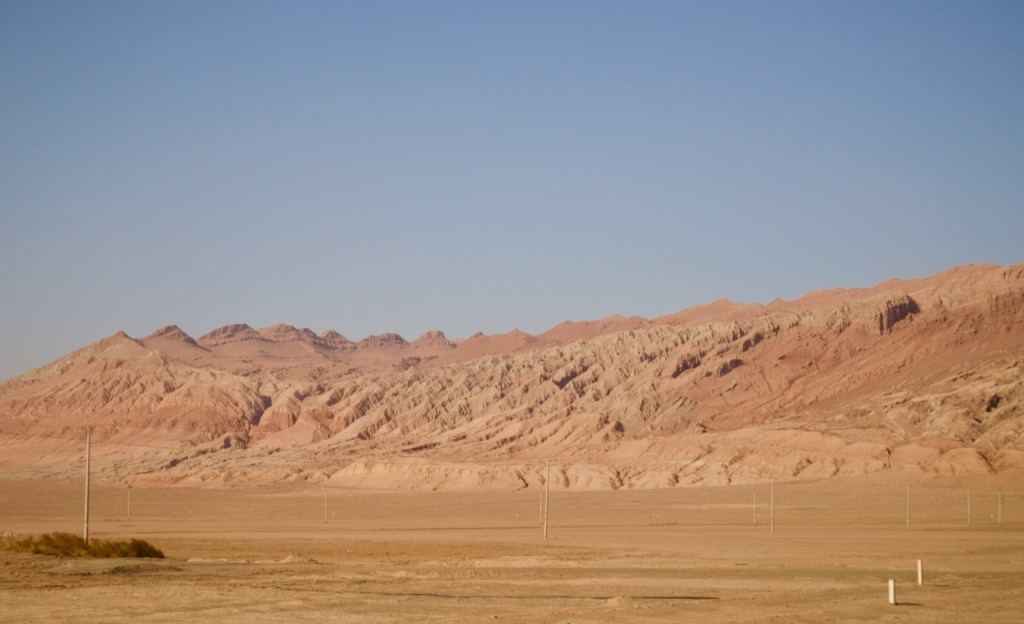
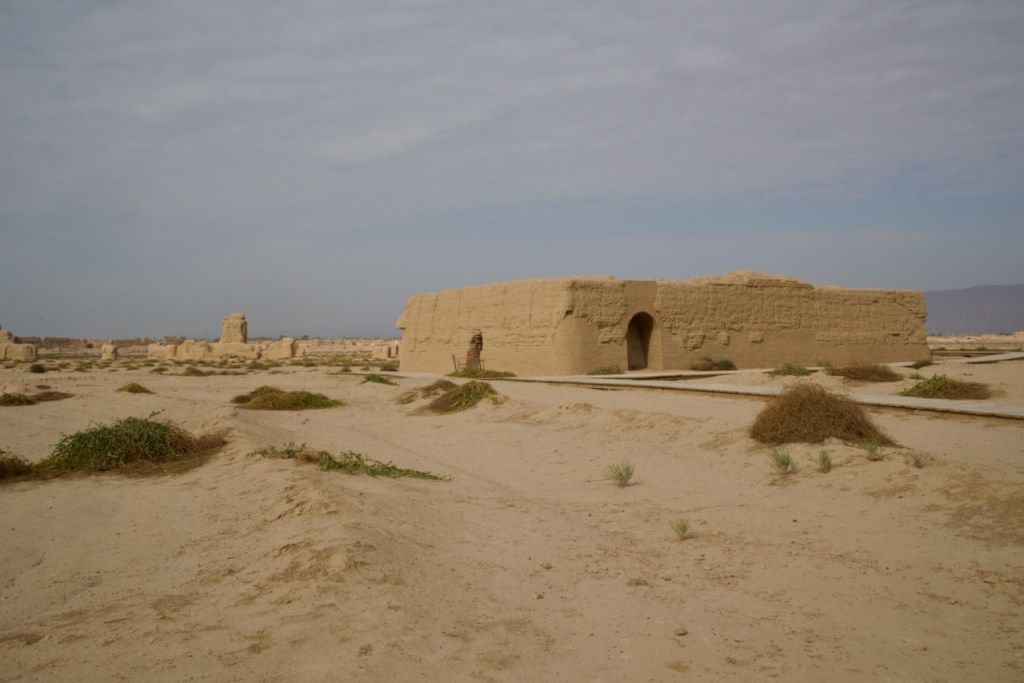
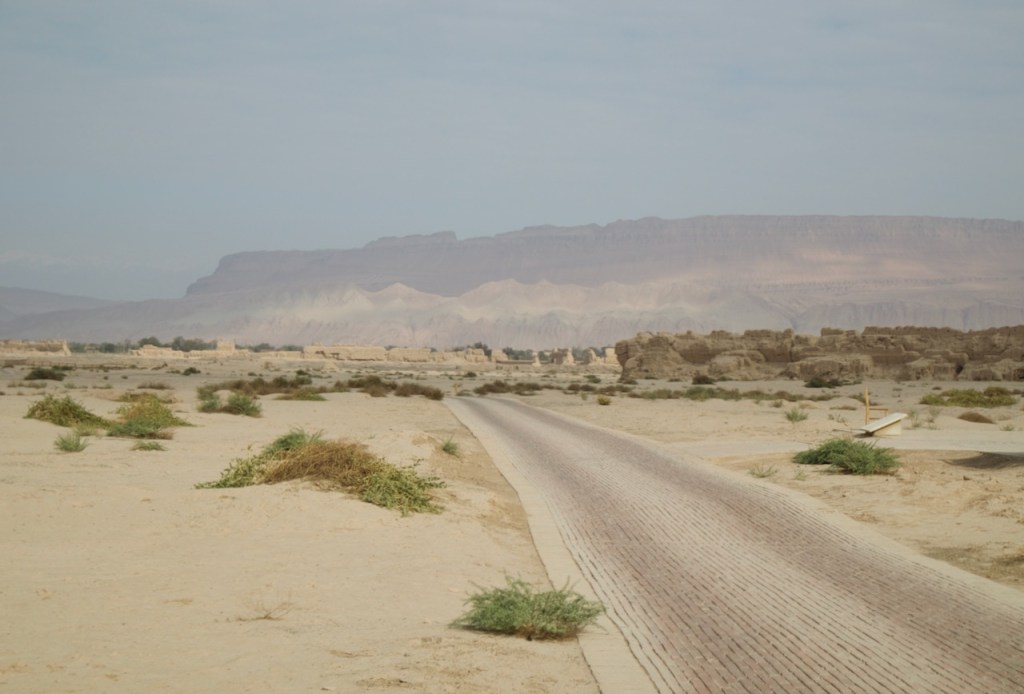
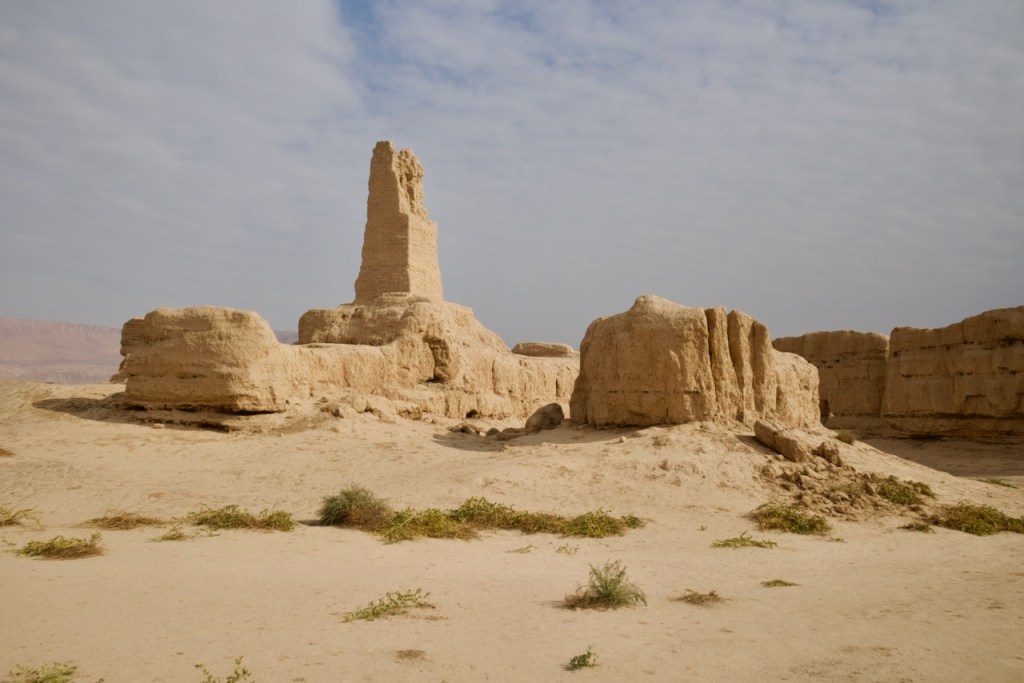
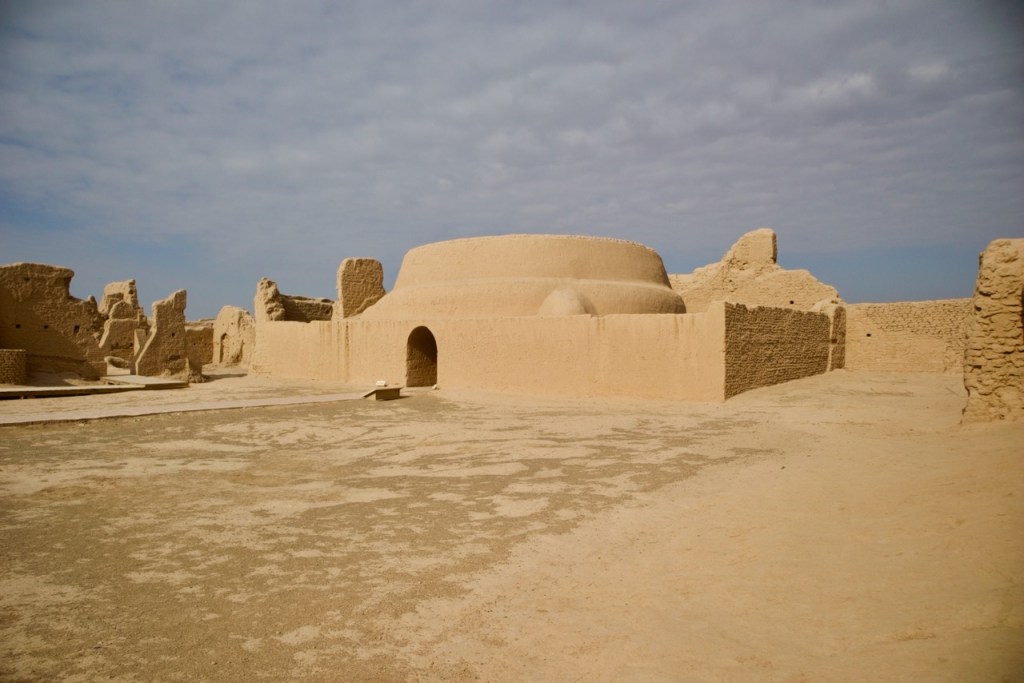
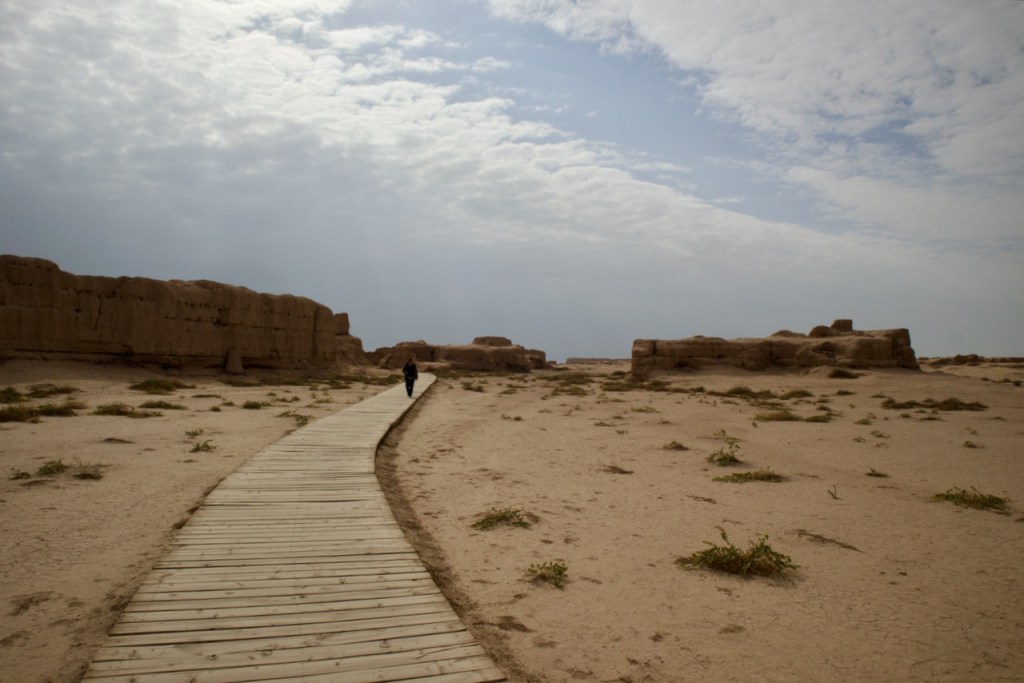
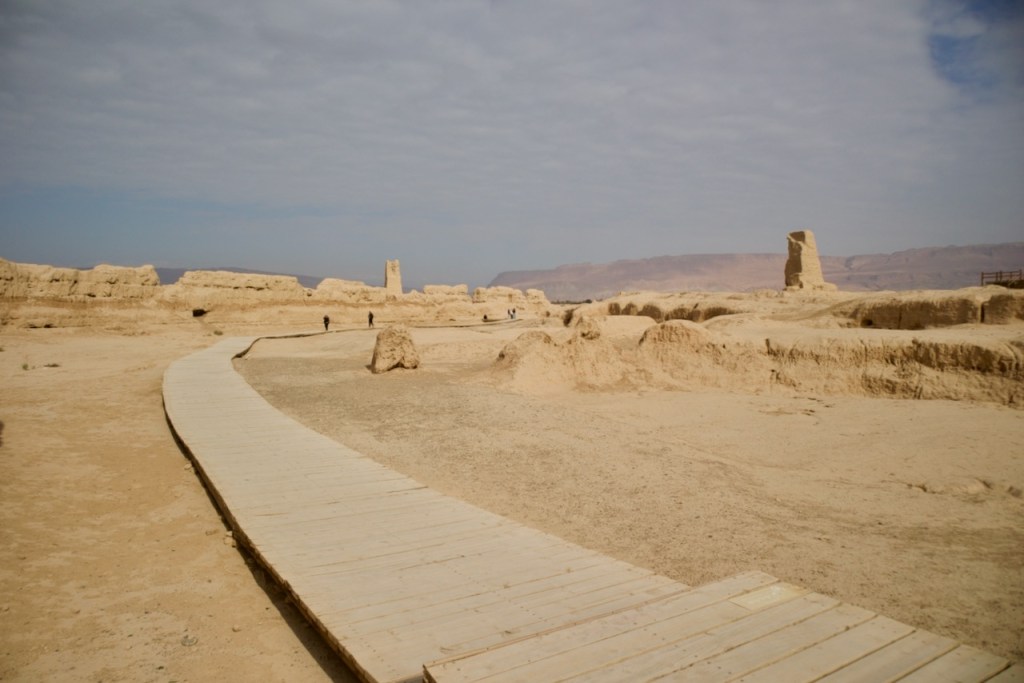
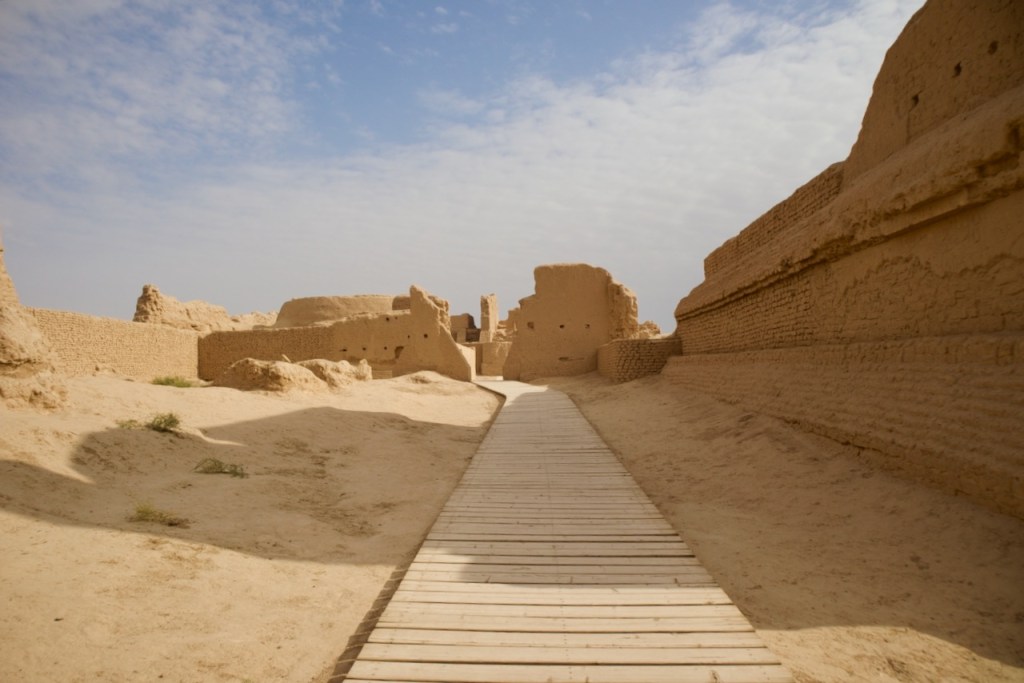
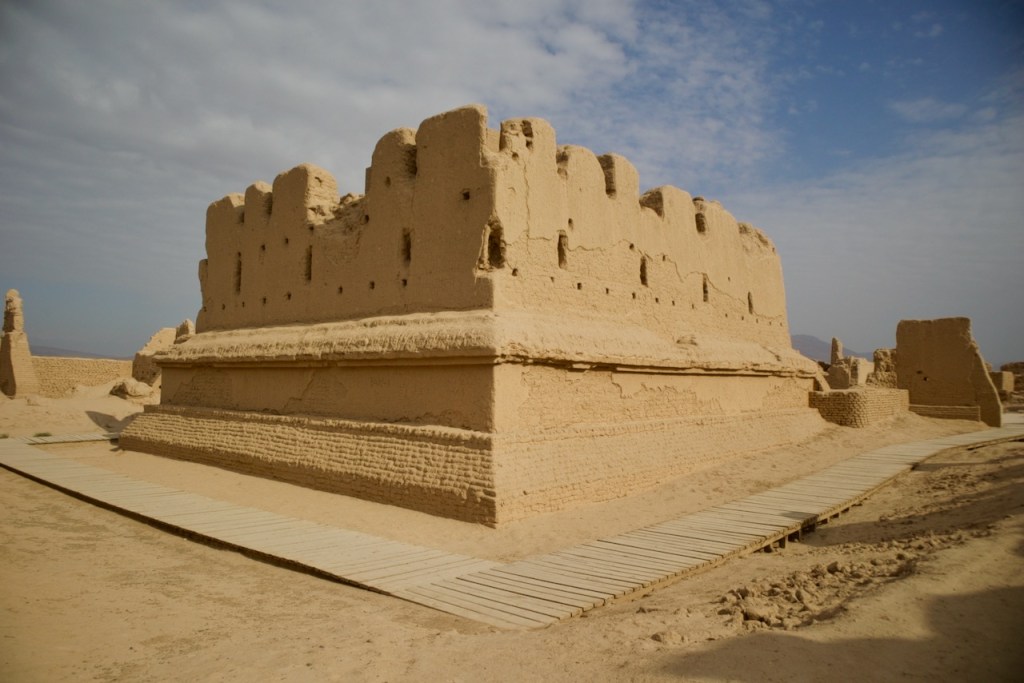
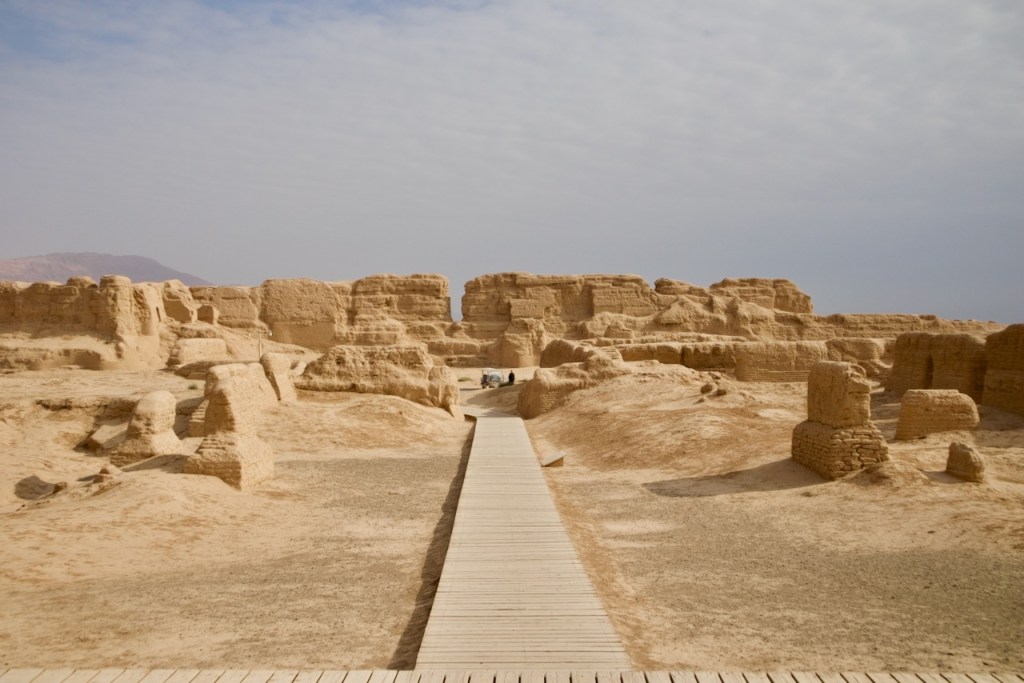
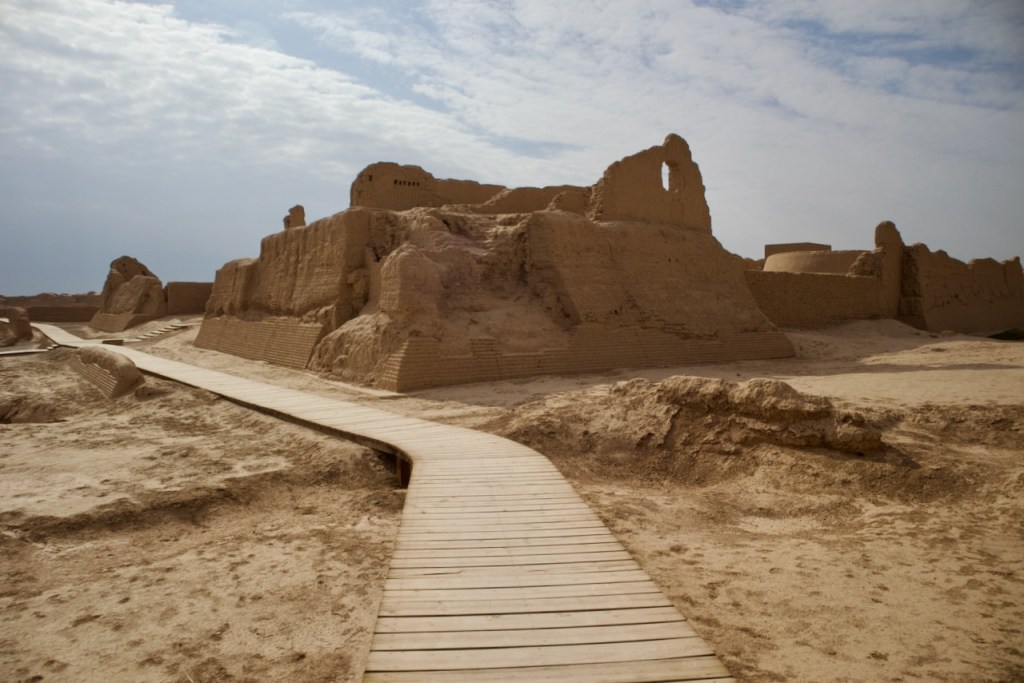
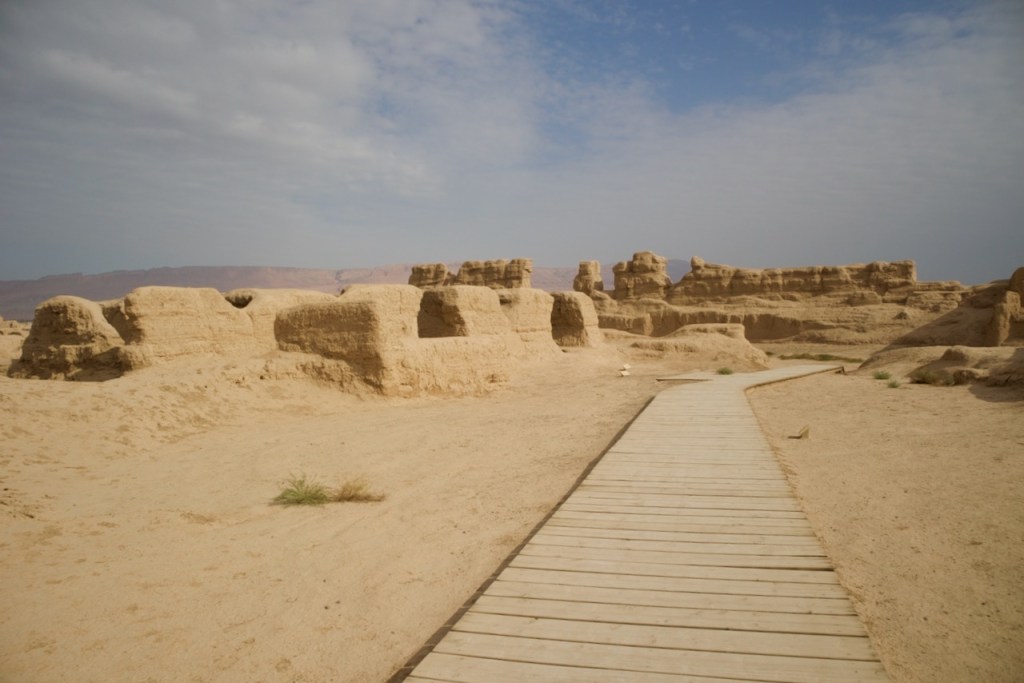
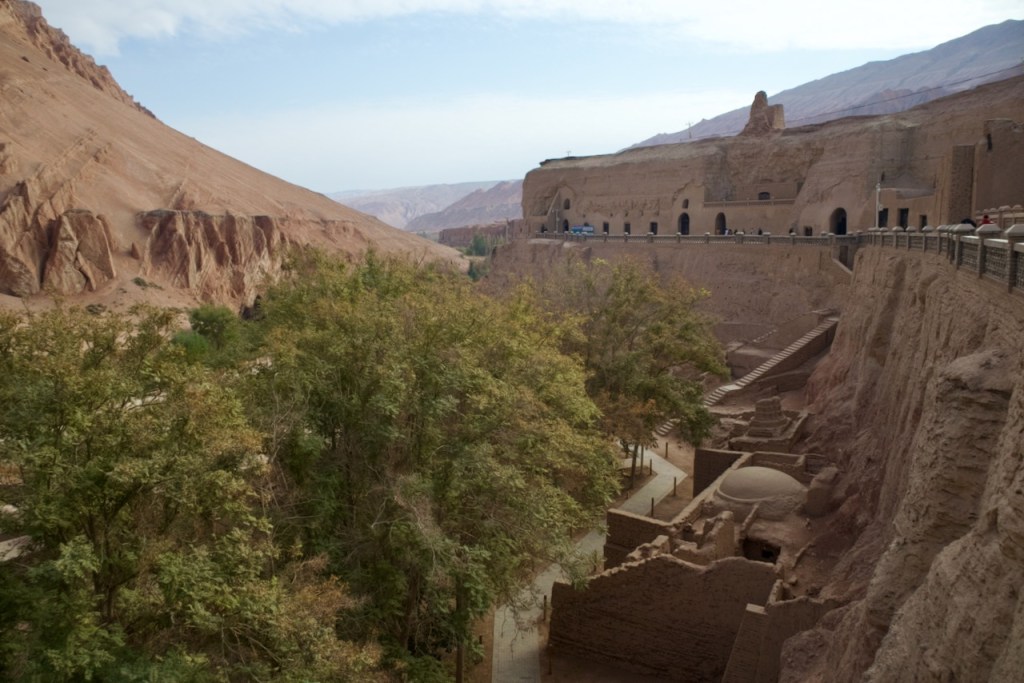
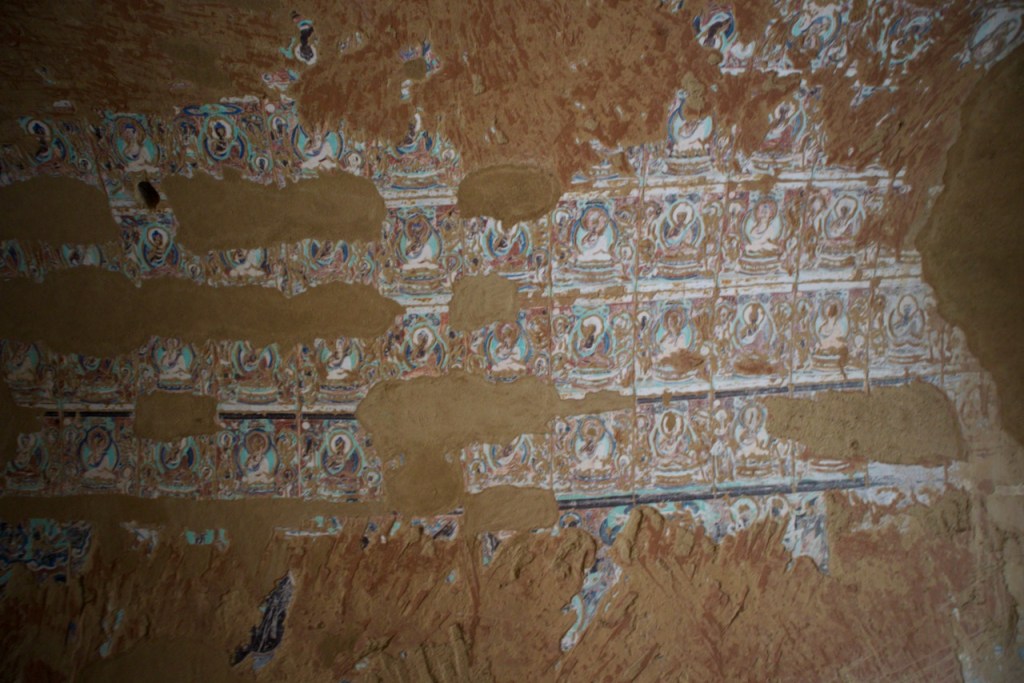
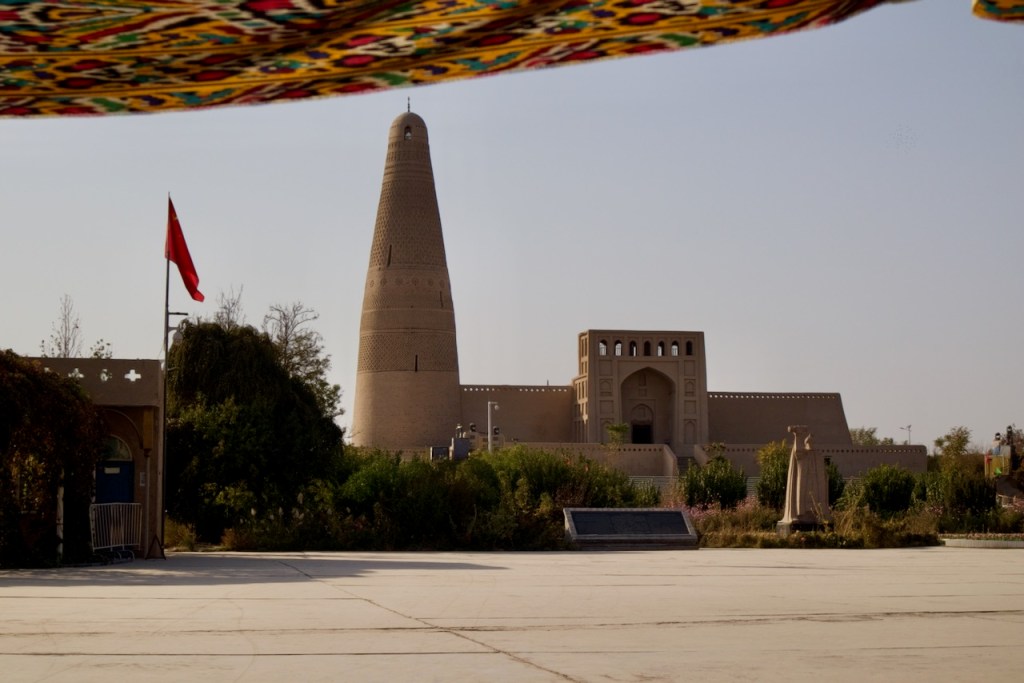
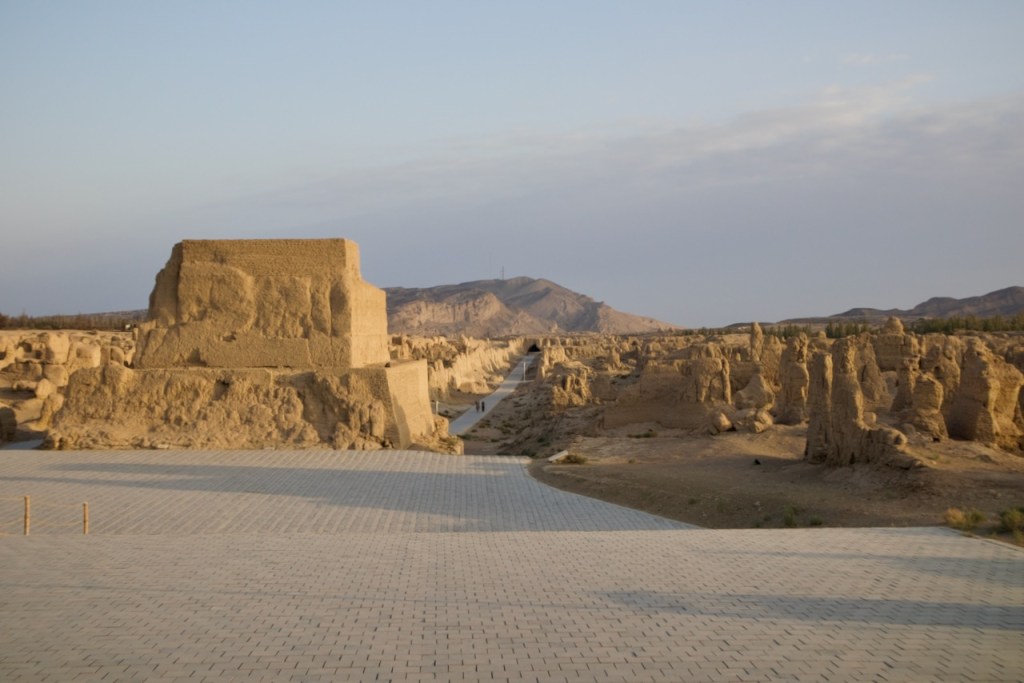
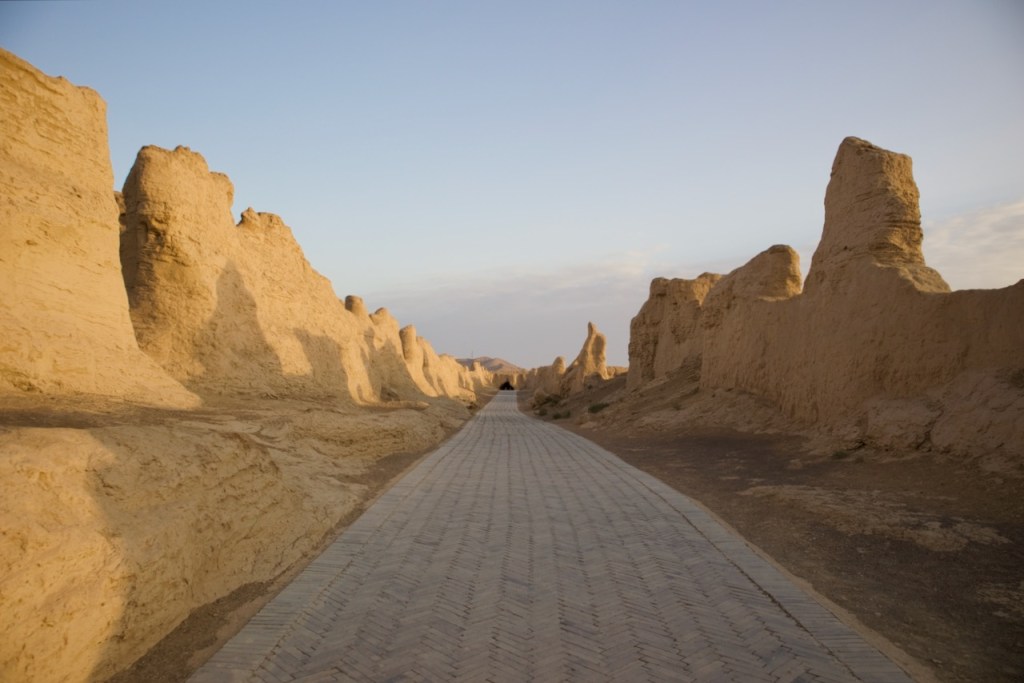
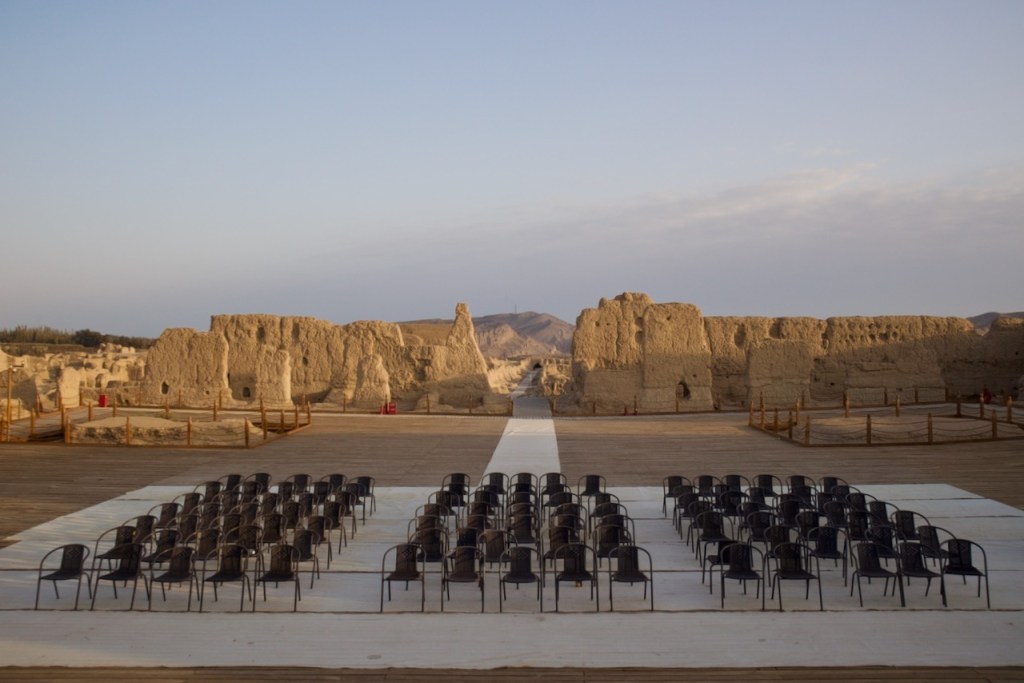
The road to the Bezeklik Thousand Buddha Caves tucked into the cliffs of the Flaming Mountains is spectacular. The ancient grotto features impressive frescoes reflecting the Buddhist past before the arrival of Islam in the region. We continue on to the Emin Minaret, built in 1777, the only ancient Islamic minaret remaining in China celebrated for its unique, tapering circular shape and geometric floral patterns woven out of sun-dried bricks. Our tour ends in the beautiful ruins of the Jiaohe ancient city carved directly down out of a clay plateau. Imagine a night tour with a concert with by Andrea Bocelli and Sarah Brightman. Time to say goodbye…!
A Sweetness Called Hami
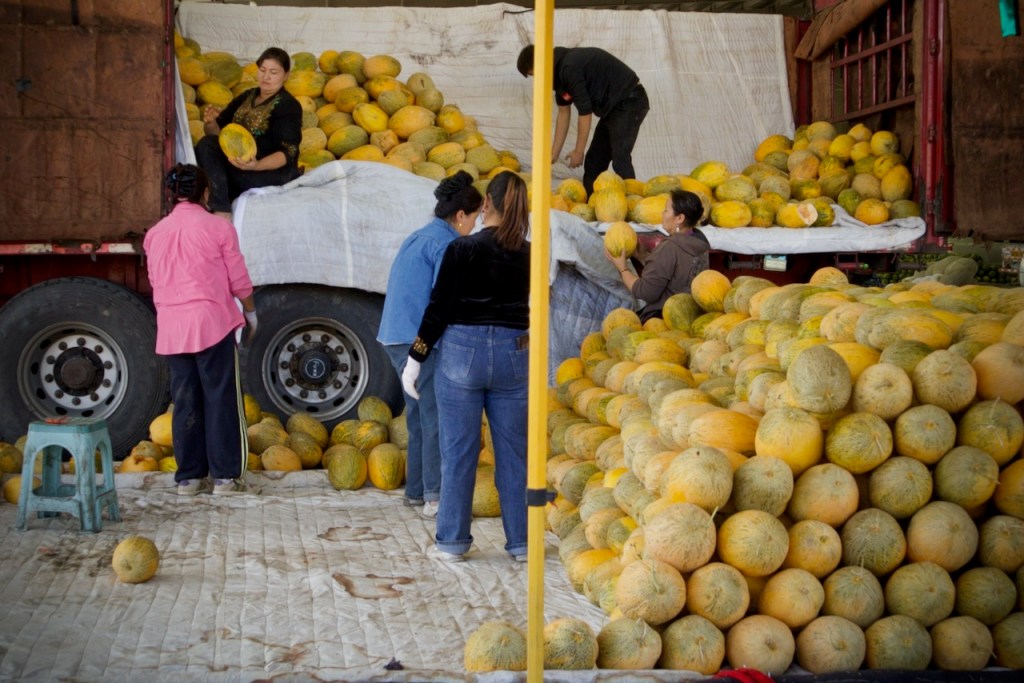
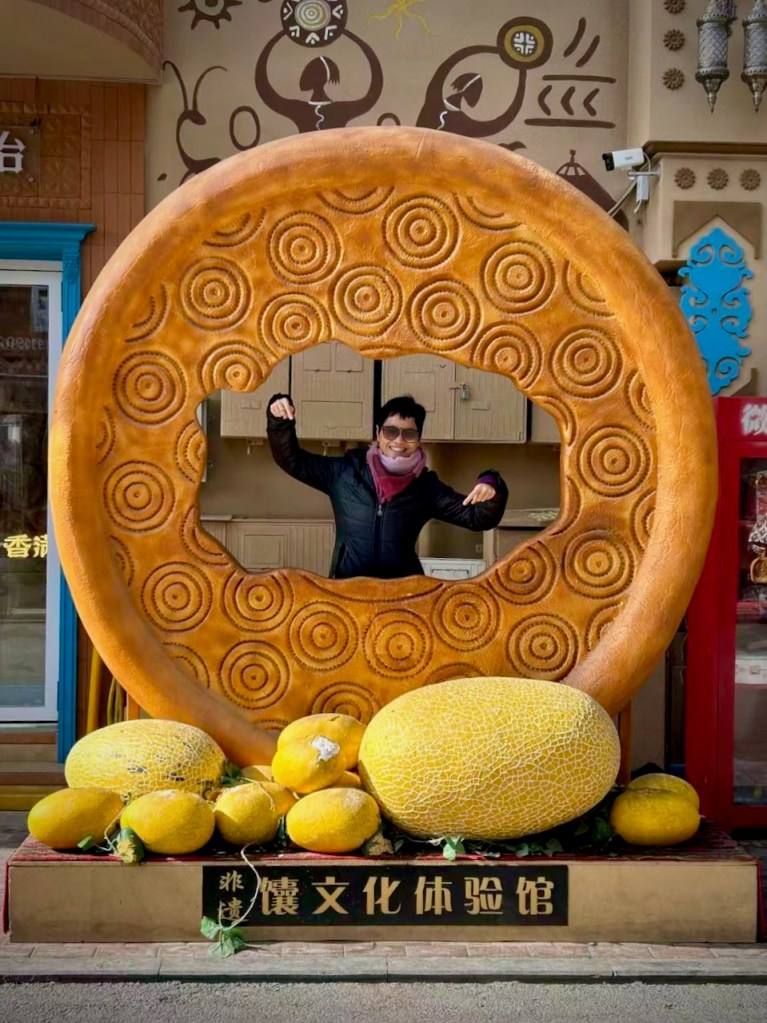
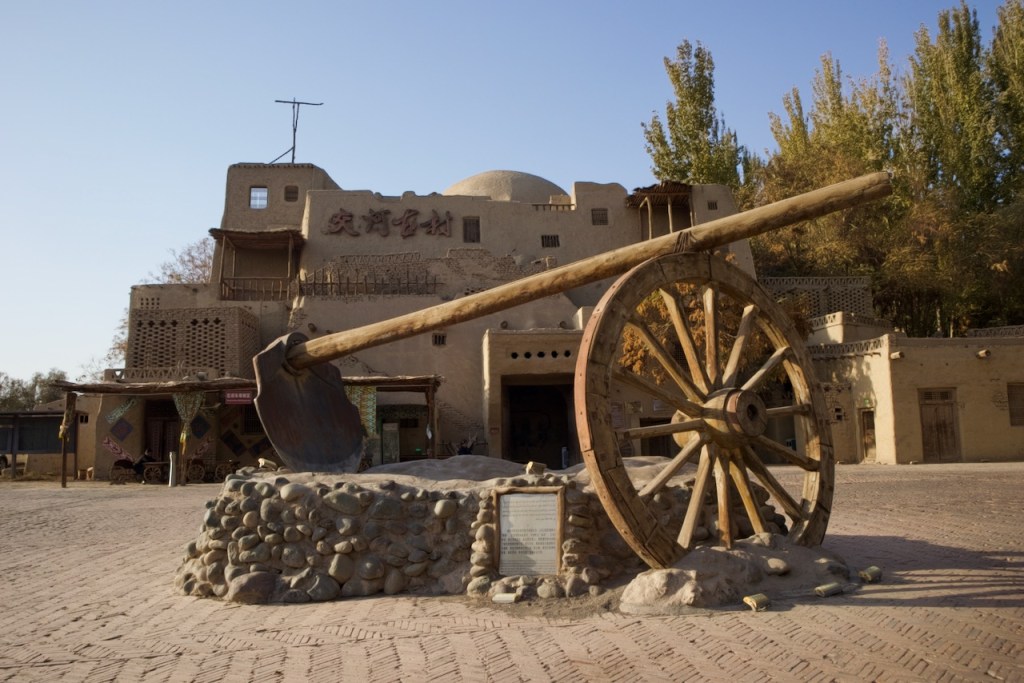
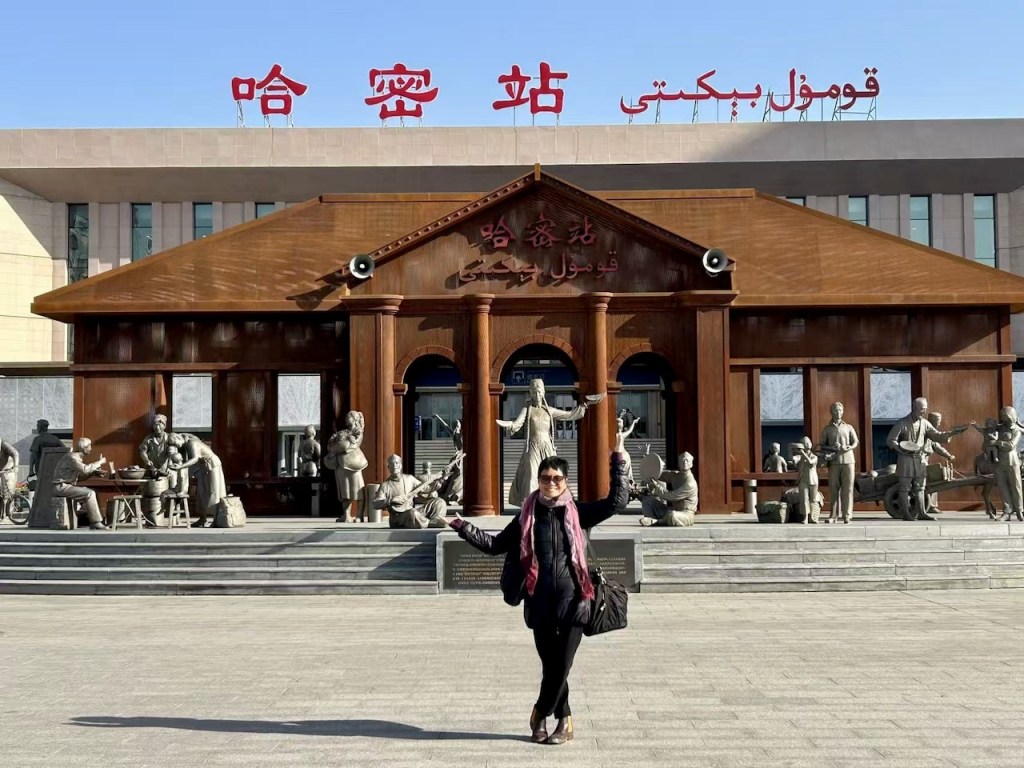
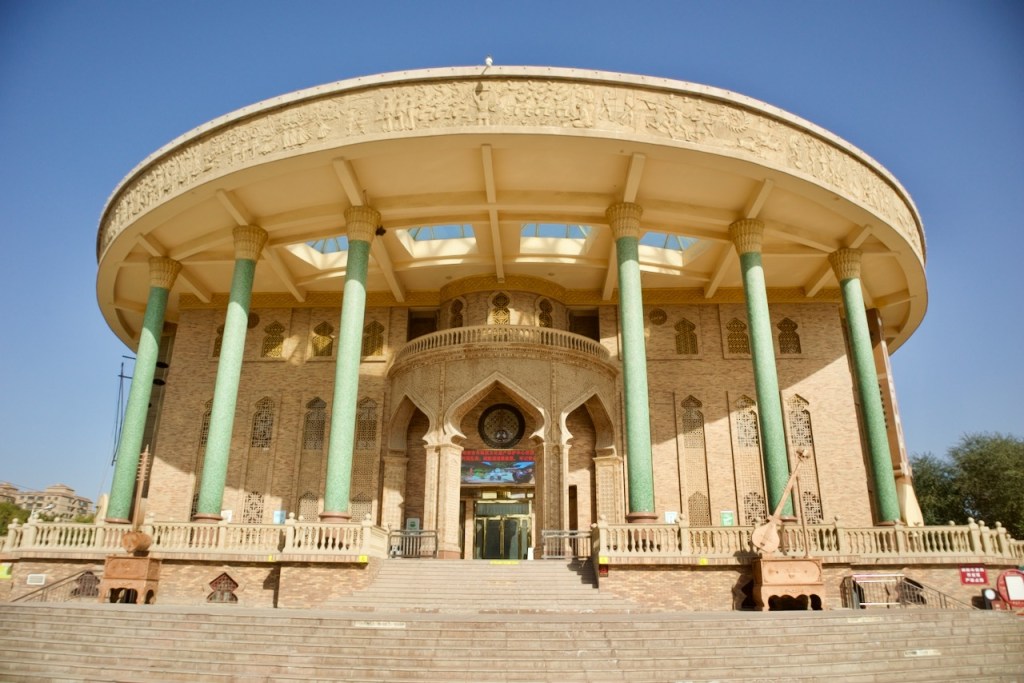
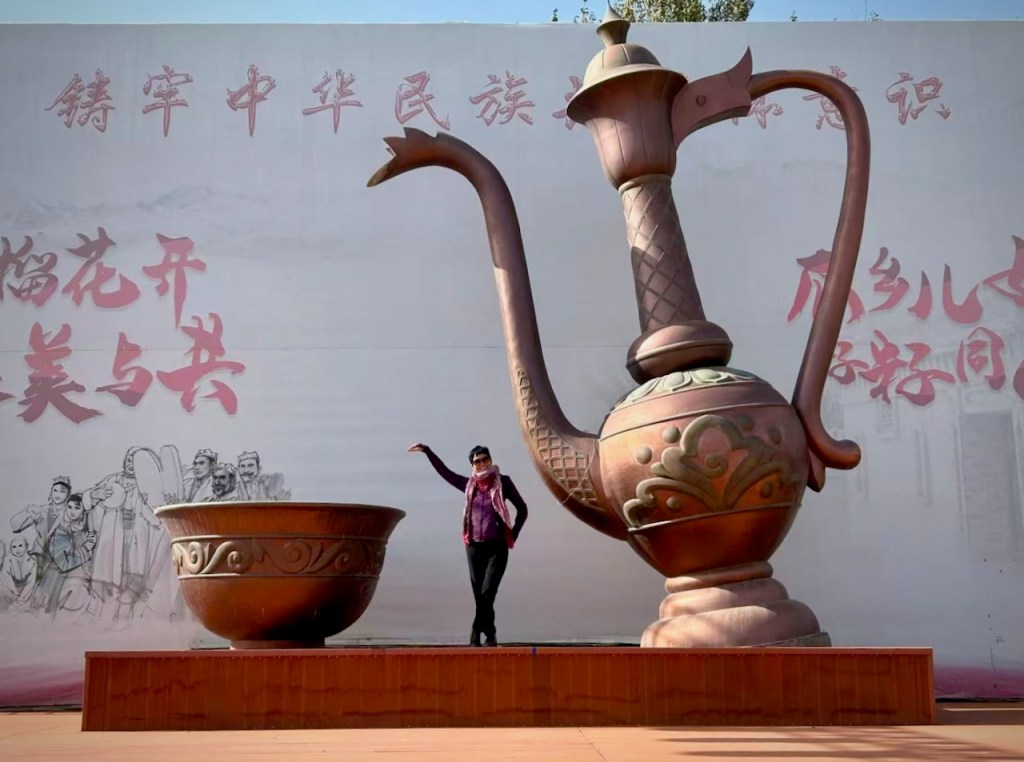
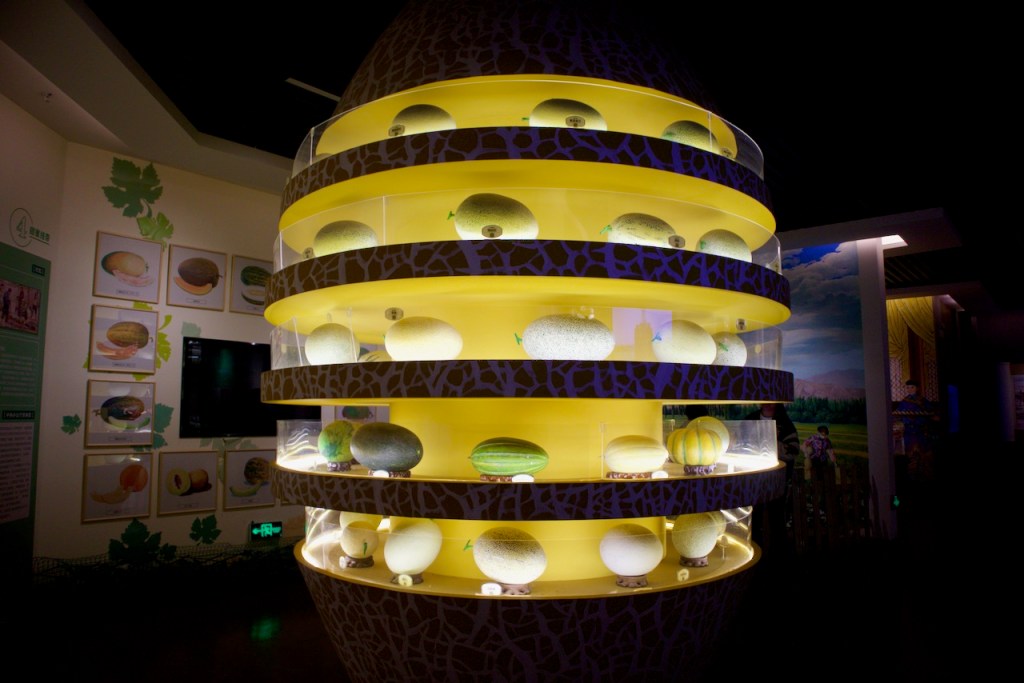
Finally, after traversing over 6,000 km of mountains, deserts and valleys, we reach Hami, known for her sweet melons and so much more. If you begin your tour to Xinjiang from the East, Hami could be the Eastern gateway. For us, our epic journey through vast Xinjiang comes to an end here where the Gobi meets the Tianshan. It is a quiet city with an old palace and tombs of nine generations of Hami kings. There is also a small, quaint old village called Aletun, meaning Golden Place in Uyghur, with traditional adobe architecture and history dating back centuries. Yes, we are gorging on sweet melons: three for a dollar!
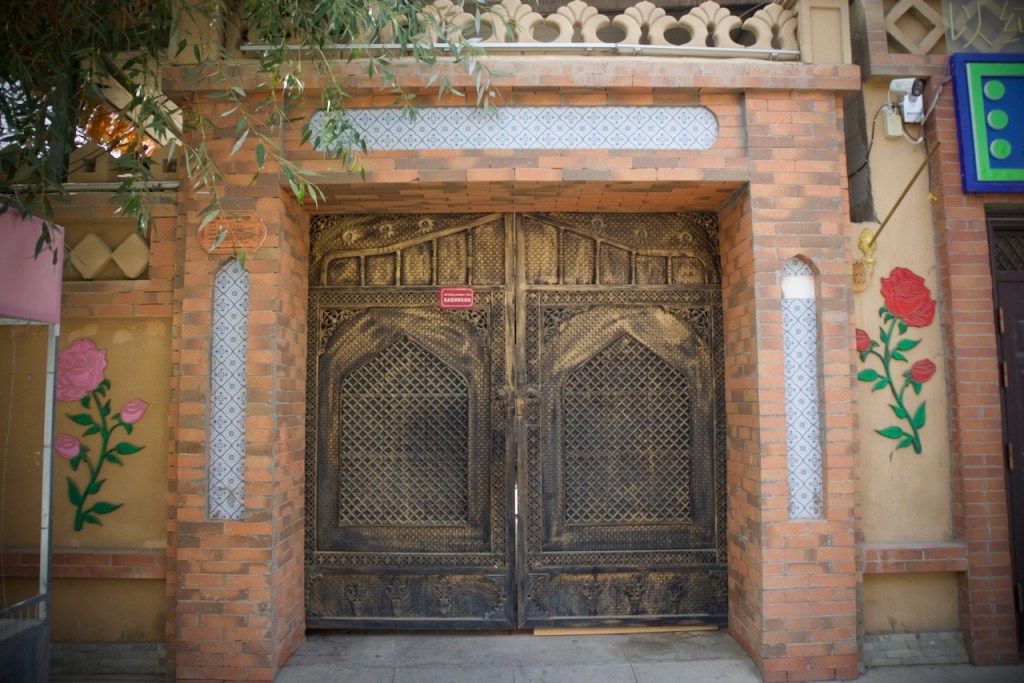
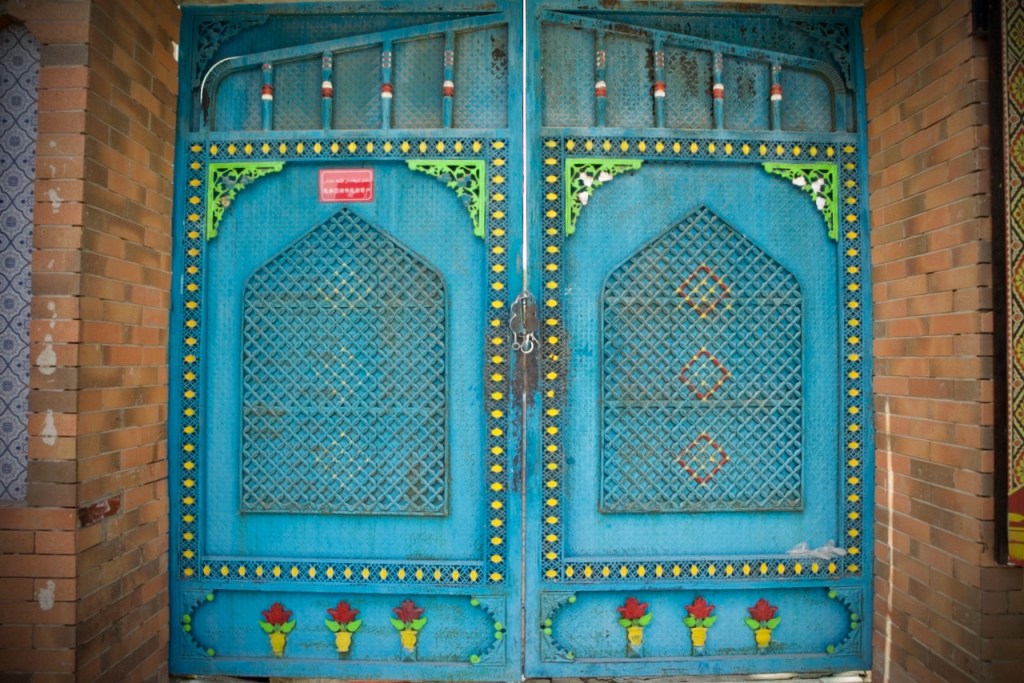
Dunhuang Caves: the Crown Jewel
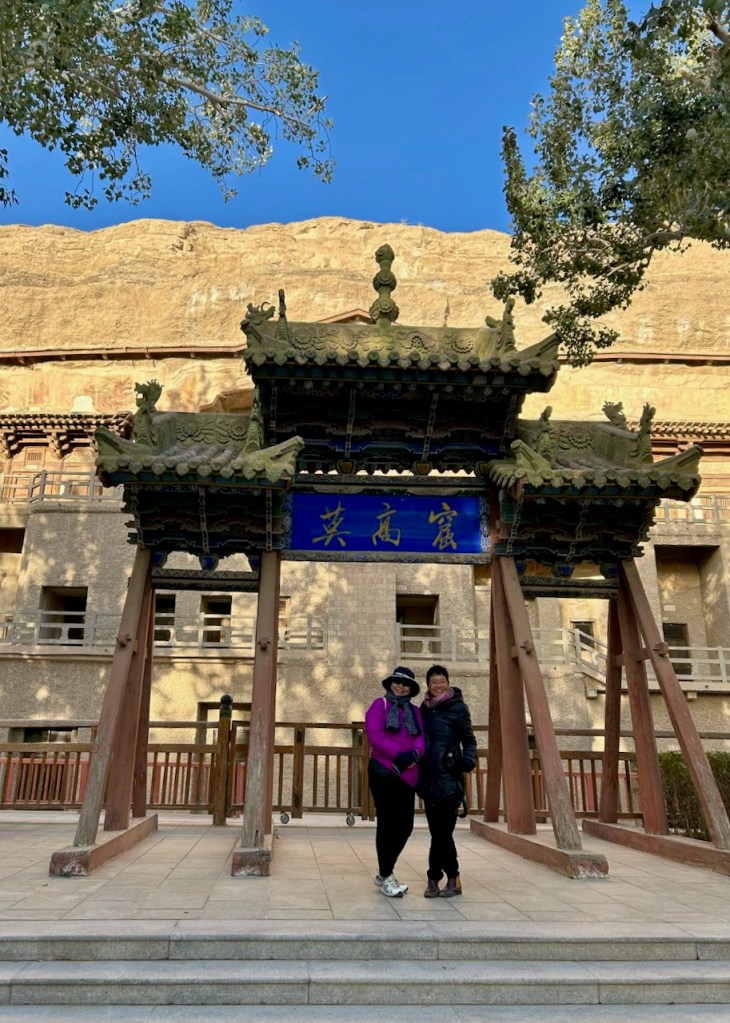
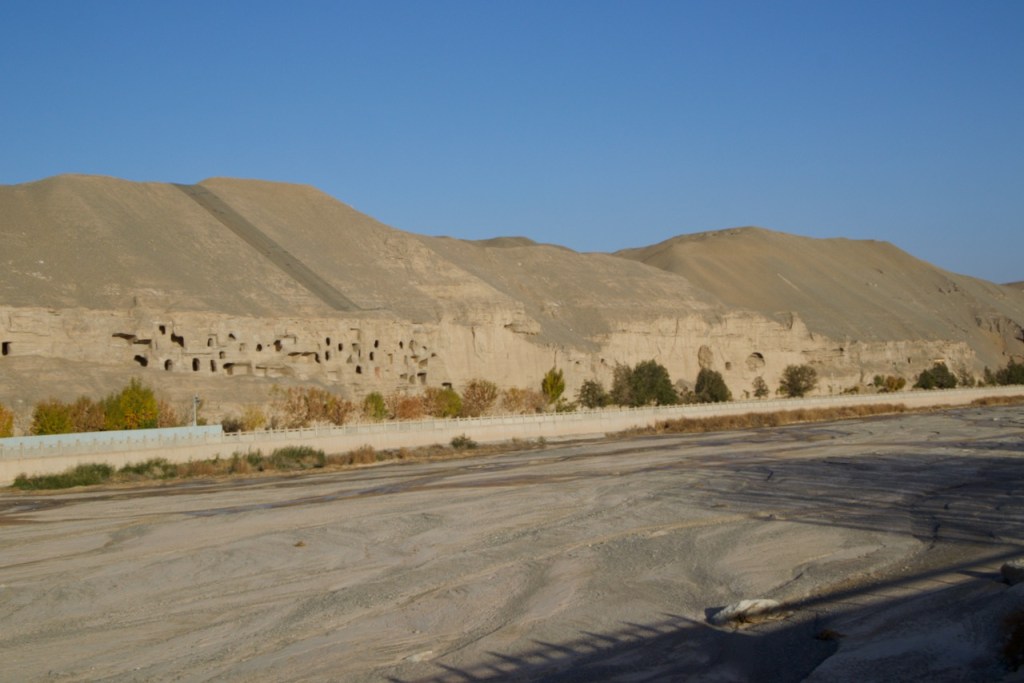
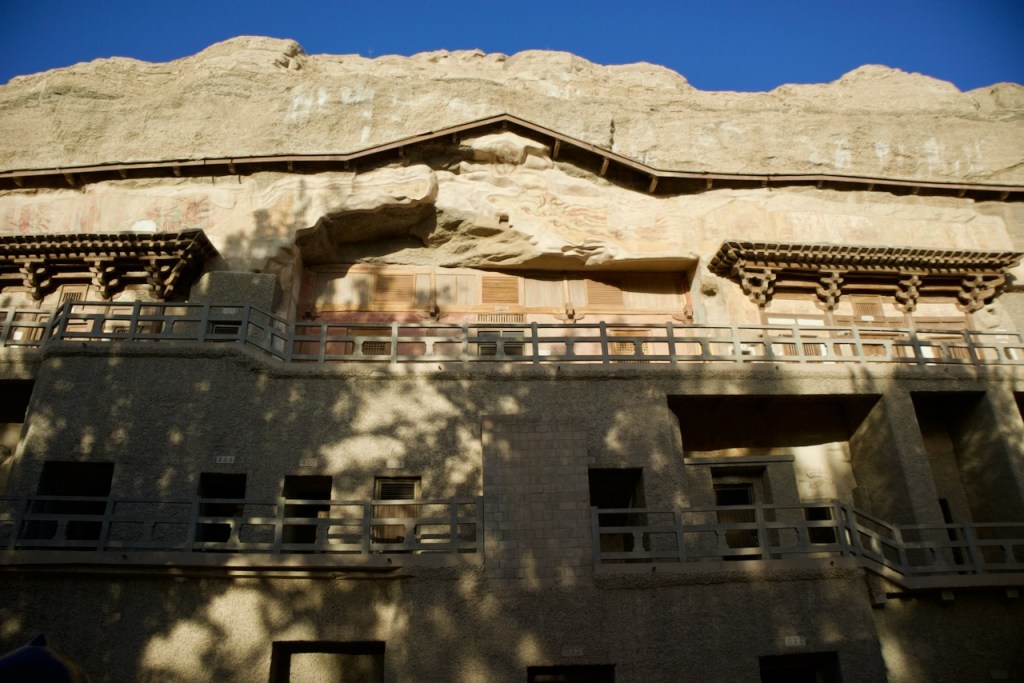
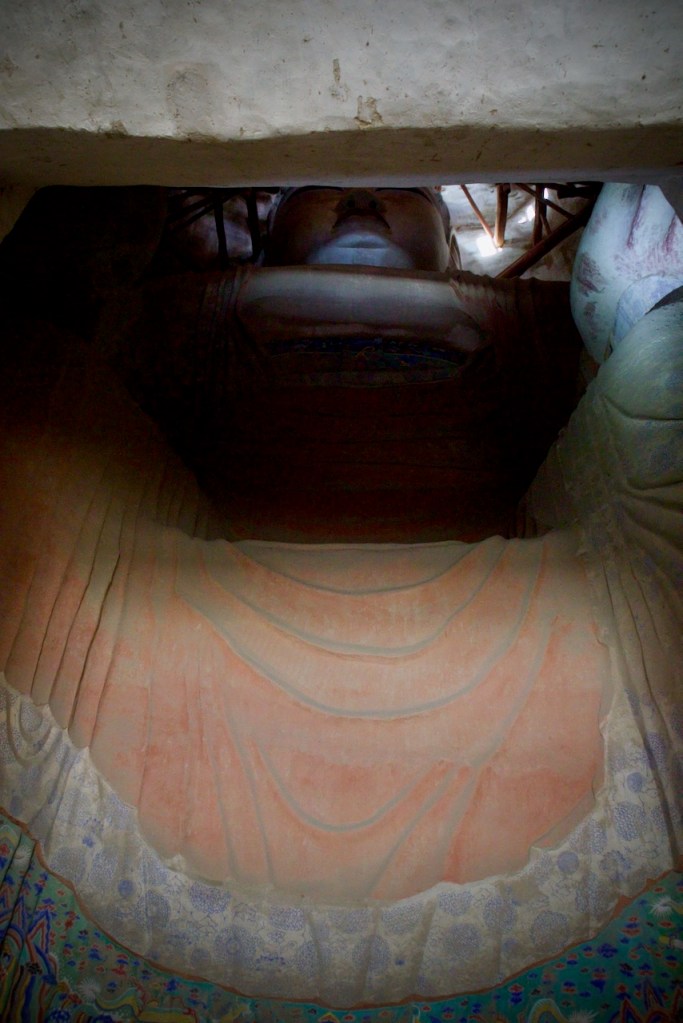
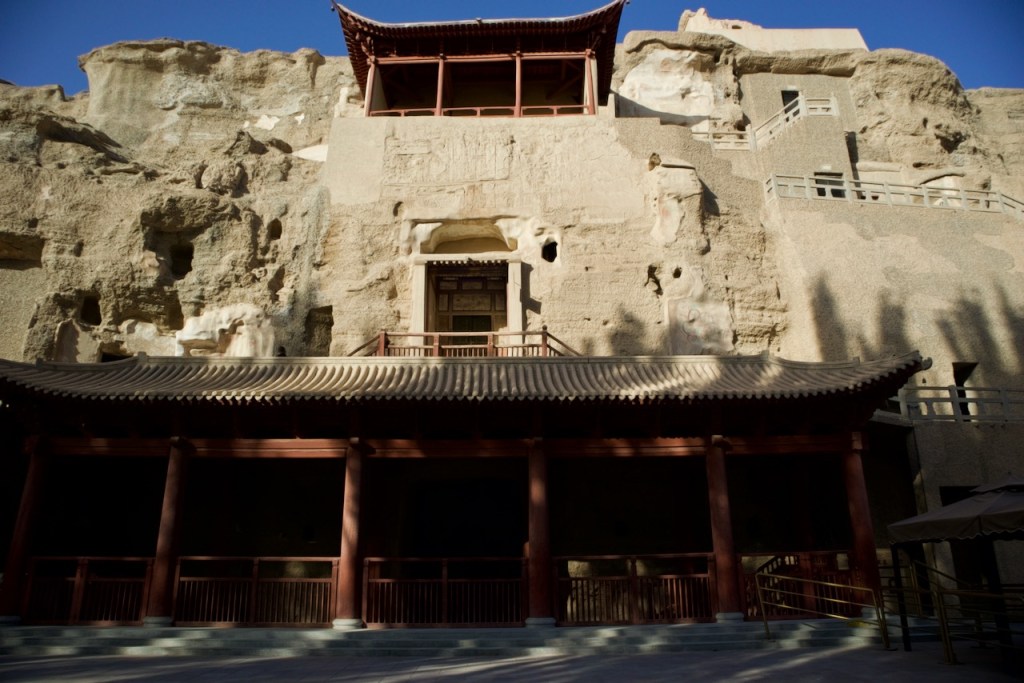
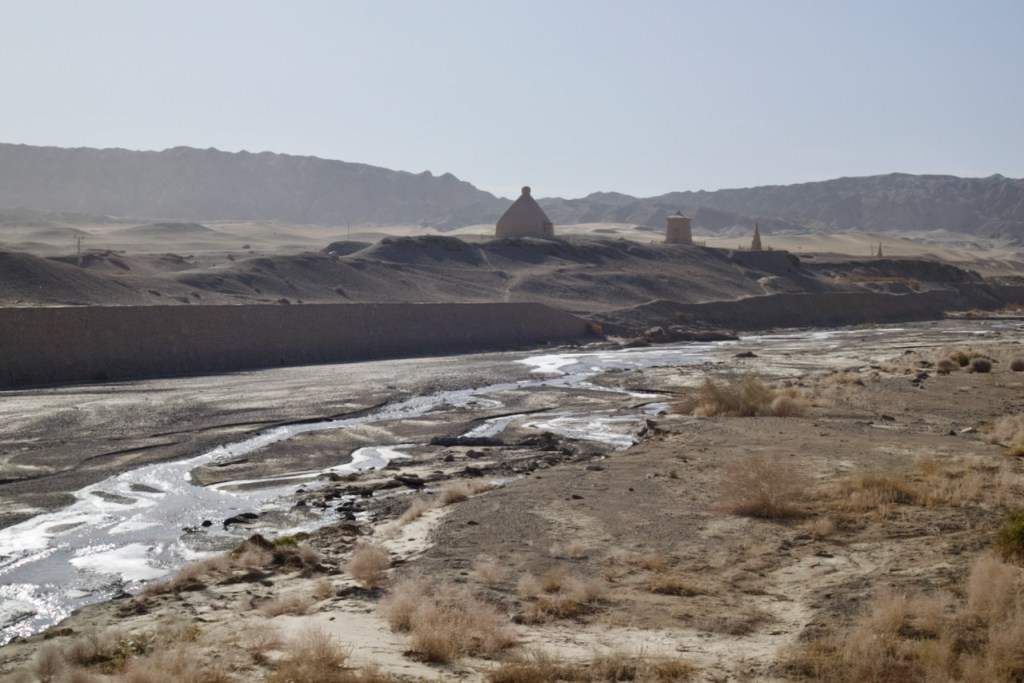
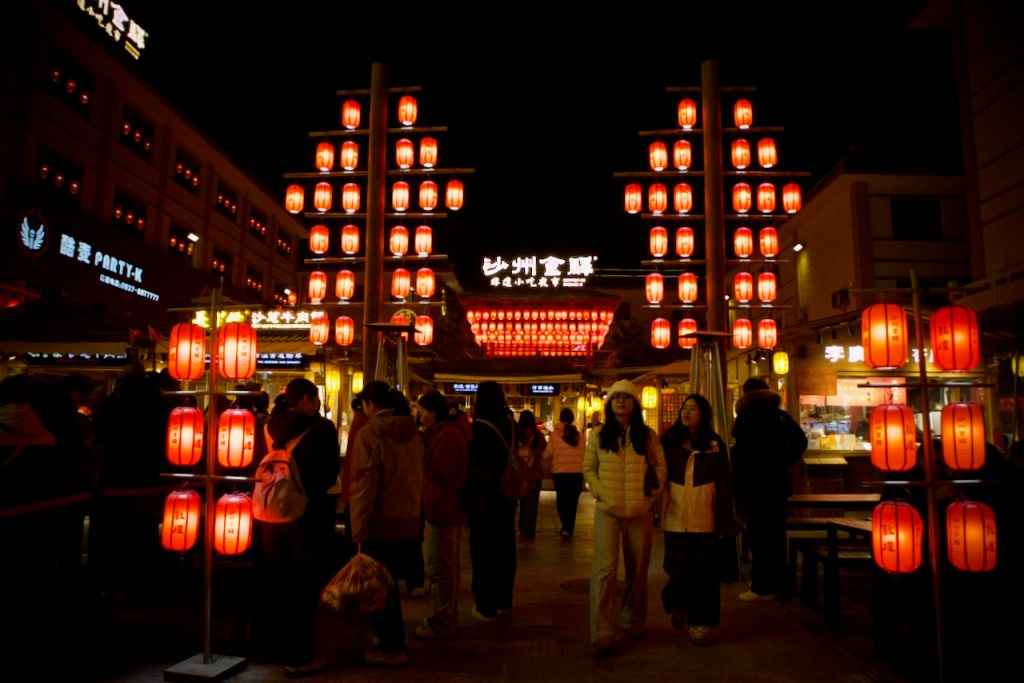
Dunhuang is just a short train ride away from Hami, so we continue past Xinjiang to visit the world famous Mogao Caves. Over 700 grottoes, housing 45,000 square meters of breathtaking murals, were carved into a sandstone cliff face in a period spanning over a thousand years from the 4th to the 14th centuries. Giant buddha statues, flying apsaras, grand court landscapes… there is plenty to explore even though the number of caves opened for visitors is limited. Dunhuang is also known for its spectacular desert setting for those who want to venture further out, including several old gateways of the Great Wall. After the day excursions, the bustling Dunhuang night market awaits the visitors with all kinds of local treats. Hot pots, dumplings, yellow noodles, BBQ skewers, and all things lamb and mutton cooked a thousand ways!
Jiayuguan: Greatest Pass under Heaven
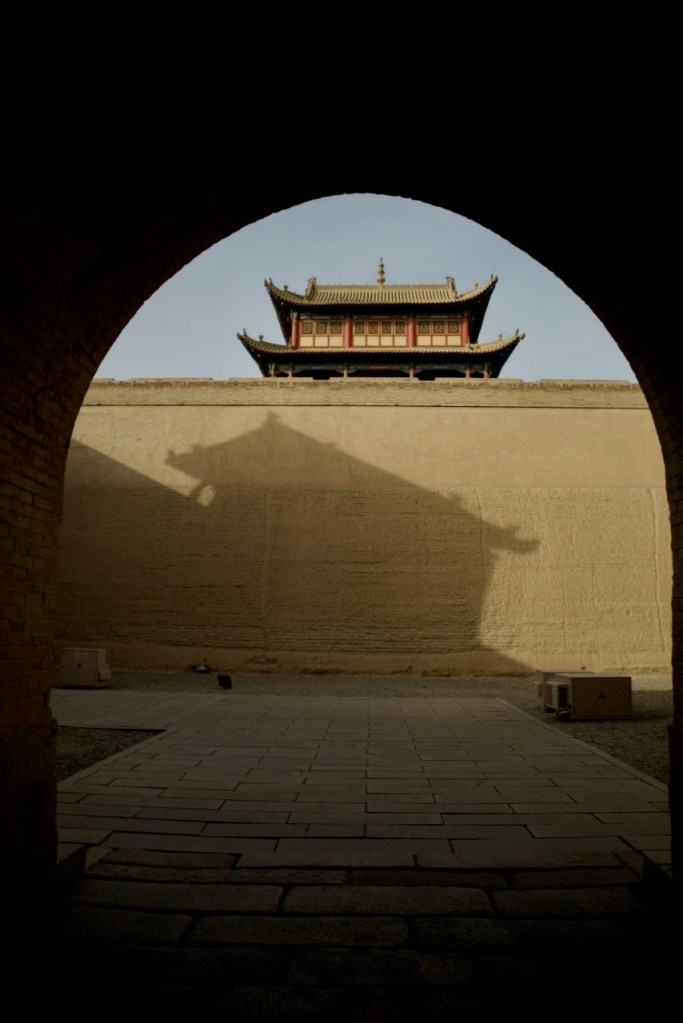
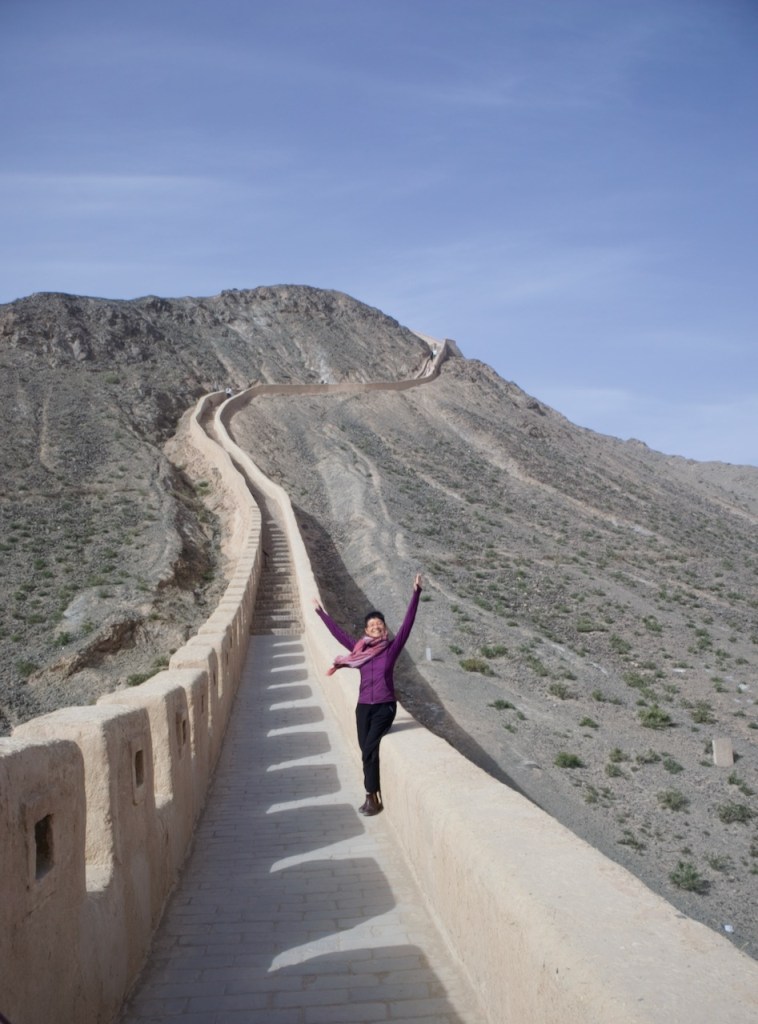
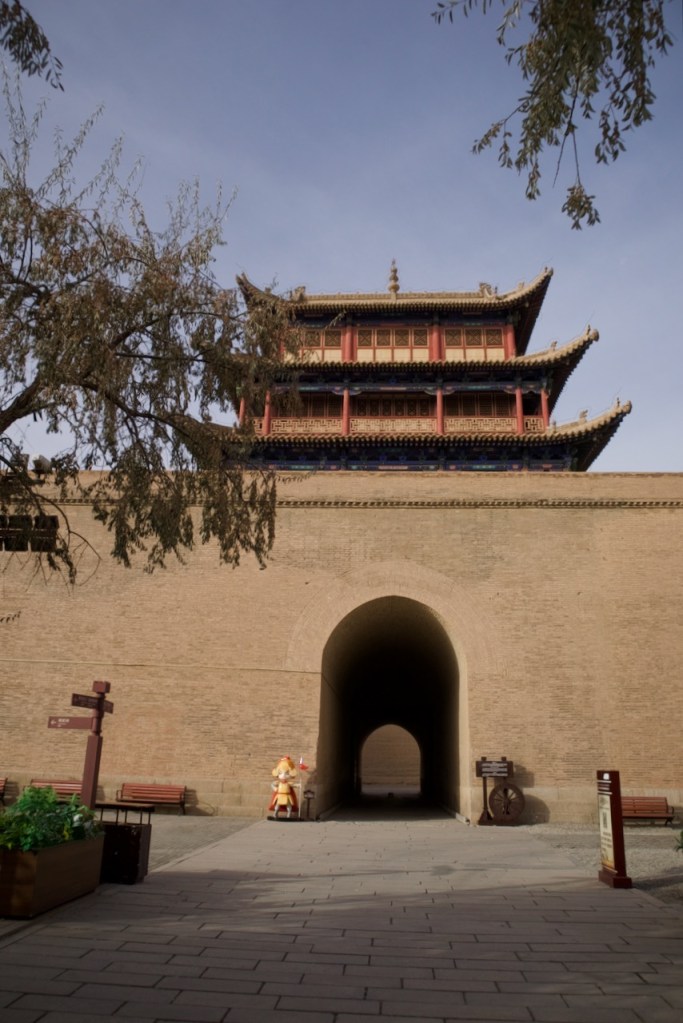
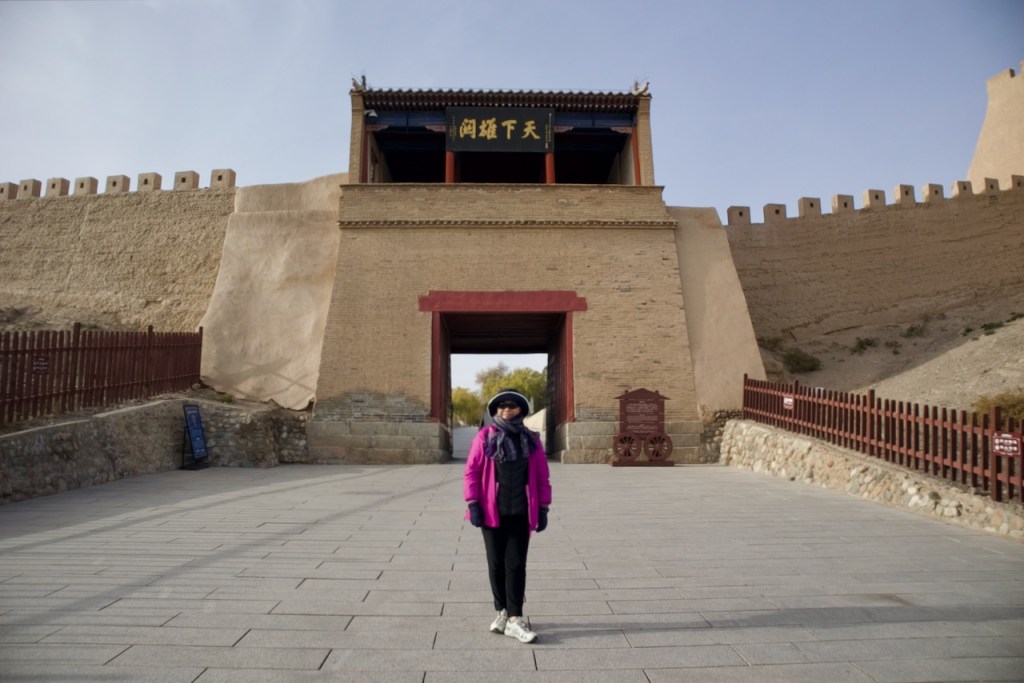
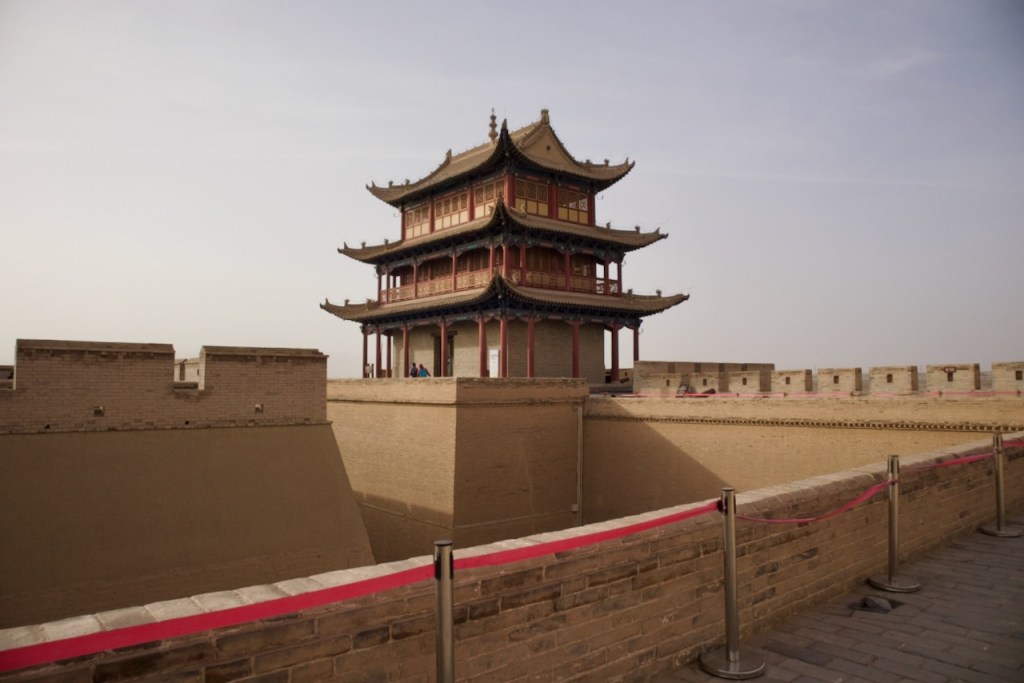
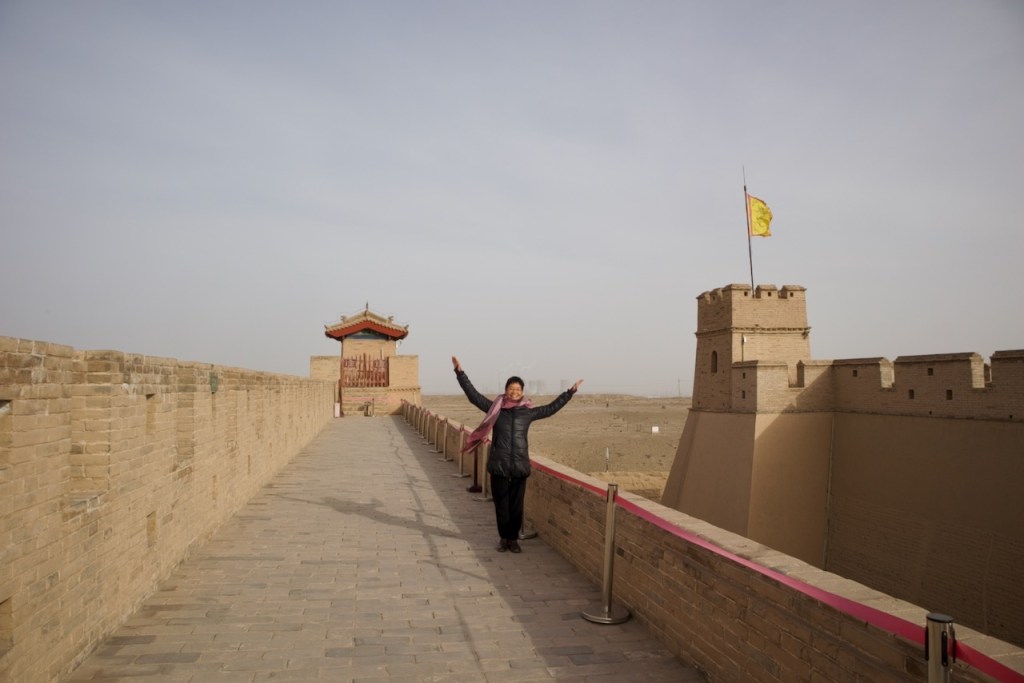
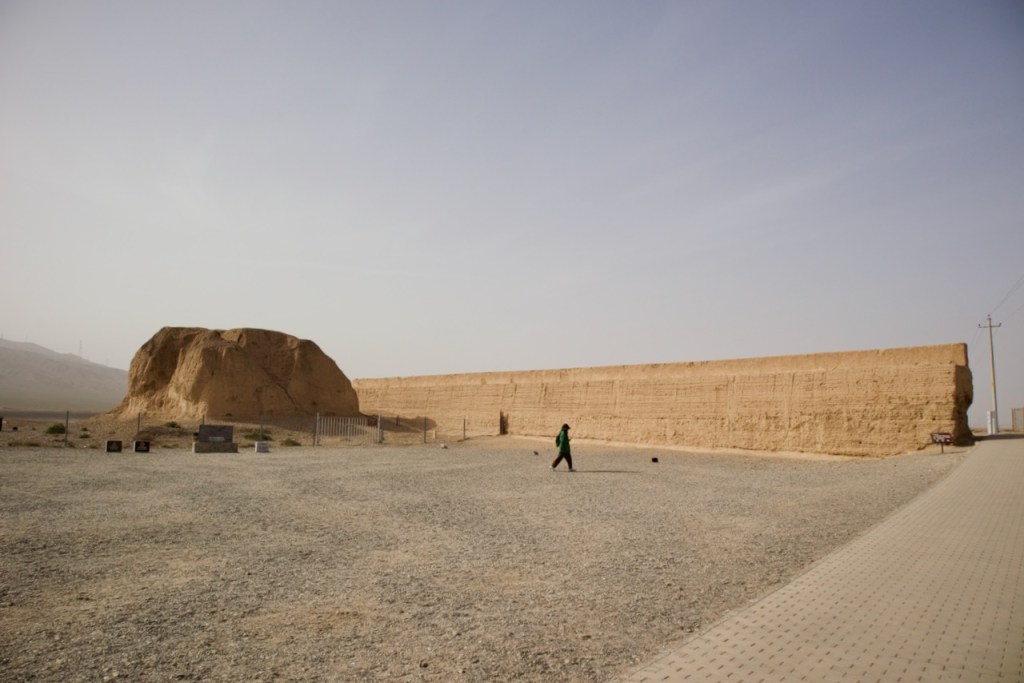
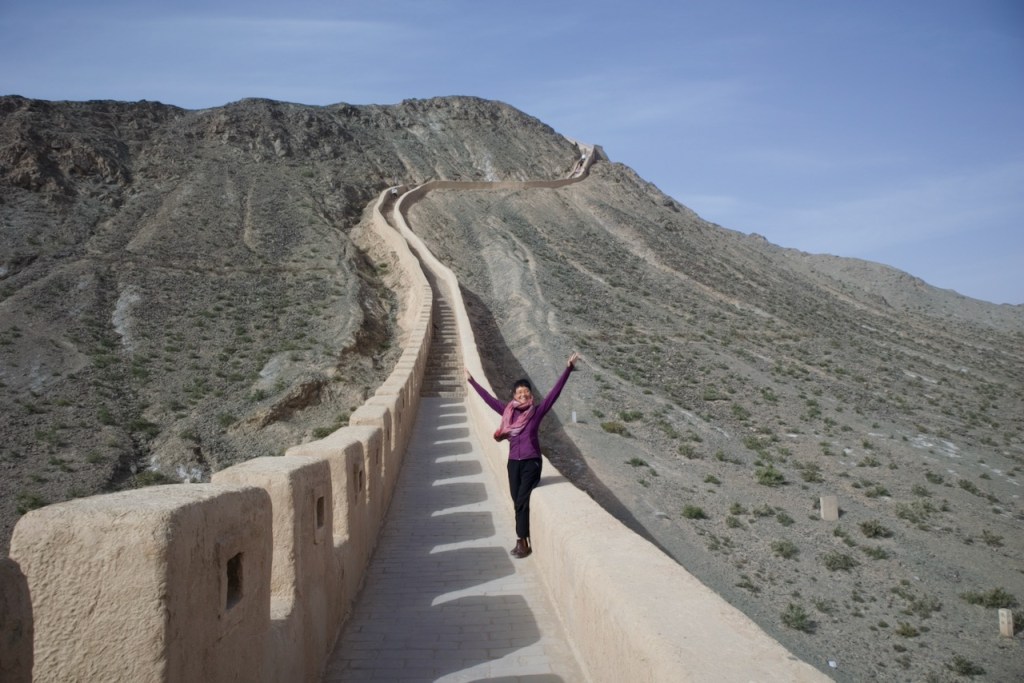
We cannot help make a visit to Jiayuguan, the iconic fort built in 1372 during the Ming Dynasty known also as the gateway of exile, as passing through the Western Gate here meant leaving the protection of the Chinese empire into the vast barren desert. The combined ticket allows one to tour the beautiful fortress before making a pit stop at the first beacon of the Great Wall network. But the iconic photo opp is without doubt the west end of the Great Wall. This is not the crowded Badaling section, but a more remote pass flanked by the Qilian Mountains set in the scenic Gobi Desert. As an old Chinese saying goes, Until one reaches the Great Wall, one does not give up!
Zhangye: Rainbow Mountains
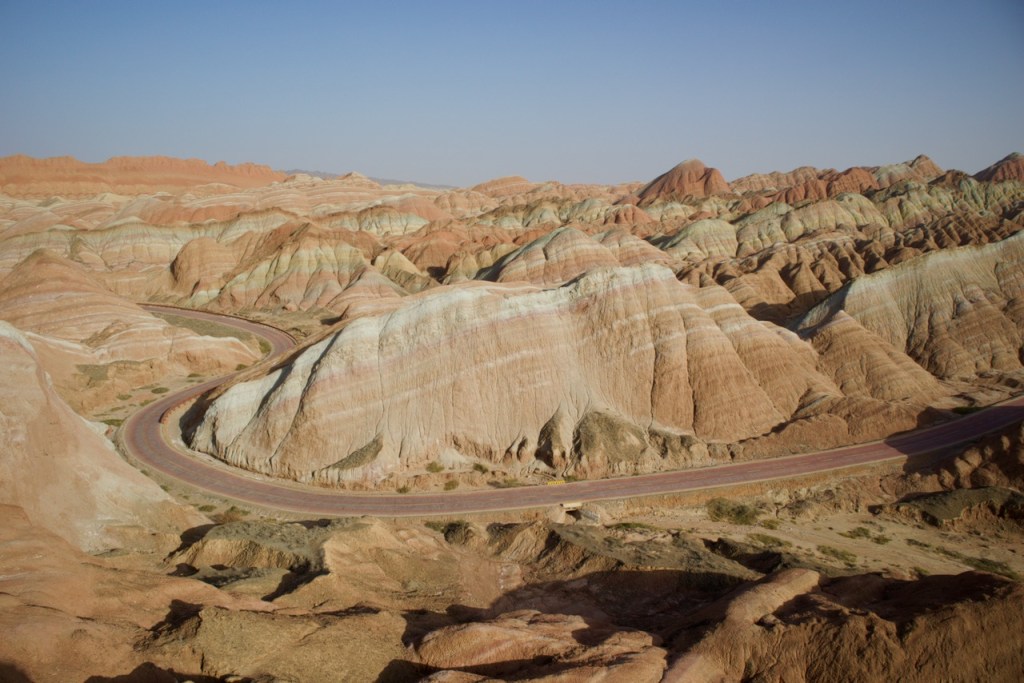
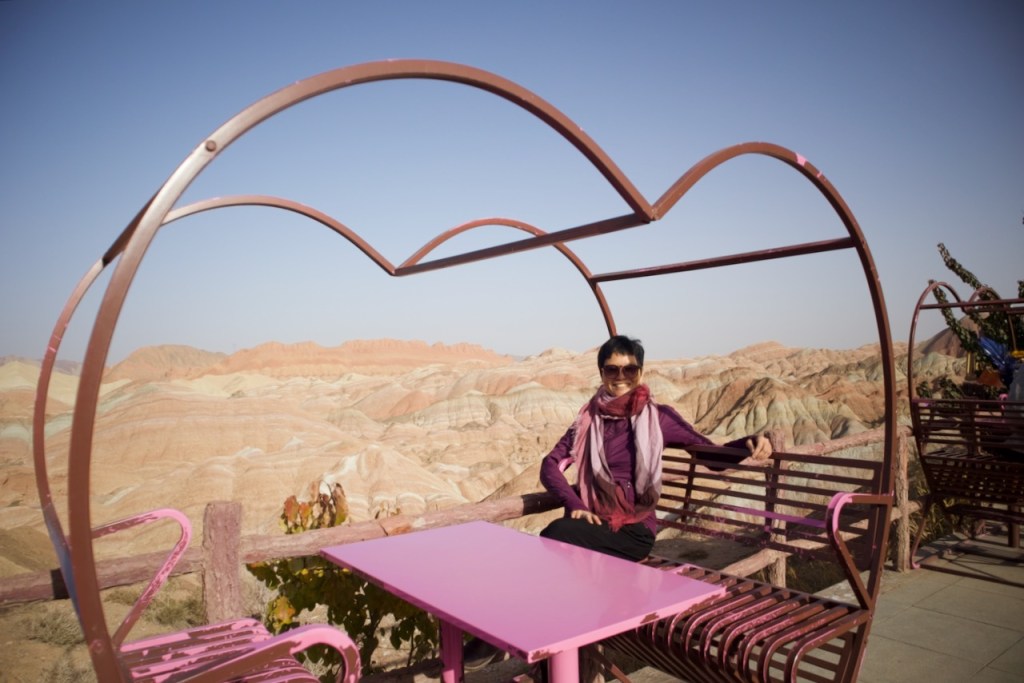
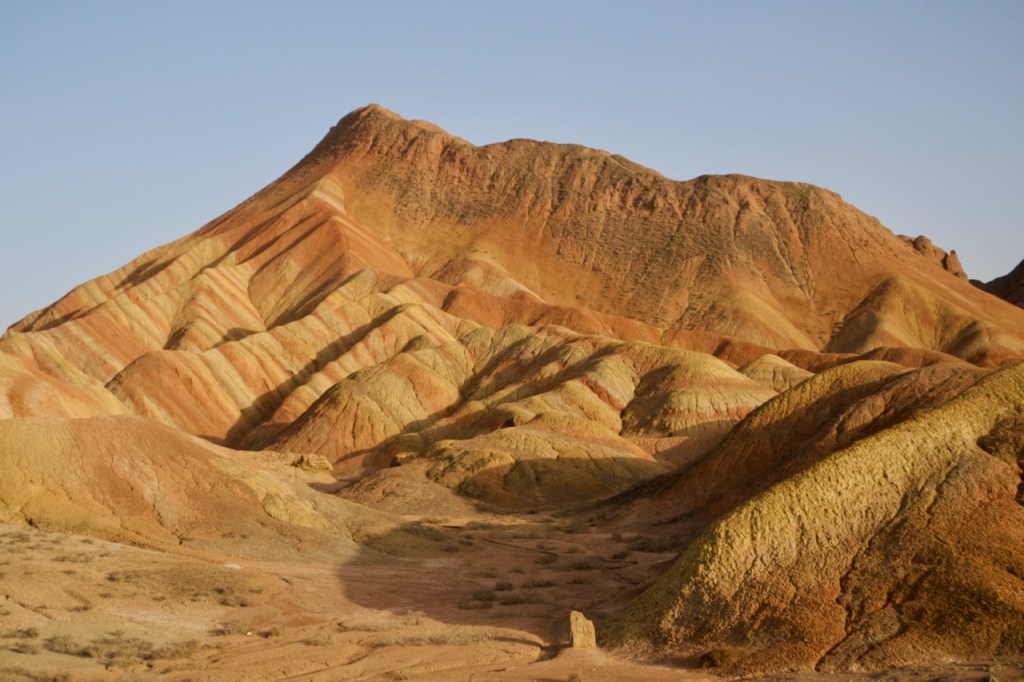
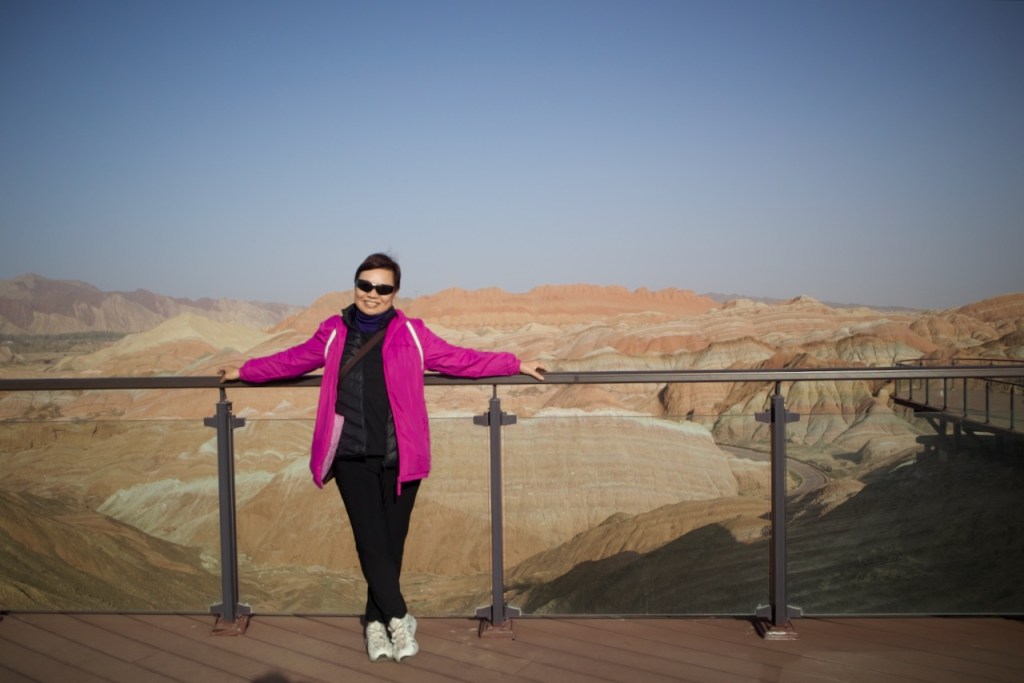
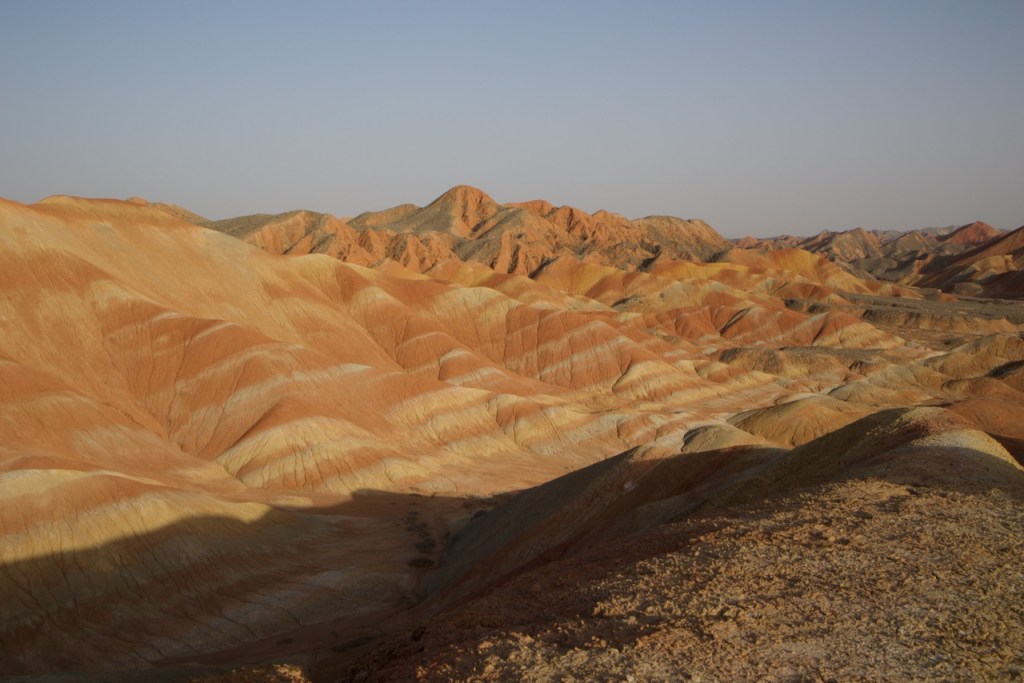
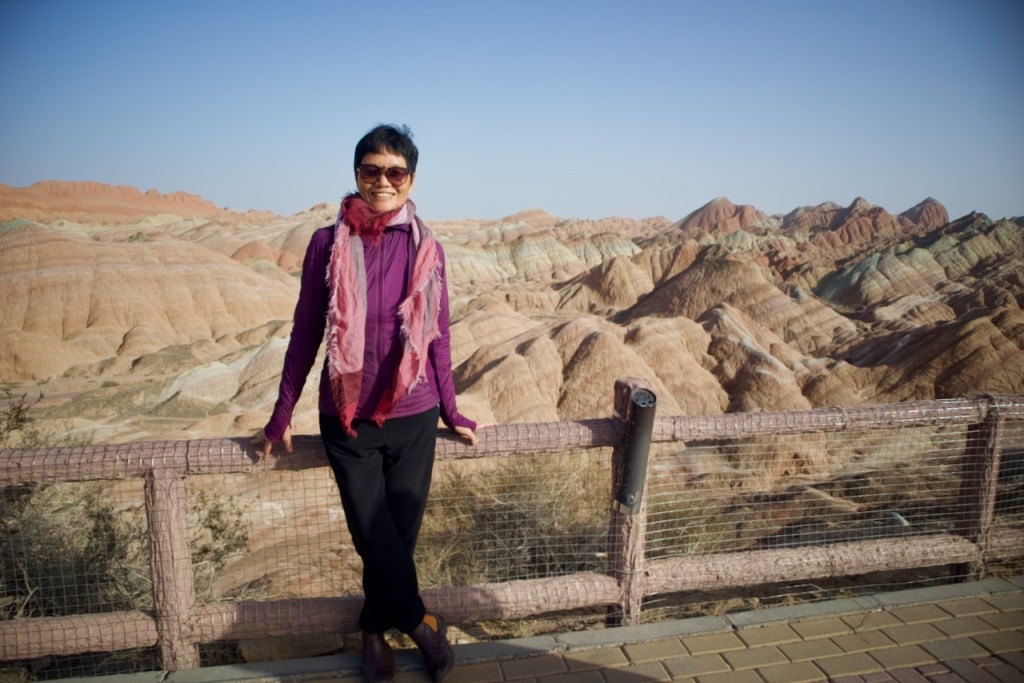
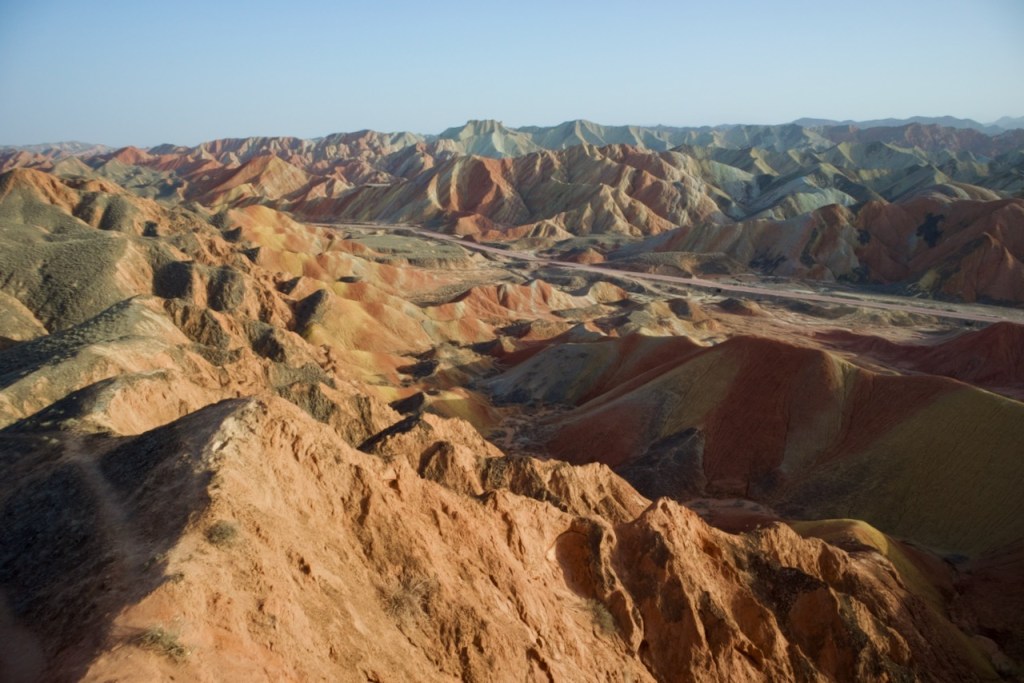
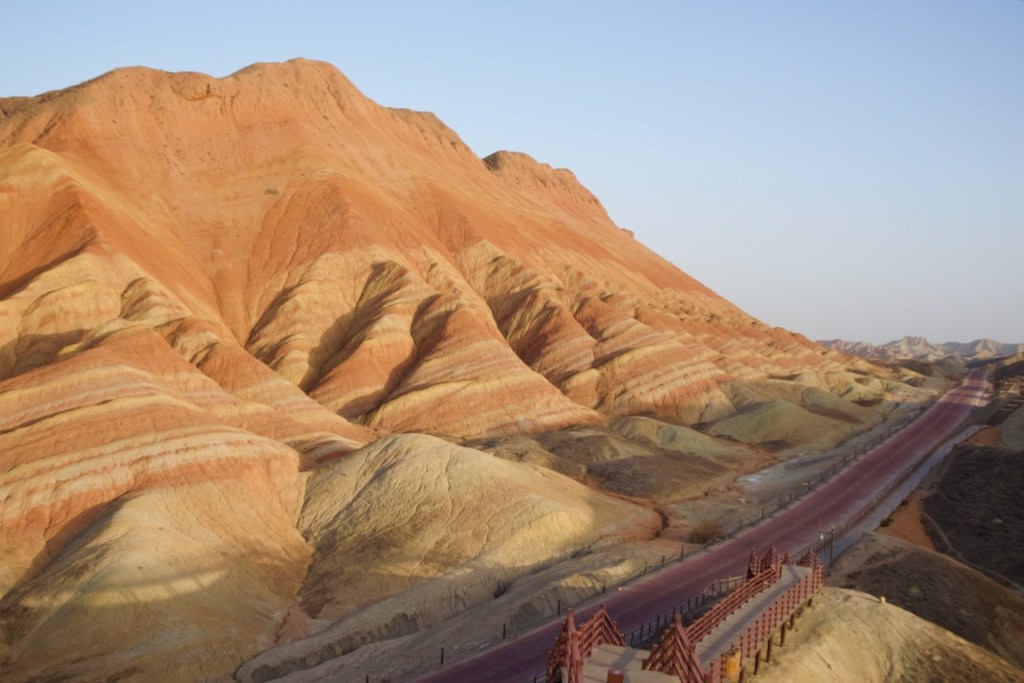
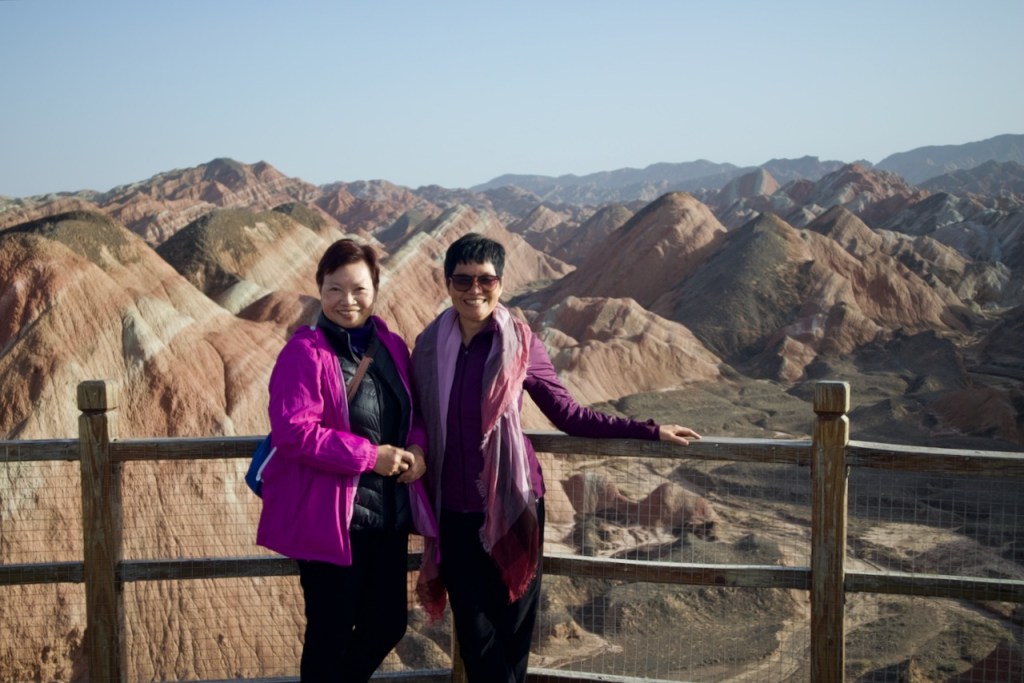
En route to Lanzhou, we make one last excursion to the scenic Rainbow Mountains in Zhangye. Over millions of years, layers of difference colored sandstones and minerals became pressed together to form the deep red layers with iron oxide coating. The late afternoon tour coincides perfectly with sunset colours. What marvels of nature!
Three weeks of total adventure from Urumqi to Lanzhou via Northern and Southern Xinjiang and the ancient Silk Road cities of Dunhuang, Jiayuguan, and Zhangye. What a cultural and culinary exploration and a rare sisterly bonding trip. Thanks to my sister, Agnes, for such great company, and gratitude to all the awesome drivers and chefs who make our journey such a memorable one. Rahmat and xiexie!
All Content © 2026 by Jennifer Chan

