
We came from the southern sands,
Chasing the shadow of a green tree…
Yet when the winter snow descends,
Softly blurring the sharp edges of the concrete lines,
The city becomes a vast, white page—
And for a moment, the distant mountains call us home,
Whispering in a language the stone cannot erase.
-Tahir Hamut Izgil, Urumqi
October 2026
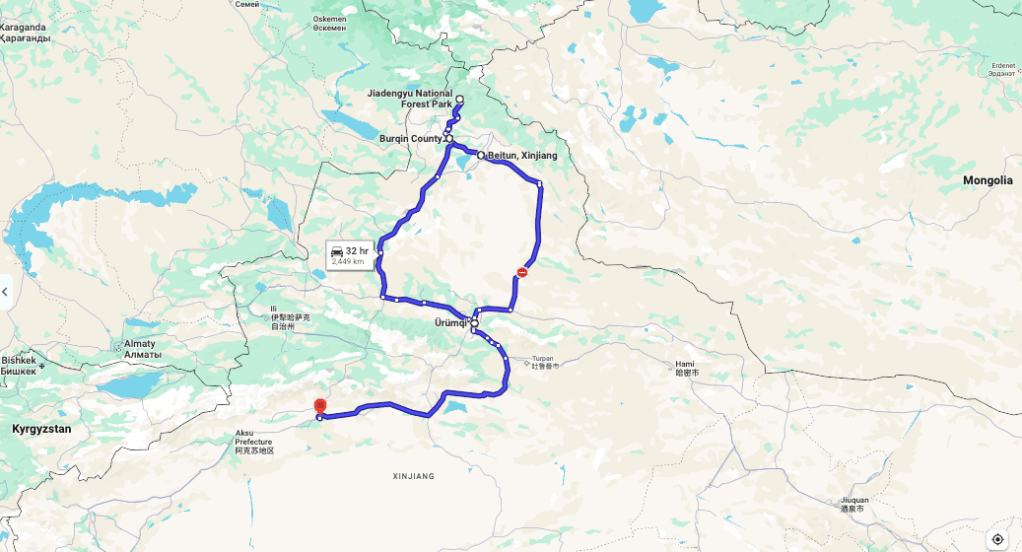
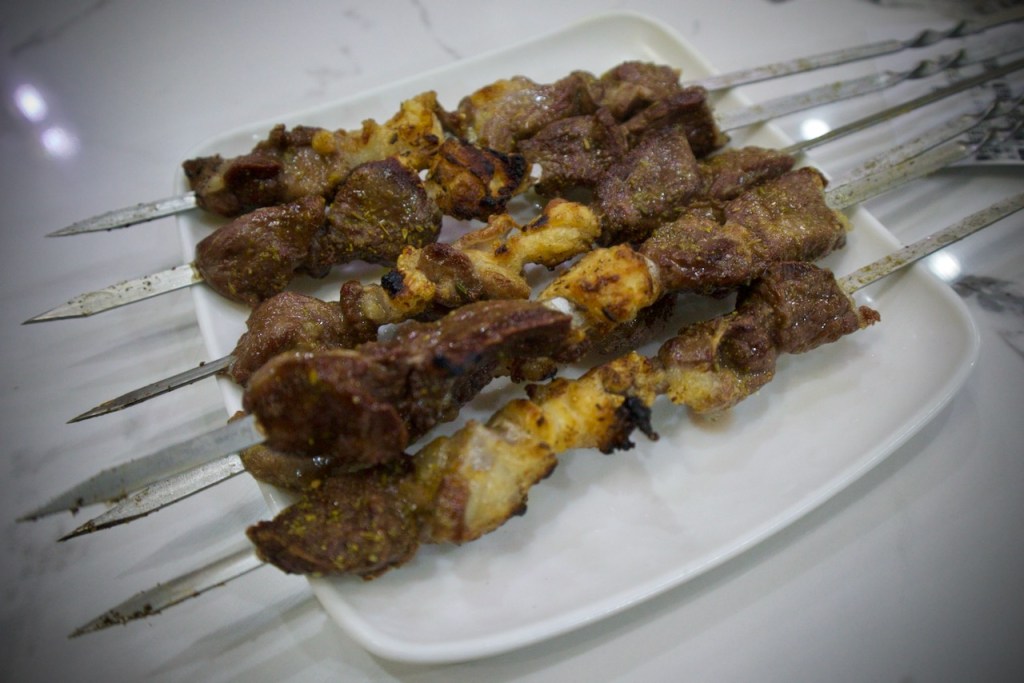
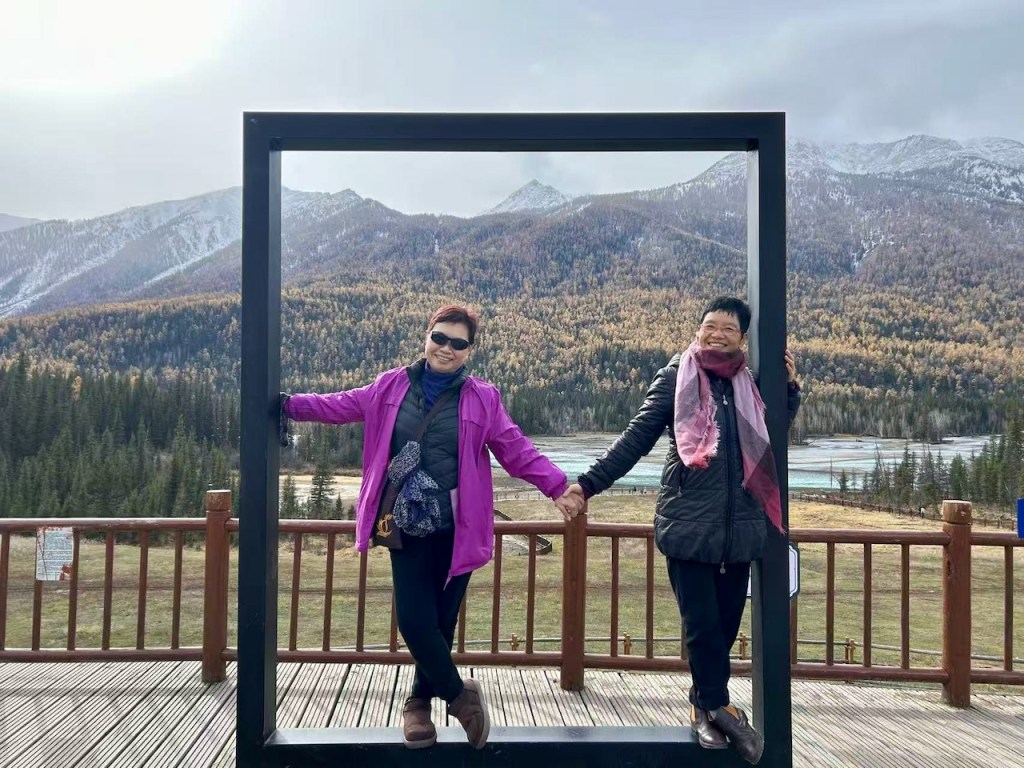
I began the year with an impromptu trip to Xian, the former capital of China, stopping short of venturing further north to visit Xinjiang in deep winter, which would have been an epic adventure. After a whirlwind tour of Kazakstan, Uzbekistan, and Turkmenistan, I decided to complete the ancient Silk Road loop on the Chinese side, this time accompanied by my lovely sister. From Urumqi, we make an excursion to Heaven Lake before boarding the overnight Altay express. A Siberian cold front descended into Northern Xinjiang prior to our arrival and covered the entire region in white. The scenery from Beitun to Kanas Lake looks like a picture perfect Christmas postcard. Alas, the road to Hemu, dubbed “the most photographed village in China,” is blocked due to icy conditions. We beat a hasty retreat back down south before further road closures to reach Kuqa after another overnight hard sleeper. The entire Tian Shan Mountain range, a grand canyon, Red Stone Forest, thousand-year-old Buddhist caves, and the vast Taklamakan Desert… Vista after vista of extraordinary scenery unfolds in front of our eyes. Then, in the evening, we would meander through the small lanes of Kuqa old town, catching a few tunes flowing out of houses, and sitting down to a heart-warming dinner of BBQ skewers and a classic fatty mutton soup. Welcome to enchanting Xinjiang!
Urumqi & Heaven Lake
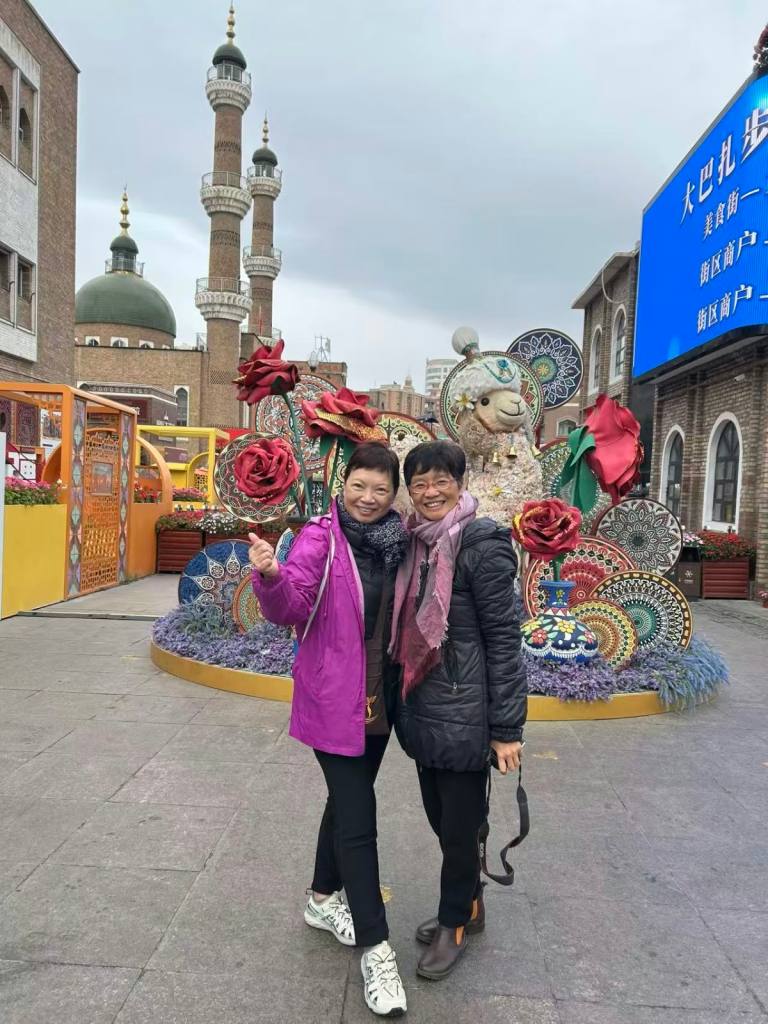
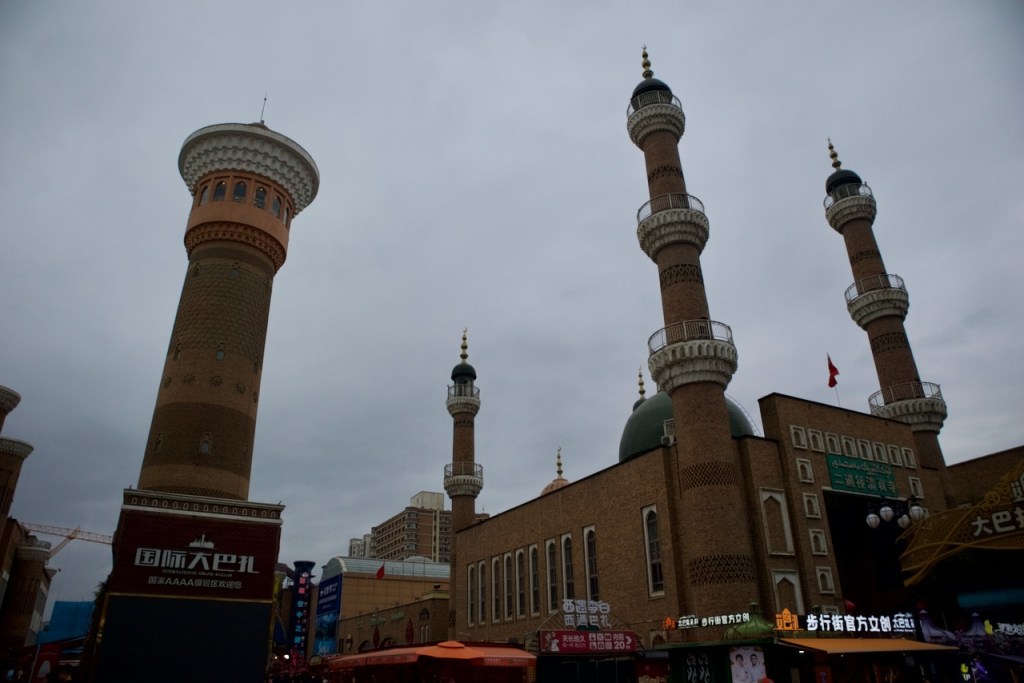
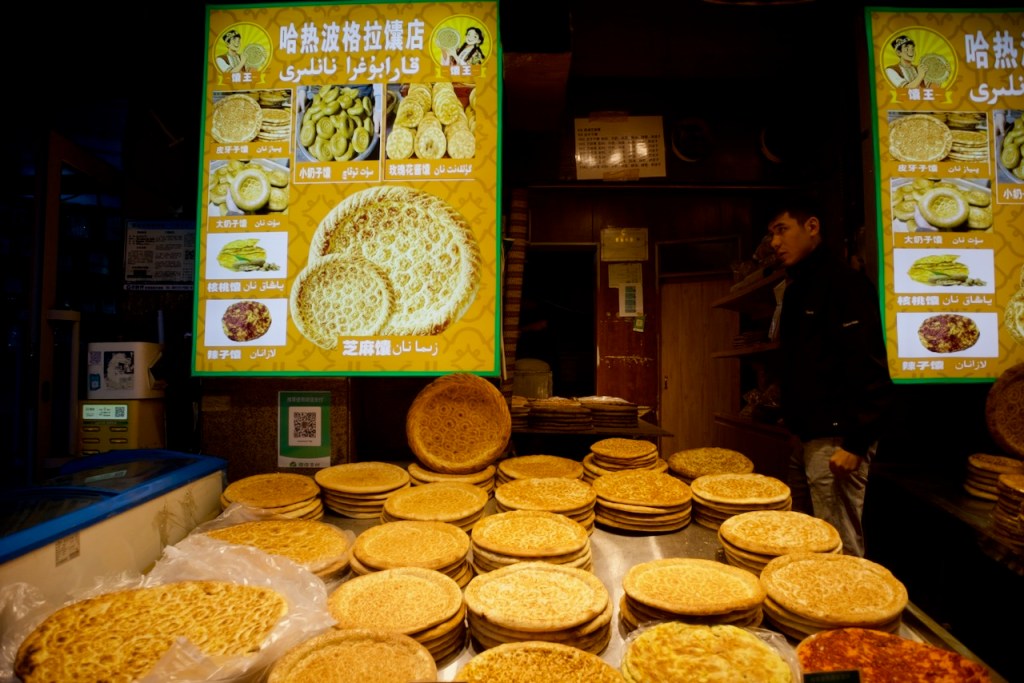
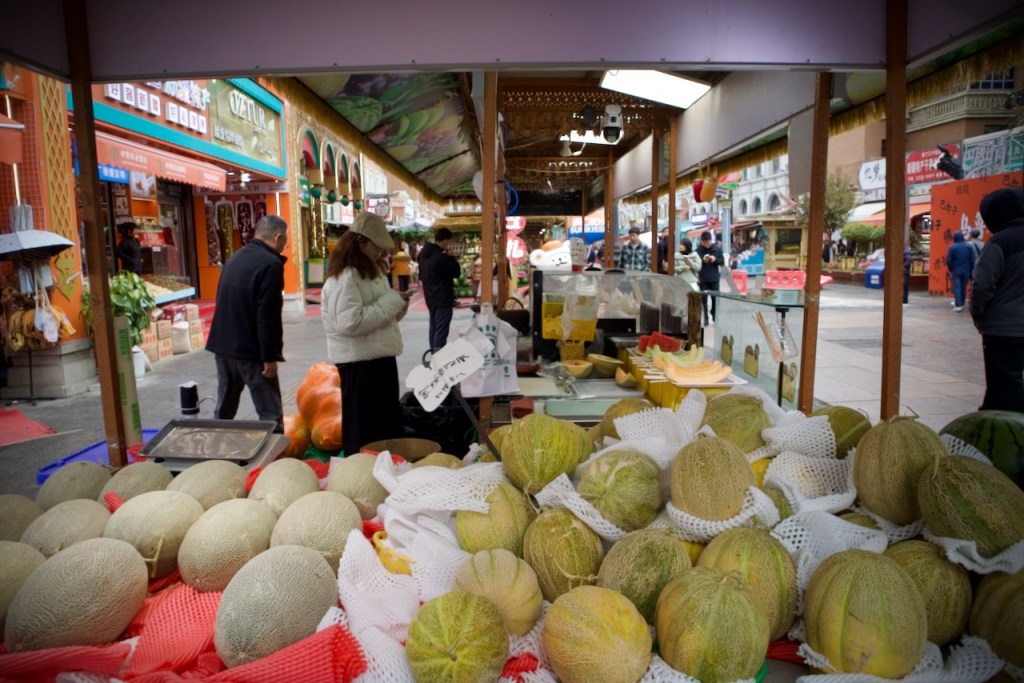
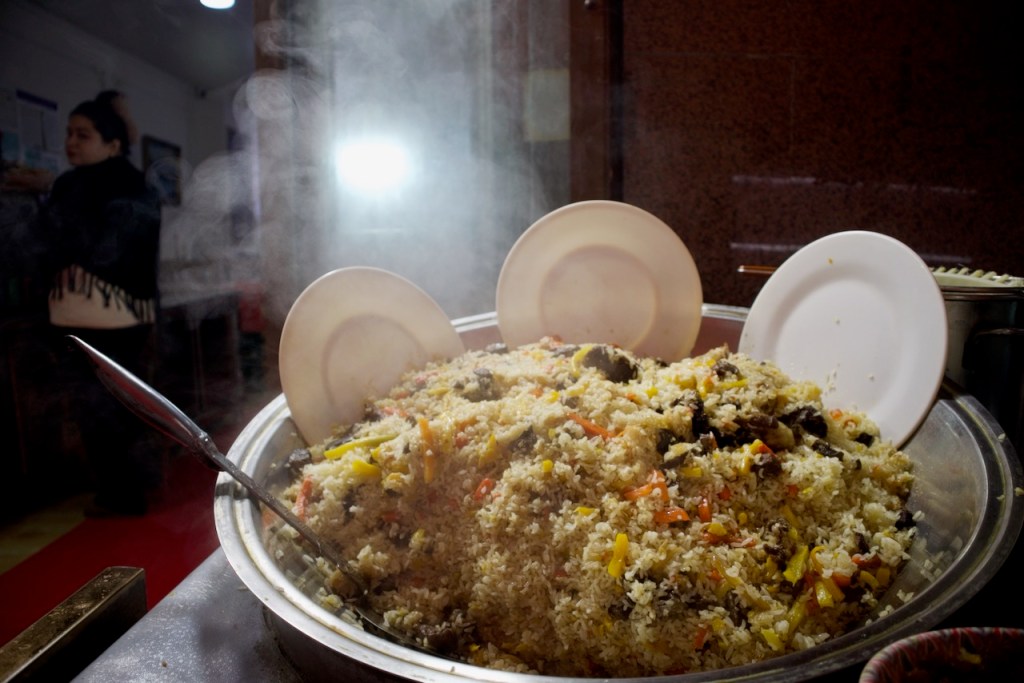
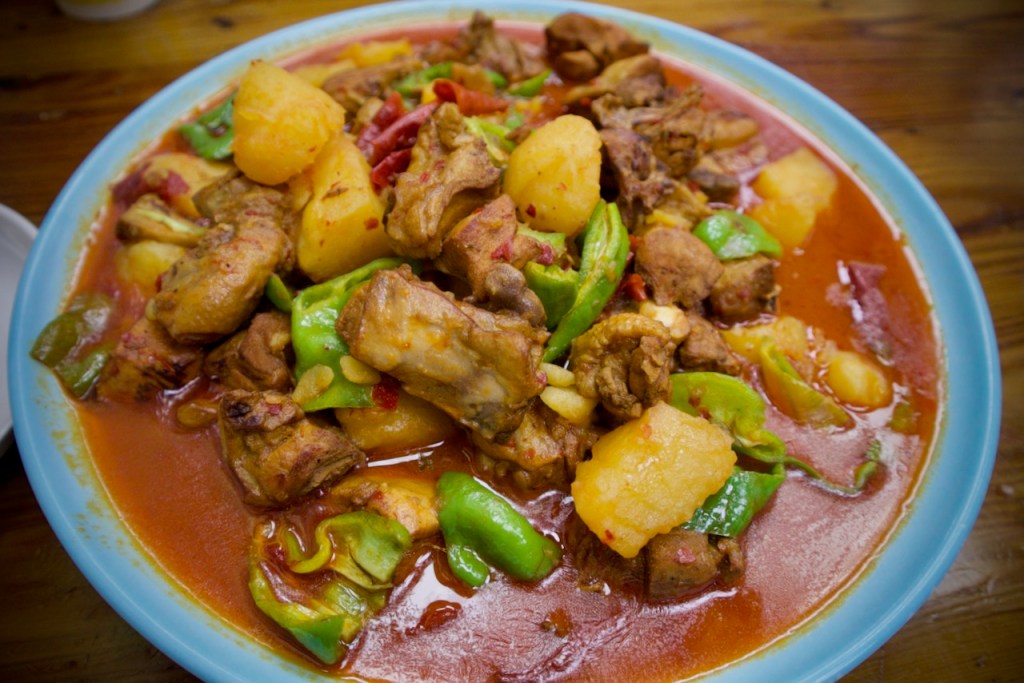
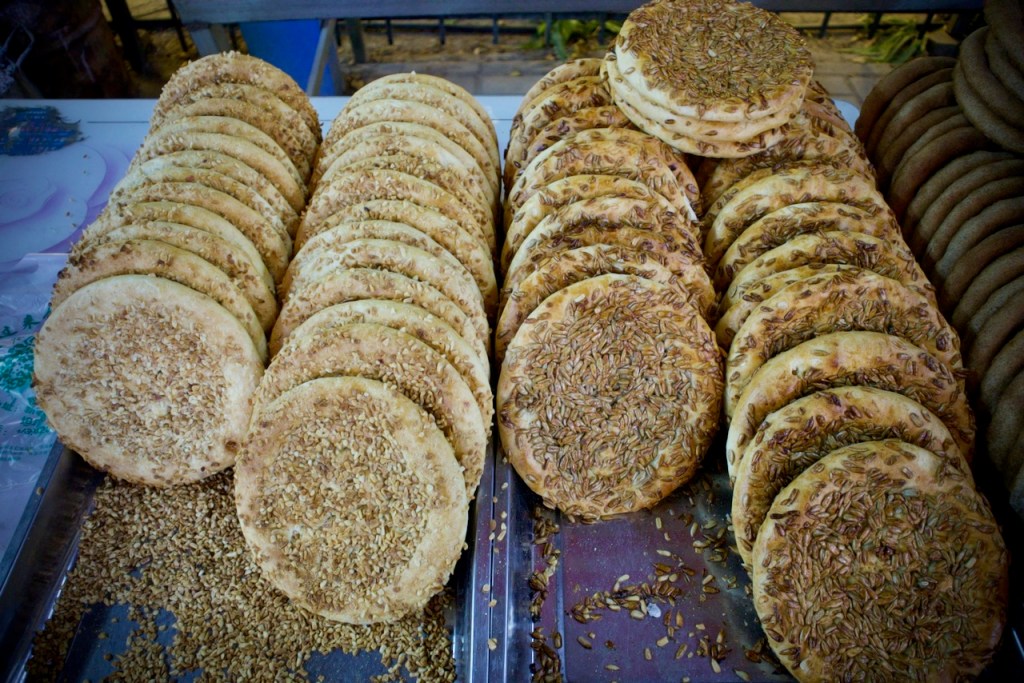
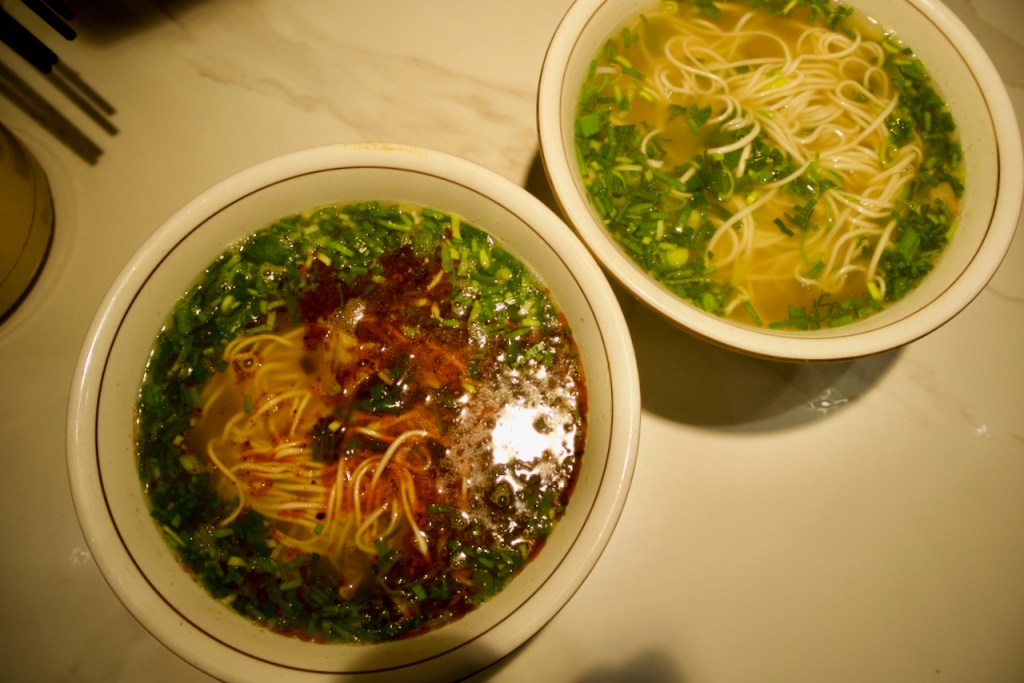
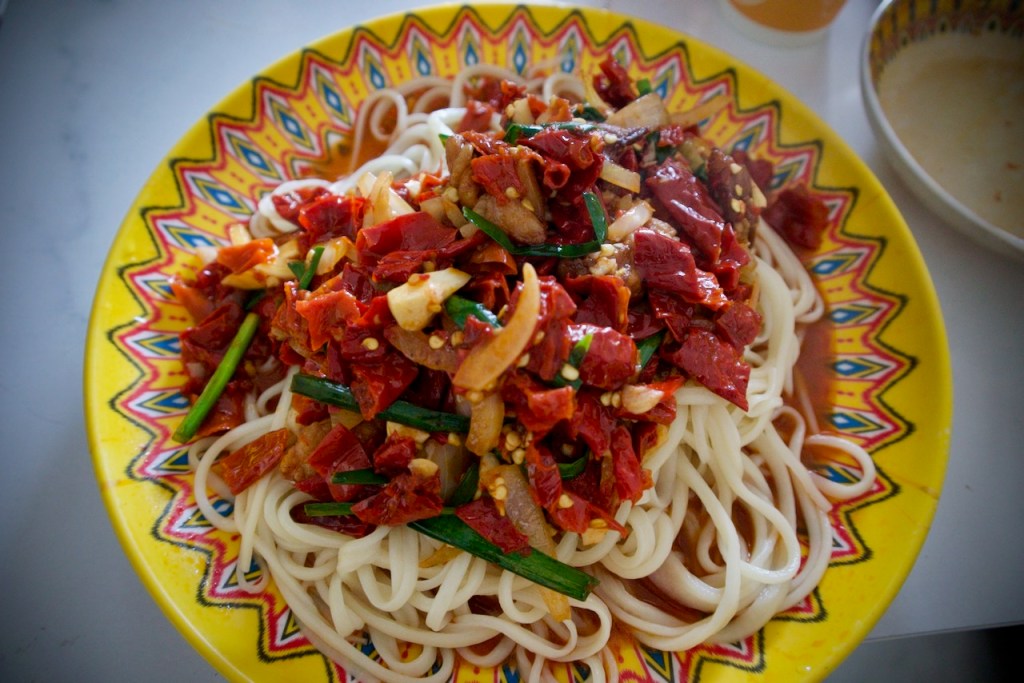
My flight from Shymkent – after an eighteen hour transit! – arrives at two in the morning in Urumqi where my sister has been waiting for me. We slurp a quick bowl of Lanzhou handmade noodles with pickled cabbage – the first of many to come – right there at the terminal before making a beeline to the hotel by the Urumqi Railway Station to catch some rest. Almost all Xinjiang tours begin and/or end in Urumqi, the bustling regional capital famous for her museums and the colourful bazar. My sister, Agnes, who has never been to Central Asia, is excited to see and try everything from the fresh bread to plov. We are famished and treat ourselves to the signature local dishes of jiaofan/mutton rice and dapanji, a big spicy potato chicken stew. We while the afternoon in the sprawling Grand Bazar until first snow falls by early evening. It is only mid-October, but the Siberian cold front has already arrived in Urumqi.

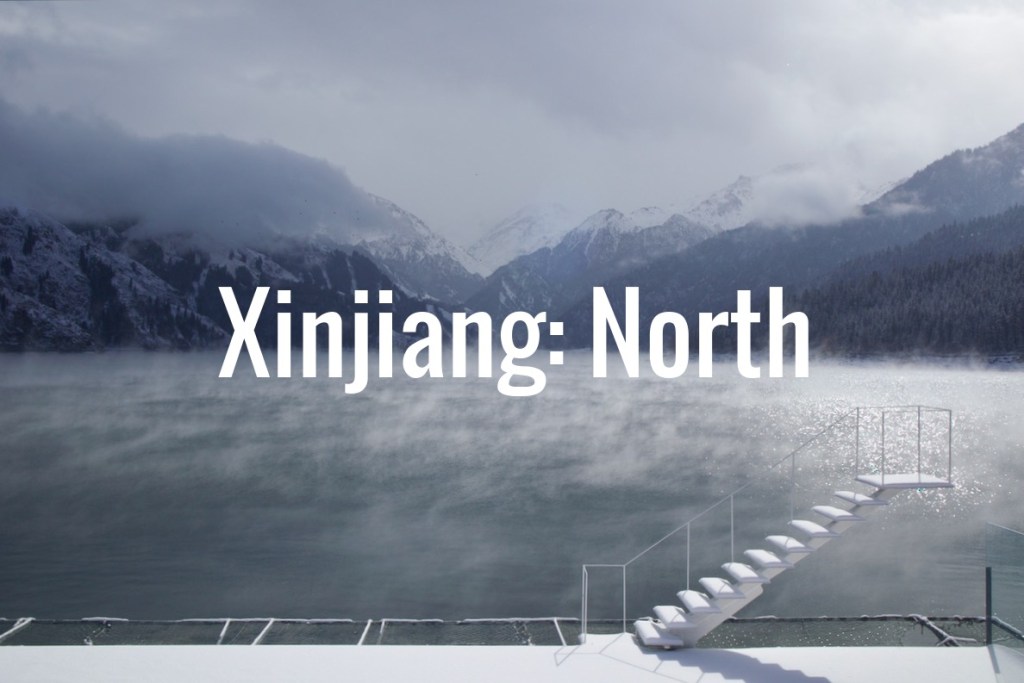
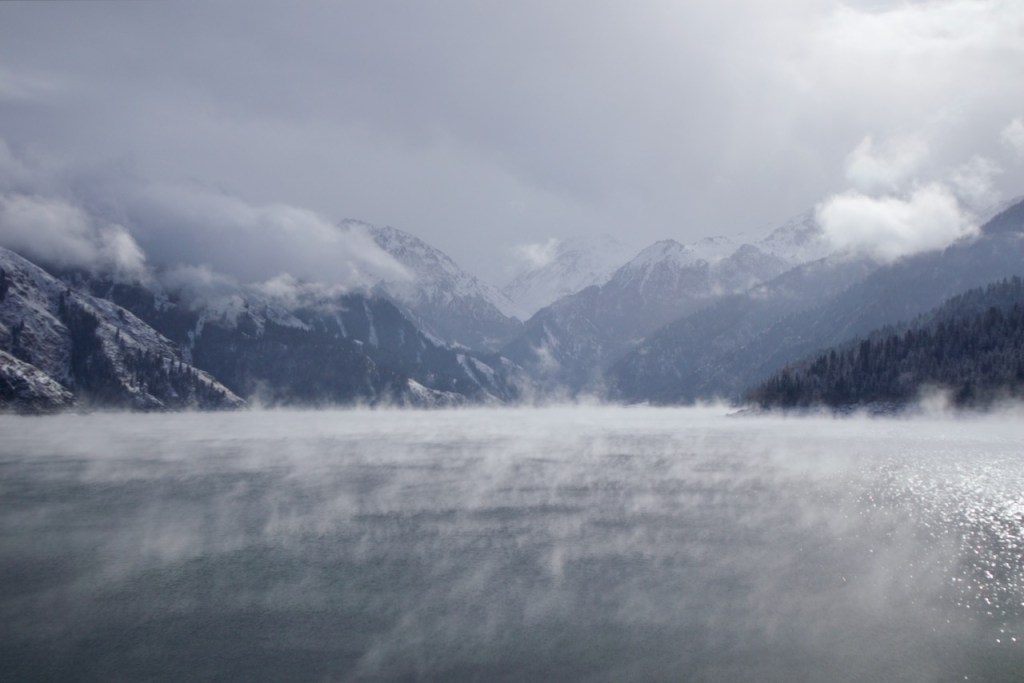
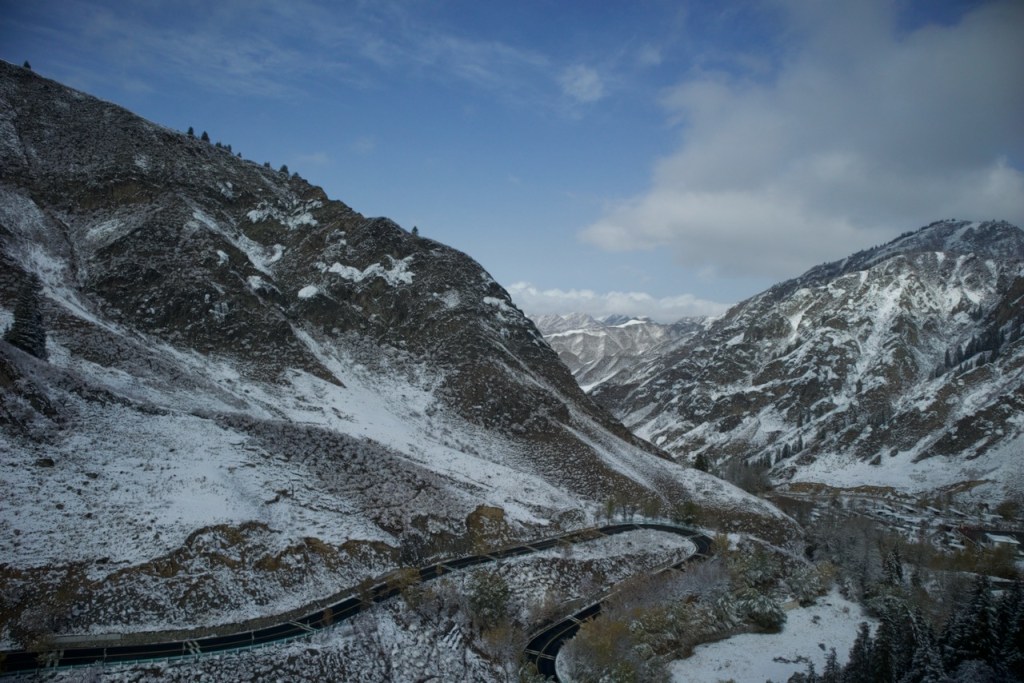
We have a full day to enjoy the Urumqi area and decide to go for a morning excursion to Heaven Lake. Unbeknownst to us, the Western Bus Station has relocated and we arrive at an empty parking lot. Lo and behold, a minivan is picking up passengers and we reach the lake entrance after about 90 minutes. The windy road to Heaven Lake is closed, we are told. Will it open today? No one knows! Wait till around noon, the staff says. Noon came and went, and many big tour groups start to leave. Right when my sister is ready to give up, the gate opens! We board the first bus up towards the lake and have the entire site to ourselves for the first fifteen minutes. What a luxury! Being wary of crowds, I have little expectation of popular spots, but Heaven Lake in first snow, flanked by Tian Shan Mountains, is nothing short of spectacular, especially before bus loads of tourists swamp the park…
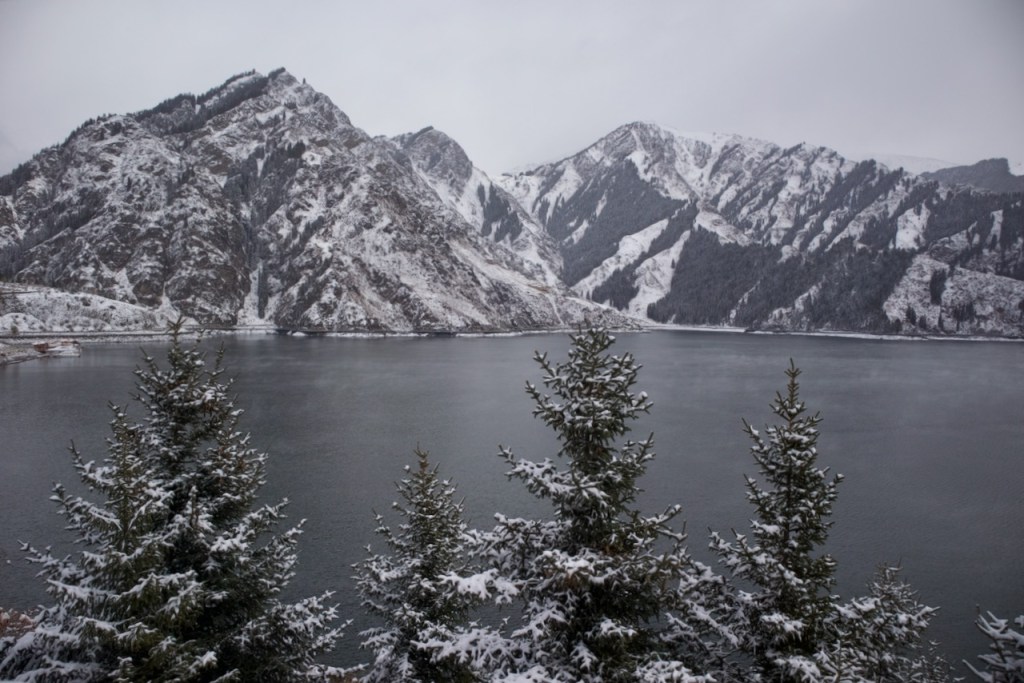
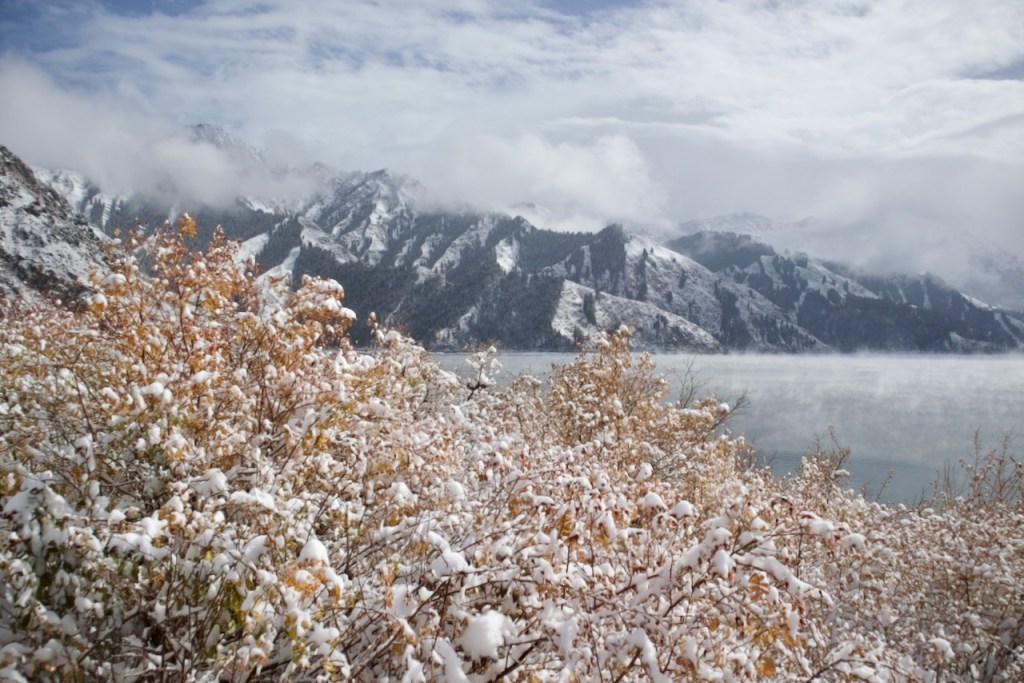
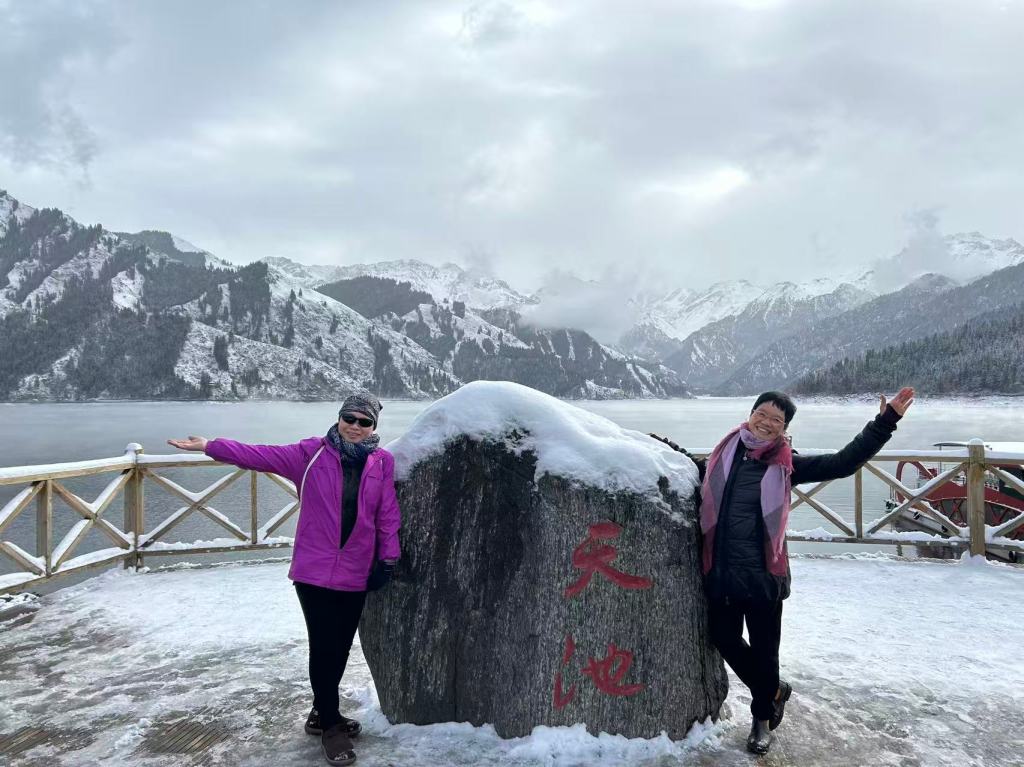
Kanas Lake: the Switzerland of Northern China
I originally planned to focus mostly on Southern Xinjiang from Kashgar to Turpan, but decided to add Kanas Lake to enjoy the northern scenery. The Ahe Highway from Altay is already closed for winter, so we take an overnight train to Beitun instead, not being sure how the onward transport to Kanas Lake or Hemu works. At eight in the morning, we are happy to be greeted by a welcoming driver who takes us to Kanas Lake for 200 yuans (about USD30).
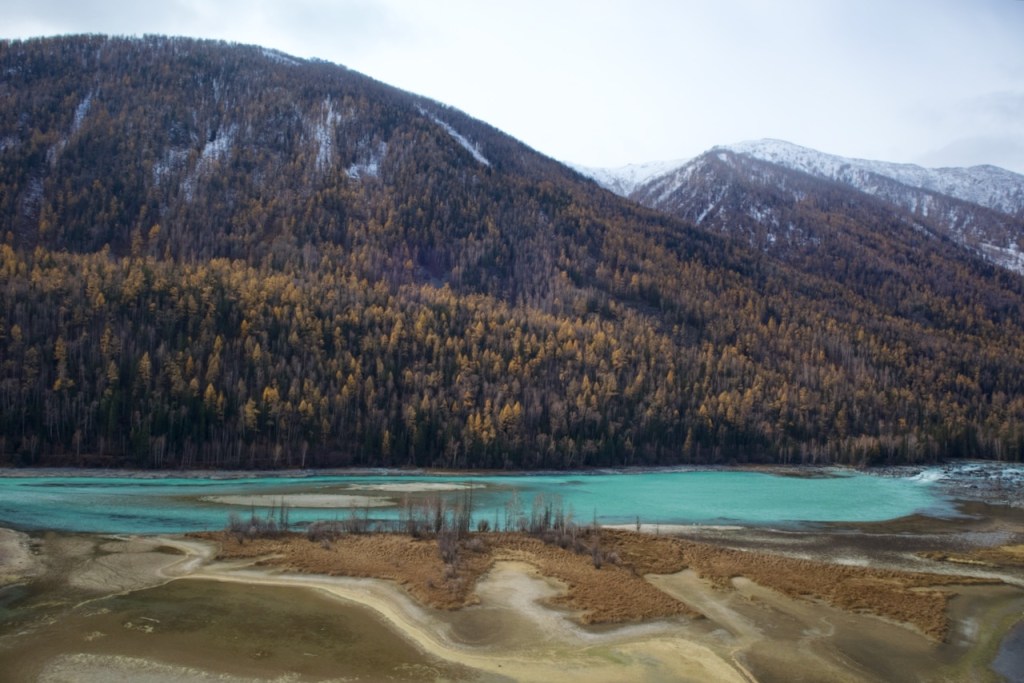
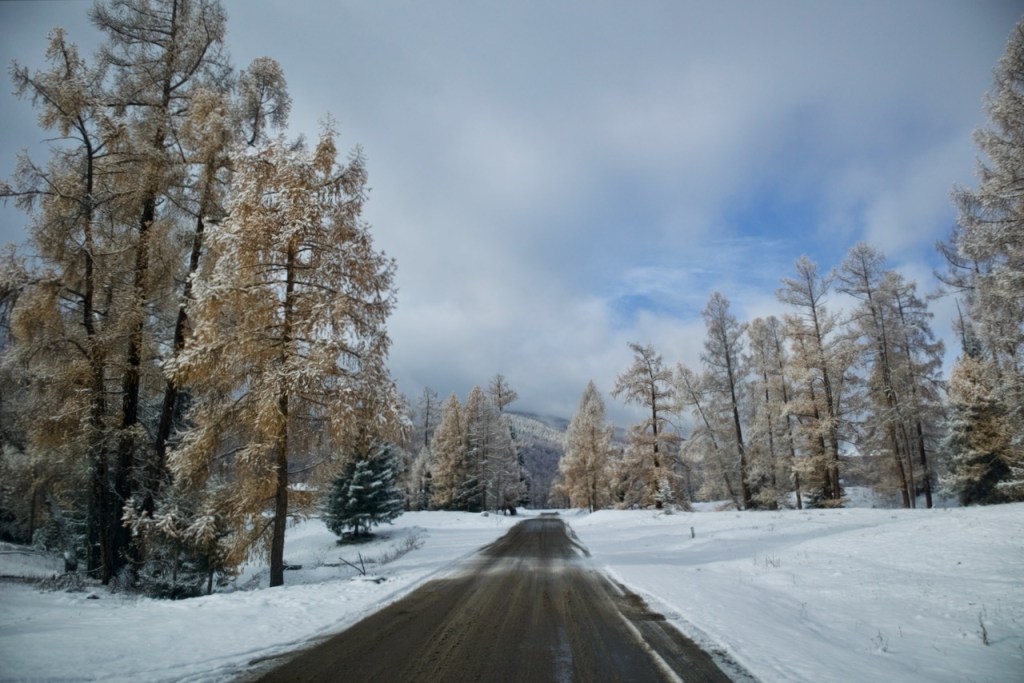
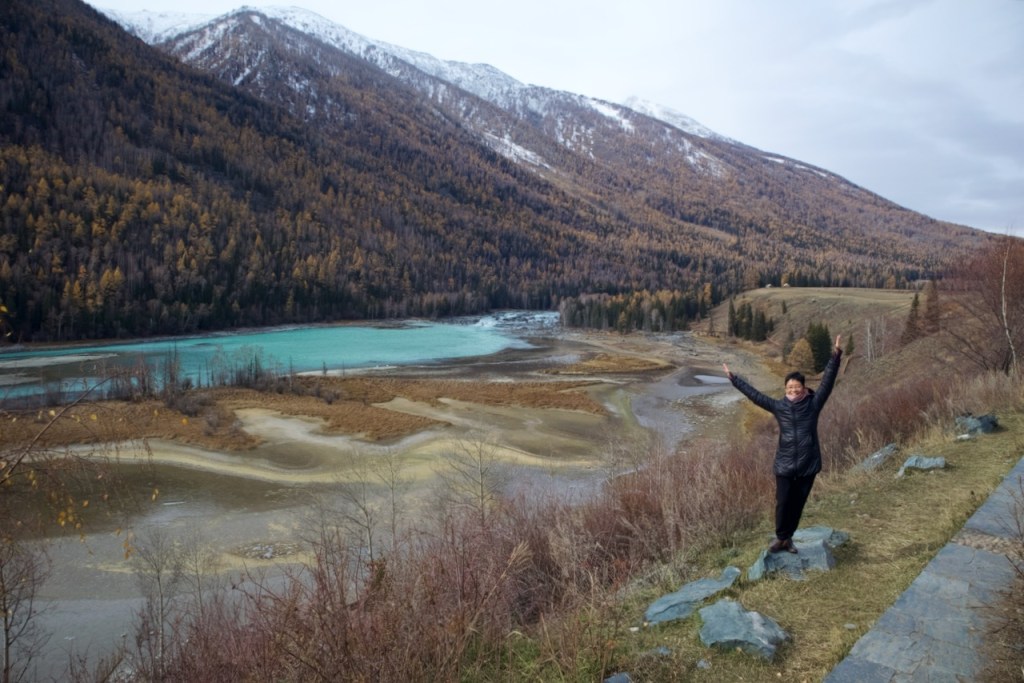
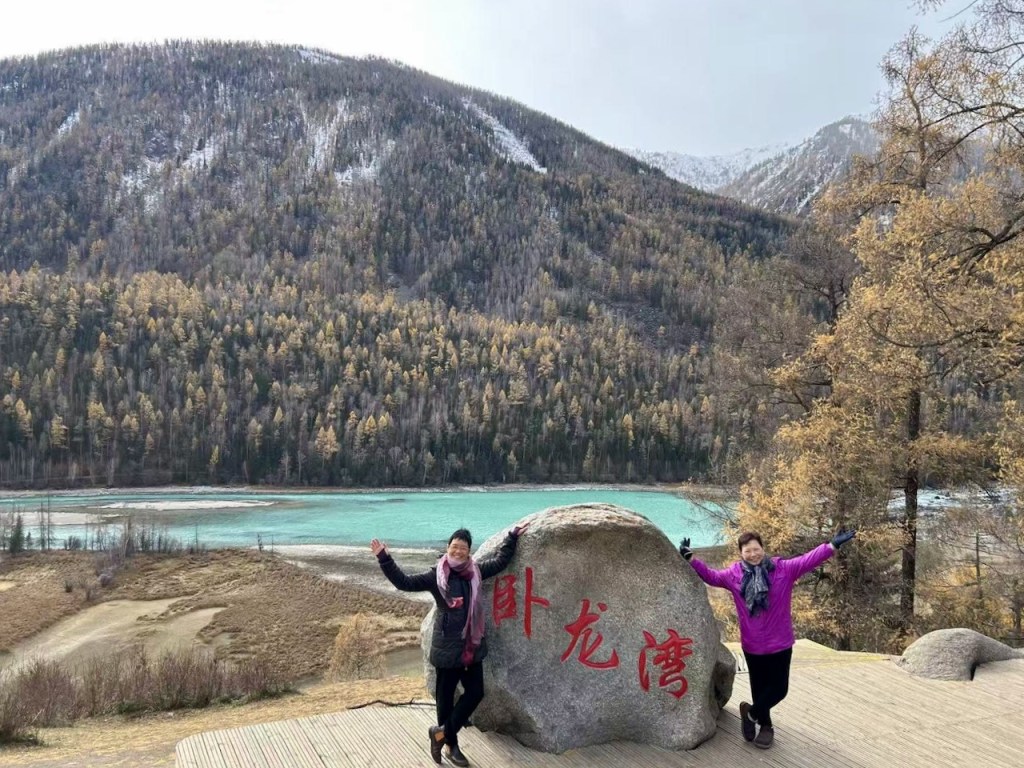
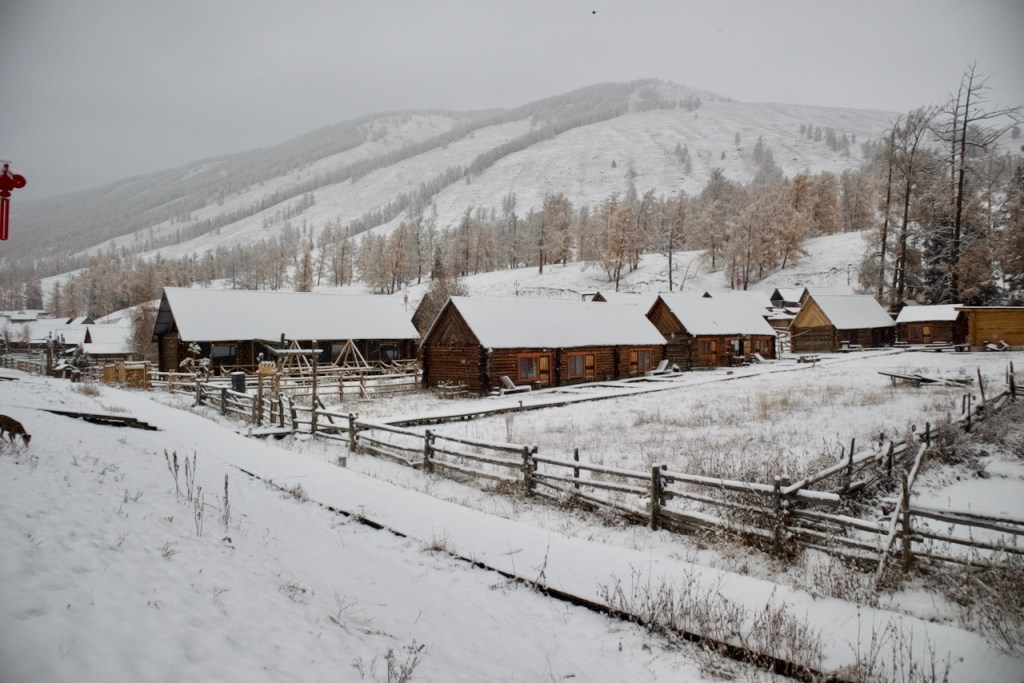
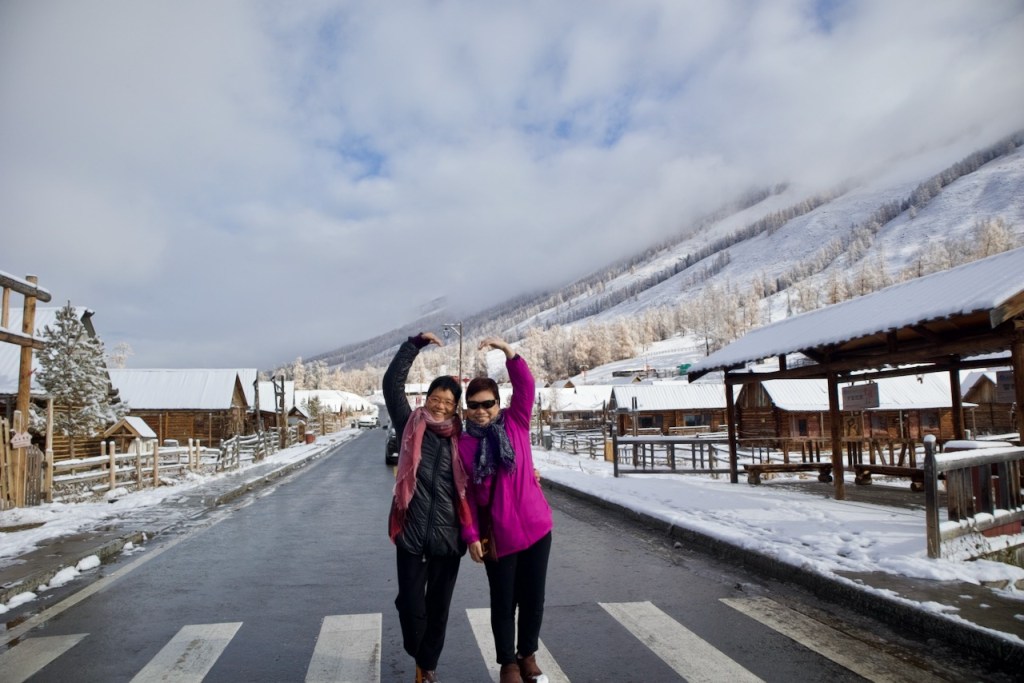
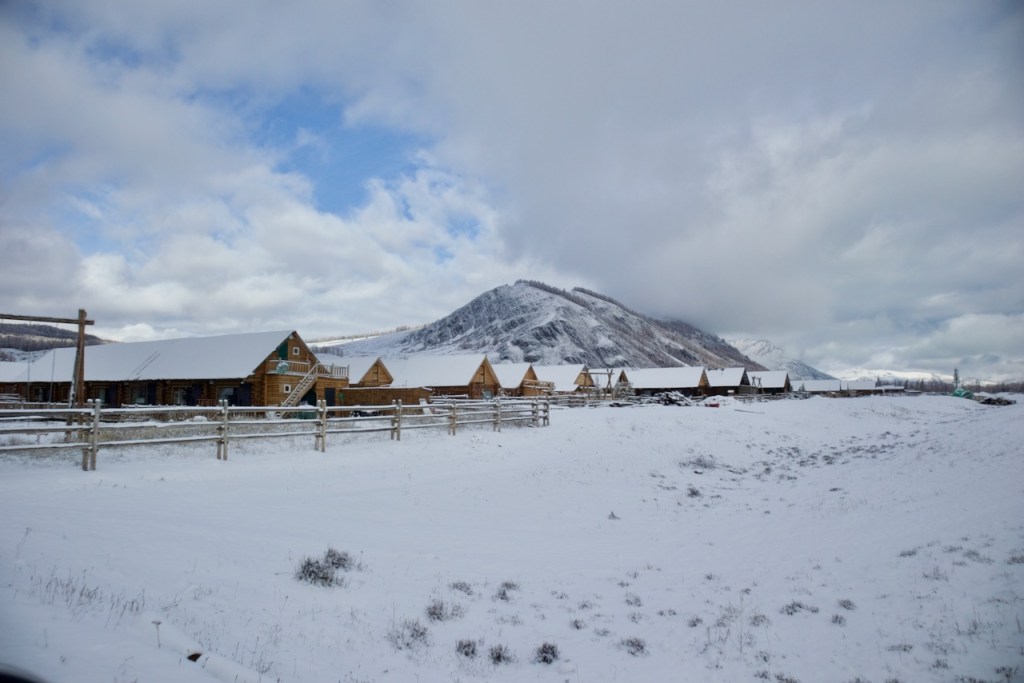
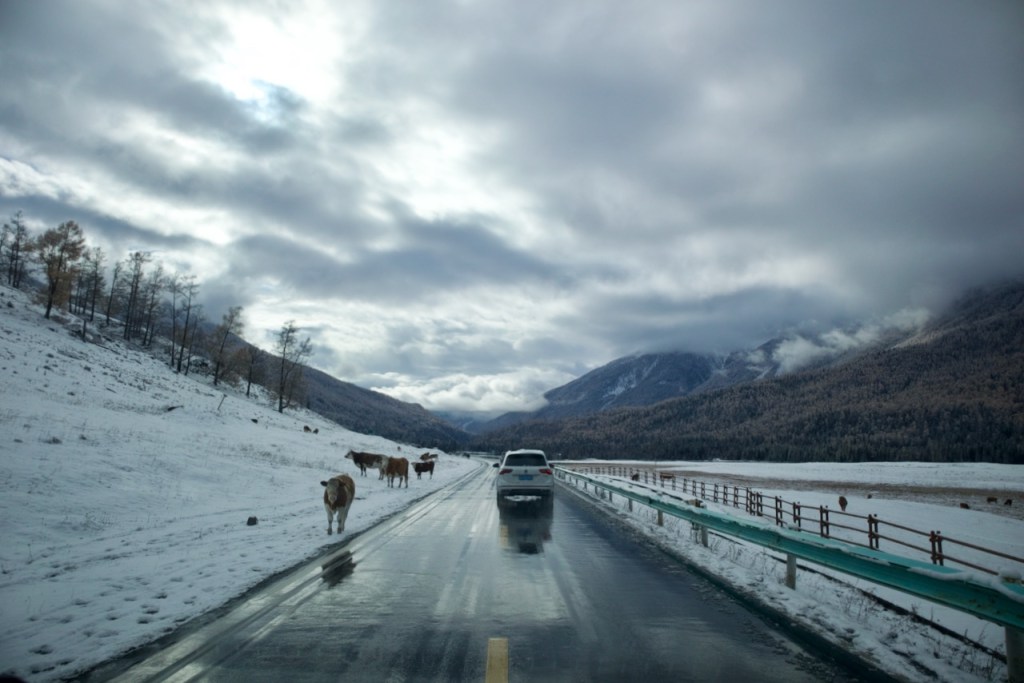
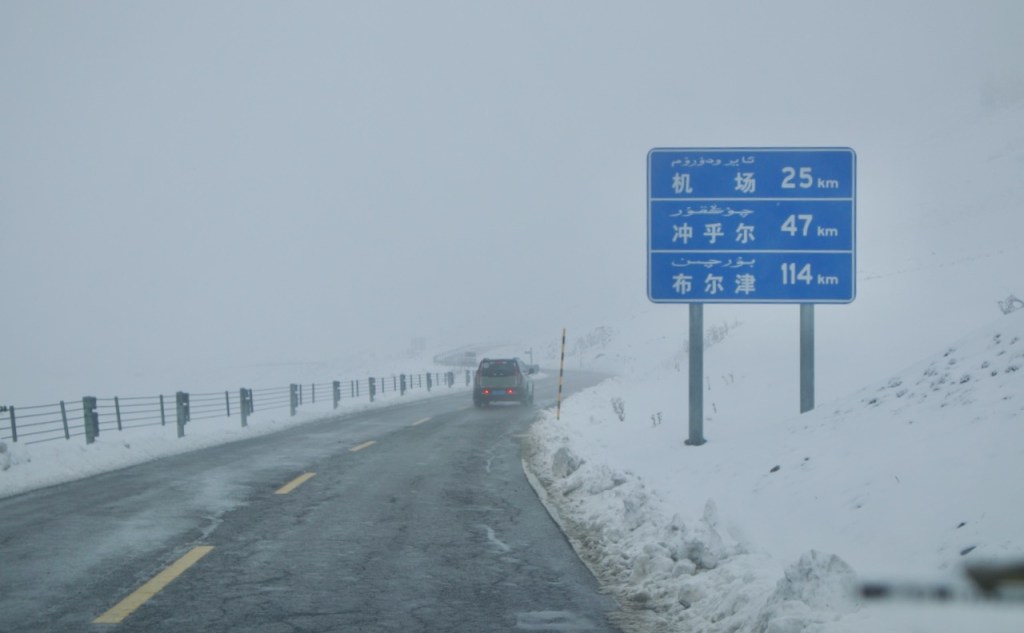
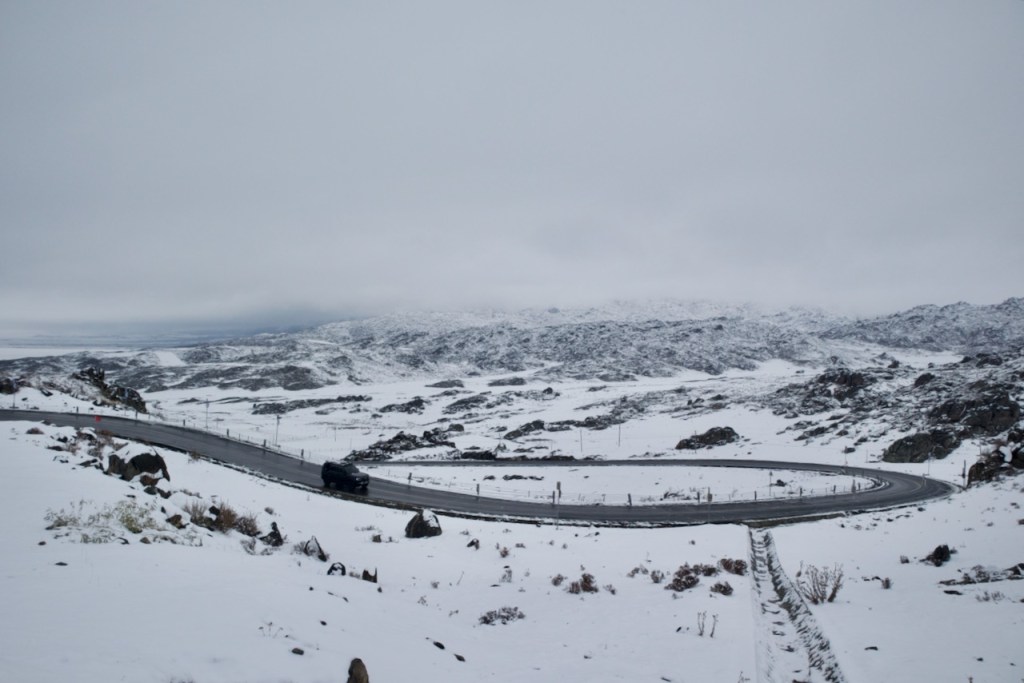
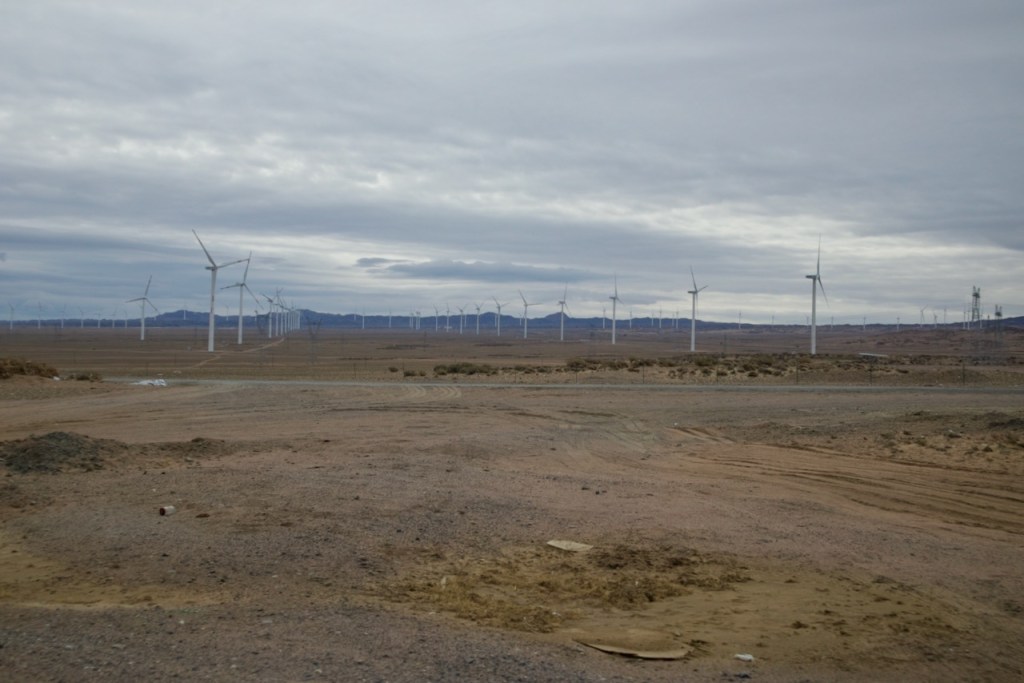
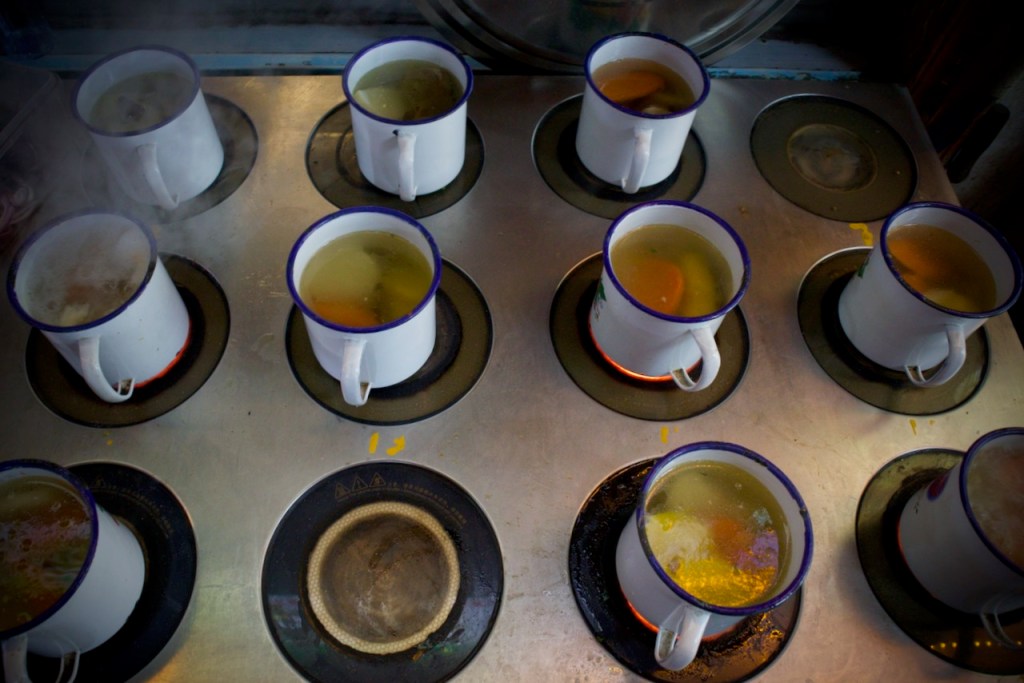
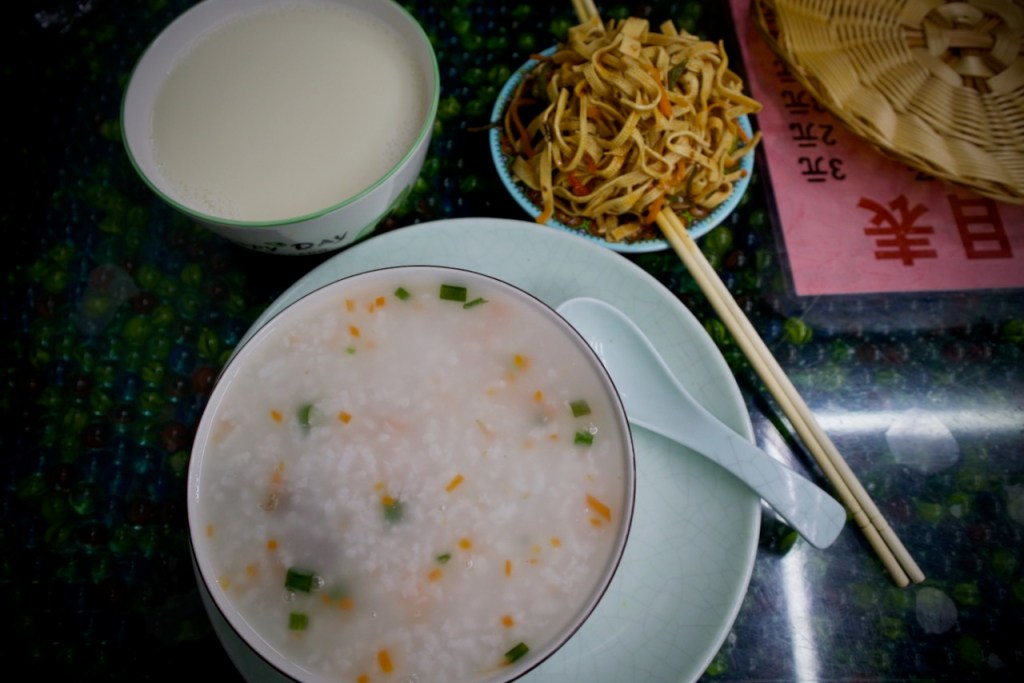
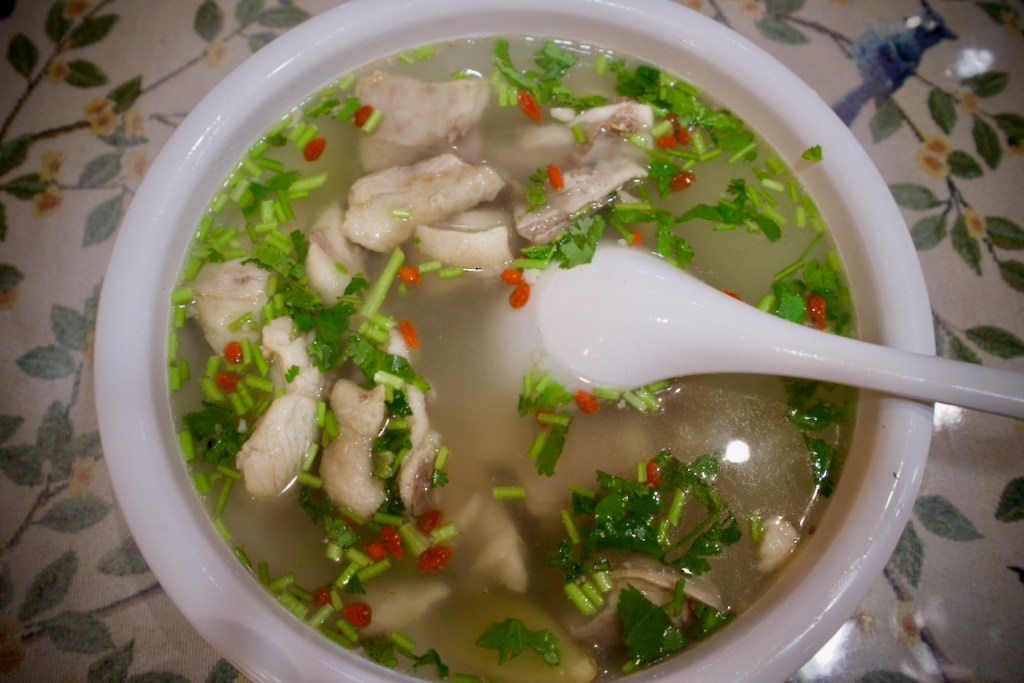
After a pit breakfast stop in the quiet, quaint town of Burqin, the ride goes through vast tracts of nothing but windmills in the empty, open desert plain before climbing up the Altay mountain range. The avalanche-prone roads are heavily regulated and we wait till police convoys are ready to move. There is a long line of heavy trucks carrying prefab homes moving at a snail pace, allowing us to soak in all the alpine scenery. I look at the map and realize I was at the back of these same mountains on the Mongolian side, ready to climb Khuiten Peak in the magnificent Altai Tavan Bogd National Park back in 2017. Kanas Lake, meaning “beautiful and mysterious” in Mongolian, lying at the borders of China, Russia, Kazakstan, and Mongolia, is the highlight of most Northern Xinjiang tours. We catch glimpses of its turquoise water in the spectacular drive before a near white-out condition makes it impossible to visit any of the scenic spots. We imagine the summer meadow and horse-riding along the steppes, and the lake in shimmering autumn colours. For now, we enjoy a huge bowl of mutton soup to warm ourselves up before calling it a day. The road to Hemu is closed, a driver calls to inform us just as we curl up in bed. Plan B? We have none!
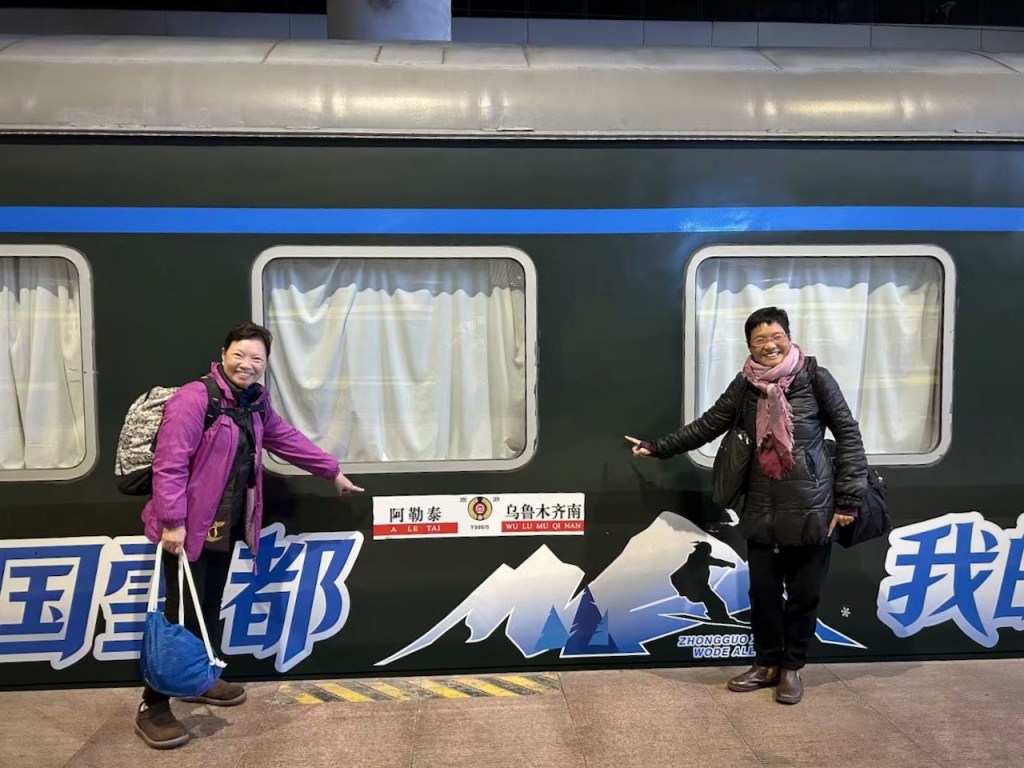
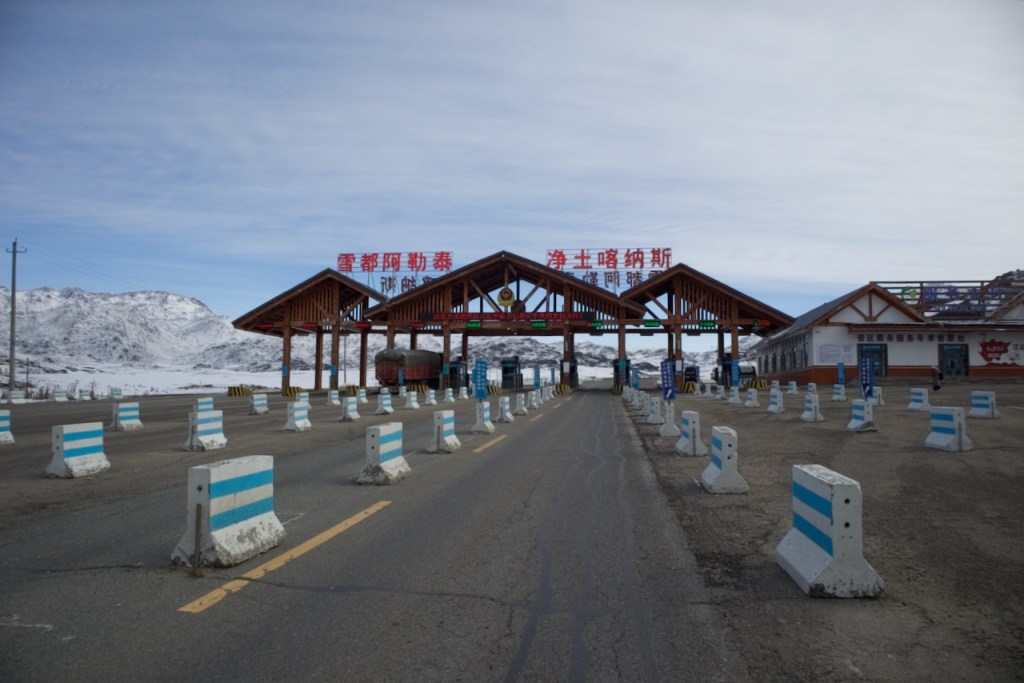
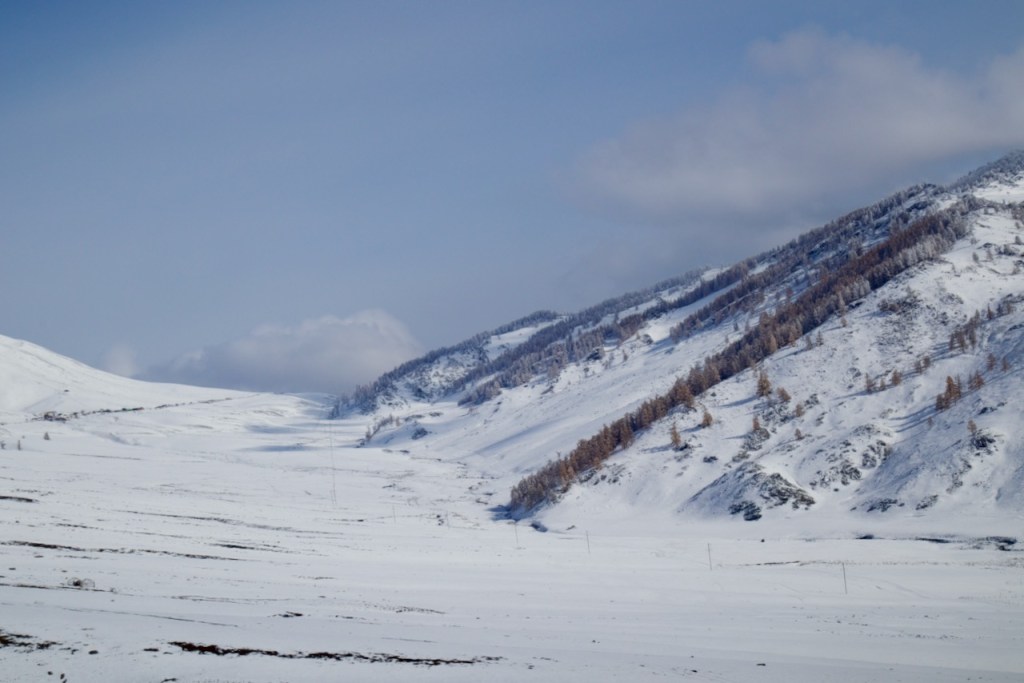
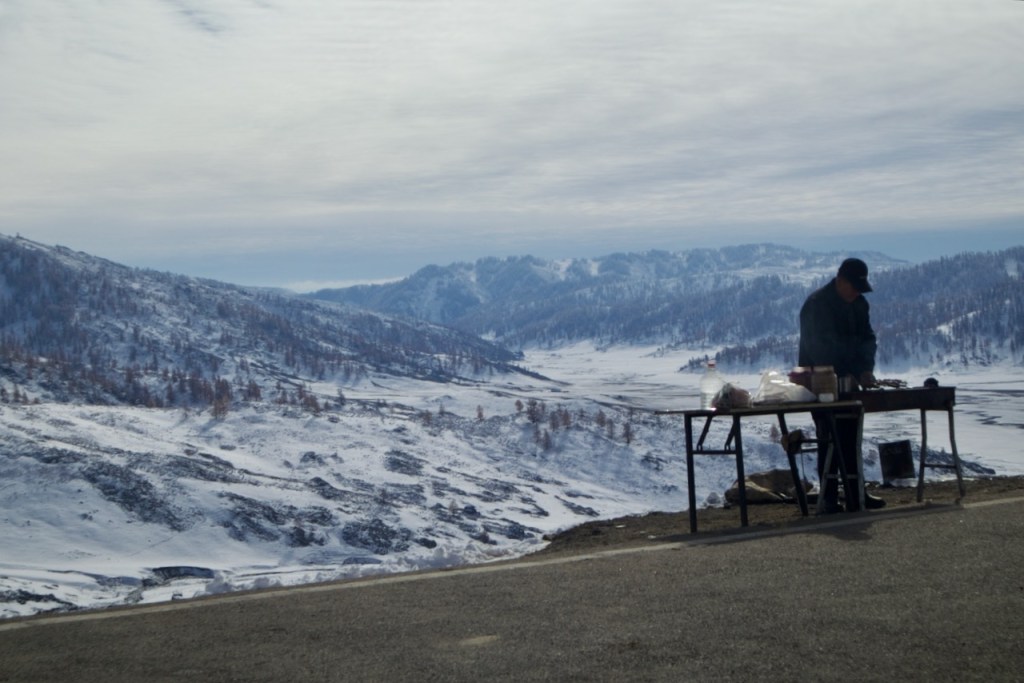
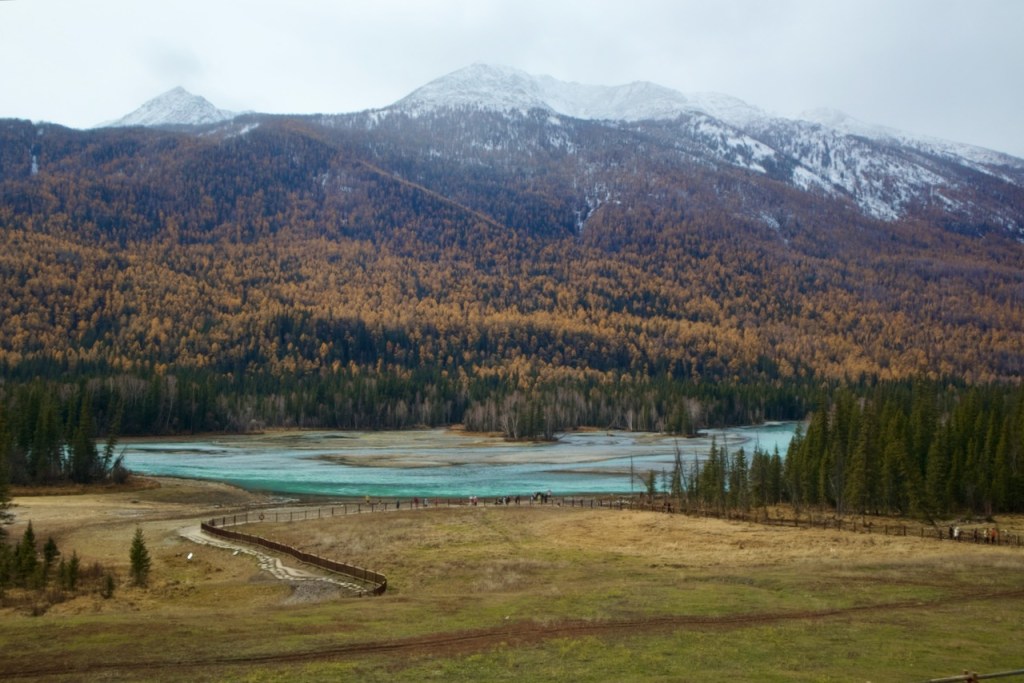
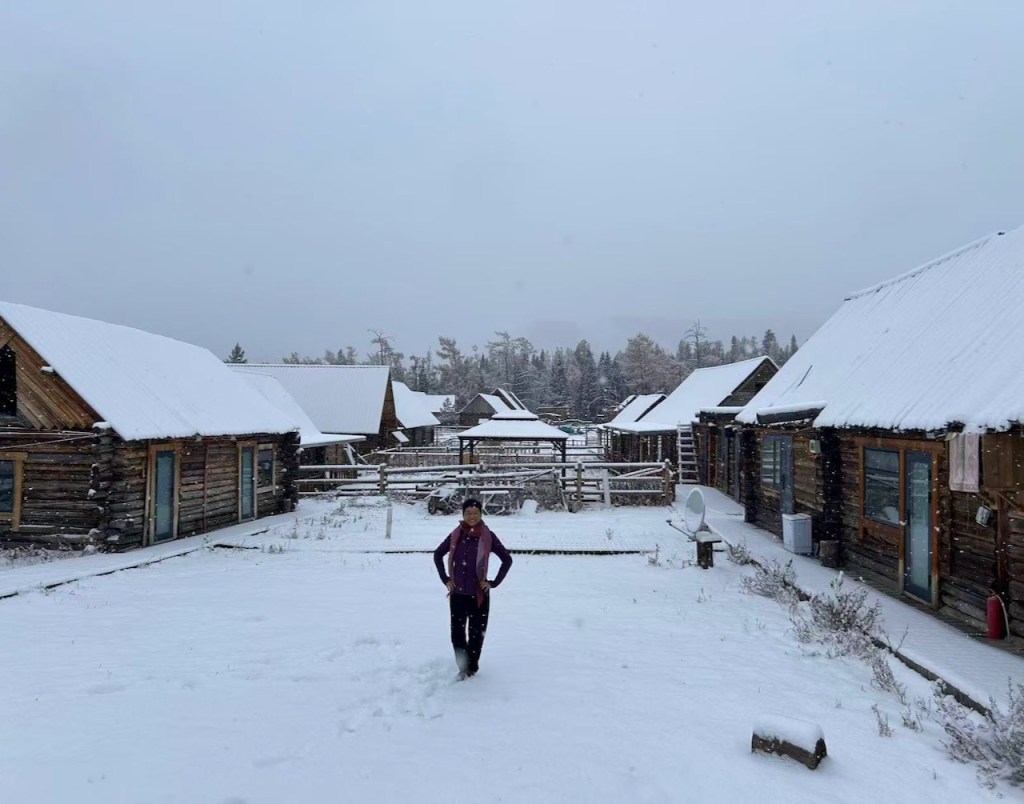
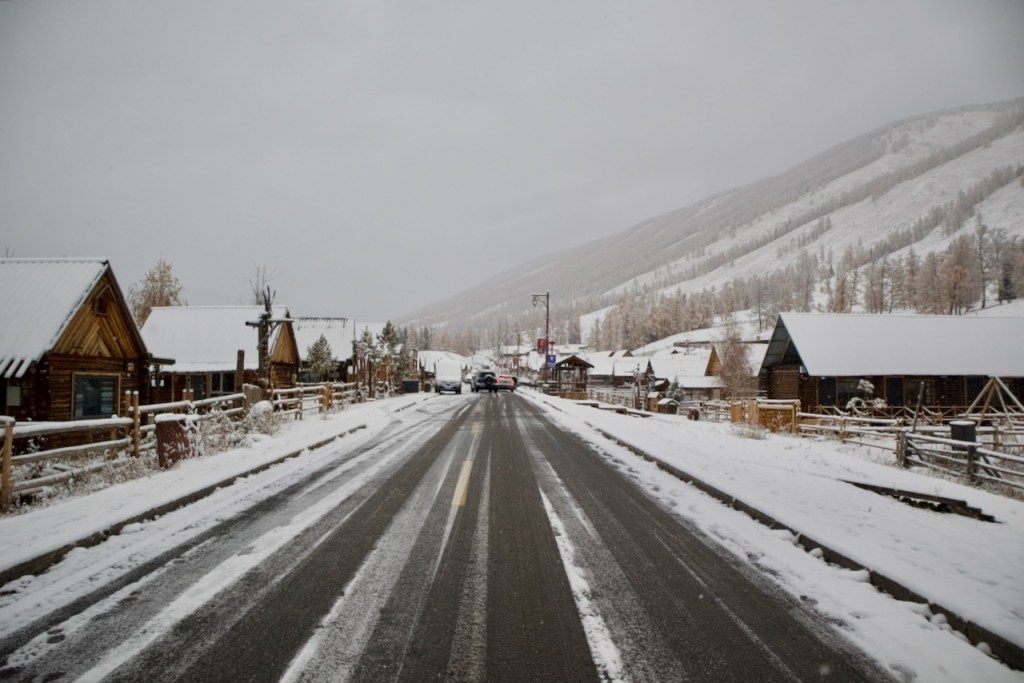
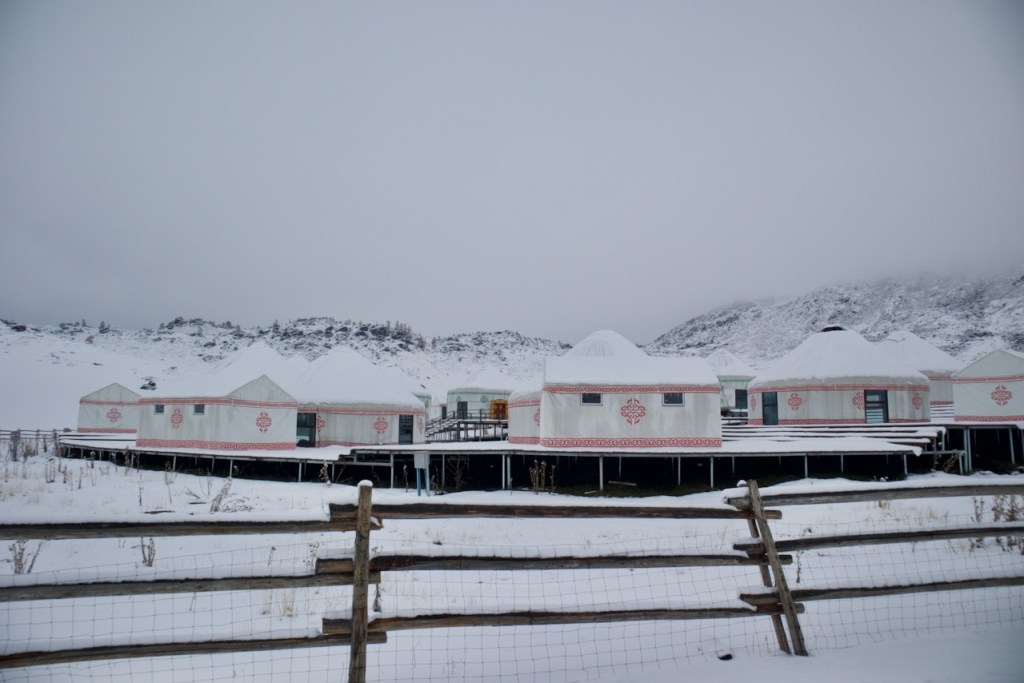
More snow overnight, followed by more road closures in the morning. Kanas Old Village looks straight like out of a wintry fairy tale. We decide to make a U turn back to Urumqi instead of risking being blocked for days. A lot of phone calls later, we manage to find a shared minivan to Burqin. The overnight sleepers to Urumqi are sold out; we are lucky to find a shared car and make it back to Urumqi by ten in the evening, just in time to snap up the last two hard sleepers for the red eye train to Kuqa. What an adventure!
Kuqa: Tian Shan Grand Canyon & Red Stone Forest
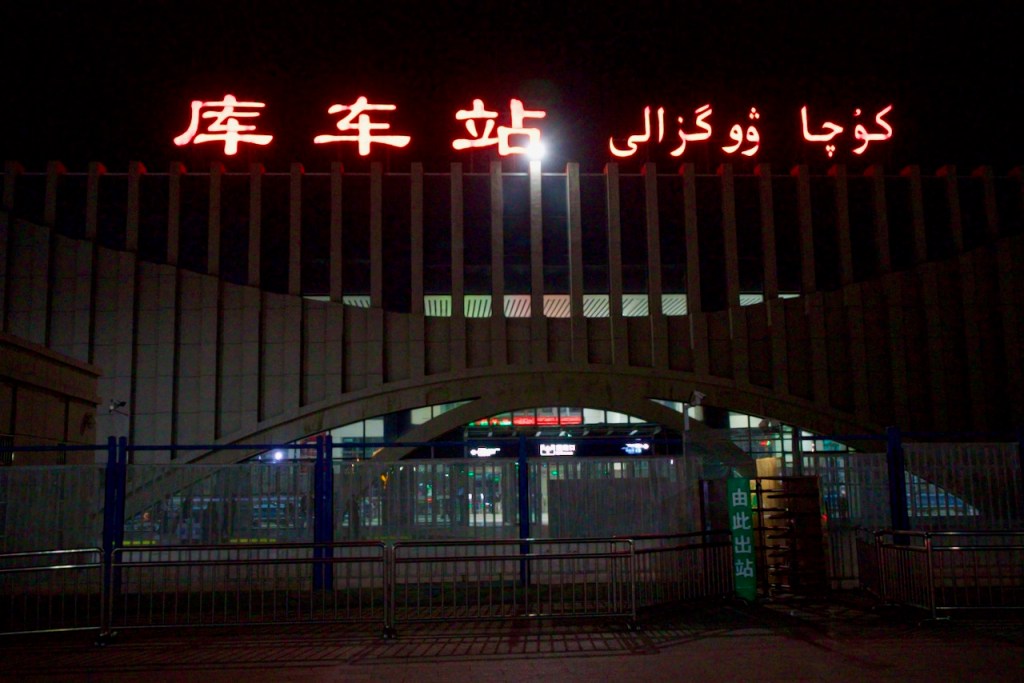
The train pulls into Kuqa at five thirty in the morning and we grab a bowl of piping hot noodles at a 24/7 Lanzhou noodle joint strategically located by the station. Just as we are ready to order a Didi taxi to get to our hotel, a driver proposes to take us for a grand day tour covering all the main sights in the Kuqa region. No need to check in hotel now, I can drop you at the end of our tour, driver Tsai says. And off we go! My sister who is used to organized tours starts to get the hang of traveling backpacking style. We’re definitely winging this epic journey through Xinjiang!
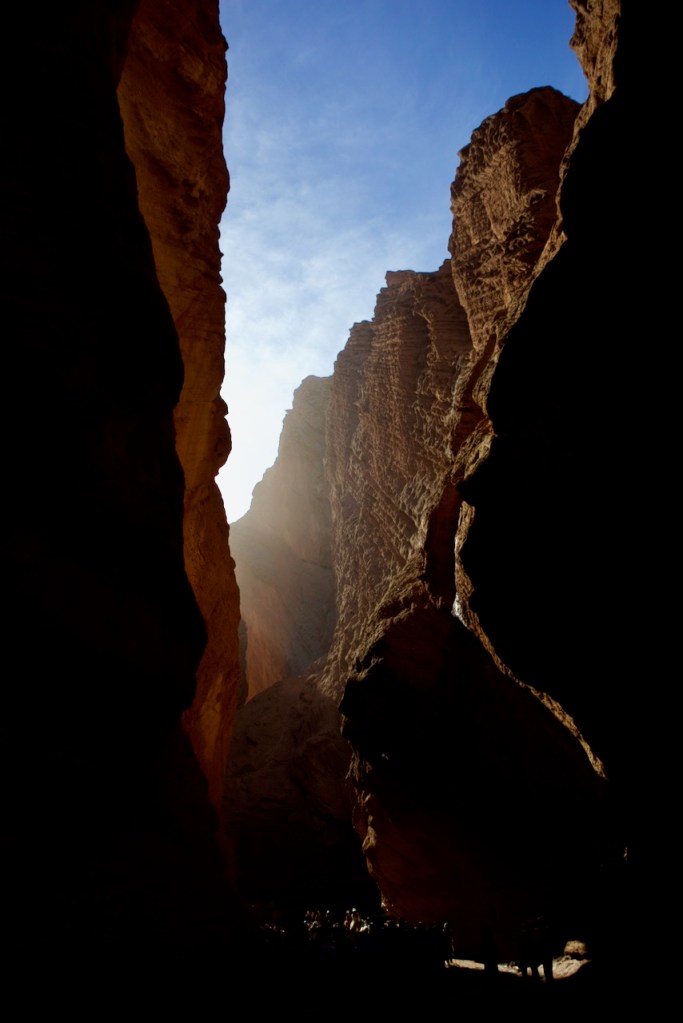
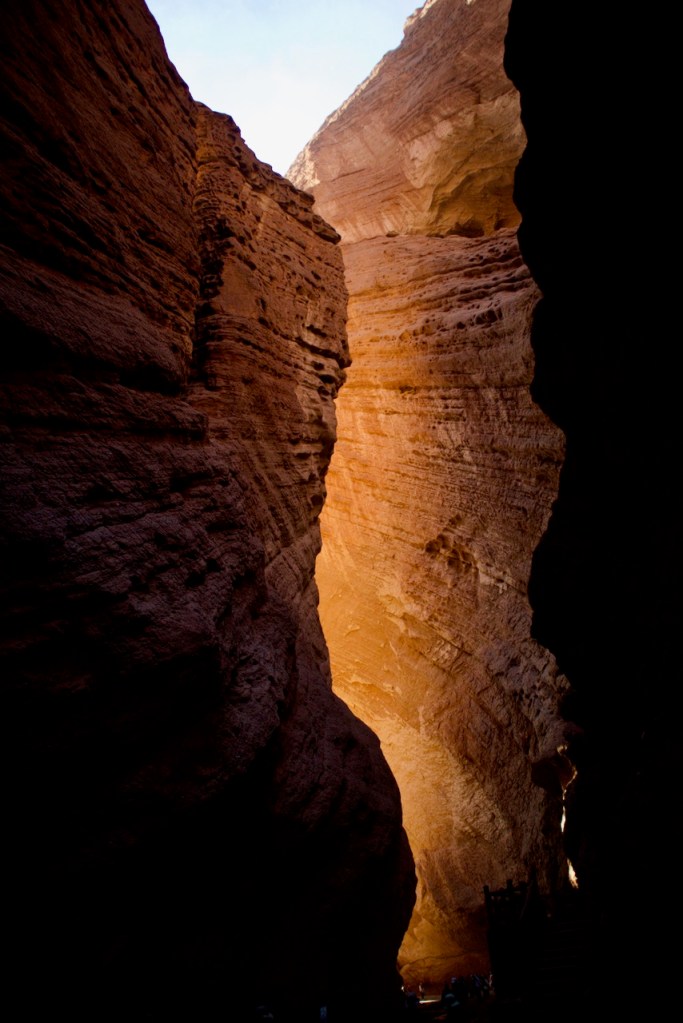
The Tian Shan Grand Canyon is like a zoo, filled with thousands of tourists. If you have visited the American Grand Canyon, this might be a disappointment. It is hard to take shots of any spots all poetically named – lovesick elephant, monk in divine prayers, holy grotto etc. – I just point my camera upwards to try to capture a few forms and shapes while trying to navigate through the massive crowds.
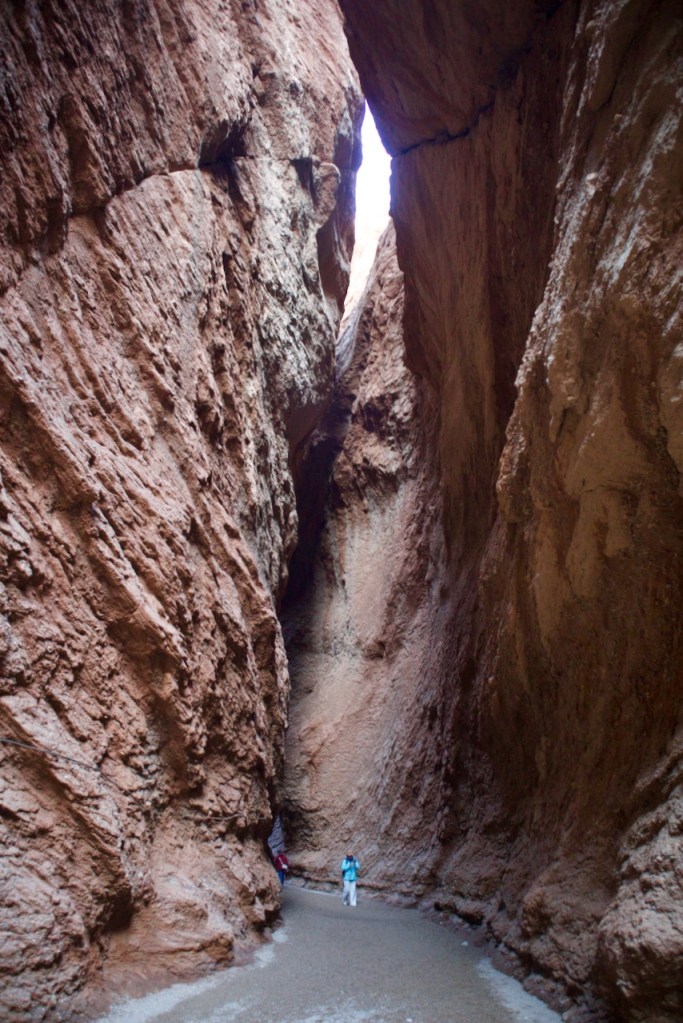
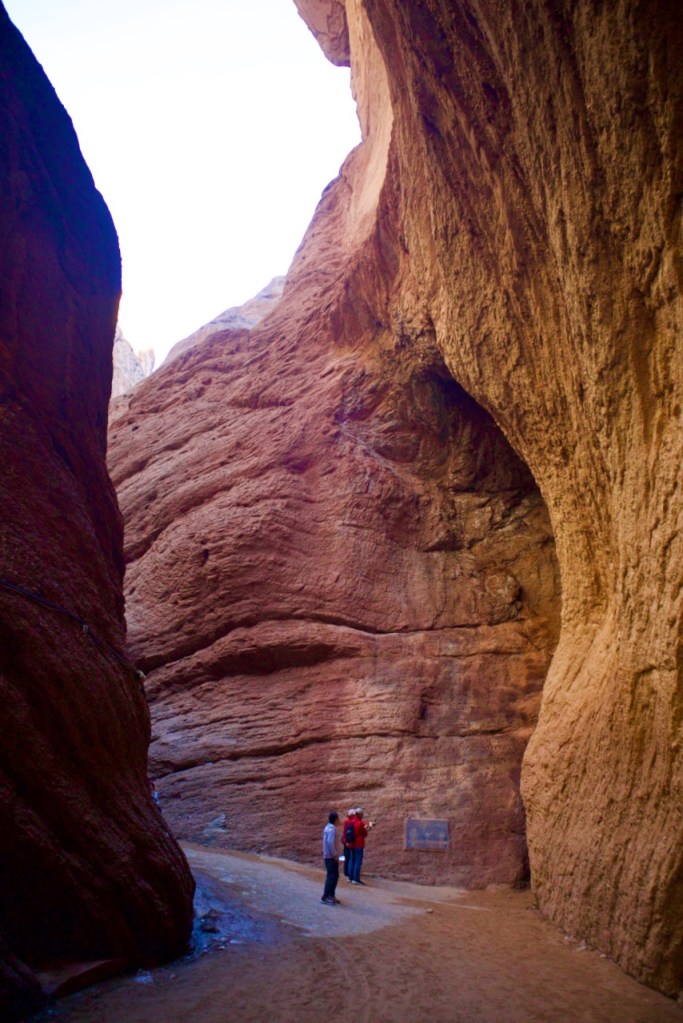
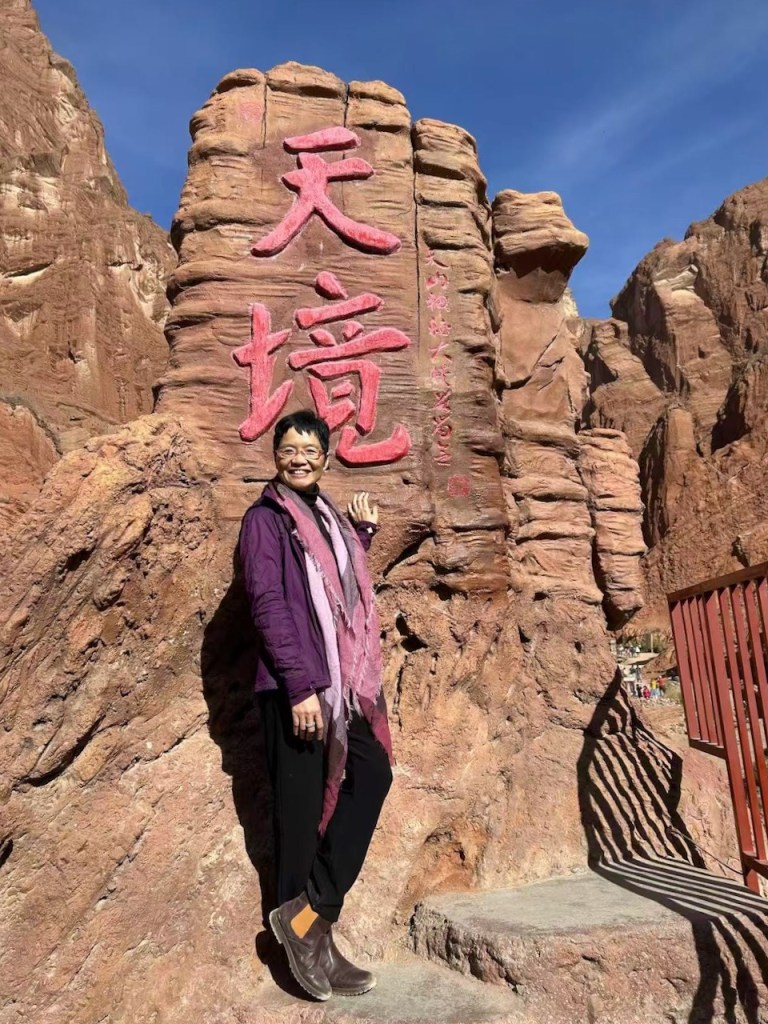
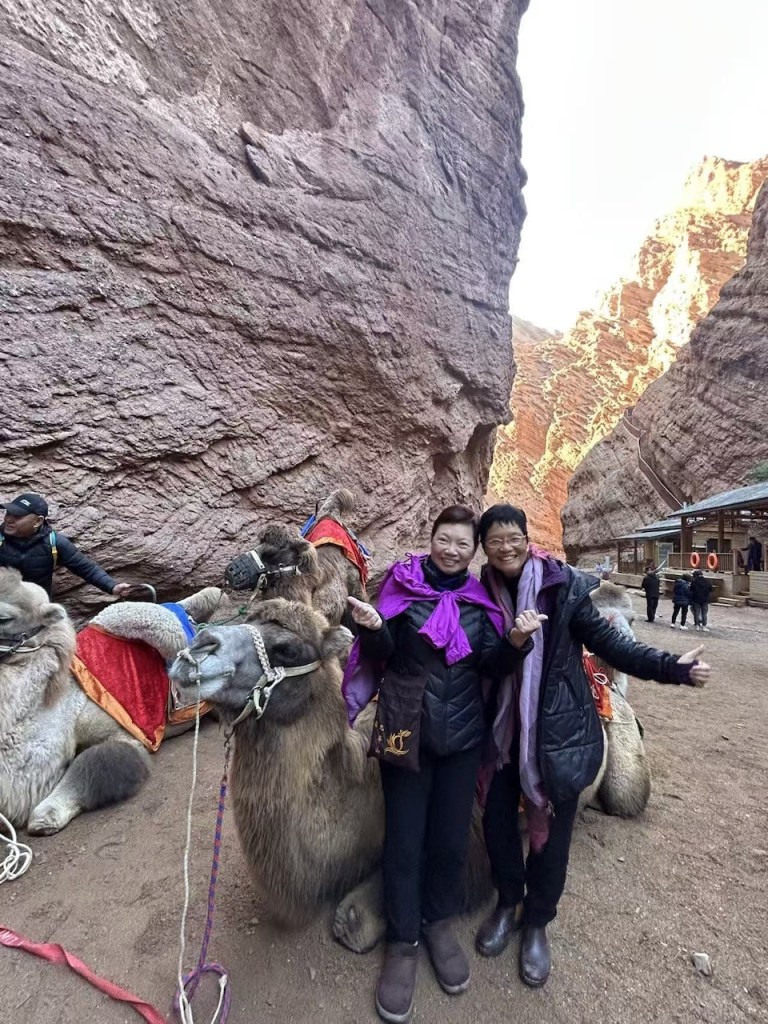
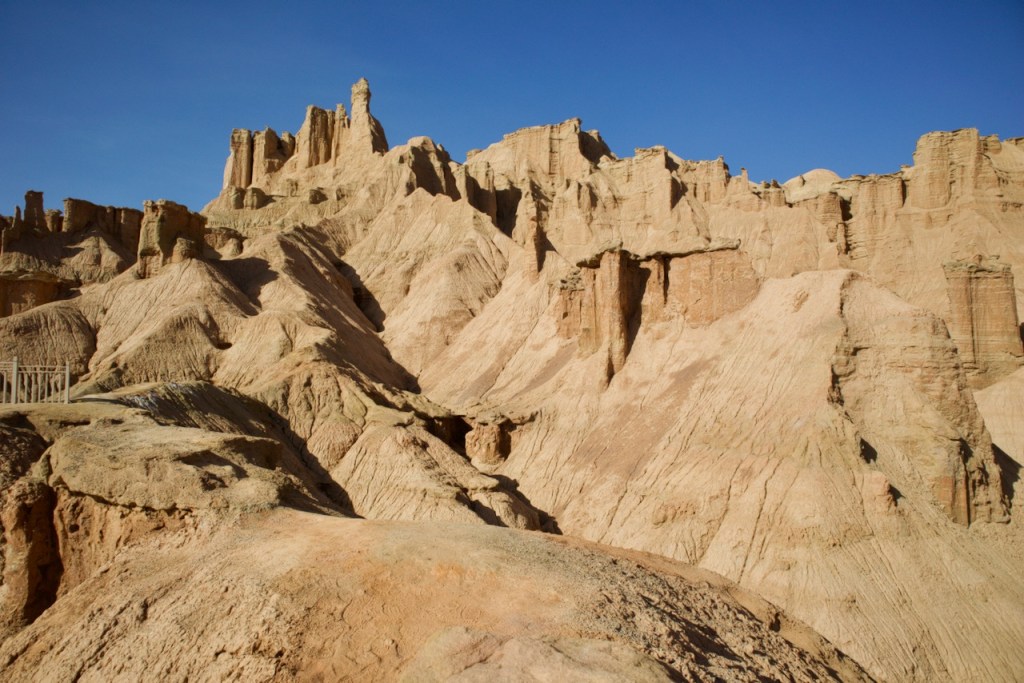
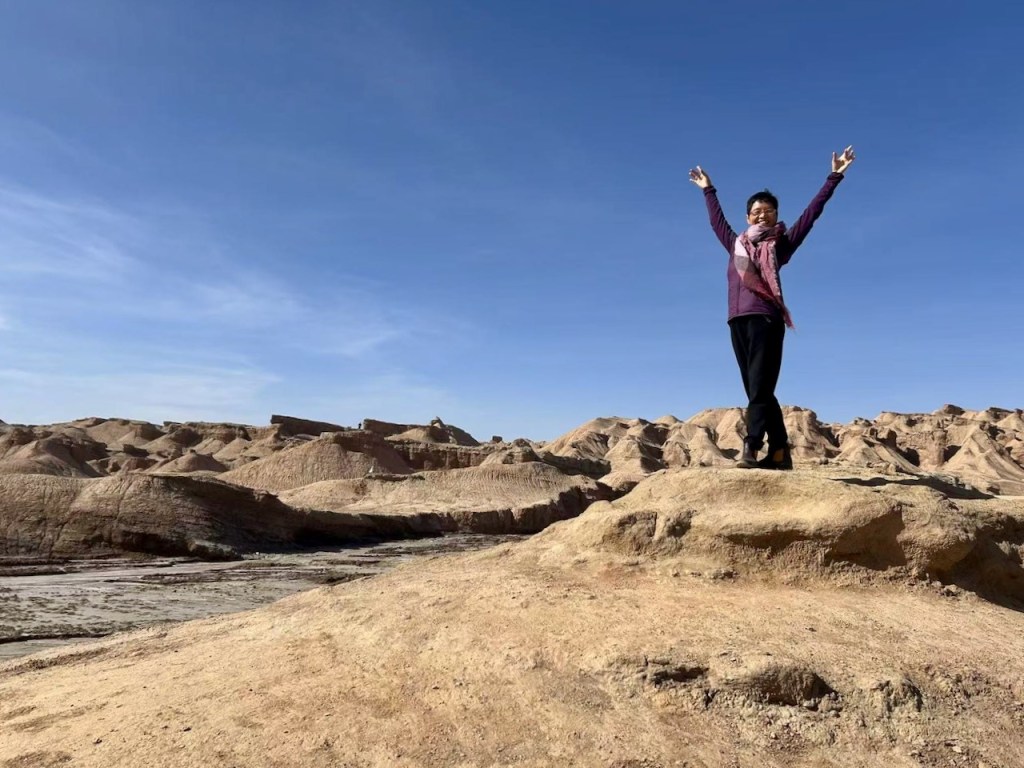
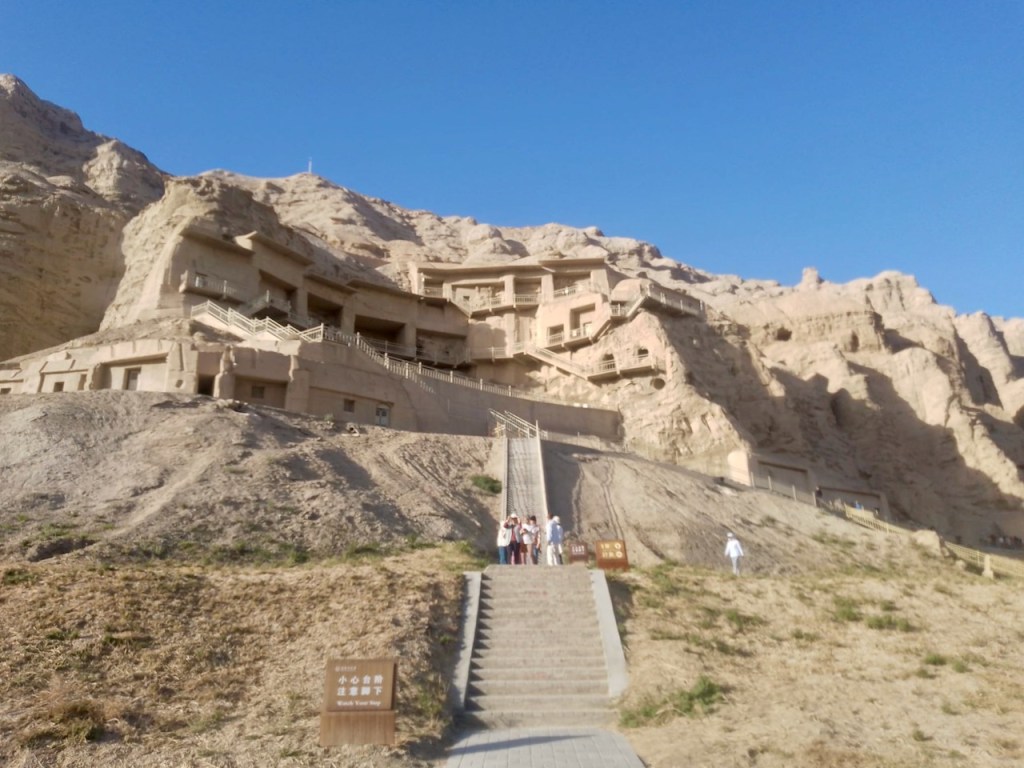
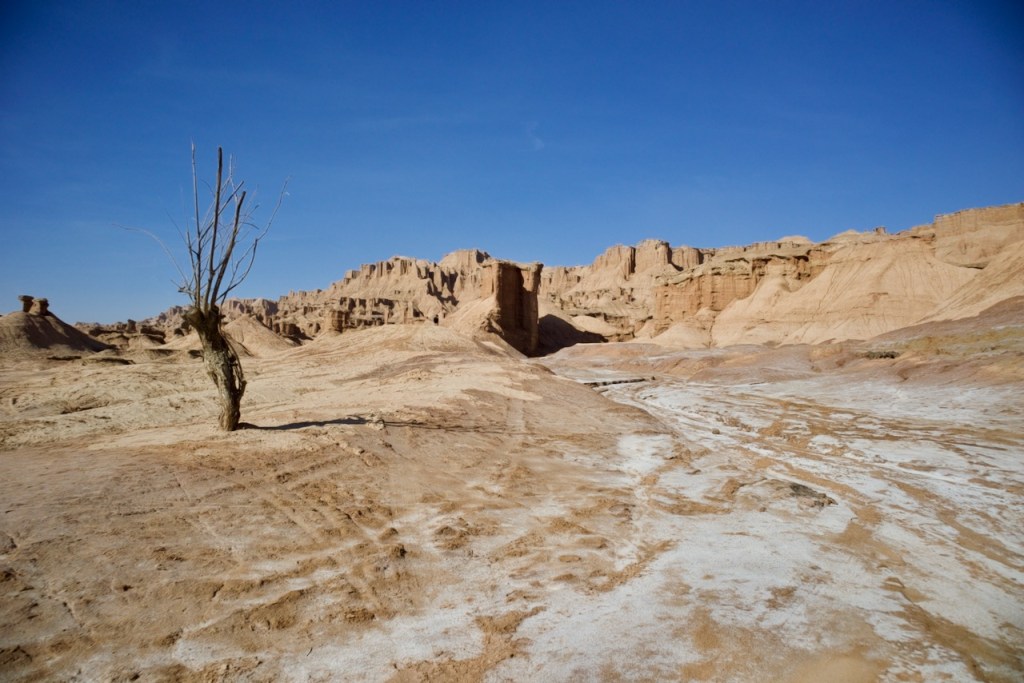
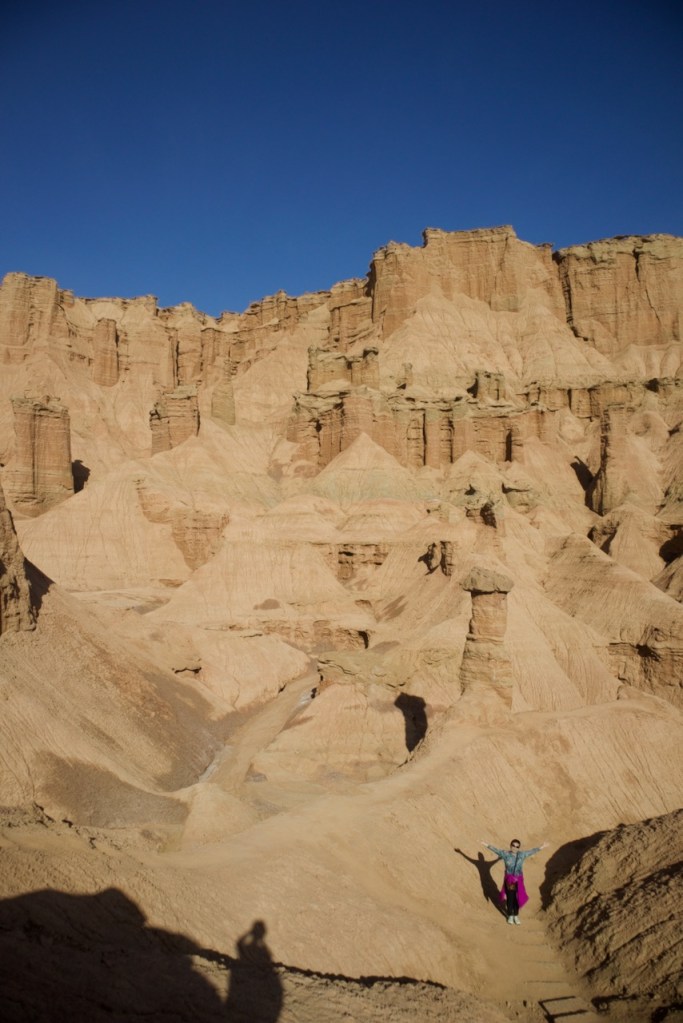
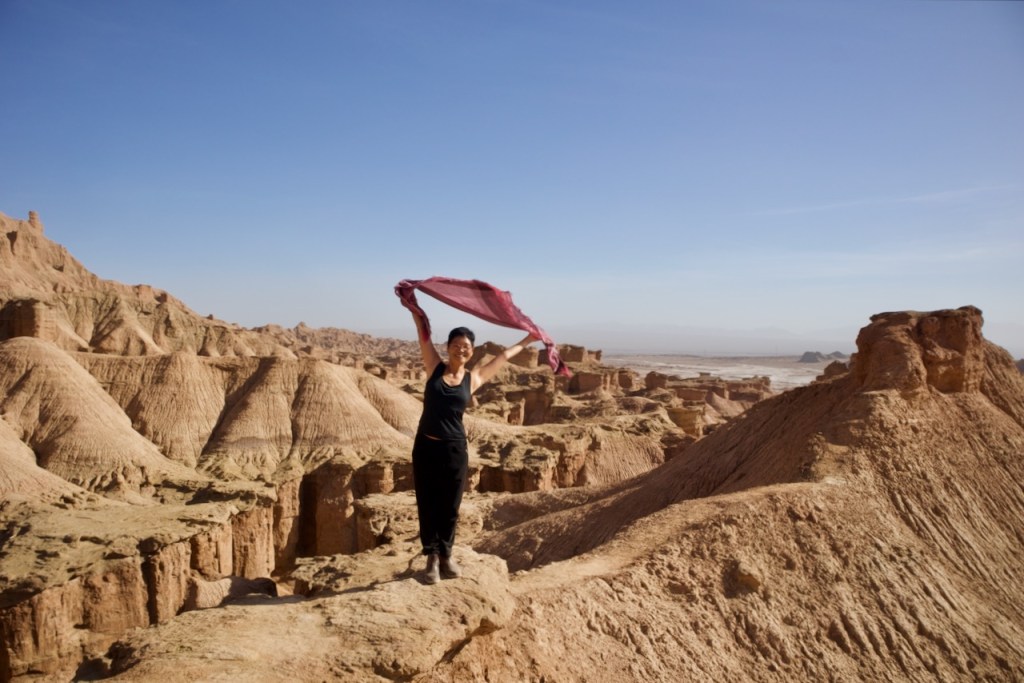
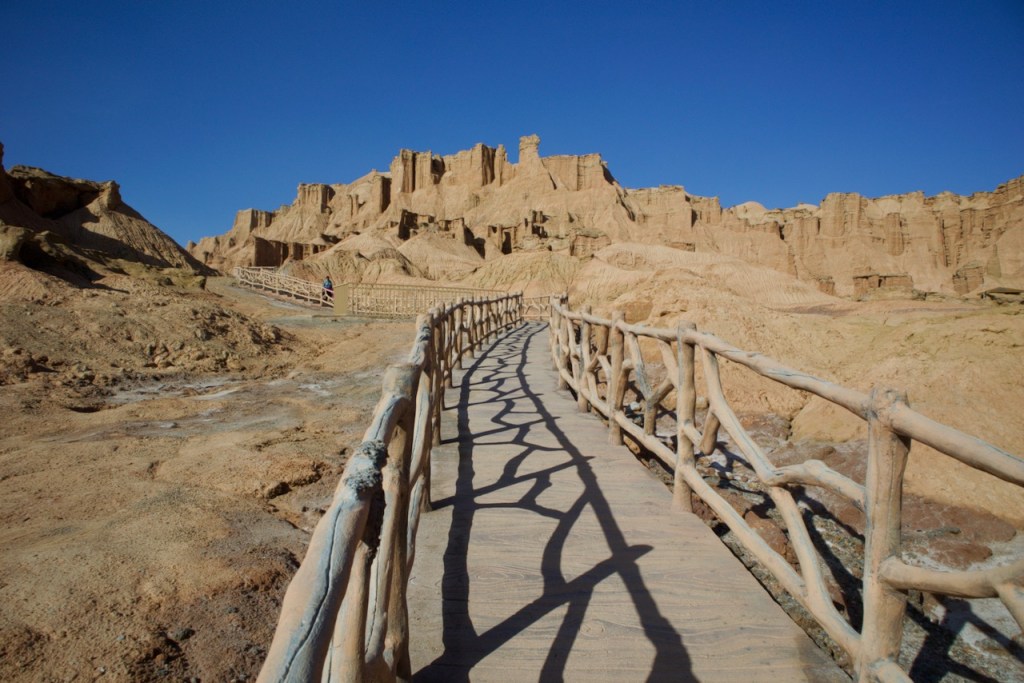
Thankfully, the Kizil Thousand Buddhist Caves, China’s oldest Buddhist grotto complex, has far fewer crowds because one has to walk about twenty minutes to reach the site. Carved into sandstone cliffs with ancient murals dating back over 1,500 years, the paintings are impressive. The surprise of the day, however, is the beautiful Red Stone Forest where, for once, one is allowed to take a stroll through the park. It’s well into the evening when our tour ends and the driver drops us at a family inn in the heart of Kuqa old town. The Kizilgaha Beacon Tower, the Han Dynasty watchtower used to protect the ancient Silk Road, or the Subash ancient city ruins that I was looking forward to visit will have to be for next time!
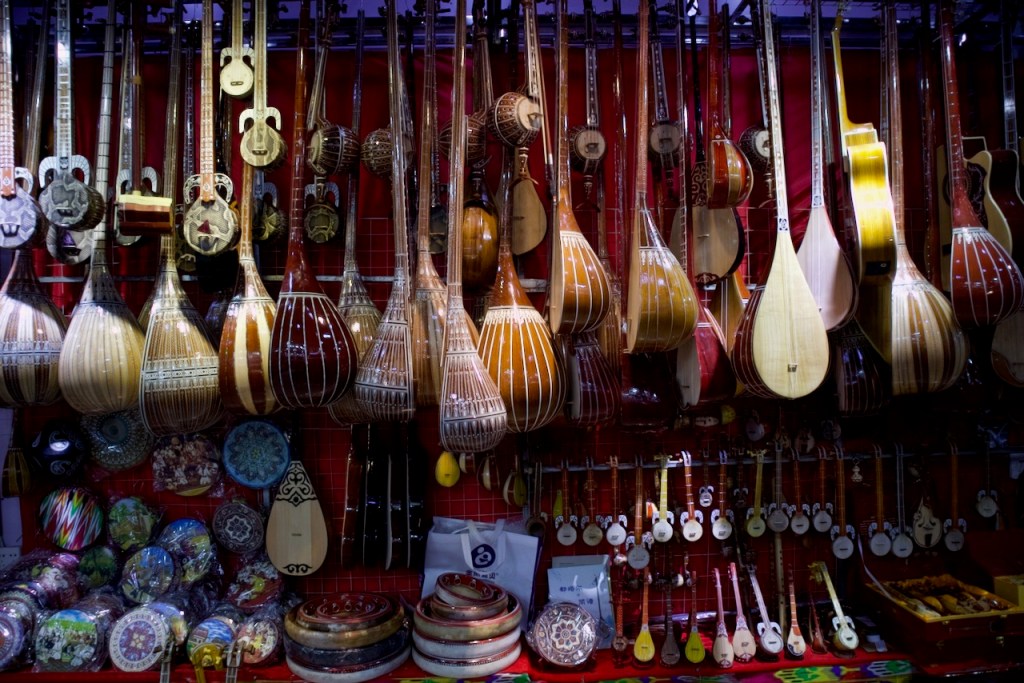
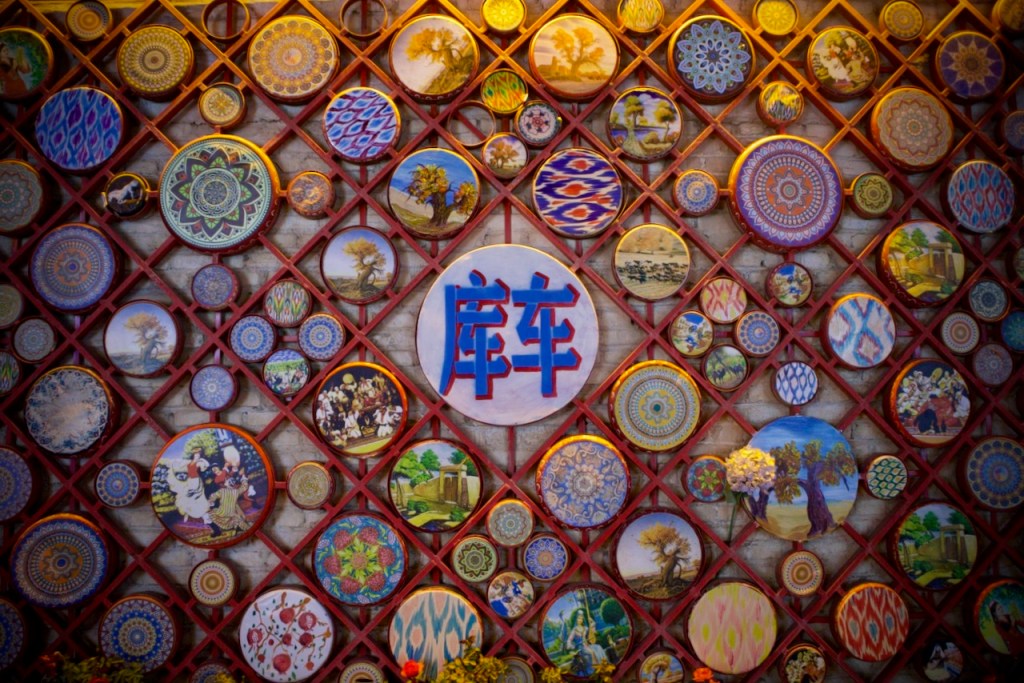
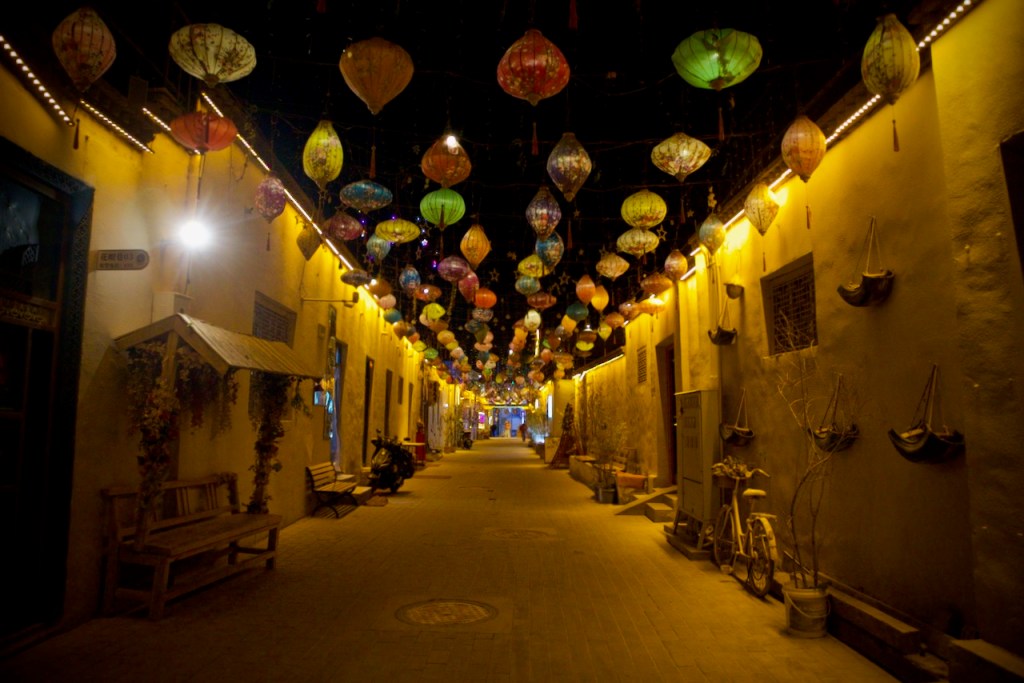
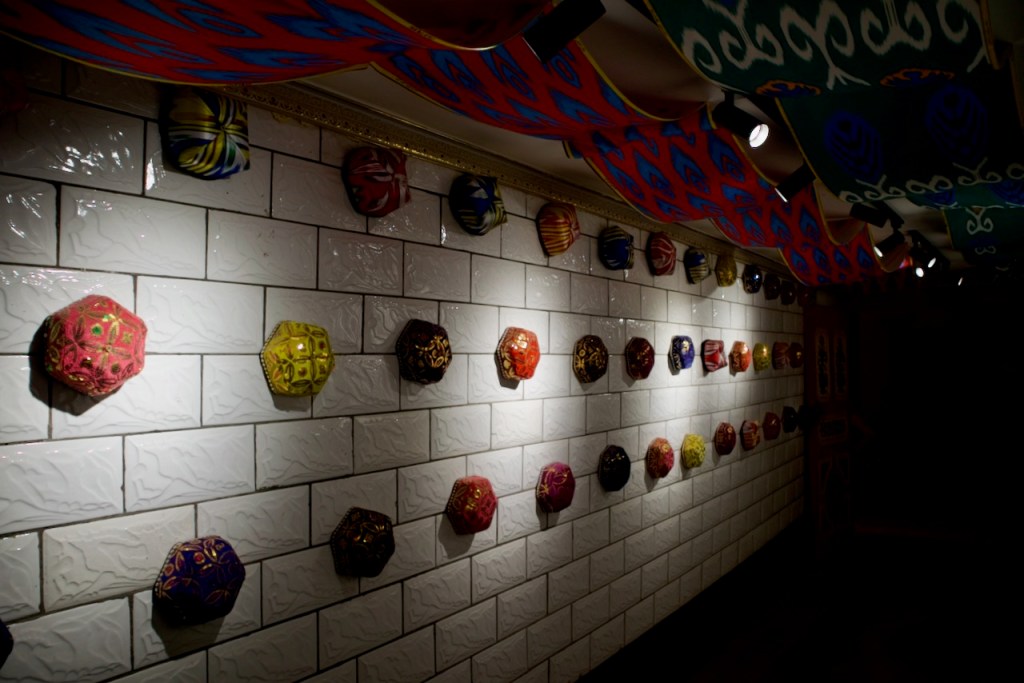
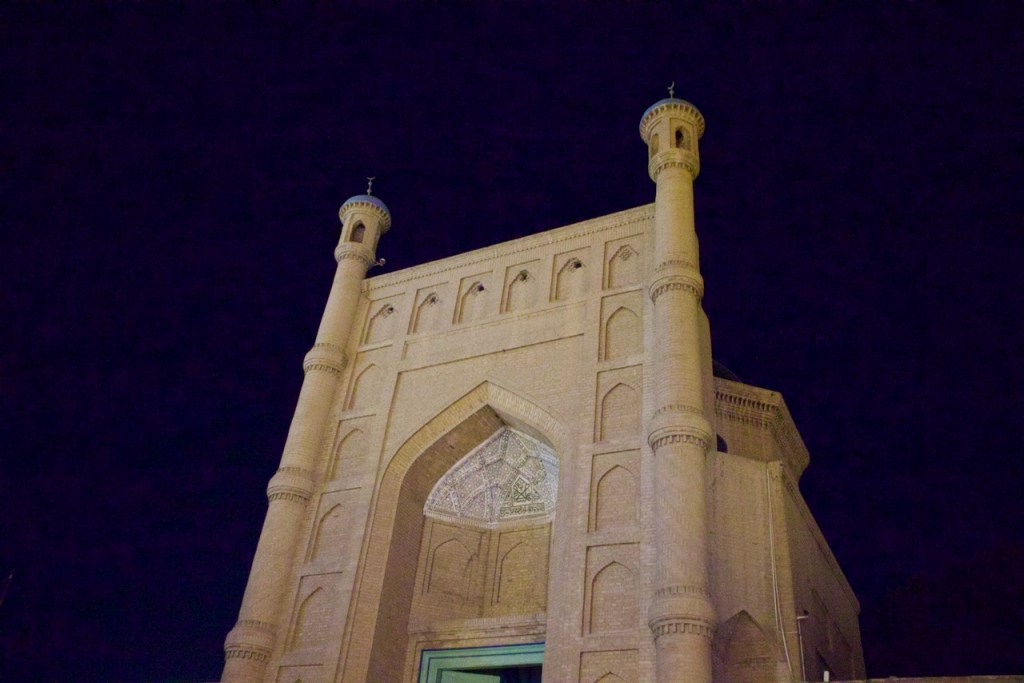
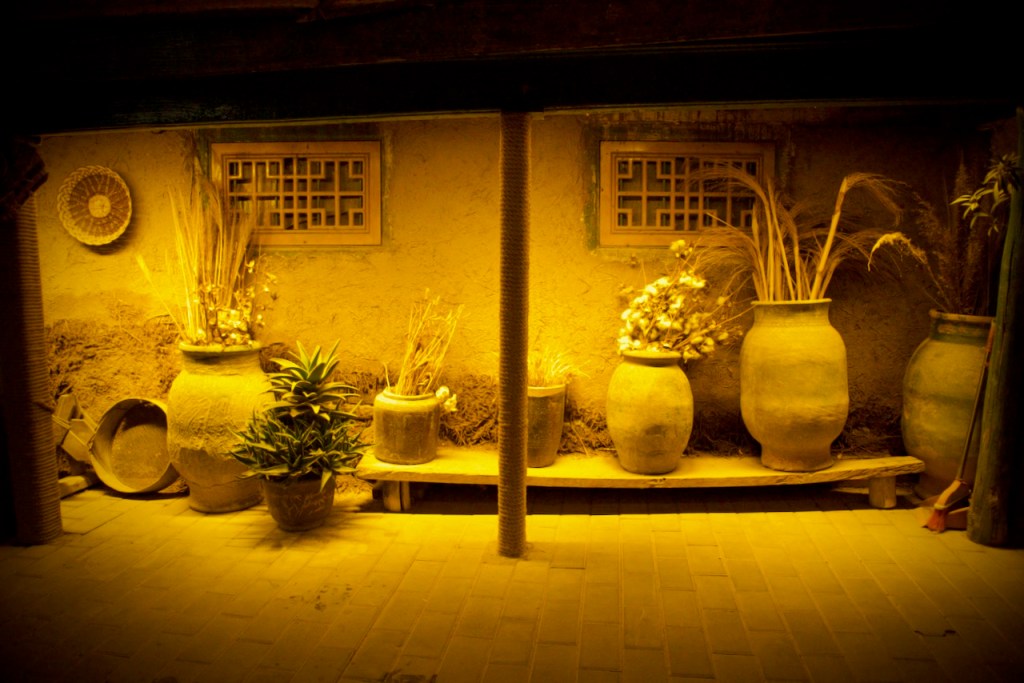
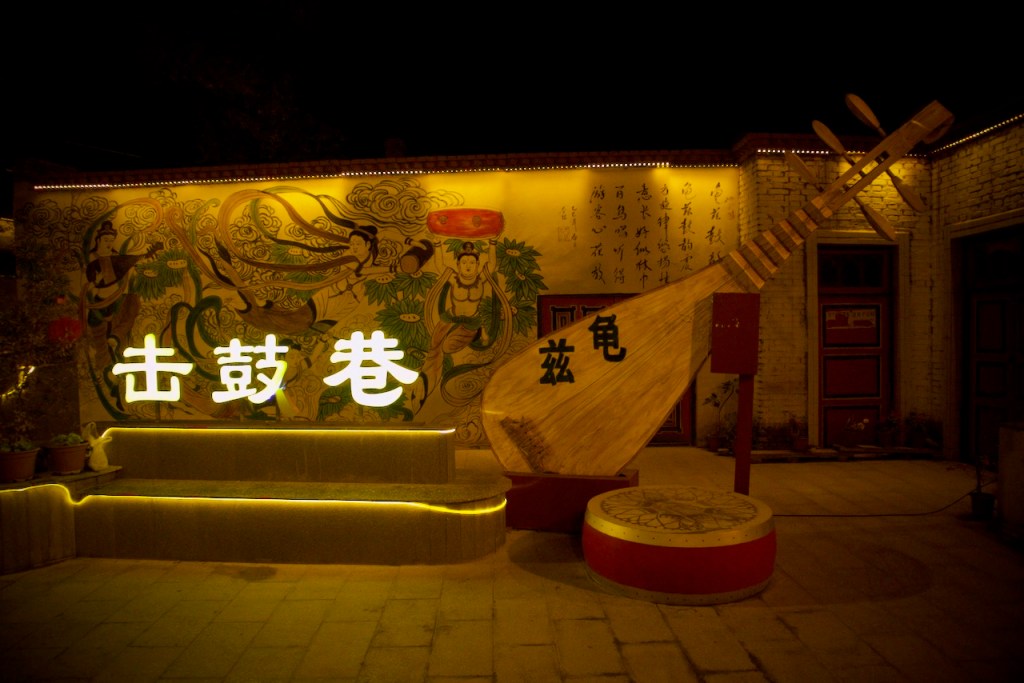
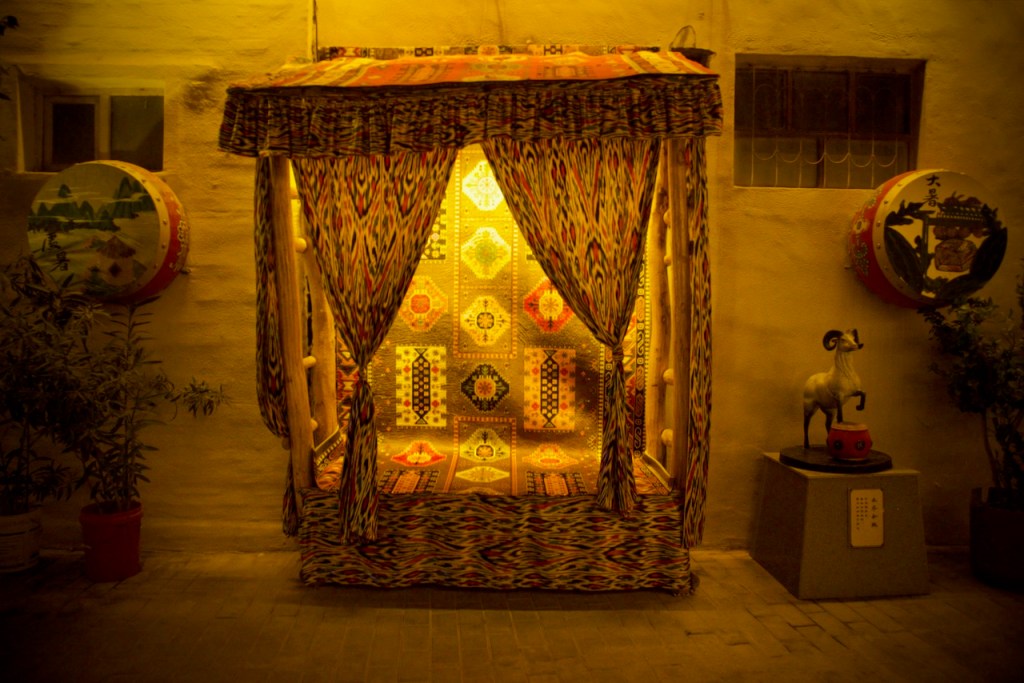
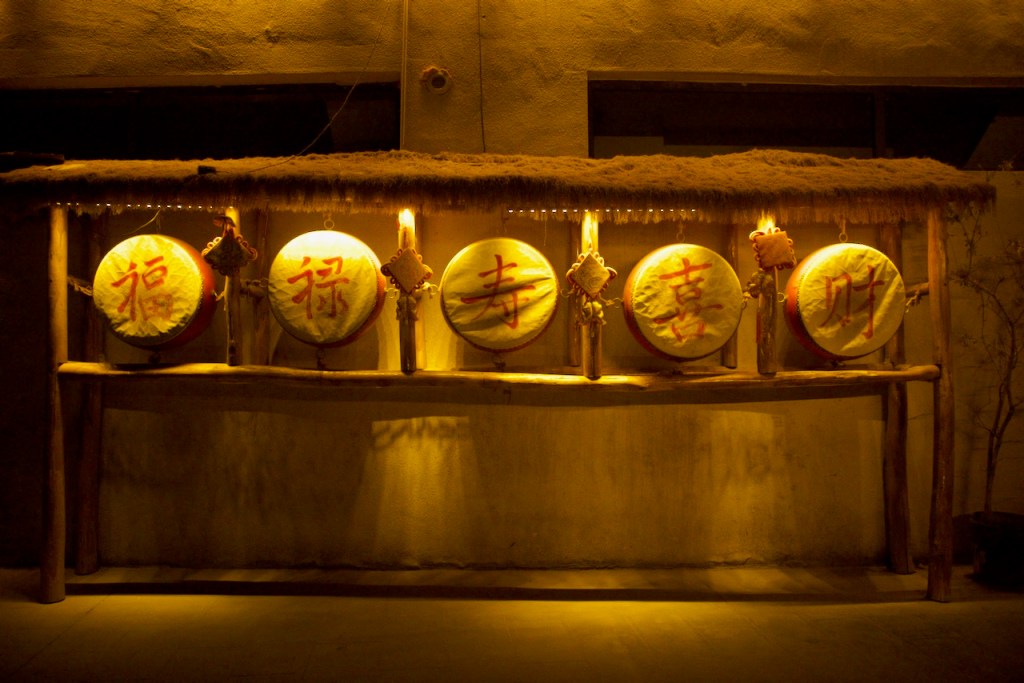
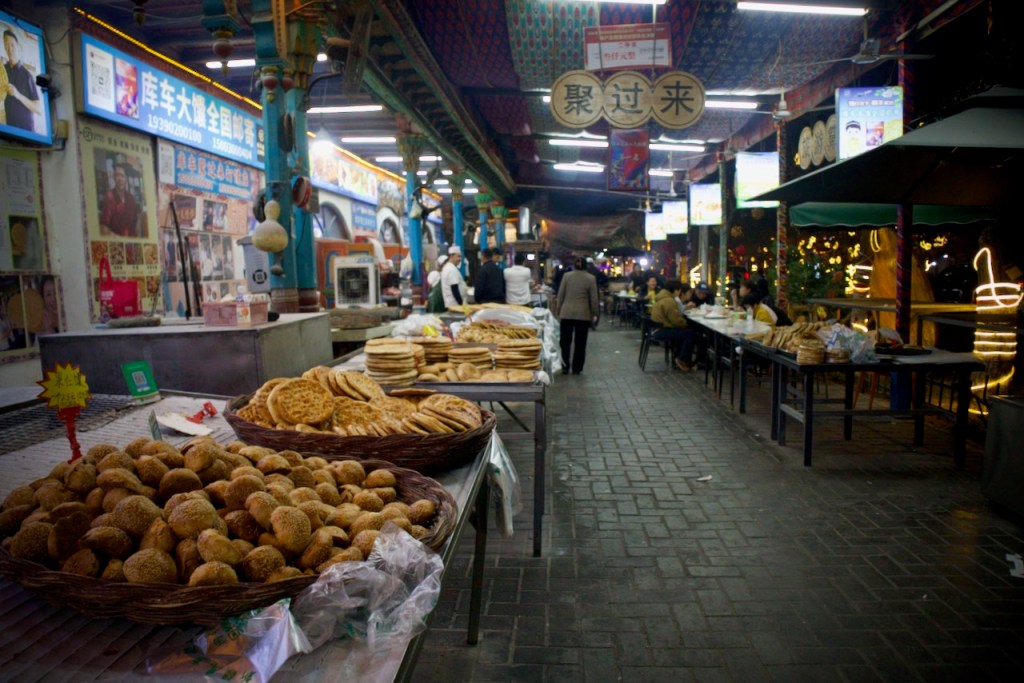
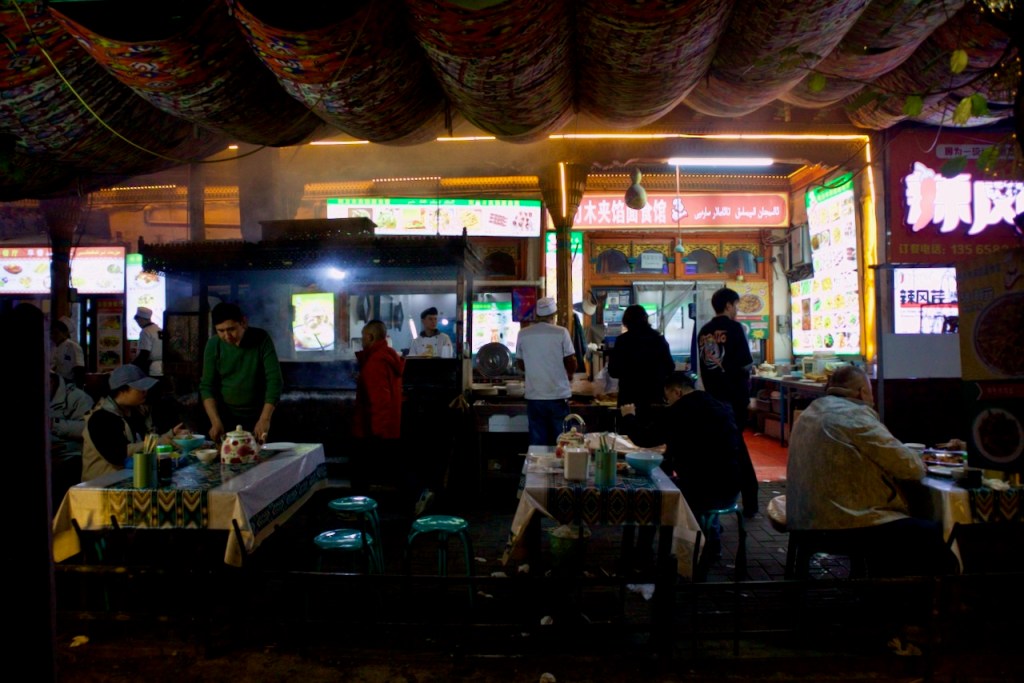
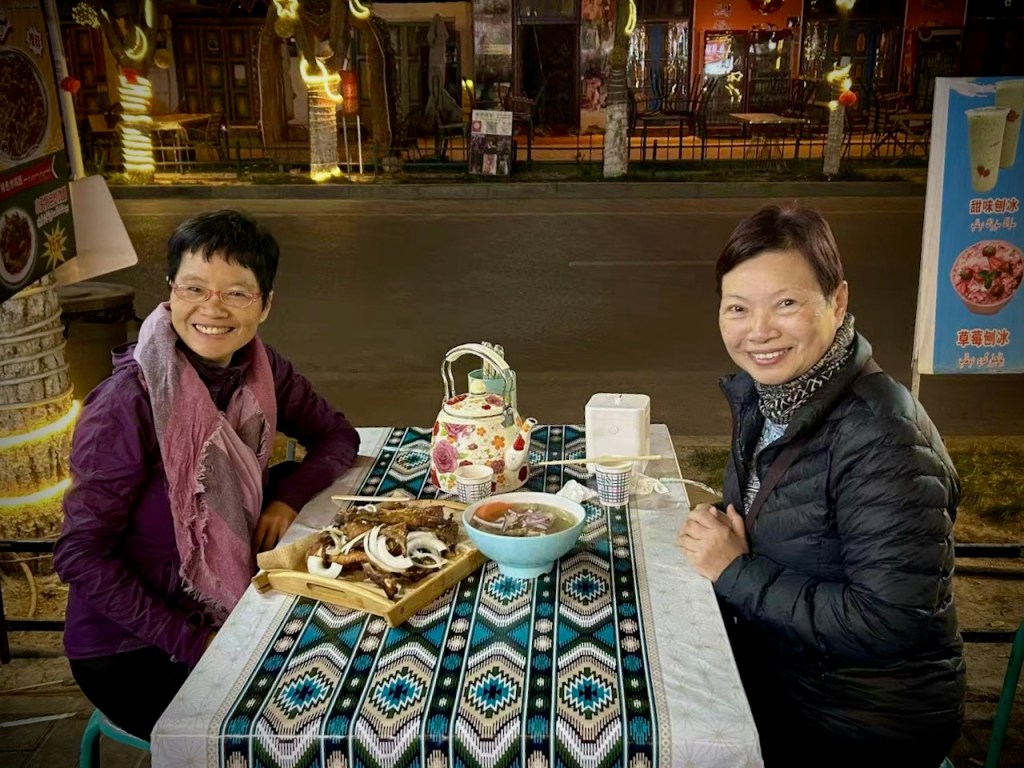
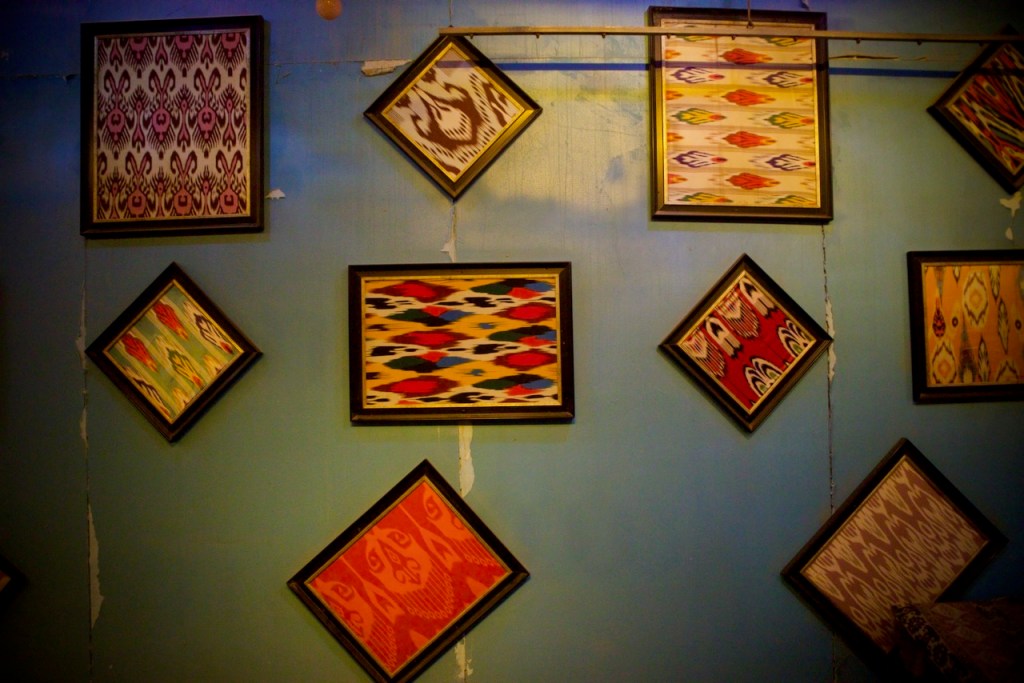
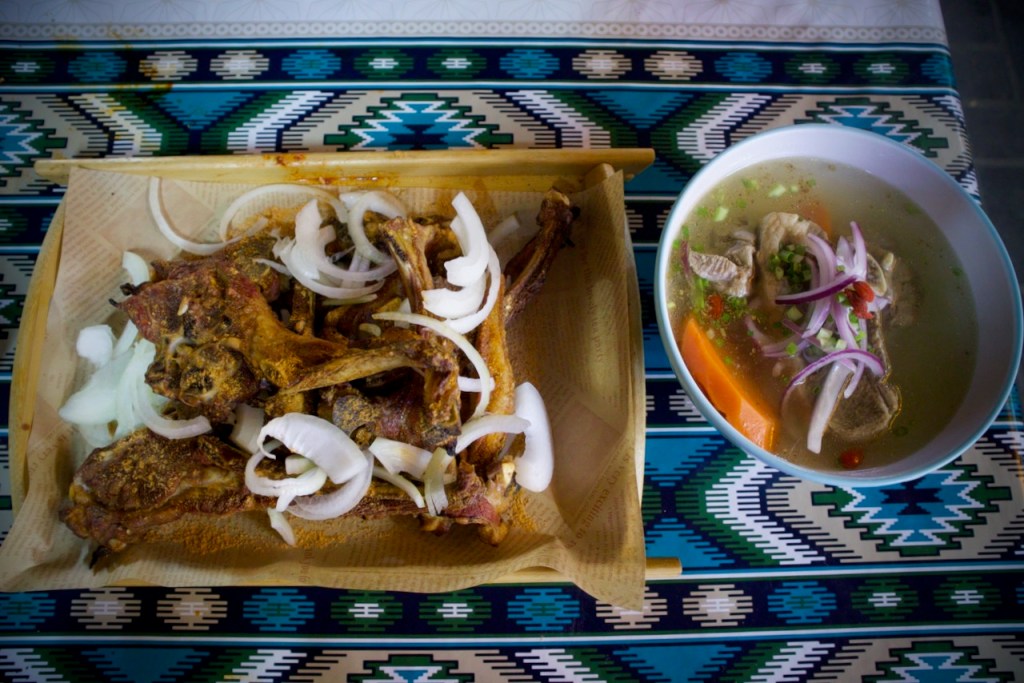
To our delight, Kuqa is often not included in package tours, so we get to enjoy the charming city by night without tiresome crowds. A traditional neighbourhood featuring historic mud-brick homes and many local handicraft workshops, Kuqa old town is a little gem. The Grand Kuqa Mosque, the second-largest in Xinjiang built in 1559, is under renovation. We follow the meandering lanes, each tastefully decorated, featuring signature caps, drums, lanterns, and musical instruments. Traveling in Xinjiang is a delight in the senses, especially in the evening when the streets explode in exotic flavours. We find a popular diner by the road side to enjoy a rack of grilled lamb and a hearty soup. The first week of our Xinjiang tour already comes to an end. There’s still so much to explore in Southern Xinjiang…
Next: Xinjiang South!
All Content © 2026 by Jennifer Chan

