
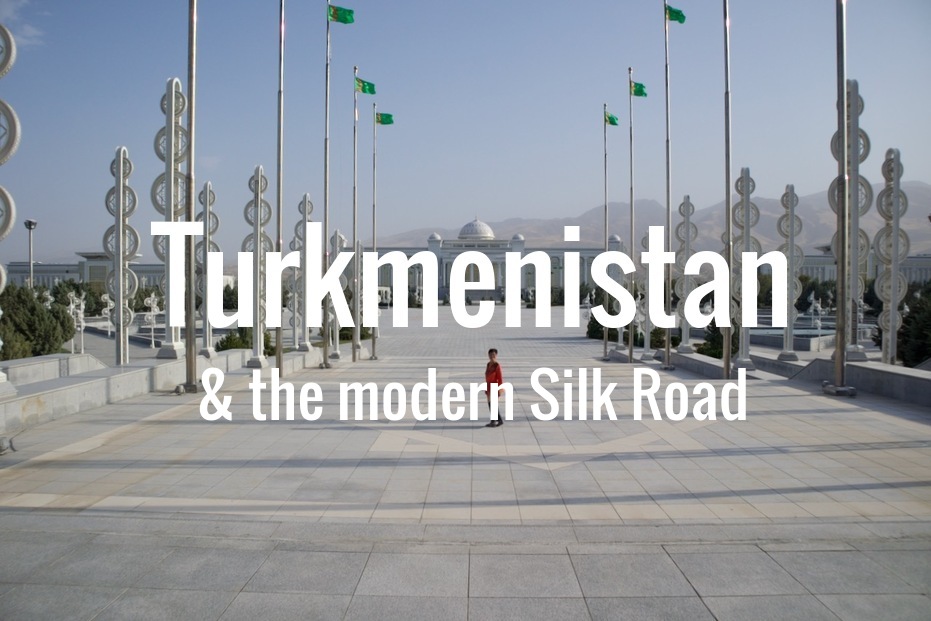
Between the Amu-Darya and the Caspian sea
The wind of the Turkmen expands from the desert…
A sandstorm in its desert, a white camel,
Color upon color of blooming flowers on the green plains.
– Magtymguly, Of the Turkmen
September 2026
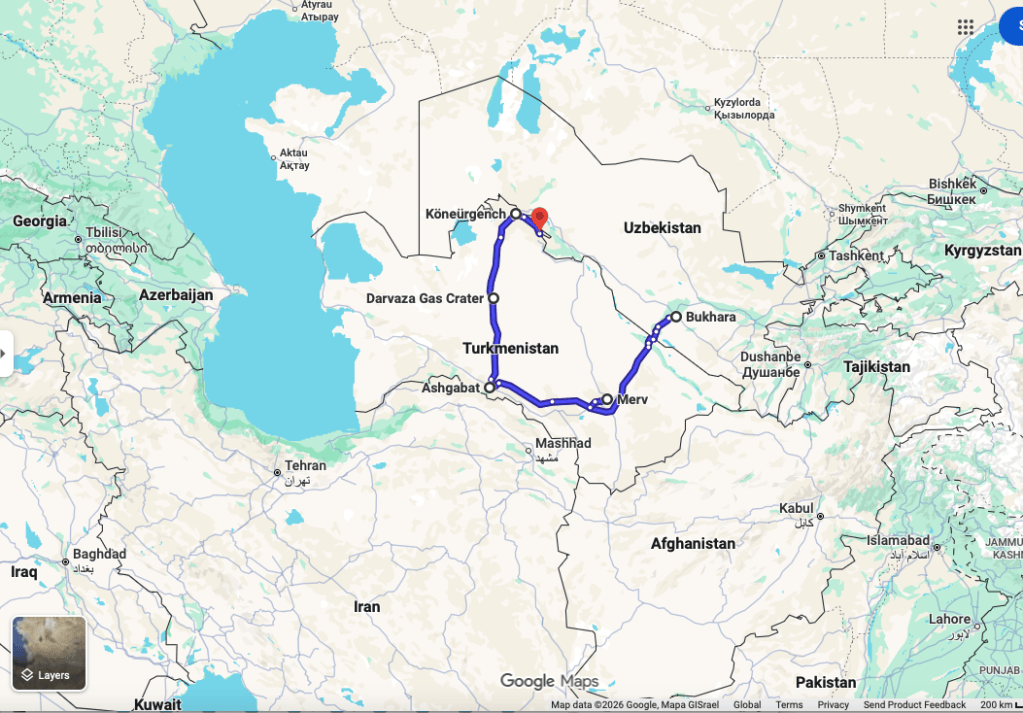
The “North Korea of Central Asia,” a little-known culture beyond carpets and horses, and a surreal capital city, common conceptions of Turkmenistan do not make it a popular destination. I was so close to its borders four times – in Uzbekistan, Azerbaijan, Iran, and Afghanistan – but never crossed over. After visiting all the countries in Europe, ending in Belarus and Moldova, it is time to wrap up Central Asia. Transit visa being quasi impossible to get these days – except if you are a cyclist peddling from Europe to Asia or vice versa, definitely not my case! – I join a tour organized by Go Travel, a small home grown outfit since 2023. Together with Say and Maheen, two young, fun, and successful influencers, we start our four-day journey in the ancient city of Merv and zoom into futuristic Ashgabat before cruising along the desert highway to Darvaza, a gas crater that has been burning nonstop for the past 55 years. A last detour to Konye-Urgench, the ancient capital of the prosperous Khorezm empire, is just icing on the cake, or caramelized carrots on plov. What a discovery! From empires to oasis cities, Silk Road ruins to a gleaming metropolis, golden age of trade to sci-fi architecture, Turkmenistan defies imagination and simple categorization.
Overlanding from Uzbekistan to Turkmenistan
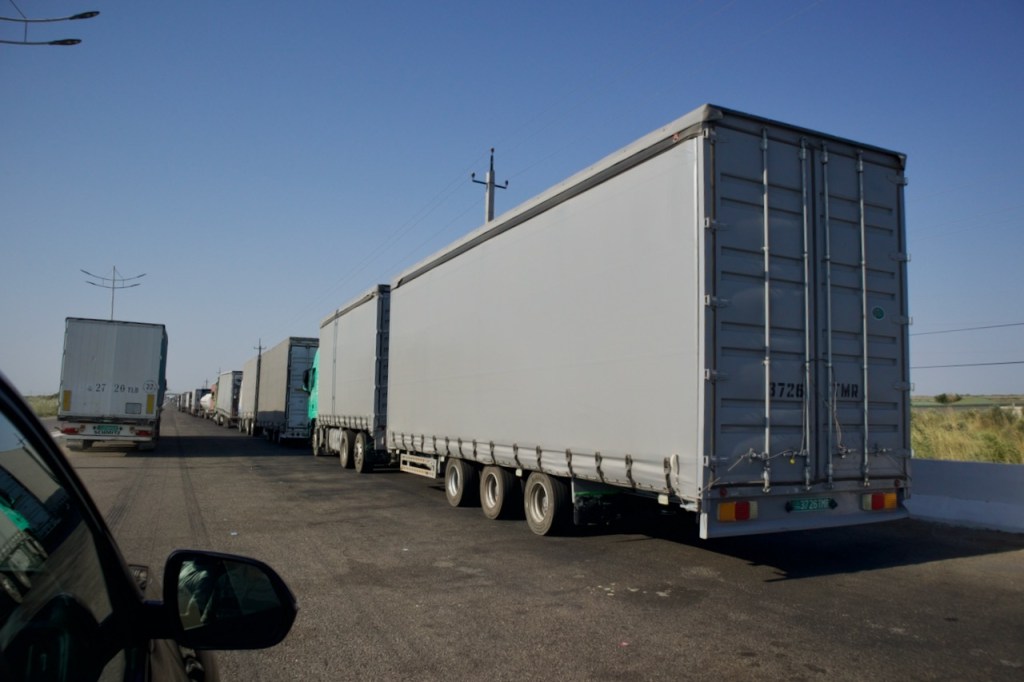
With stringent visa rules and few expensive flight connections to Ashgabat, many travellers overland into Turkmenistan. From Bukhara, I share an hour-long taxi ride with a Turkmen couple all the way to Farap (budget an extra half-hour for locals to stock up last minute duty free alcohol). Despite all the googling searches, one is never certain how a border crossing transpires, especially to little visited countries like Turkmenistan. Ten kilometres before Farap, I see a long line of trucks waiting, but, luckily, we zoom through as passengers. An obligatory minivan (5000 uzbek som/5 Turkmen manat, under half a euro, or you can pay a dollar) takes one to the Uzbek immigration where the officer takes time to quiz the locals but let me leave without a hitch. Another minivan through the kilometre-long no man’s land later, I arrive at the Turkmen immigration where Alex, my guide from Go Travel, has been waiting all morning. First a lightning speed Covid test ($35) that looks more symbolic than real, then payment ($55 visa fee for EU passport holders and $16 administrative fee), and voila you get the full-page green visa chop and exit through one last minivan ride. The whole process including wait times takes just under two hours, a total breeze compared to Belarus.
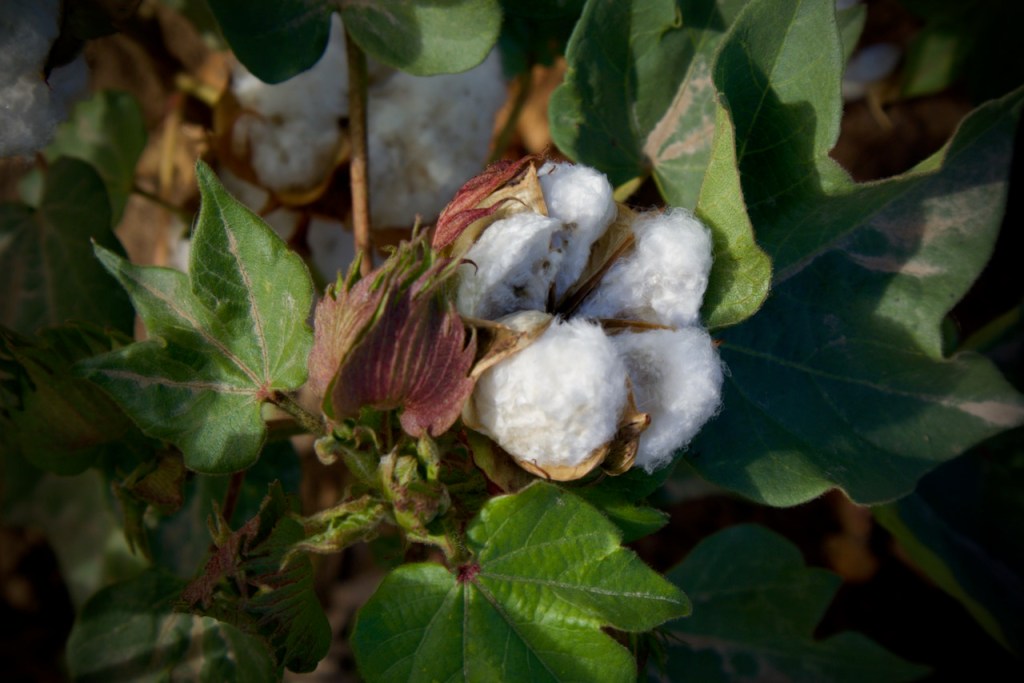
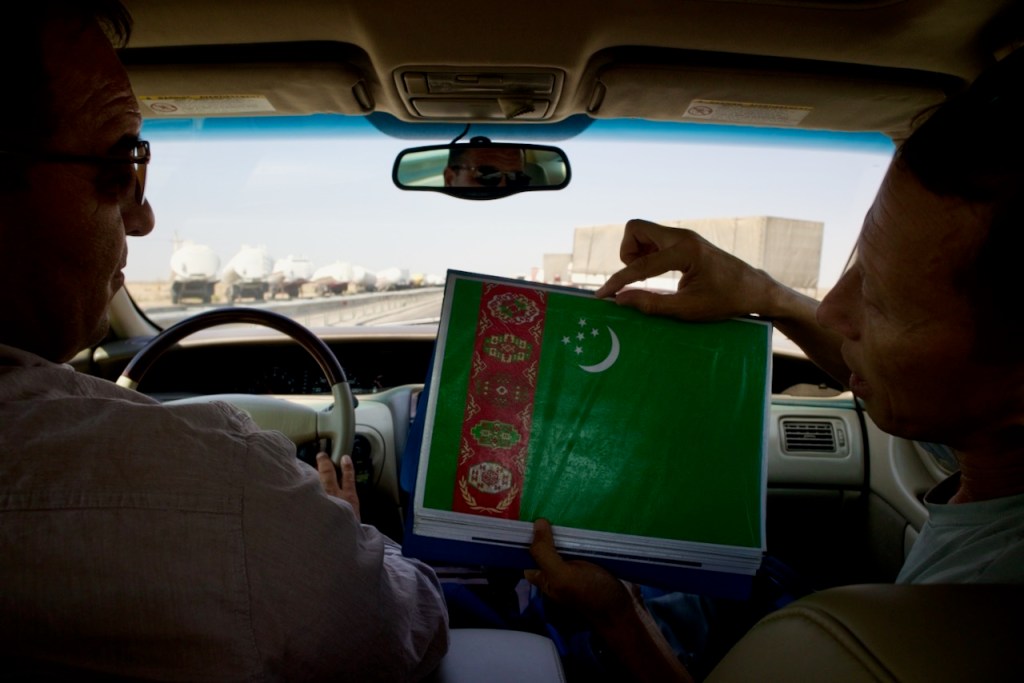
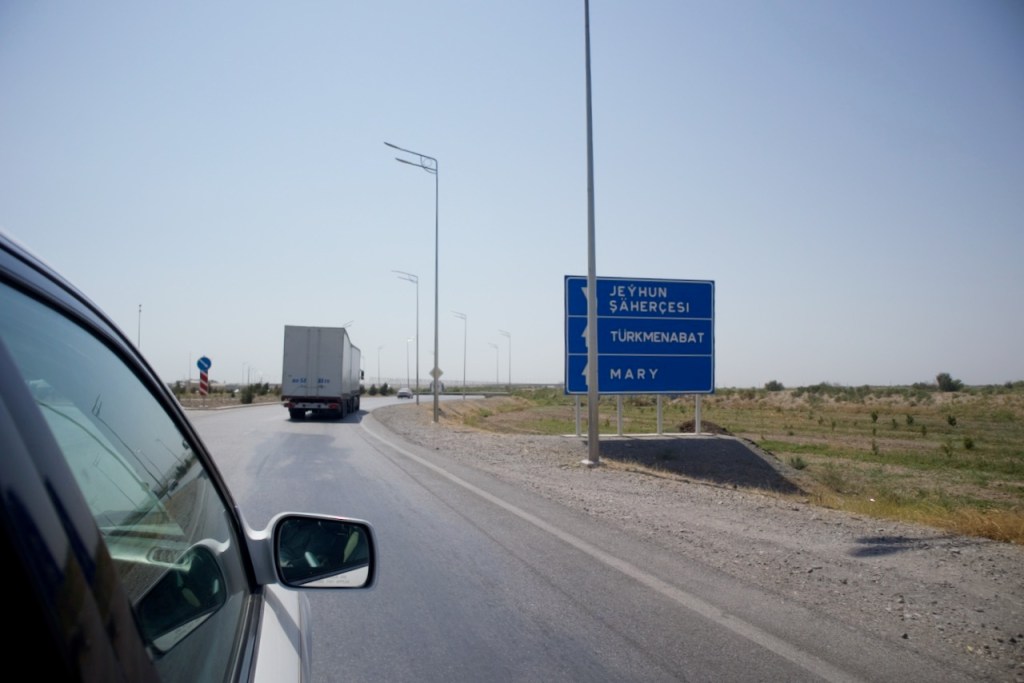
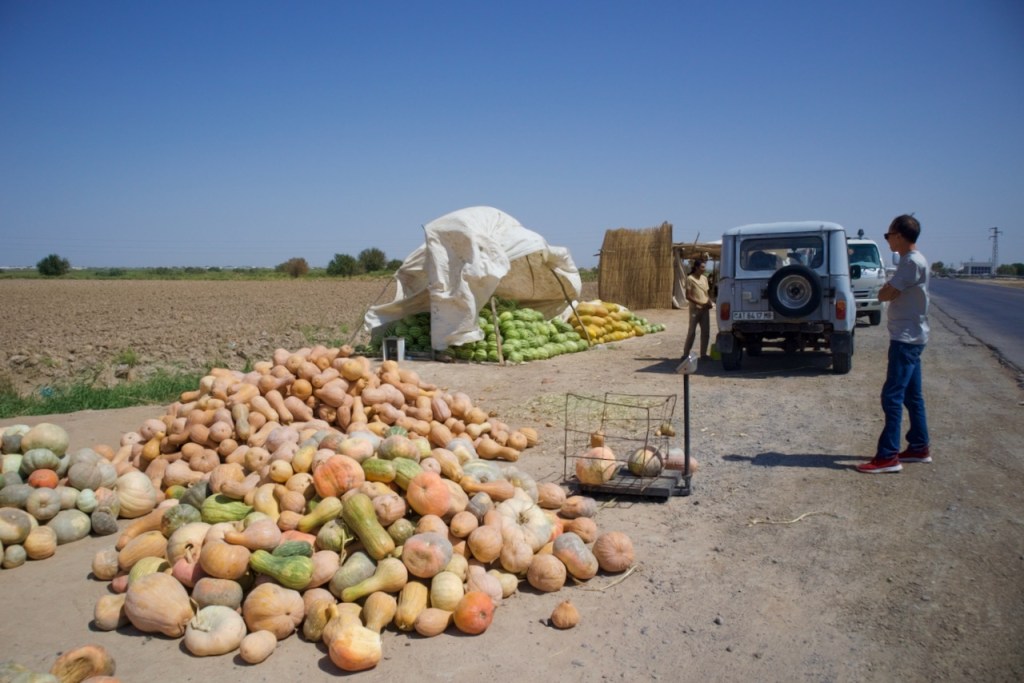
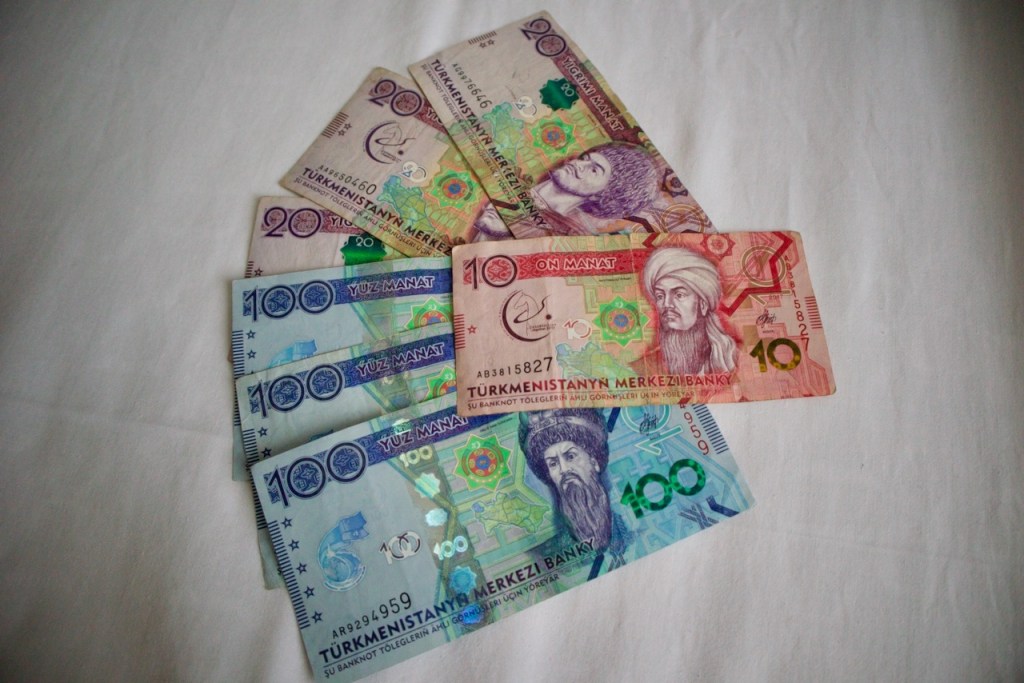
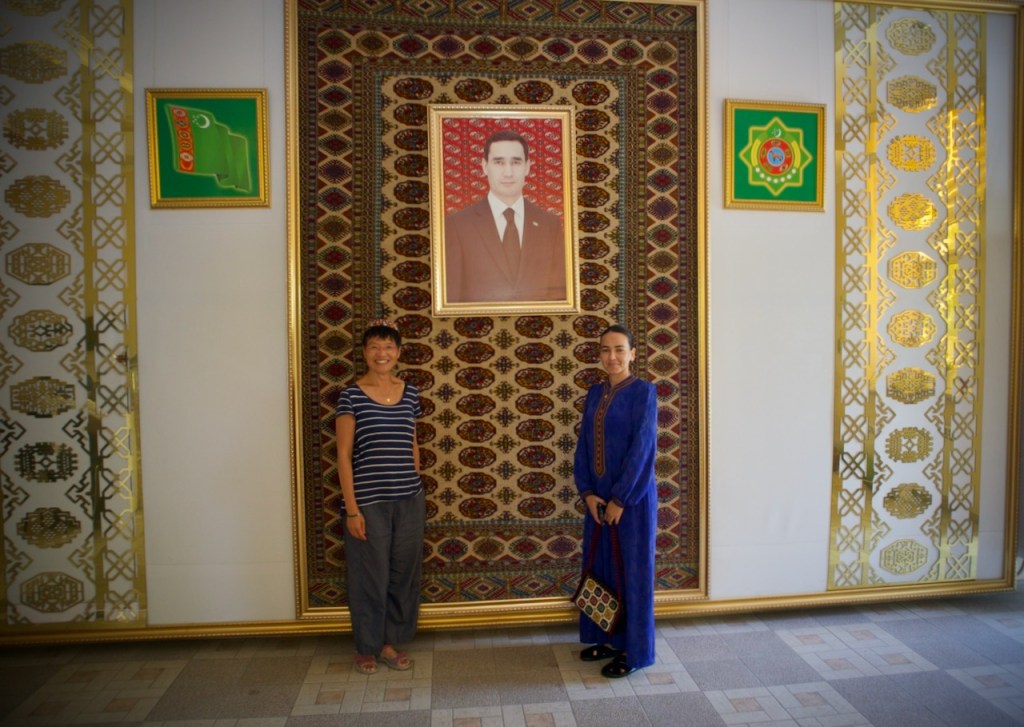
Welcome to Turkmenistan! Alex beams a big smile in our comfortable Toyota sedan and takes out a thick folder packed with colourful photos and info about his beloved country. Let’s begin with our national flag, he says. Green is the symbol of life, the crescent moon hope for a bright future, and the five stars our five provinces… The driver helps us exchange dollars to Turkmen manat at the much more favourable black market rate of 1:18.5 (instead of 3.5!) and we are on our way to Mary. How long does it take? I ask, looking at the offline map saying 5.5 hours. Two, Alex replies, with the brand new highway to Ashgabat opened in May. We pass Turkmenabat, an important train hub in Soviet times and the start of the massive Karakum canal that diverts water from the Amu Darya river originating in the Hindu Kush in Afghanistan all the way across Turkmenistan. The Karakum desert begins here, Alex says, as we drive towards Mary on a largely empty highway, passing through miles and miles of blooming cotton fields like in an oil painting.
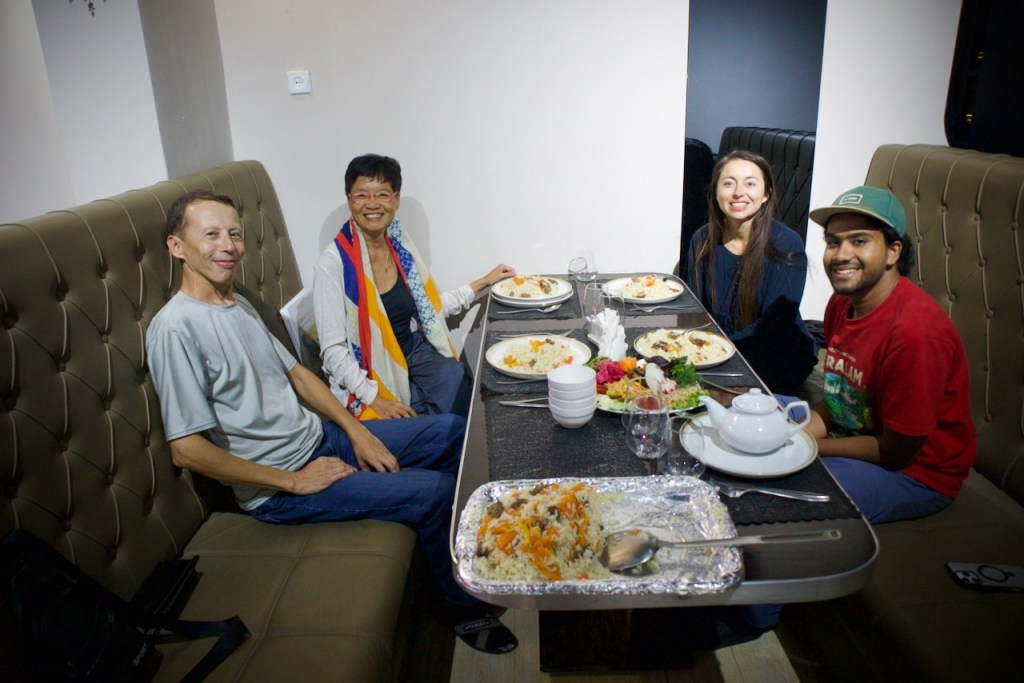
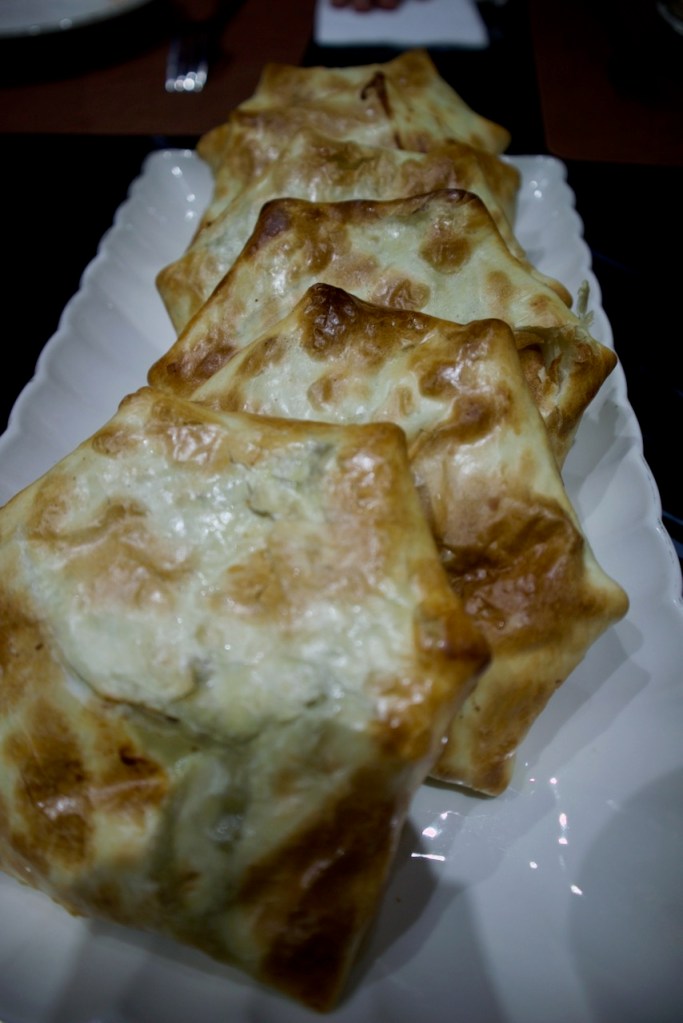
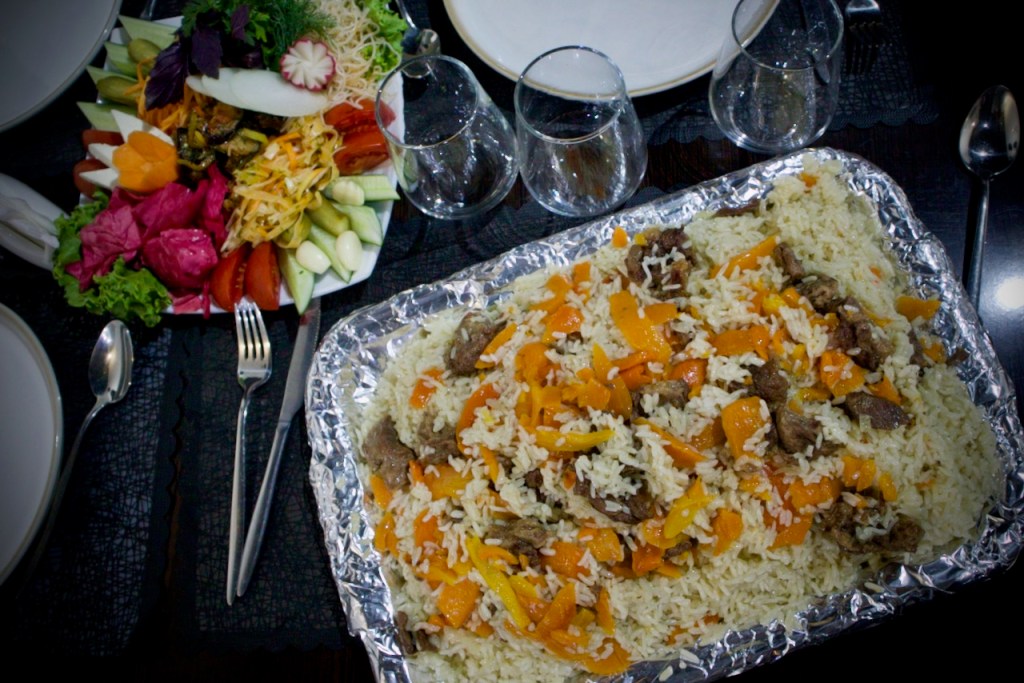
When we finally settle into a beautiful family-owned hotel in Mary, two other backpackers are still negotiating the bumpy road from the Afghan border near Herat (where I thought of crossing into Turkmenistan last year). Finally, Say and Maheen, two young influencers hailing from Mexico and India respectively, materialize, looking tired and shaken by the long journey. We are treated to a delicious dinner of classic plov and fresh salads. I have to pinch myself to believe I am finally in Turkmenistan!
Merv: Queen of the Oasis
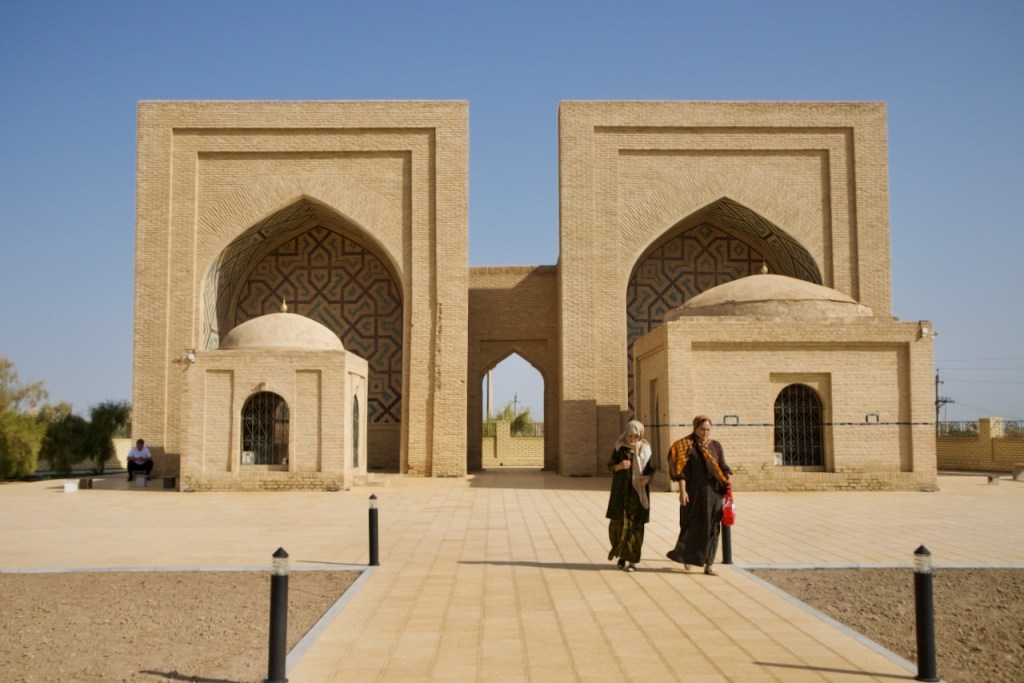
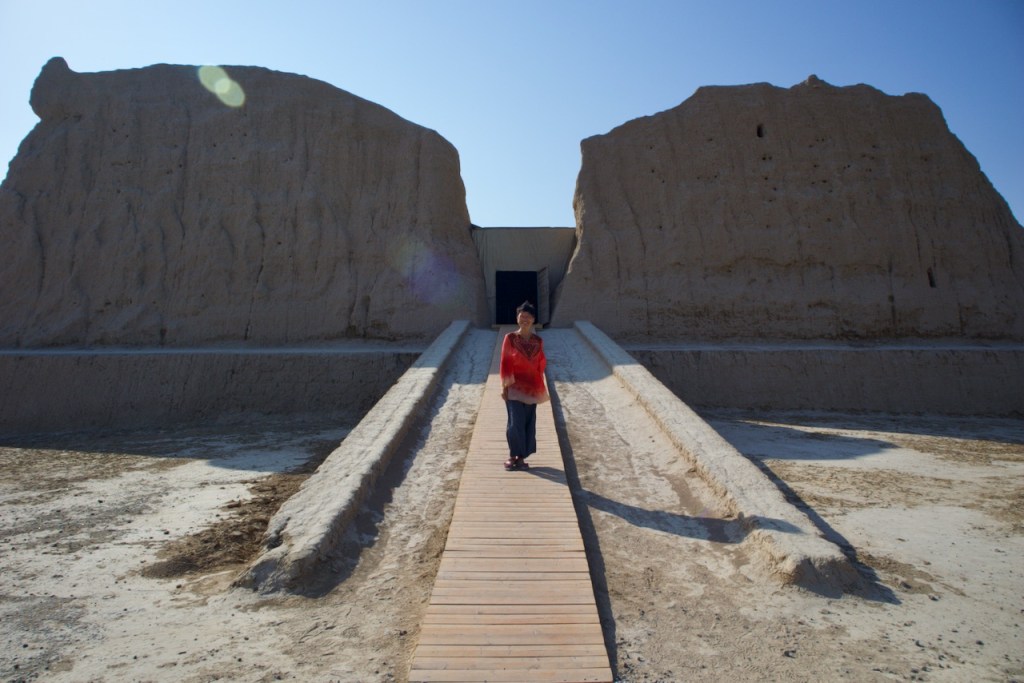
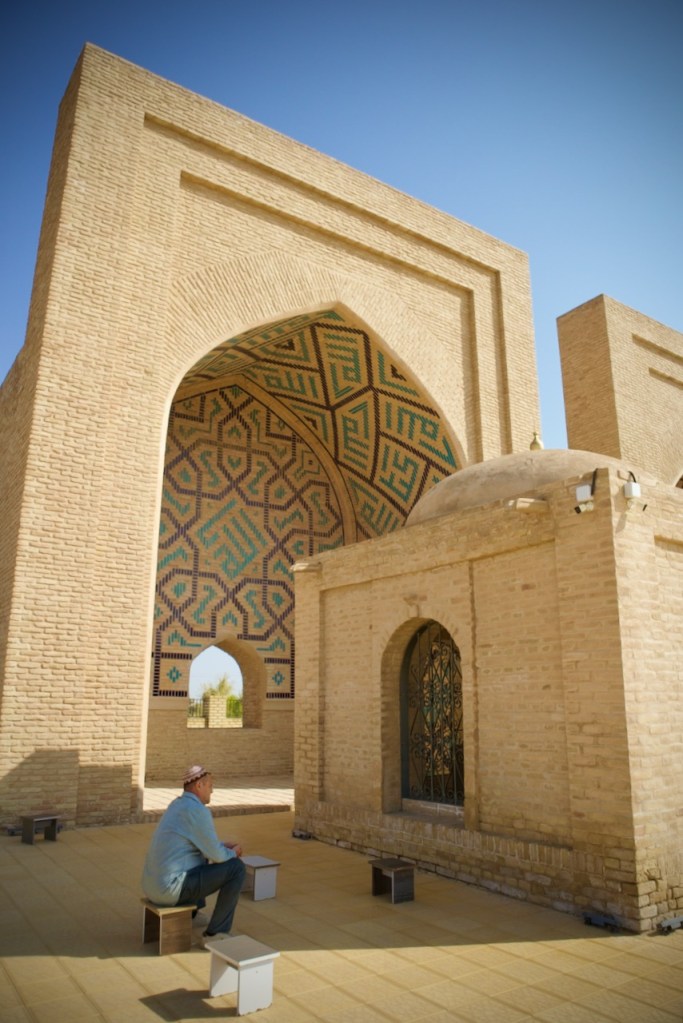
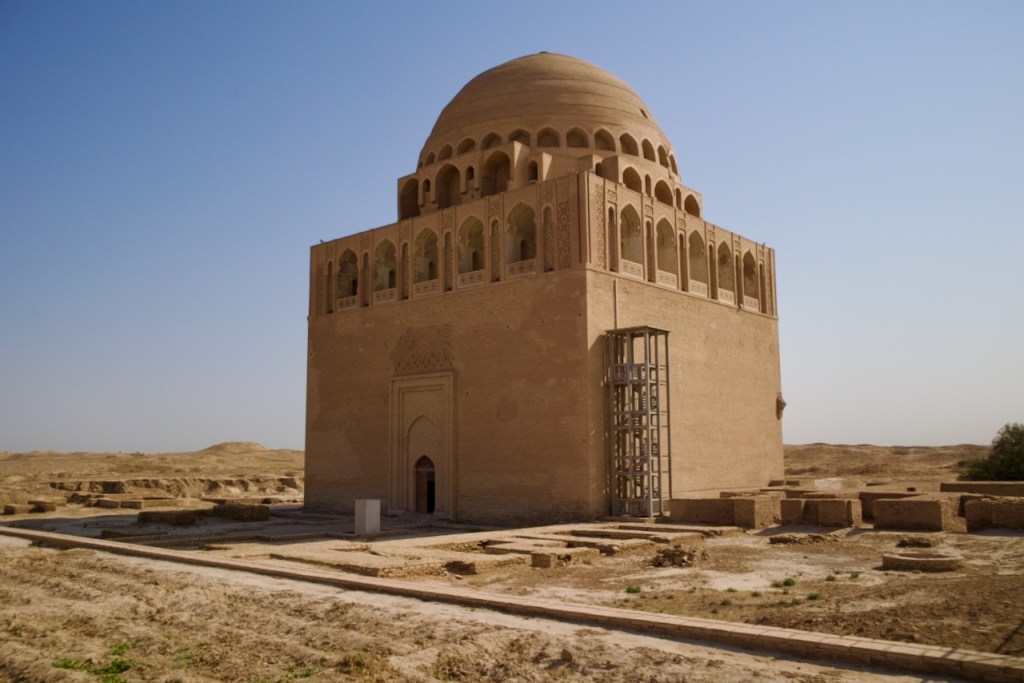
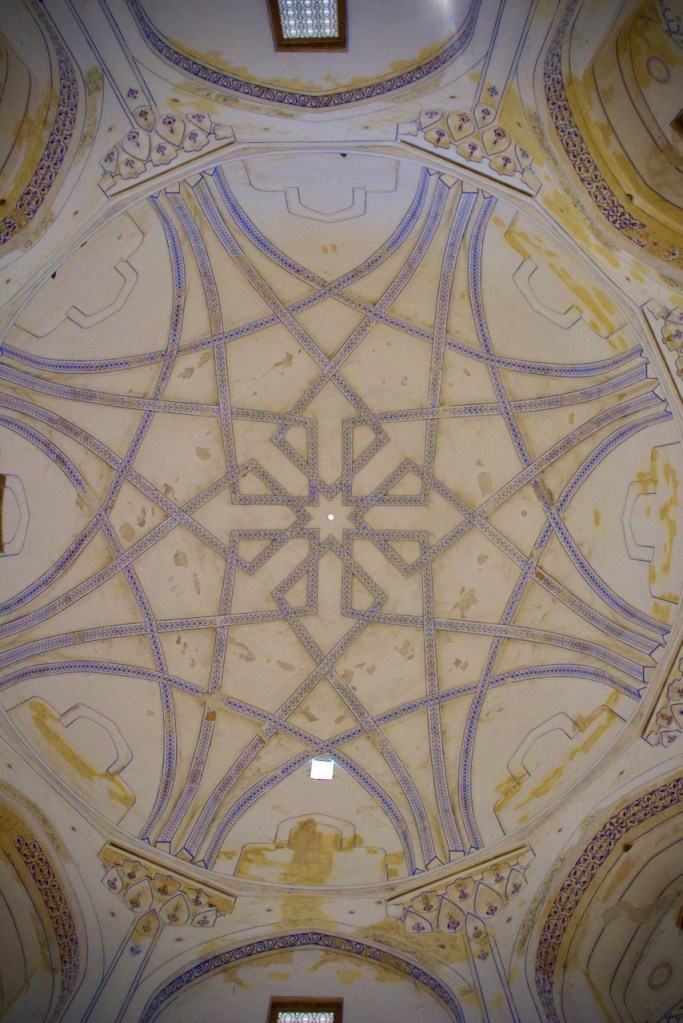
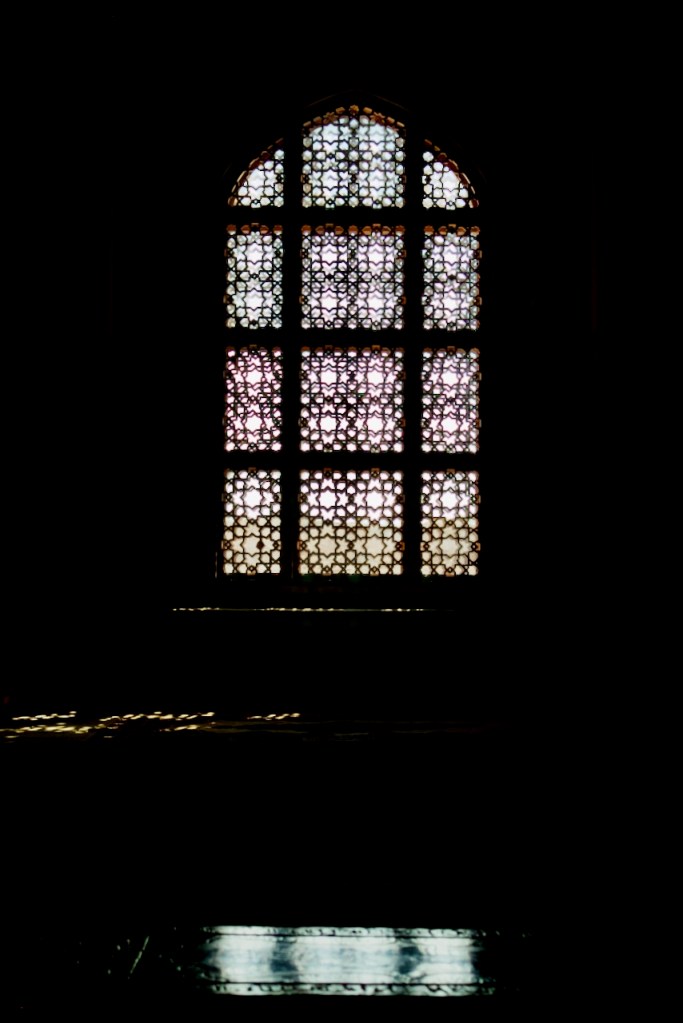
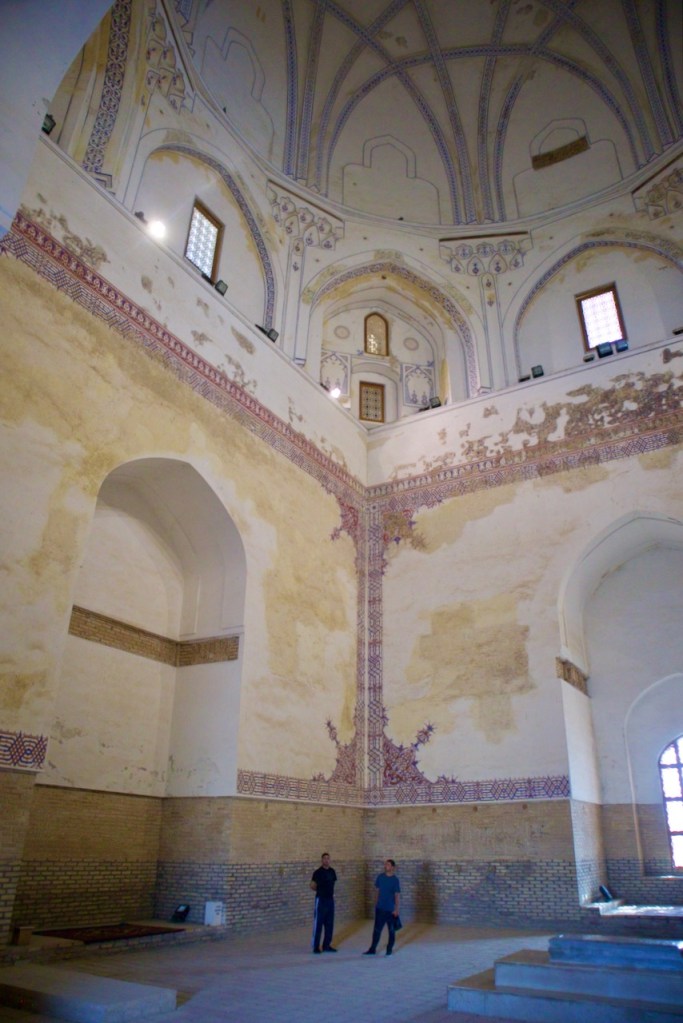
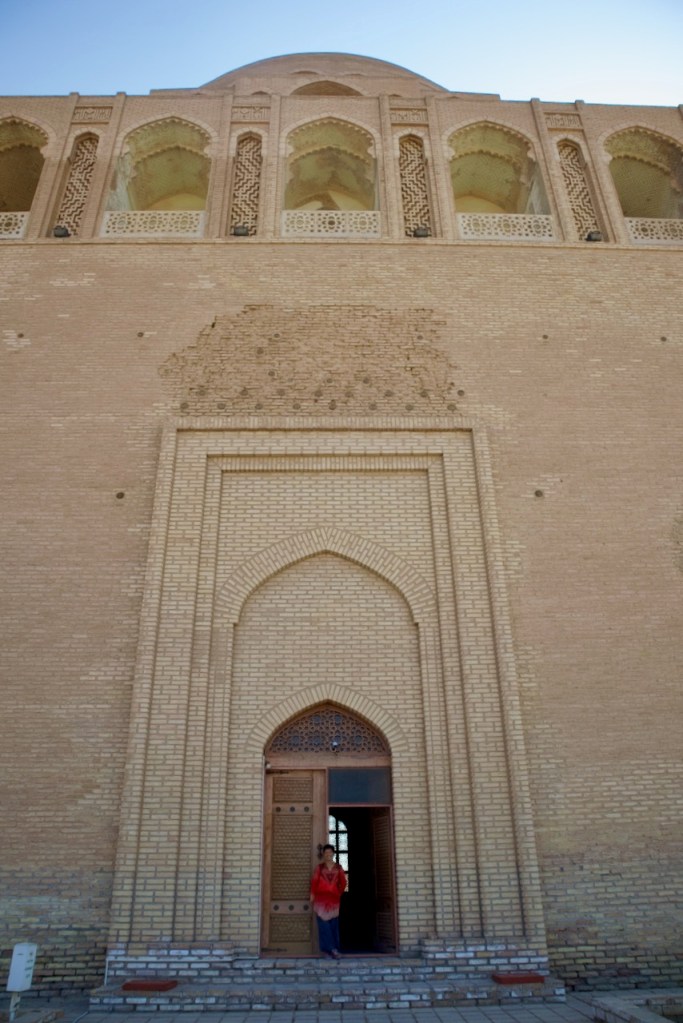
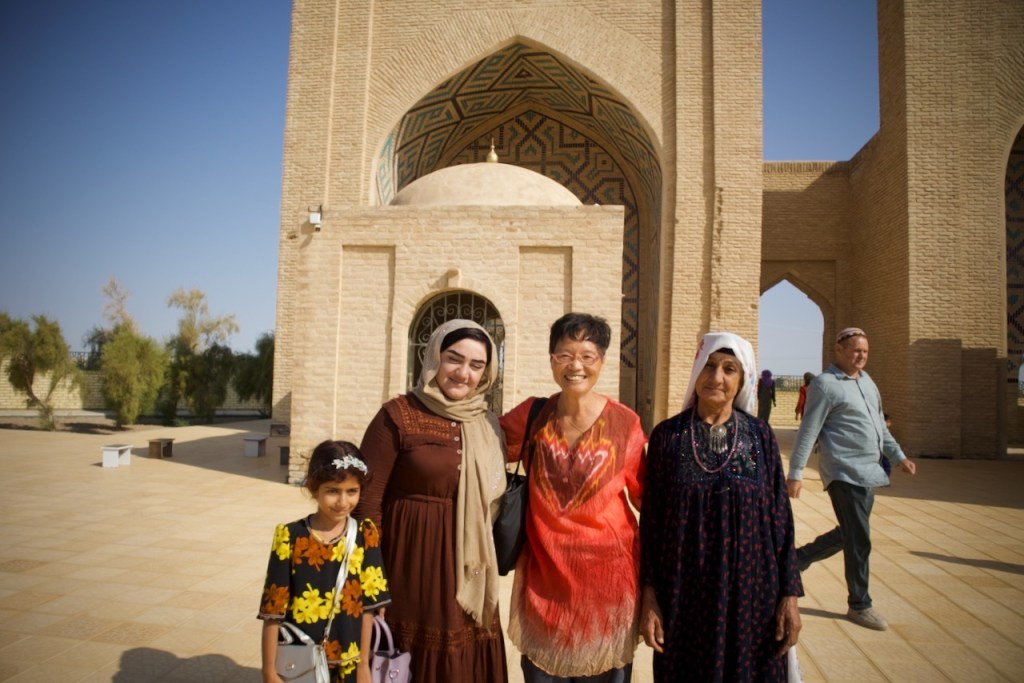
When overlanding from Uzbekistan or Afghanistan, the first stop in the itinerary is likely to be Merv, an ancient administrative centre in the Persian Achaemenid empire that was rebuilt as the capital of Khorasan in today’s Iran after the Arab conquest in the 7th century. A great centre of Islamic learning under the Abbasid caliphs and a base for Muslim expansion in the region and later China, Merv used to be the largest city in the world with a population of close to a million, at the peak of her glory as the capital of the Seljuk Sultan Sanjar in the 12th century. We check out the impressive fortress ruins at the Greater Kyz Kala that speak volume about the power Merv once held before stopping at the Askhabs Mausoleum frequented by local pilgrims. The towering Mausoleum of Sultan Sanjar (12th-century) is the crown jewel within this UNESCO World Heritage site. Legend has it that the Sultan fell in love with a bird-girl; the tiny hole in the ceiling is a special architectural provision for the lover to return (just in case!). Sacked by the Mongol armies of Genghis Khan in the 13th century, Merv went into decline and never fully recovered, leaving us these architectural gems.
Ashgabat: A Capital of Superlatives
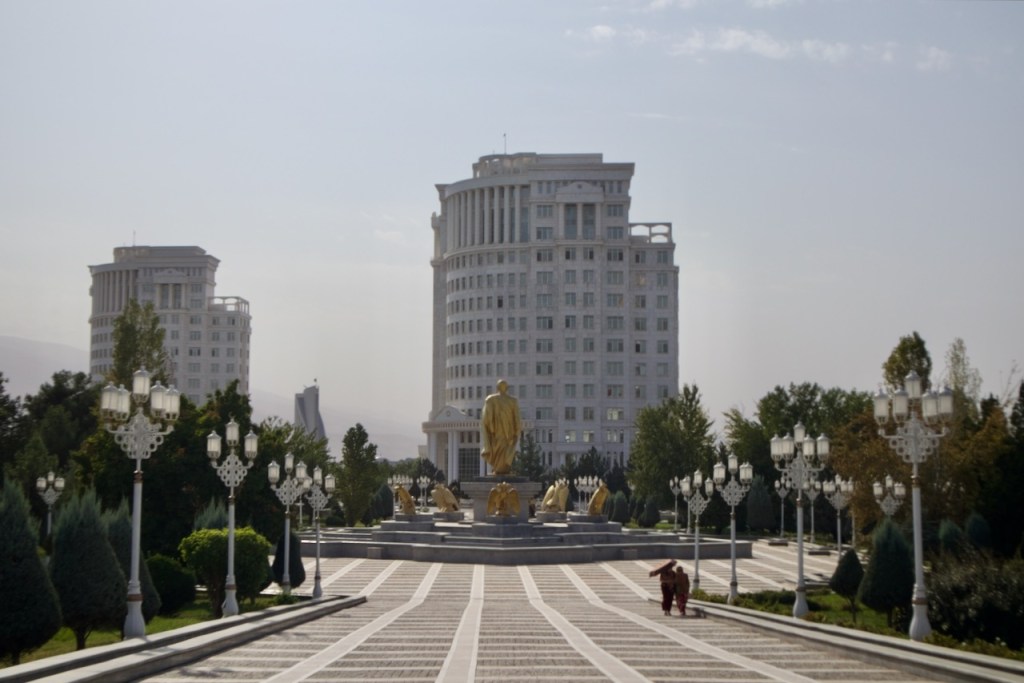
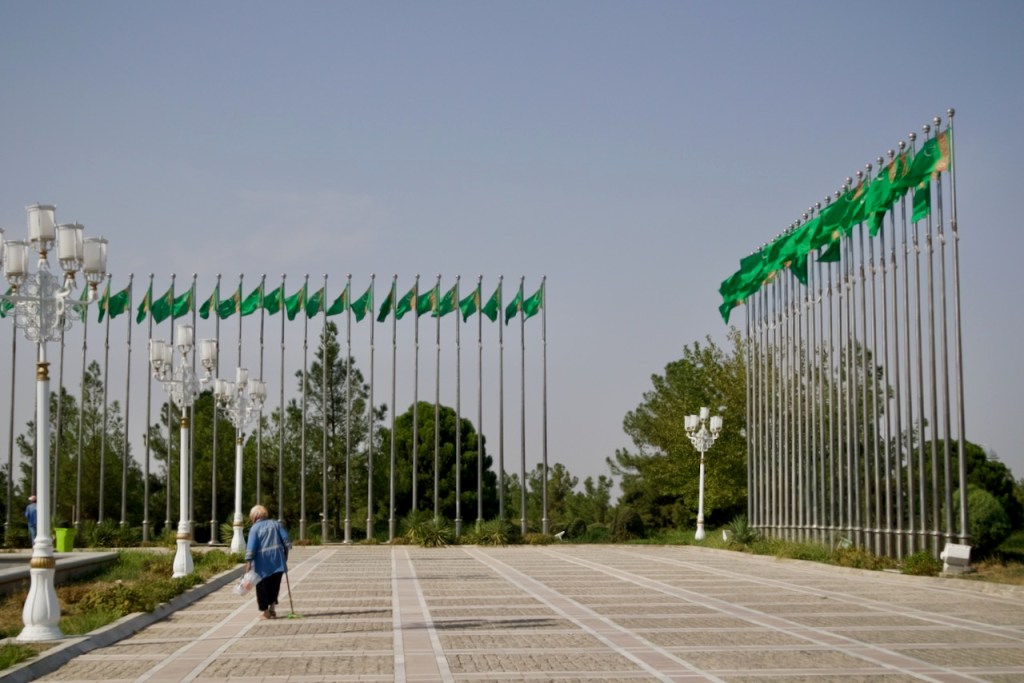
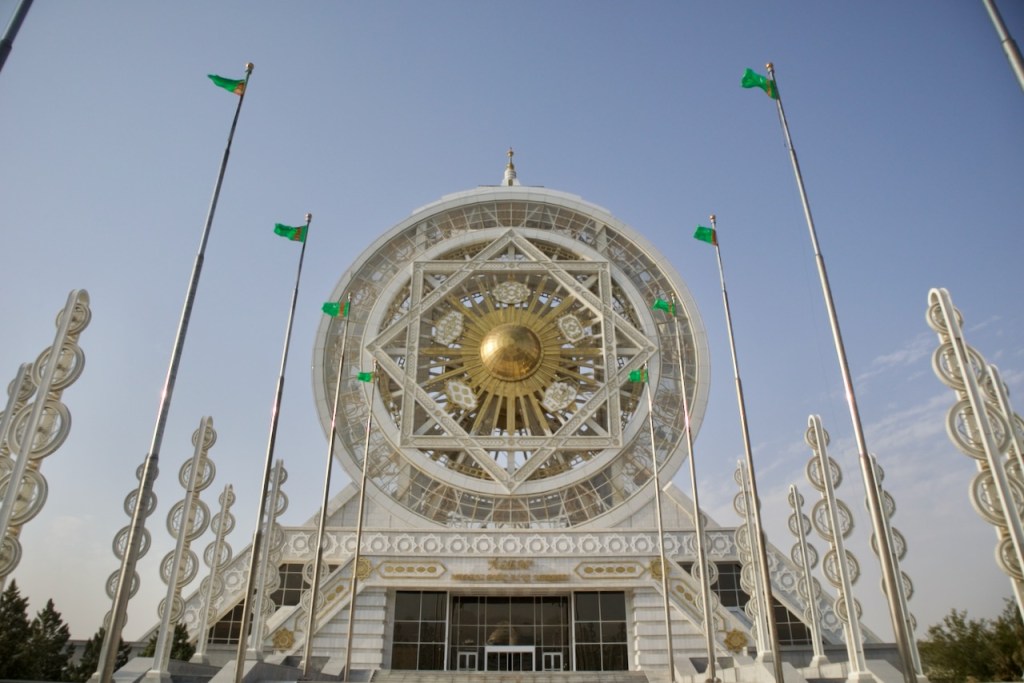
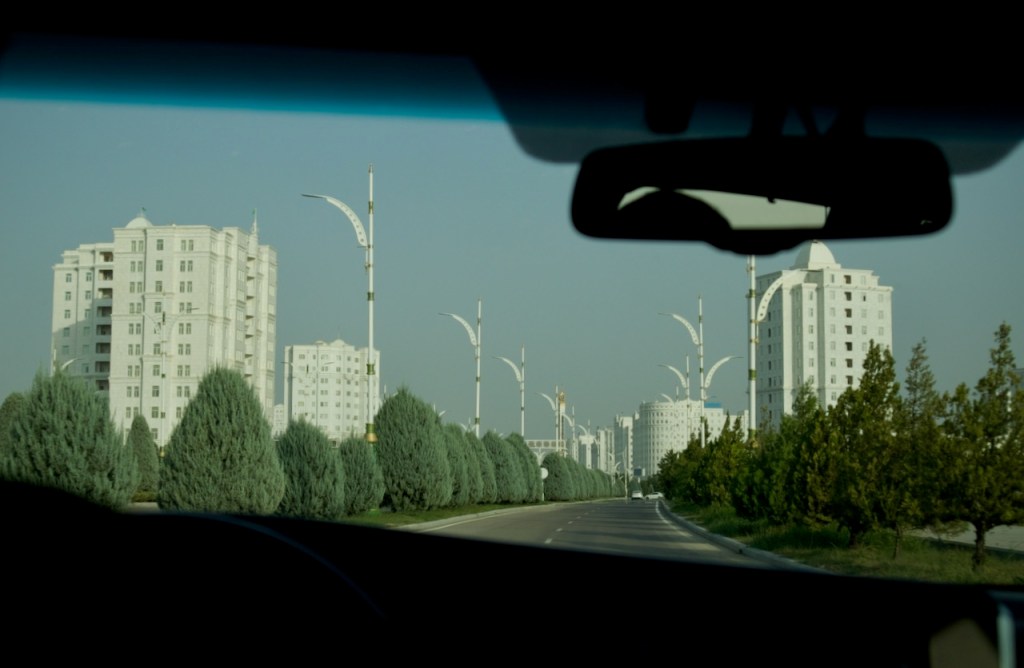
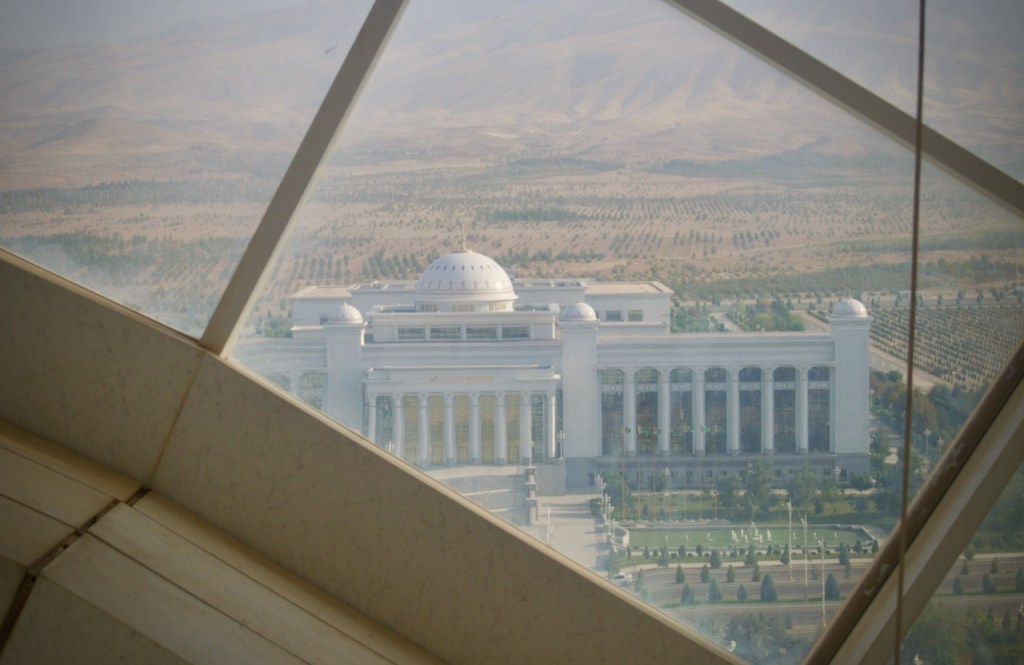
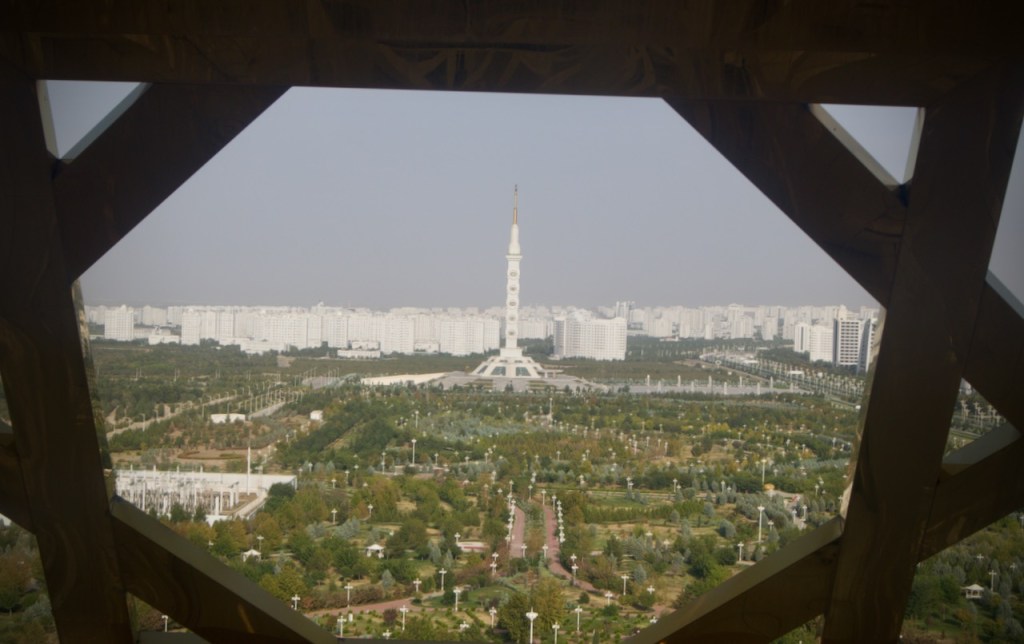
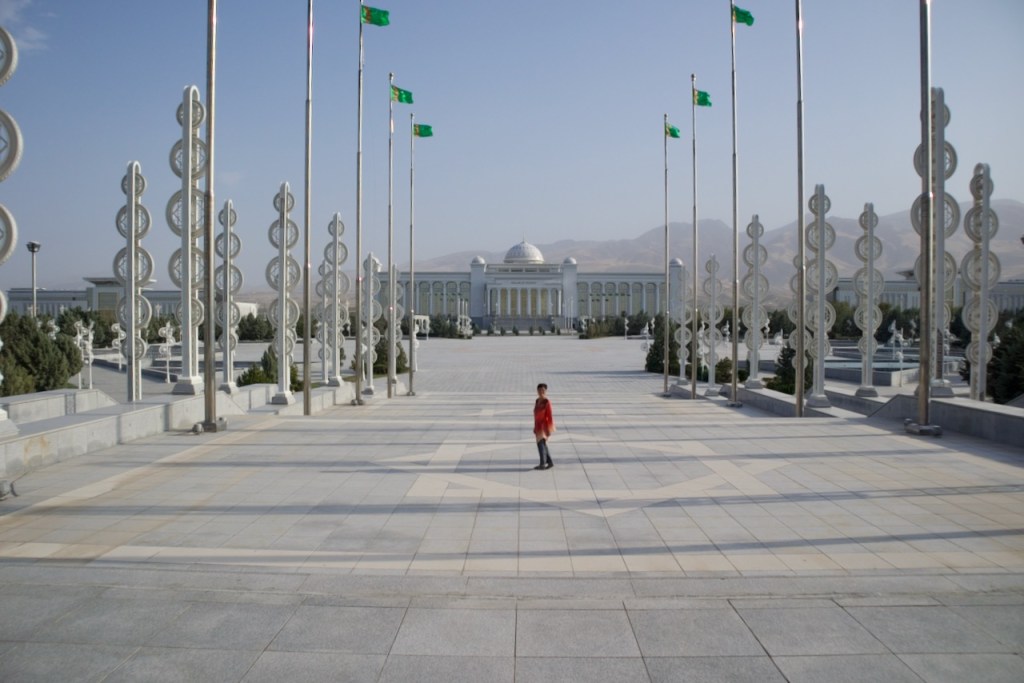
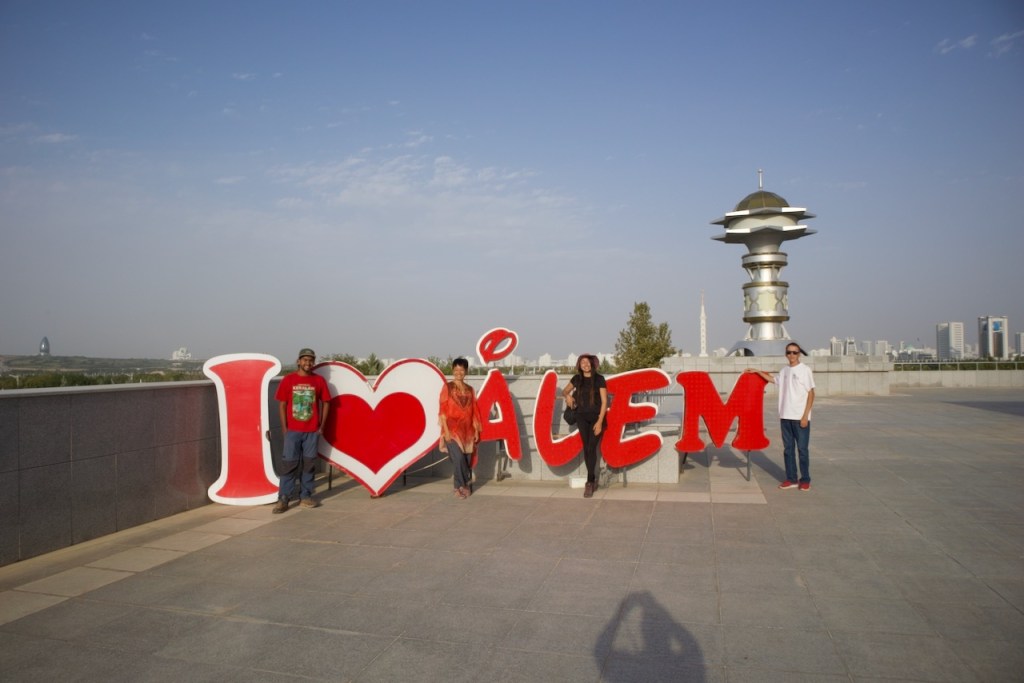
The four-hour drive from Mary to Ashgabat feels like time travel, as we leave ancient ruins towards the ultra-modern capital city famous for its Guinness records. Set between the Karakum Desert and the Köpetdag mountains, Ashgabat has the highest concentration of white marble buildings (close to five million meters of white marble across 540 structures!), tallest indoor ferris wheel, largest architectural star at the base of the TV Tower, most fountain pools in any public place, and tallest free-standing flagpole (133m). Above all, with a small national population of seven million, the mile-wide boulevards and monumental landmarks feel outsized, if not monstrous. The eccentric rule of white-only (cars, buildings, facades including AC units!) gives the city a surreal sci-fi feeling like straight out of a futuristic movie set. It’s September 1, back to school day as well as traffic safety month. Traffic police is everywhere, and drivers – including ours – get randomly stopped. I imagine every Turkmen driver having a stash of change on hand for these routine occasions. Alex assures us there is no corruption in Turkmenistan; maybe the practice has a different name here.
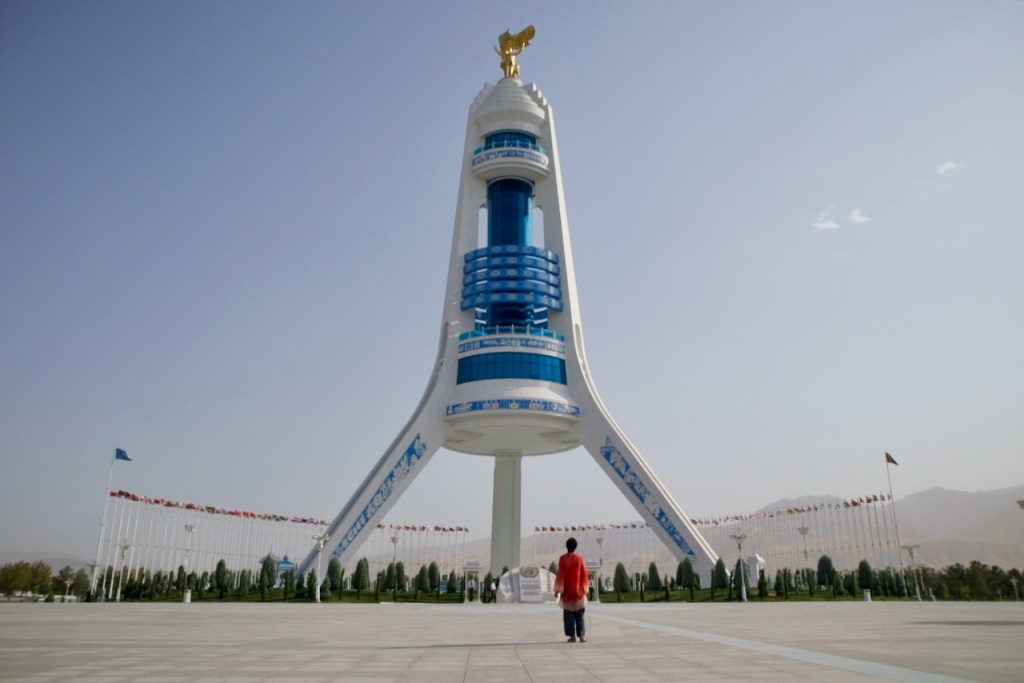
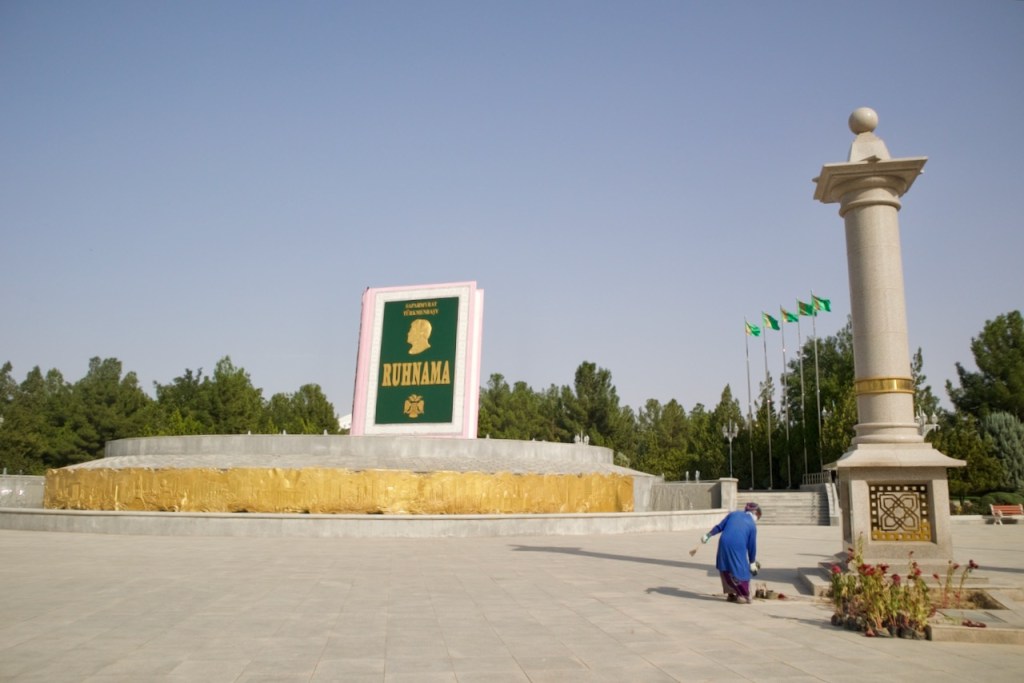
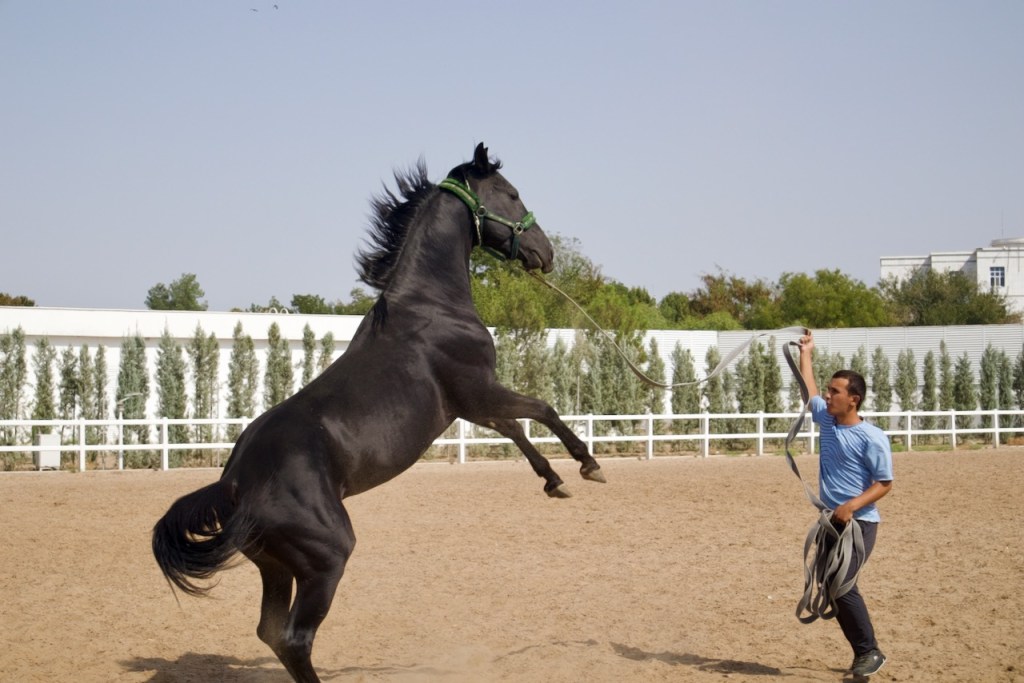
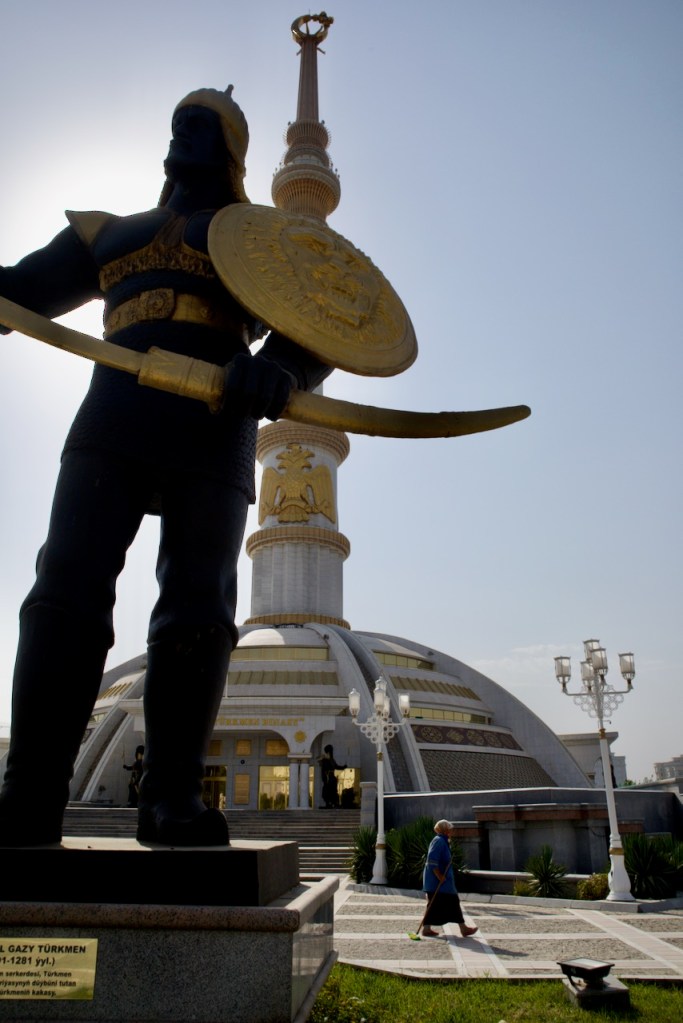
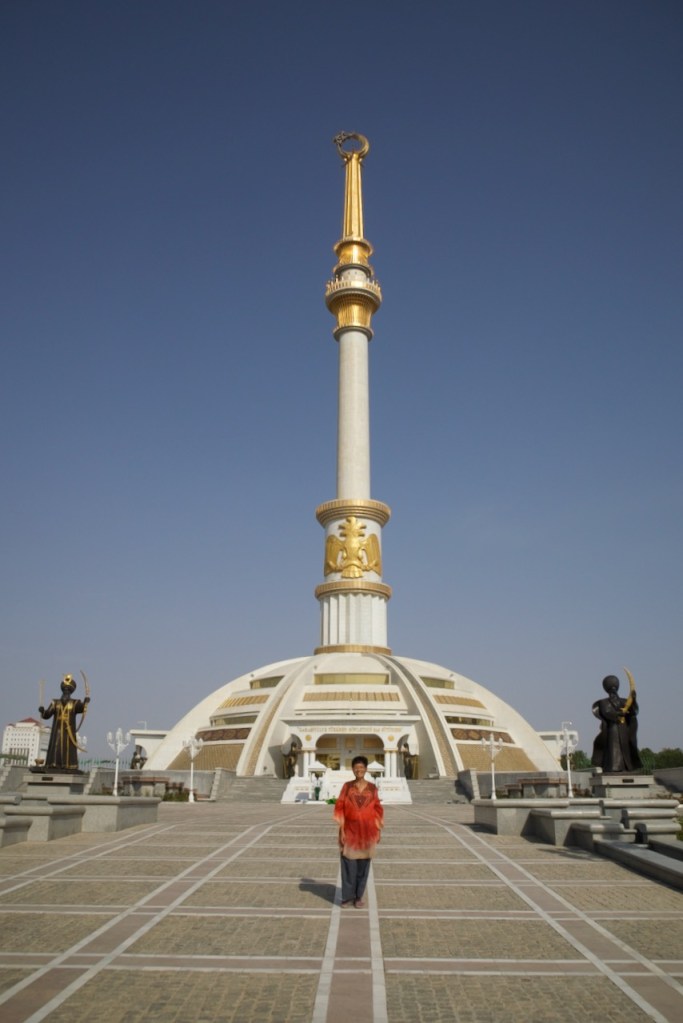
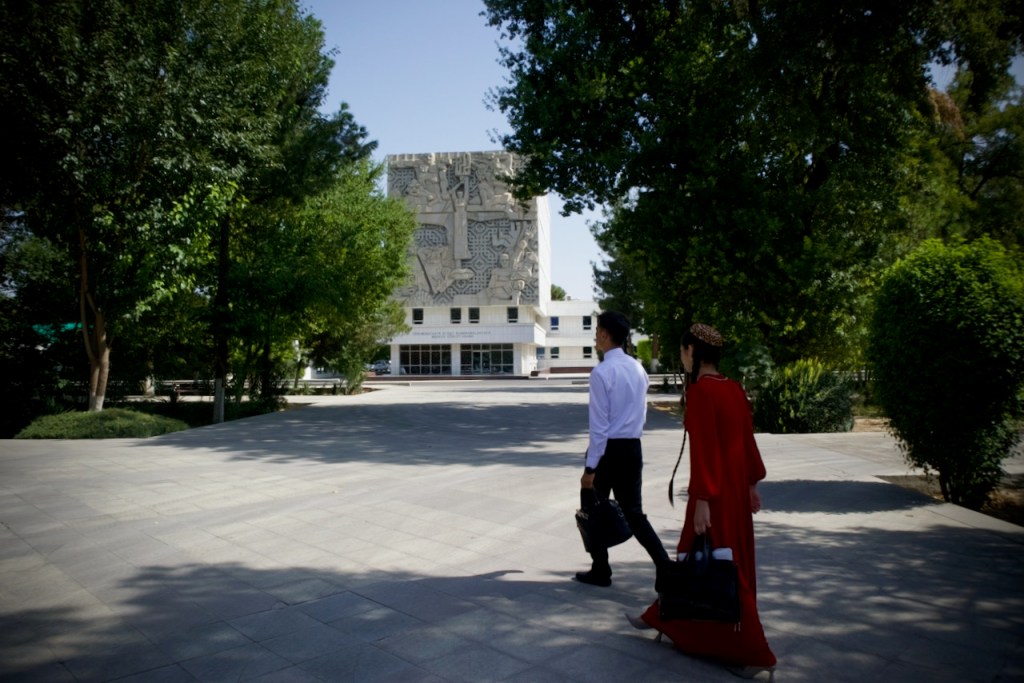
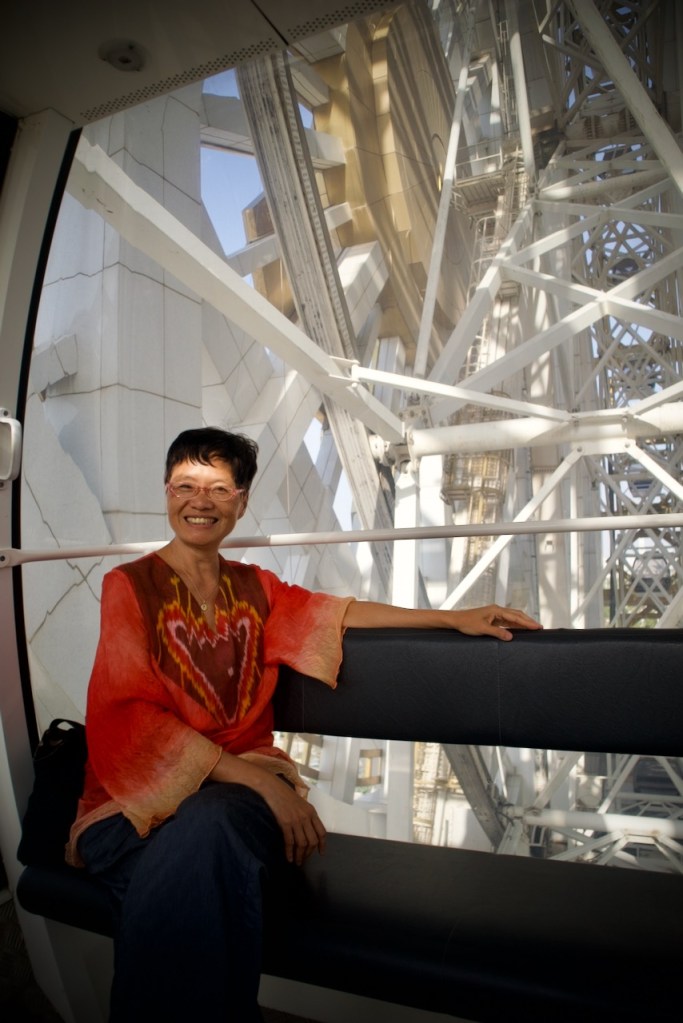
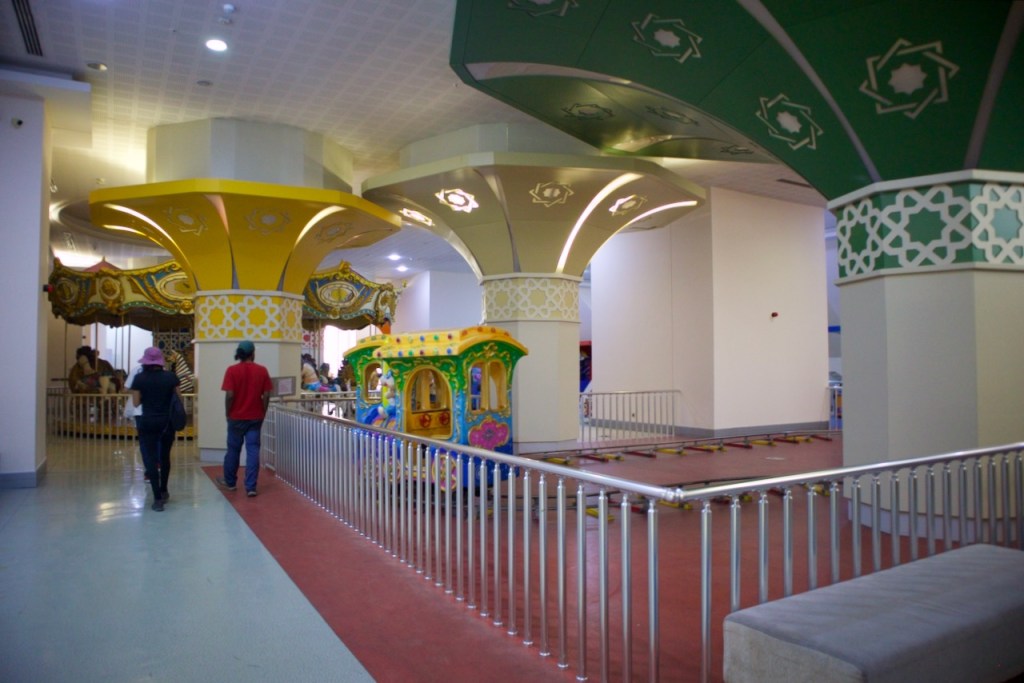
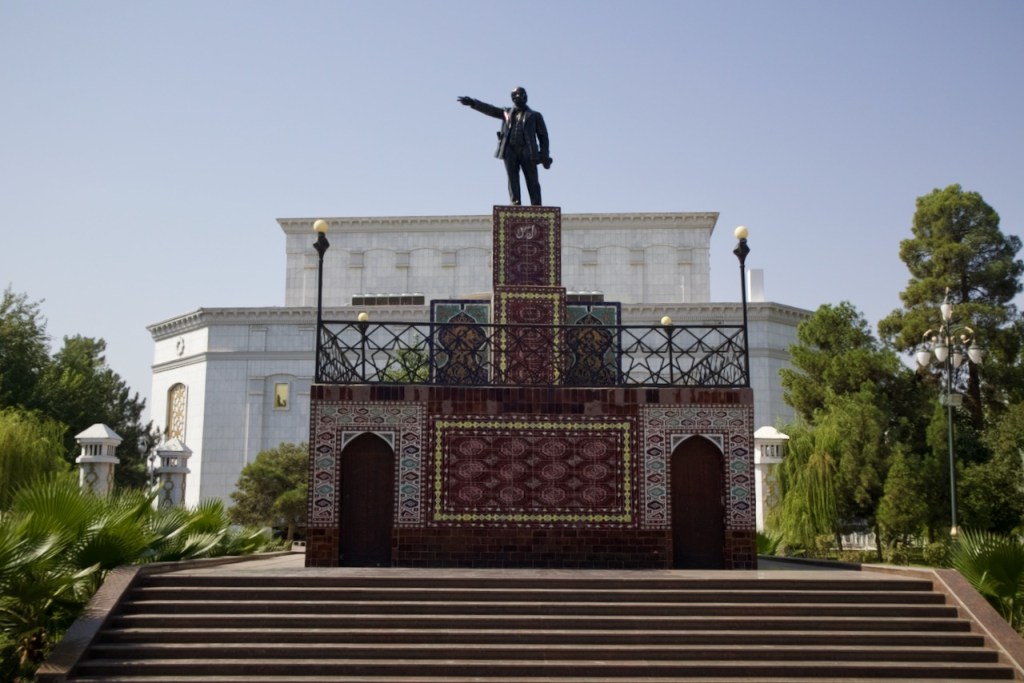
A day tour of Ashgabat takes us through rows and rows of shiny apartment blocks (where else in the world does the average family get to live in an Italian white marble building?!), grandiose government buildings full of symbols (the Ministry of Education looks like an open book while their foreign affairs counterpart has a globe), and monumental landmarks like the Independence Statue, the Neutrality Arch, and the Palace of Happiness. With the blazing sun reflecting on the snow white buildings, I almost feel like I need a ski goggle to enjoy the spectacle, constantly worrying about massively overexposed photos with little time to adjust the shutter speed or ISO. We stop by an equestrian school to check out the world famous Turkmen Akhal-Teke horses. Real beauties! Our best ones are now racing in the Netherlands, sorry! our guide explains. Then we move on for a once-in-a-lifetime ride up the tallest indoor ferris wheel – made in Switzerland, no less – with a bird-eye view over the city. For a split second, I hesitate to climb into the gondola, not being sure whether the stationery cosmic-looking disc actually works. Lo and behold, the staff switches on the machine and, like a Swiss watch, it starts moving.
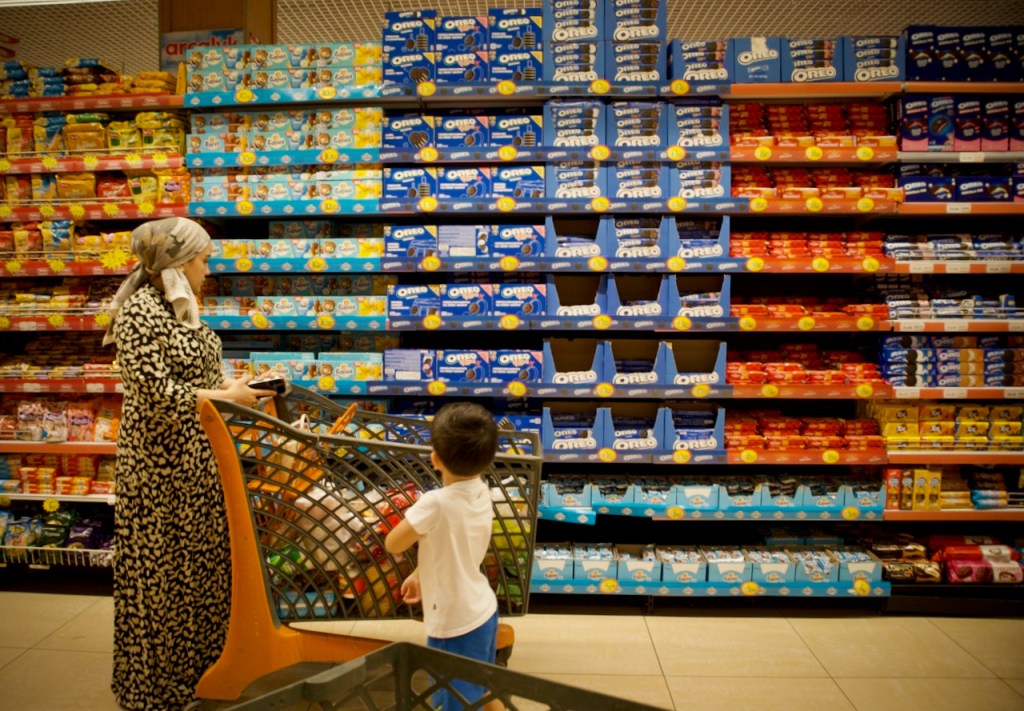
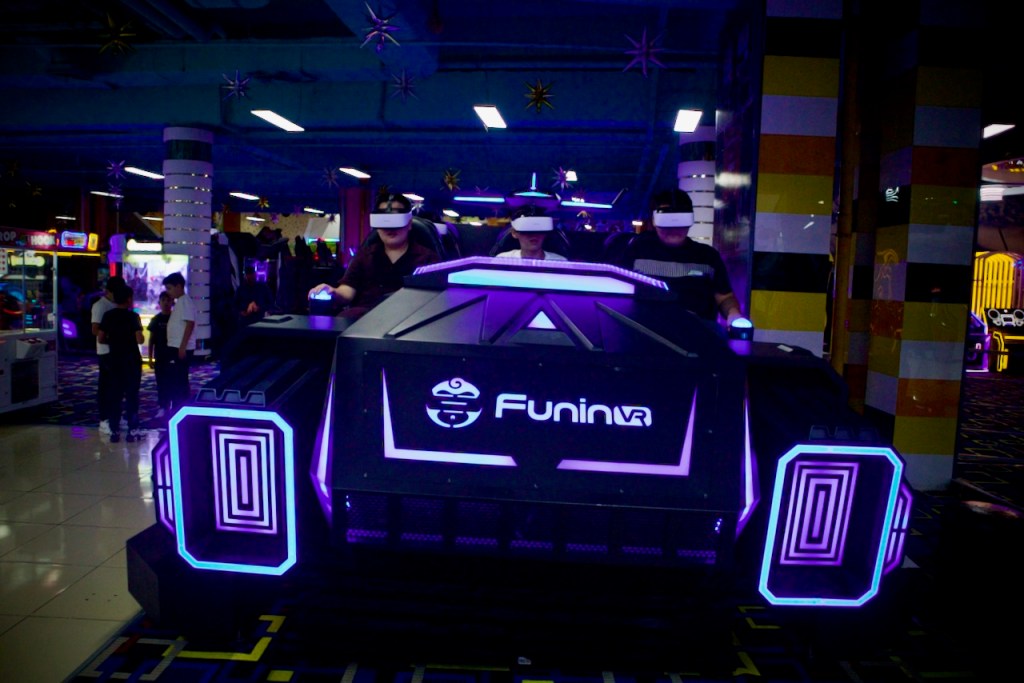
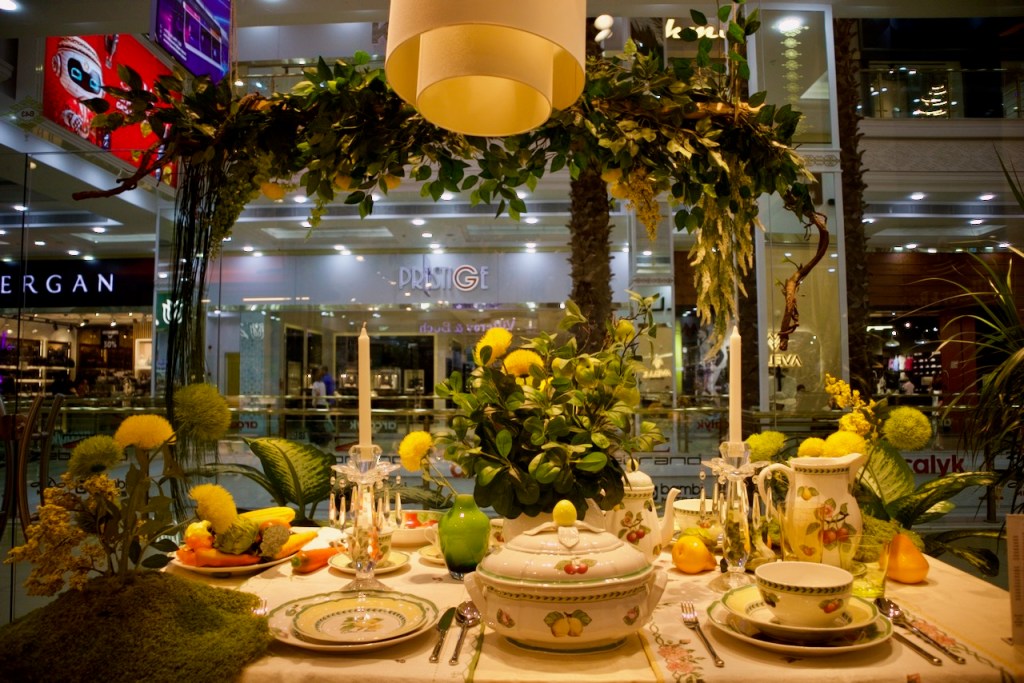
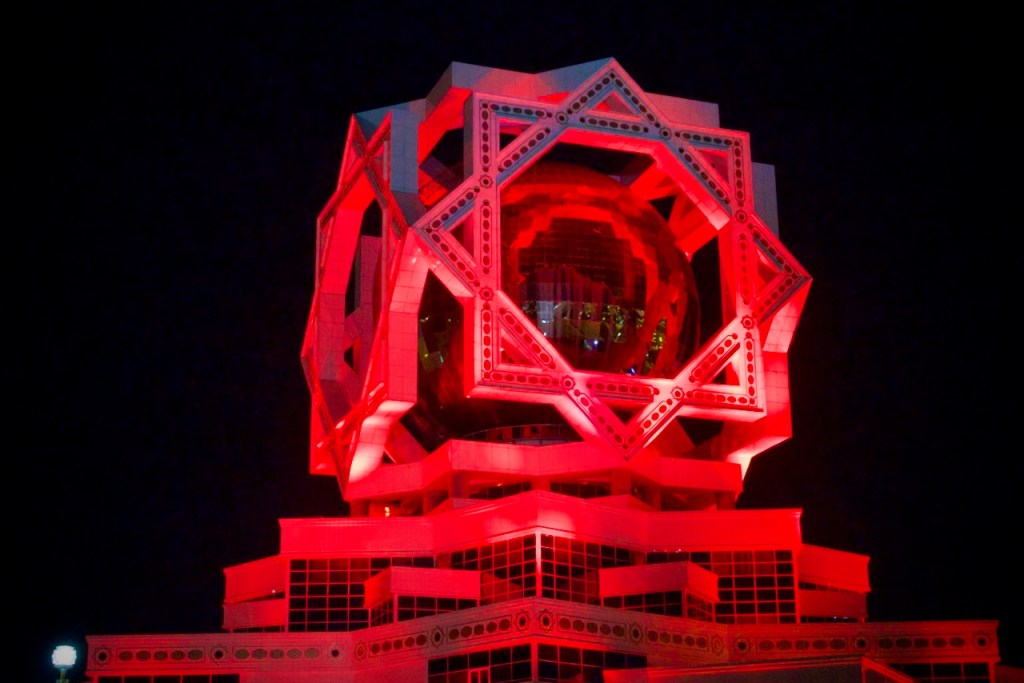
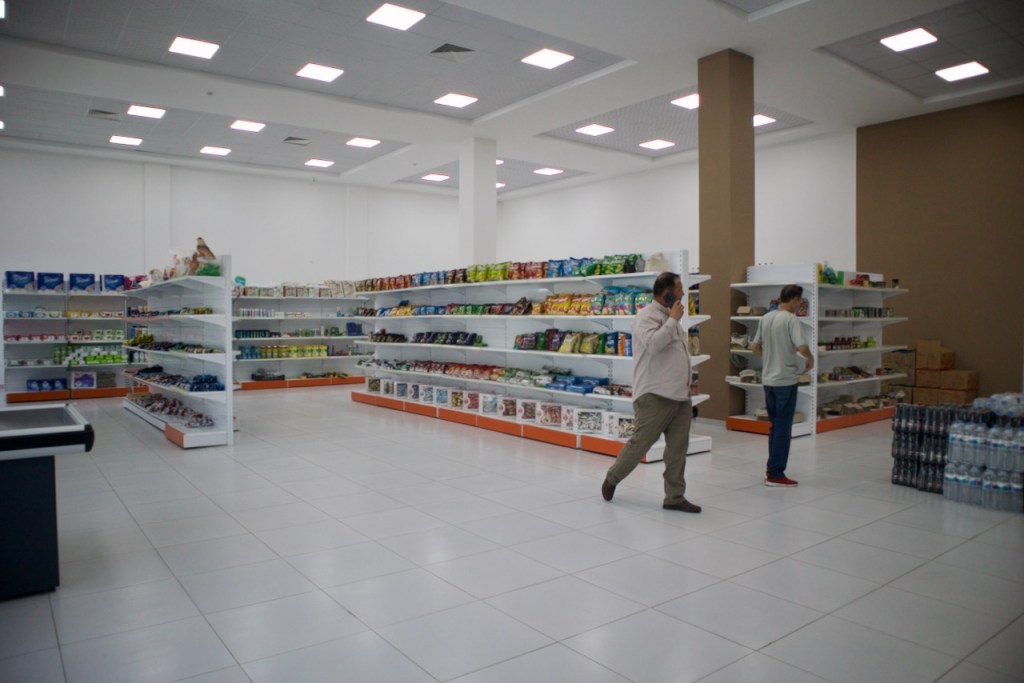
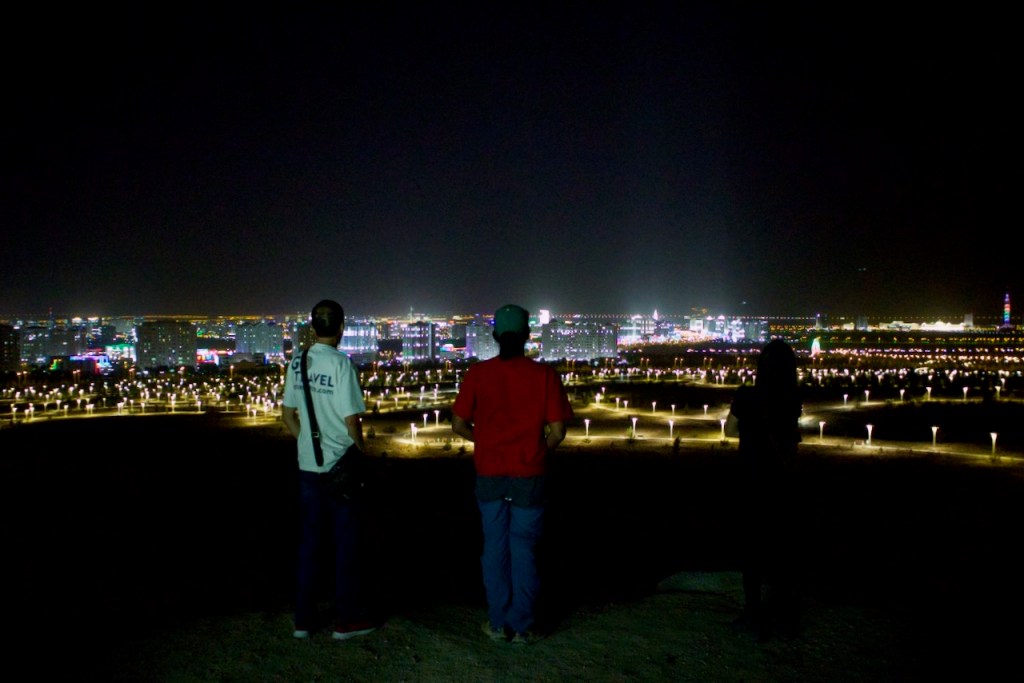
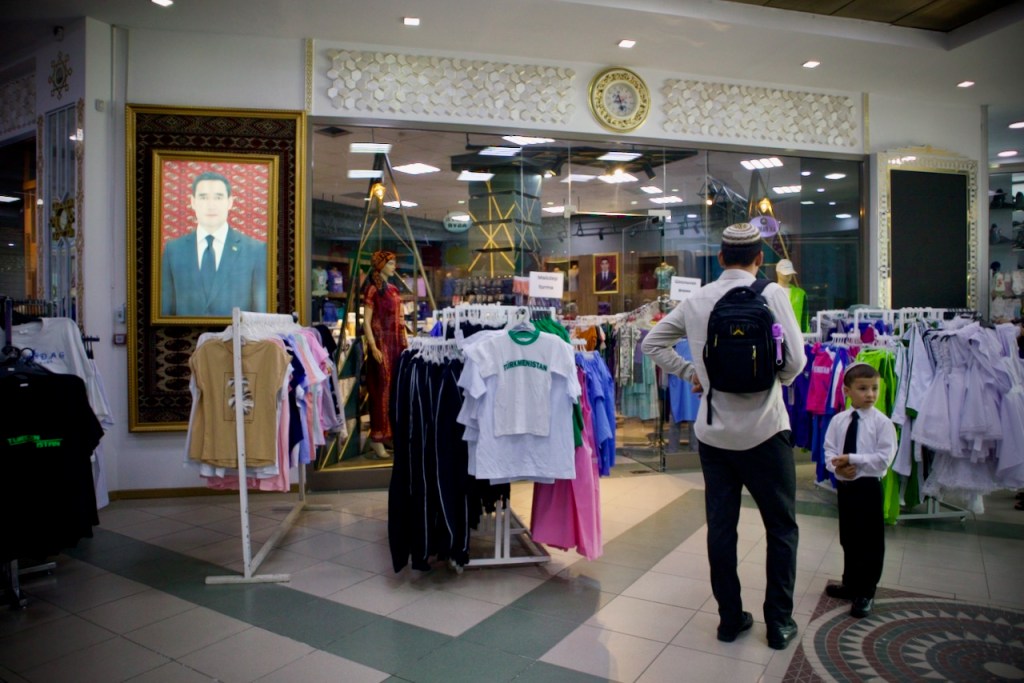
For the entire day, we see few people on the streets and almost no one at any of the sites except cleaners and gardeners (imagine the work it takes to keep all these monuments spick and span!). So when Alex brings us to a city mall in the evening filled with locals enjoying dinner and shopping, we are elated to see life like it is supposed to be: animated, colourful, and real. One last stop before calling it a day: the iconic Wedding Palace, dubbed the Palace of Happiness, shaped like a star and topped with a giant globe, opened in 2011 to celebrate the 20th anniversary of Turkmenistan’s independence, glistening in the dark. Do you want to stay here, Maheen asks Say jokingly, until the immigration comes after you? The view from the hill is impressive. Ashgabat comes to life at night in glowing colours far more than white, and that, unfortunately/thankfully, even the president cannot control.
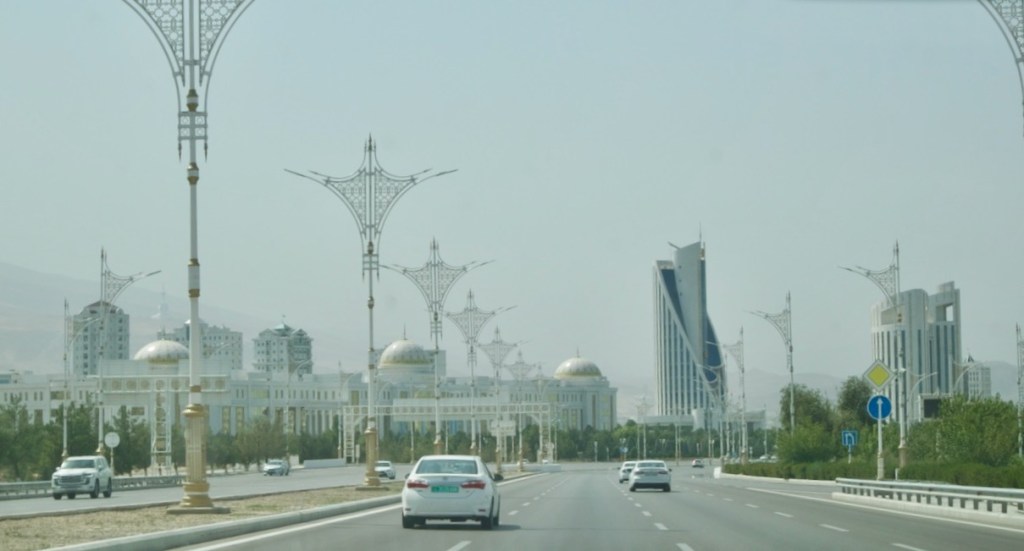
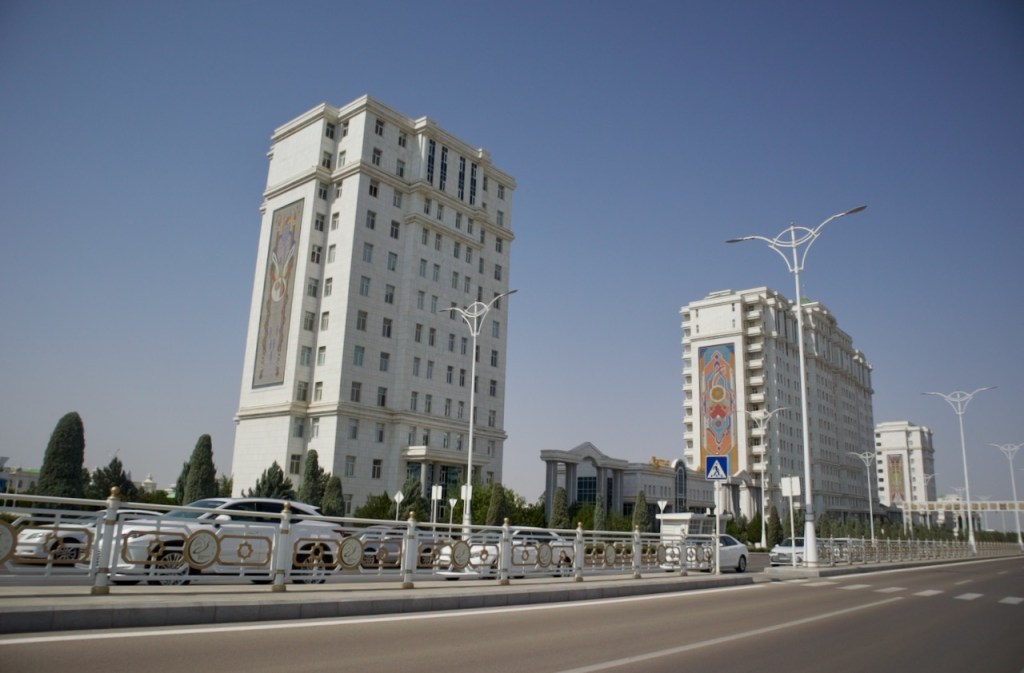
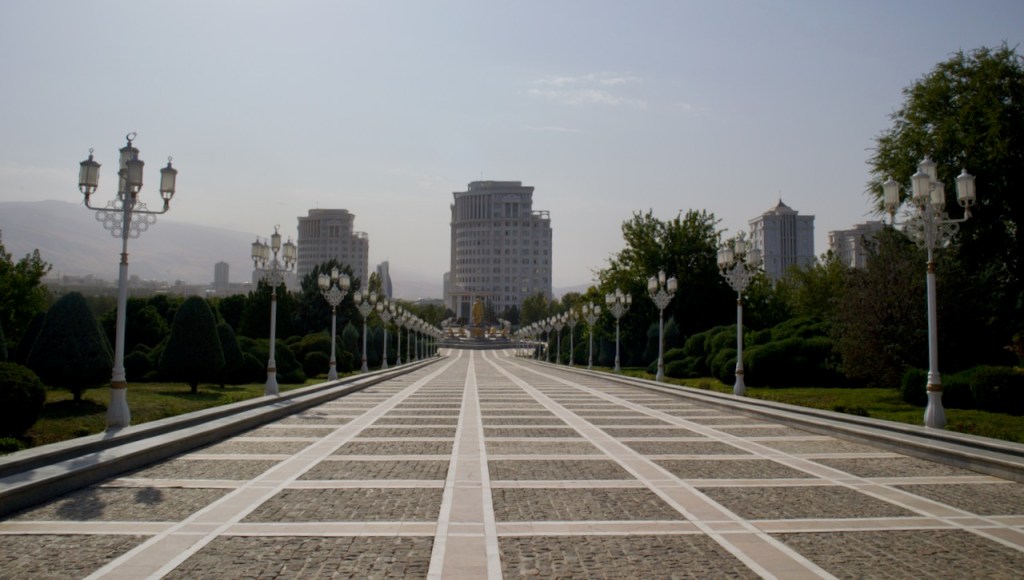
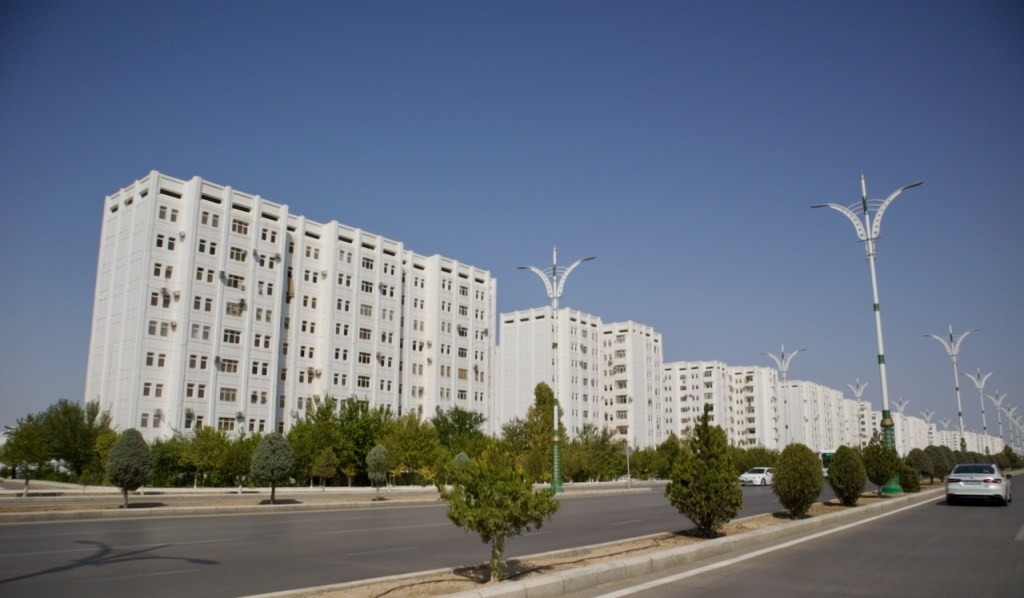
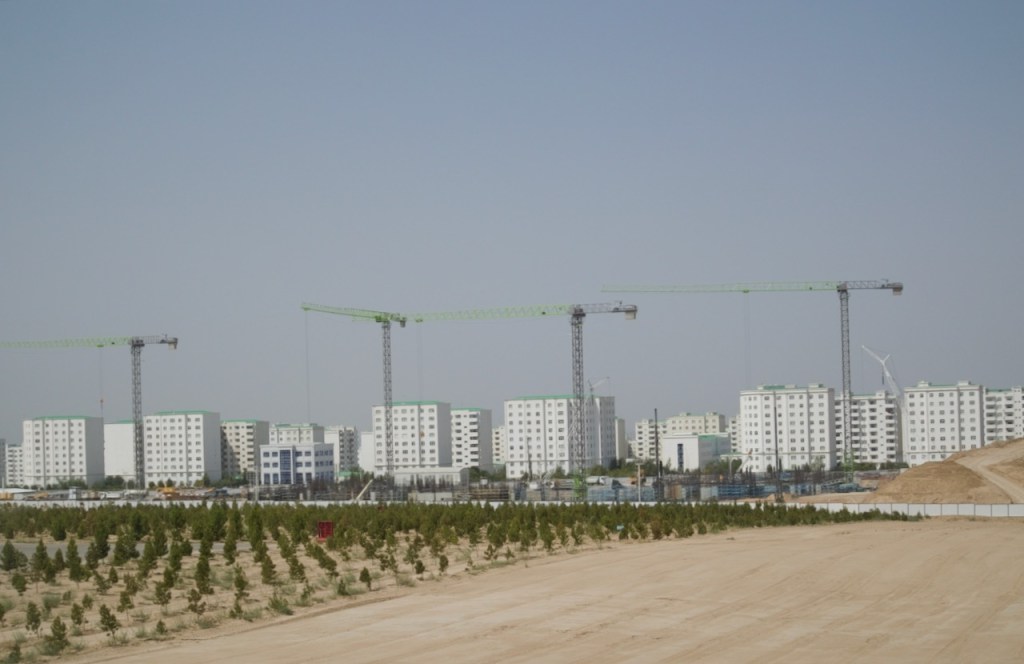
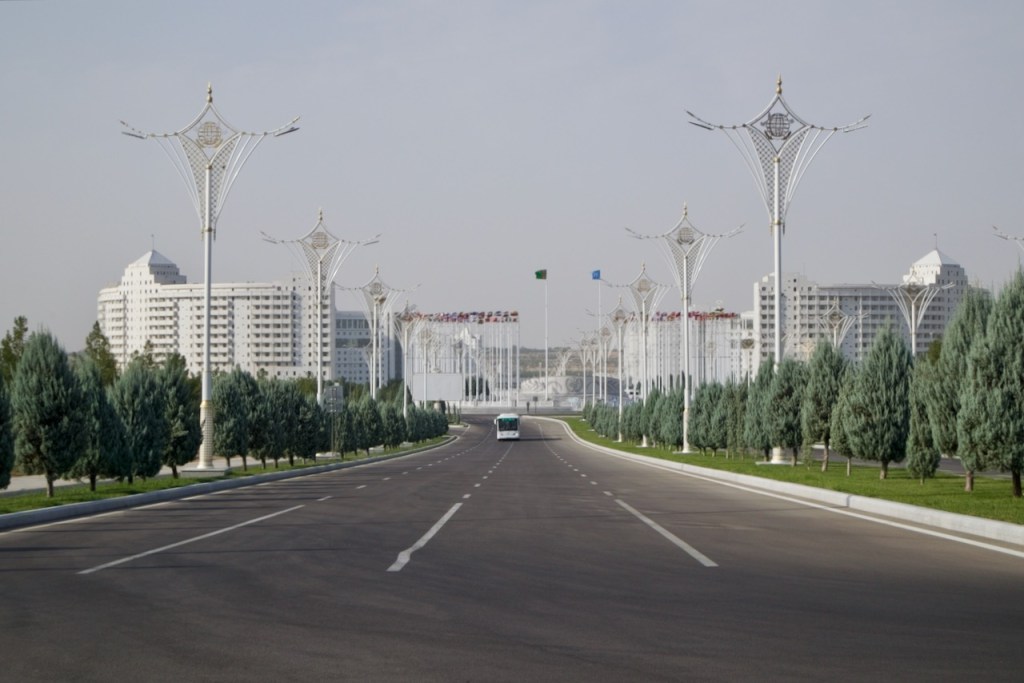
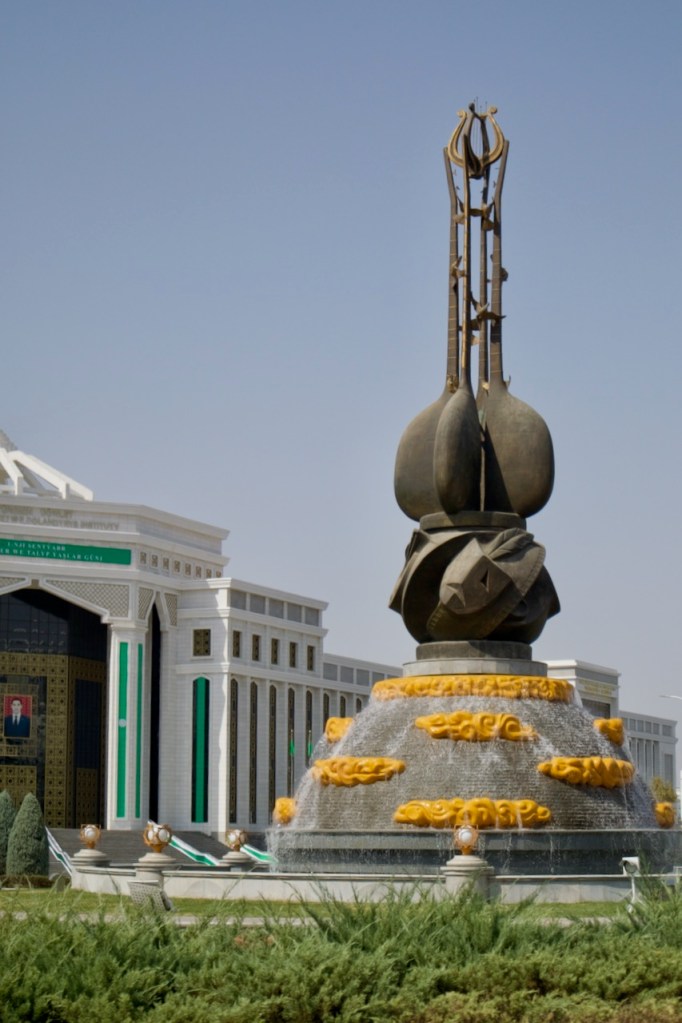
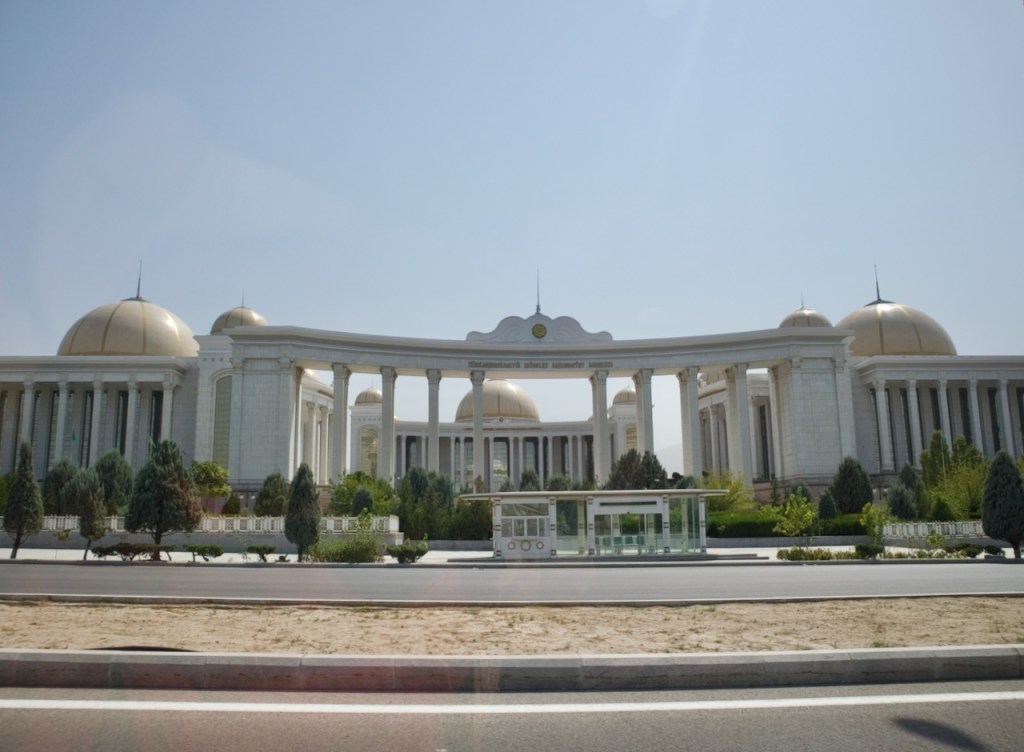
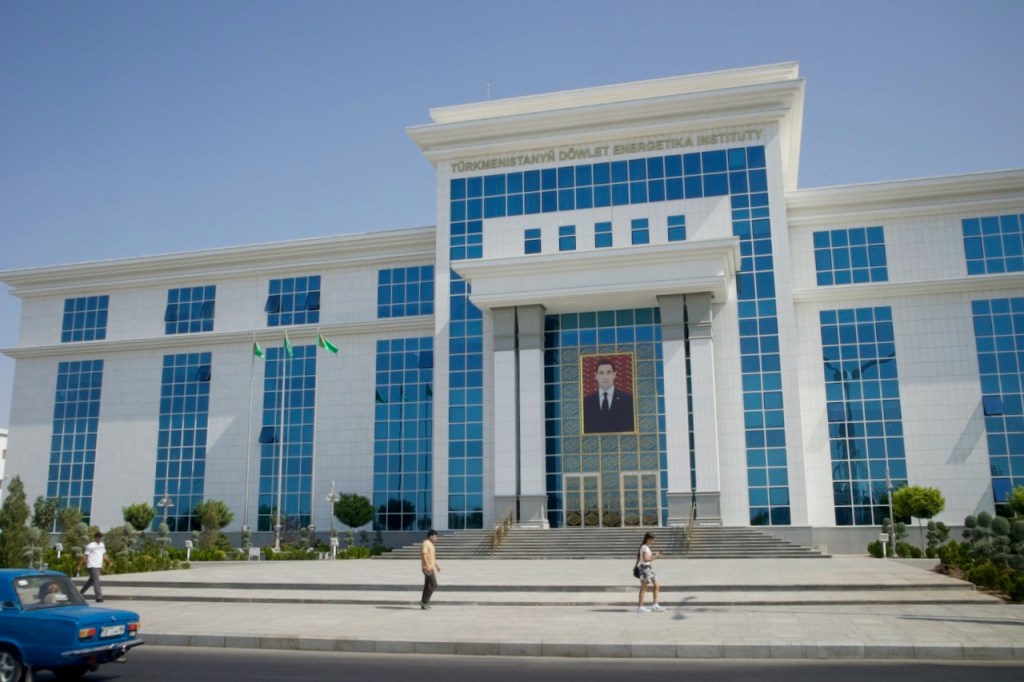
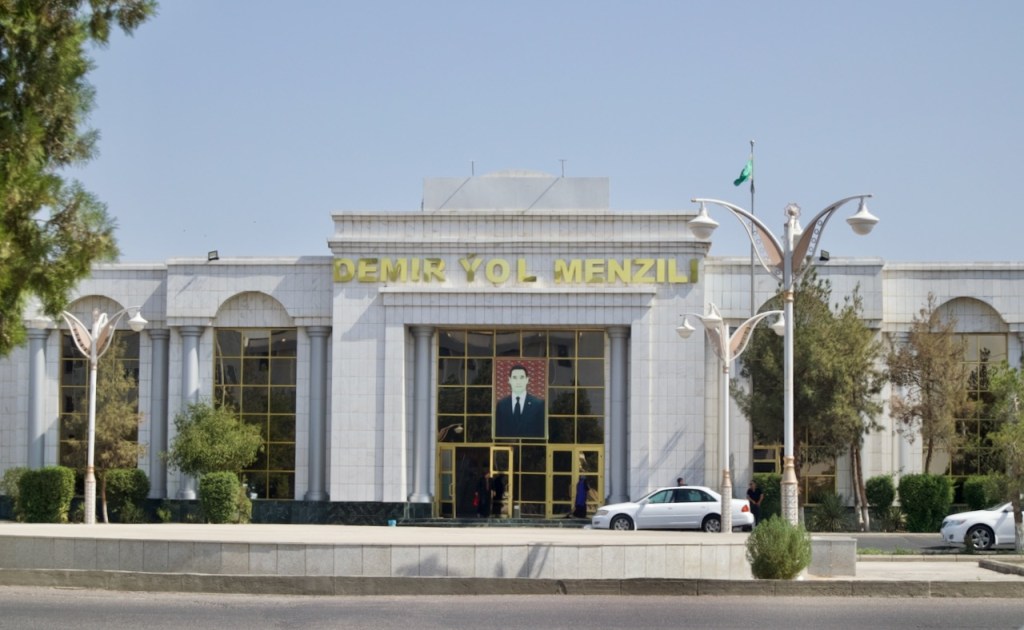
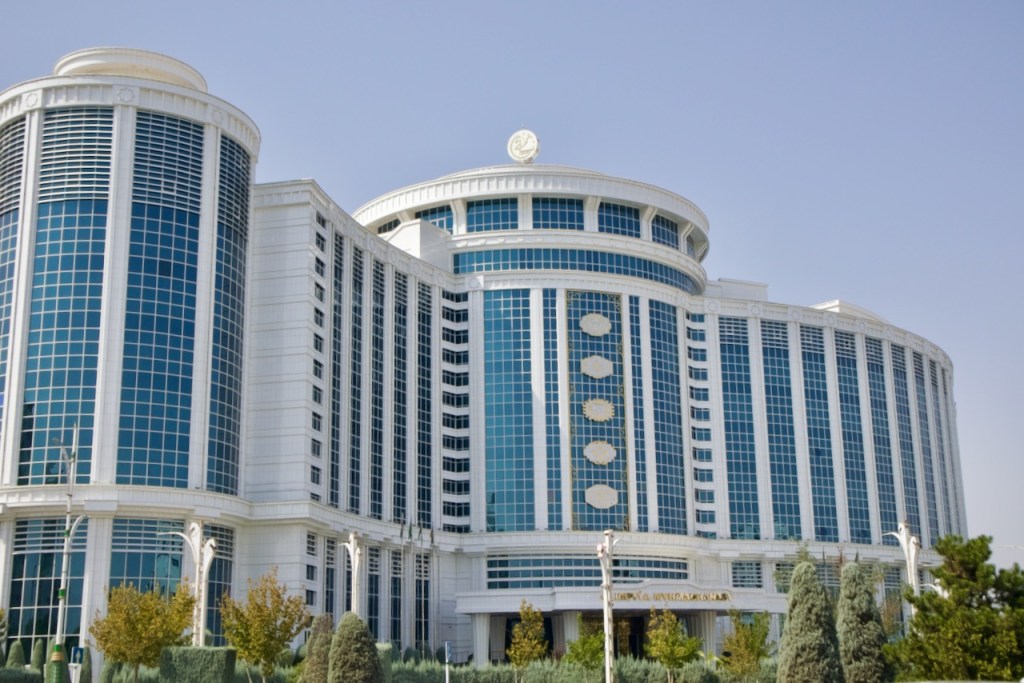
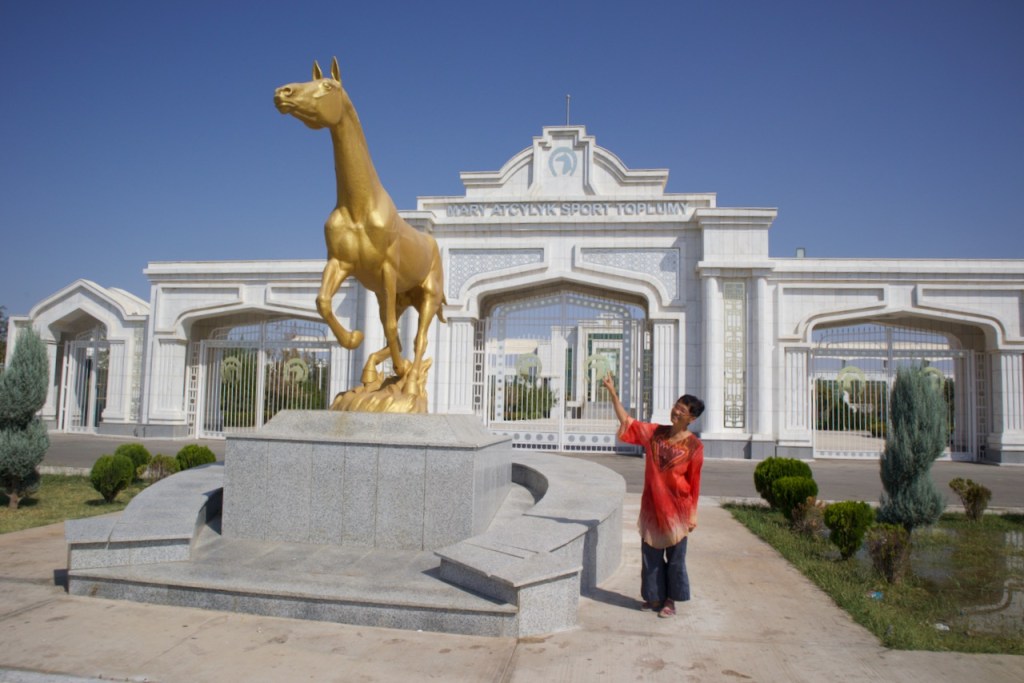
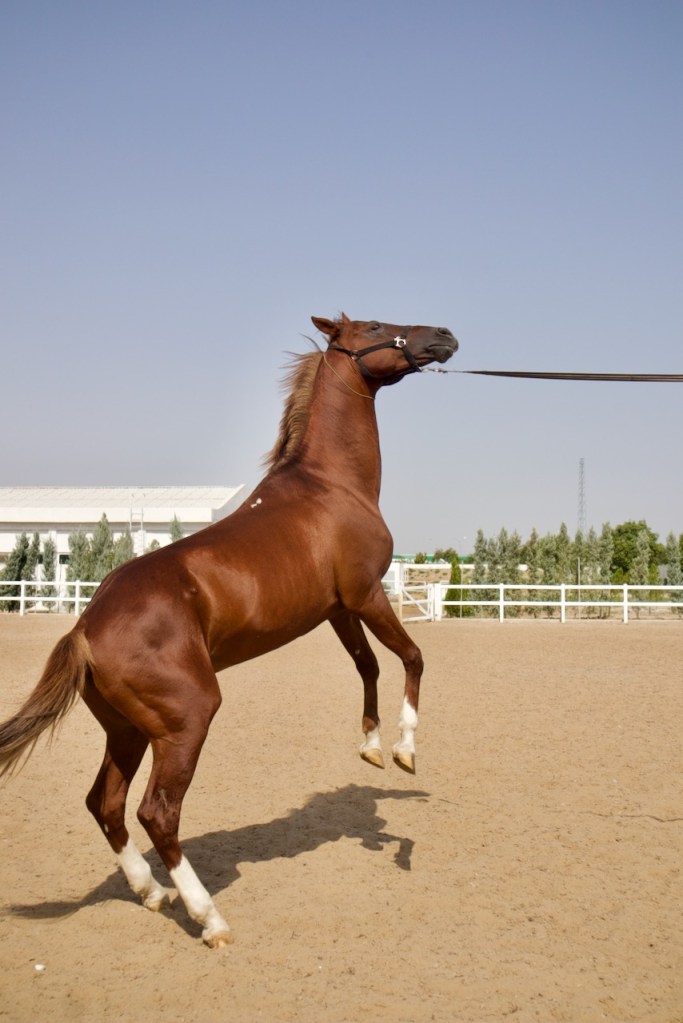
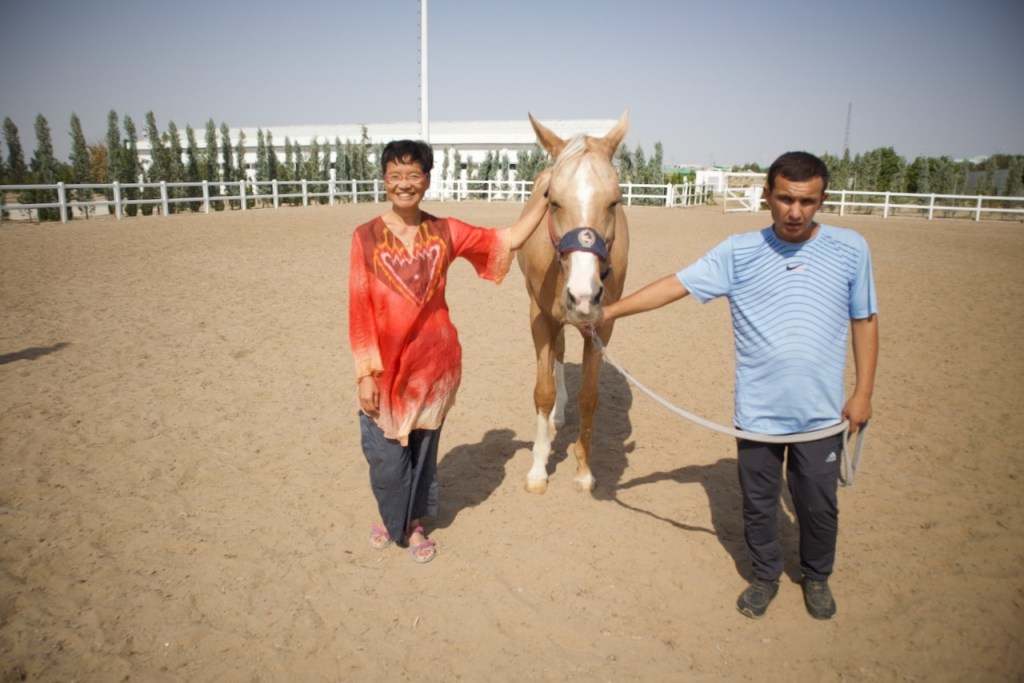
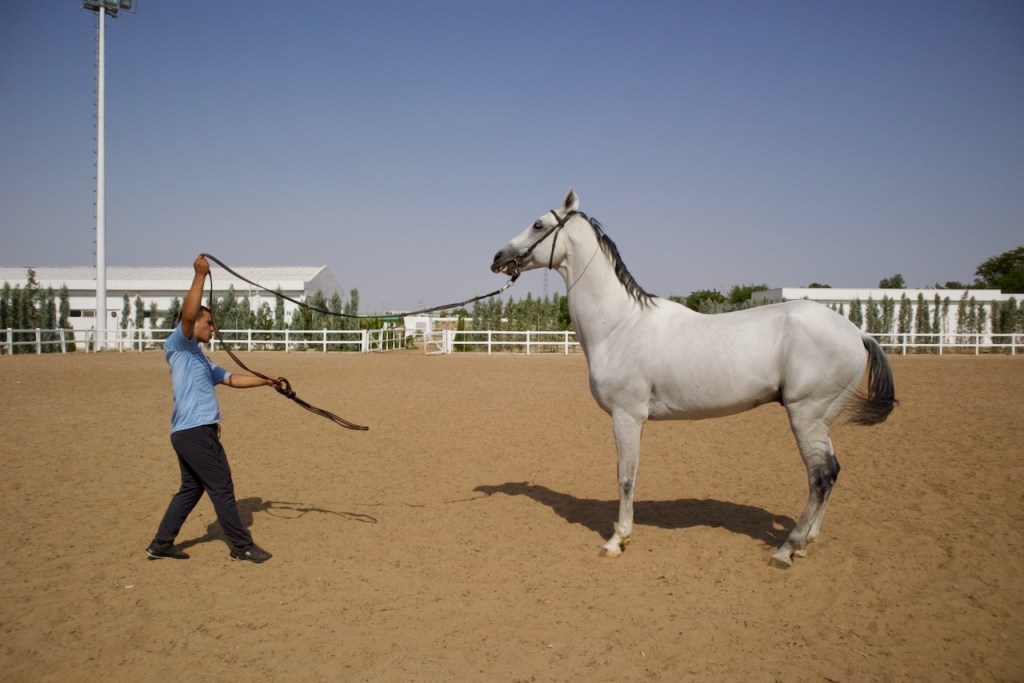
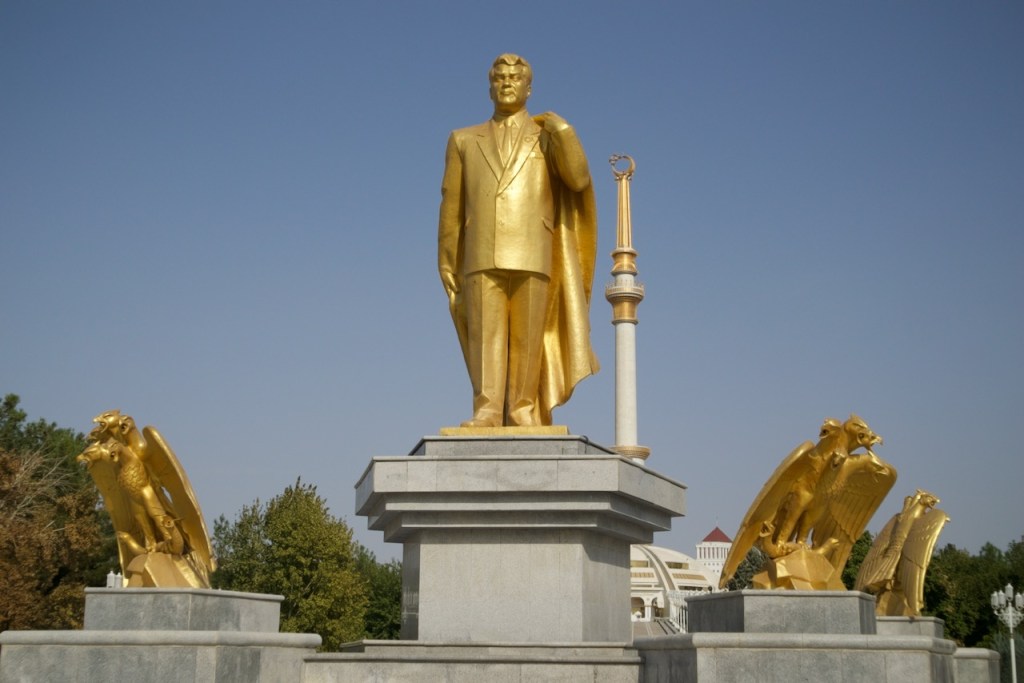
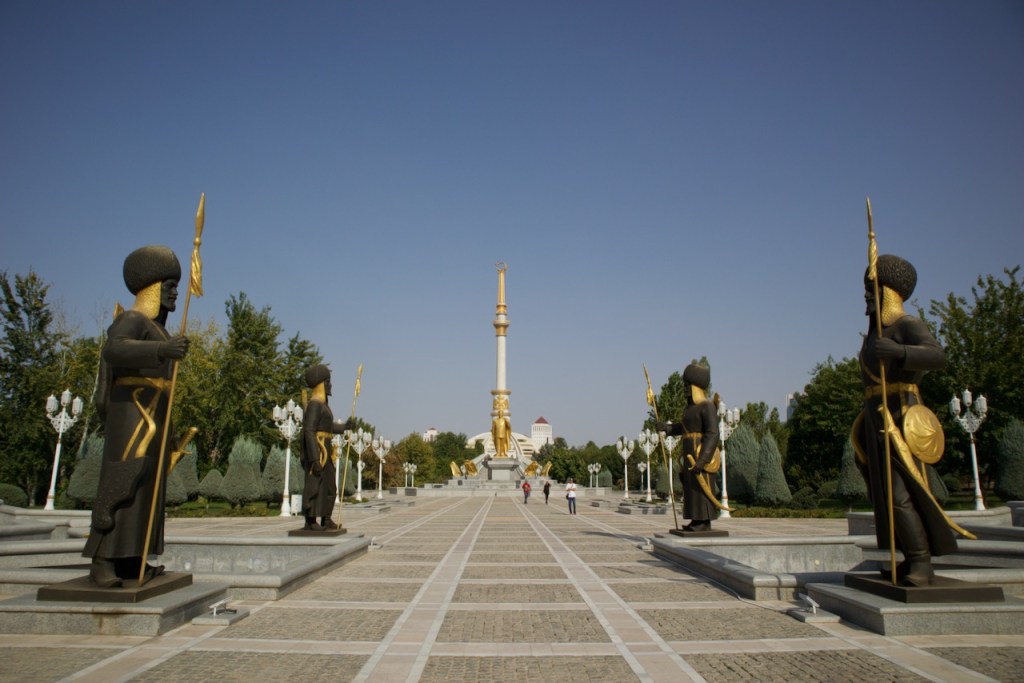
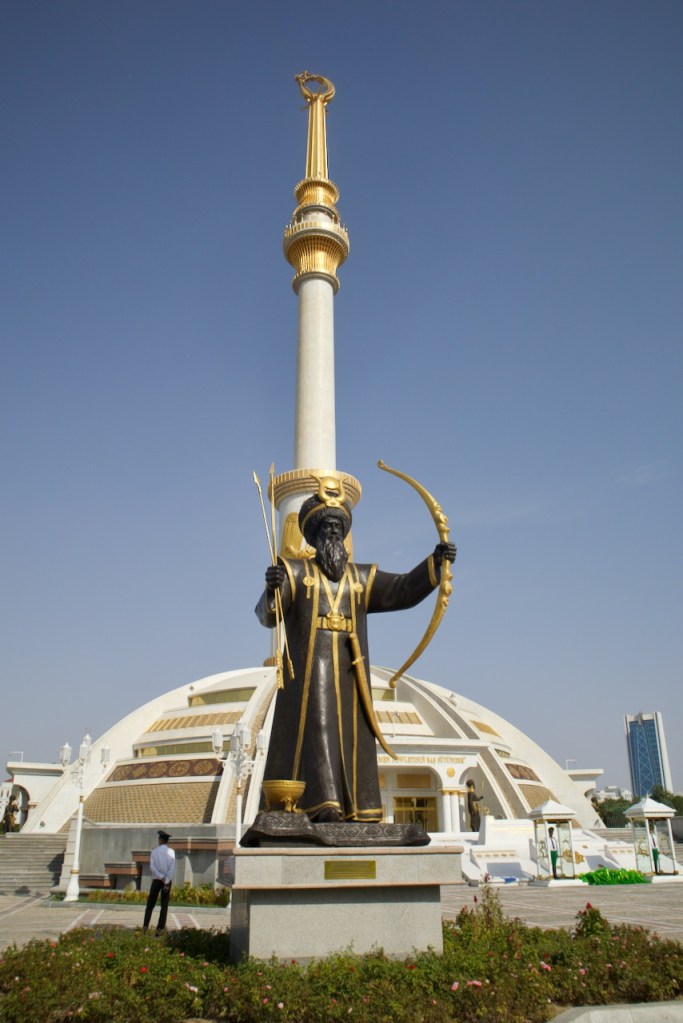
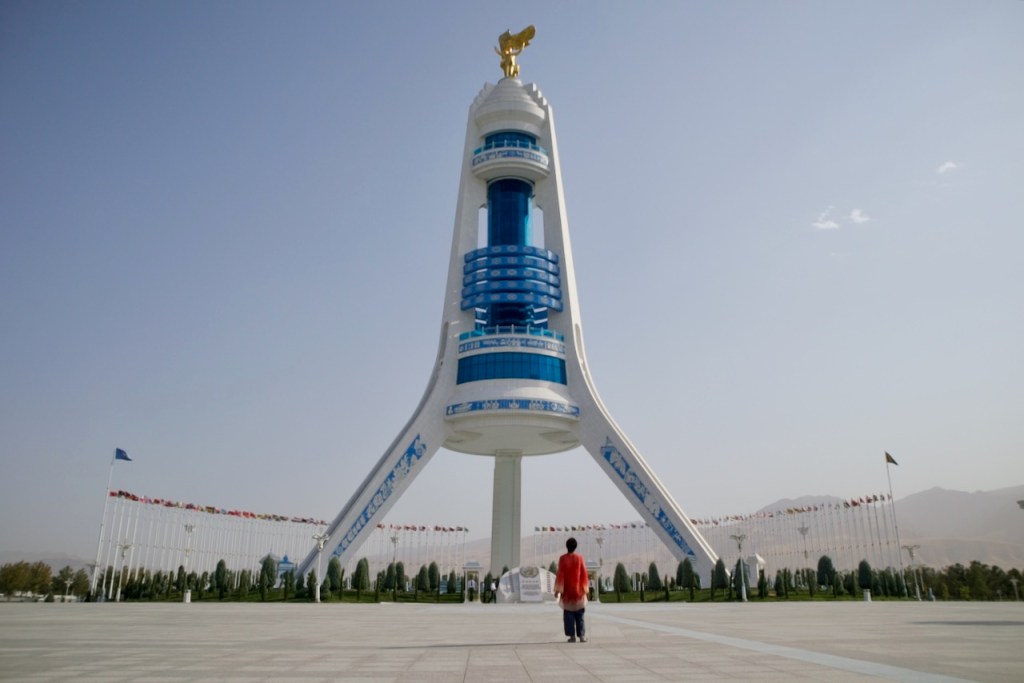
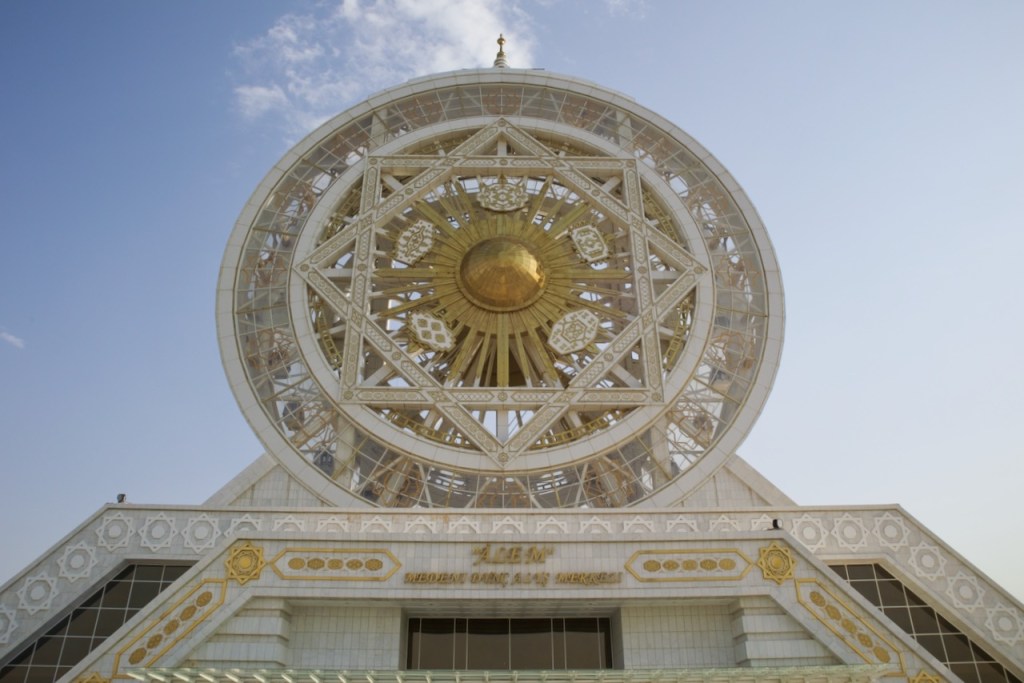
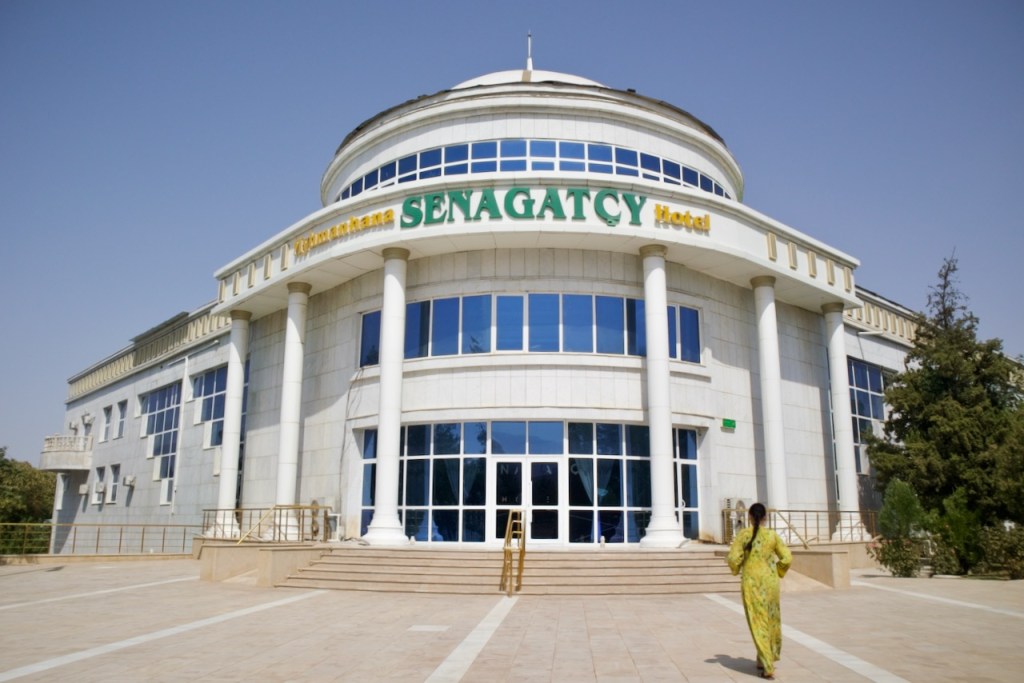
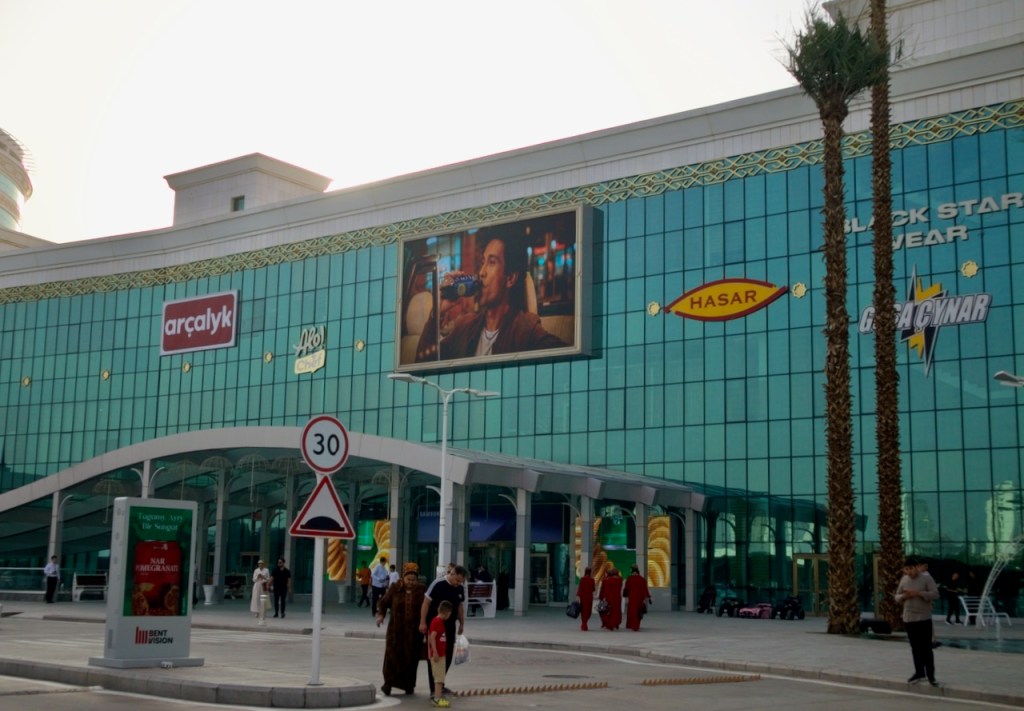
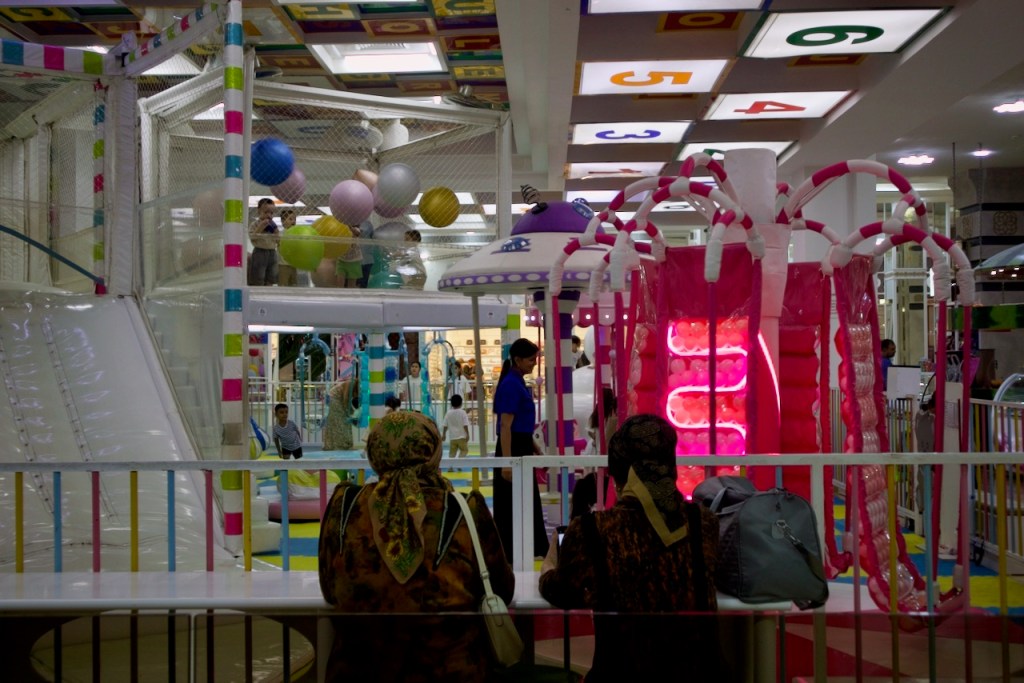
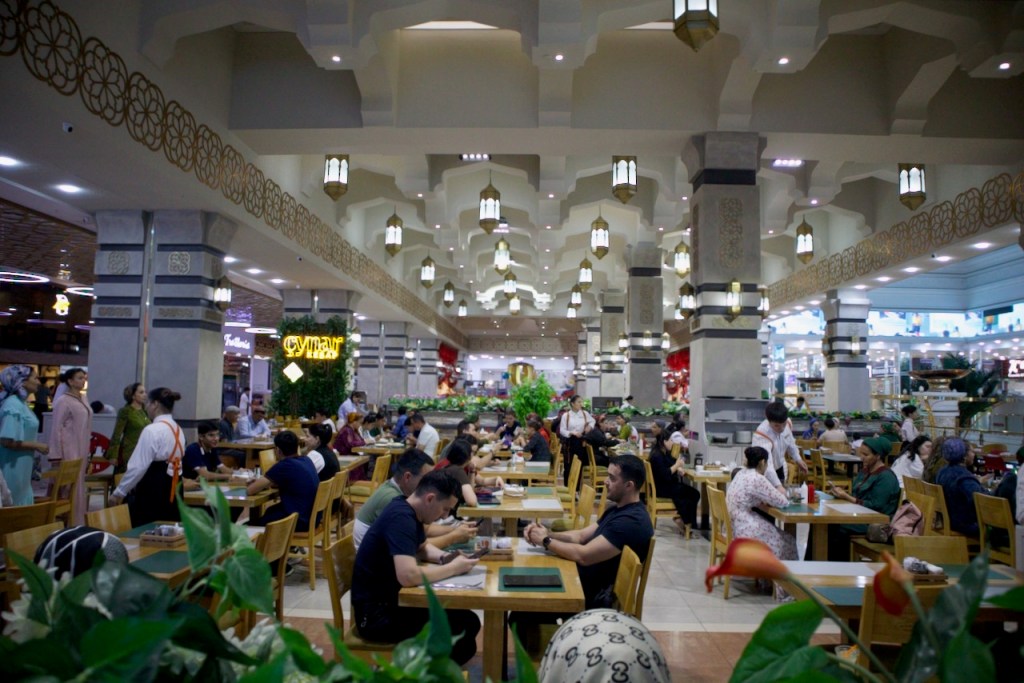
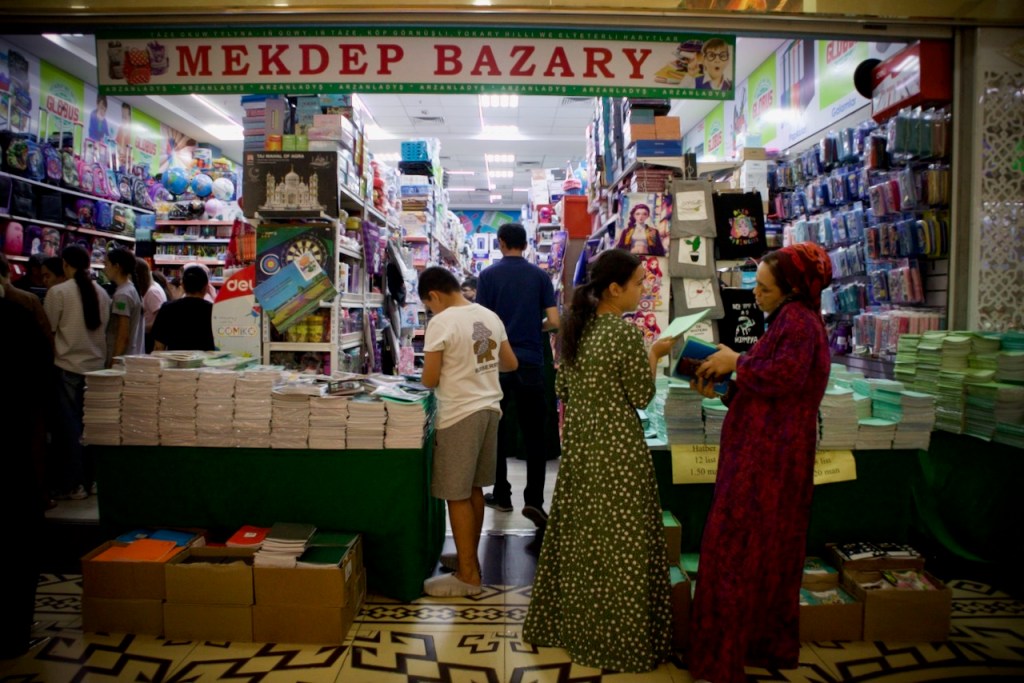
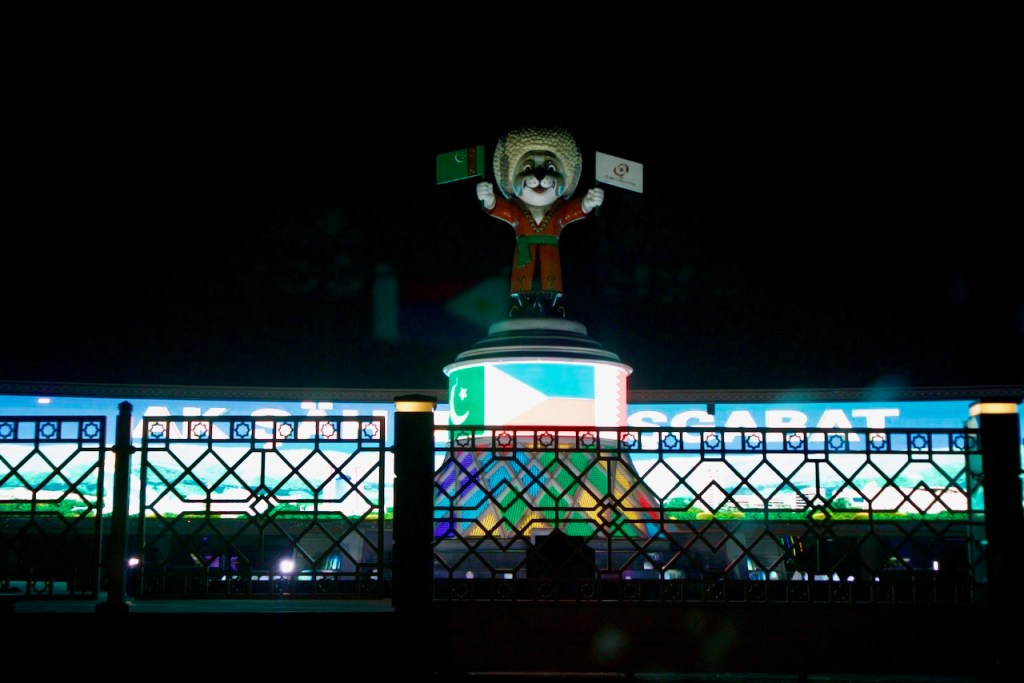
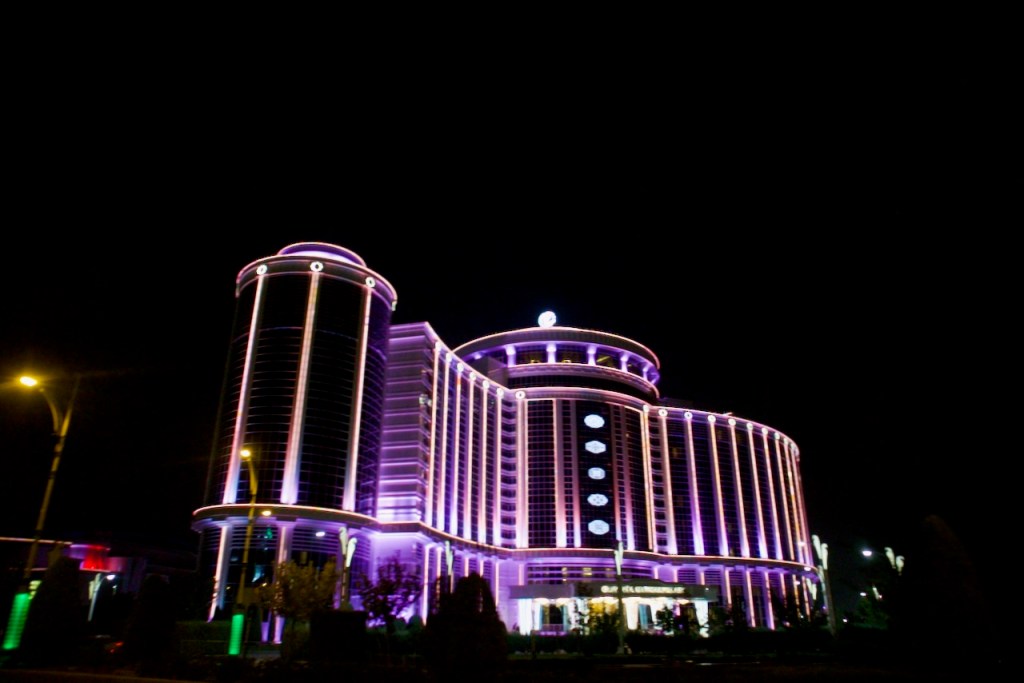
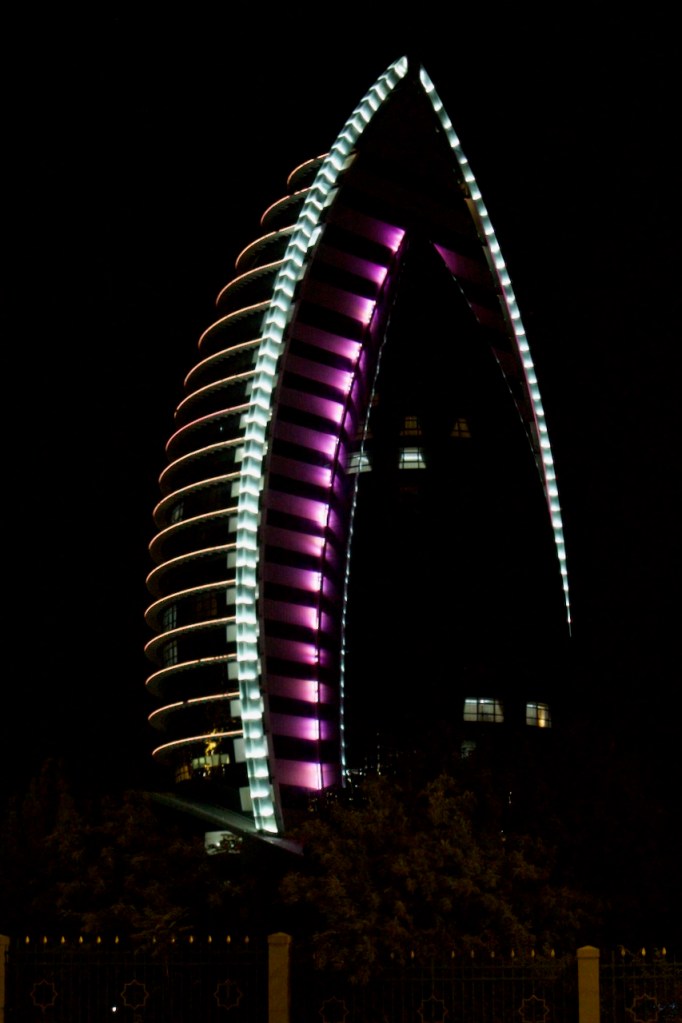
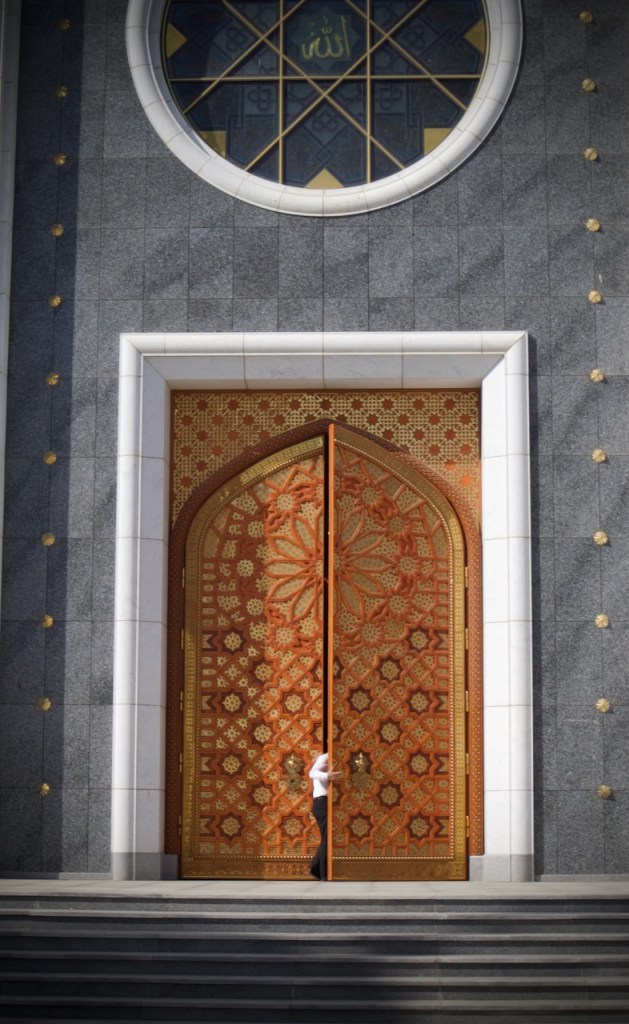
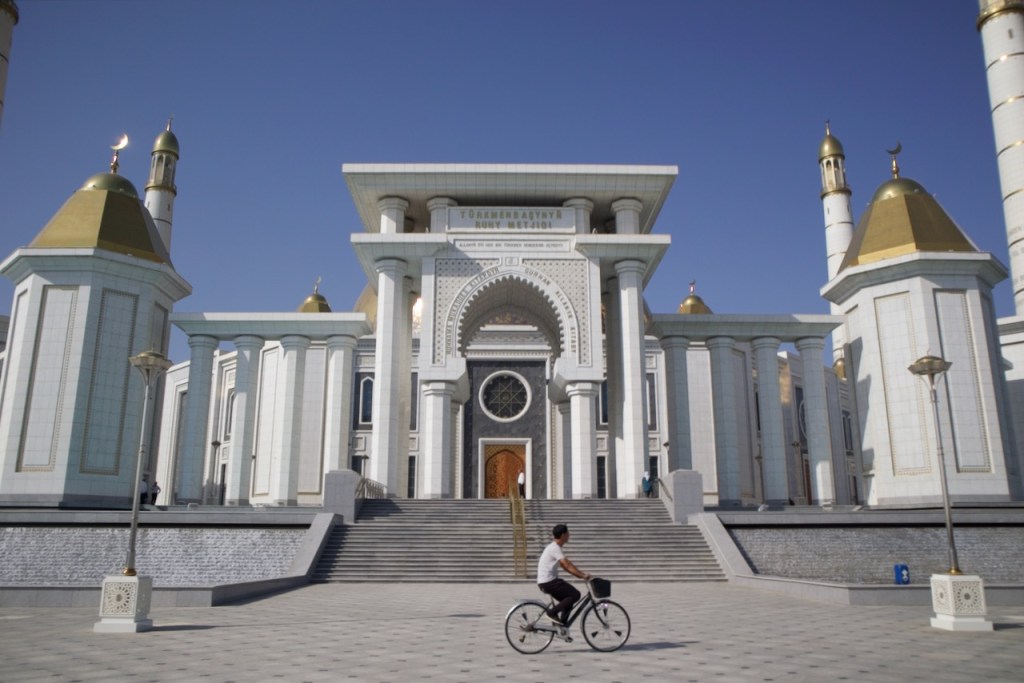
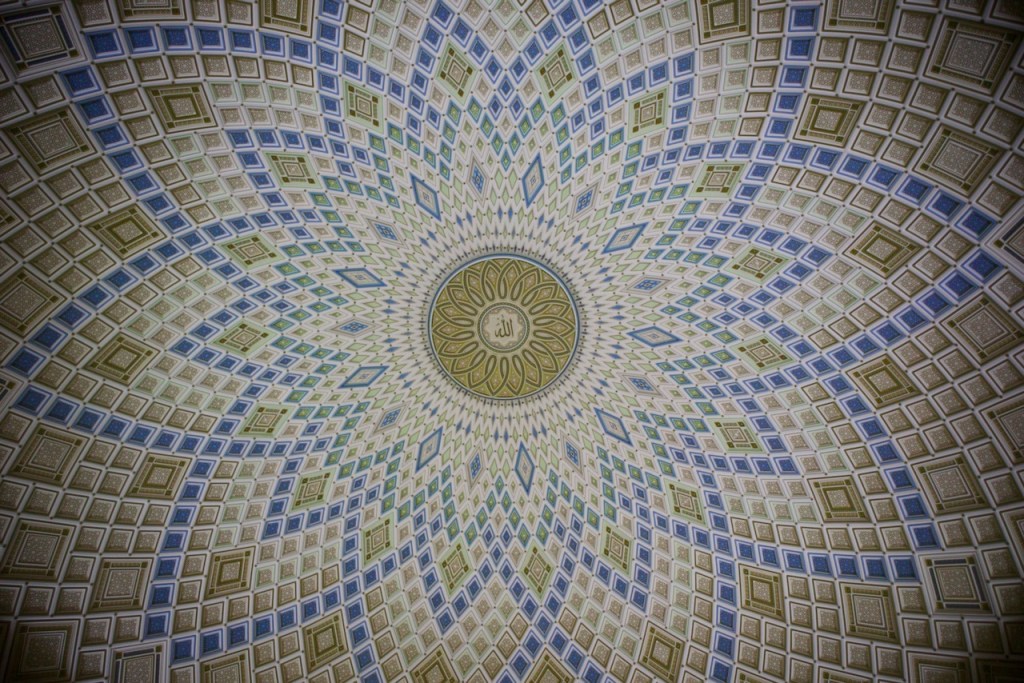
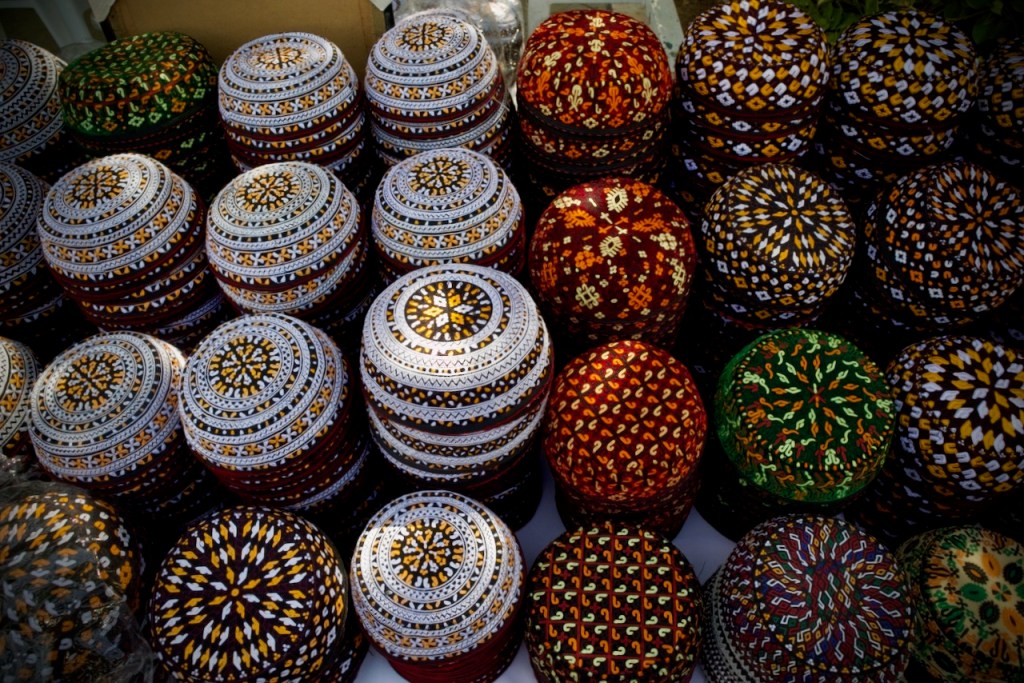
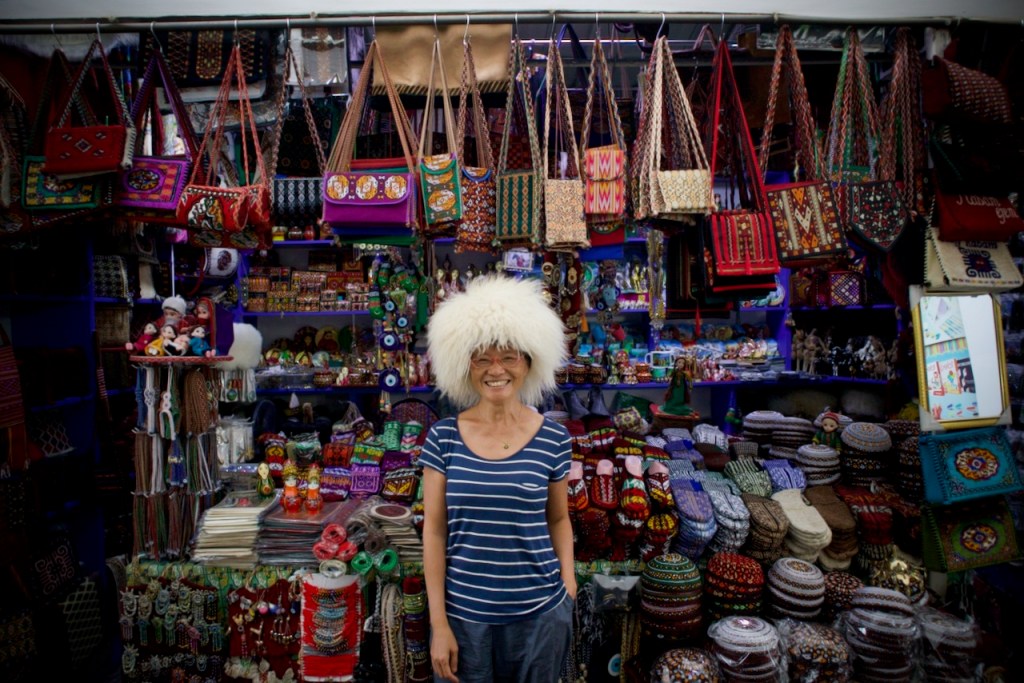
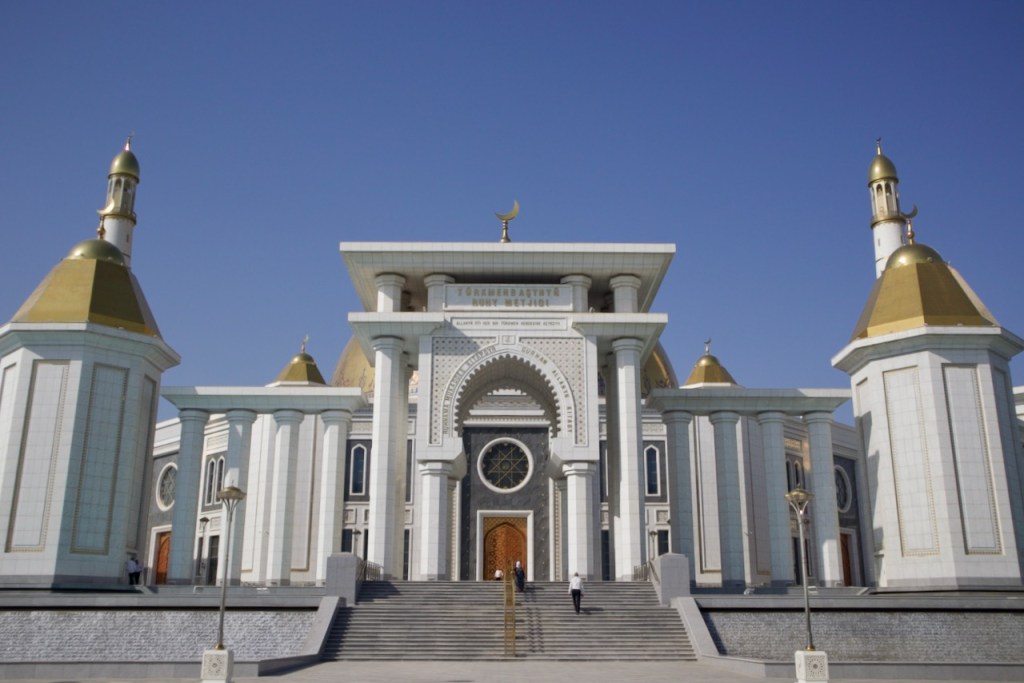
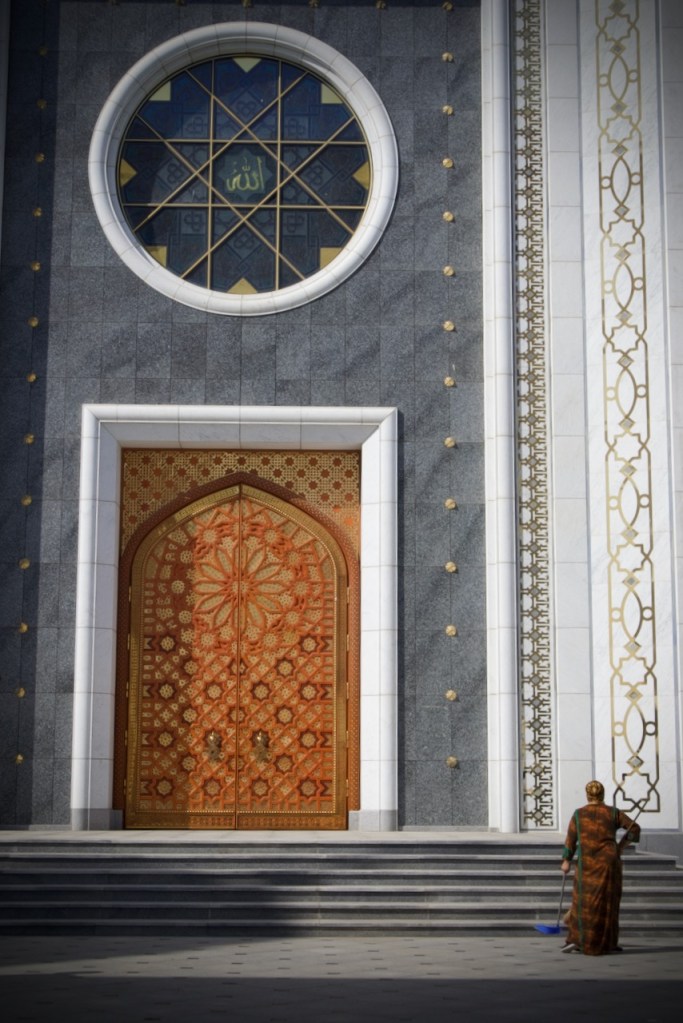
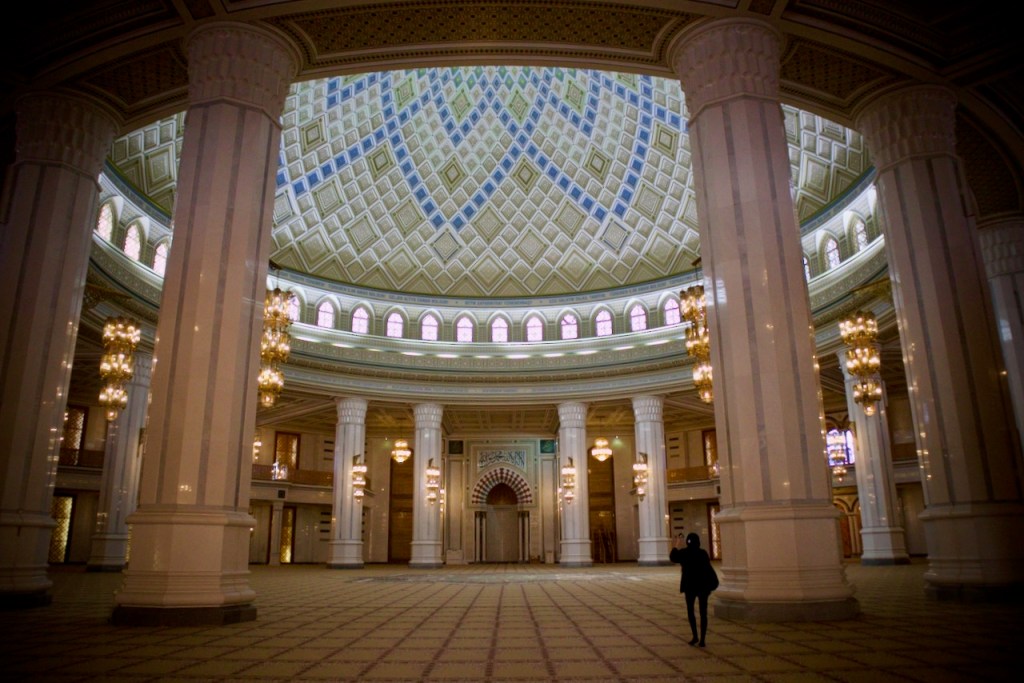
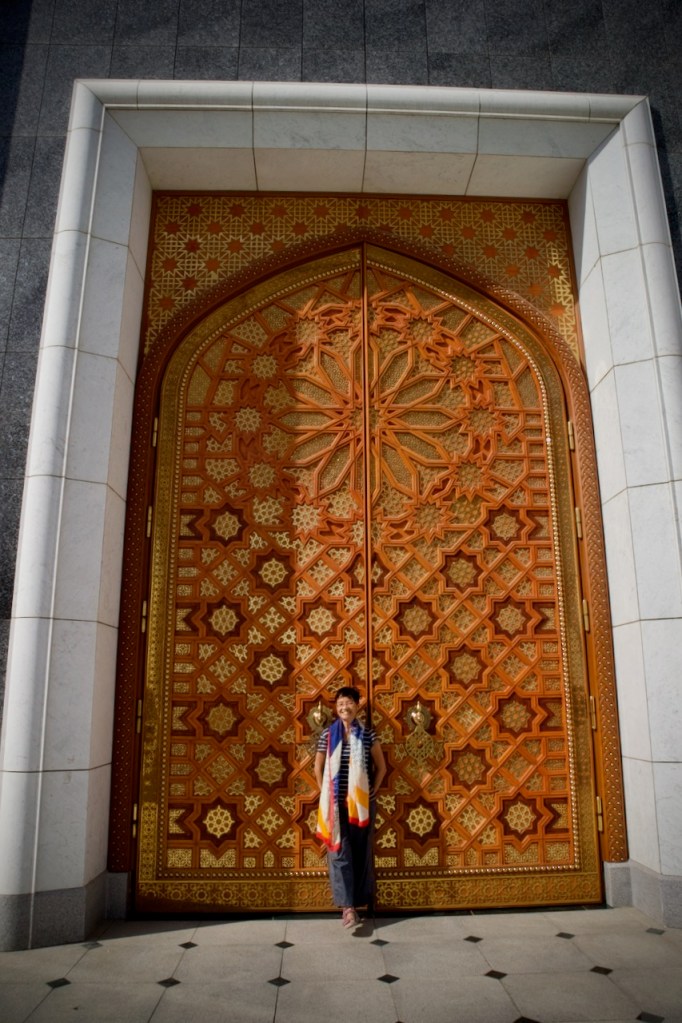
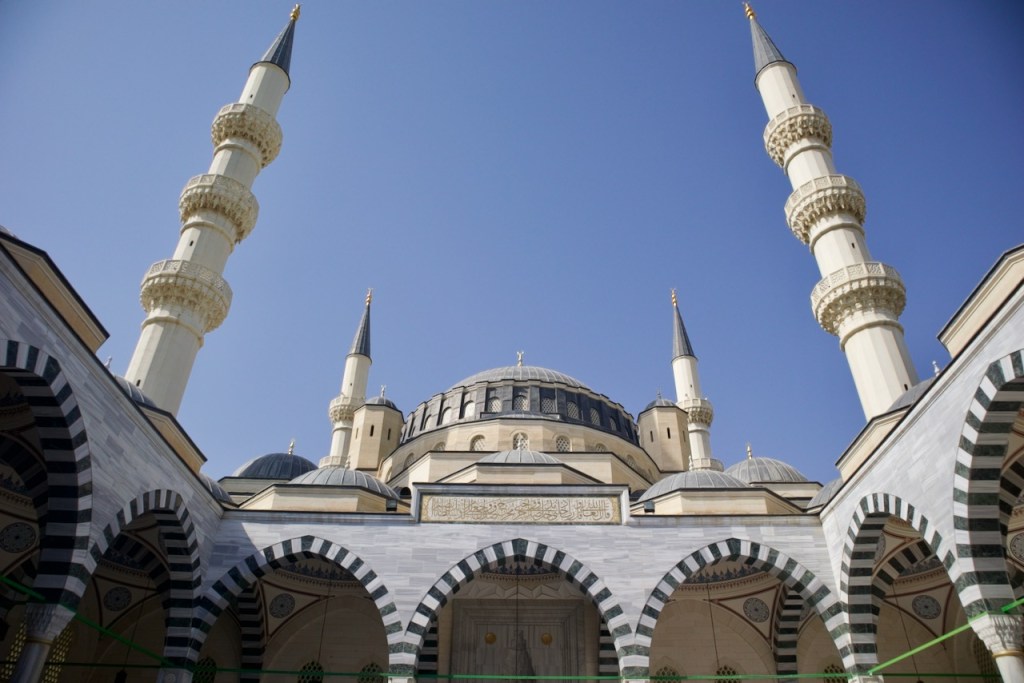
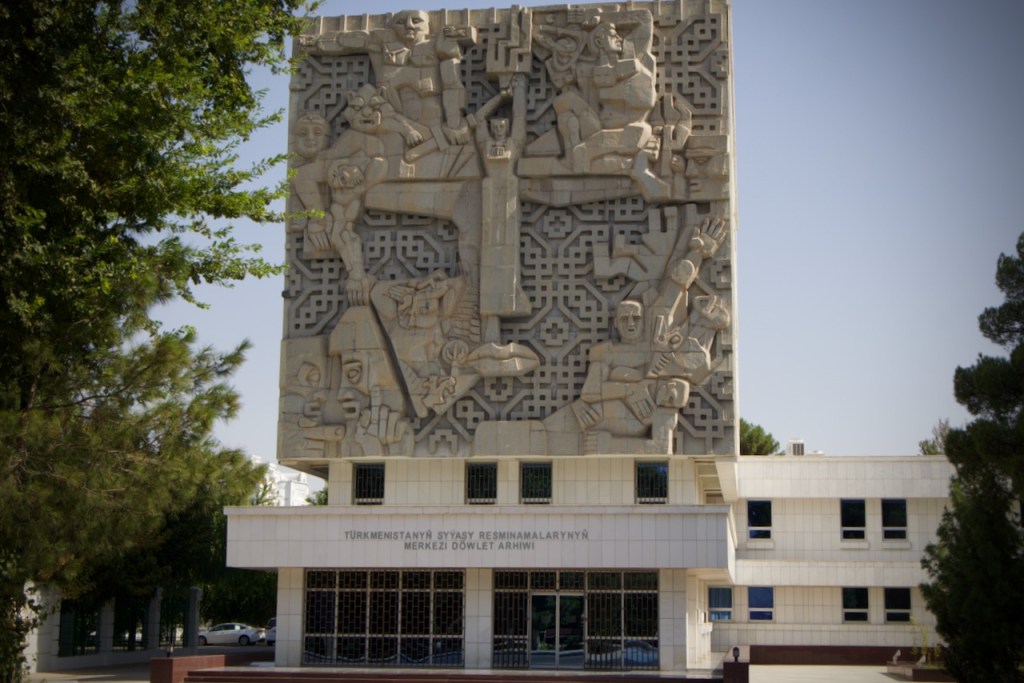
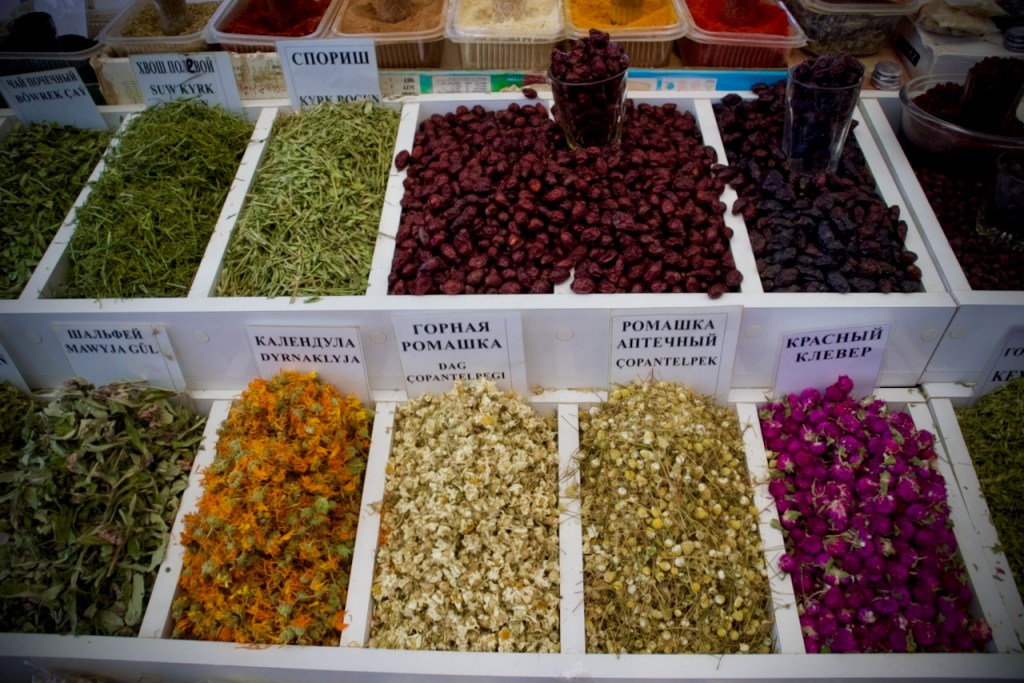
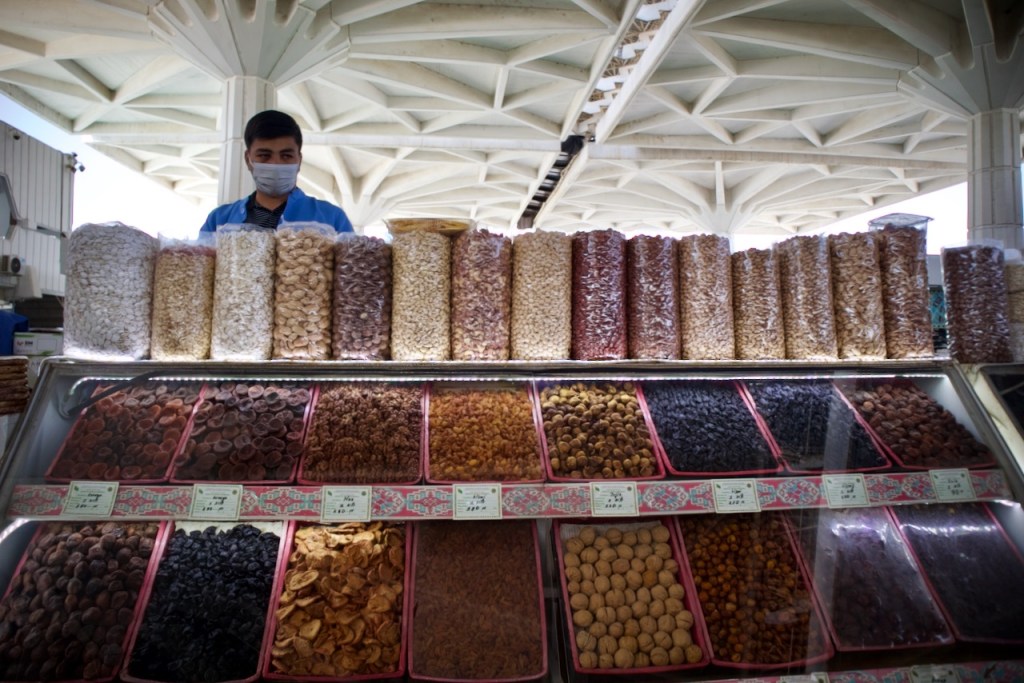
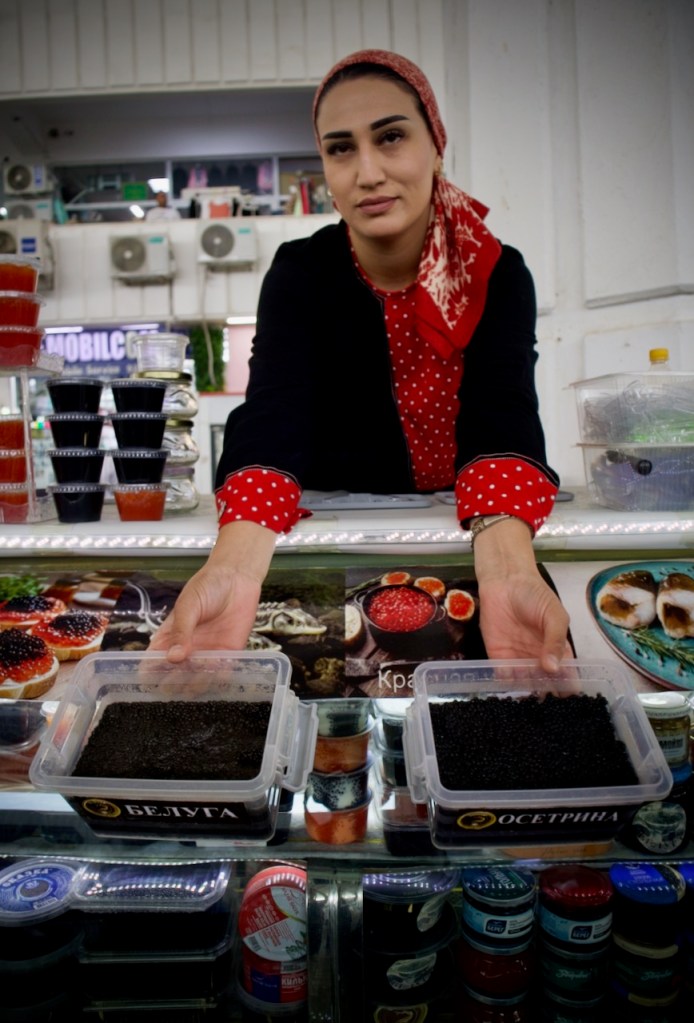
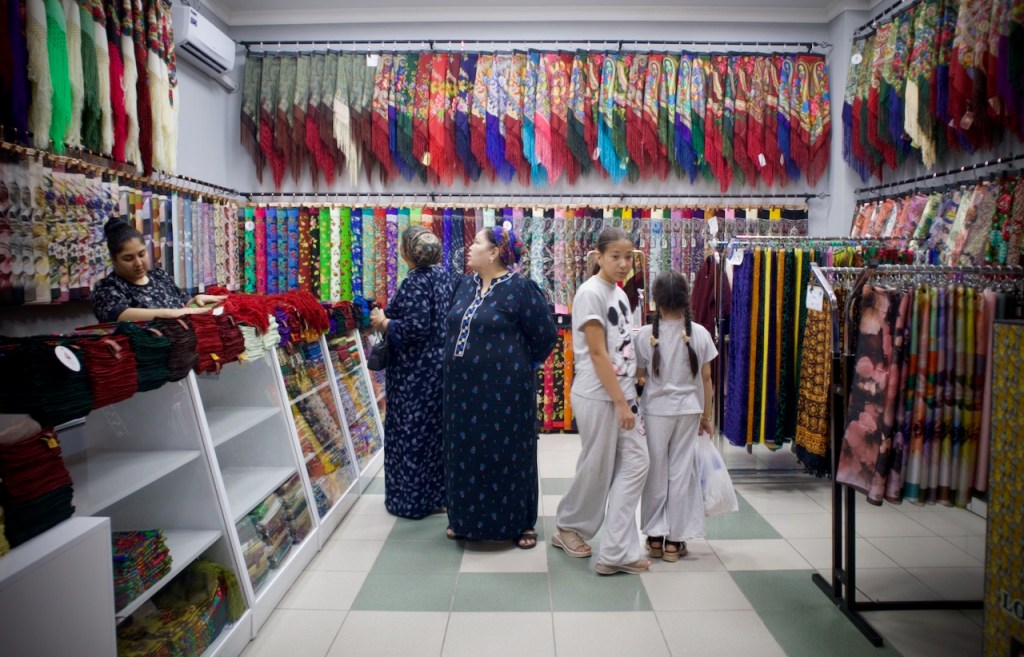
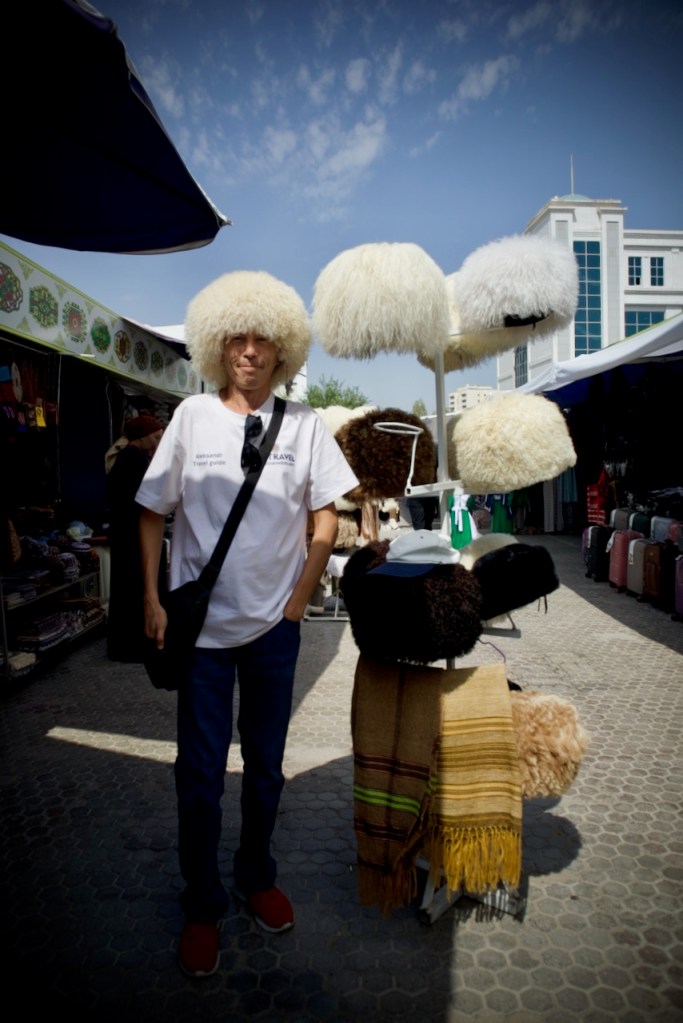
The following morning we drive to the suburb to visit the ginormous Turkmenbashi Ruby Mosque, passing through Soviet- era apartment blocks that remind us other sides of Ashgabat . One more stop at the more modest Turkish-styled Artogrul Gazy Mosque before we head to the Russian bazaar. There are so many beautiful things from silk carpets to embroidered caps, silk scarves to wool socks, and nuts and caviar! A vendor is hard selling me a fur hat; I imagine the long harsh winter here when temperatures plummet to sub-zero. I get a red Turkmen don, a long cotton coat, instead as a souvenir of this unforgettable journey.
Darvaza Gas Crater: the Gates of Hell
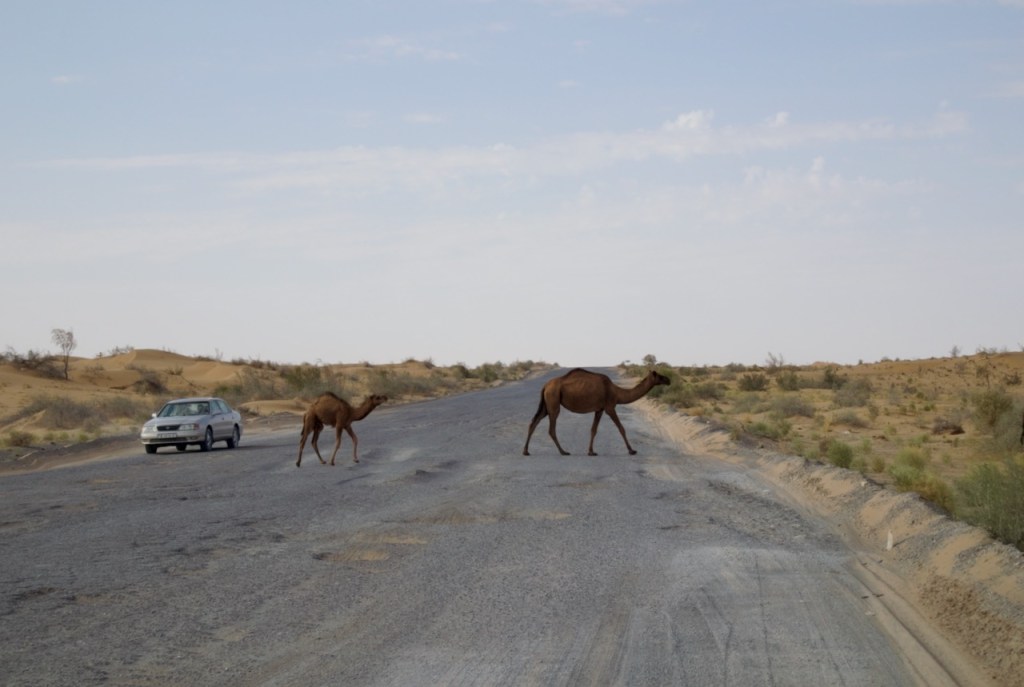
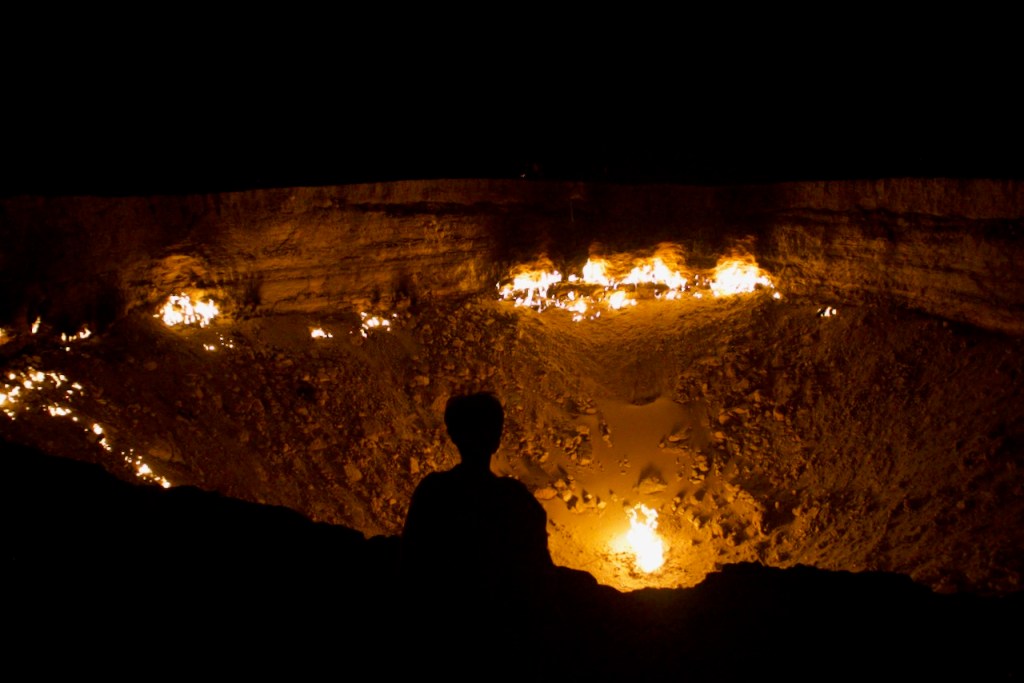
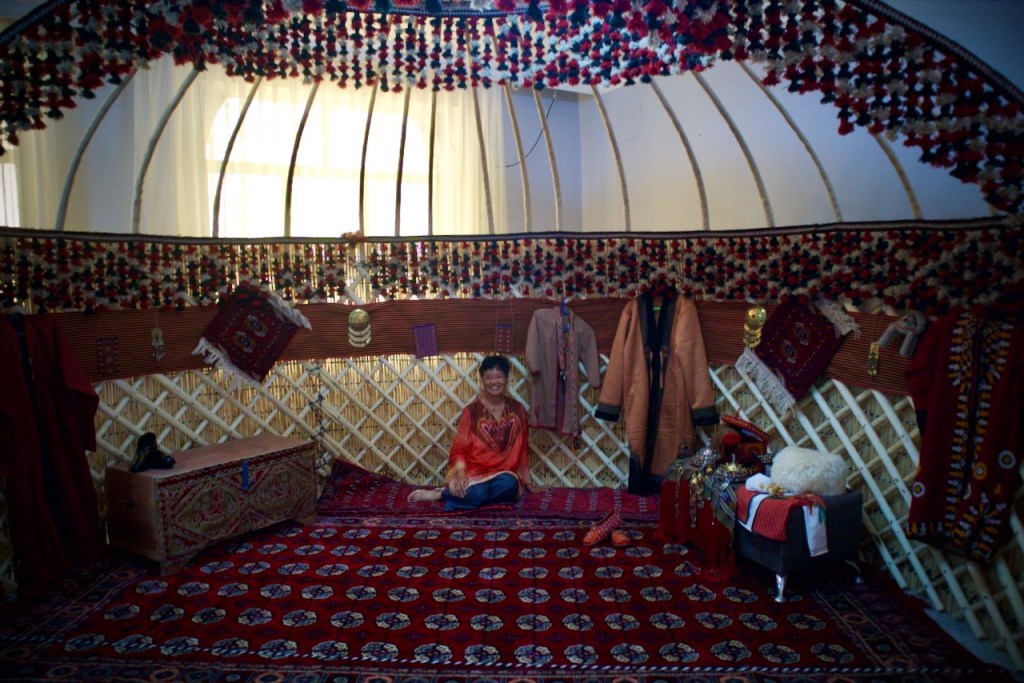
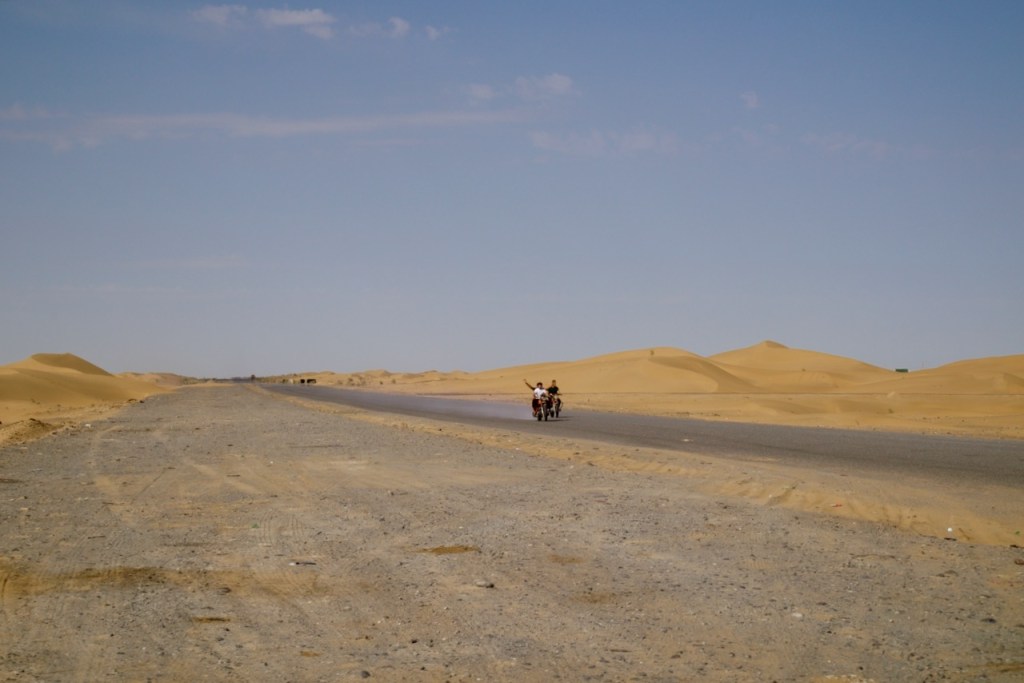
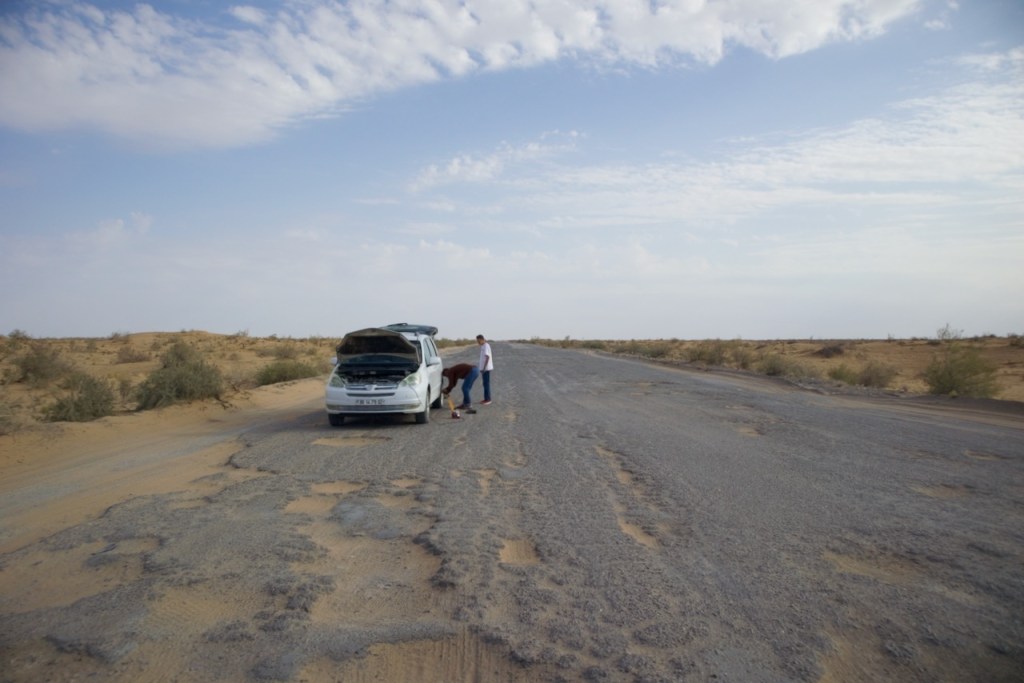
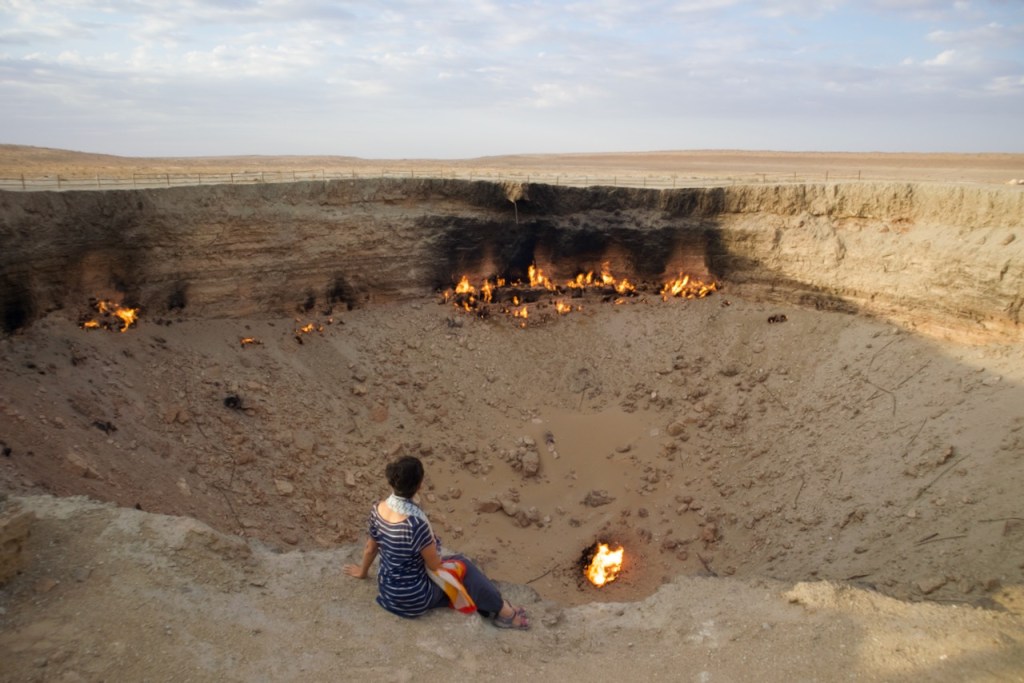
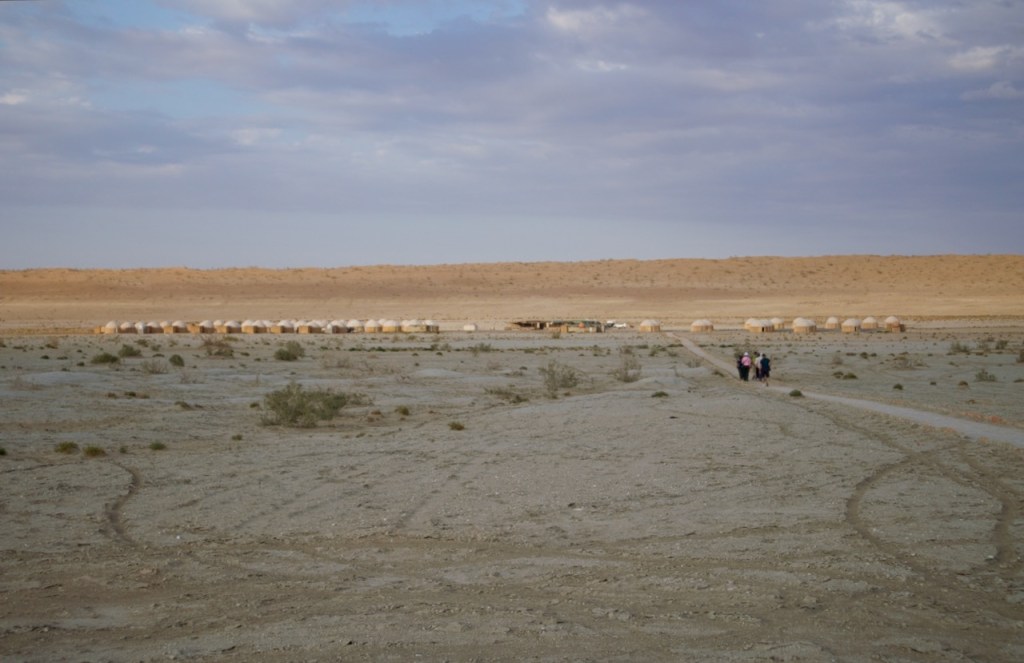
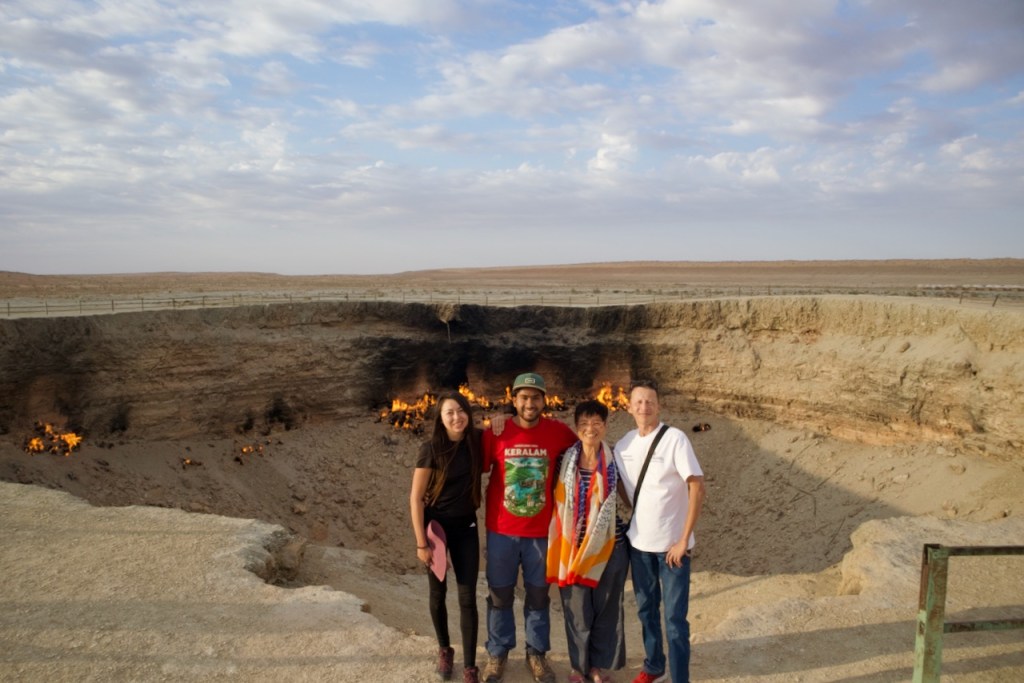
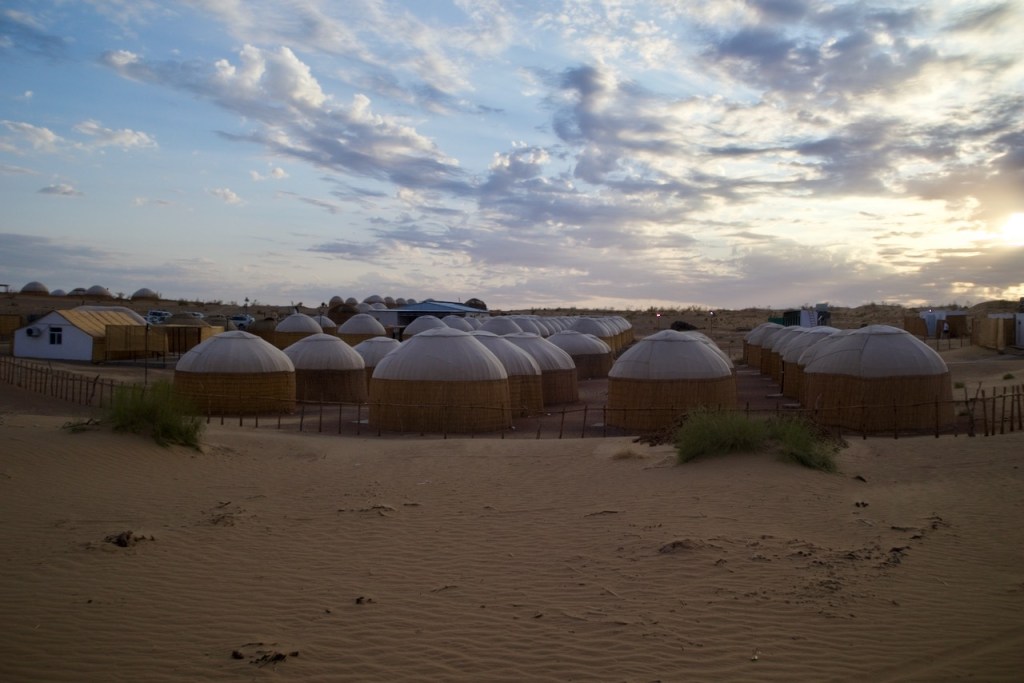
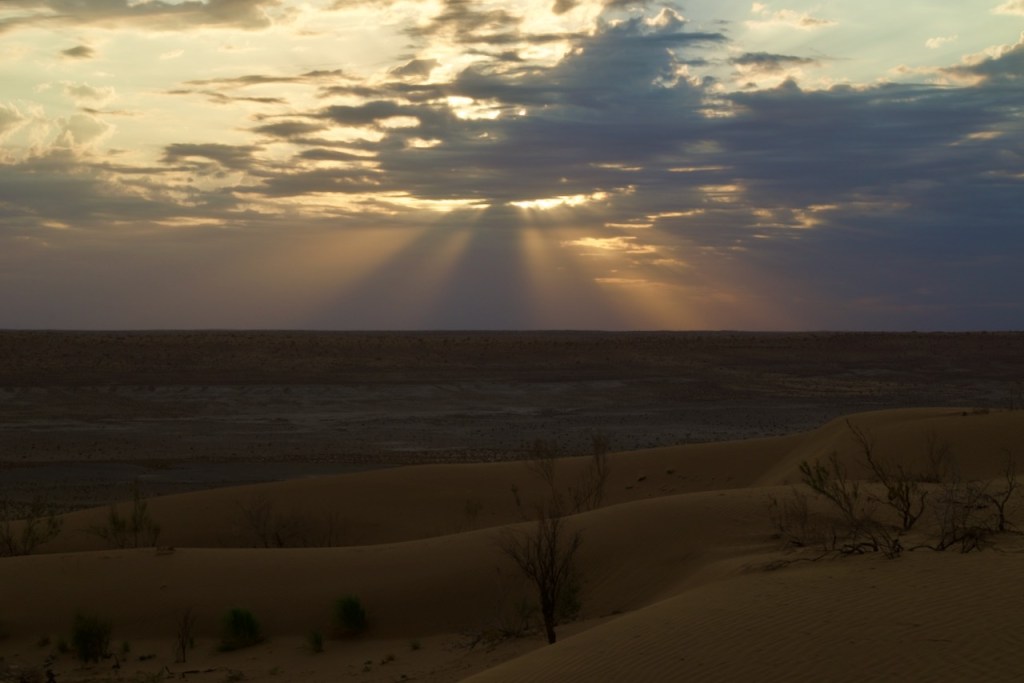
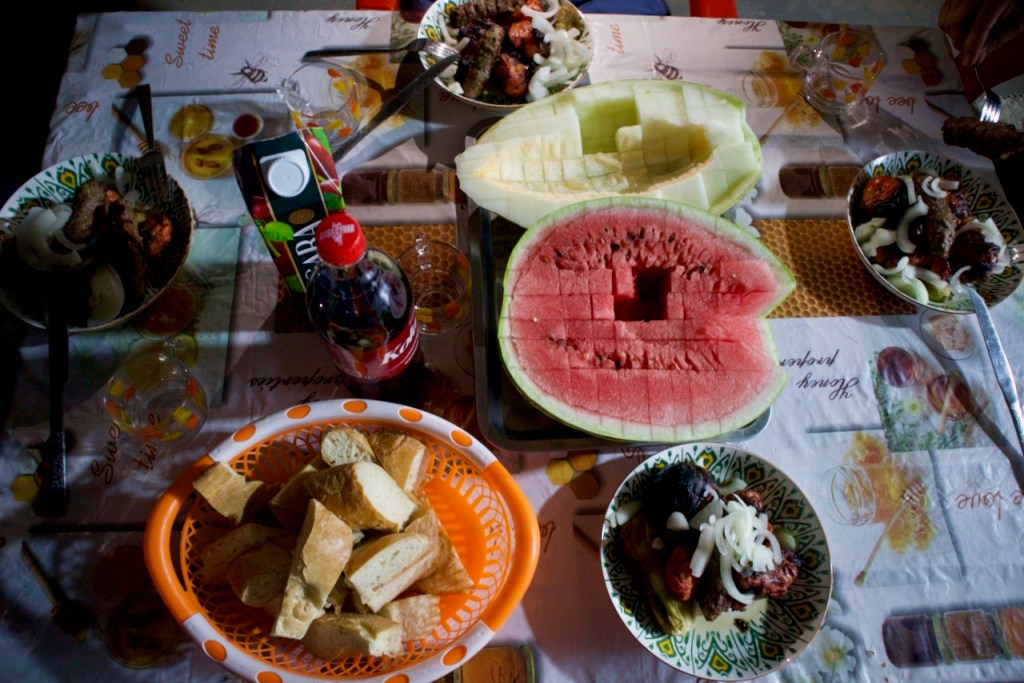
We say goodbye to Kakajan and Enejan at Go Travel who treated us like VIP with their hearts of gold and make our way towards the desert. The five-hour drive from Ashgabat to Darvaza feels like a Paris-Dakar rally where Aman, our skilled driver from Dashoguz, steers the wheel like he’s a Formula One racer. It is 280km of nothingness but sand, camels, and a few tiny villages. No one would have thought a geological accident 55 years ago gave Turkmenistan its most popular tourist attraction: a non-stop burning gas crater. We make a pit stop at a sinkhole #59, a flooded crater named after the year in which the collapse happened due to natural gas exploration. When we finally arrive in Darvaza, you feel the heat before you see anything. What a unique place burning like a volcano, but with neither lava nor ash. In 1971, Soviet engineers drilled here for natural gas when the ground gave way, creating a massive 70m wide and 30m deep sinkhole. When the fire was set to burn off the gas, no one expected it to burn continuously. What a work of nature that draws tourists from around the world including in deep, freezing winter! Free heat, anyone? The desert sun drops fast, radiating crimson rays across the vast landscape. After a scrumptious BBQ dinner lovingly prepared by our yurt host, we head to a nearby hill to marvel at this man-made natural phenomenon. Sitting at the crater edge, gazing at the dancing flames, feeling the burning heat while listening to roaring sound is such a unique experience. We can sit here all night… a fellow traveller says, but wake-up call is four forty!
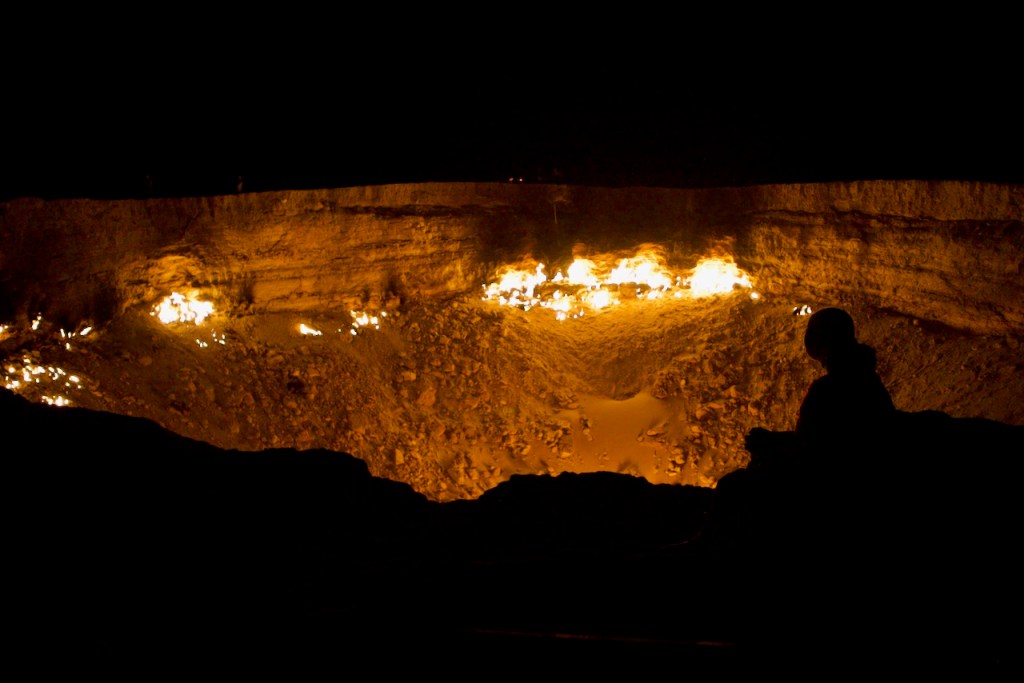
Konye-Urgench: Capital of the Desert Kings
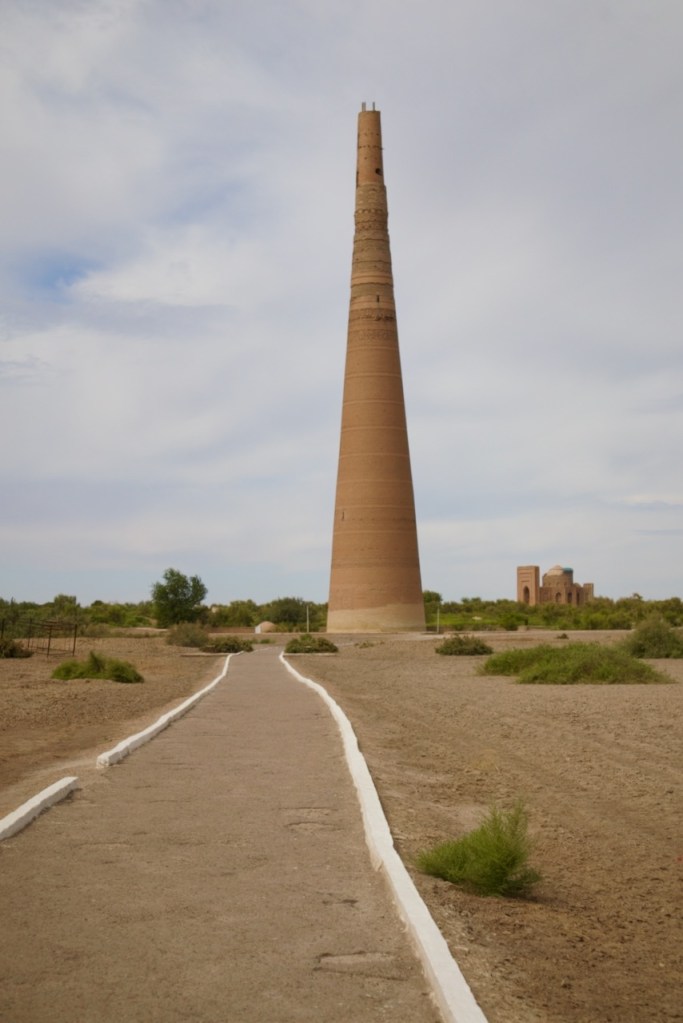
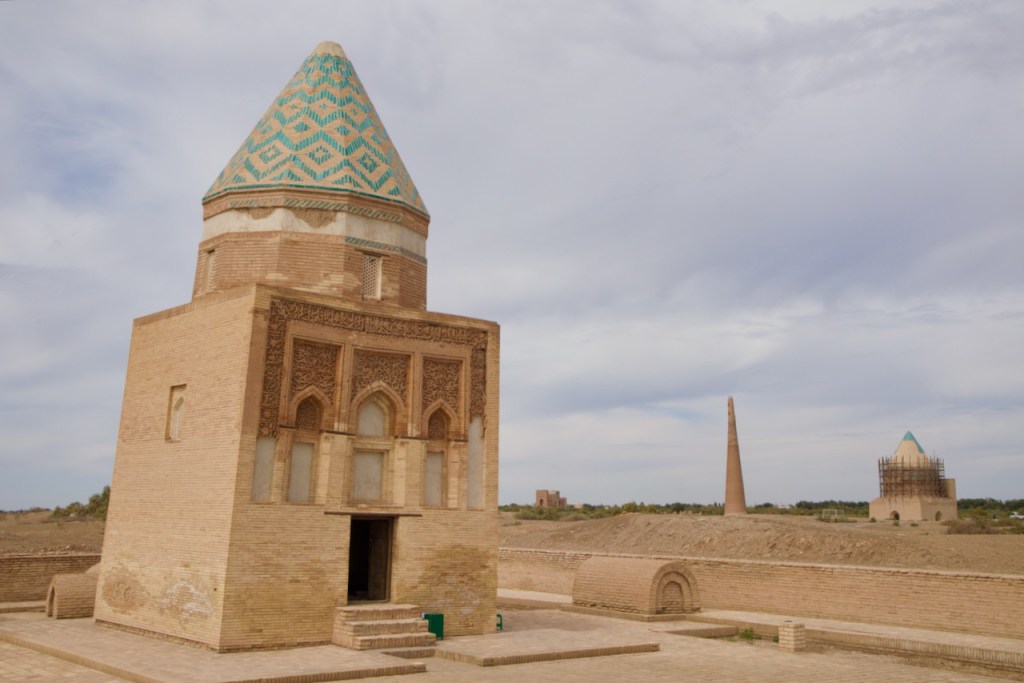
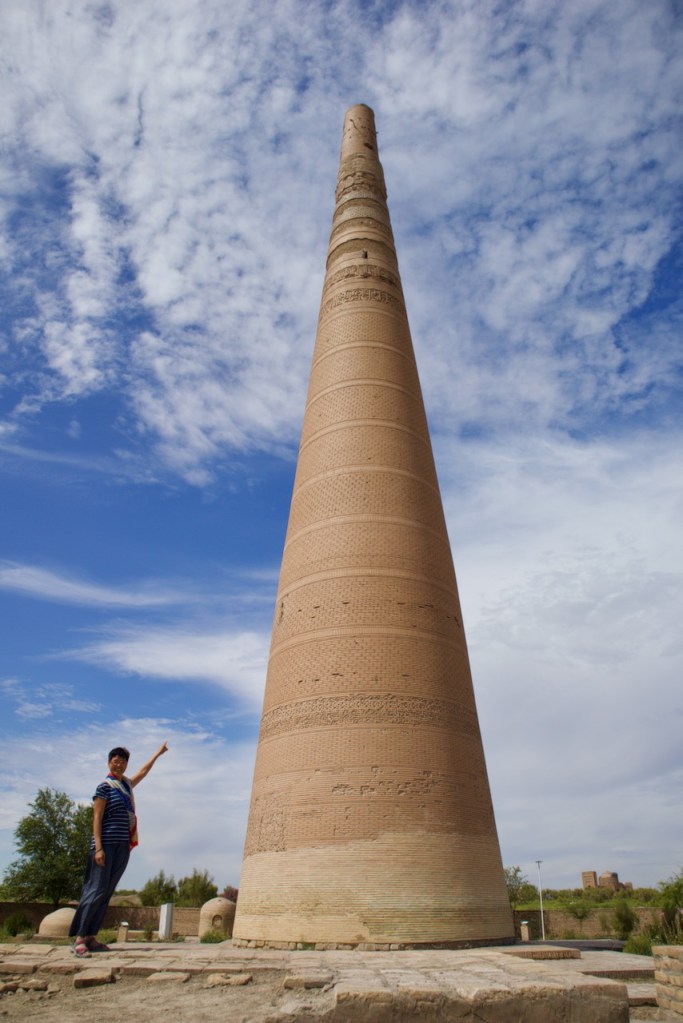
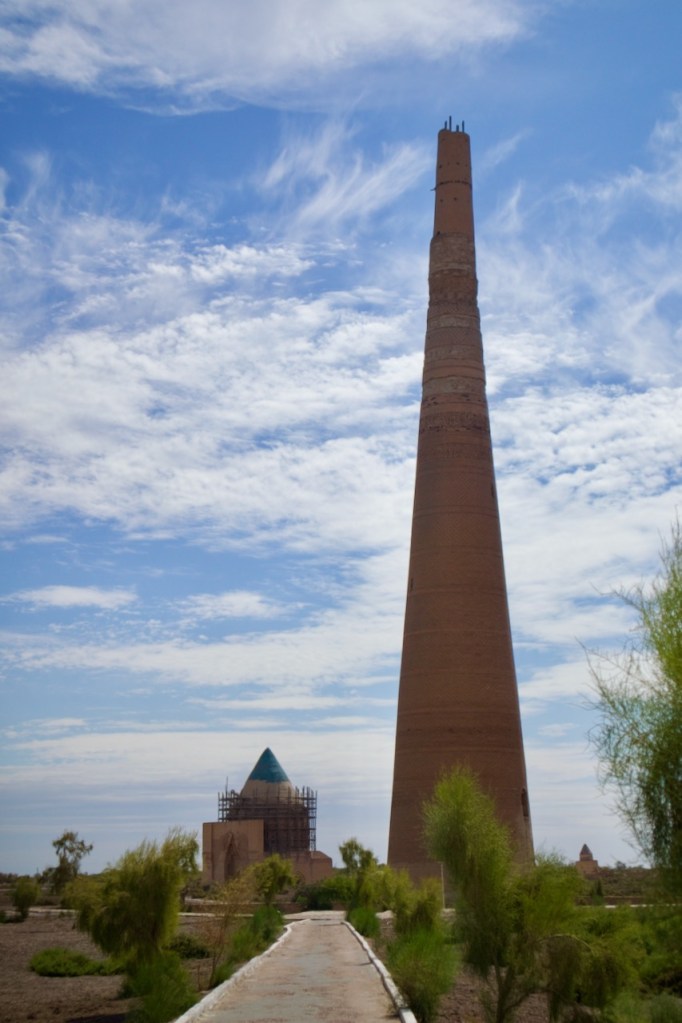
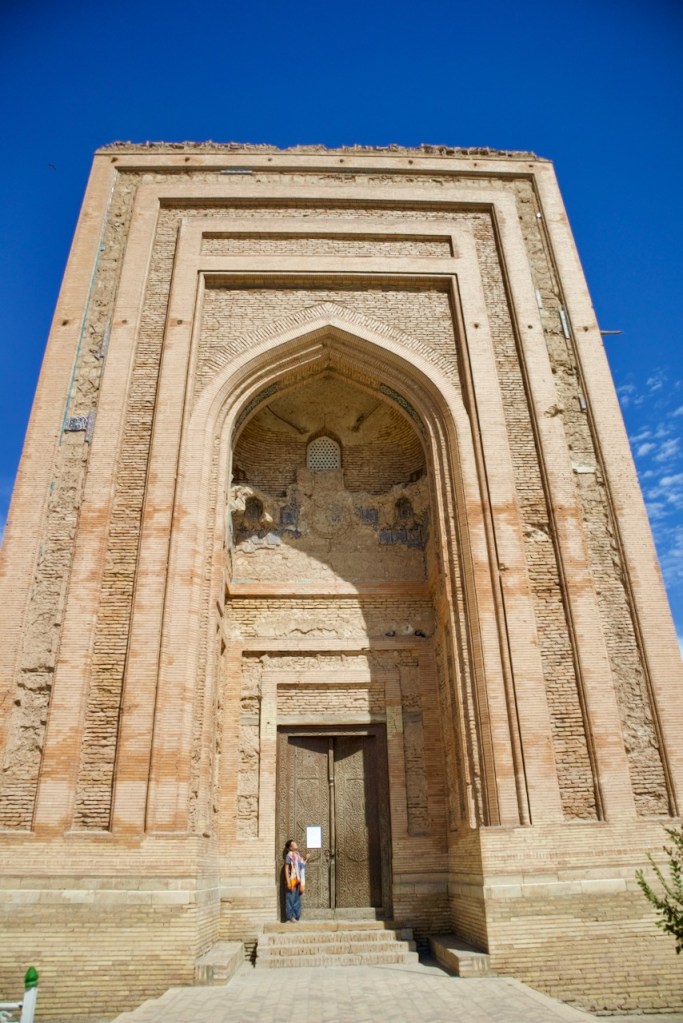
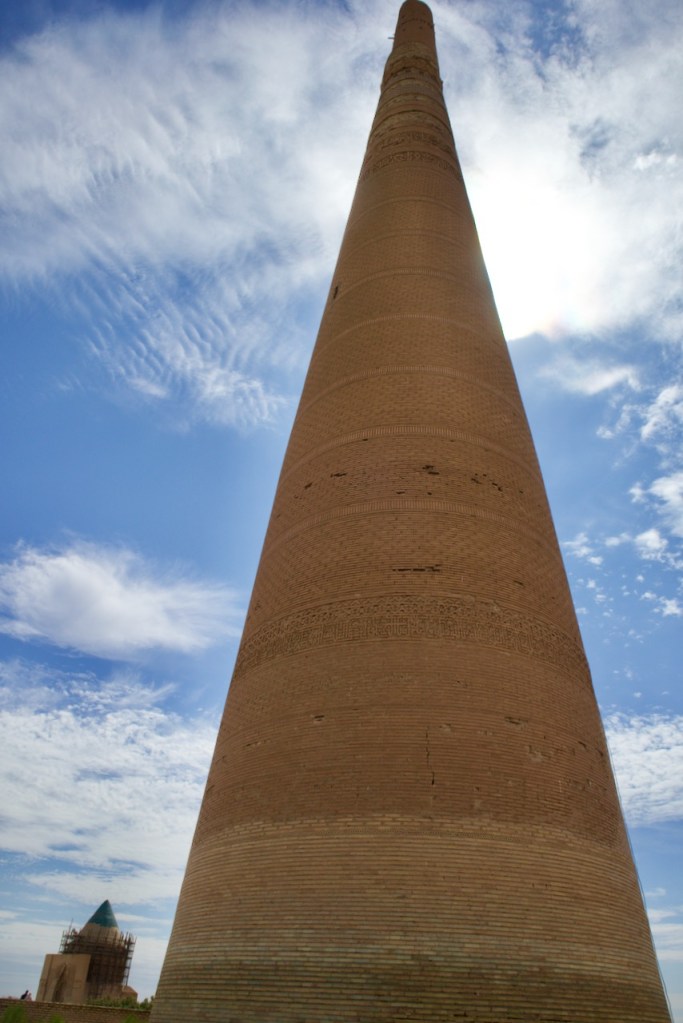
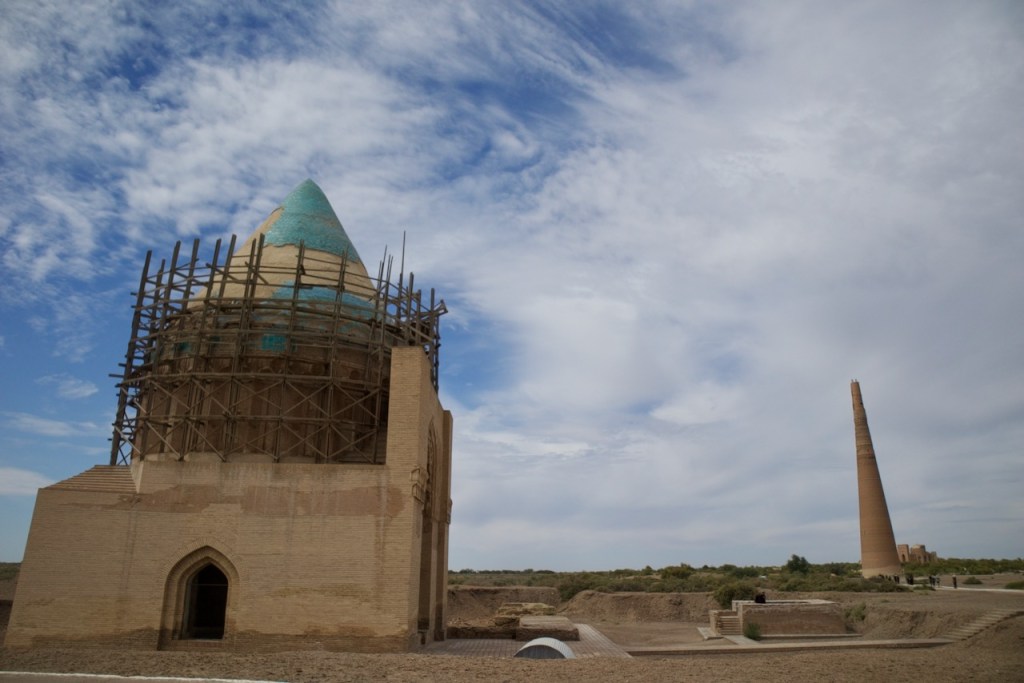
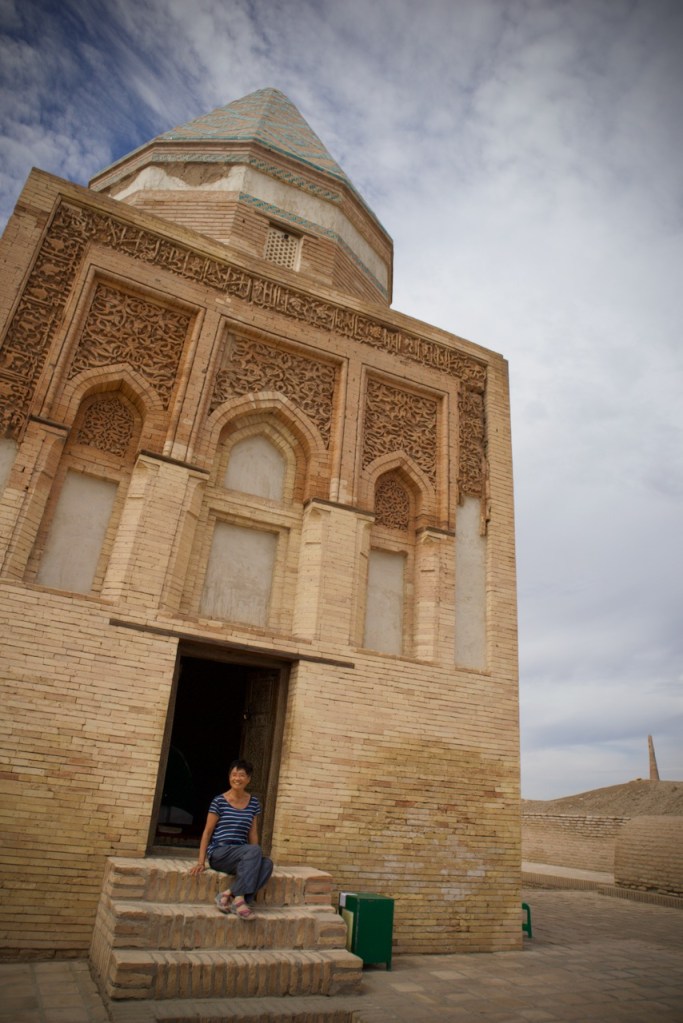
Most tours return to Ashgabat or drive straight to the Shavat border. Konye-Urgench, the capital of the powerful Khwarezm Empire between the 10th and 13th century, feels like a total bonus. A major crossroad for trade and scholarship, it grew into one of the largest and wealthiest cultural centres in the Islamic world before being destroyed by the Mongols. The impressive 60m tall Kutlug Timur Minaret stands as the tallest in Central Asia while the 14th century mausoleum of Turabek Khanum, a Mongolian princess, is a revered site of pilgrimage. The Il-Arslan mausoleum, the oldest surviving monument in the Khwarazmian Empire capital, is known for its unique twelve-sided conical drum and dome, while the smaller neighbouring Sultan Tekesh Mausoleum is noted for its conical turquoise-tiled dome. Genghis Khan’s army broke nearby dams and flooded the city, massacring the population, and later Amir Timur, the Turco-Mongol conqueror, razed the city to the ground out of fear of rivalry to Samarkand. But it was the catastrophic shift in the Amu Darya River’s course in the 16th century that led the city to total abandonment. The towering minarets and ruins stand as witness to a glorious imperial past.
Four days of a deep dive into all things Turkmen from history to nature, culture and architecture. We barely scratch the surface and there is still so much more to discover, especially the invisible and unspeakable beyond the monumentalism, sanitized aesthetics, and mega tons of white marble. Ashgabat is in full construction boom in its “continuous search for perfection,” according to Alex. We’re at the center of the modern Silk Road, he says. Turkmenistan seems to be showing signs of a gradual opening under the current President, Serdar Berdymukhamedov, who is traveling abroad more frequently. The government passed a law to introduce e-visas that could be a game changer. We see plenty of small-scale private businesses like Go Travel that boom in the more open economy, and Turkmenistan has indicated a desire to join the World Trade Organization. The ambitious 1,800-km long Turkmenistan-Afghanistan-Pakistan-India (TAPI) natural gas pipeline designed to transport up to 33 billion cubic meters of gas annually from Turkmenistan’s Galkynysh fields to South Asia is often seen as a test of the country’s fine balancing act between isolation and engagement.
What a fun, indelible, and visually striking journey! Everywhere we go, we only encounter Turkmen friendliness and hospitality. For now, it’s time to say goodbye to Say and Maheen as they continue their globetrotting content creating journeys, and to our one-and-only formidable guide, Alex, who is a walking encyclopedia on his beloved country. Sag bolun!
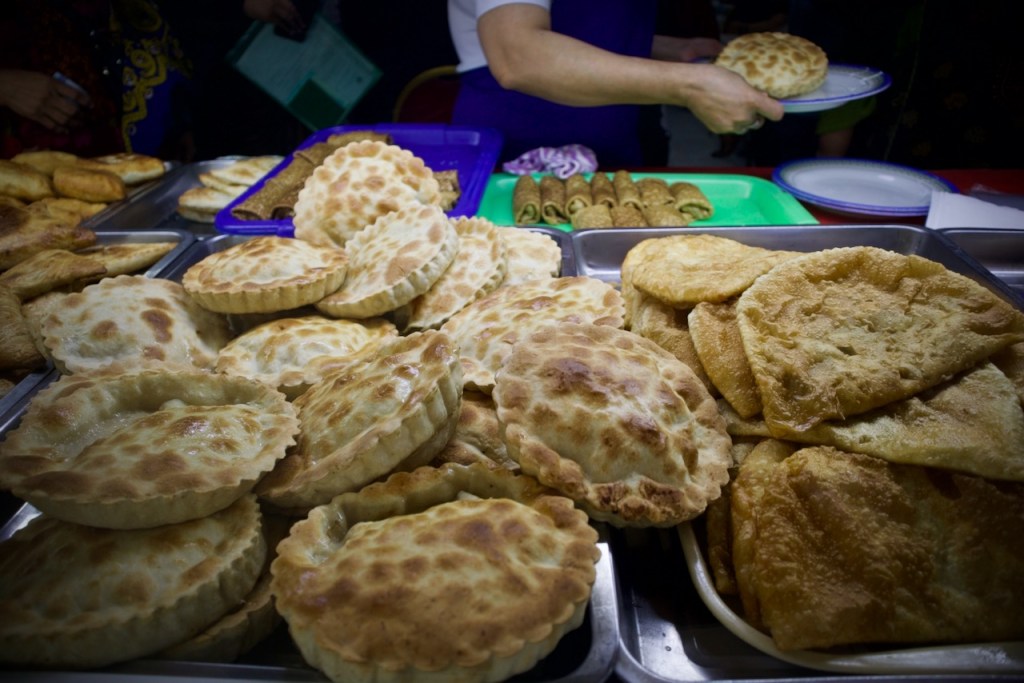
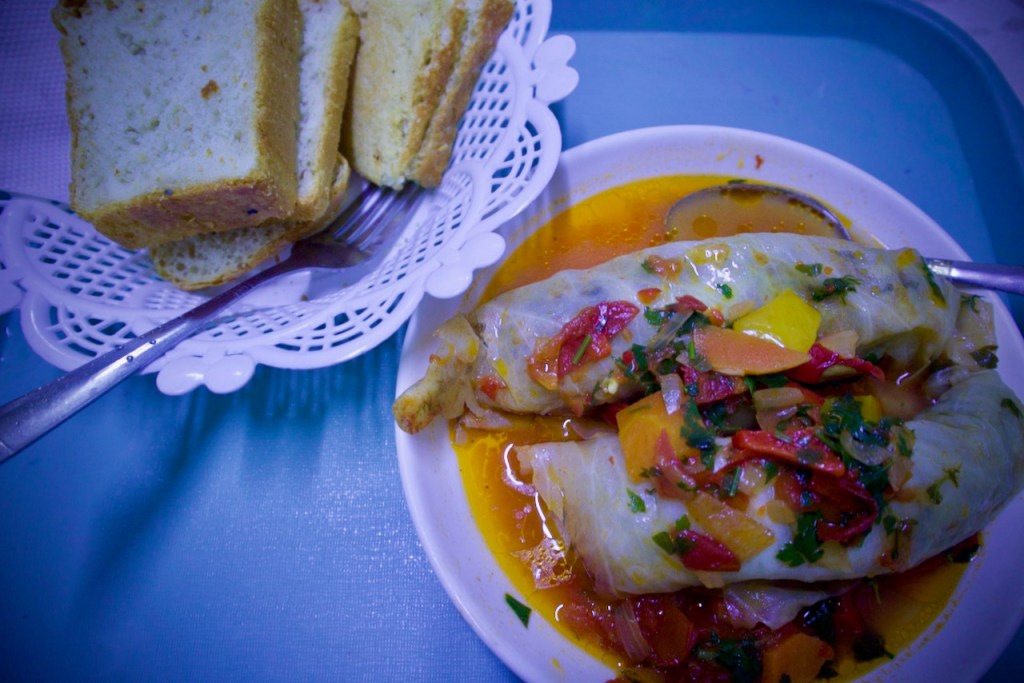
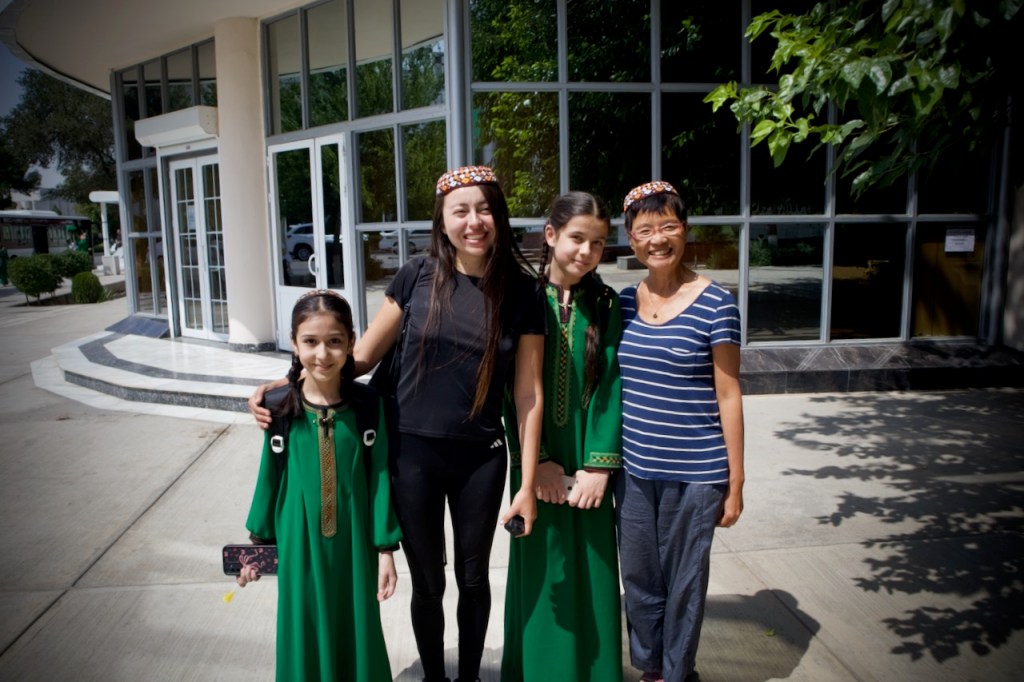
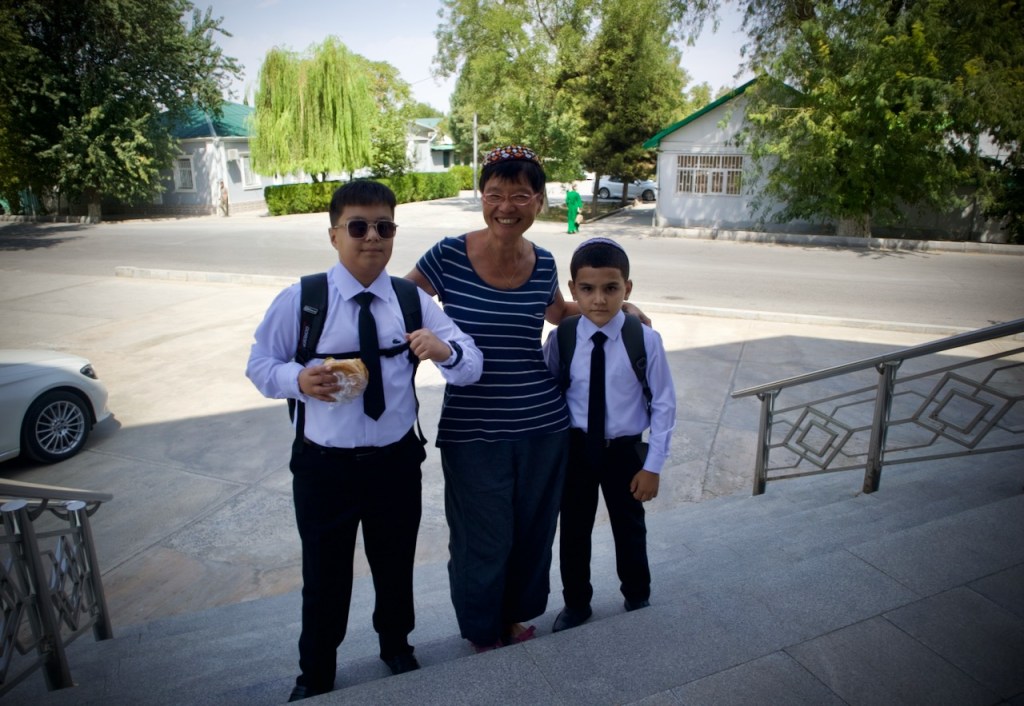
This is part of my 193+ project with the goal to visit all countries in the world, beginning in Europe. Turkmenistan concludes my stay in Central Asia, bringing the country count to 128!
Liechtenstein: Small is Beautiful
Uzbekistan: Crown Jewel of Central Asia
Time has turned your walls to clay,
Wind has blown the towers away.
Yet the desert keeps your ghost,
Queen of every caravan host.
– Unknown poet.
All Content © 2026 by Jennifer Chan

