
I will keep locked up inside you the joys and sorrows of this era, the echoing voices of the steppe, my tearful eyes, my Kazakh people whom I will always love.
– Maqpal Zhumabay
August 2026
I last visited Central Asia in the summer of 2011, spending two blissful months overlanding from Kyrgyzstan to Tajikistan and Uzbekistan. Helicoptering into the Khan Tengri base camp at 4000m – and barely making it out due to cerebral edema – before the epic road trip from Osh to Dushanbe along the Pamirs highway were highlights of that unforgettable journey. After visiting the remaining countries in Europe from Andorra to Moldova, passing through Marseille and edenic Cote d’Azur, Liechtenstein and Belarus, I am happily back in this region, closing the circle in Kazakstan and Turkmenistan.
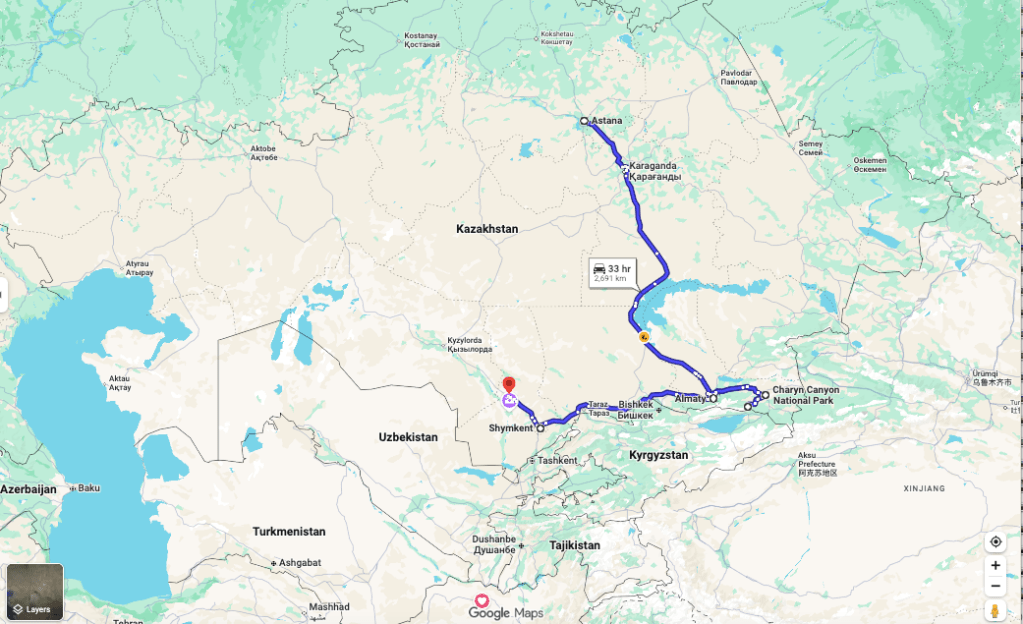
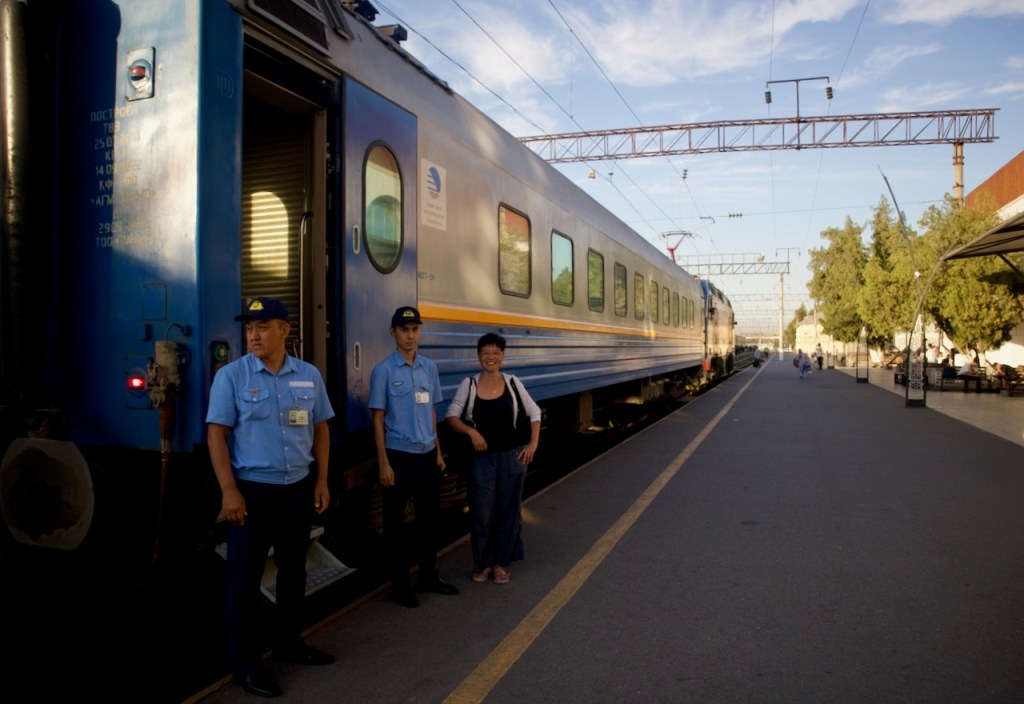
From Astana, I take an overnight train to Almaty and join a group tour to visit the gorgeous Charyn Canyon and Kolsay Lake. Another long train ride later – only eleven hours and again in a top bunk – I arrive in Shymkent for a brief visit to the Silk Road city of Sayram. A trip to Kazakstan would not be complete without a stop in Turkestan, the glorious former capital of the Kazakh Khanate of the 16th century and spiritual centre of the Turkic world known for medieval architectural masterpieces. What a whirlwind ten-day tour that barely scratches the surface of this immense country filled with contrasts from ancient Silk Road routes to Soviet history, snow-capped mountains and dramatic canyons, 50,000 lakes and the poetic steppes. Above all, the nomadic soul and Kazak hospitality…
Astana: The Good, the Bad & the Ugly
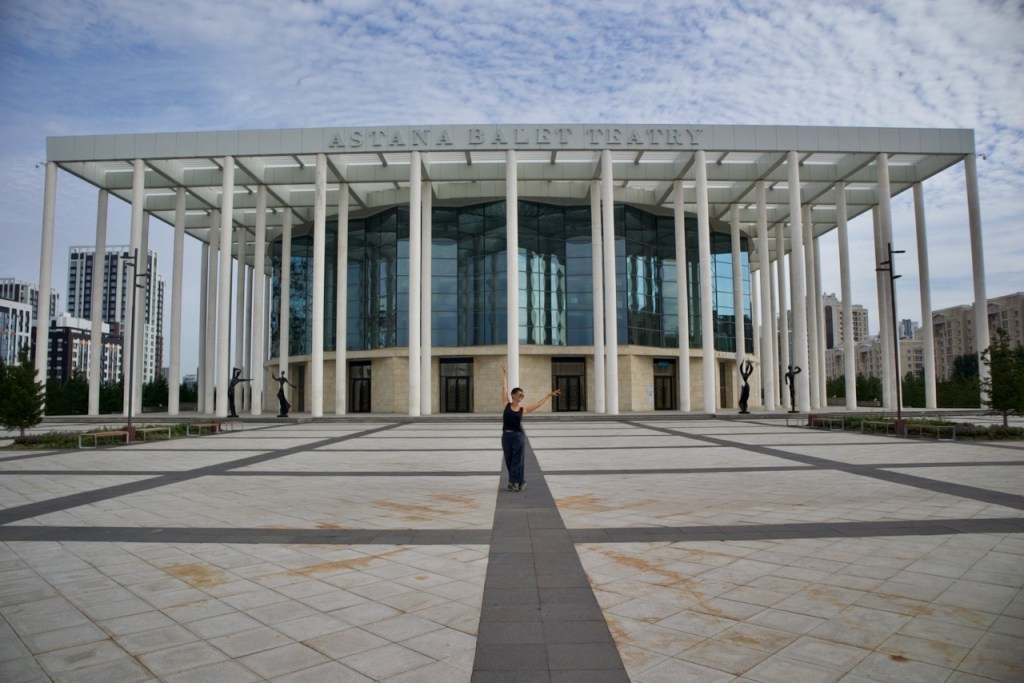
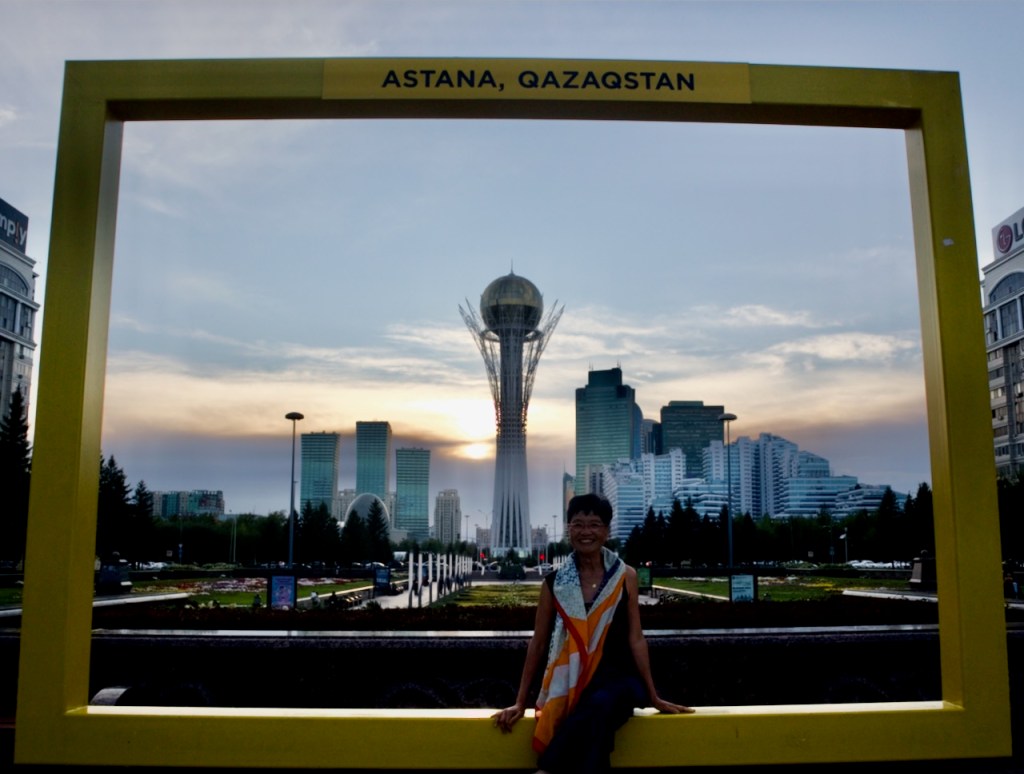
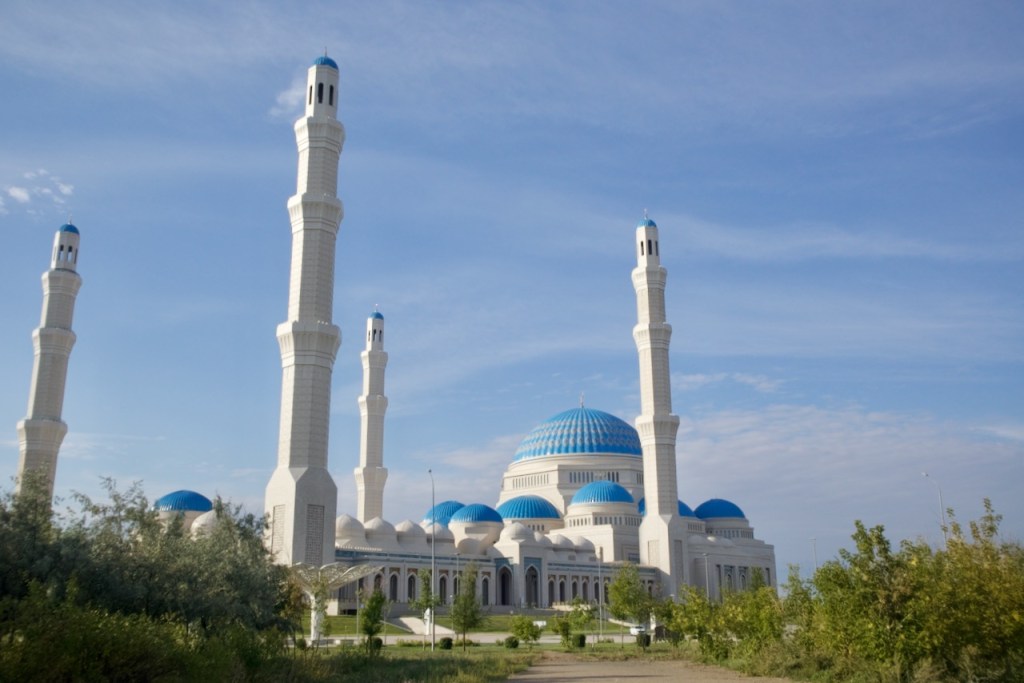
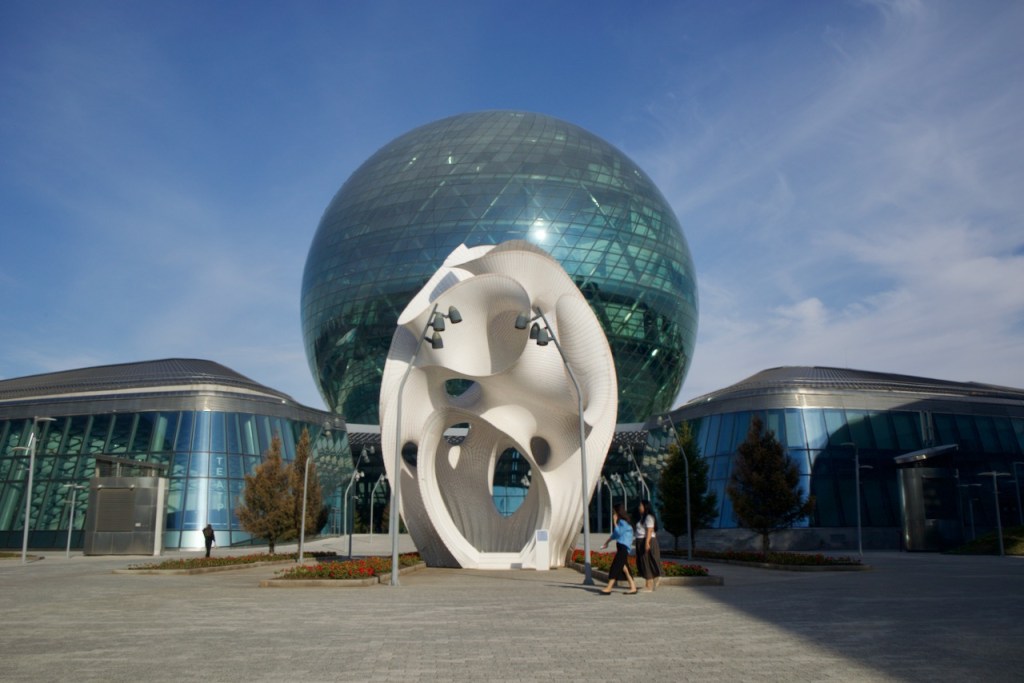
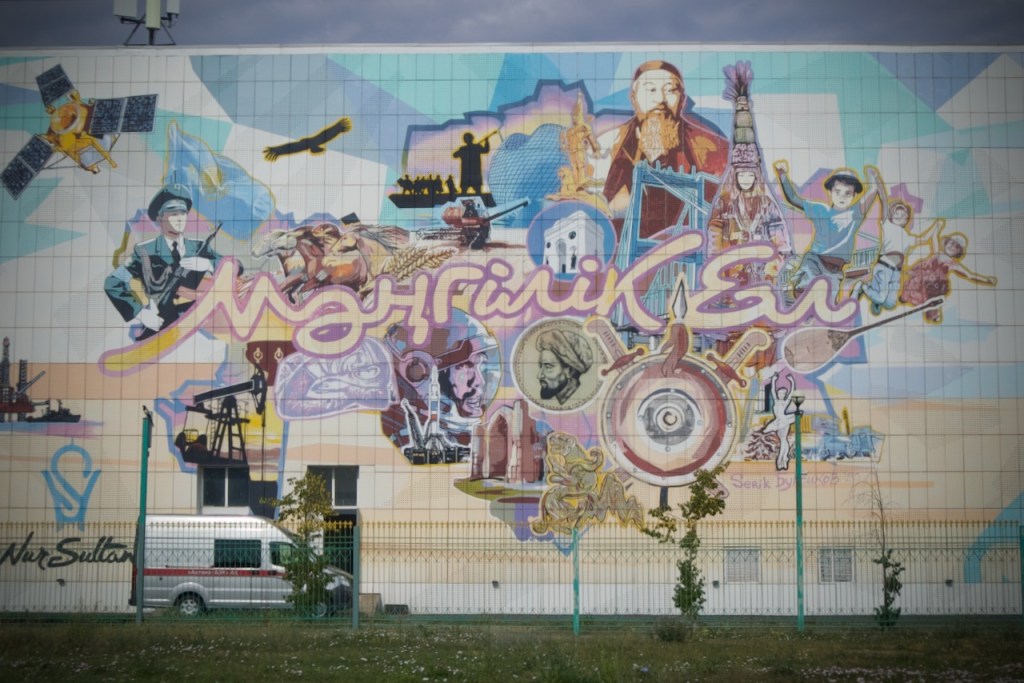
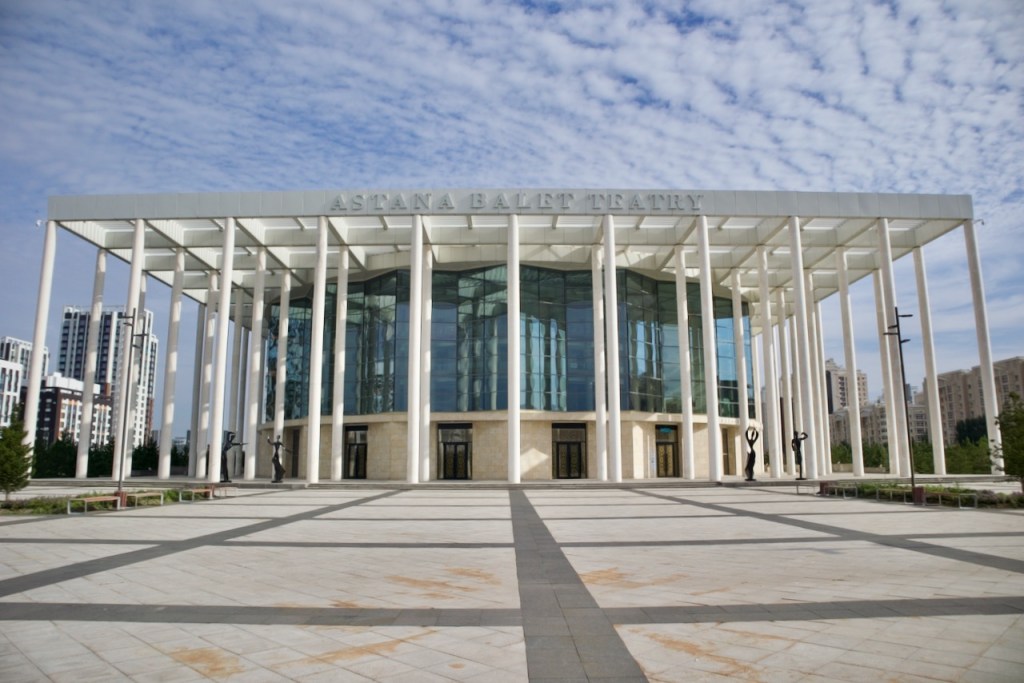
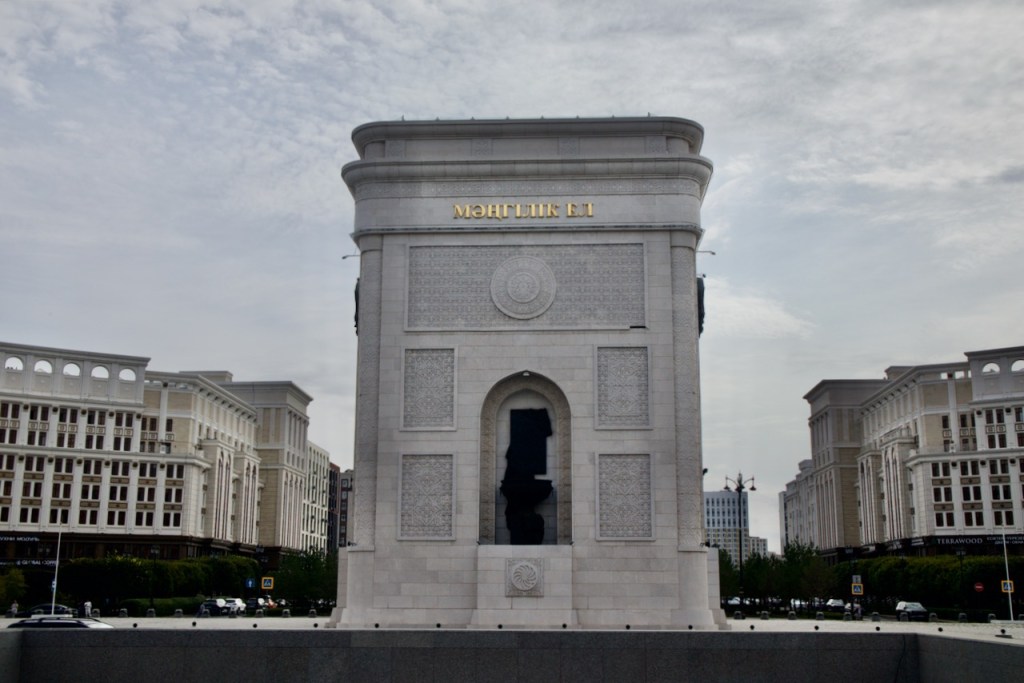
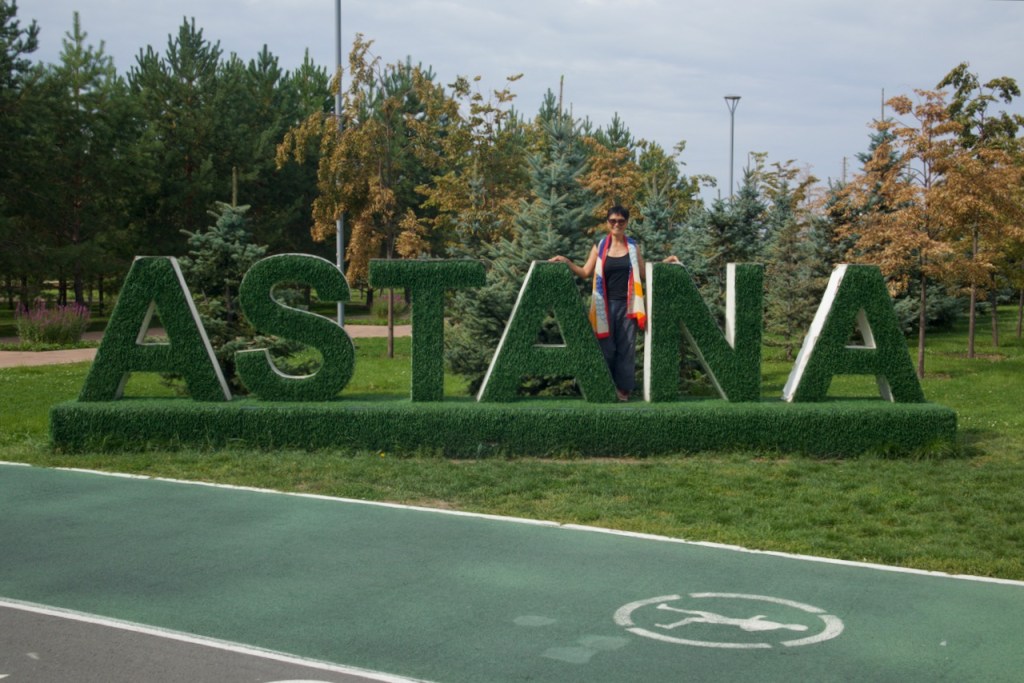
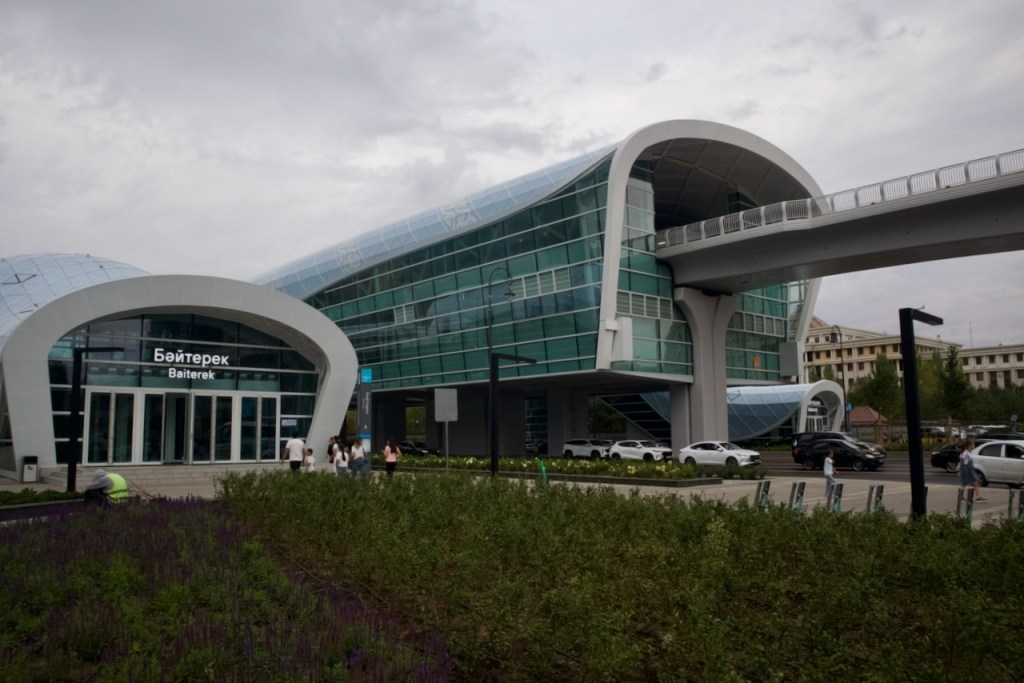
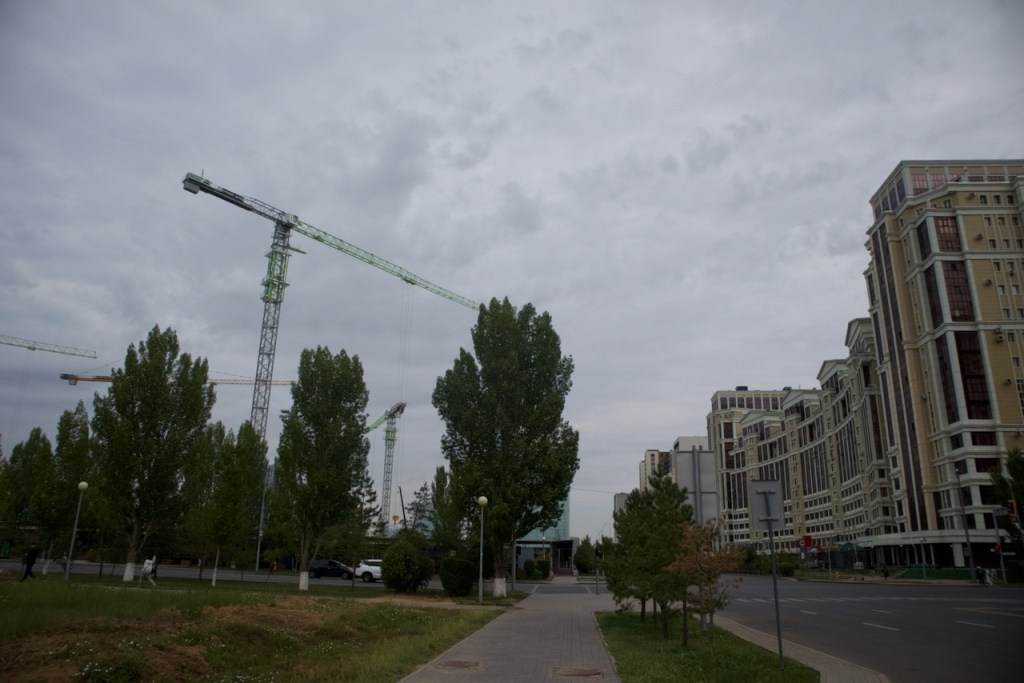
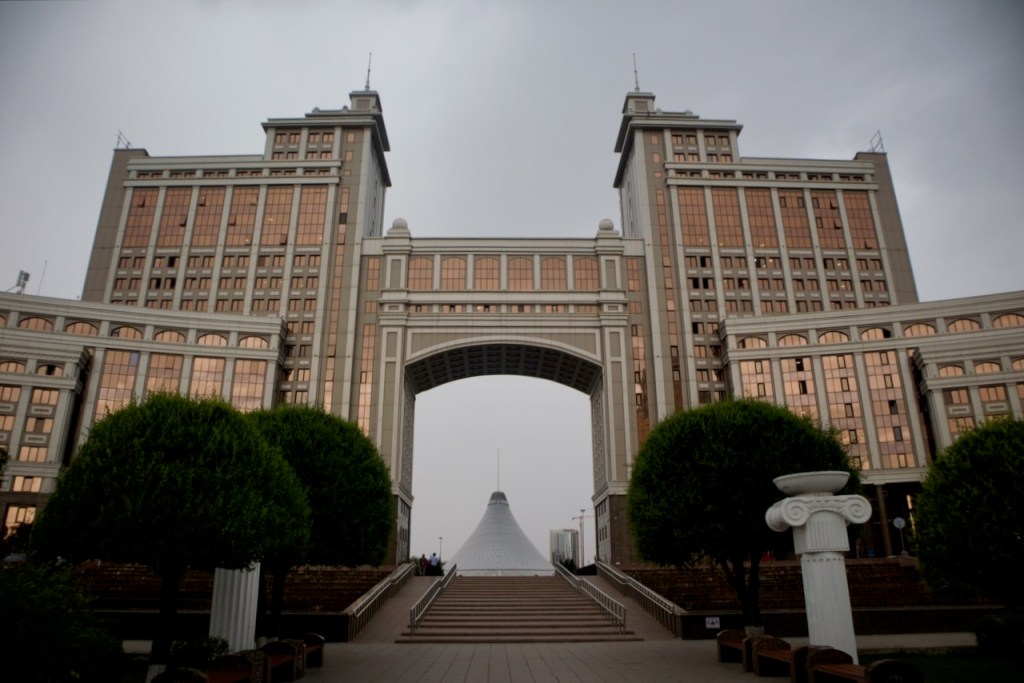
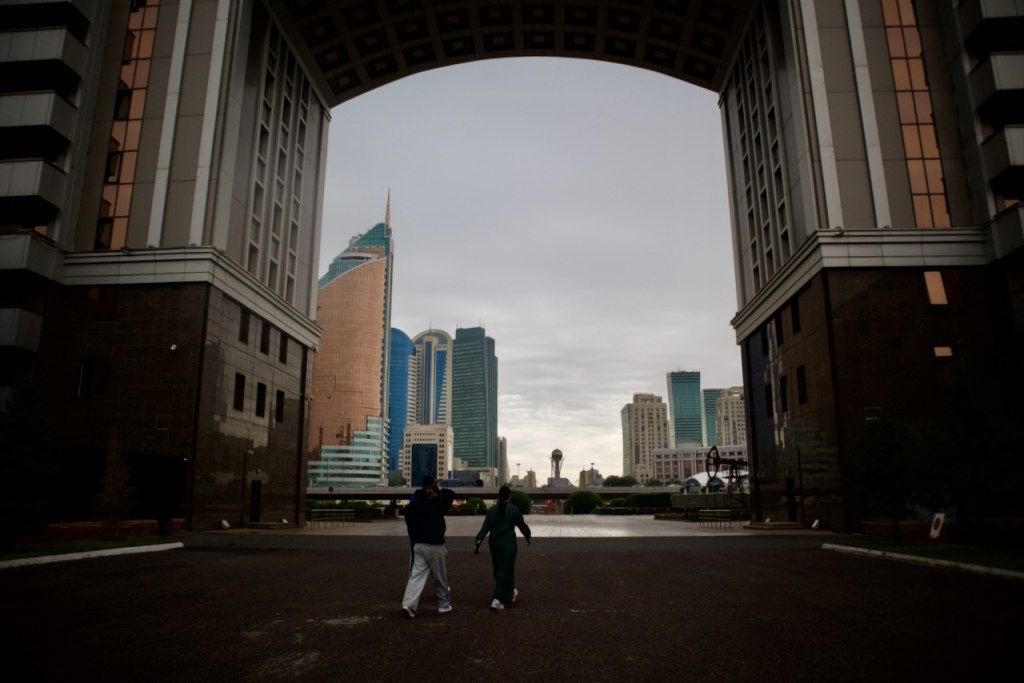
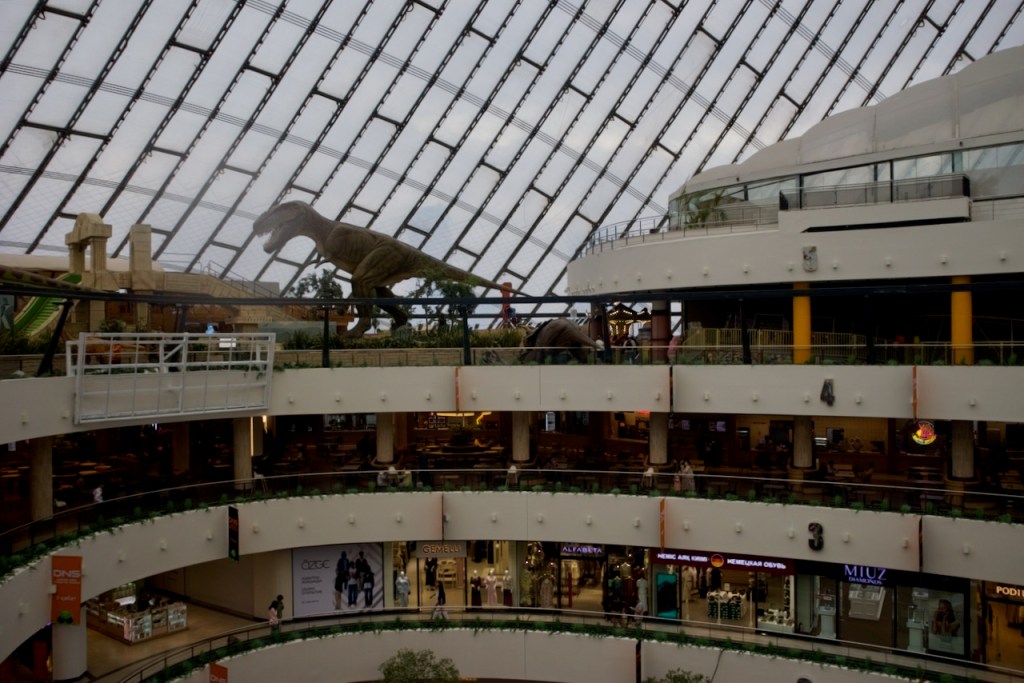
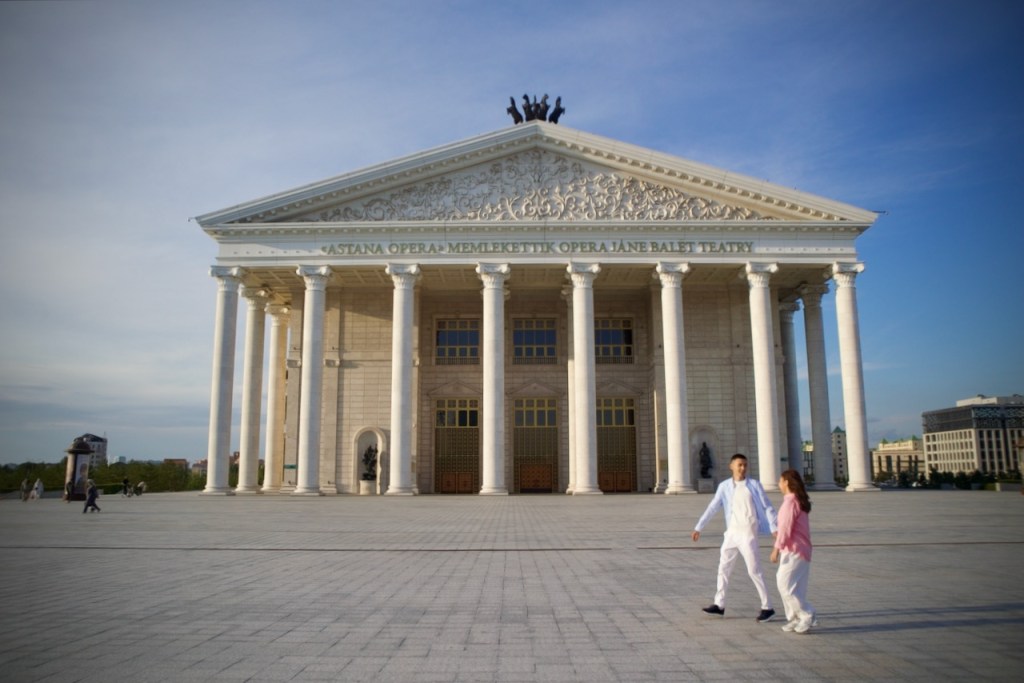
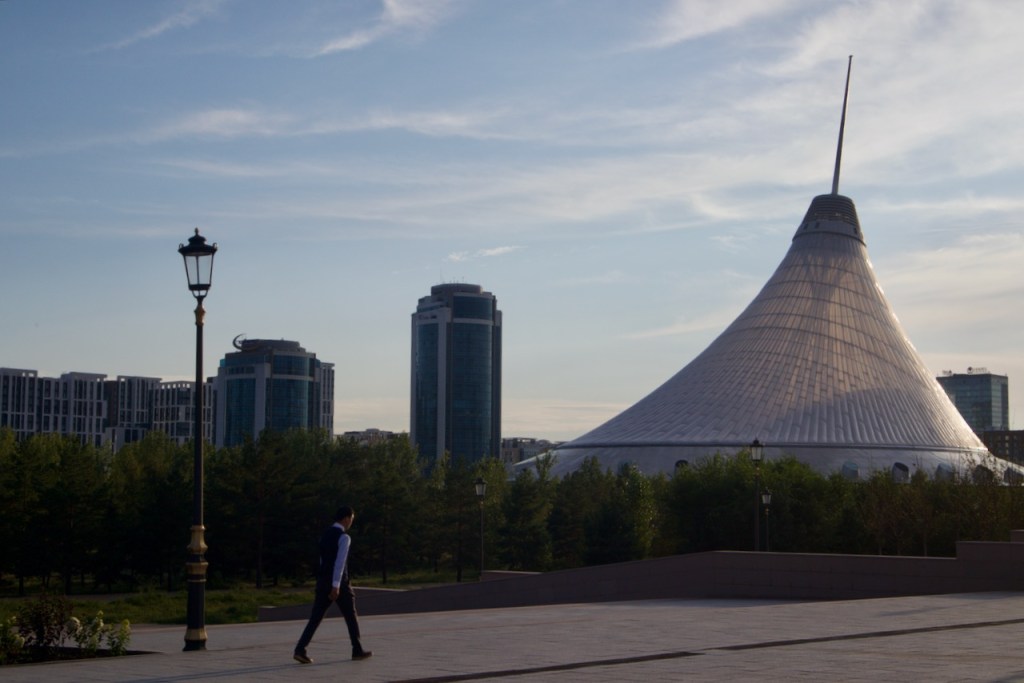
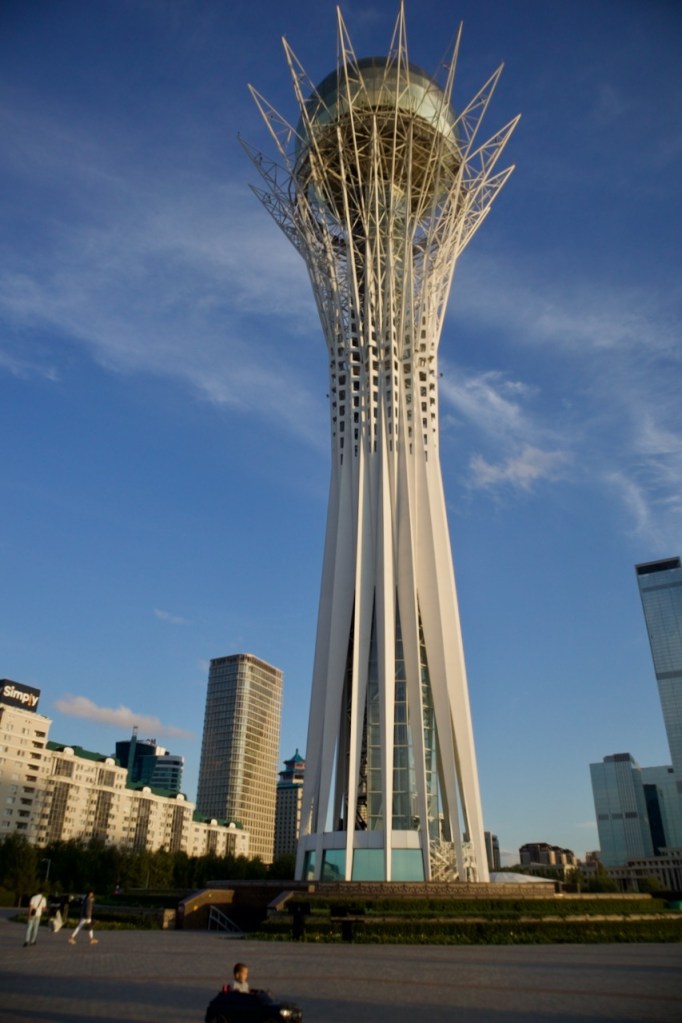
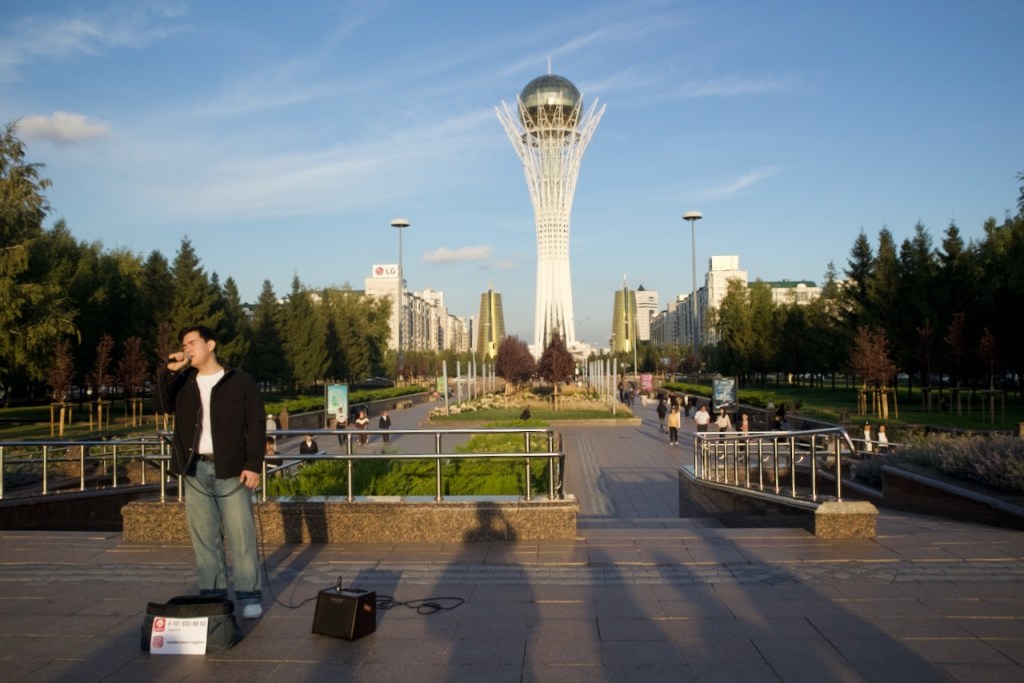
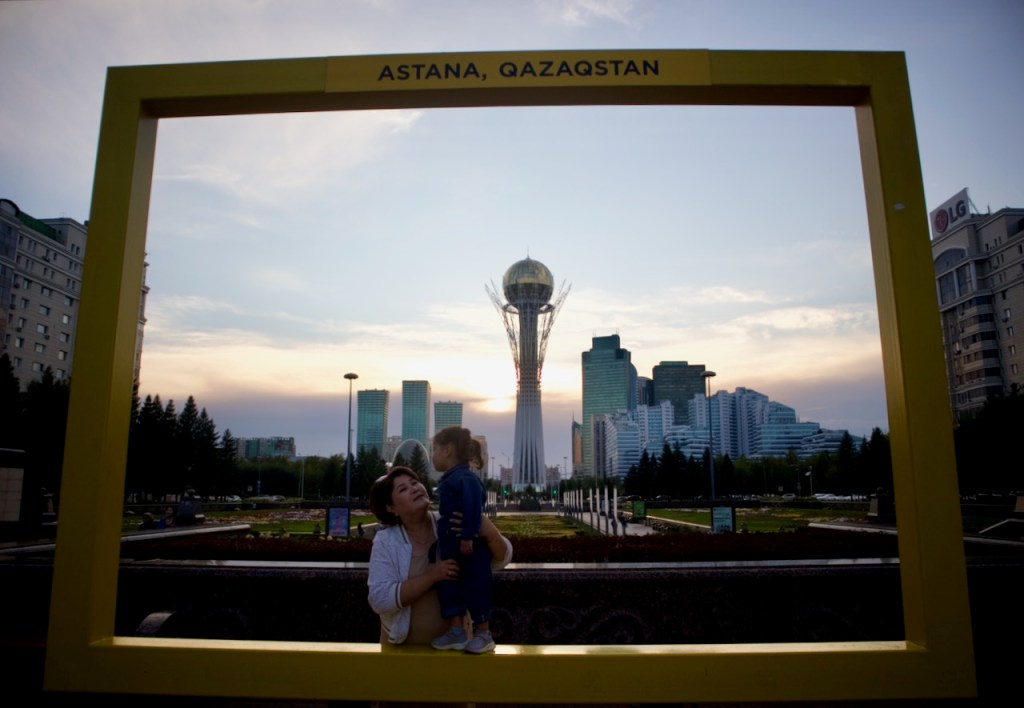
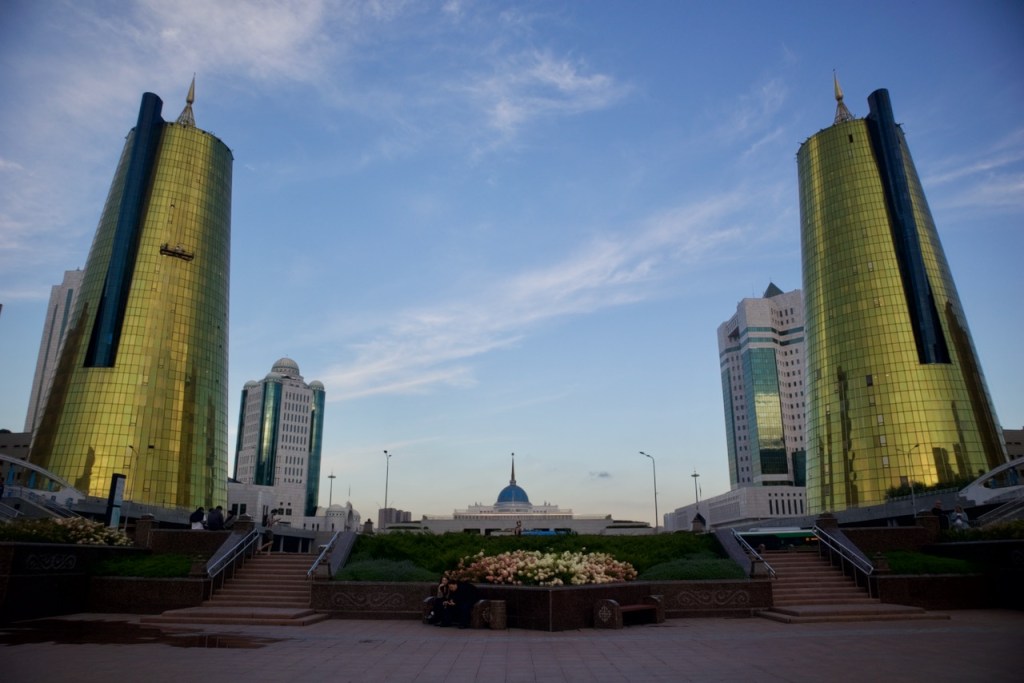
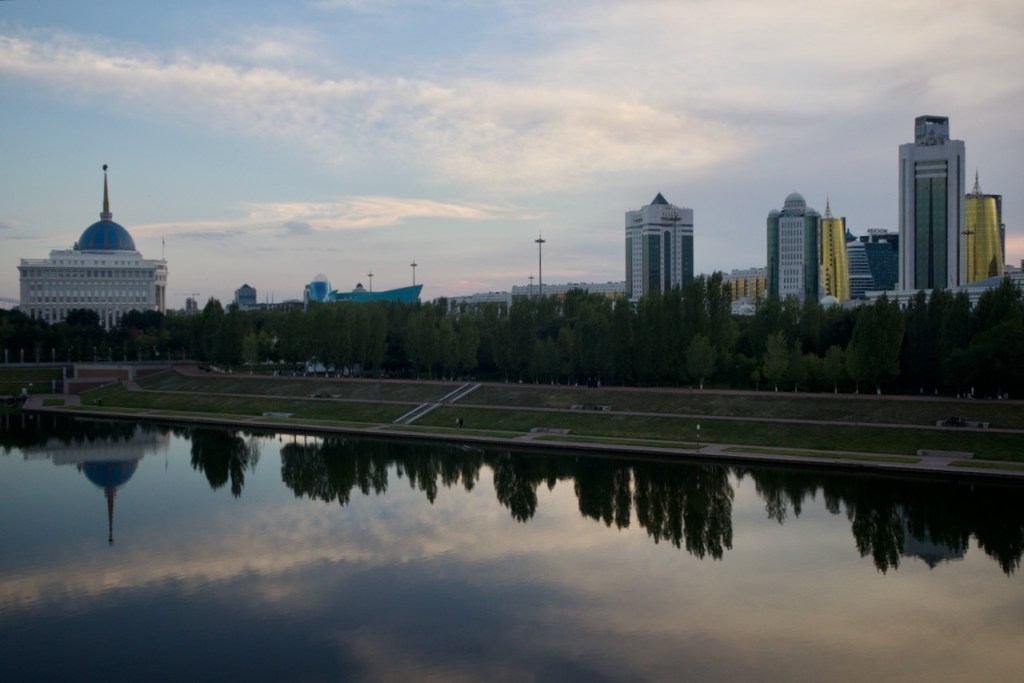
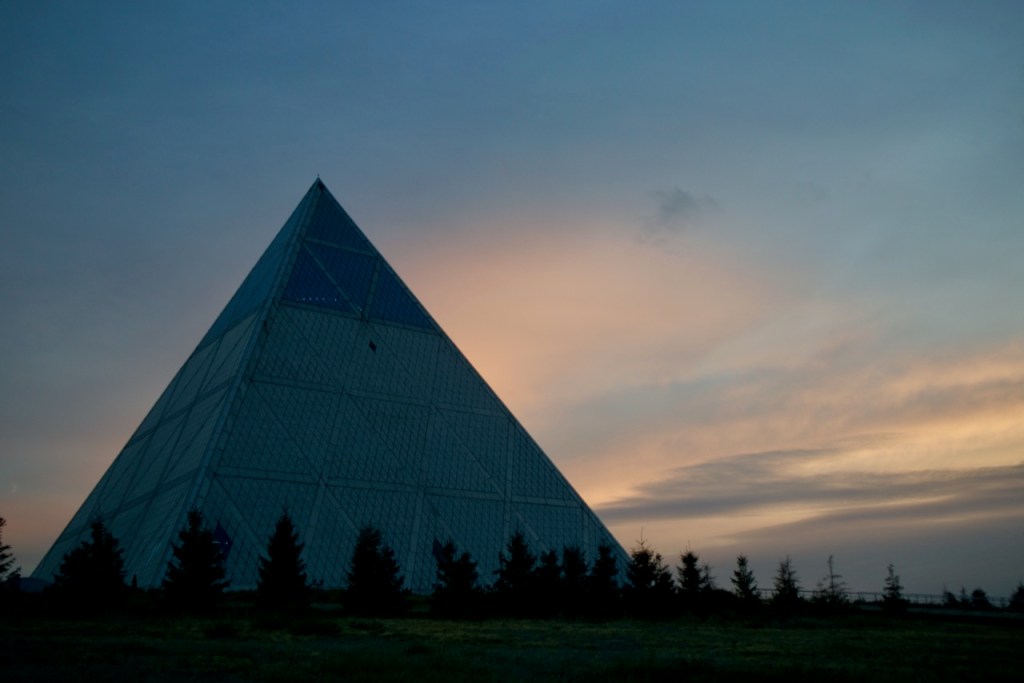
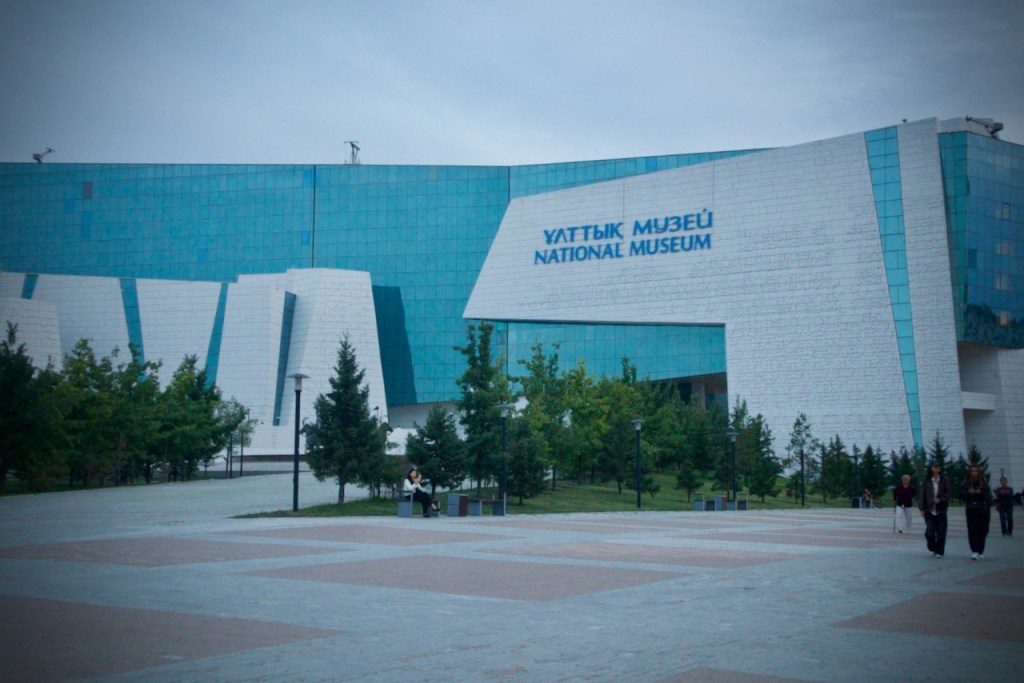
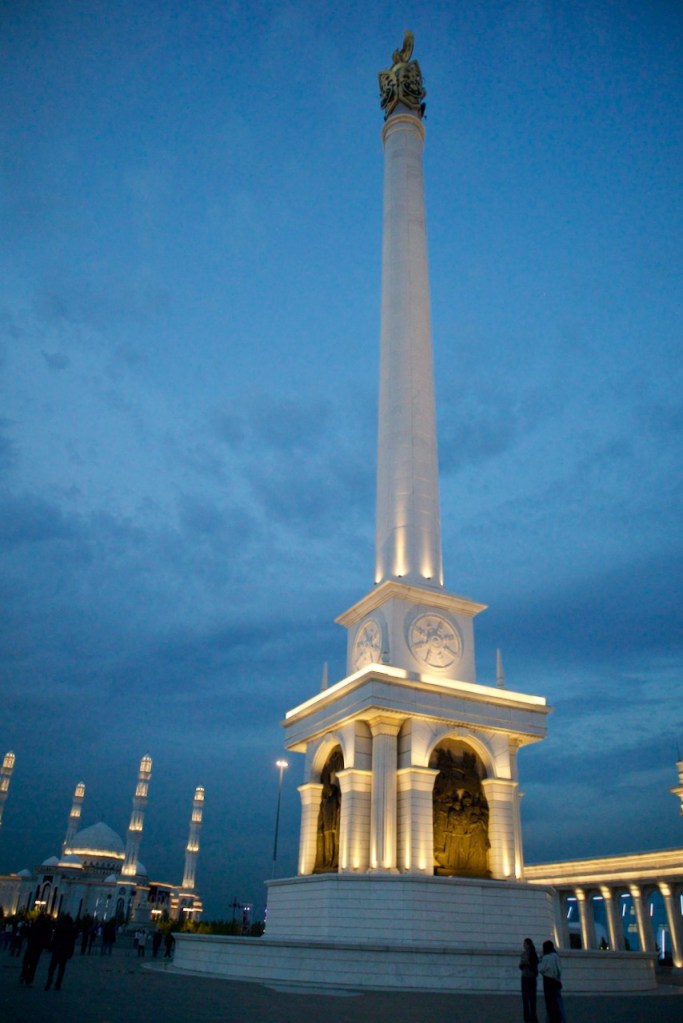
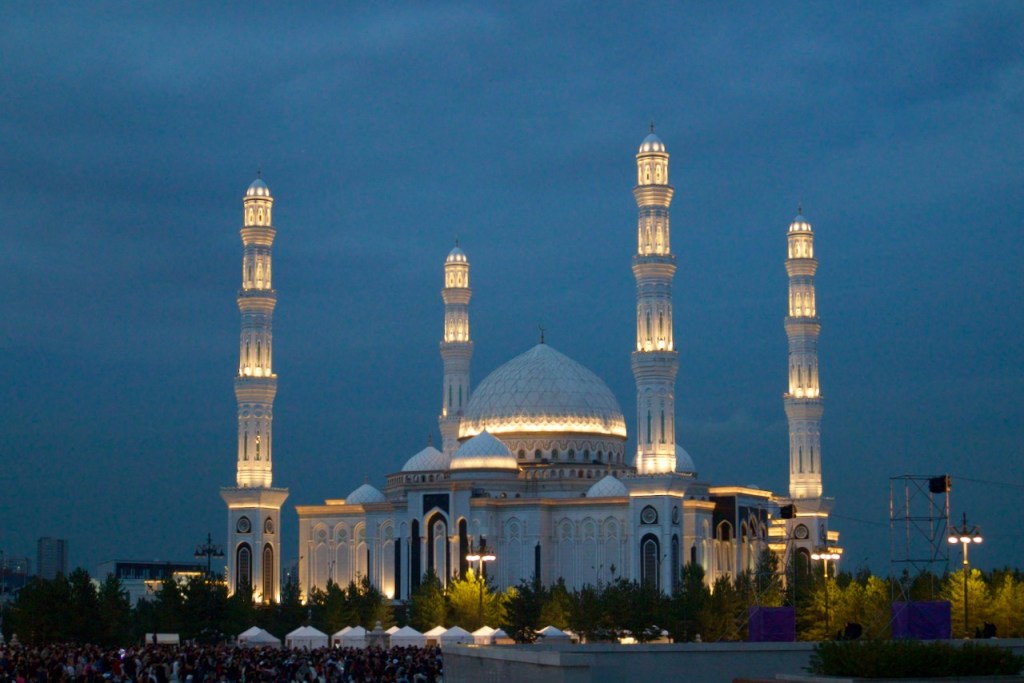
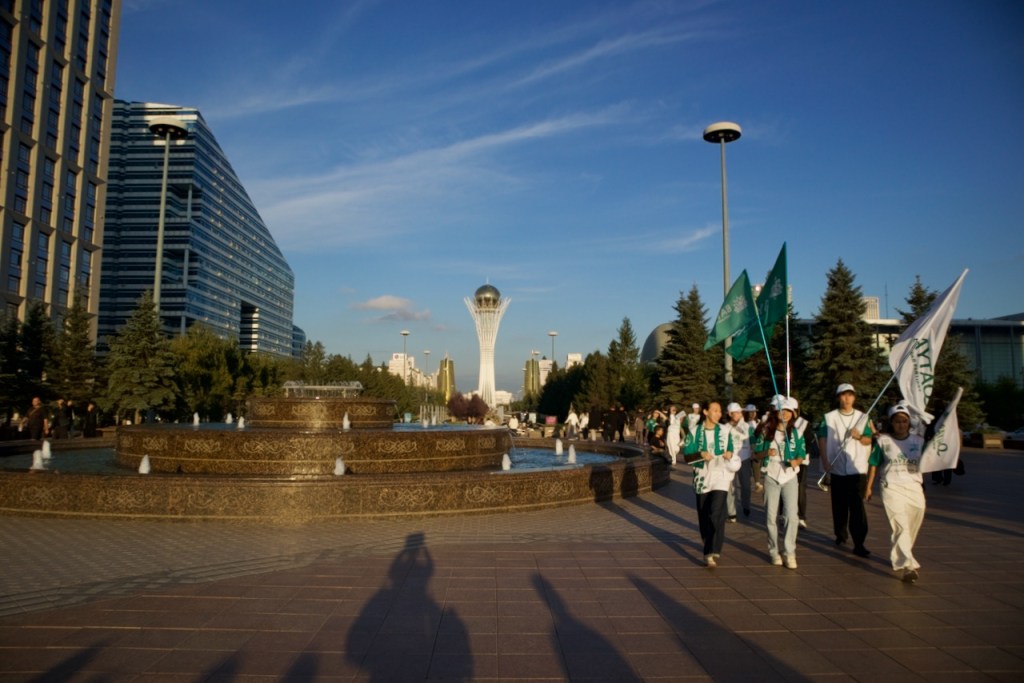
Astana can easily contend to be “the ugliest capital city in the world” even if local residents’ love and pride for their home town offer some small consolation. Built in the middle of nowhere in the vast desert in 1997 to satisfy the former President’s fancy to showcase the country’s oil wealth, the city’s mile-wild boulevards, massive plazas, and grandiose monuments look haphazard and soul-less. Arriving at dawn after a red-eye flight from Istanbul, even walking from the light rail station to the ginormous Grand Mosque – the largest in Central Asia and among the largest in the world – feels like a workout. Then follows the 2km-long Nurzhol Boulevard with a surreal mix of Soviet blocks, glass towers, and glitzy buildings. The blazing Central Asian sun soon builds up to a downpour and I duck into Khan Shatyr, a Norman Foster masterpiece and the world’s largest tent-shaped structure. Like others, I get lost in this maze of entertainment, resisting a dip in a tropical beach with sand from the Maldives, and re-emerge to find the setting sun on the Baiterek Tower. Under the gigantic symbolic tree of life and the golden egg laid by the sacred bird Samruk to celebrate the Kazakstan’s independence, street musicians pour out love ballads while families chill by the fountains in this perfect summer evening. I hurry my steps towards the Presidential Palace situated in a sprawling park, reaching the pyramid Palace of Peace and Reconciliation at dusk, and follow the blasting music at the Concert Hall right by the illuminated Hazrat Sultan Mosque. I am at a loss for words to describe this bewildering city. Vanity fair, a traveller pal says. It feels apt! I text back.
Almaty: History, Nature & So Much More
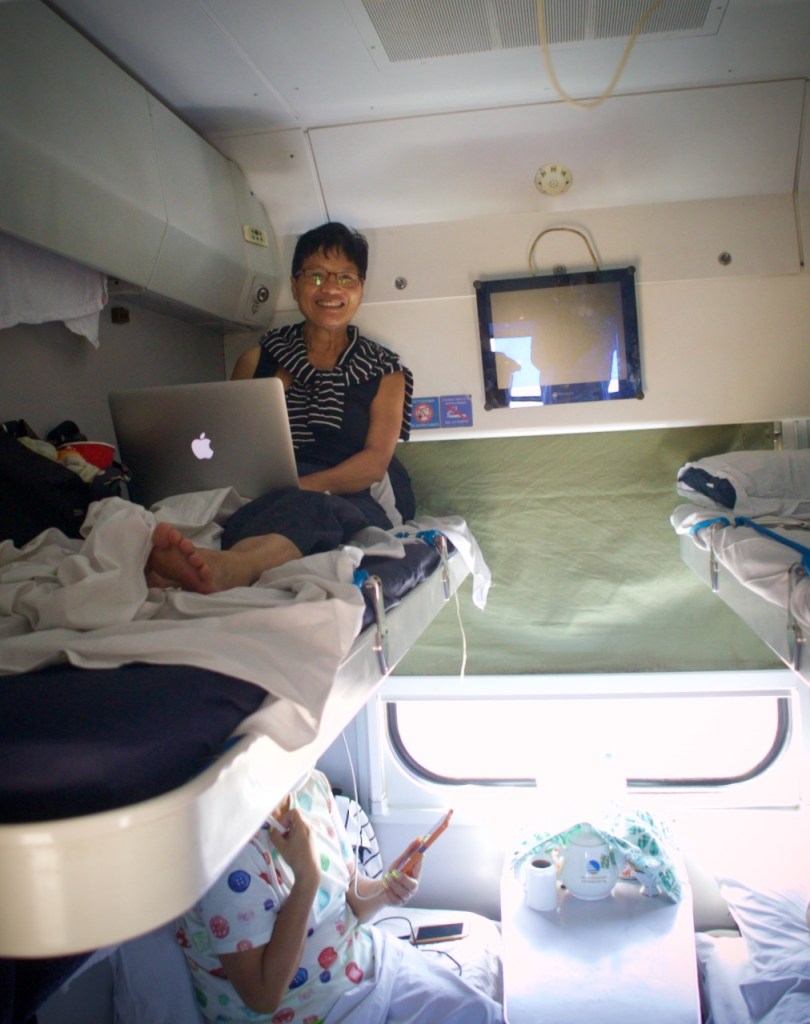
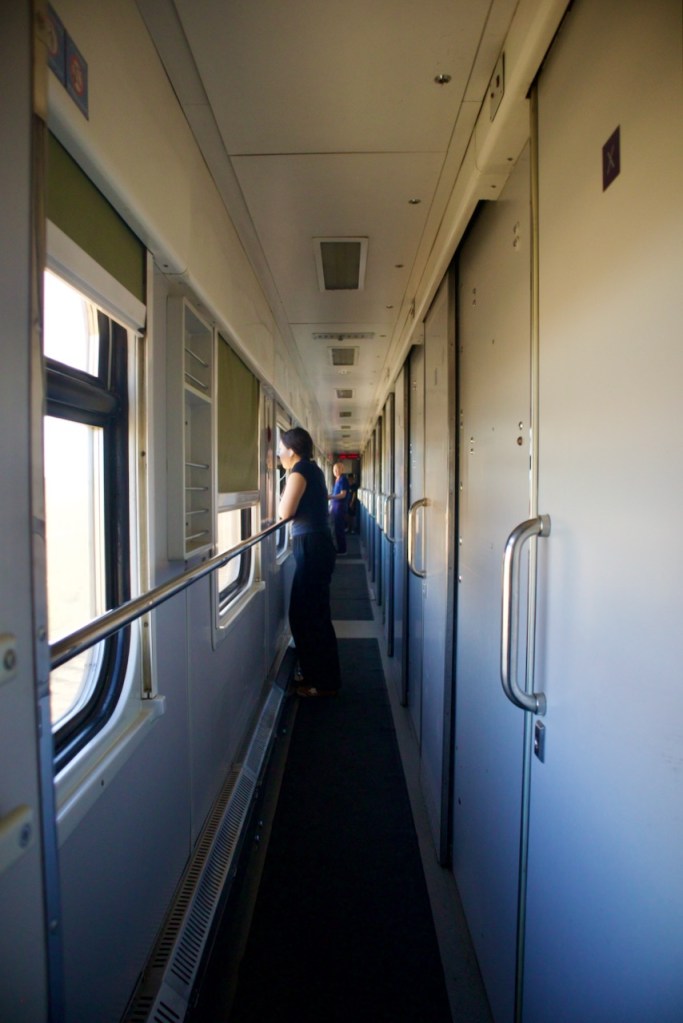
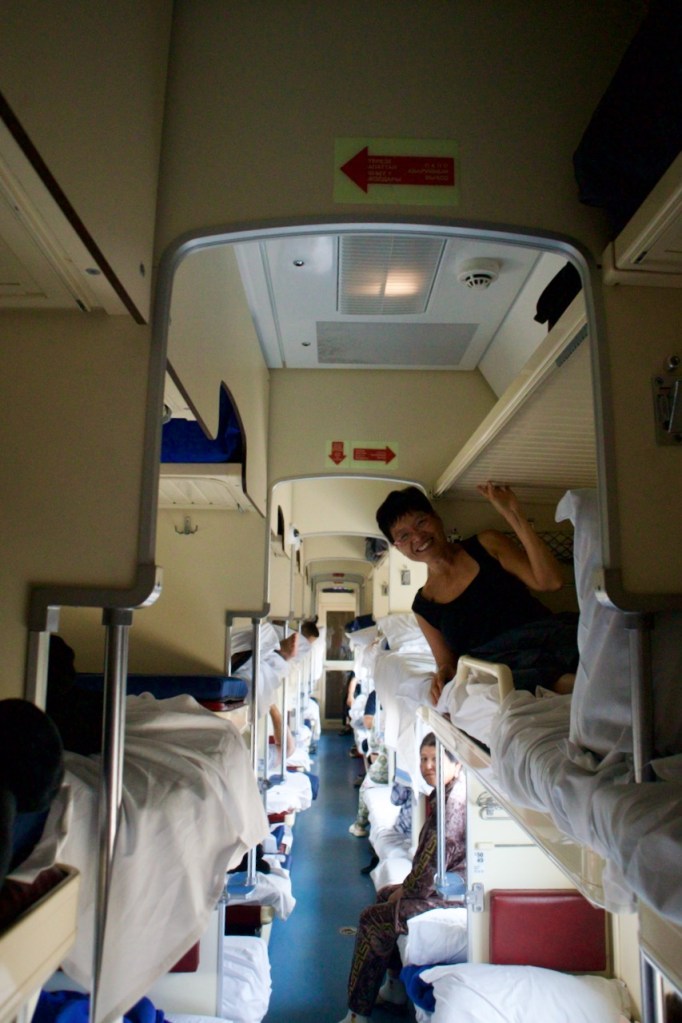
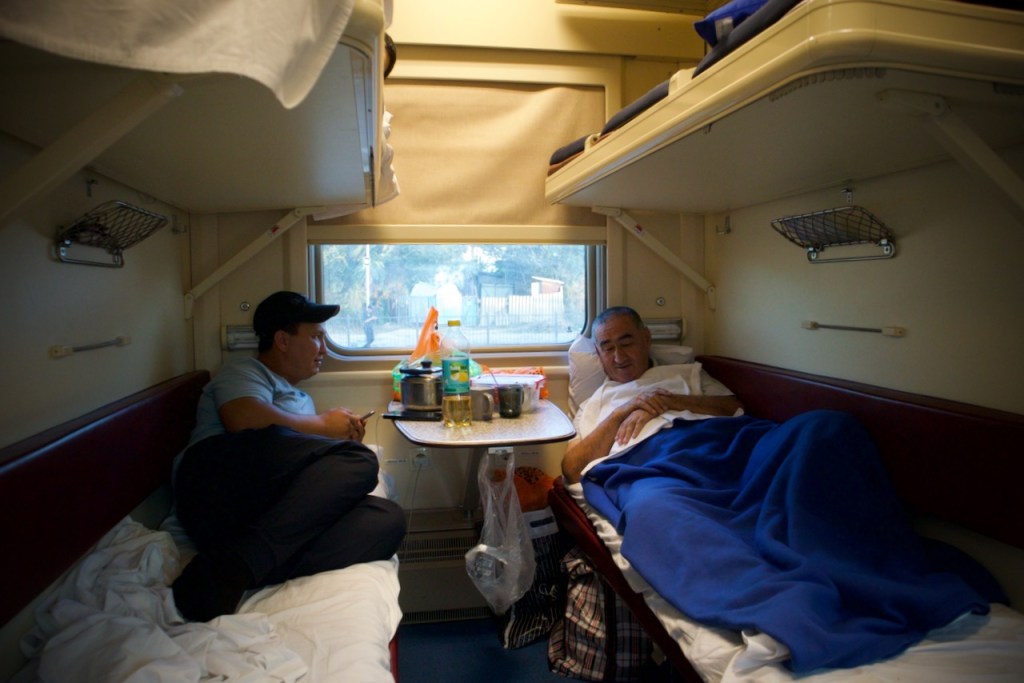
When in Kazakstan, do what the Kazaks do! So I ride the overnight non-express Soviet train – on a top bunk – to Almaty that takes only twenty-two hours. My last similar journey might have been from Hong Kong to the Russian border back in uni days. I share a kupe, a four-bed compartment, with Aksen, a young student, and a 90-year-young grandma and her granddaughter who wheezes and coughs like she was the elderly. I fall into a stupor and sleep fourteen sound hours, awaking at noon to see the Great Kazakh Steppe unfolding like a never-ending scroll.
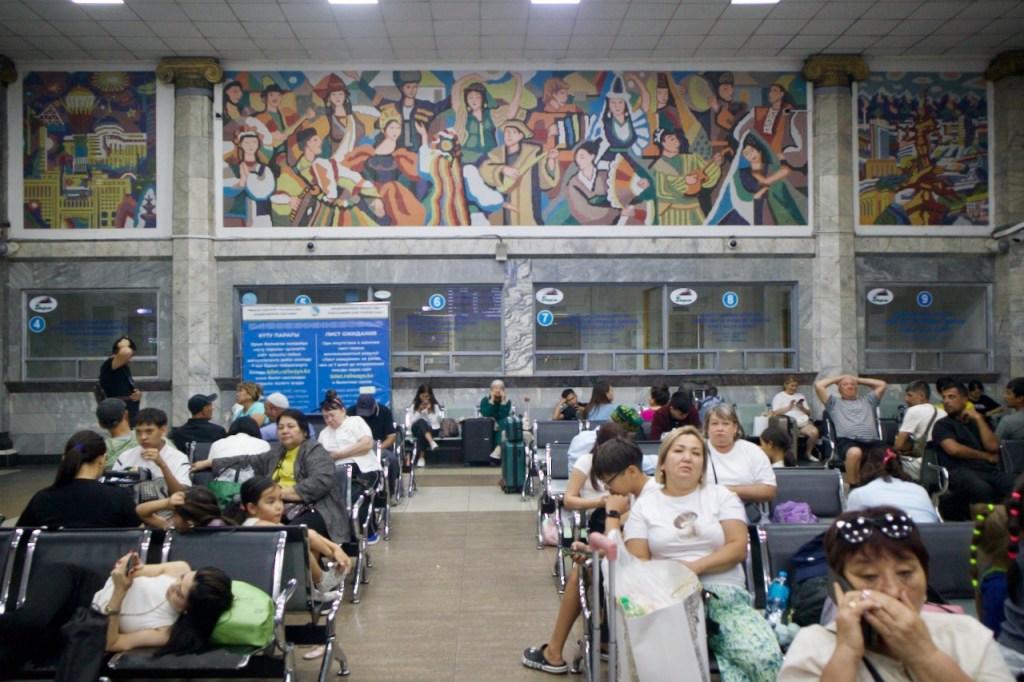
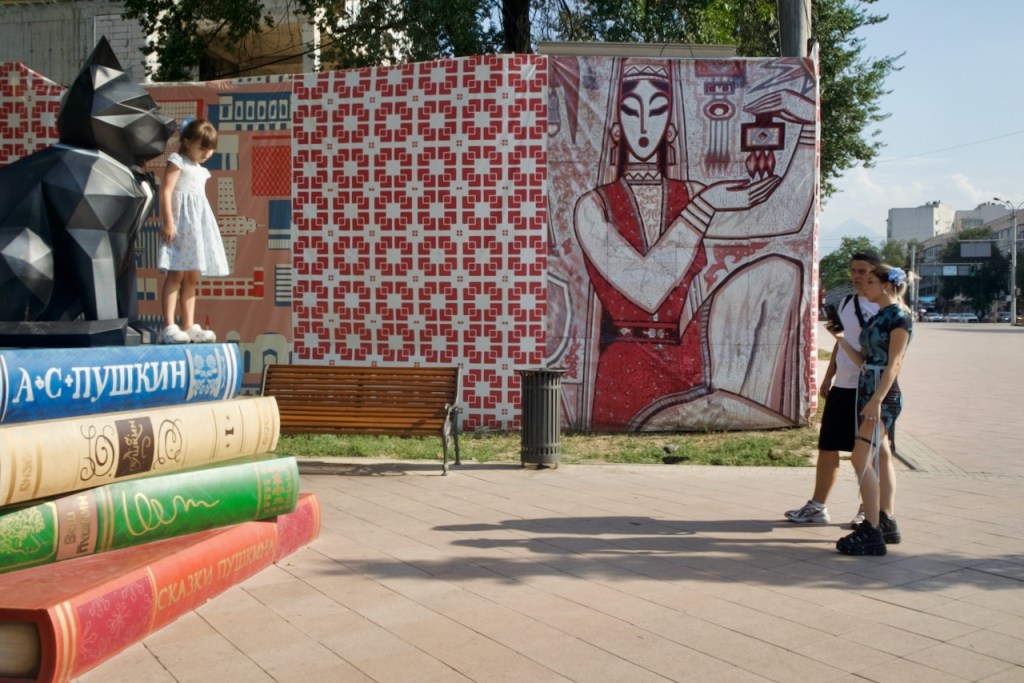
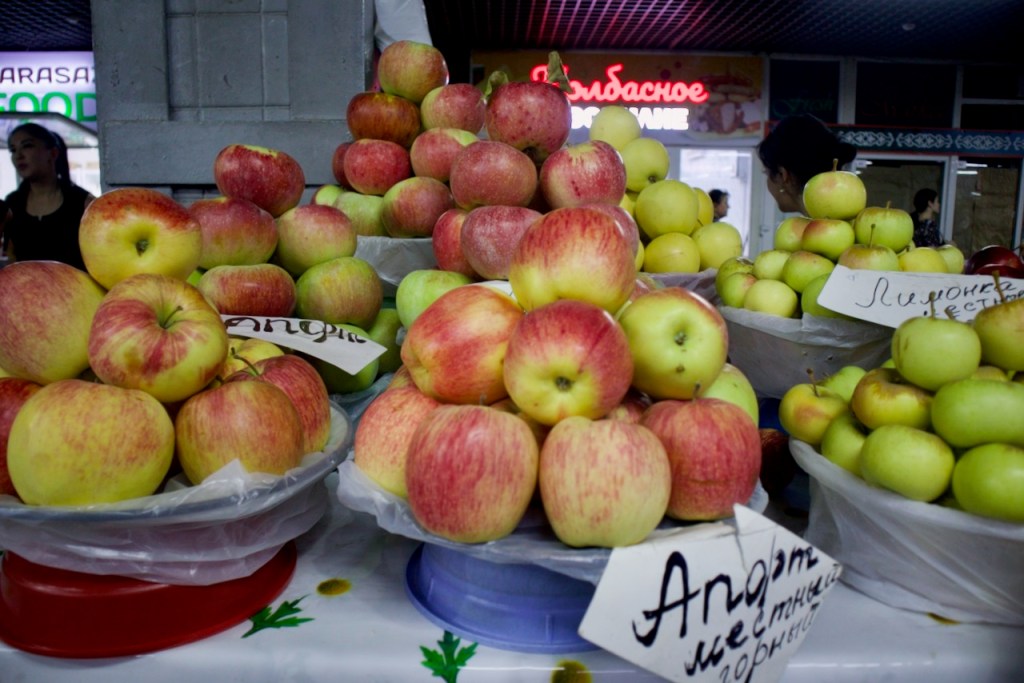
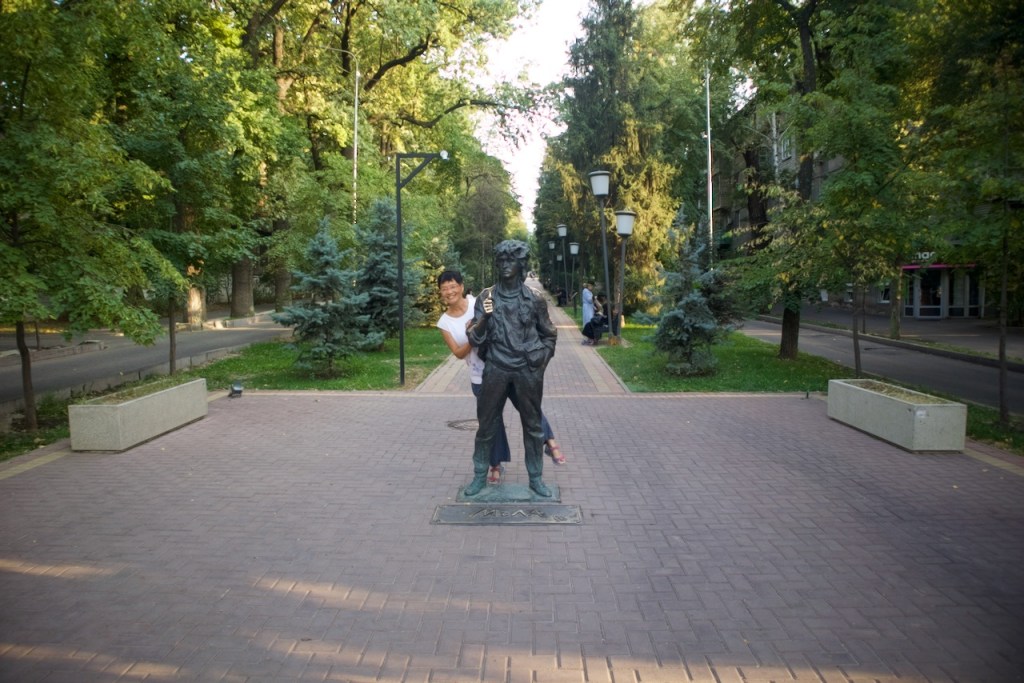
Everyone says Almaty is the more interesting city. “The father of apples” for which the pretty town is proudly known is surrounded by the majestic Tien Shan mountains (I saw it from up close back in 2011 and nearly paid my life for it). It is easily the most modern city out of all Central Asia, and yet breathes a Soviet legacy. Coming from the shock of Astana, everything reverts back to more human scale. The boulevards are more walkable, the parks are real, and culture speaks louder than black gold.
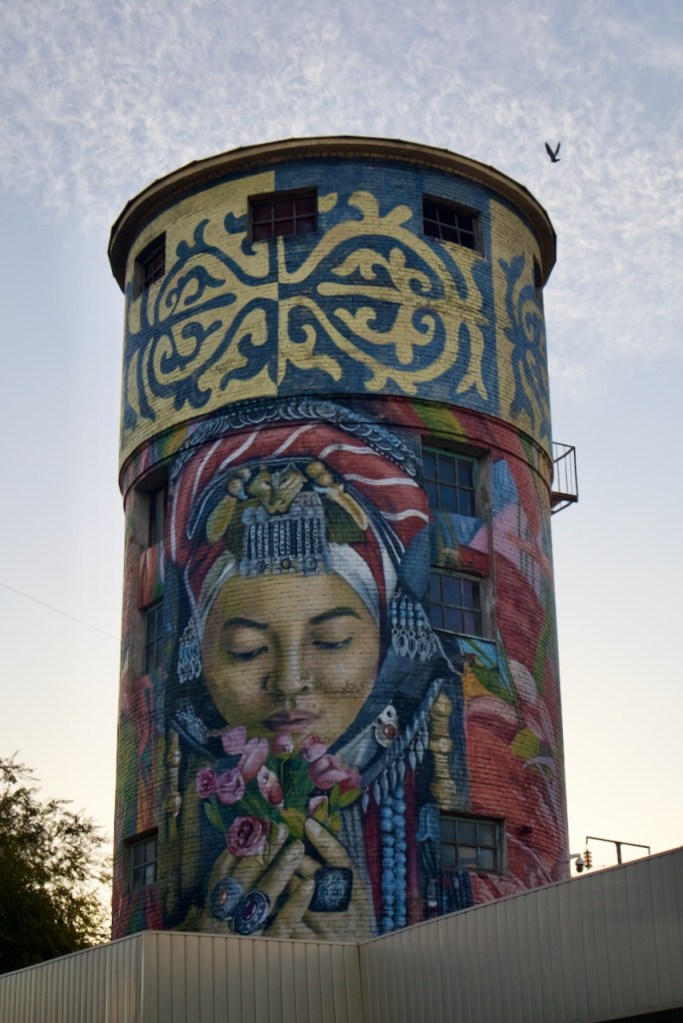
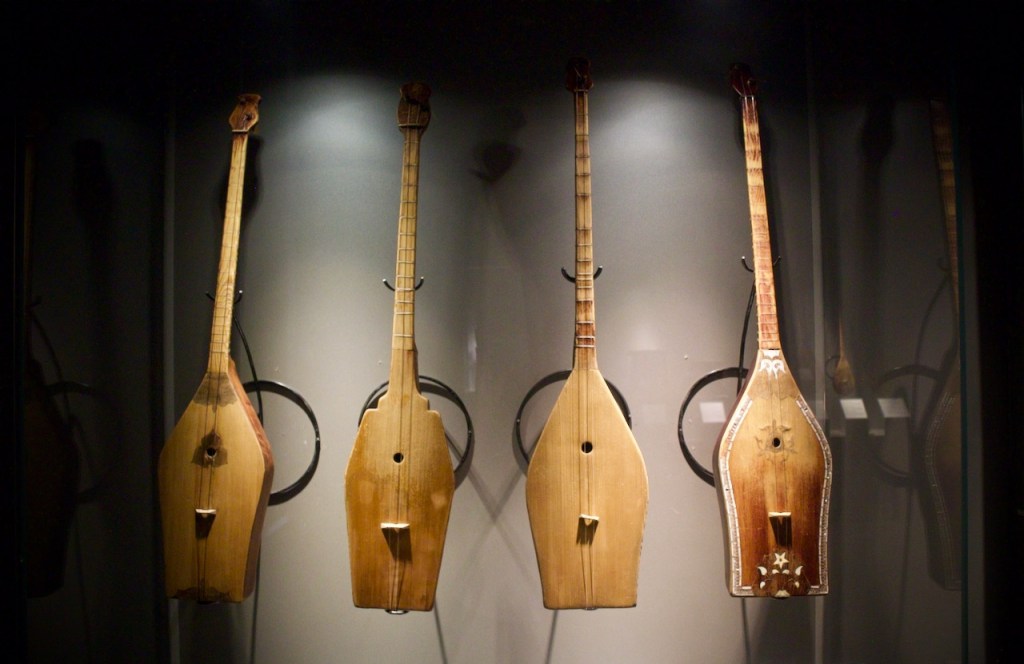
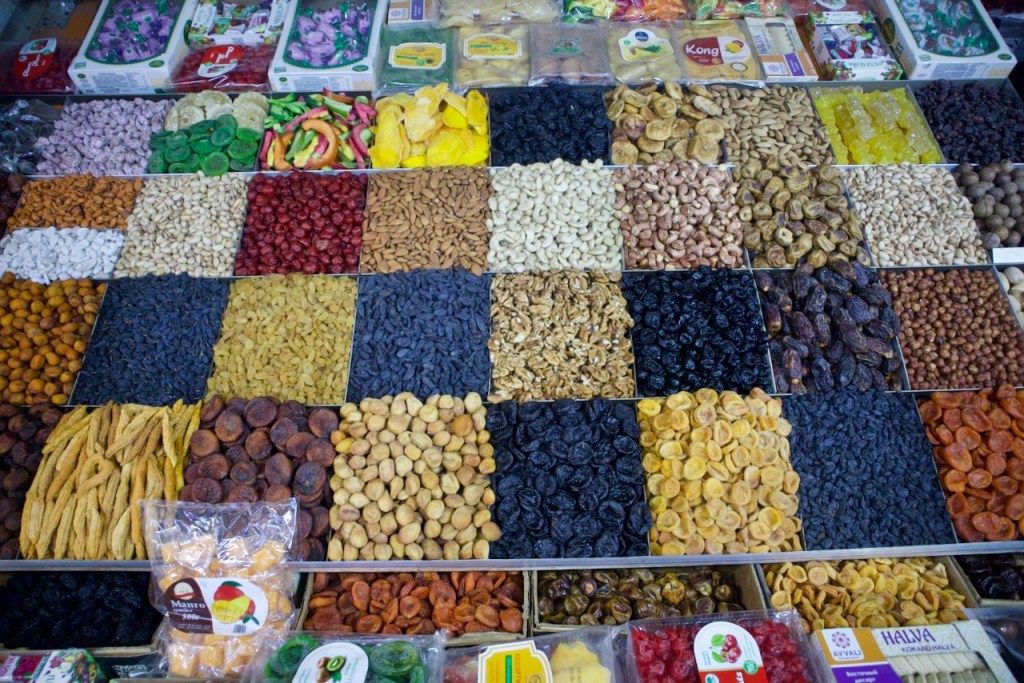
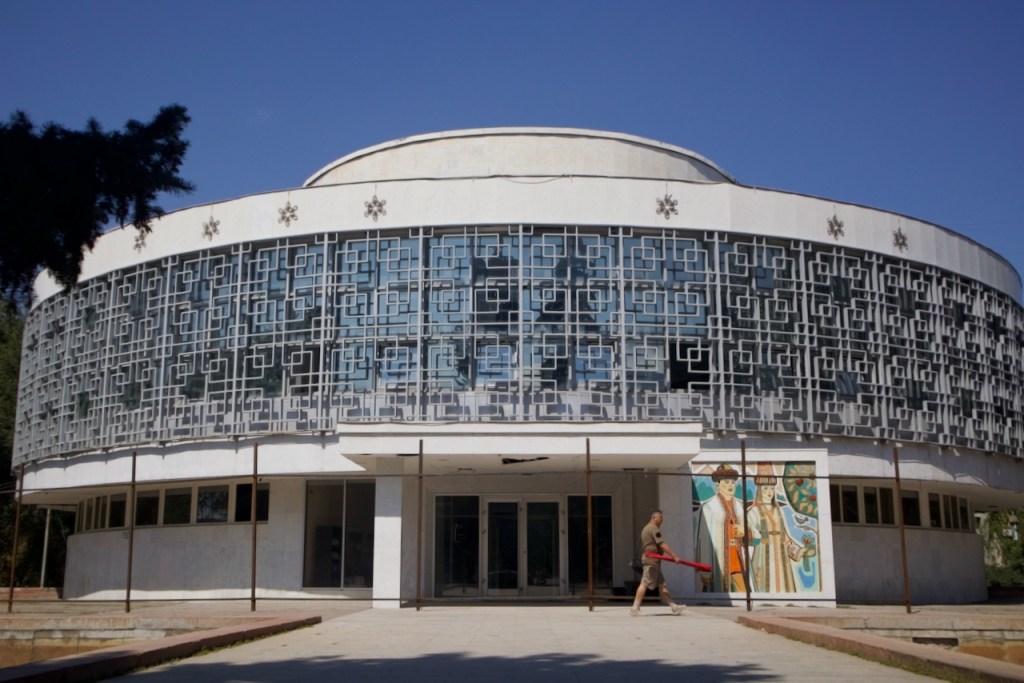
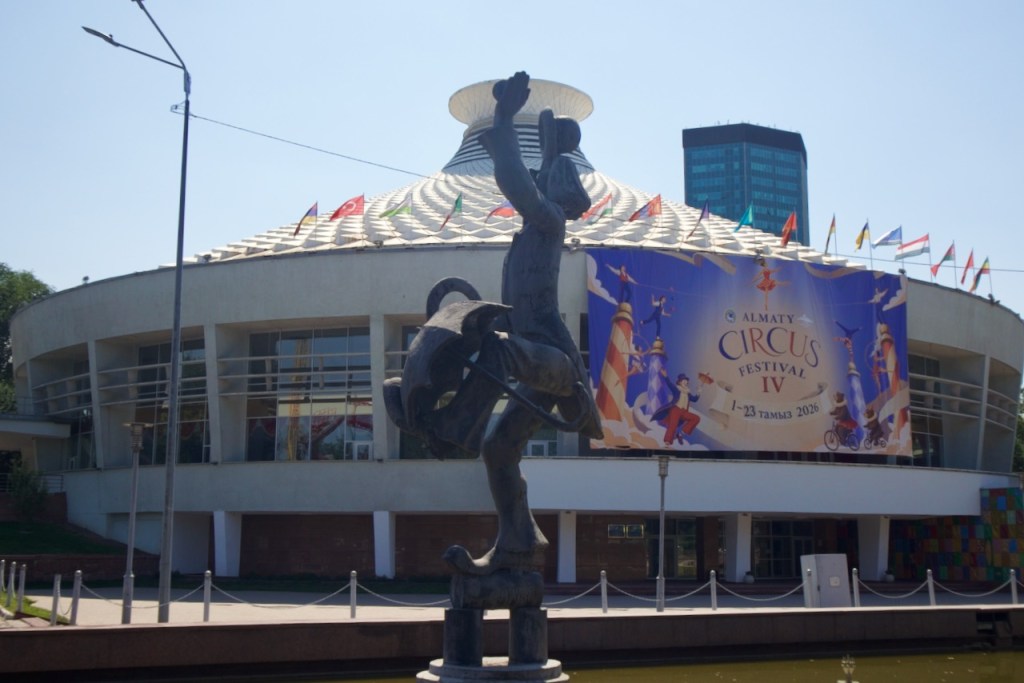
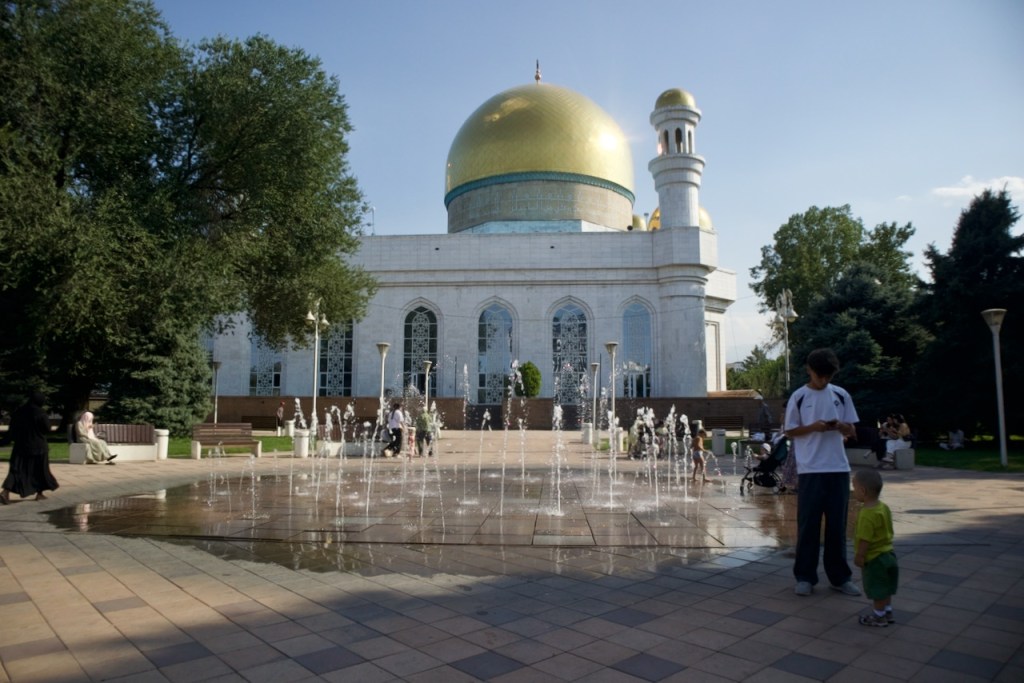
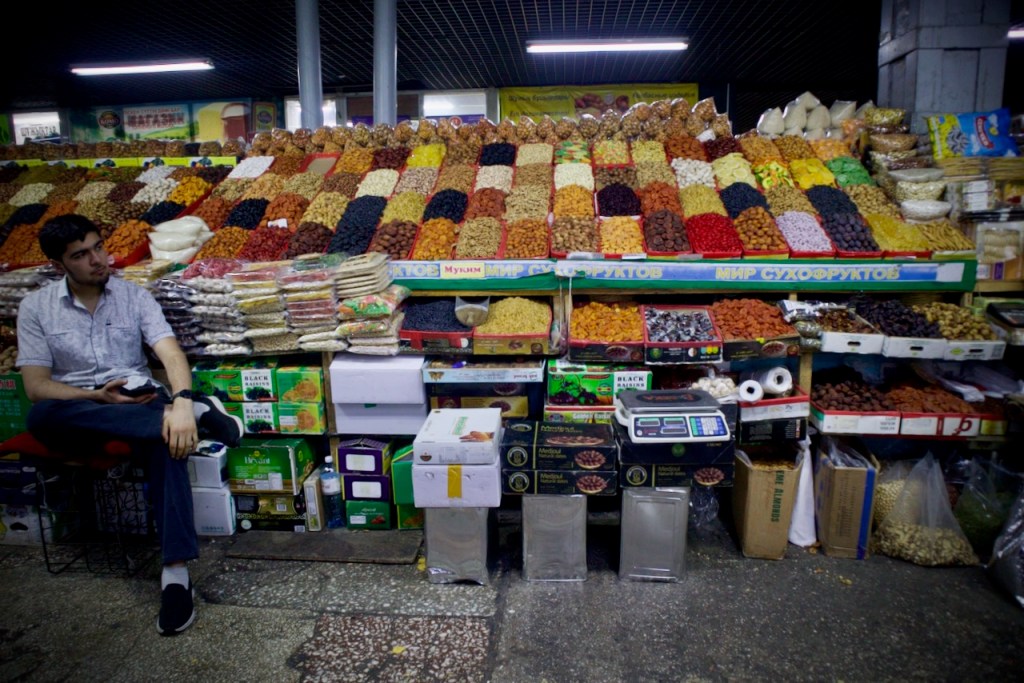
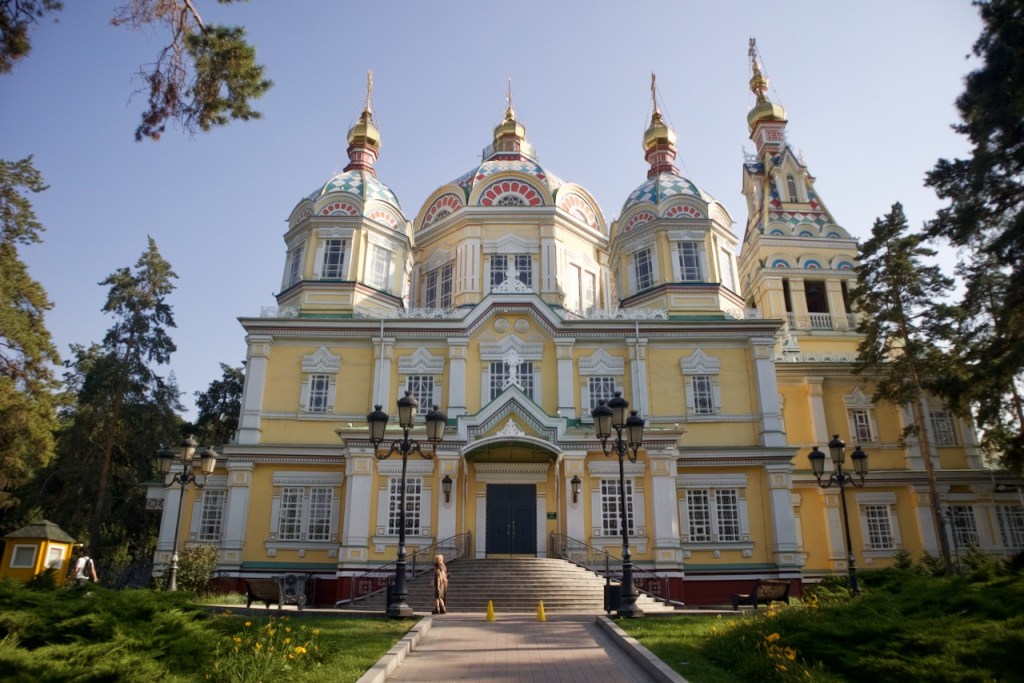
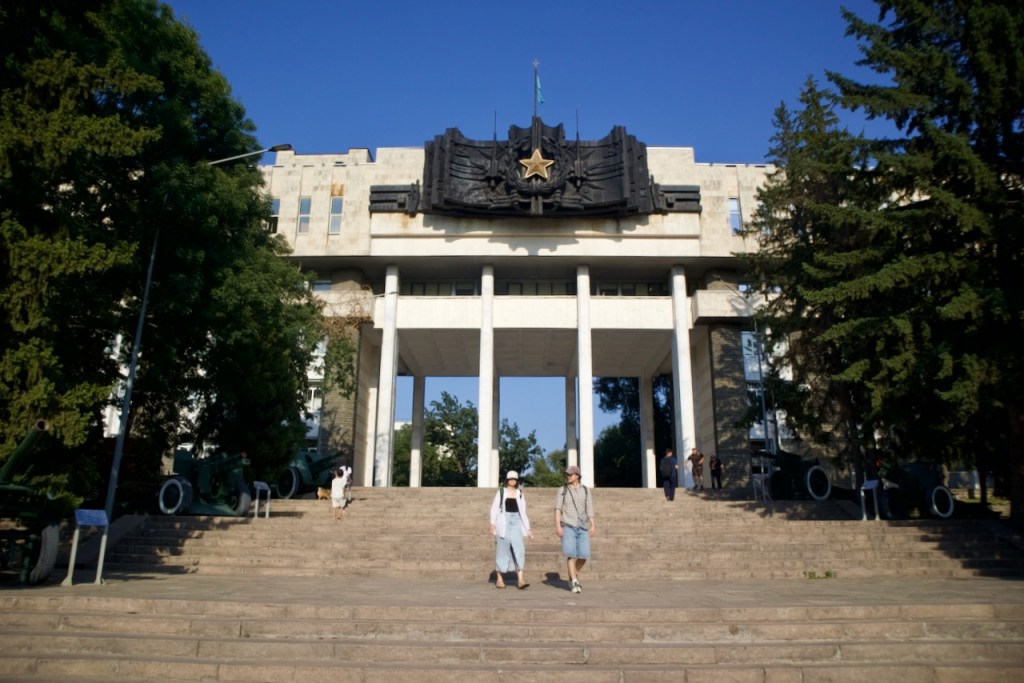
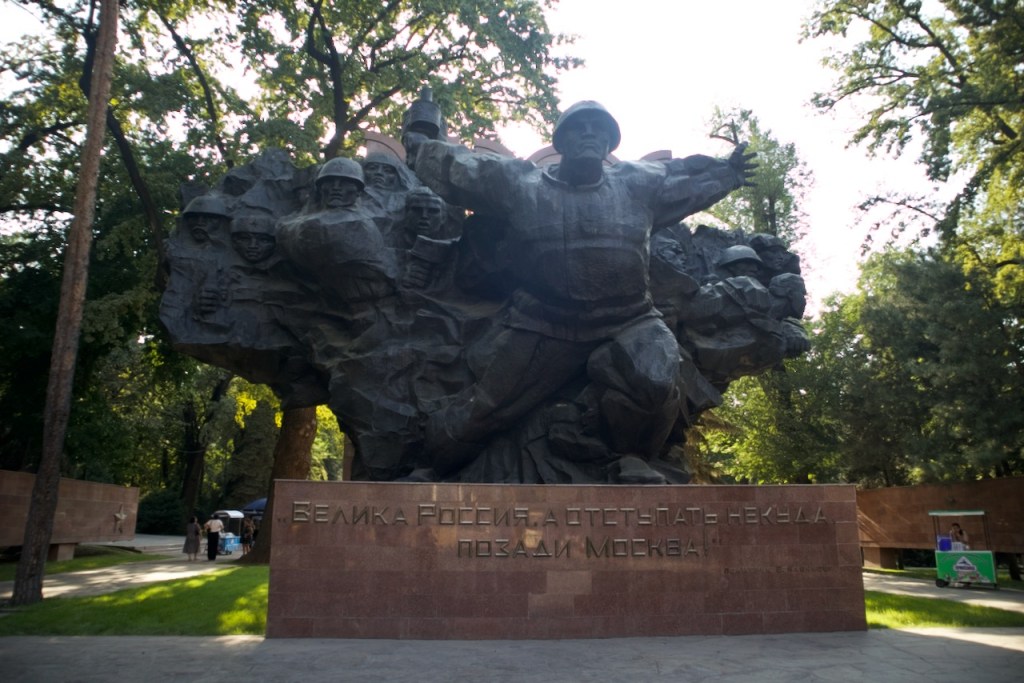
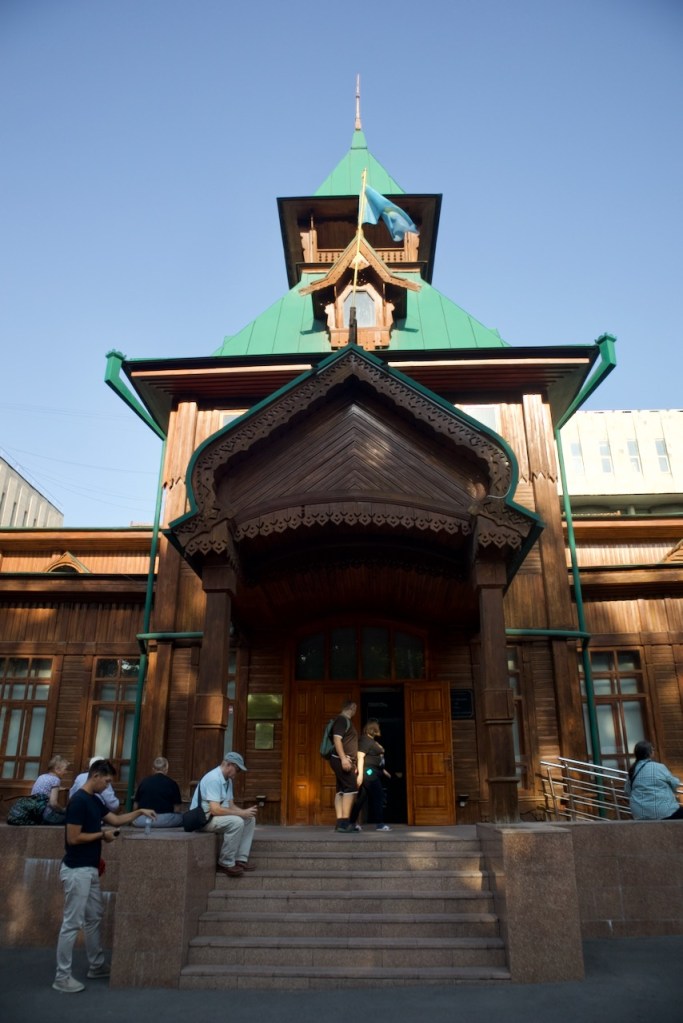
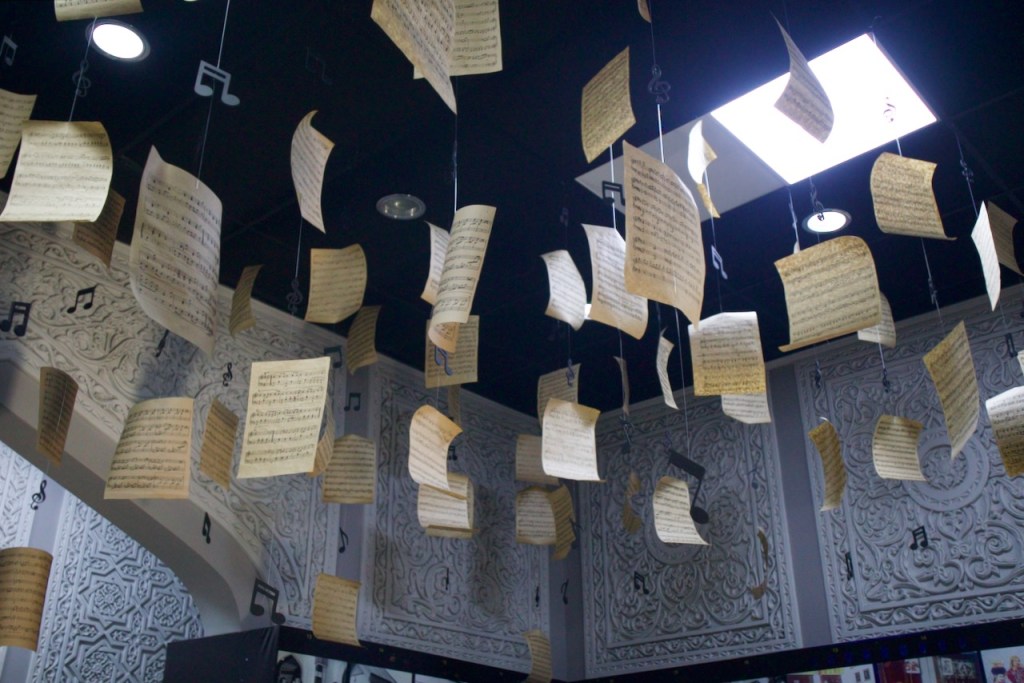
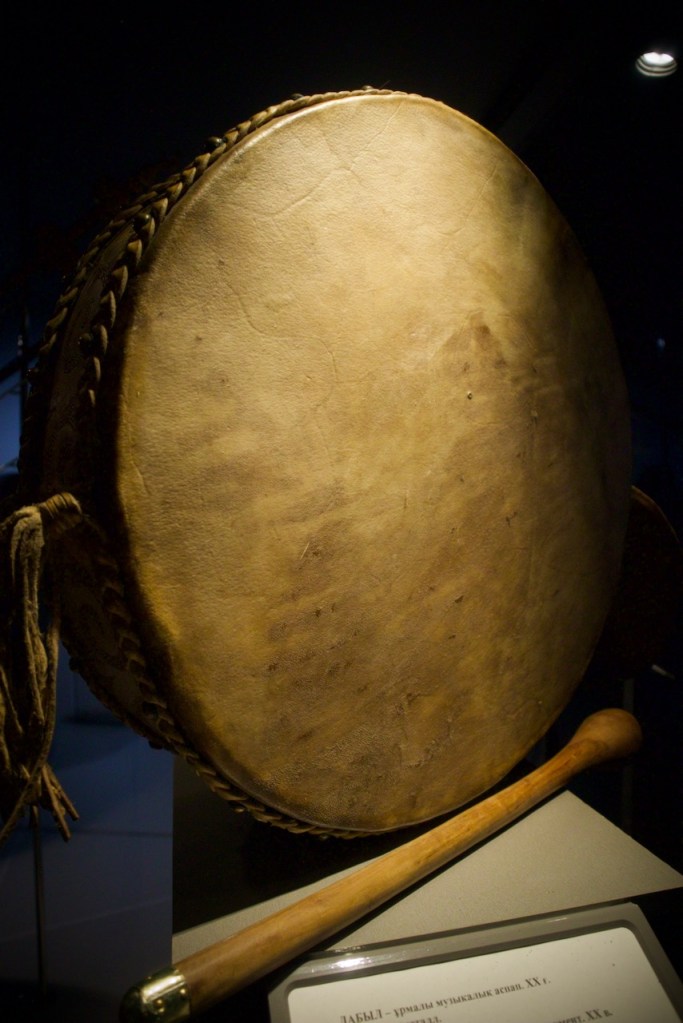
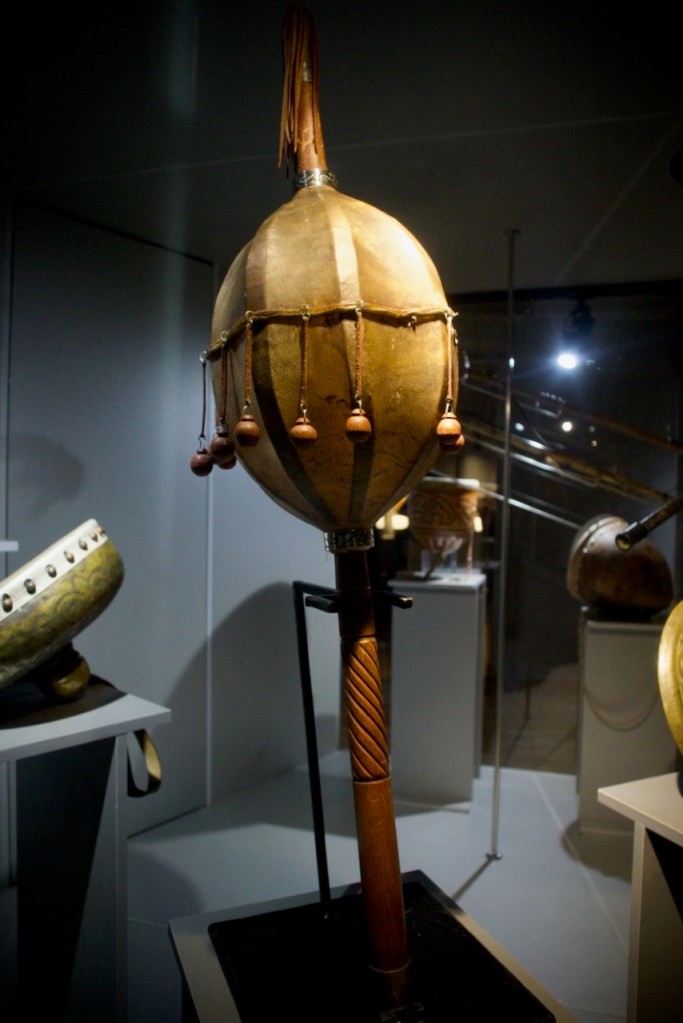
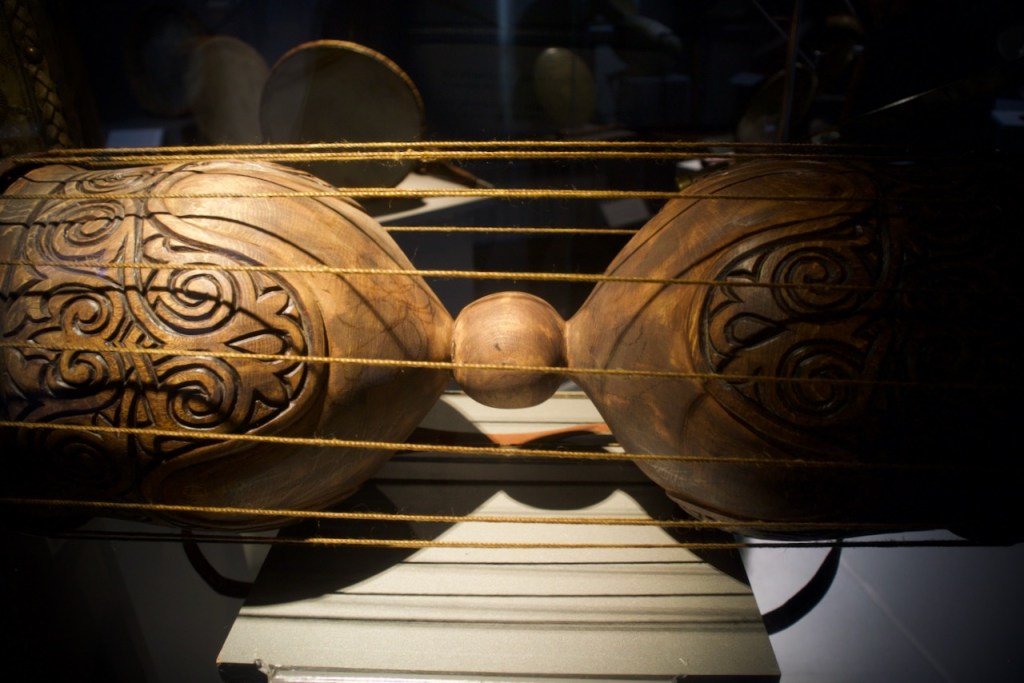
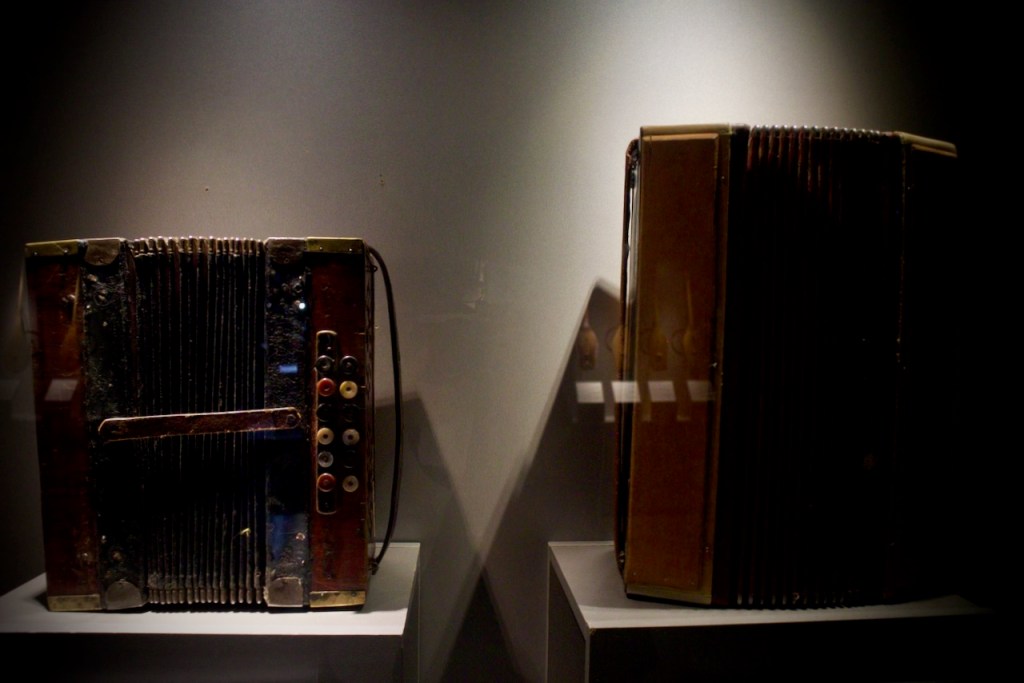
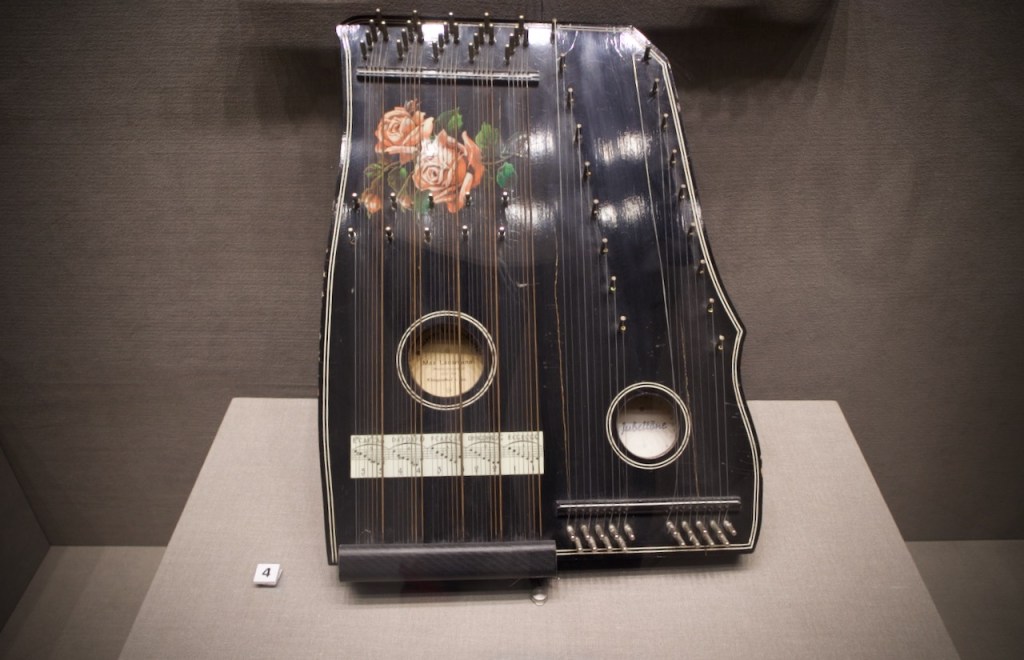
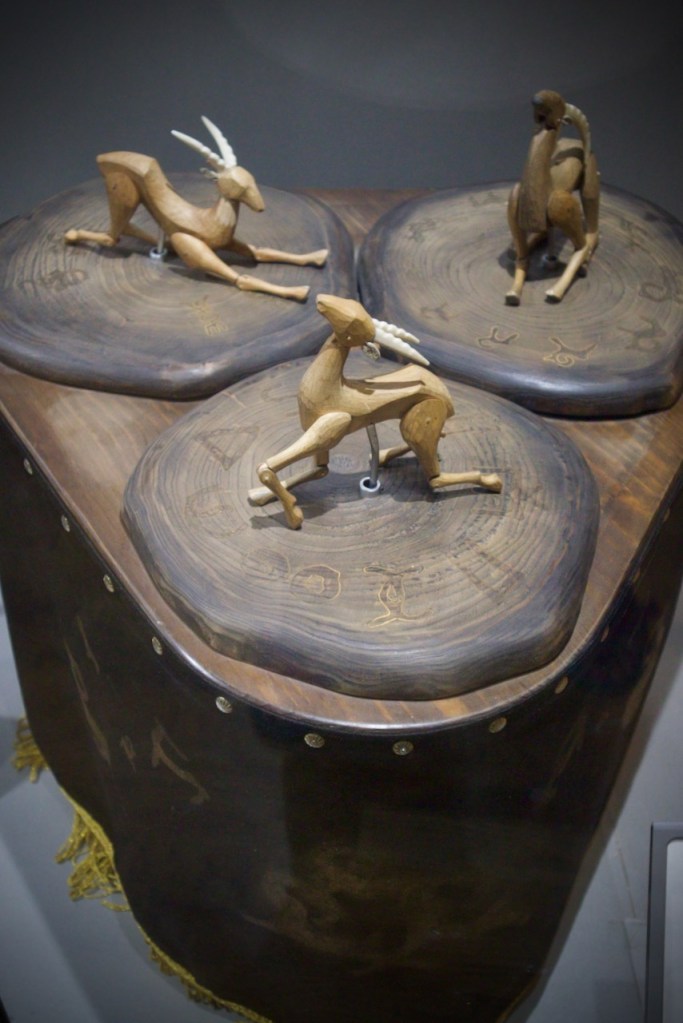
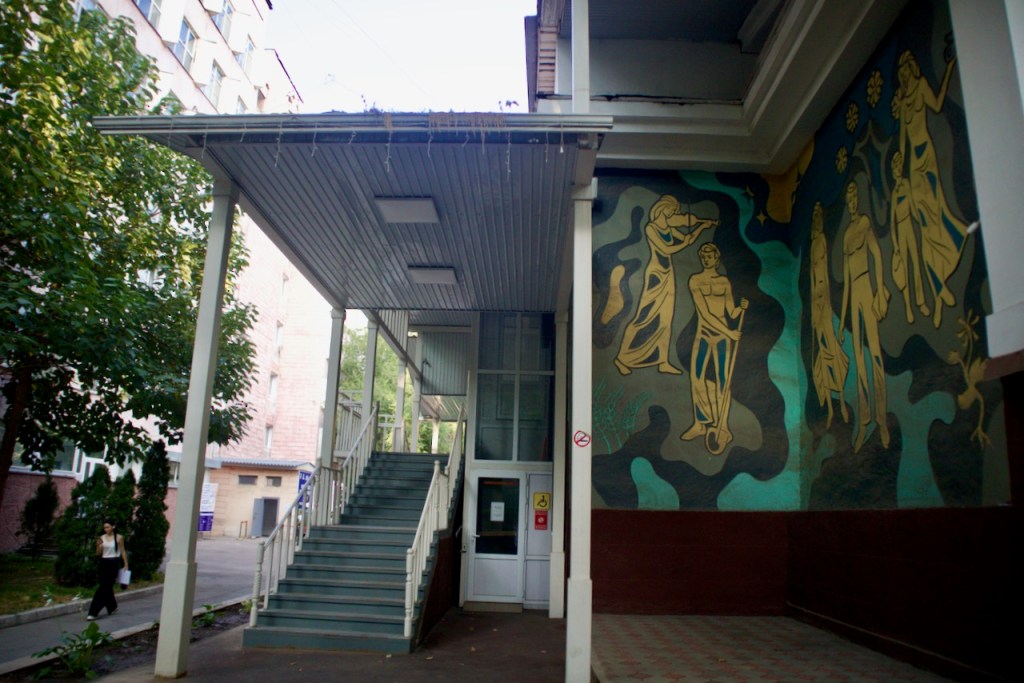
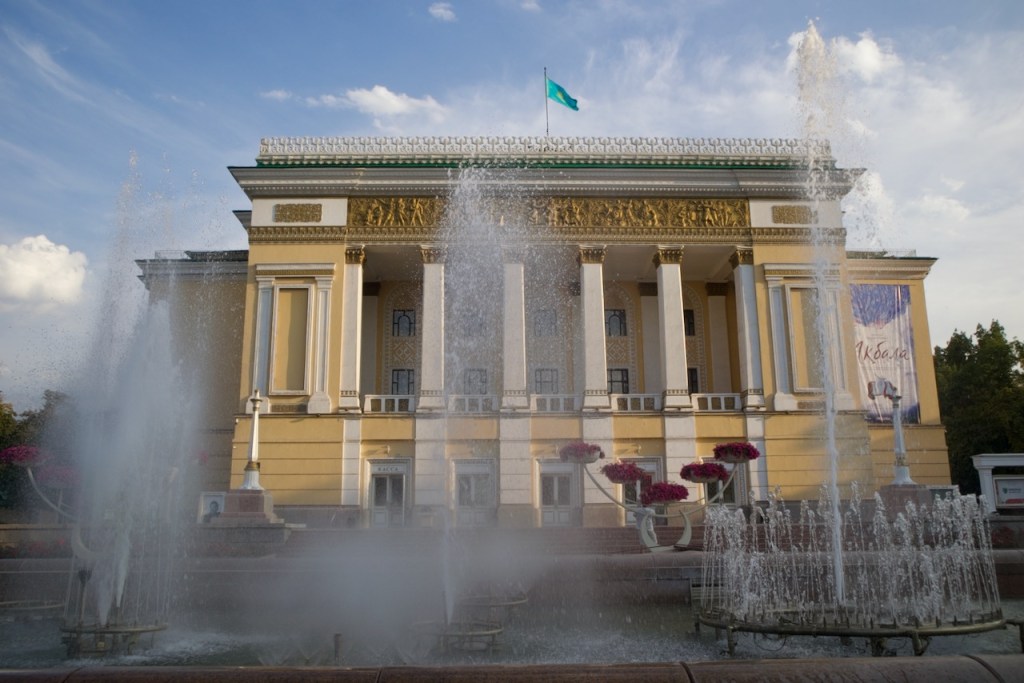
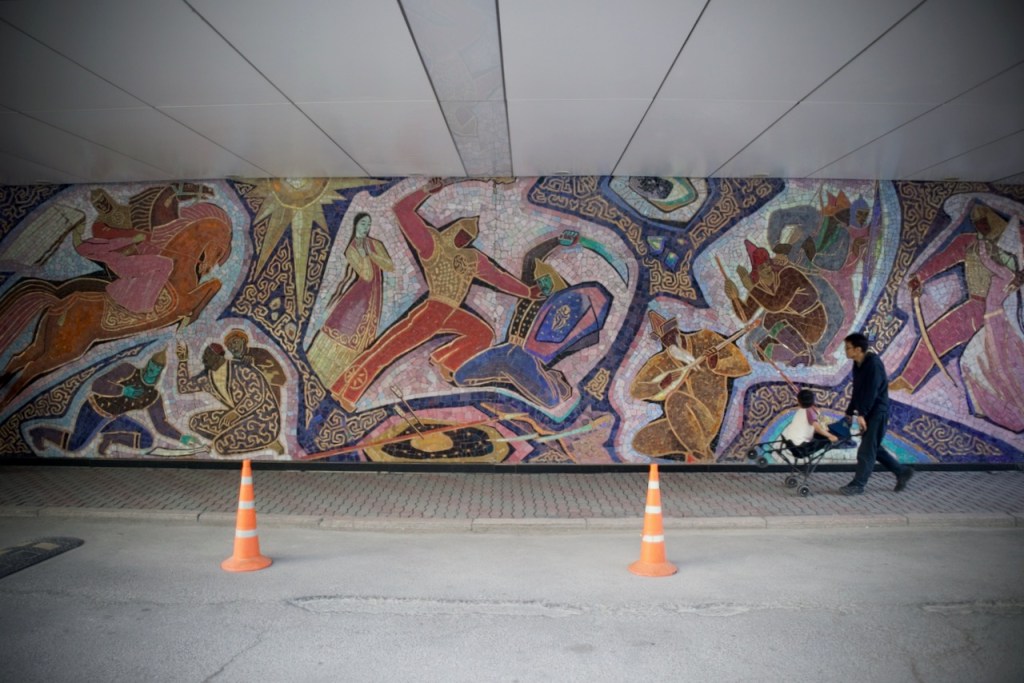
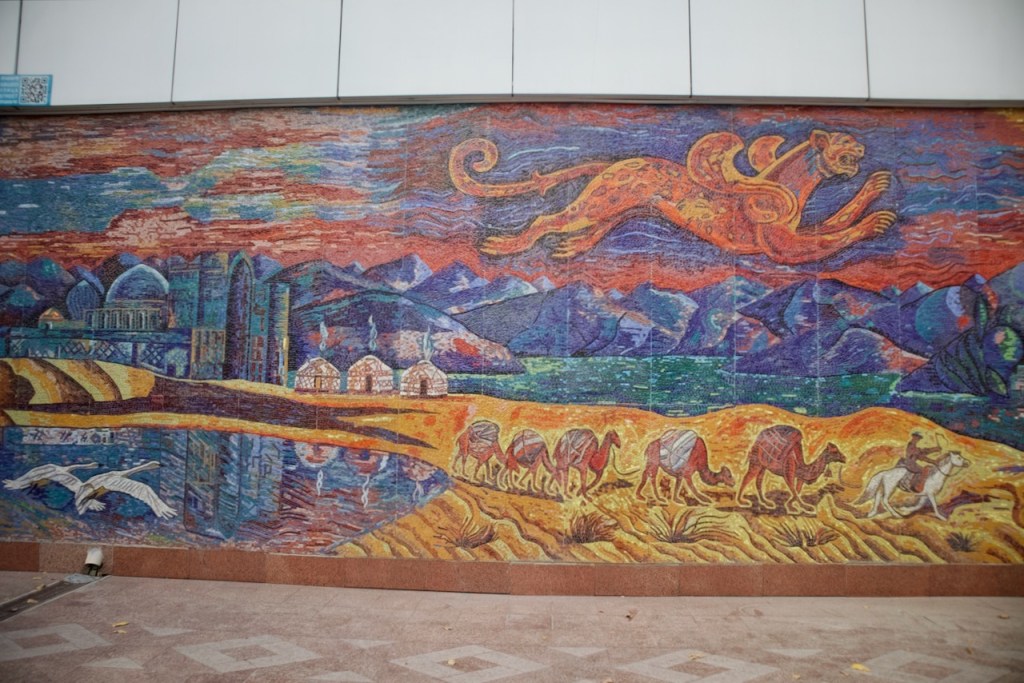
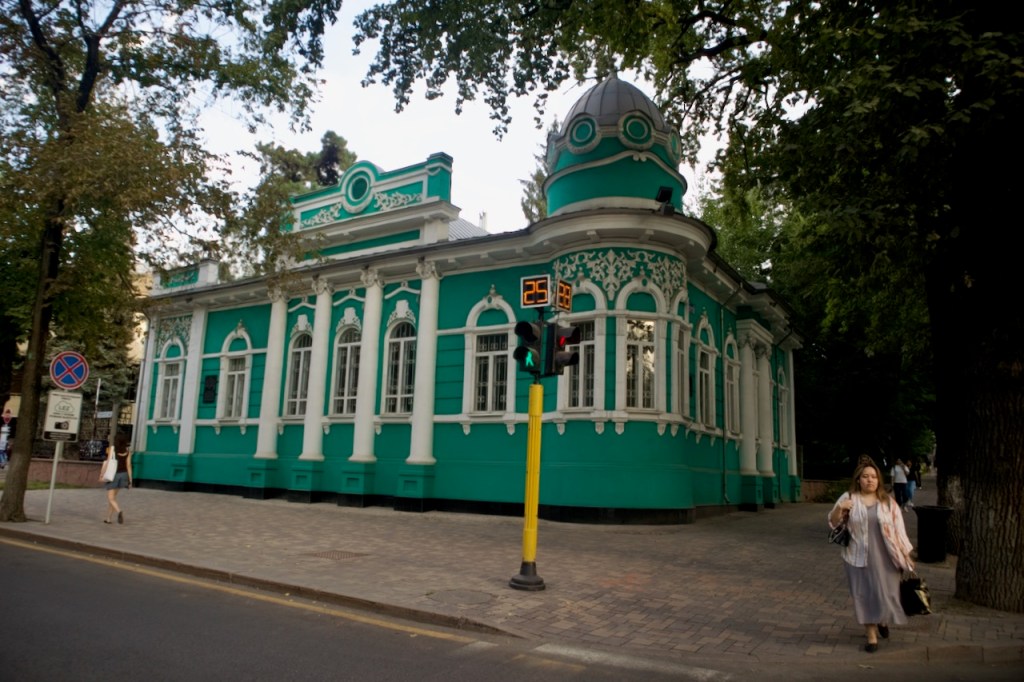
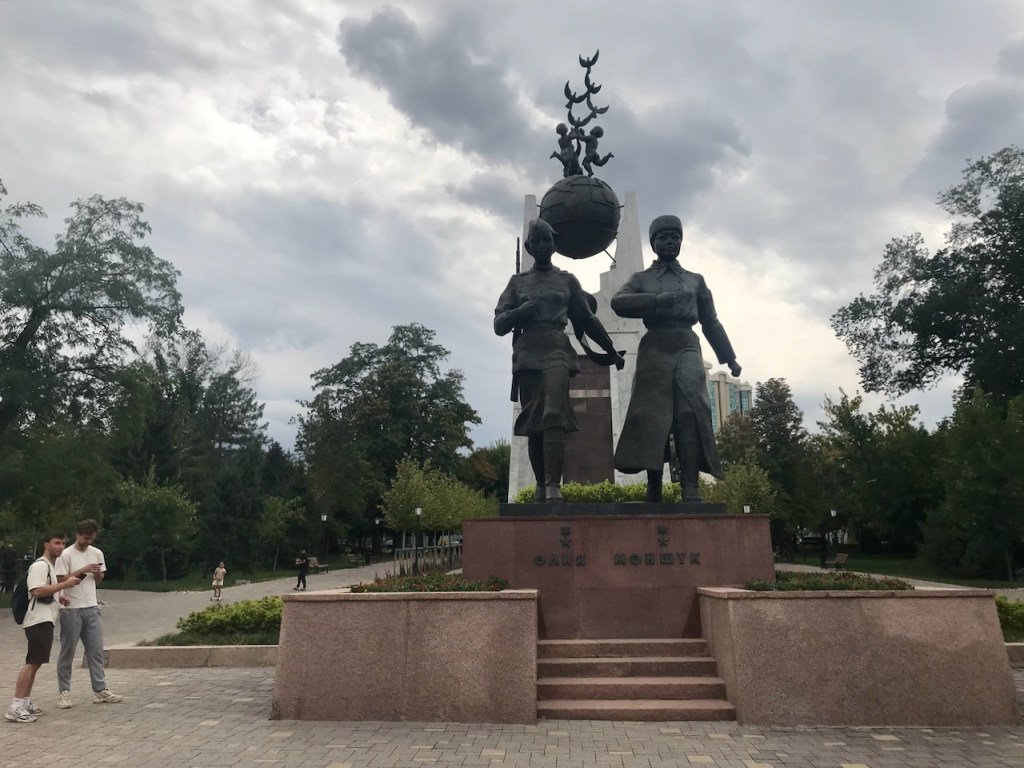
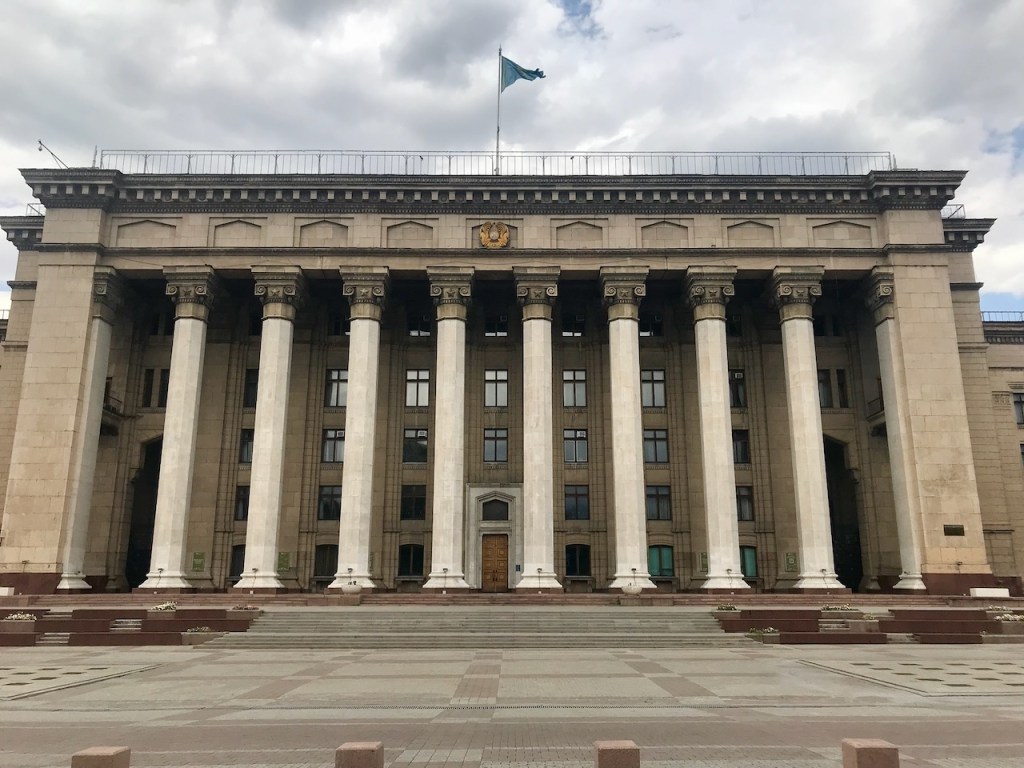
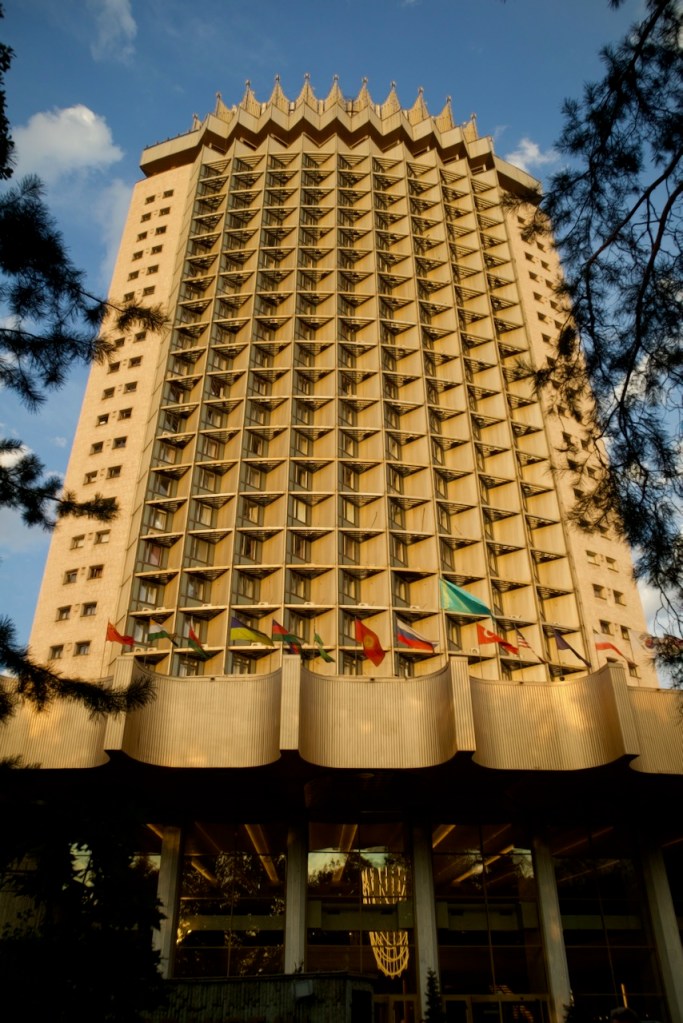
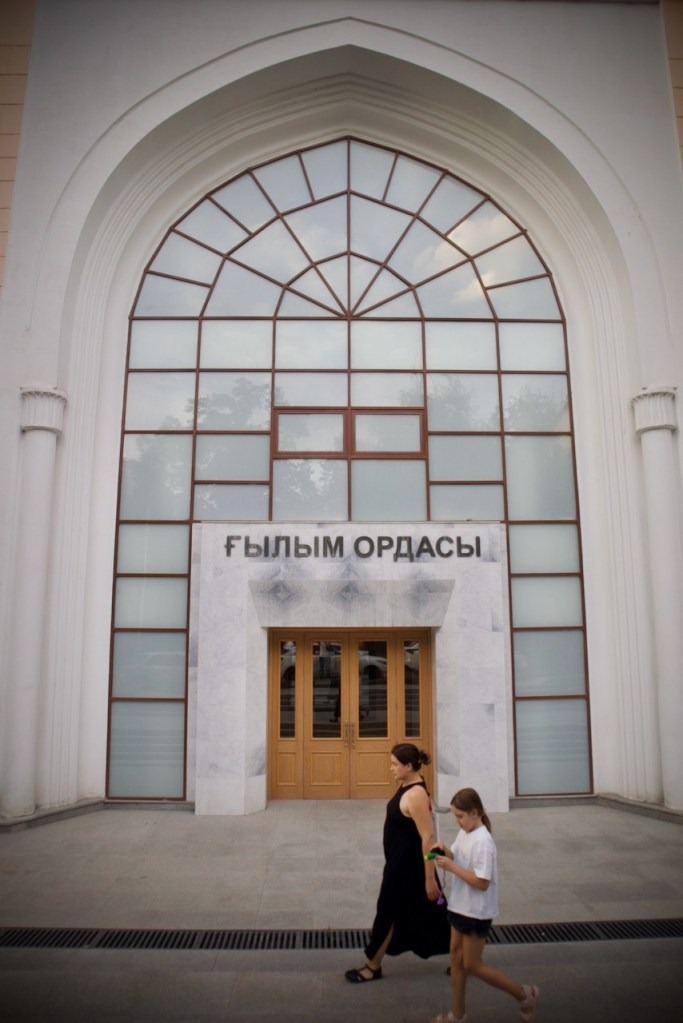
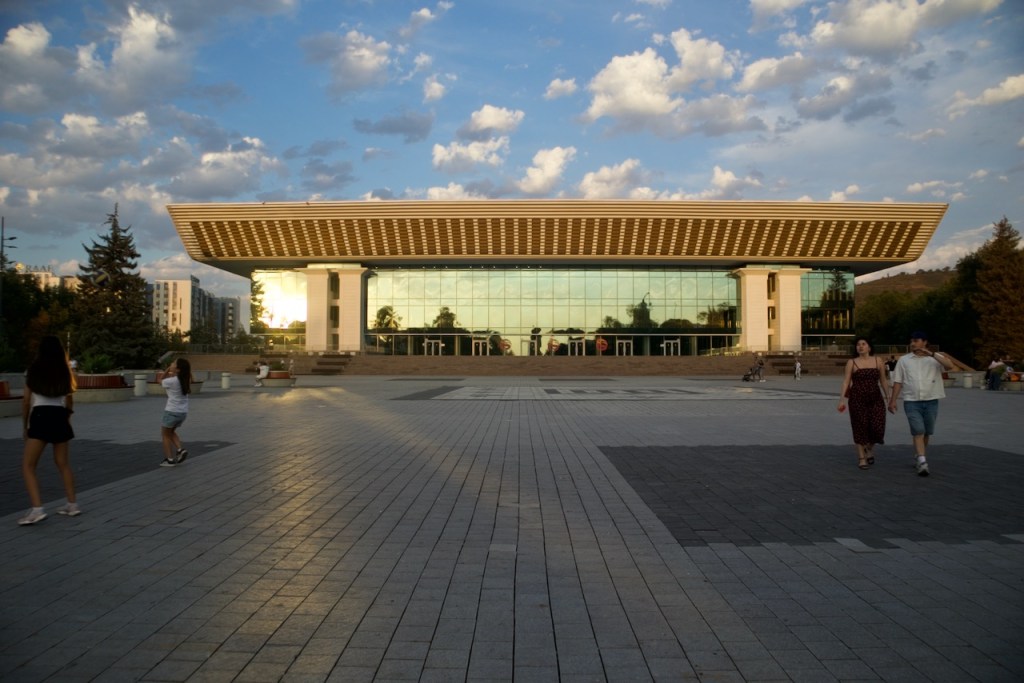
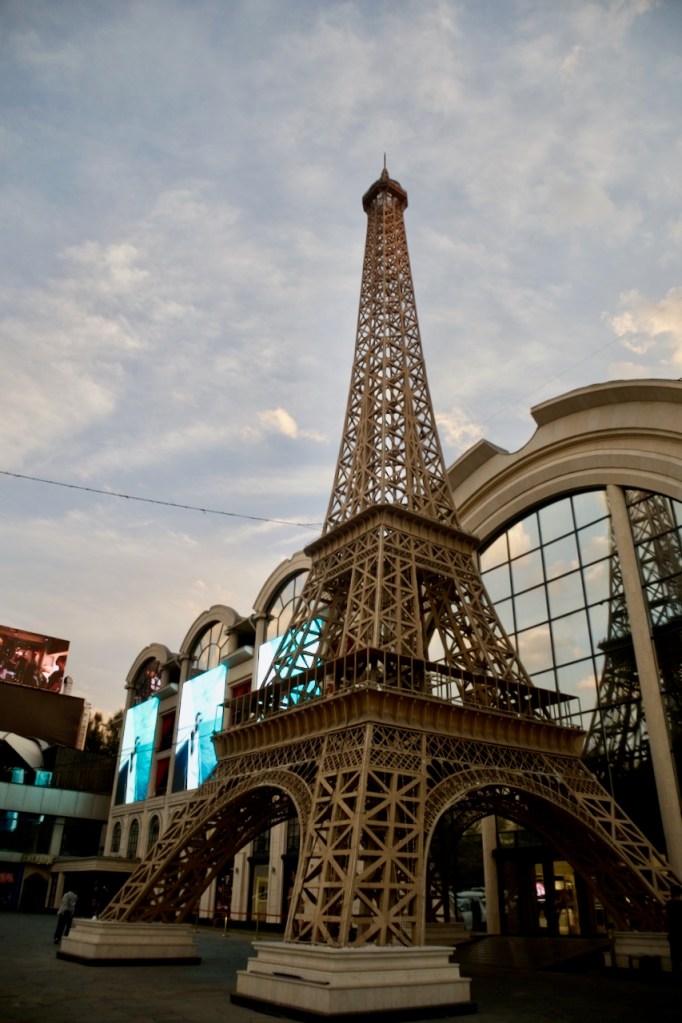
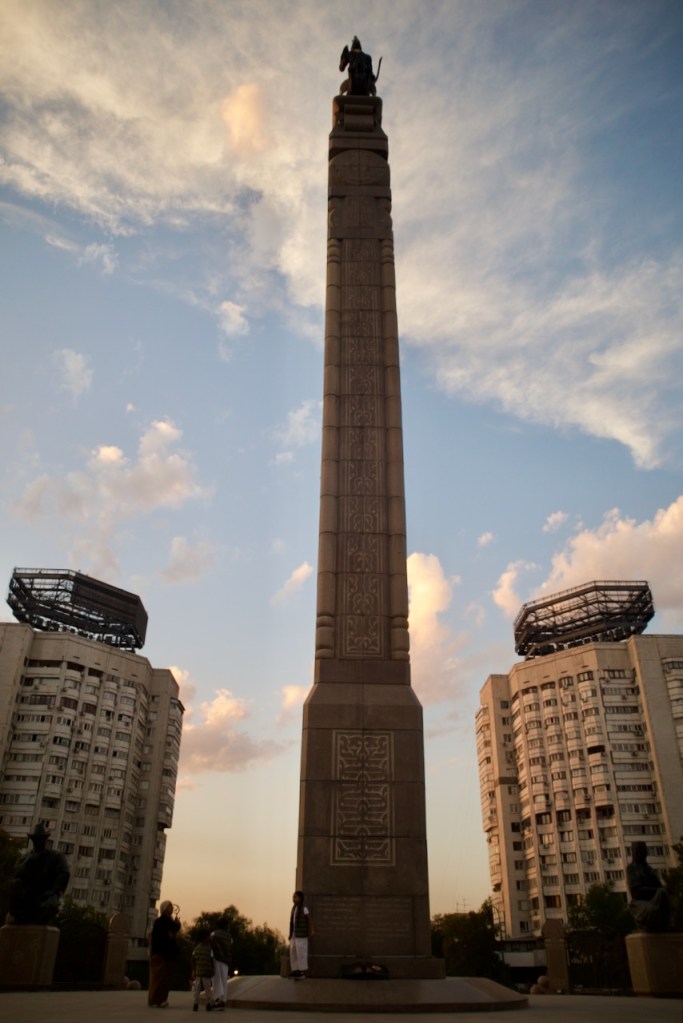
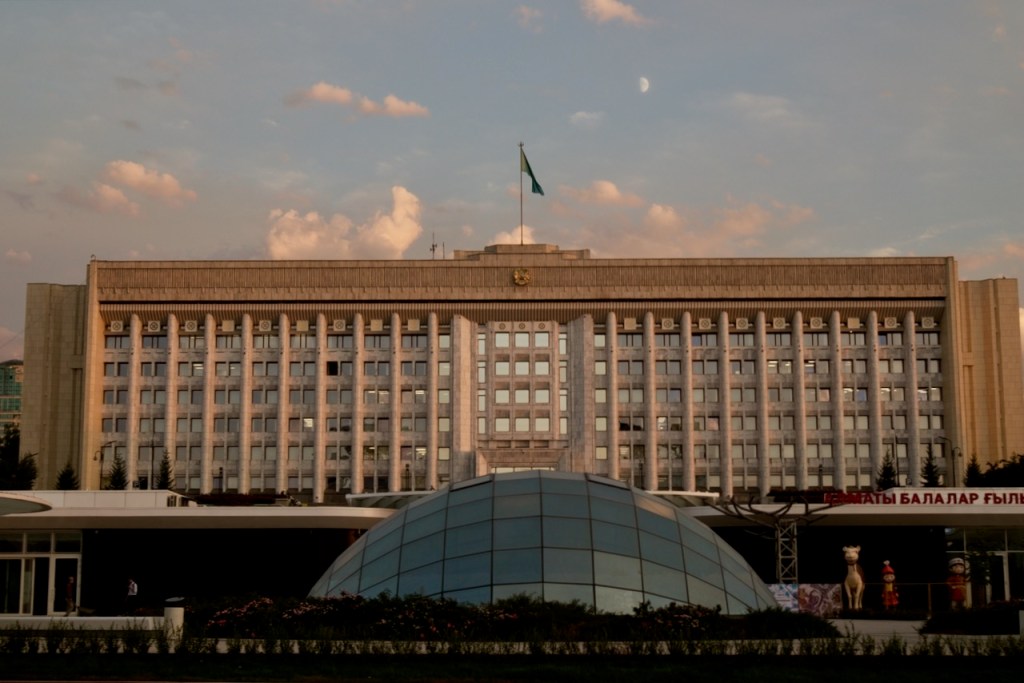
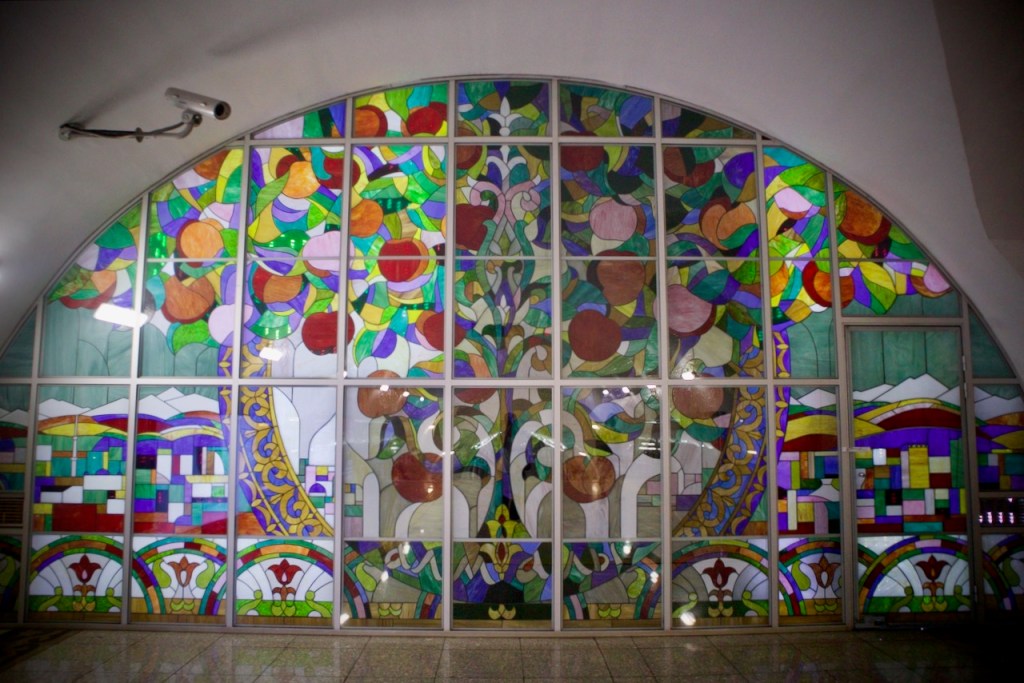
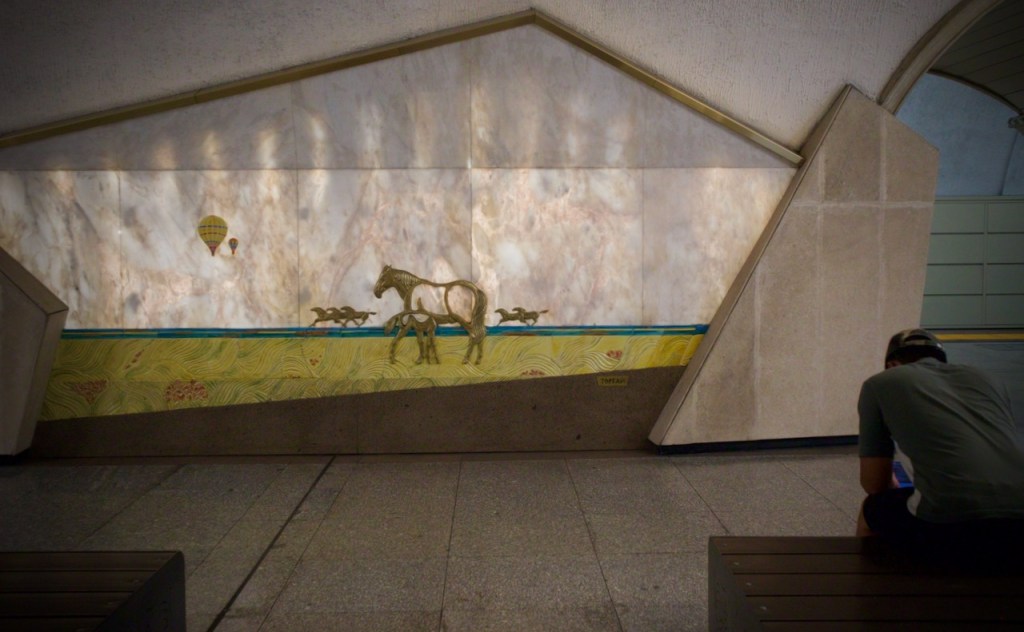
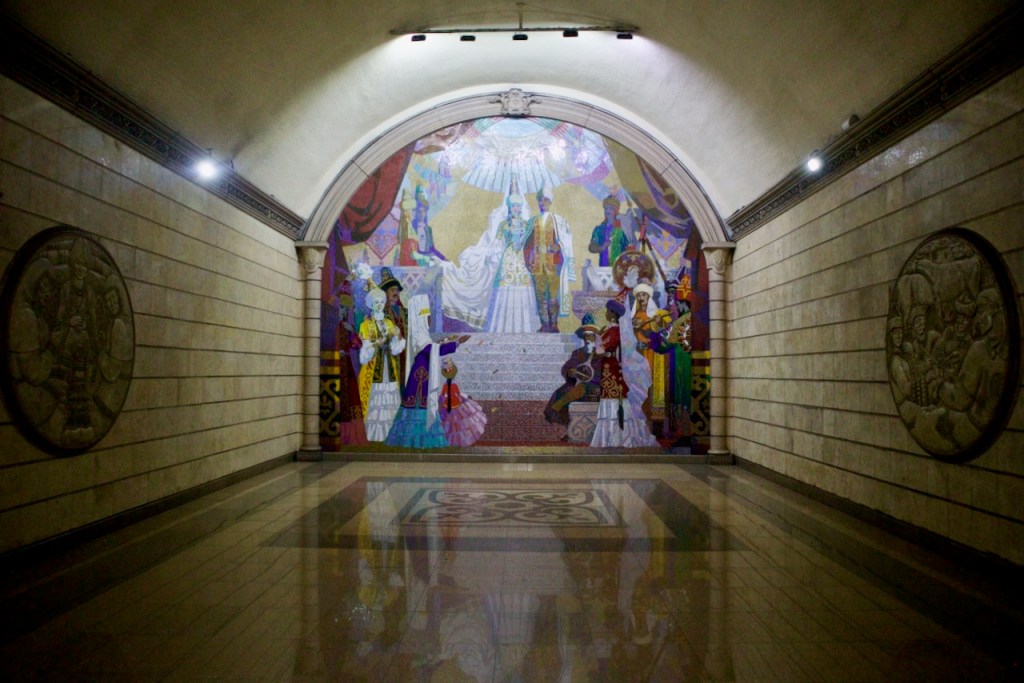
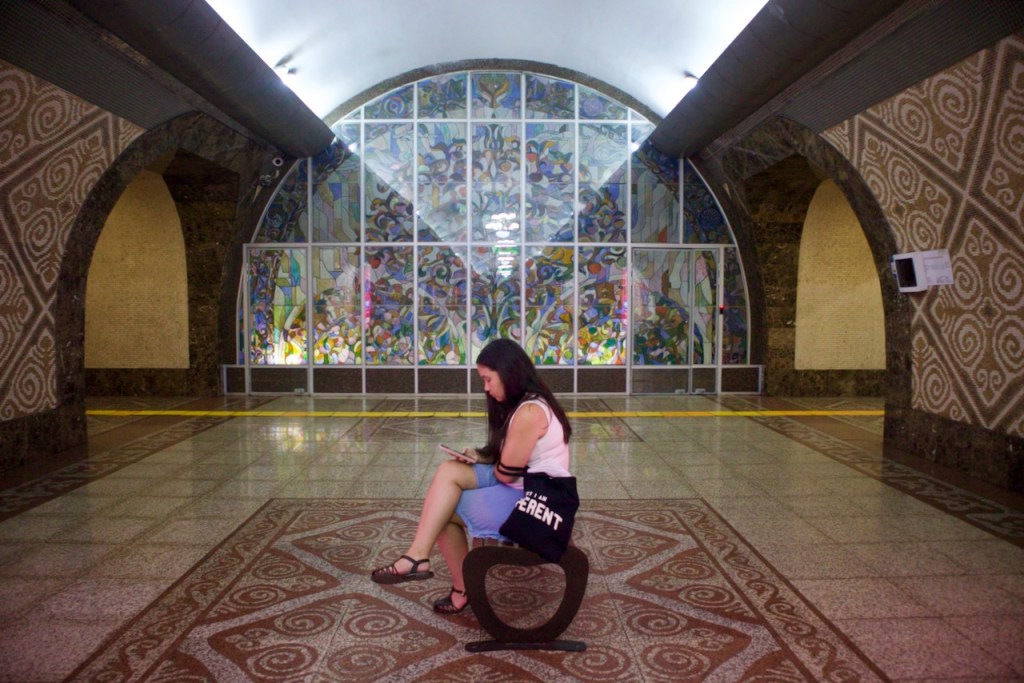
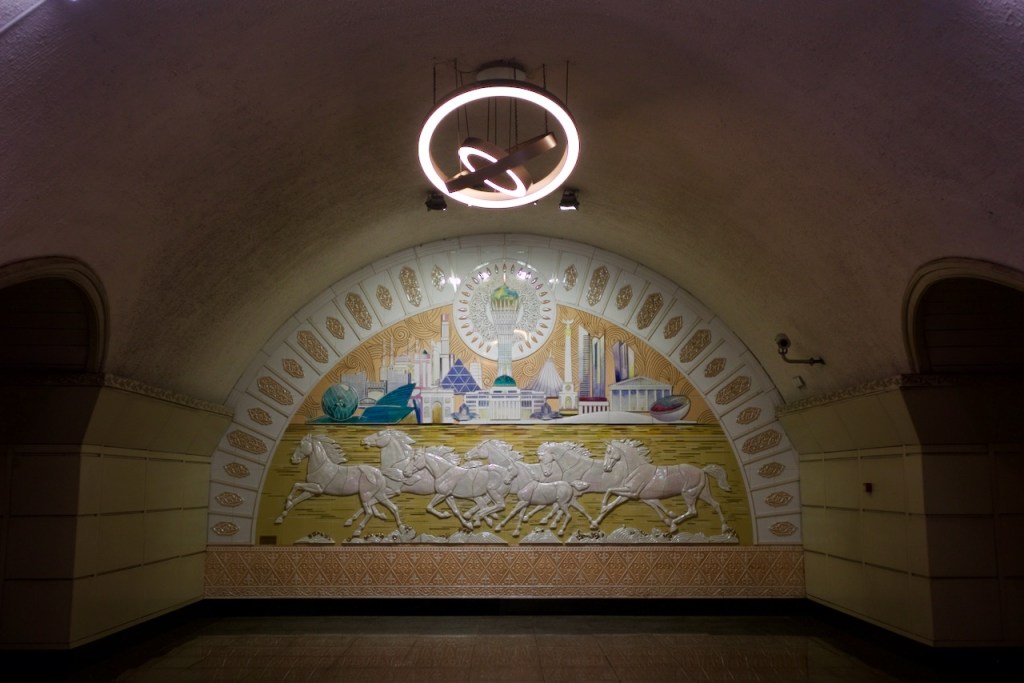
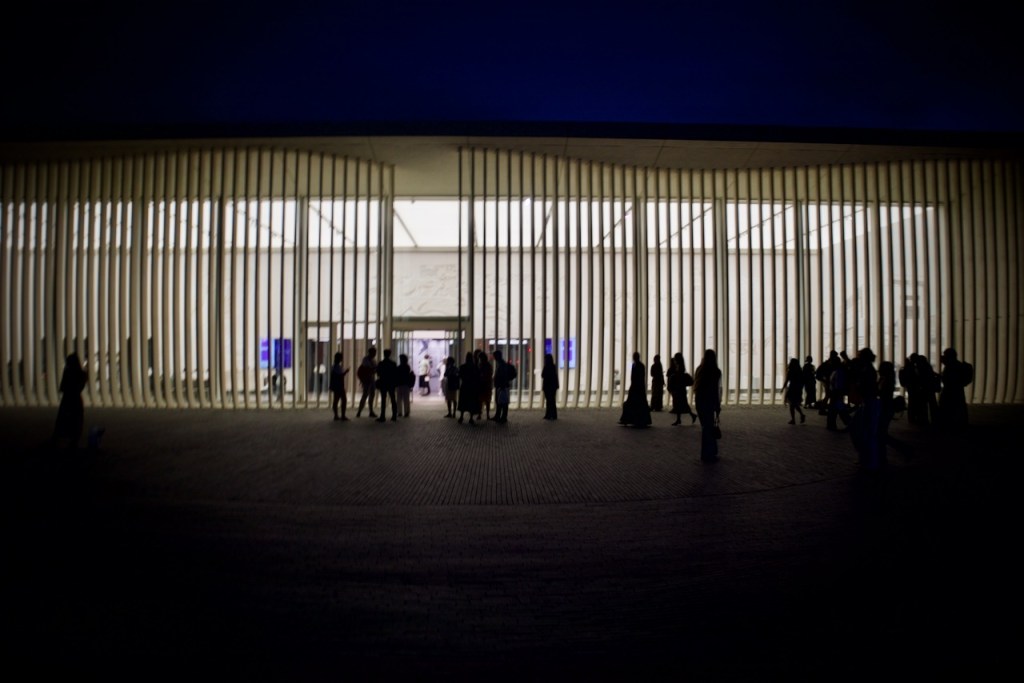
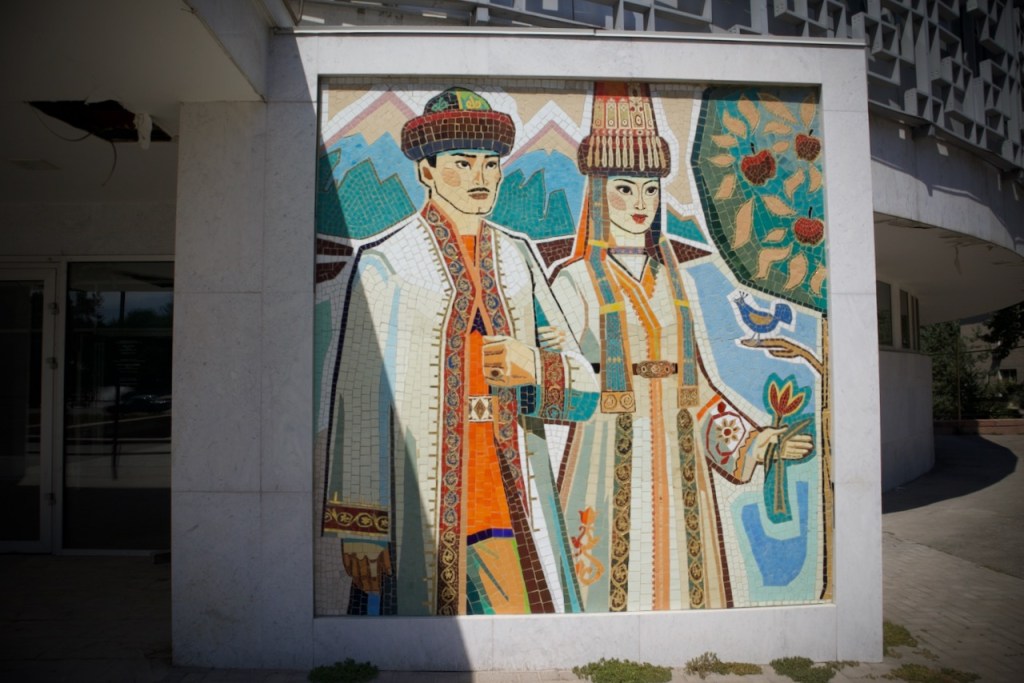
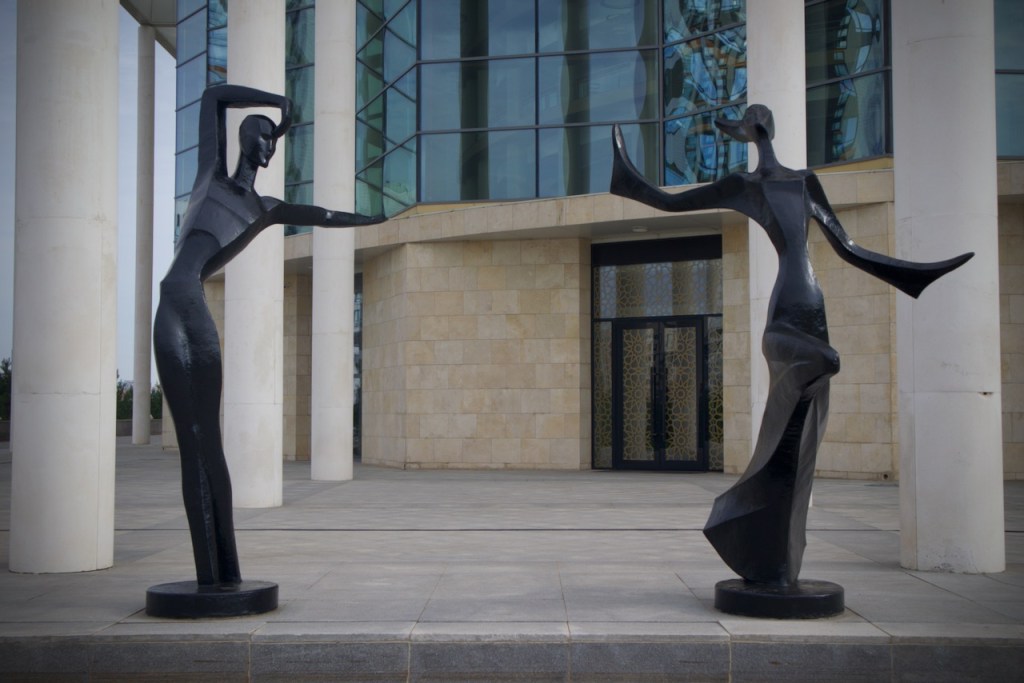
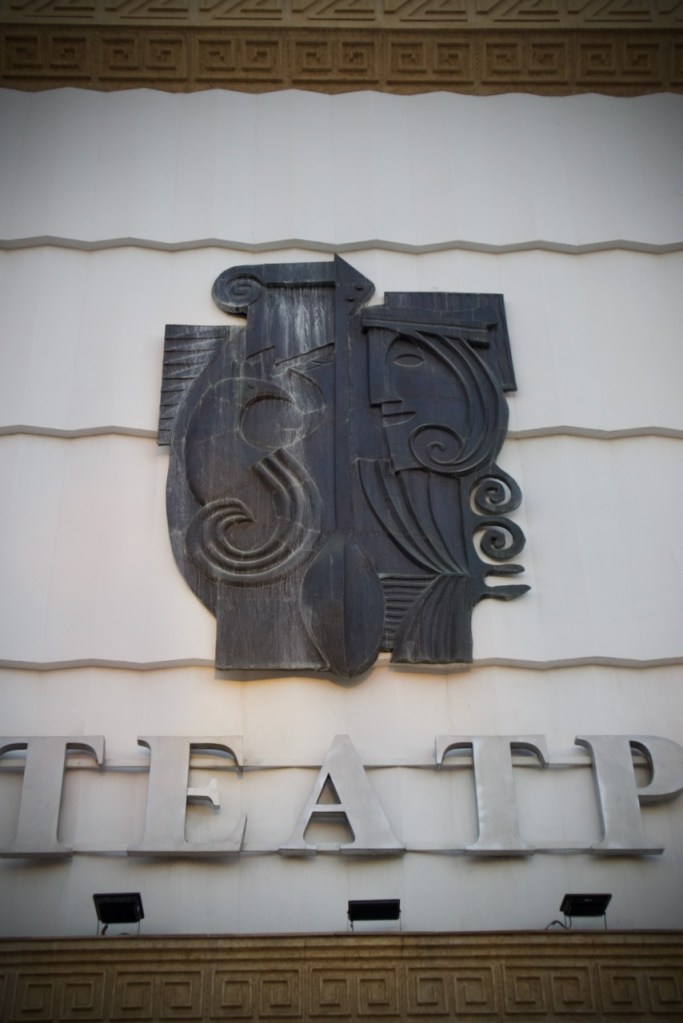
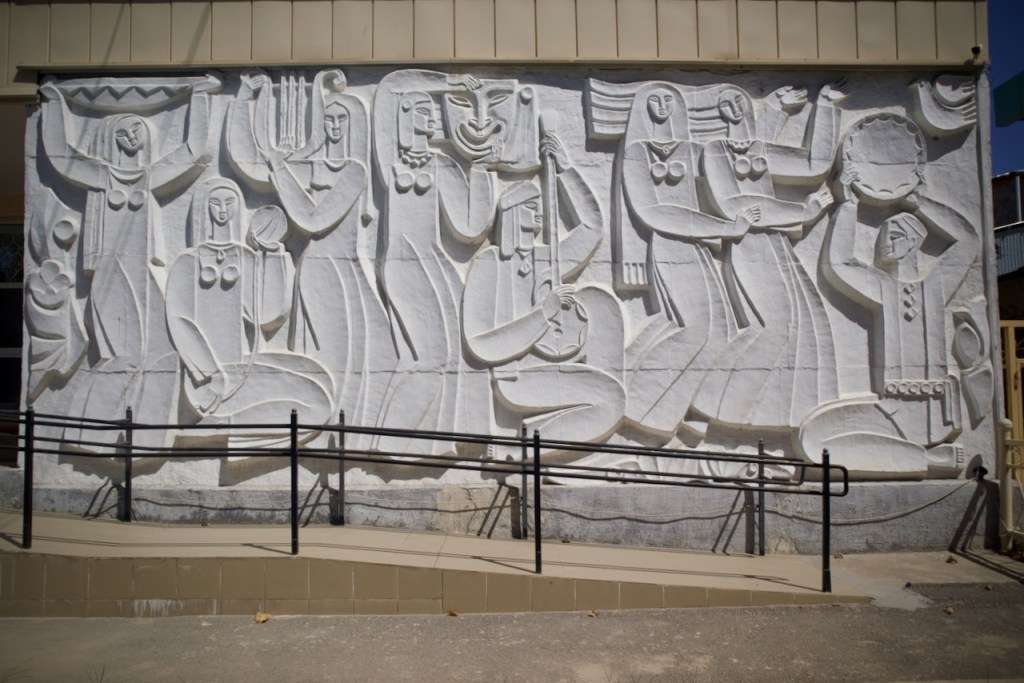
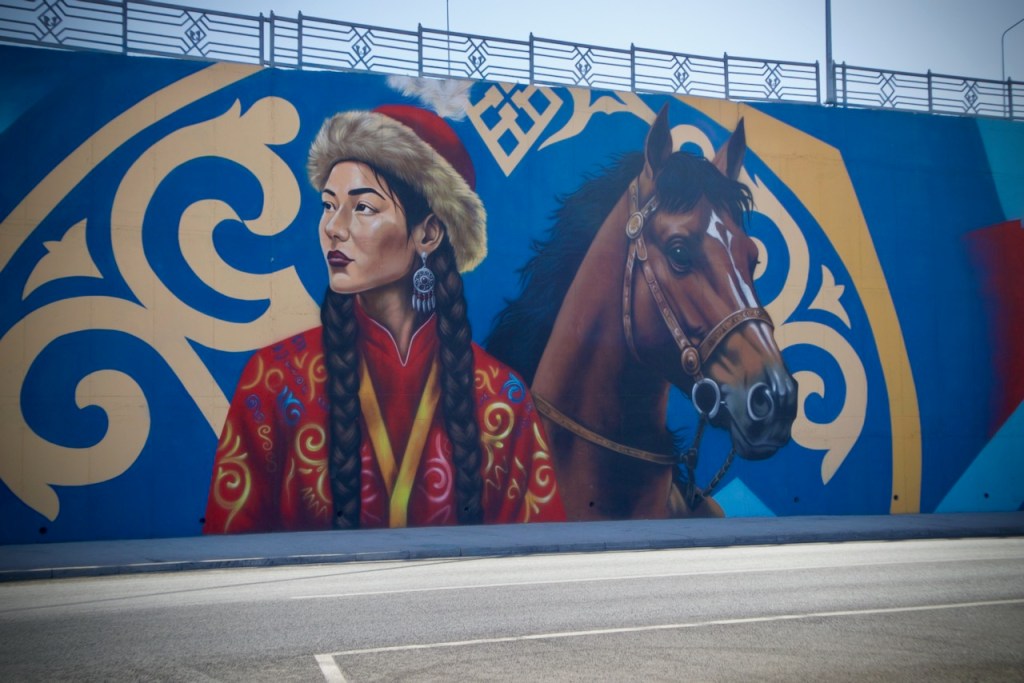
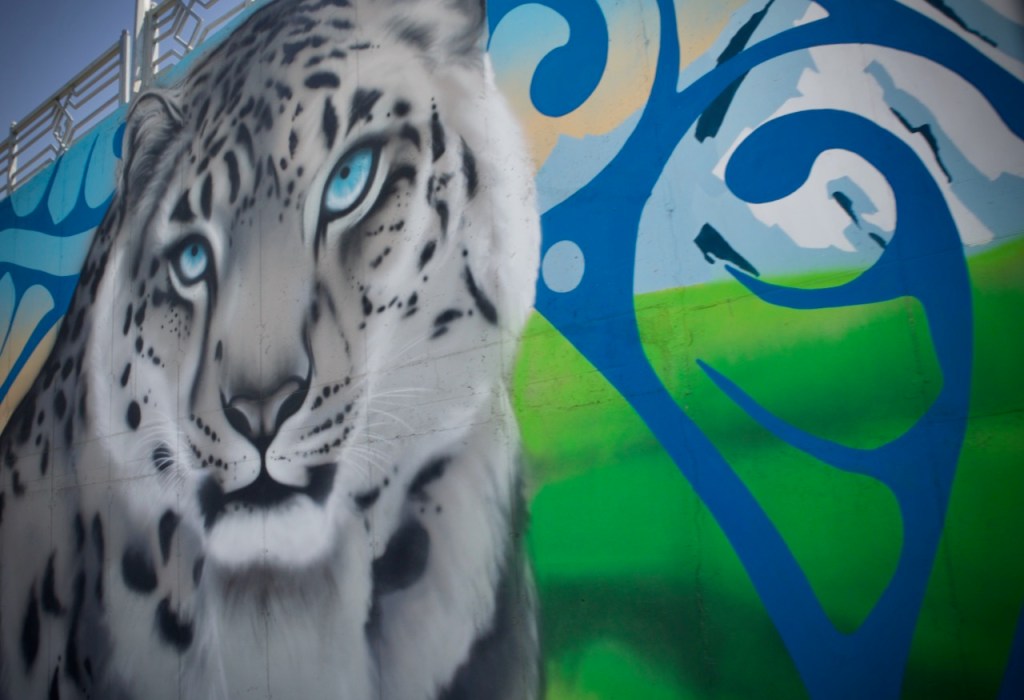
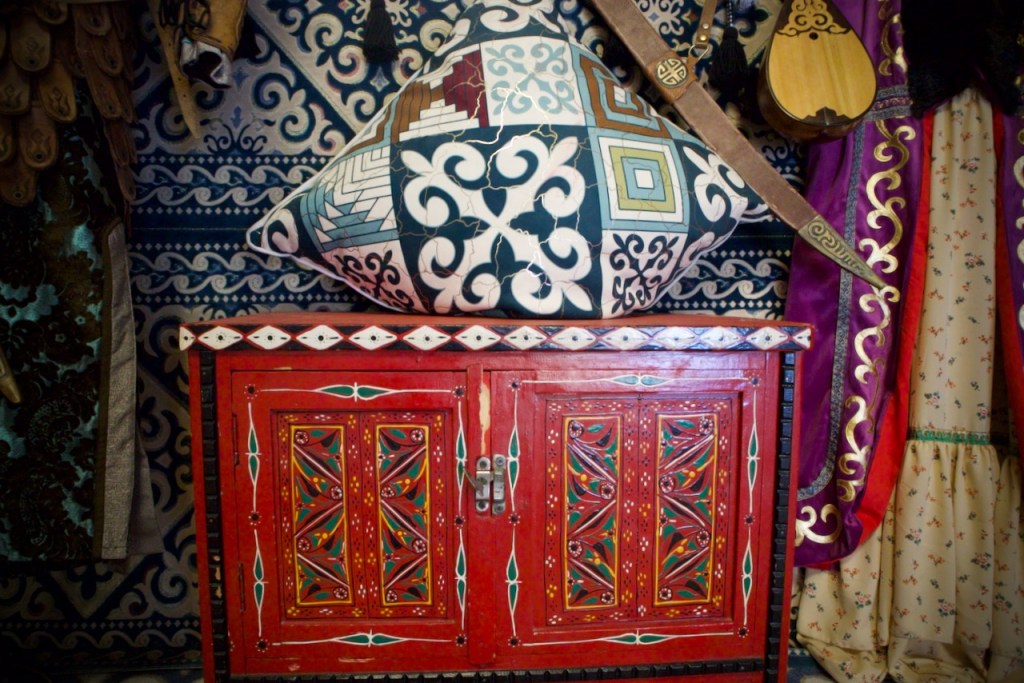
I begin my DIY walking tour at the wedding palace and circus, remnants of a Soviet past, towards the Grand Mosque and Green Bazaar where I stock up walnuts and cranberries for more gruelling train rides ahead. I wander into the bustling Panfilov Park and admire the picturesque Ascension Cathedral that looks straight out of a Russian fairytale. Passing by an outsized military memorial, I reach the fascinating Museum of Folk Musical Instruments where a range of eye-opening “noise-makers” and stringed dombras and fiddles are showcased. More murals, mosaics, and pastel-coloured old merchant houses later, I catch Hotel Kazakstan basking in golden colours before reaching the Palace of the Republic, the Monument of Independence, and the President’s Residence in twilight. The city is so full of architectural gems from the Abay Opera to the Brutalist building of the National Academy of Sciences and the Tselliny Contemporary Arts Center, without counting the underground art gallery of the entire metro line, worthy of a deep study into Kazak motifs, warriors, and luminary figures.
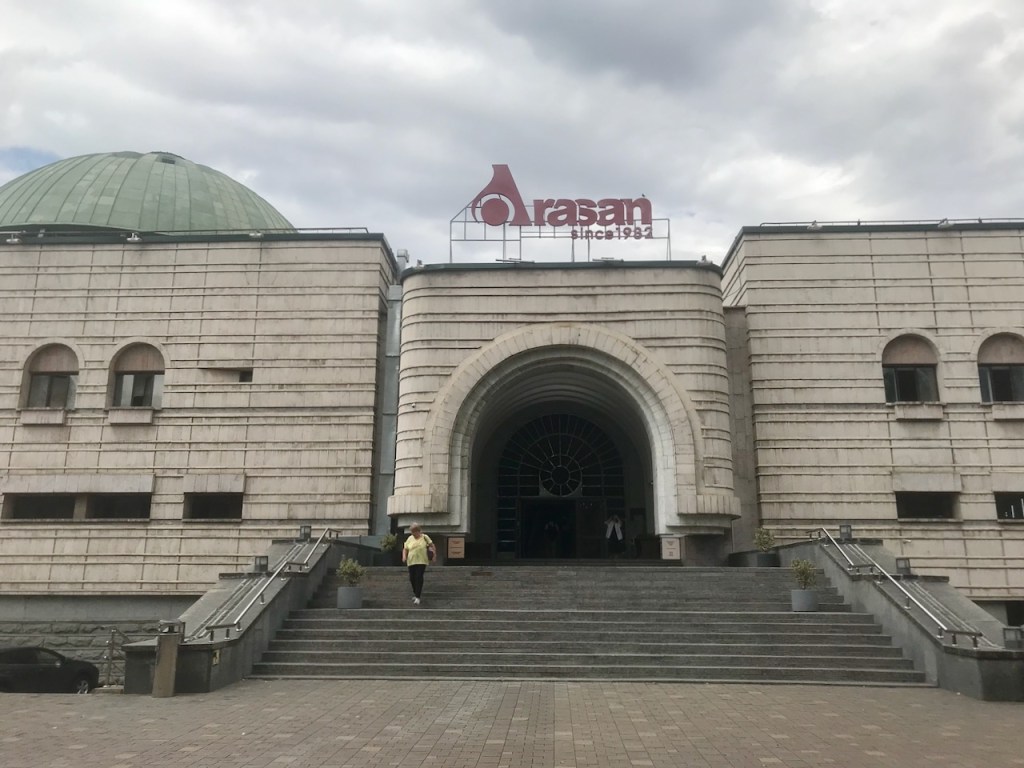
My body aches and my feet are sore from a month of backpacking, so I spend my last day in Arasan Baths, a Soviet wellness complex, for a quintessential Central Asian experience. Did Wim Hof get his cold plunge idea here? Never thought scurrying from the Russian aromatic sauna to the cold pool could be so soul lifting!
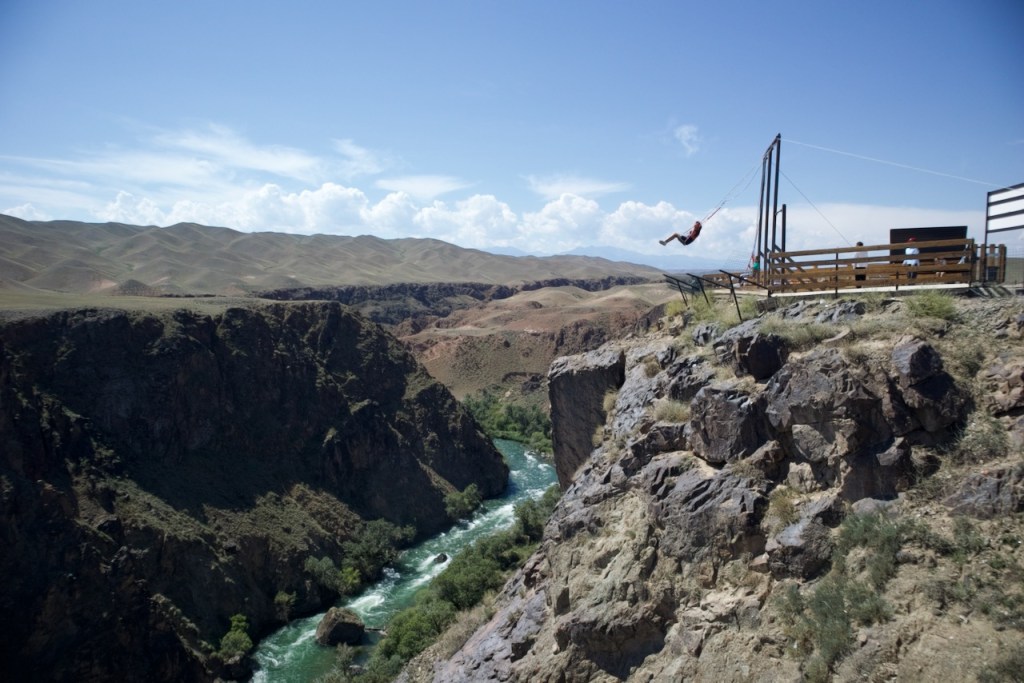
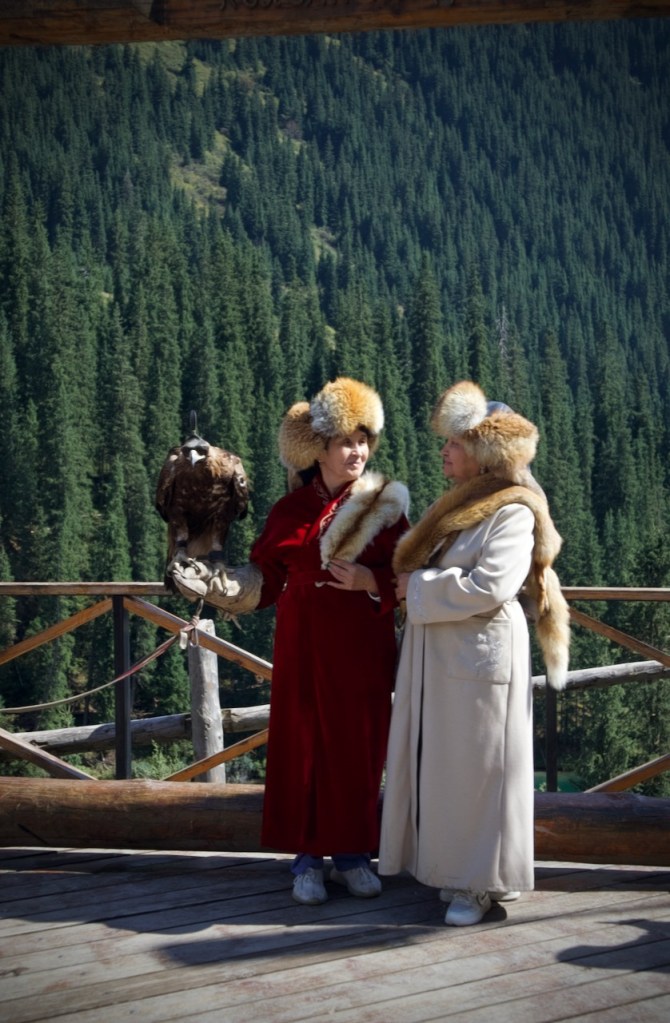
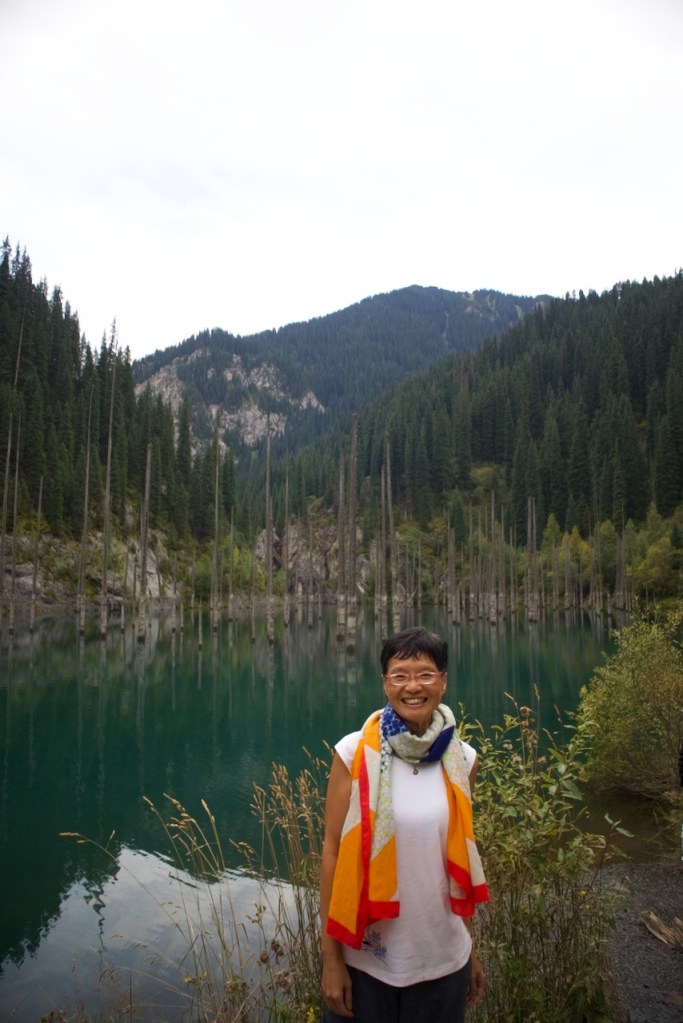
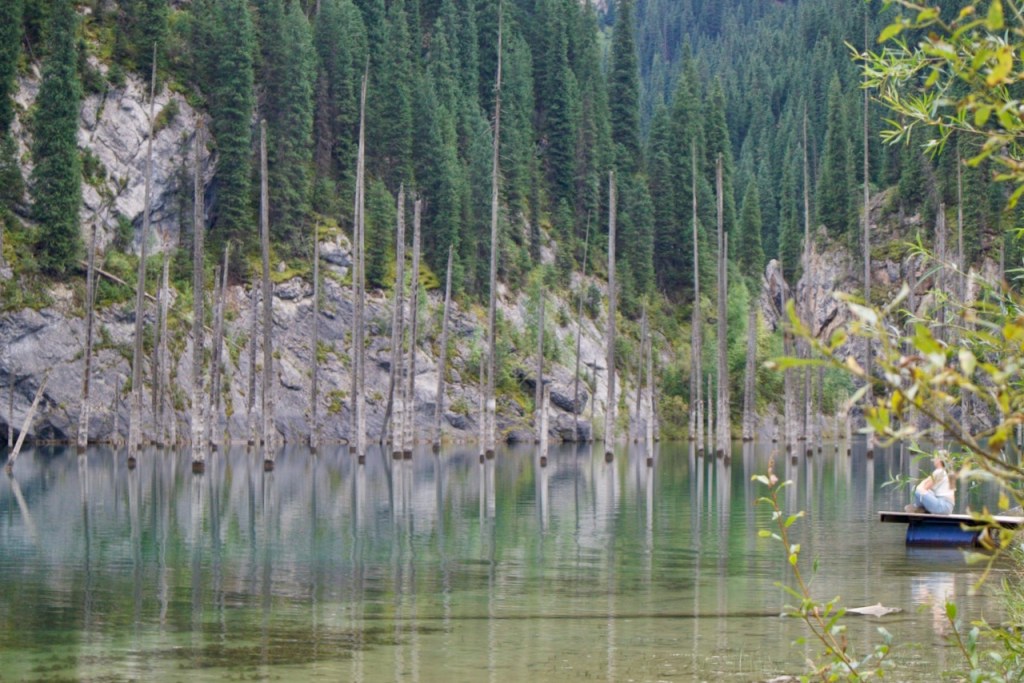
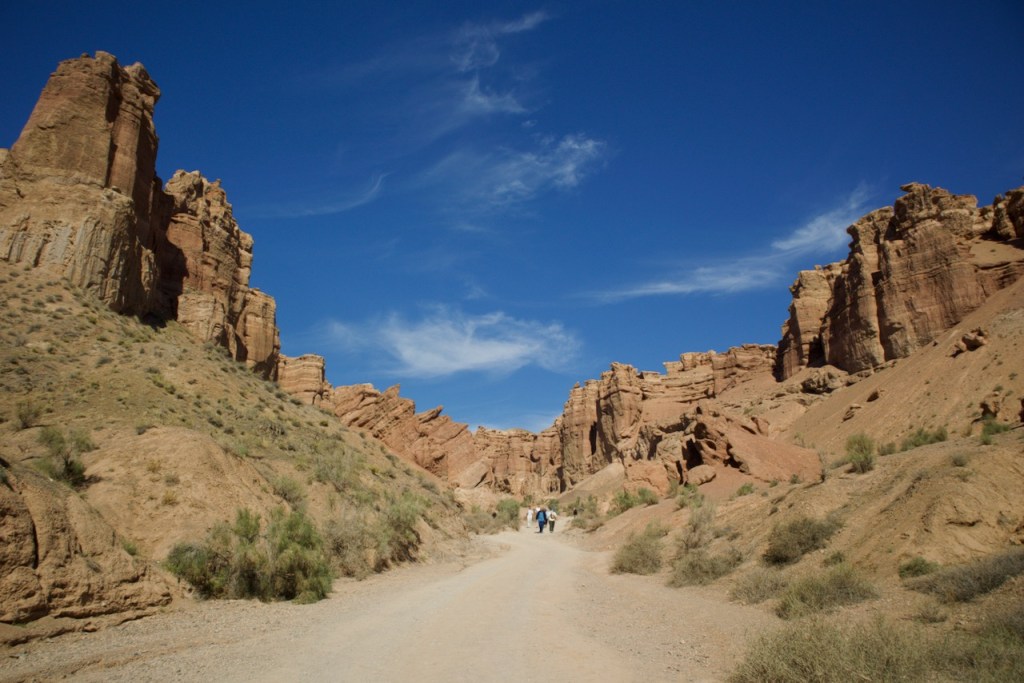
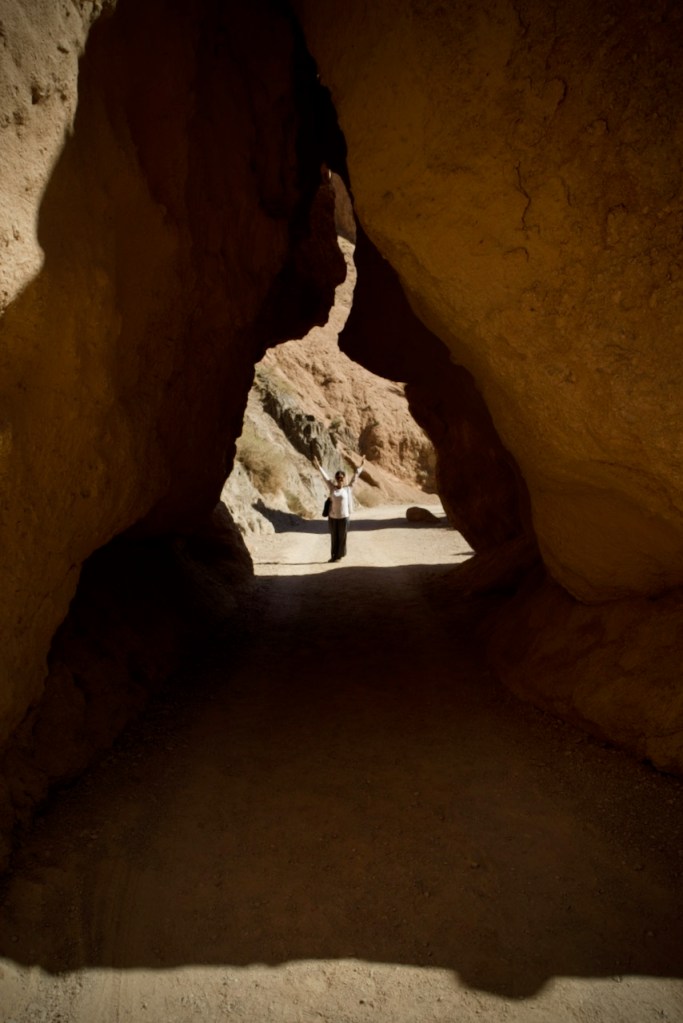
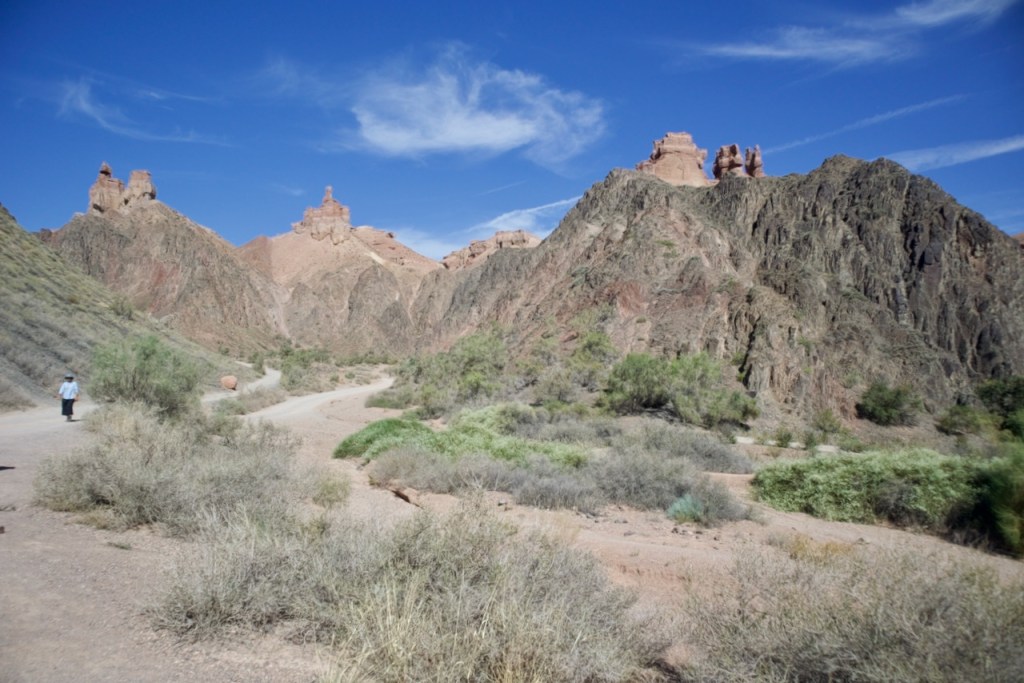
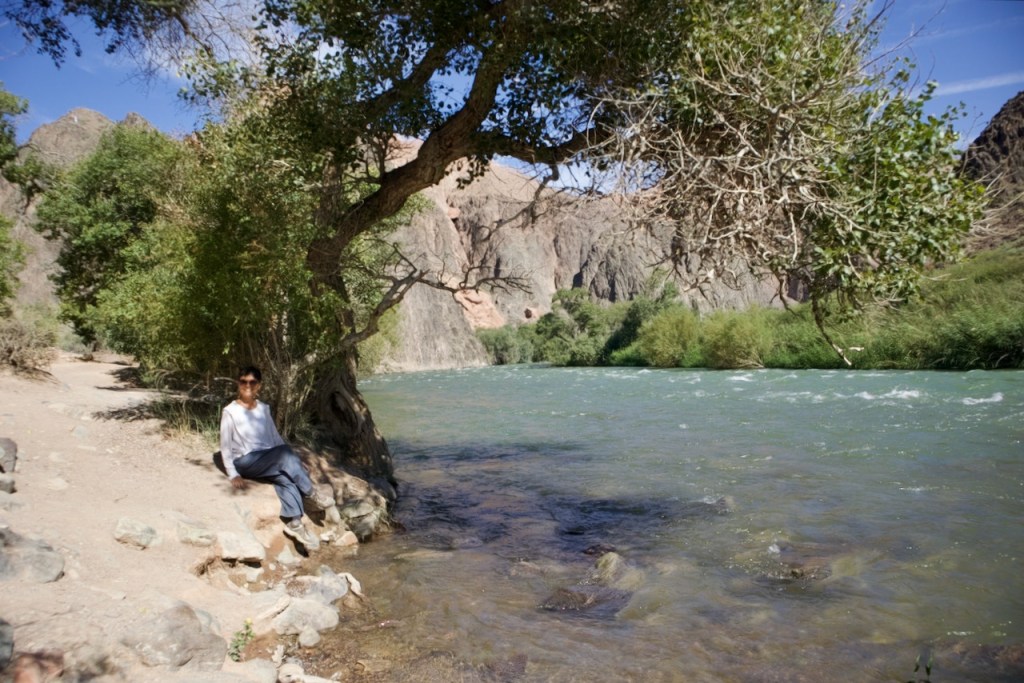
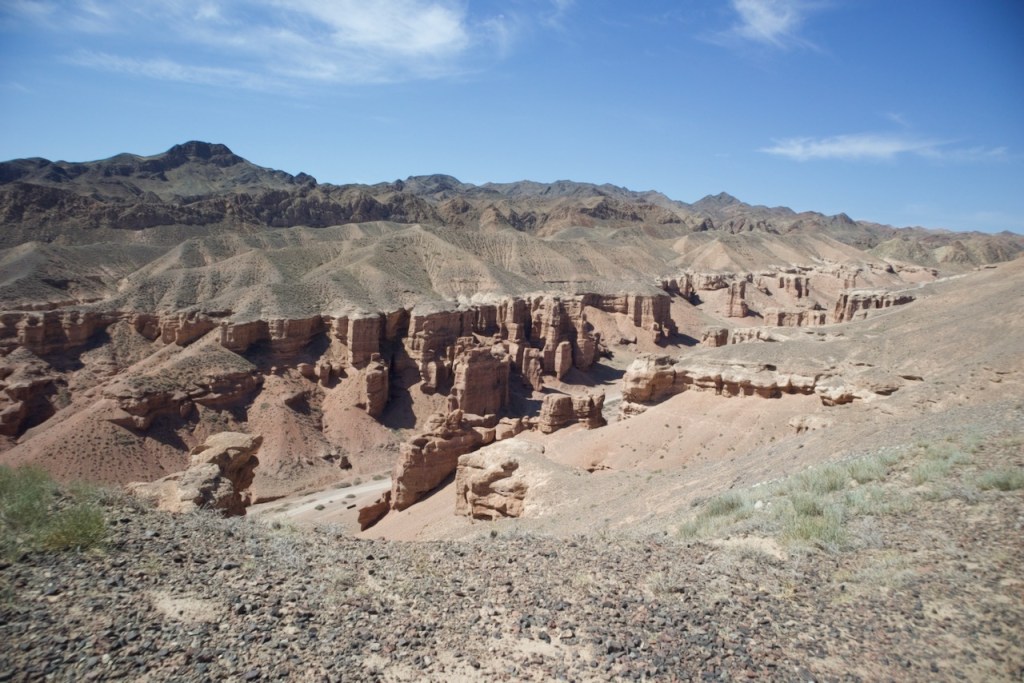
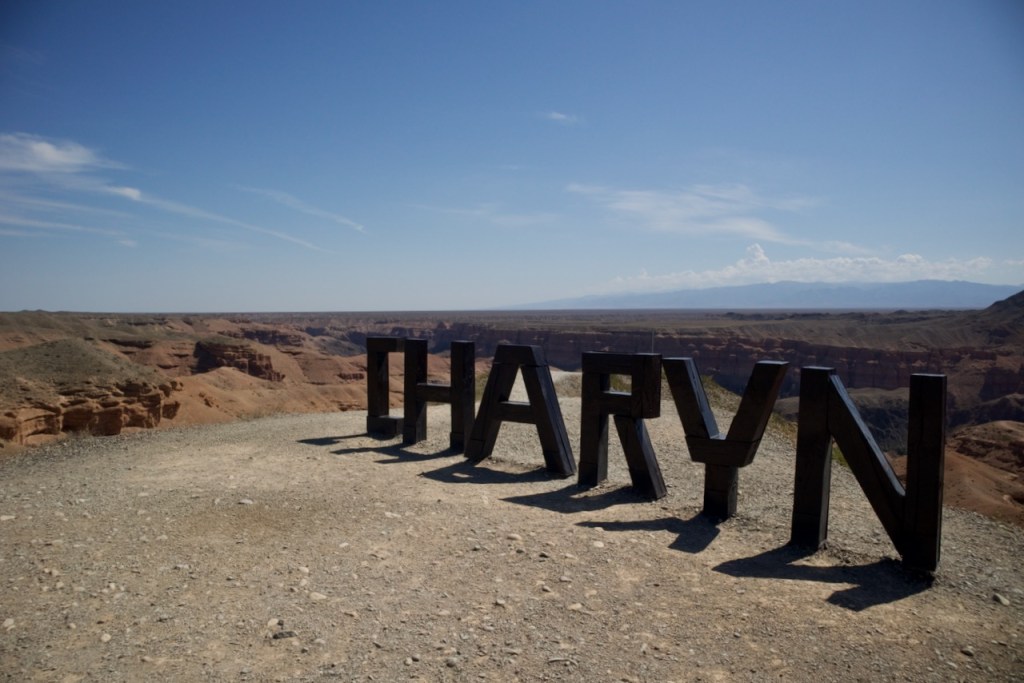
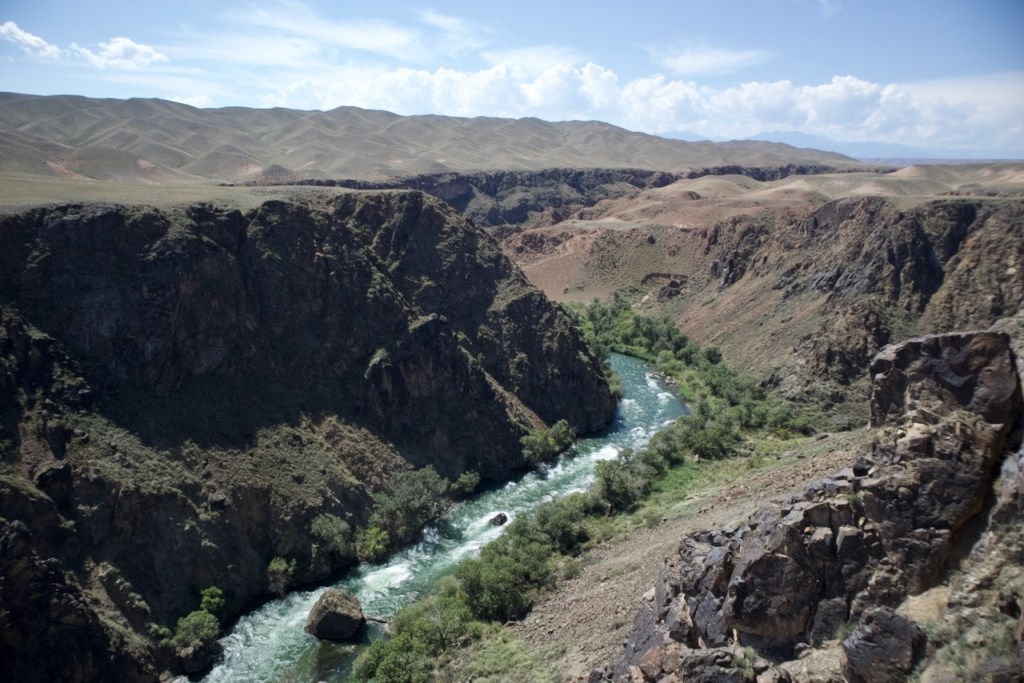
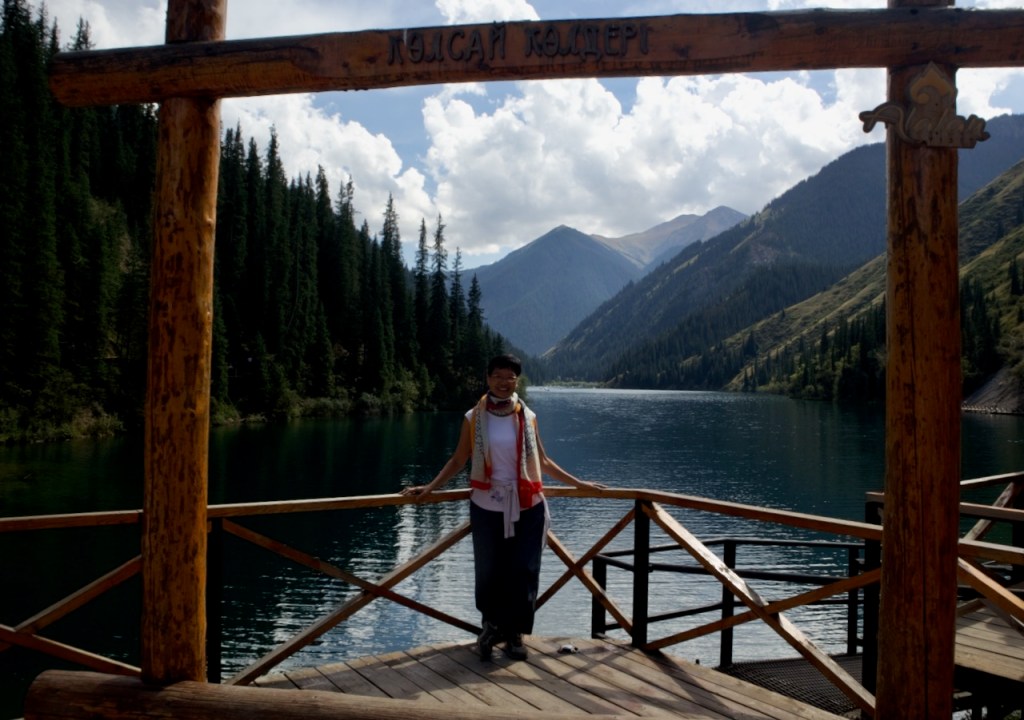
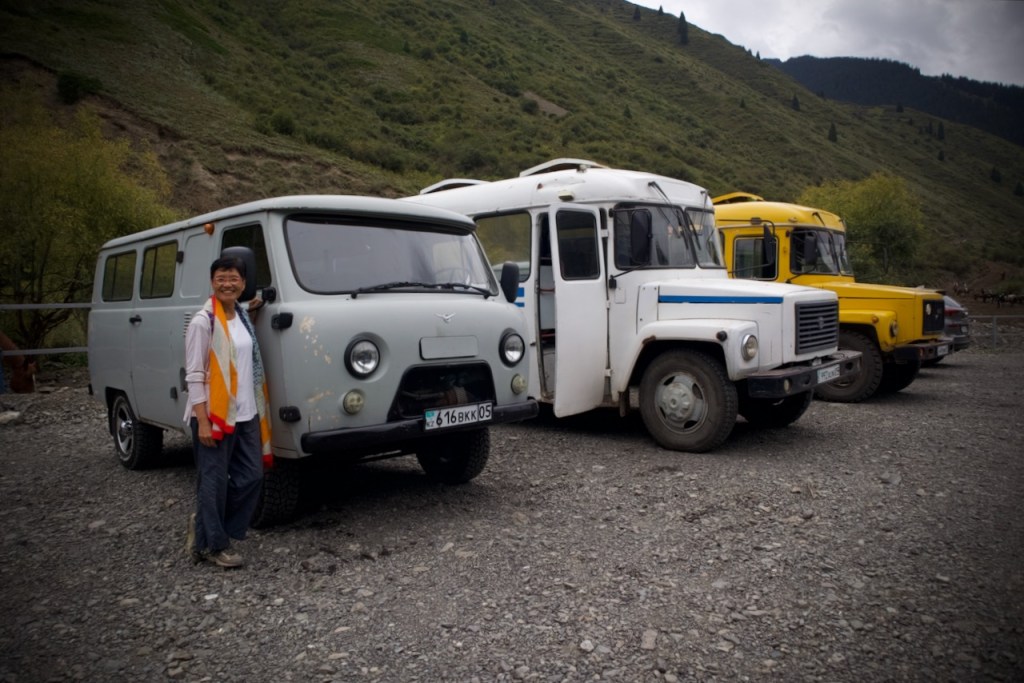
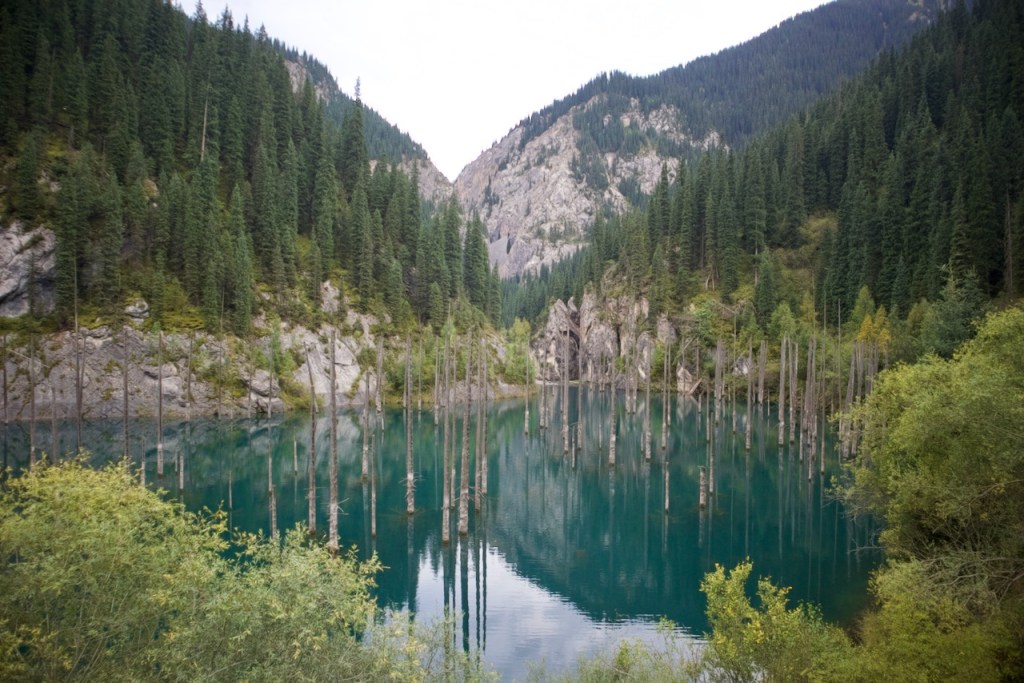
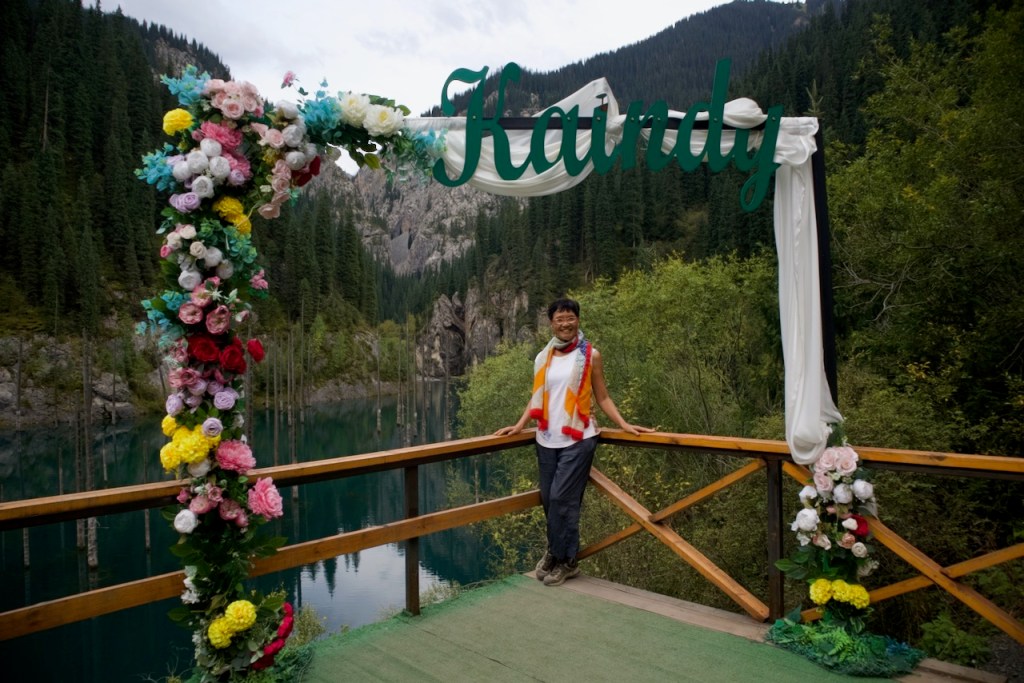
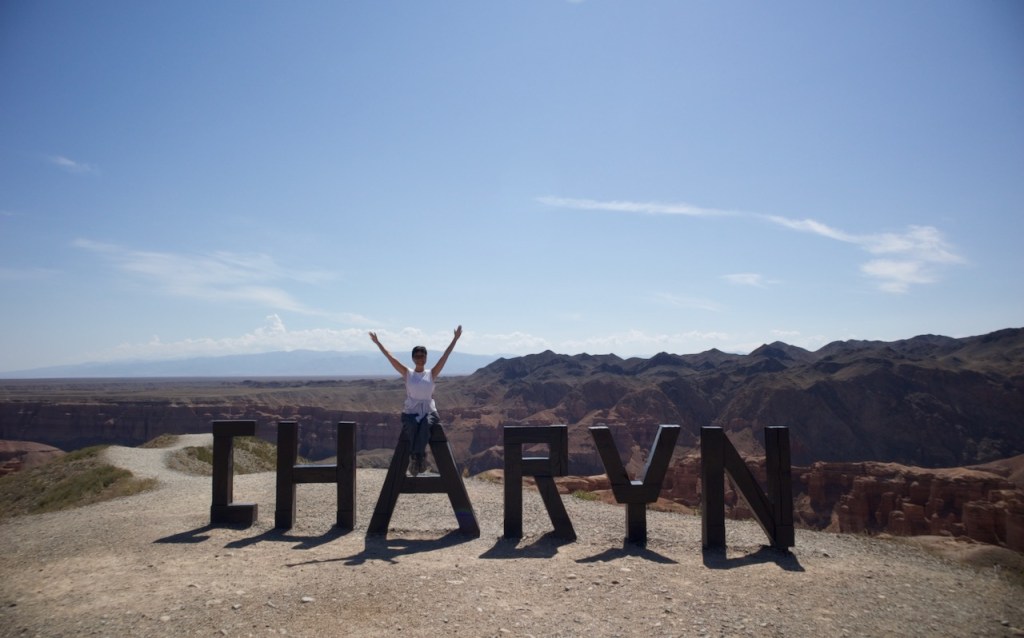
From Almaty, some of Kazakhstan’s most spectacular nature is within easy reach via a group tour. The two-hour hike to and back the stunning Charyn Canyon till the river and the clifftop under the blazing sun is not for the faint of heart but worth the sweat. It is Saturday and the Kolsay Lake, “Pearl of the Northern Tien Shan” set in thick pine forest, is like a hive, filled with locals enjoying a weekend escape. Finally, a rickety new old Soviet minivan takes us up to Lake Kaindy, famous for the bruce forest submerged in turquoise water, reminding me of the Alpine scenery in beloved Canadian Rockies.
Silk Road Gems: Shymkent & Sayram
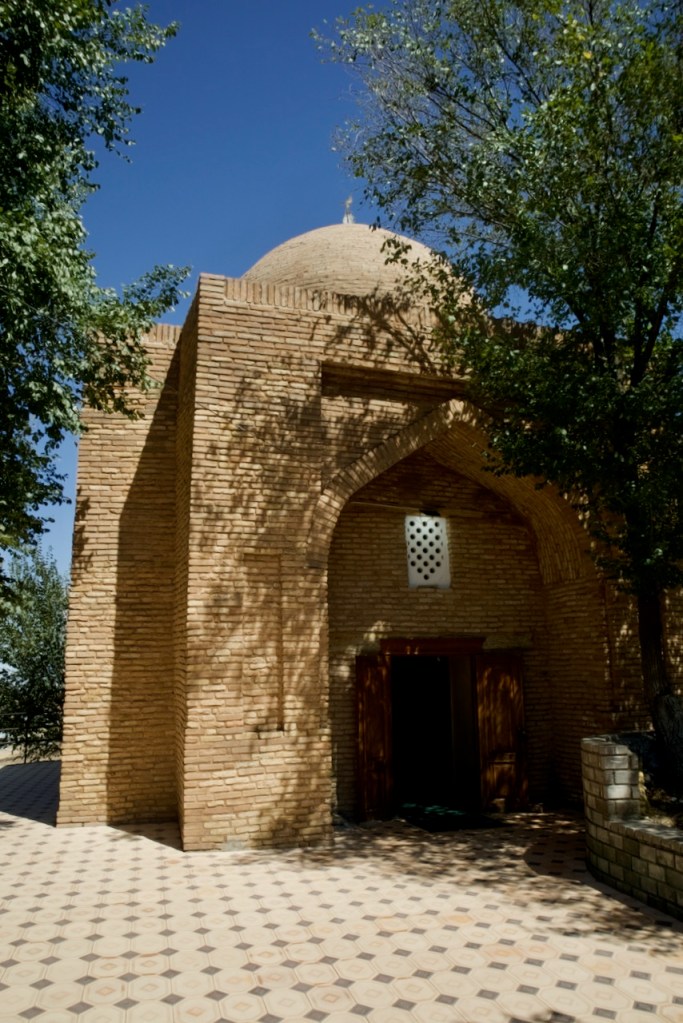
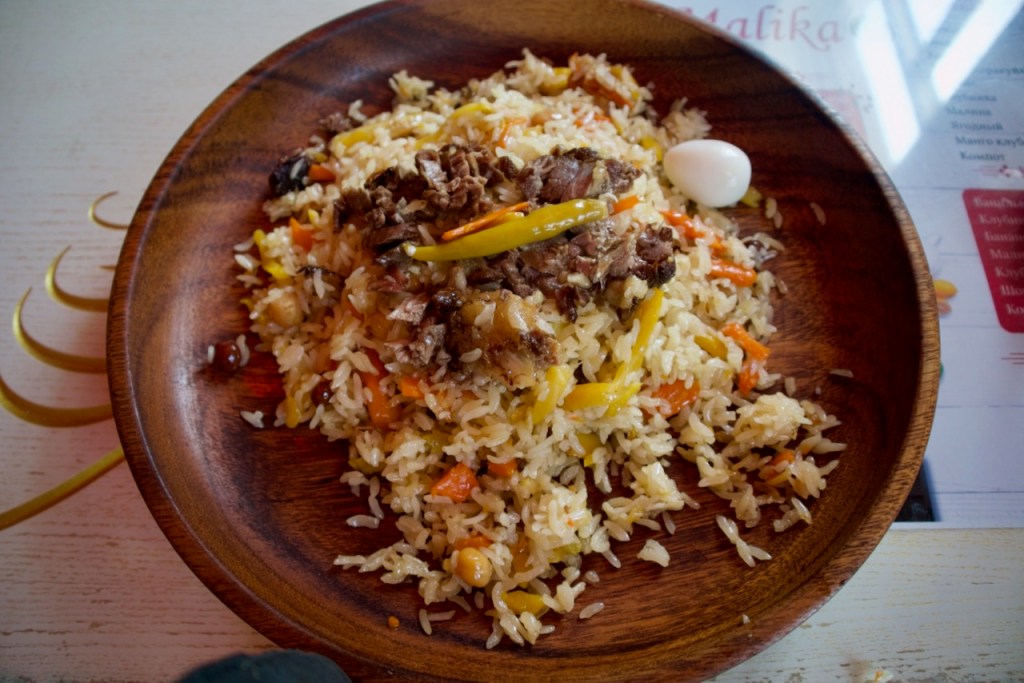
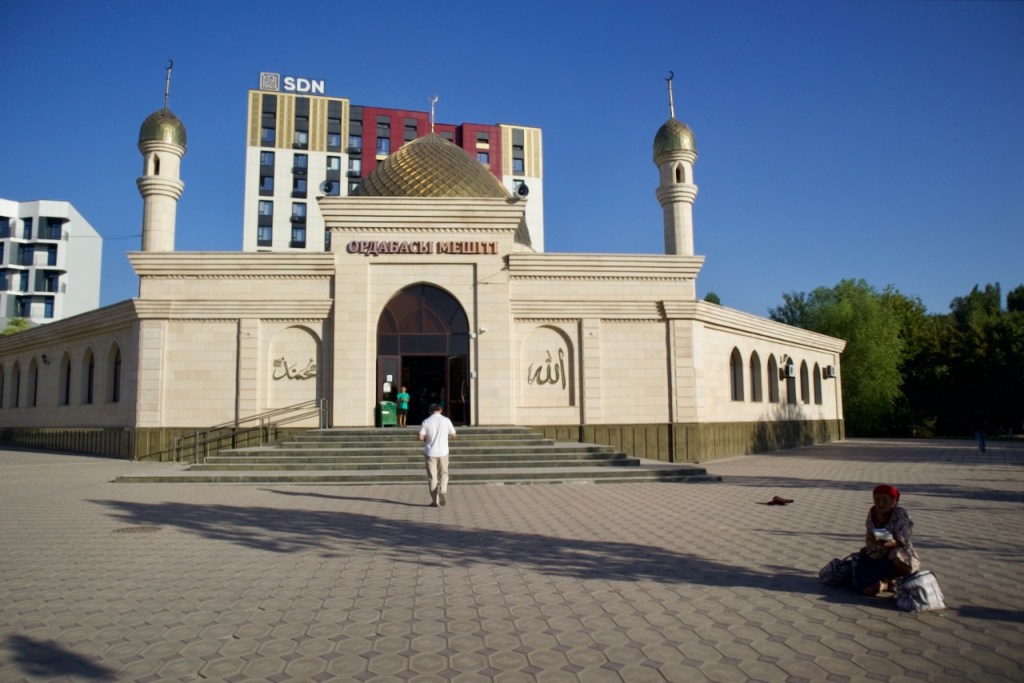
Many travellers bypass Shymkent and head straight to Almaty or Turkestan. The trains down south are full and I get a top bunk again for the eleven-hour ride to Shymkent. The oldest city in Kazakhstan with an ancient citadel was founded in the 12th century as a strategic caravanserai to supply the nearby Silk Road trading post of Sayram. One of the oldest settlements in Central Asia where the very first mosque was built in Kazakhstan, Sayram is home of spiritual mentors including the famous Sufi Khoja Ahmed Yasawi and boasts ancient mausoleums and a 1000-year old minaret. I trek up first to the outskirt of town to find pilgrims arriving at the mausoleum of Ibrahim Ata, a revered scholar who taught thousands of students in Islam. Further along the Amir Timur street is the mausoleum of Karashash-ana, the mother of Khoja Ahmed Yassavi and wife of Ibrahim Ata. I almost miss the discreet only survived minaret named after the Prophet Kydyr only a street away. After the Friday Mosque and the city gate lies the Mirali-Bobo mausoleum located within a cemetery. I see a crowd of diners in a nearby local joint and order a classic plate of plov. What a morning of medieval study and culinary pleasure!
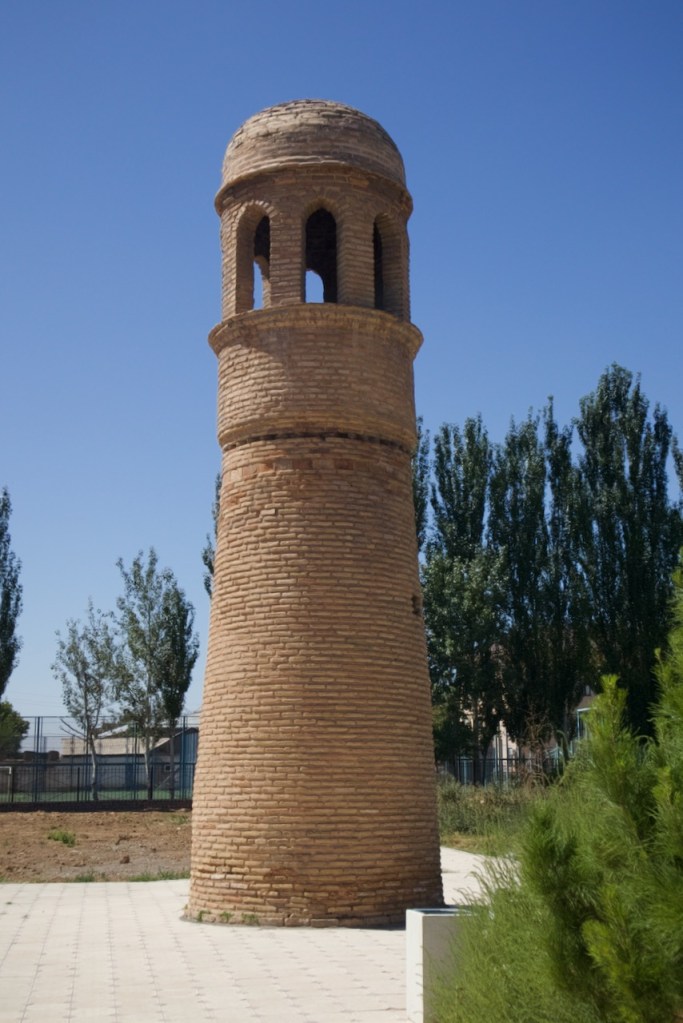
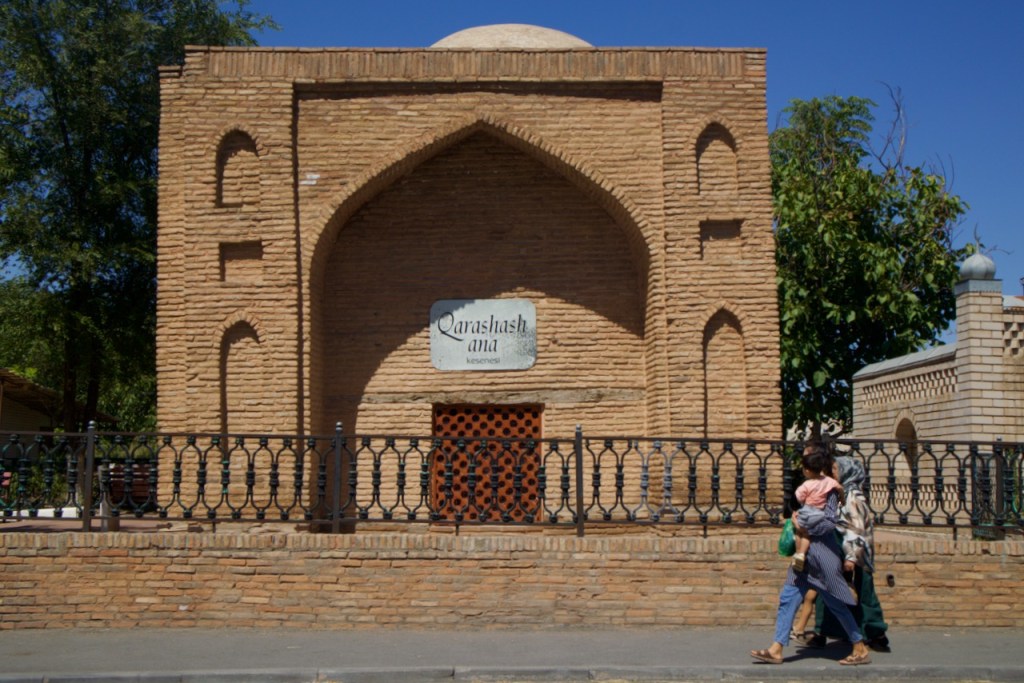
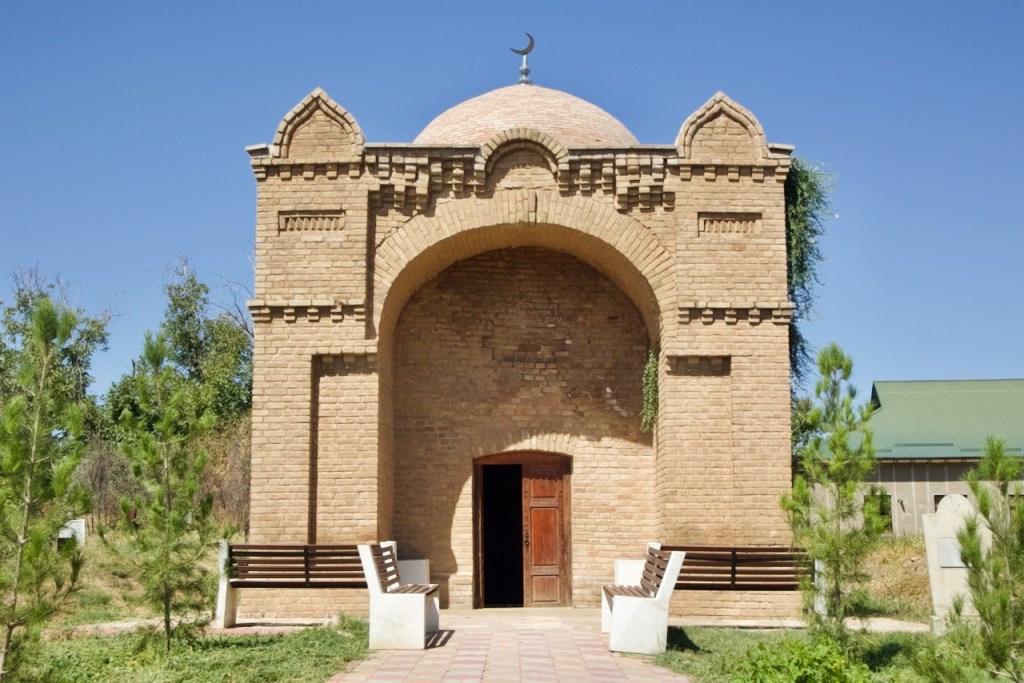
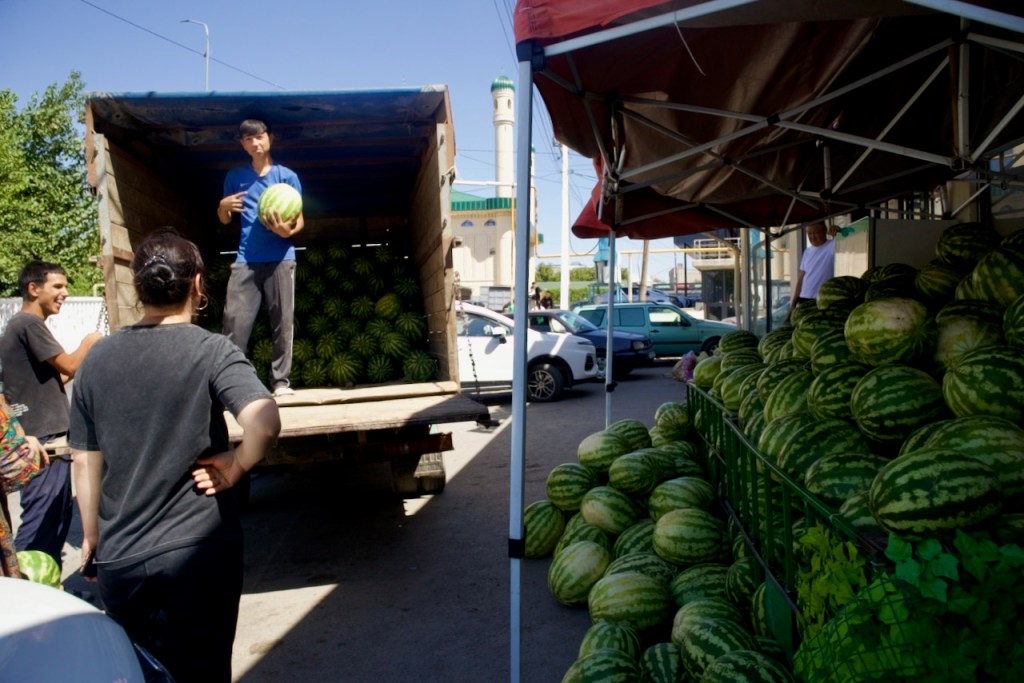
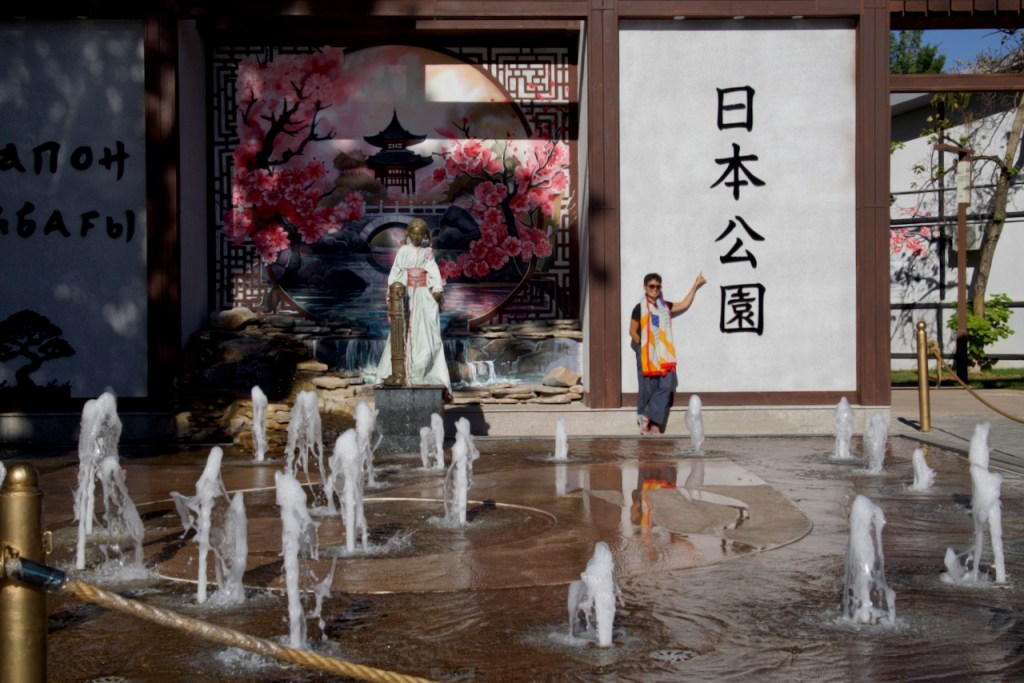
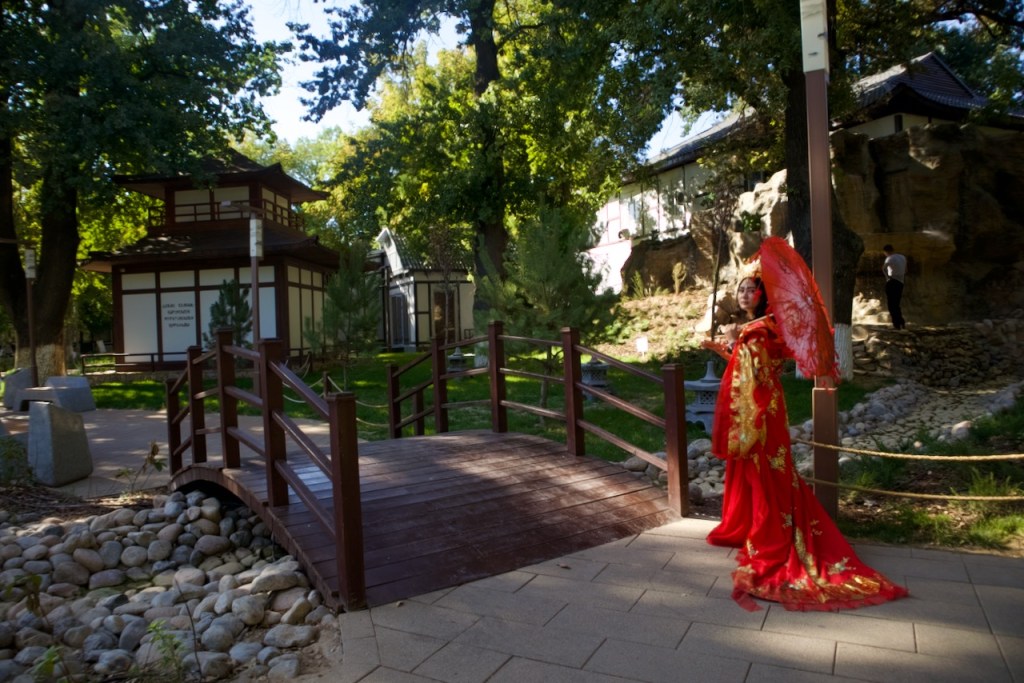
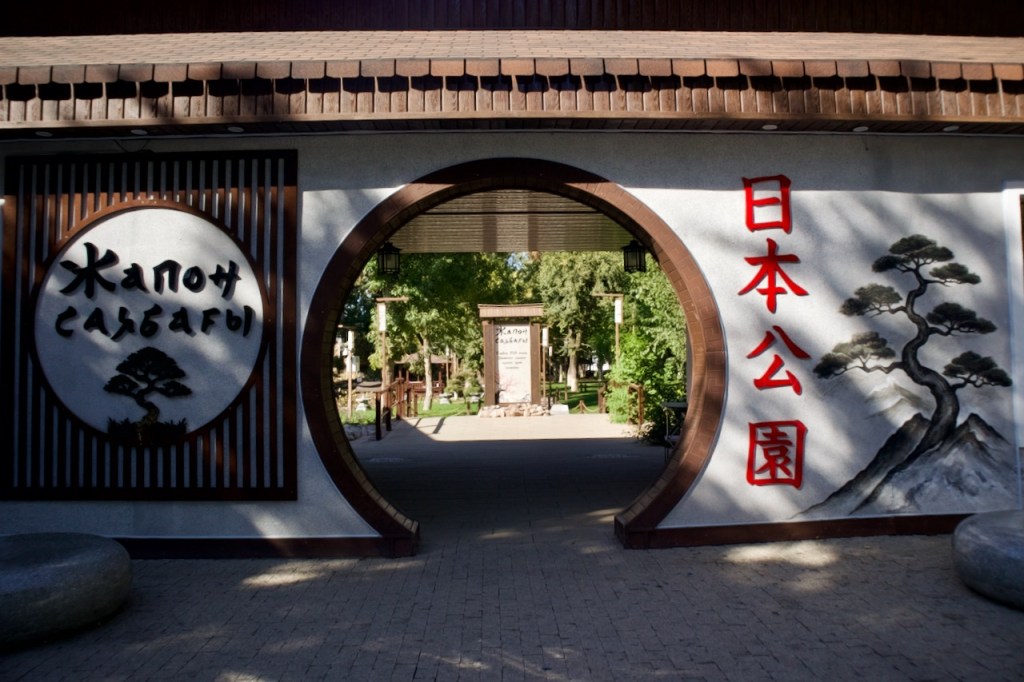
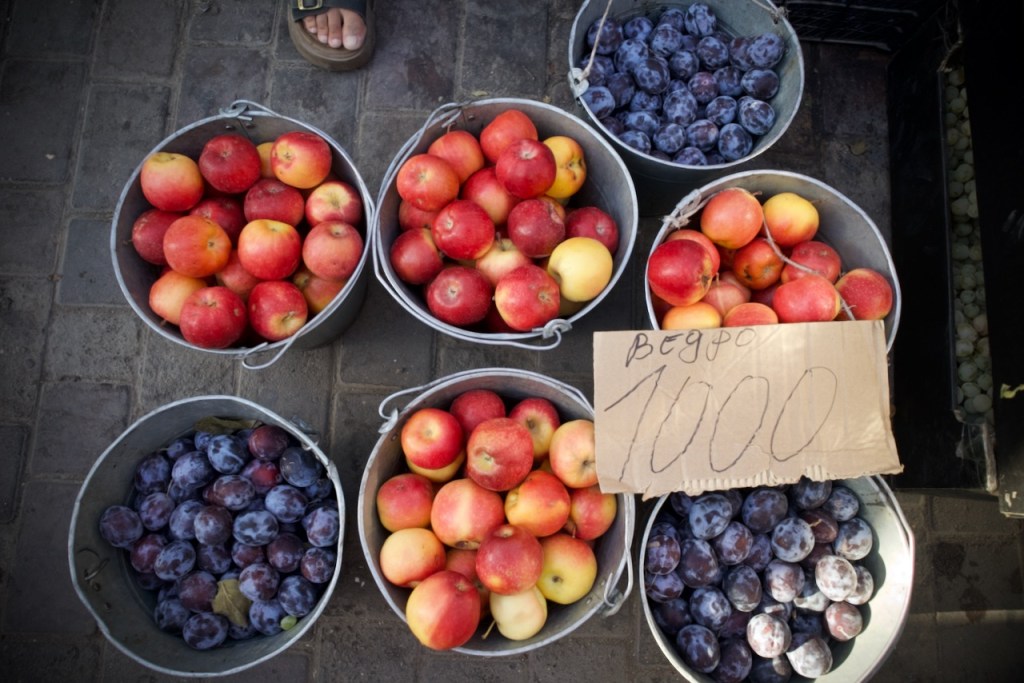
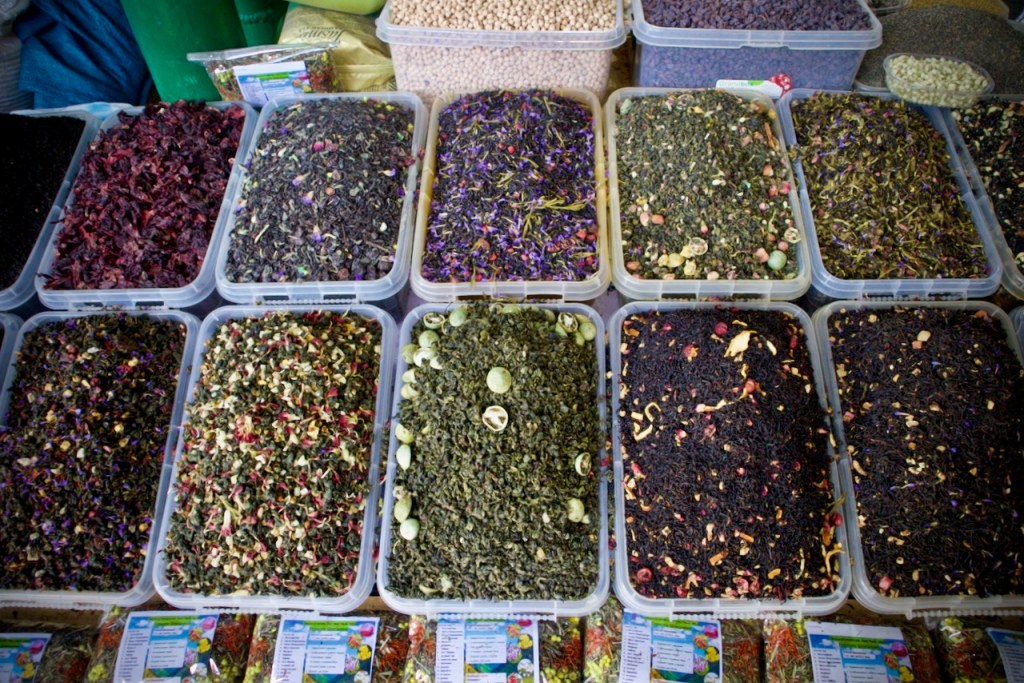
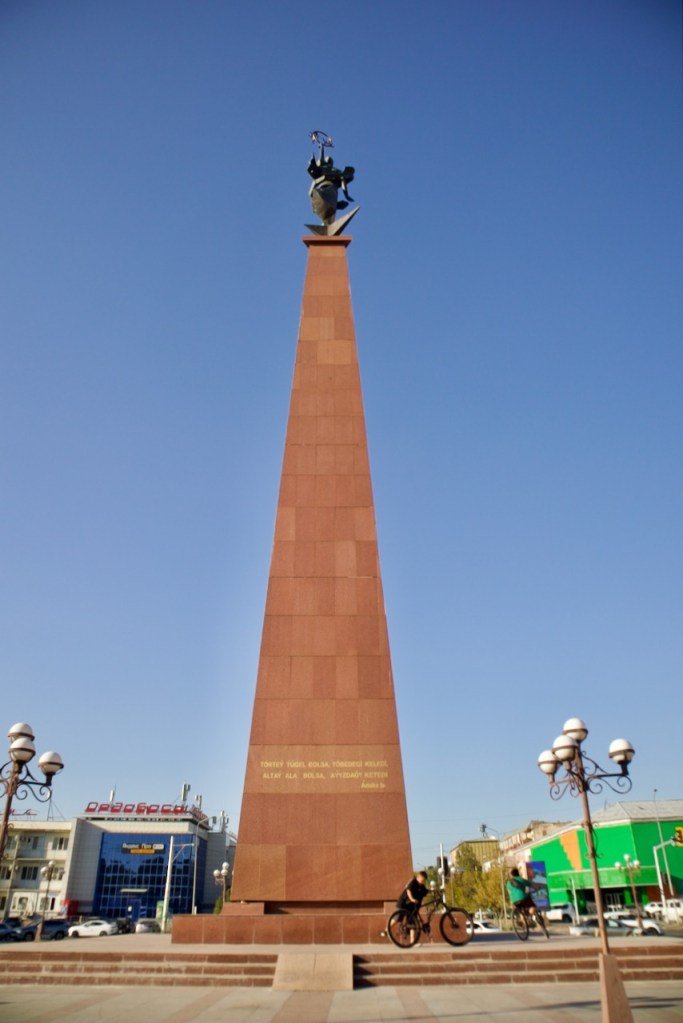
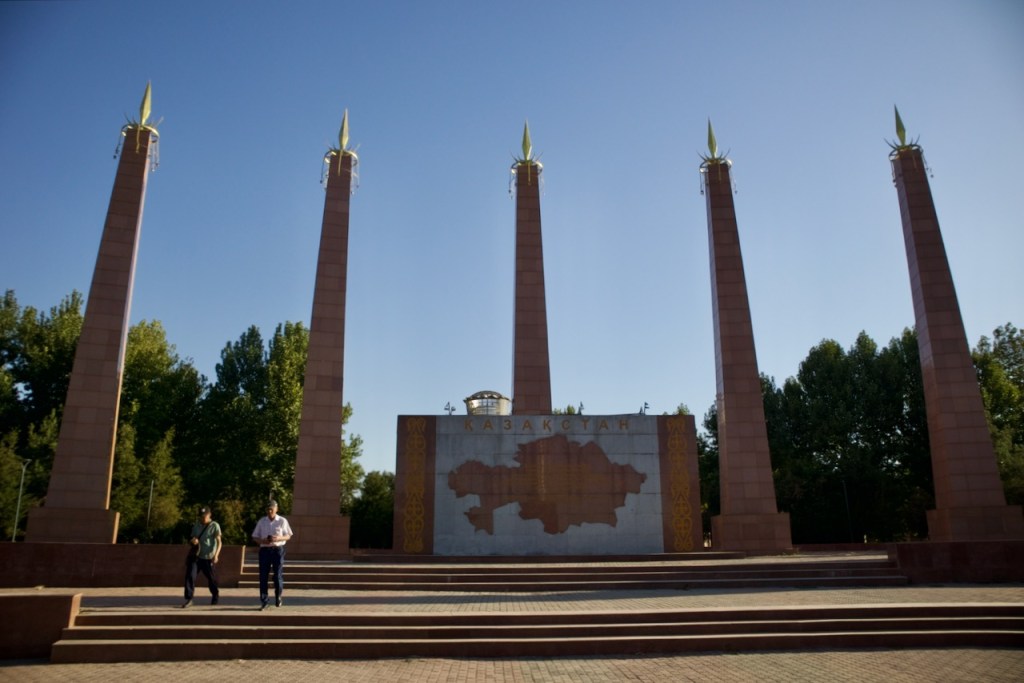
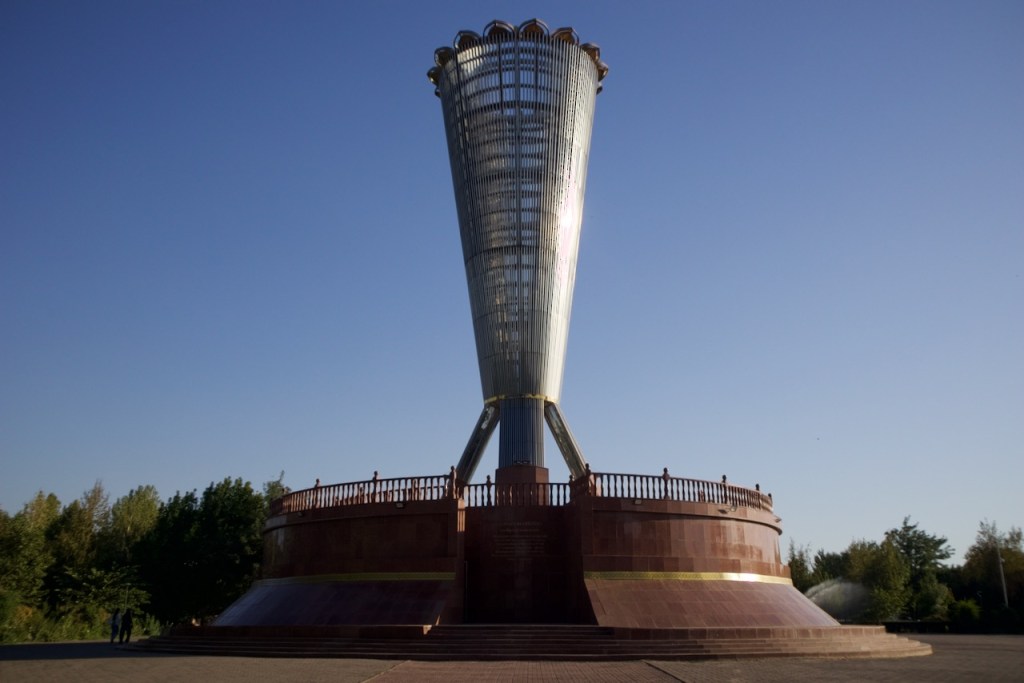
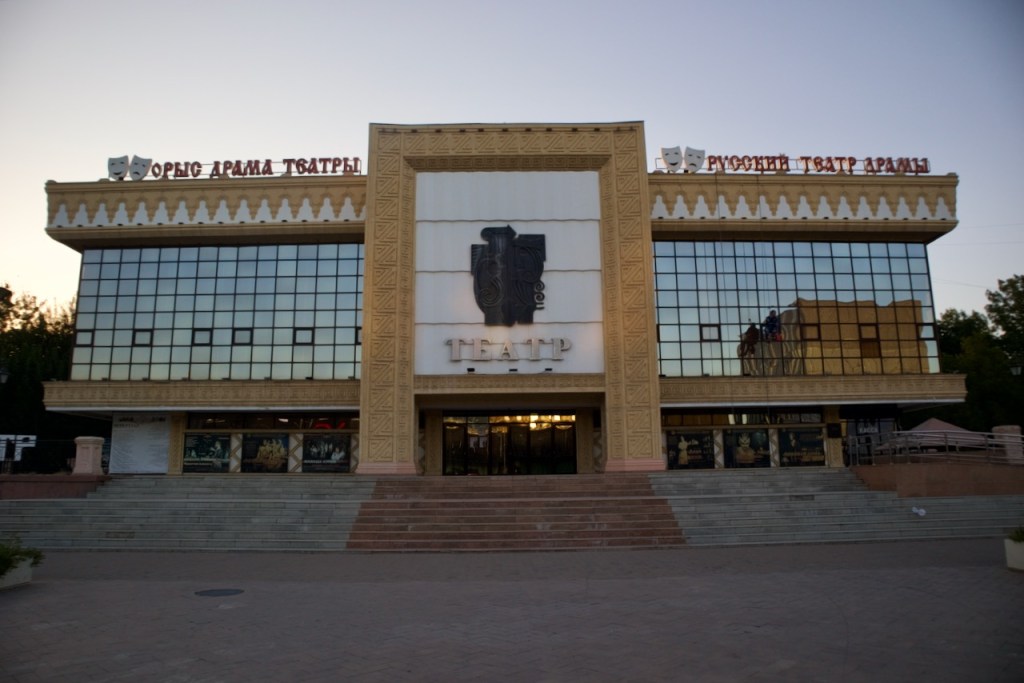
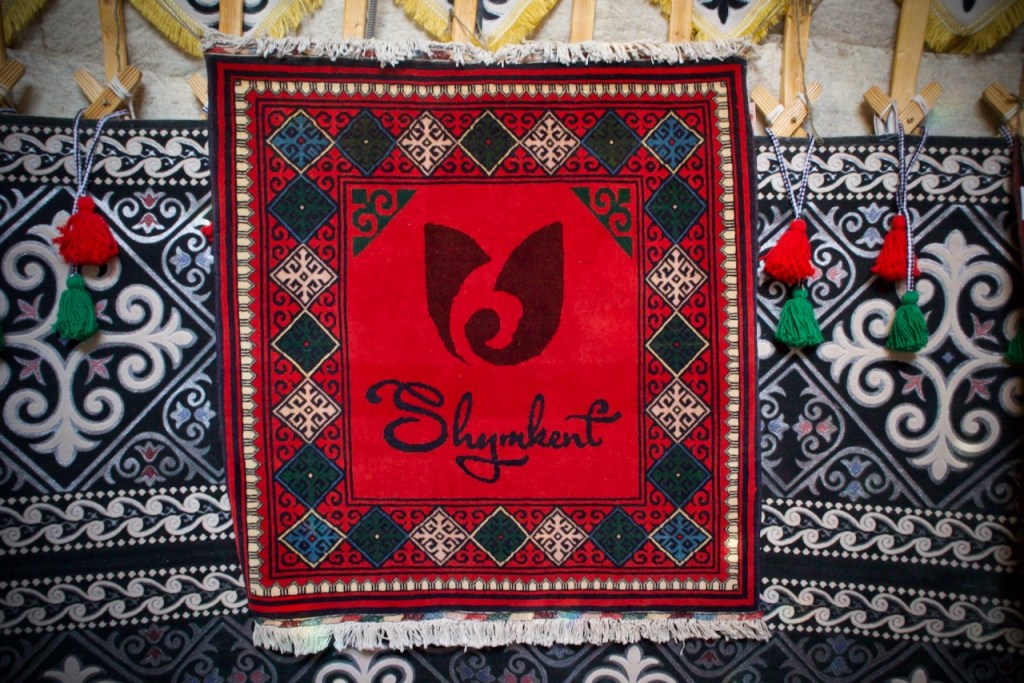
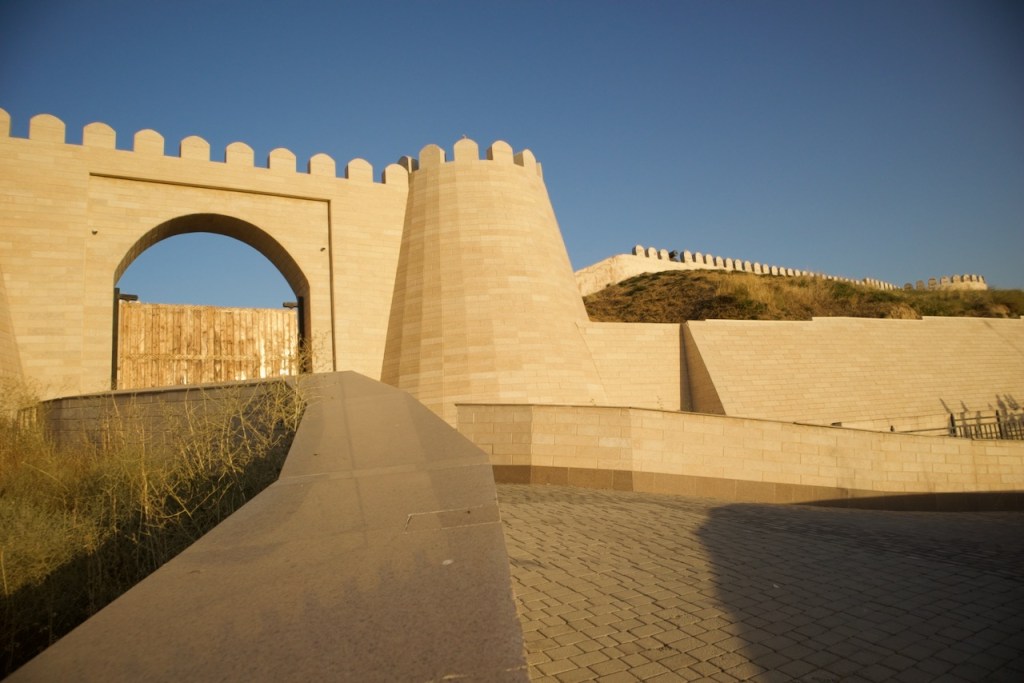
Kazakhstan’s third-largest city, Shymkent feels like day and night from Astana and Almaty. Upon return from Sayram, I chance upon a cute little Japanese garden replete with ponds, cranes, and pavilions just as I thought Shymkent strangely has a Kyoto-feel to it. From the buzzing Qyrgy Bazaar, I walk towards the Independence and Unity Monuments before arriving at the reconstructed citadel at dusk. What sheer joy to have discovered this relaxed and authentic ancient Silk Road city.
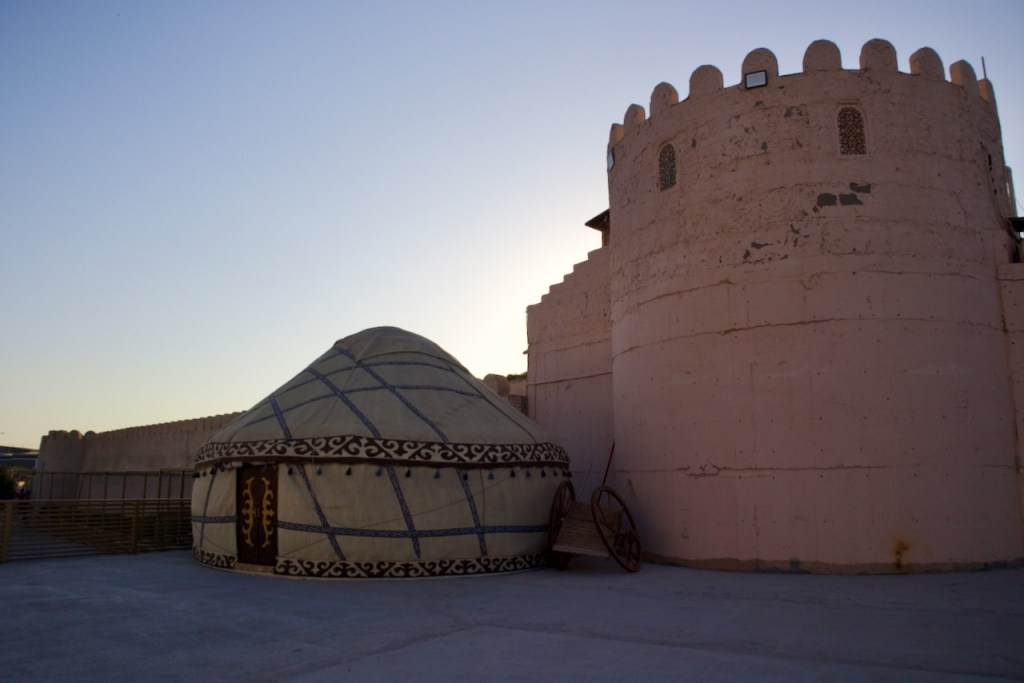
Sacred & Timeless Turkestan
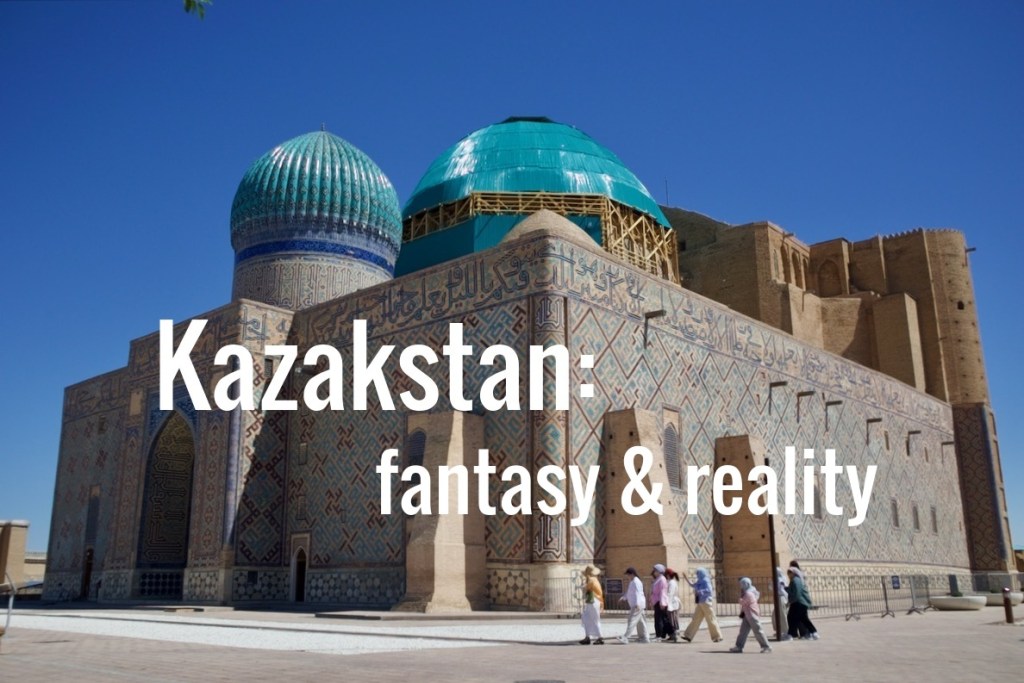
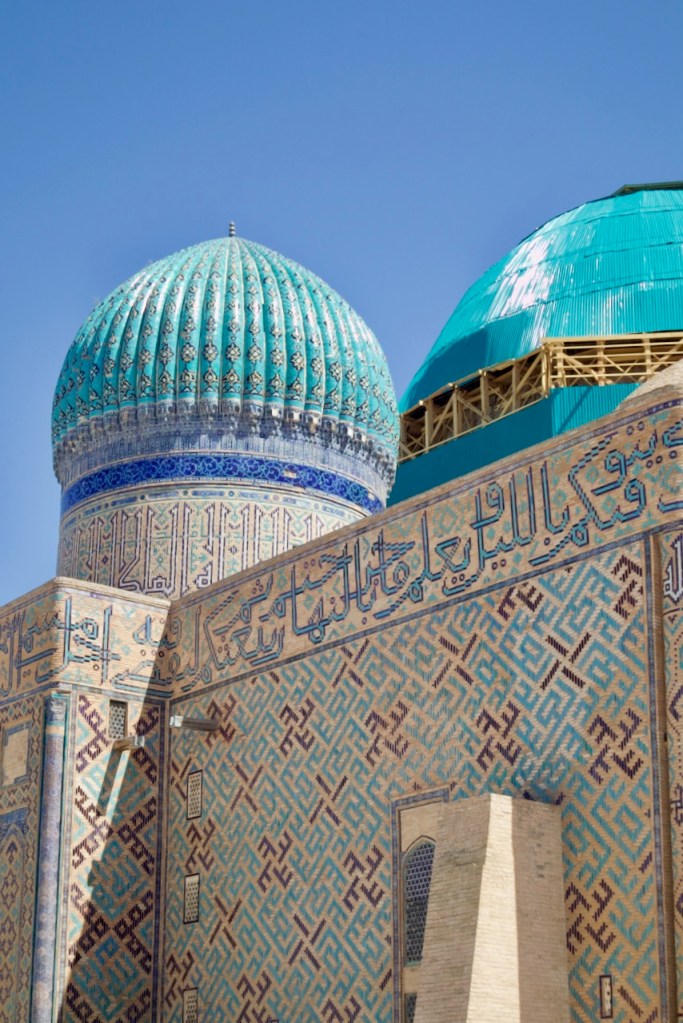
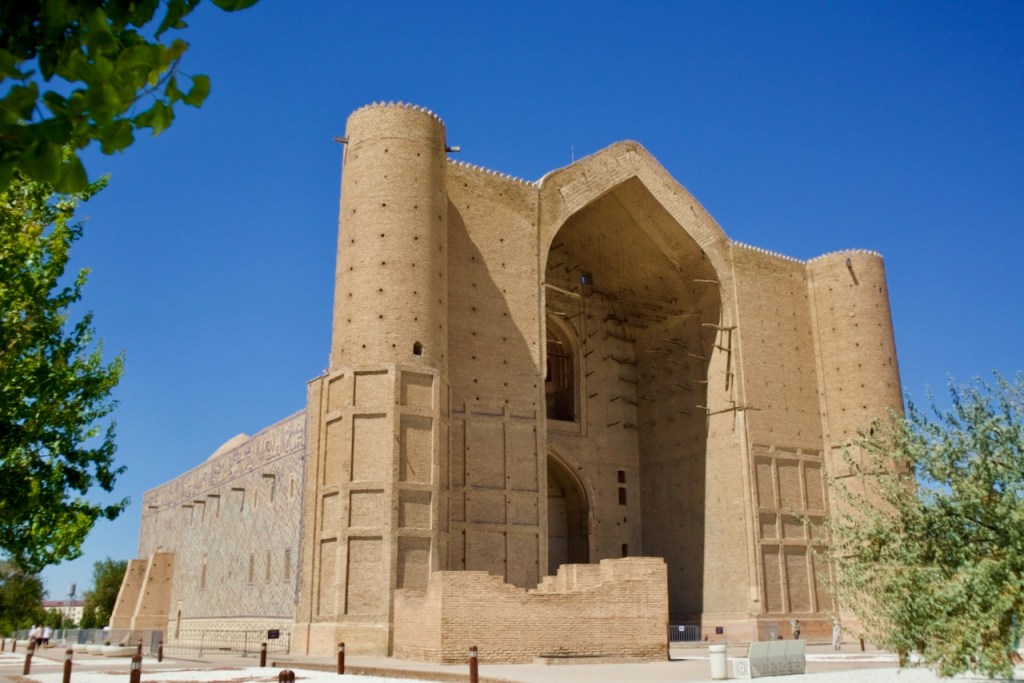
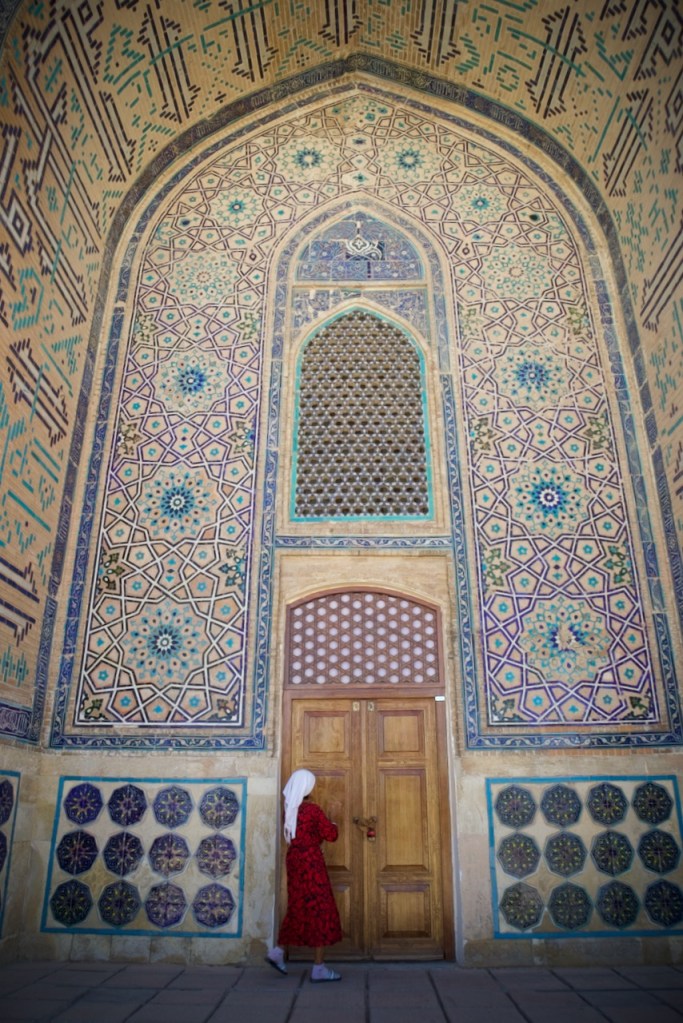
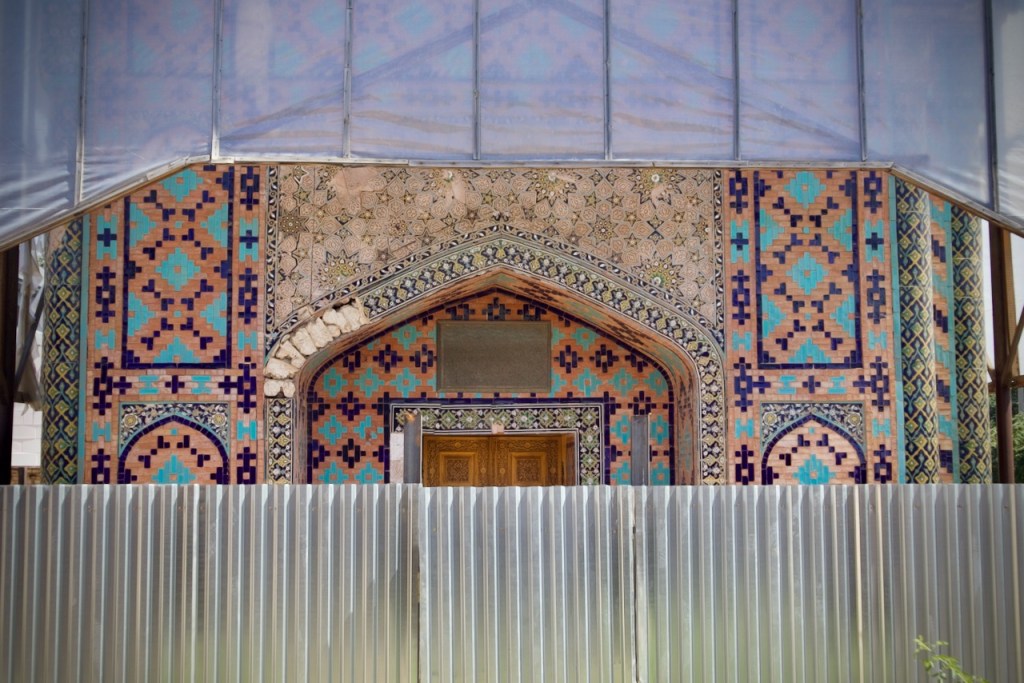
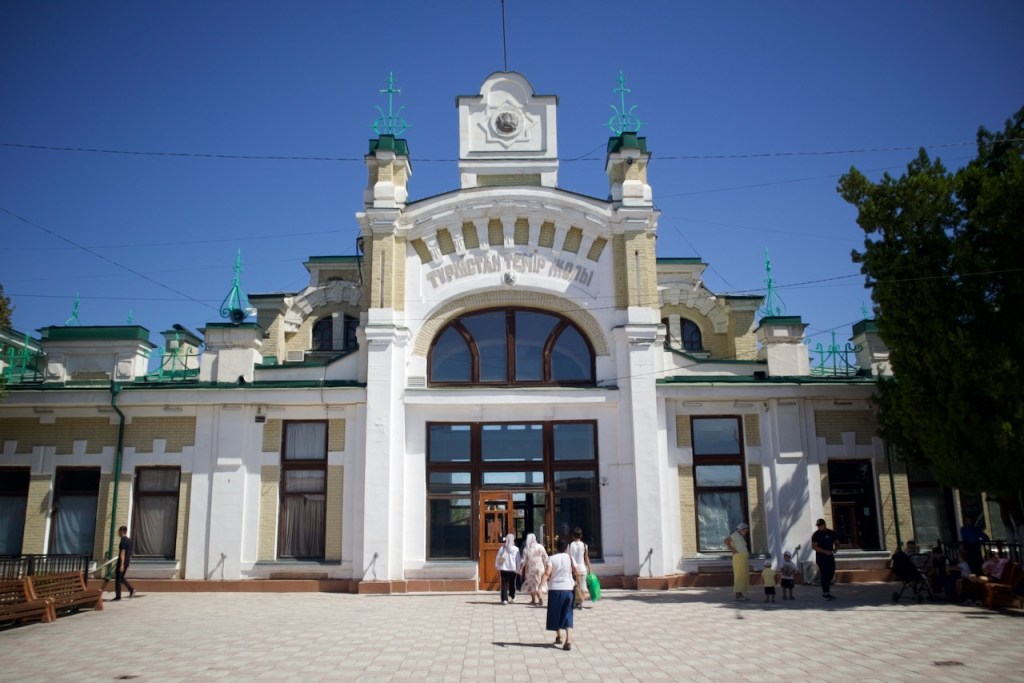
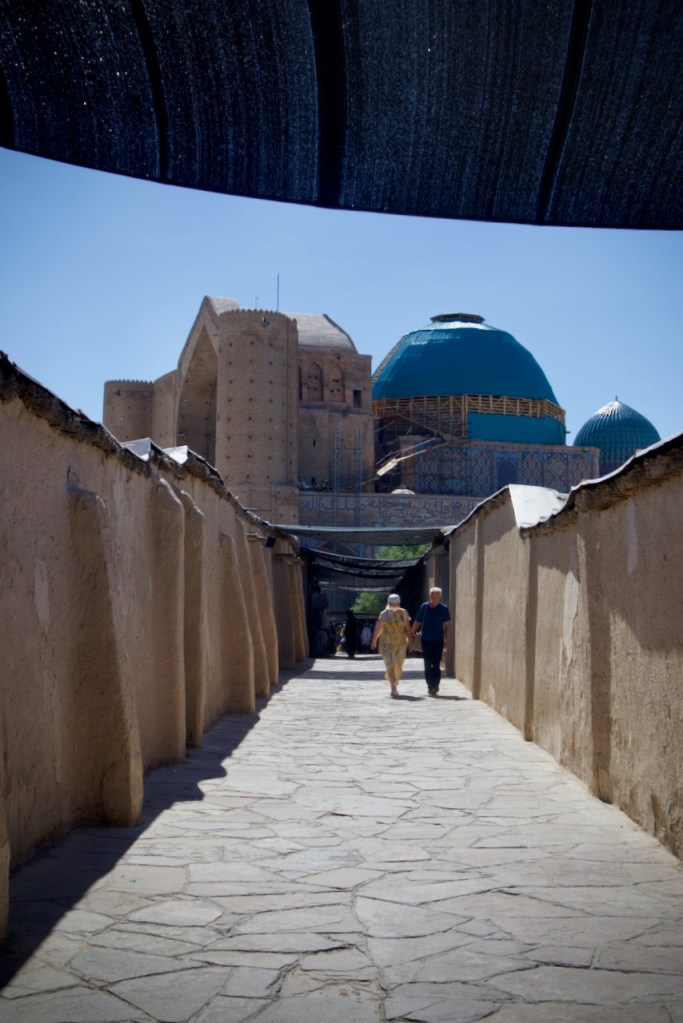
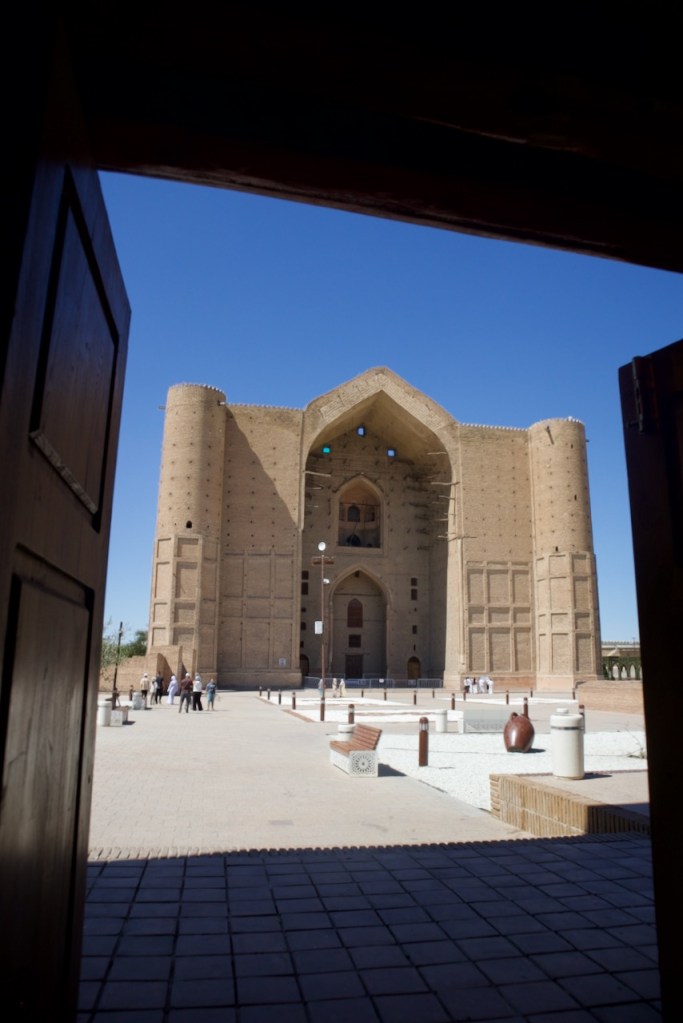
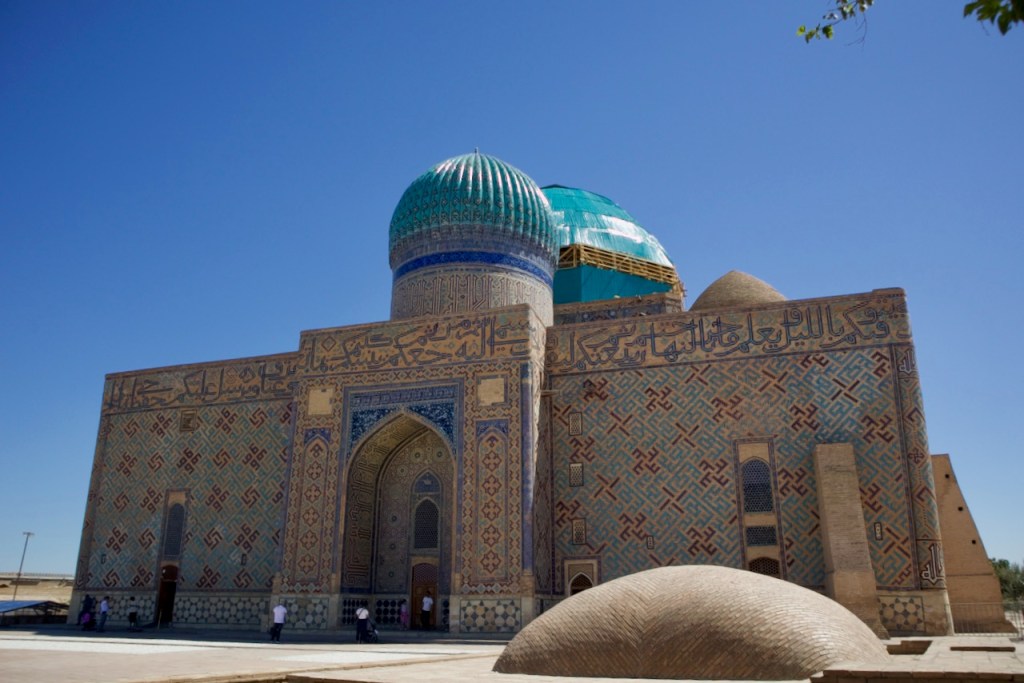
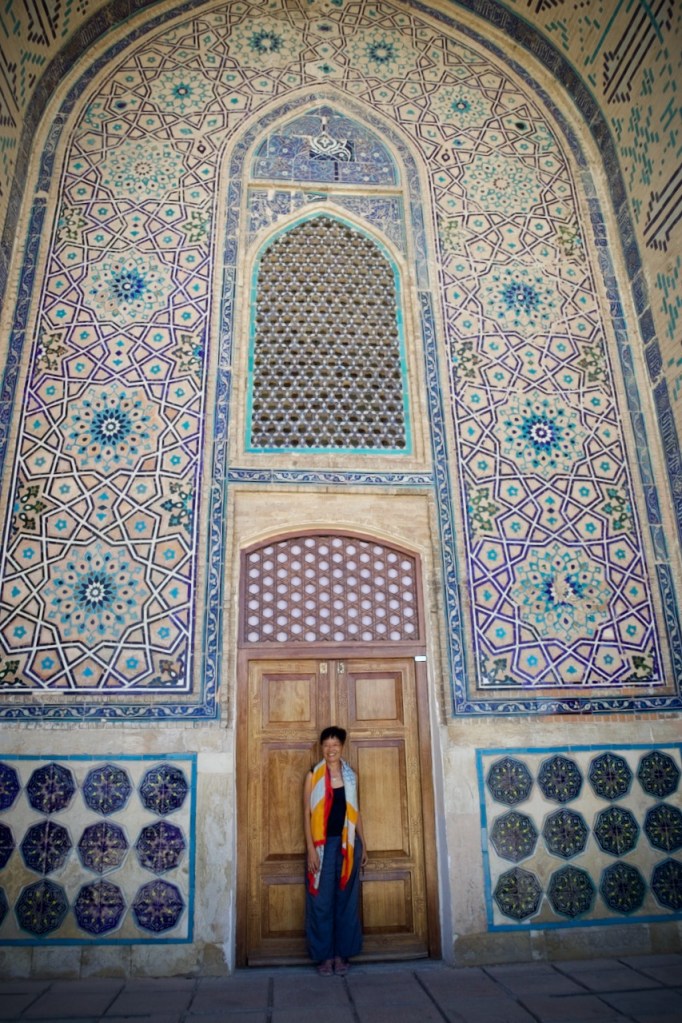
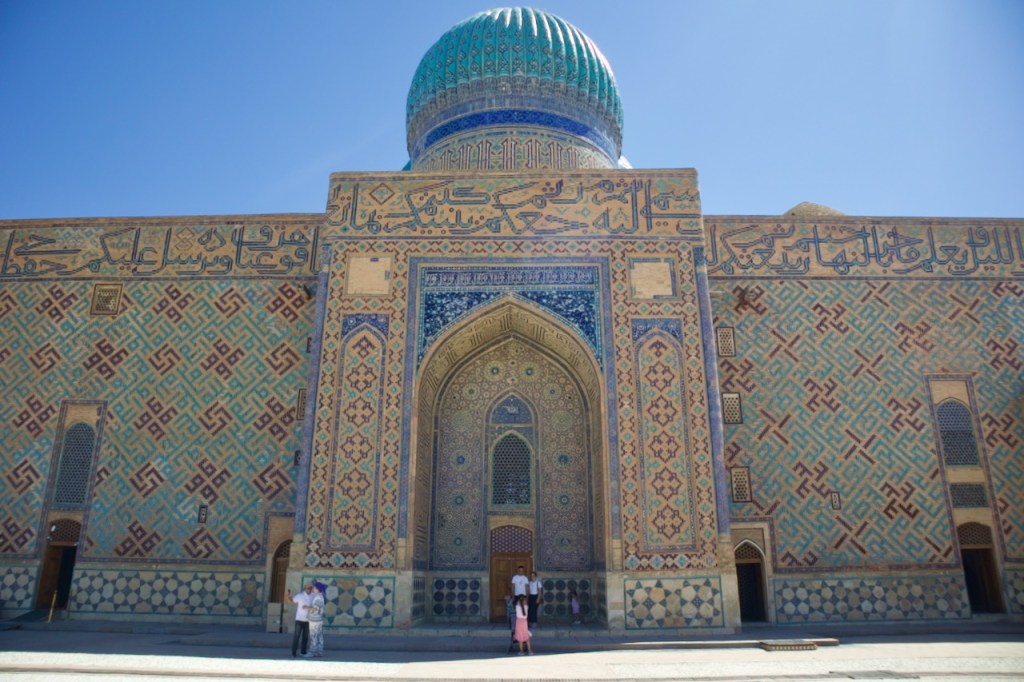
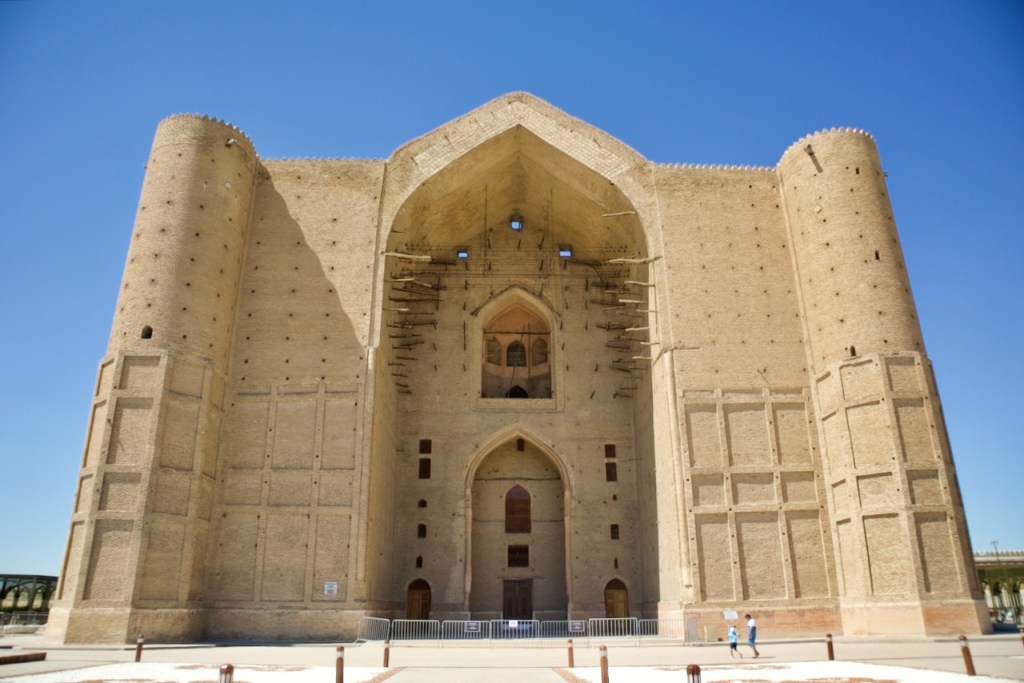
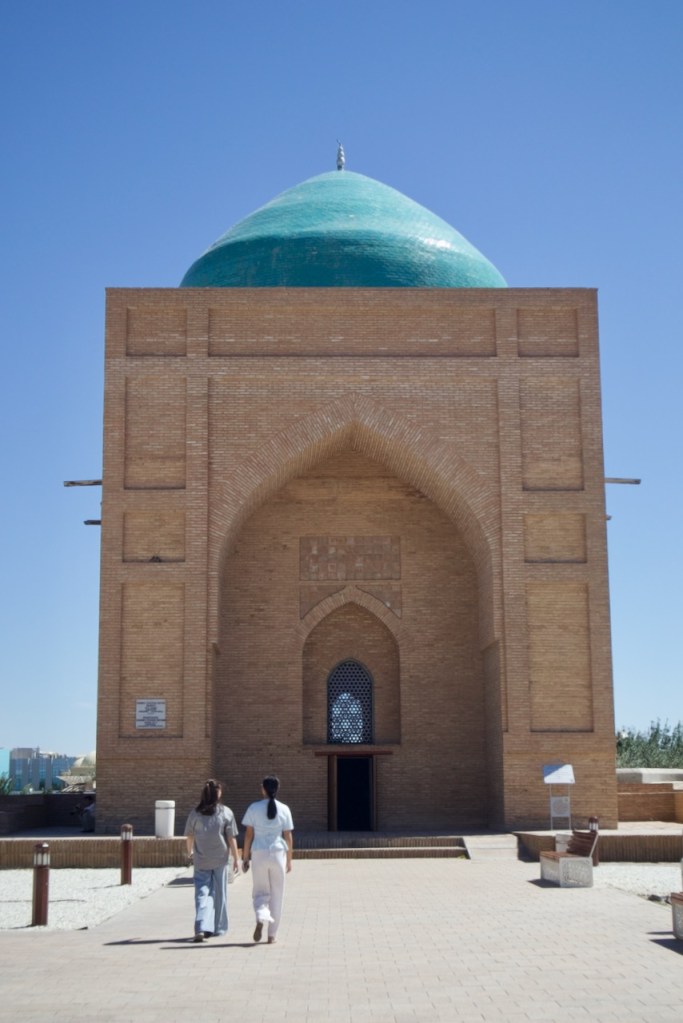
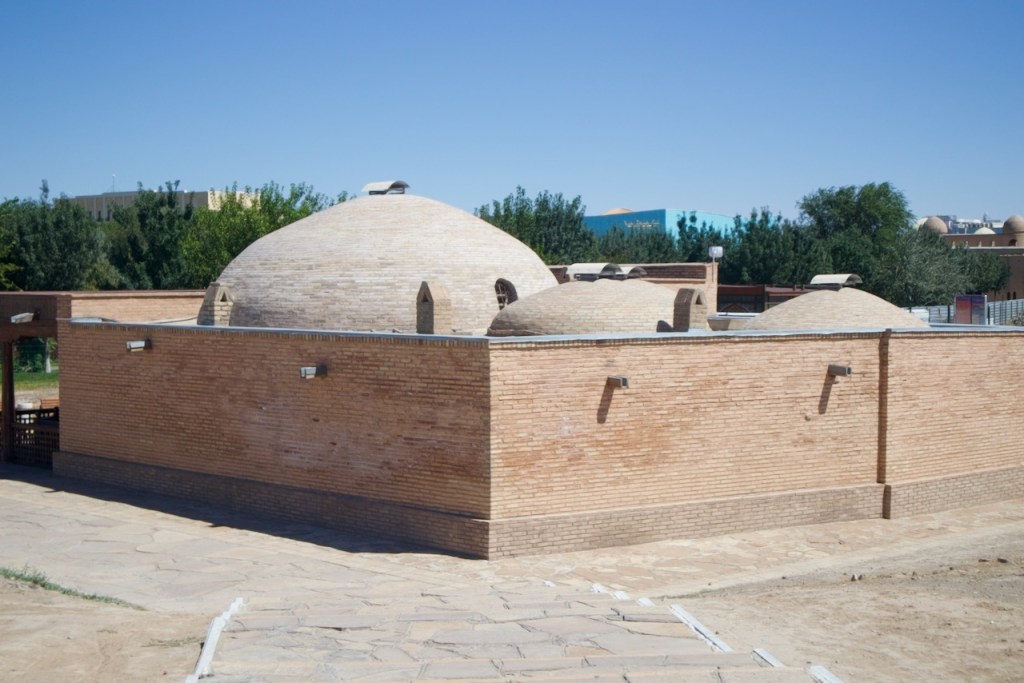
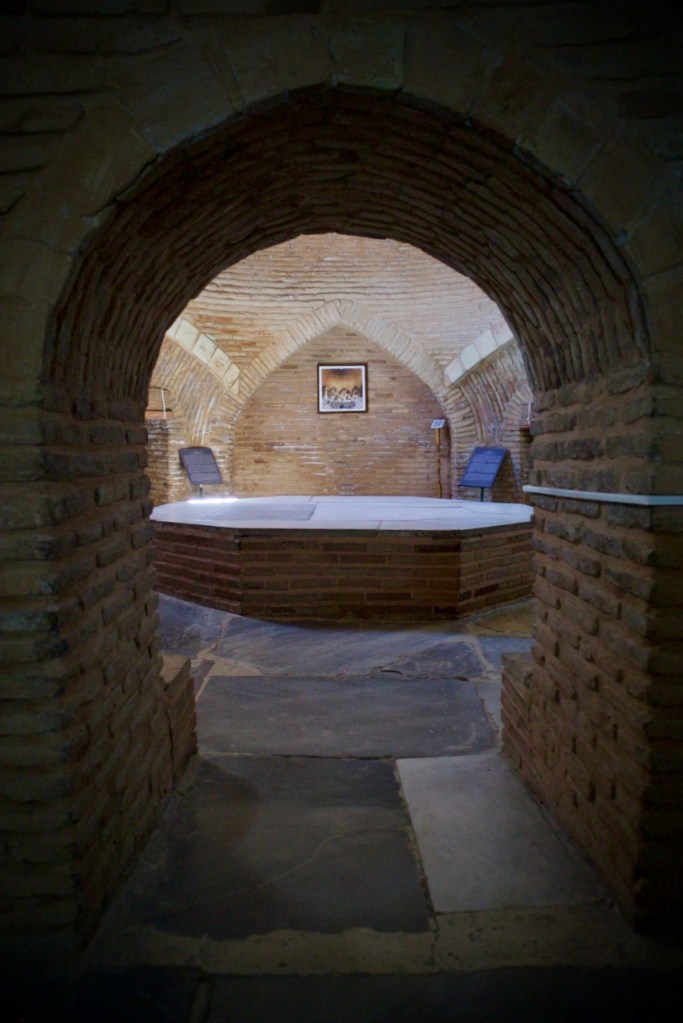
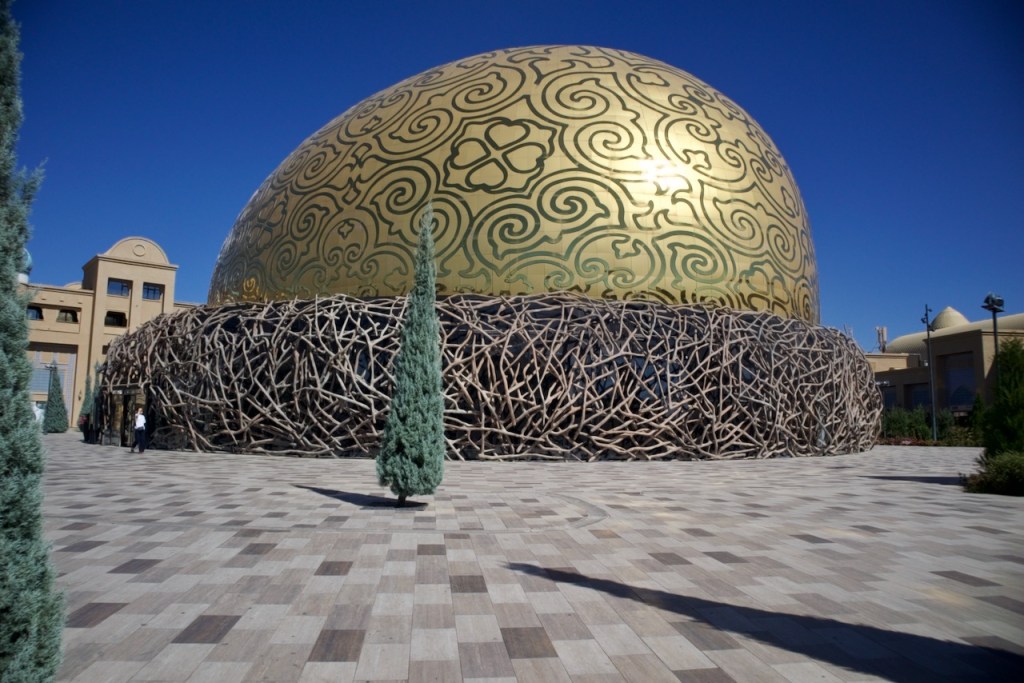
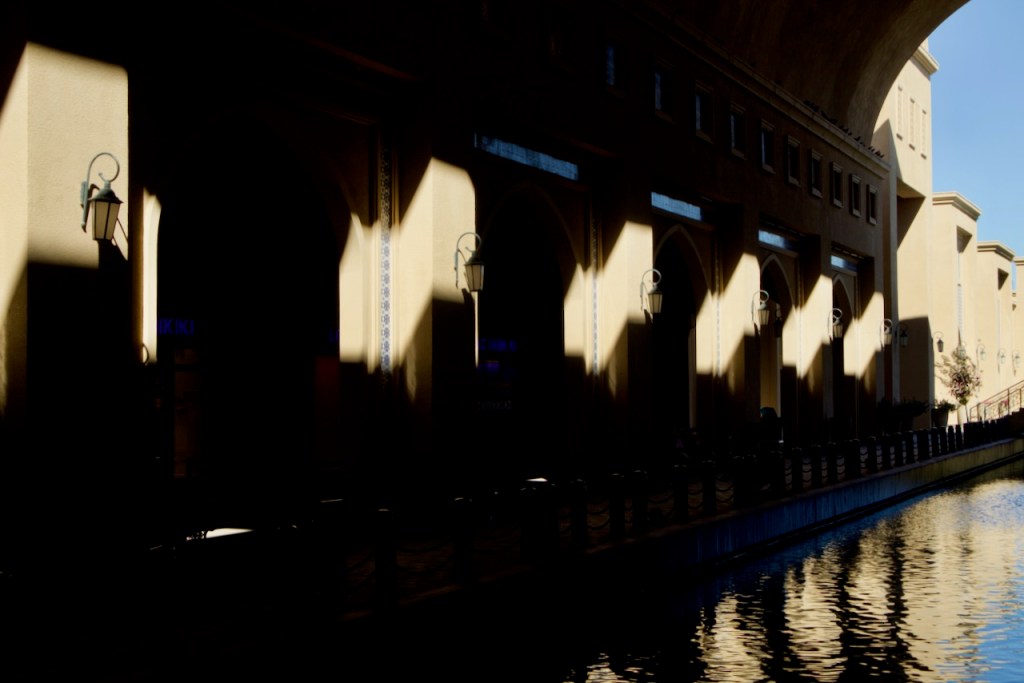
I save the best for the last, Turkestan, the crown jewel of Timurid Renaissance. For centuries, the city became the spiritual heart of the steppes; three pilgrimages there were equal to the Hajj to Mecca. The stunning 14th century mausoleum of Sufi teacher Khoja Ahmed Yasawi alone is worth the detour. The massive blue domes and intricate mosaics leave visitors in awe of ancient Islamic architecture. There are also the mausoleum of Rabiya Sultan Begim, an underground mosque, ancient bath, and city wall ruins. Then, in characteristic Kazakh fashion, just steps away is the sprawling but eerily empty Karavansaray retail and theme park with an 8D immersive flying theatre housed inside a giant golden egg, gondola rides and boat parades, water shows and so much more. More fantasy than reality, or so it seems to me…
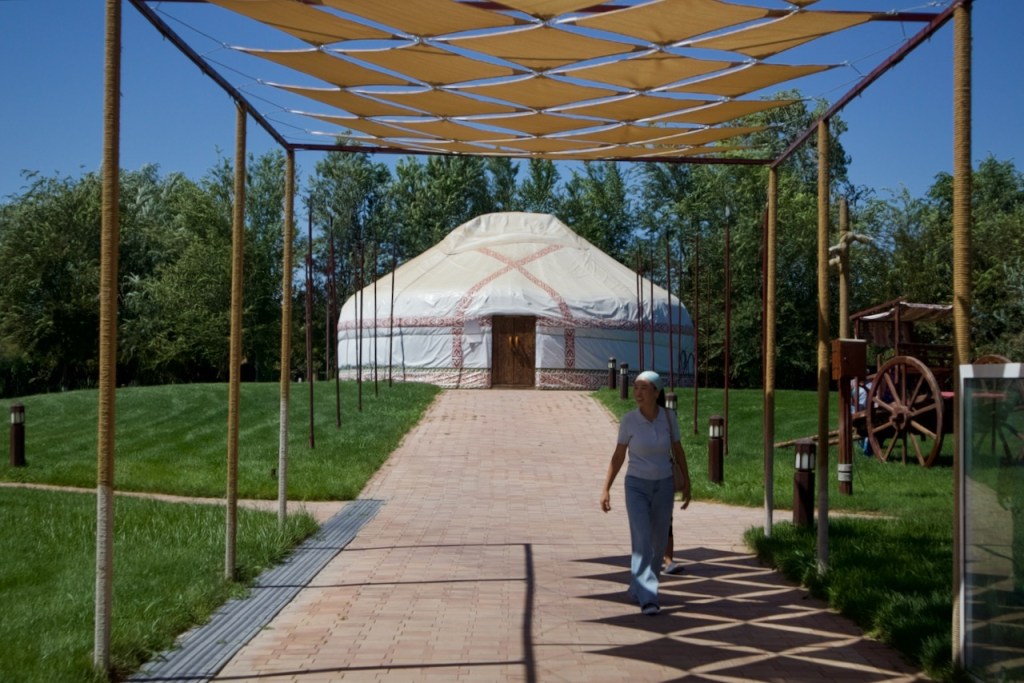
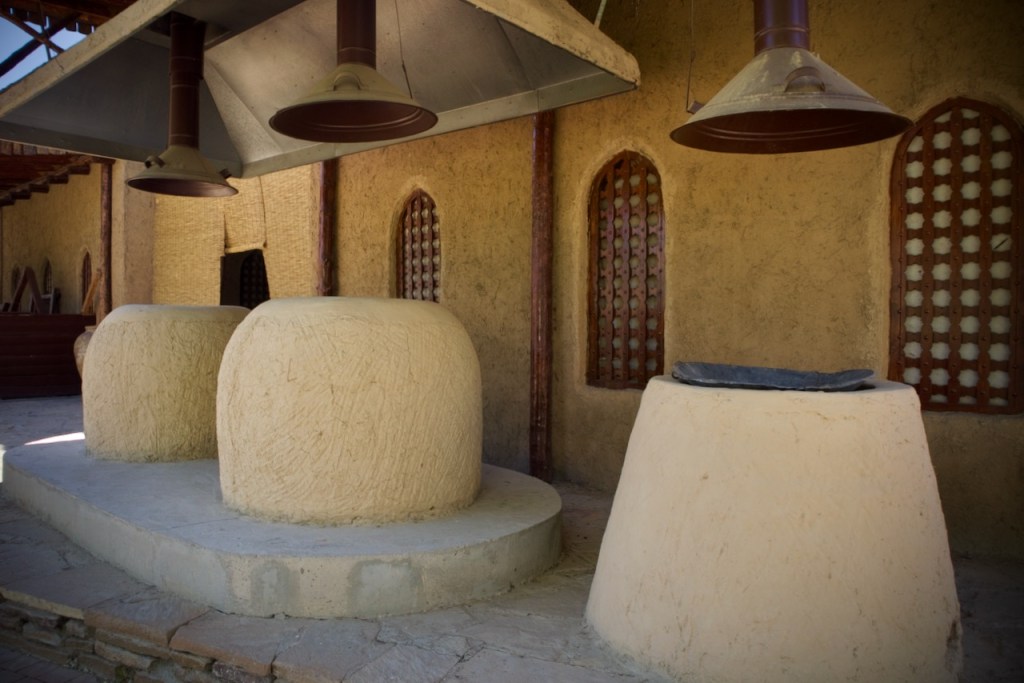
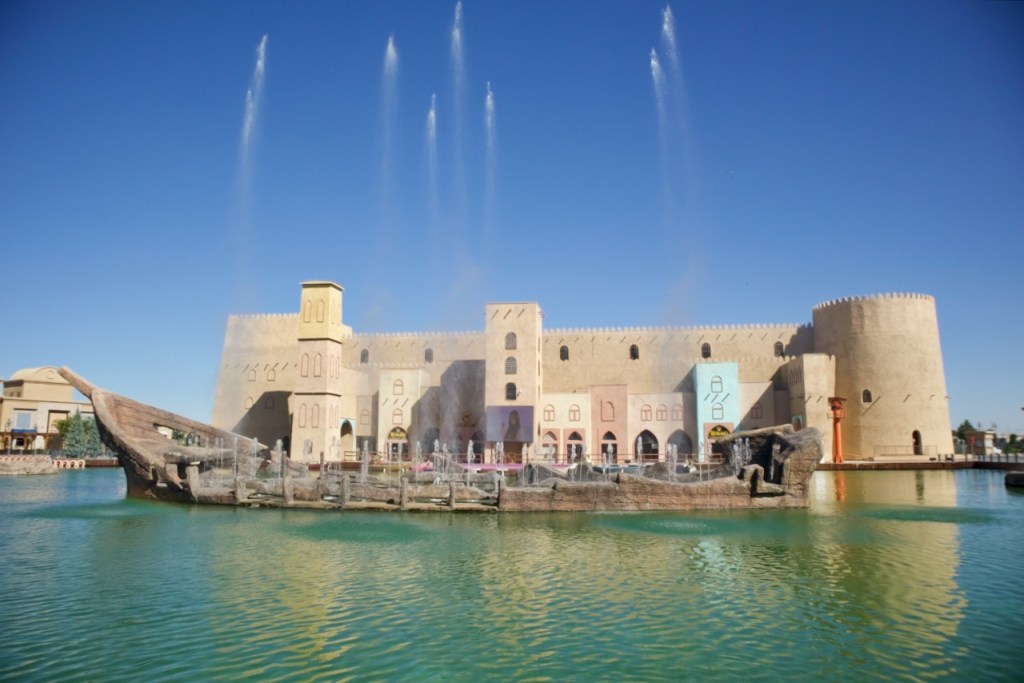
First-time visitors are often struck by the old and the new, fantasy and reality of this oil-rich country. Even if extravaganza like a tropical beach inside a shopping mall might not sound appealing, Kazakstan has so much to offer from her rich history to stunning natural beauty and culinary treats. Legislative elections were held during my stay and I saw political parties mobilizing in downtown Astana. As one of the youngest countries in the world, gaining independence only in 1991, there is always hope for change…
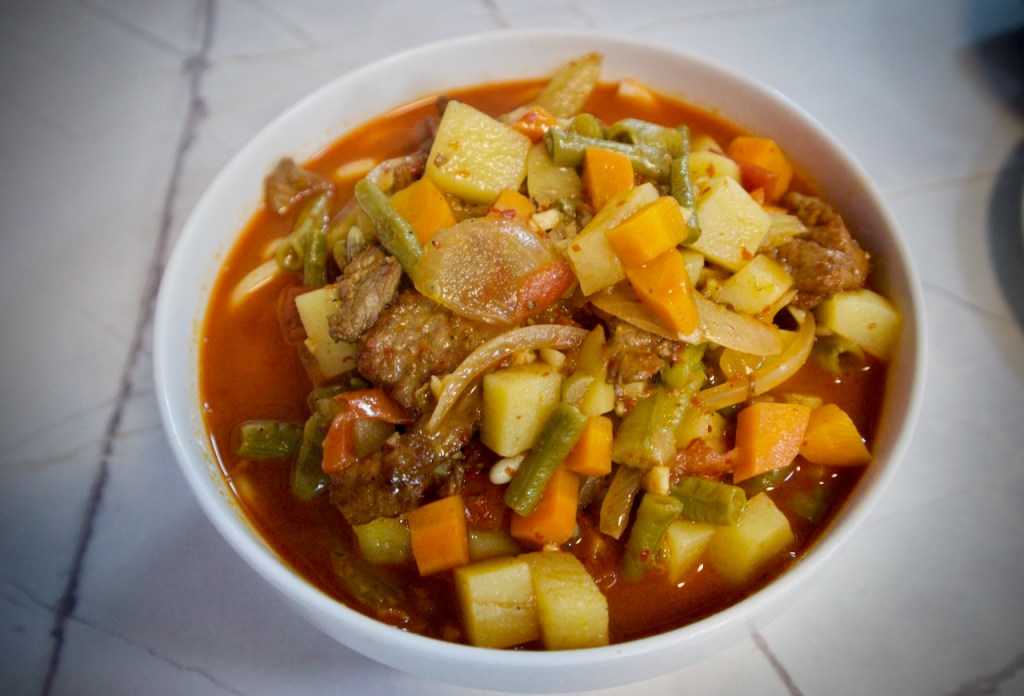
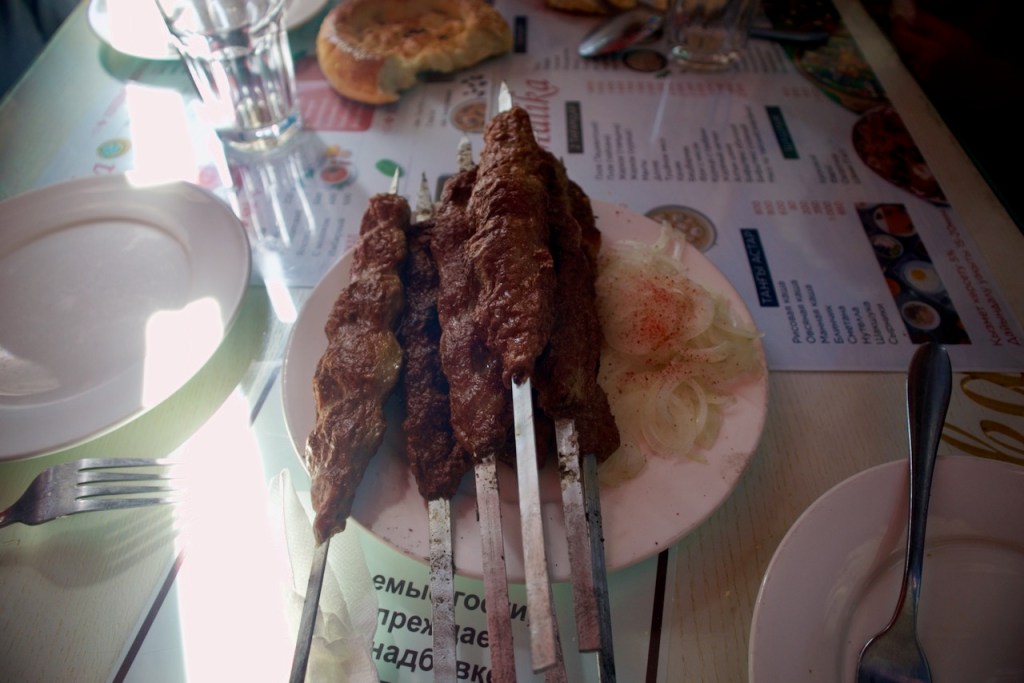
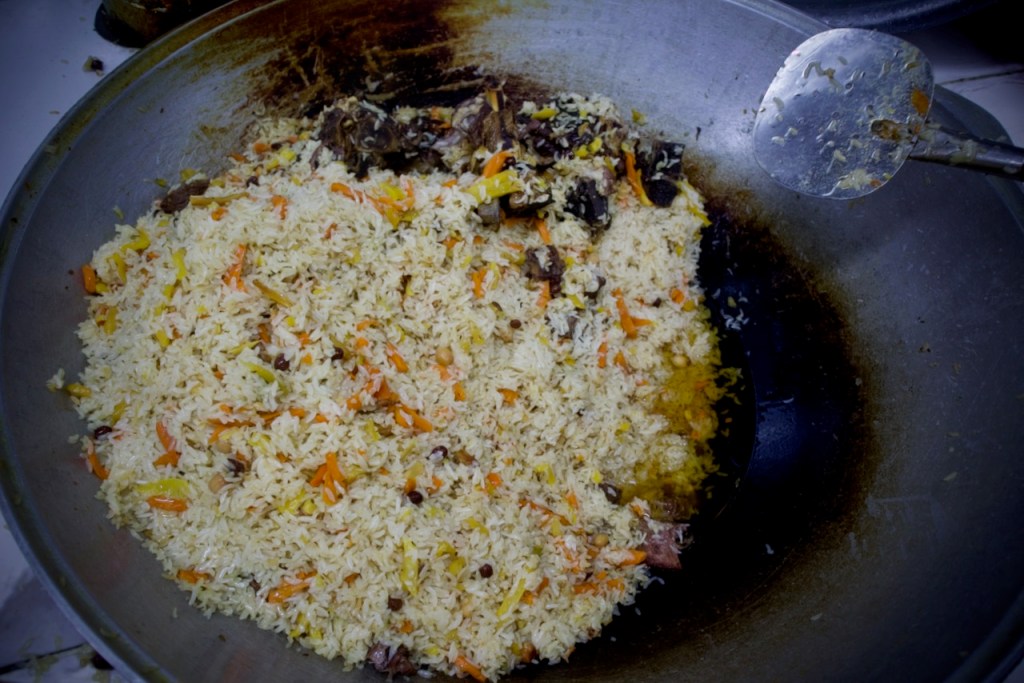
This is part of my 193+ project with the goal to visit all countries in the world, beginning with Europe and Central Asia, bringing the current country count to 128!
Liechtenstein: Small is Beautiful
Uzbekistan: Crown Jewel of Central Asia
Turkmenistan & the Modern Silk Road
All Content © 2026 by Jennifer Chan

