
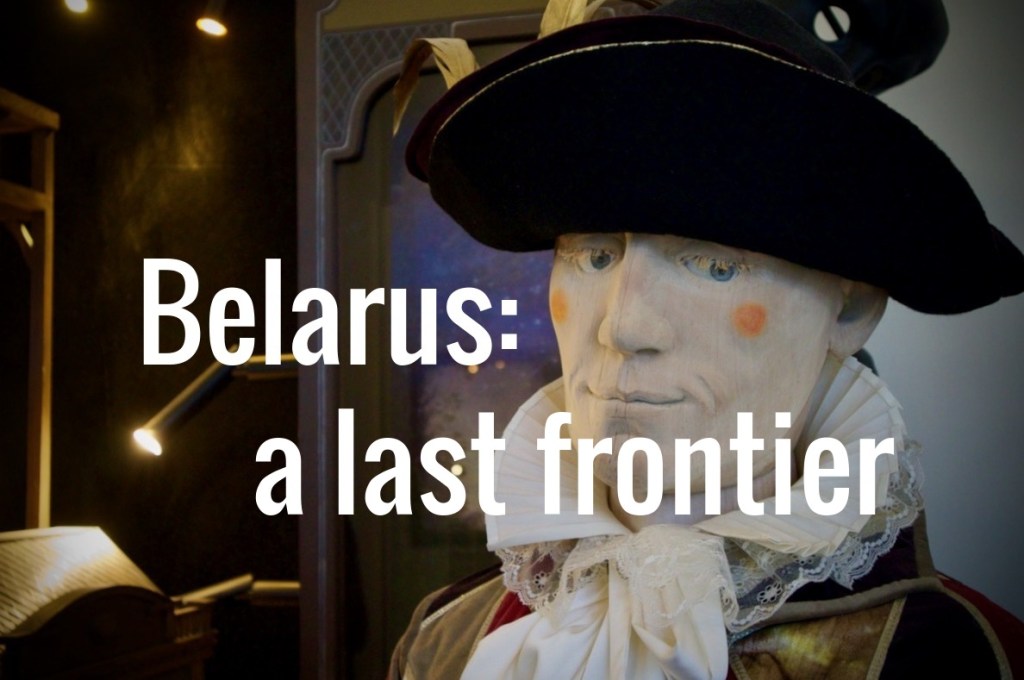
The night has come to earth for a rendezvous…
See, the lights of the distant village…
The paths all lead to an unreachable land…
-Vladimir Karatkevich, Mother’s soul
August 2026
In my epic journey from Iceland to Iran a decade ago, Belarus was not on the itinerary due to a cumbersome visa process. When the government extended visa-free entry for 35 European countries (for a stay up to 15 days) till the end of 2026, I jump at the opportunity to visit this second last remaining destination in Europe. The question then becomes how, via which route. With extensive sanctions by the EU due to human rights violations and Belarus’ support for Russia’s war against Ukraine, direct flights in/out of Minsk are expensive, so most travellers overland from either Poland or Lithuania.
After extensive research, I decide to take a direct bus from Warsaw and enter Belarus via the notorious Terespol-Brest border where wait times could be days. Once in Brest, I follow a classic five-day itinerary: from Brest to Grodno, Nesvizh, and Minsk, then the long trek and wait back to Warsaw. Easier said than done! Accommodation does not figure in the common booking sites and local platforms – for transport and hotels – are mostly in Russian. Payment by foreign bank cards is a hit and miss. Western media like the BBC are inaccessible and my whatsapp was blocked (a “review” was necessary). In so many ways, Belarus feels like one of the last frontiers in Europe. But I have heard of misty forests and 10,000 lakes, UNESCO World Heritage castles and a dazzling capital city with stately Stalinist architecture and monumental brutalist structures…
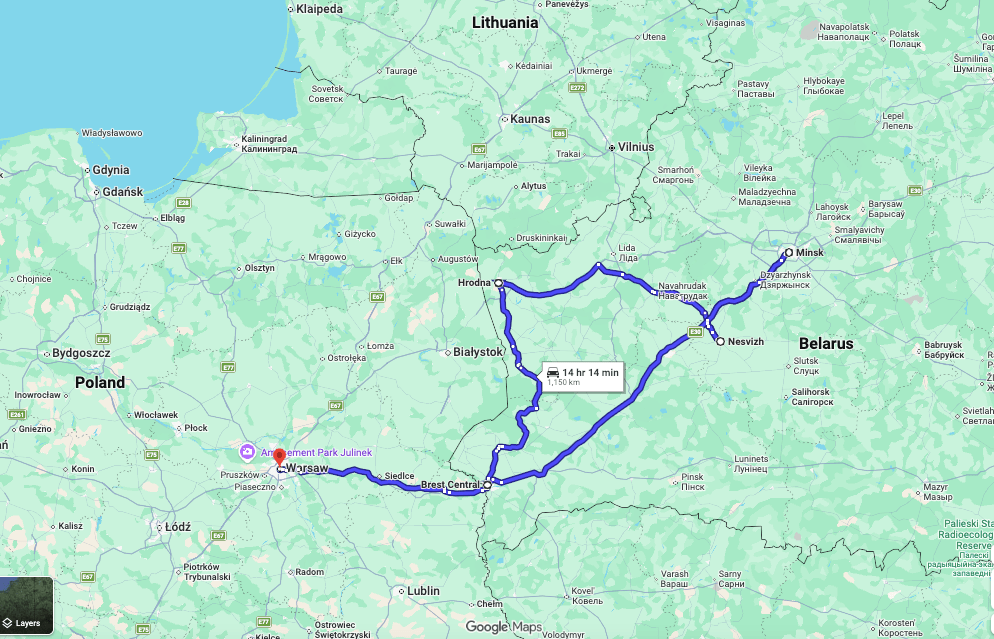
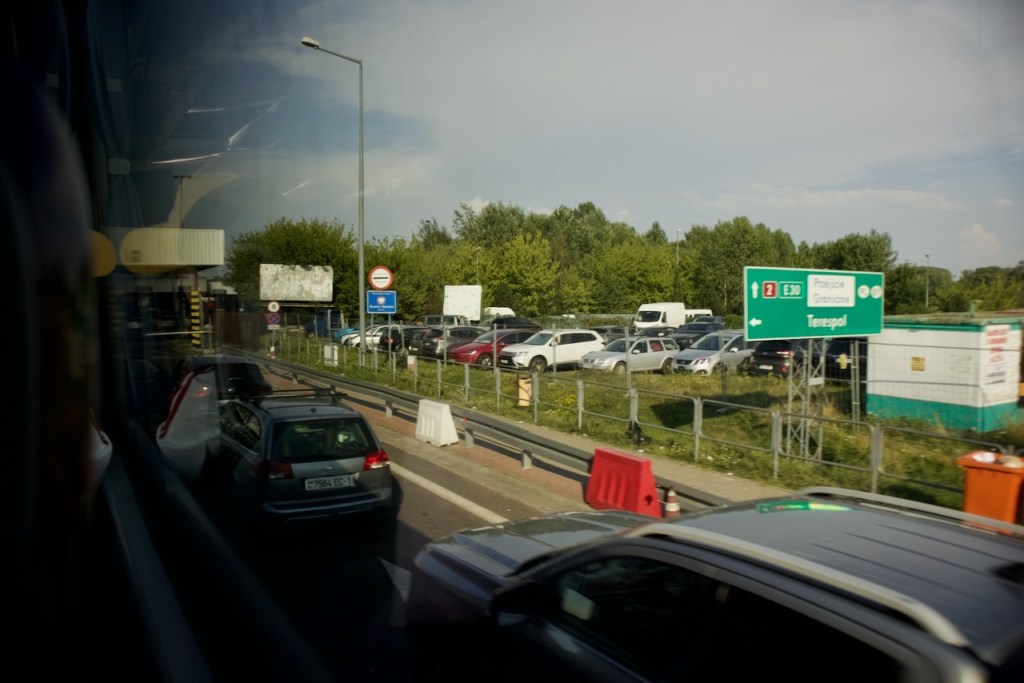
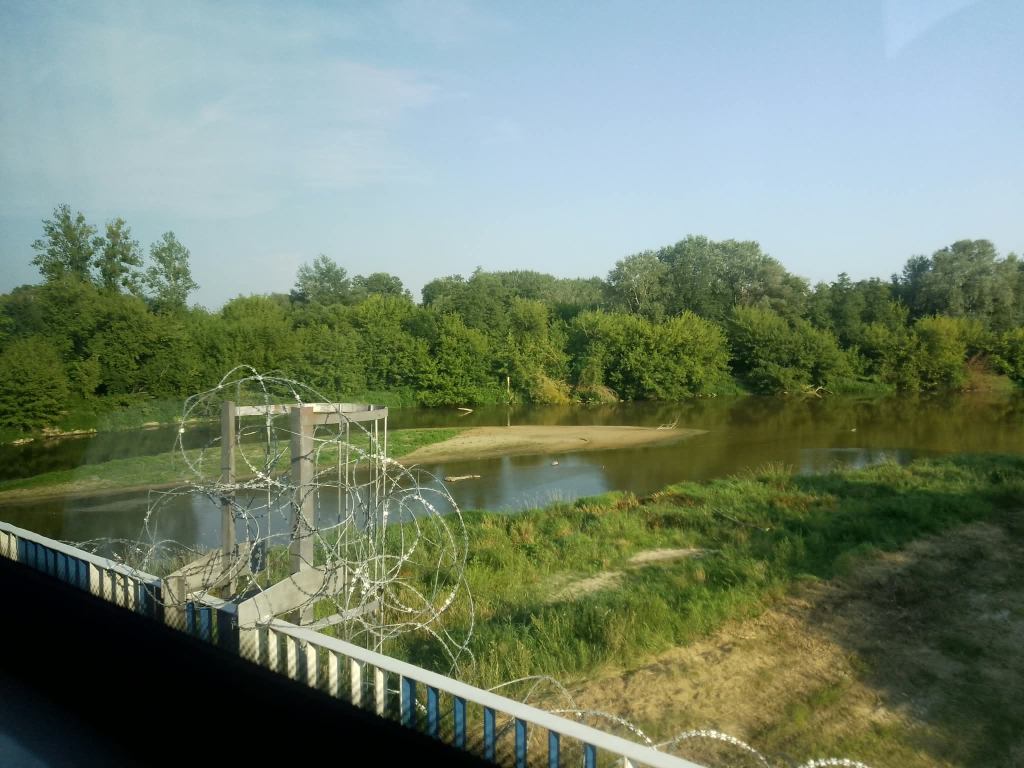
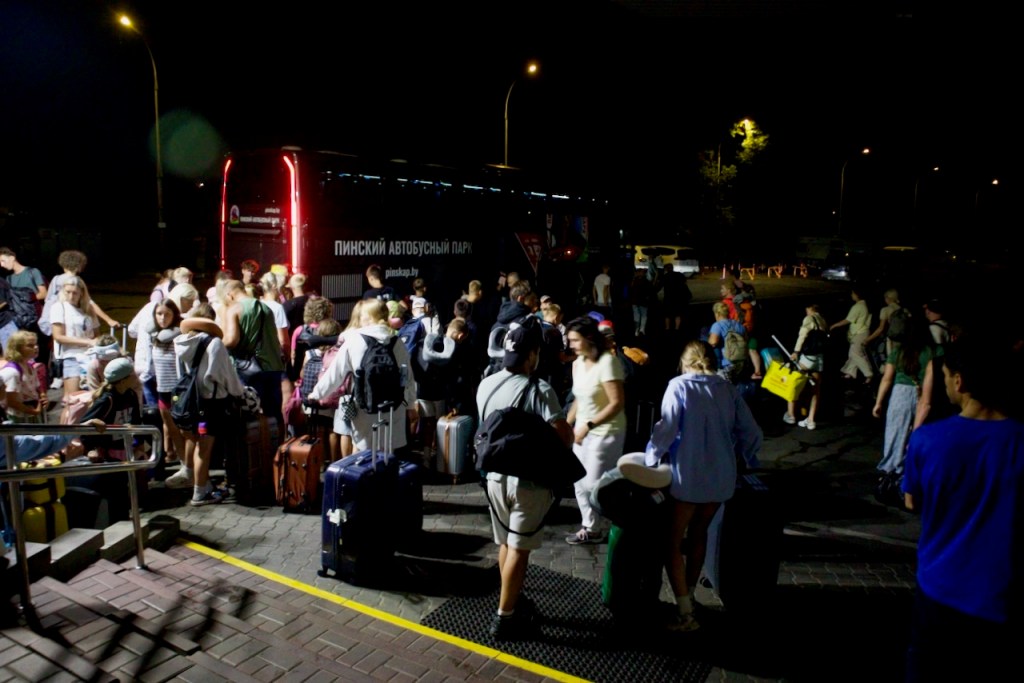
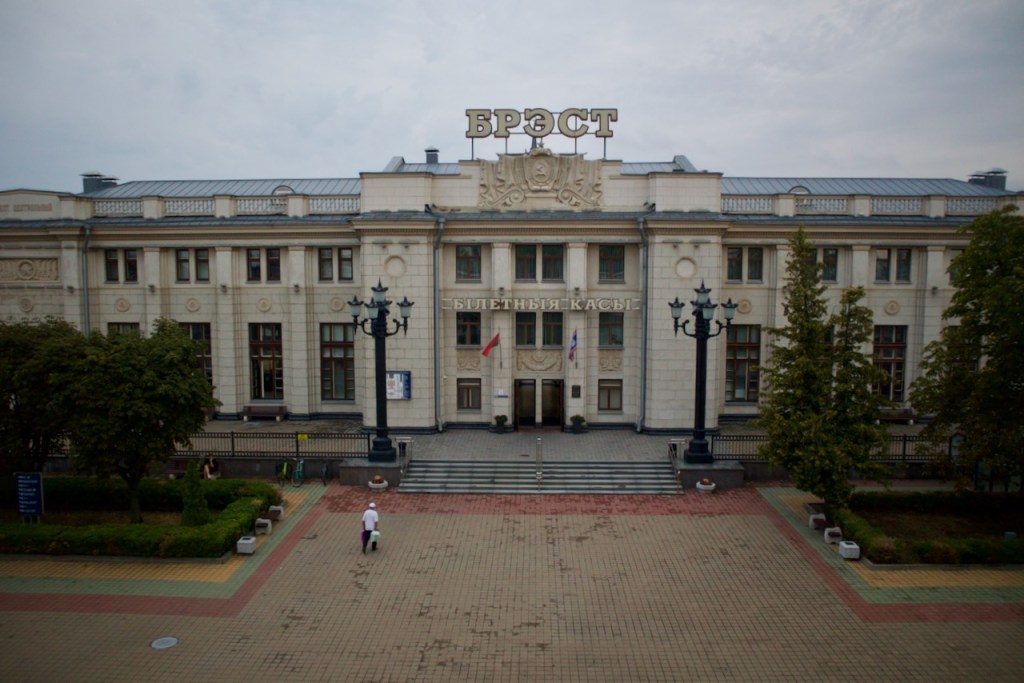
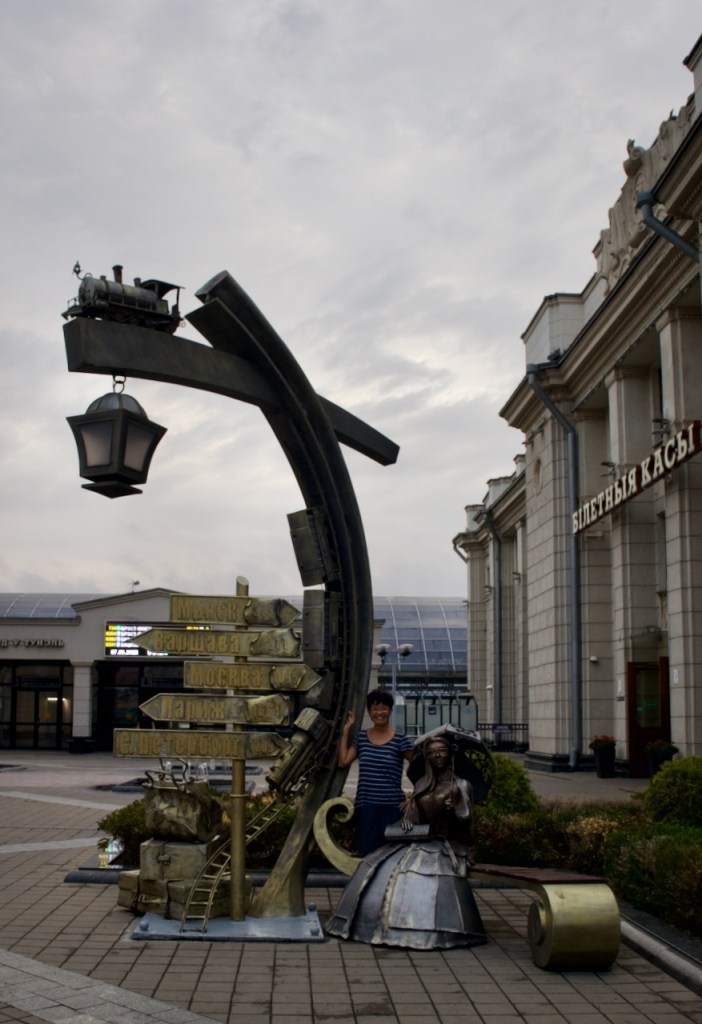
For most travellers, getting into Belarus is half the story due to many border crossing horror stories. I wish I could start early, but my flight arrives at Warsaw Modlin after noon. By the time the bus pulls out of Warsaw Zachnodia (West) Station at 14:15, it is anybody’s guess when we would arrive in Brest, given that others had reported 24-33 hour-long ordeals. The immigration officer scrolls through my phone extensively (a first in my 125+ country travels) and asks the standard questions of why, where, how long, and how much etc. Lo and behold, after six short hours in no man’s land – in the company of friendly and godly patient Belarusians – I arrive in Brest just after midnight. The train station hostel was full and I am too tired to venture further into the city in pitch darkness in this foreign land to look for an alternative. A bench at the Brest Grand Central would do. What an adventure!
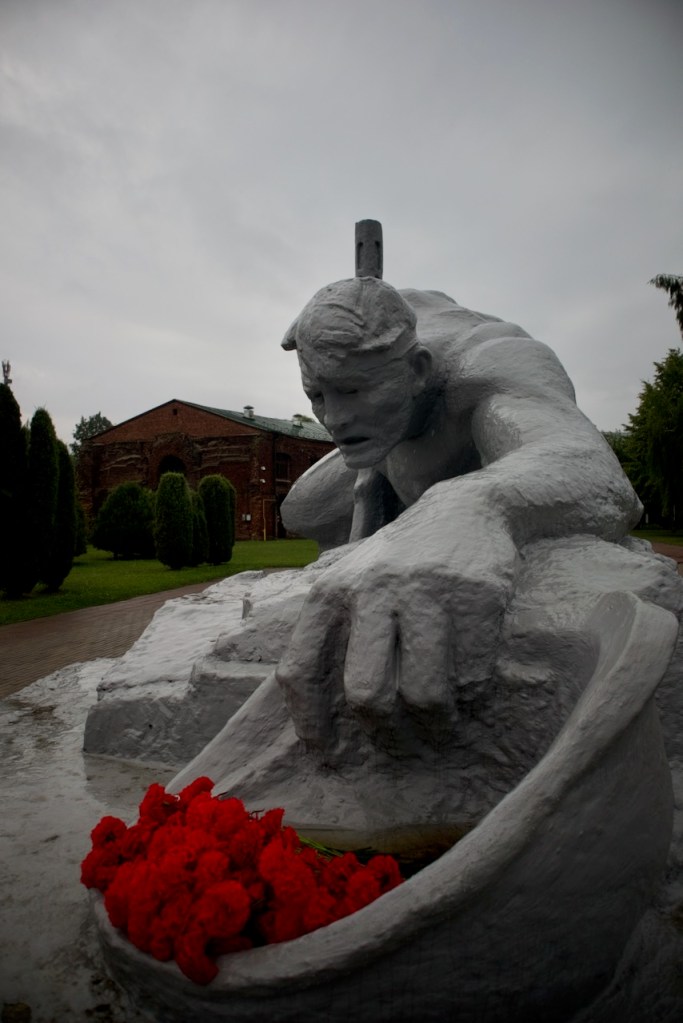
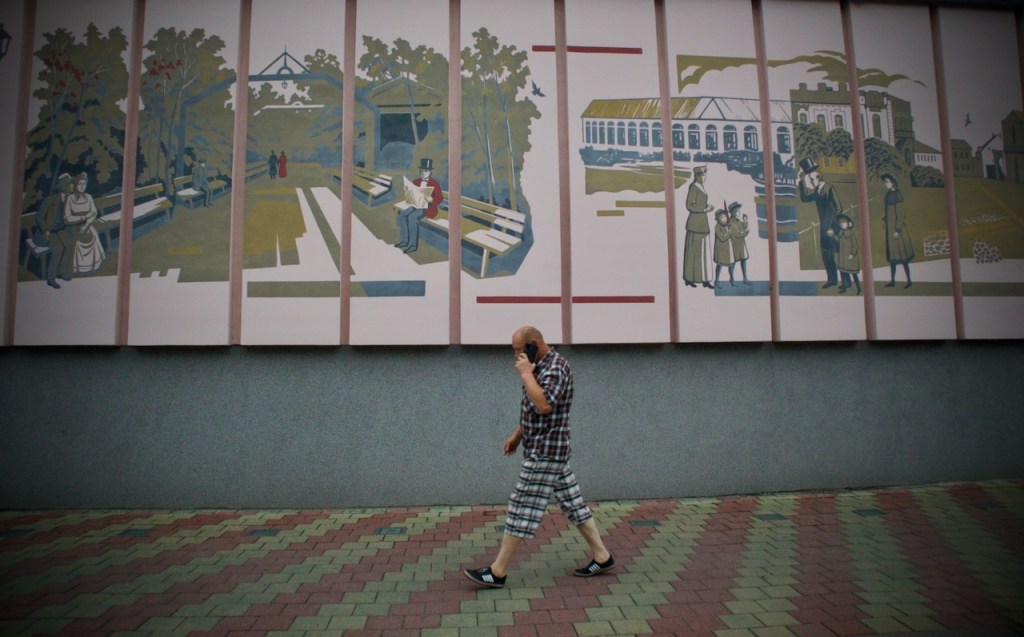
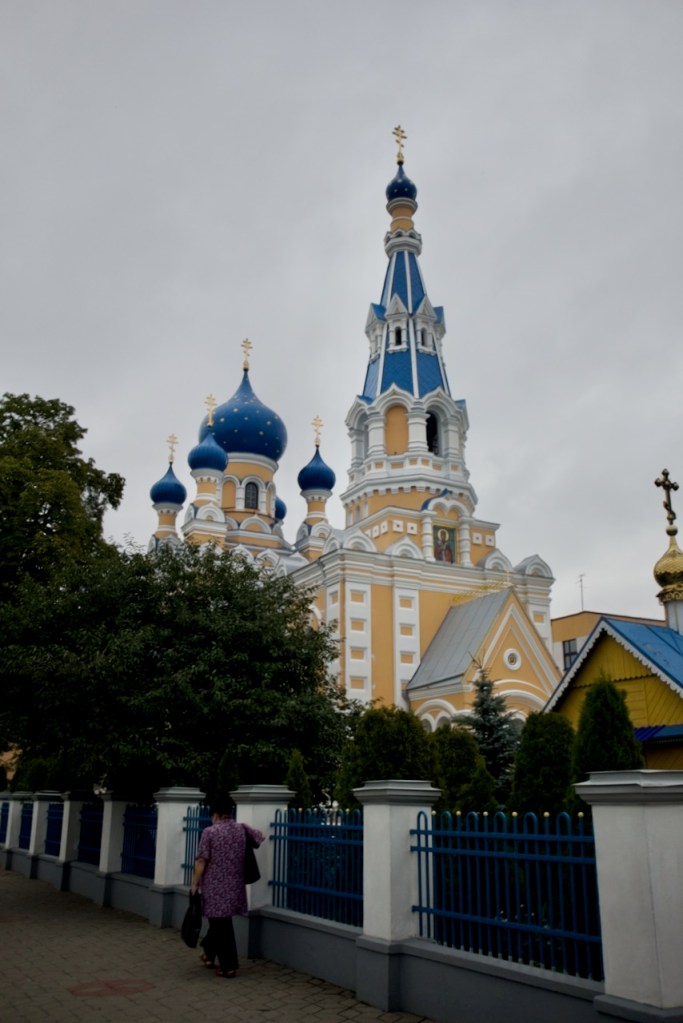
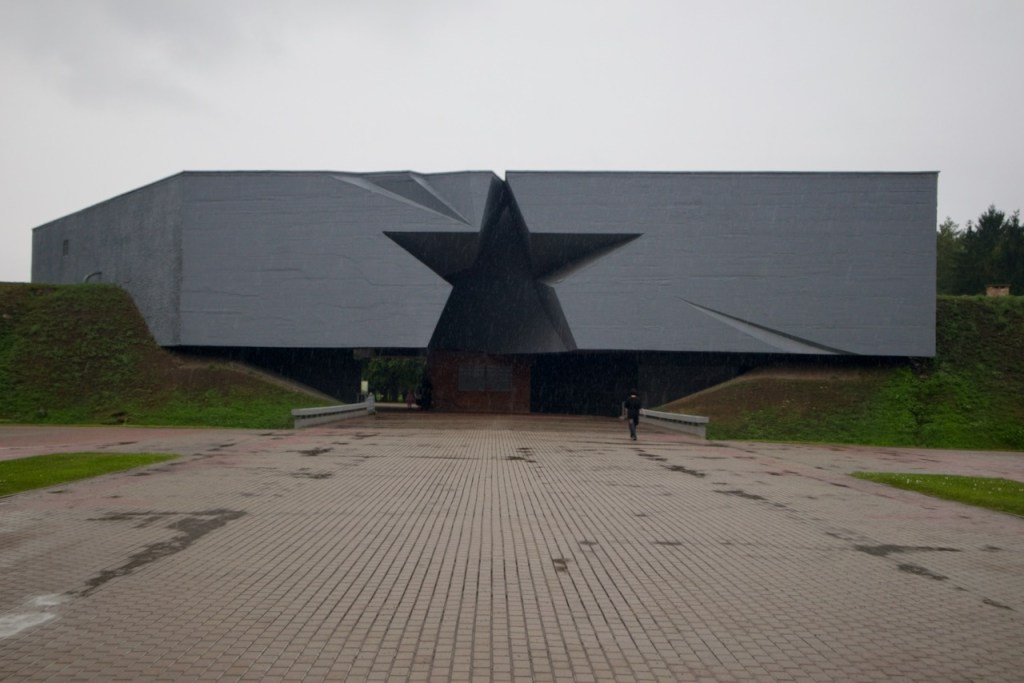
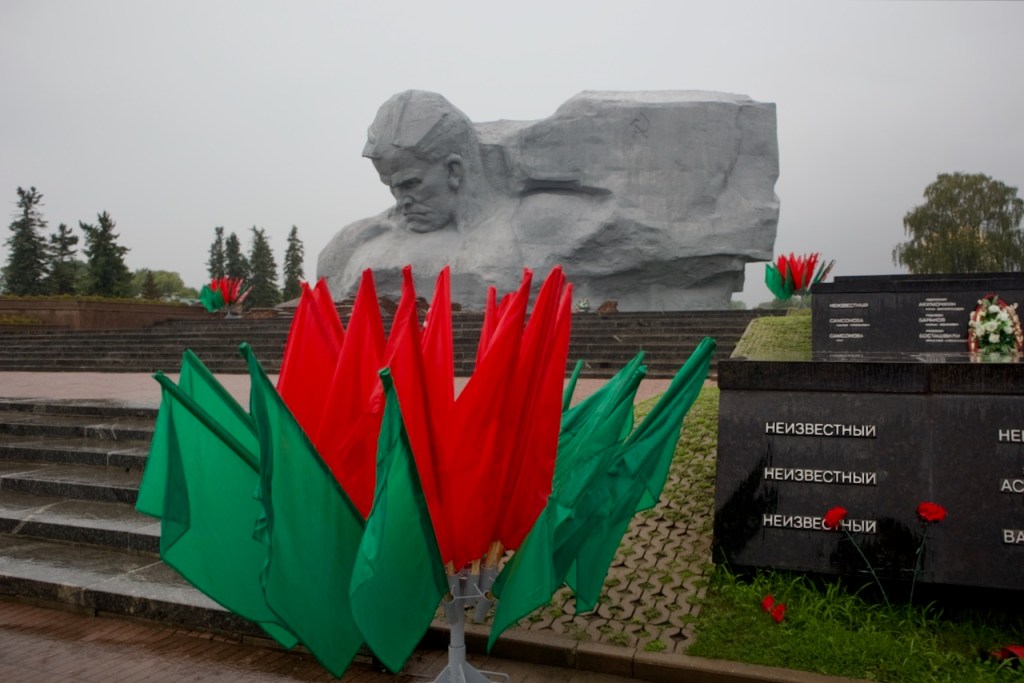
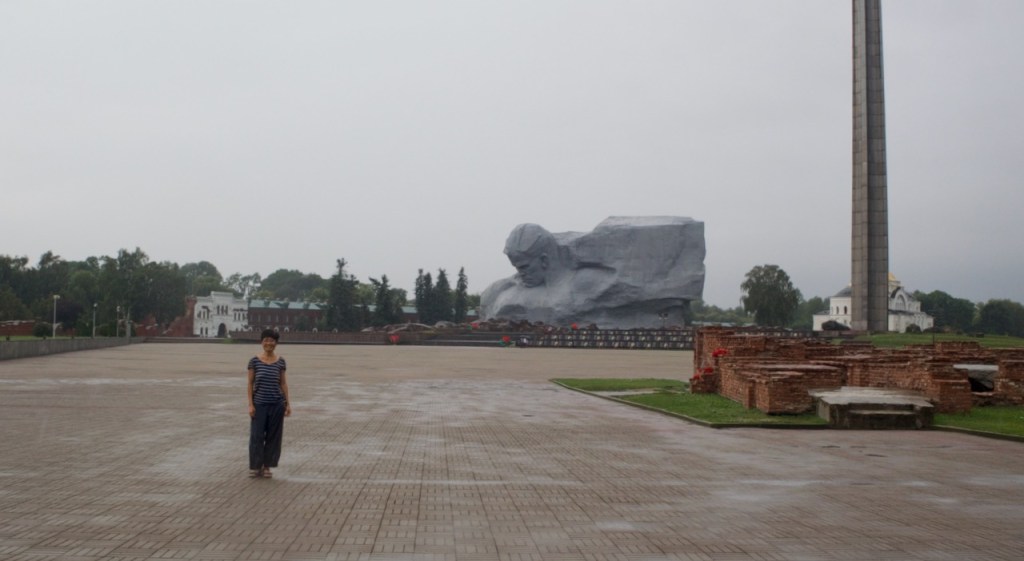
Walking around Brest at six in the morning is a total bonus. Given its strategic location in the middle of an old trading route from Moscow to Berlin, the quiet city shows an interesting mix of Russian and European influences. The main attraction here is the famous 18th century Brest Fortress and a huge Soviet-era memorial erected between 1969 and 1971, honoring the fierce June 1941 defense against Nazi attacks. A light rain is falling, adding even more ambiance to the somber monument.

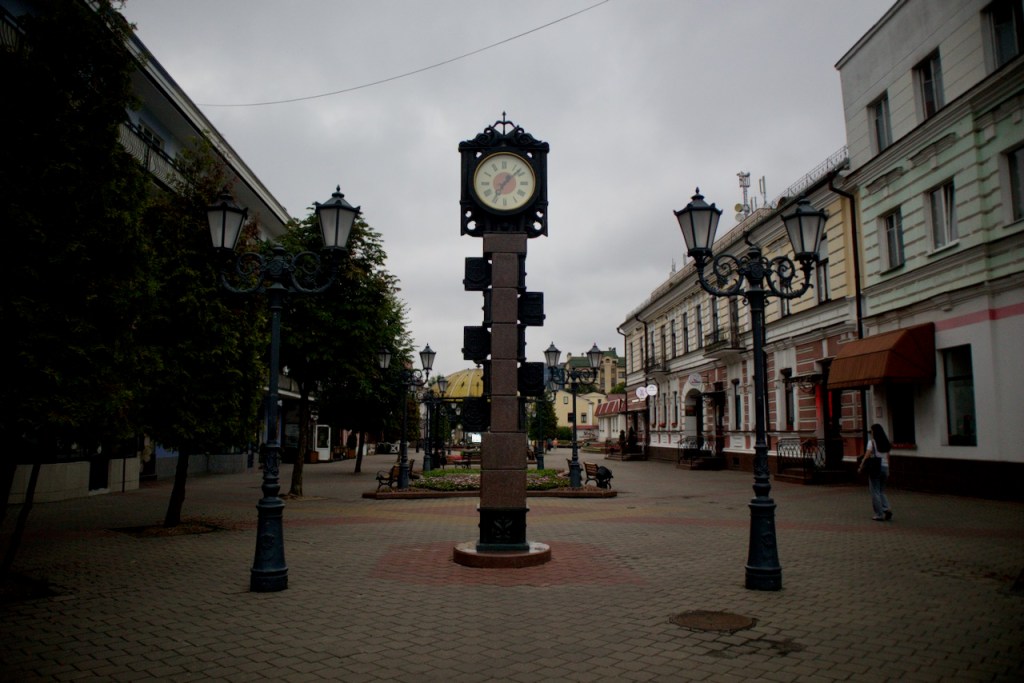
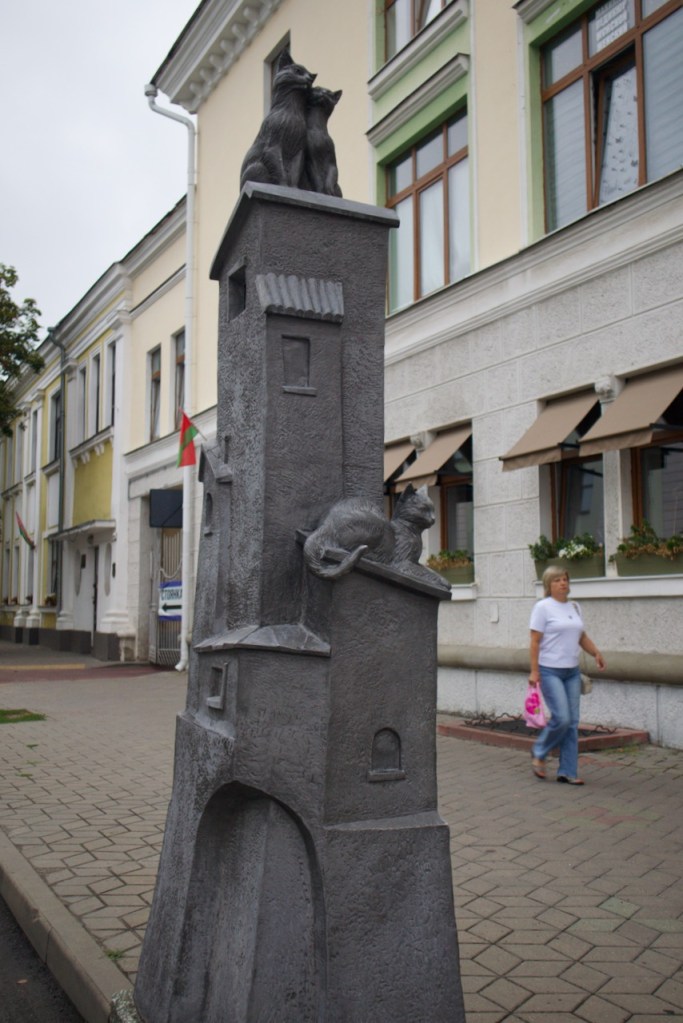
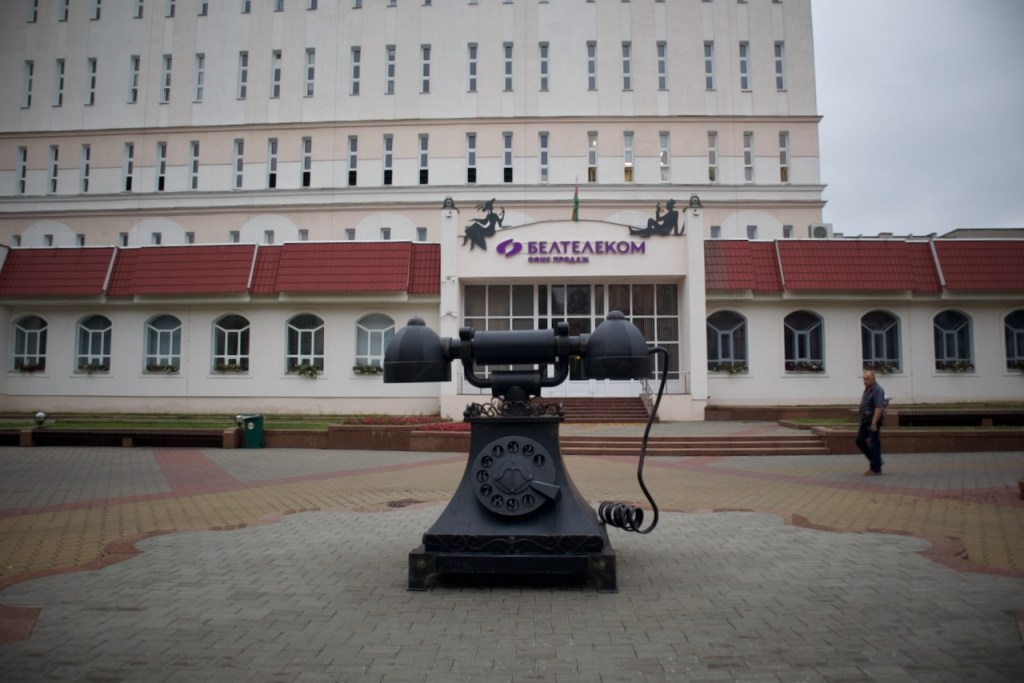
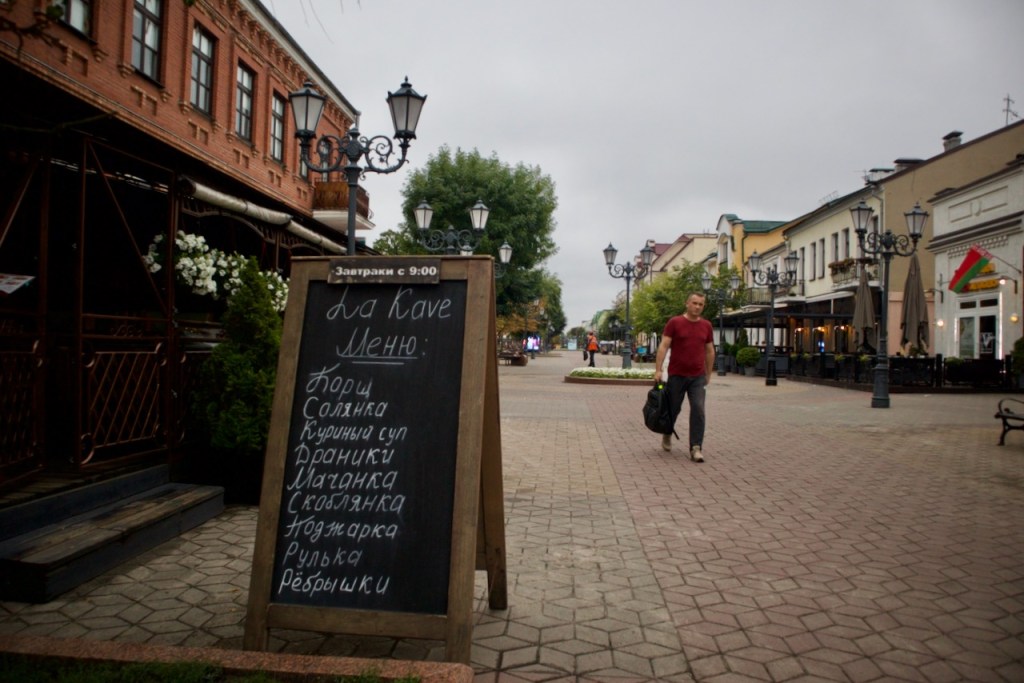
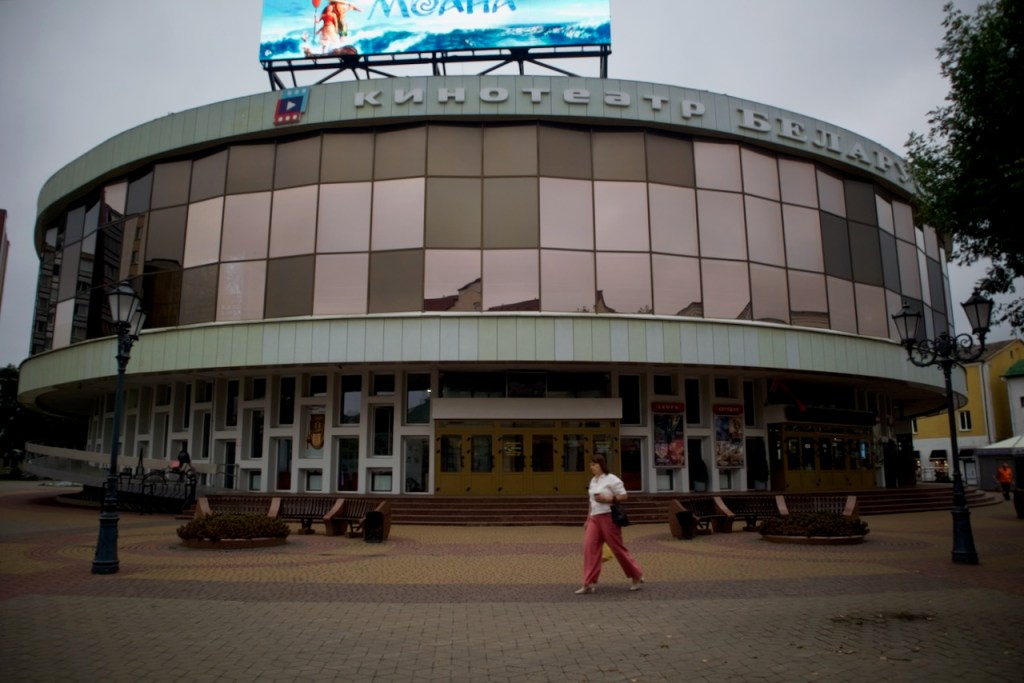
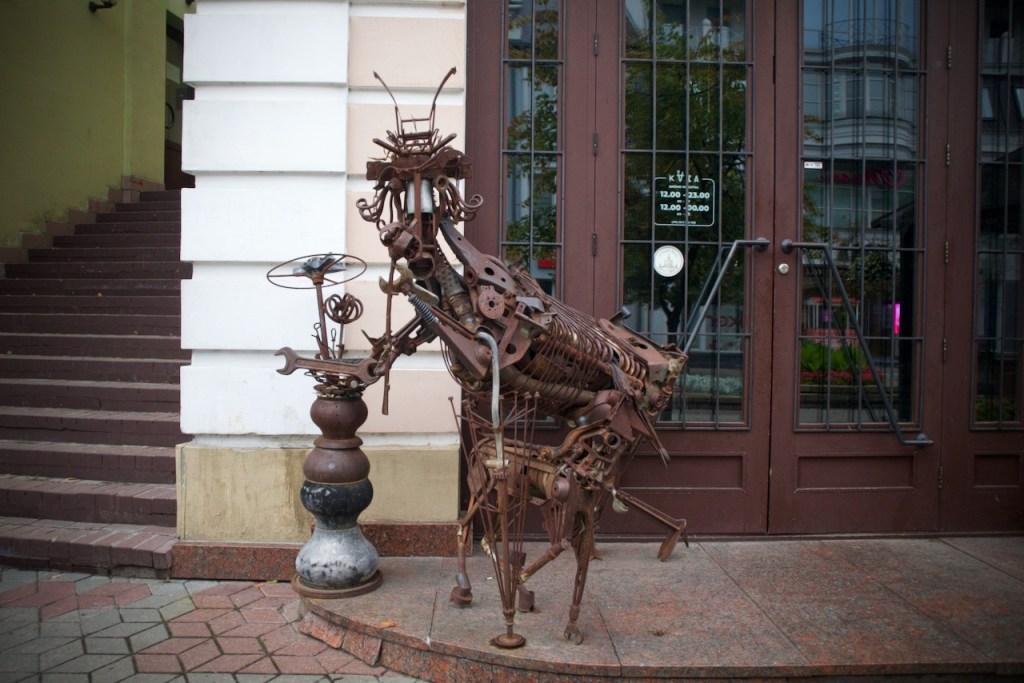
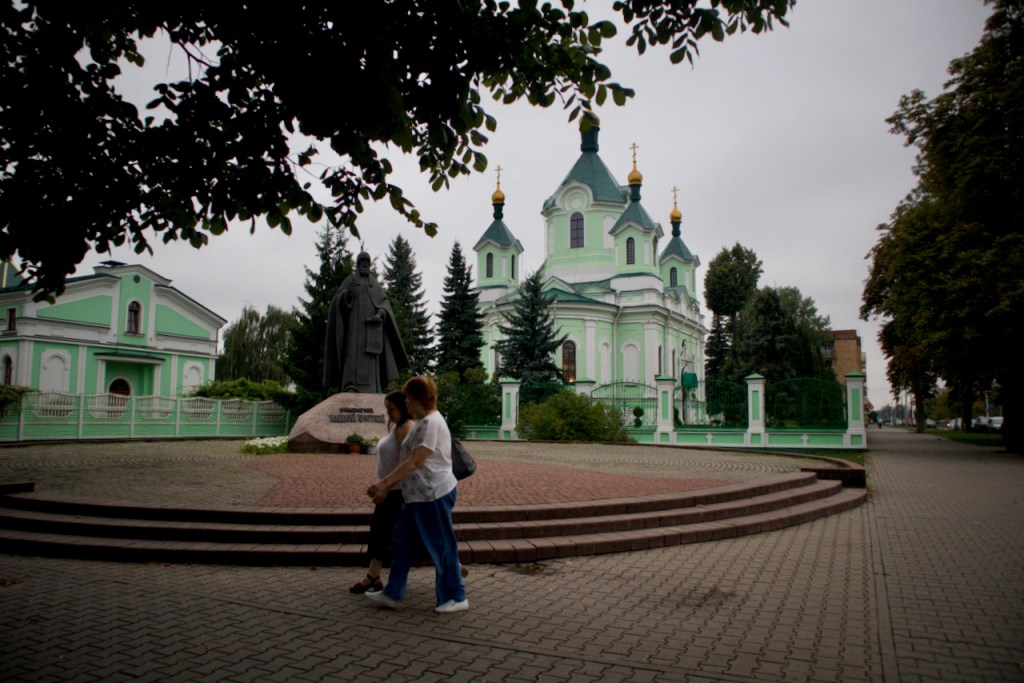
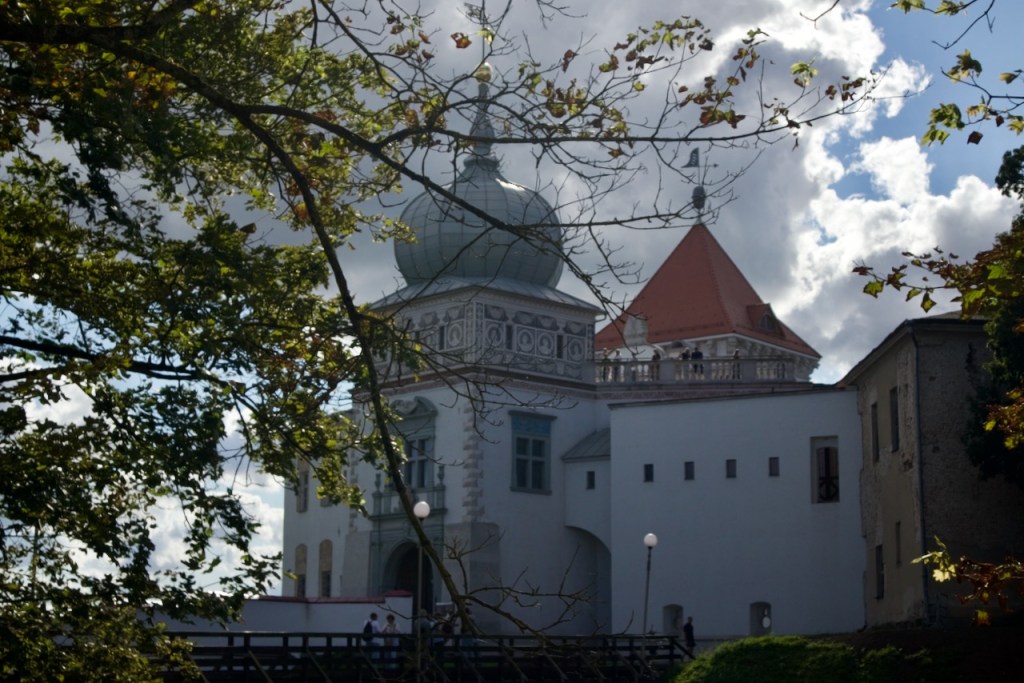
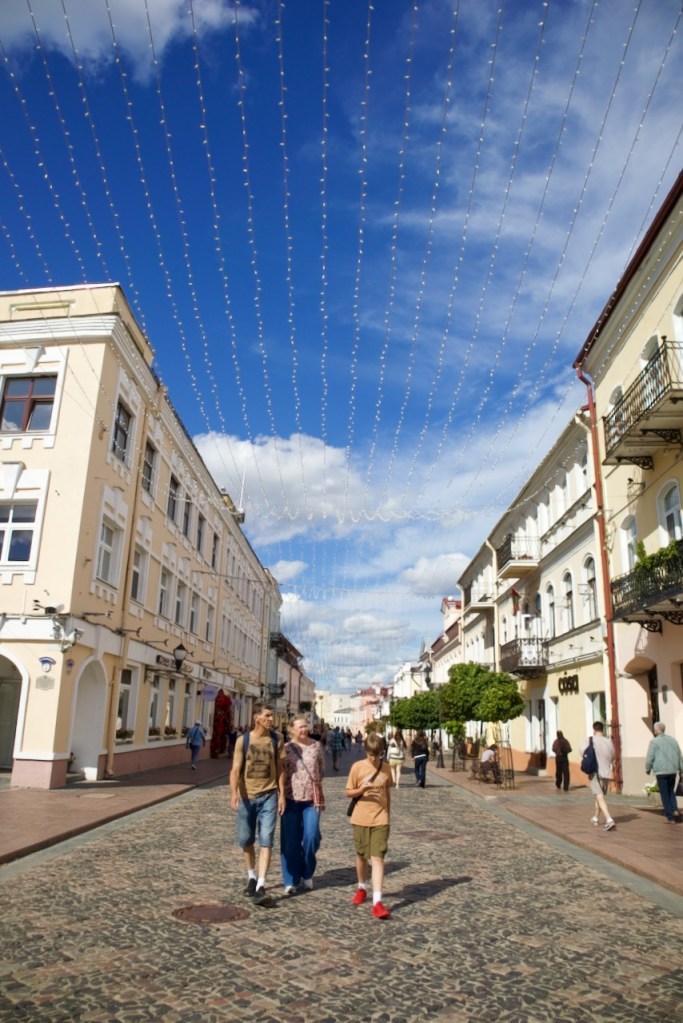
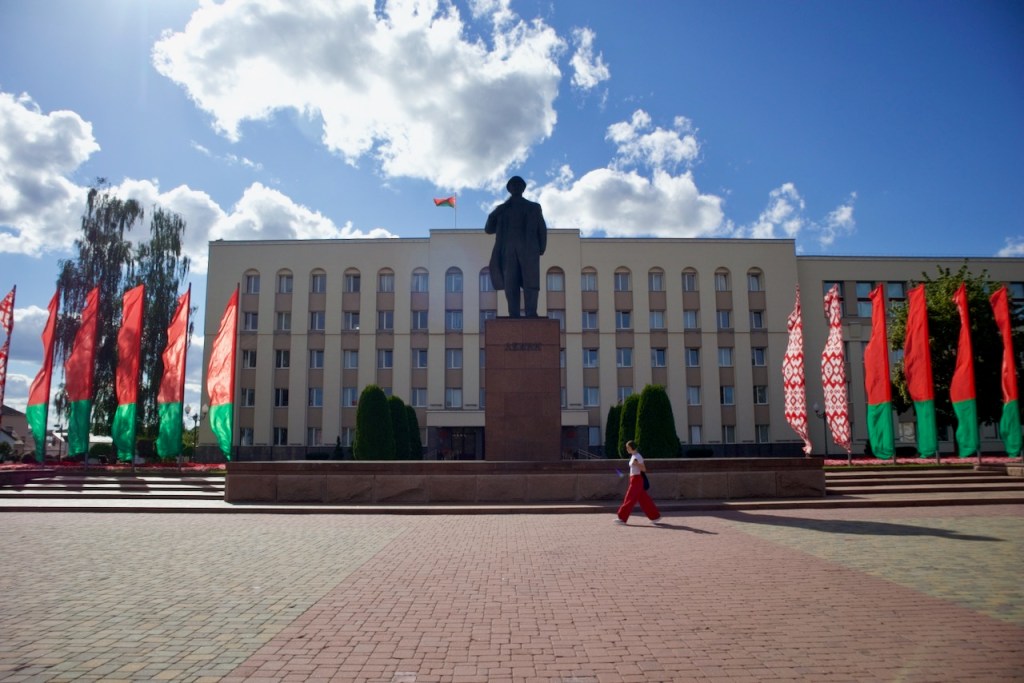
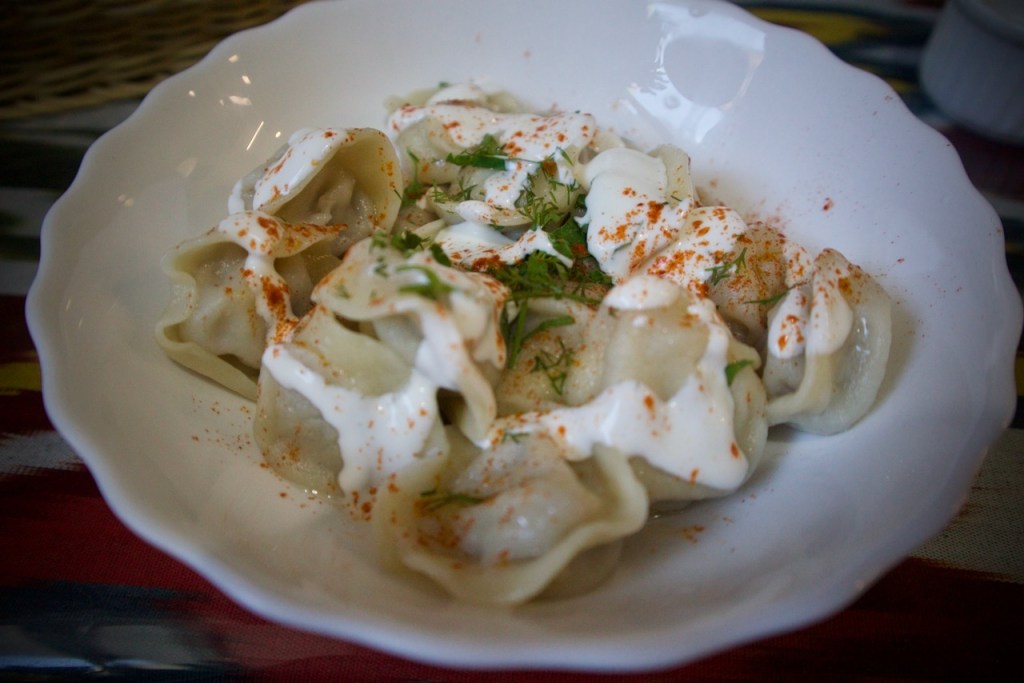
A four-hour minibus ride away, Grodno feels like a different world. With its classy old town, beautiful churches, and medieval castles perched above the Neman River, the remarkably well-preserved city oozes a rich multicultural vibe from its time as a royal residence for the Grand Dukes of Lithuania and Kings of Poland. I am famished from the long border crossing and rough night in Brest, and stuff myself with piping hot dumplings at a Turkmen restaurant. What joy to roam around such a lovely city at the crossroads of so many different epochs and cultures.
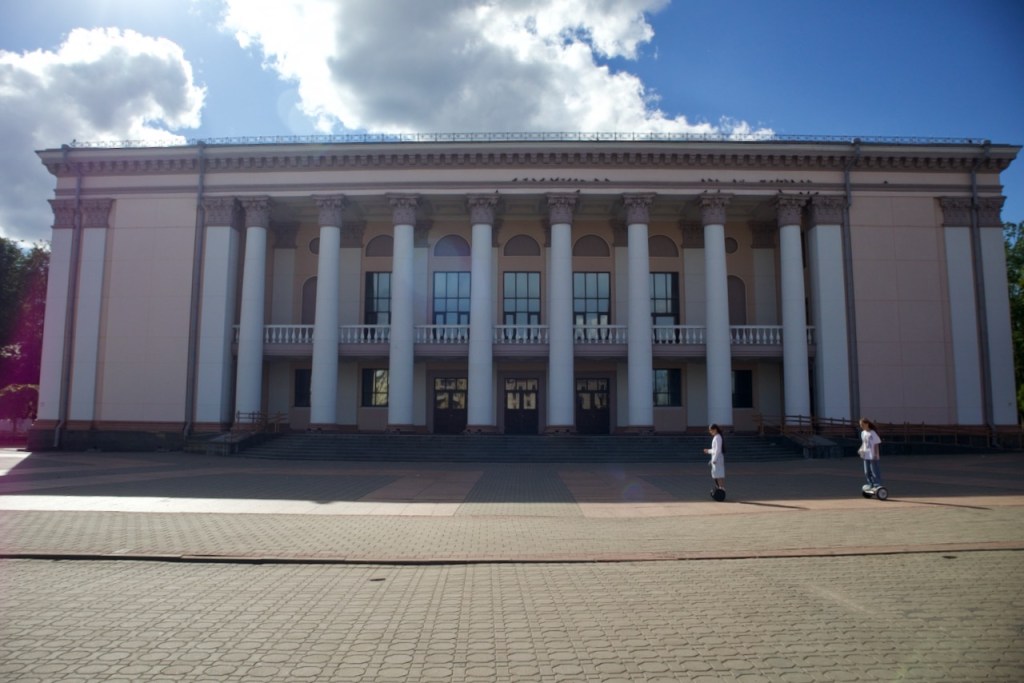
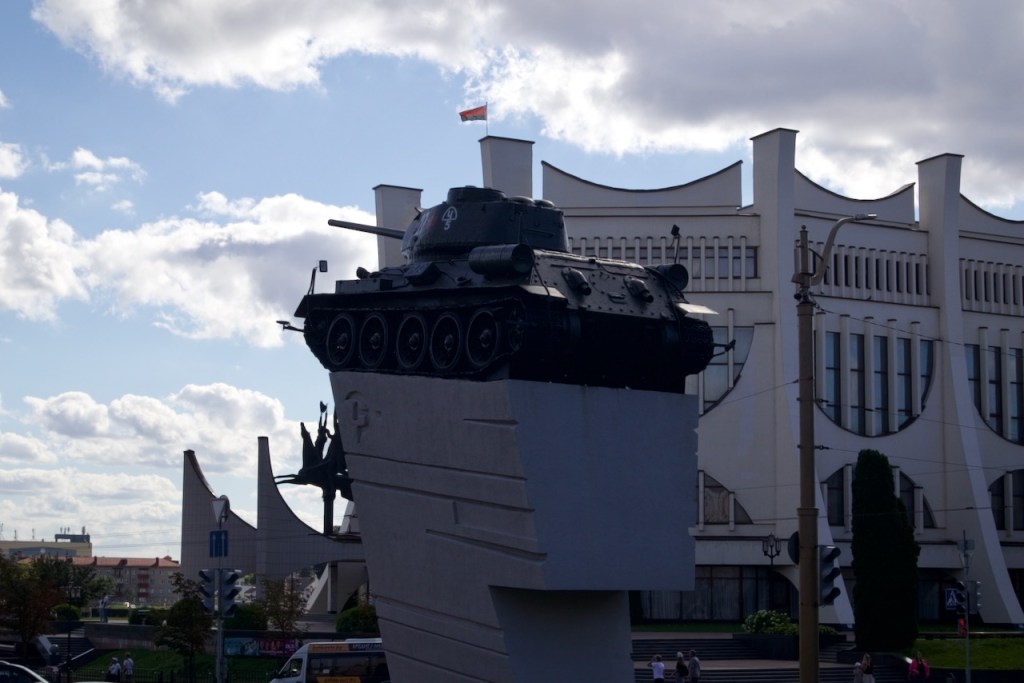
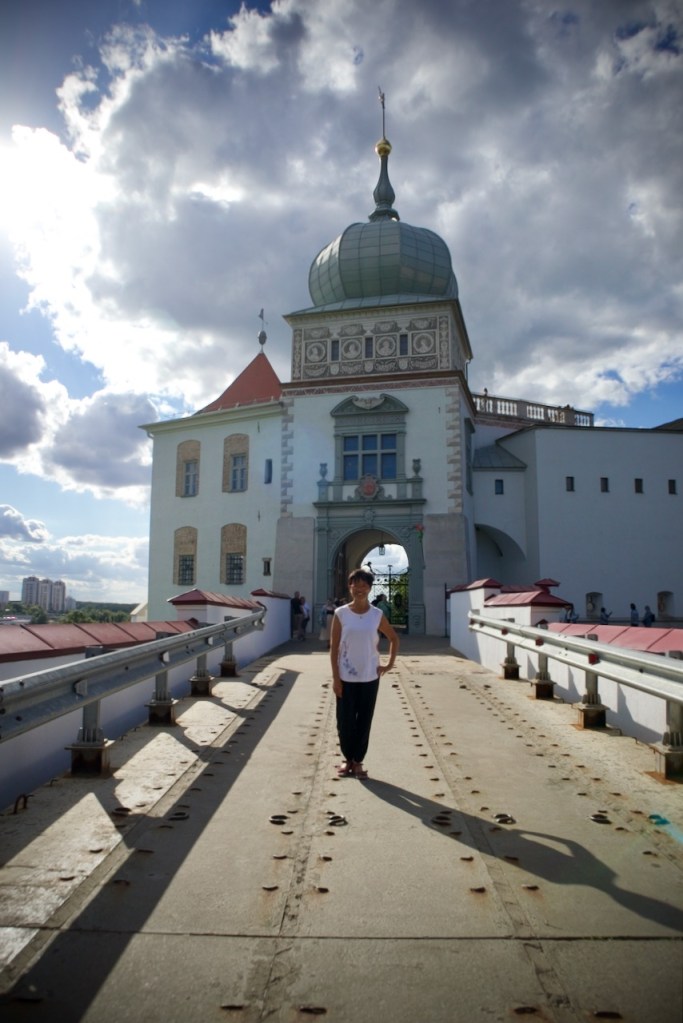
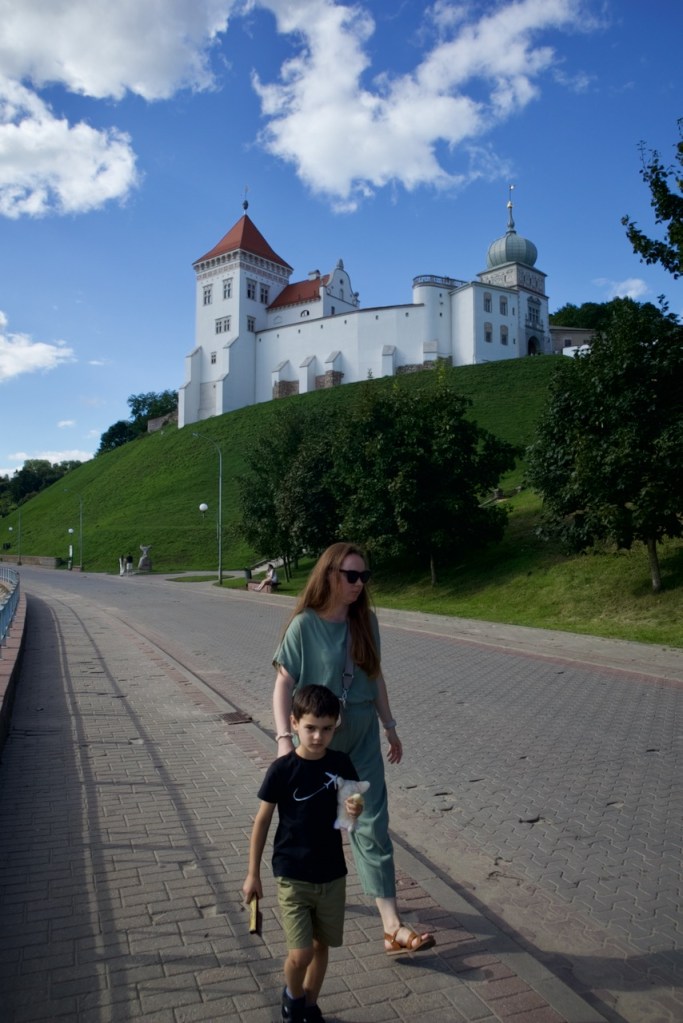
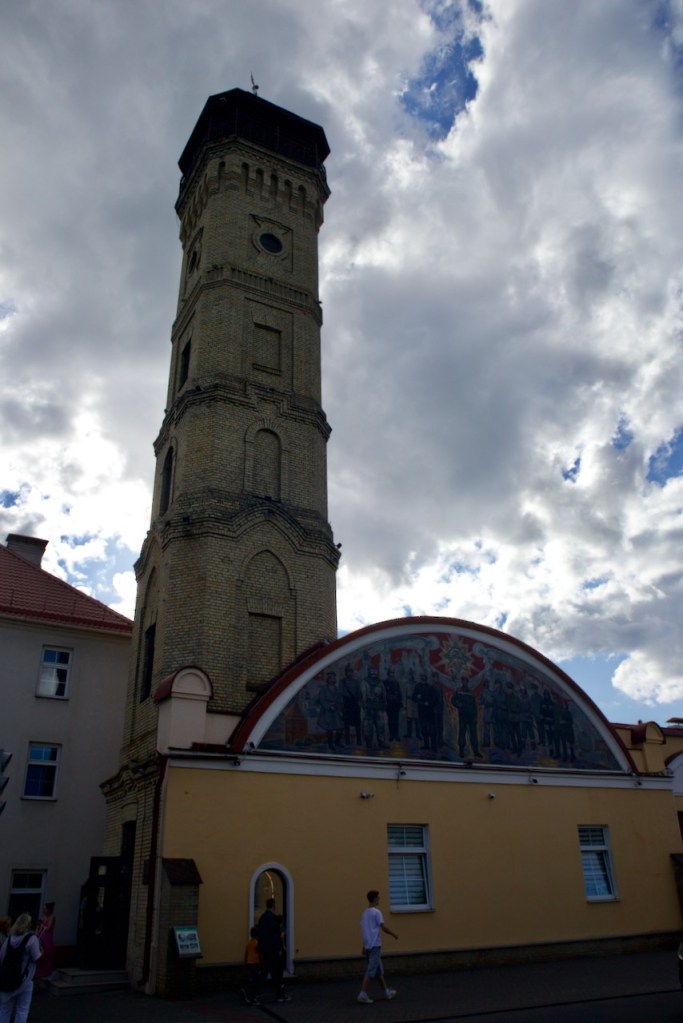
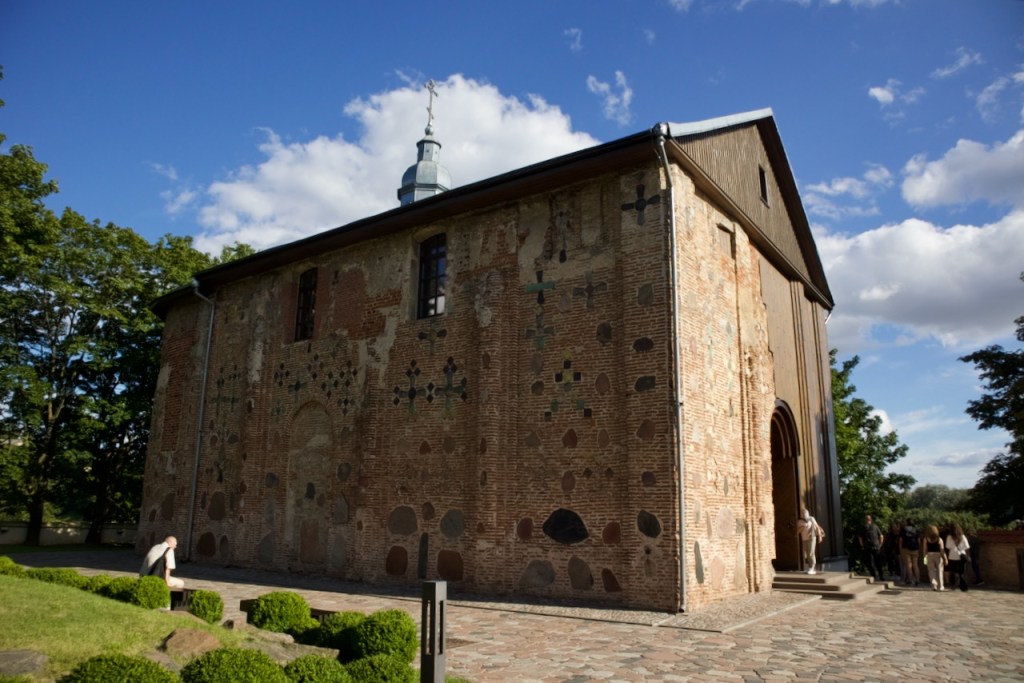
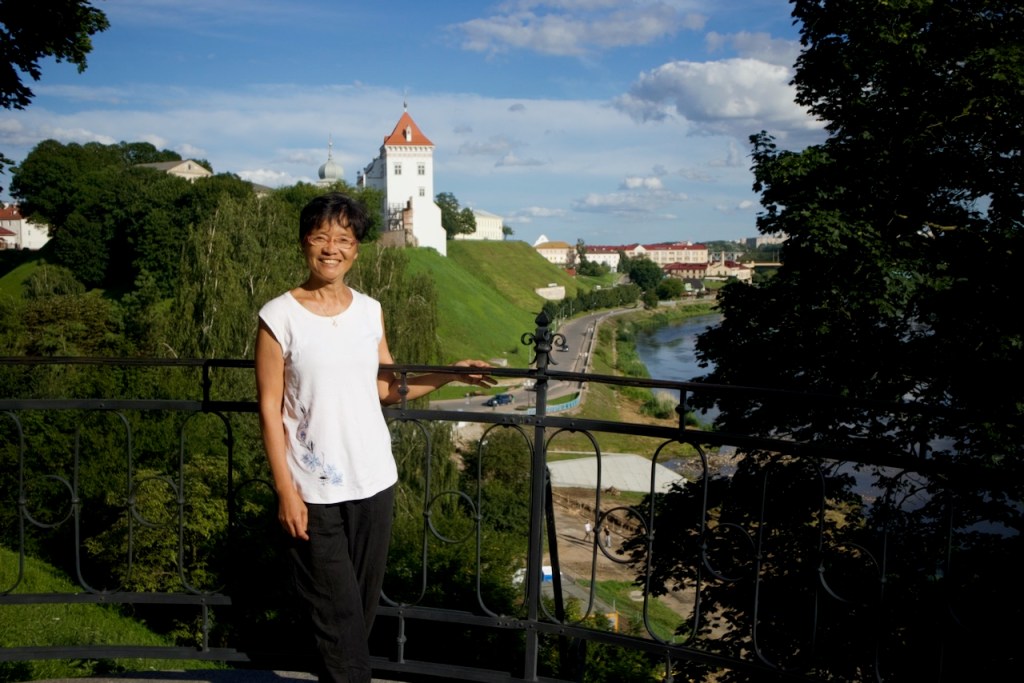
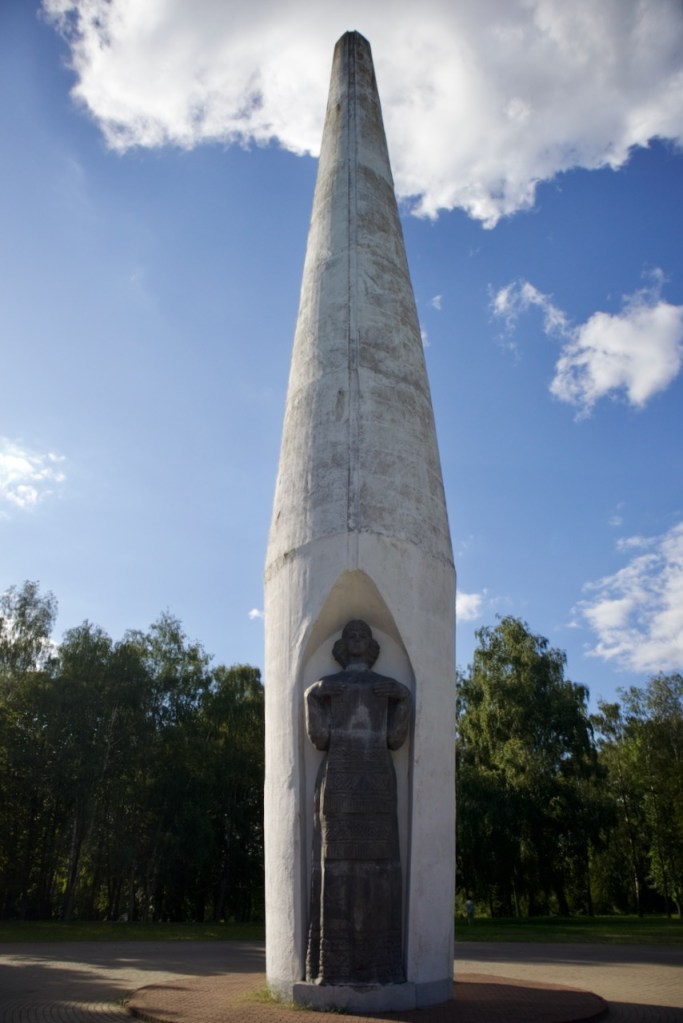
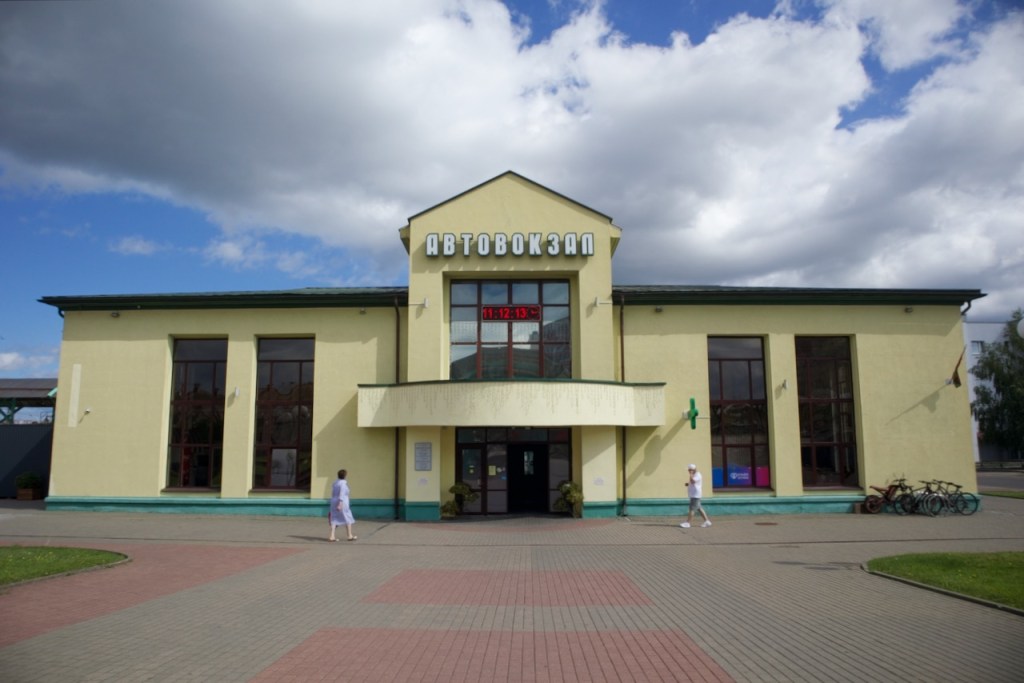
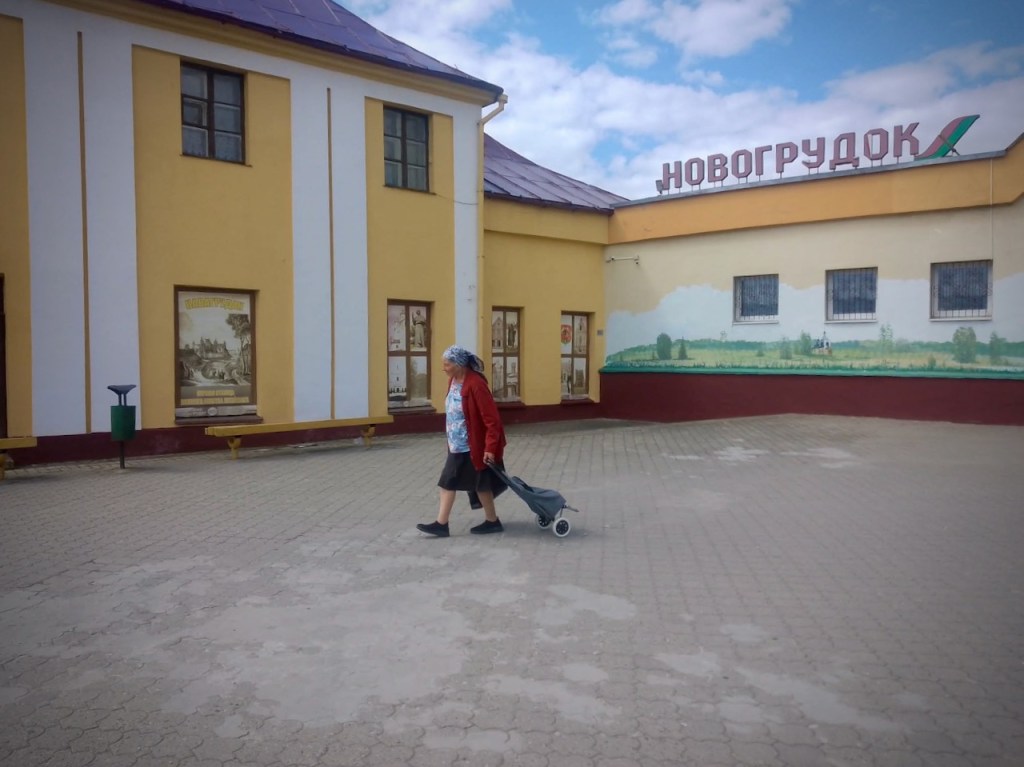
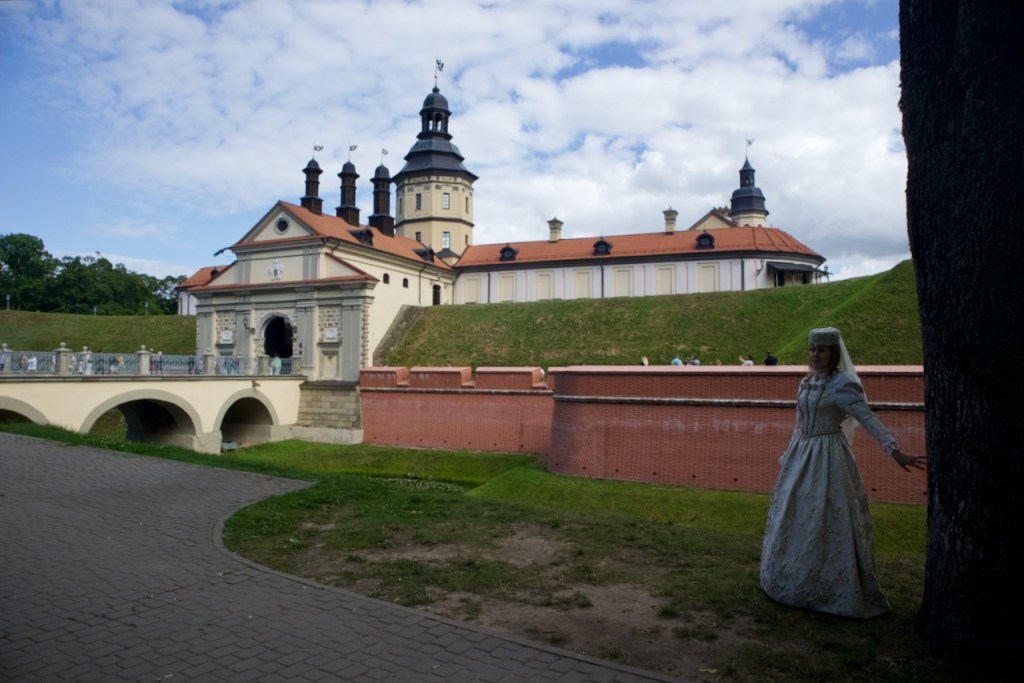
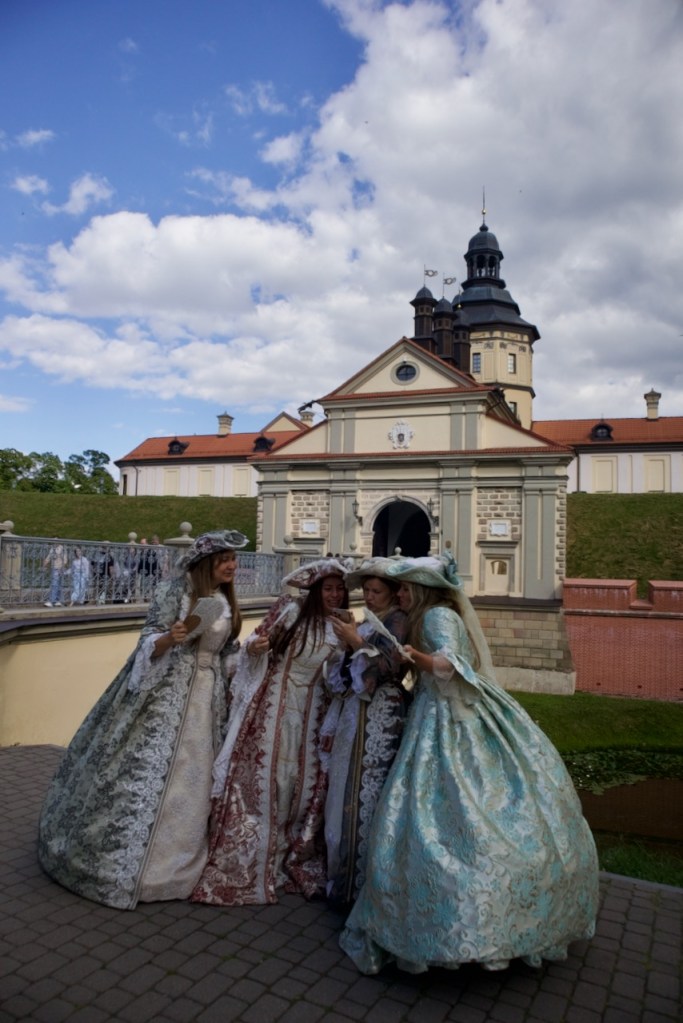
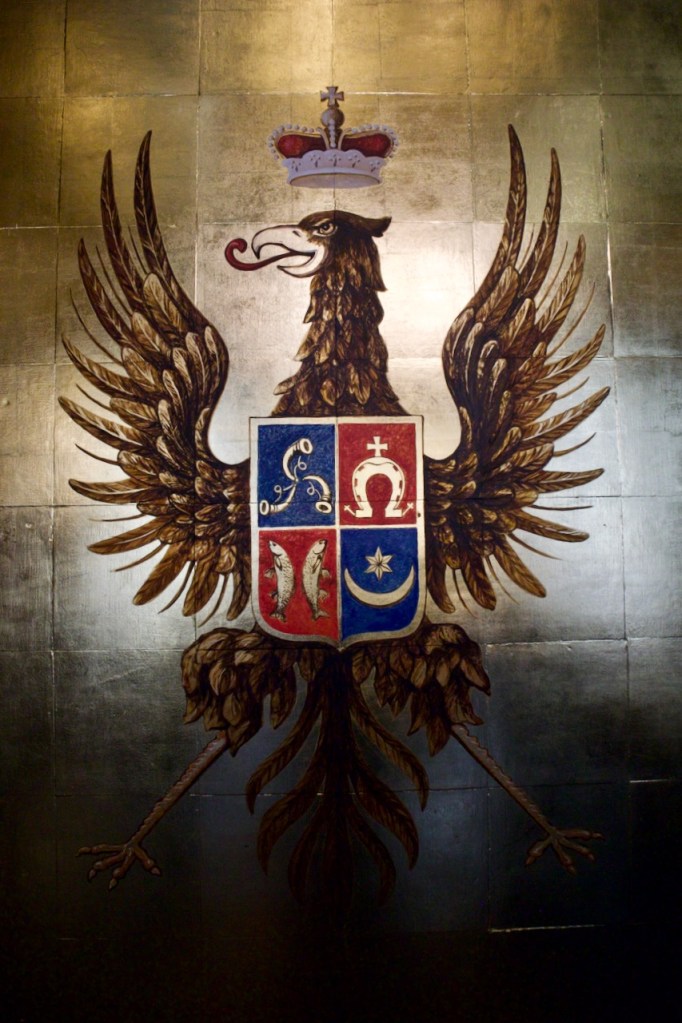
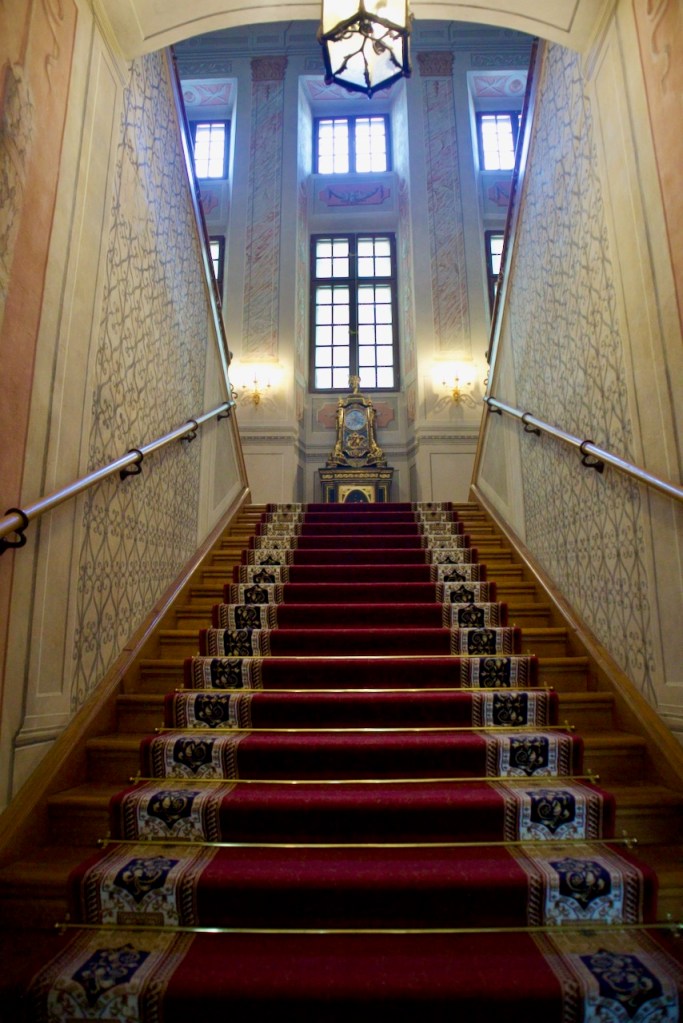
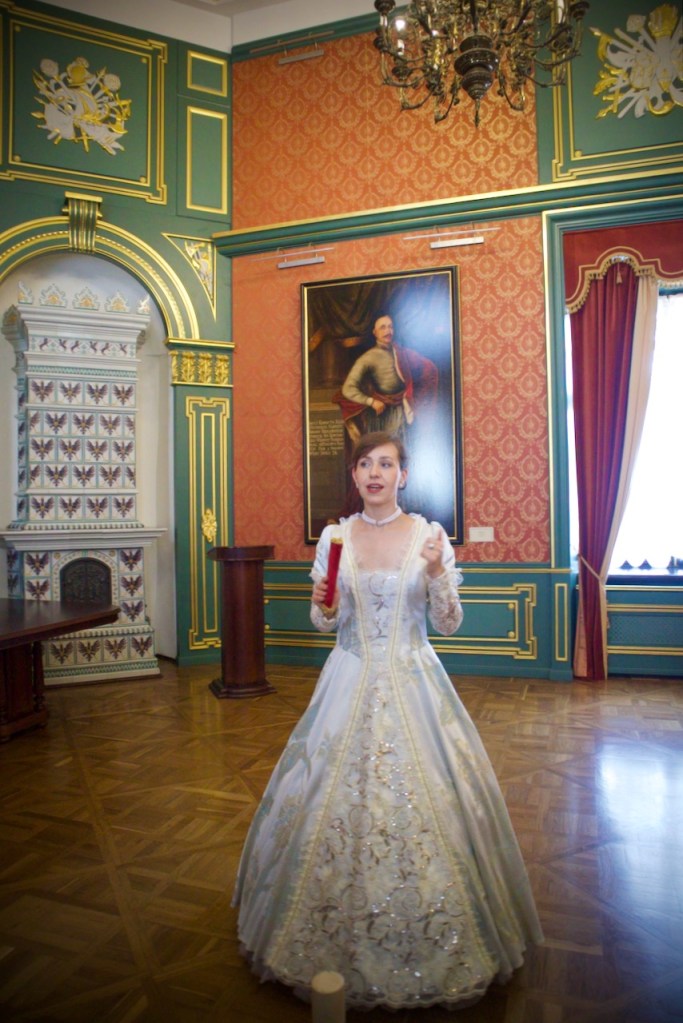
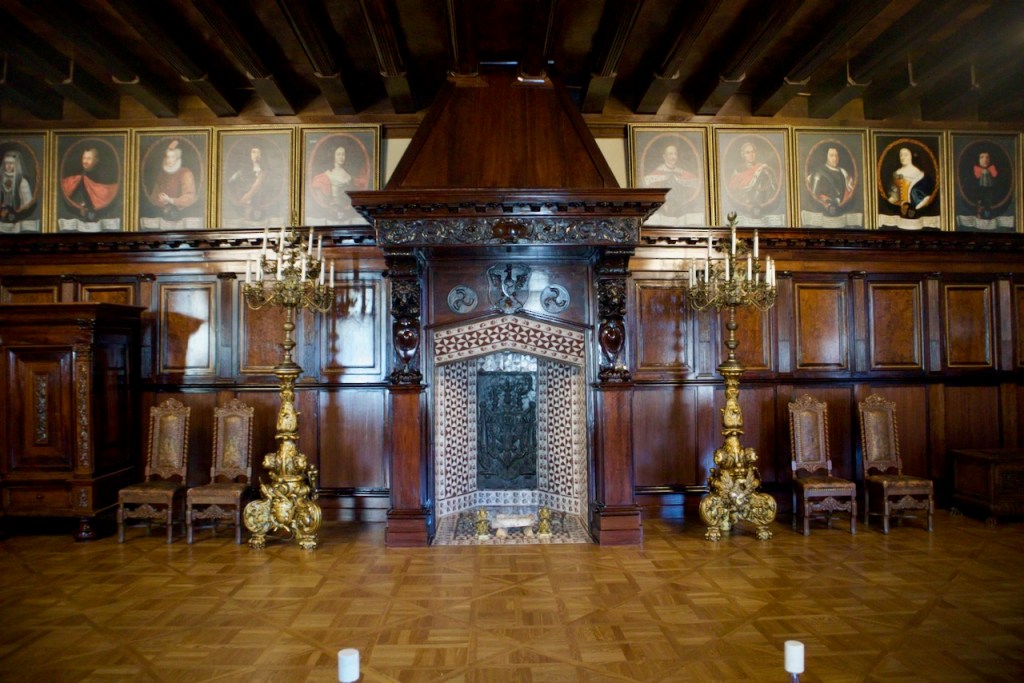
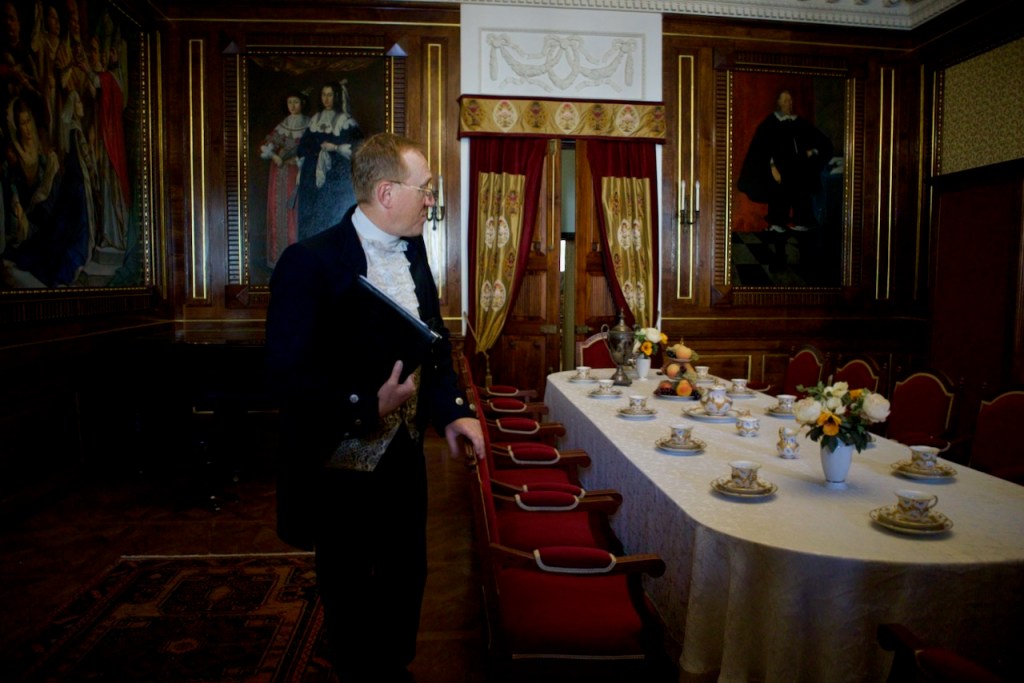
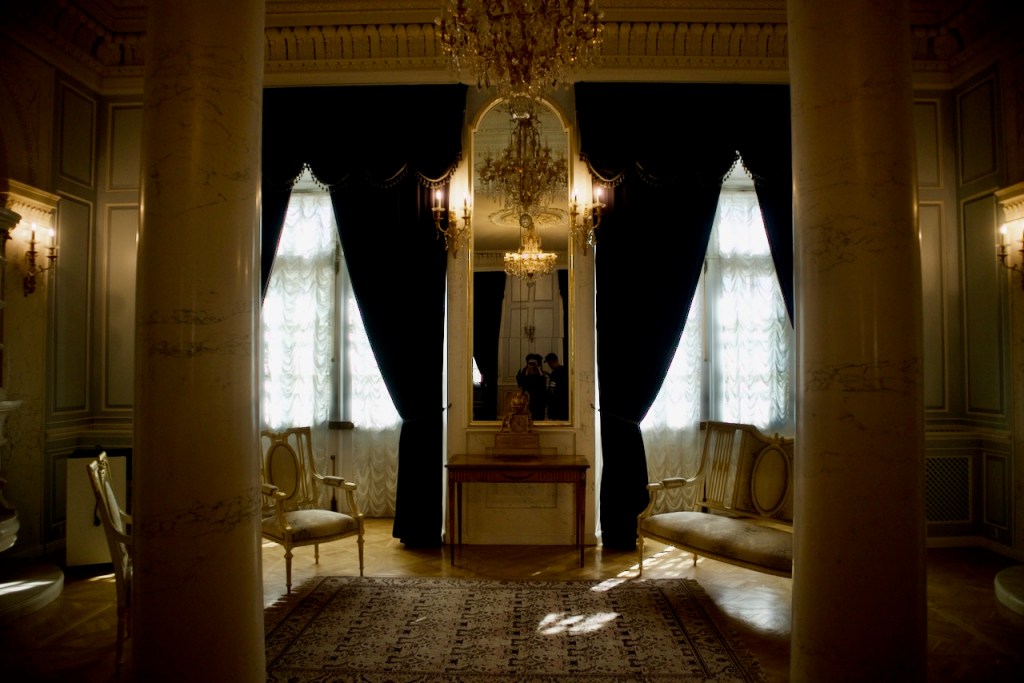
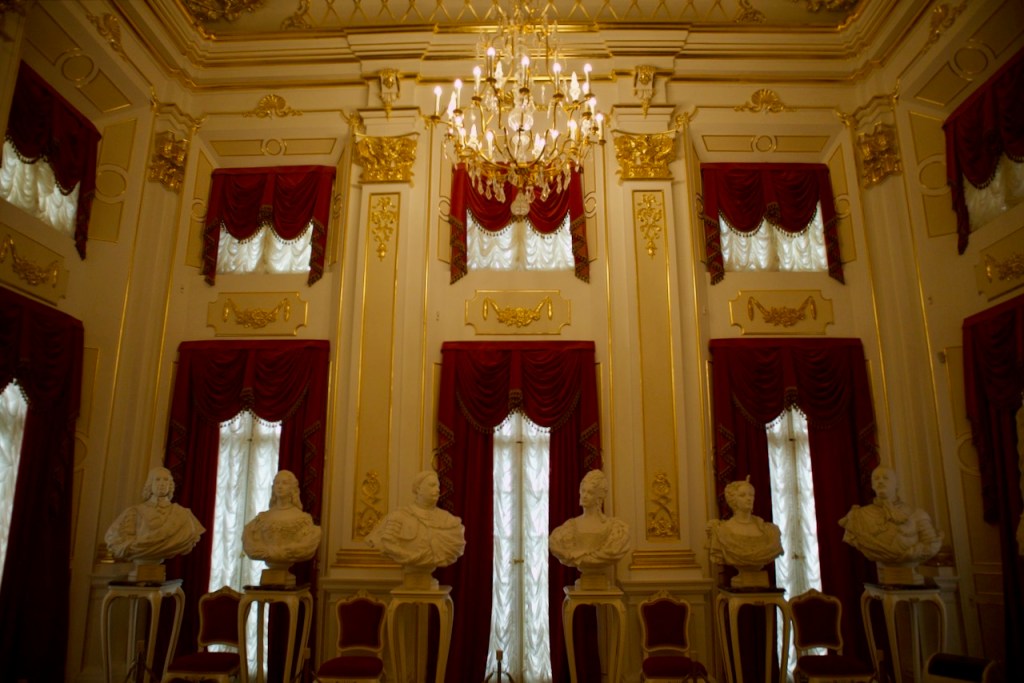
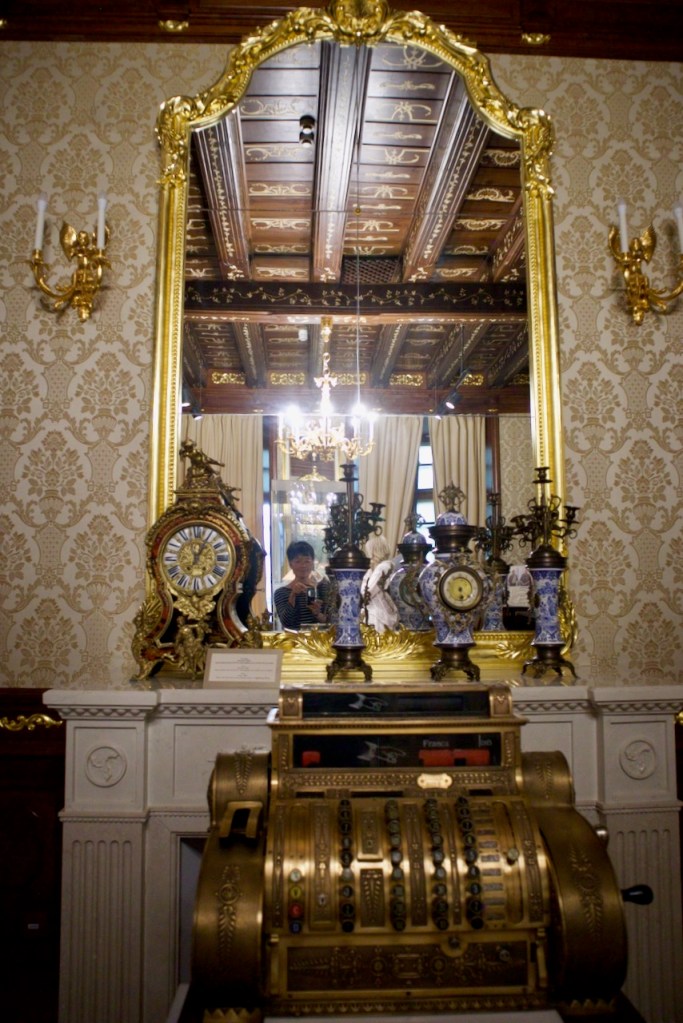
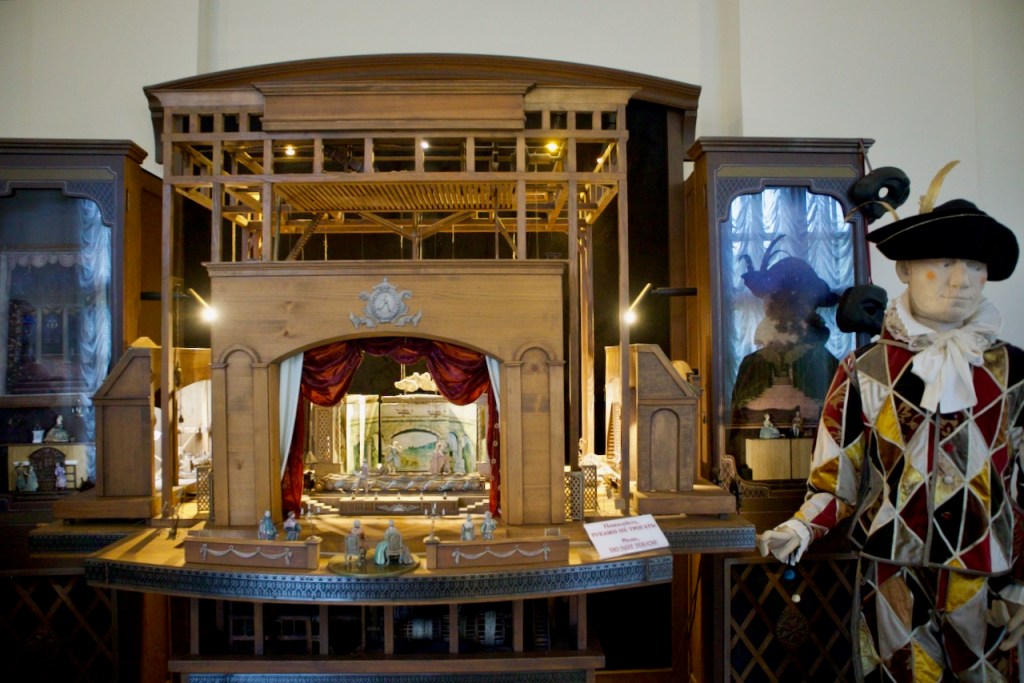
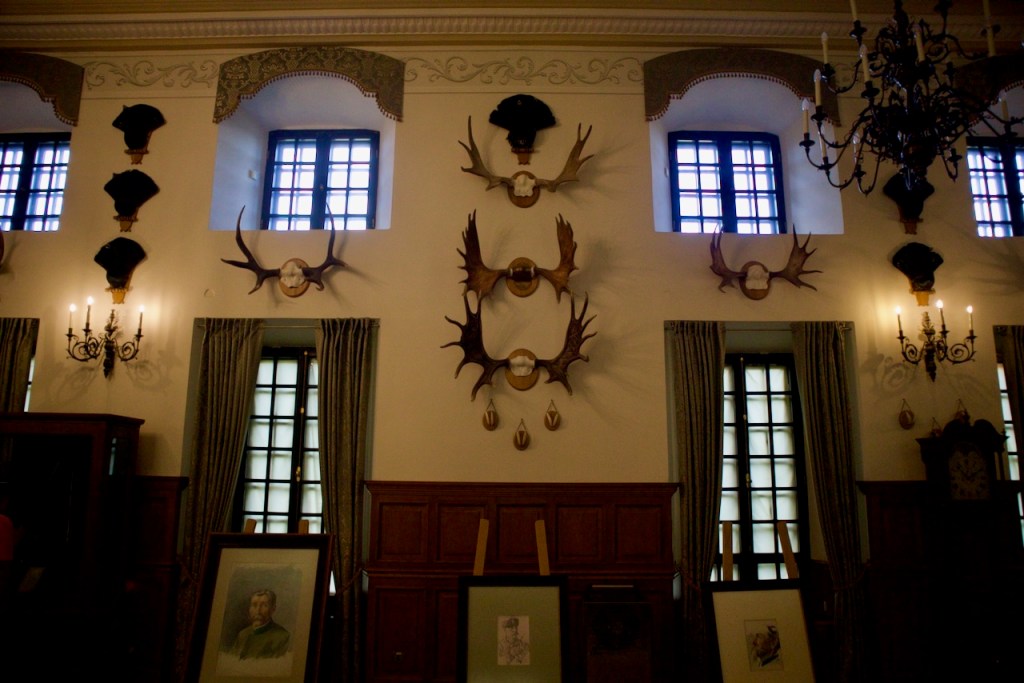
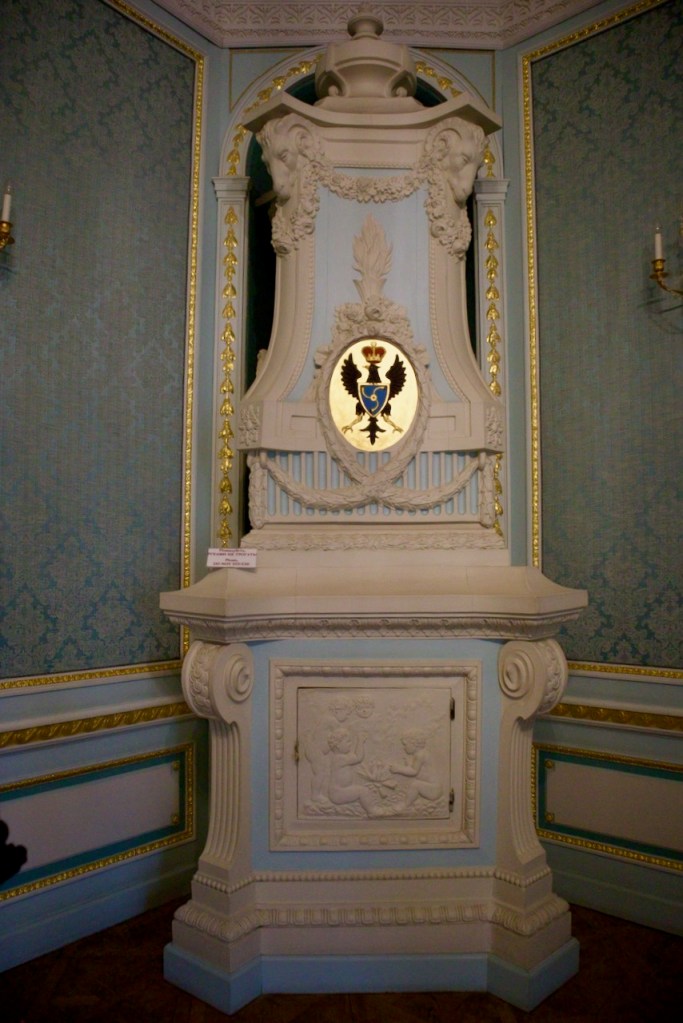
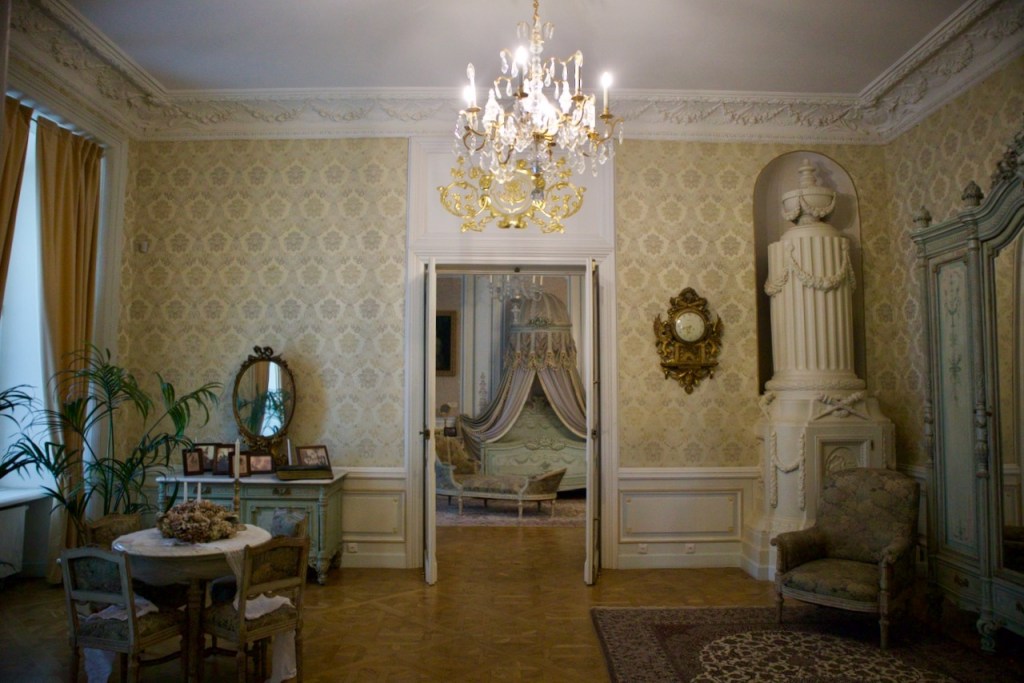
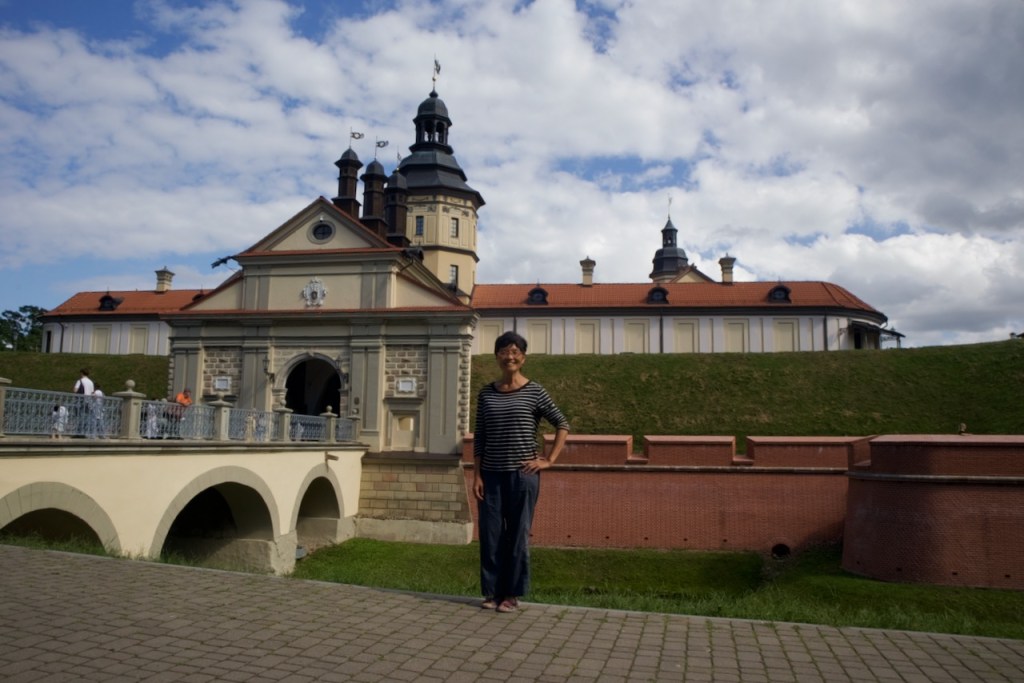
From Grodno, the once daily three-hour minibus to Nesvizh departs at noon, leaving time just enough to visit the gorgeous castle before catching an onward bus to Minsk (Mir castle will have to wait). The history of the Nesvizh Palace alone is fascinating. Started in 1584, it was rebuilt so many times including all styles from the Renaissance to Baroque, Rococo, Classicism, and neo-gothic before the Radziwill family was finally expelled by the invading Red Army in 1939. A stunning architectural masterpiece surrounded by over a hundred hectares of ponds and gardens, it is a crown jewel beloved by the Belarusians.
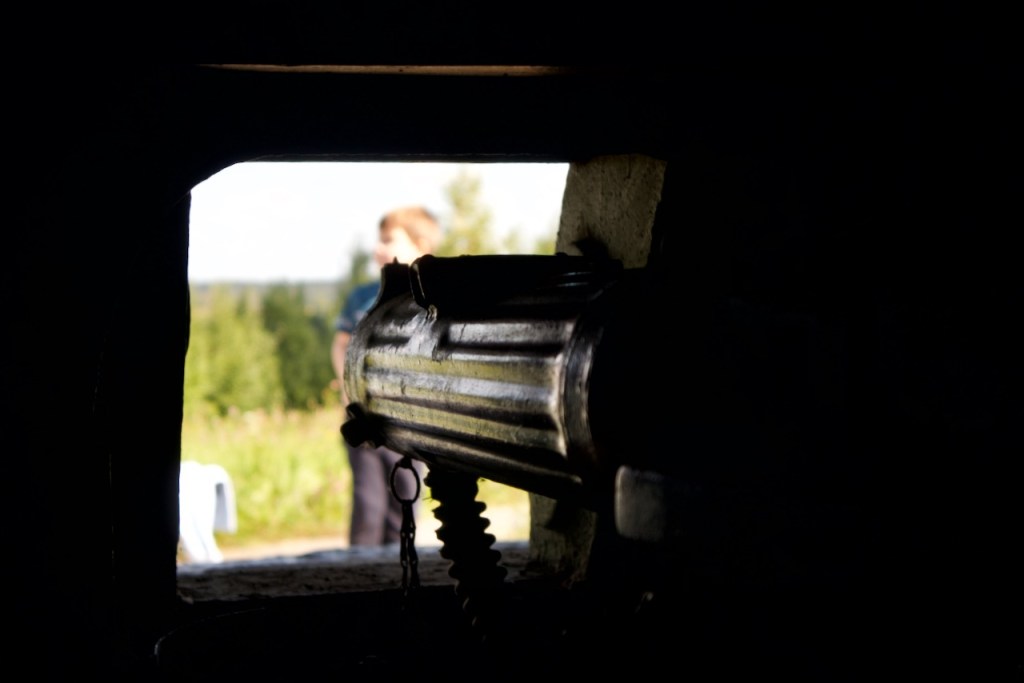
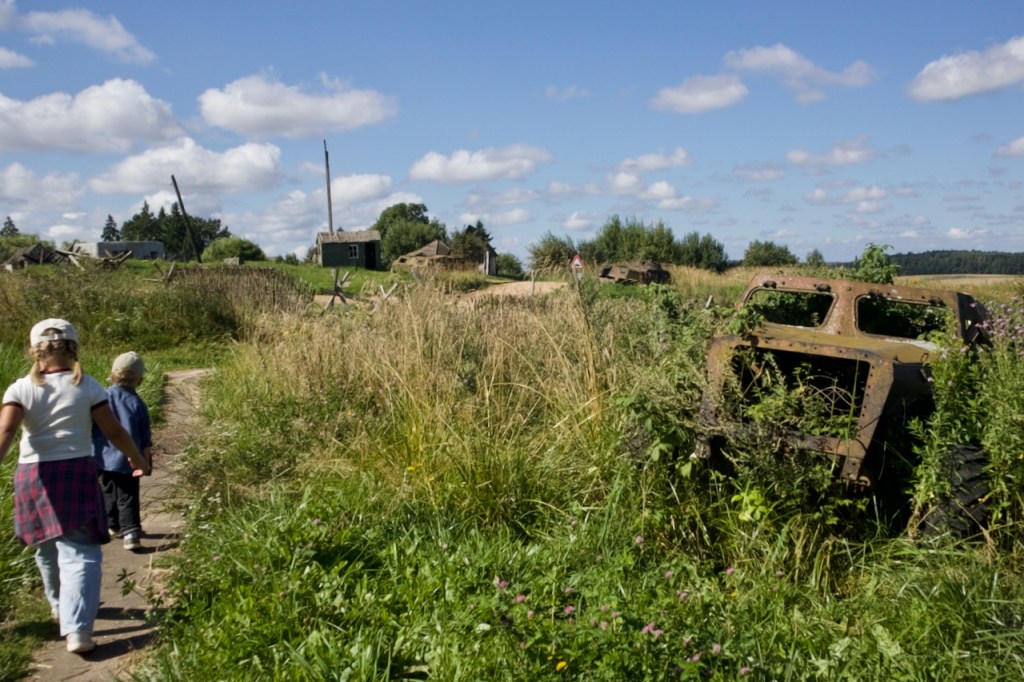
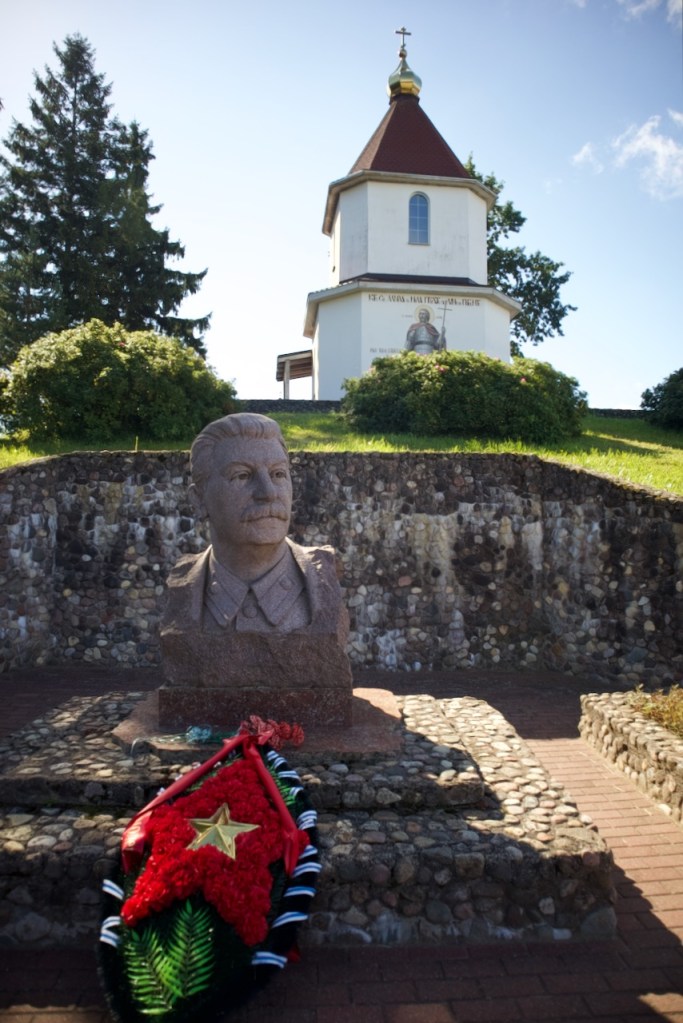
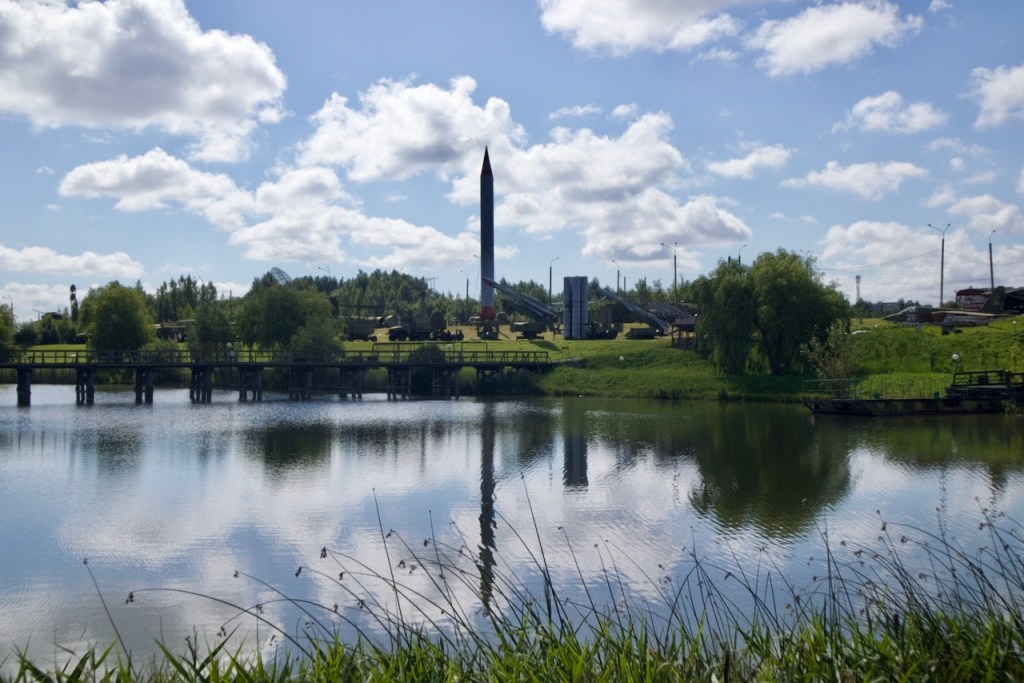
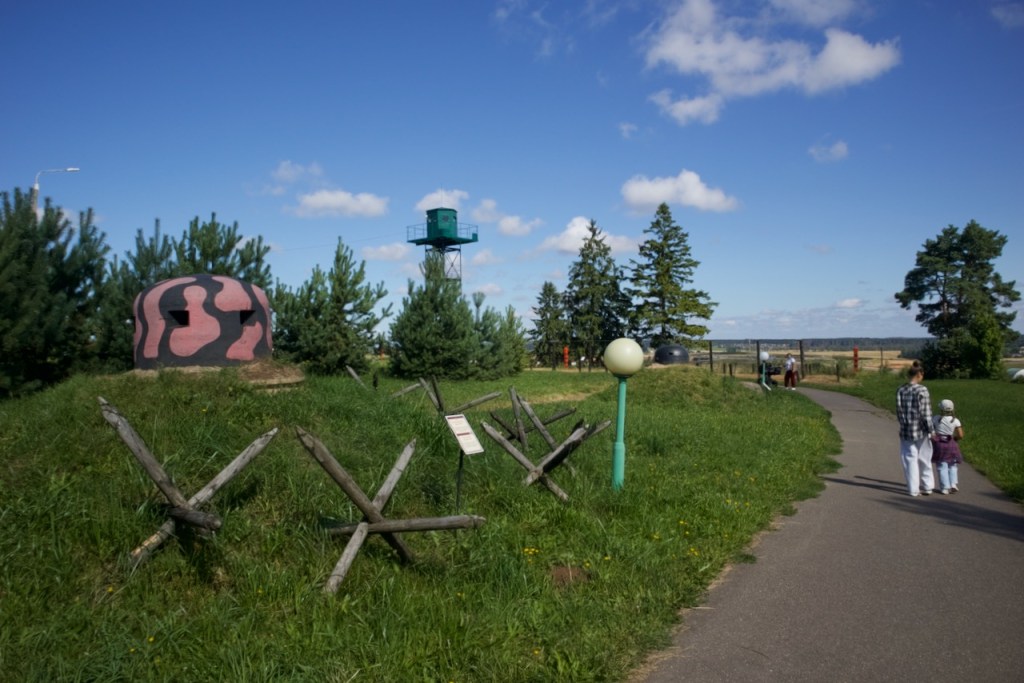
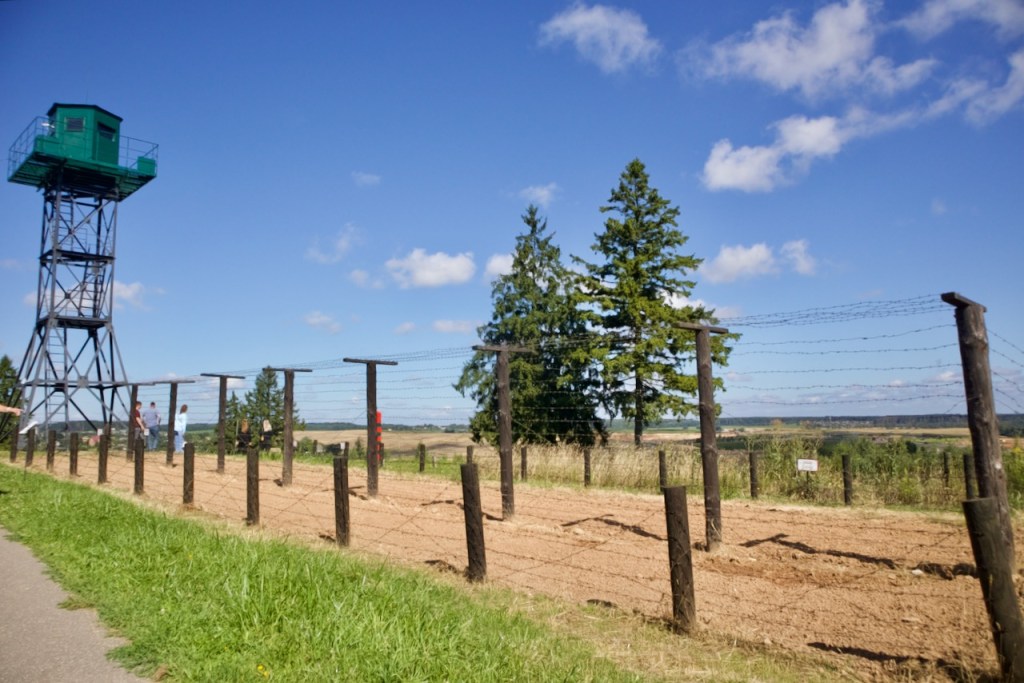
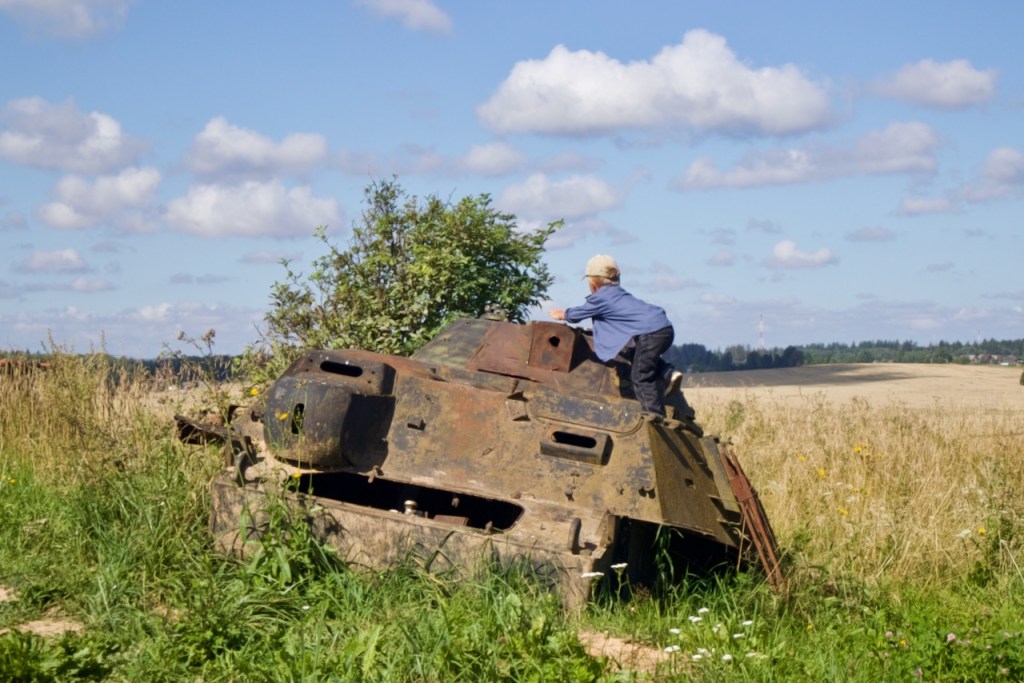
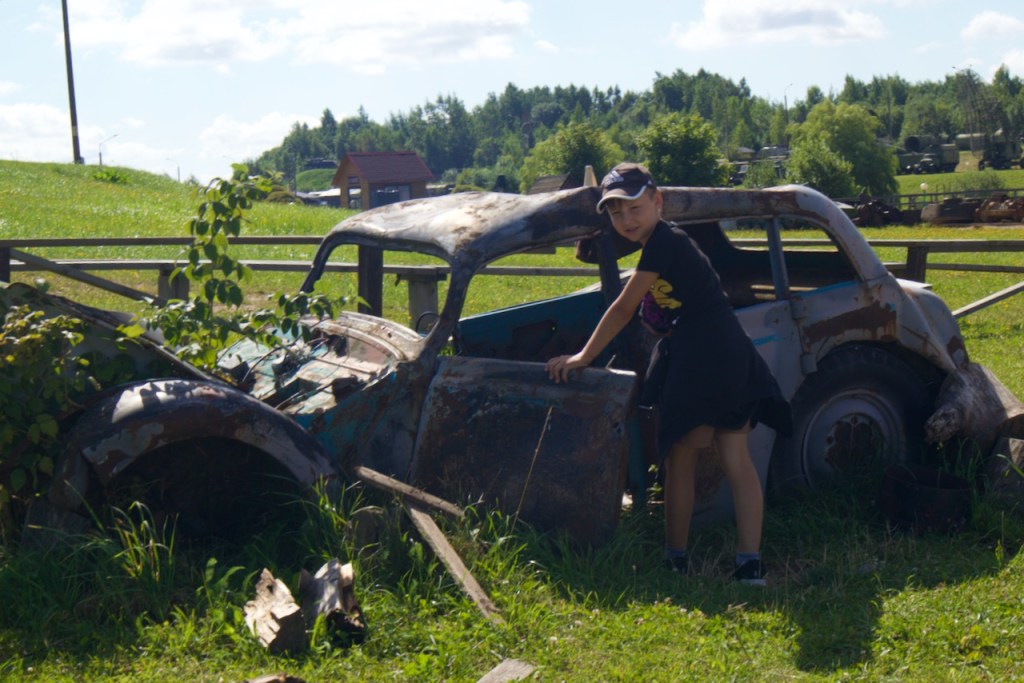
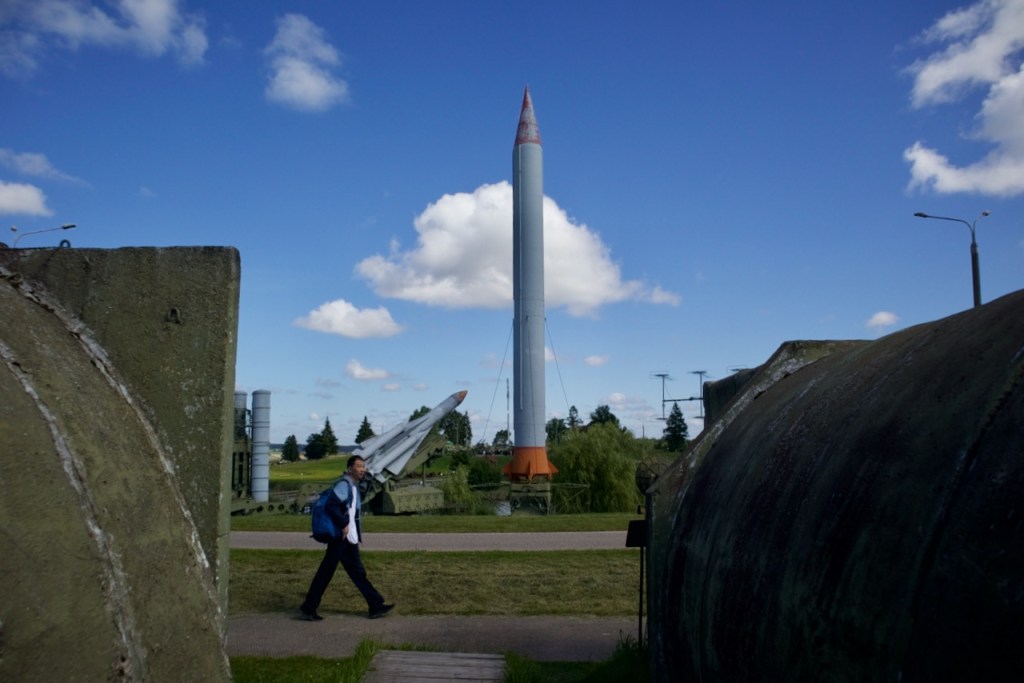
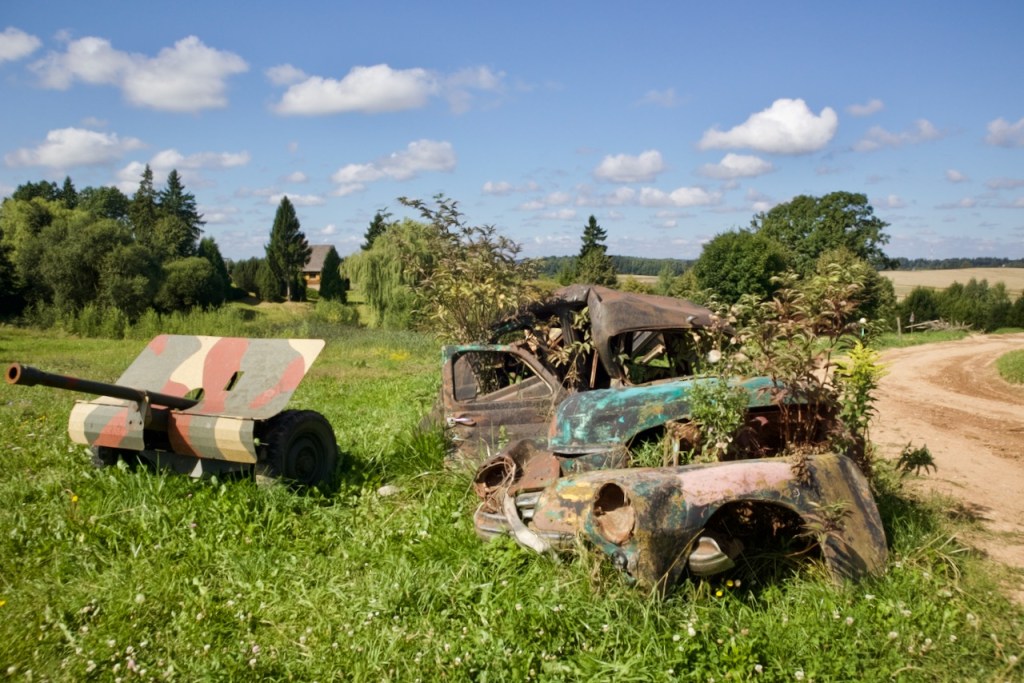
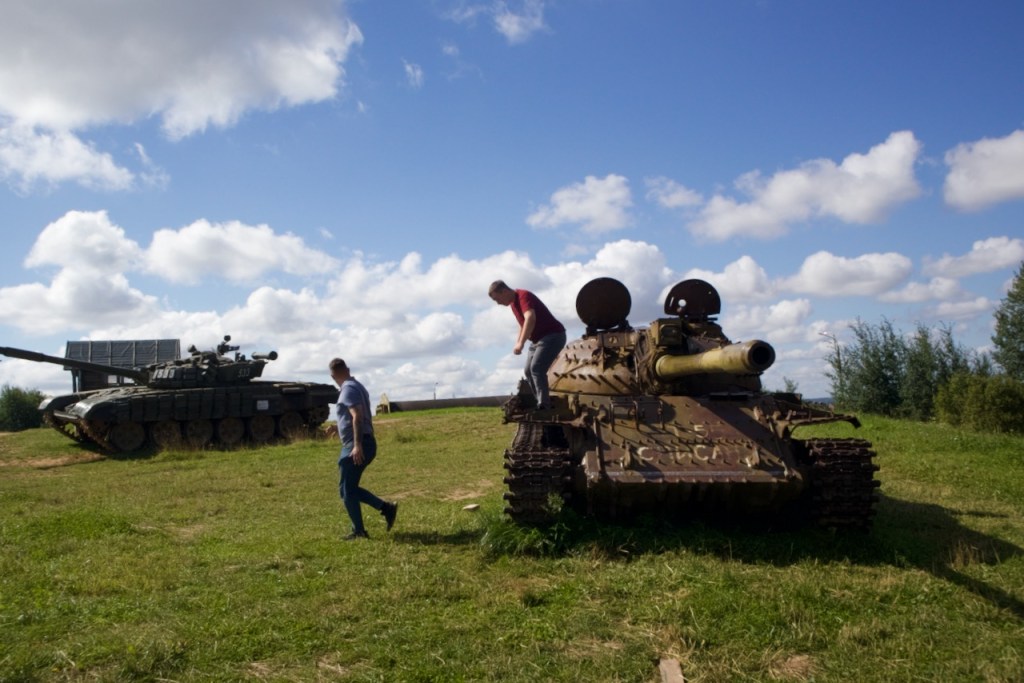
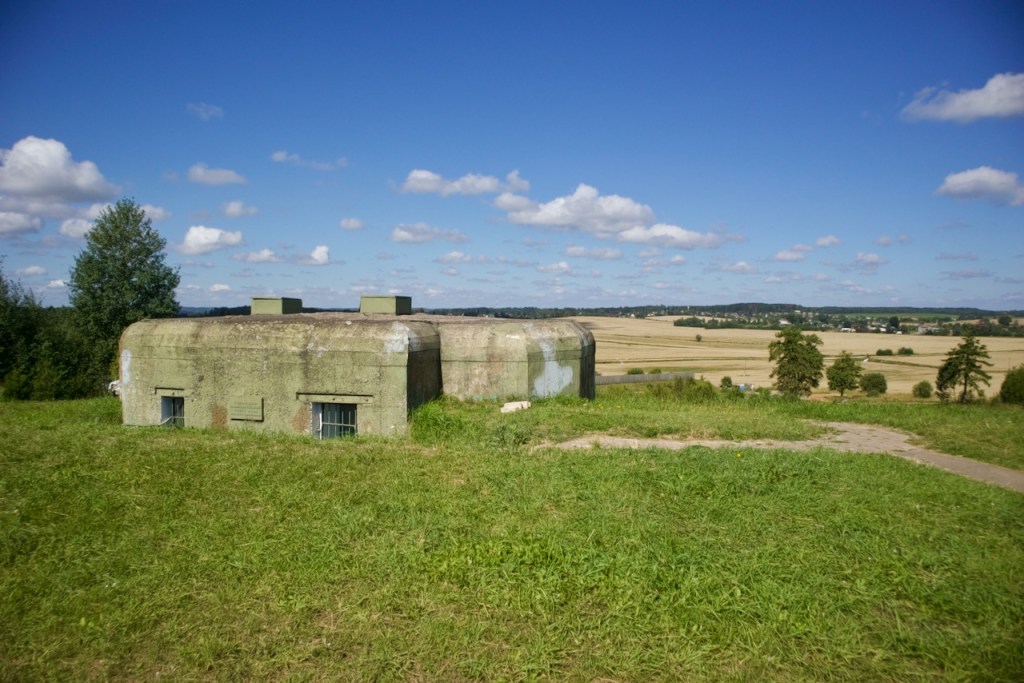
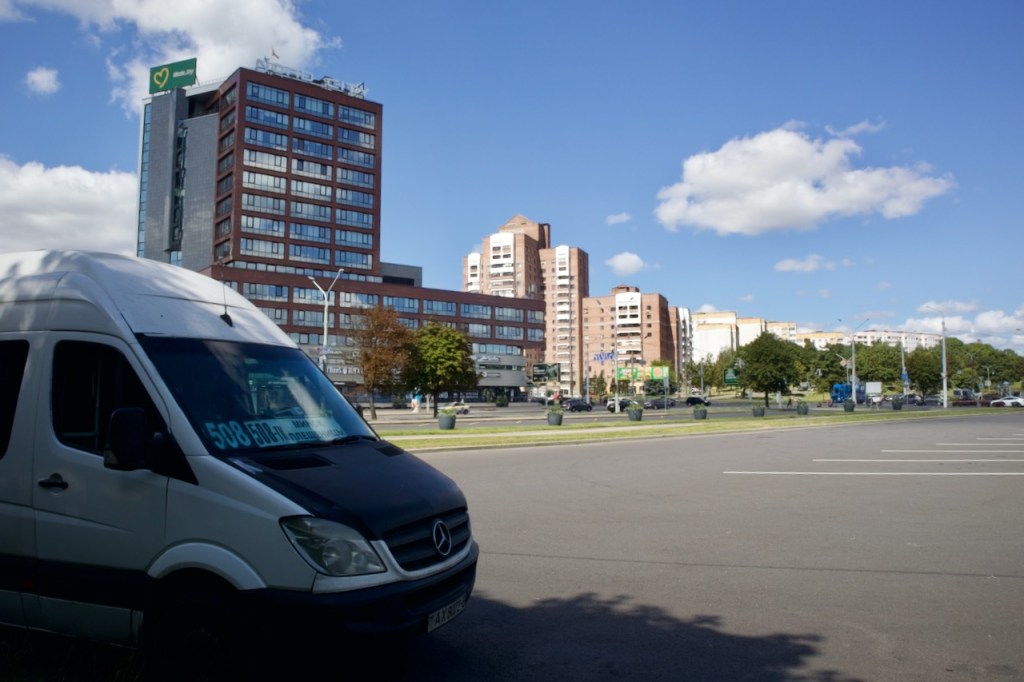
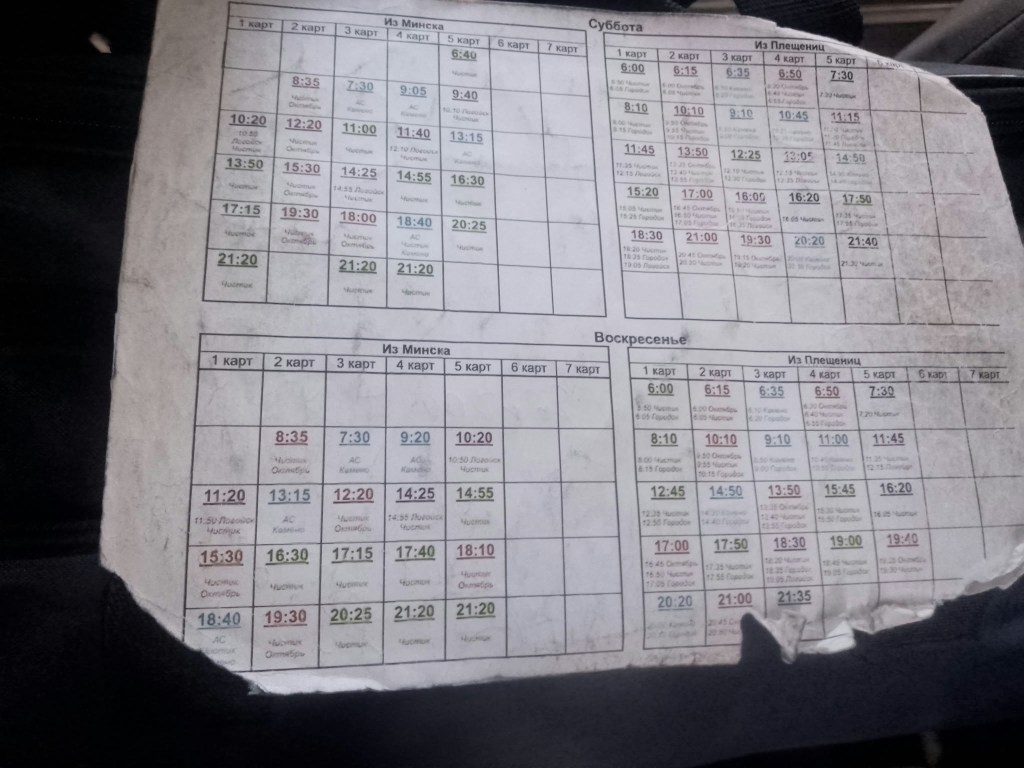
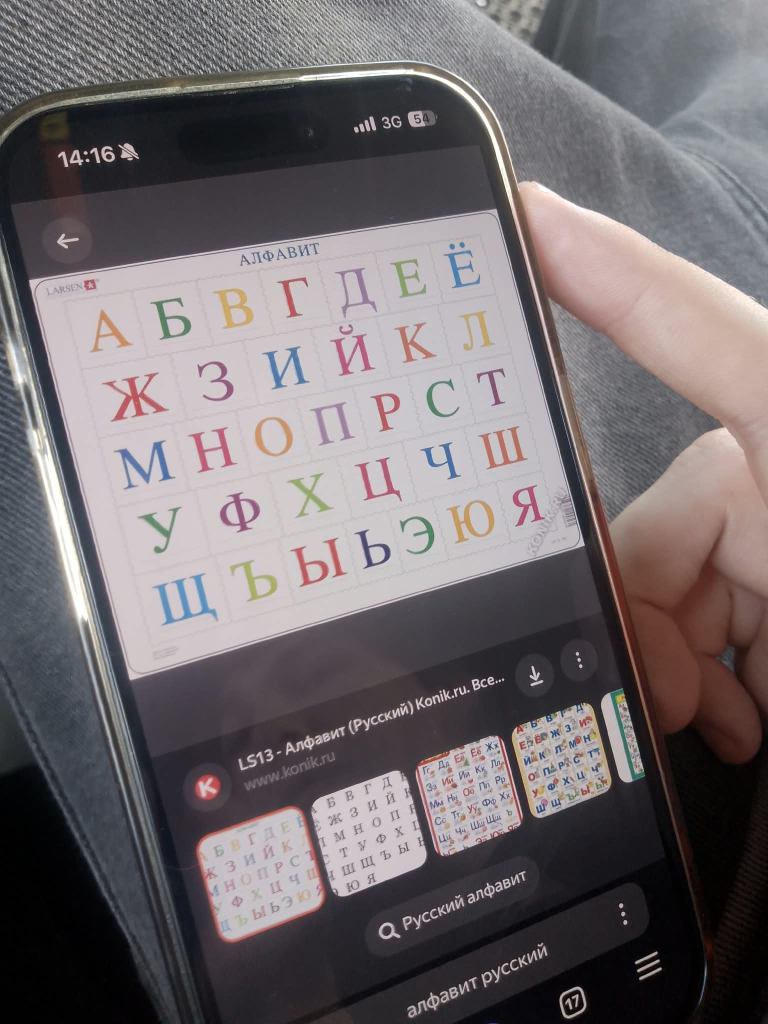
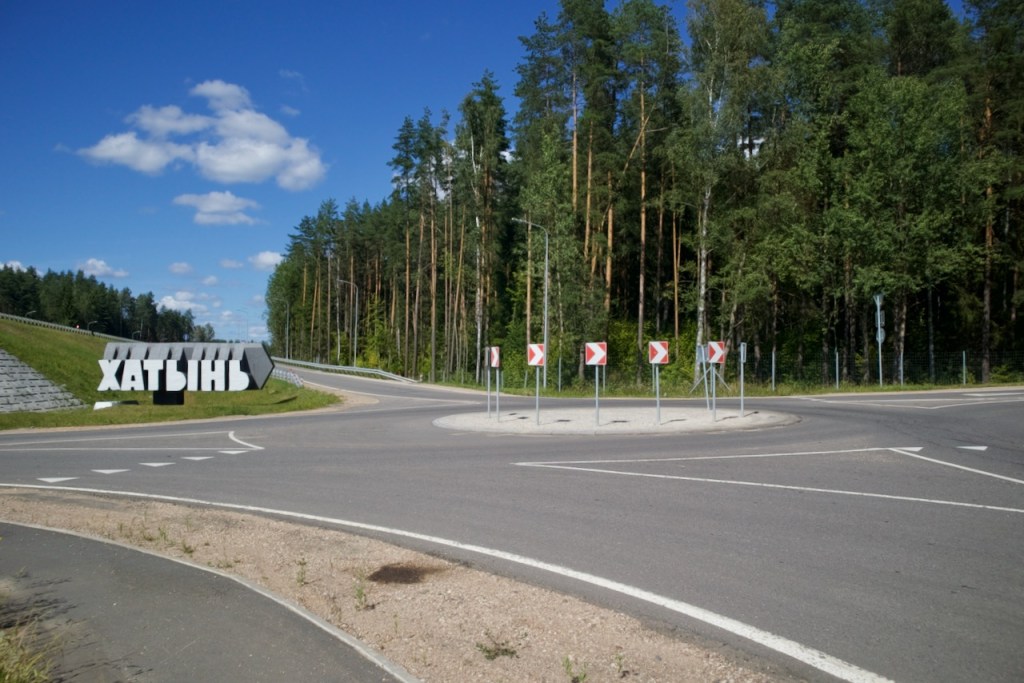
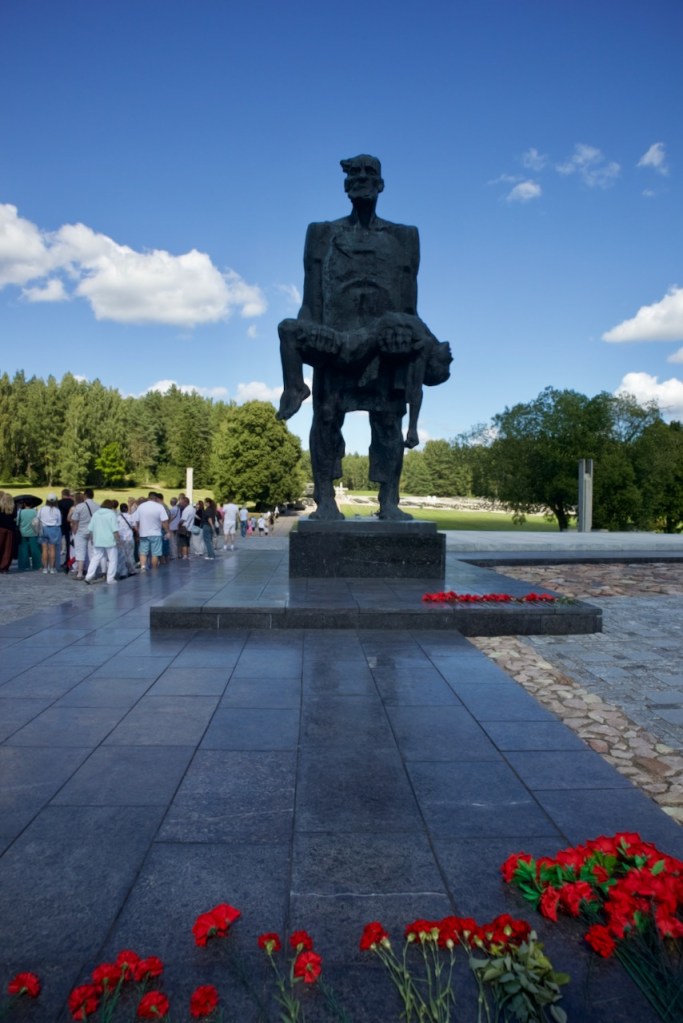
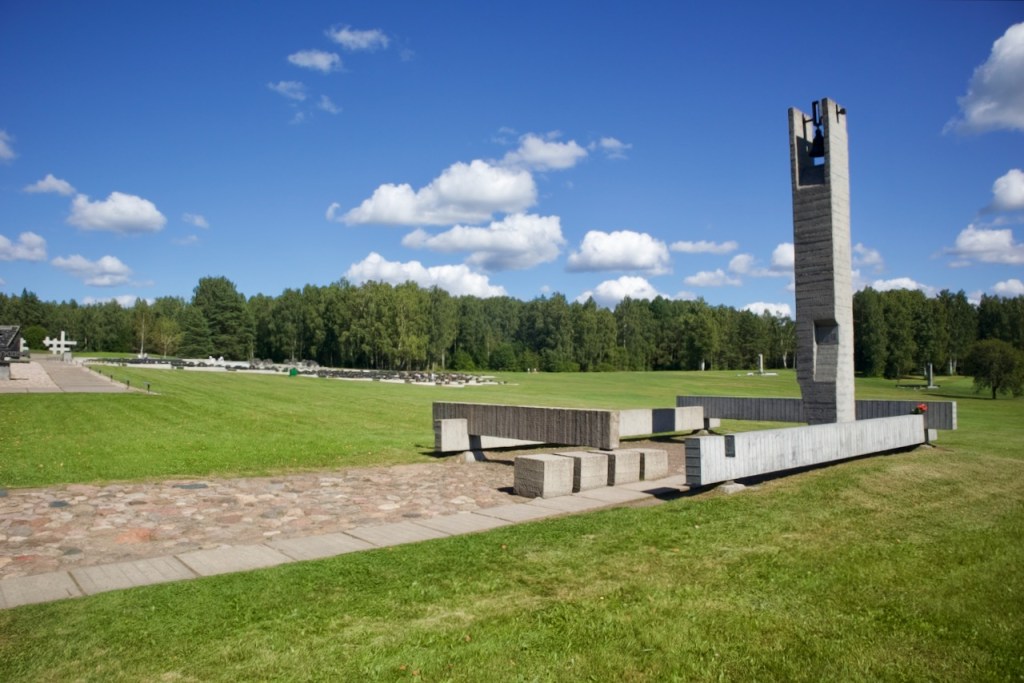
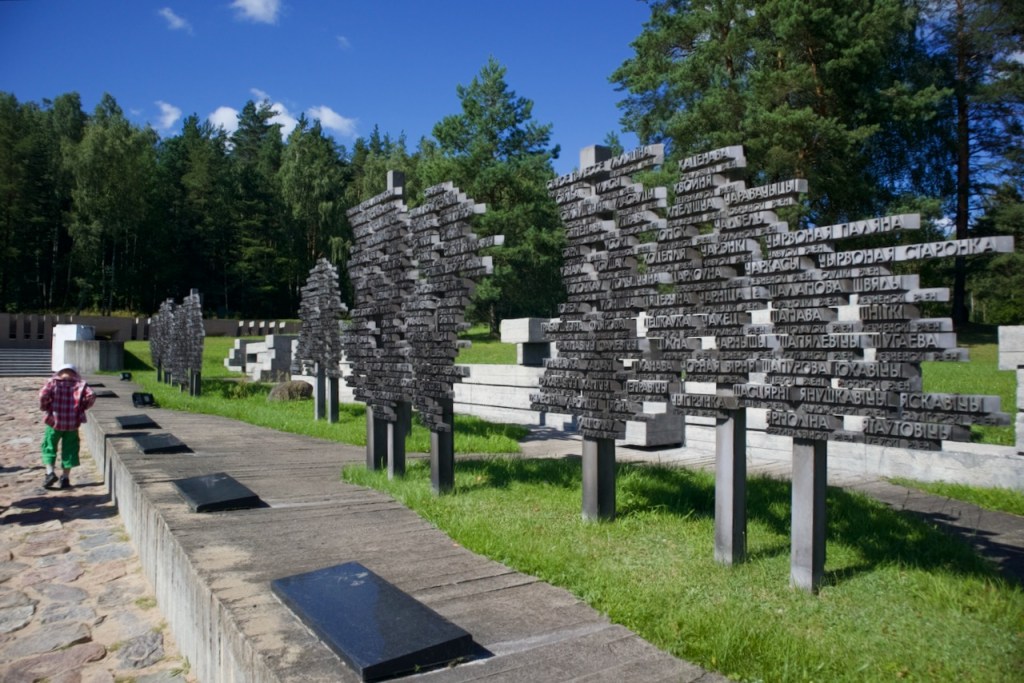
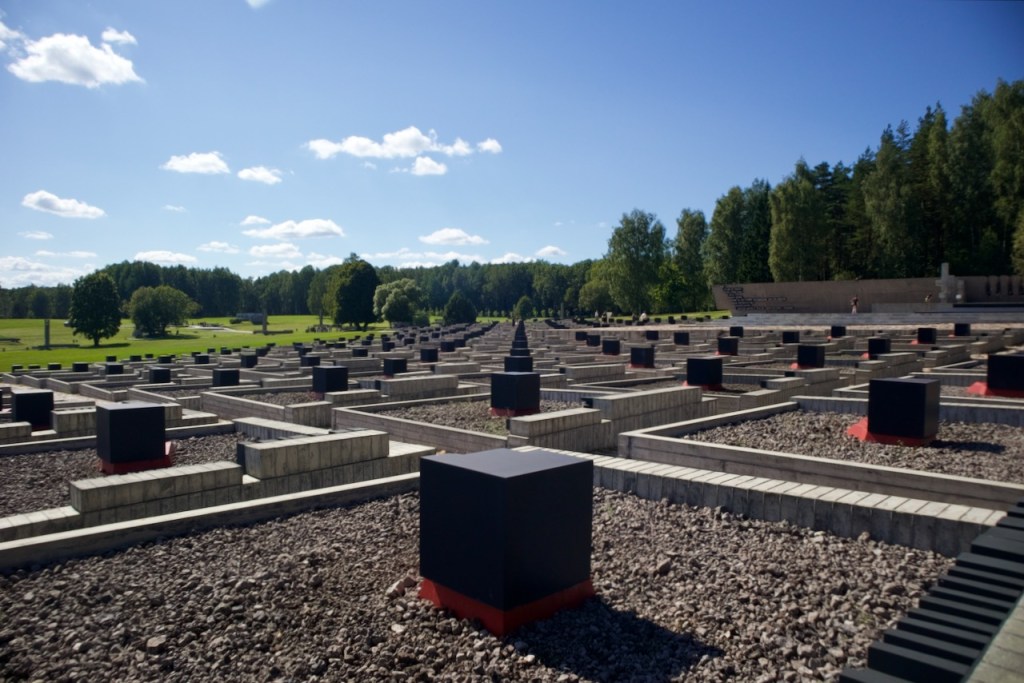
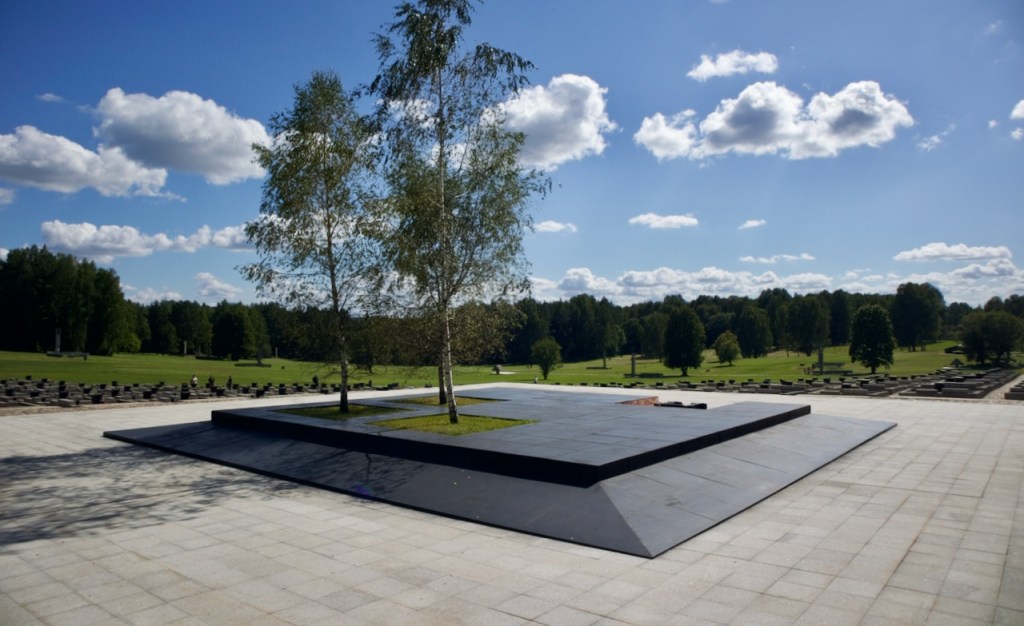
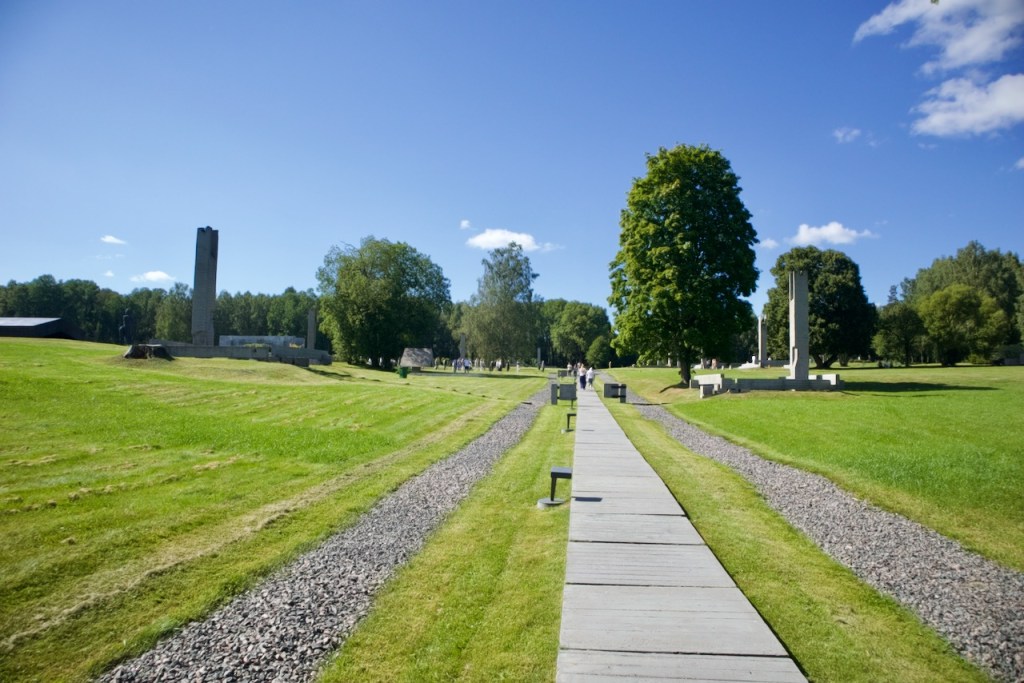
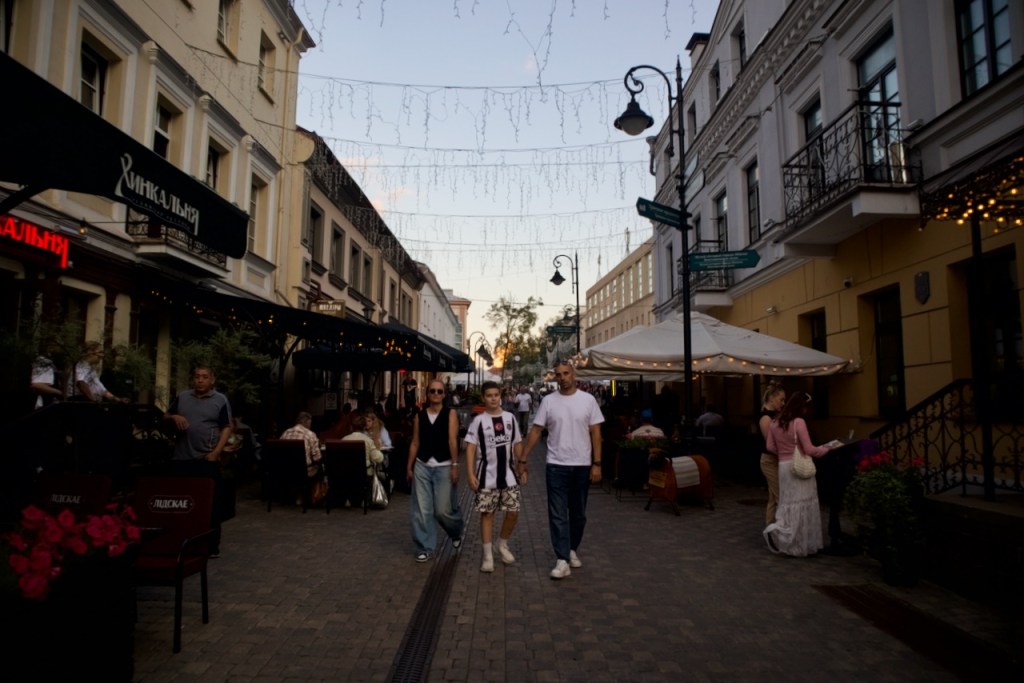
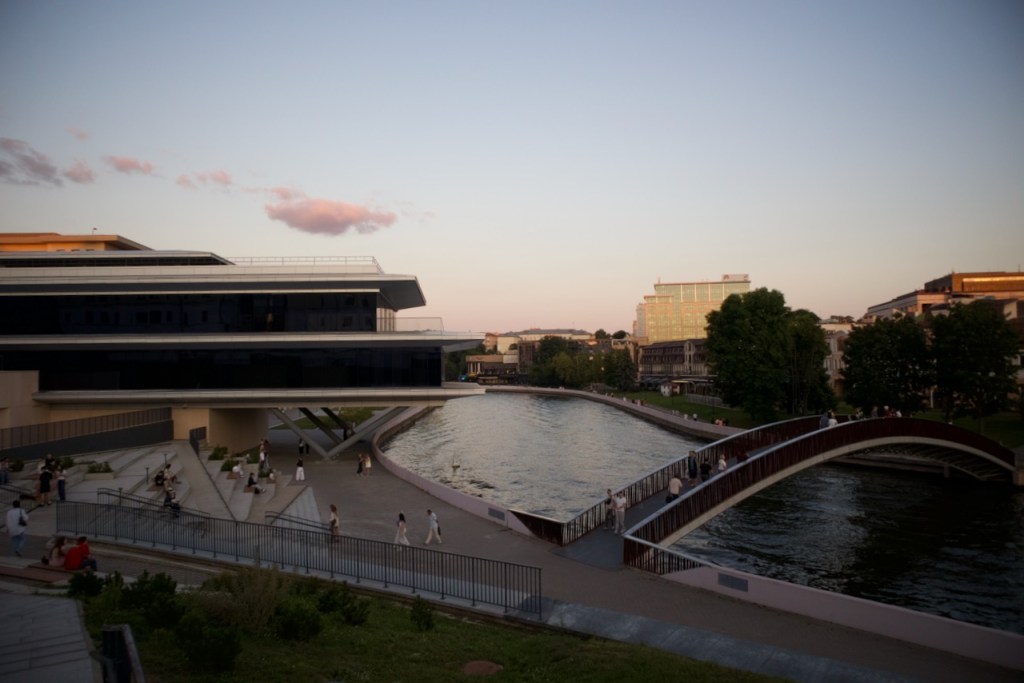
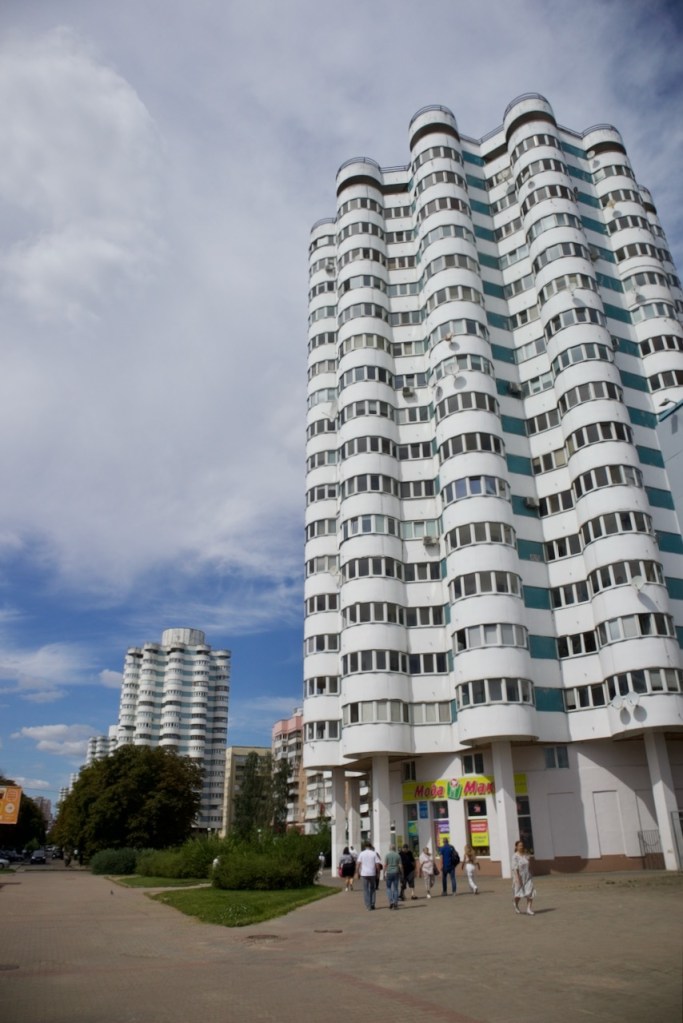
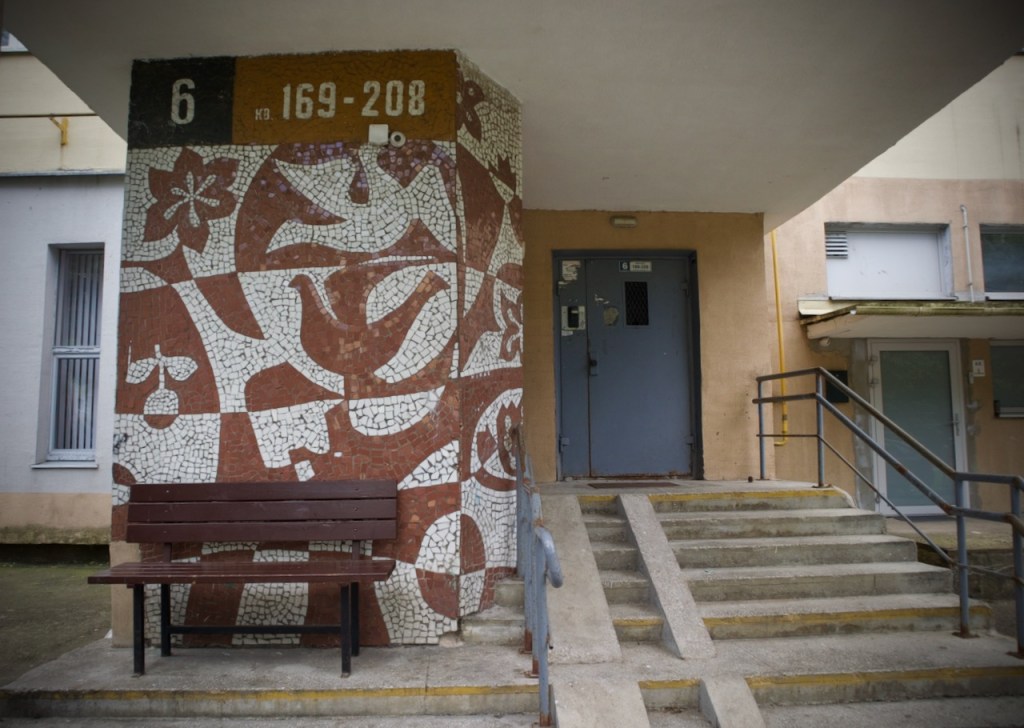
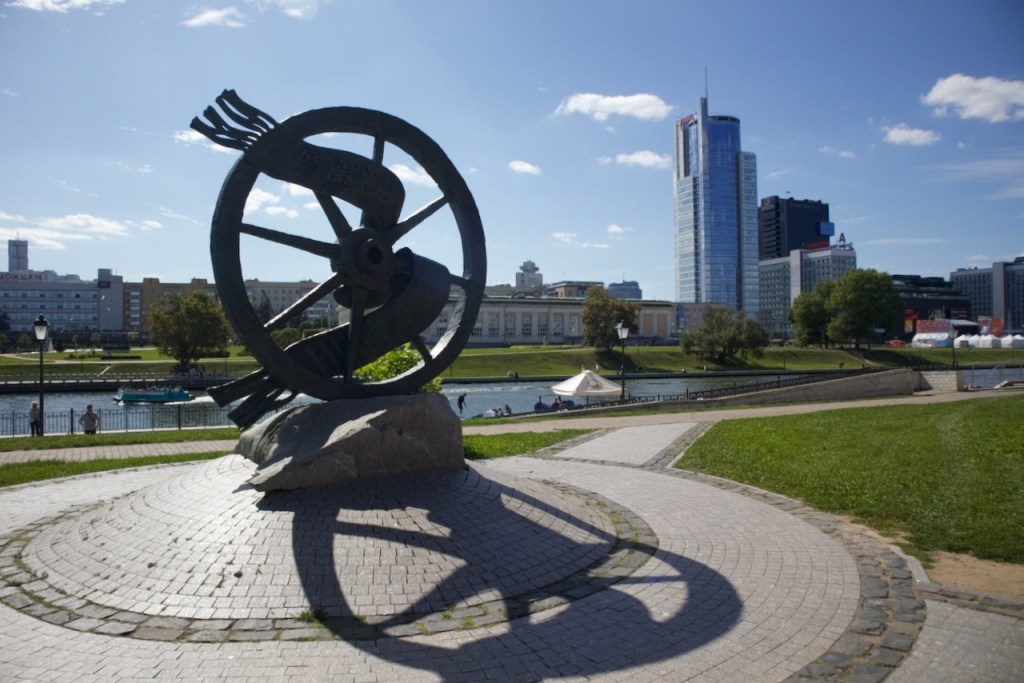
Often considered as the most beautiful ex-Soviet capital city, Minsk is without doubt the highlight of my trip to Belarus. The old town with cool bars and hip cafes, the grandiose classicist architecture, and the rich history make it such a pleasant discovery. I spend the morning walking along the Stalin Line, a network of fortifications along the western border of the USSR against attacks from the west built from 1928 to 1939. [Minibus 482 Minsk-Chist leaves from Bobrulskaya bus stop 19 opposite the central bus station every 40 minutes]. Then I make my way to the moving Katyn Memorial in honor of the victims of the German occupation during WWII, especially the more than 600 “burnt villages.” I am told there is no way to get to Katyn without your own transport. But minibus #508 leaves from the Dispatch Station in Karbyshava to the Katyn junction, and then one can walk or hitch a ride to reach the site in 5km. I share the ride with Egor, a young handsome student and model on his way to visit grandma, who helps me navigate the minibus schedule as well as Russian alphabets.
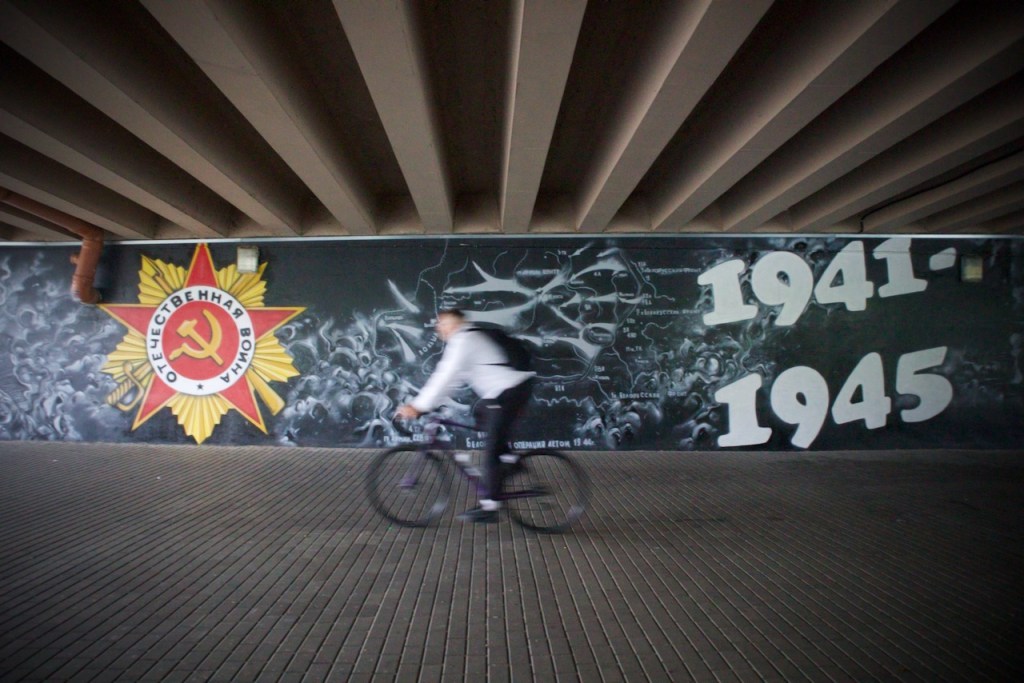
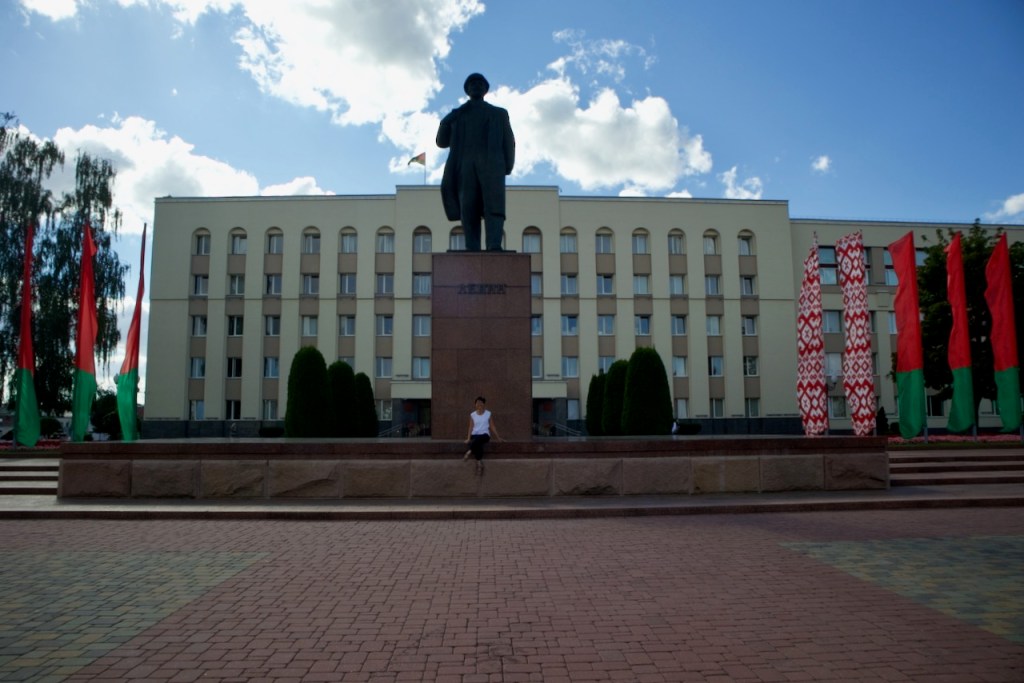
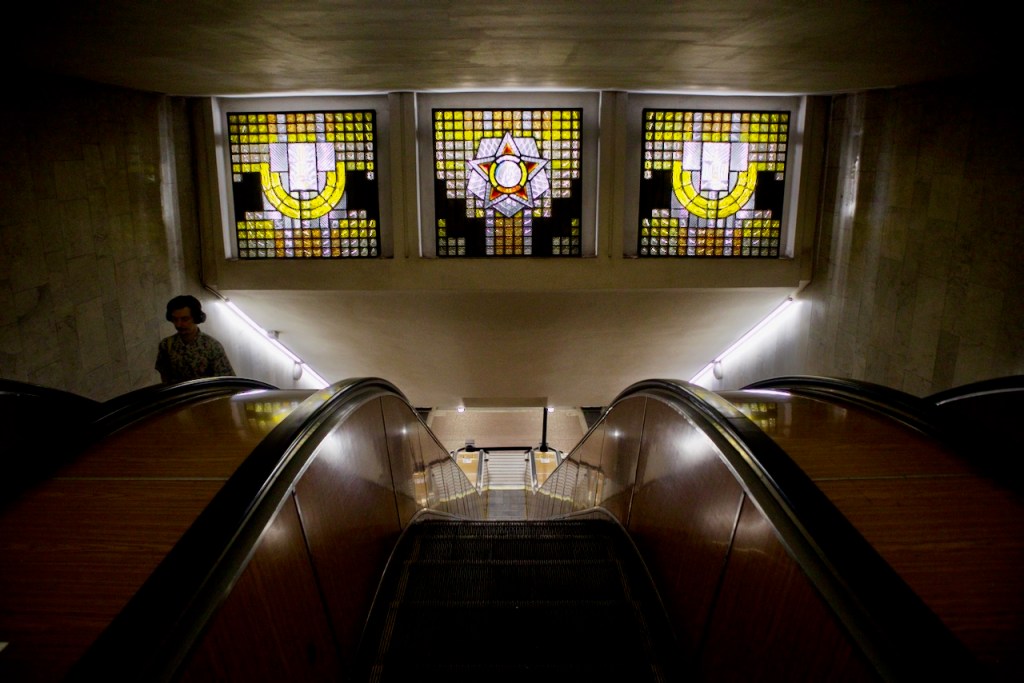
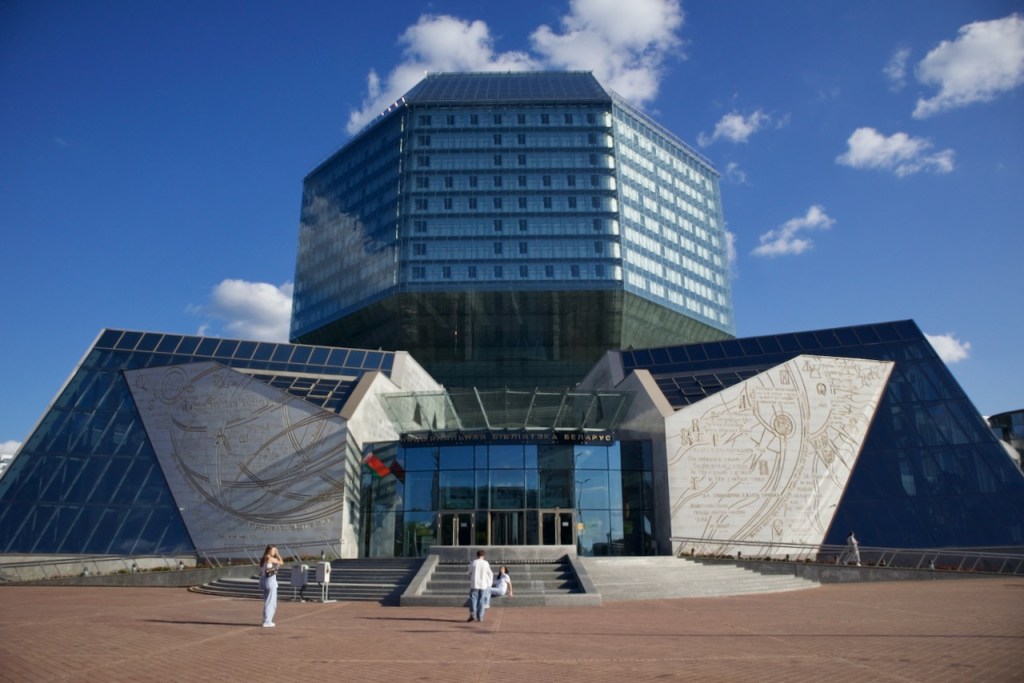
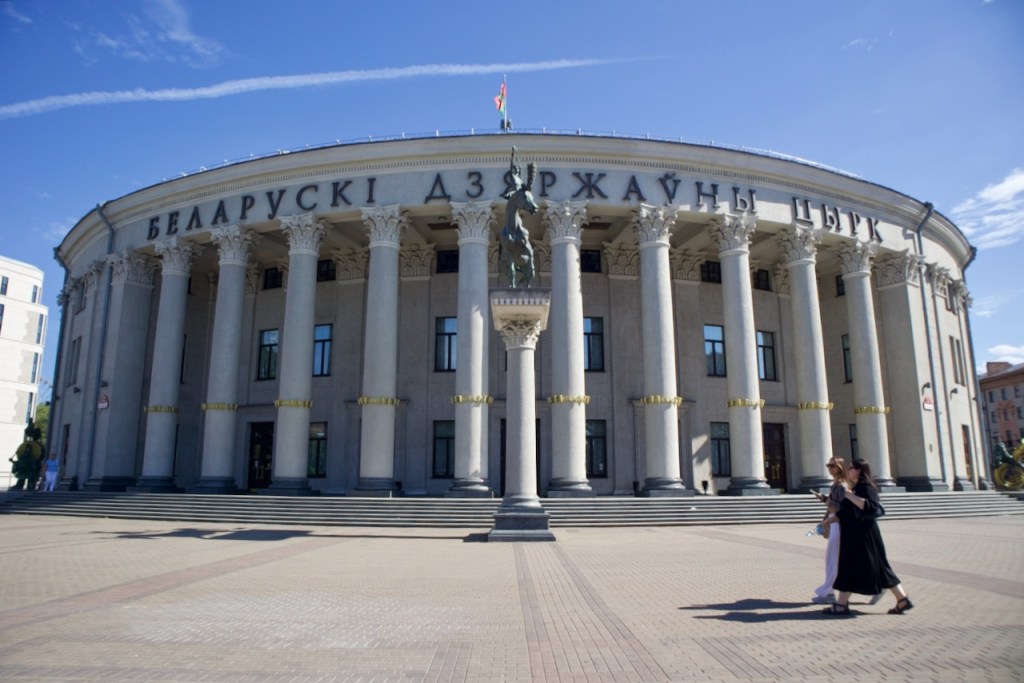
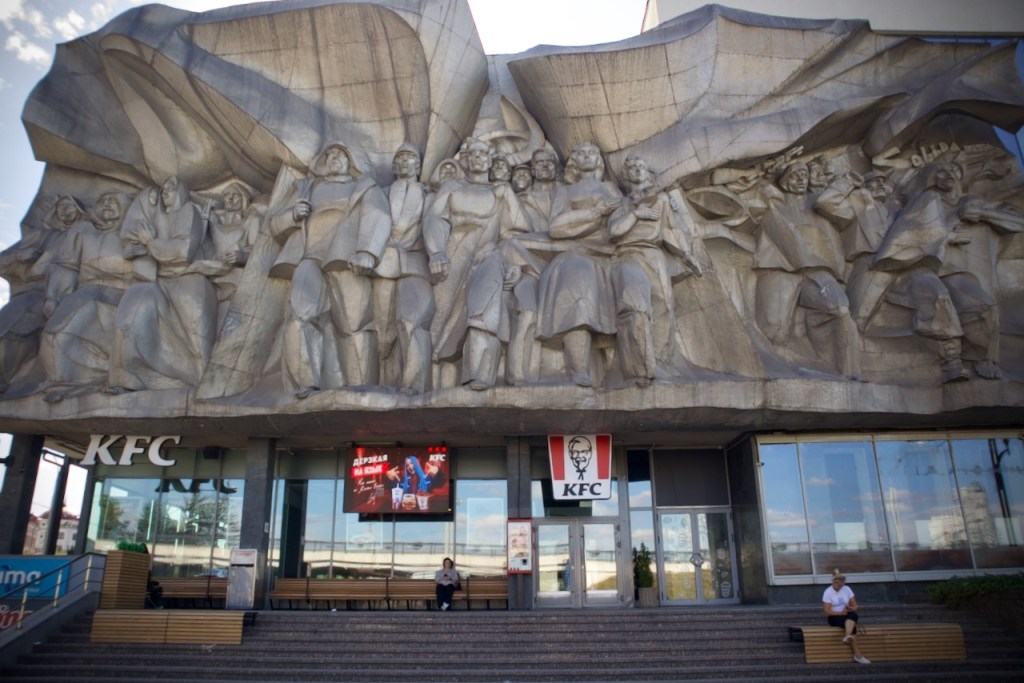
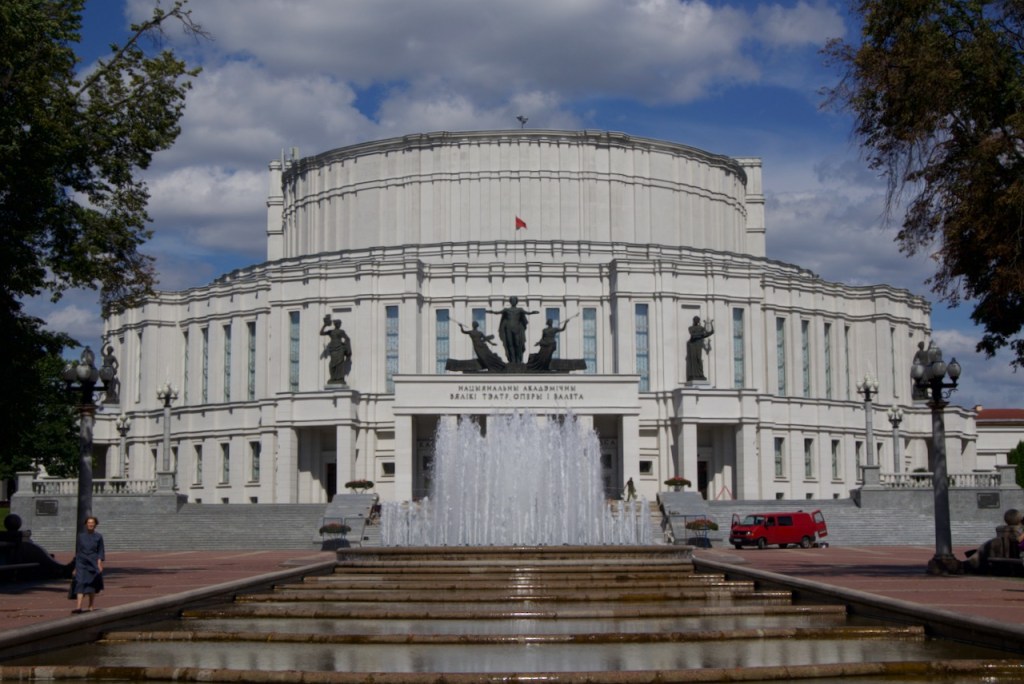
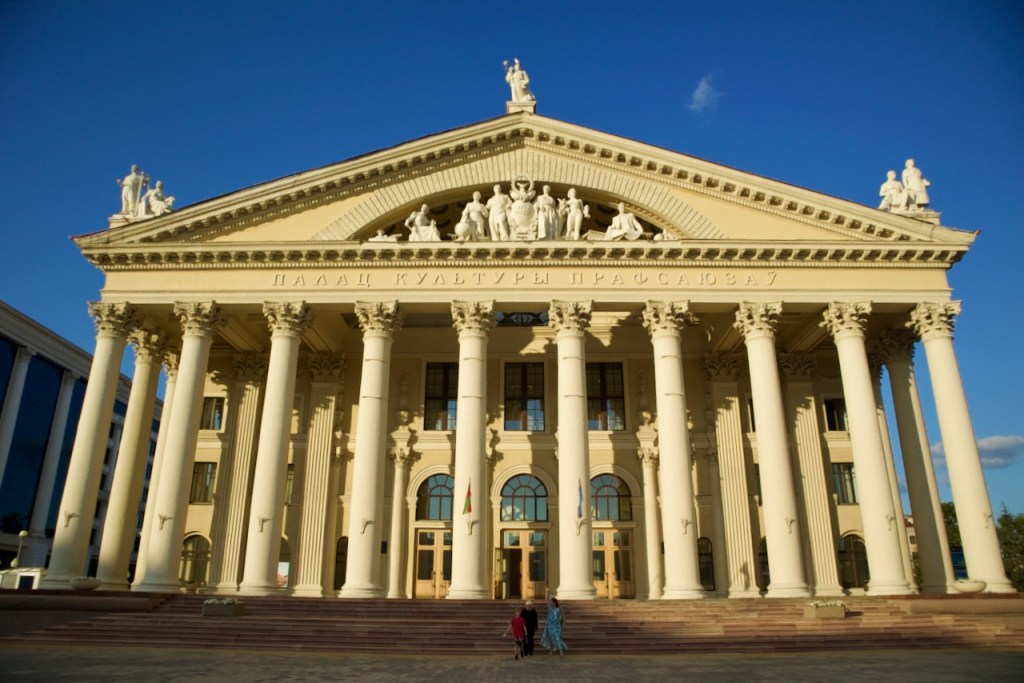
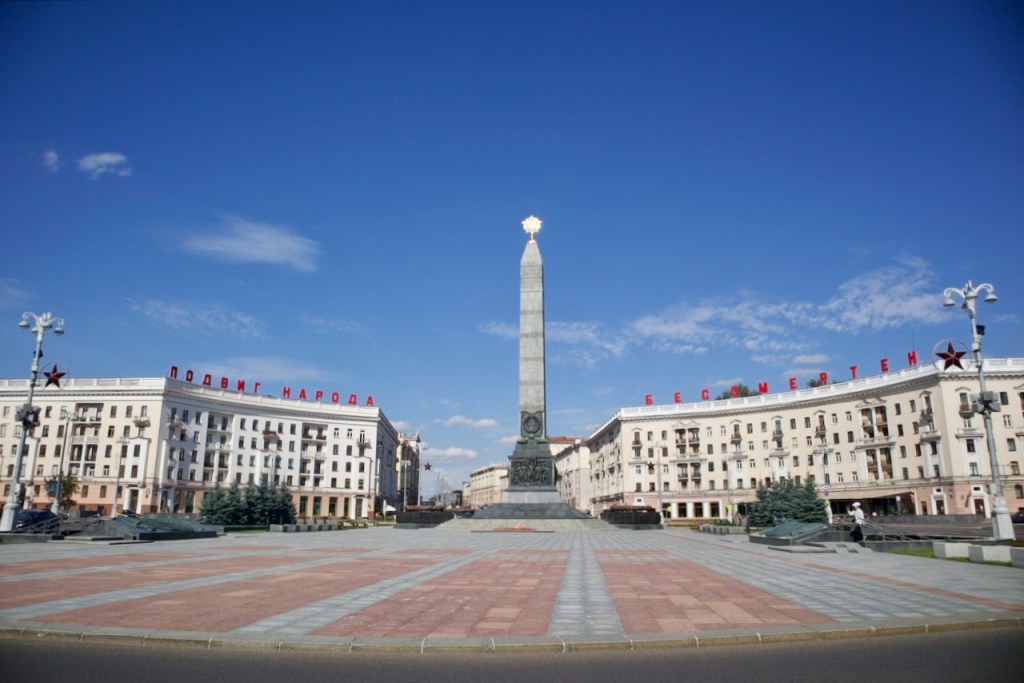
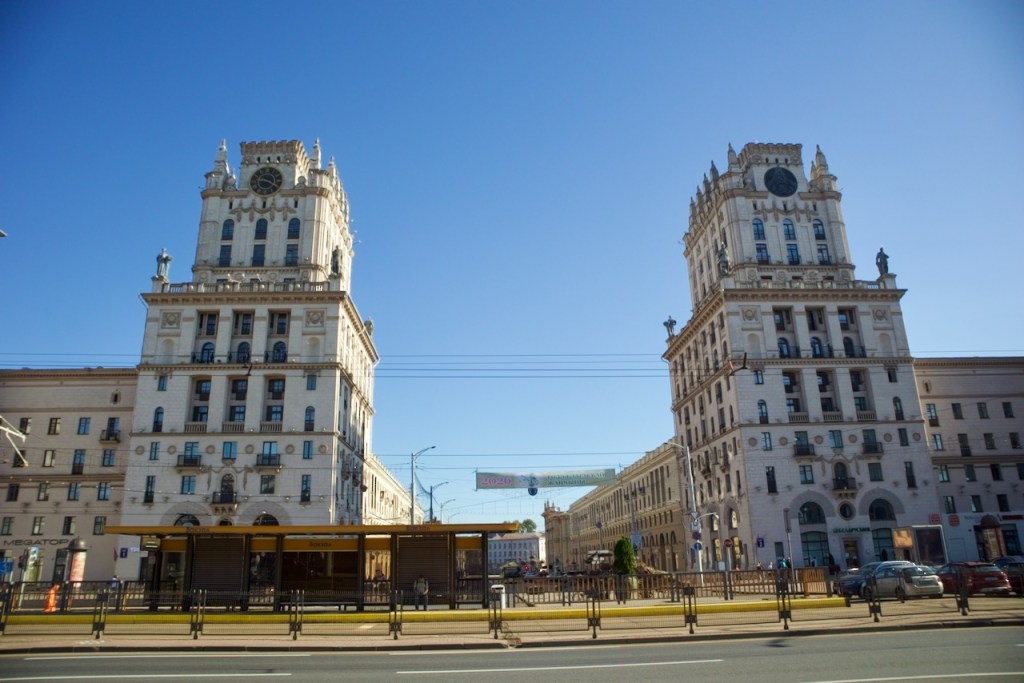
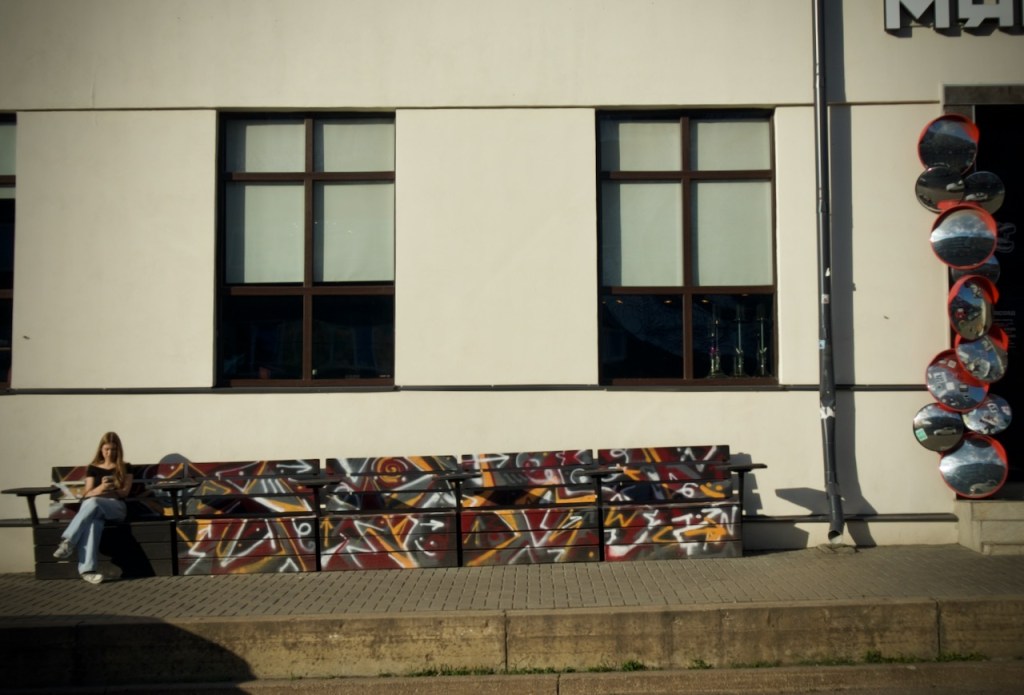
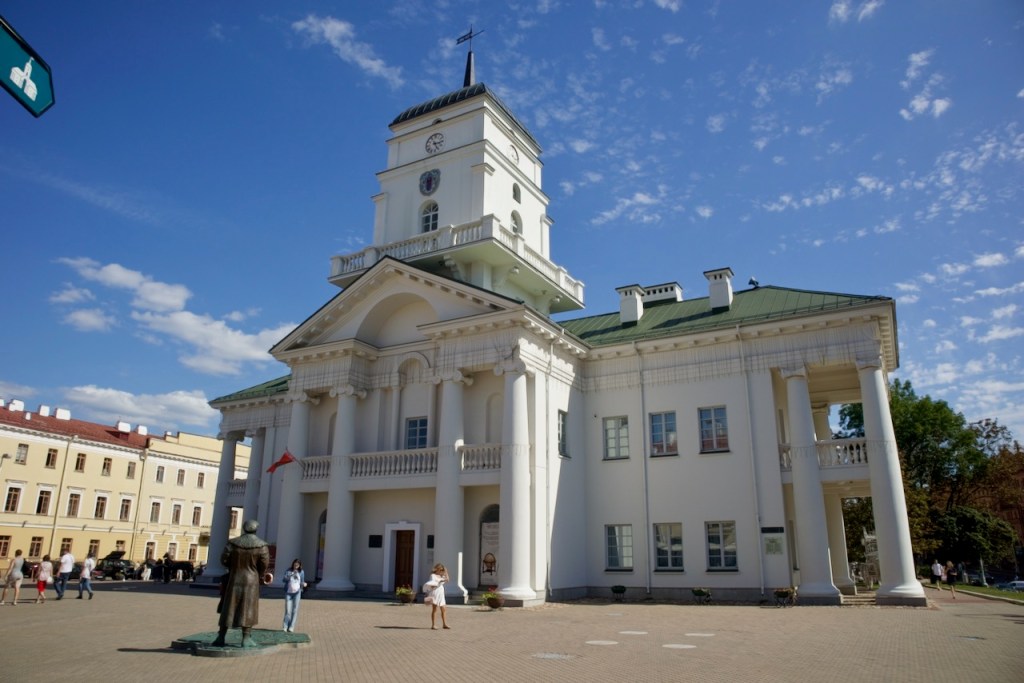
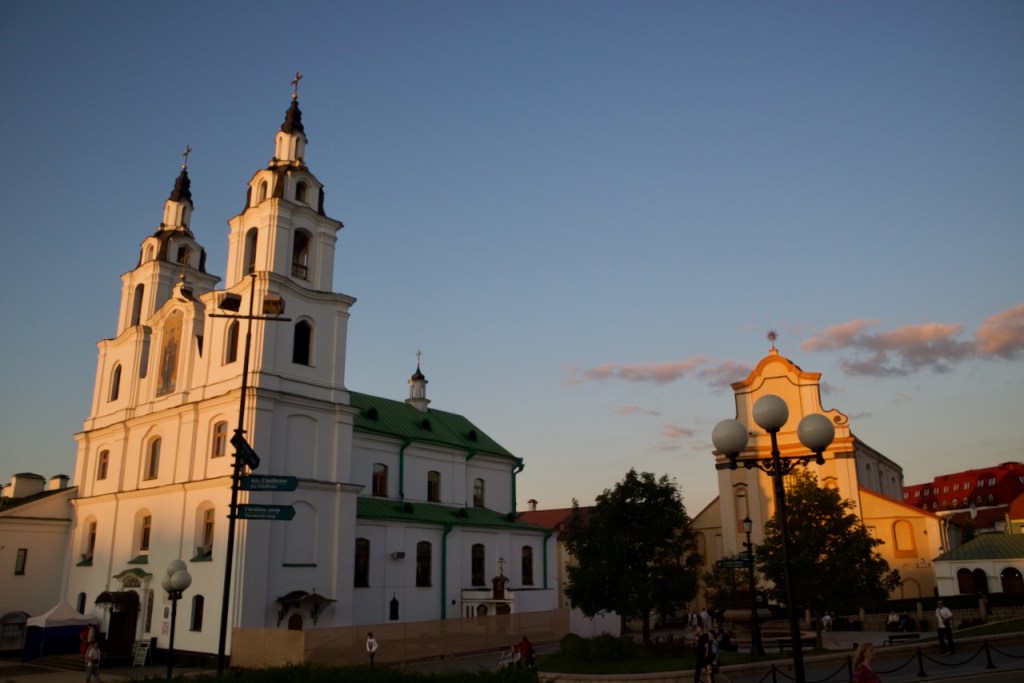
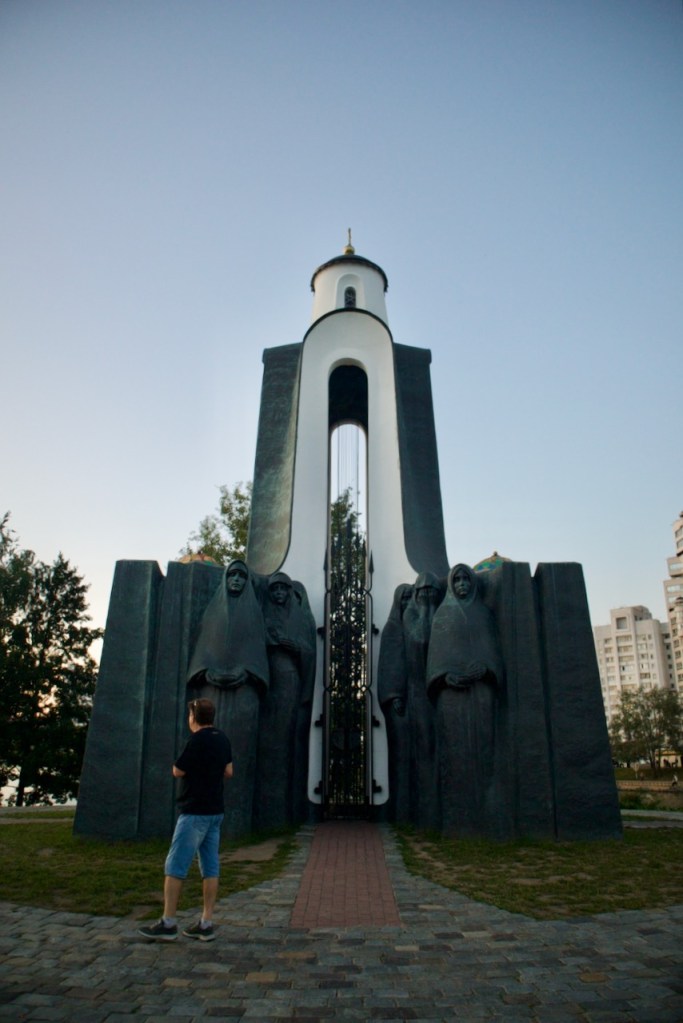
Back in Minsk, I use the imposing city gates for orientation and walk in all directions to visit all the major sites: from the classic Belarusian State Circus (built by Stalin as a prize for Belarus’ contribution to the victory over the Nazis) to the elegant Palace of Culture of Trade Unions, the KGB Headquarters, GUM State Department Store, Saint Simon and Saint Helen Cathedral, House of Government and Lenin statue, the Solidarity mural “Soviet KFC”, the Opera House, the Island of Tears, commemorating the victims of the Afghan war and the grandiose Victory Square. I particularly appreciate the photogenic Brutalist metro stations, the graffiti around Oktyabrskaya Street, and the trendy areas close to the City Hall. And then there are all the museums – and shopping malls if that is your thing – to satisfy your fancy.
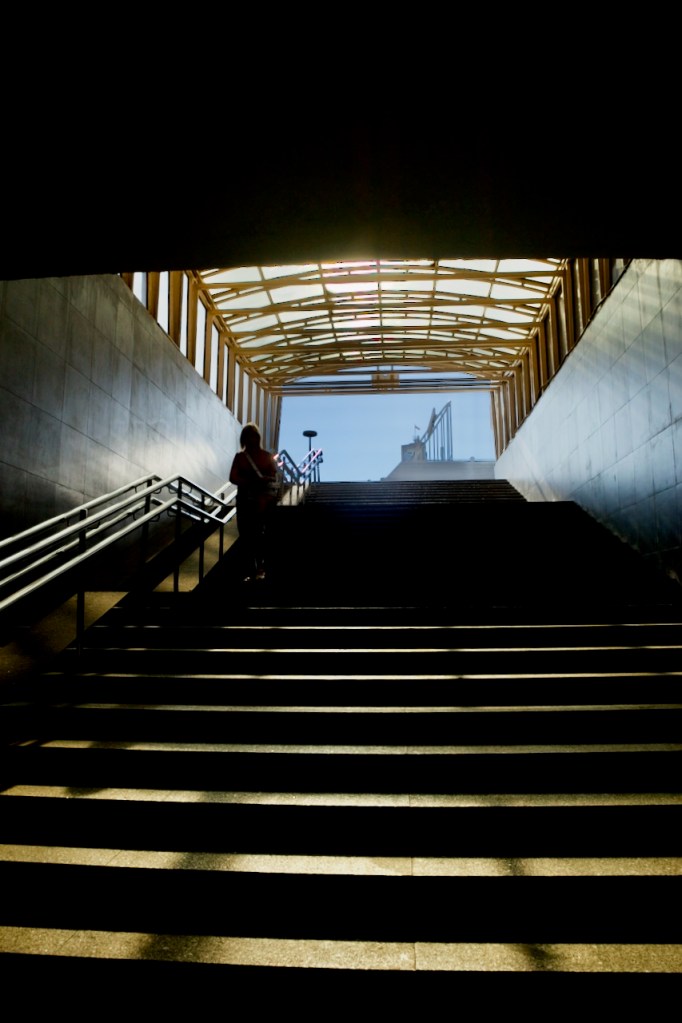
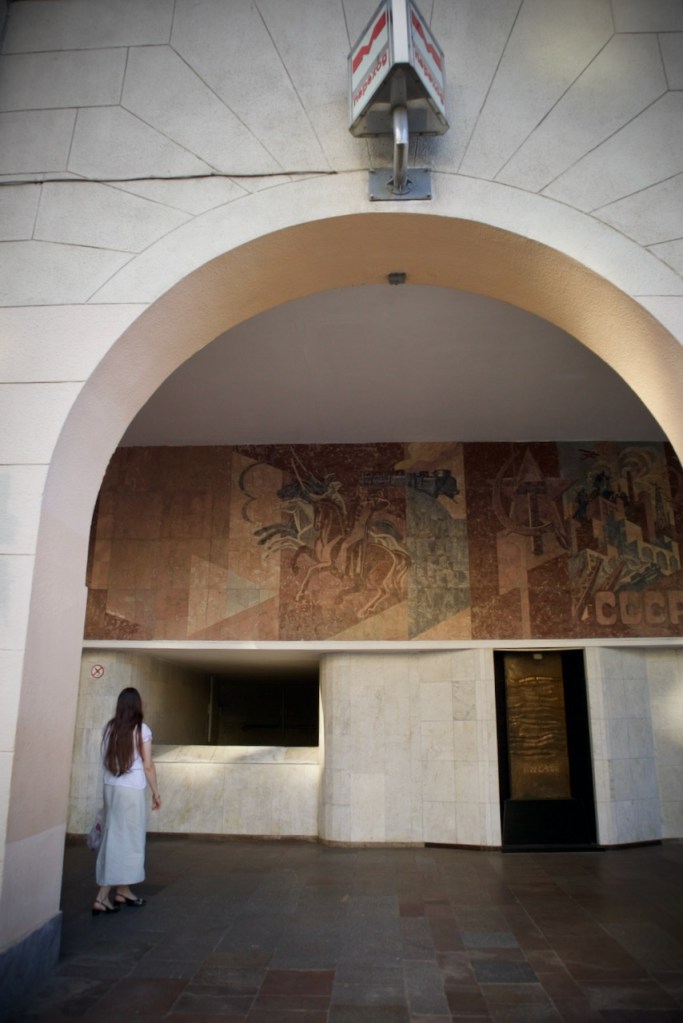
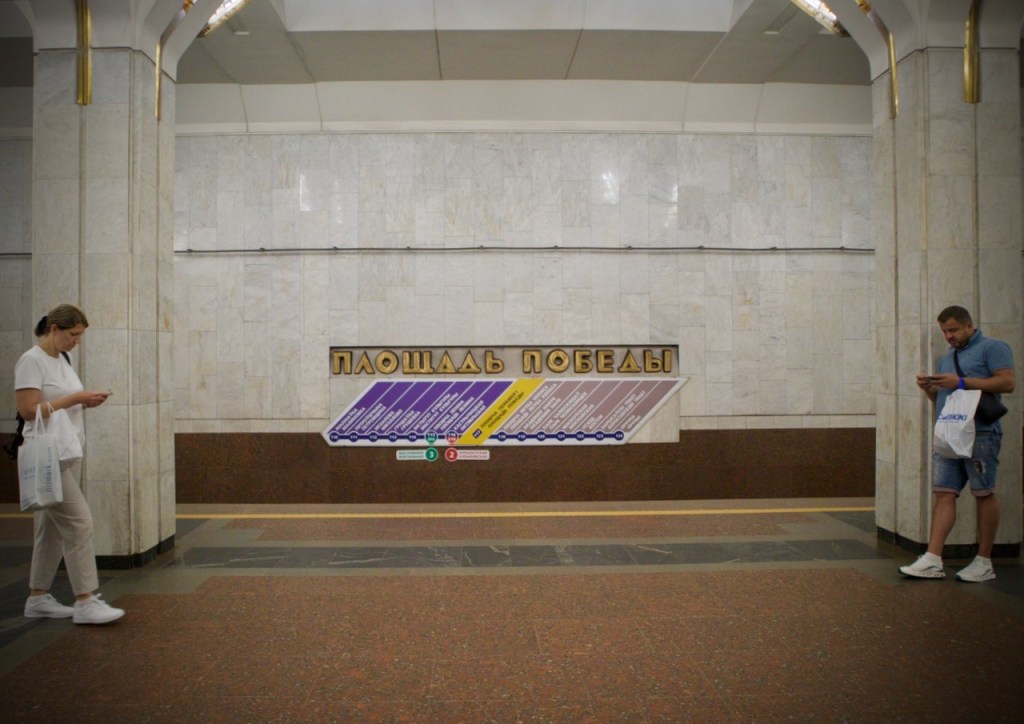
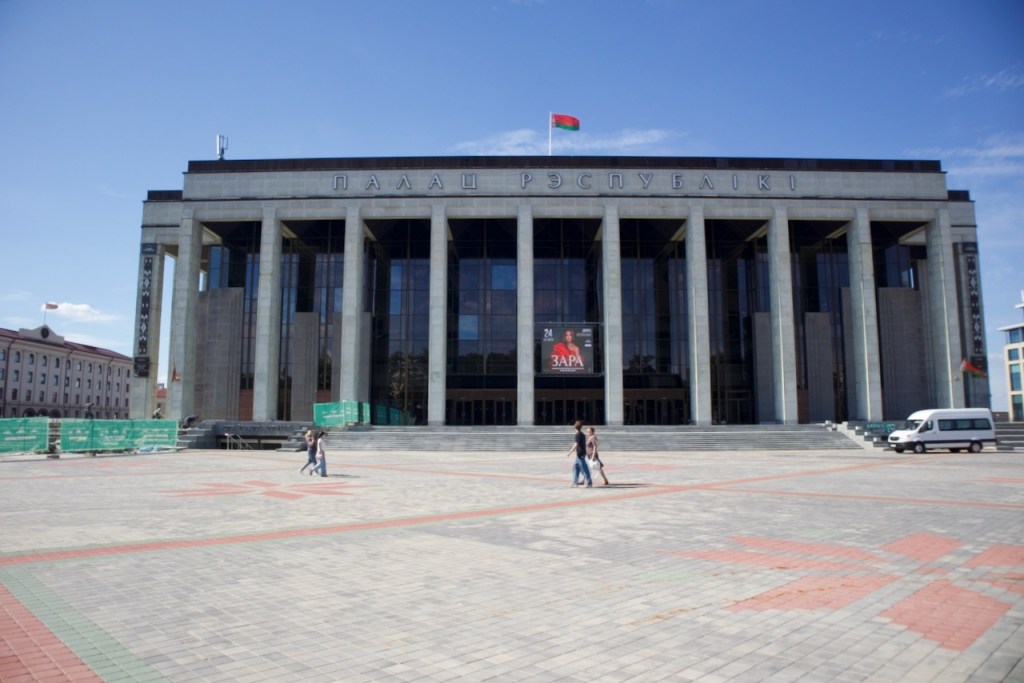
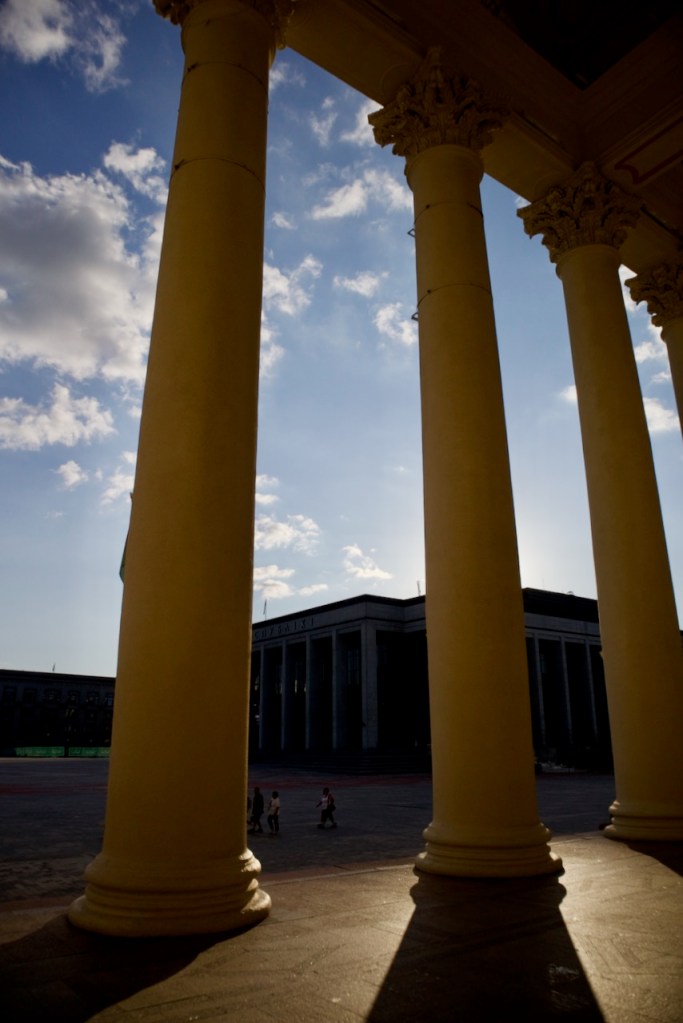
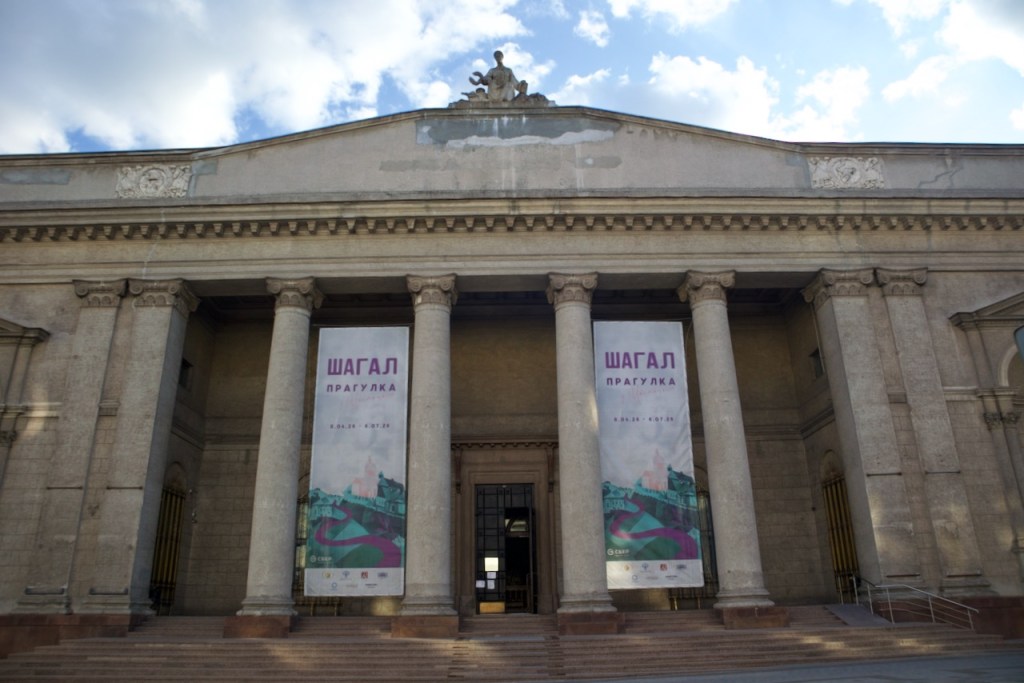
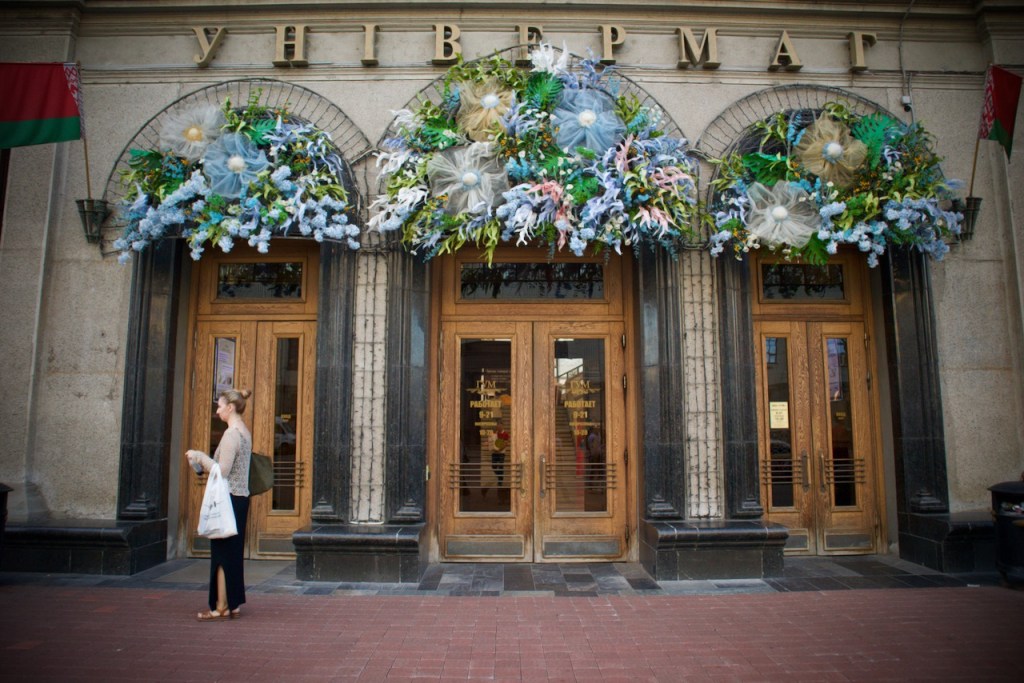
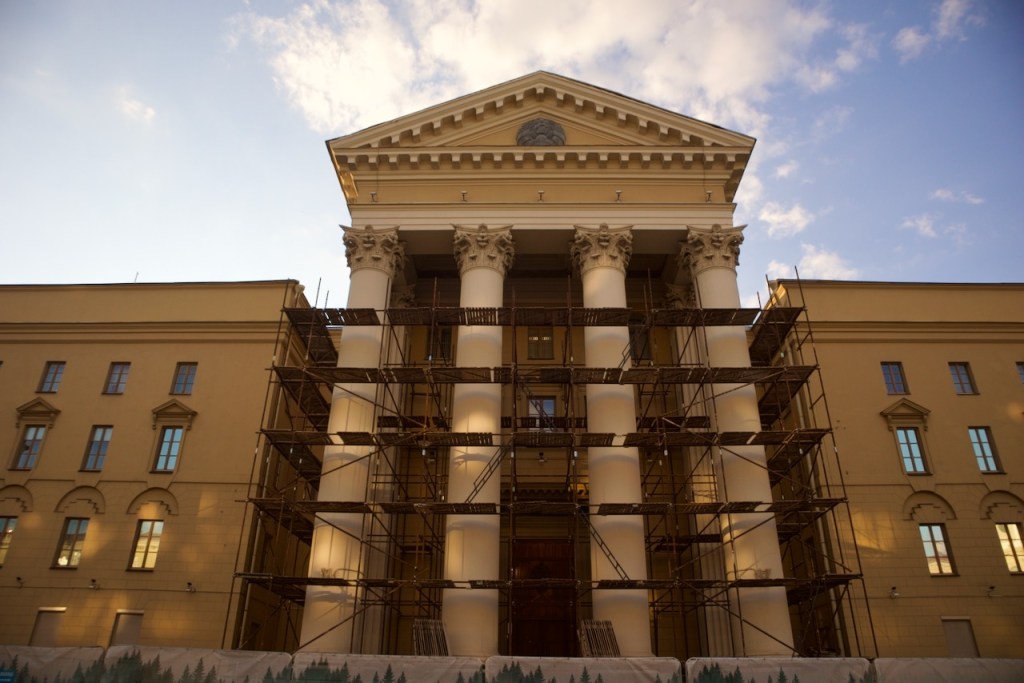
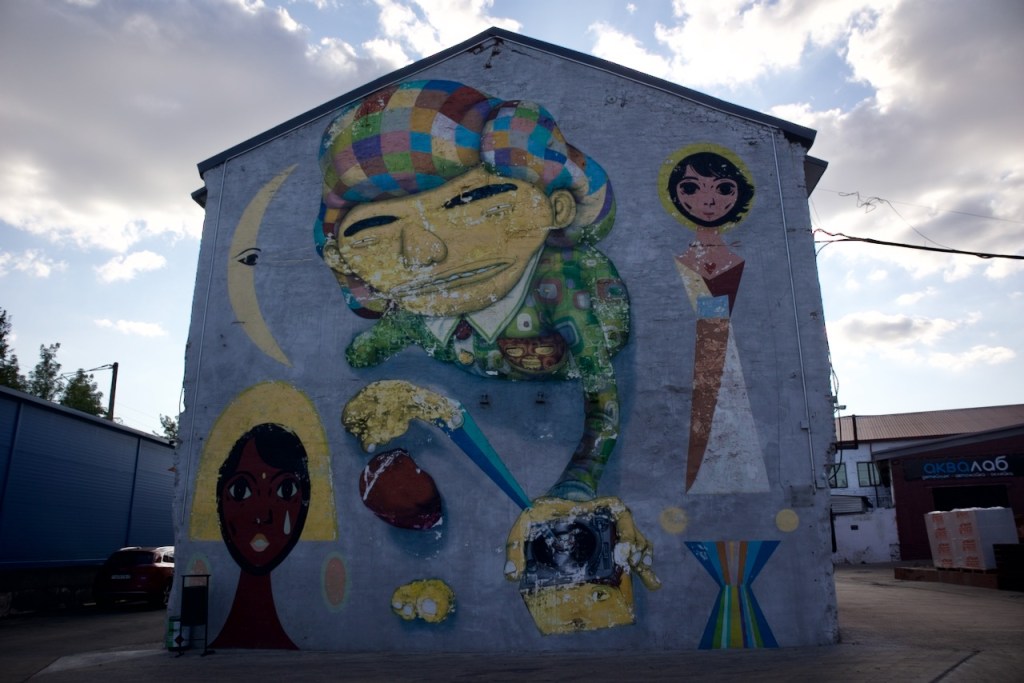
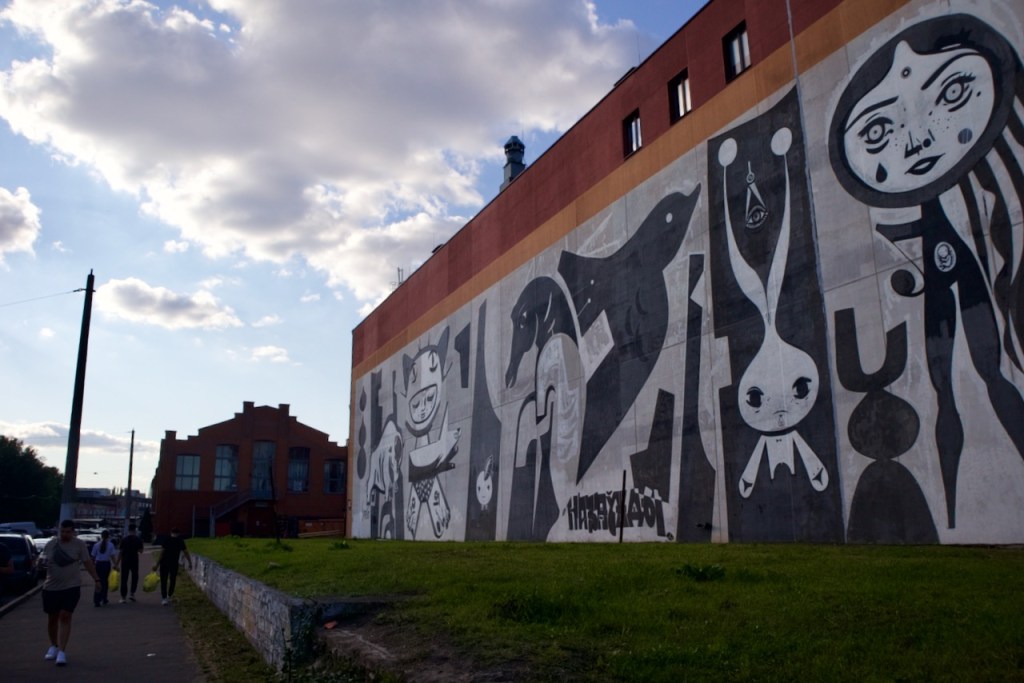
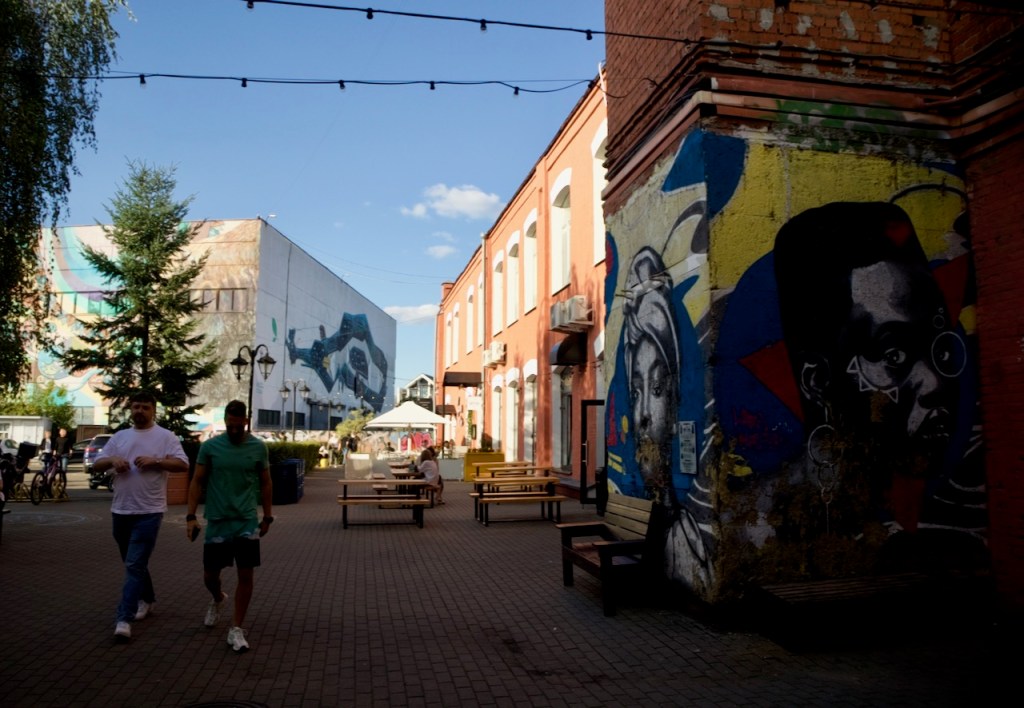
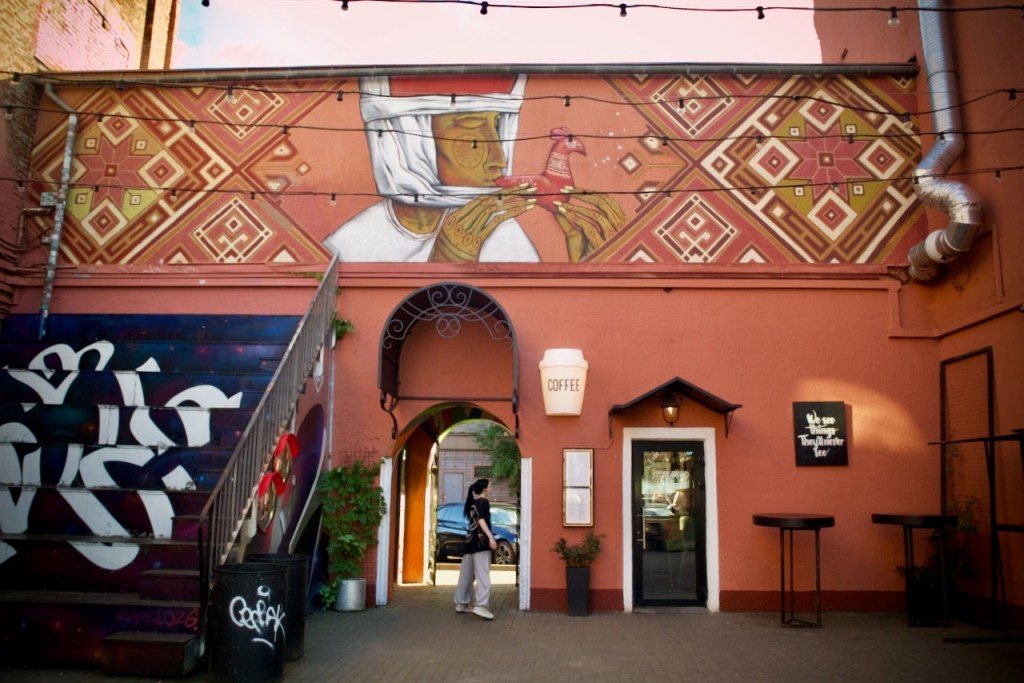
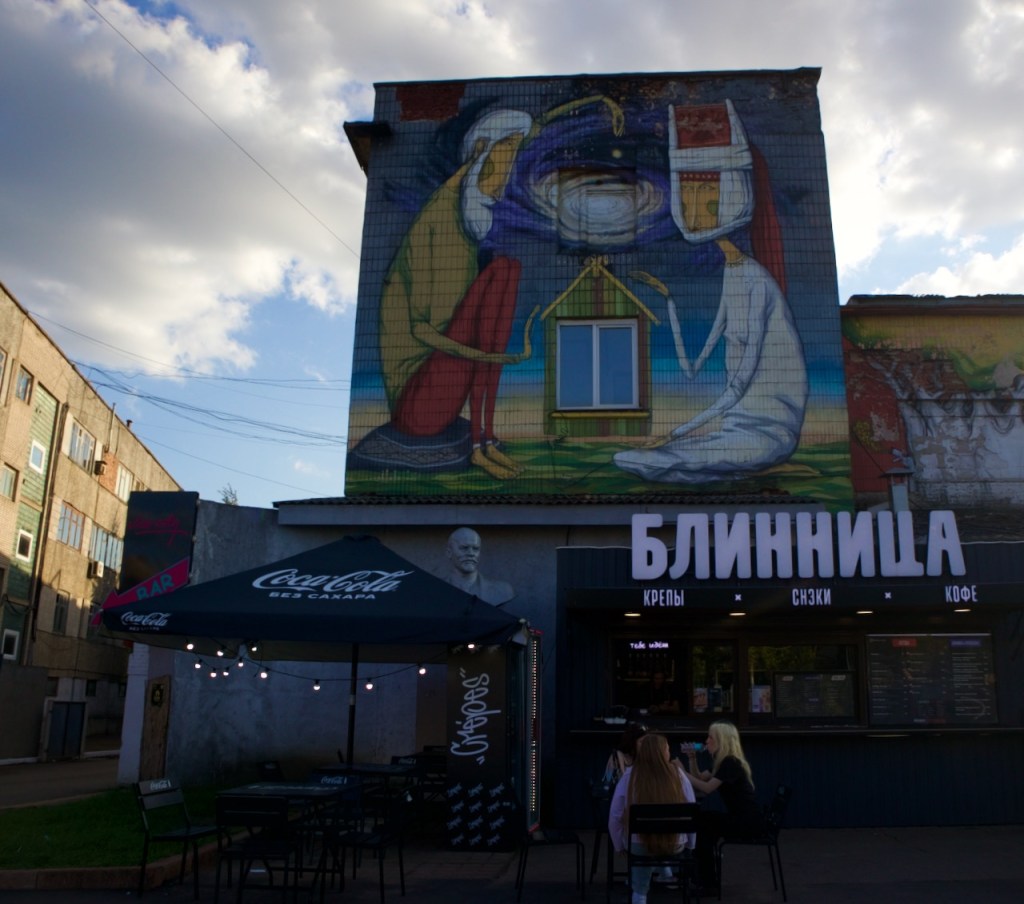
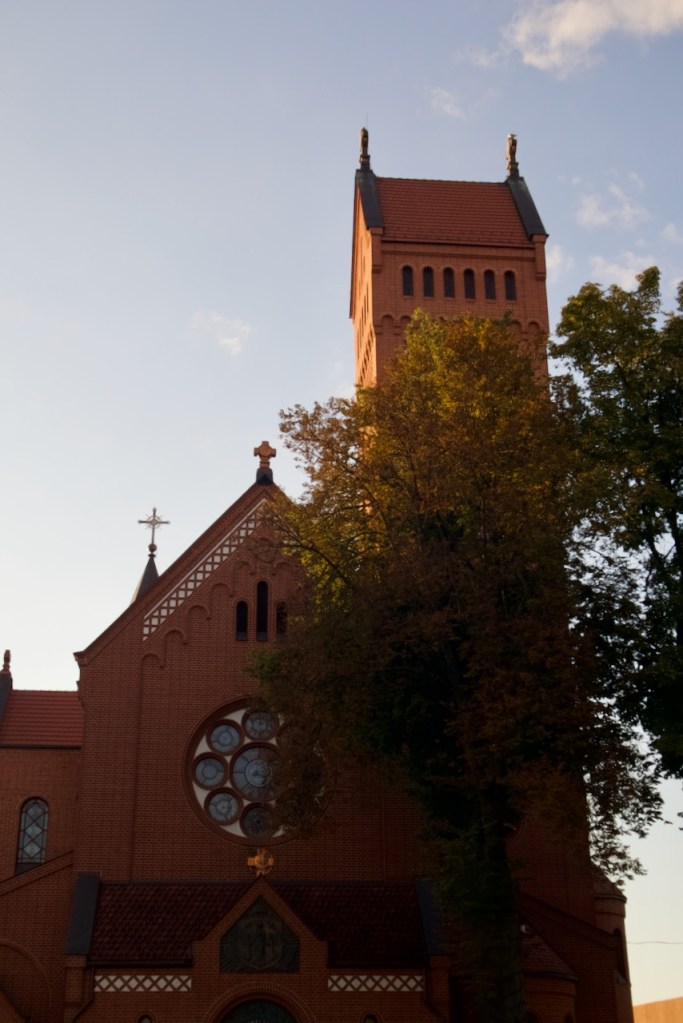
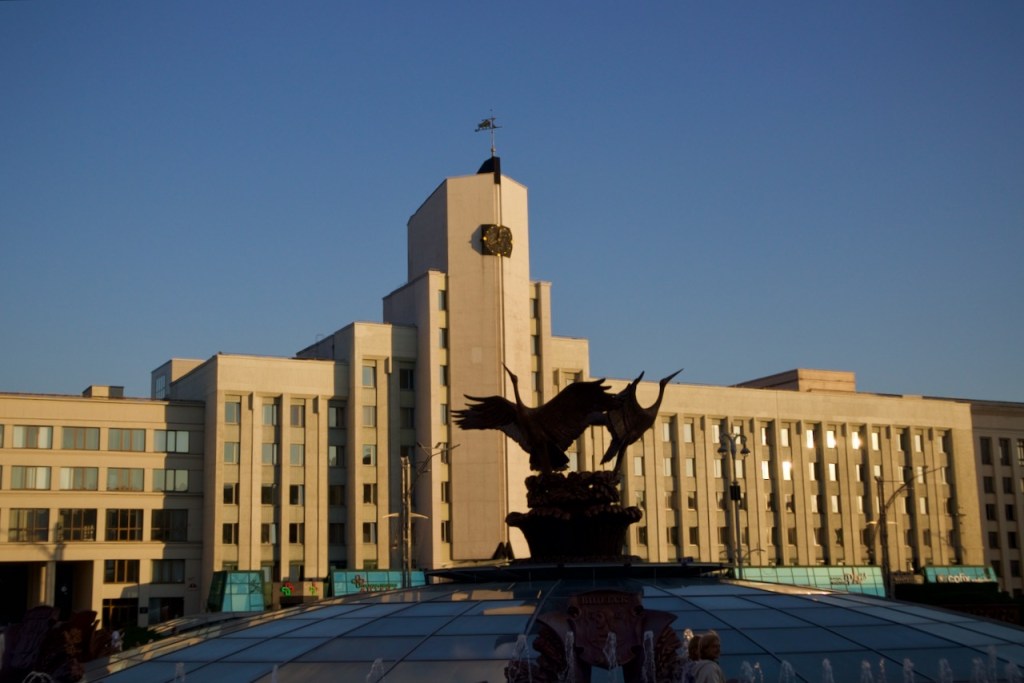
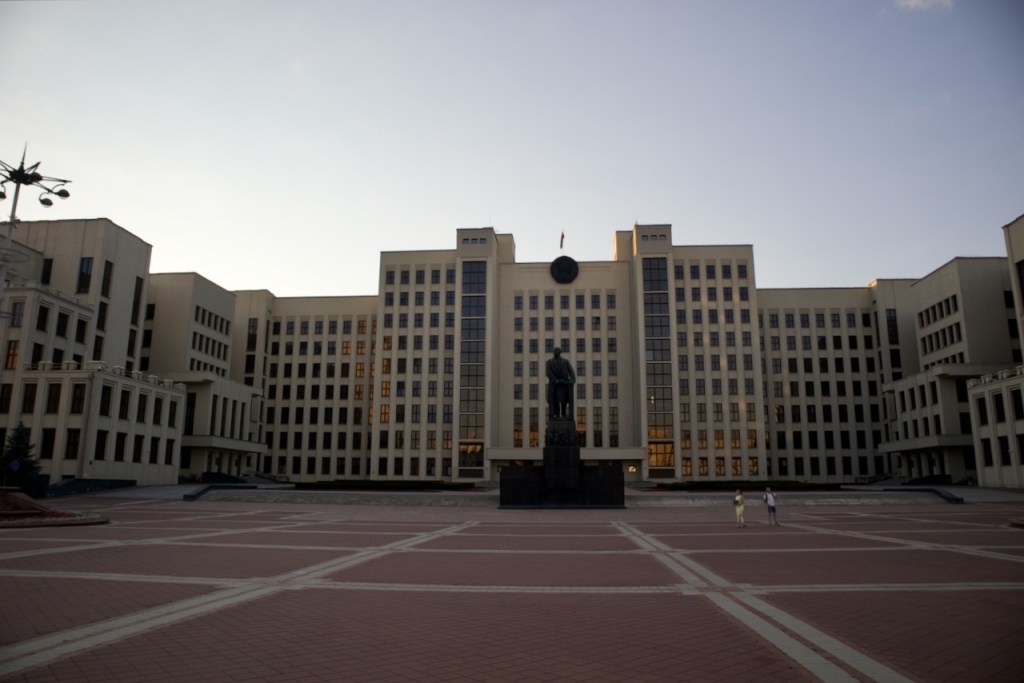
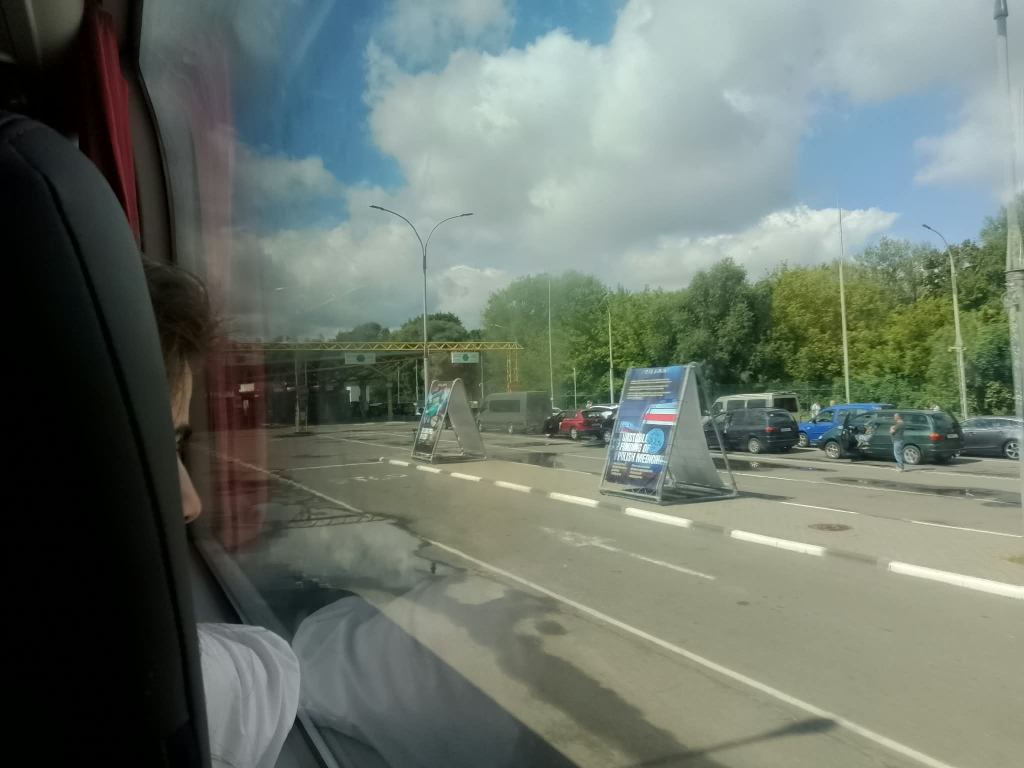
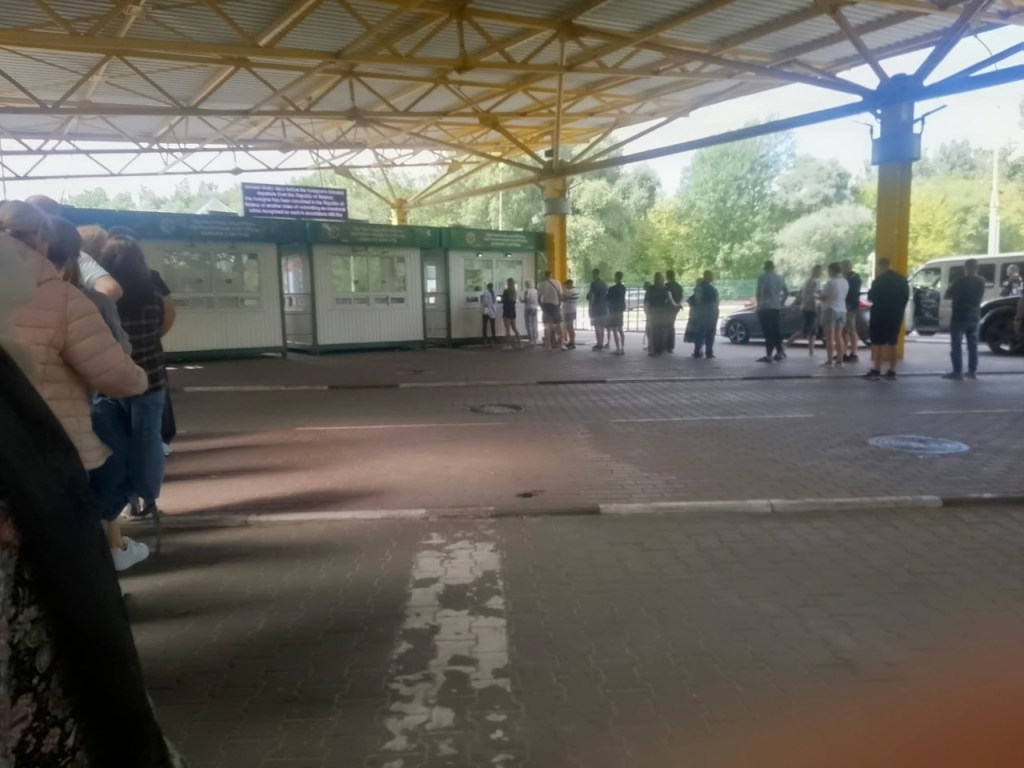
My quick-in quick-out five-day visit gives me a glimpse of the beautiful country and friendly people. The return to Warsaw takes only twelve hours – with five hours at the border – even if I have prepared for the worse, packing two days worth of food, just in case. With the war raging in neighbouring Ukraine and the problematic involvement of the Belarusian government, one does not take this journey lightly. Make your own informed decision.
This is part of my 193+ project with the goal to visit all countries in the world, beginning with Europe and Central Asia, bringing the current country count to 128!
Liechtenstein: Small is Beautiful
Uzbekistan: Crown Jewel of Central Asia
Turkmenistan & the Modern Silk Road
All Content © 2026 by Jennifer Chan

