
Marseille does not reveal itself; it is discovered.
– Unknown author
July 2026
Marseille is a myth, writes Jean-Claude Izzo, a native poet. The memory from my last visit decades ago faded, and a delicious bouillabaisse by the old port with a local friend is all I remember. Ah, as always, gustatory memory! I have no specific reason to go to Marseille really, not ticking off any list, but the bus from Andorra to Cote d’Azur transits through this part of Provence. It’s time to revisit the mythical city with her layers of historical and cultural complexity.
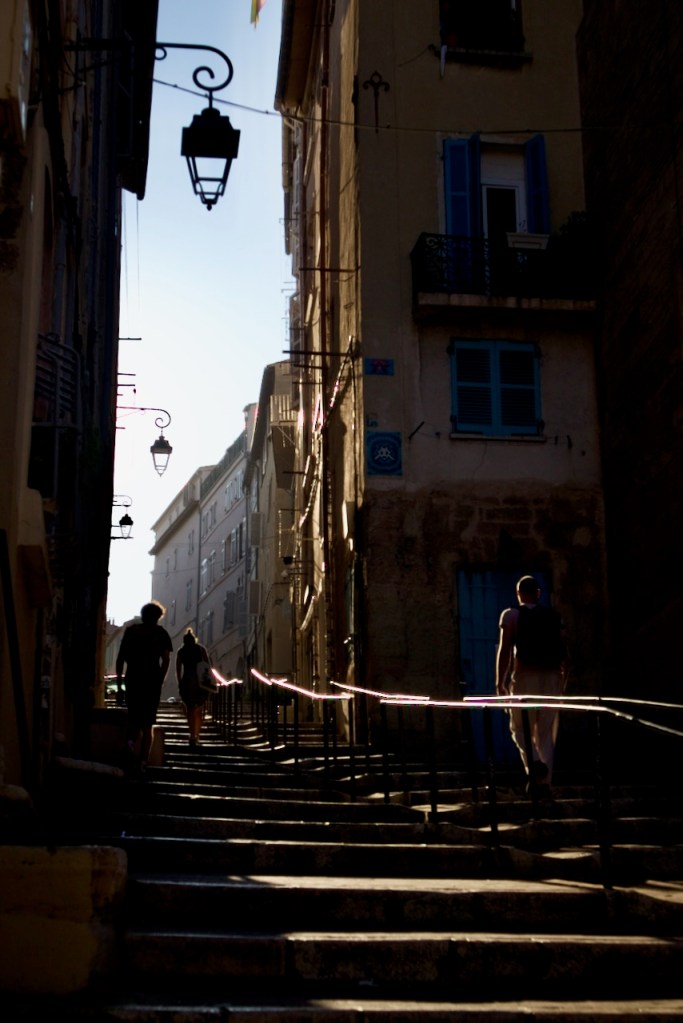

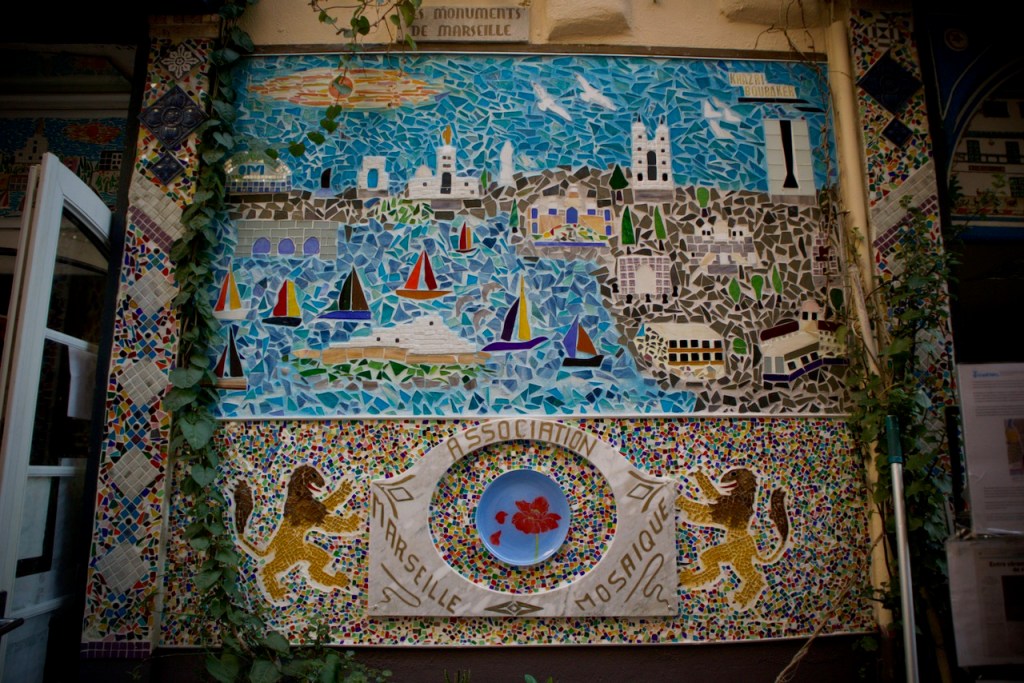
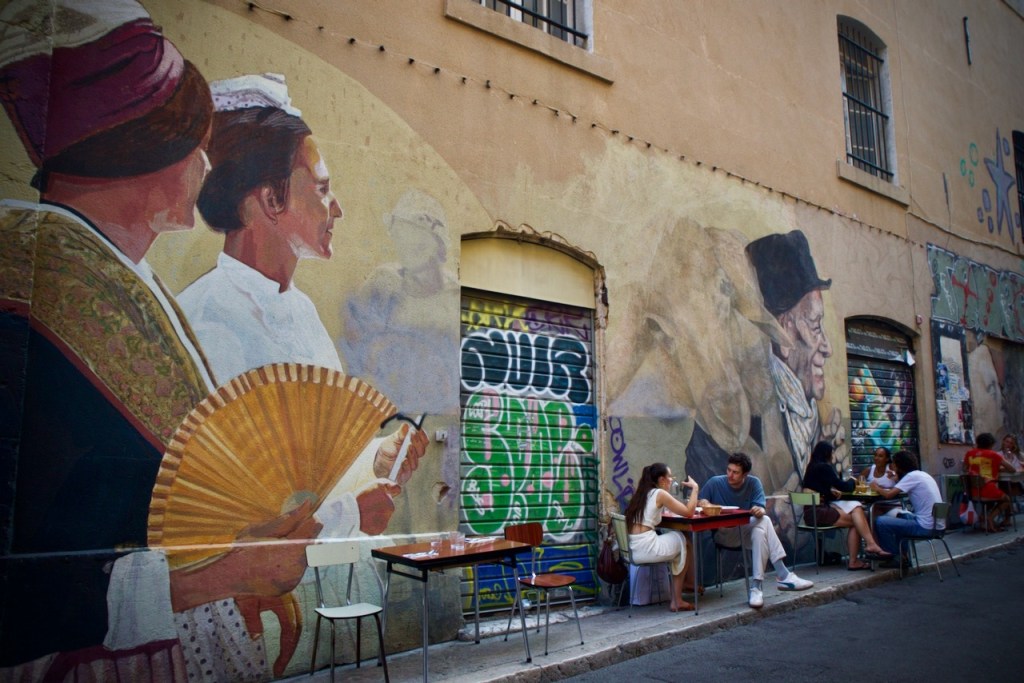
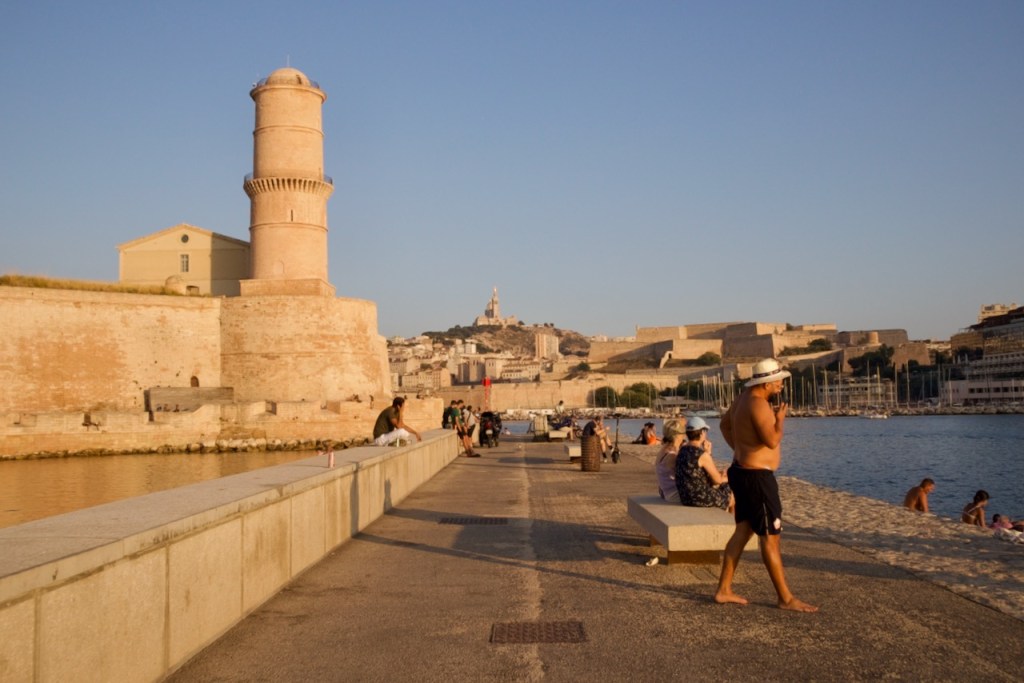
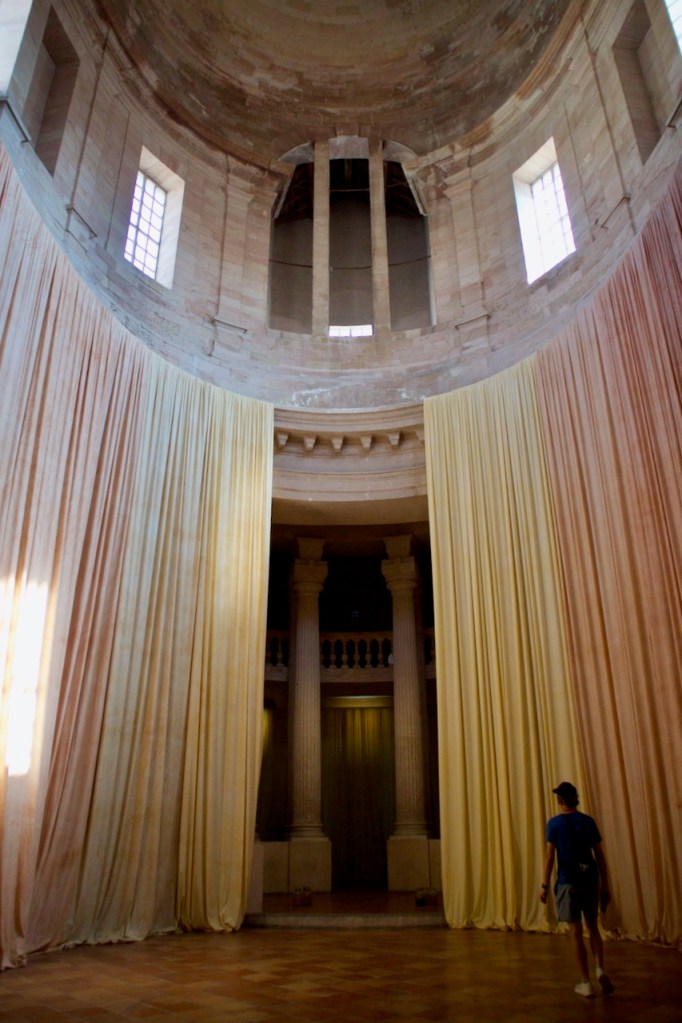
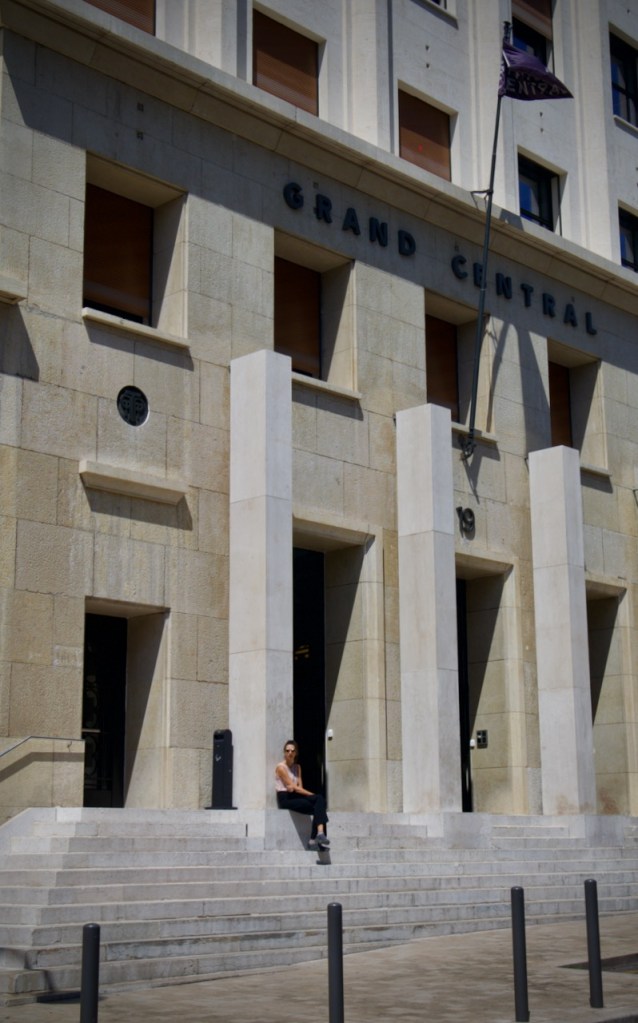
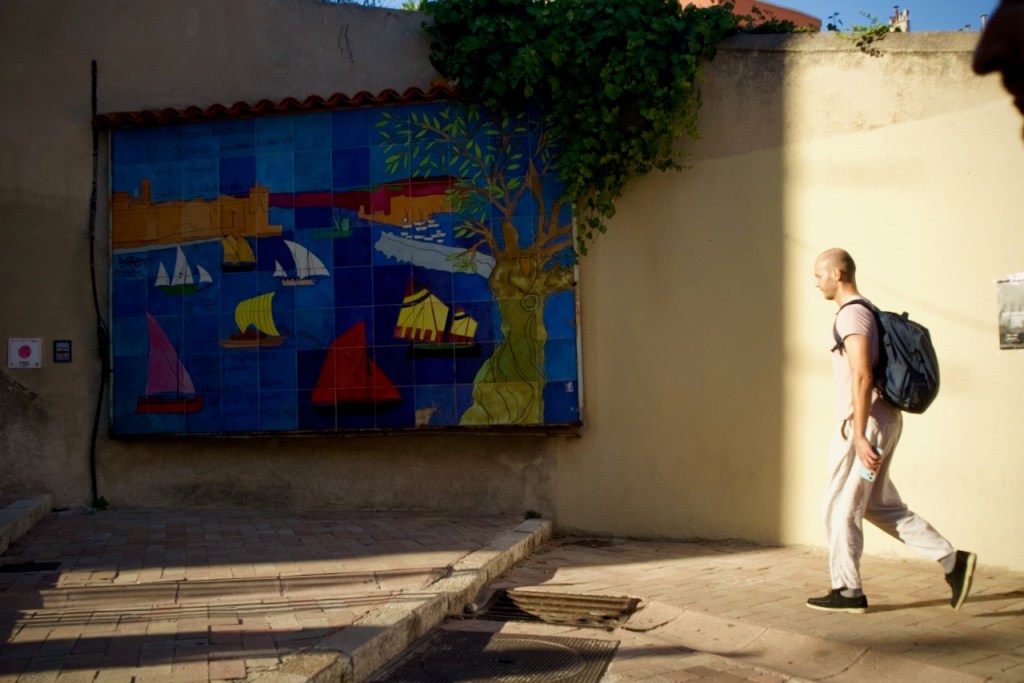
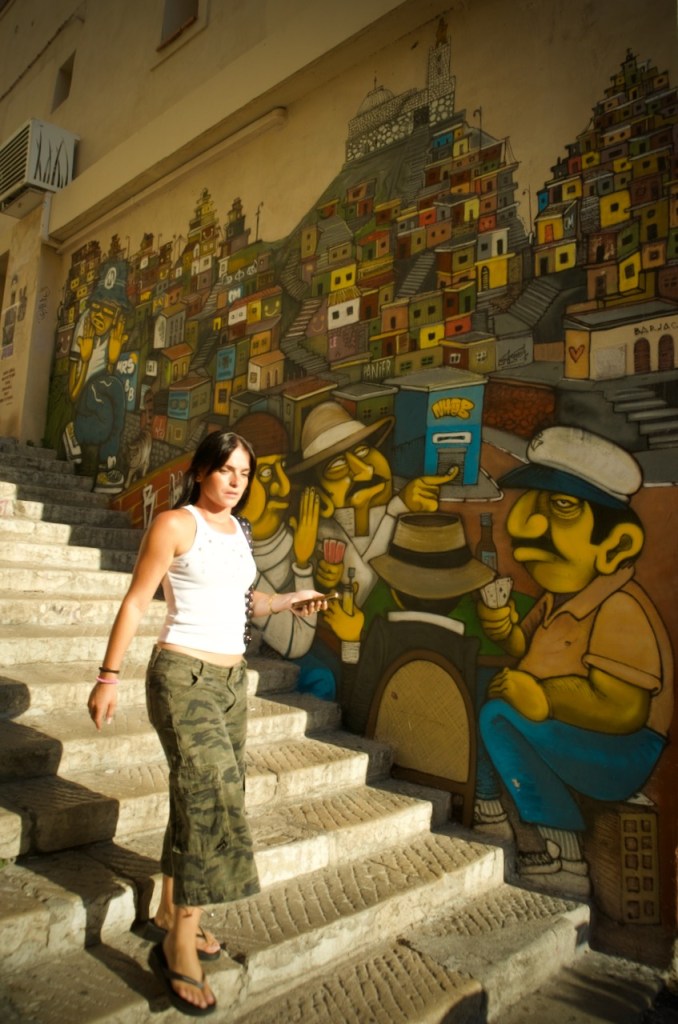
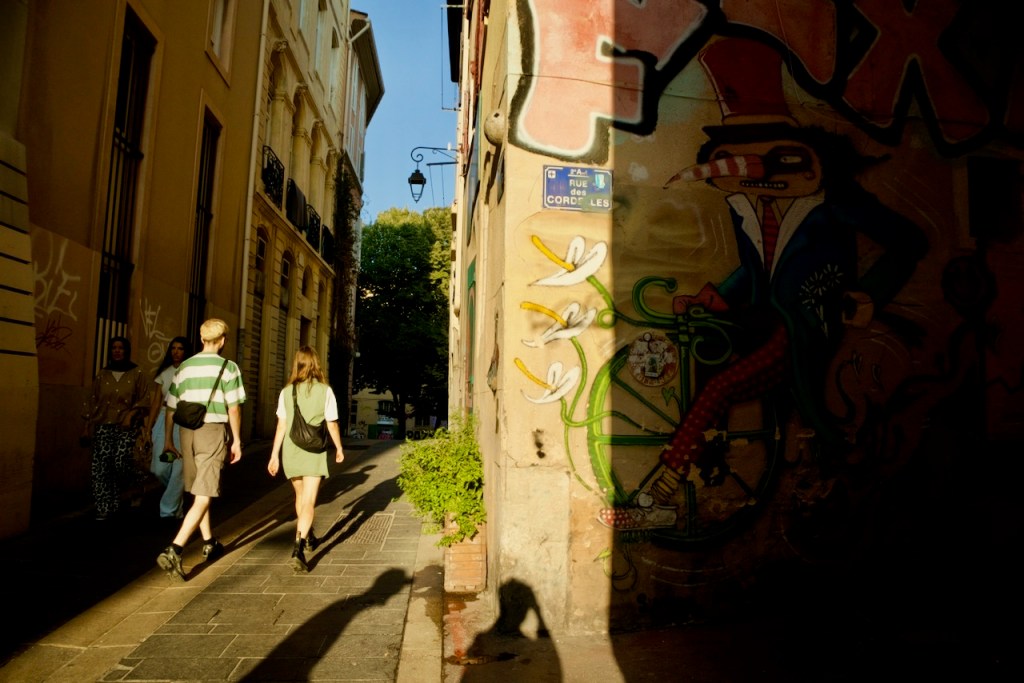
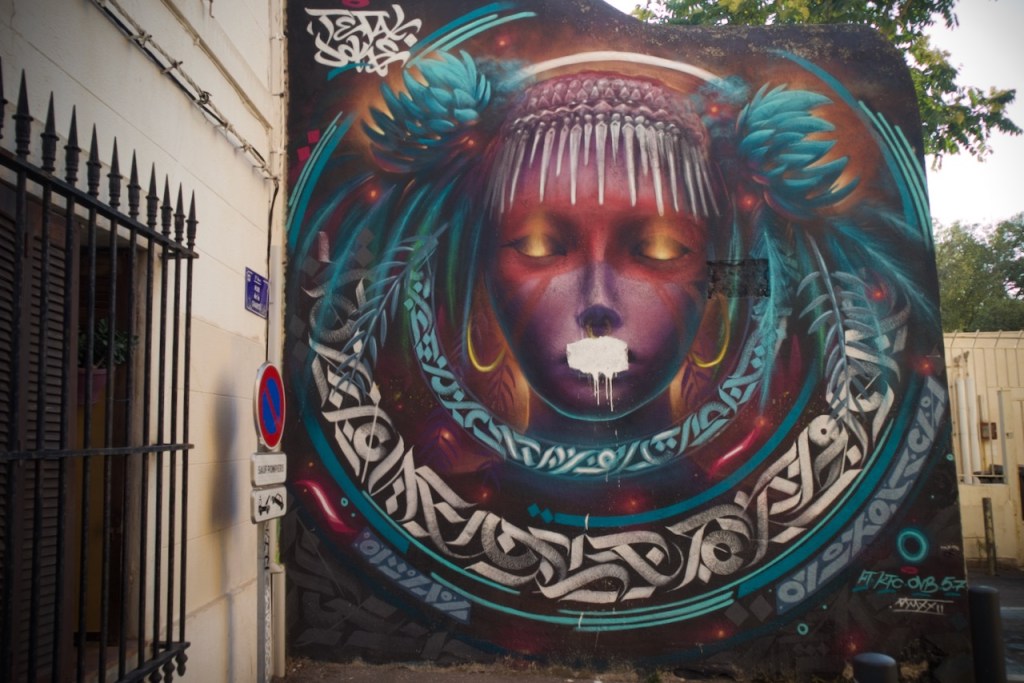
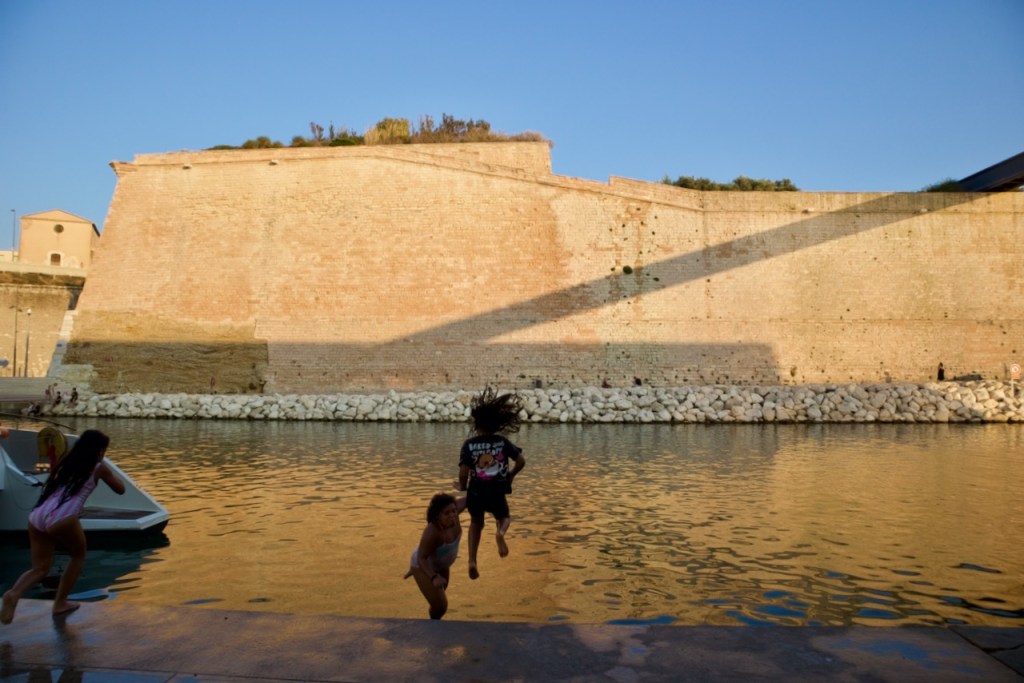
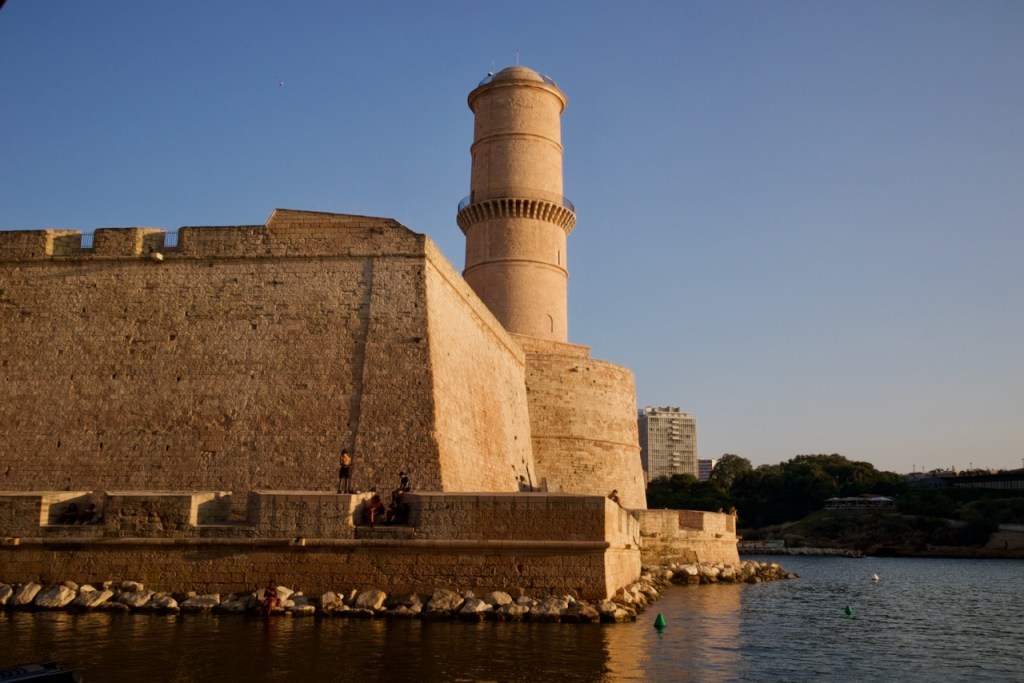
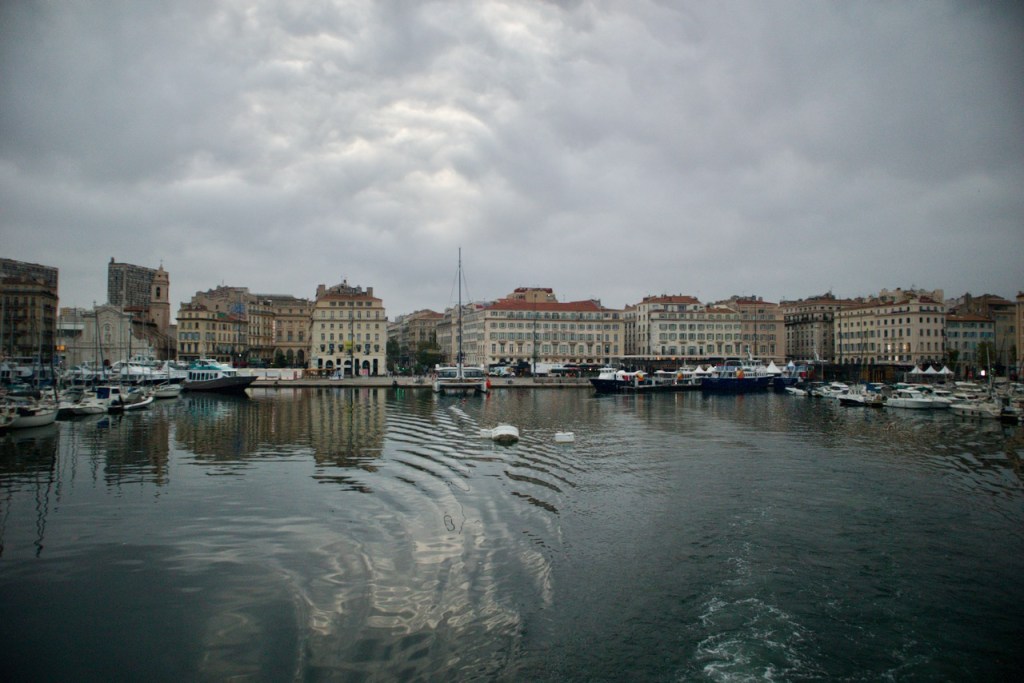
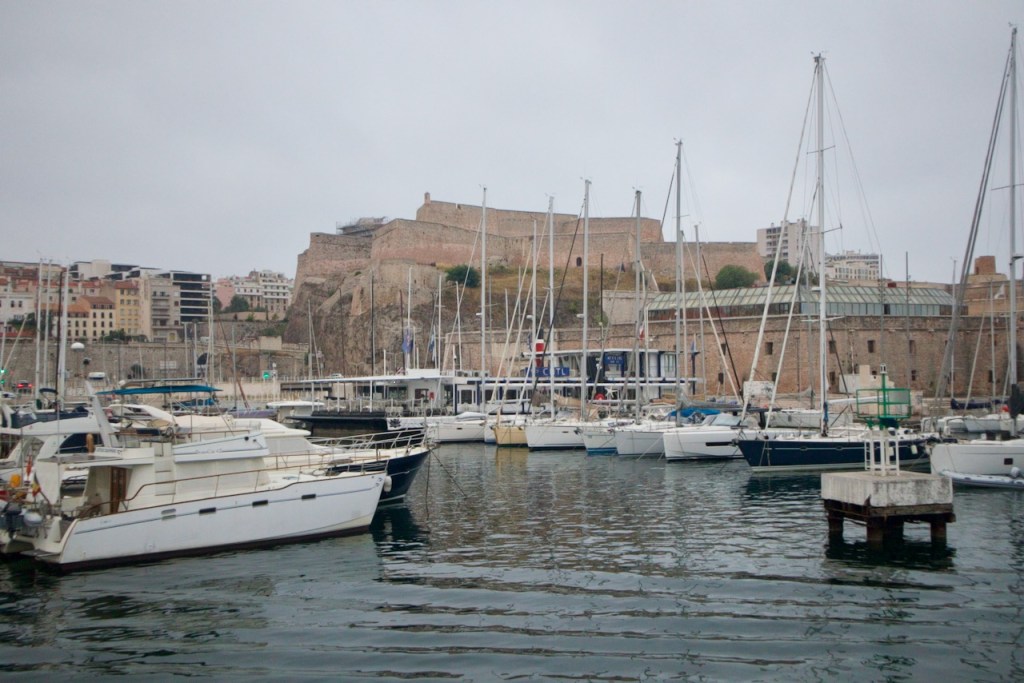
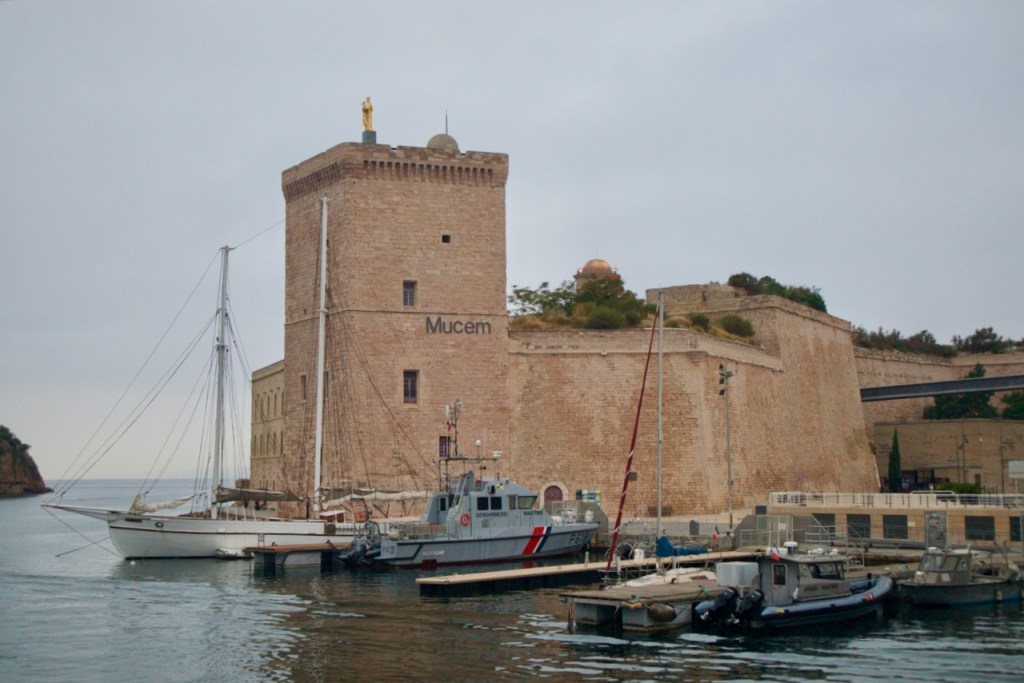
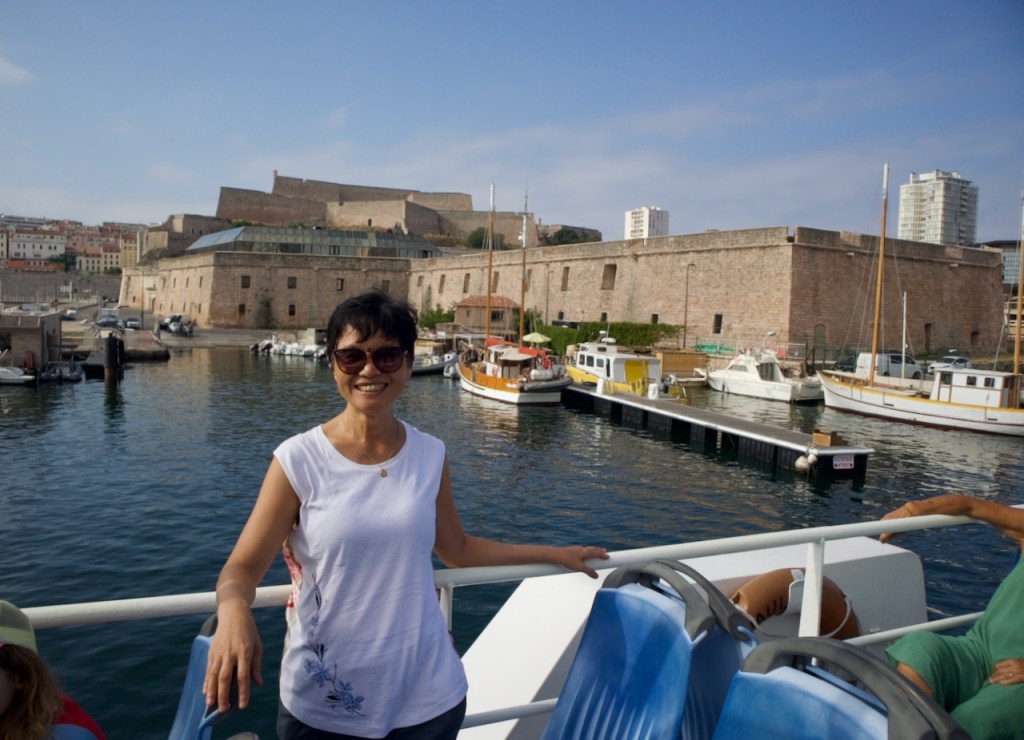
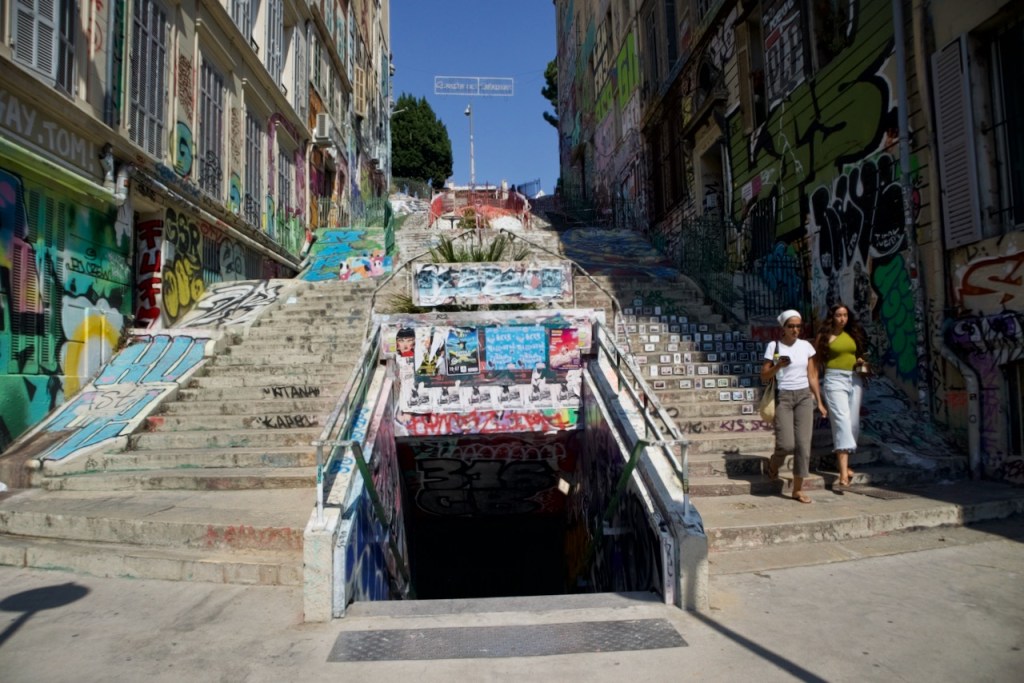
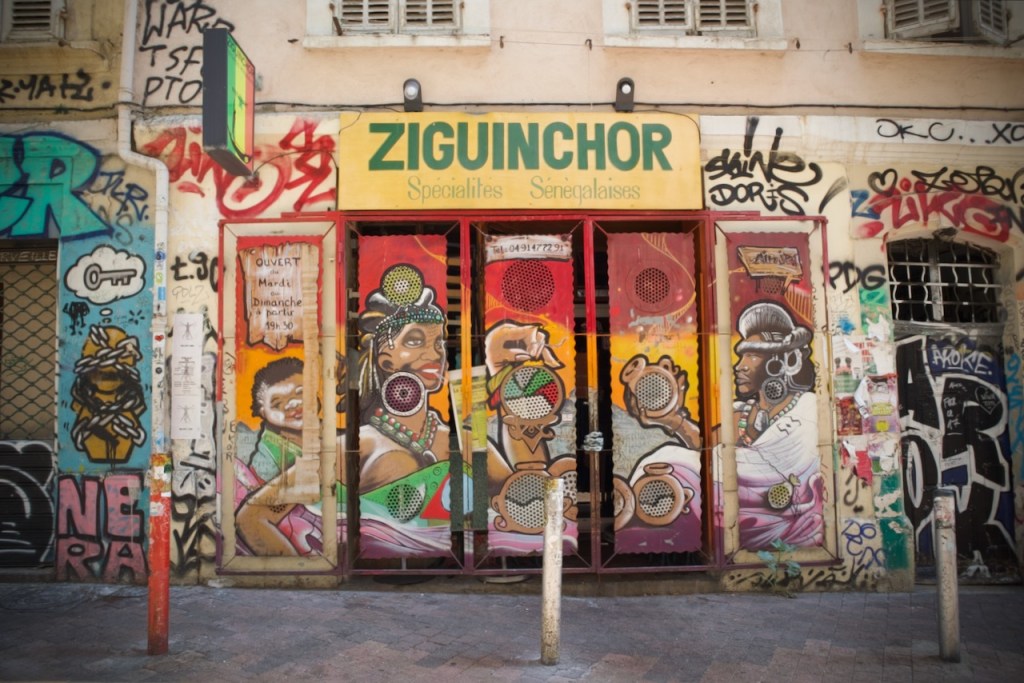
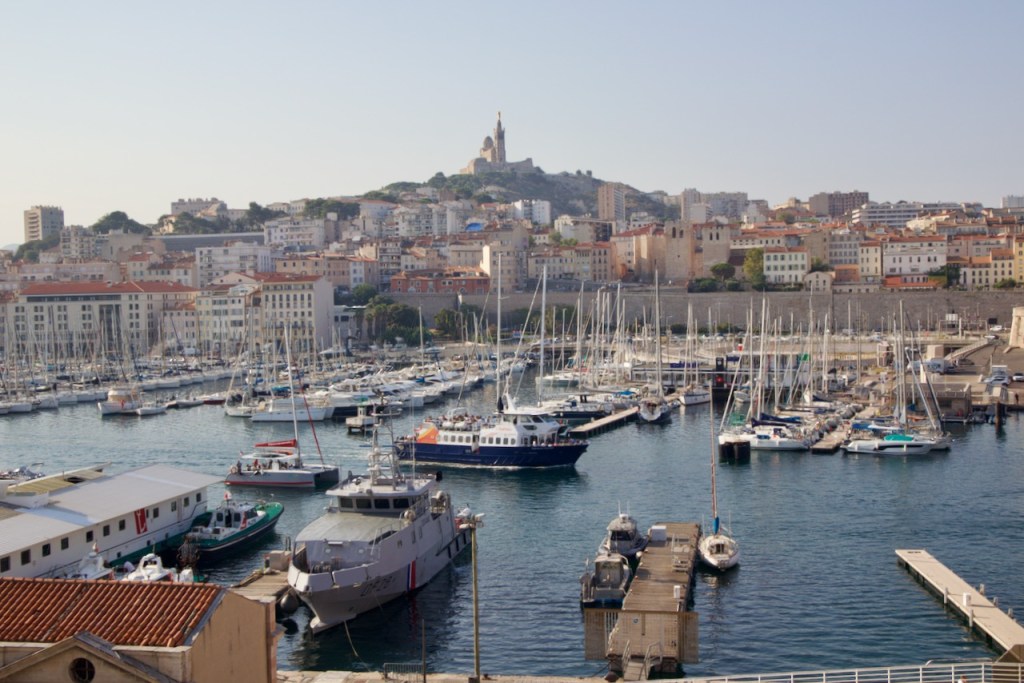
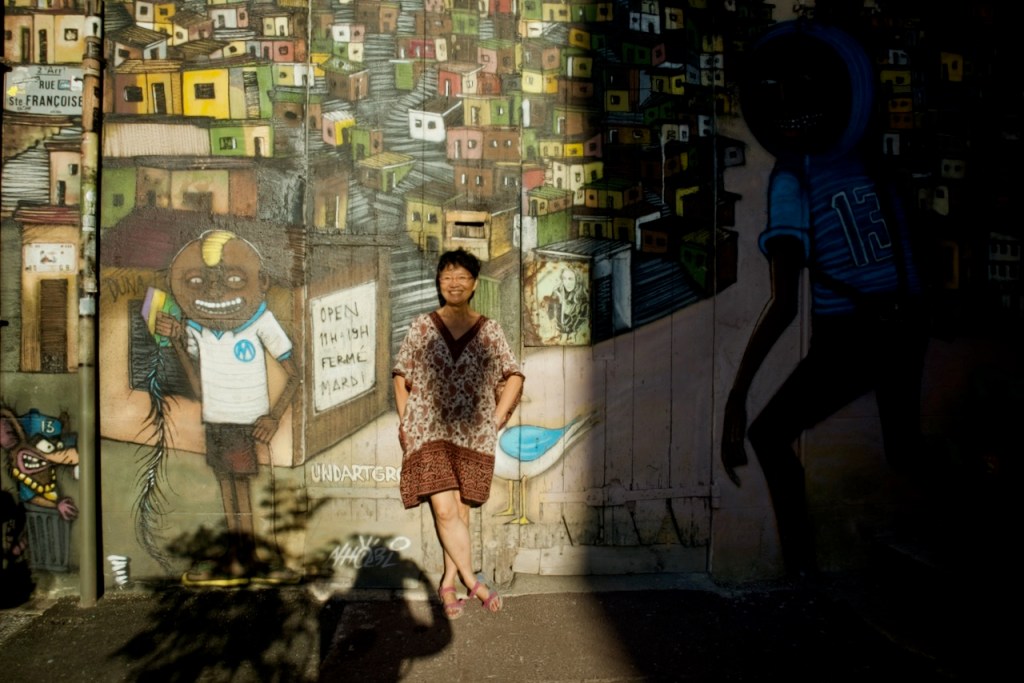
For two days, I have no agenda other than to enjoy and rediscover the legendary port, scenic calanques, various neighbourhoods, colourful markets, vibrant street art, architectural gems, world class museums… and all things Marseillais. From the Saint Charles bus station, I walk towards Panier, meaning basket, the oldest area of town, feeling like I am in Naples, Italy, with similar authentic beauty. The sun is setting and the light on the graffitti makes an indelible impression on the nostalgic passing photographer. All roads lead to the port where children splash around Fort St Jean and locals chill in this hot summer evening. Timeless Marseille!
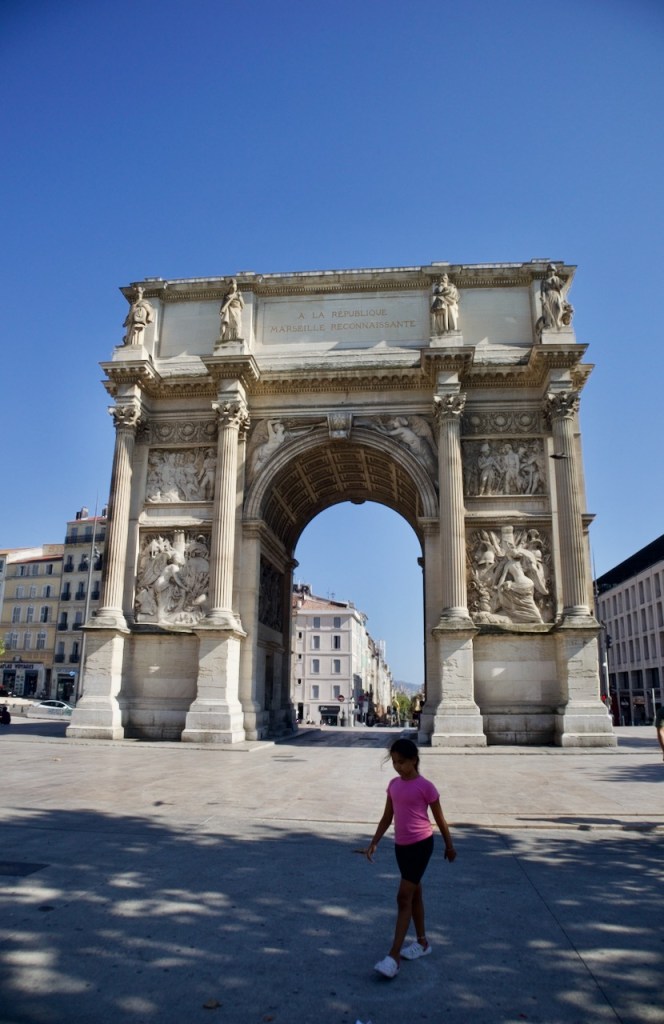
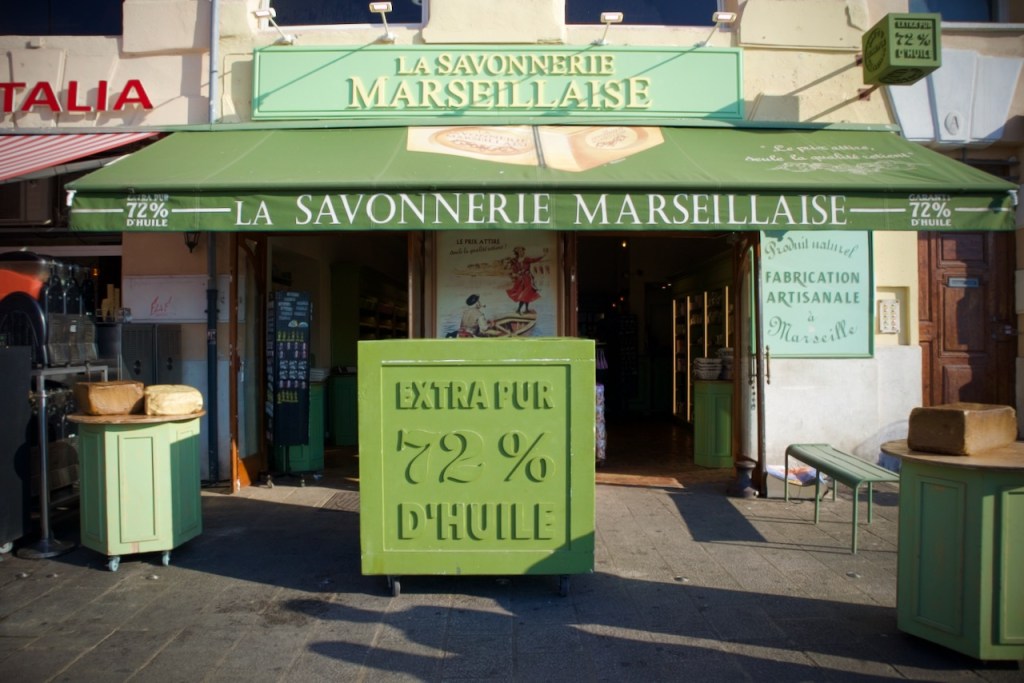
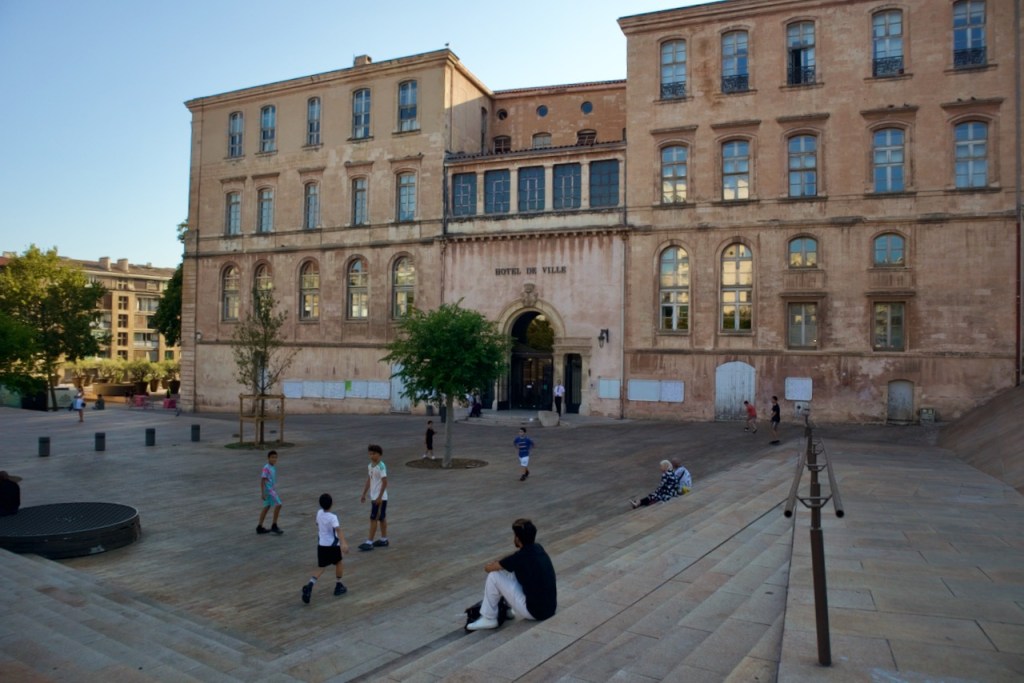
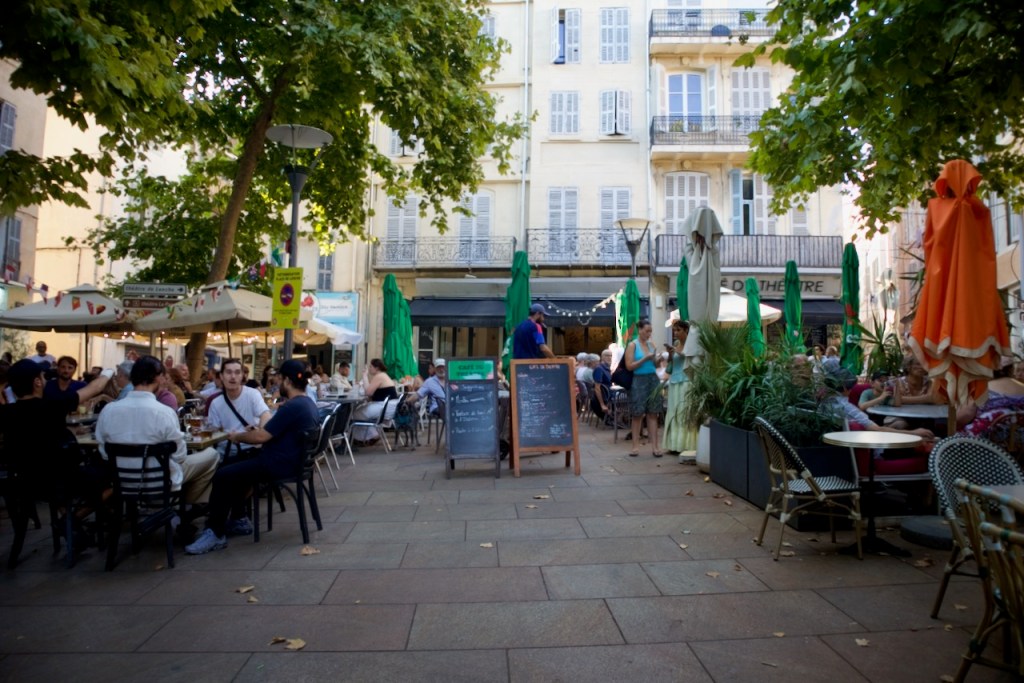
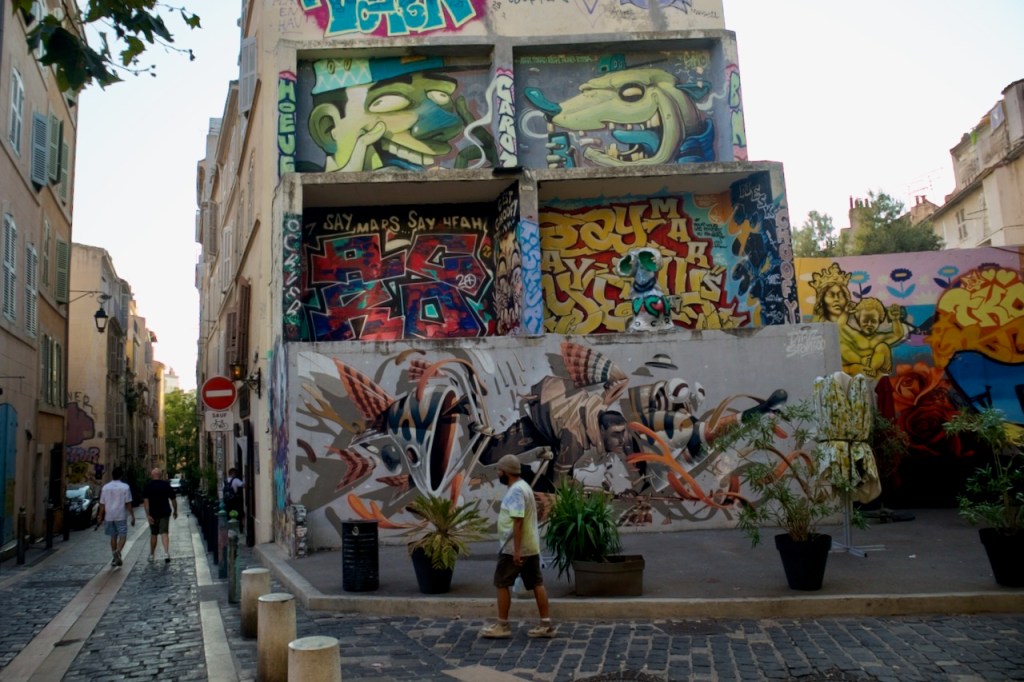
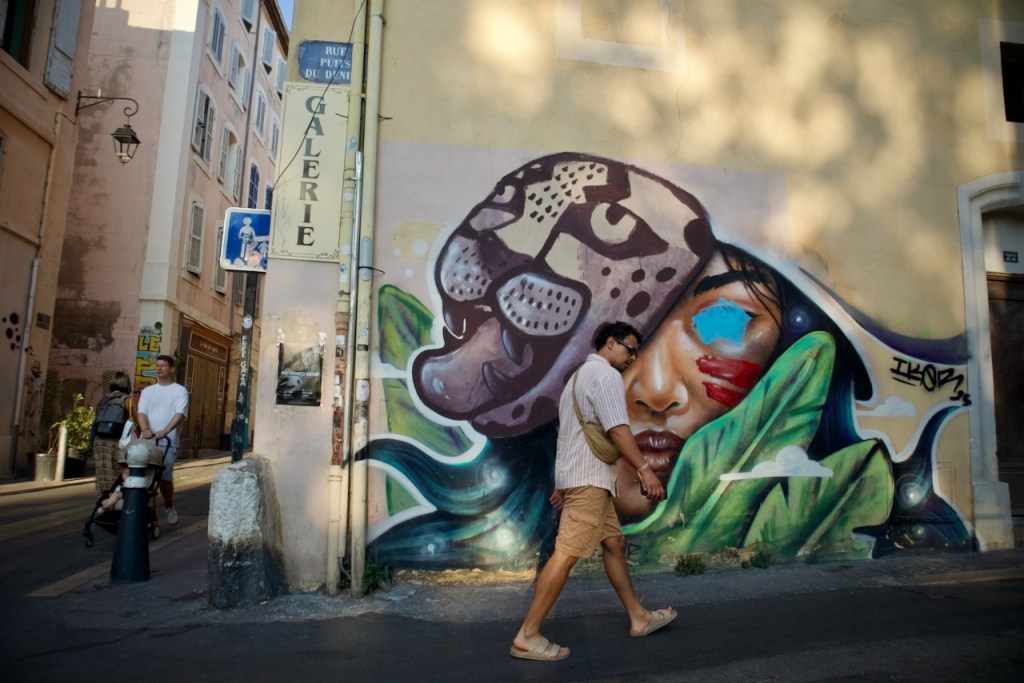
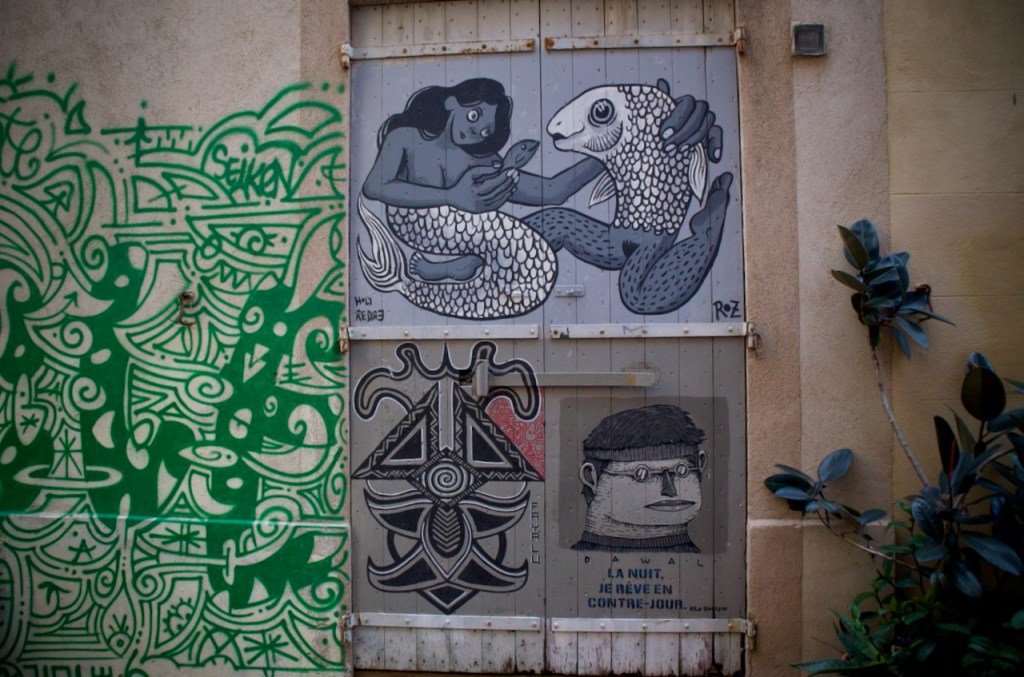
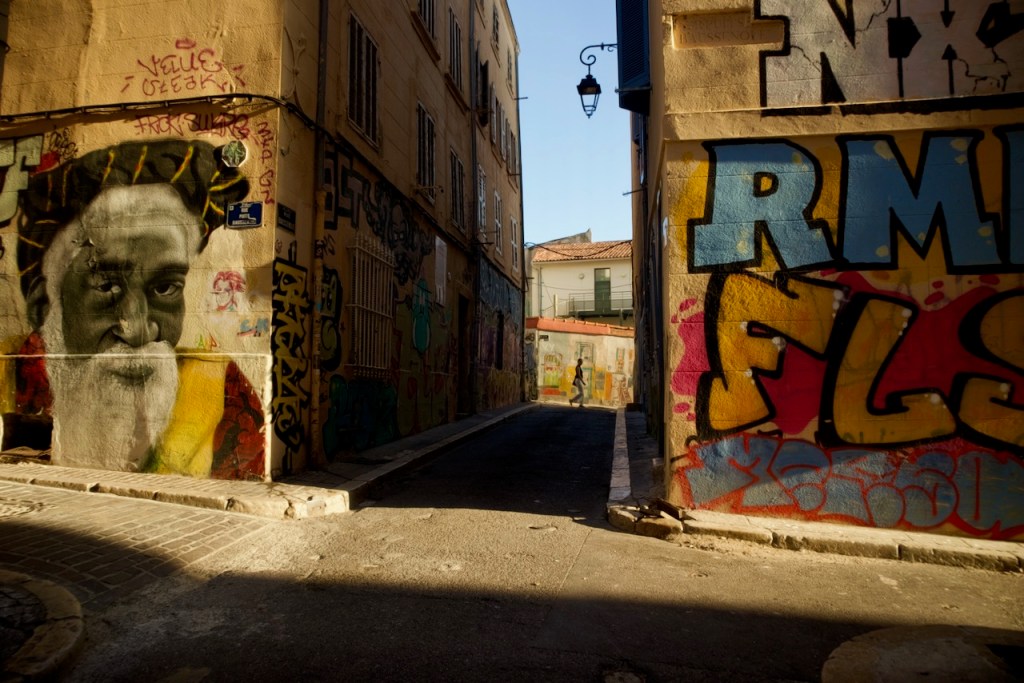
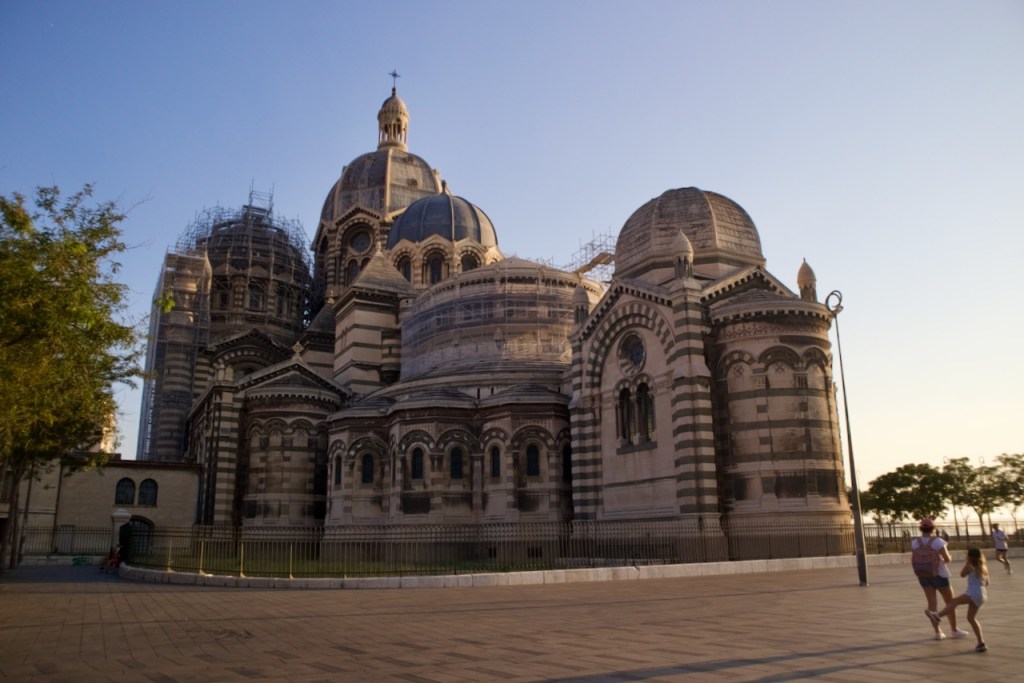
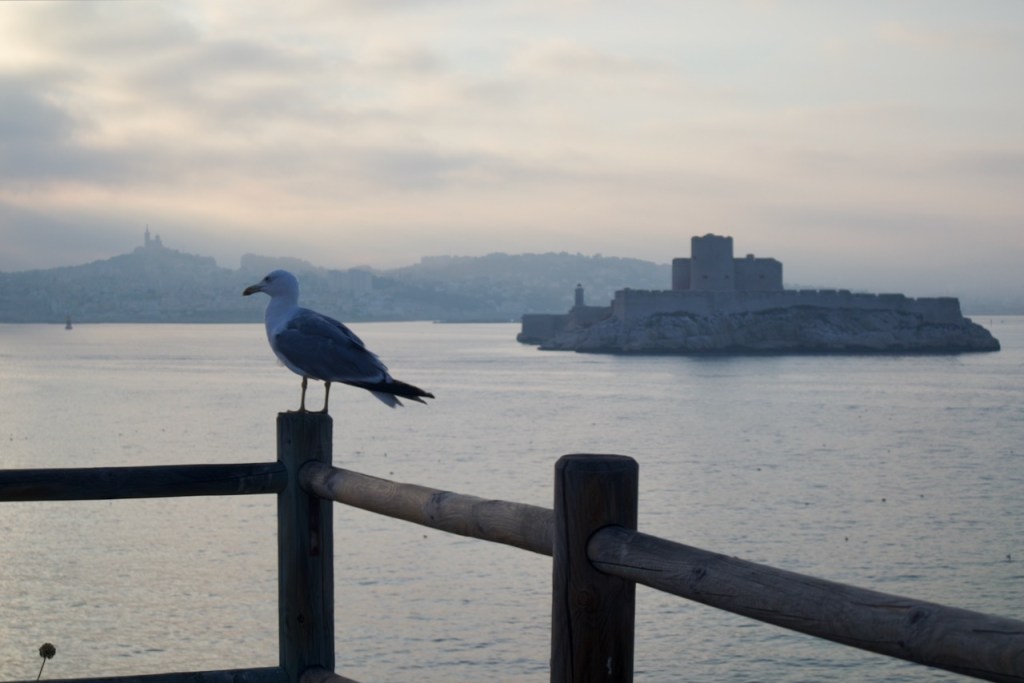
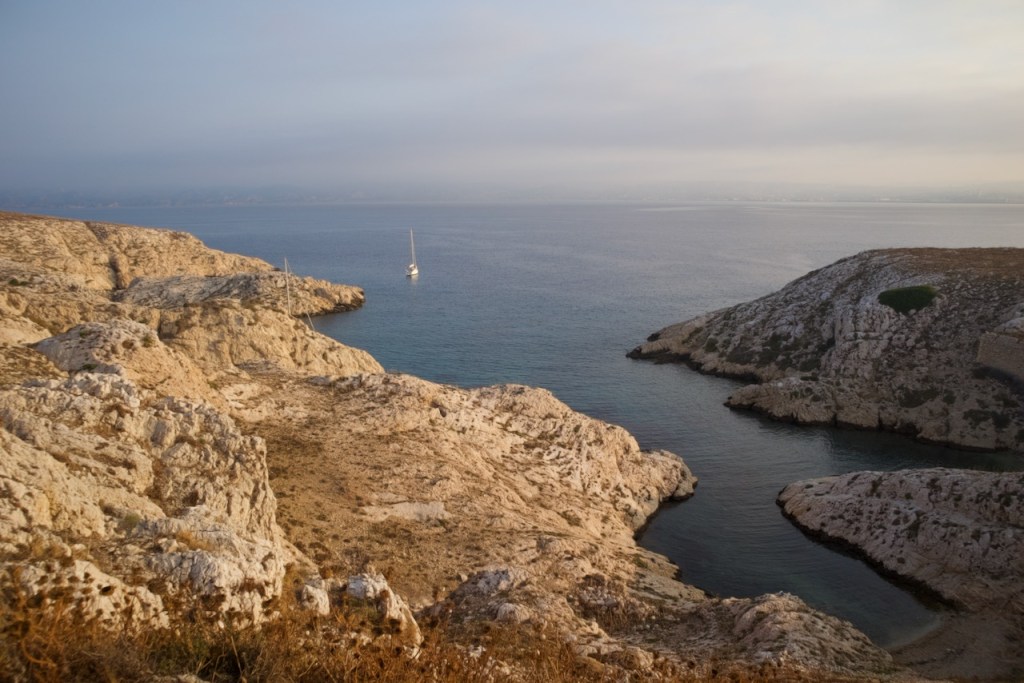
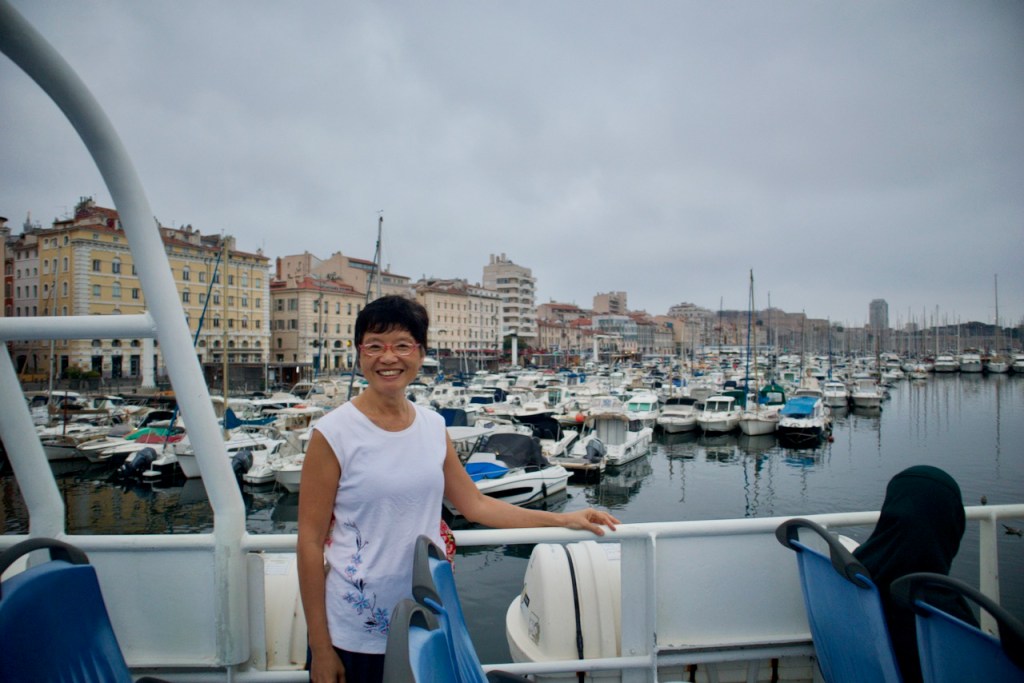
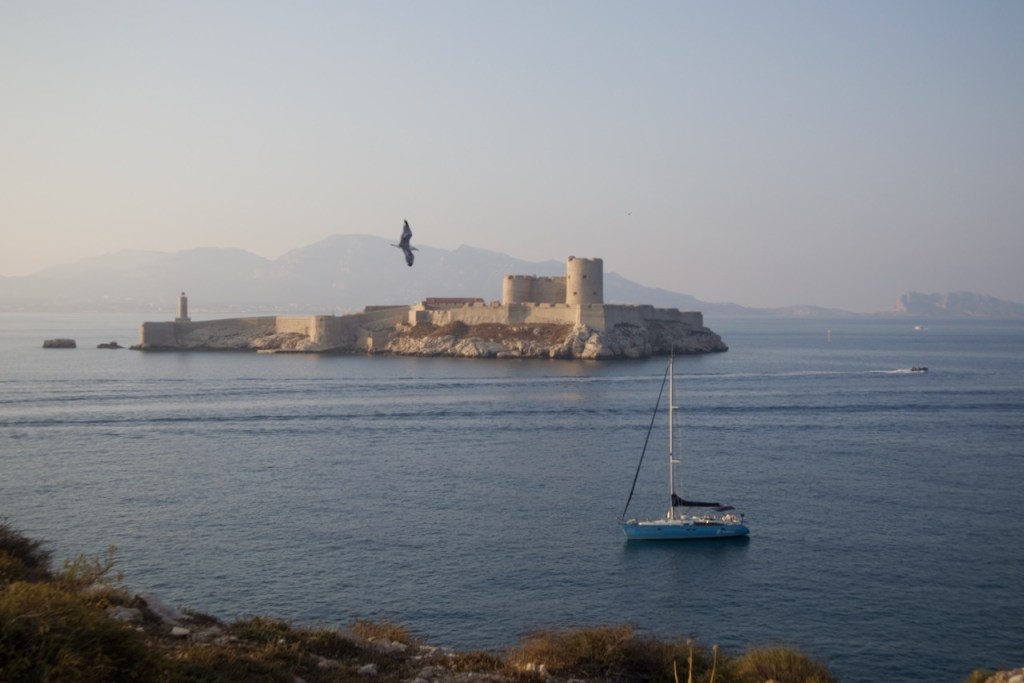
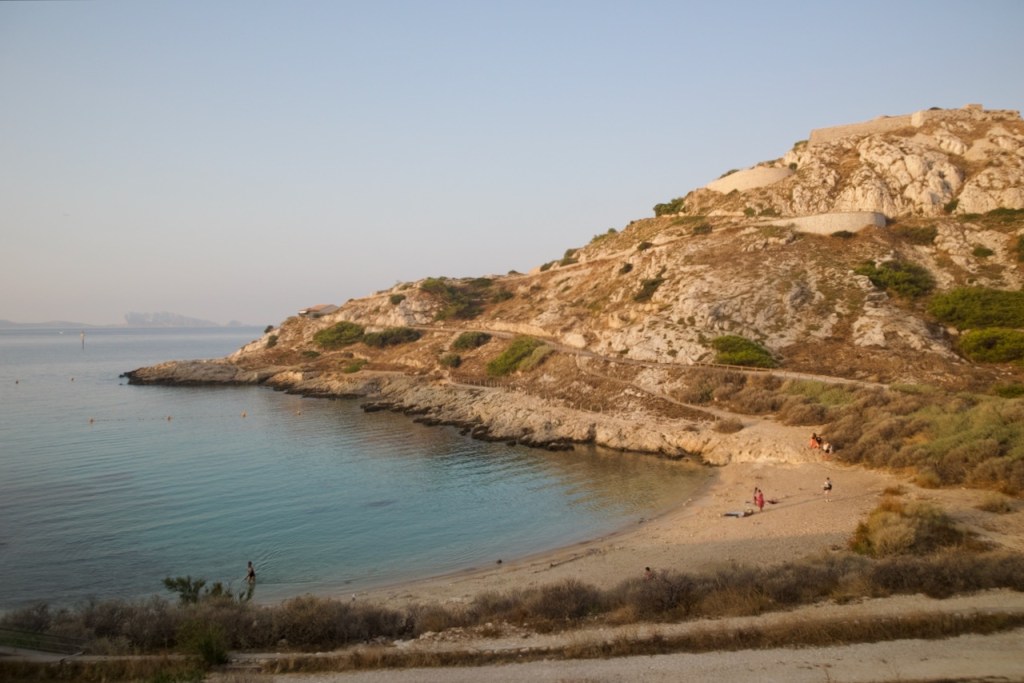
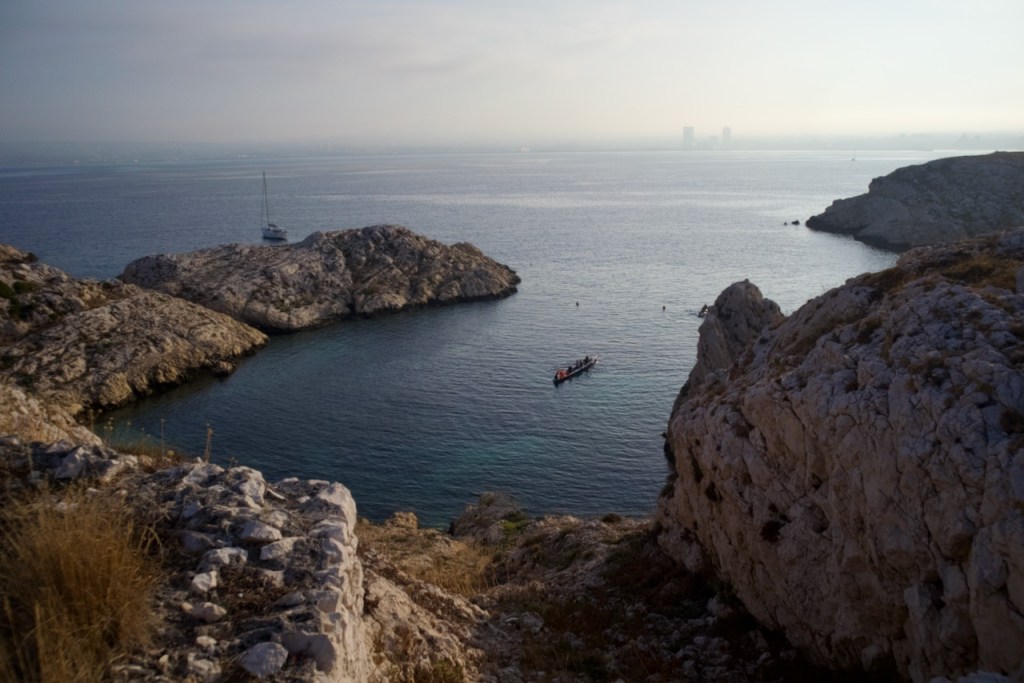
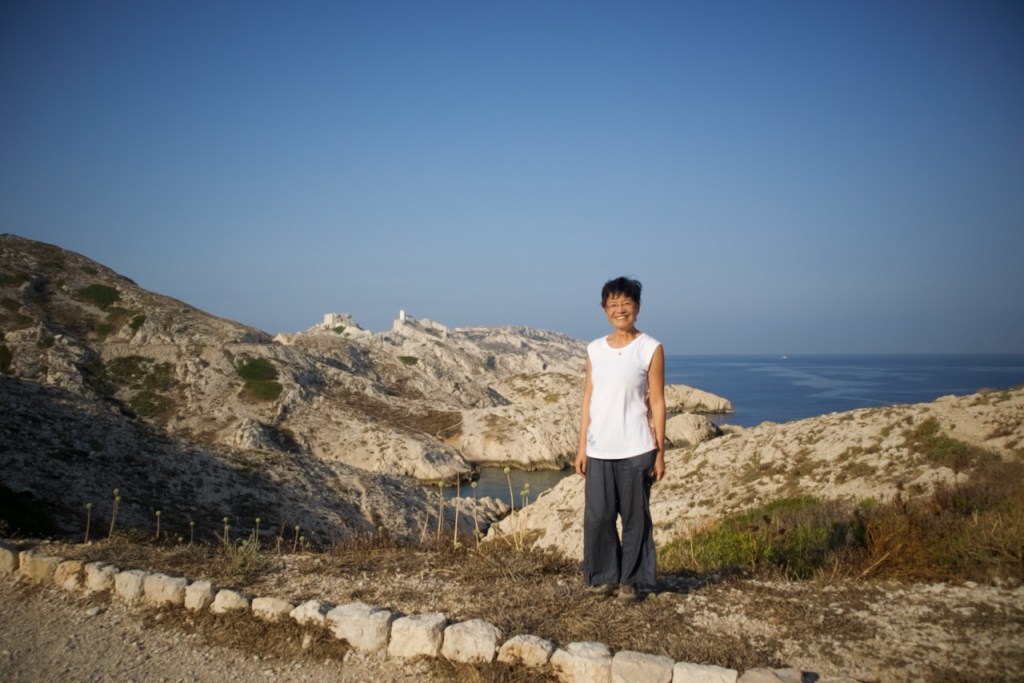
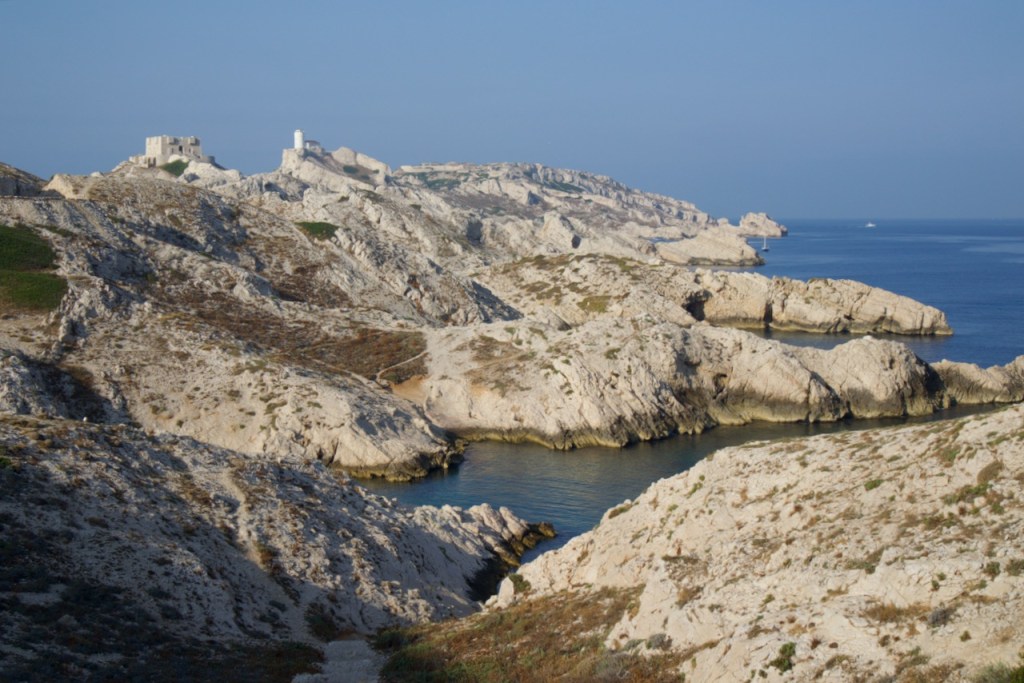
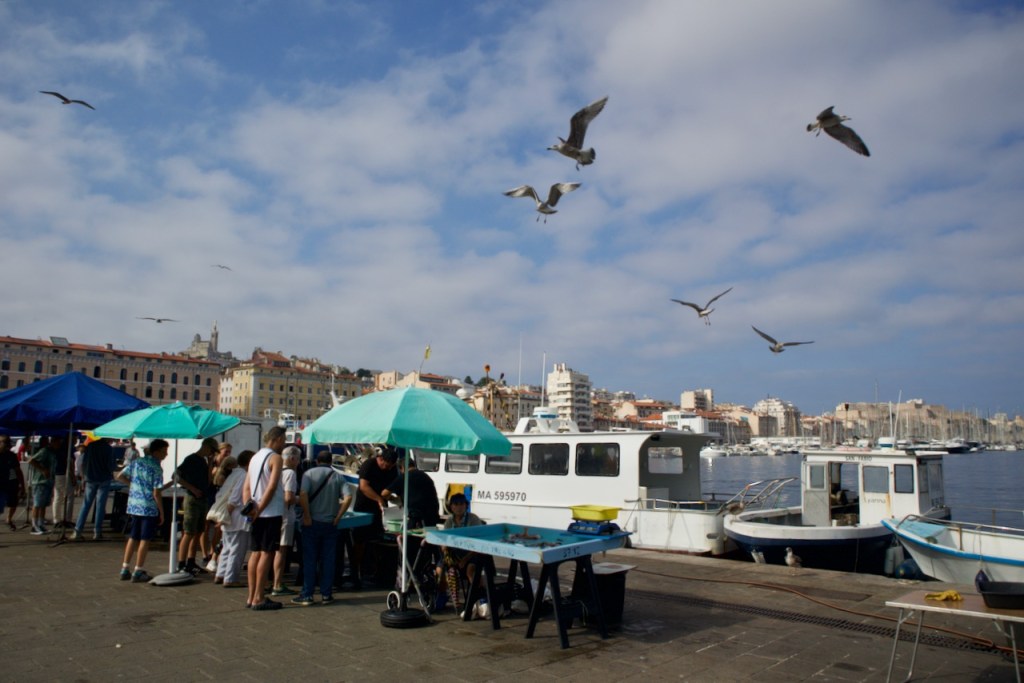
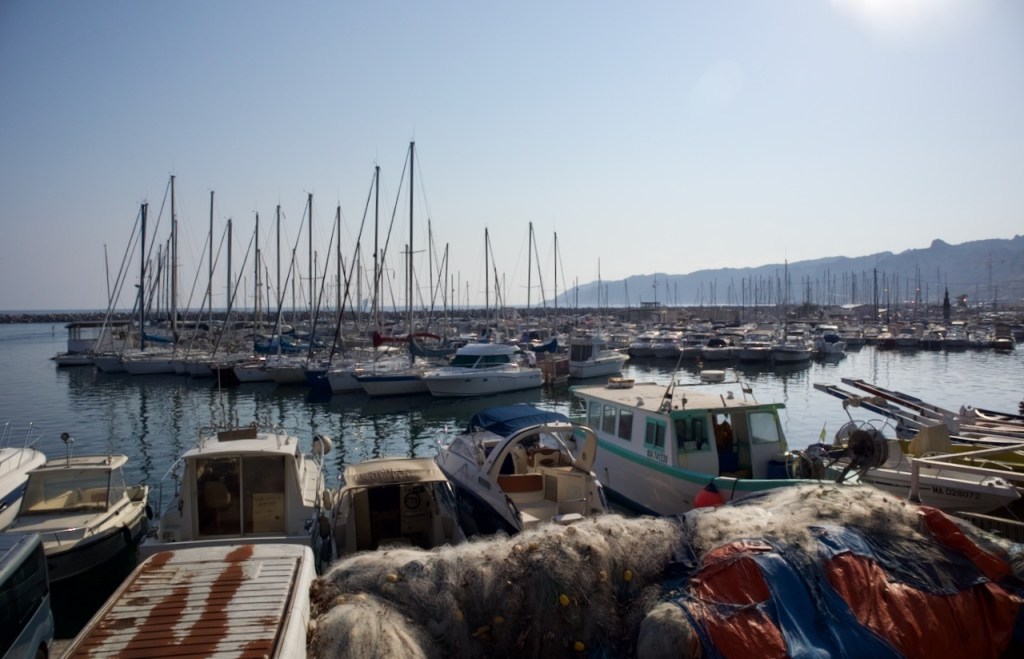
I take the first six-thirty morning ferry bound for Frioul, a small outlying island right off the coast. What joy to experience the magnificent port in all her morning glory and tranquility. The two-hour trail from Frioul port to the 19th Century Caroline Hospital is both a natural and historical exercise, passing through scenic beaches and WWII bunkers with a nice view of Chateau d’If. The fish market is still bustling by the time I return to the quai in Marseille Old Port. I imagine living here, enjoying fresh catch of the day!

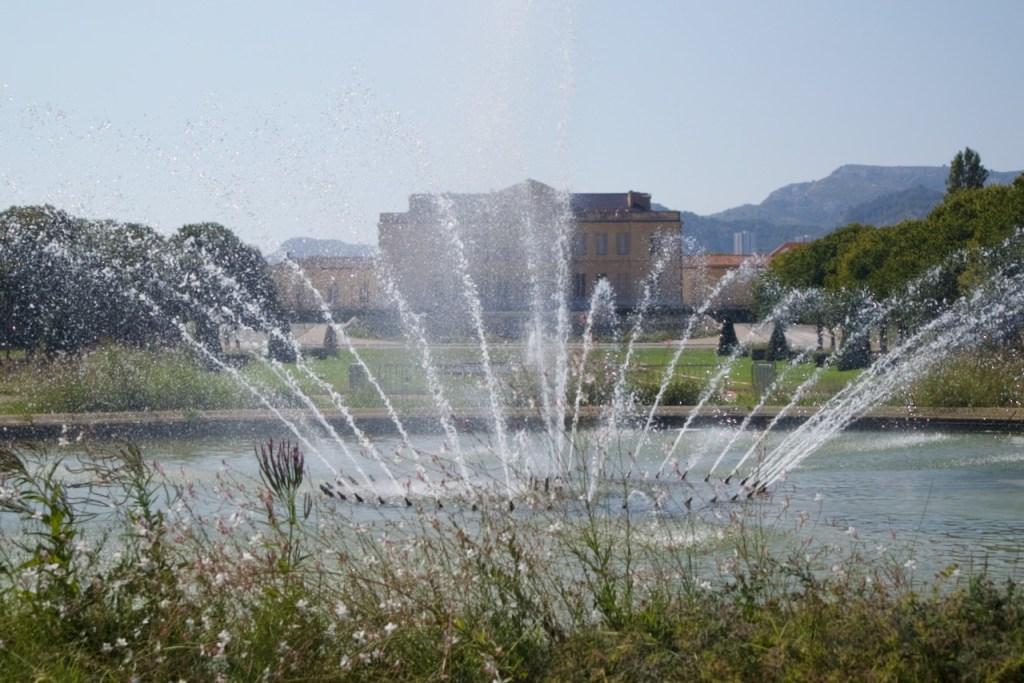
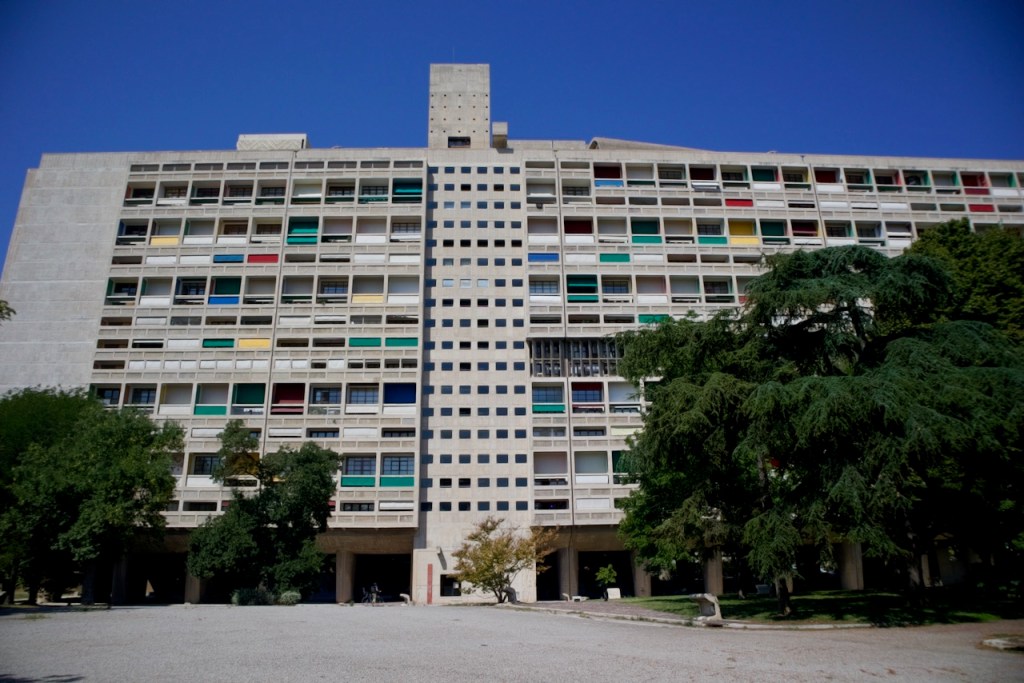
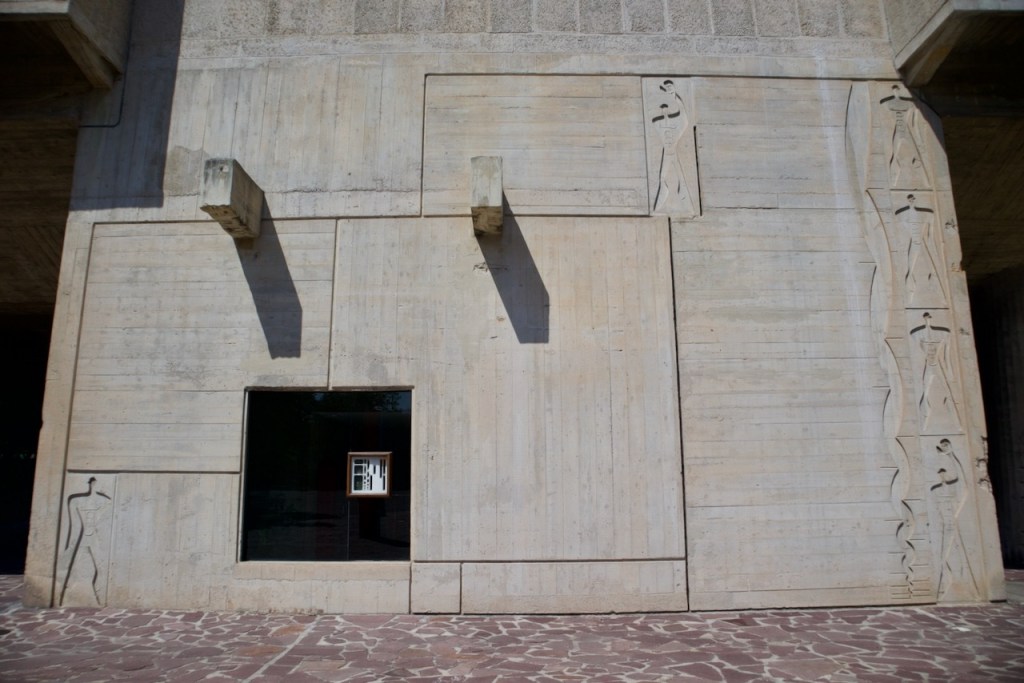
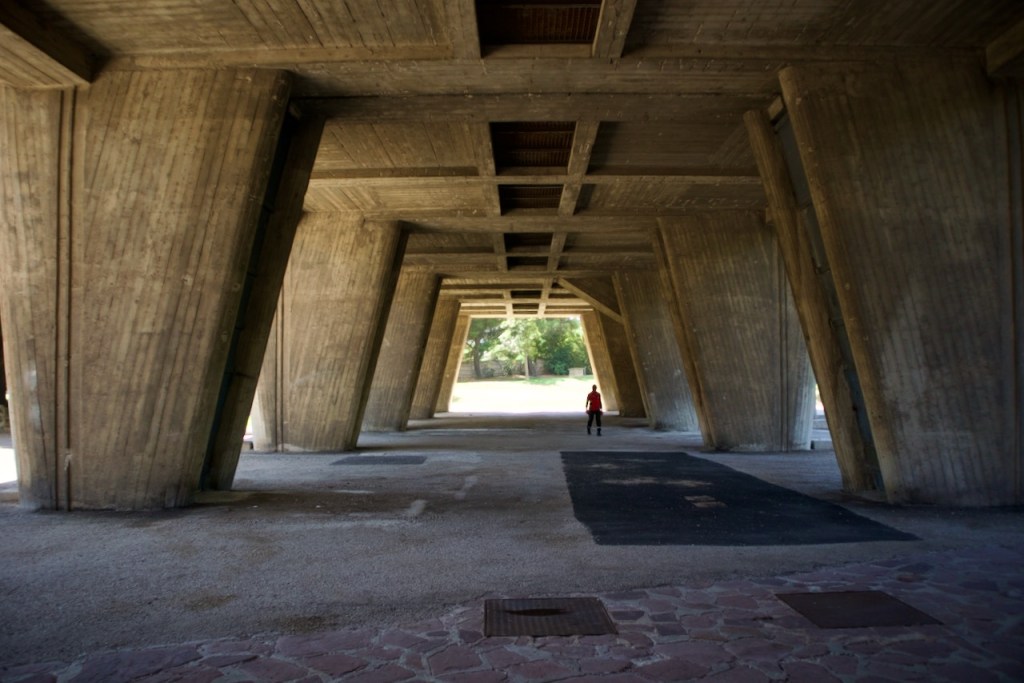
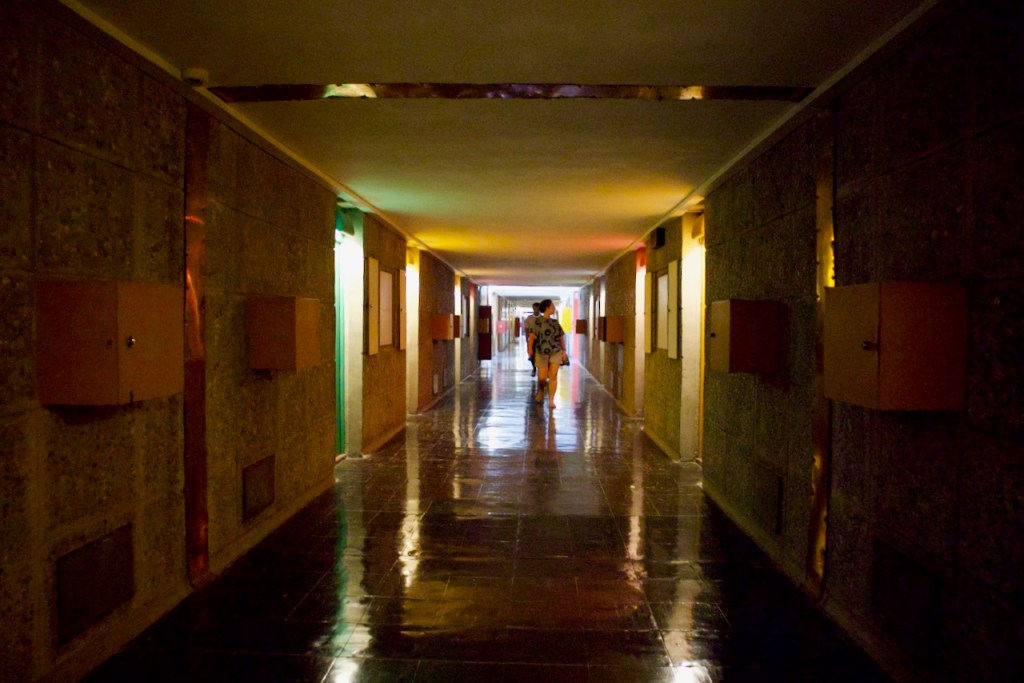
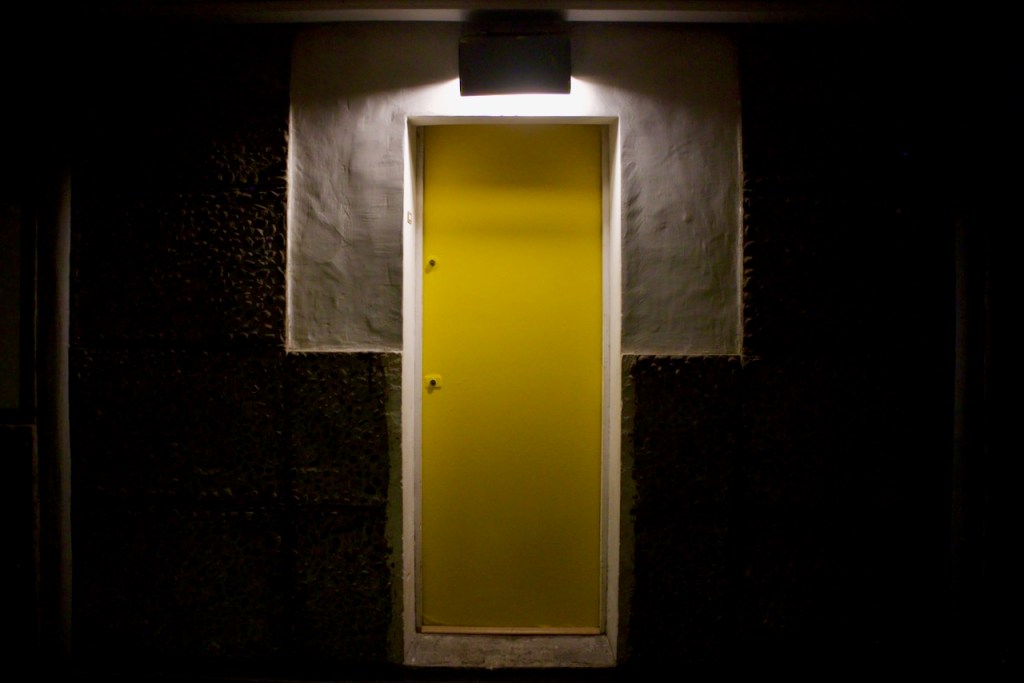
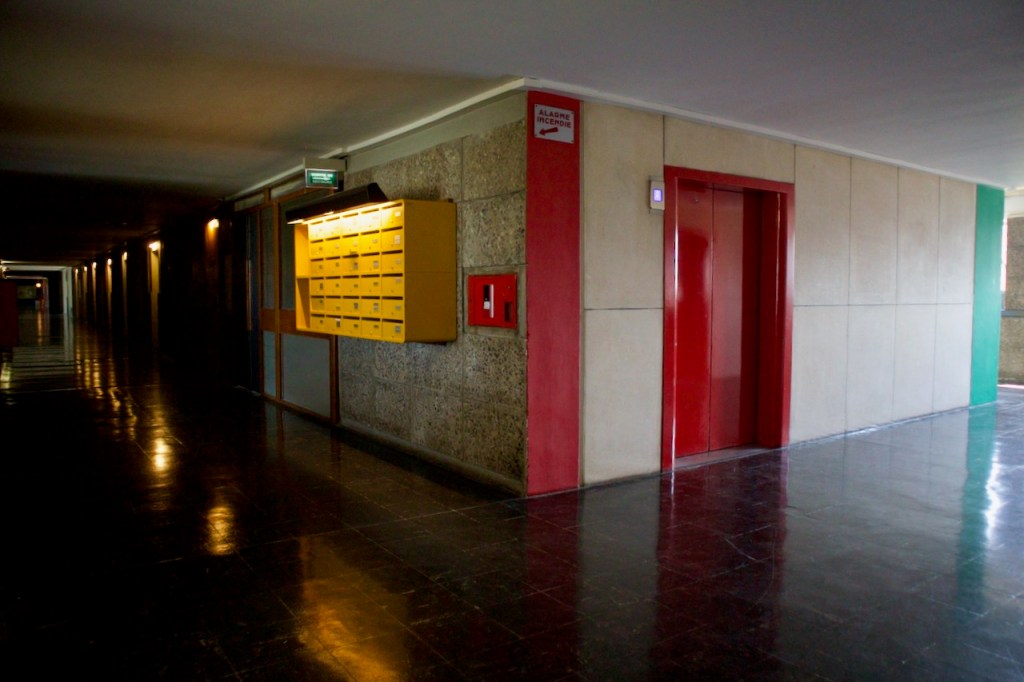
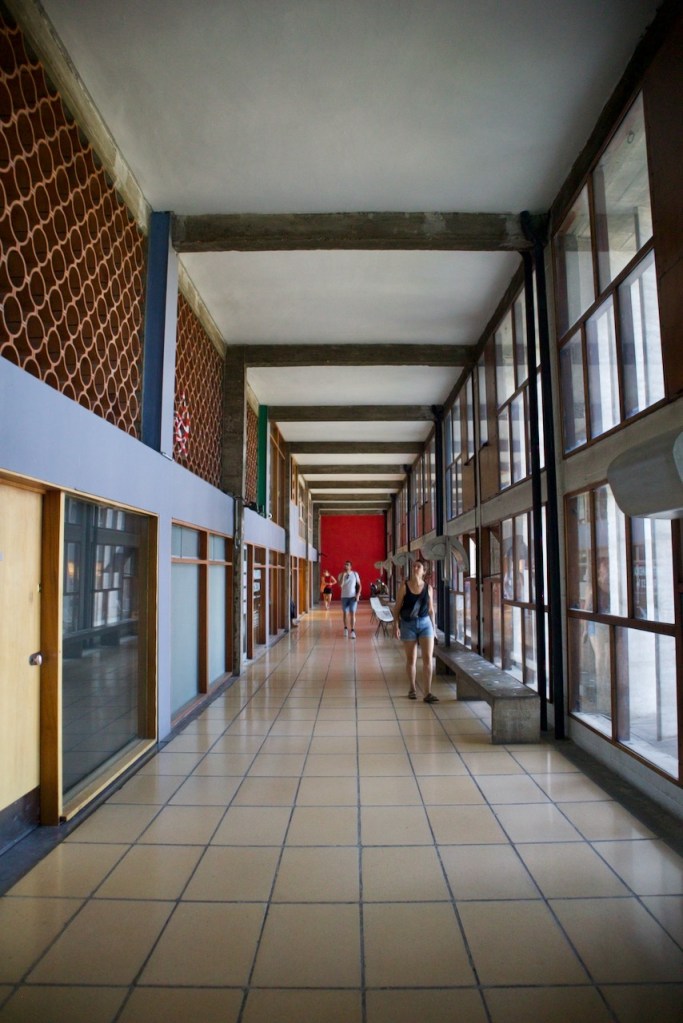
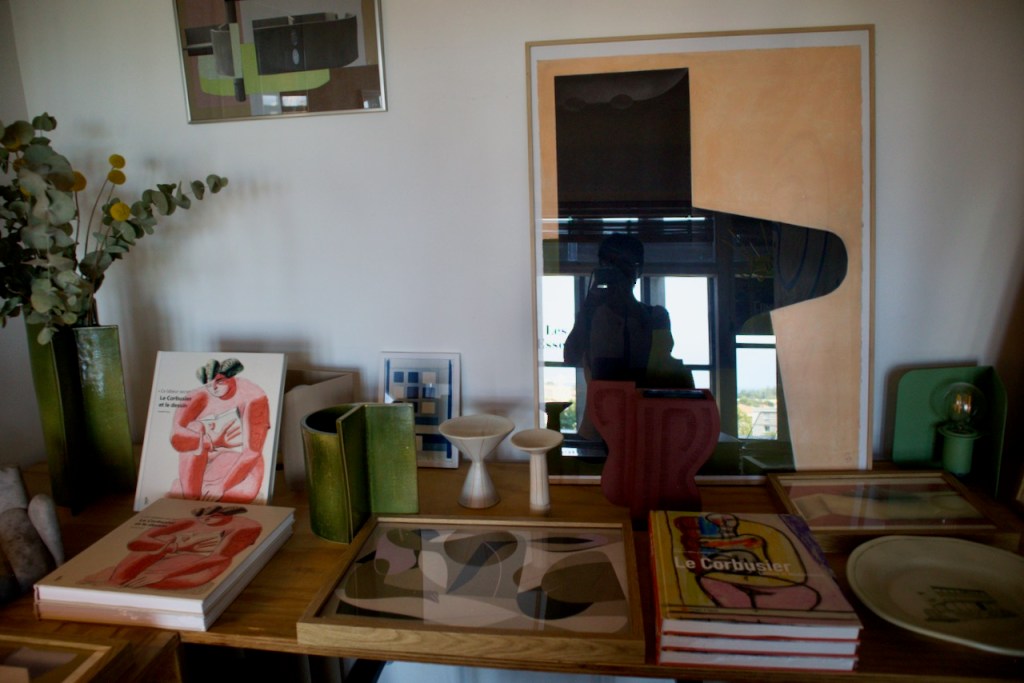
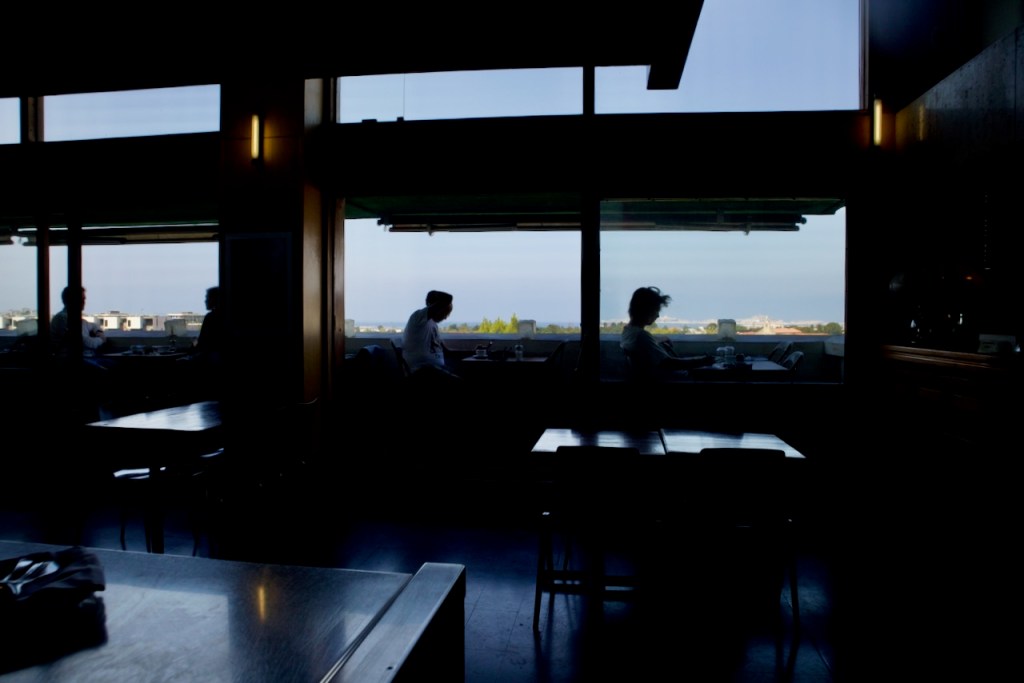
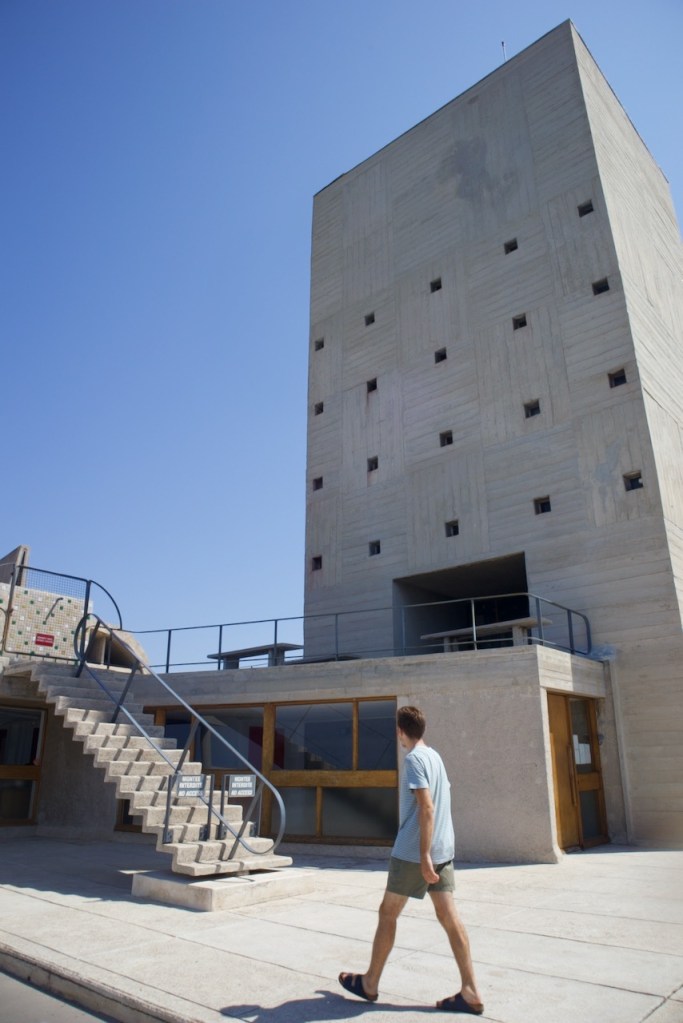
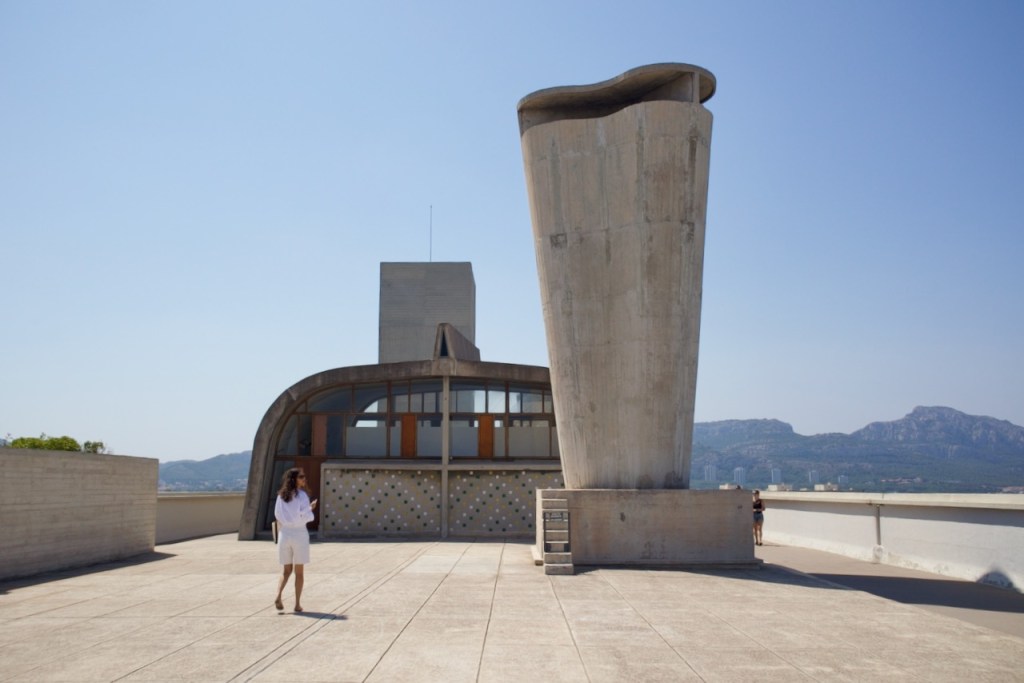
There is still plenty of time to head further south, via Parc Borely, to reach the Cité Radieuse, the iconic housing project by Le Corbusier in 1952. Conceptualized as a vertical village, the building contains 337 apartments complete with a shopping floor, a bar-restaurant-hotel, a kindergarten, and even a church. Even if the dated look and dark corridors might not be everyone’s aesthetics, visiting this modern architecture landmark is a total bonus in my impromptu visit to Marseille. At the rooftop, I meet Jean-Pierre who attended the kindergarten there in the 1960s (!) and had made the pilgrimage for a journey down the memory lane. A real estate agency inside the building-village shows apartments selling for half a million euros. Not worth the money, he quips. You can find better value elsewhere!
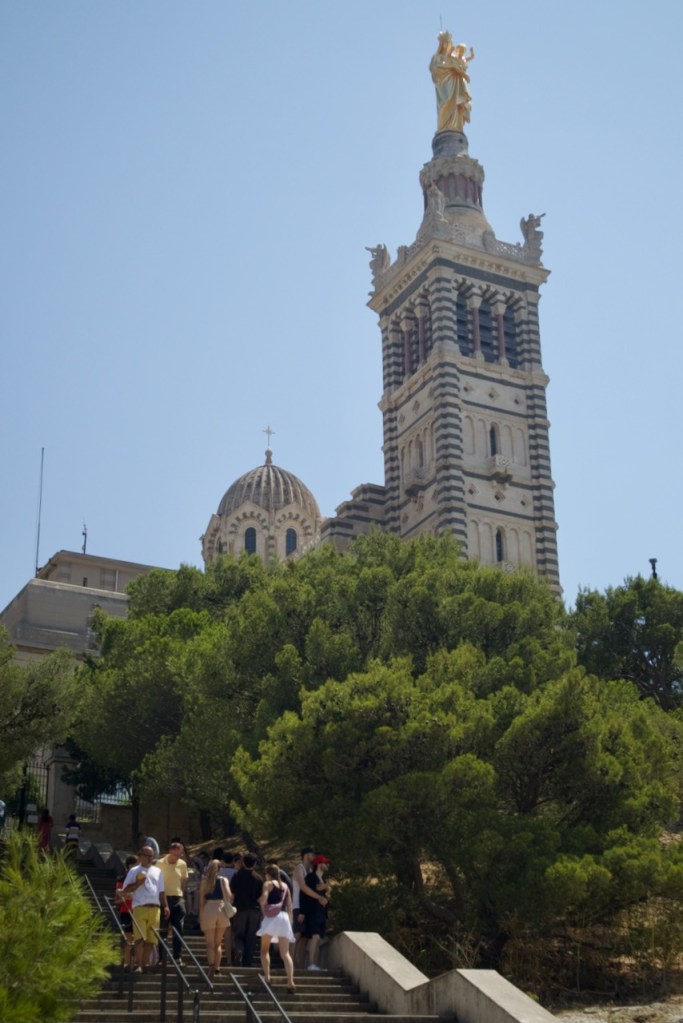
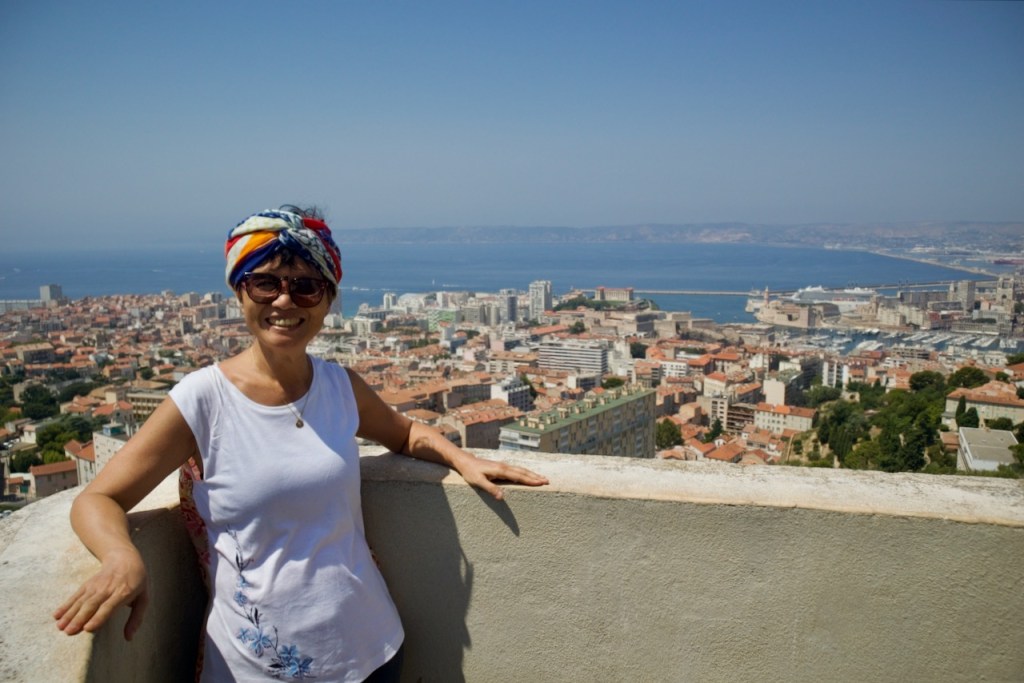
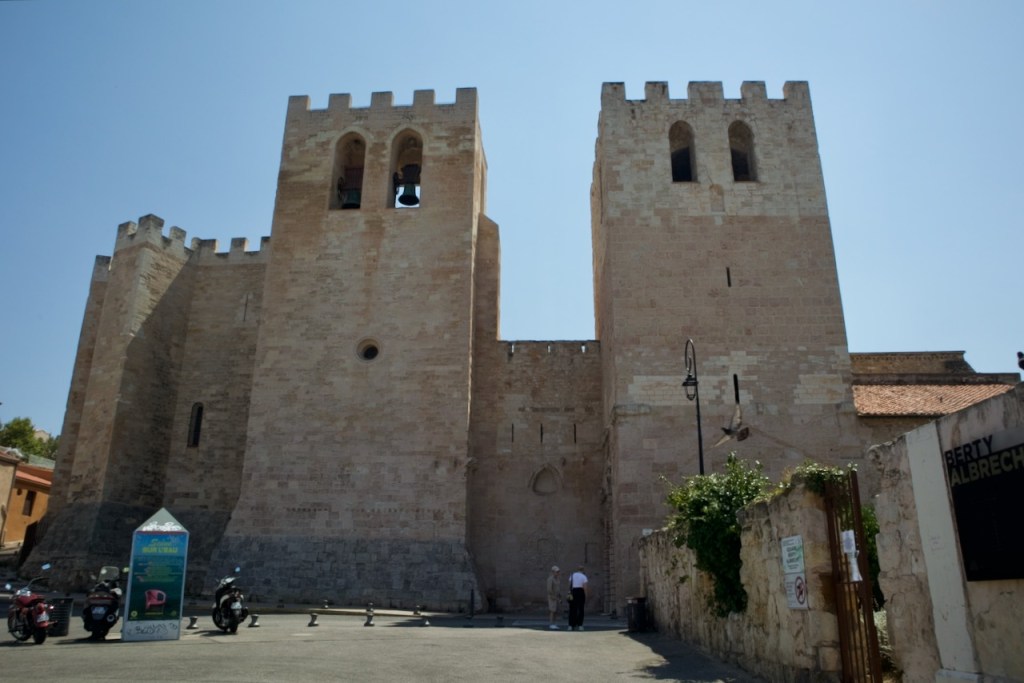
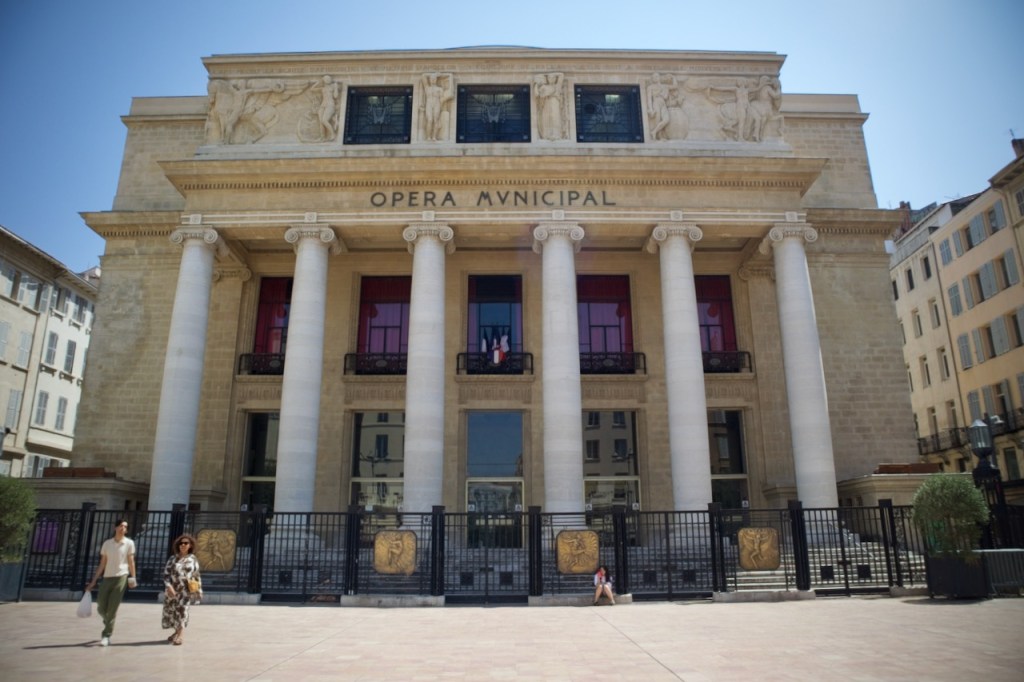
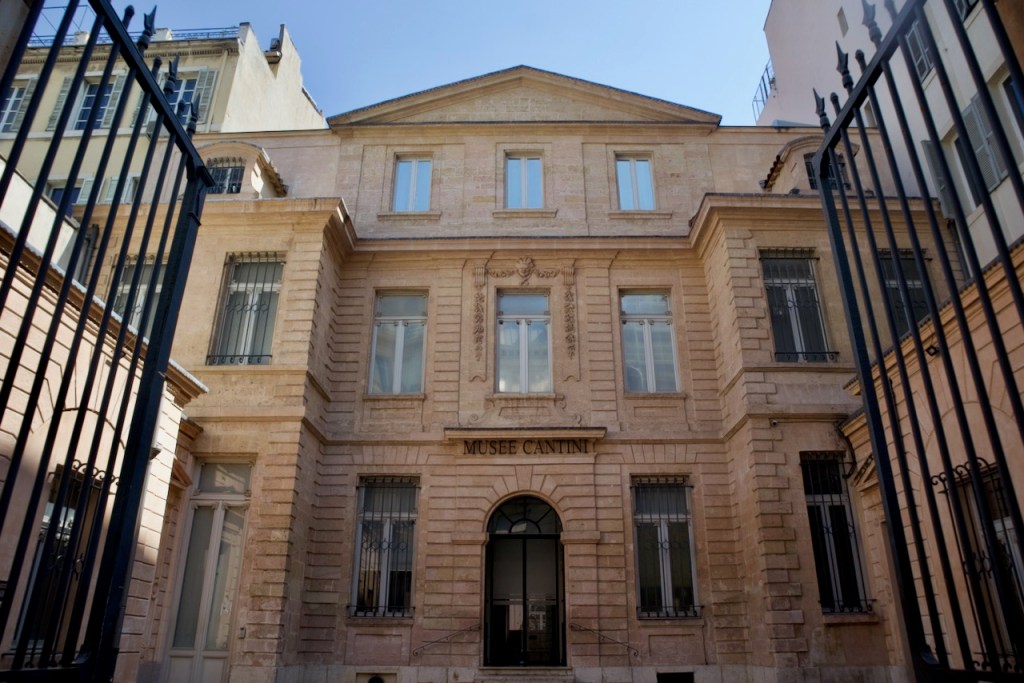
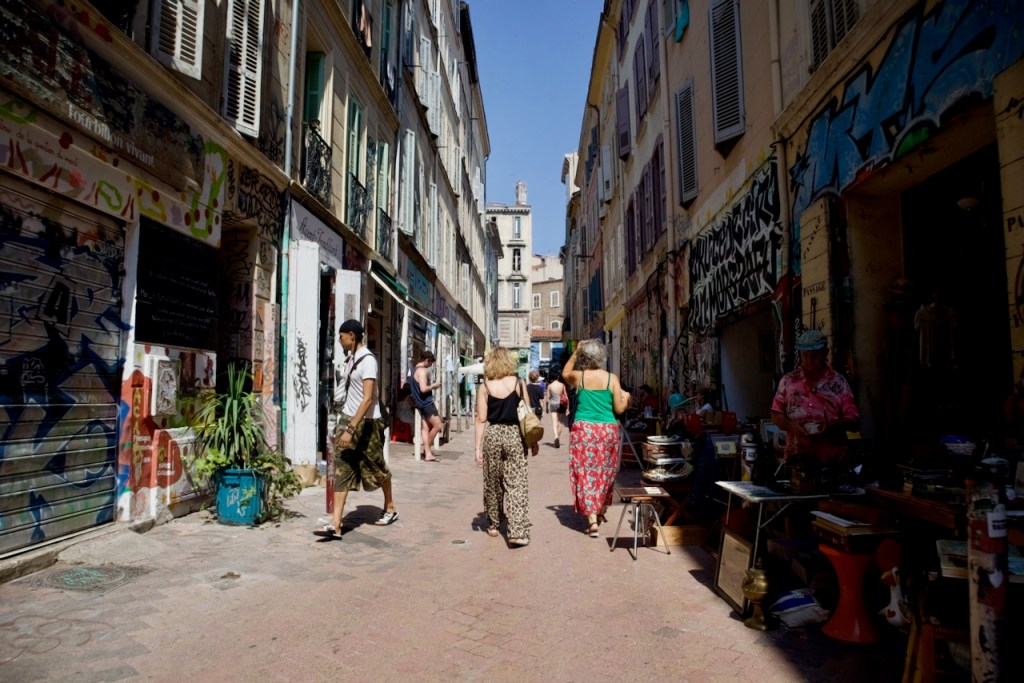
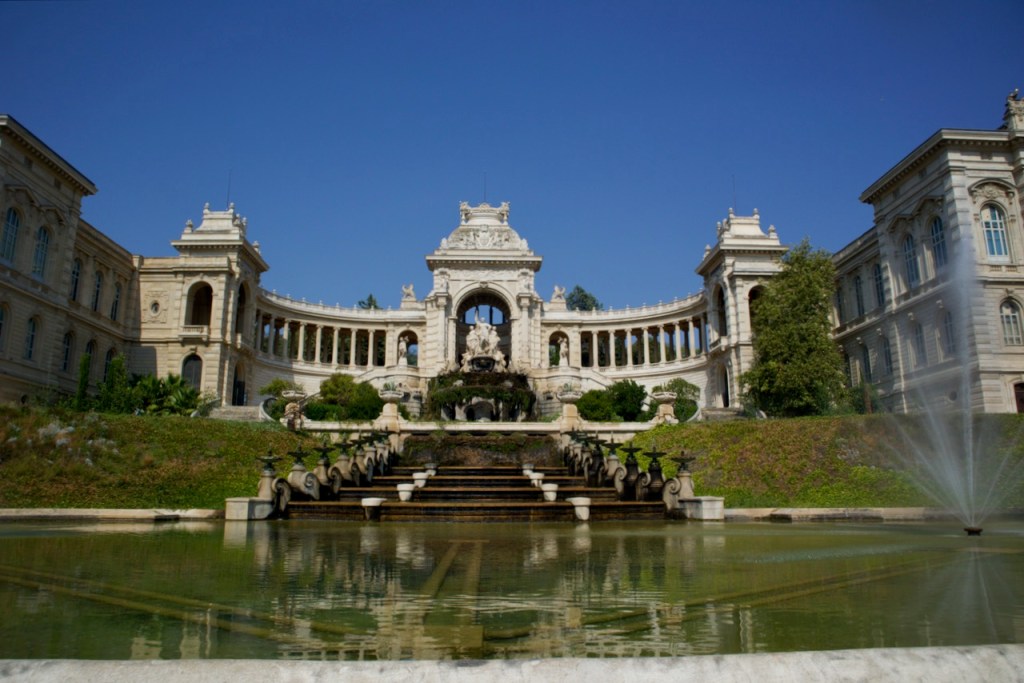
I decide to take a long walk back to the city centre, neighbourhood by neighbourhood: the Baille Castellan and the quartiers Vauban, Endoume, and Les Catalans, climbing up to the Basilica of Notre-Dame of la Garde with a stupendous view of the entire city and bay, descending to Saint-Victor Abbey, passing through Musee Cantini (with a small but impressive Surrealist collection!), exploring the lively Cours Julien area, dubbed “France’s largest open-air street art district,” before finally reaching the classy Longchamp palace. In La Joliette, by the dockside, I hop on a bus to reach Estaque just in time for a glorious sunset. Sharing a ride is Veronique, a local Marseillaise who knows her native city inside out. Boulevard Chave, just beyond Cours Julien. That is where you want to live if ever you move here! she says on parting. Make sure to look for apartments that are “traversant,” with windows on opposite sides of the building, giving light all day and fresh air. It surely sounds tempting! I still remember the bouillabaisse, and now there is dusk light on the graffiti and so much history…
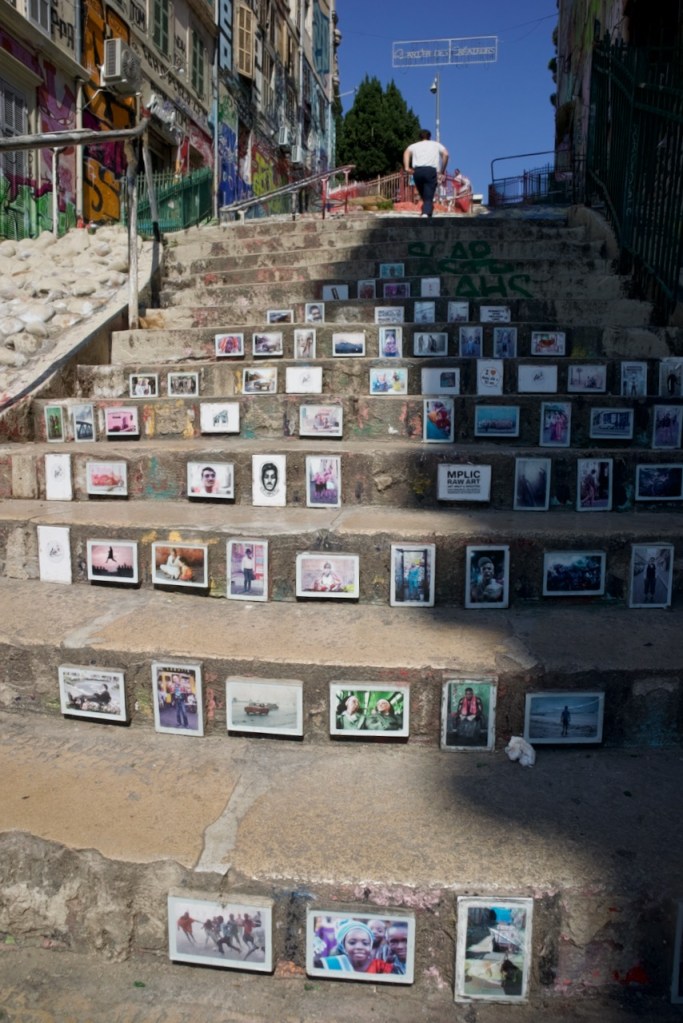
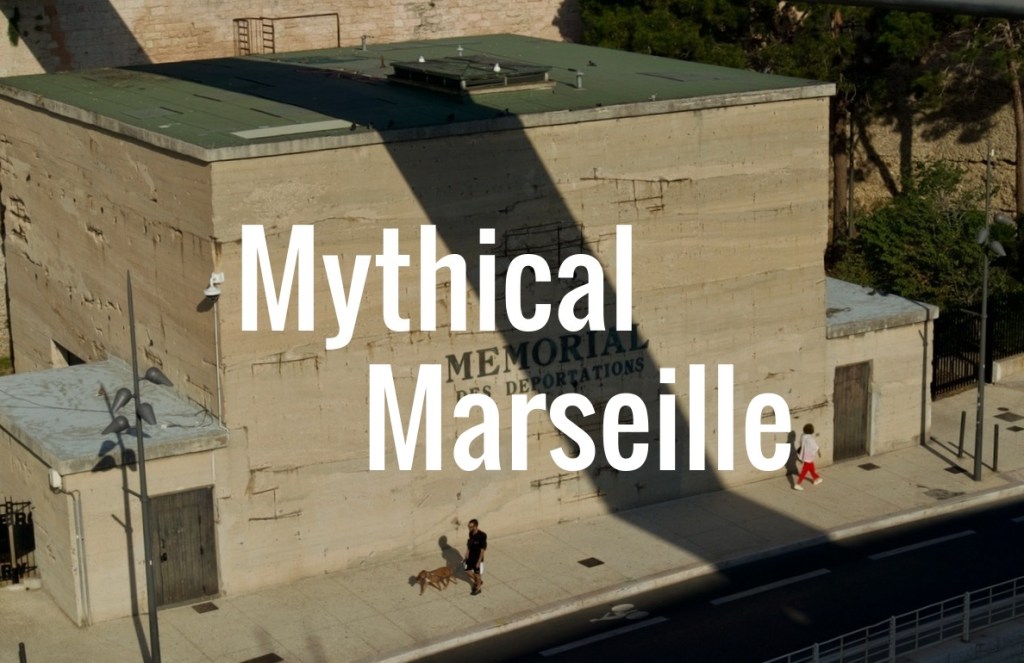
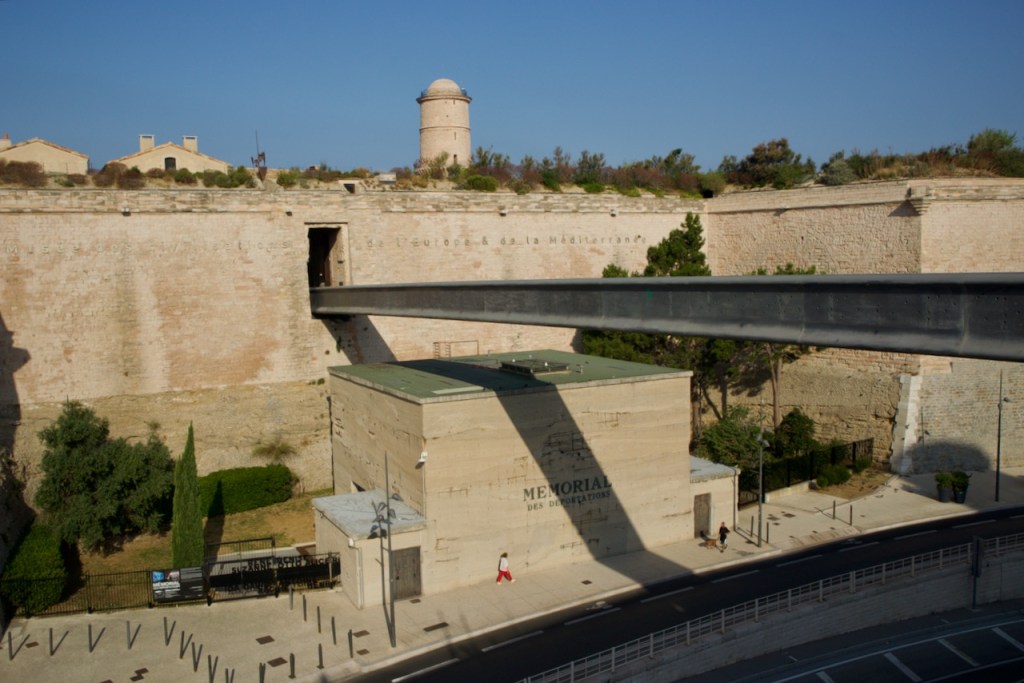
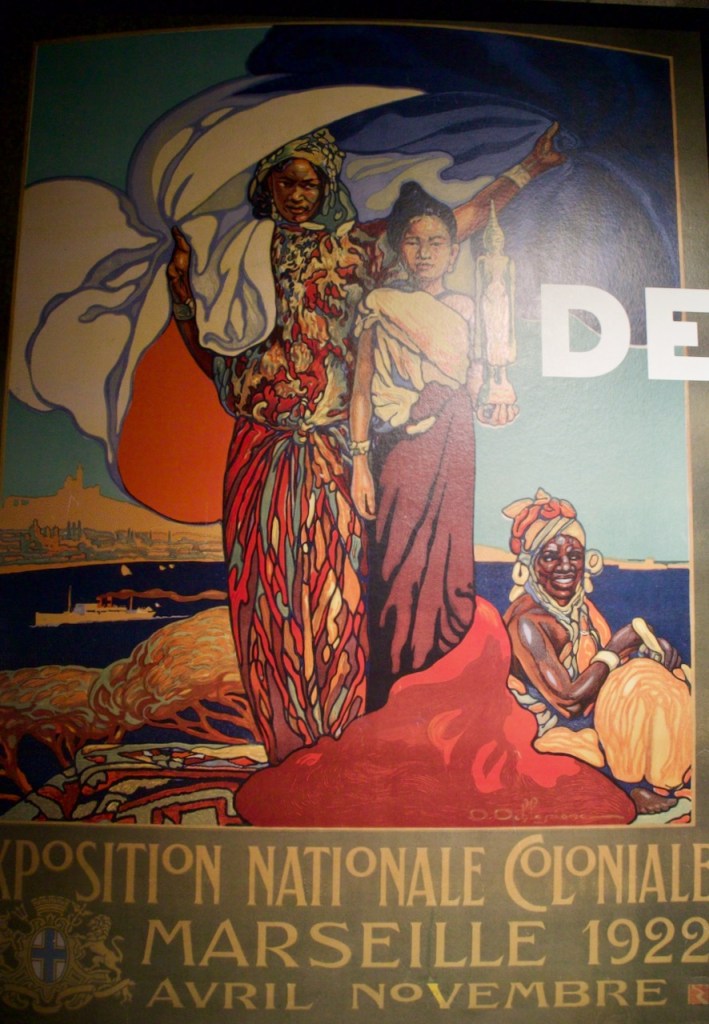
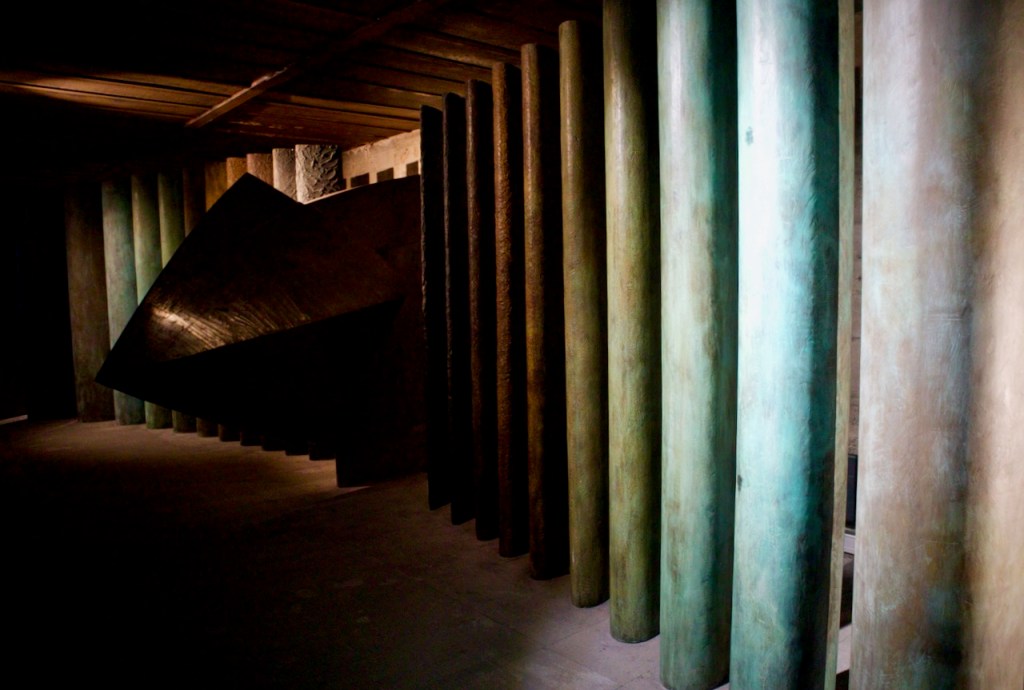
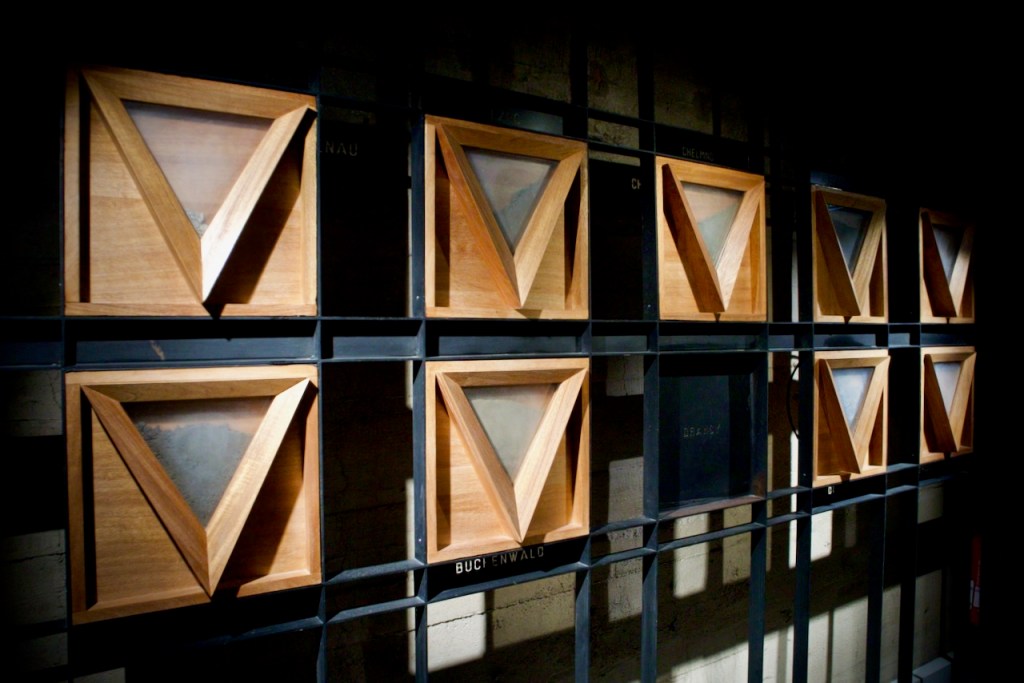
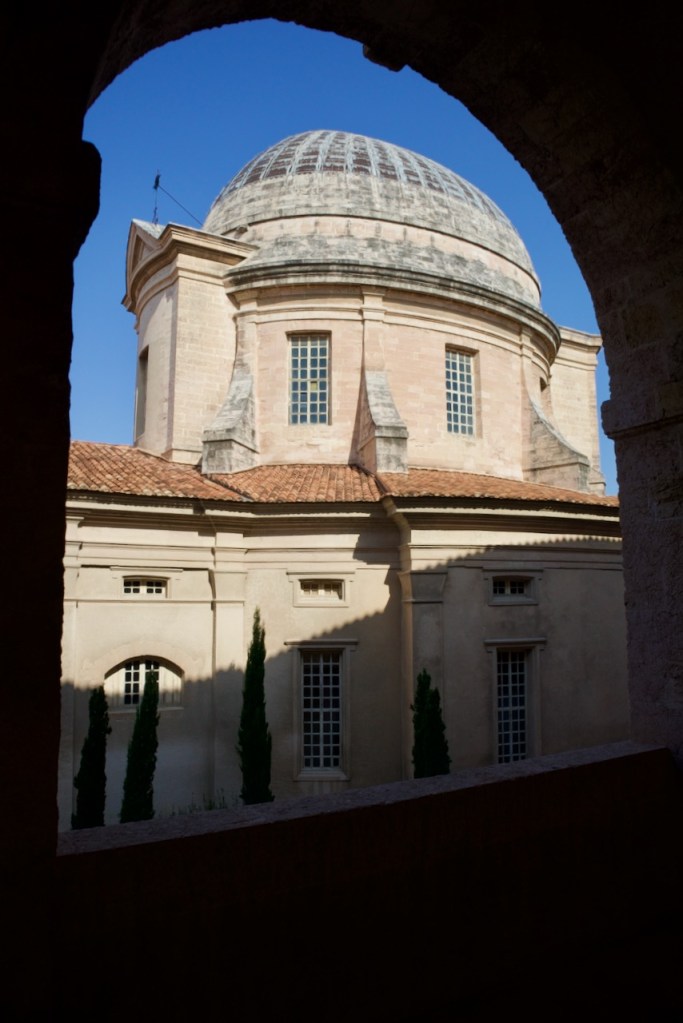
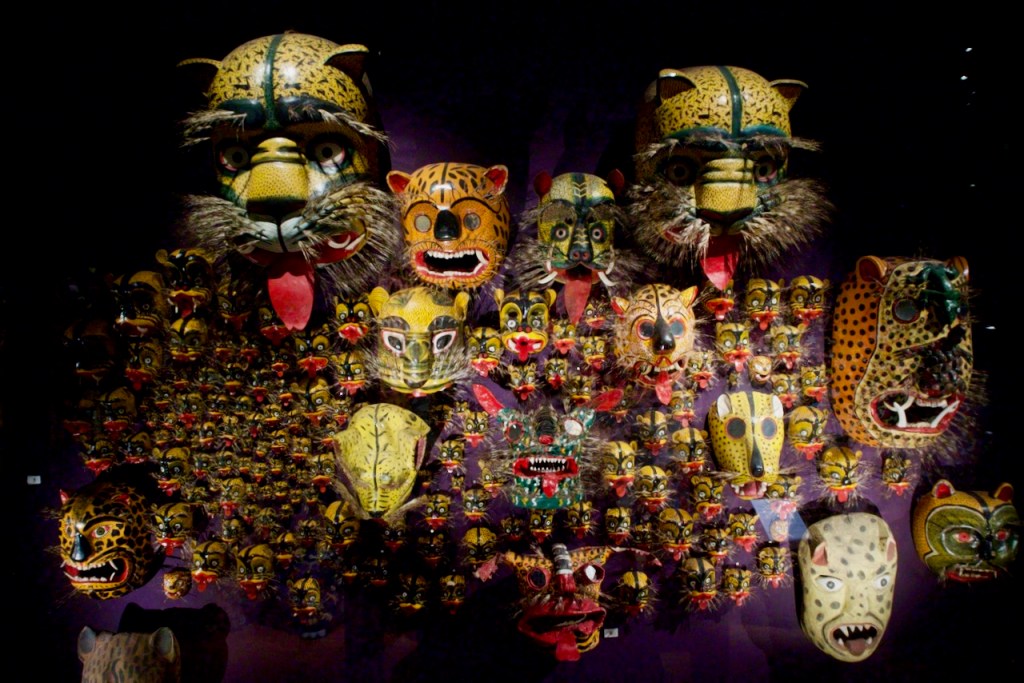
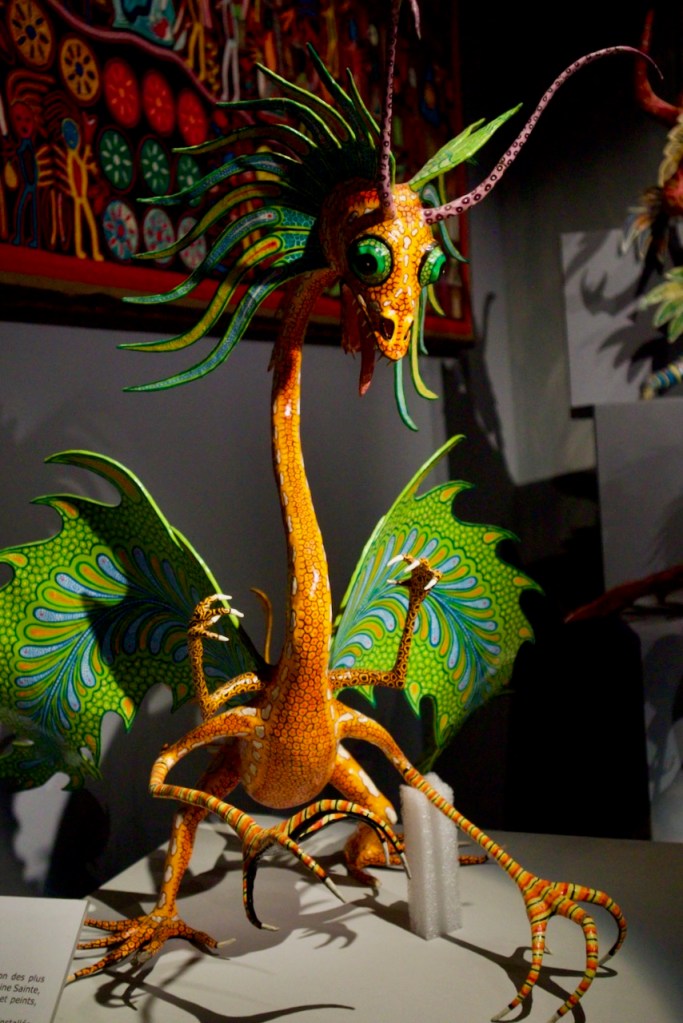
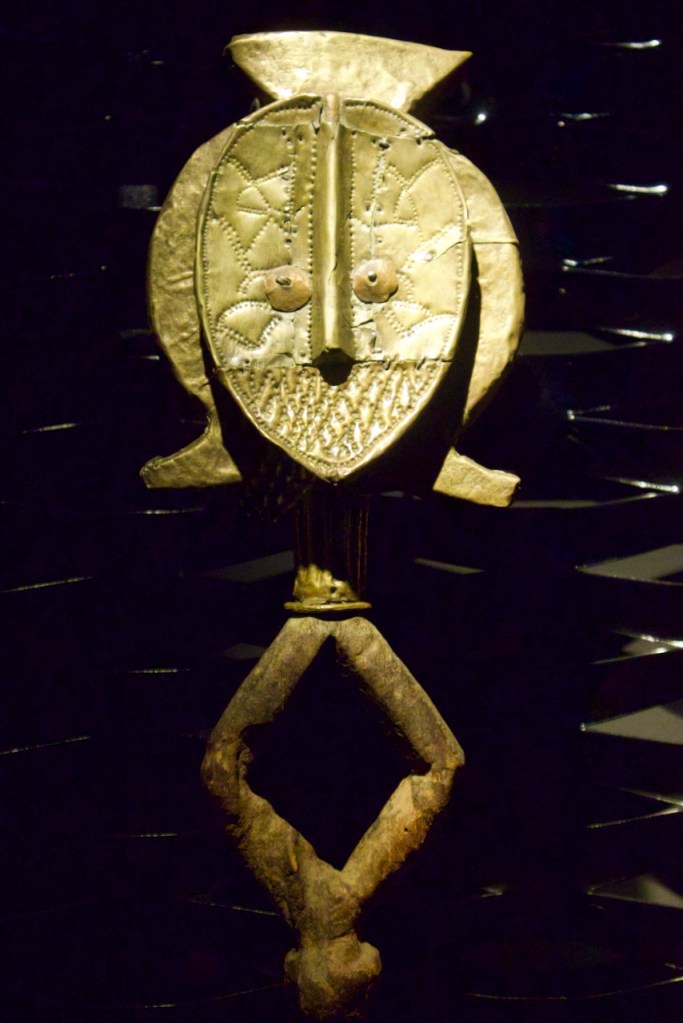
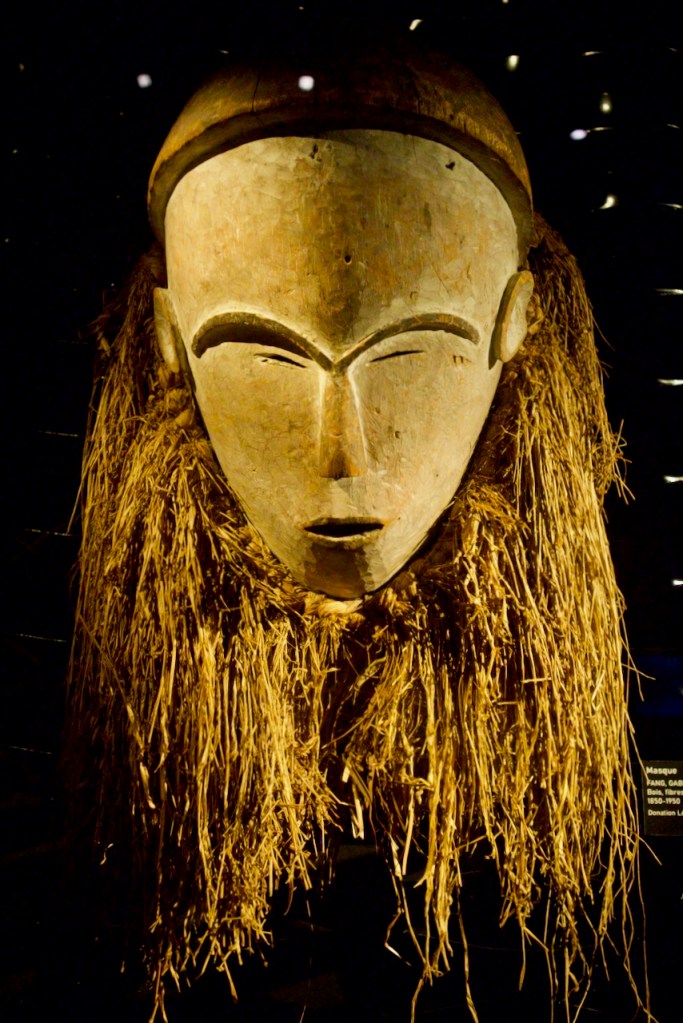
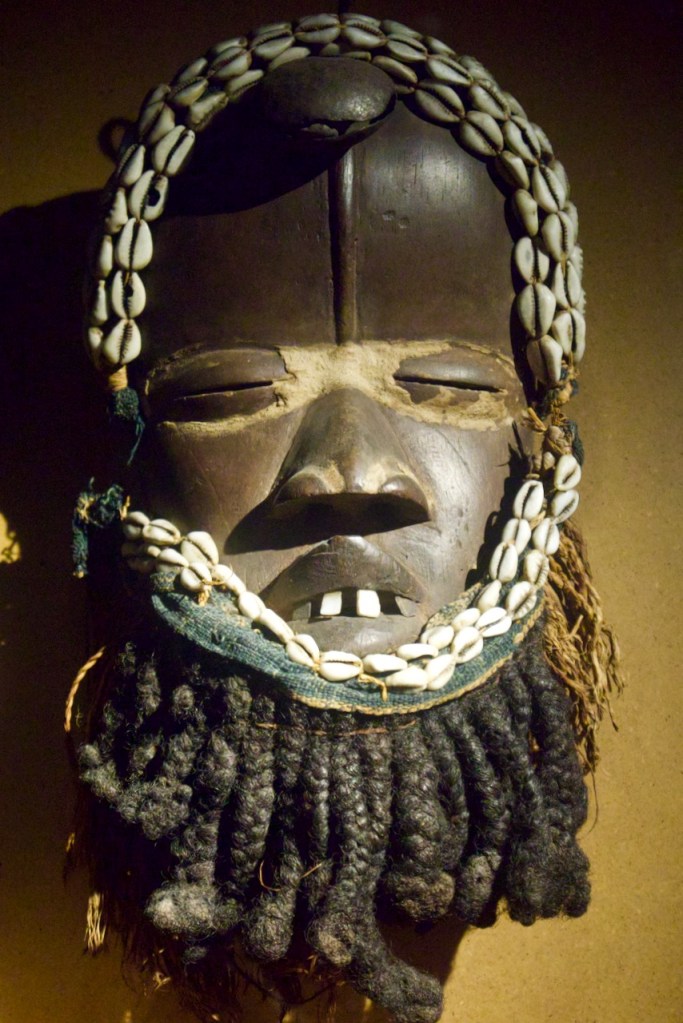
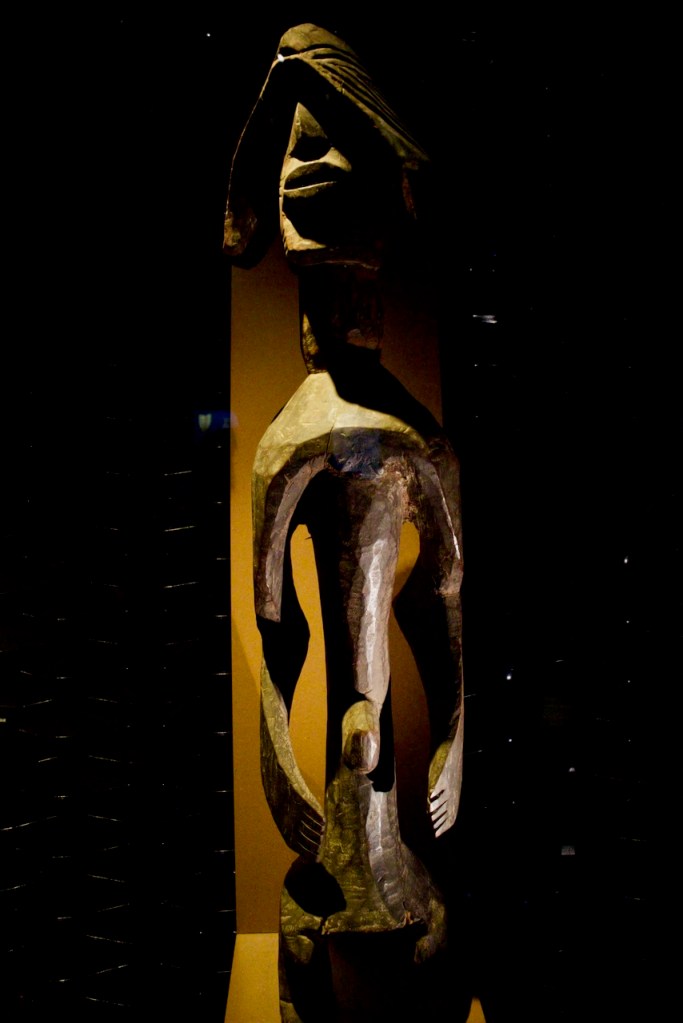
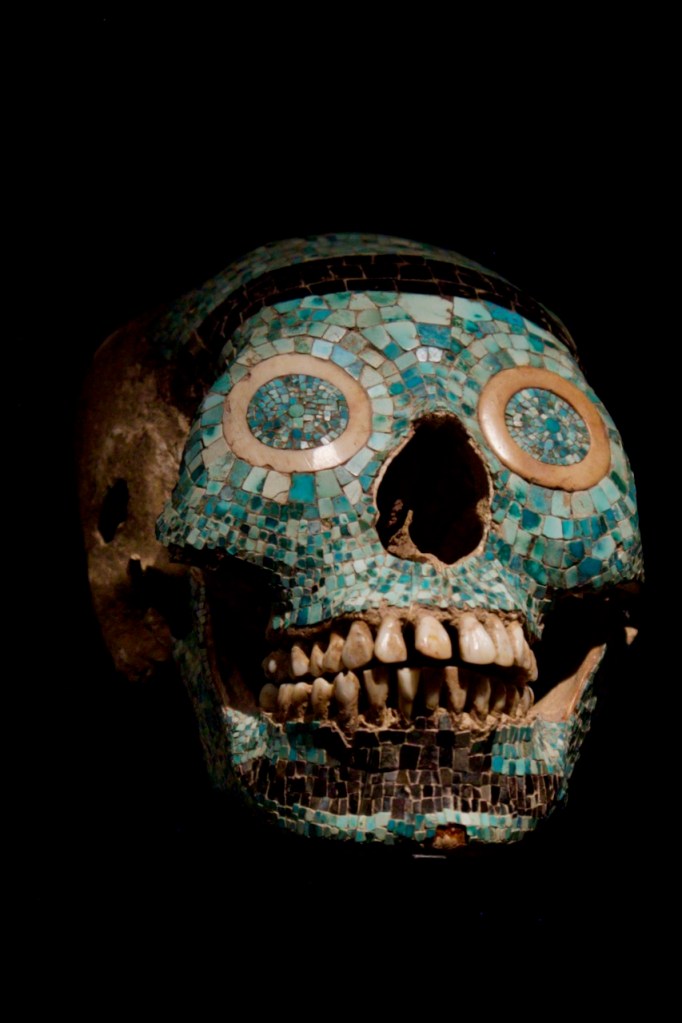
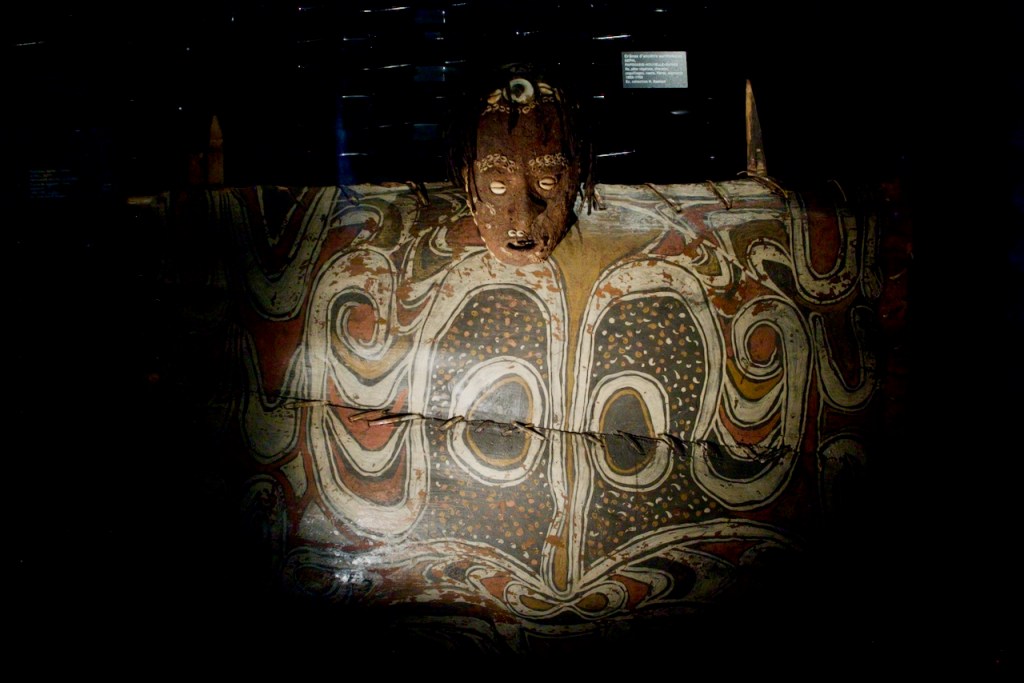
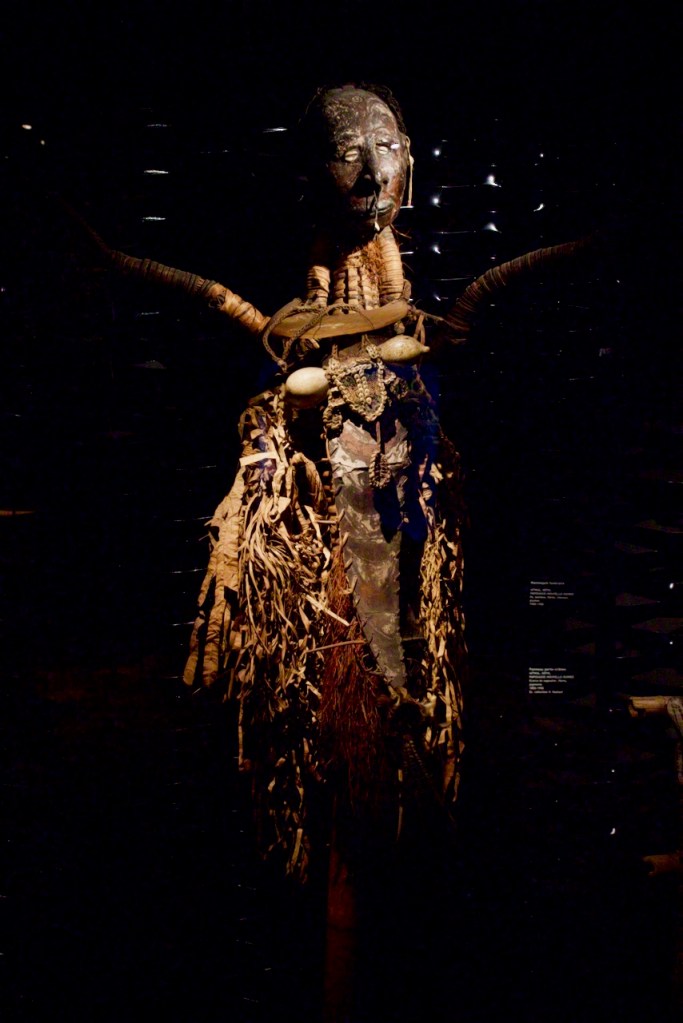
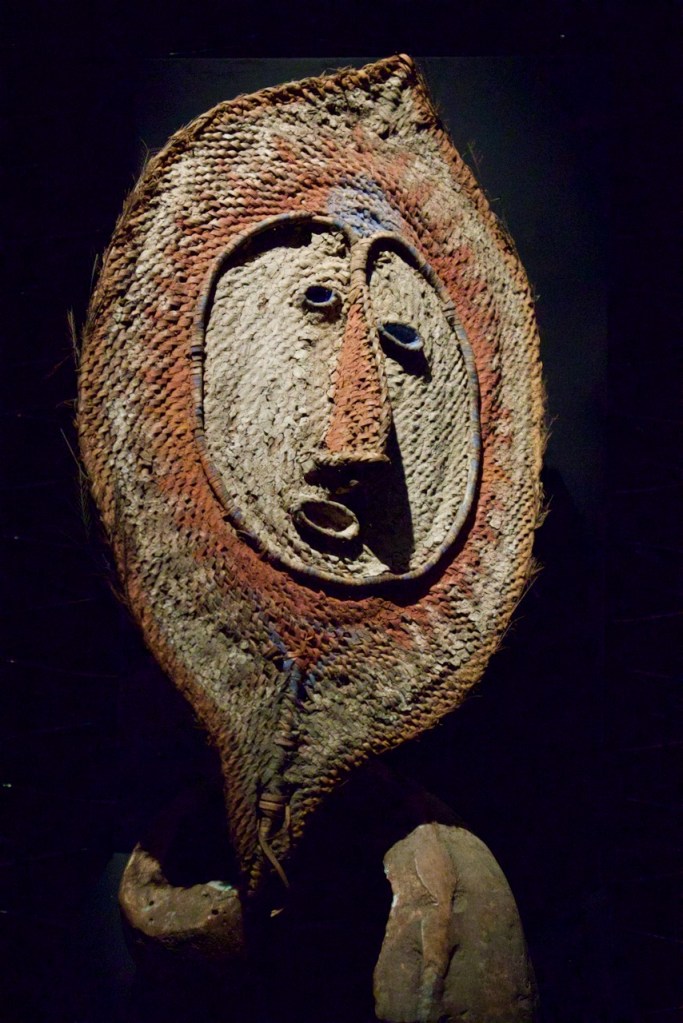
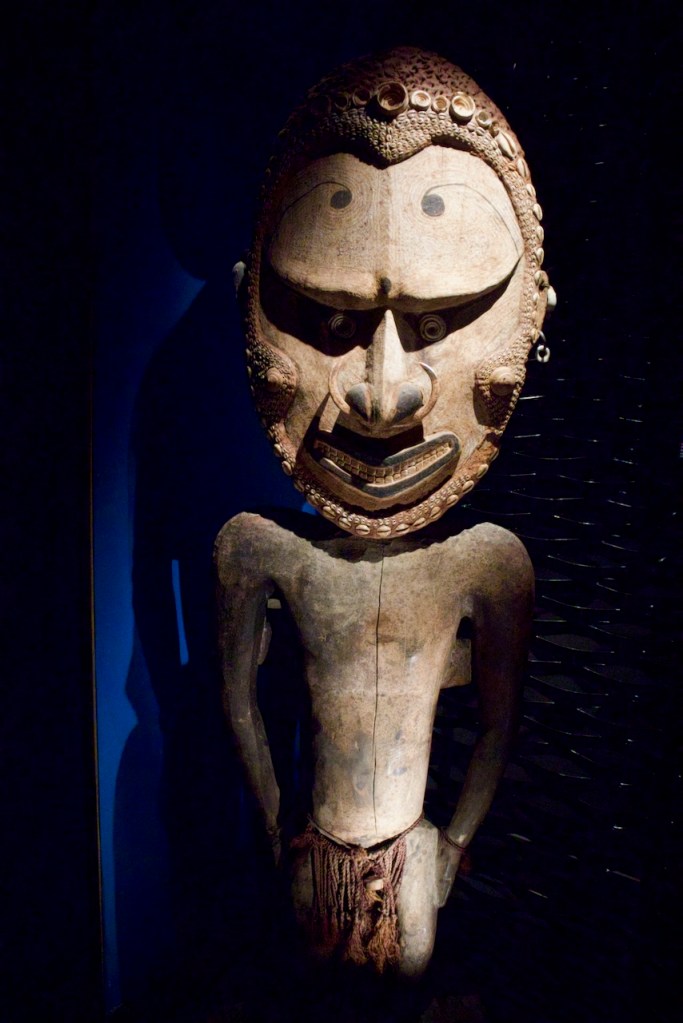
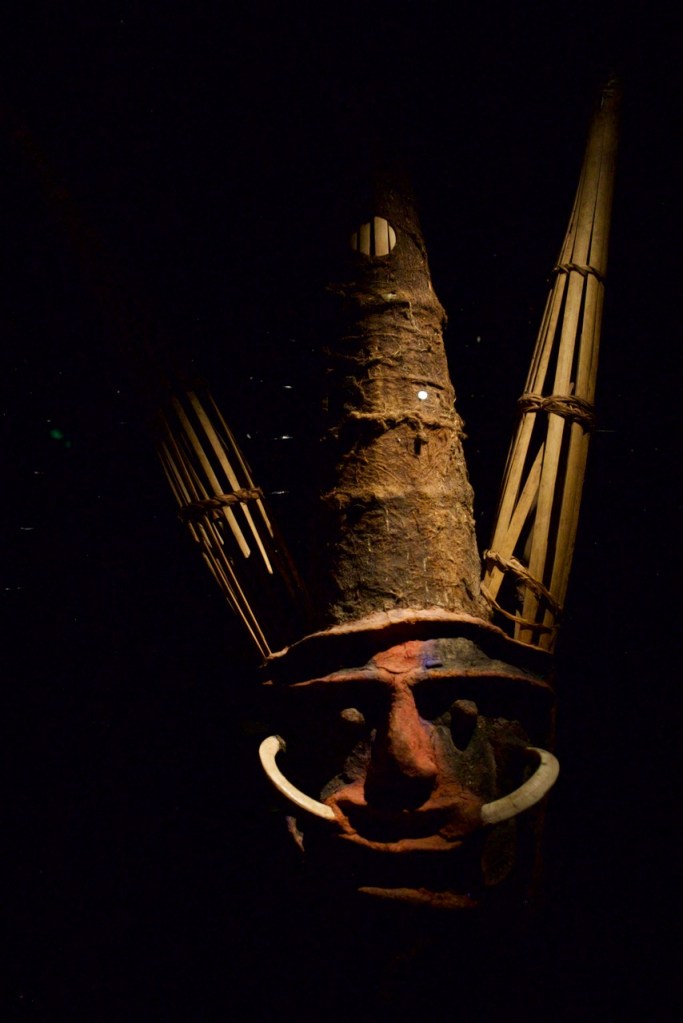
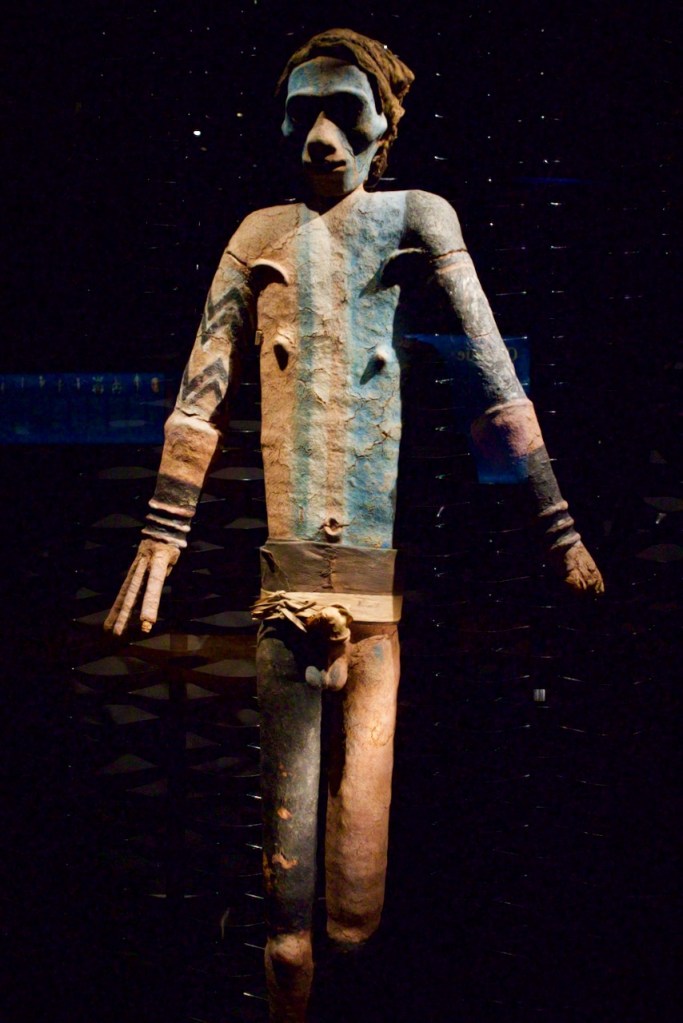
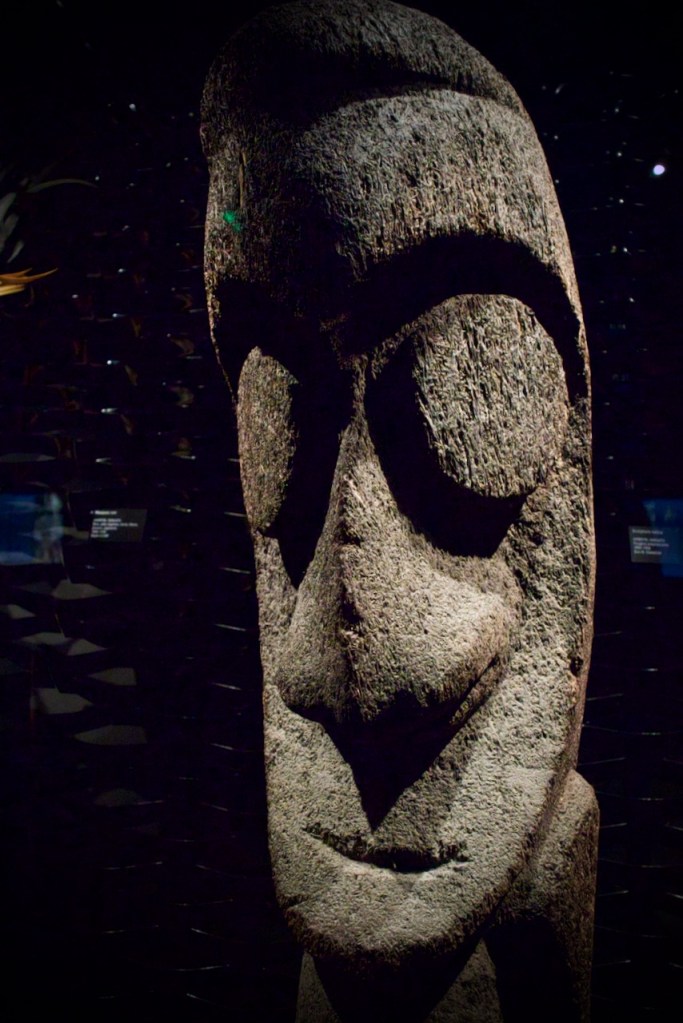
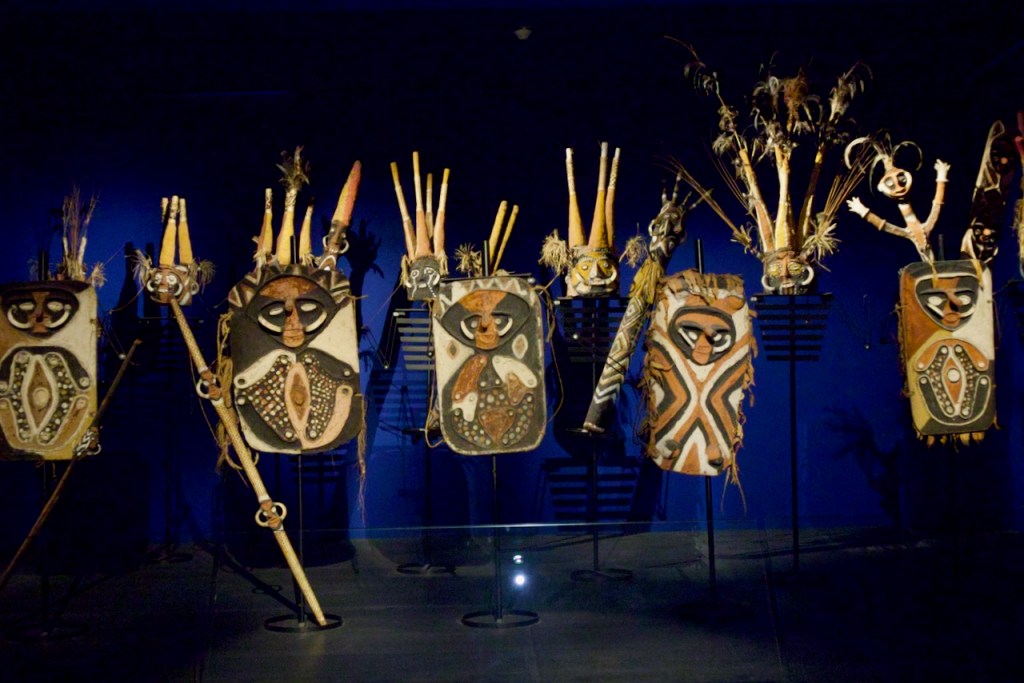
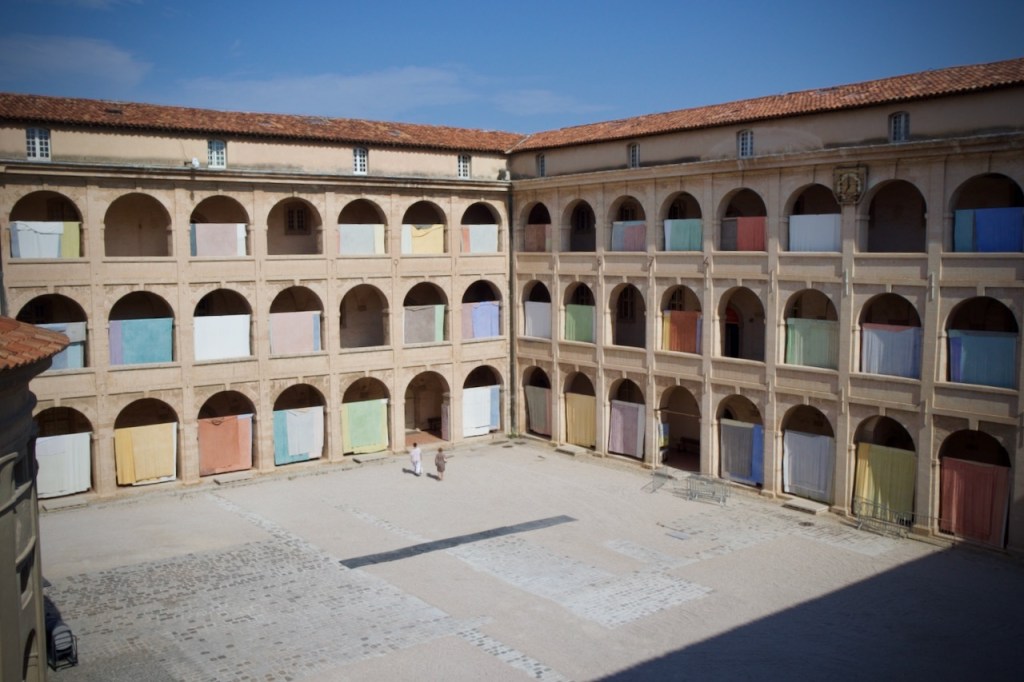
On my last morning, I walk to the Memorial of Deportations housed literally in a WWII bunker built by the Germans to block Allied landing. Using films and photos, as well as personal testimonies, it movingly details the dark history of the January 1943 roundups of the Jewish community and the forced destruction of Marseille’s old port neighbourhoods. Then, I dash to the Vieille Charité, a beautiful historic complex, to visit the Musée d’Arts Africains, Océaniens, Amérindiens with impressive native art collections from Mexico, Africa, and the Asia-Pacific. One final stop before catching an onward bus to Nice: the History Museum with a gem of an exhibition on a century of photography in Marseille.
I leave, feeling breathless by the breathtaking city in arguably one of the most intense 48-hour detour in my traveling career. There is still so much to discover: all the music and folk festivals, beach parties, Parc des Calanques, and museums galore. Boulevard Chave, I note. This is where I will return for a longer stay!

This is part of my 193+ project with the goal to visit all countries in the world, beginning with Europe and Central Asia, bringing the current country count to 128!
Liechtenstein: Small is Beautiful
Uzbekistan: Crown Jewel of Central Asia
Turkmenistan & the Modern Silk Road
All Content © 2026 by Jennifer Chan

