
To live, to err, to fall, to triumph, to recreate life out of life… On and on and on and on!
– James Joyce, A Portrait of the Artist as a Young Man
June 2026
Once upon a time and a very good time it was there was a moocow coming down along the road and this moocow that was coming down along the road met a nicens little boy named baby tuckoo… My first contact with Ireland was not through Baileys or Guinness, but via the prose of Joyce in A Portrait of the Artist as a Young Man that figured on the Hong Kong college entrance exam. Mr Speed, our late Australian prof, had practically given up on us. What did sixteen-year-old Chinese kids understand about philosophical awakening, stream of consciousness, sin or sanctity? Lo and behold, I made it to uni and the rest is history!
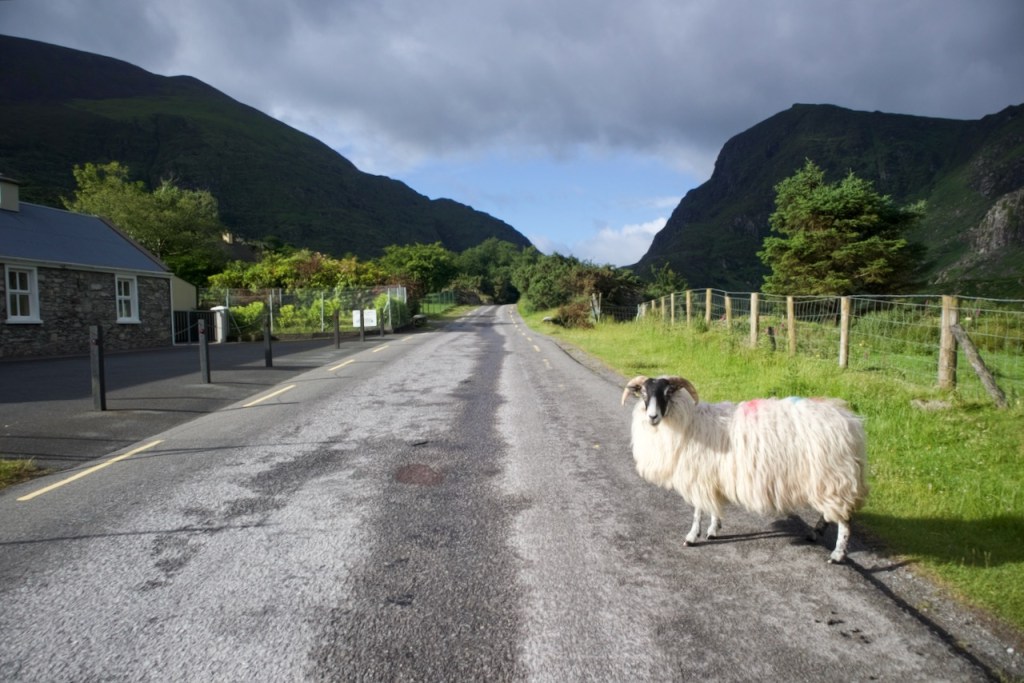
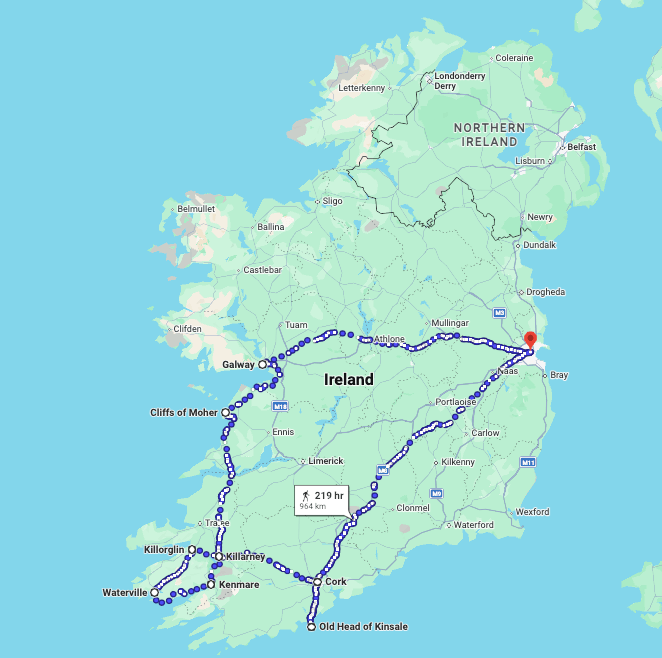
Decades later, I finally make it to Ireland, one of the remaining countries to visit in Europe. I had planned a leisurely month-long stay, but after being away for over seven months – through some extraordinary adventures in Syria, Iraq, Saudia Arabia, Libya, Eritrea, Djibouti, and Somalia – home is beckoning me. Ten days would do for a first visit. From bustling Dublin, I head west to Galway, a city on the Wild Atlantic Way famous for her medieval tradition and colorful festivals. A short bus ride south takes me to the trailhead of the dramatic Cliffs of Moher before making my way down to the magnificent Killarney National Park. Castles and forts, abbeys and lakes, islands and wildlife, mountain passes and craggy cliffs, windswept beaches and colourful towns, the Ring of Kerry is without doubt one of the crown jewels. It is Ireland at her best even under the rain. I keep Cork and Kinsale for the end, and can still feel the wind blow and hear the seagulls sing as I write this. What a whirlwind tour that only leaves behind my desire to return…





Thinkin’ Thru Dublin
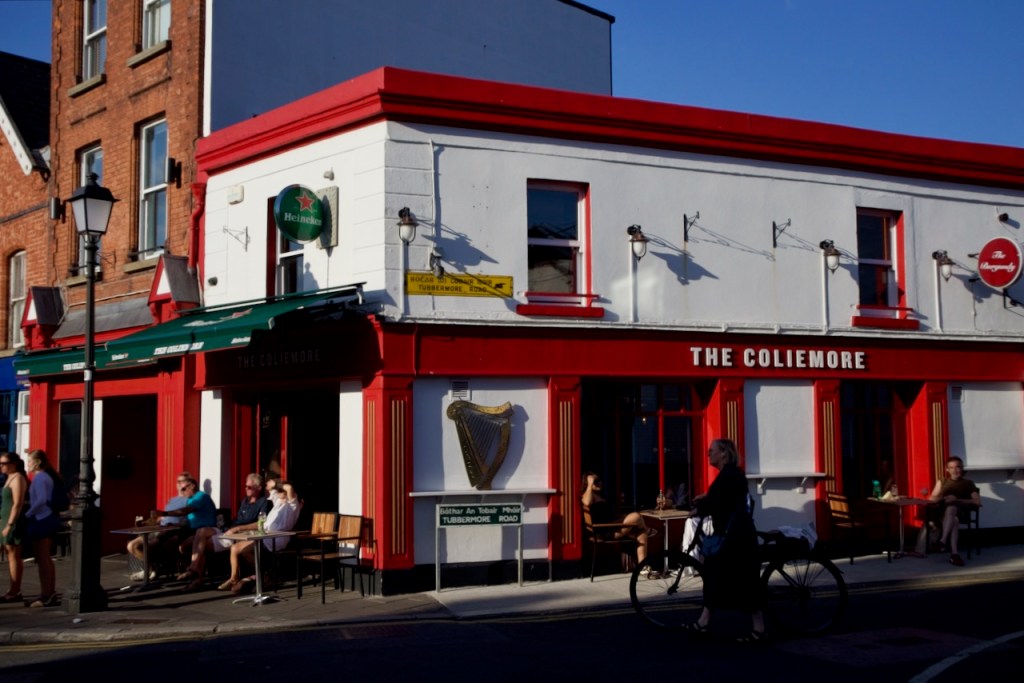
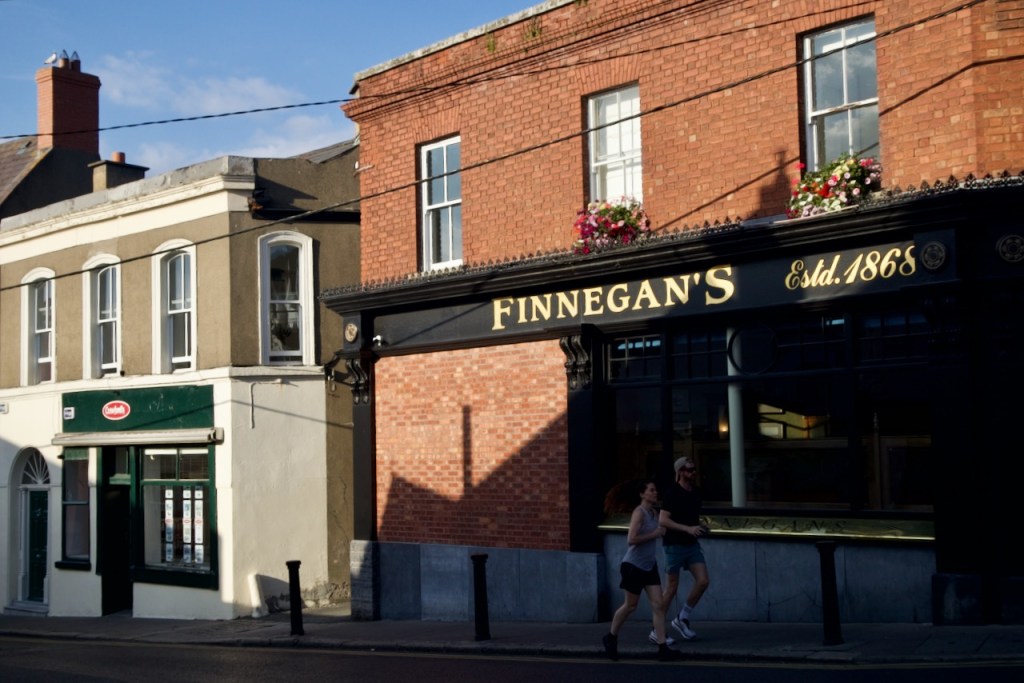
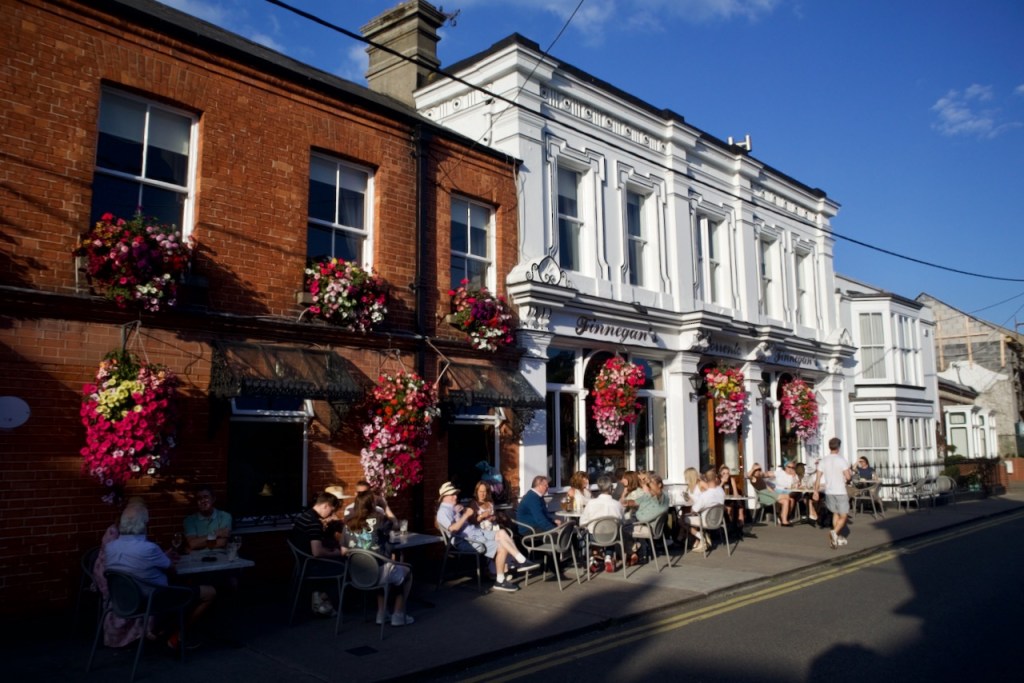
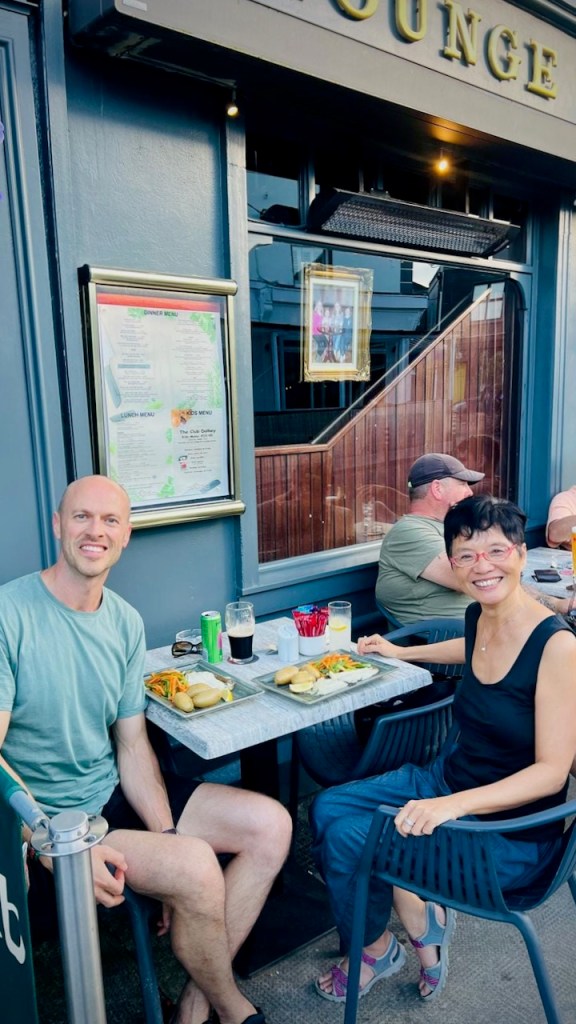
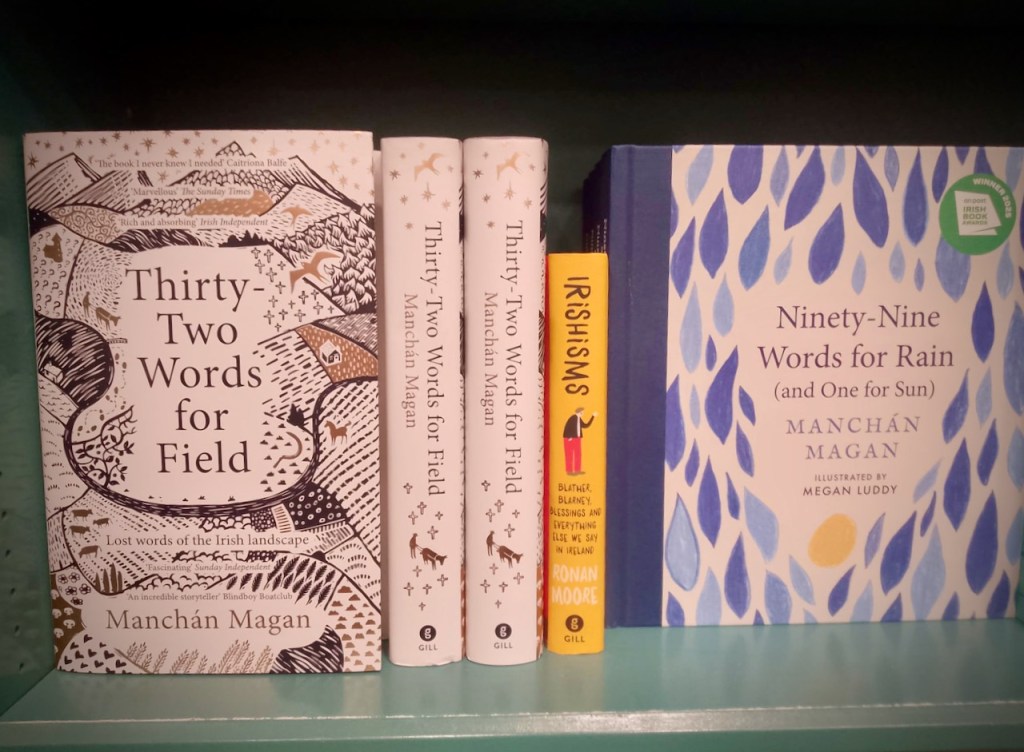
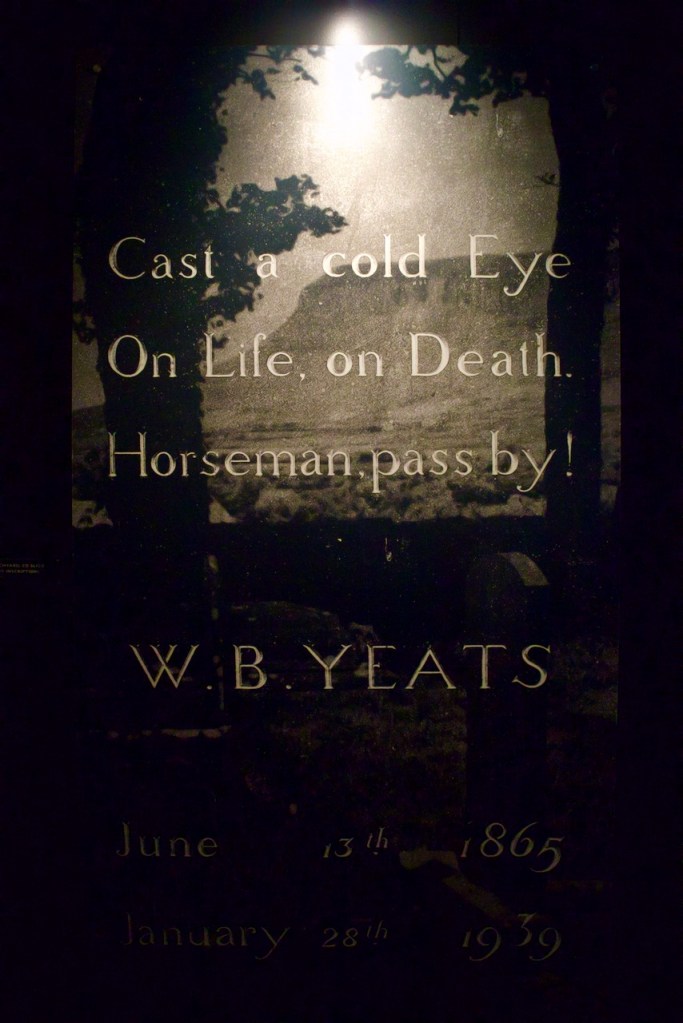
My first port of call in the Irish capital is neither the Guinness’ Storehouse nor the Book of Kells, but Finn, a Dubliner whom I crossed during the camino in Spain when we were both lost along the way. We still laugh about the way we met four years ago – a perfect life metaphor. While I continue to wander the world, his business – the Hopsack, the legendary first health store in Dublin – thrives. You got very lucky, he says, referring to the exceptional weather. It’s 28°C and we hit the Dublin traffic, passing through the beautiful embassy neighourhood with stately Georgian mansions to reach the suburb of Dalkey by the sea. I have so many questions about Ireland, but first and foremost about her literary reputation. So how come your small country has produced some of the best writers of the 20th century? I ask Finn, as he treats me to fresh-catch-of-the-day dinner. Oh well, our language was banned for 800 years during the British rule, so an oral tradition thrived instead. And writers’ groups and poetry clubs flourished during the subsequent cultural revival in the late 19th century, he explains. How ironic – and sad – that some of the best known Irish literature by Yeats, Wilde, Joyce, and Beckett etc. is written in English rather than Gaelic, like other postcolonial subjects writing in their former masters’ tongues. But the Irish language, legend, and folkfore are alive and well. Thirty-two words for field, 99 words for rain – and one for sun, Listen to the Land Speak… just to mention a few works by the late Manchan Magan. In this enchanting summer evening with exquisite light, our conversation sets the tone for the rest of my stay. I am curious about everything Irish, from her rich history to savage beauty, captured through generations of poetic luminaries. I will arise and go now, and go to Innisfree/And a small cabin build there, of clay and wattles made/Nine bean-rows will I have there, a hive for the honey-bee/And live alone in a bee-loud glade...

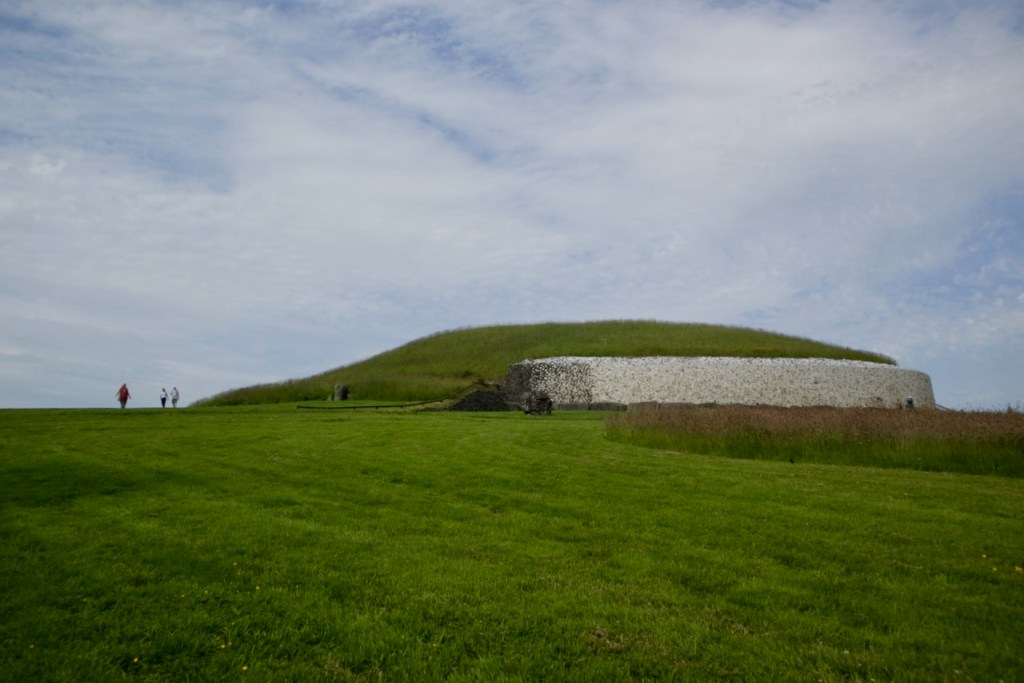
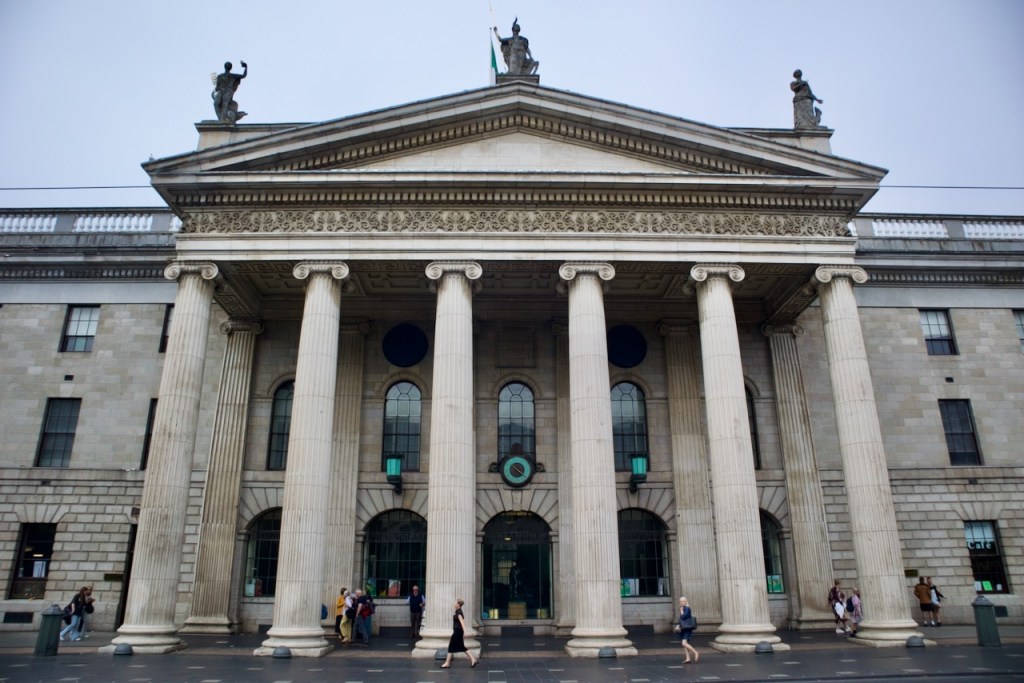
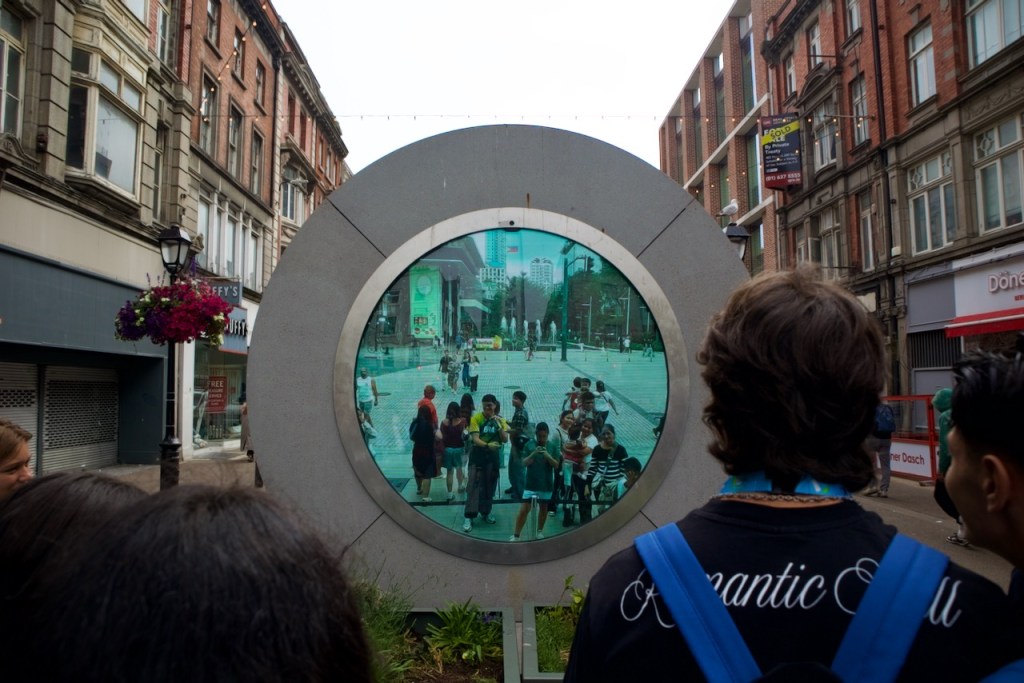
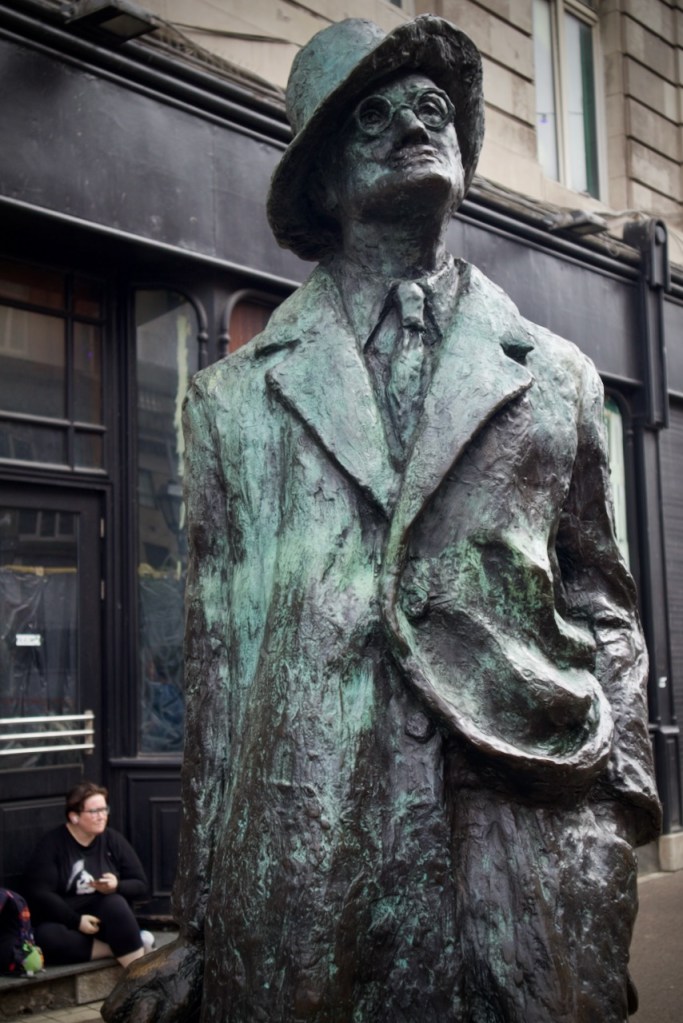
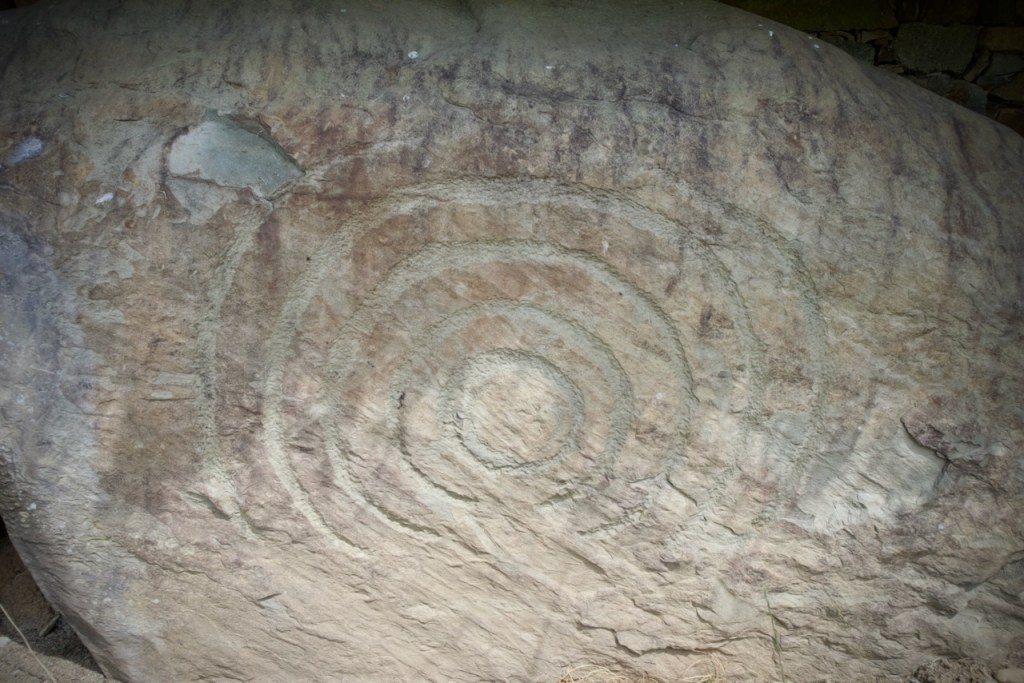
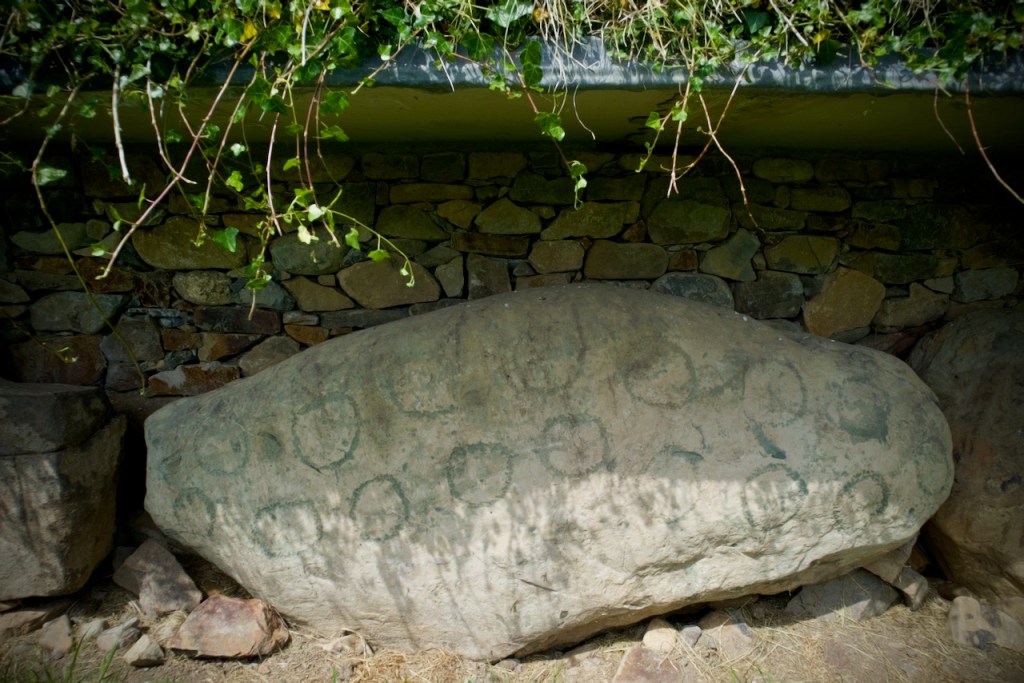
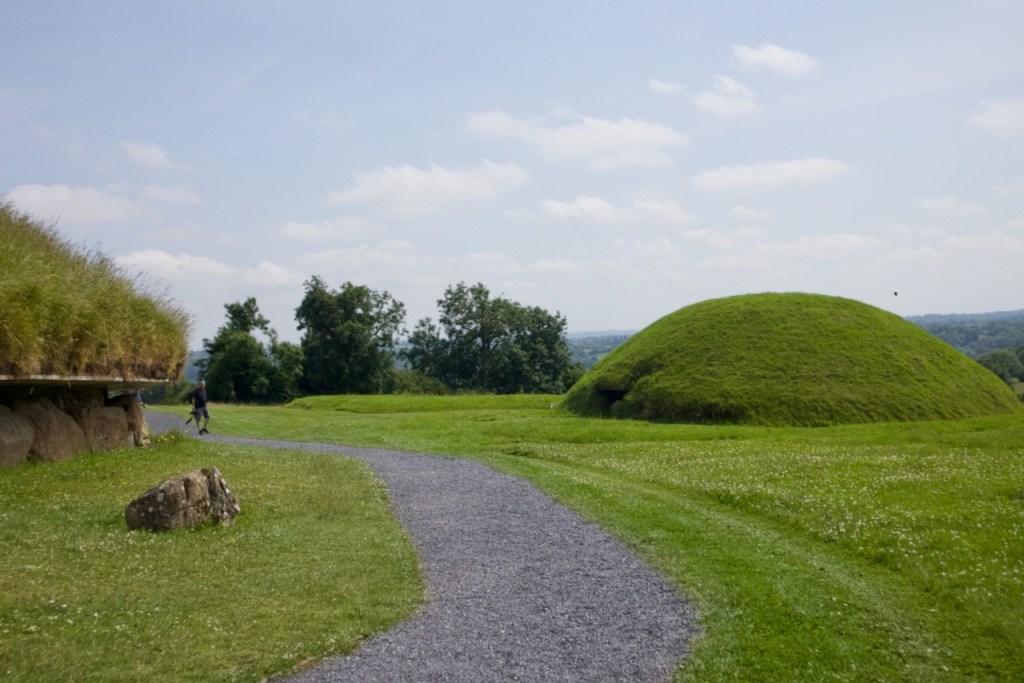
Among the many cultural wonders of Ireland is Bru na Boinne, one of the world’s most important Neolithic monuments just an hour north of Dublin. With 5000-year-old prehistoric passage tombs, burial mounds, and stunning rock art set in the scenic River Boyne, it is a popular and often sold out attraction. I am elated to get a last-minute ticket and budget ample time to reach the site, thinking this ain’t Algeria or Afghanistan with challenging road contingencies. I awake early and stroll along O’Connell Street leisurely, looking left and right – for the bullet holes from the 1916 Easter Rising on the walls of the General Post Office, the monumental Spire, the Dublin Portal connecting with the world in real time, and the James Joyce statue – before making my way to Connolly Train Station.

For over an hour there are neither trains nor announcements until a fellow passenger explains that a mechanical error is holding up the northern train line and we are being bused to Drogheda. All of a sudden, my ample time margin has vanished and I am certain to miss my scheduled visit. One cannot exchange the ticket for another time slot, the visitor centre staff informs me on the phone. When the coach finally pulls into Drogheda train station, the connecting bus to Bru na Boinne is just leaving. A stroke of luck to make it to the guided tour covering the Knowth grounds, through intricate kerbstone carvings, before entering the Newgrange tomb. The guide switches off the lights and a narrow beam penetrates and illuminates the passage. Every winter solstice, for some eternal seventeen minutes, the light aligns perfectly in the five by six meter chamber. Nothing short of magical!



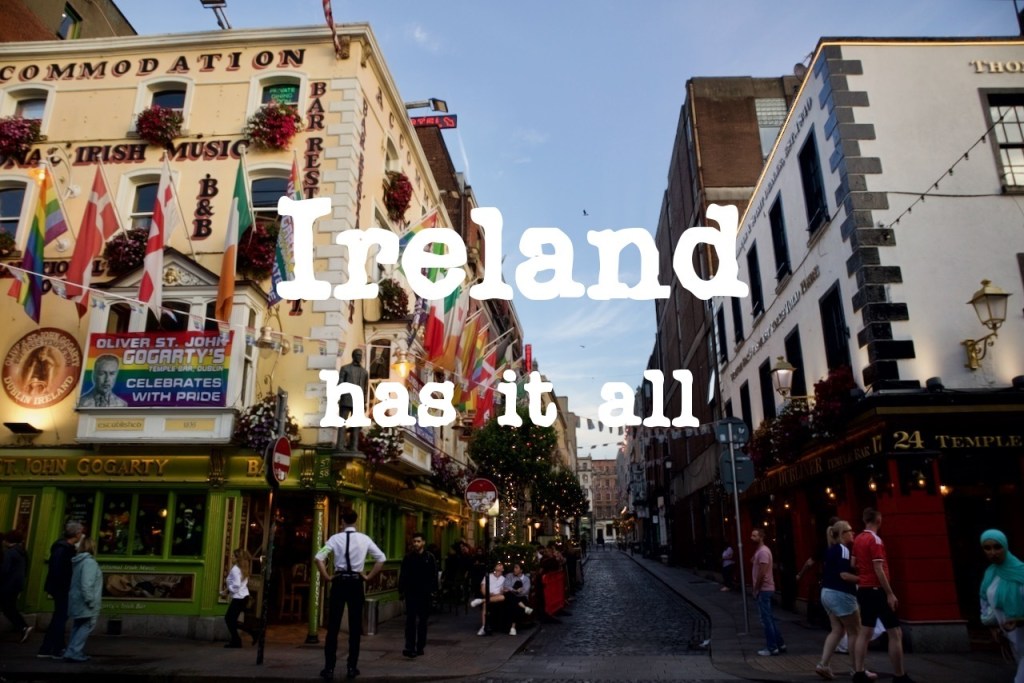
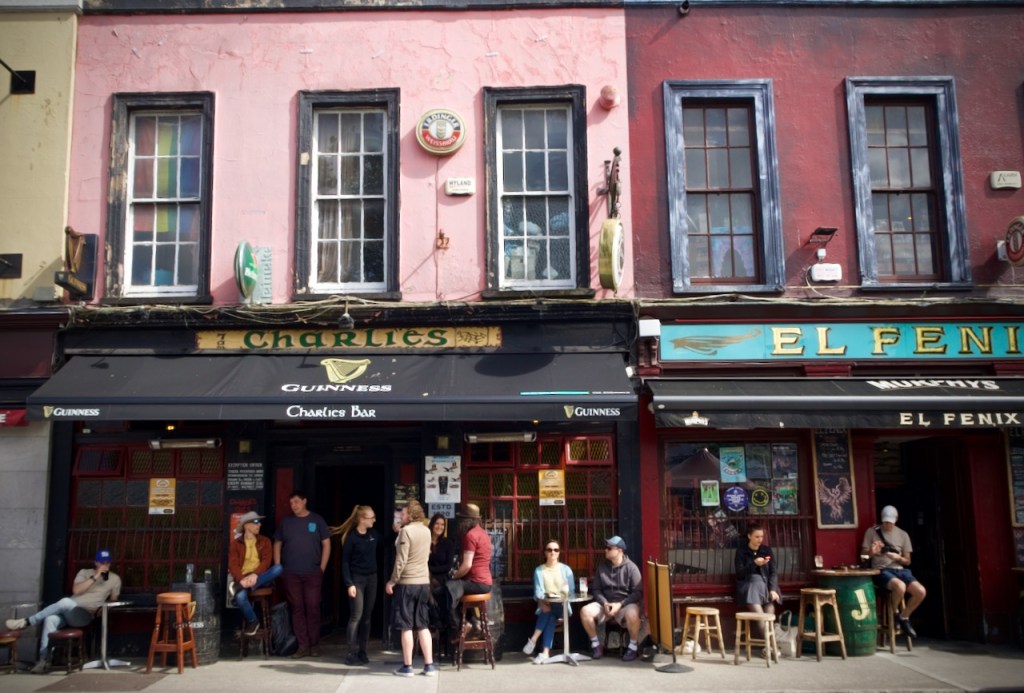
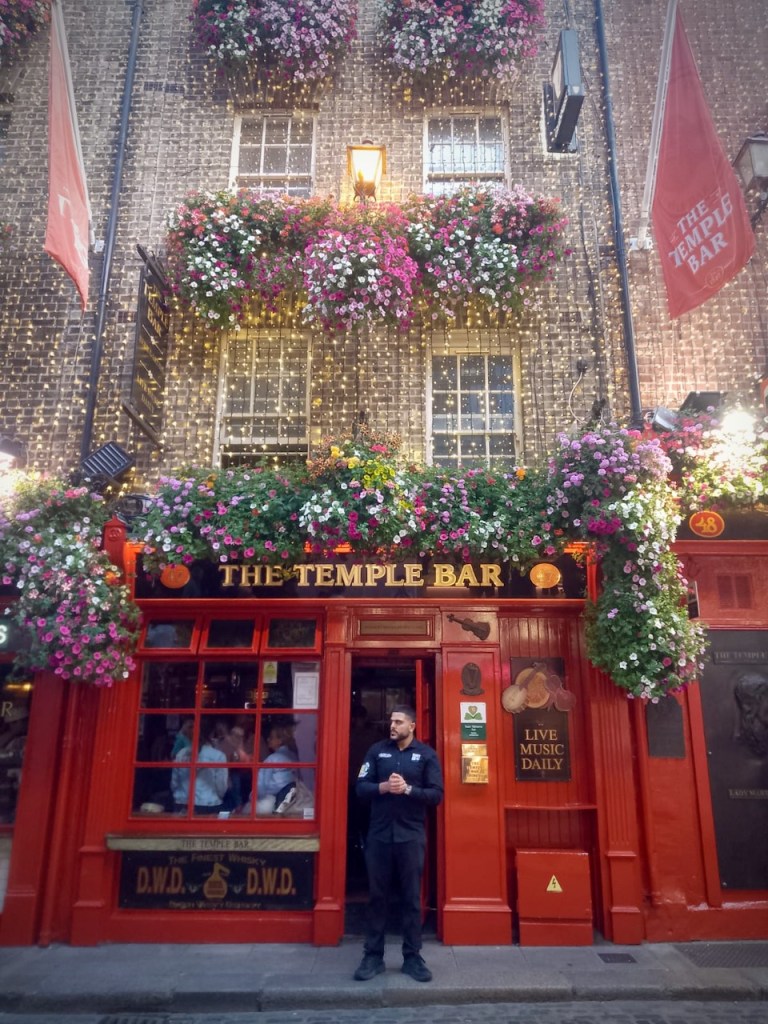
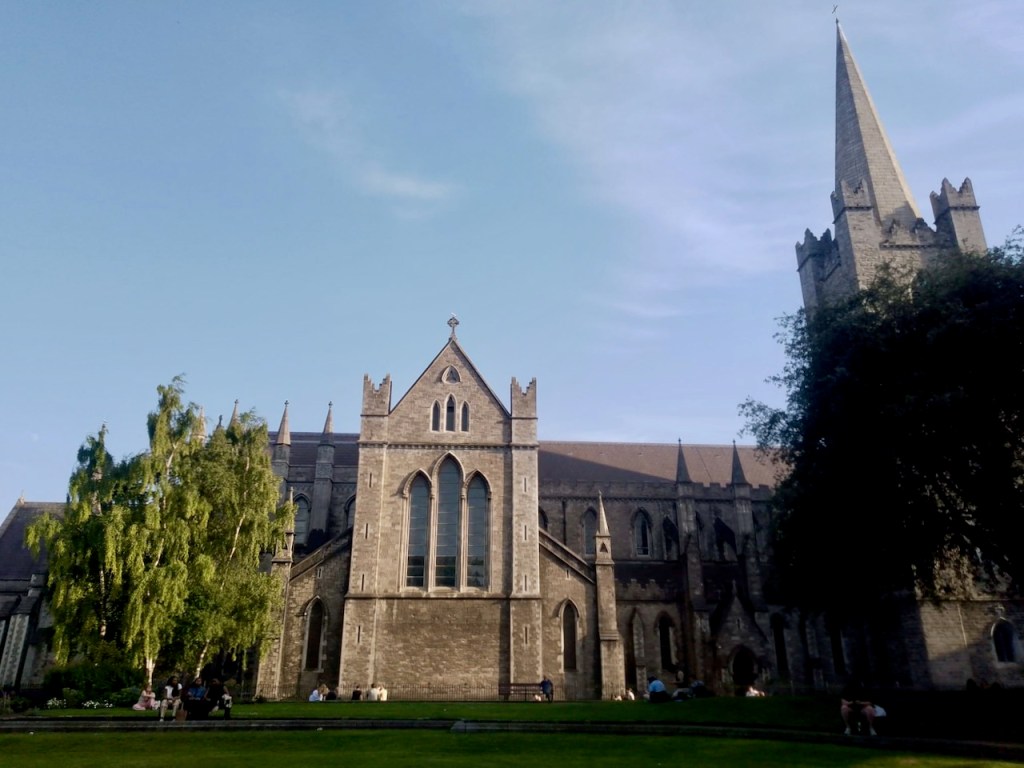
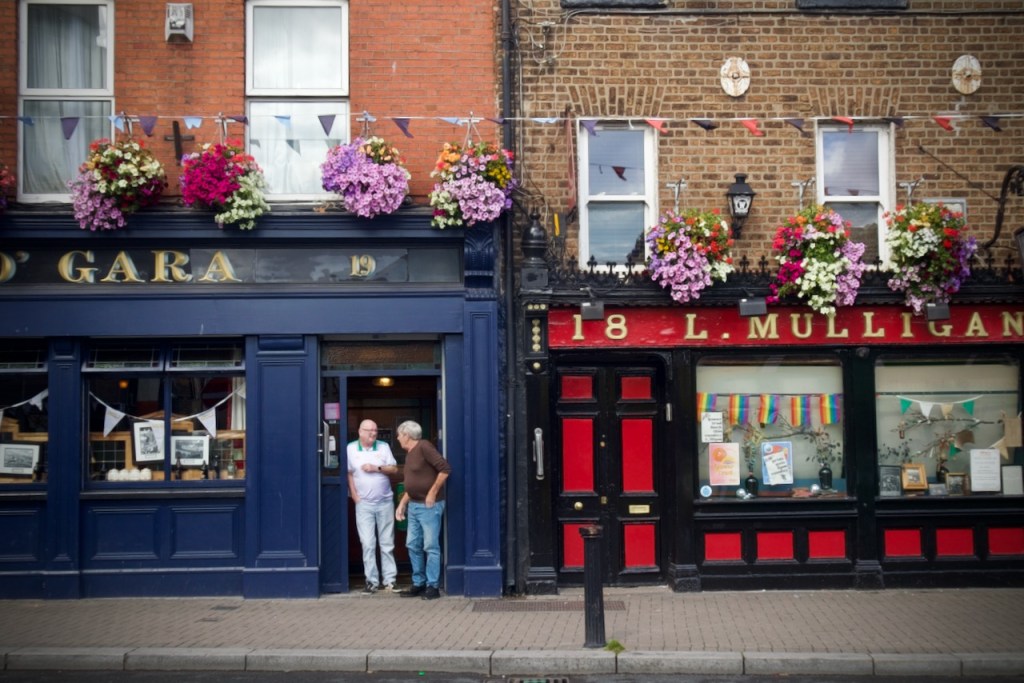
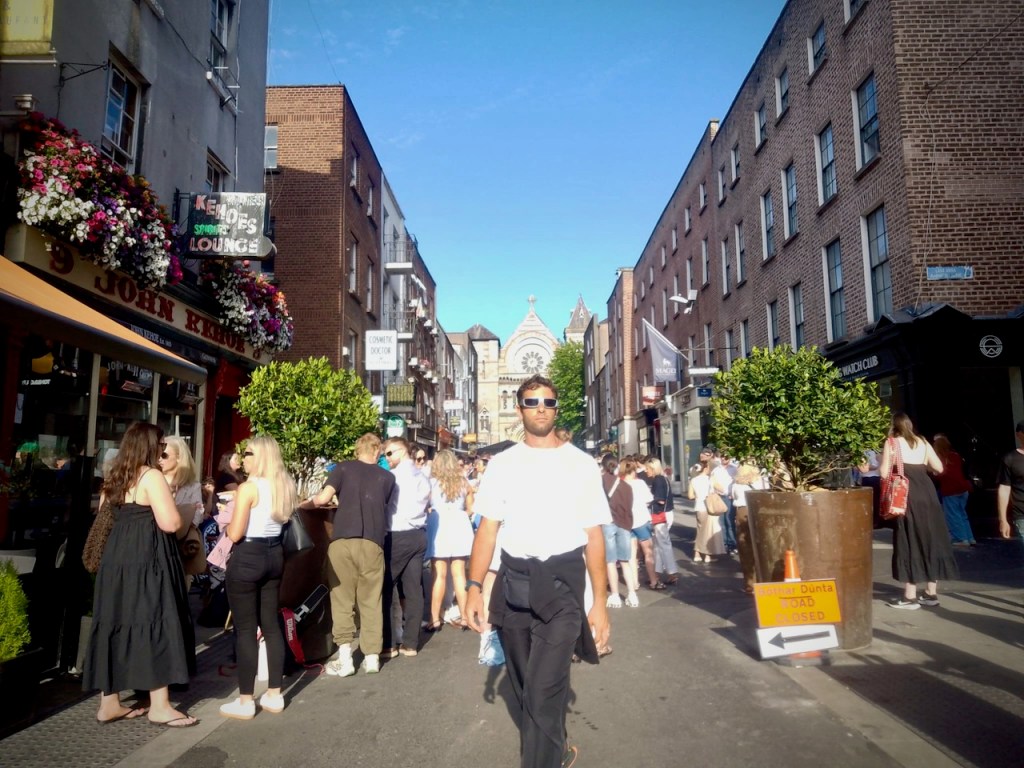
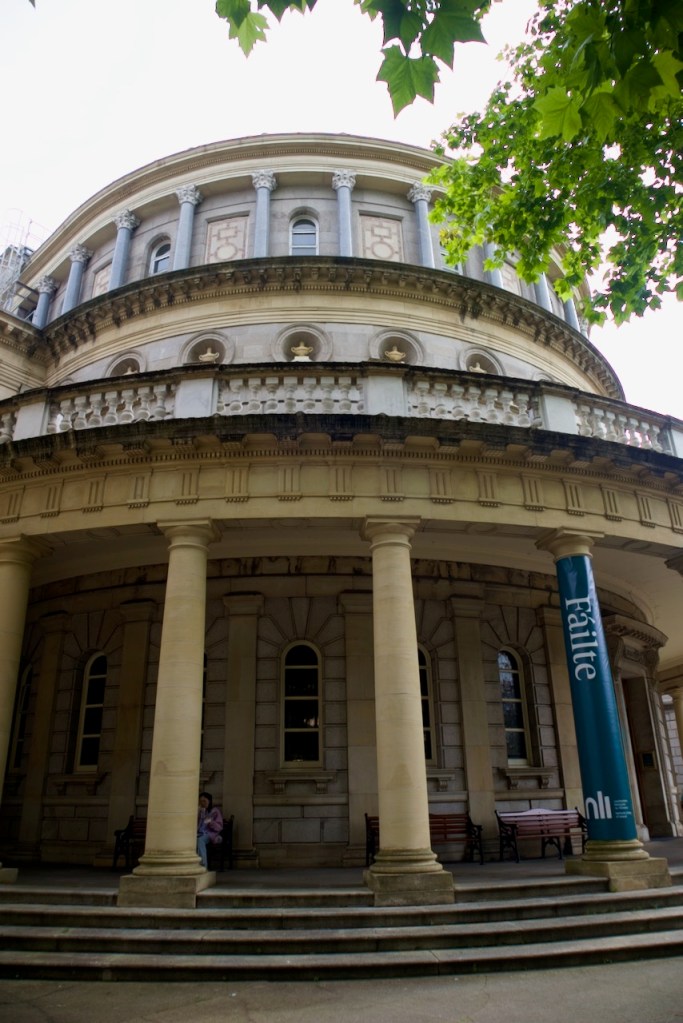
Dublin is still shining bright upon my return, and I spend the rest of the day strolling through the iconic campus of Trinity College, admiring the Georgian Parliament Building as well as the St. Patrick’s Cathedral before joining Finn for a brief Temple Bar outing. Live music, quaffable booze, lovely company. This must be how Irish survive their long winters, I think to myself. There is still so much more to explore in bustling Dublin from her parks to museums, libraries and bookstores, markets and neighbourhoods…

The Bay of Galway in a Heat Wave
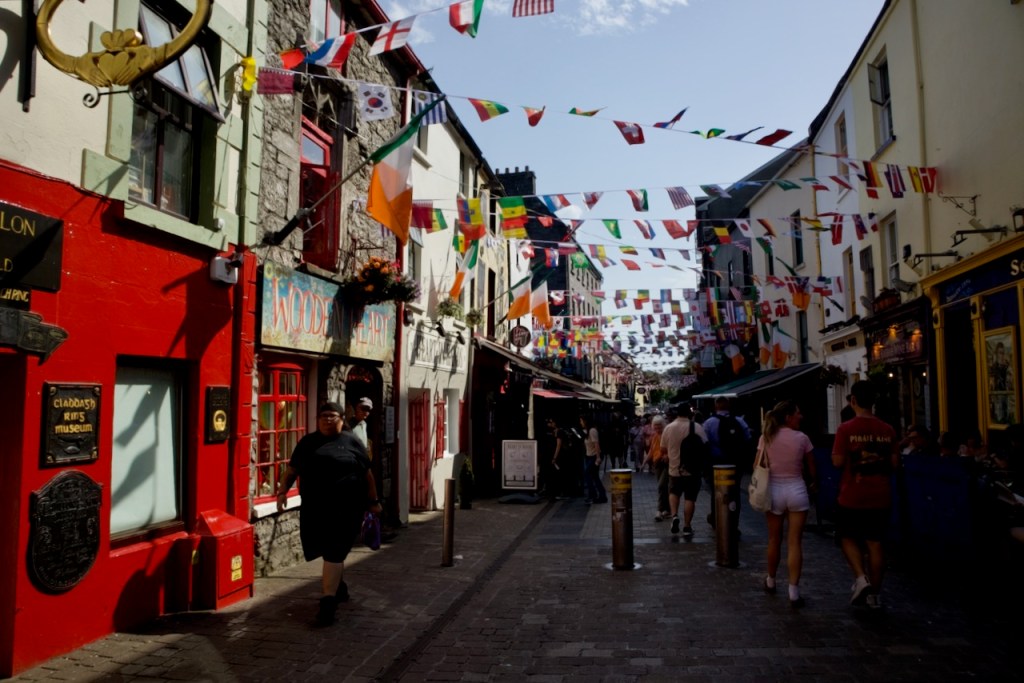
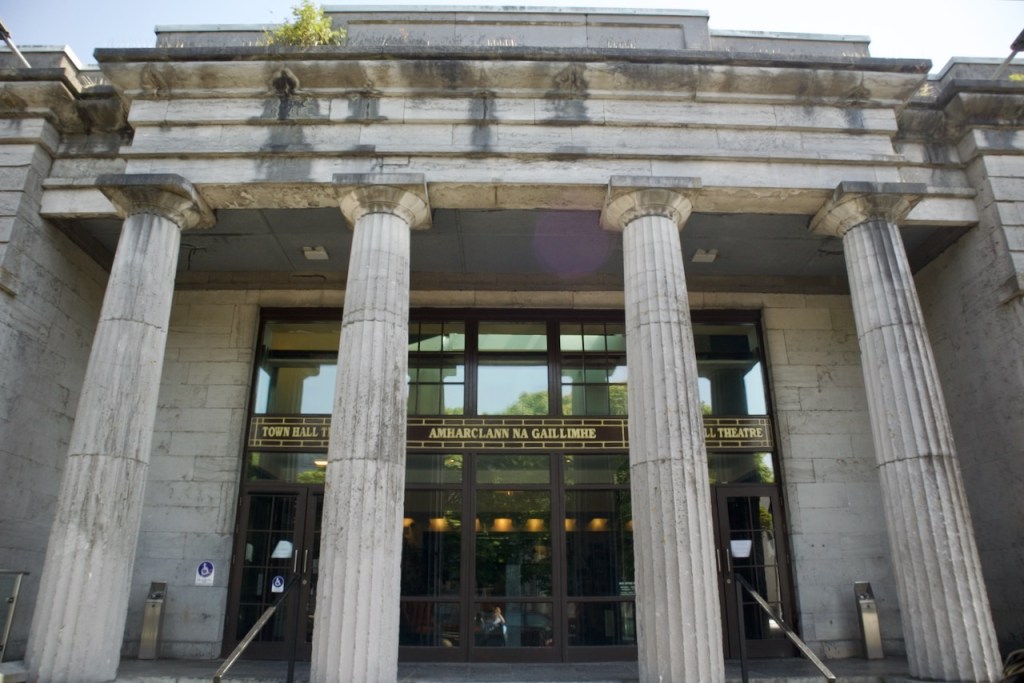
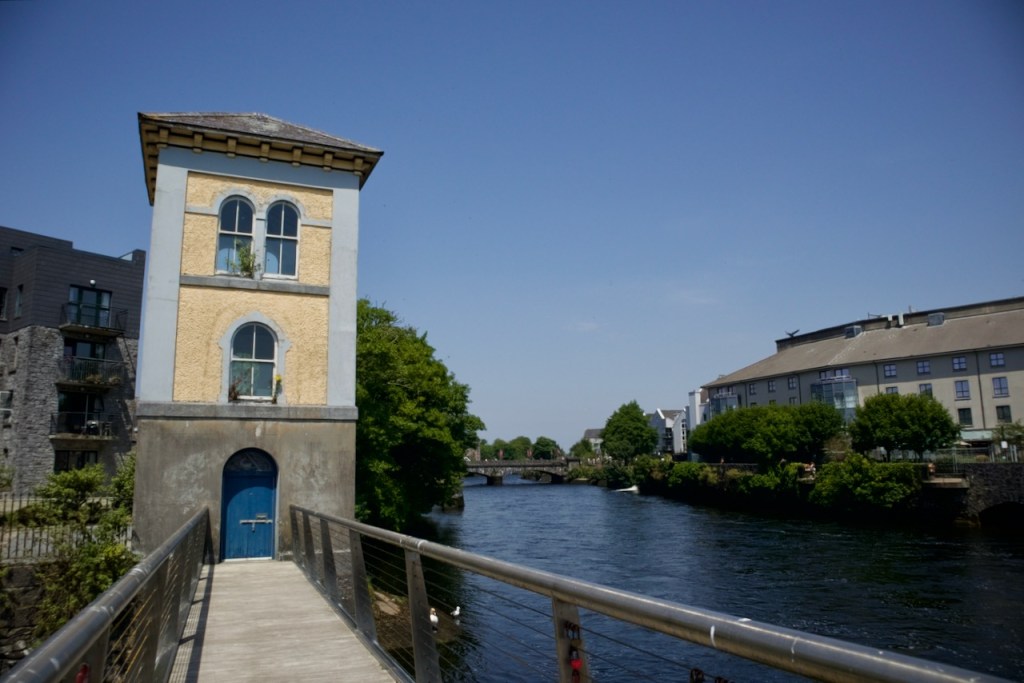
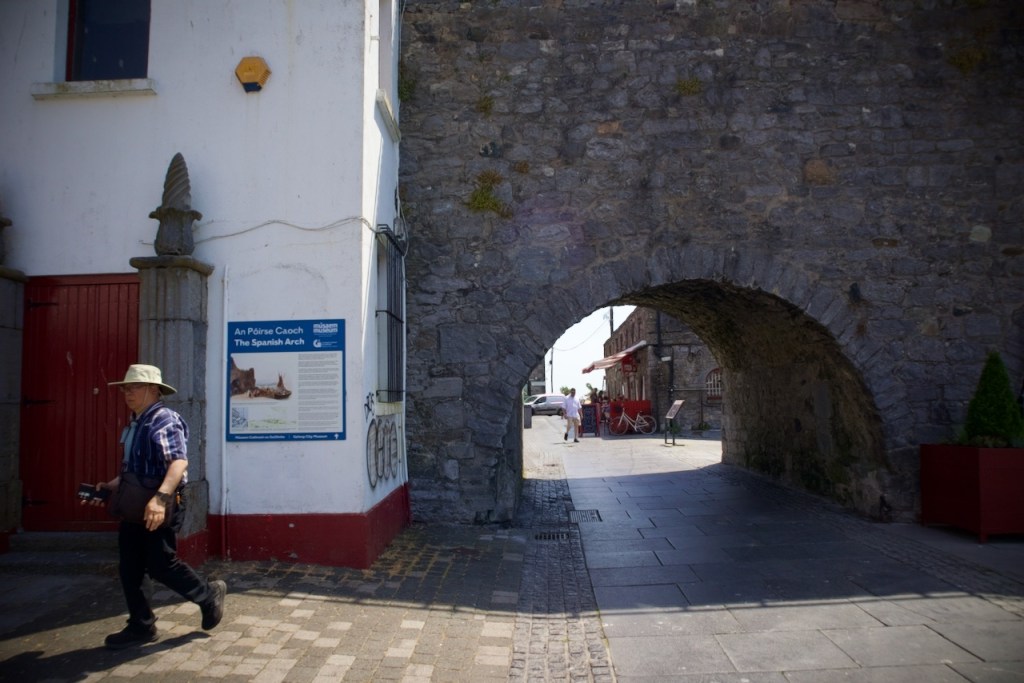
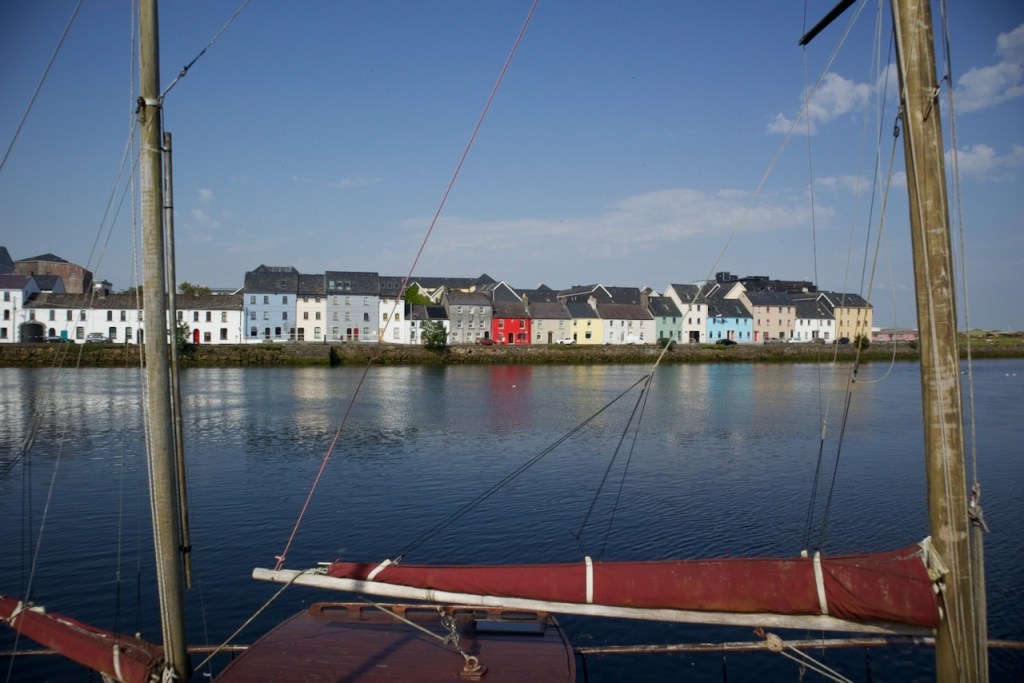
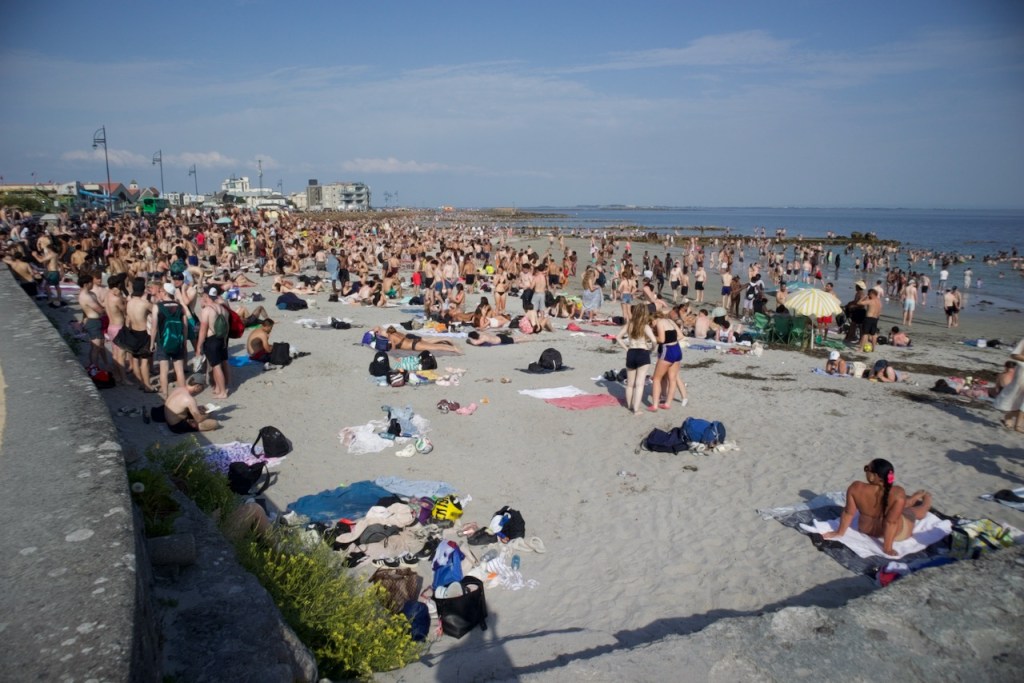
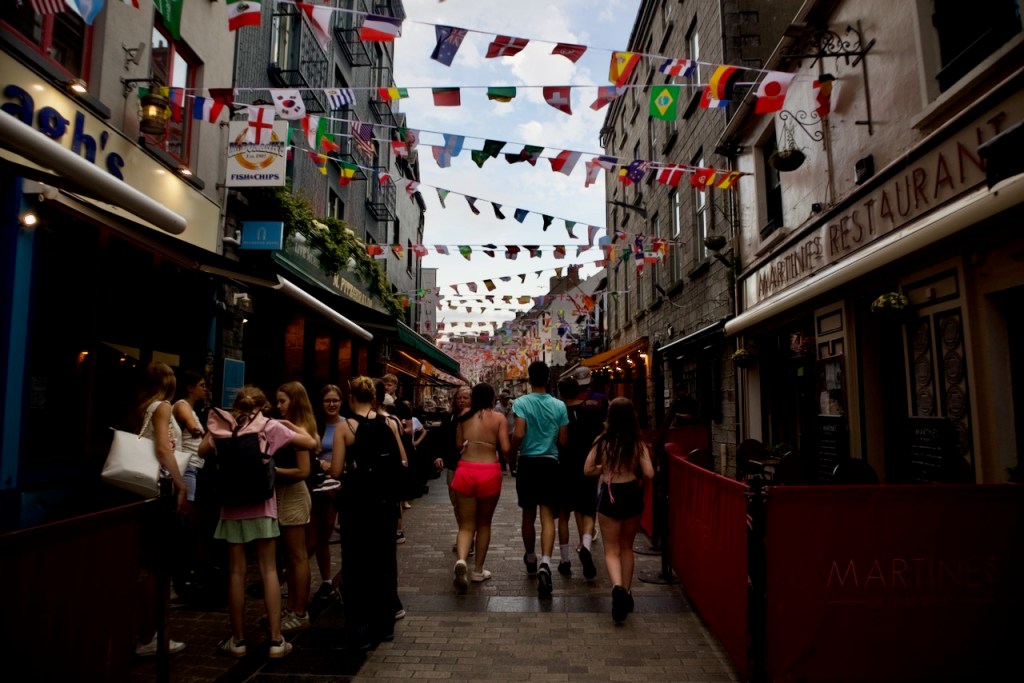
Second time lucky! The train departs from Dublin Heuston and arrives in Galway city centre. A pretty, vibrant city famous at once for her mediaeval past and bohemian vibes, Galway attracts visitors year round with her many festivals. From the Franciscan Abbey, I pass in front of the Town Hall Theatre and cross the Corrib River towards the Cathedral and Poor Clare Monastery on tranquil Nuns Island. I make my way down to the Latin Quarter and take a break in the informative City Museum. The 16th century Spanish Arch leads to the Long Walk before I head towards the Salt Hill where the steamy Bay of Galway resembles the French Riviera or Copacabana! In the evening, the Eyre Square is deserted. People chill along the Eglinton canal or disappear into a stone-clad cafe or a pub for Irish blues.



The Cliffs of Moher: Earth and Sea and Air
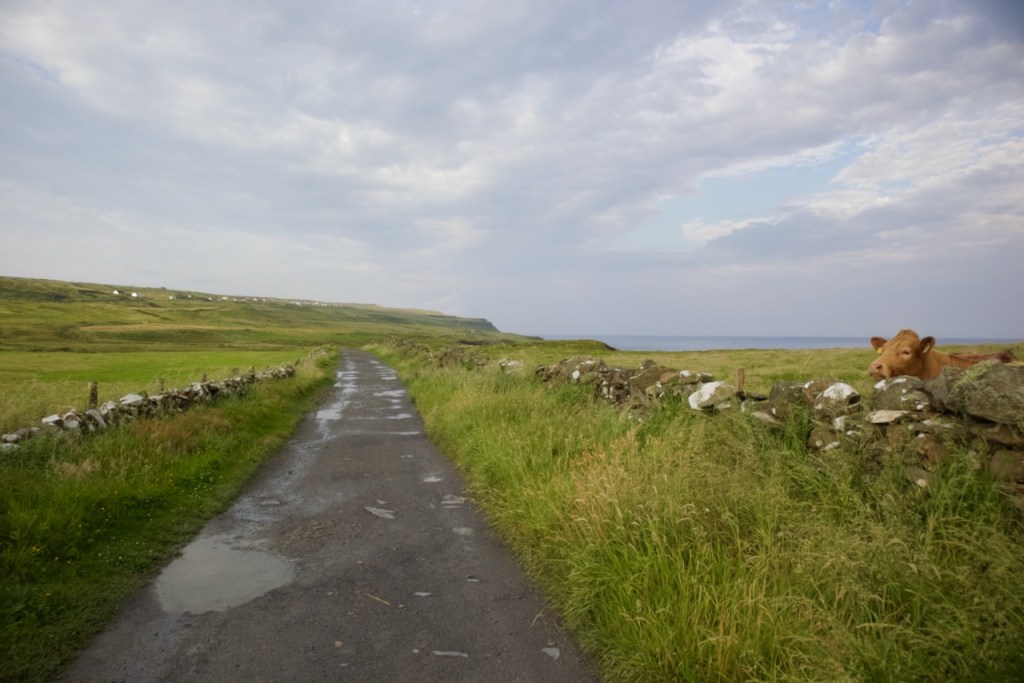
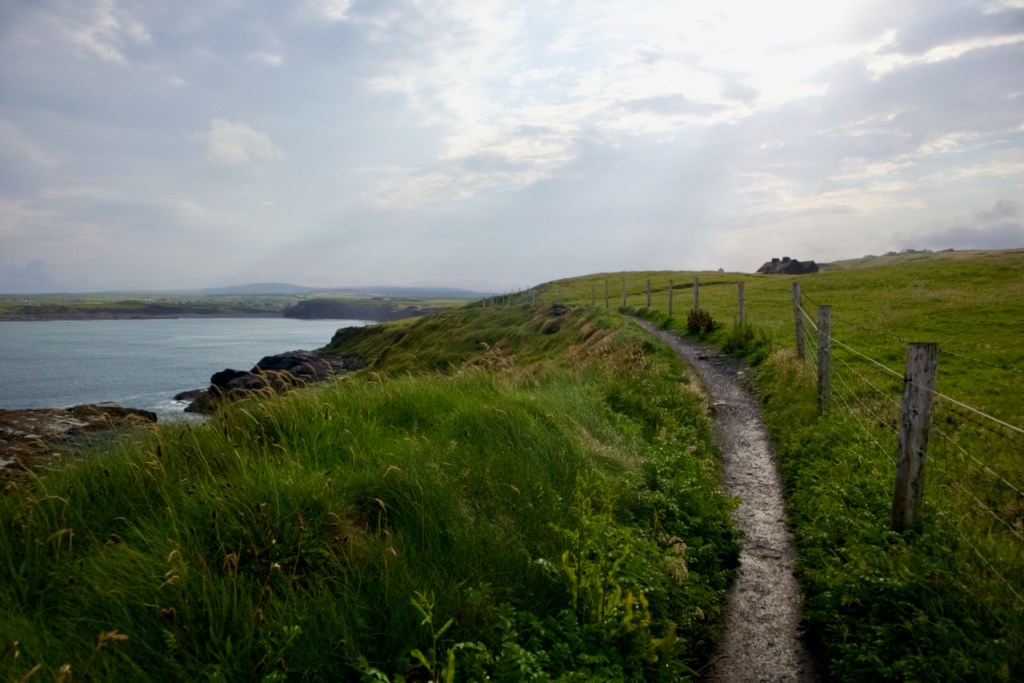
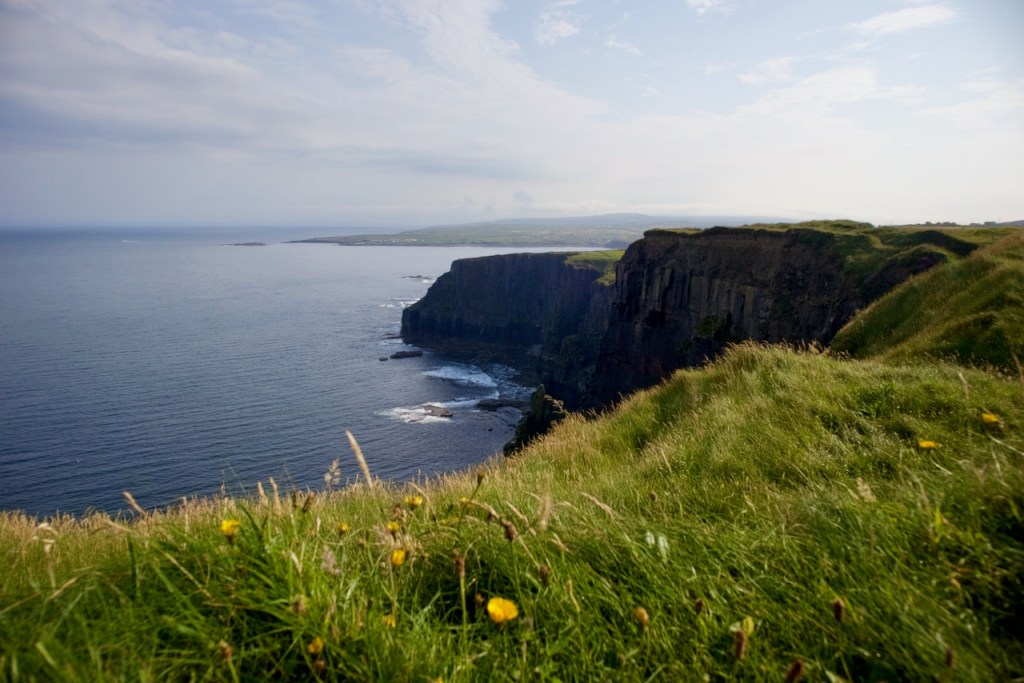
I take the 6am bus bound for Ennis, getting off in the sleepy town of Doolin to try the hike the entire length (14km) of the Cliffs of Moher, except to find a sign: Trail is closed in 5km. No exit except return. After a split second of hesitation, I start walking and pass a few hikers making a u-turn. Continuing for the next good hour, I relish the peace and beautiful landscape with bucolic farms on one side and the wild Atlantic coast on the other. The forecast is rain, but I am lucky again. When the trail is finally cordoned off, I am within a short walking distance to the the visitor centre where bus loads of visitors disembark. Unfortunately, the more spectacular southern section of the trail towards Hag’s Head is closed. The rain has zeroed in anyway and I hop on the next bus towards Ennis, then Limerick, arriving finally in Killarney in the striking county of Kerry.



Hitching the Ring of Kerry
A drive through the 170km-long Ring of Kerry is a popular attraction in Ireland. Having neither a car nor a booked tour, I can walk around the Killarney National Park in the minimum, and hitch the Ring of Kerry if I want to push it. I end up doing both.
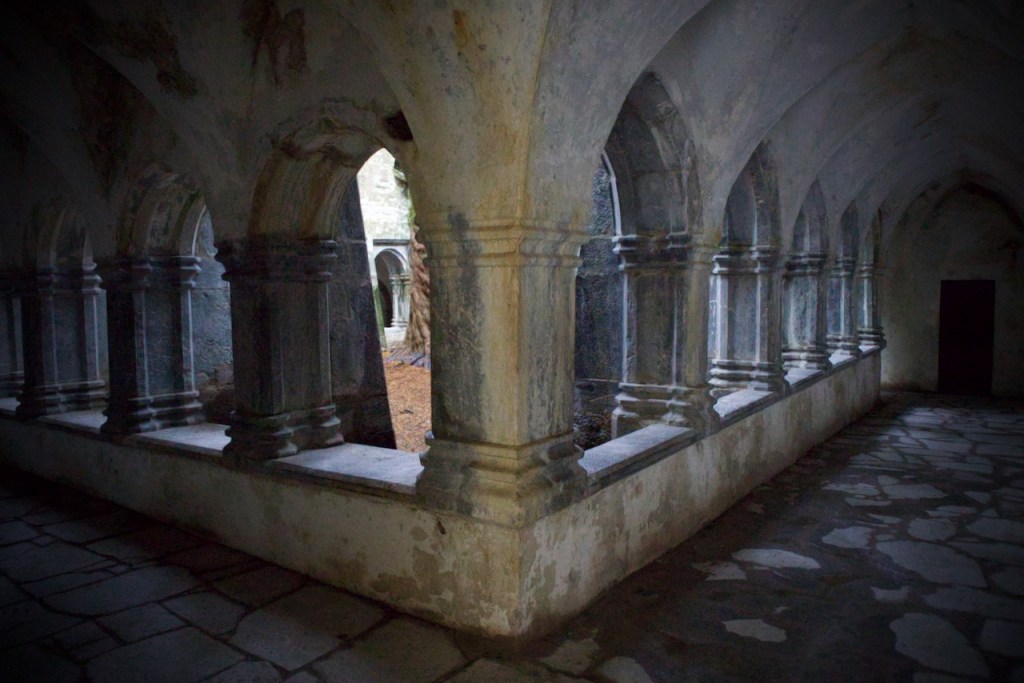
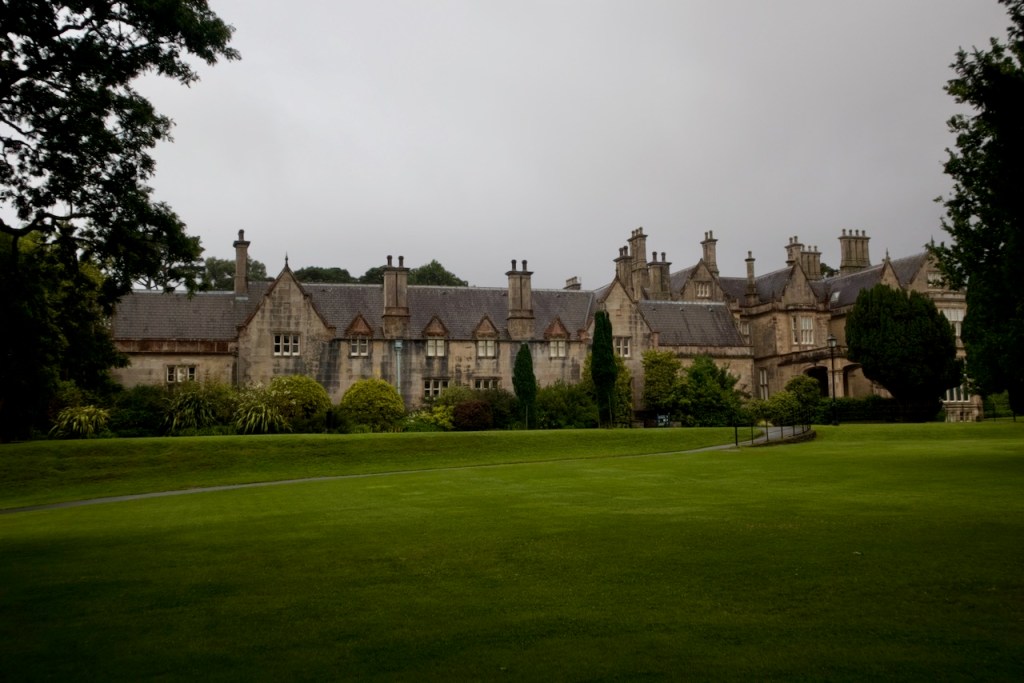
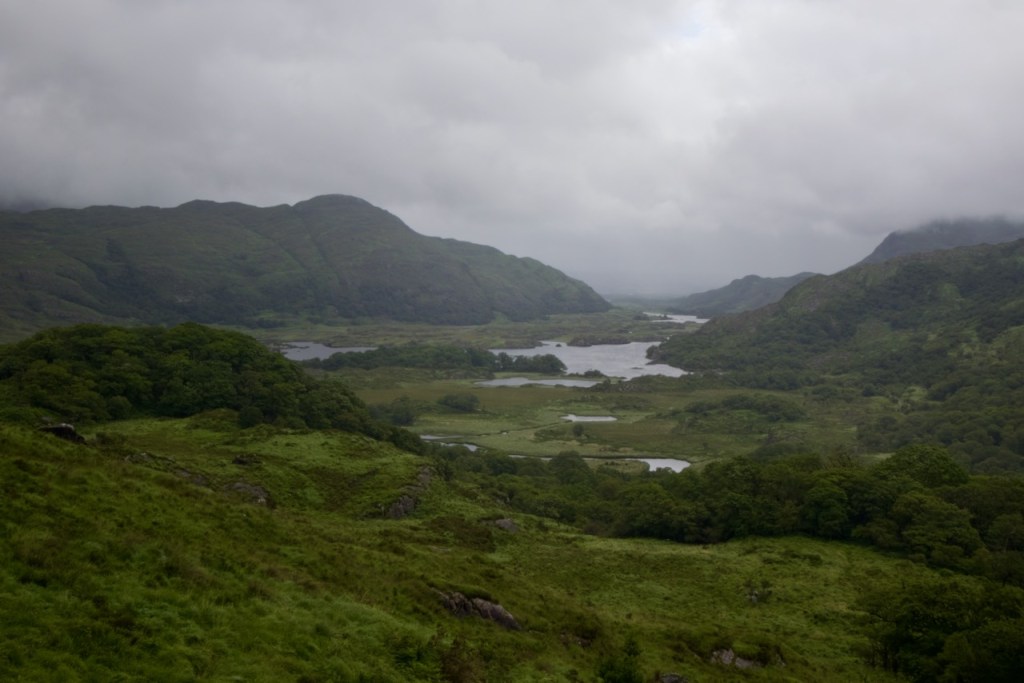
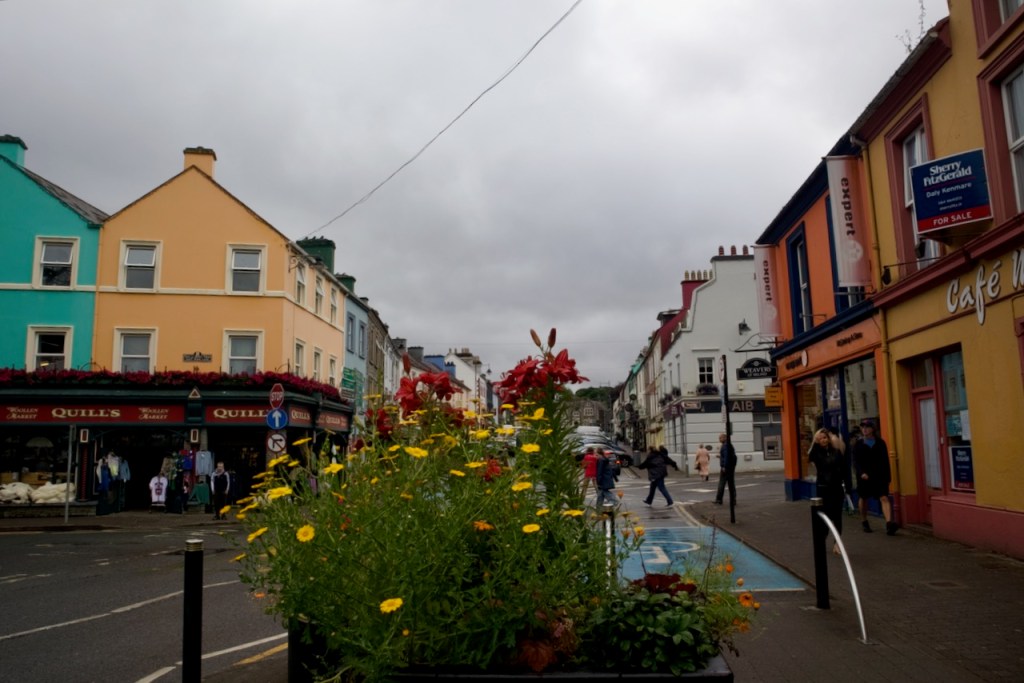
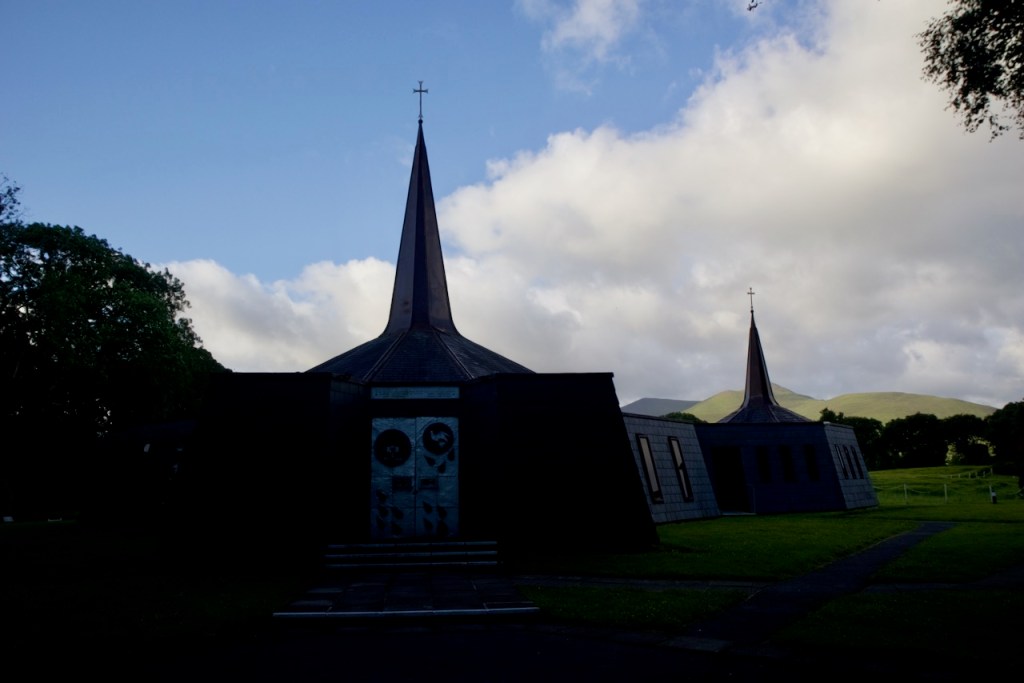
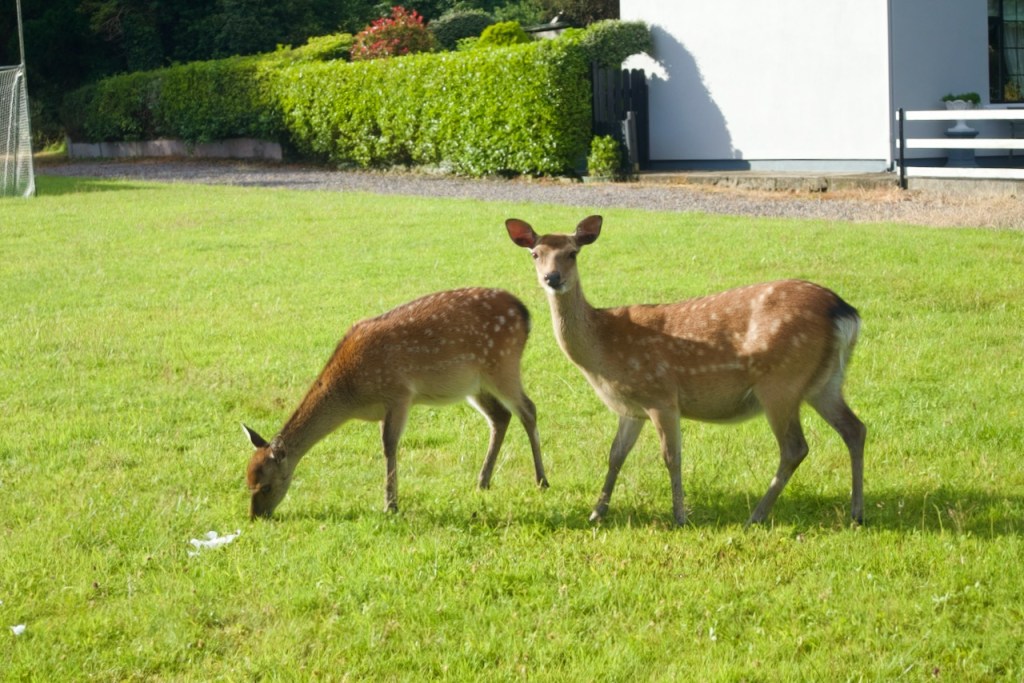
At daybreak, I leave Killarney towards the beautiful Muckross Abbey, a 15th century ruined Franciscan friary. The road is completely empty in this overcast morning. By 7:30am, I am in Muckross House and then Tor’s Waterfall. A full day is still ahead of me, so I decide to wing the Ring of Kerry, by hitching. A father-son Irish American duo, Kieran and Jack, give me a ride to Kenmare, stopping in Ladies’ View and Moll’s Gap for me to snap a few shots. Since the next onward bus will not arrive in another two hours, I stick my thumb up again by the road side and soon hop onto the car of Doris, a Swiss happily settled in the region. Make sure to go to Derrynane! she says before dropping me off in Sneem. It is drizzling now and I continue to walk westwards when Vincent, a Dubliner transplanted to Kerry, gives me a lift in the direction of Caherdaniel. We make pit stops in different beaches that look gorgeous even in the rain before he drops me off right in Derrynane. By the way, I have written a wildlife guide on Derrynane, he says on parting. Nothing prepares me for the sight of this spectacular stretch of the Kerry coast with windswept beaches nestled in a scenic bay set in the Iveragh Peninsula. If not for the rapidly deteriorating weather, I would have gladly stayed all day. I take a short cut to reach back the road where, lo and behold, Jacob, a vanlifer hailing from Devonshire in the UK takes me all the way to Killorglin where I catch a commuter bus back to Killarney. To celebrate the adventure, I step into a popular diner and enjoy a classic hearty Irish lamb shank stew, listening to the rain patting on the cobblestone street…




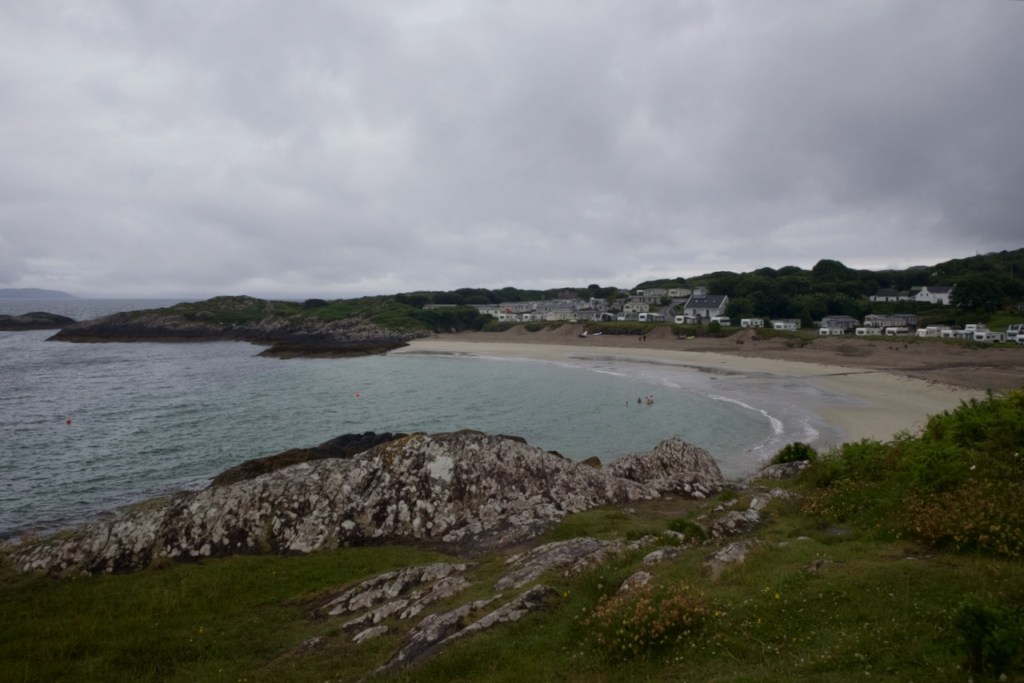
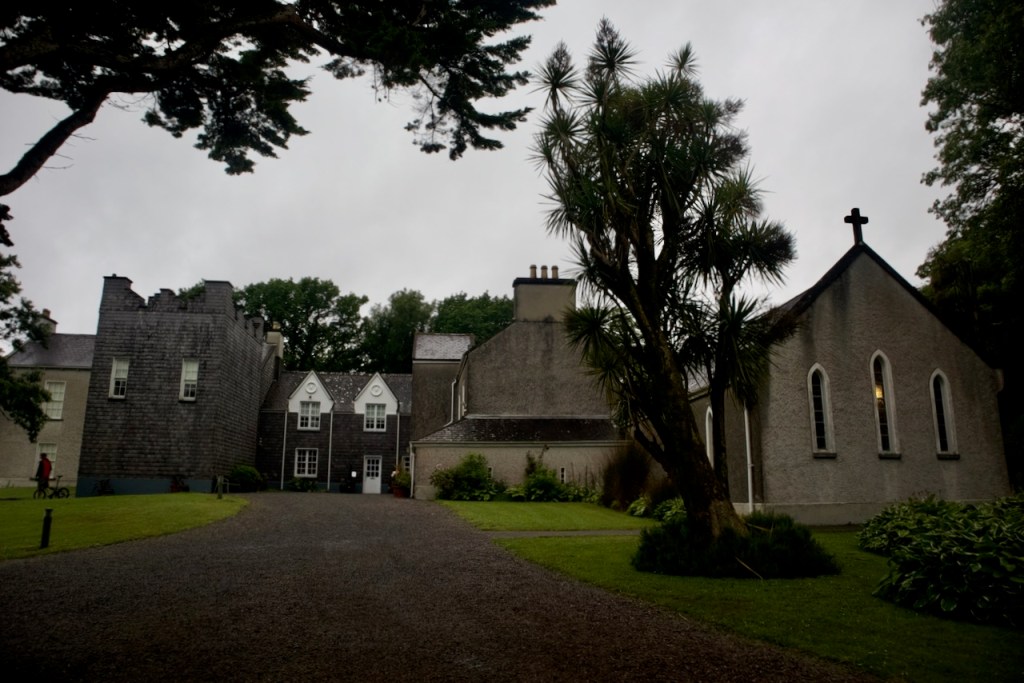
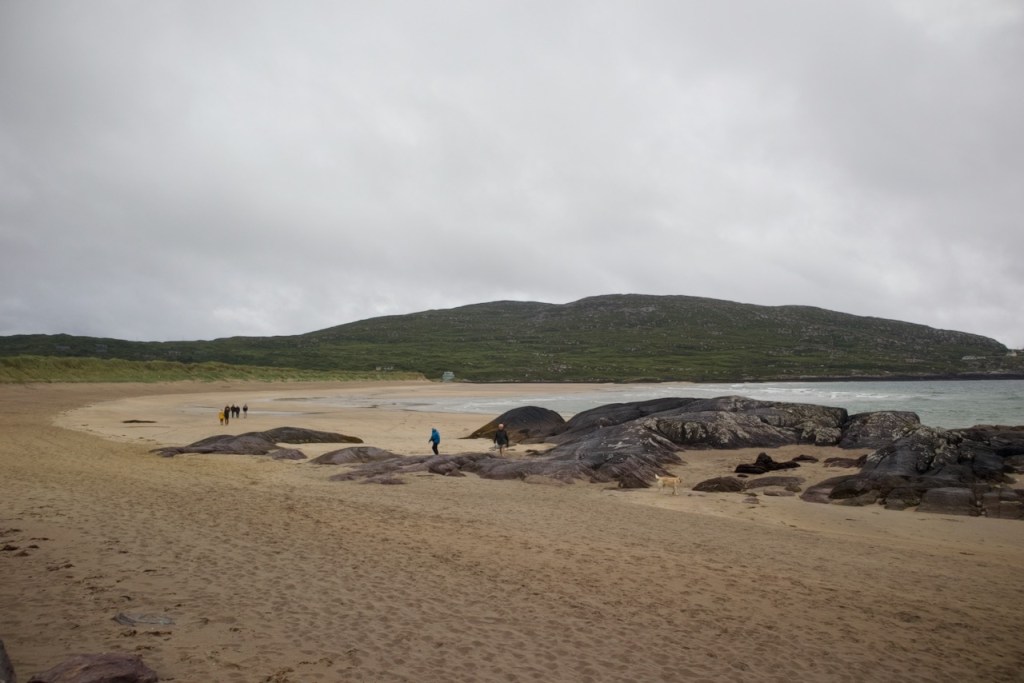

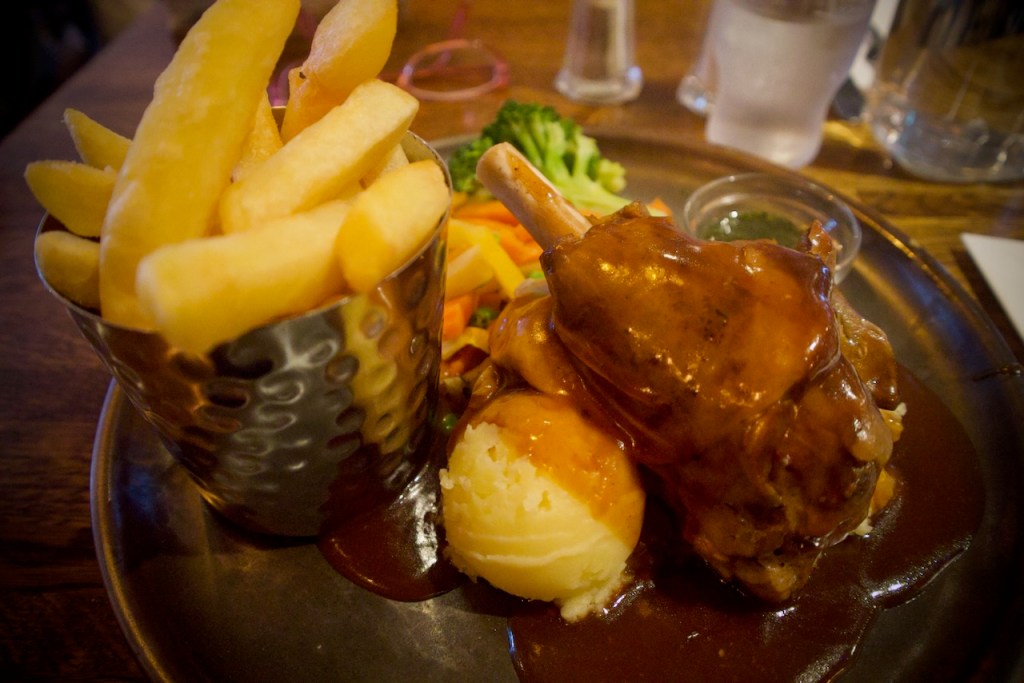
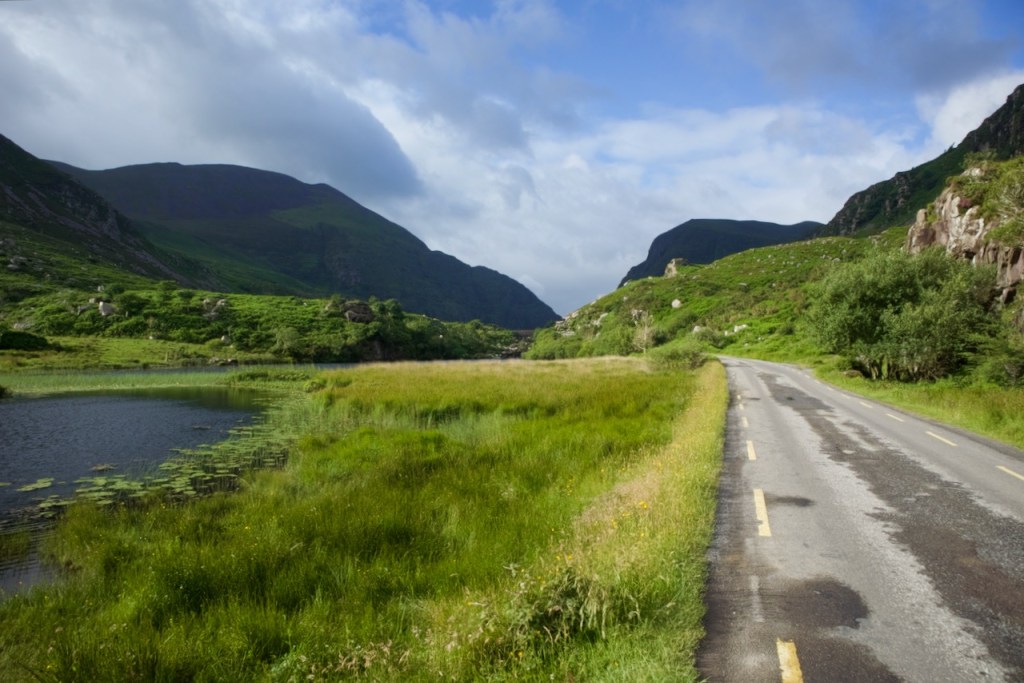
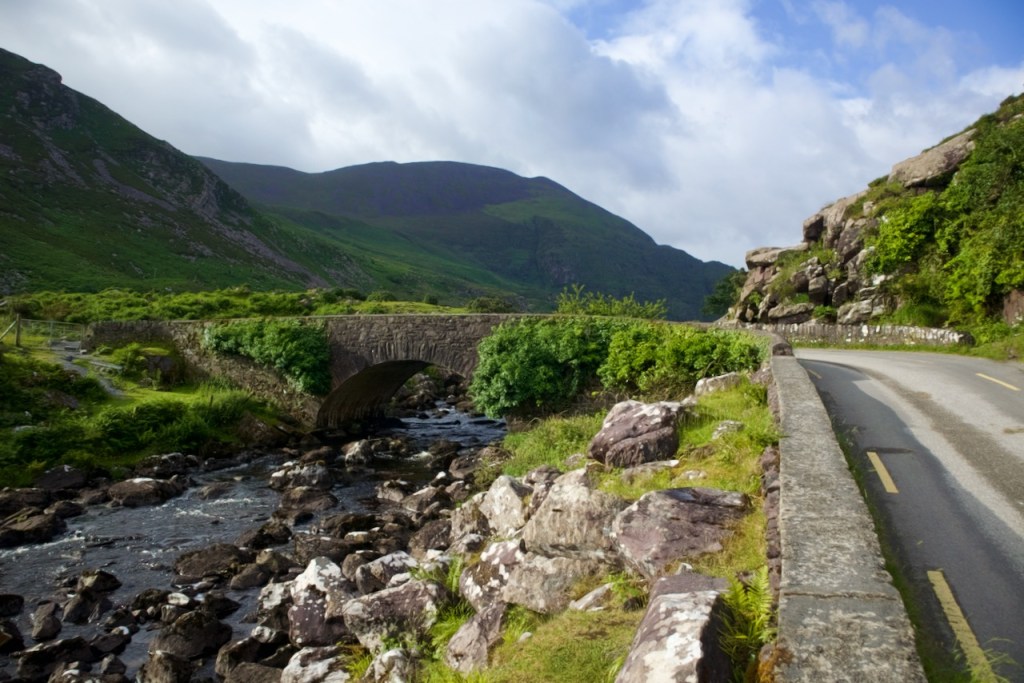
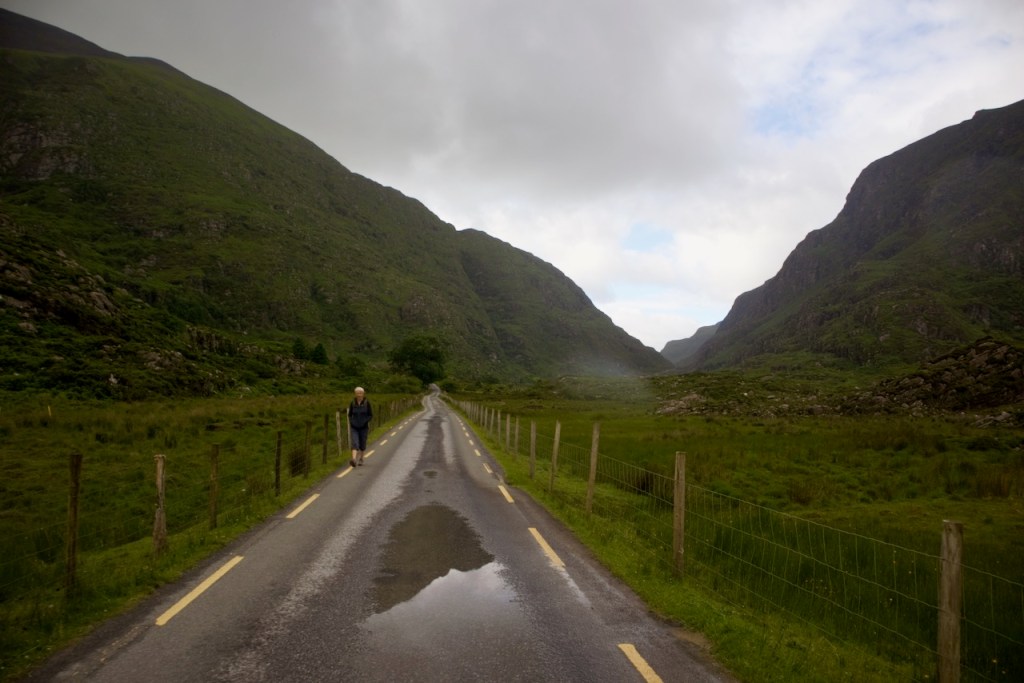
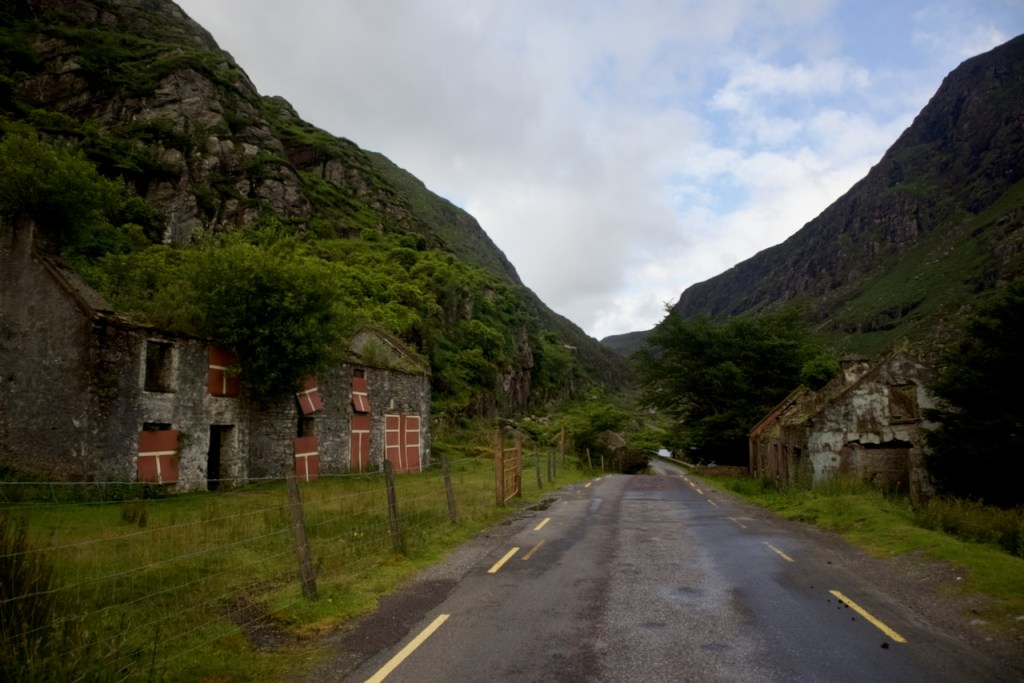
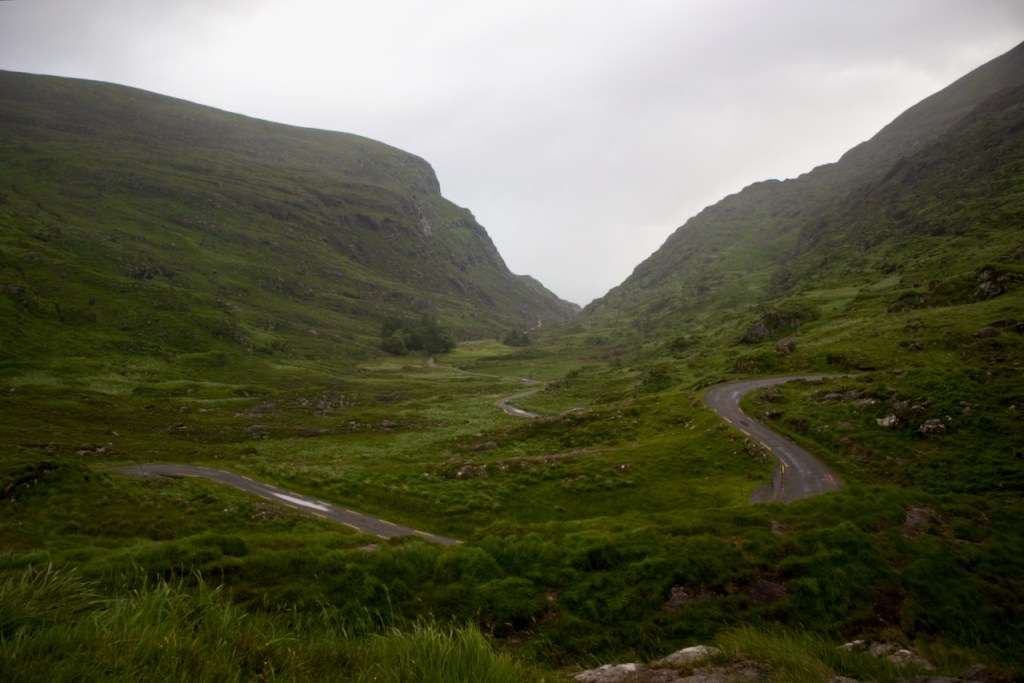
Having a full morning before the afternoon bus departs for Cork, I decide to walk the Gap of Dunloe. From Killarney, I make it to the Beaufort Bridge where John, a weekend fisherman, gives me a ride to Kate Kearney’s Cottage. At eight in the morning, I come across only one other hiker making a u-turn. The full trail to Lord Brandons lodge is about 12km, but, as the sunny morning gives way to heavy wind and pounding rain, I decide to return at the Head of Dunloe, getting a providential lift from Johnny who works at the horse stable before making my long trek back to Killarney.



Cork and Kinsale
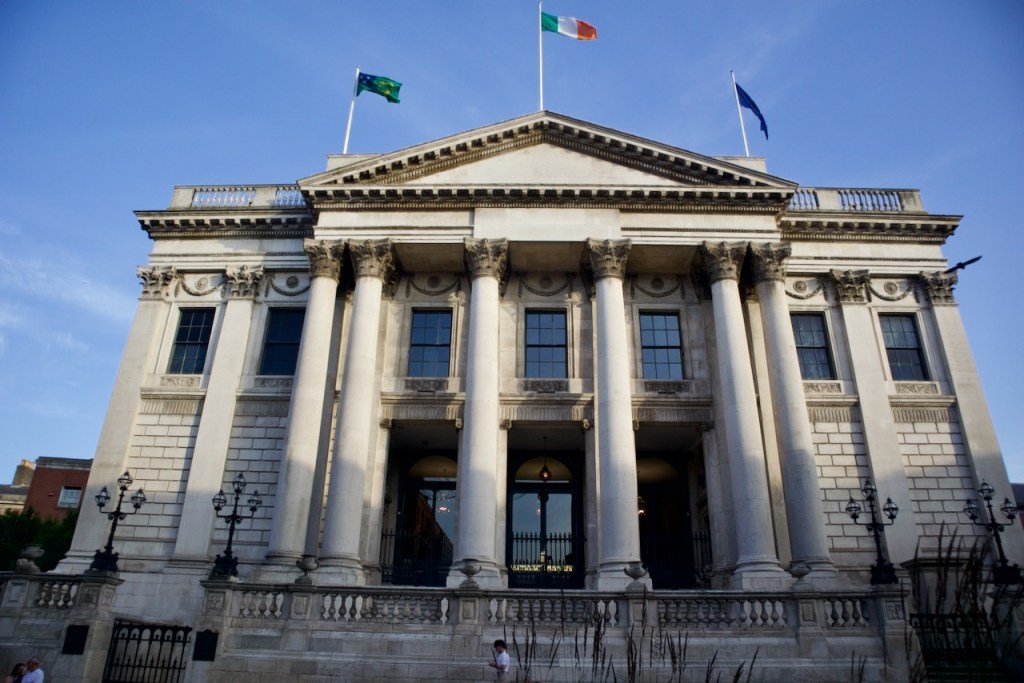
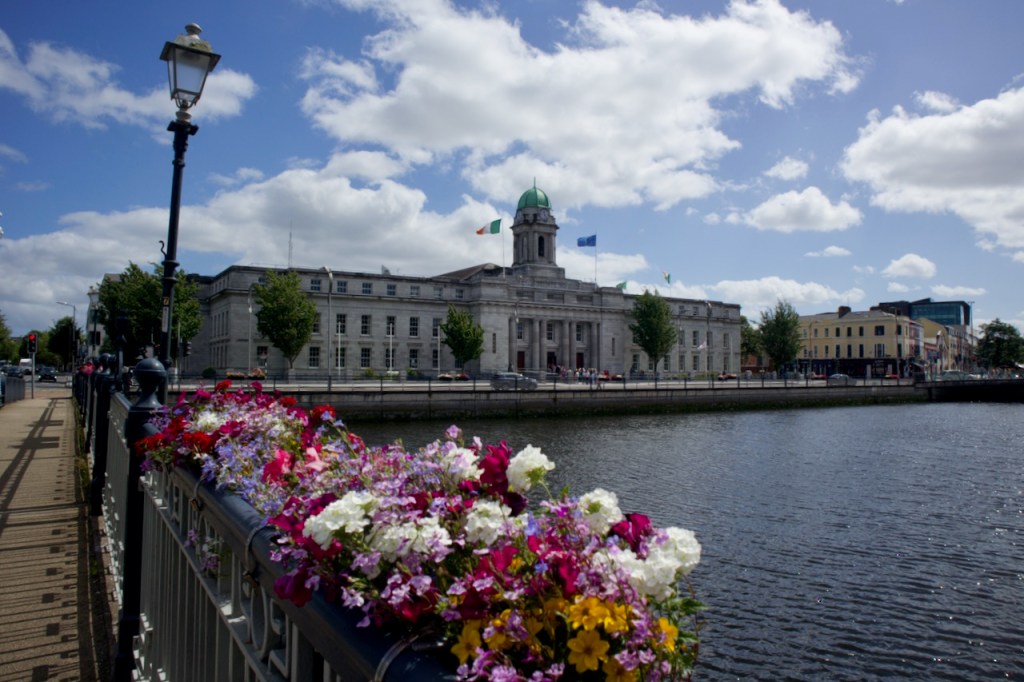
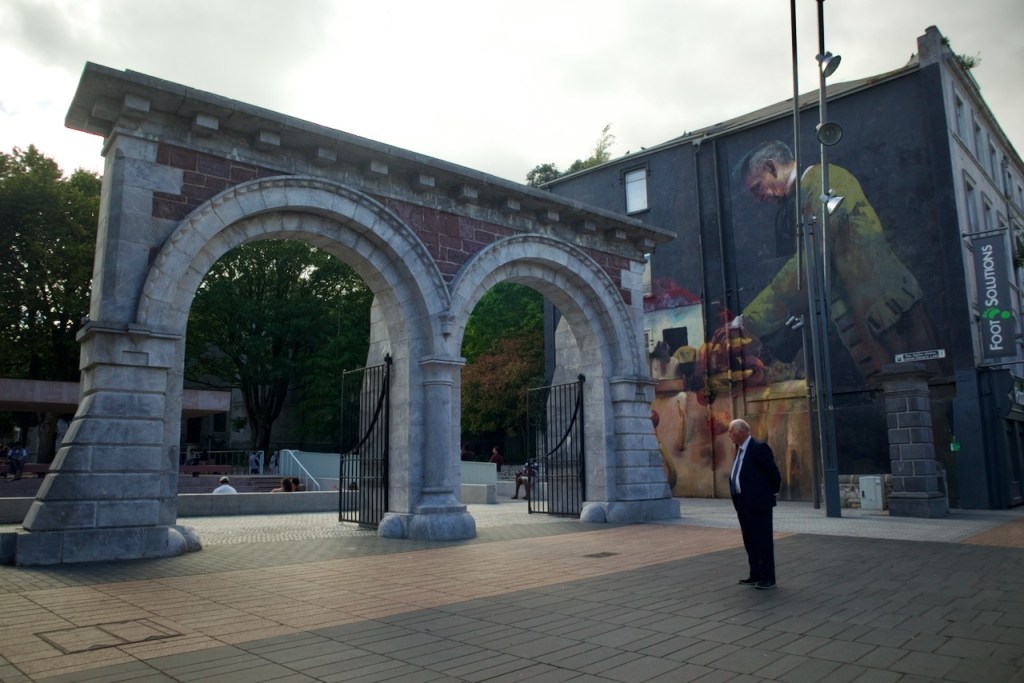
After some wild adventures, it is time to enjoy the second largest city in Ireland famous for good food and a lively art scene. From Cork City Hall, I walk towards the Marina Market and then follow the river to Elizabeth Fort and Saint Fin Barre’s Cathedral. There are plenty of museums and art galleries, but I also want to check out the wild beaches and jagged peninsulas further afield.
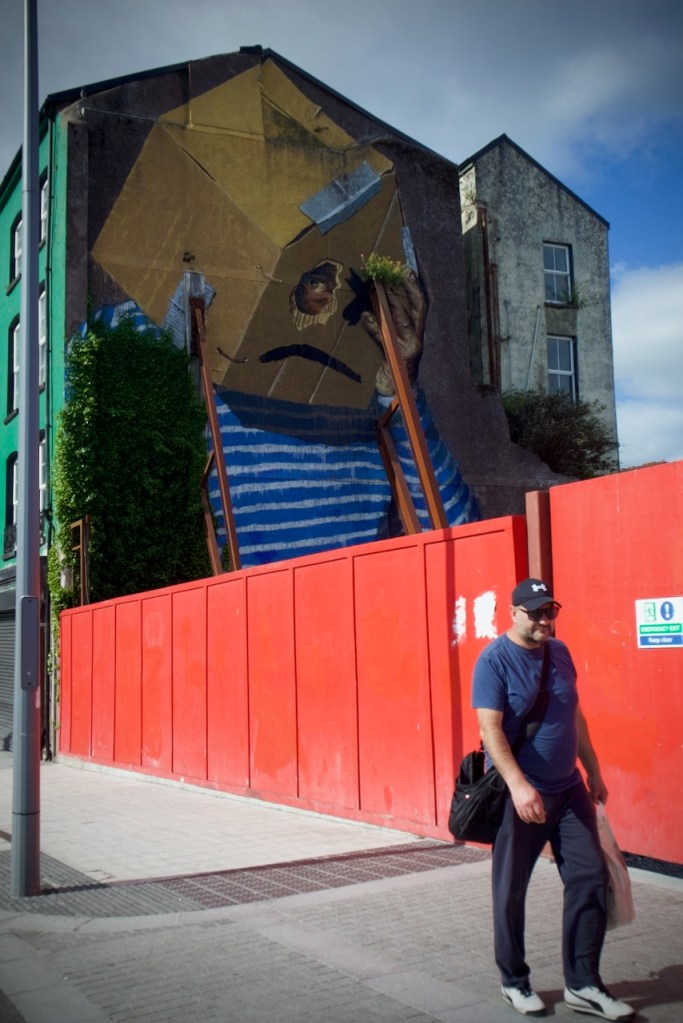
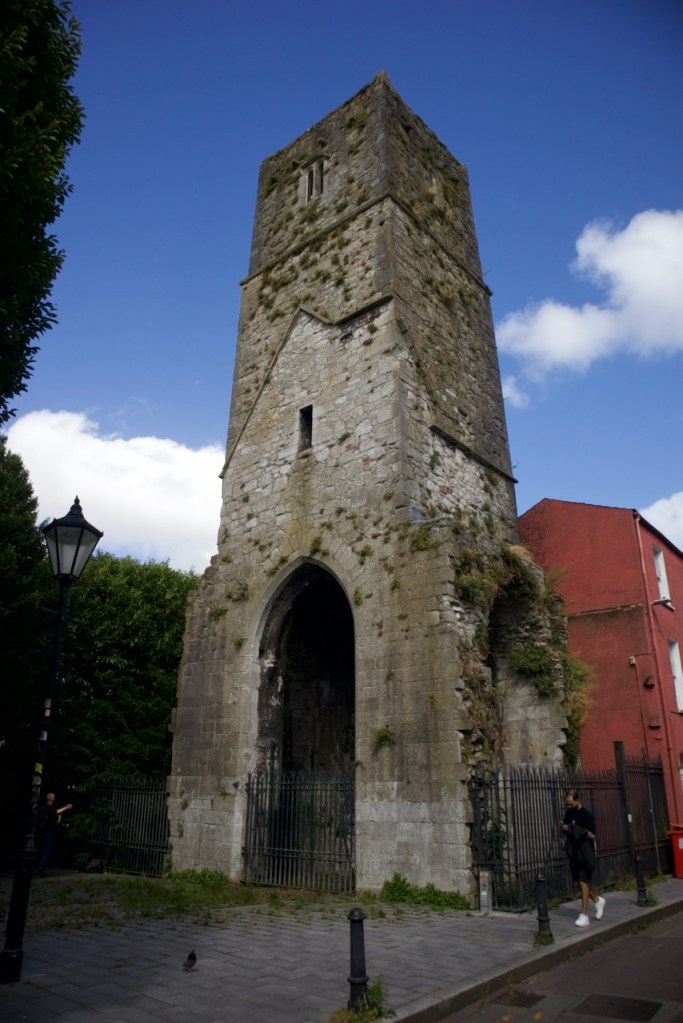
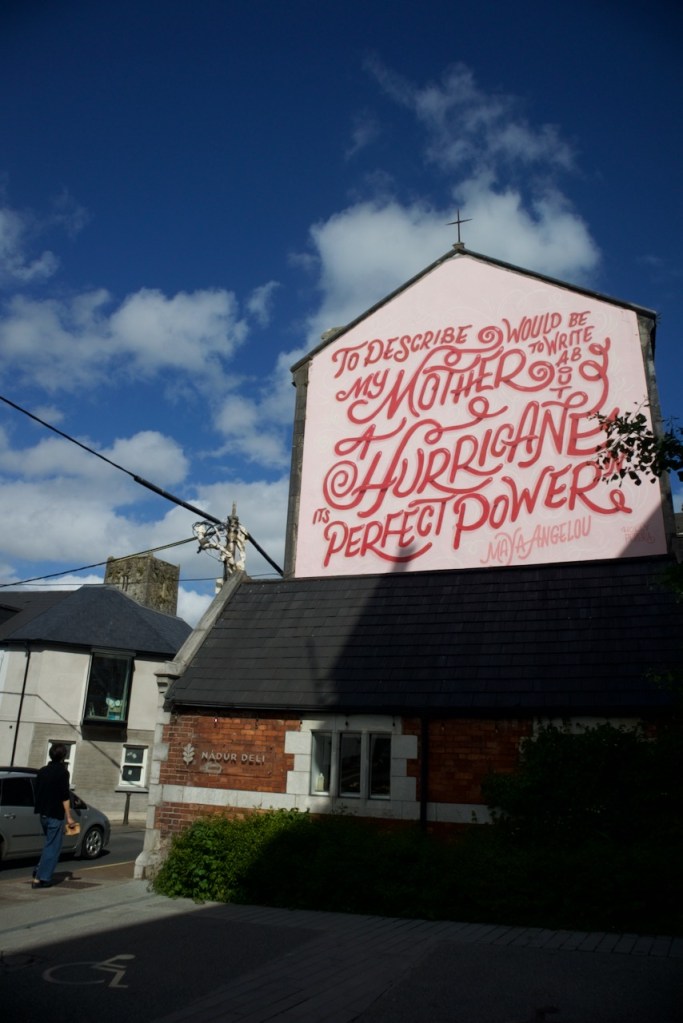
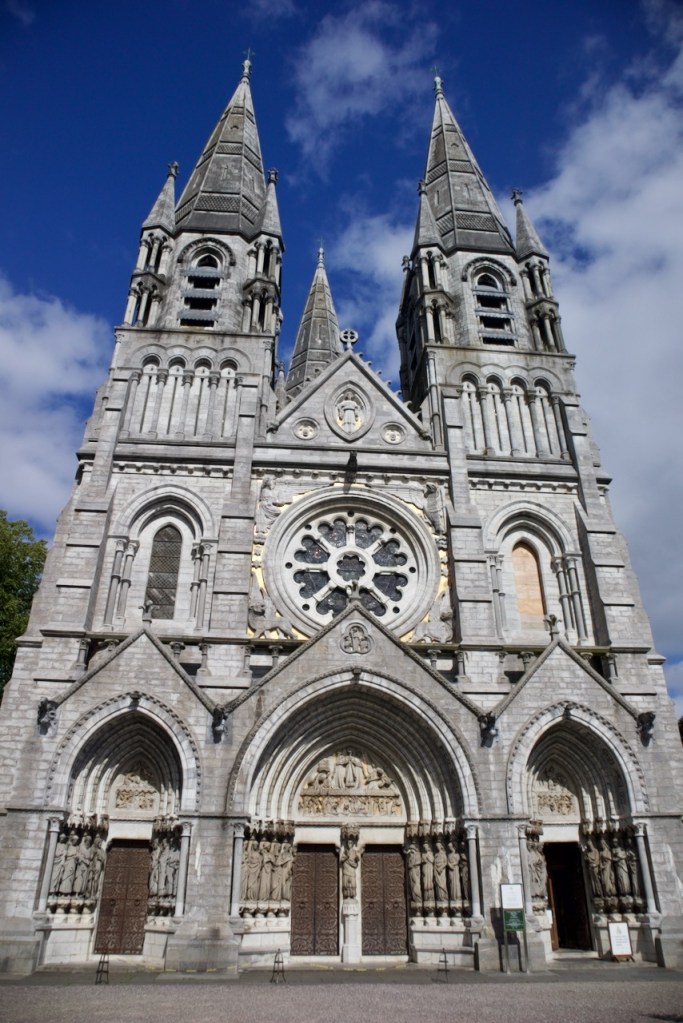

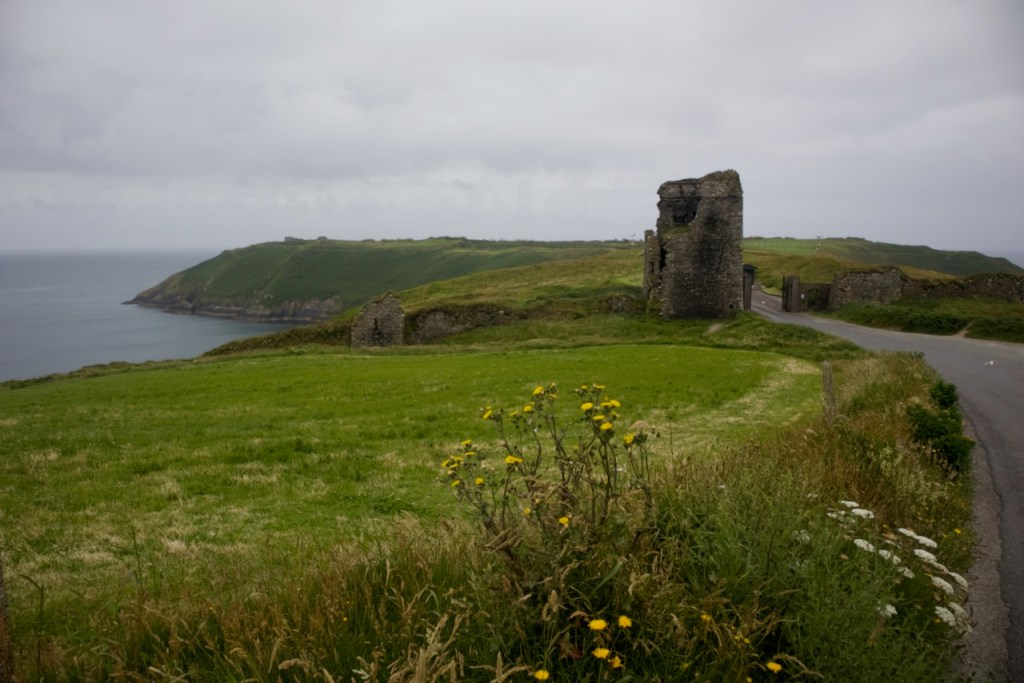
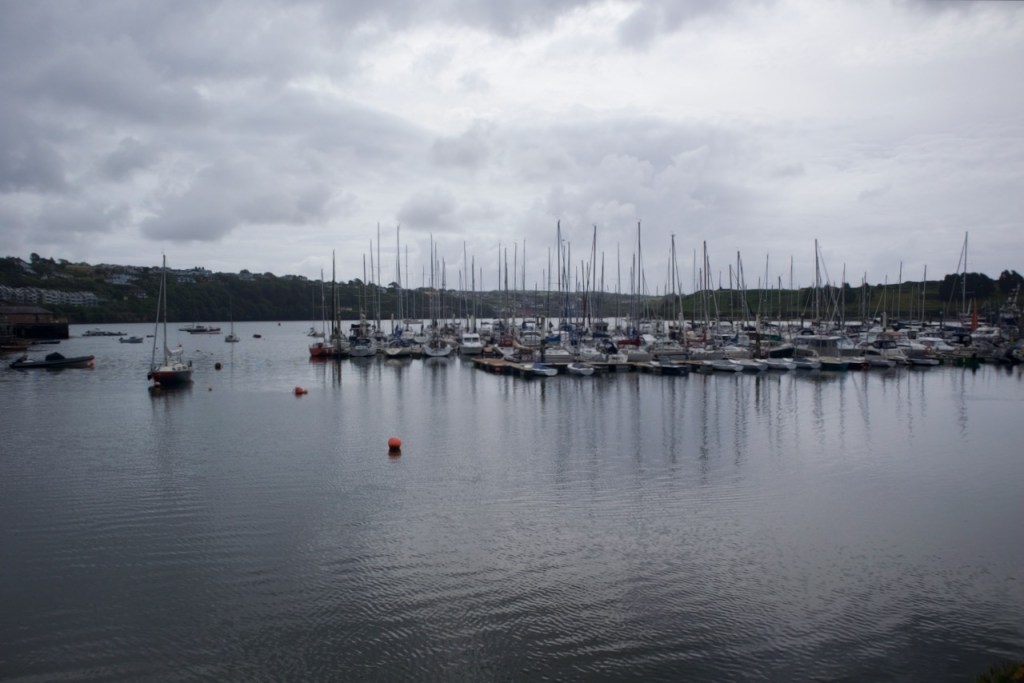
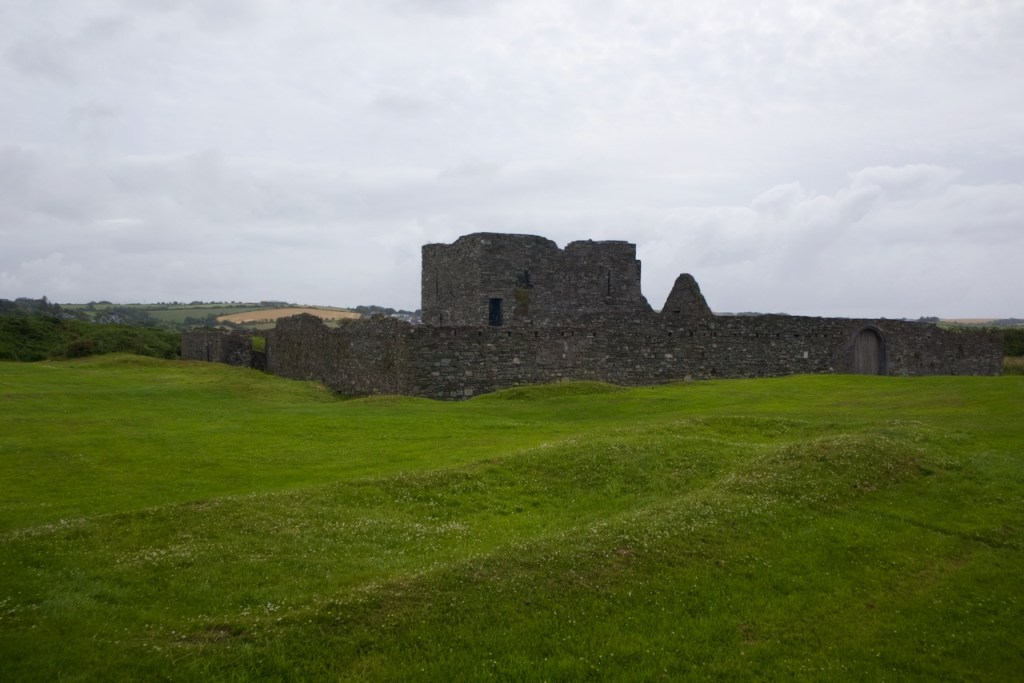
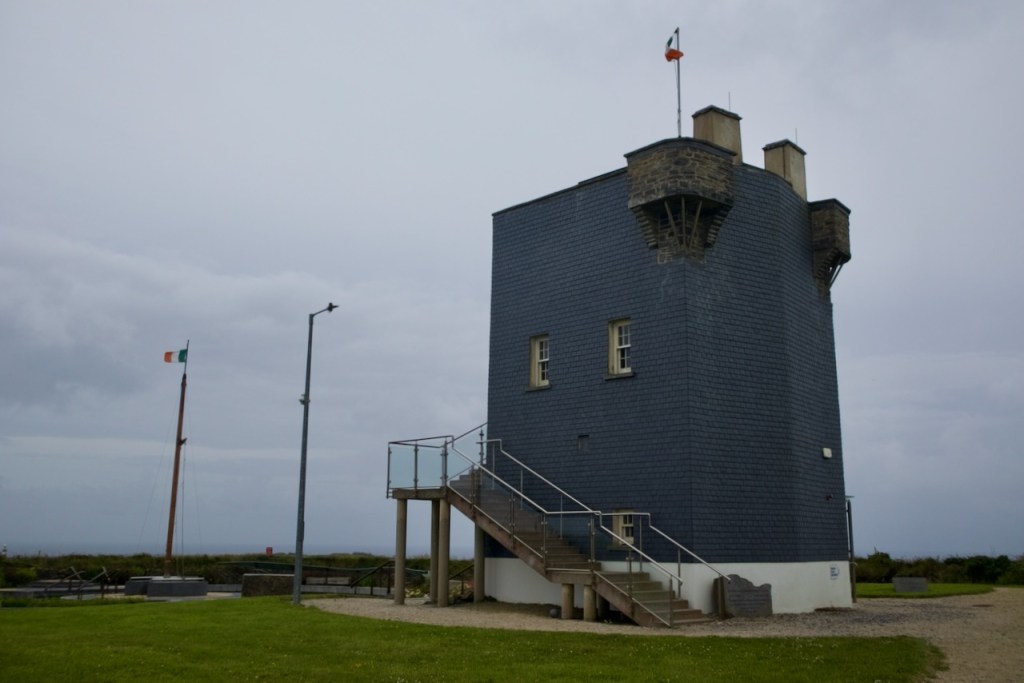
An hour-long bus ride takes me to Kinsale on the southern coast of Ireland where two 17th-century fortresses overlook the historic harbour. From the visitor centre, it is an easy walk to the spectacular Charles Fort along tranquil Scilly Walk, and then to the smaller James Fort with sweeping views of the entire bay. The town itself is filled with rich history and colourful streetscapes. Then, I hop on another bus to reach the Old Head of Kinsale, the most southernly point of the Wild Atlantic Way steeped in history. A restored 220-year-old Napoleonic Signal Tower, one of 81 in a national network, is a testament to Irish defence history against French invasions throughout the 19th century. Nearby, a memorial commemorates the 1,195 lives lost when the Lusitania, a British-registered ocean liner, was torpedoed by an Imperial German Navy U-boat during the WWI on 7 May 1915. The jutting peninsular looks enticing, but is reserved for golfers. I have walked over 120km within the past week anyway and am happy to give my sore feet a welcome break.




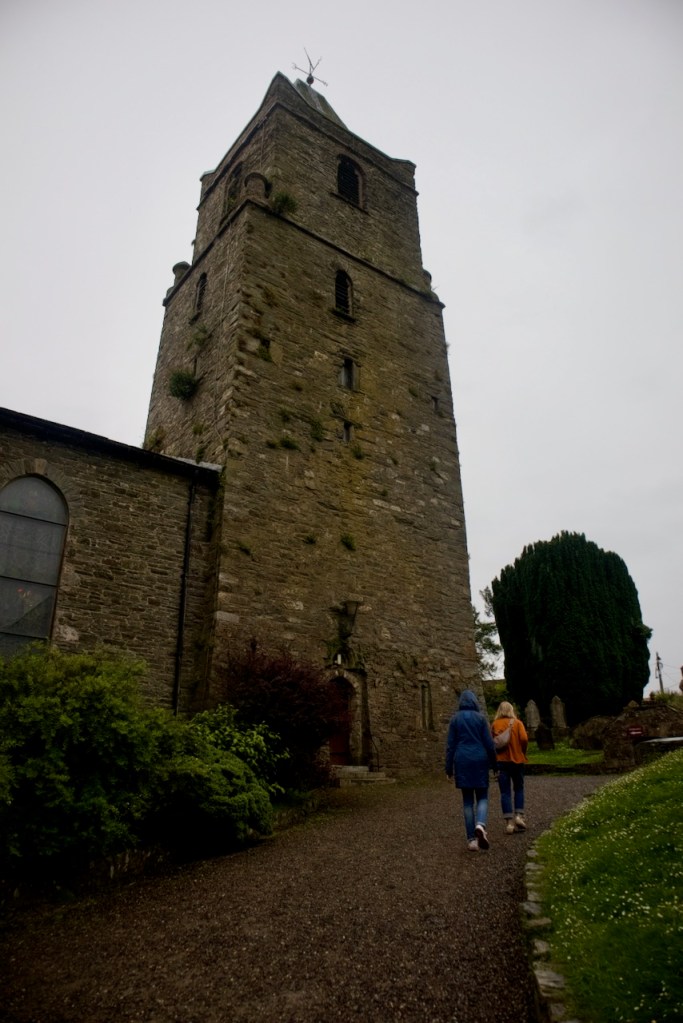
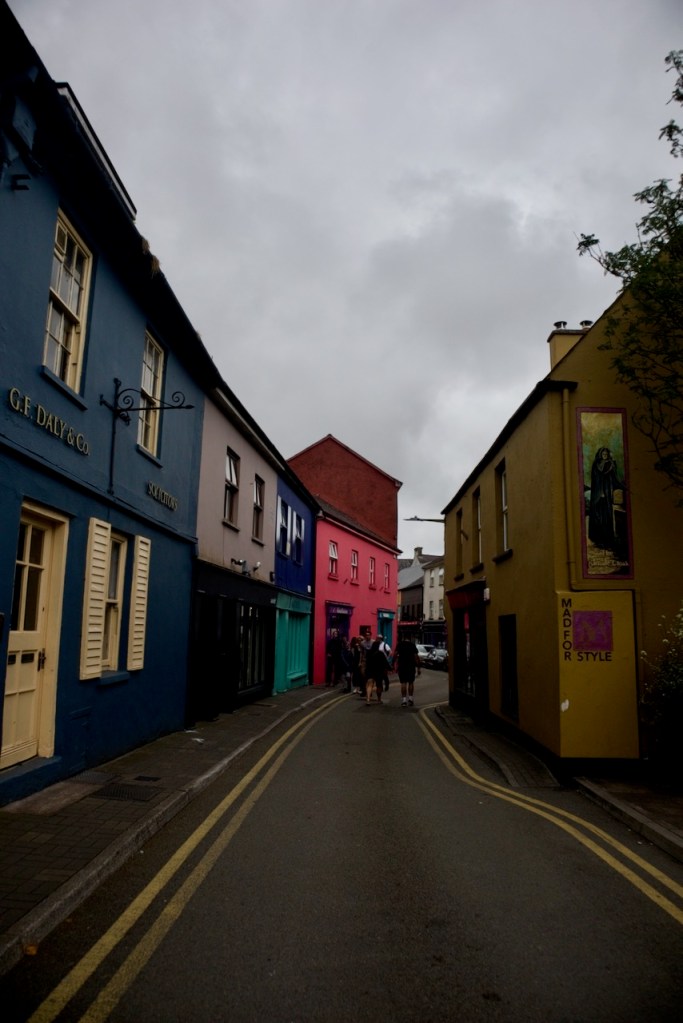


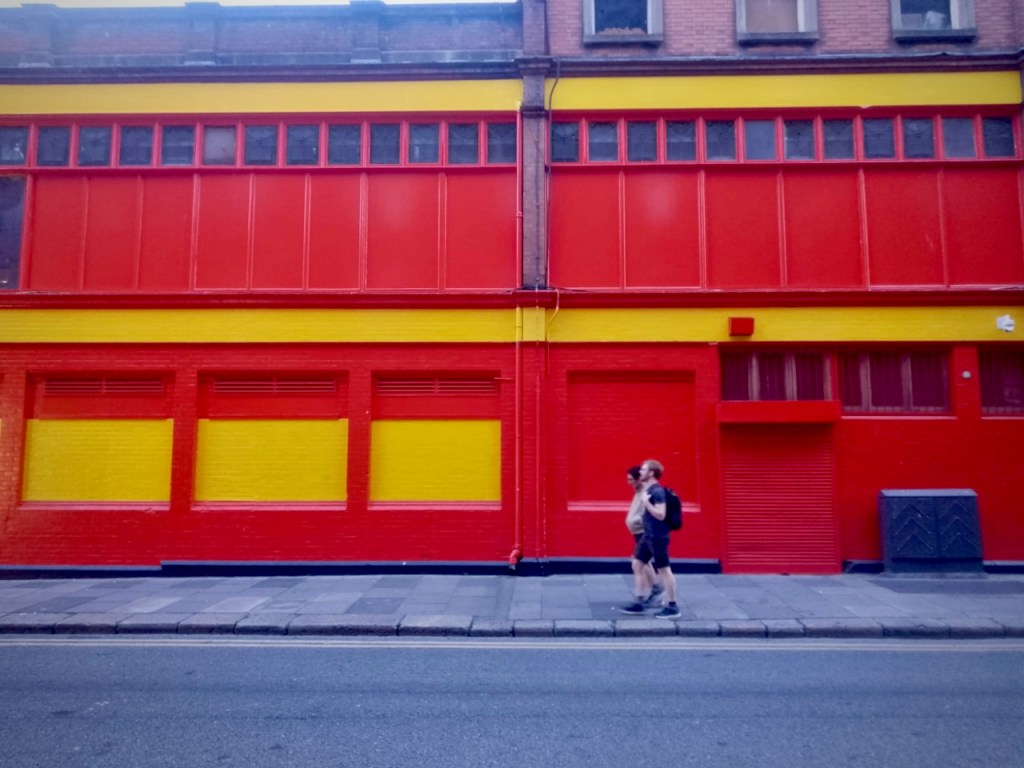
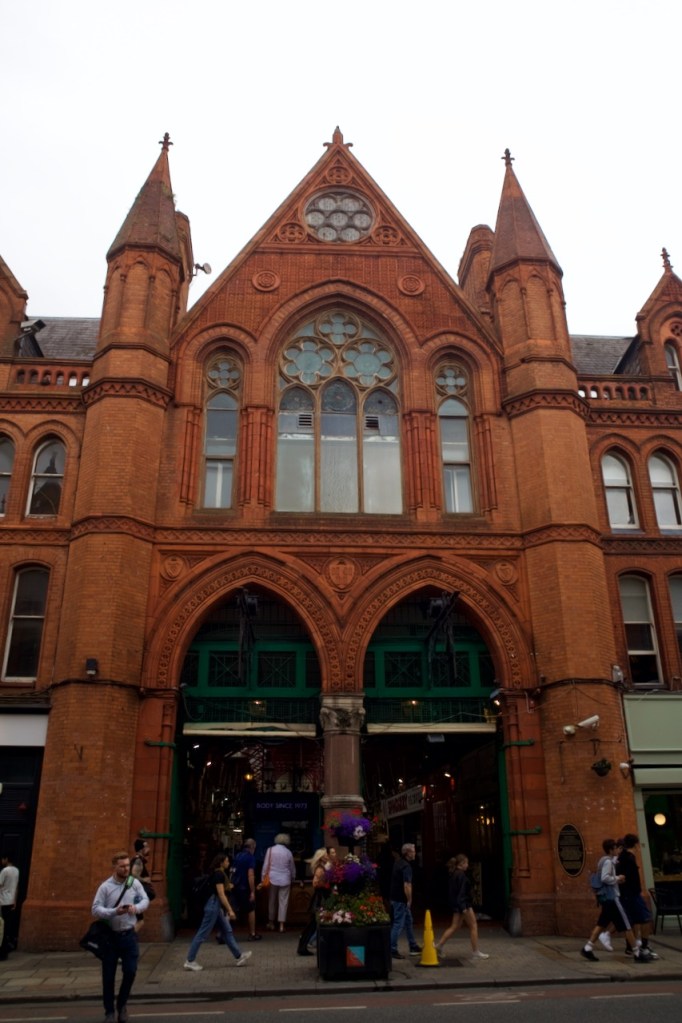
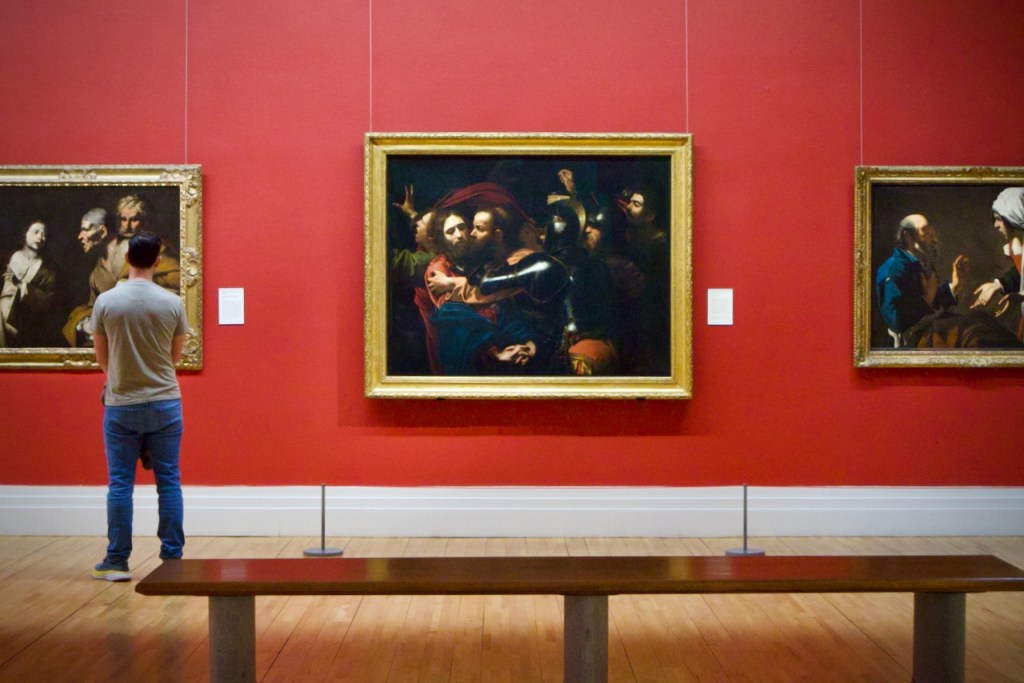
Dublin is young and fun, lively and musical, literary and multicultural, an absolute gem of an inexhaustible city, some sort of Berlin of the North and so much more. I spend my last two days roaming around her abundant museums and art galleries, busy streets and market arcades, architectural and photography archives, and bookstores and libraries. What a treasure trove! The question of Irish identity keeps returning. With a rich emigration past and a recent immigration boom, the cultural landscapes are in constant flux. Irish is dissent, Irish is flawed, Irish is power…
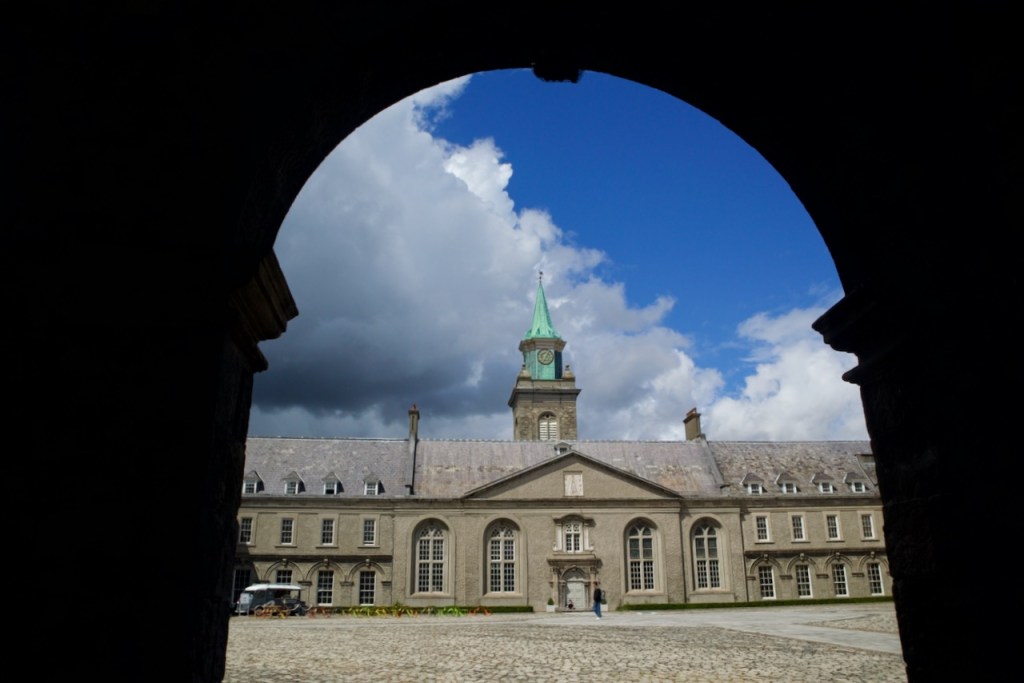
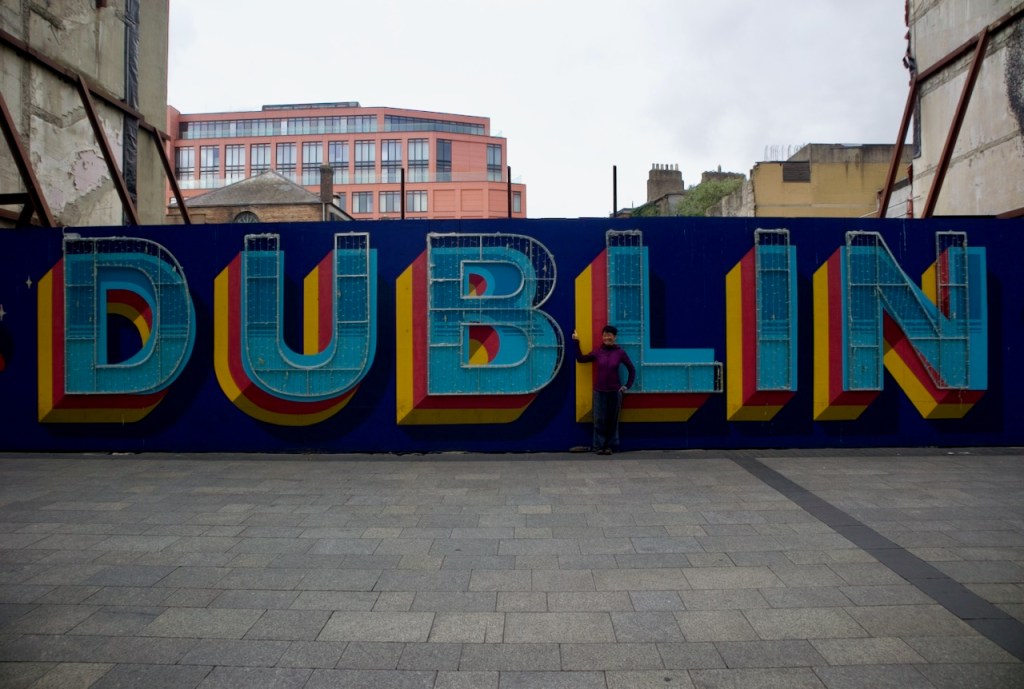


This is part of my 193+ project with the goal to visit all countries in the world, beginning with Europe and Central Asia, bringing the current country count to 128!
Liechtenstein: Small is Beautiful
Uzbekistan: Crown Jewel of Central Asia
Turkmenistan & the Modern Silk Road
Ever tried. Ever failed.
No matter. Try again.
Fail again. Fail better.
– Samuel Beckett
All Content © 2026 by Jennifer Chan

